
.webp)
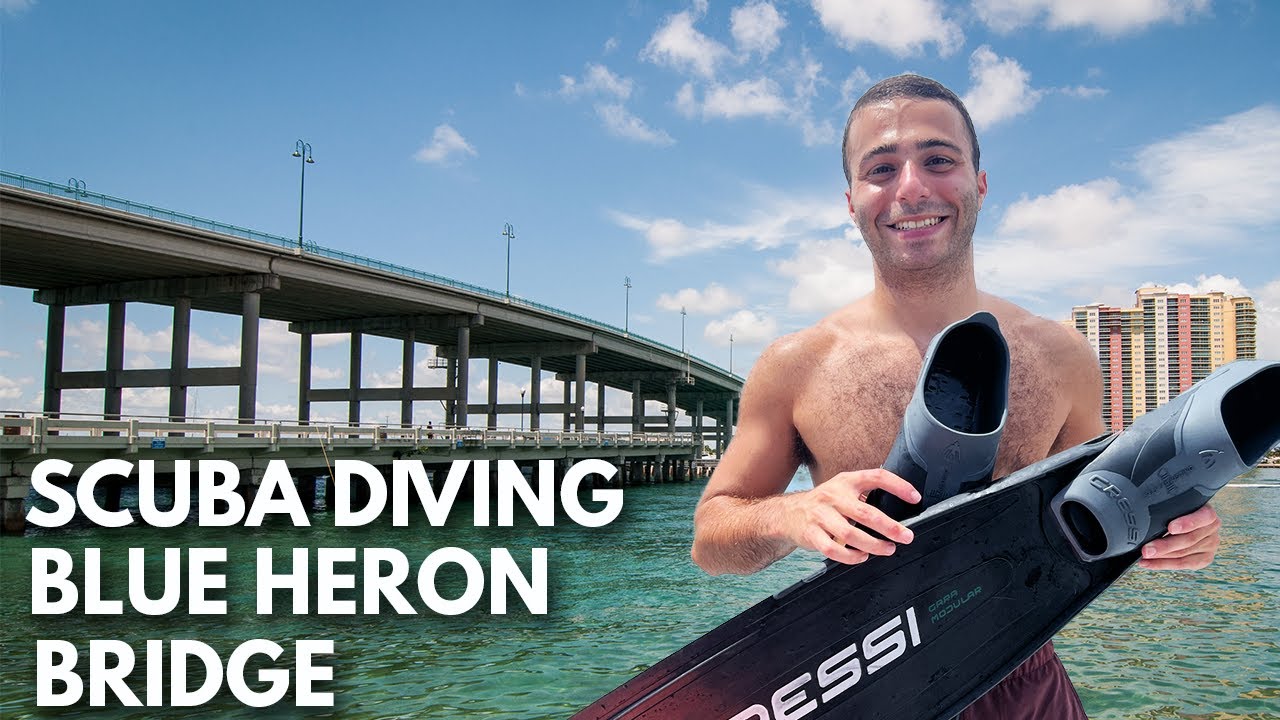
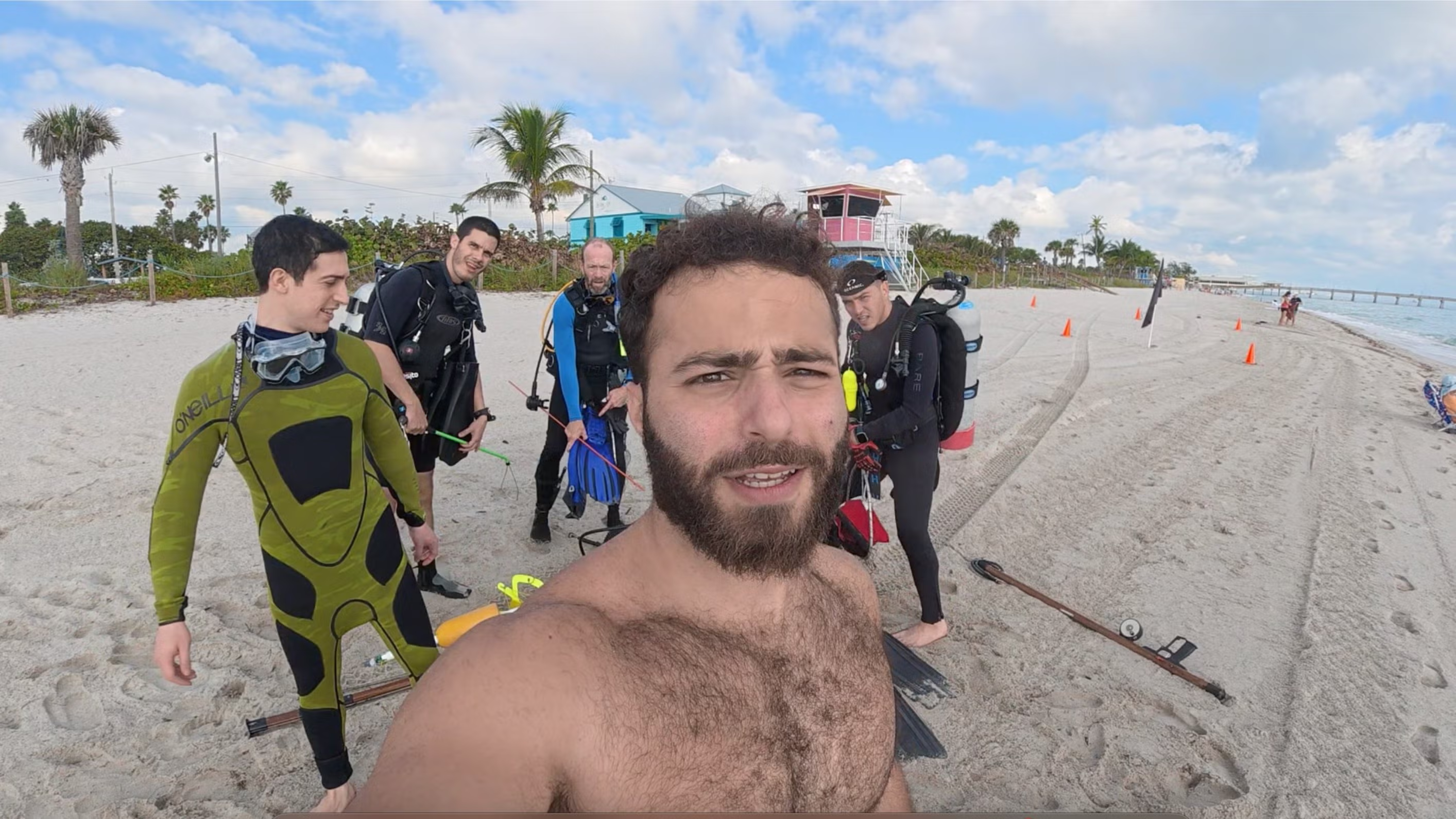
Blue Heron Bridge is one of my favorite South Florida dive sites, and has a claim at being the most unique shore dive in the world.
On the surface, it doesn't seem like anything special.
You're diving under a road bridge in an intracoastal waterway in suburban Palm Beach County.
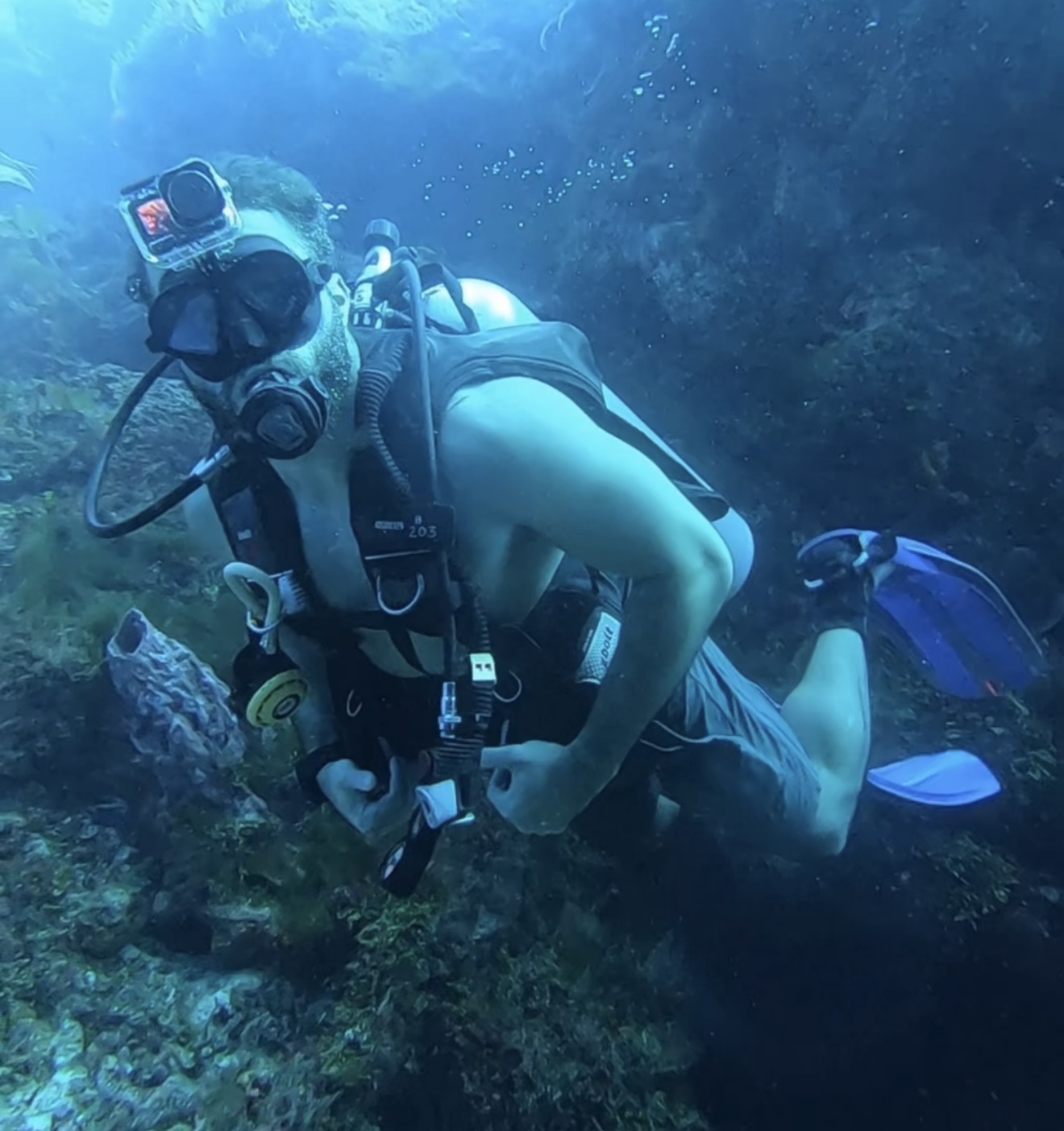
Underwater, the biodiversity is incredible, with the ability to see over 100 species on a single dive.
Blue Heron Bridge sits at the Lake Worth Inlet, where the Atlantic flushes clean water in and out with every tide cycle. That constant exchange creates a nutrient-rich environment that supports a wide variety of marine life.
It's also an extremely accessible dive site, making it great for divers of all levels, including snorkelers. Phil Foster Park has free parking, showers, and restrooms.
There's also a strong local community built around this site.
The Blue Heron Bridge Dive Club is a very active Facebook group you can join where divers post daily condition updates, critter sightings, buddy pairing requests, and photos.
Local dive shops Pura Vida Divers and Force-E Scuba both run regular night dives at the bridge and provide gear rental right by the site.
Getting There & Parking
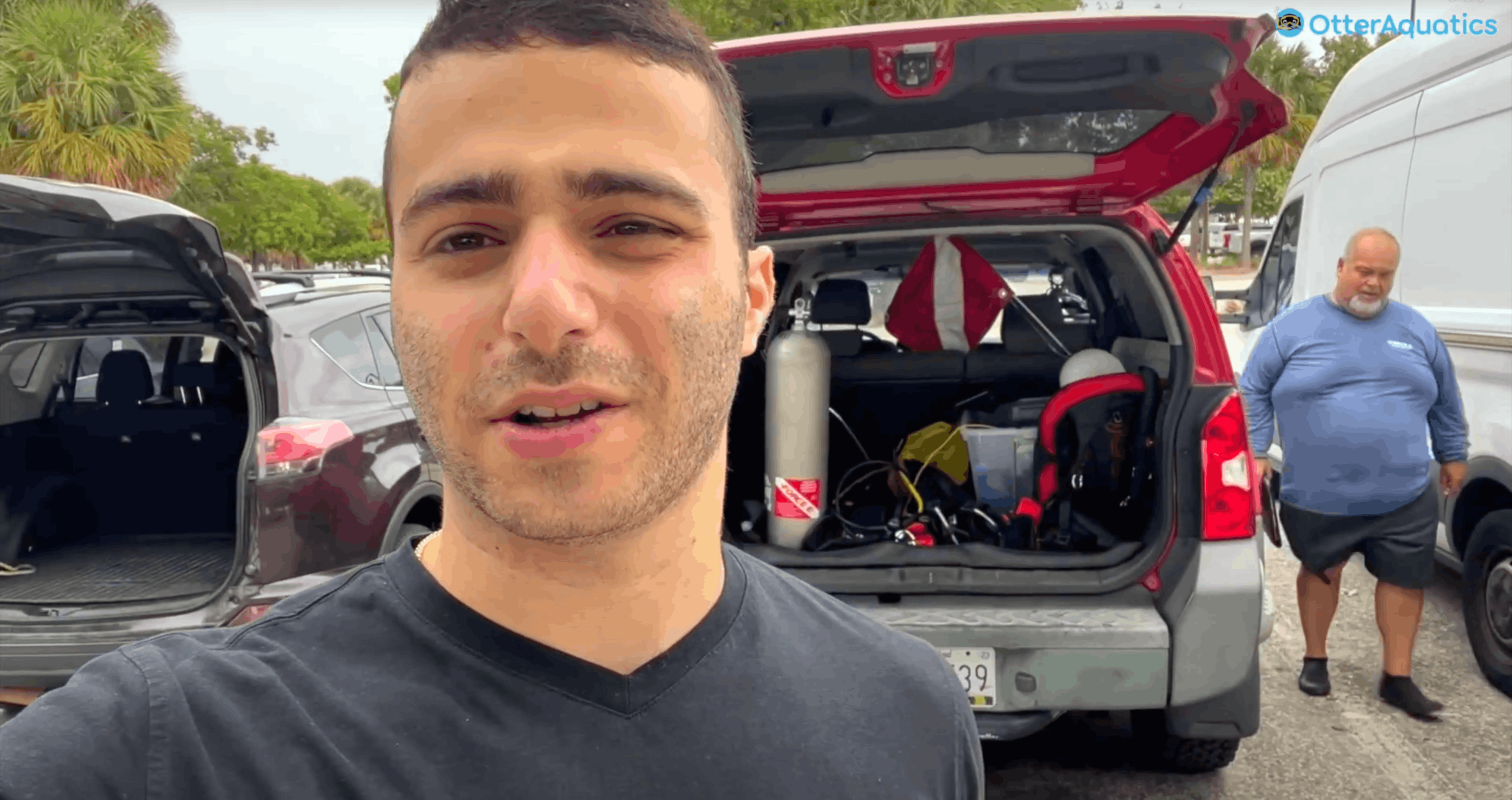
Blue Heron Bridge is located at Phil Foster Park in Riviera Beach, just off Blue Heron Boulevard. You can put 900 Blue Heron Blvd in your GPS.
The park has a decent-sized parking lot, but on weekends and during peak diving conditions, this place fills up fast. Plan to arrive at least 1-2 hours before slack tide to secure parking and get geared up without rushing.
The park does close at sunset, so keep that in mind for afternoon/evening dives. There's restrooms, outdoor showers, and picnic areas.
The Dive Site Layout
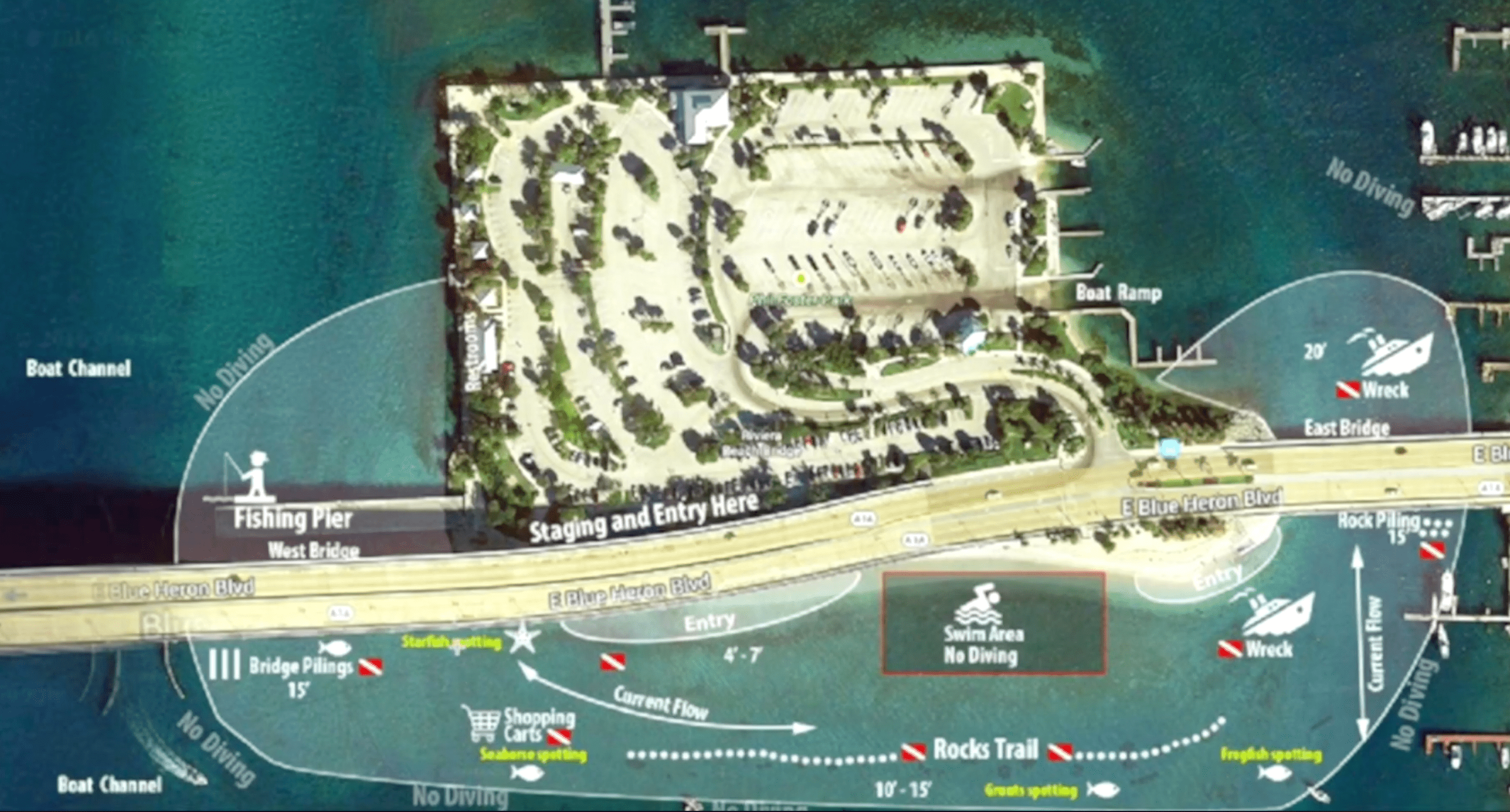
The site is pretty straightforward.
I like to enter from the beach on the west side of the bridge, and work mu way out to the bridge pilings and explore the bottom, seagrass beds, and sandy areas in between.
The east side bridge is my favorite part, but is generally darker with more current. Bring a dive light or torch!
Every little nook and cranny can hold something interesting, so slow down and really look. Given the shallow depths, you have lots of time here, there's no need to rush.
Timing Is Everything
Blue Heron Bridge must be dived at slack tide. The current during other periods can be strong enough to make diving impossible. You want to enter the water about 30 minutes before high tide.
I like to use the iDive Florida Blue Heron Bridge Tide Table to plan my dives here.
Find your date, look at the High Tide time, and subtract 30 minutes.
That's your earliest entry time.
The table also color-codes the best days to dive. Ideally, pick a day and time that's highlighted in green for a great dive.
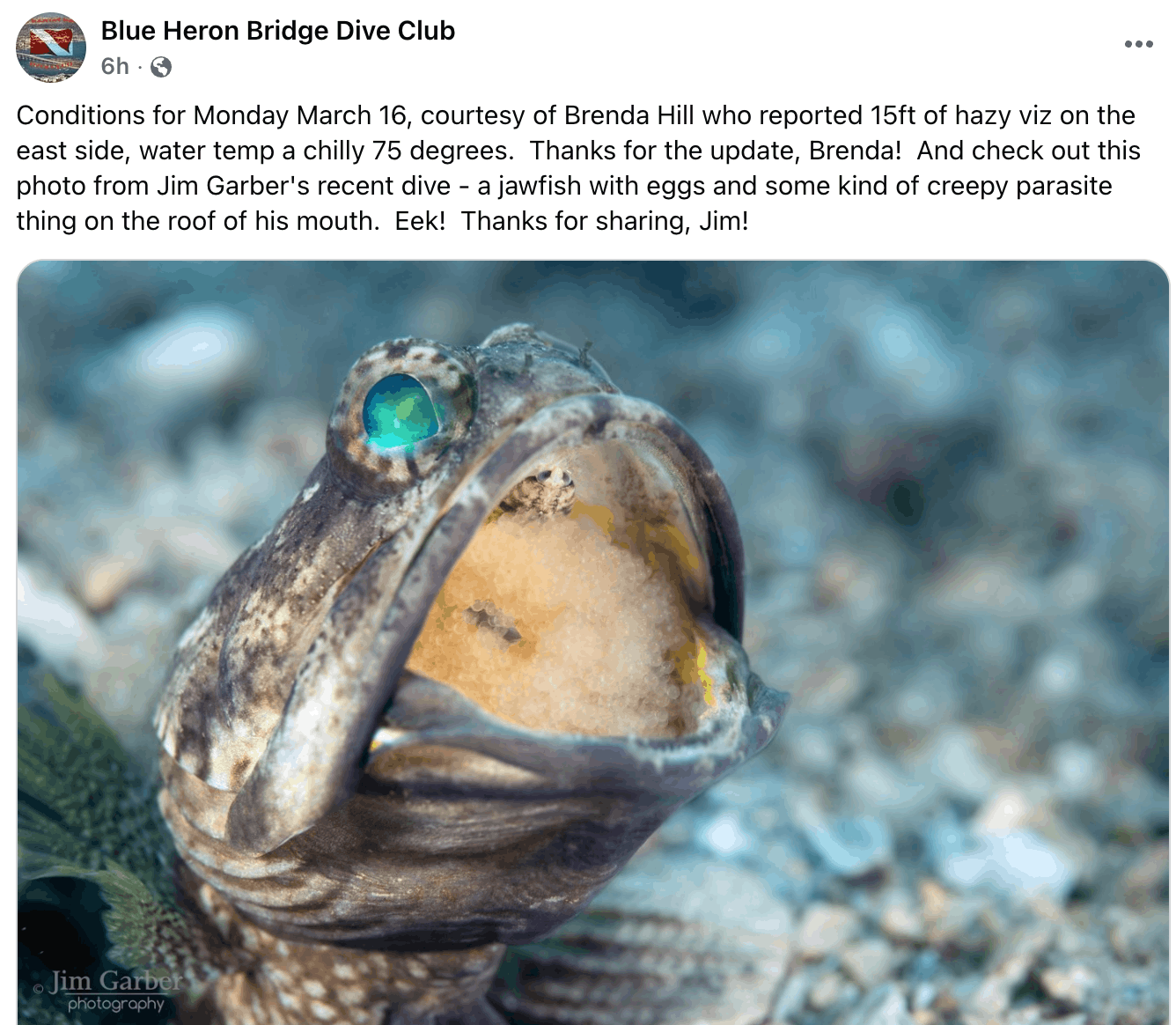
I'd also reccomend checking the Blue Heron Bridge Dive Club for visibility reports before making a long drive to the site only to find poor conditions (speaking from experience!) Anything less than 10FT visibility, I probably wouldn't dive.
What You'll See Diving Blue Heron Bridge
This is where Blue Heron Bridge really shines.
The biodiversity here is exceptional:
Macro Life: Seahorses, octopus, various species of nudibranchs, pipefish, jawfish, blennies, gobies, shrimp, crabs, flatworms. I could go on forever.
Bigger Stuff: Batfish, flounder, stingrays, juvenile drum, filefish, pufferfish, and occasionally eagle rays or manatees cruising through.
Night Diving: If you think the day diving is good, wait until you experience Blue Heron Bridge at night. The nocturnal activity really picks up.
Safety Considerations
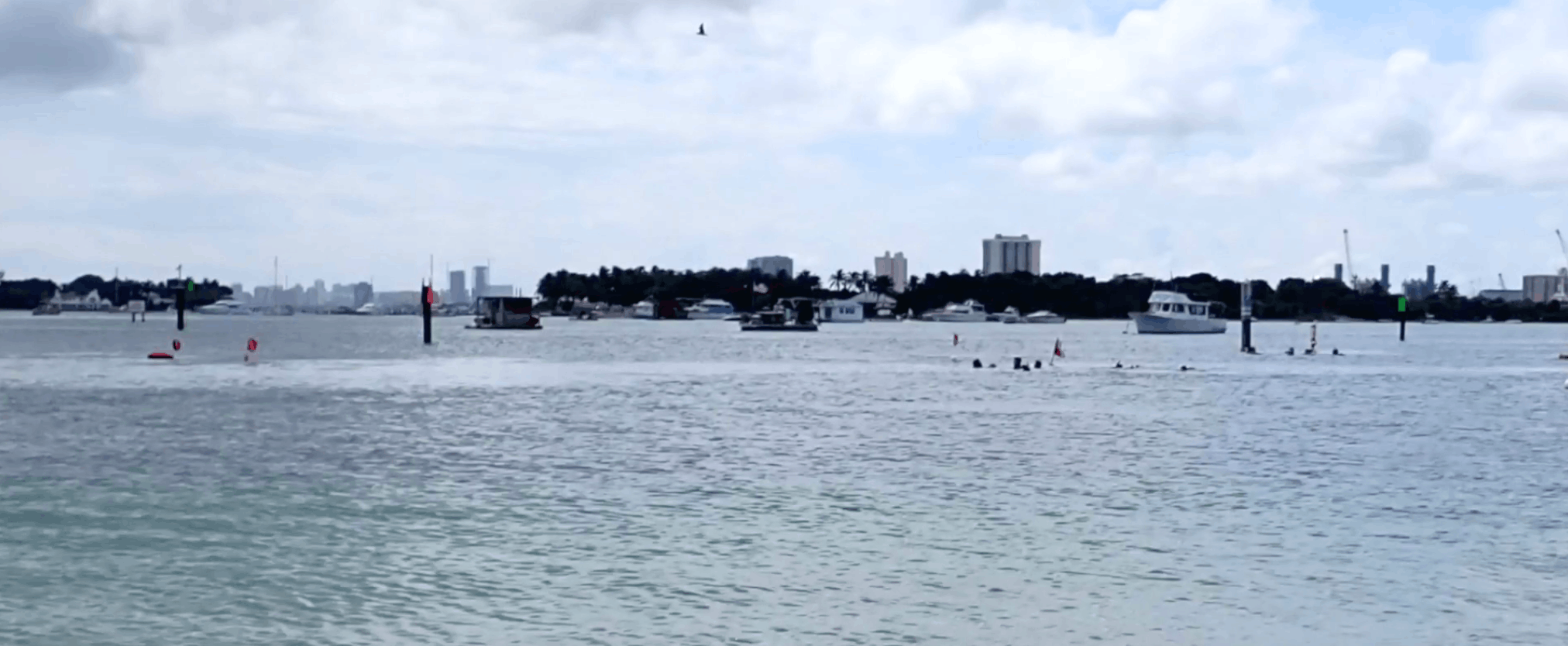
Current is the main safety concern at Blue Heron Bridge. If you miss slack tide or misjudge the timing, you can get into trouble quickly. Always dive with a buddy, and if the current picks up during your dive, end it early and surface safely.
Stay within the swim buoys and boat traffic won't be an issue.
Final Thoughts
Blue Heron Bridge is one of those dive sites that never gets old. I've logged dozens of dives here, and I still see new creatures every time. It's perfect for building your observation skills, practicing buoyancy in shallow water, and experiencing incredible biodiversity without the boat ride.
If you're a Florida diver and you haven't been to Blue Heron Bridge yet, you're missing out on something special. Just remember: slack tide, move slowly, and keep your eyes open. The magic is in the details.
Join my scuba diving community.
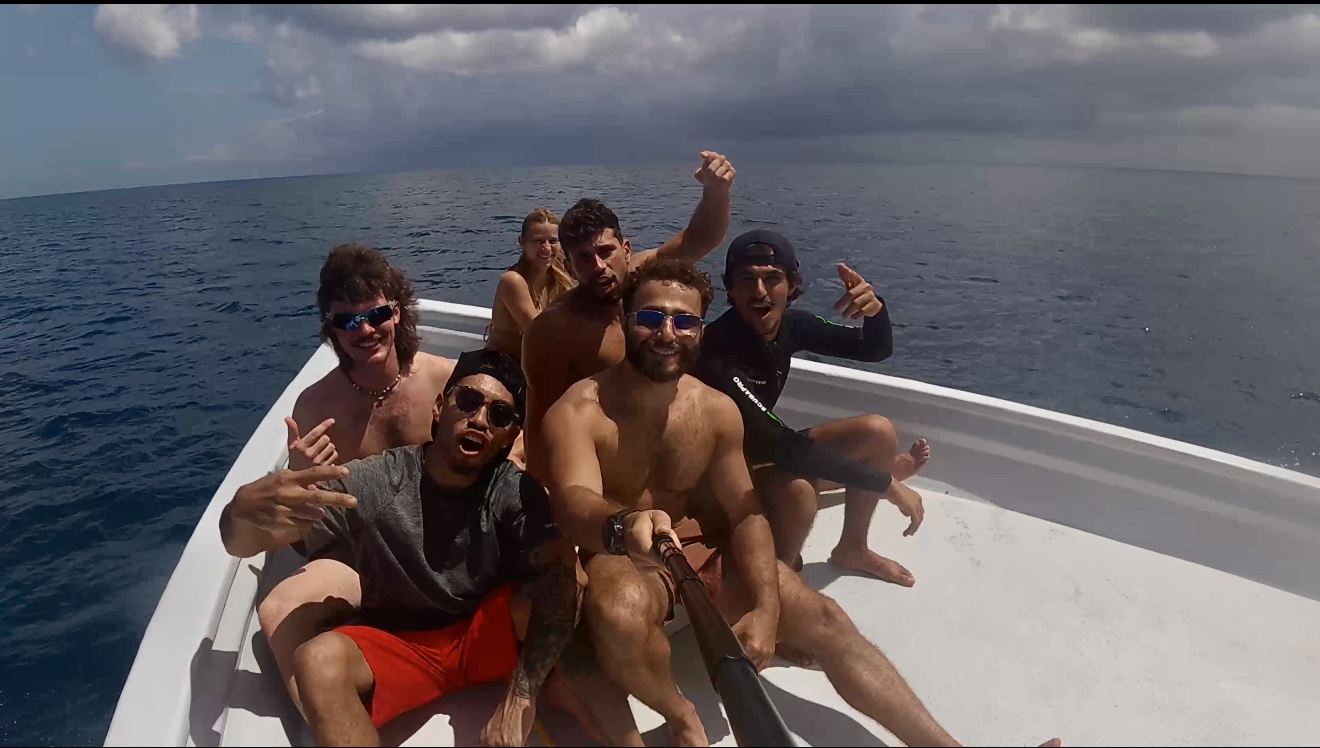
I’m Austin, a PADI Divemaster with over a decade of diving experience under my belt.
I created a free scuba diving community, where divers can connect, learn, and share their dives.
See you inside!

.webp)
.webp)


-p-2000.png)