
.webp)
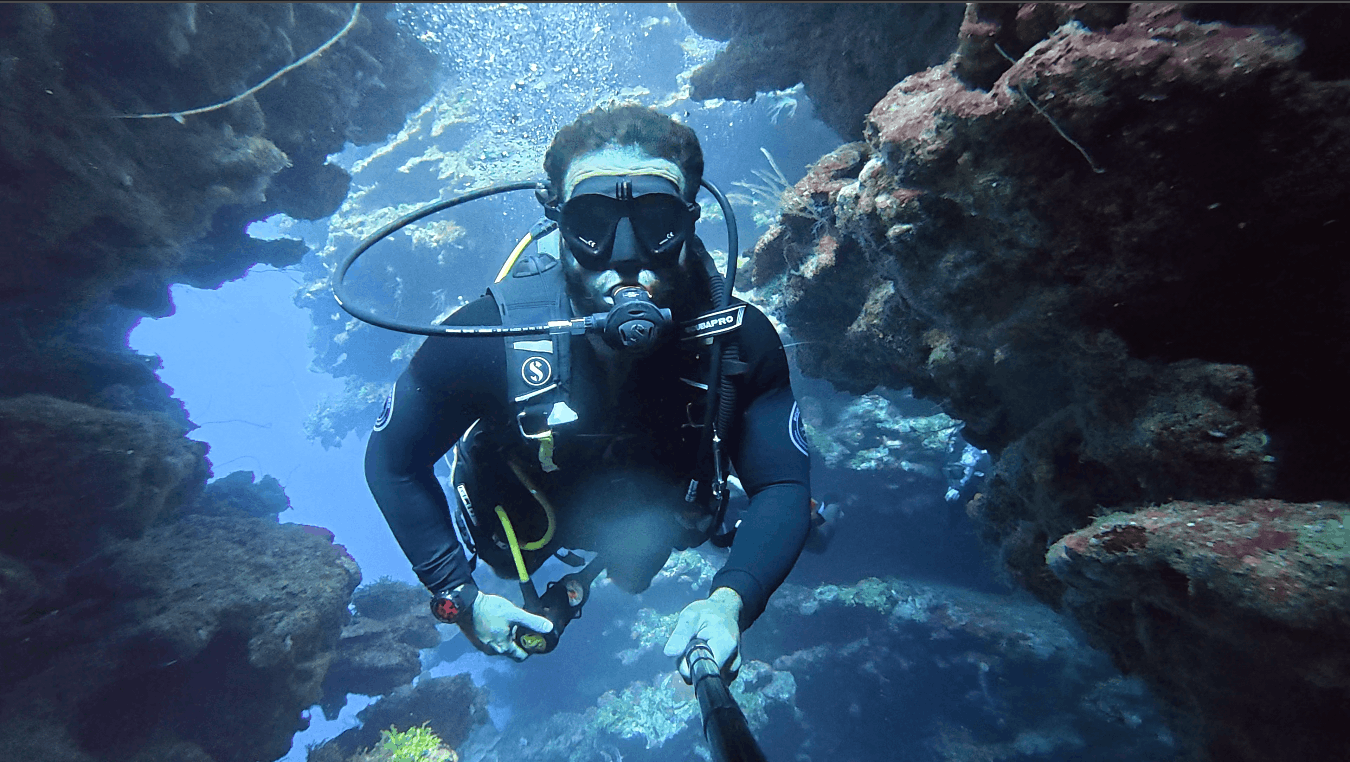
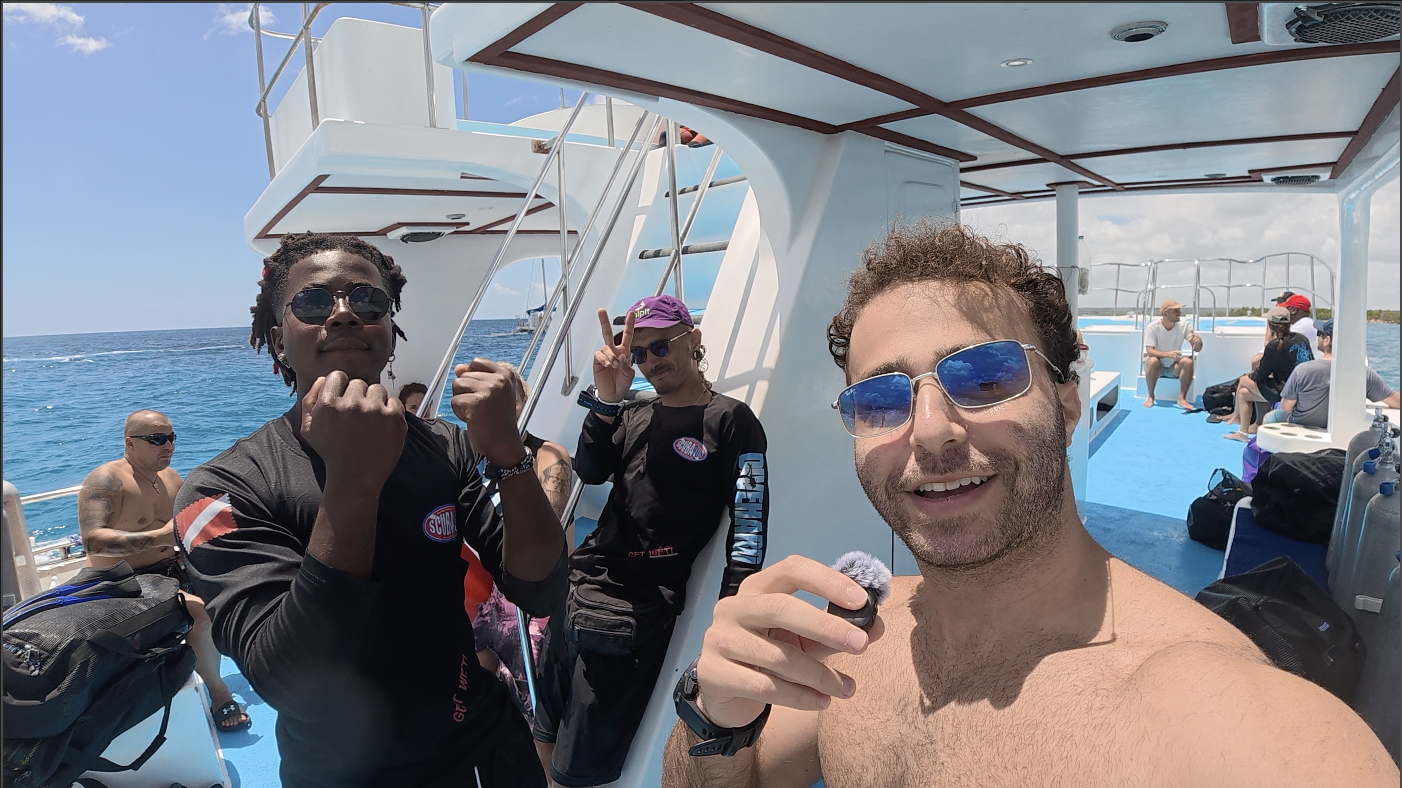
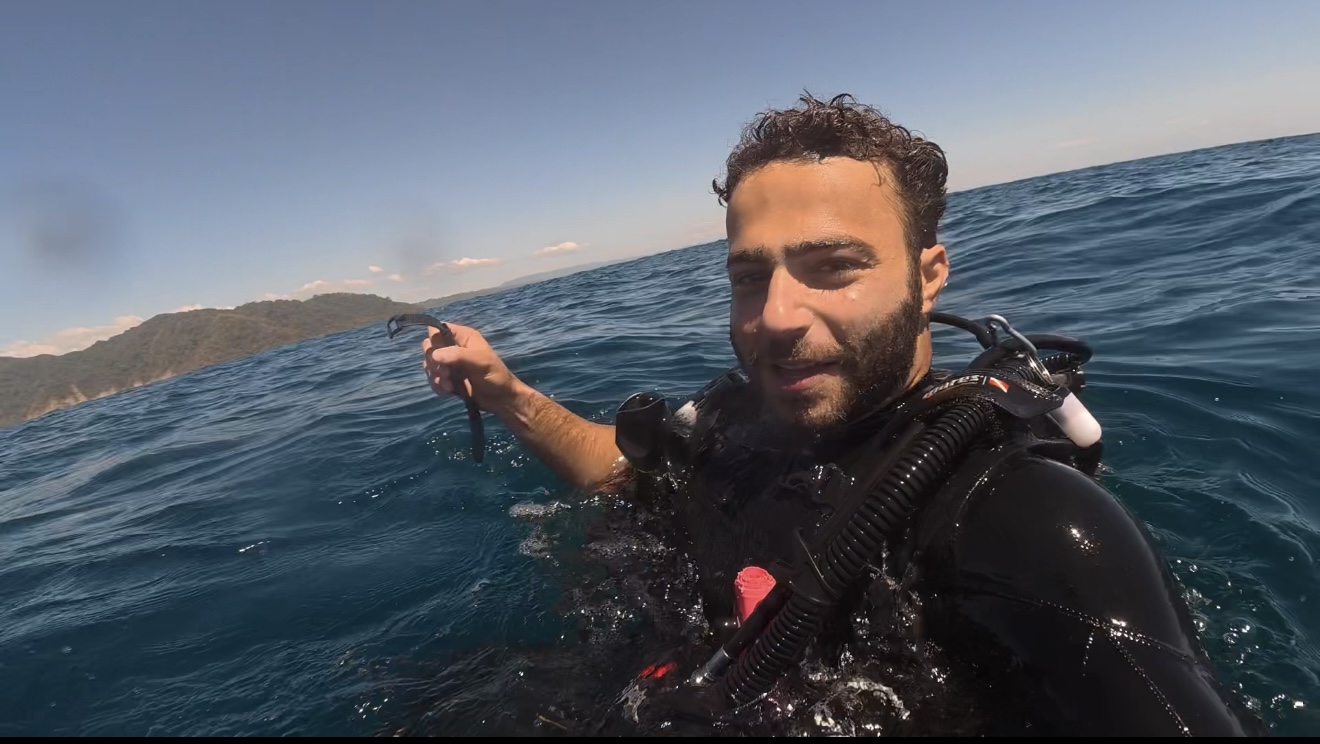
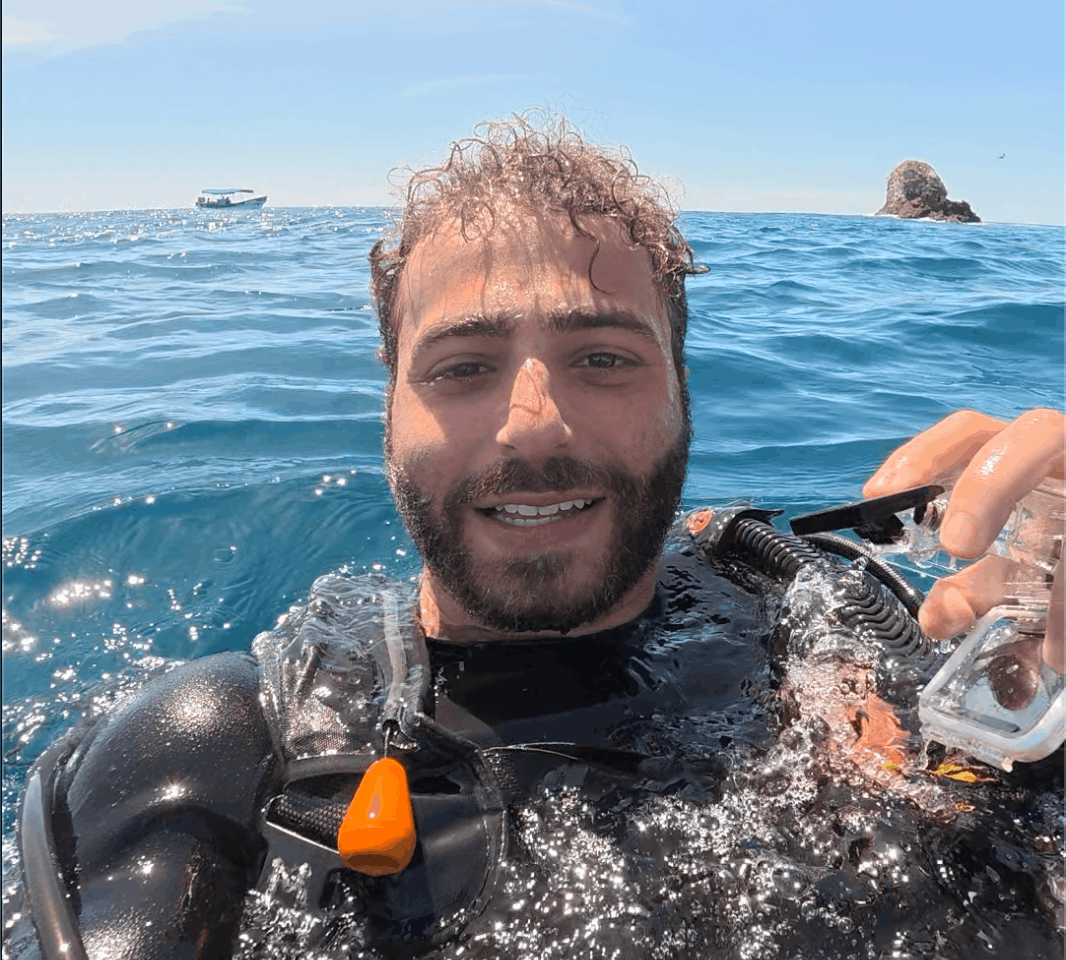
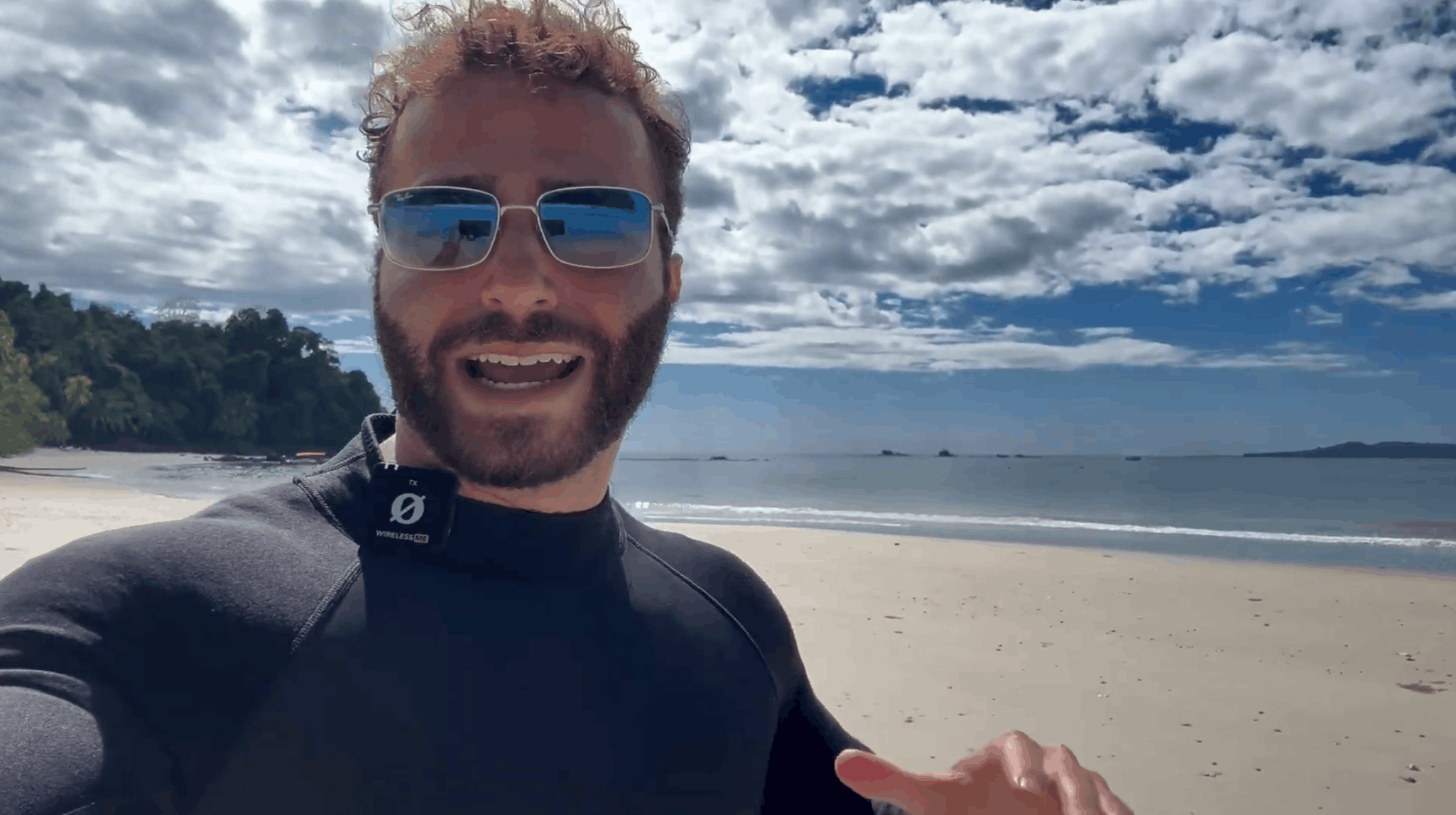
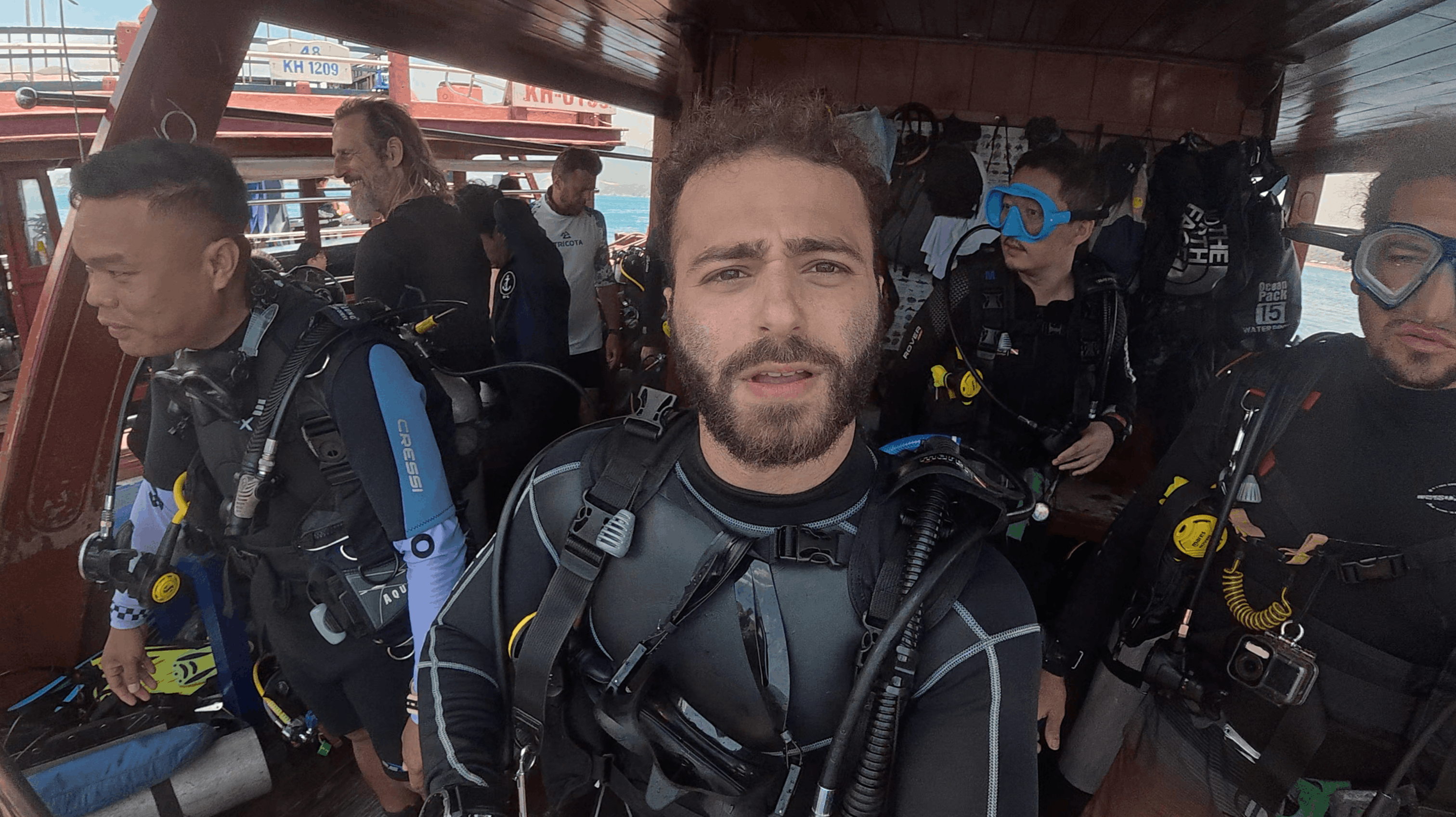
In February of 2026, I went to Santa Catalina, Panama to dive Coiba National Park with Coiba Dive Center, for an epic overnight trip totaling 9 dives over 3 days.
I'll be honest, I ended up here by accident.
I was originally booked on a flight to Roatan, Honduras, but was denied boarding because I didn't have a yellow fever vaccine which is required when transiting through Panama for 12+ hours.
Instead of waiting around in Panama City, I rented a car and drove to Santa Catalina.
It might be the best accidental travel decision I've ever made.
I'll include all 9 dives on the trip here, along with site names, dive computer data from my Garmin Descent MK3i, so you can have an idea what to expect.
Definitely check out the full 30+ minute YouTube video from the trip (linked at the top), to see the highlights from each dive with my GoPro headmount footage.
Best Time to Dive Coiba

You can go diving in Coiba National Park year round, but the best overall window is the dry season, December through April.
The rainy season runs May to October, and gives a chance to spot humpback whales during their migrations, and schooling hammerheads. However, visibility goes down a lot, and diving conditions are even more inconsistent.
My trip was in February, during the dry season.
Best Overall: Wahoo Rock
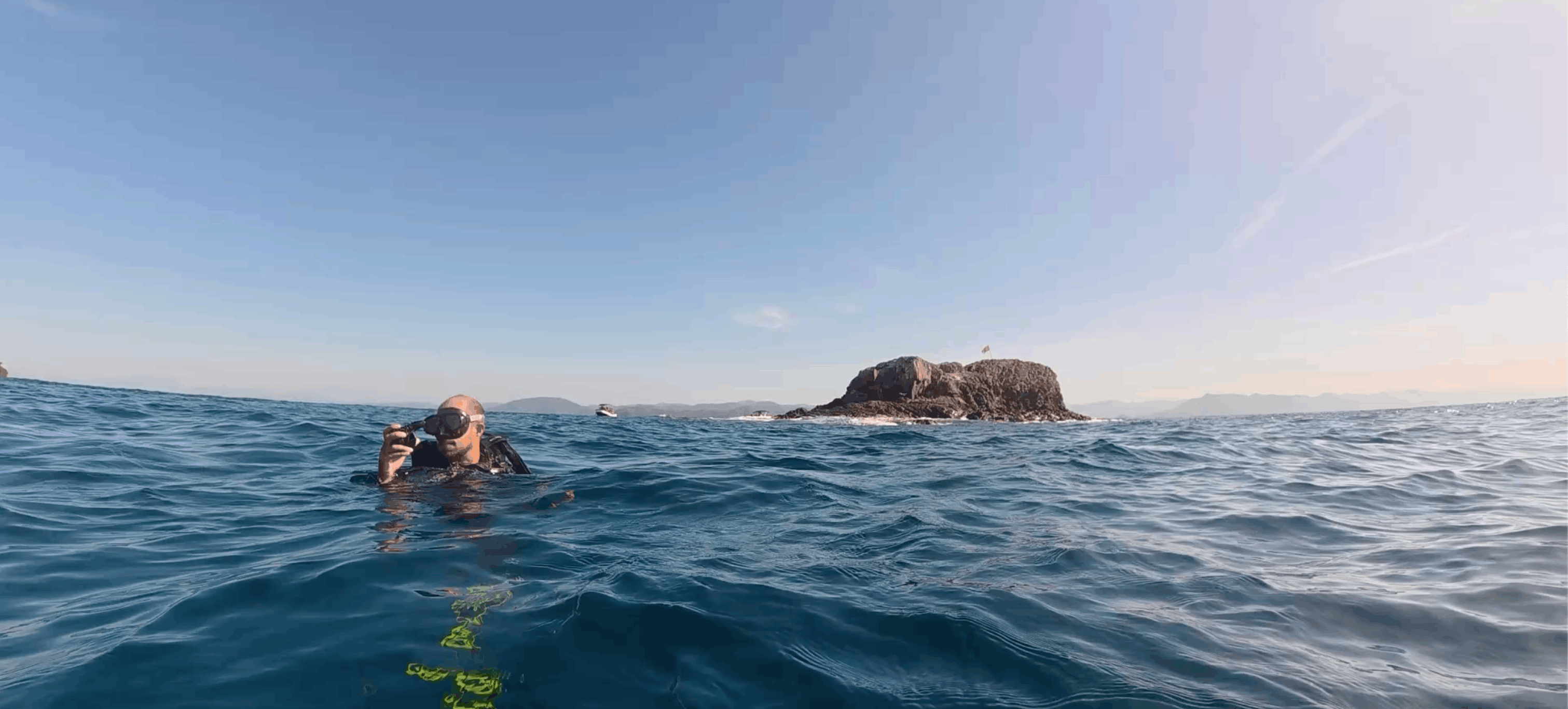
Wahoo Rock is the most commonly dove site in Coiba National Park and for good reason.
The standout feature isn't the rock itself.
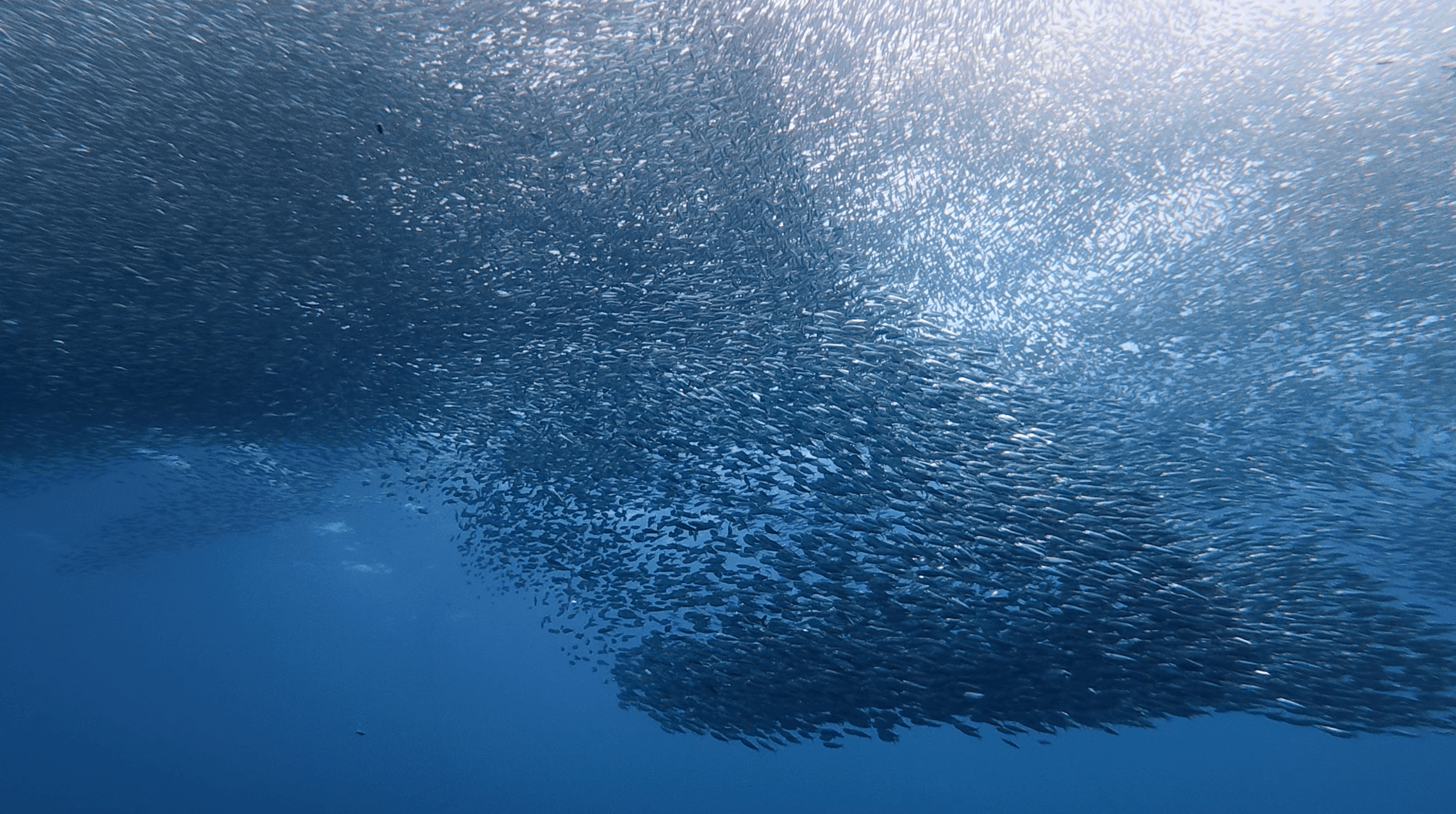
It's the giant fields of plankton that like to hang out in the water column.
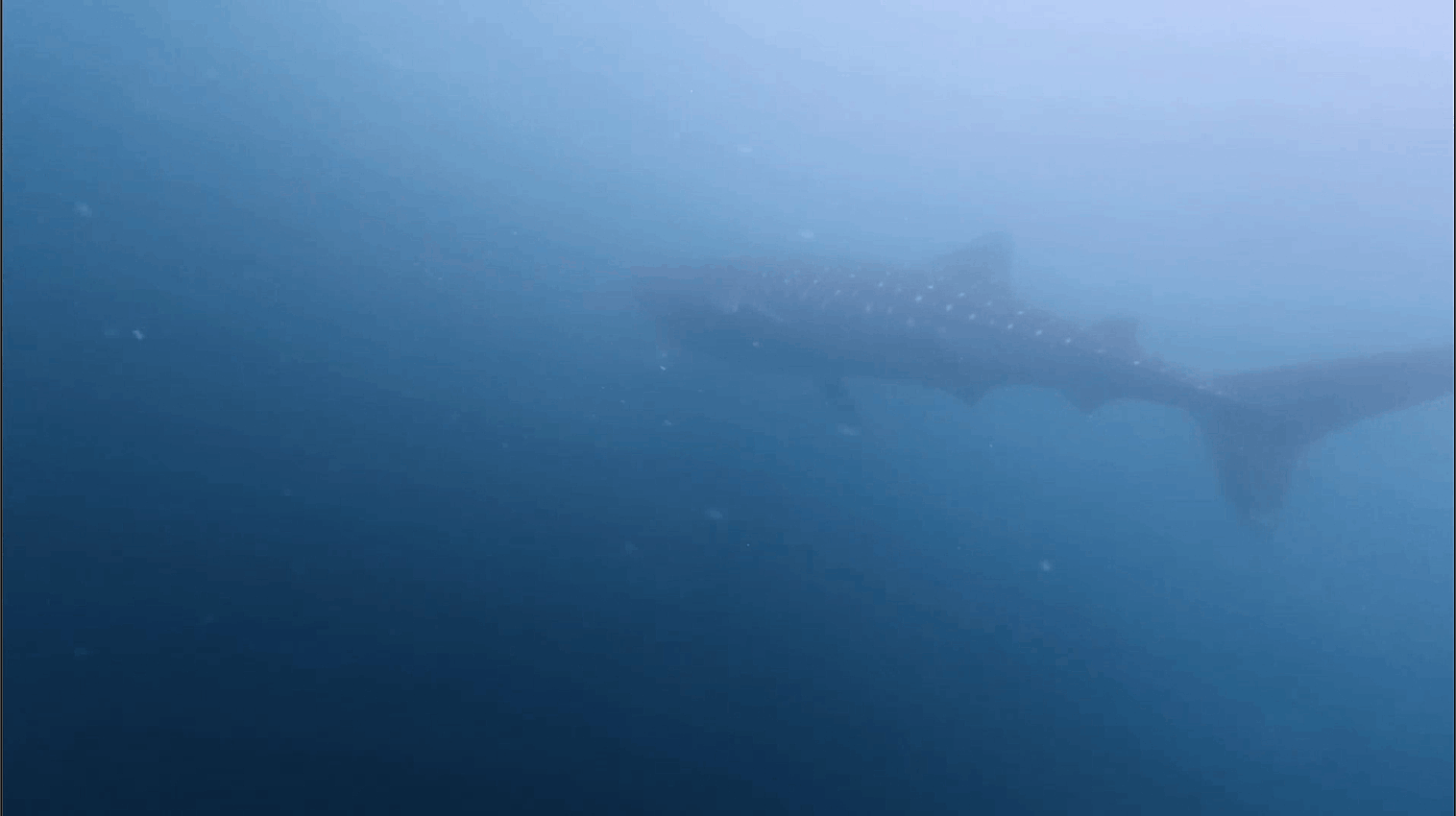

Expect white tip reef sharks resting on the bottom, schooling fish throughout the water column, and hard coral along the rock face.
The thermoclines at this site hit hard dropping from 80°F to 72°F (22°C) in just 10 feet (3 m) of depth change.
If you feel one, the move is to ascend unless there's a specific reason to push through it.
Top Shark Site: Faro (Lighthouse)
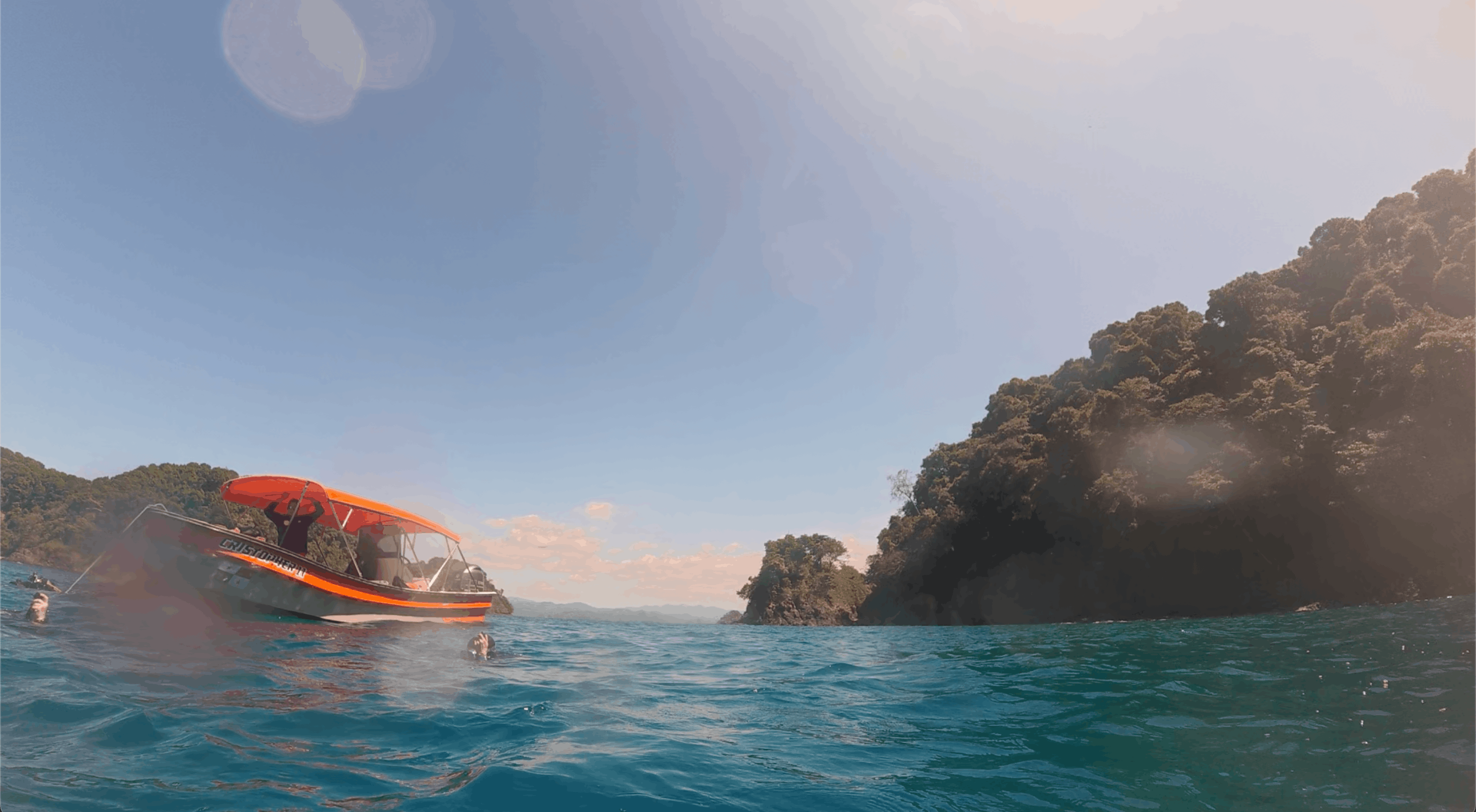
Faro means lighthouse in Spanish and sits on Isla Canales de Afuera.
It's known for bull sharks and oceanic blacktips. Neither showed up on this dive, but it was still a solid site with plenty going on.

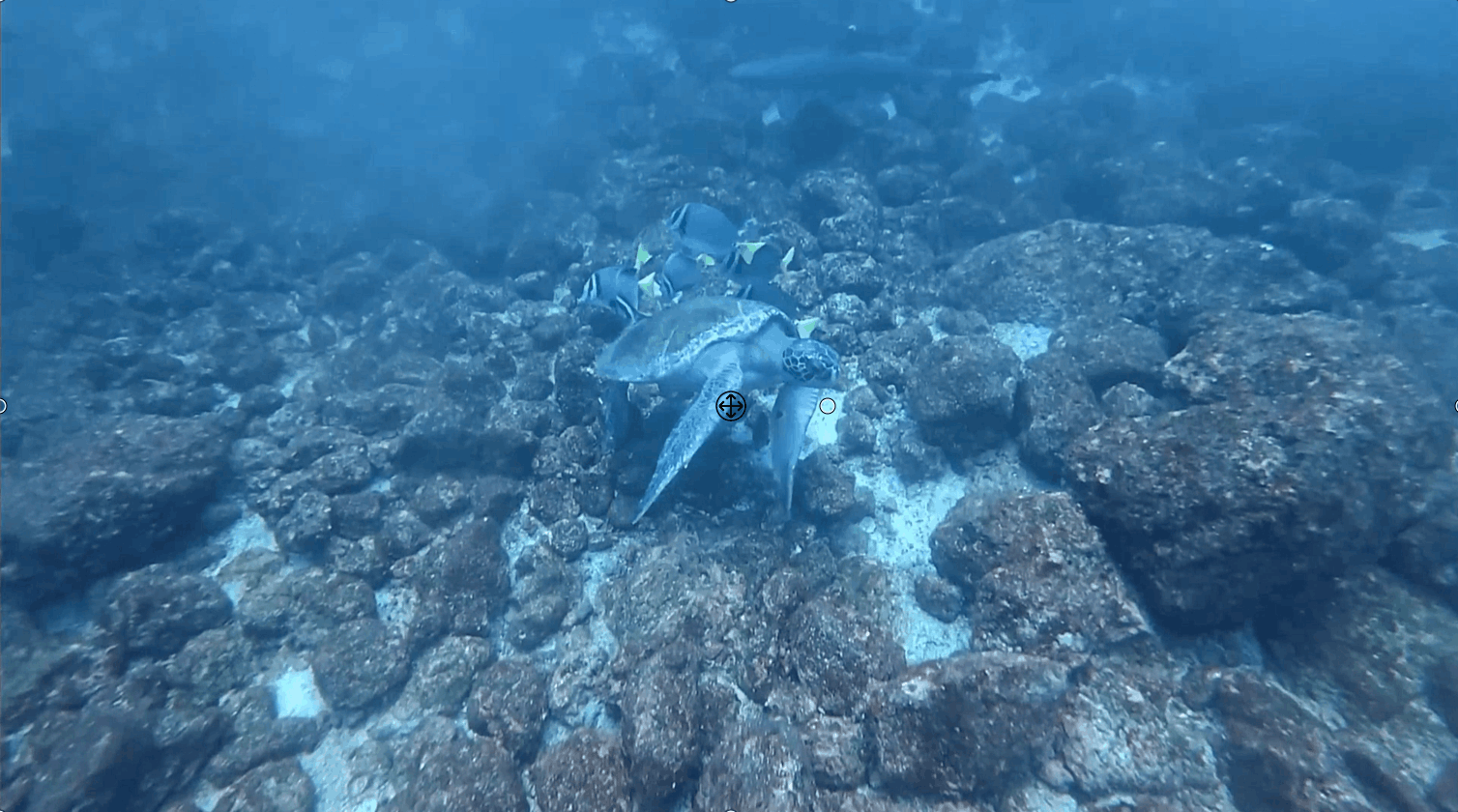
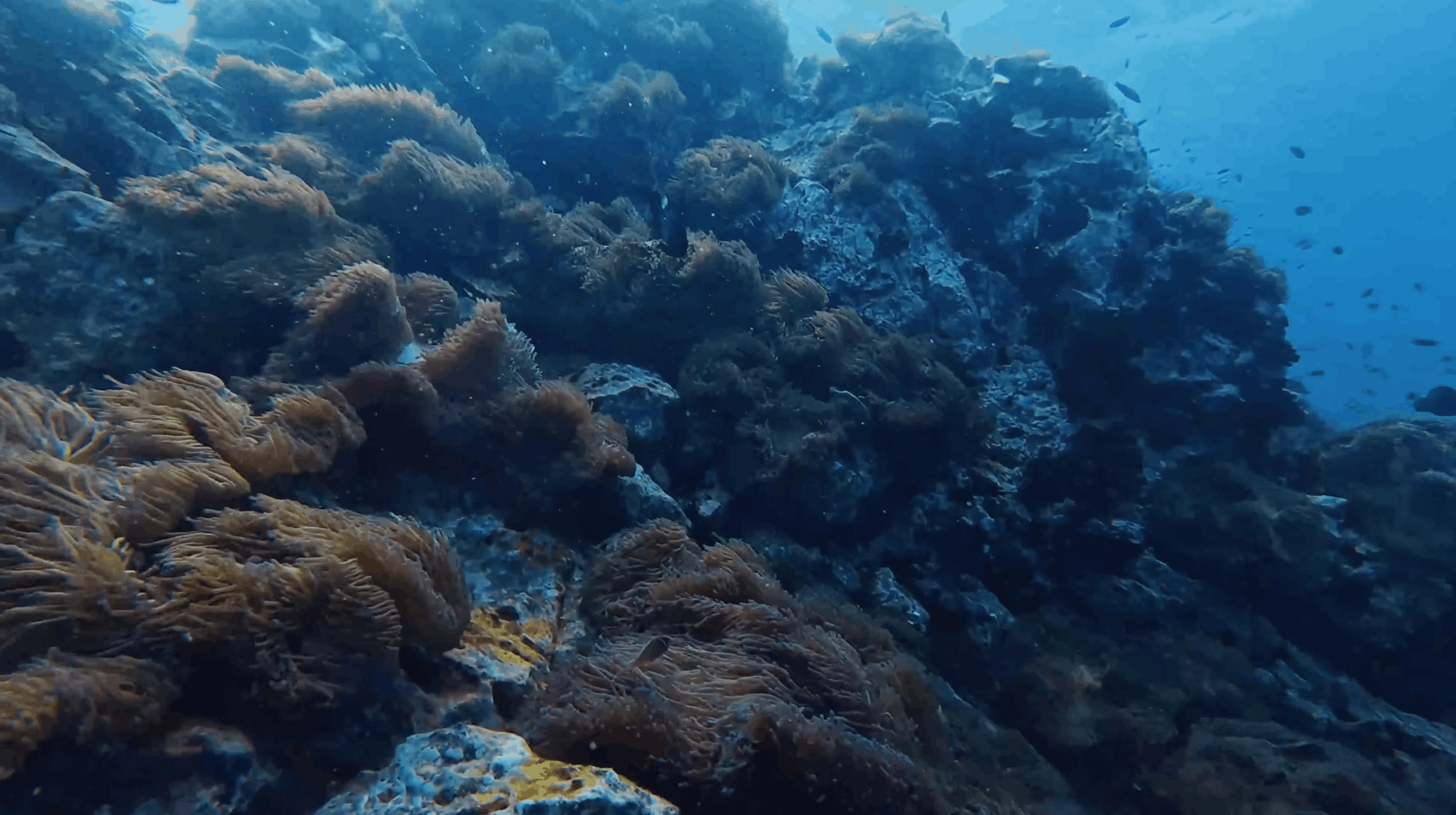
The main attractions on this dive were white tip reef sharks, turtles, and impressively large schools of fish. The reef here is classic Pacific. Rocky with hard coral. Very different from the soft coral and sea fans you'd find on the Caribbean side.
Best Schooling Fish Dive: Buffet
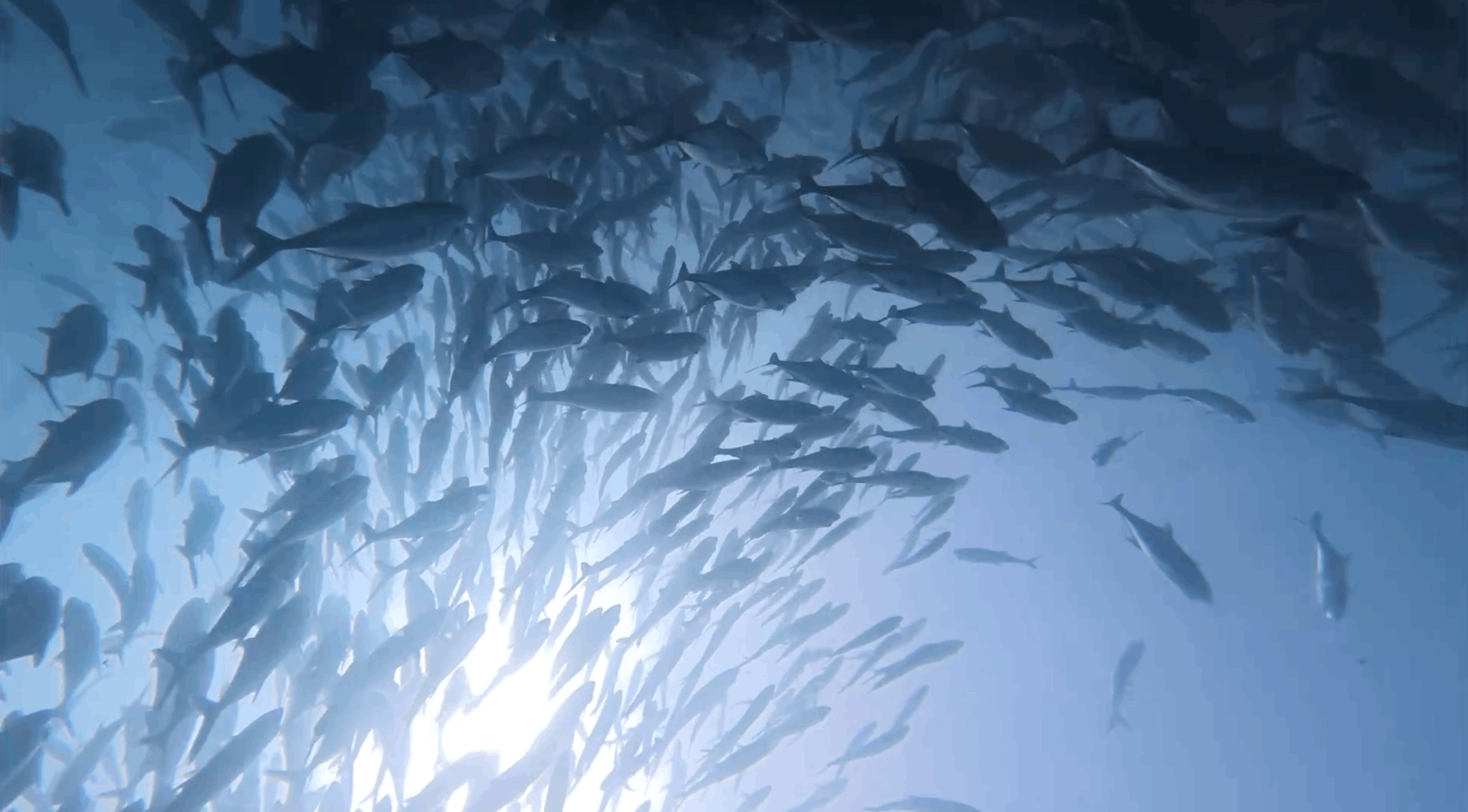
Buffet sits very close to Wahoo Rock, close enough that my Garmin logged it as Wahoo Rock based on GPS coordinates.
But they're two distinct sites, and the name says it all.
Expect to see a "buffet" of fish.
White tip reef sharks were the dominant shark species, and you'll find them everywhere in Coiba, sitting stationary on the bottom or stacked in caves in groups.
Unlike most sharks, white tips don't need to swim to breathe. They pump oxygen through their gills using their cheek muscles, so finding a pile of them on the bottom is completely normal behavior.
Deepest Dive: Montaña Russa
.png)
Montaña Russa was the deepest dive of the entire trip and the most remote site we visited.
There's no large landmass nearby, just open Pacific and an underwater landscape of pinnacles and canyons.
We dropped straight to the 60-80 foot (18-24 m) range and spent the majority of the dive deep before gradually working our way up. At that depth the lighting shifts noticeably, colors mute out, and the fish get bigger.

Schooling barracuda circling overhead, amberjacks everywhere, and two oceanic blacktips spotted on the edges of visibility.
Oceanic blacktips are much larger than the white tip reef sharks you'll see at other Coiba sites, but they tend to stay on the outskirts.
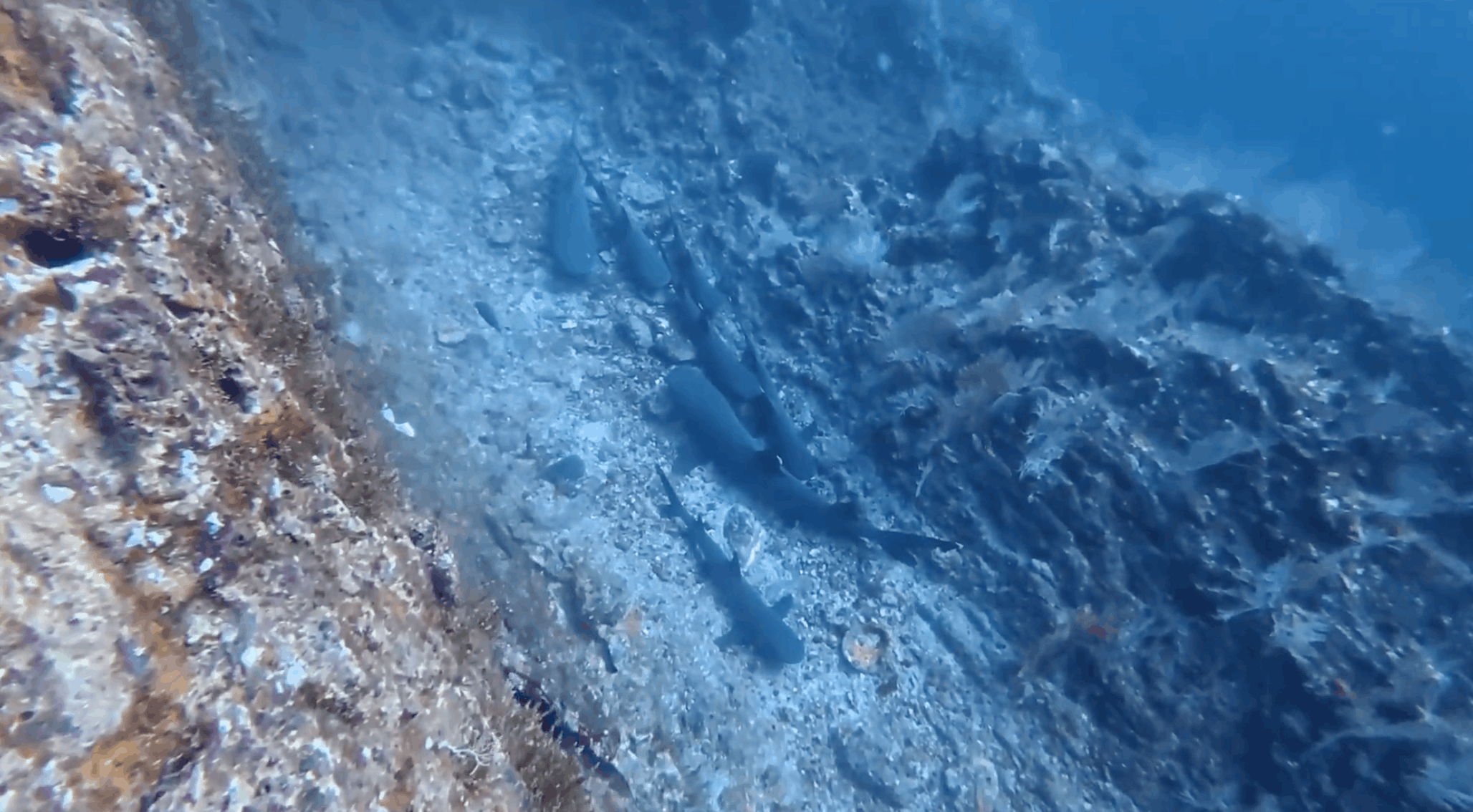
There was also a memorable shark slumber party here: a group of white tip reef sharks piled up together on the bottom completely unbothered, right up until I got a little too close.
One thing to be aware of at this site: the current can rip. I grabbed onto rocks at points just to stay in place and not get swept from the group.
If you're going to do this, make sure there's no coral nearby and wear dive gloves.
Best Scenery: Punta Peligro (Danger Point)
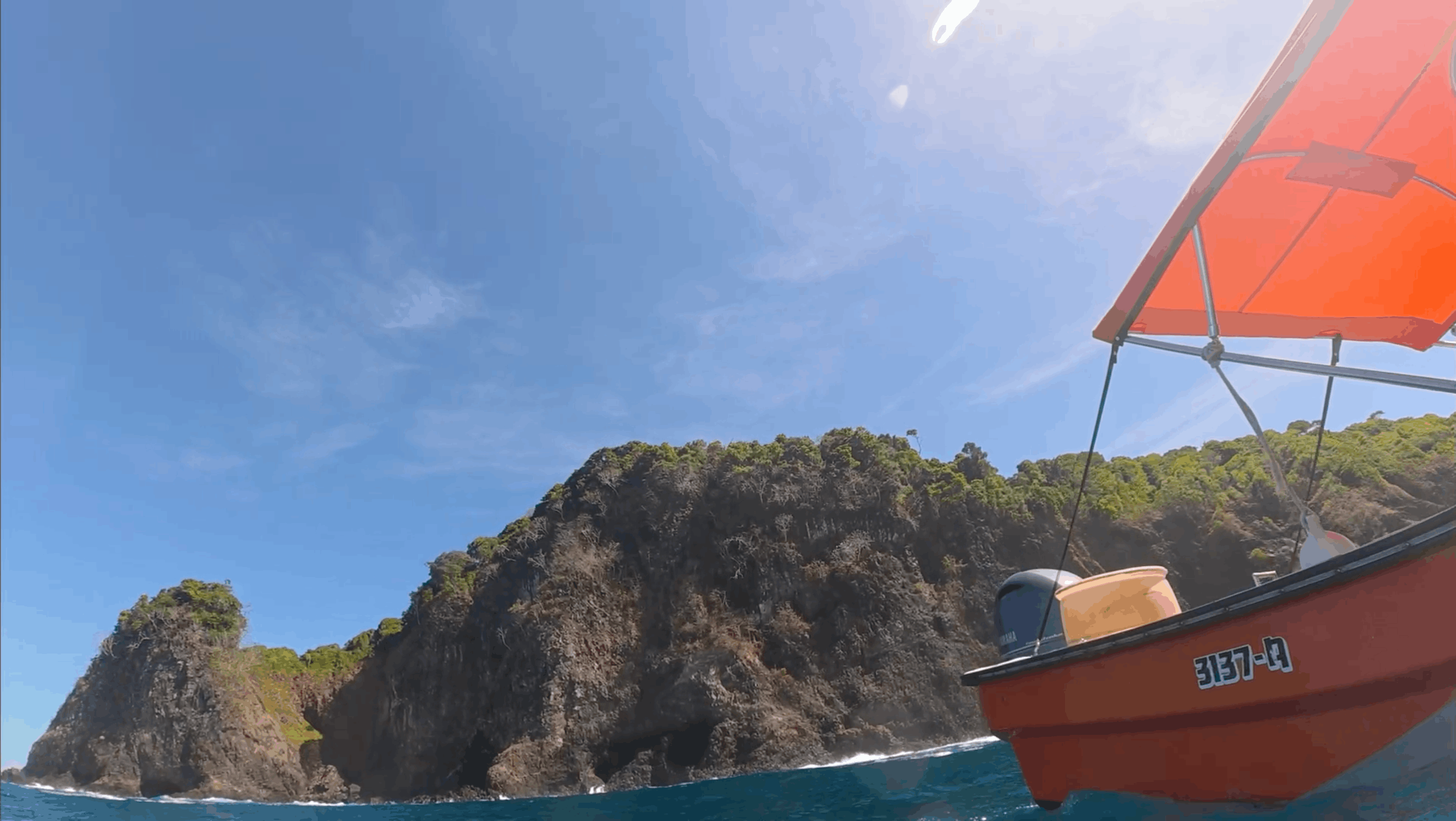
Next up is Punta Peligro (Danger Point in English), and the name fits.,
From a pure scenery standpoint, this was my favorite dive site of the entire trip. At the site you'll see cliffs with lush greenery on top dropping straight into the Pacific.
Pretty much immediately upon dropping in, we encountered a large bull shark.
Like the oceanic blacktips at Montaña Russa, it stayed on the edges of visibility.
We also spotted several scorpion fish on this dive. They're related to lionfish, have the same venomous spines, and from what I've been told their venom is significantly more potent.
Their camouflage is extraordinary, you'll swim right past one without ever knowing it's there unless your guide points it out.
Most Unique Dive: Sombrero De Pelo (Hairy Hat)
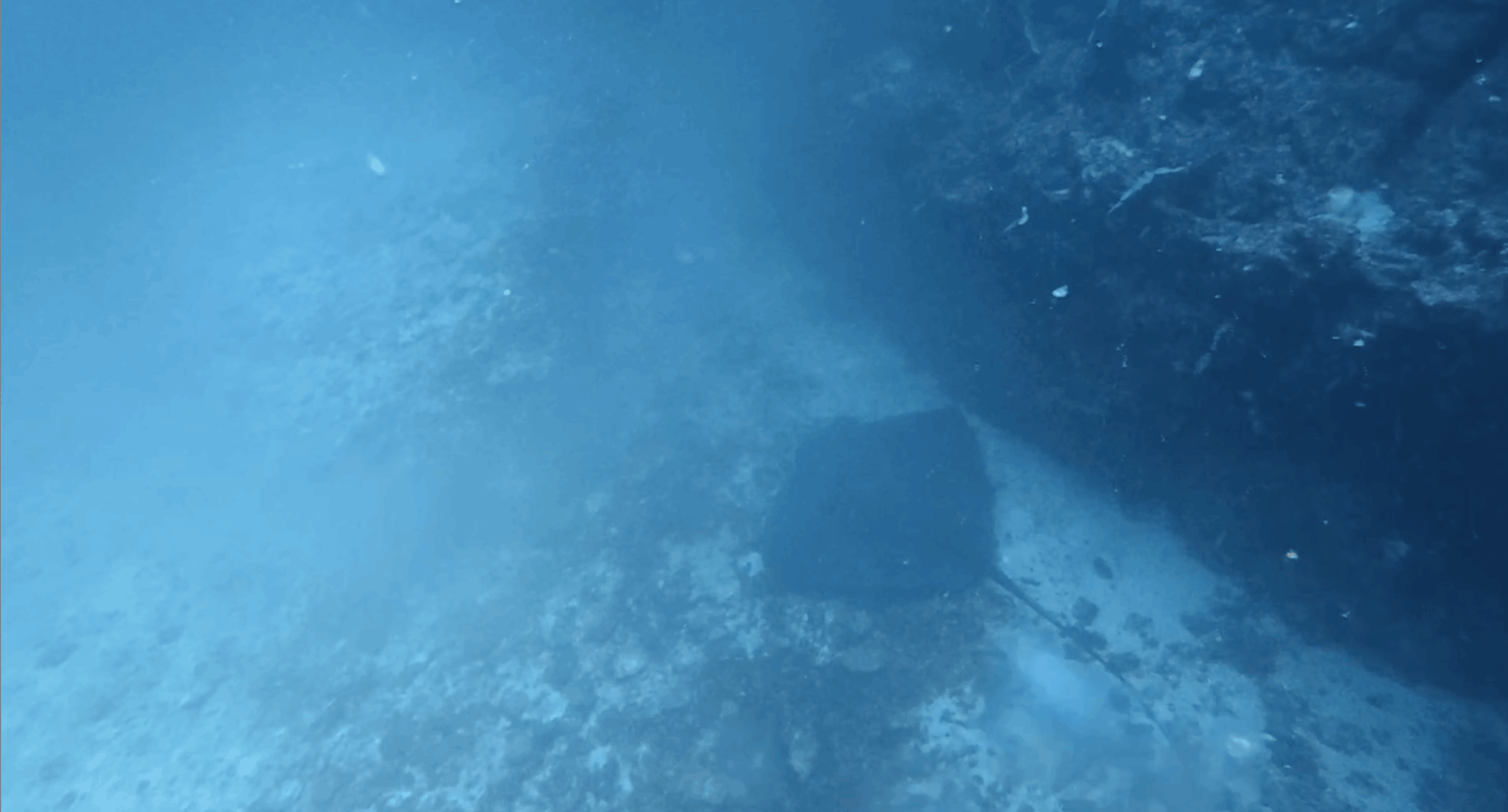
Sombrero De Pelo, the hairy hat, is a rock formation dive similar in structure to Wahoo Rock.
You're making a loop around the rock, but here the site is sloped, giving you a lot of vertical reef to work with across different depth profiles.
Lots of movement up and down between 40 and 70 feet (12 to 21 m) throughout the dive.
This was genuinely one of my favorite dives of the trip. My underwater camera housing had moisture buildup on this dive which affected the footage quality.
There's a soft blur on the left side of the screen throughout.
Despite that, the dive delivered. Stingrays were a highlight toward the end: they tend to hang out near the bottom where the thermocline starts, seeking colder water.
Whale Shark Encounter: Wahoo Rock (Round 2)

The group voted at dinner the night before to come back to Wahoo Rock on the final day. Nobody had seen a whale shark yet and this was the best shot at it. The decision paid off.
Notice the depth compared to the first visit, this dive maxed out at 49 feet (15 m) versus 72 feet (22 m) on dive one. That's intentional.
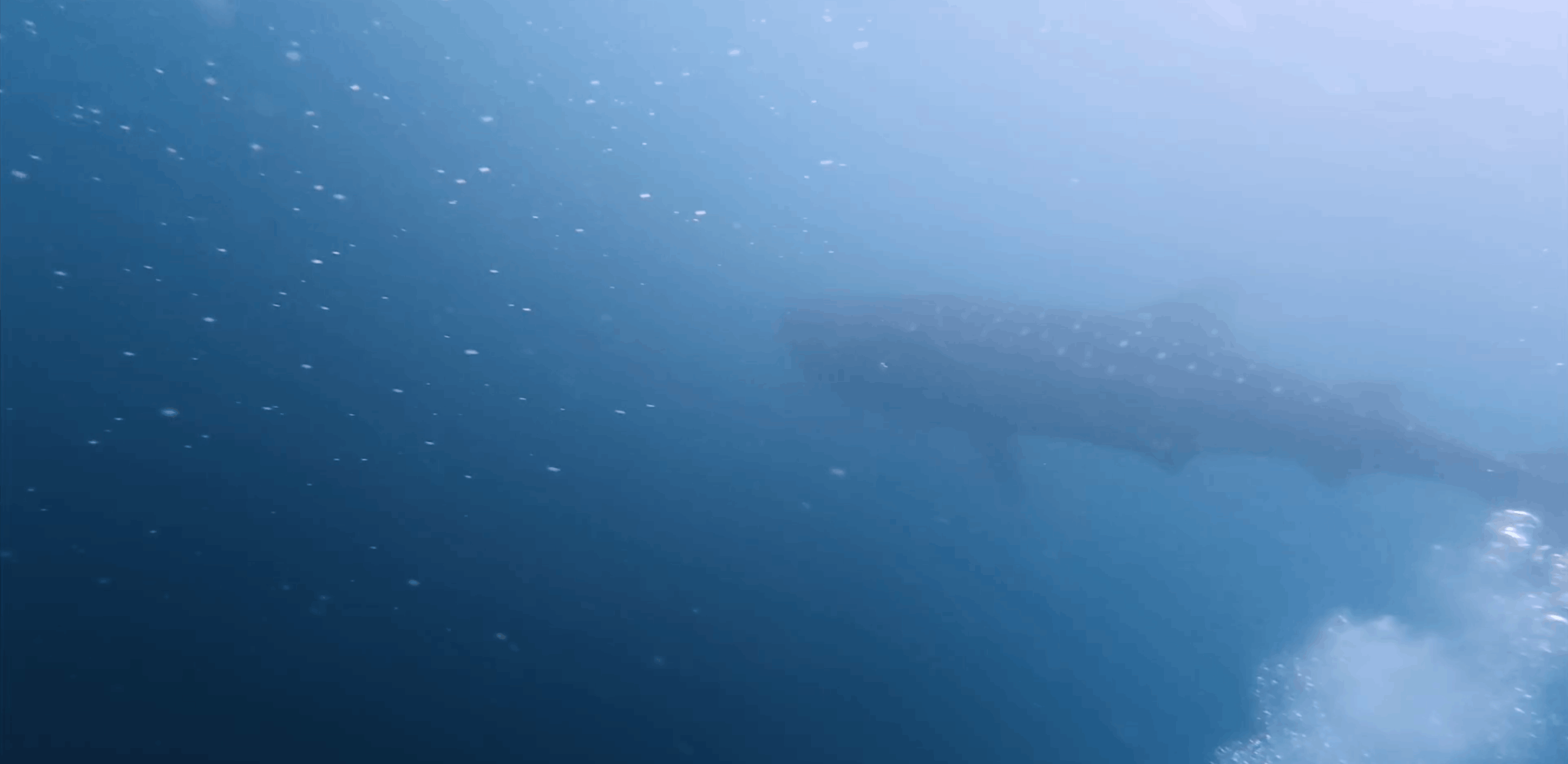
The whale shark action at Wahoo Rock happens in the plankton haze in the mid-water column, not down deep.
Staying shallower keeps you in that zone longer and gives you more time to react when something big swims through.
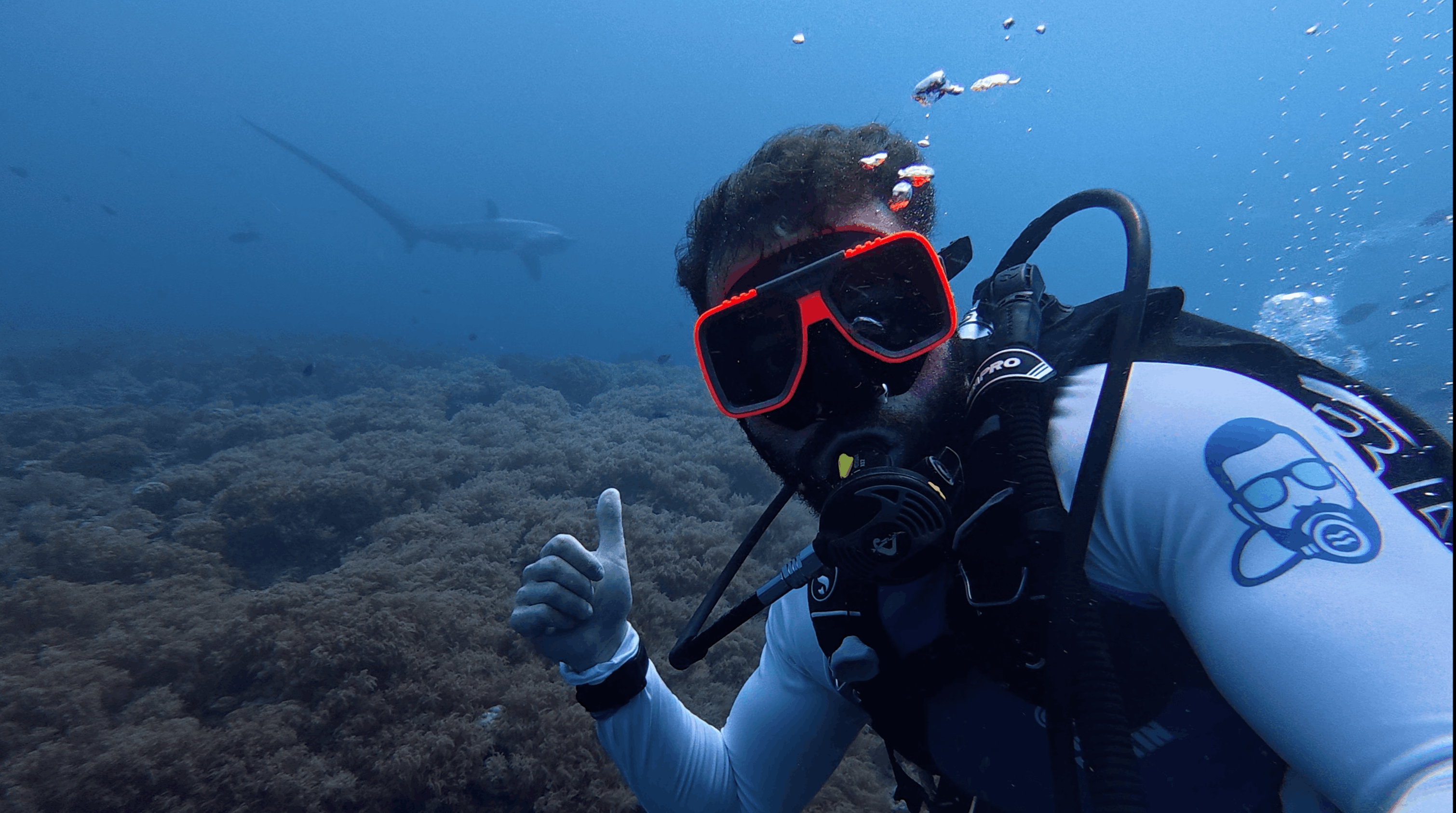
This is where we finally encountered the whale sharks, possibly two of them. One appeared slightly smaller, one noticeably larger.
The plankton haze was very visible on this dive: that milky, suspended cloudiness in the water column is the tell. When you see it, stay in it. That's the whale shark highway.
Best Hard Coral Dive: Santa Cruz
Coming off a whale shark encounter at Wahoo Rock, it would be hard for any dive to compete.
Somehow, Santa Cruz also became one of my favorite dive sites in Coiba, but for a different reason.
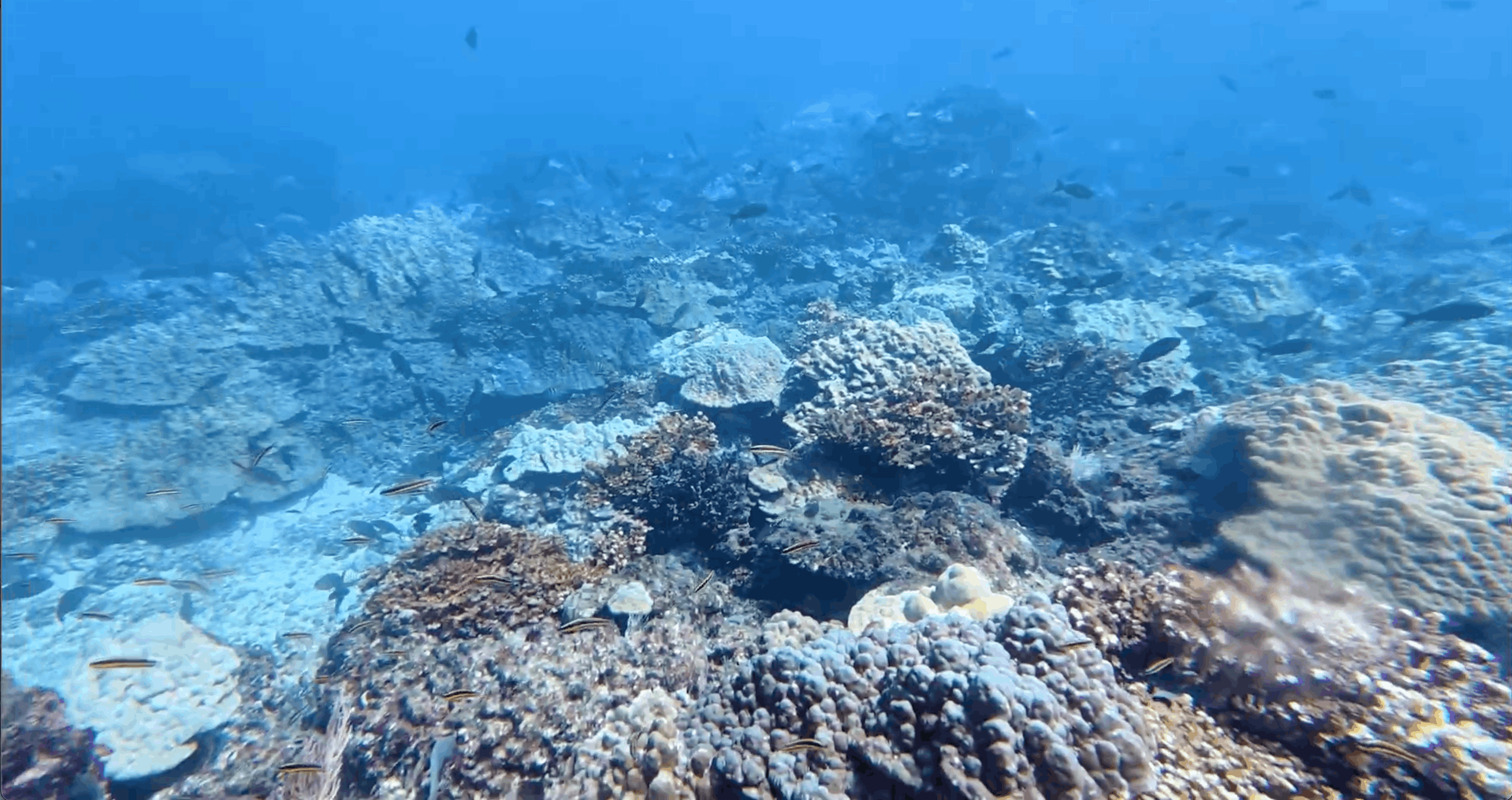
This was the most beautiful hard coral dive of the entire trip.
At my deepest we touched 66 feet (20 m), but a vast majority of the dive was between 20 and 30 feet (6.1 to 9.1 m).
I felt like I was inside a fish tank the entire time: everything perfectly arranged, hard corals, marine life, color. It was peaceful in a way that most dives aren't.
Our guide Kat spotted two scorpion fish tucked inside the coral side by side. Seeing two at the same time is rare. Their camouflage is so good you'd never find them without a guide pointing them out.
Best Manta Dive: Iglesia (Church)
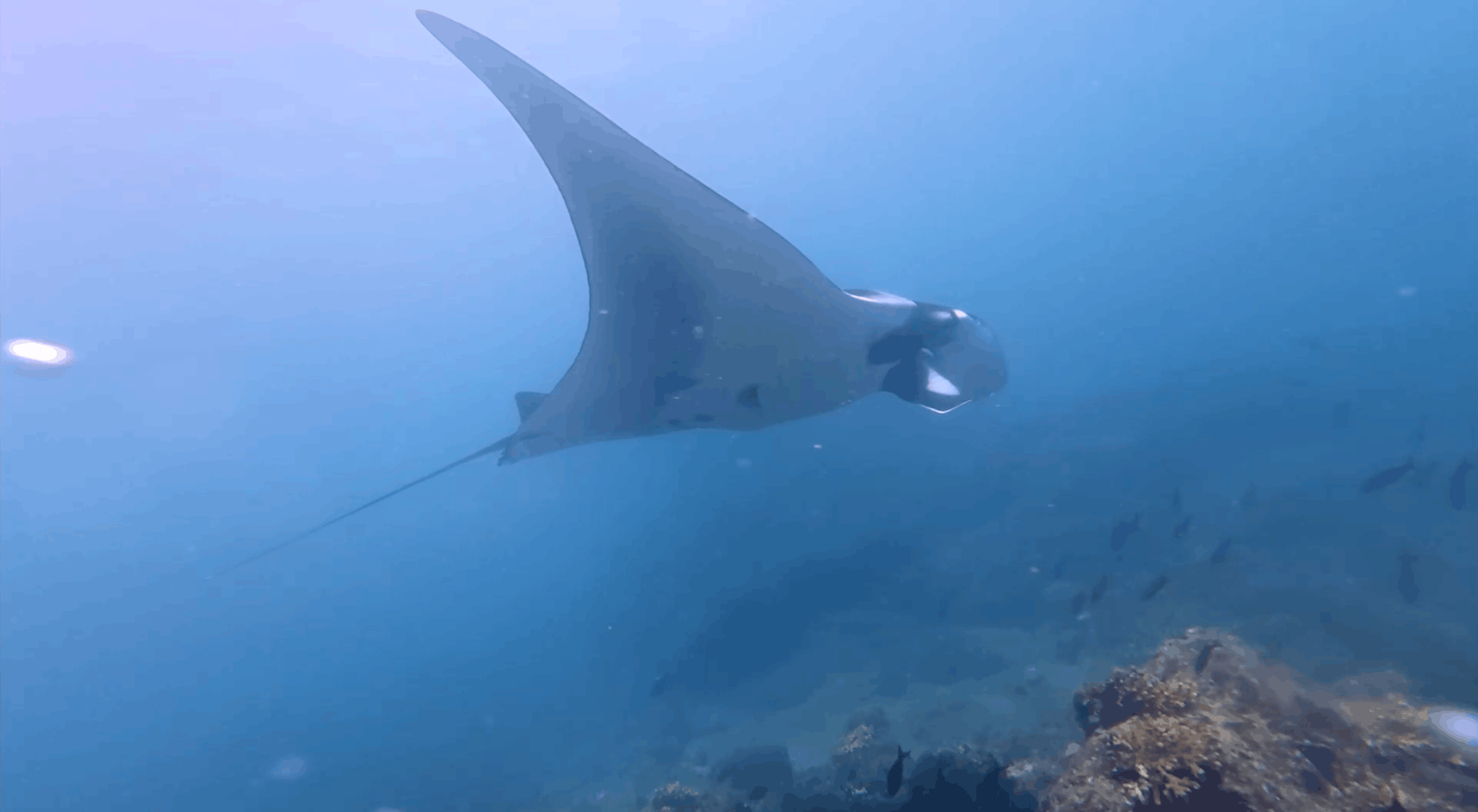
The last dive of the trip was Iglesia, meaning church in Spanish. Most of the dive we spent between 20 and 40 feet (6 to 12 m).
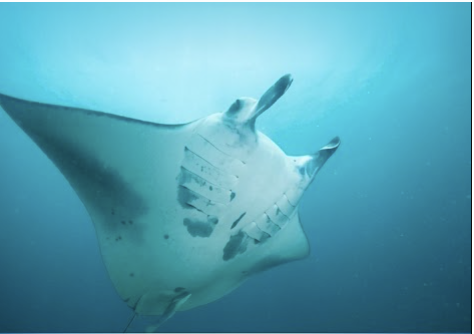
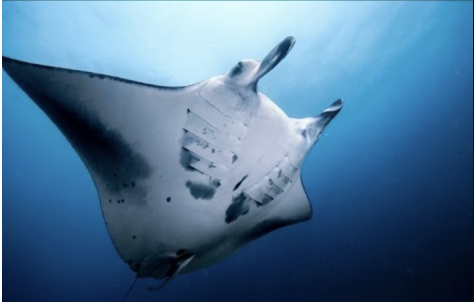
The highlight was one of the largest mantas I've ever seen. I almost missed it. Another diver started banging their tank a signal that something big was nearby and I looked toward our guide expecting her to be pointing, but she wasn't.
A few seconds later she pointed ahead, I turned left, and there it was.
We also spotted a baby octopus tucked into the reef.
Sites I Didn't Dive
Three days of diving, with three dives a day, doesn't cover Coiba National Park, so this is far from an ultimate guide. There's plenty more dive sites I didn't hit.
Panama Dive center has a more complete list that you can view.
I don't expect the sites to be drastically different than the ones I've listed here, but if you've dove any of them let me know!
Dive Operators in Coiba
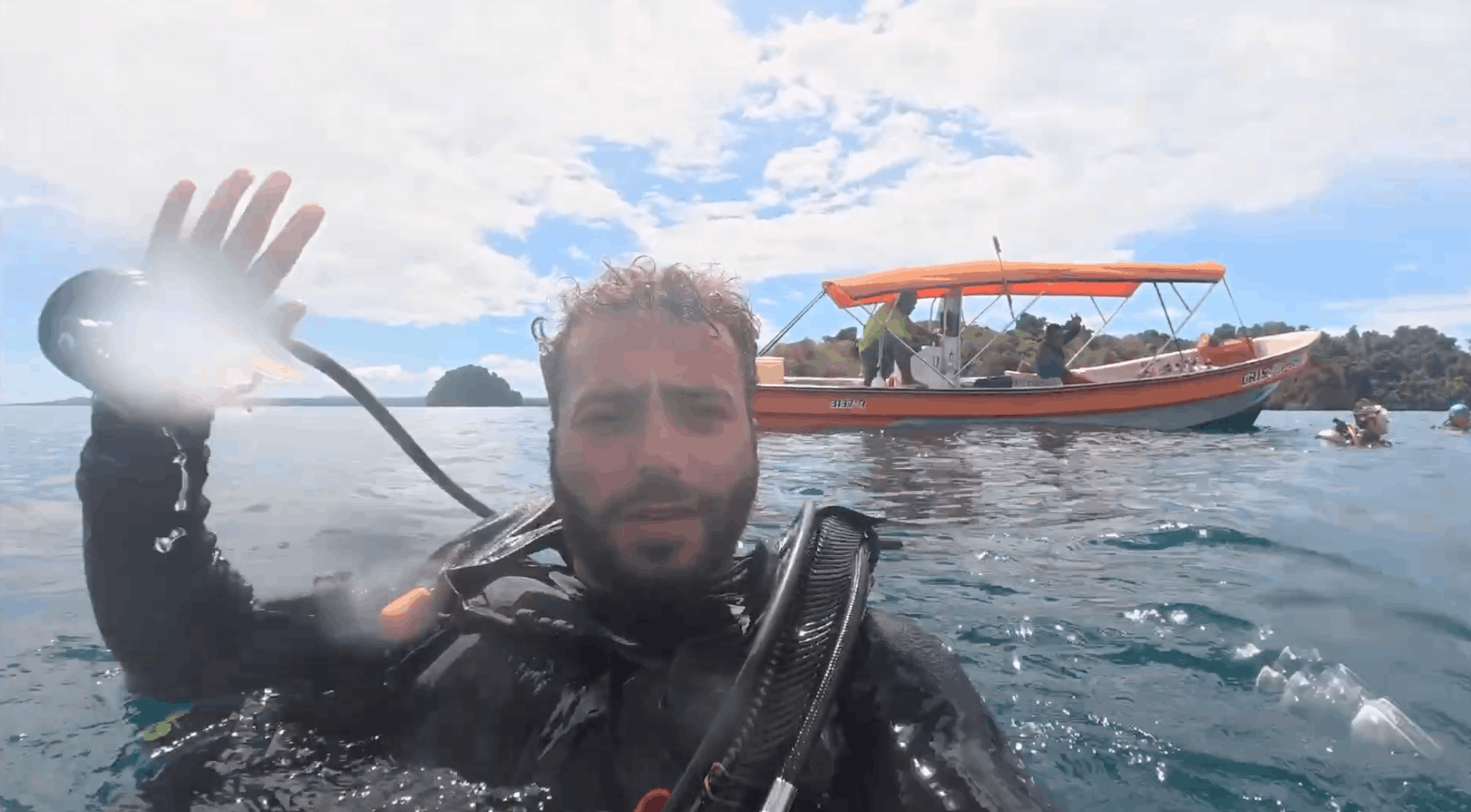
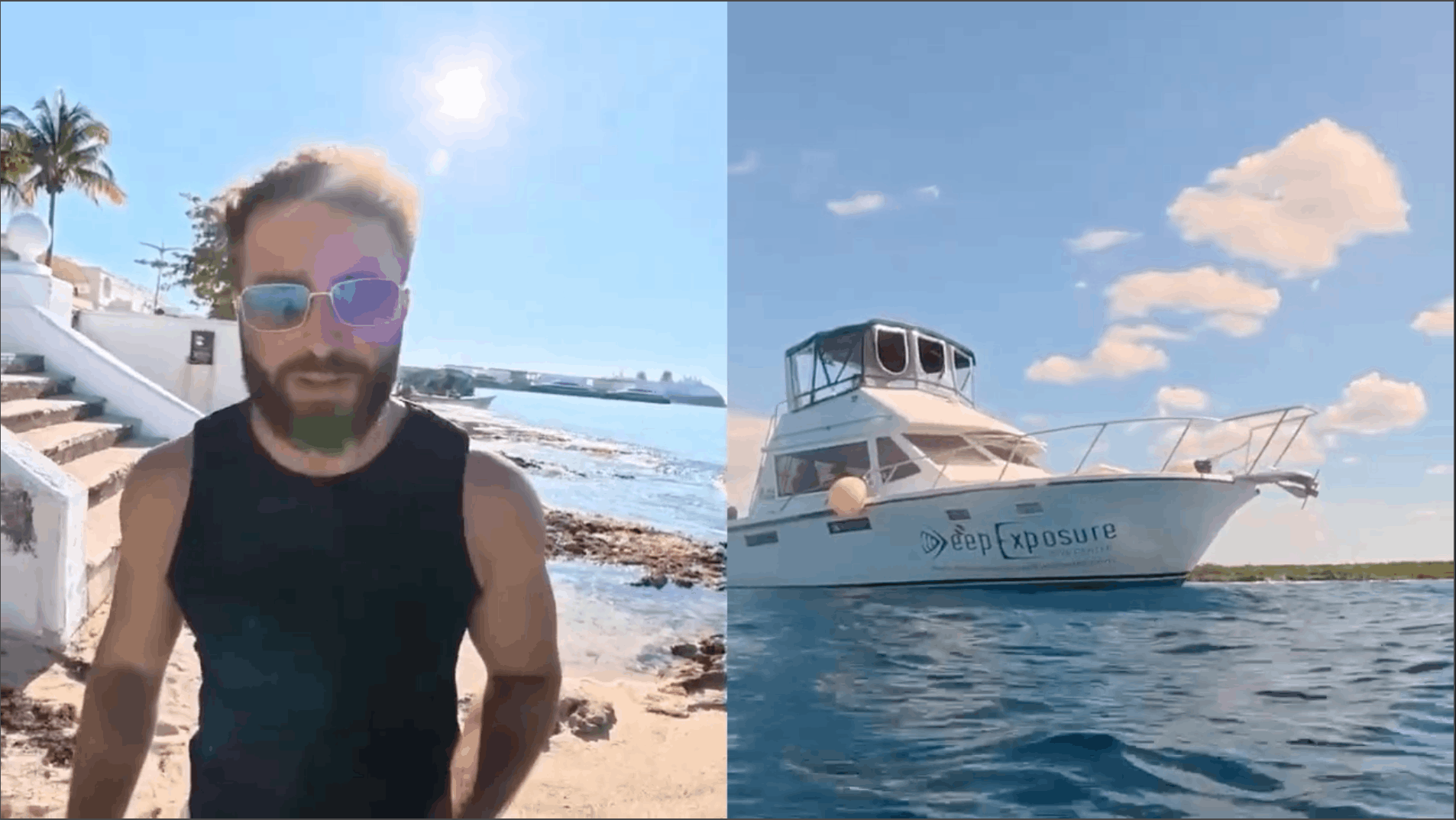
I dove with Coiba Dive Center out of Santa Catalina and would go back with them.
Our guide for the trip was Kat, who was consistently the one finding things nobody else would have.
Most operators run 2-3 tank day trips out to the park. A couple of times a month Coiba Dive Center also runs three-day overnight trips where you sleep on Bahía Honda island, right near the park.
If you can afford it and make the days work, do the overnight. The boat ride from Santa Catalina out to the park is an hour to an hour and a half each way, so a day trip spends a big chunk of its day in transit.
What Diving Coiba Costs
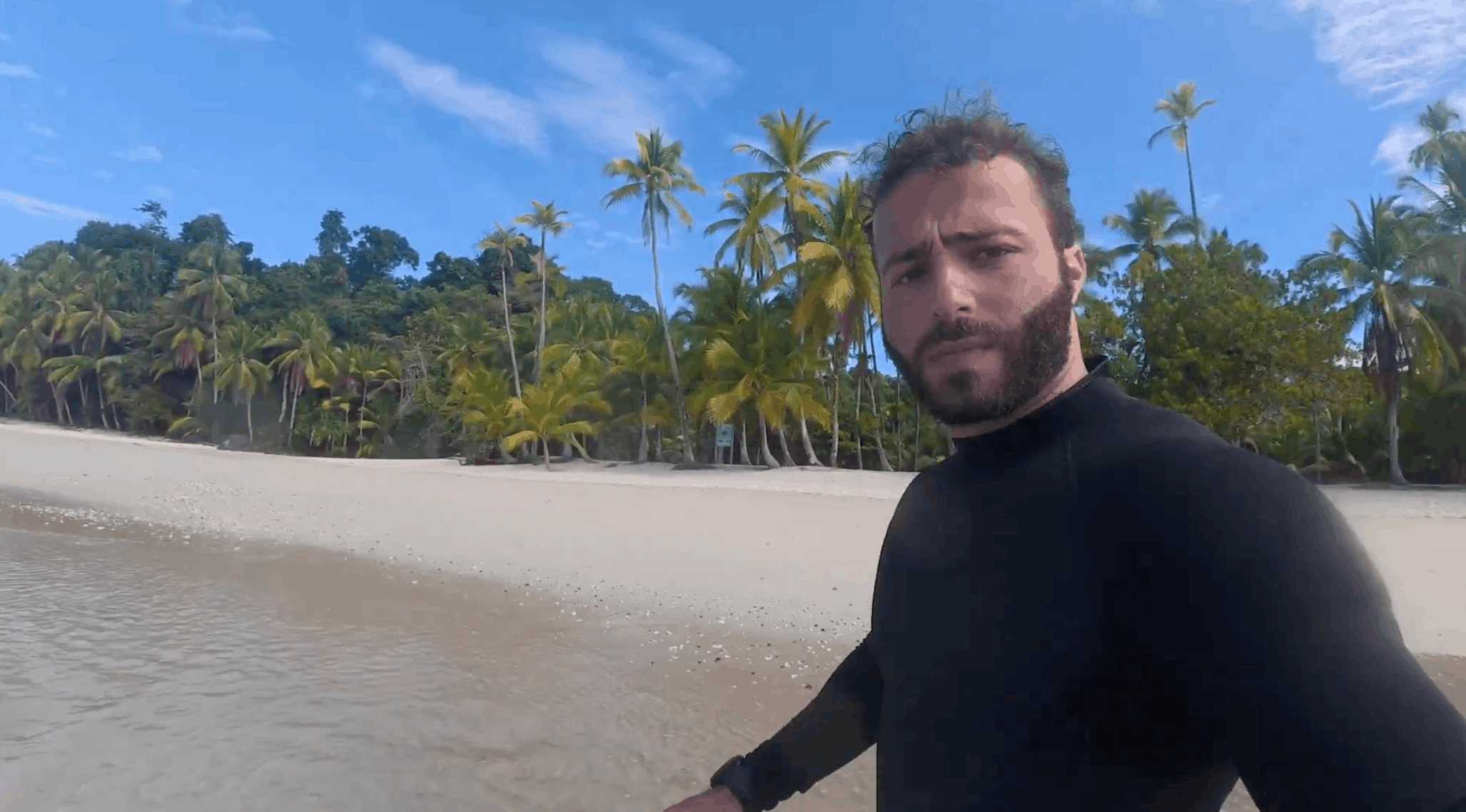
These are the rates I paid with Coiba Dive Center.
Expect a little variance depending on the operator and how you book.
- Three-day overnight trip: $795, including meals and accommodation
- Single day trip: $155
- Coiba National Park entrance fee: $20 per person, per day
The park fee is the part people miss. It is not included on day trips, so budget it on top of the $155. It is included on multi-day trips and PADI certifications, which is part of why the overnight worked out well. My $795 covered the nine dives, the park fees, meals, and the nights on Bahía Honda island.
Diving Conditions & What to Wear
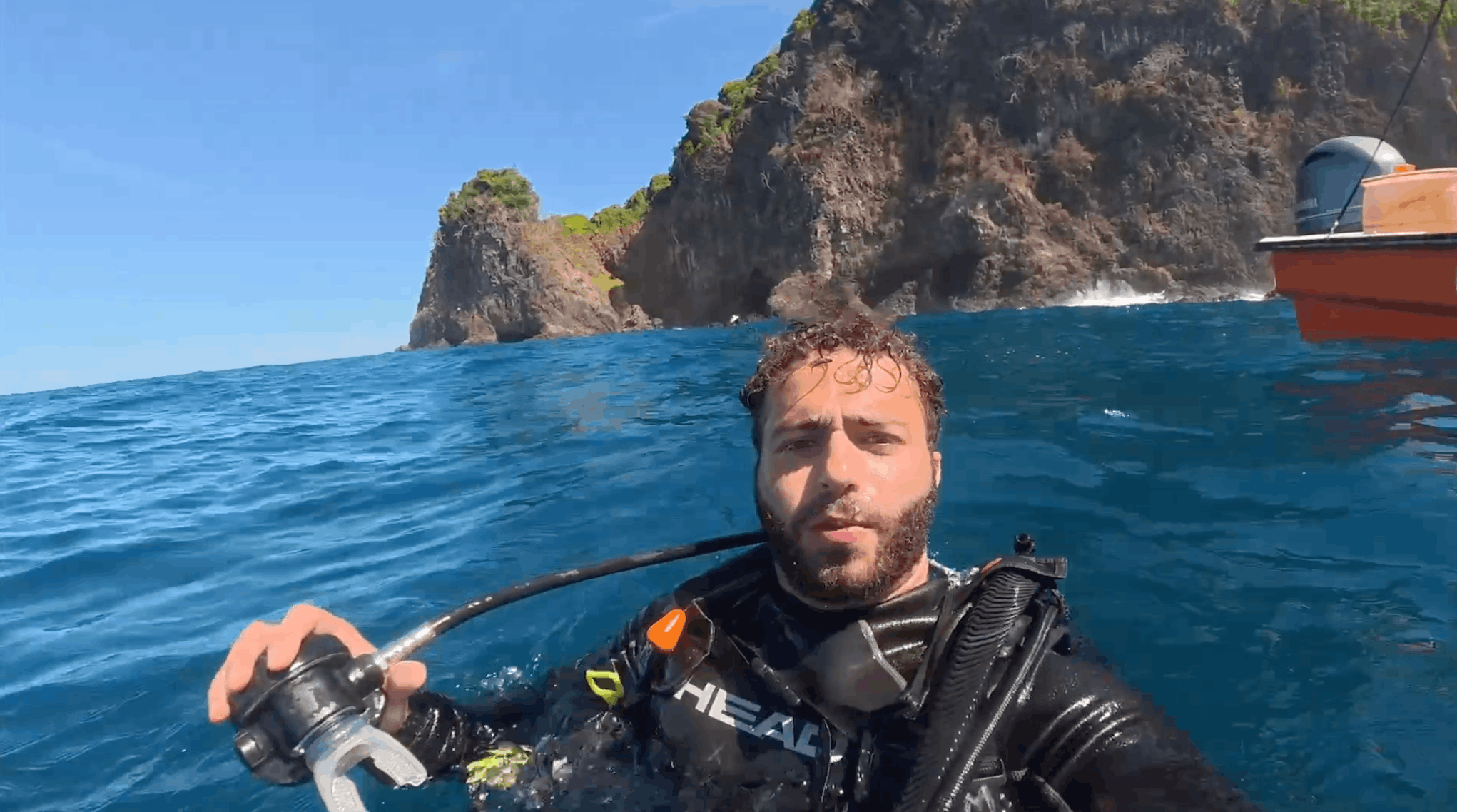
The surface water temperature sat around 79°F, 26°C, on my February trip. However, thermoclines are very noticeable diving here.
At Wahoo Rock they hit hard, dropping from 80°F to 72°F (22°C) in ten feet of depth change.
If you feel one, the move is to ascend unless there is a specific reason to push through it.
Current varies by site and it can be serious. At Montaña Russa it ripped hard enough that I grabbed rocks at points just to hold position and not get swept off the group.
Visibility ran around 60 feet (18 m) on my dives.
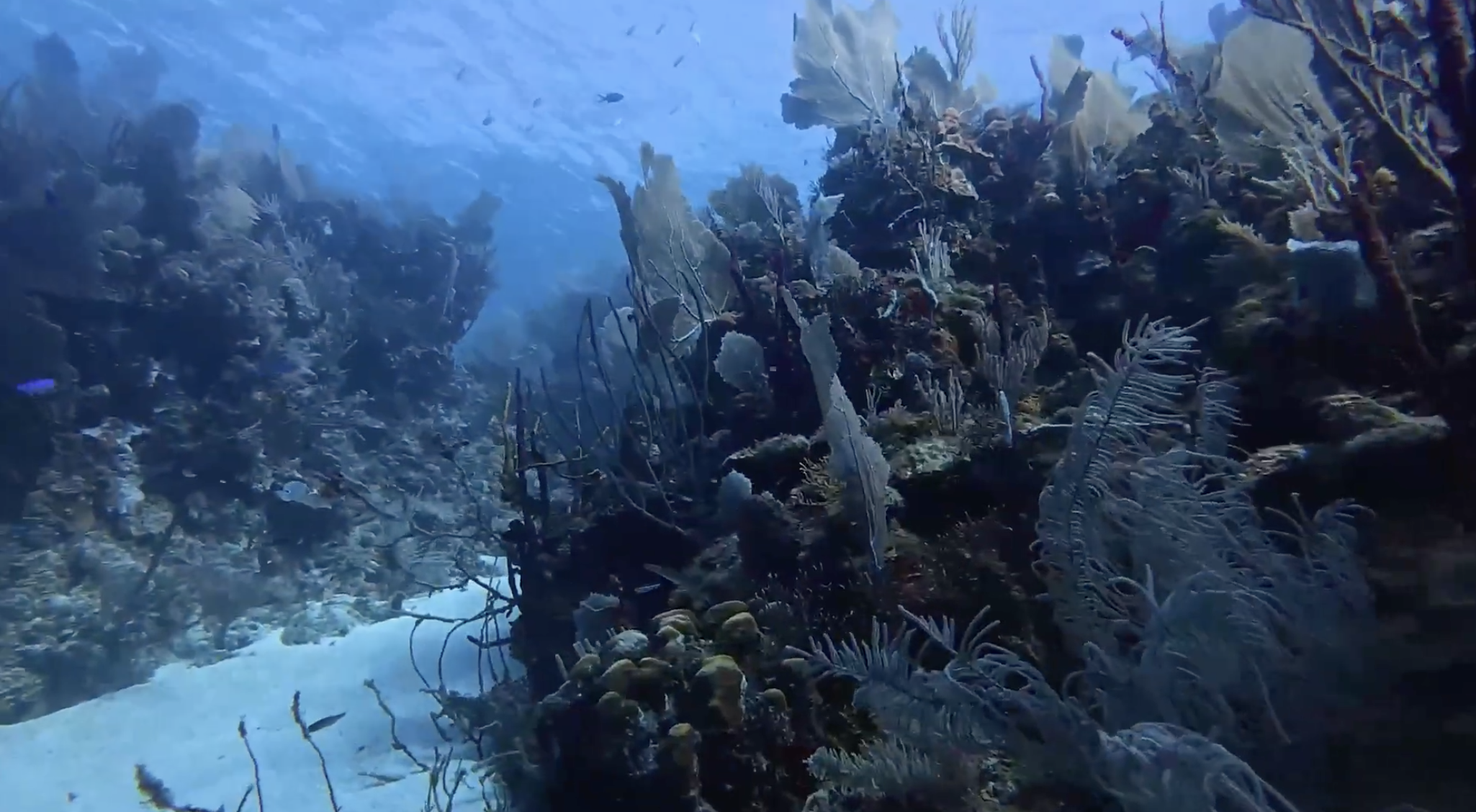
The reef itself is what you're expect in the Pacific. Very rocky, with hard coral. It's different from the soft coral and sea fans on Panama's Caribbean side.
I dove a 5 mm full suit with a 5 mm shorty layered over the top of it. The water in Coiba is cold!
Getting to Coiba
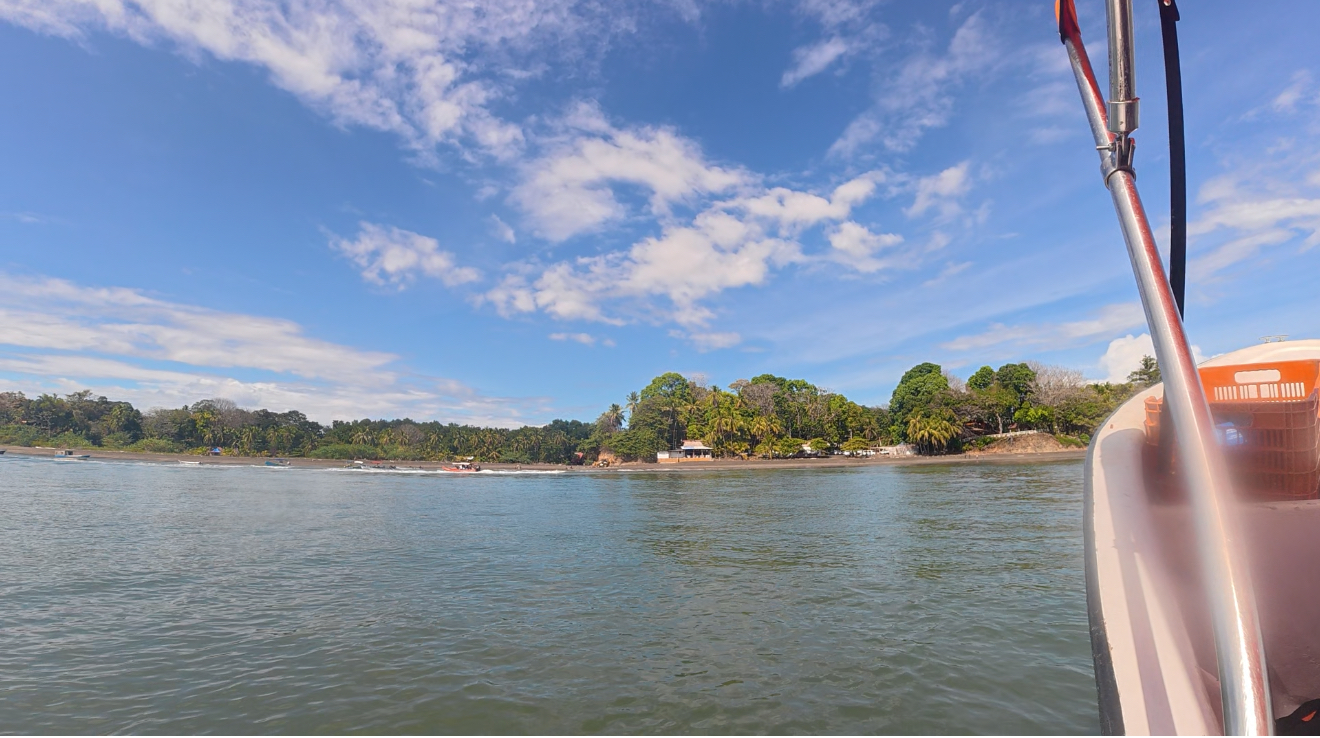
The most common way to get to Santa Catalina, in order to dive Coiba National Park, is by flying into Panama City (Tocumen International Airport).
From there you have a few options.
Rental Car: This is what I did. It's roughly a 5-6 hour drive from Panama City to Santa Catalina.
Shuttle: A budget-friendly option at around $11. Takes longer but gets the job done.
Charter Plane: Expensive solo, but split across a group it can come down to around $100-200 per person per leg. Worth considering if you're traveling with a group and value your time.
Once in Santa Catalina, it's about an hour to an hour and a half boat ride to reach the national park.
Should I do a day trip or the overnight trip?
The overnight, if the dates work. Santa Catalina to the park is an hour to an hour and a half of boat each way, so a day trip loses a lot of its day to transit. Coiba Dive Center runs three-day overnight trips a couple of times a month where you sleep on Bahía Honda island right near the park.
How deep are the dives in Coiba?
Across my nine dives, max depths ran from 49 to 83 feet and average depths from 31 to 52 feet. Montaña Russa was the deepest at 83 feet (25 m). The whale shark dive at Wahoo Rock was the shallowest on purpose, maxing at 49 feet (15 m), because the action happens in the mid-water plankton rather than down deep.
How cold is the water, and are there thermoclines?
Around 79°F (26°C) in February, but the thermoclines are sharp. At Wahoo Rock the temperature dropped from 80°F to 72°F (22°C) across ten feet of depth.
What is visibility like in Coiba?
Around 60 feet (18 m) on my trip. The plankton haze that draws the whale sharks is also what keeps it from being clearer, so the two go together.
What wetsuit do you need in Coiba?
More than you would expect for Panama. I wore a 5 mm full suit with a 5 mm shorty over it. The water is cold and the thermoclines drop to 72°F (22°C).
Is the current strong in Coiba?
It depends on the site. Montaña Russa was strong enough that I held onto rock to keep from being swept off the group. Bring gloves for that, and make sure there is no coral where you place your hand.
What will I actually see diving Coiba?
On nine dives I saw whale sharks, a very large manta, a bull shark, oceanic blacktips, white tip reef sharks stacked on the bottom and in caves, schooling barracuda, amberjacks, stingrays, turtles, garden eels, three scorpion fish and a baby octopus. Wahoo Rock is the site for whale sharks, devil rays and mantas.
Which Coiba dive site is the best?
Wahoo Rock, for the whale shark potential. Punta Peligro has the best topside scenery of the trip, Santa Cruz the best hard coral, and Buffet the best schooling fish. If you only get one dive in that area, Wahoo Rock edges it out.
Let's Dive Together
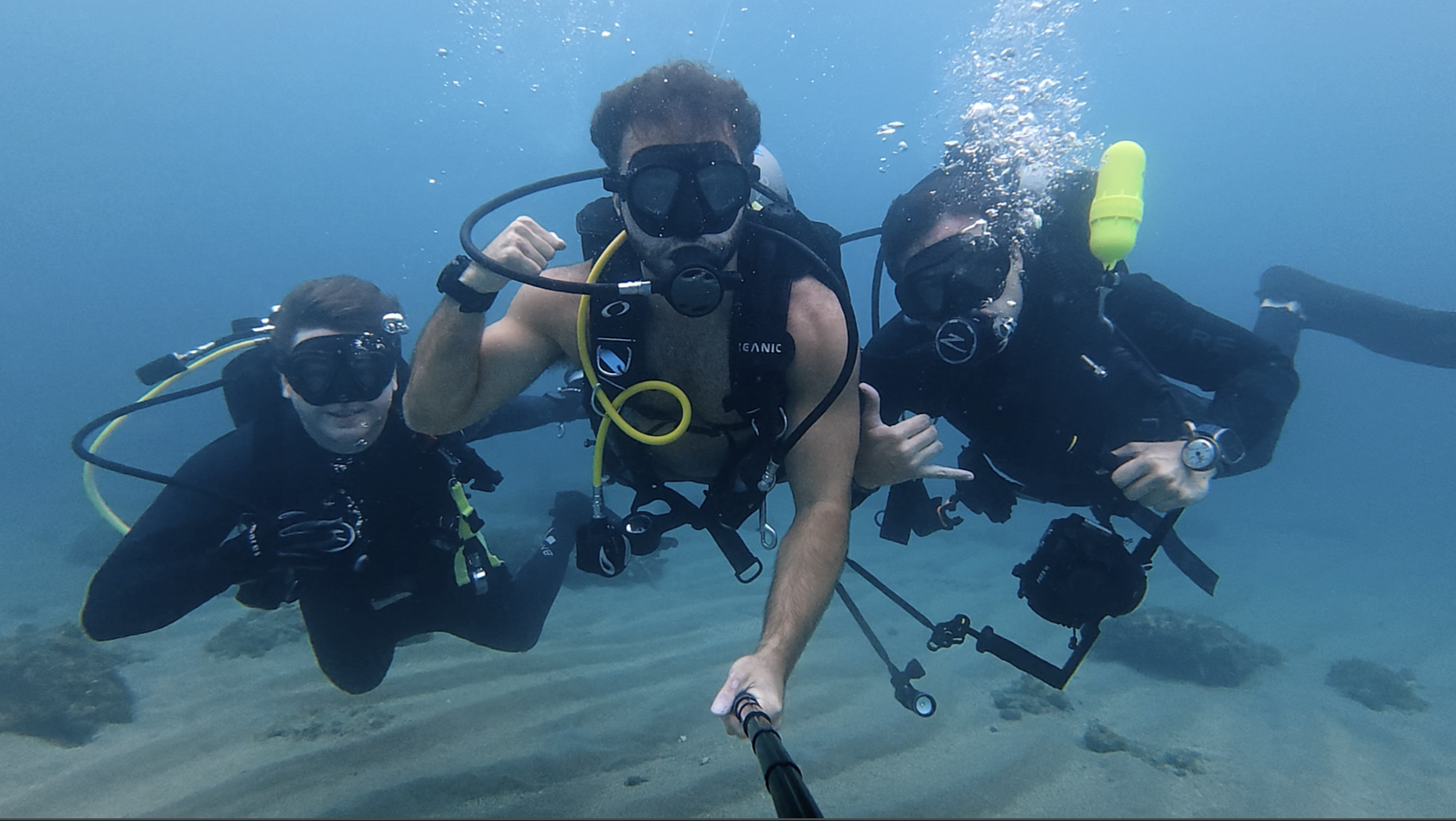
👋 It's Divemaster Austin
I'm inviting you to Dive Club, my global scuba diving community.
What you’ll find inside:
🤿 Dive meetups & group trips
🌍 Top dive sites shared by community members
⚙️ Gear tips & technique discussions
🤝 Diver's who’ve already linked up IRL
See you there!

.webp)
.webp)


%20(1).png)