

.webp)

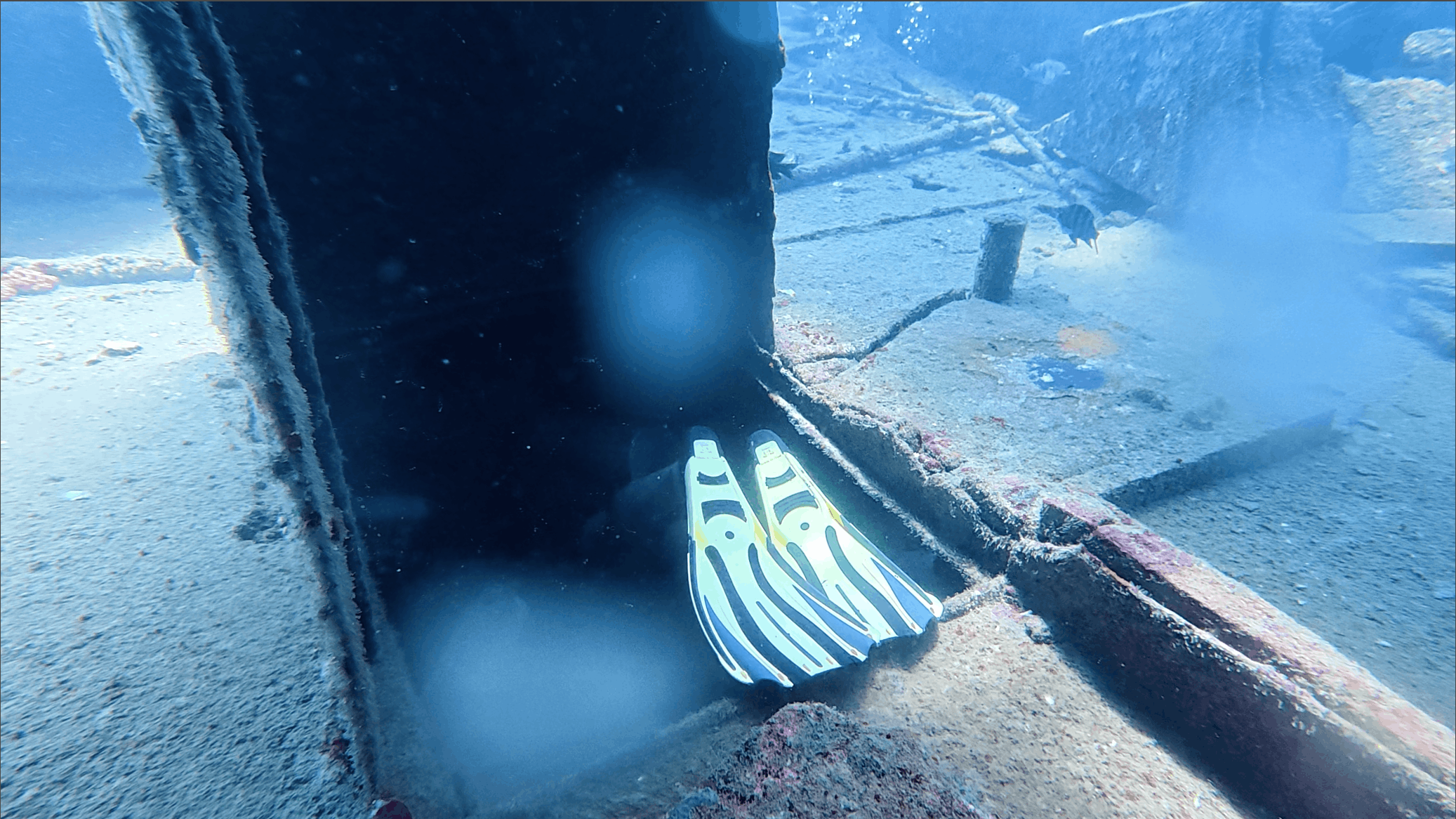
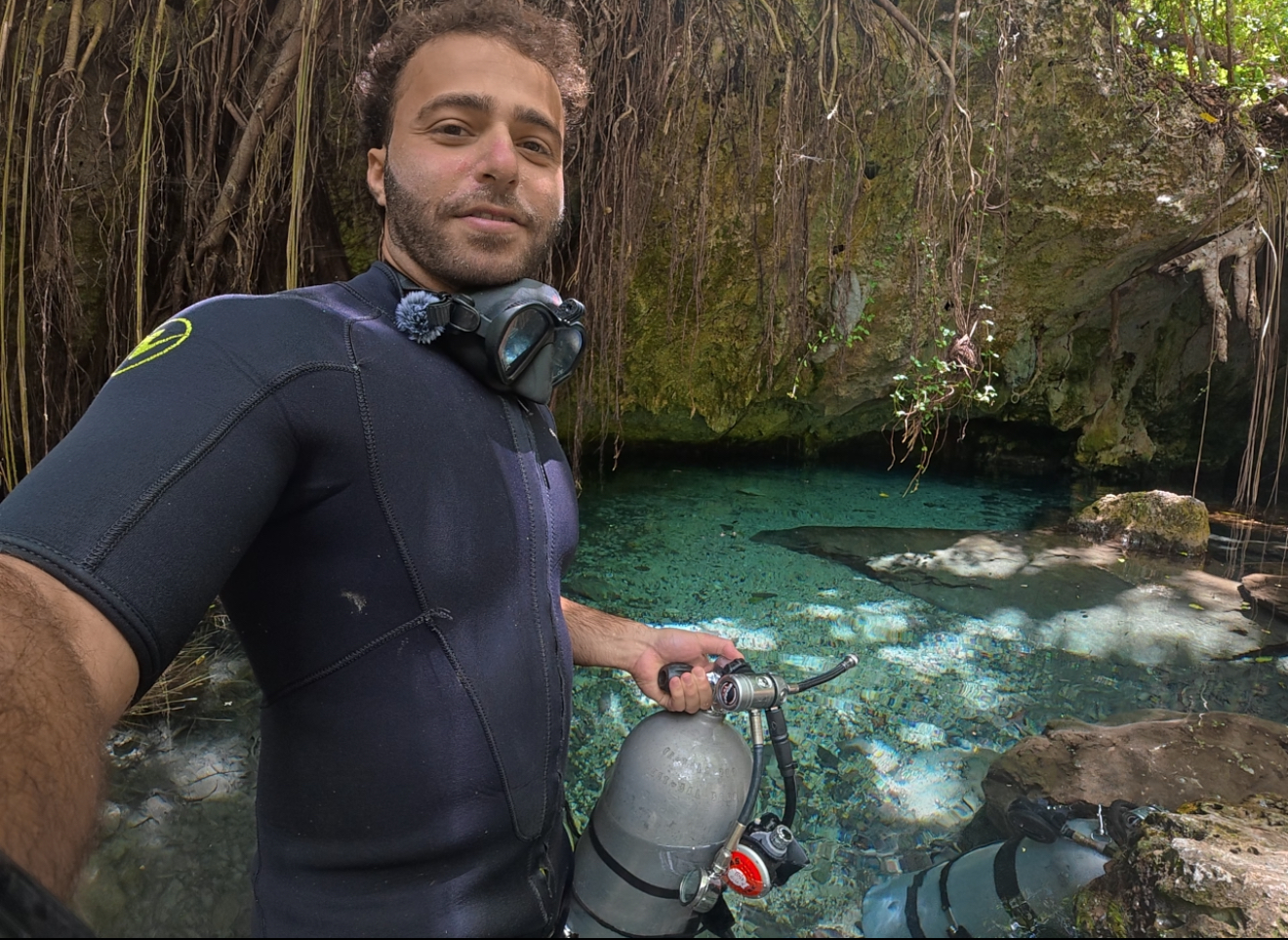
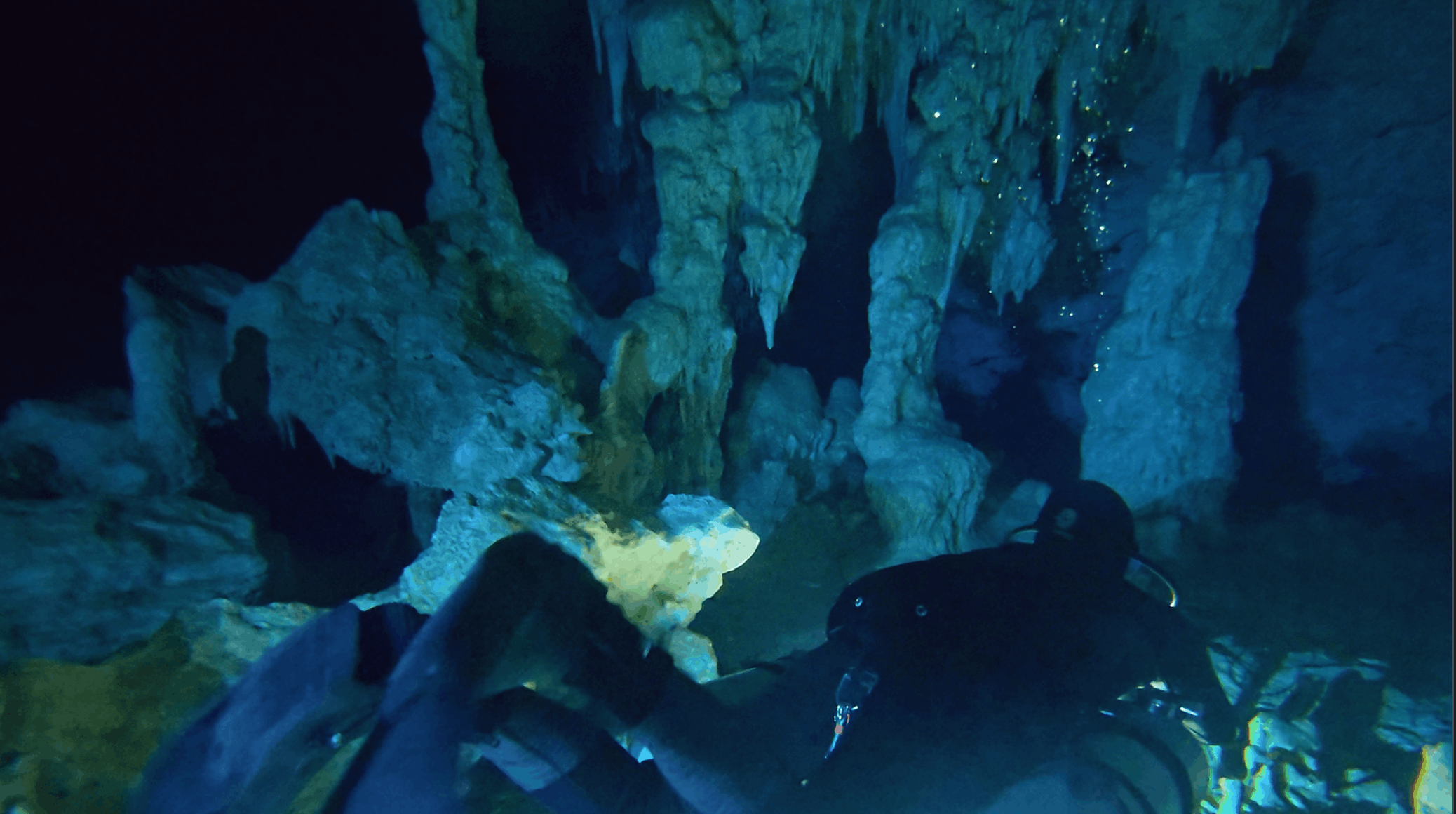
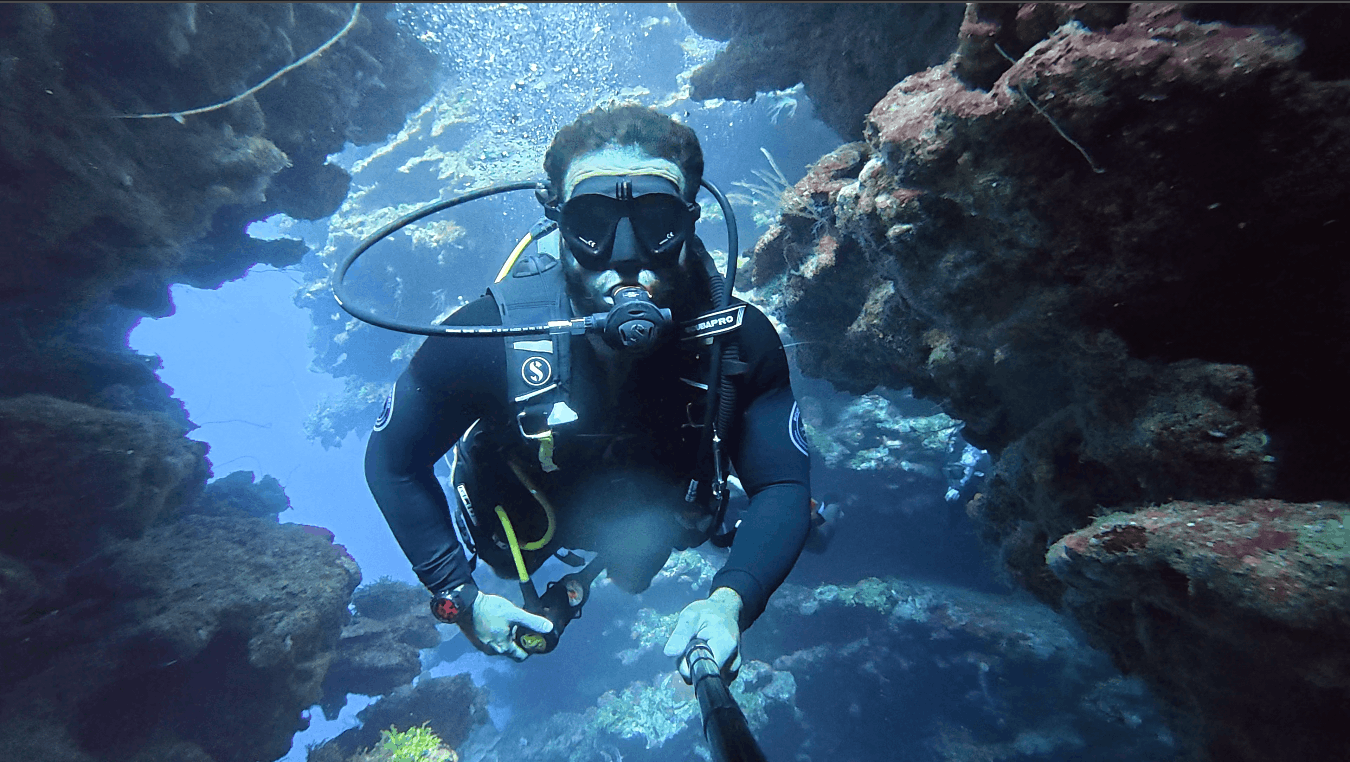
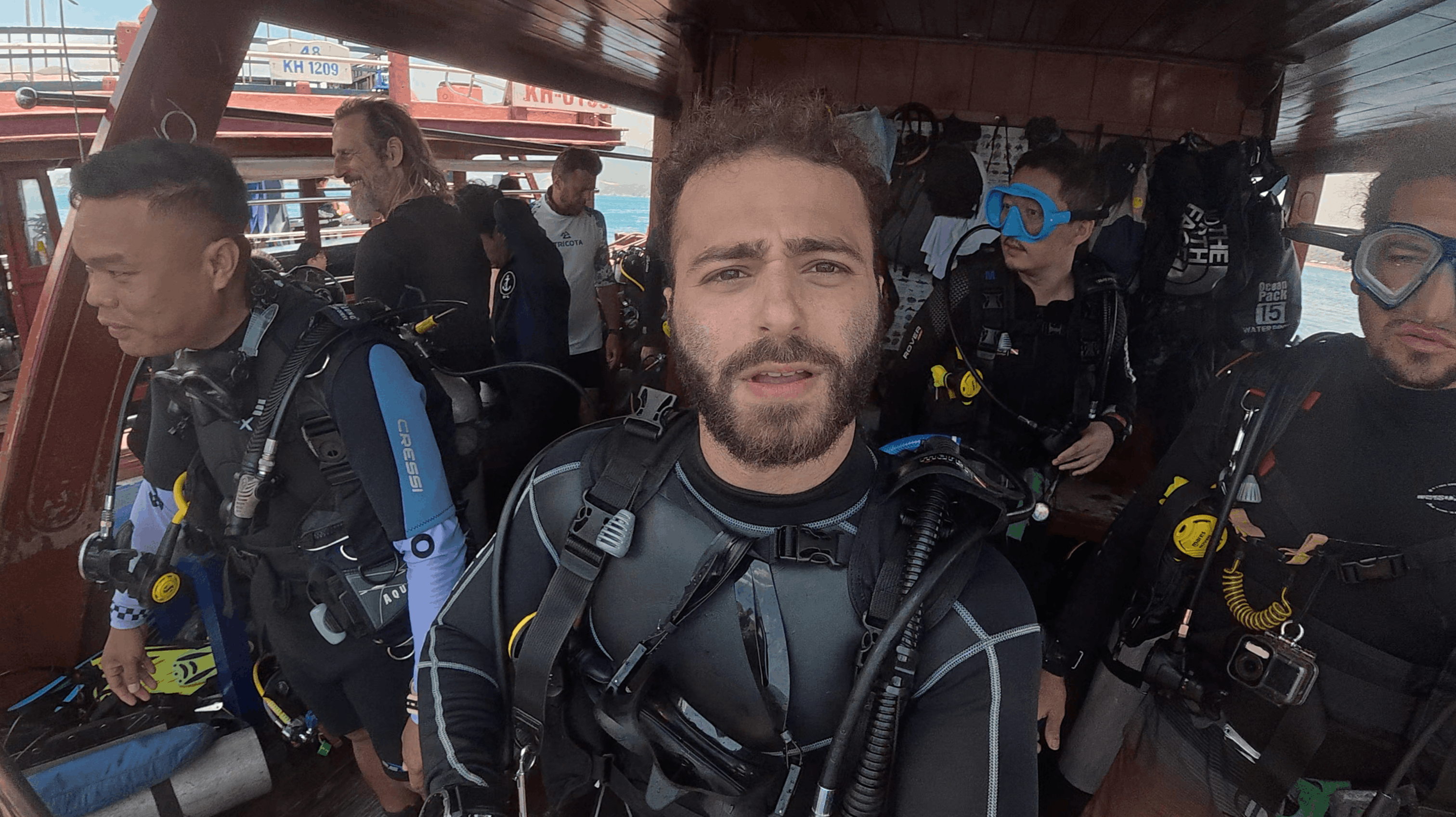
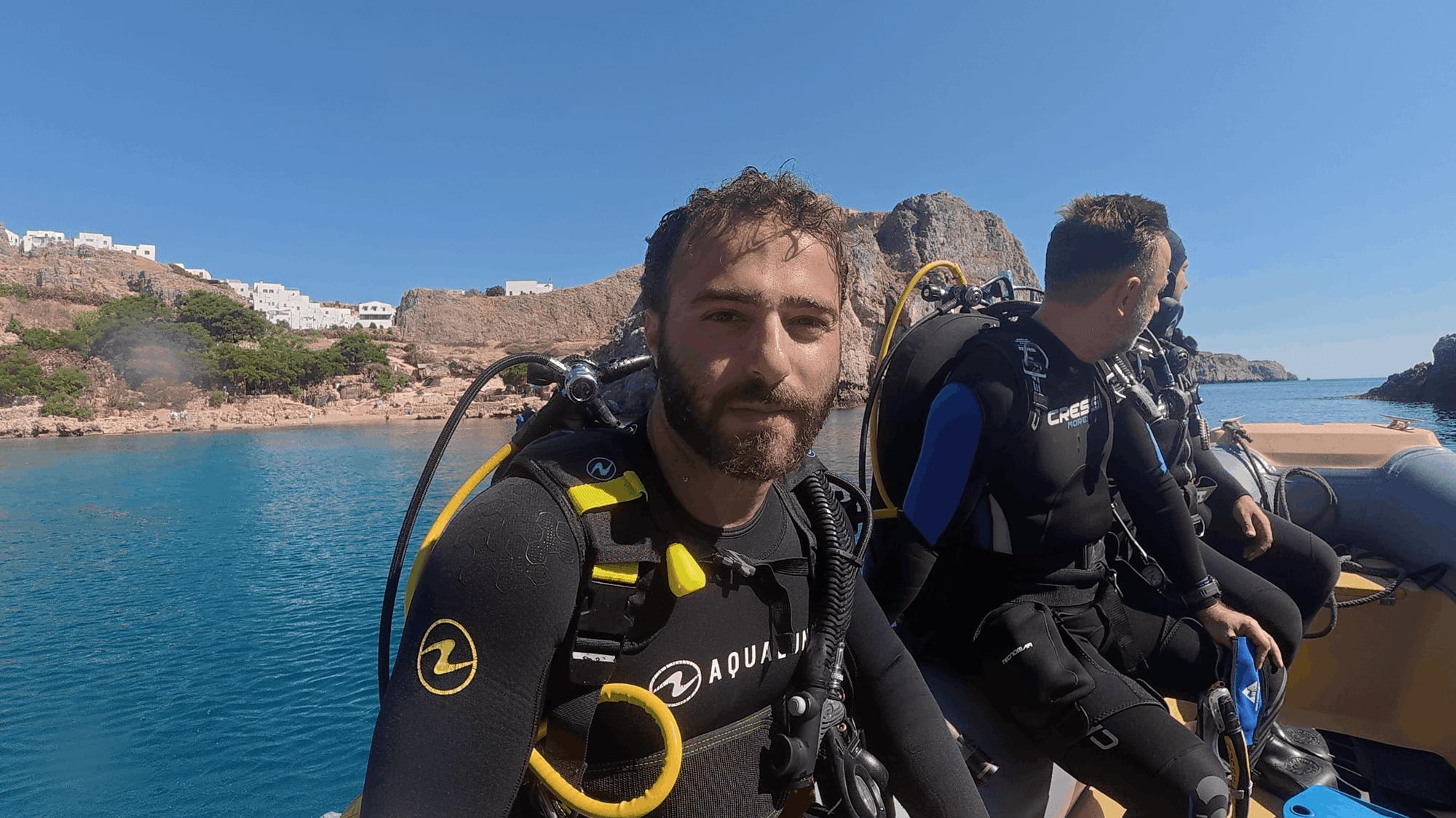
I spent a week diving the Dominican Republic in April of 2026.
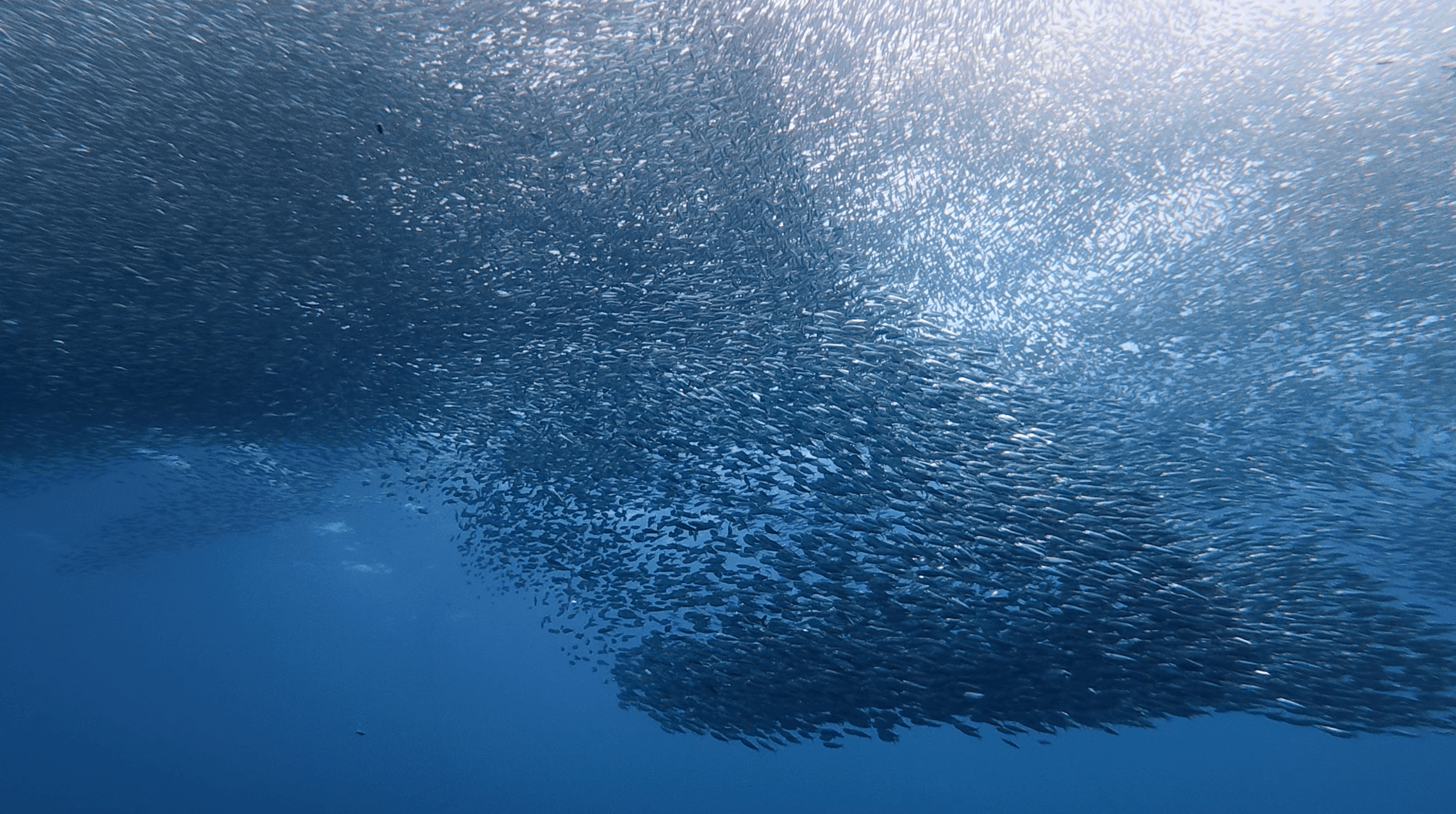
The Dominican Republic doesn't get the same attention as Cozumel or Roatan when discussing Caribbean diving, but it's definitely up there for me in terms of Caribbean diving destinations.
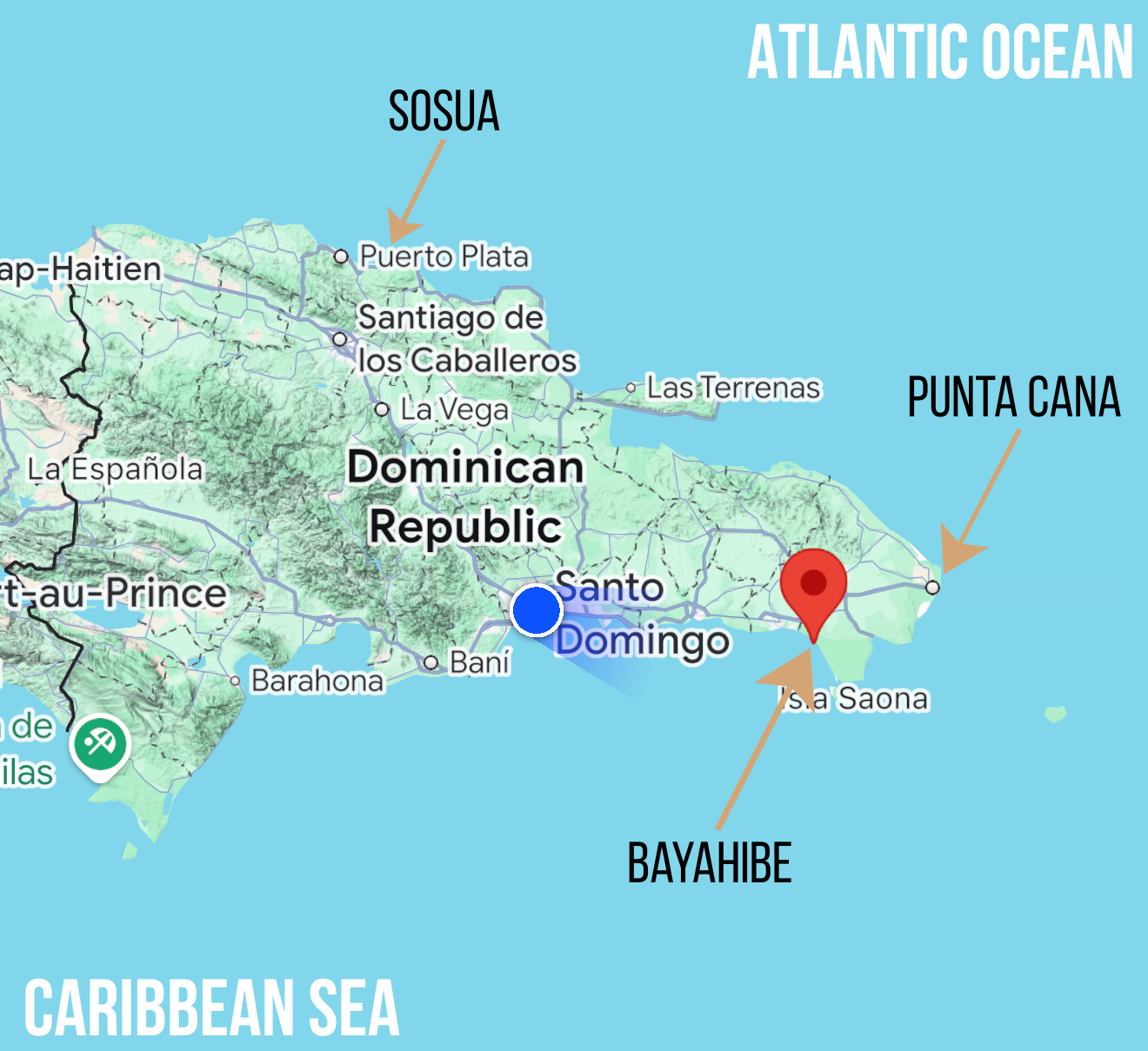
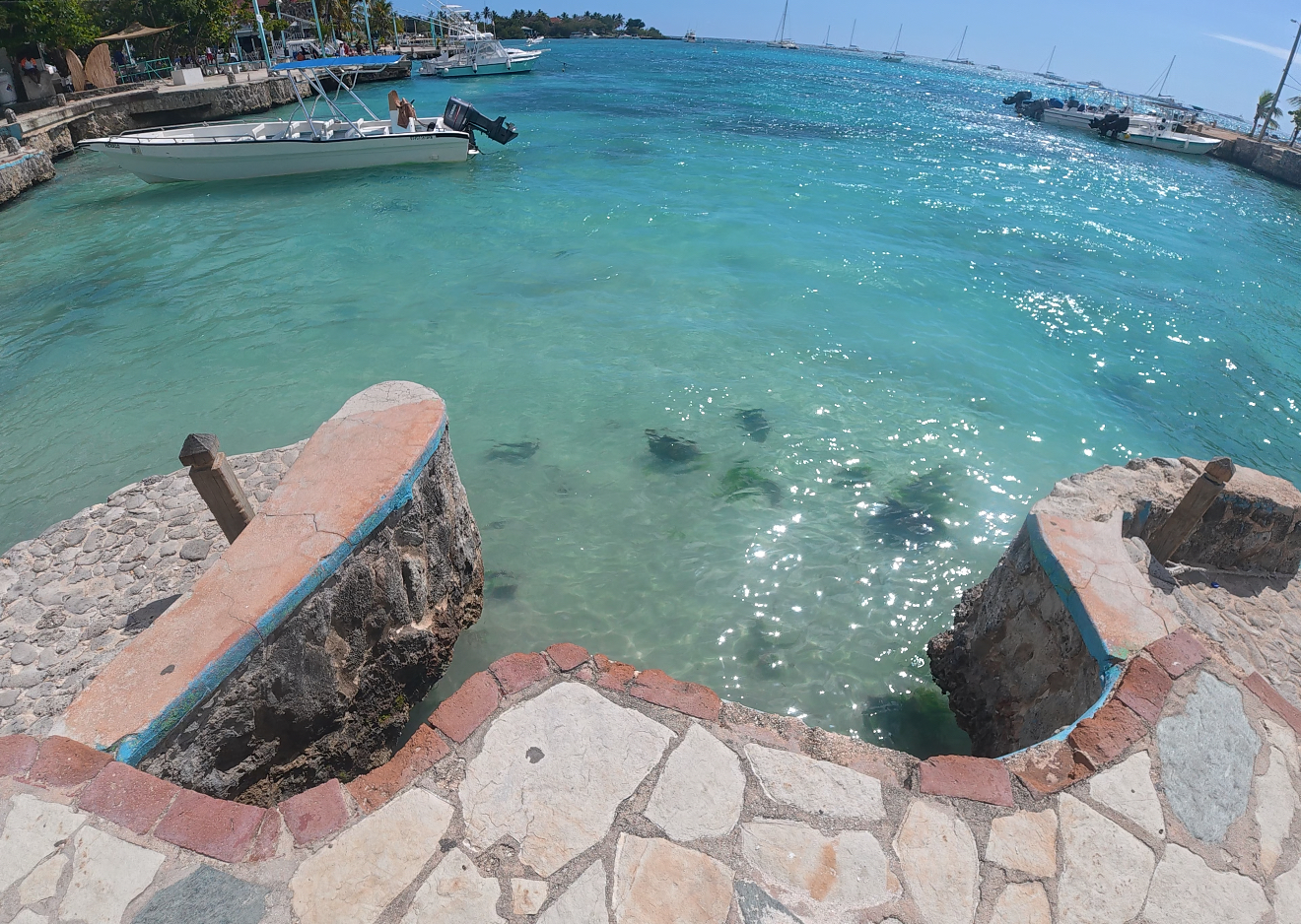
For a majority of the trip, I was based out of a town called Bayahibe, a fishing town located on the South East side of the island.
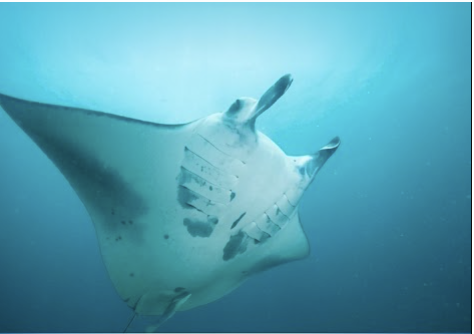
Bayahibe sits next to a marine park, so it has protected reefs, insane biodiversity, and world class shipwrecks. Add in an endless cave system, and you have a destination worth building a dive trip around.
In this guide, I'll cover the best diving destinations, dive sites, travel information, and more, so you can better plan your diving vacation to the Dominican Republic.
For the full experience, I highly recommend you check out the embedded video guide I made, attached above.
Best Time to Dive the Dominican Republic
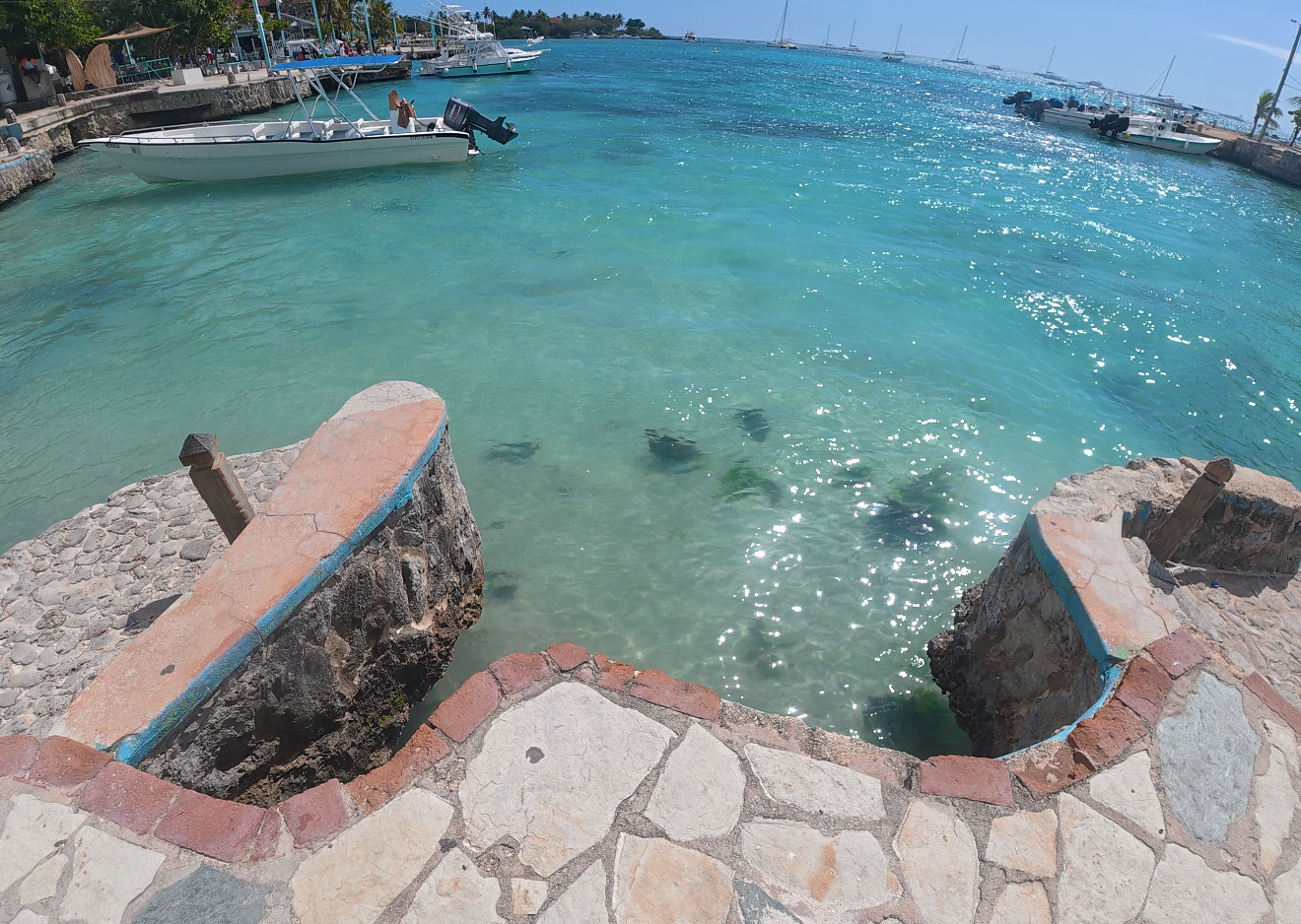
Speaking with the owner of Scuba Fun, you can dive the Dominican Republic year-round, but conditions change slightly by region and whether it's the rainy or dry season.
The dry season runs December through May, and brings calmer seas, warmer water, and the best visibility.
The Atlantic-facing sites around Punta Cana and Bavaro are better from April through September, as winter swells can make conditions choppy on that side of the island.
Best Dive Sites in the Dominican Republic
After speaking with locals, dive operators, and my own diving research, it's clear that Bayahibe on the southeast coast is the best diving in the Dominican Republic.
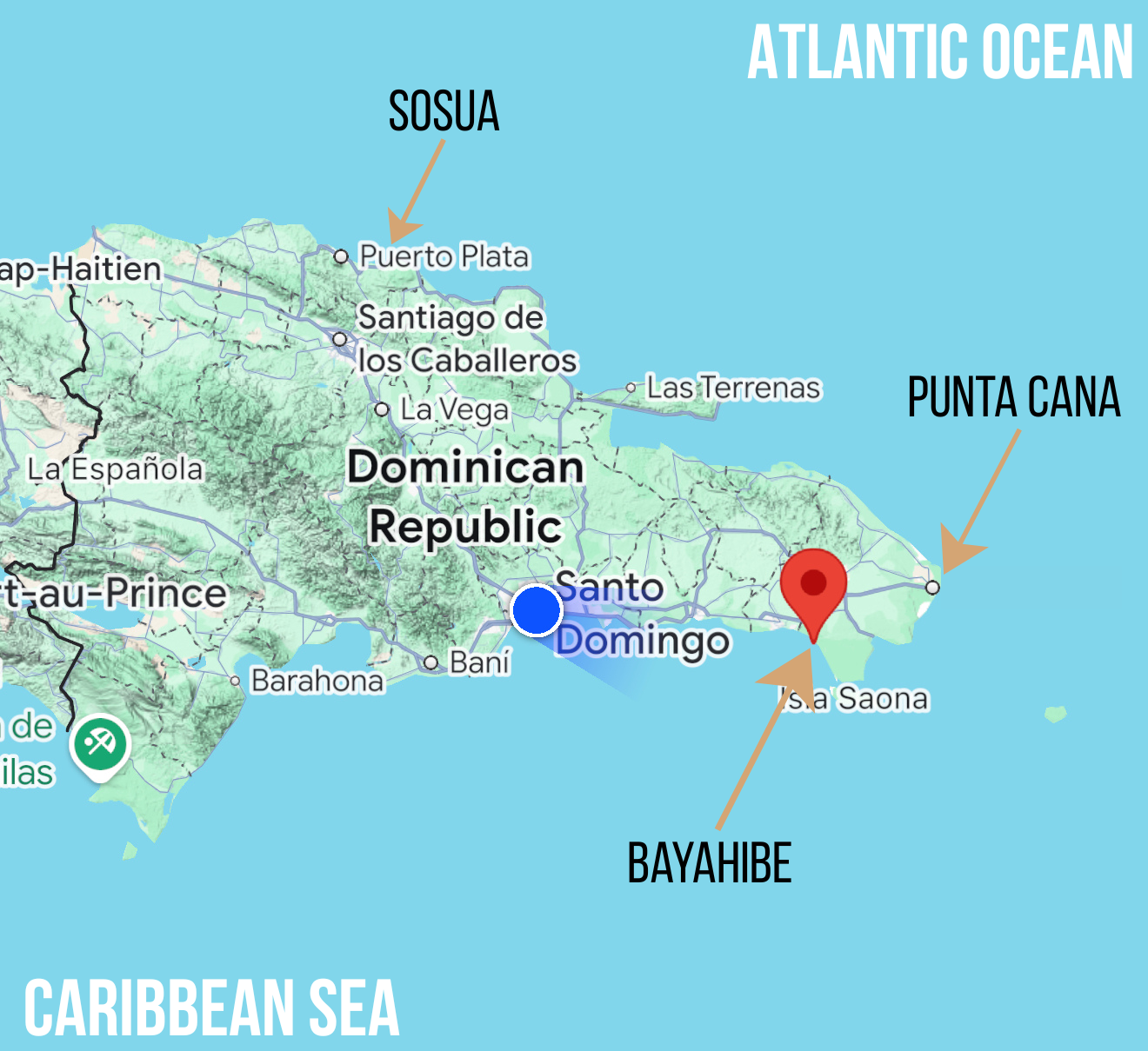
You have some other options like Sosua on the north coast and Punta Cana to the east, which I'll cover later in this guide.
The owner of Scuba Fun told me there are other great dive sites in the country, but the infrastructure simply isn't there to reach them.
I hope to get a sailboat of my own one day, and explore a lot more of the harder to reach Caribbean and Atlantic diving destinations.
If you are coming specifically to dive, Bayahibe is the place to go.
Bayahibe Dive Sites
Almost all of Bayahibe's best dive sites are inside Parque Nacional del Este, protecting them from fishing and anchoring.
While staying in Bayahibe, I did six dives being:
- Two reefs
- Two shipwreck dives
- Two cave dives
Best Reef Dive: El Penon
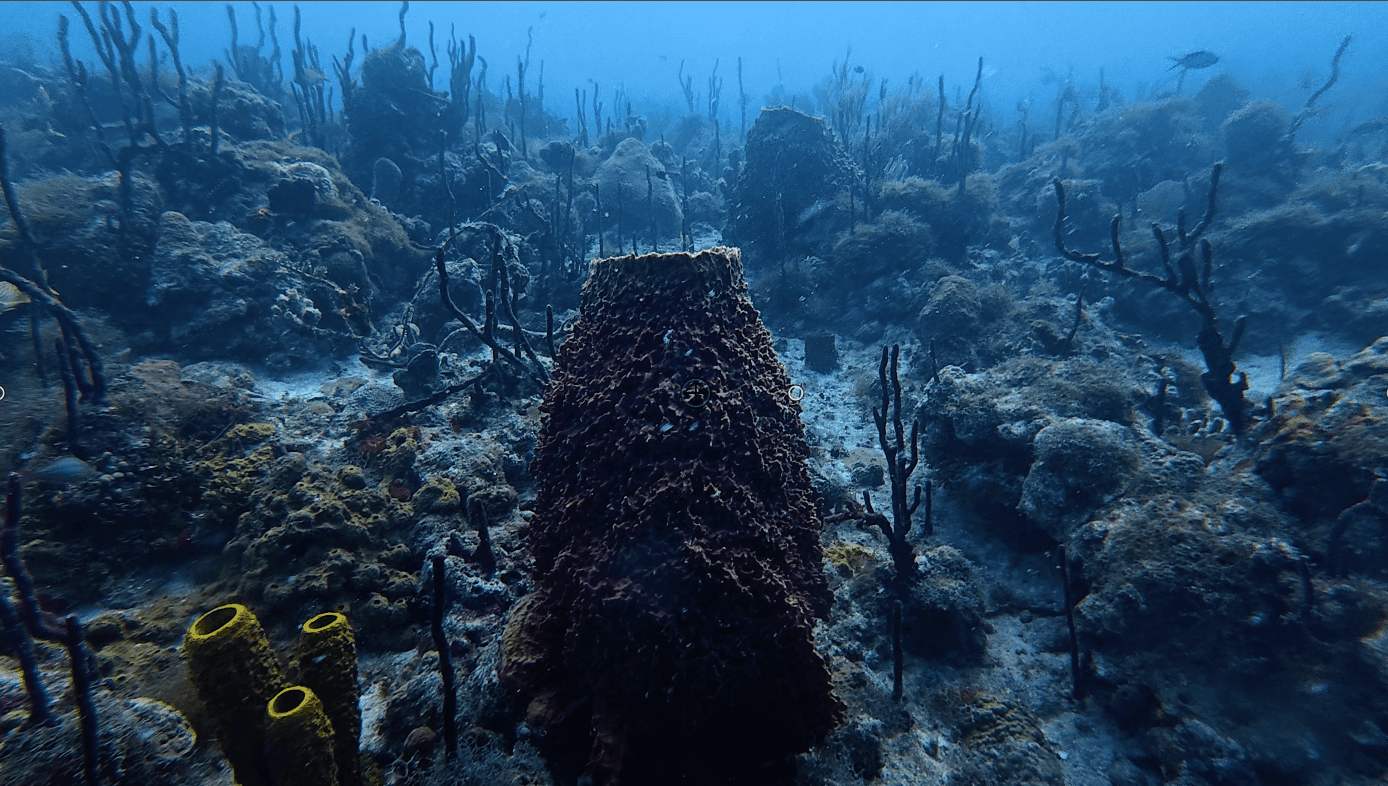
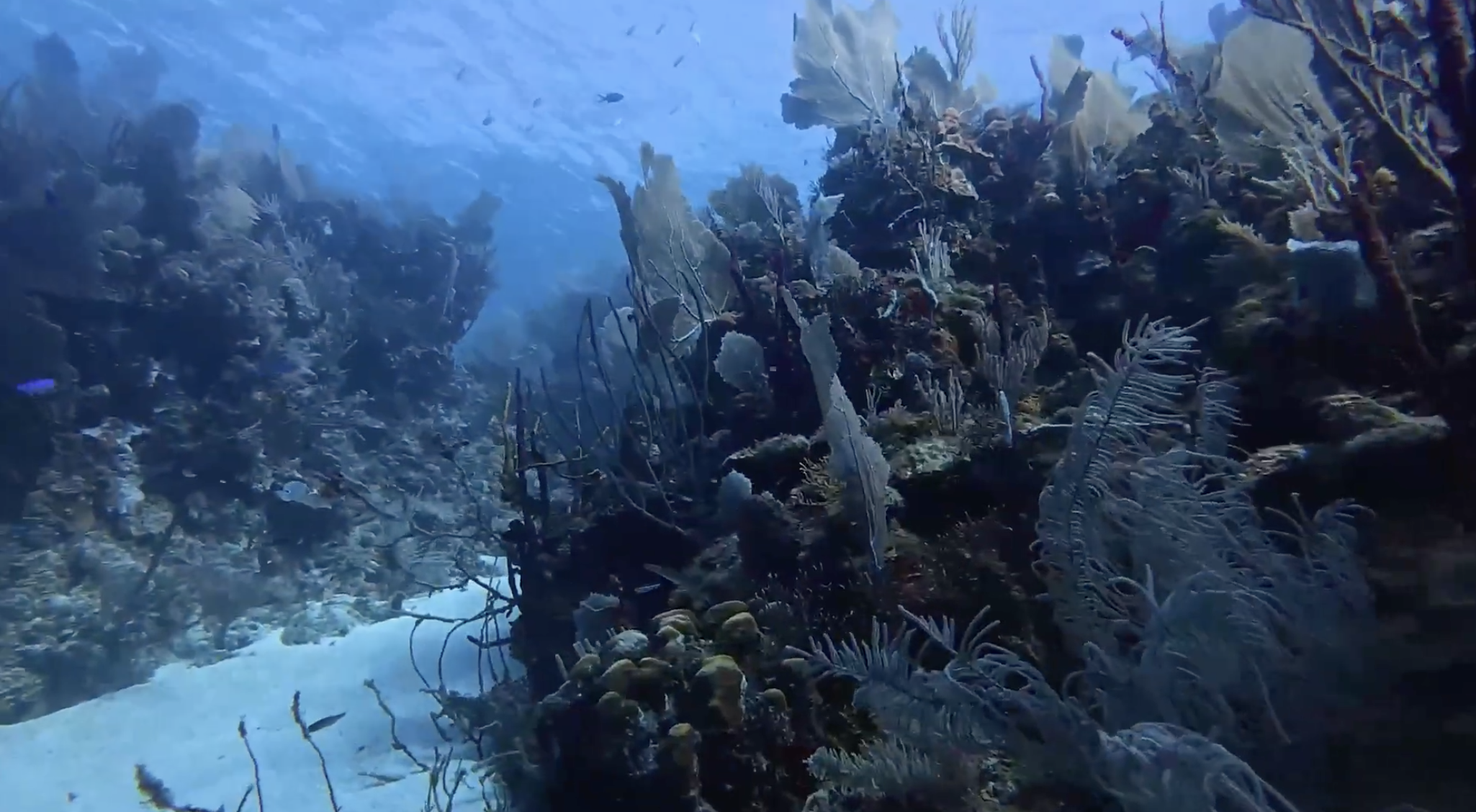
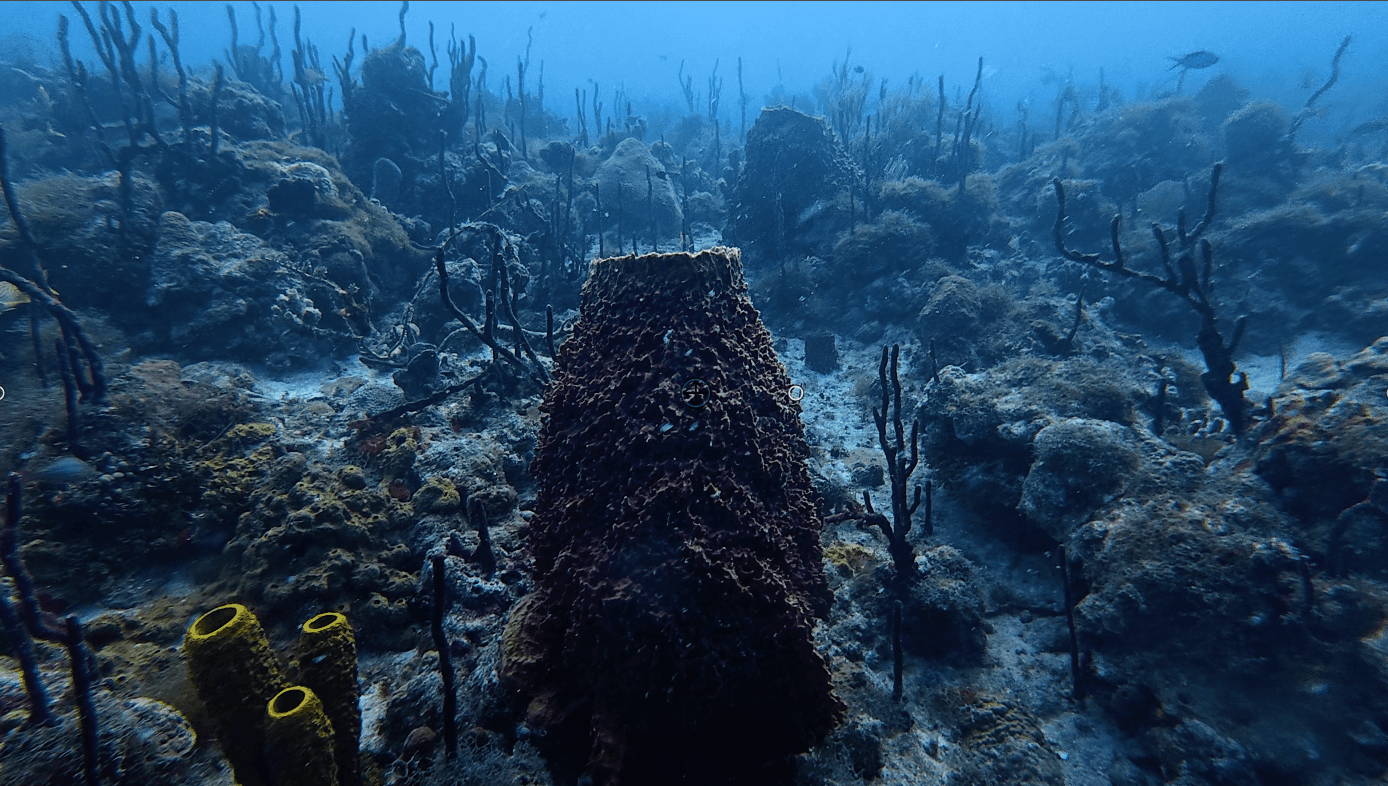
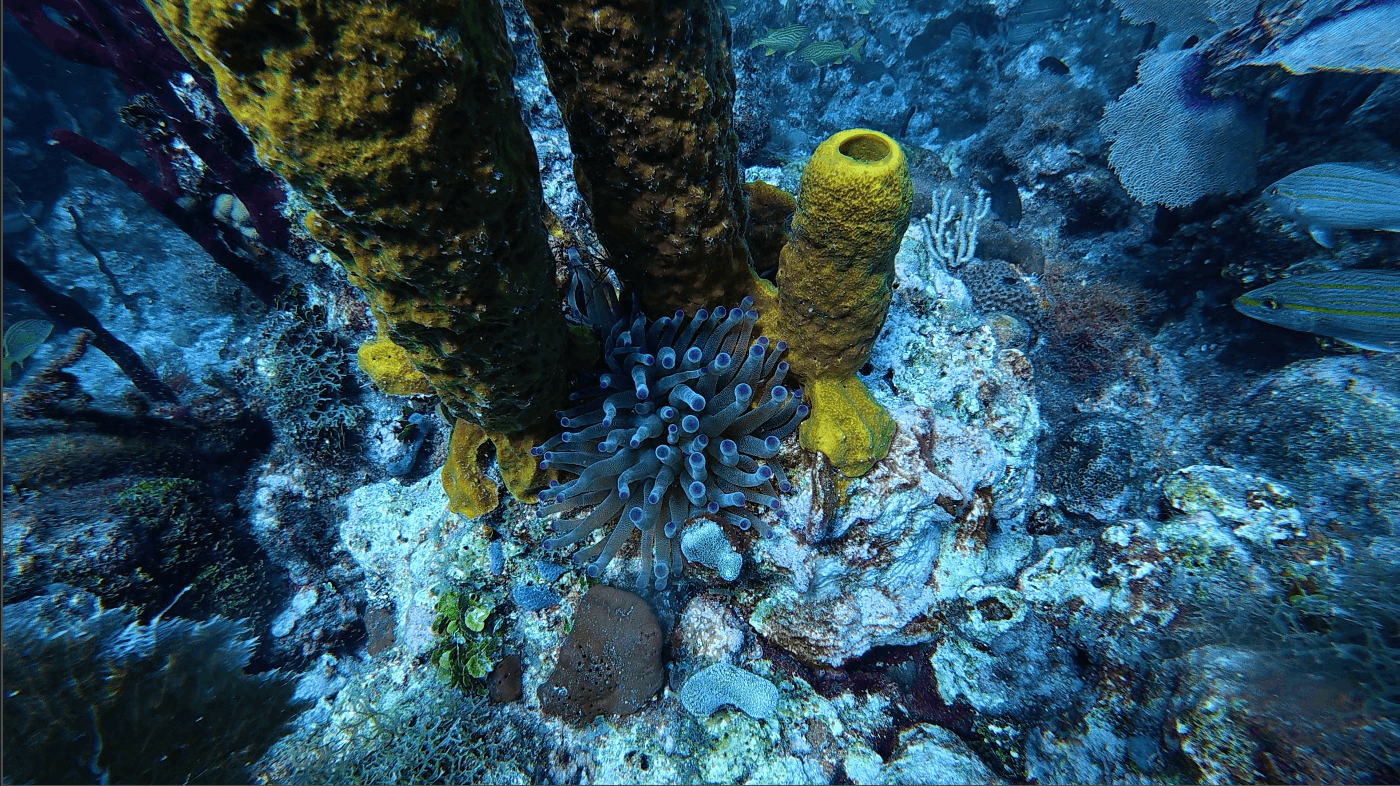
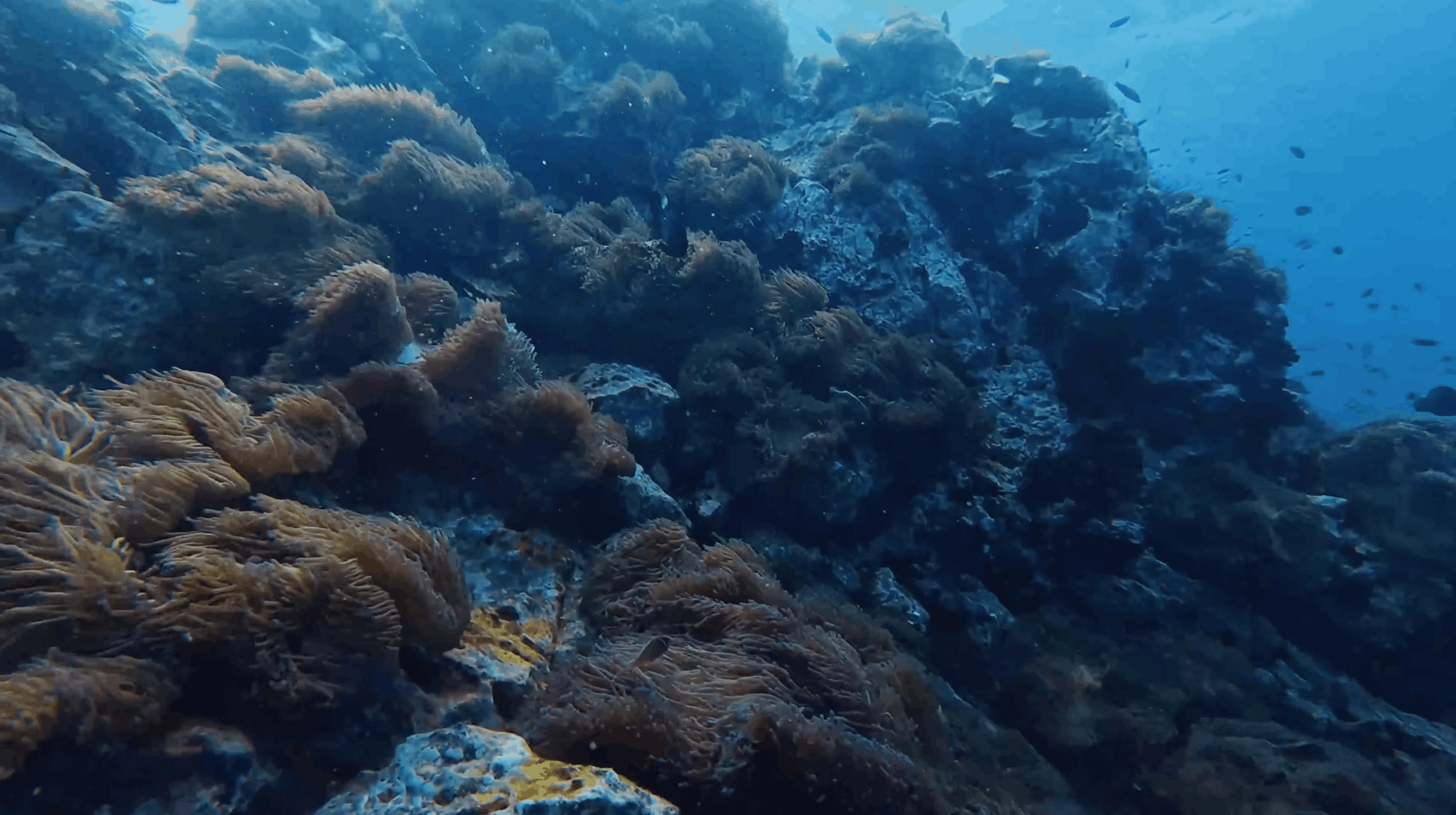
El Penon is widely considered the best and healthiest reef dive in Bayahibe or maybe the entire Dominican Republic.
To get there, it takes around 25 minutes by boat from Bayahibe, but the extra distance is well worth it.
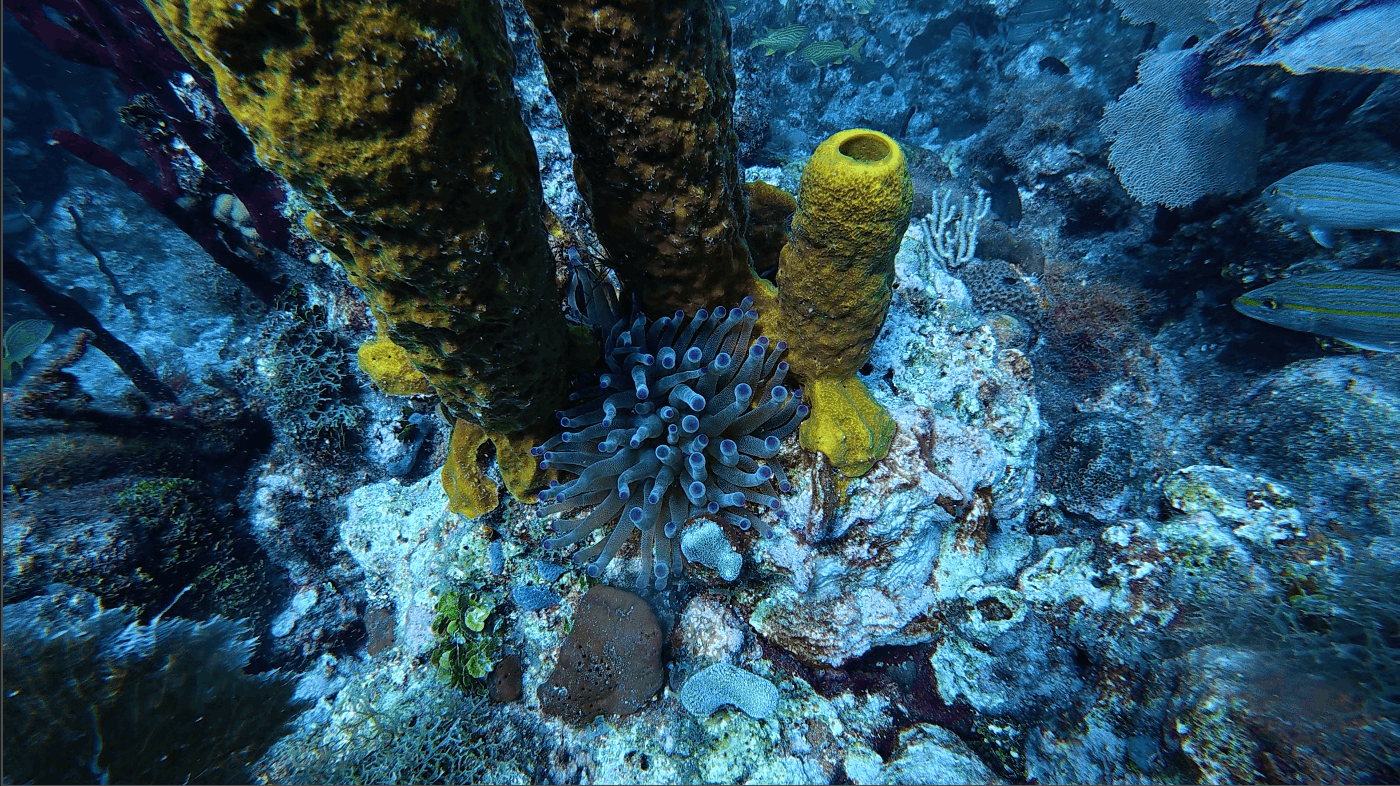
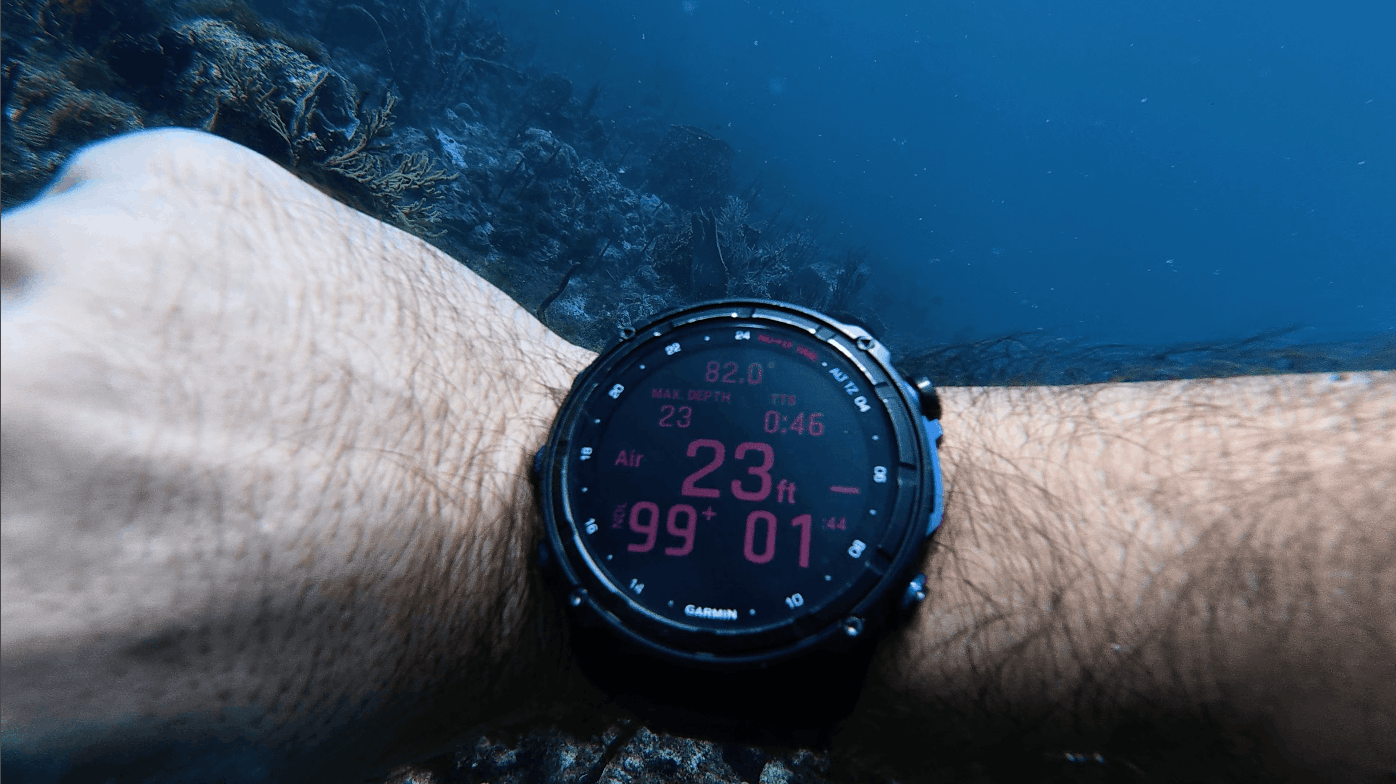
Considering the shallow depth, it's easy to have one hour + bottom times diving here.
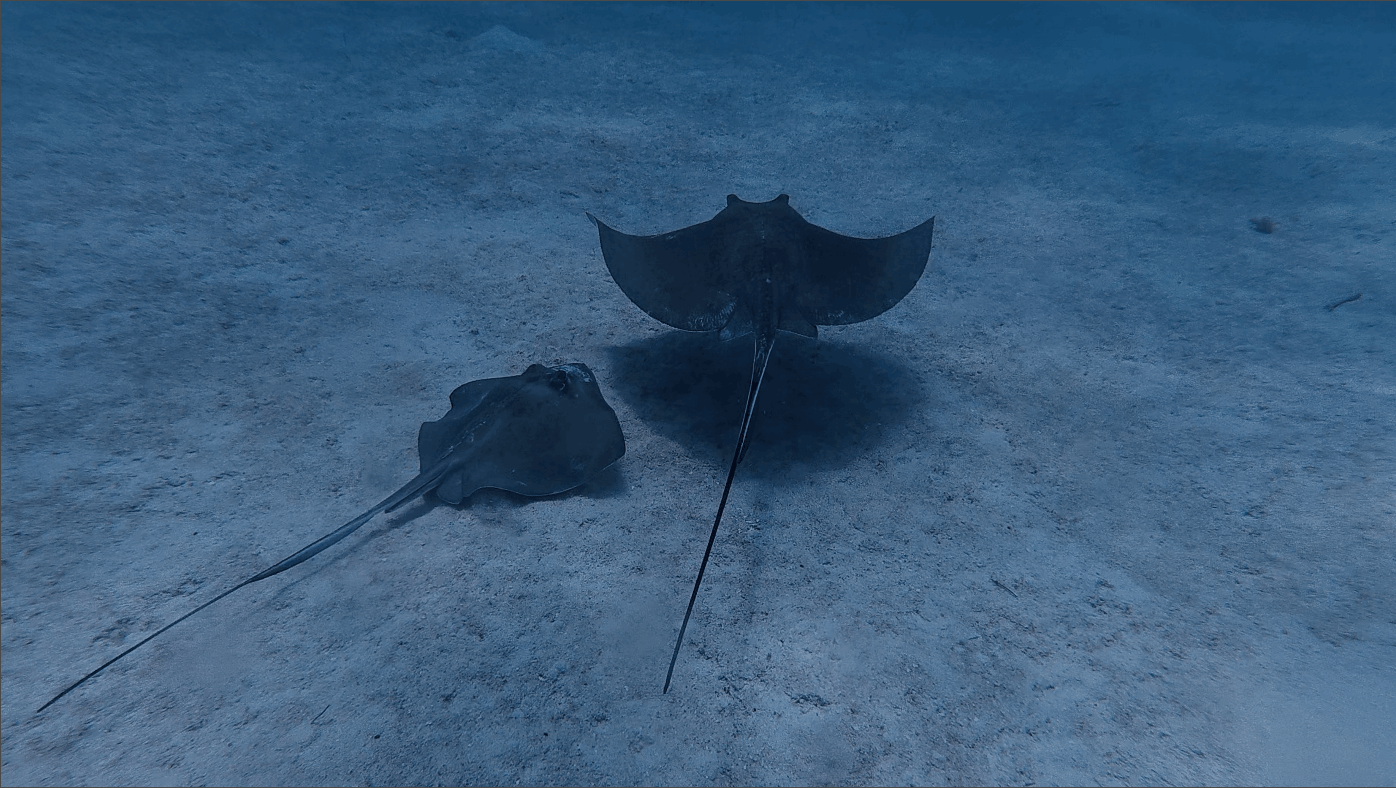
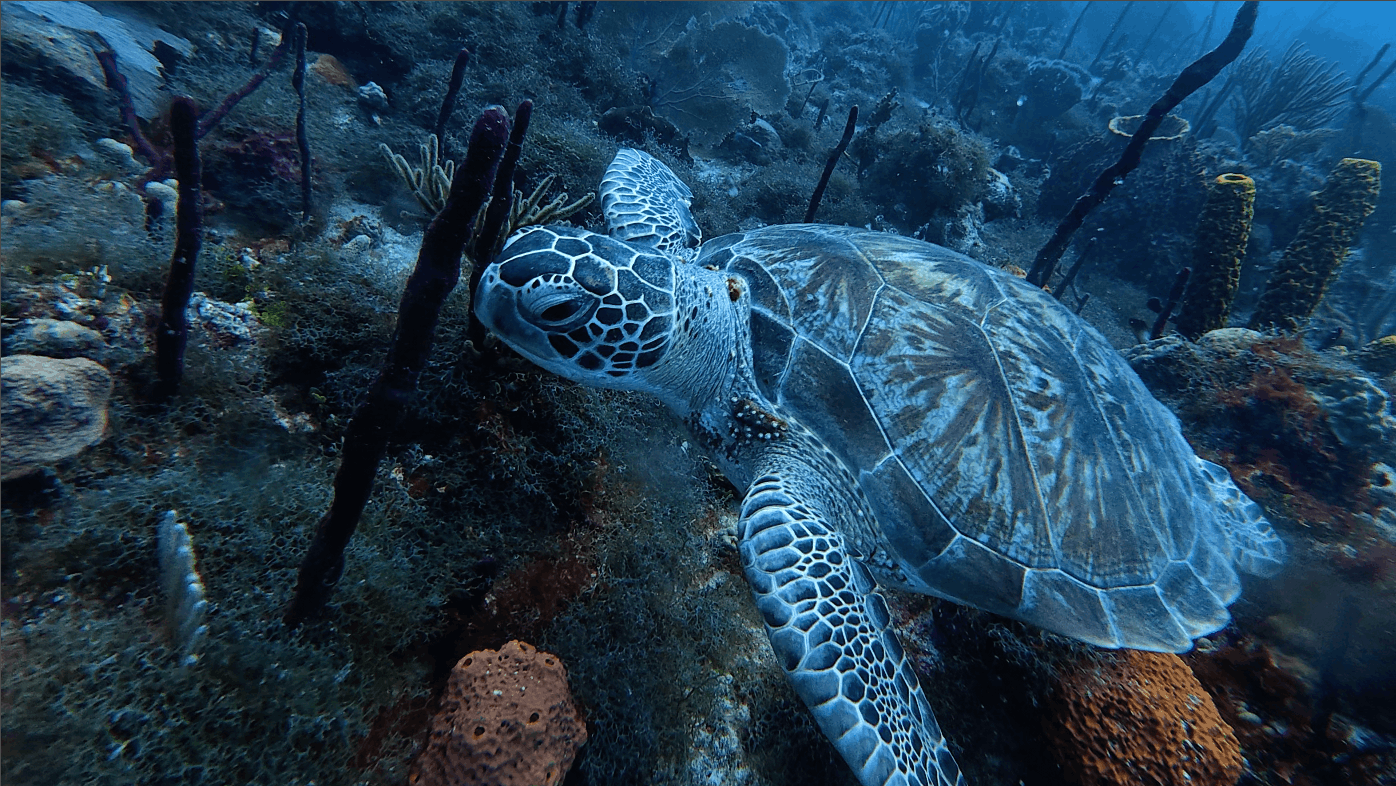
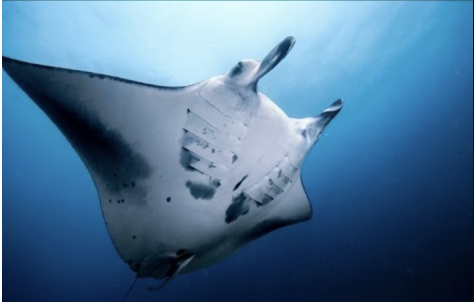
Now I wasn't able to see it, but a dive instructor on my boat said he saw a huge hammerhead on this dive. It would have been awesome to see it and film it, but it's cool to know they come to the area.
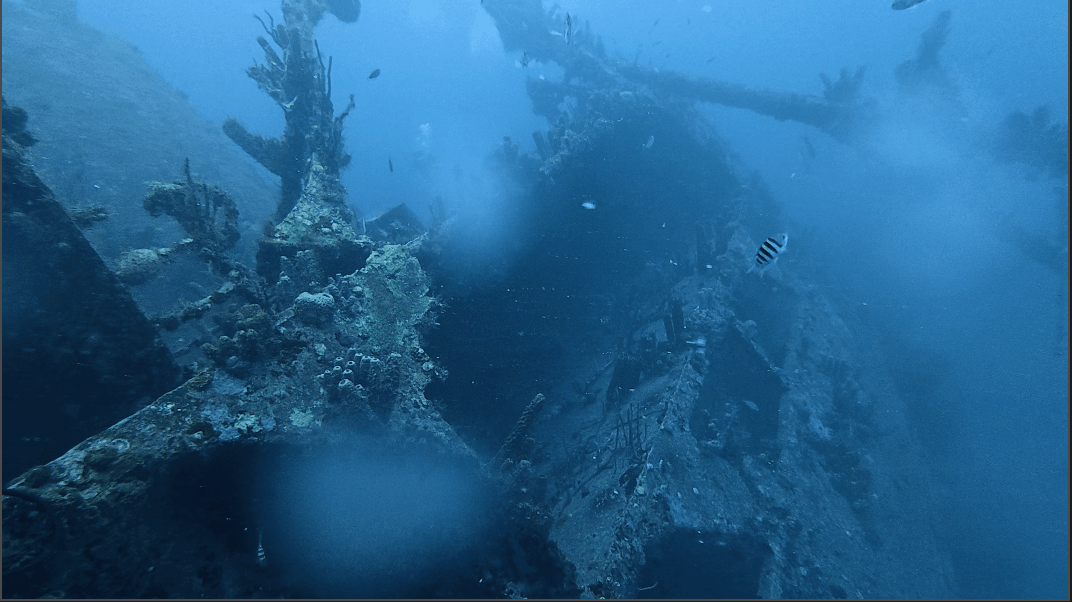
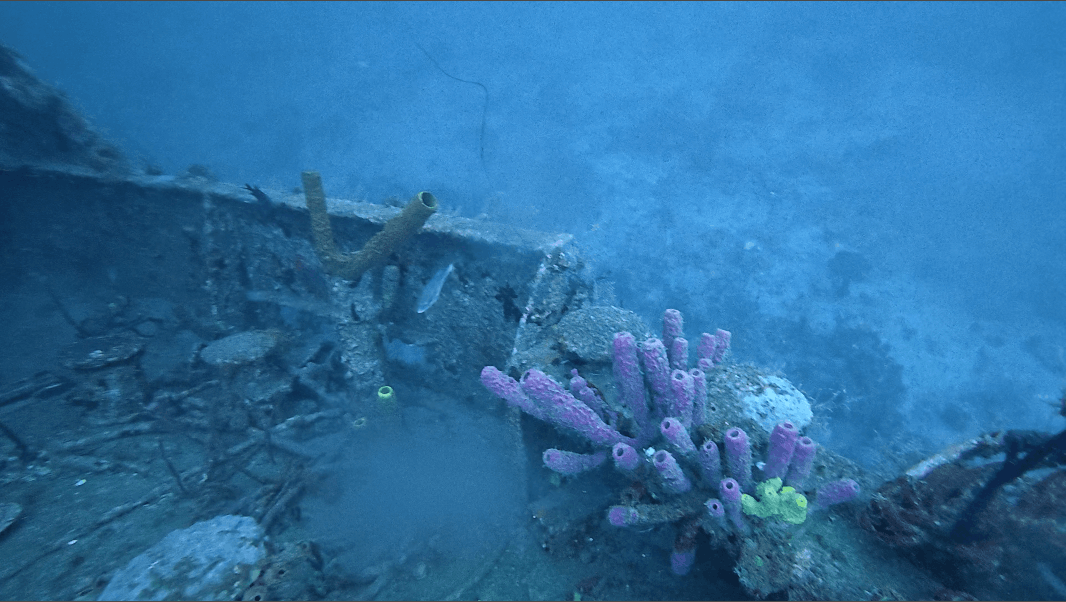
Best Wreck Dive: St. George
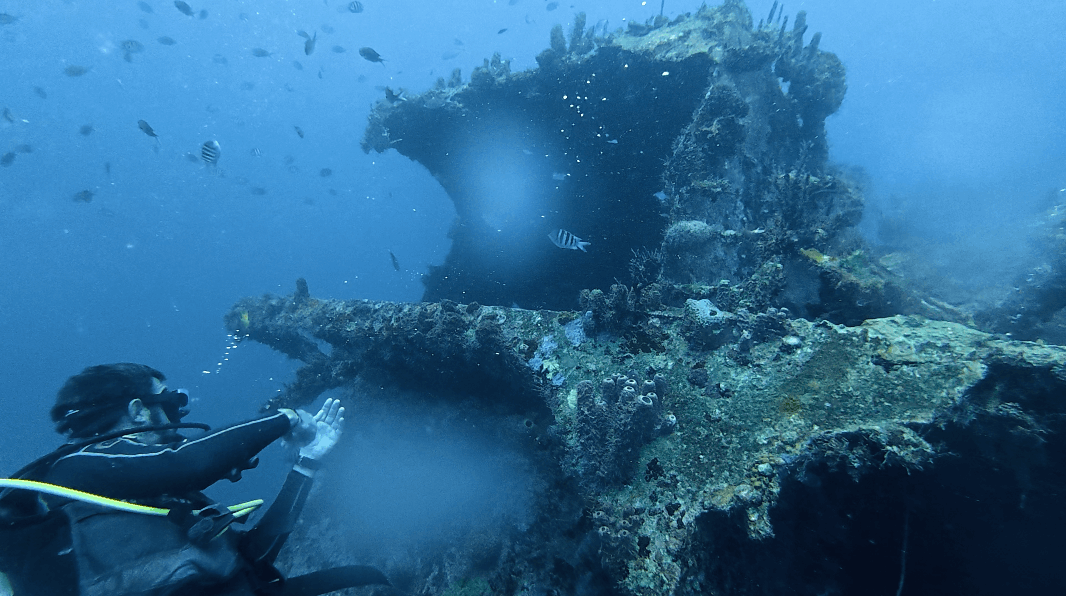
The St. George is a 73-meter (240 ft) cargo ship built in Scotland in 1962, deliberately sunk in 1999 as an artificial reef after Hurricane Georges.
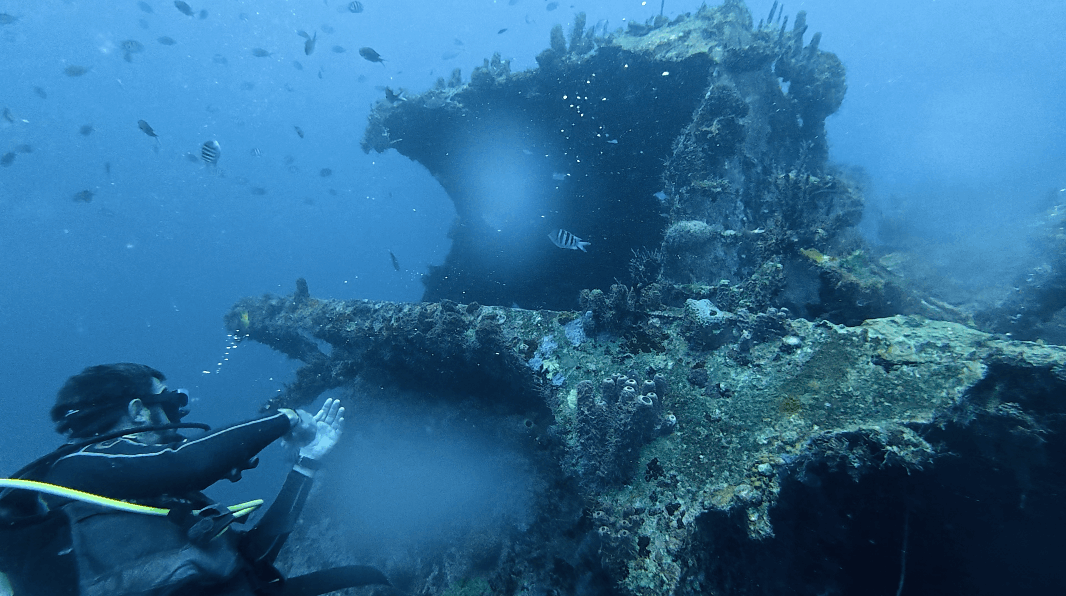
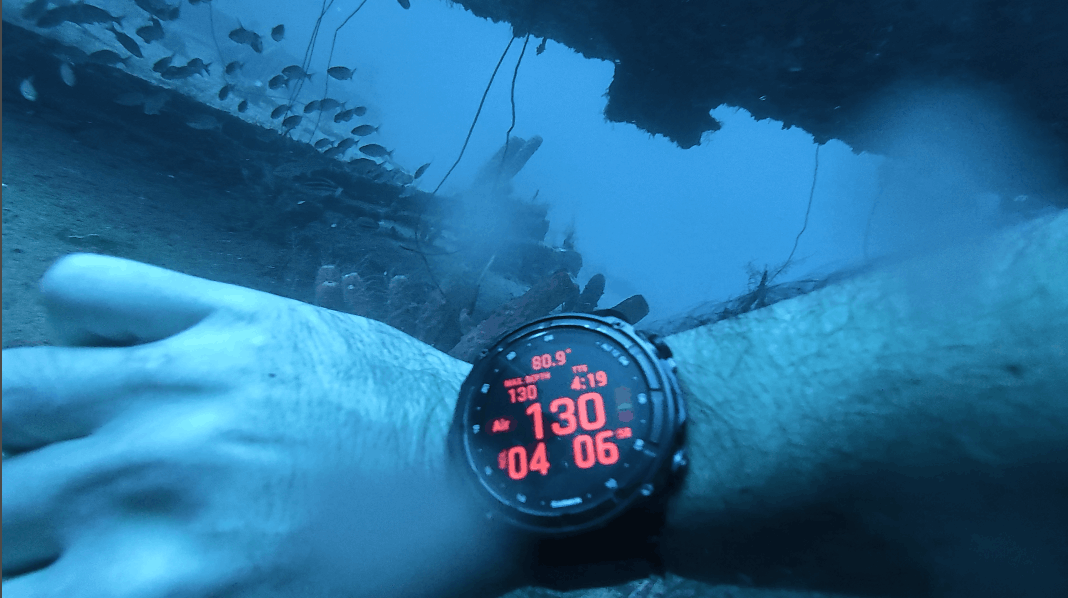
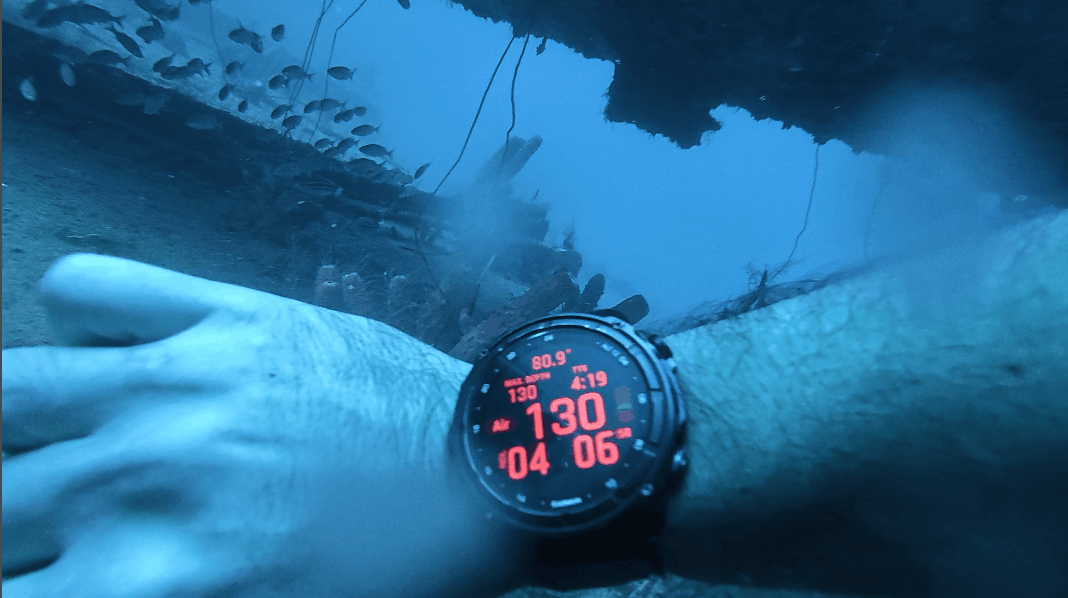
It sits in around 40 meters (130 ft) of water, 800 meters (2,600 ft) off Dominicus Beach.
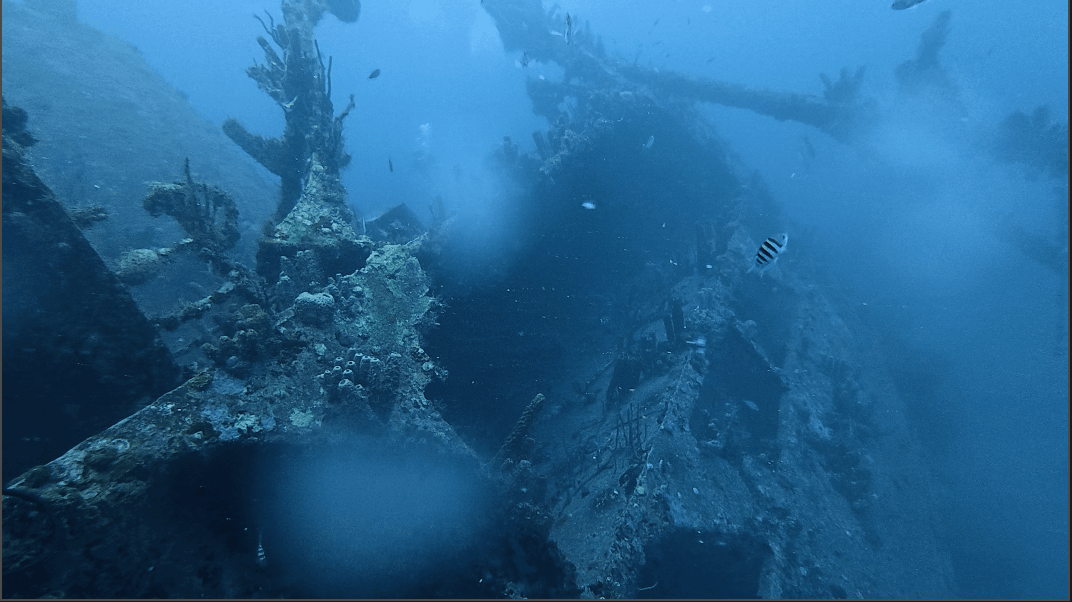
After 25-plus years, the site has accumulated dense coral growth and schools of fish.
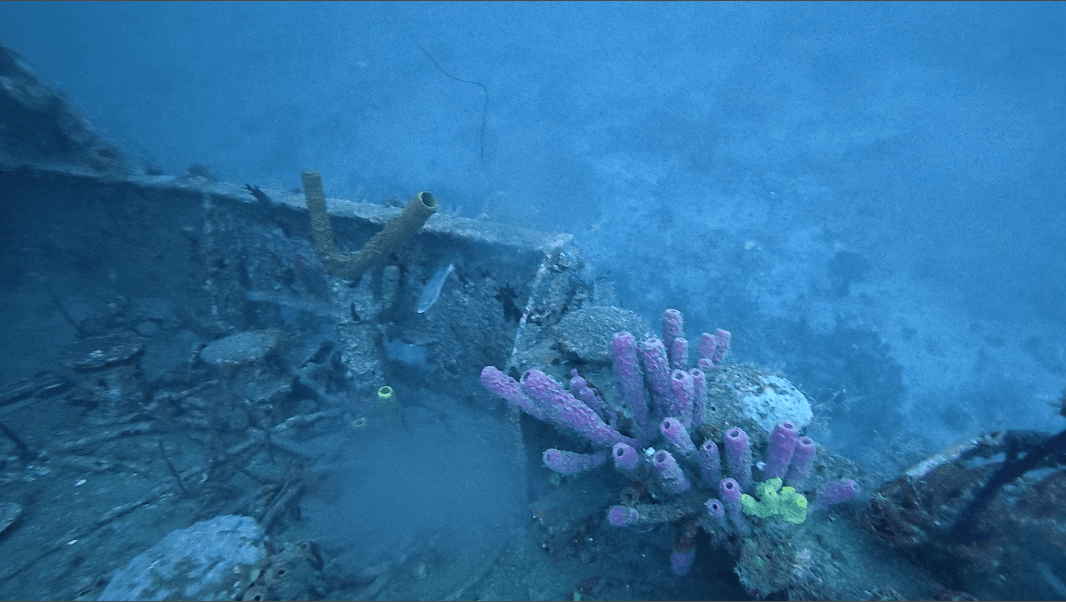
Most dives here only cover half of the wreck. You'd need at least two to properly see everything given air and NDL limits.
Shallow Wreck: Atlantic Princess
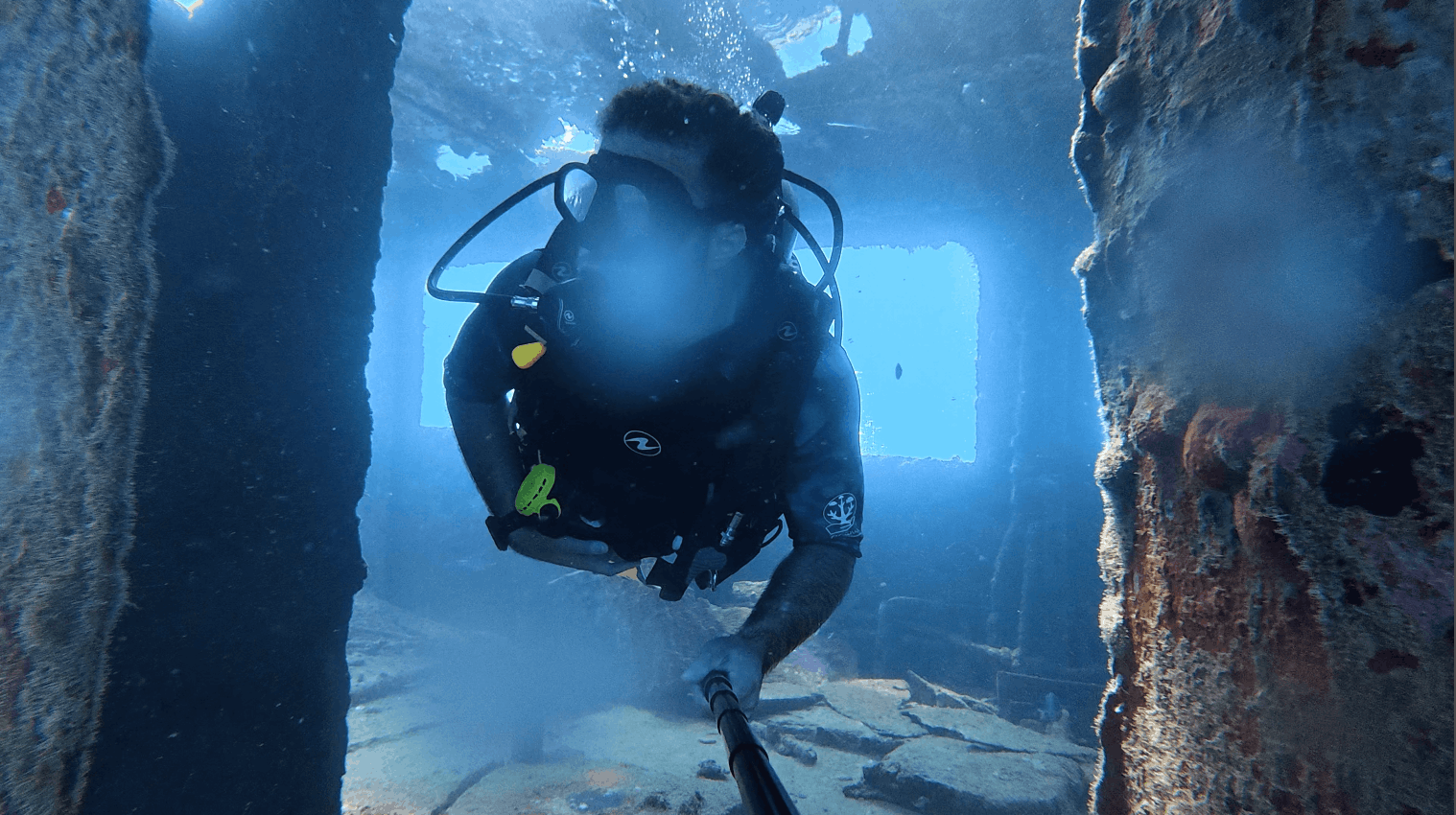
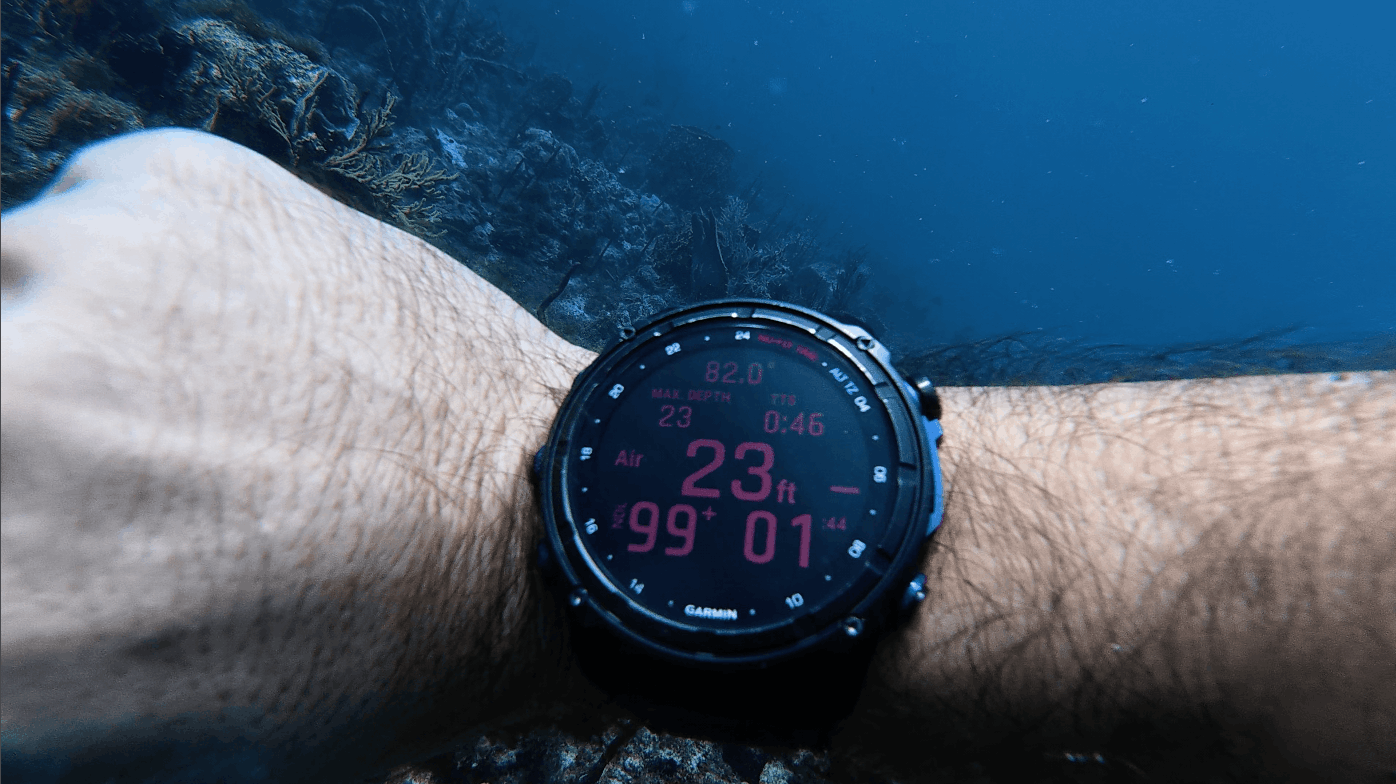
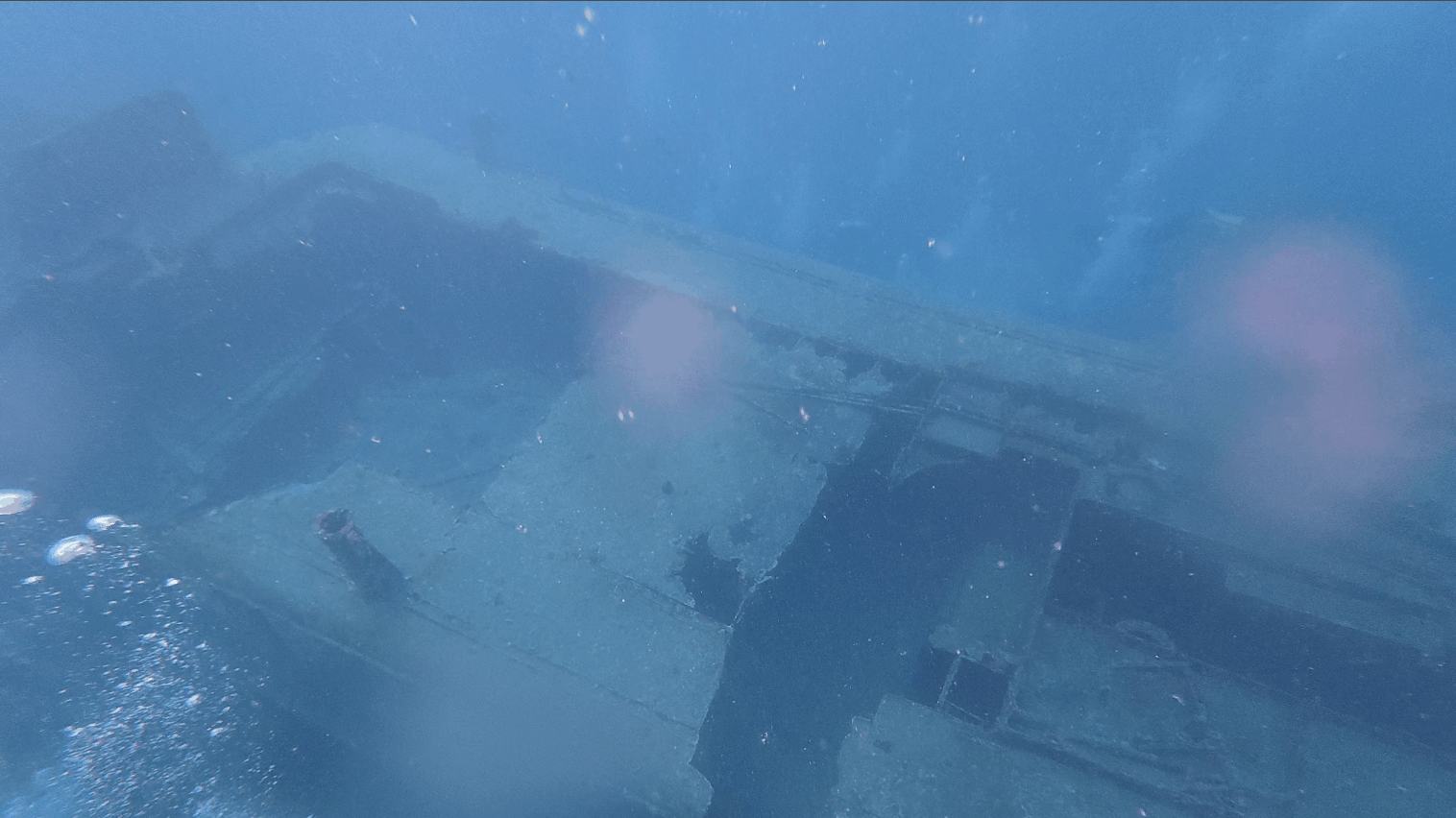
The Atlantic Princess is the more accessible of the two wrecks, sitting in just 23 feet (7 m) of water close to the shores of Bayahibe.
It was a tourist cruise boat that ran aground during Tropical Storm Fay in 2008 and was deliberately sunk in 2009.
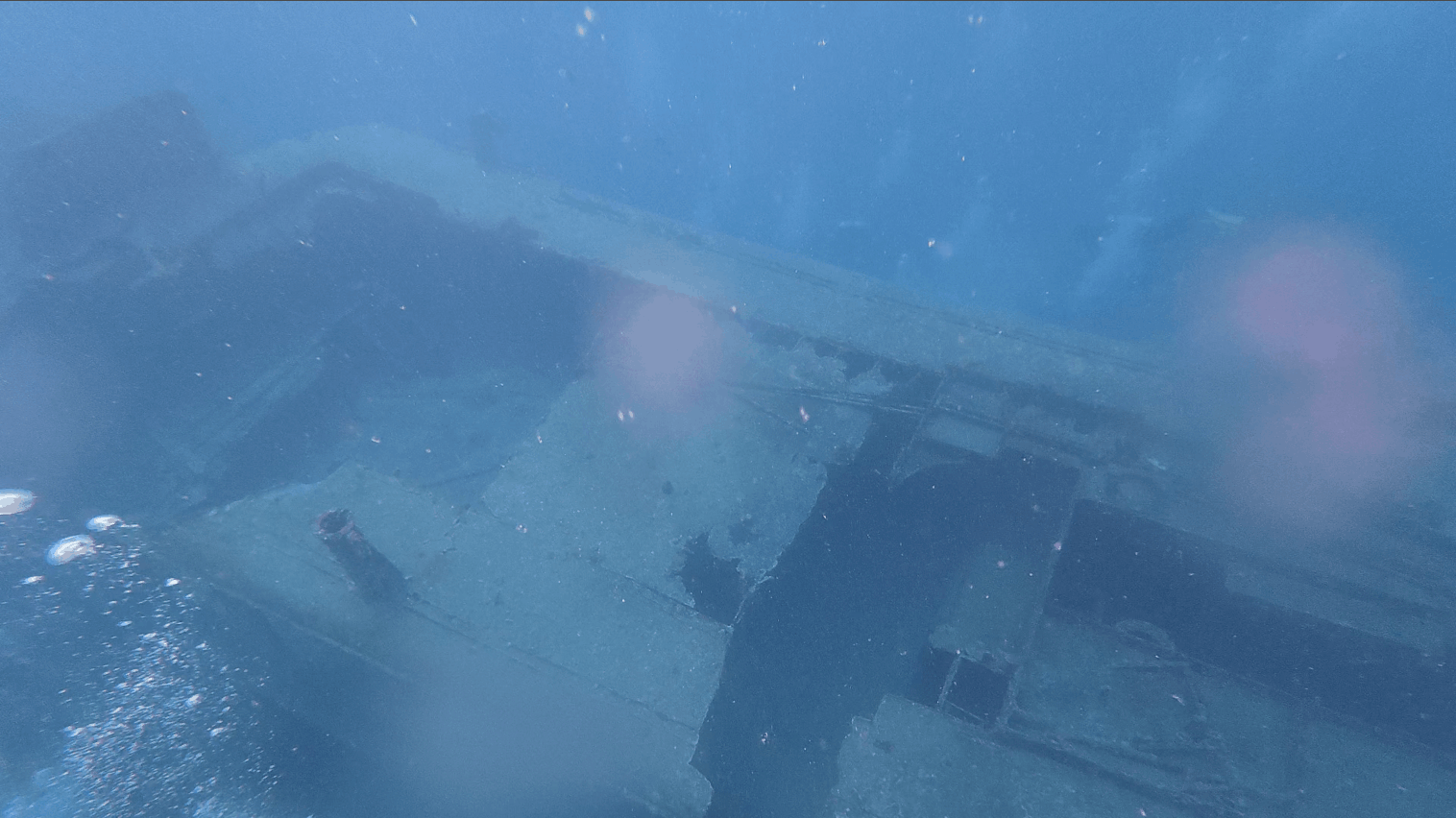
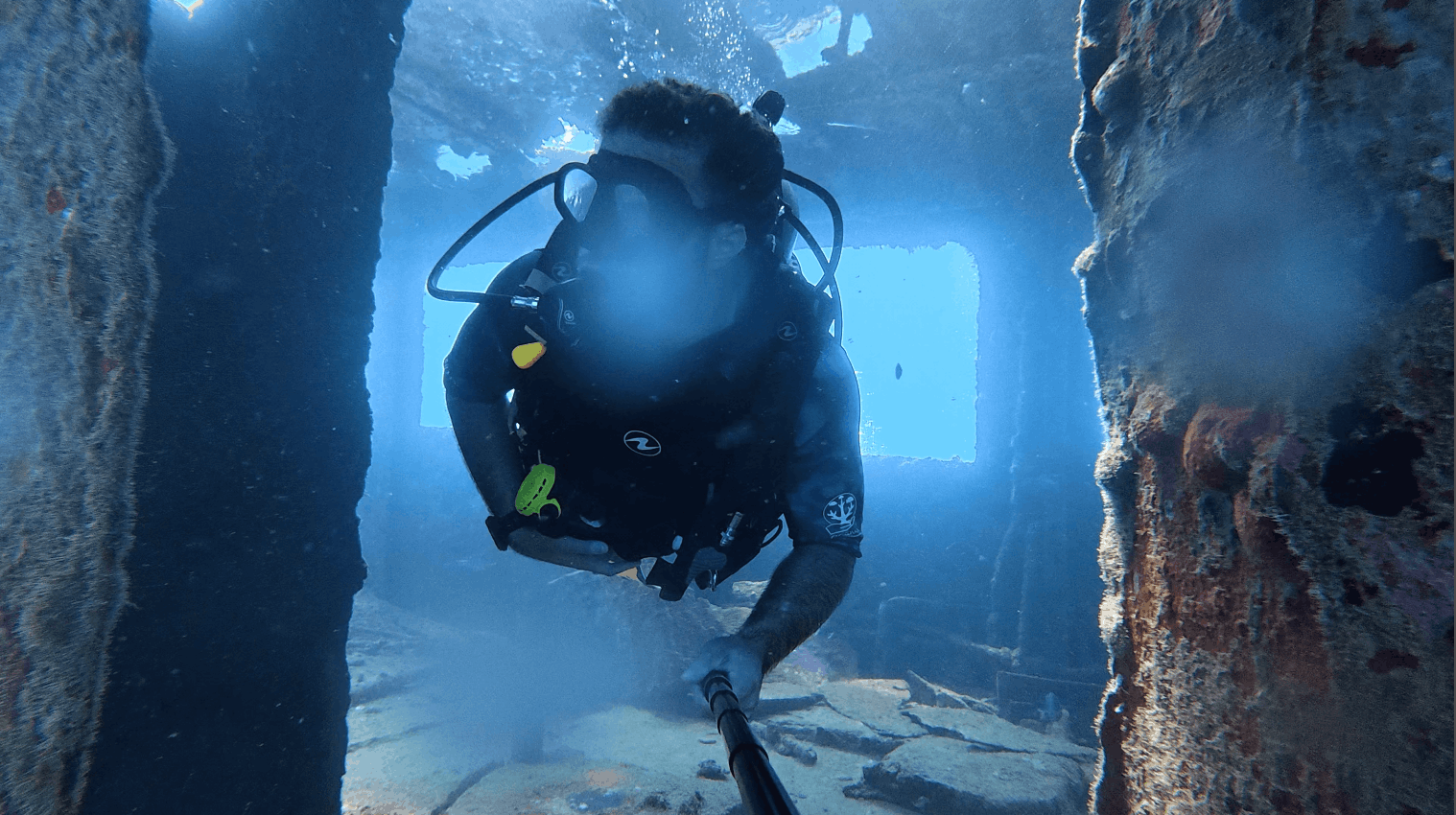
At 30 meters (100 ft) long it's a quick dive, but fish have fully moved in and the penetration is manageable.
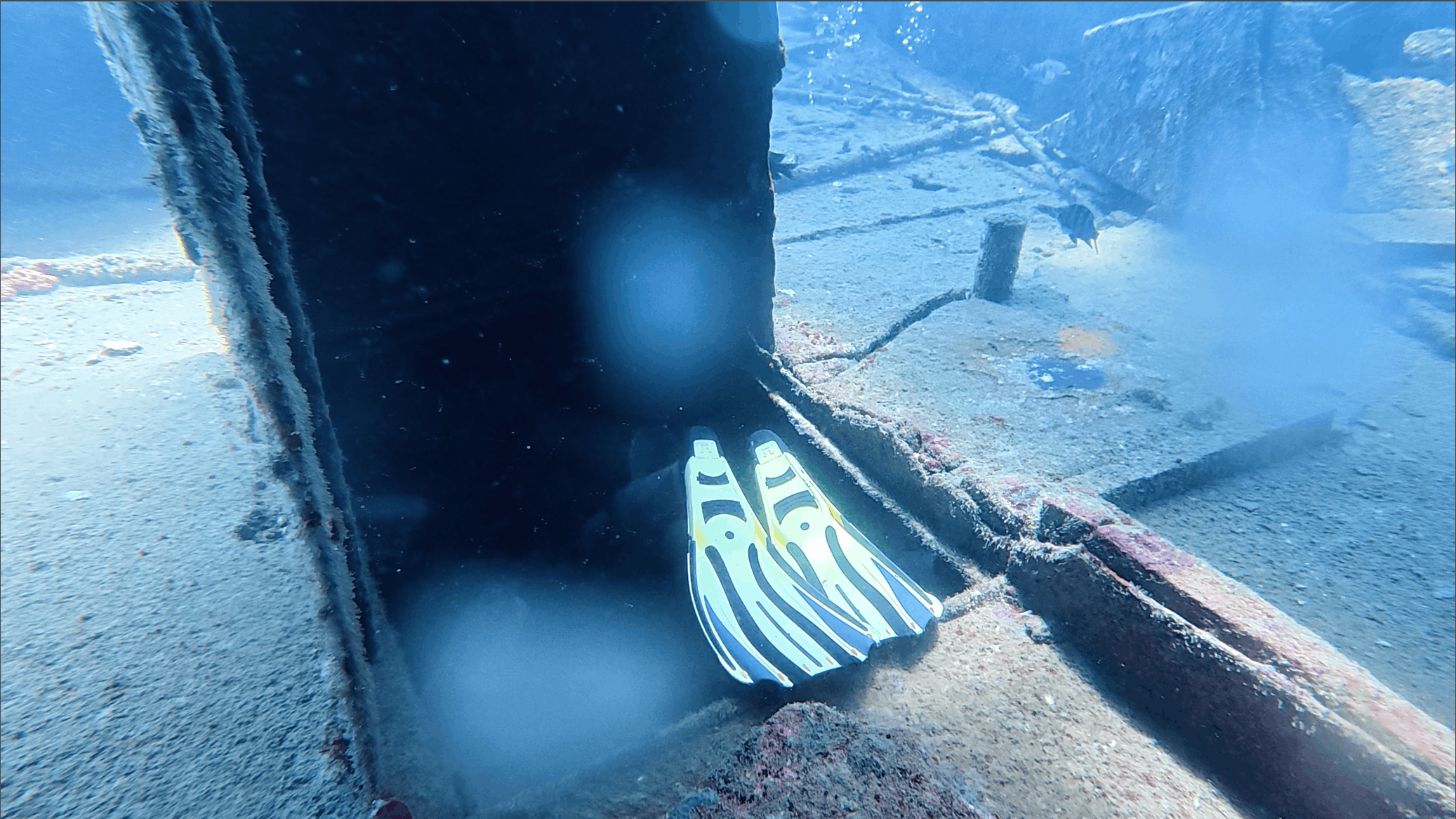
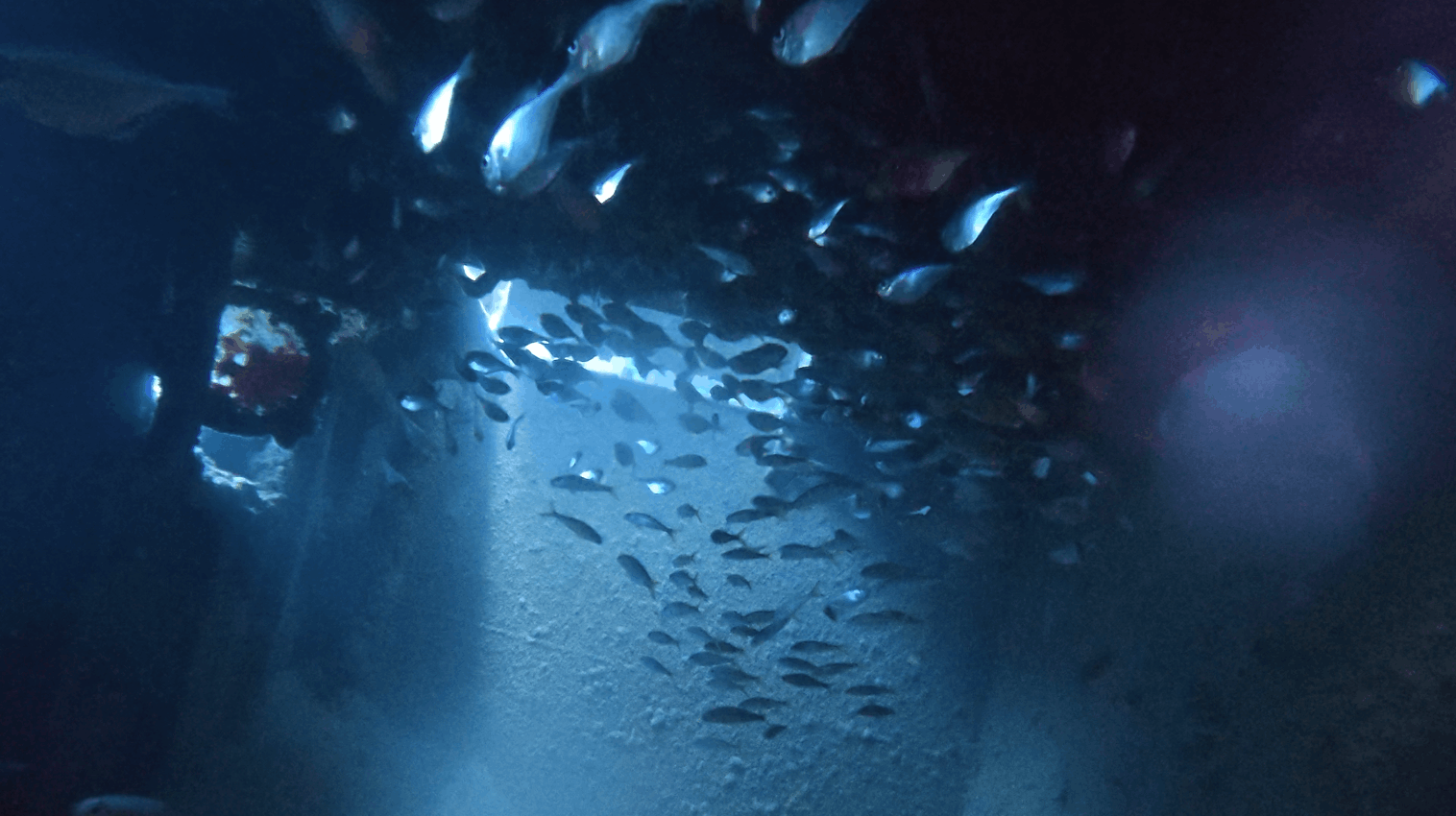
It got silty fast, but it was fun exploring all the different rooms.
Best Cave Dive: Cueva Padre Nuestro

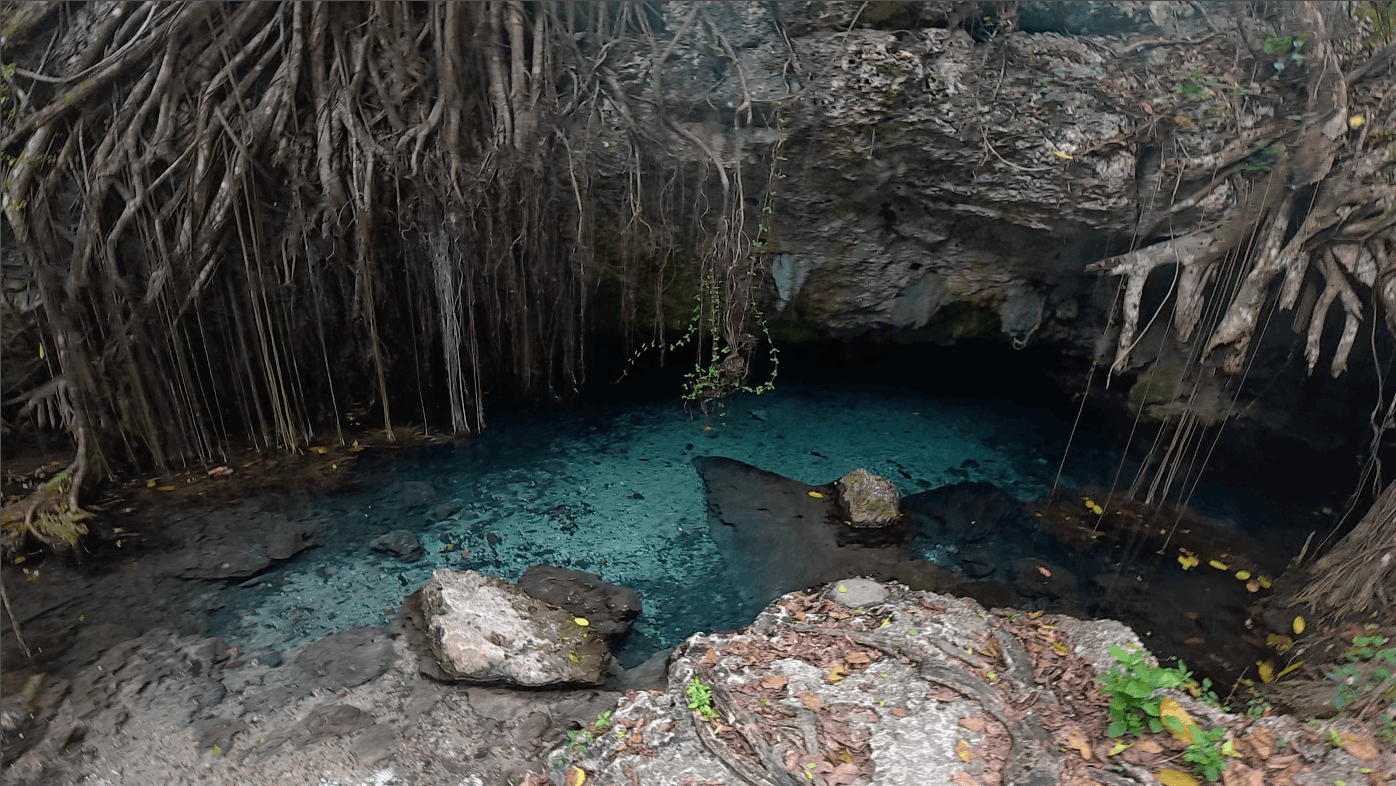
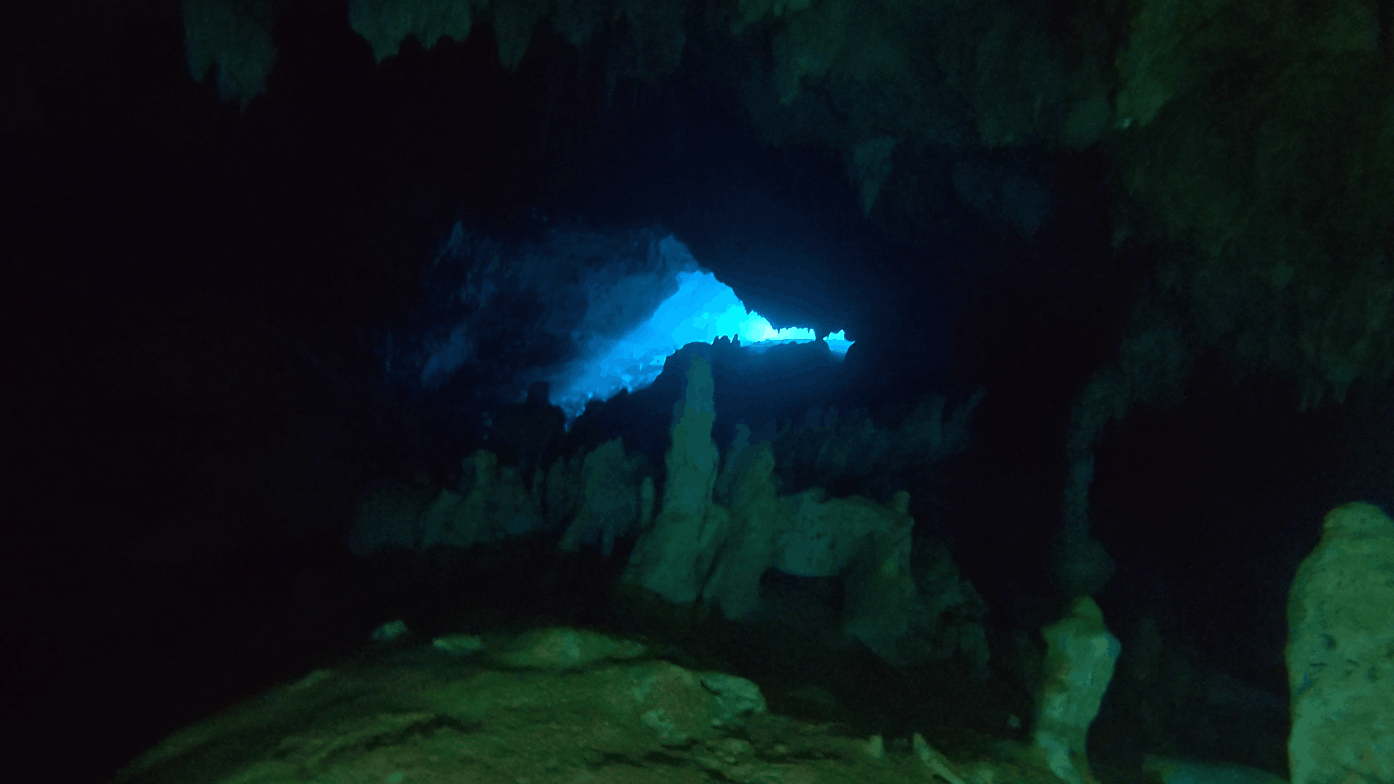
Padre Nuestro is a freshwater cave system inside Parque Nacional del Este, about 15 minutes from Bayahibe.
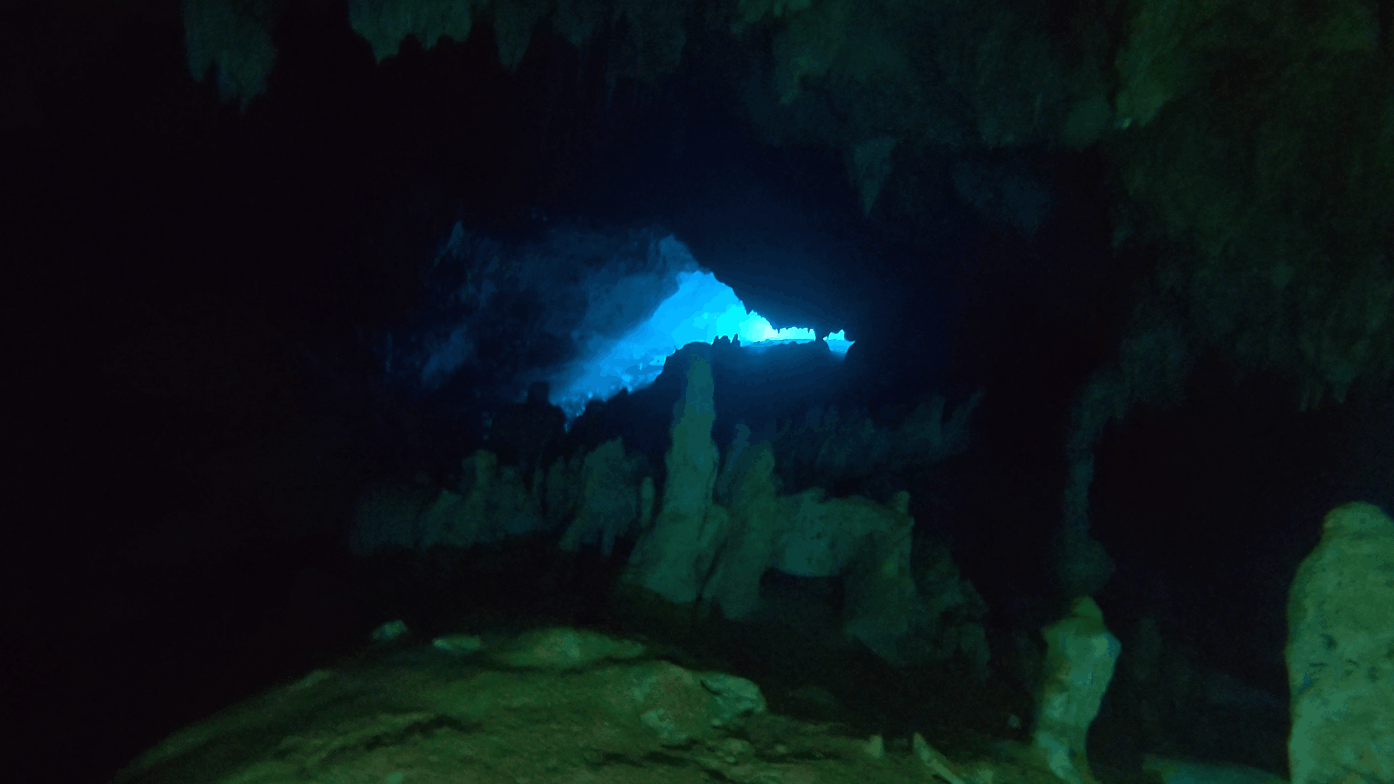
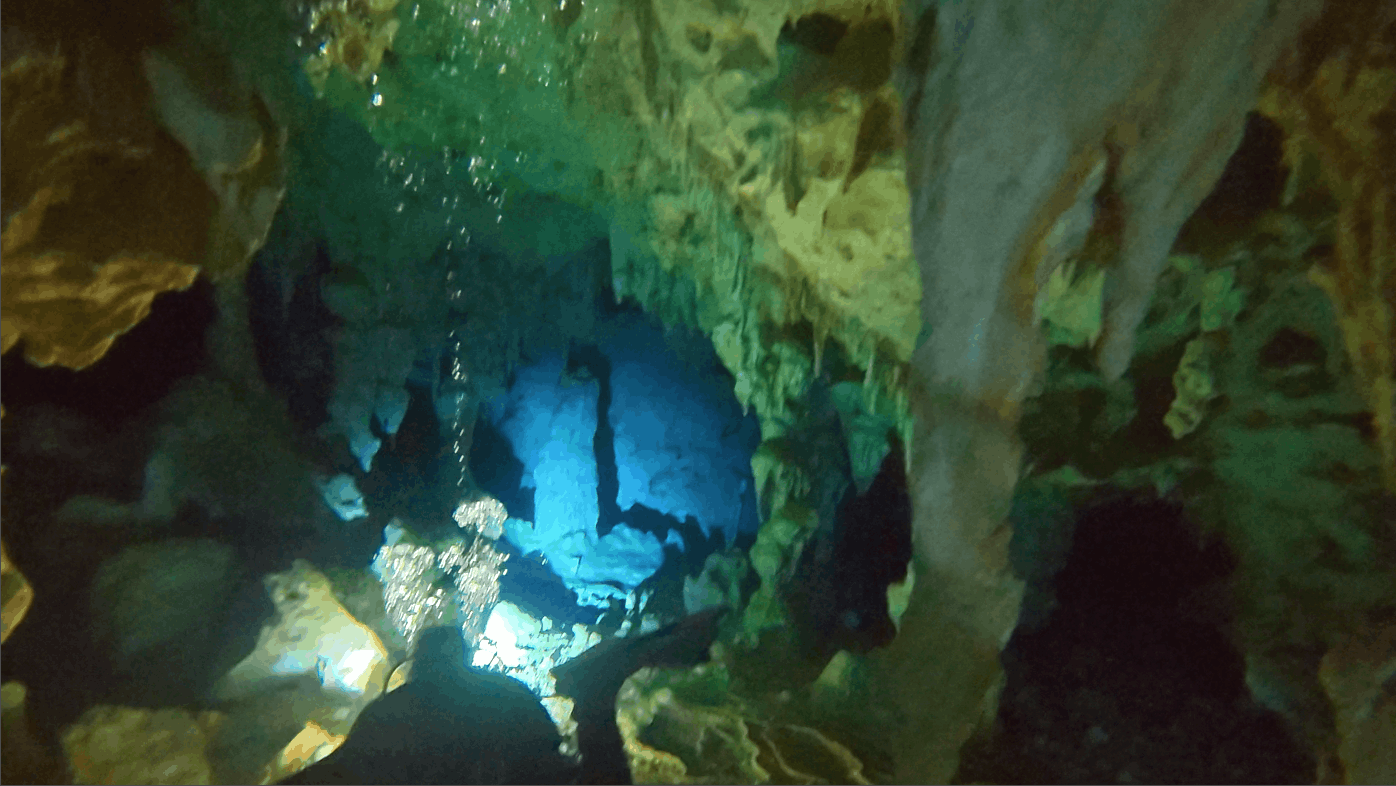
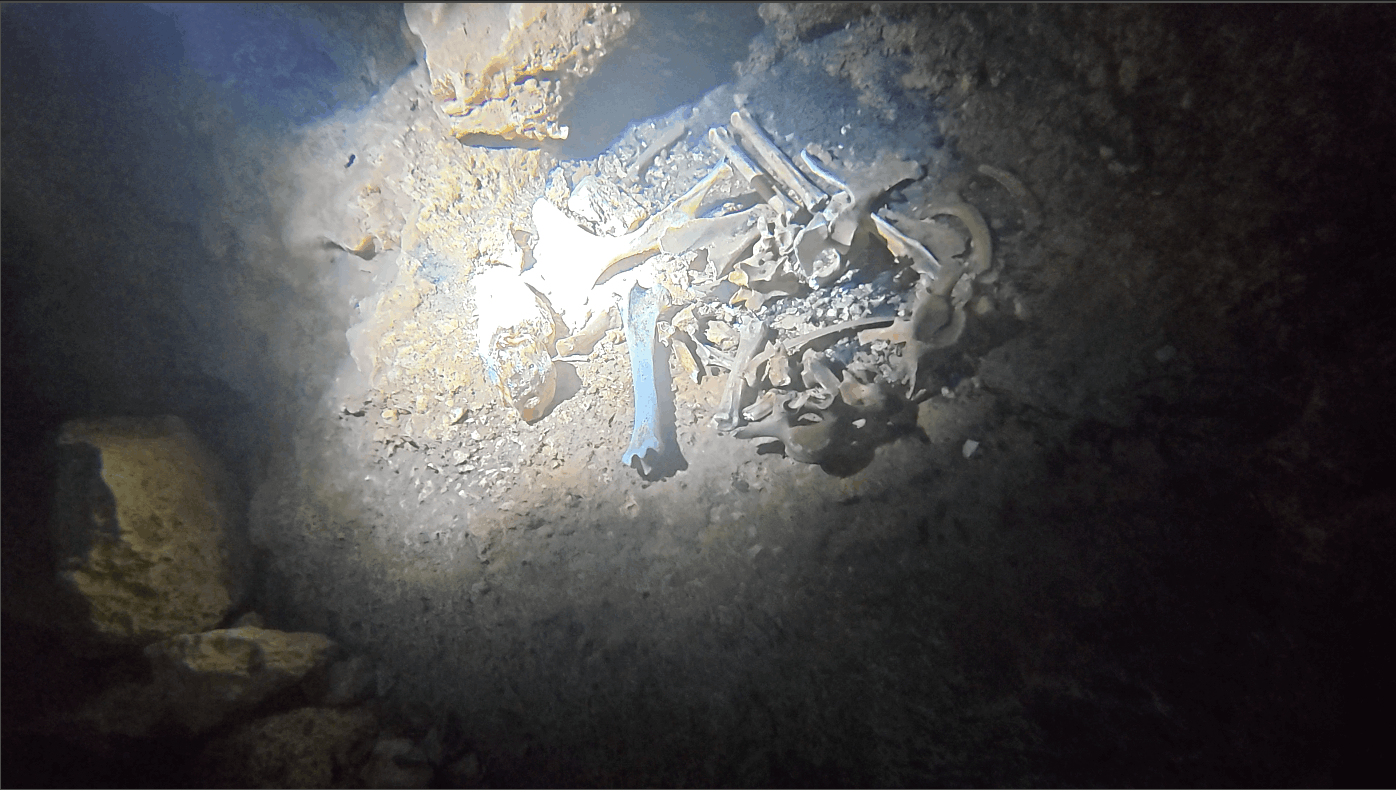
The maximum depth on my dive here was 31 feet (9 m), but I can only imagine how deep this cave system goes.
Sites I Didn't Dive
I didn't dive these three, so I can't speak about them from first hand experience. I'm including them because they came up while I was in the Dominican Republic, and they're the obvious additions if you have more time on the island than I did.
Wall Dive: Isla Catalina
Isla Catalina is a small island accessible as a day trip from Bayahibe. I didn't dive here, but this YouTube video from Stanley Scuba shows a little bit of what diving here would be like.
It features a wall dive on the east side of the island that drops to over 130 feet (40 m).
North Coast Diving: Sosua
Sosua is a beach town on the north coast with a handful of dive sites accessible by short boat ride from shore.
I did not go diving here. So I can't speak from first hand experience.
Above is a YouTube video I found showing what it's like (not my video.)
Visibility is lower on the Atlantic side, coral coverage is thinner, currents are stronger, and the water runs colder.
If you are already based in Sosua or Puerto Plata for other reasons, it seems like it's worth diving!
East Coast Wreck: The Astron
Punta Cana sits on the east coast of the island.
I didn't do any dives here, so I can't speak from first hand experience, but diving options here seem poor quality and limited.
There does seem one site worth knowing: the Astron wreck.
The Astron is a large Russian cargo ship sitting in about 50 feet (15 m) of water, partially visible above the surface.
Dive Operators in the Dominican Republic
All of my diving was with the charter Scuba Fun.
I think they're a very professional operation, well-organized, and really care about safety.
On deep dives, they left a drop tank. On several dives they used downlines to make descent and ascent easy.
What Diving the Dominican Republic Costs
I dove with Scuba Fun, and these are their rates. None of them include equipment.
- Half day, one tank: $65
- Half day, two tanks: $85
- 3 Pack, six dives across three half days: $245
- 4 Pack, eight dives across four half days: $320
- 5 Pack, ten dives across five half days: $370
Equipment rental is $10 a day on top of any of those.
I didn't check what the other charters in Bayahibe charge, but I'd expect them to be pretty similar.
Diving Conditions & What to Wear
On the Caribbean side, visibility averages 60 to 90 feet (18 to 27 m) most of the year. Water temperature sits in the upper 70s°F (mid-20s°C) during winter months and climbs to the mid-80s°F (around 29°C) in summer.
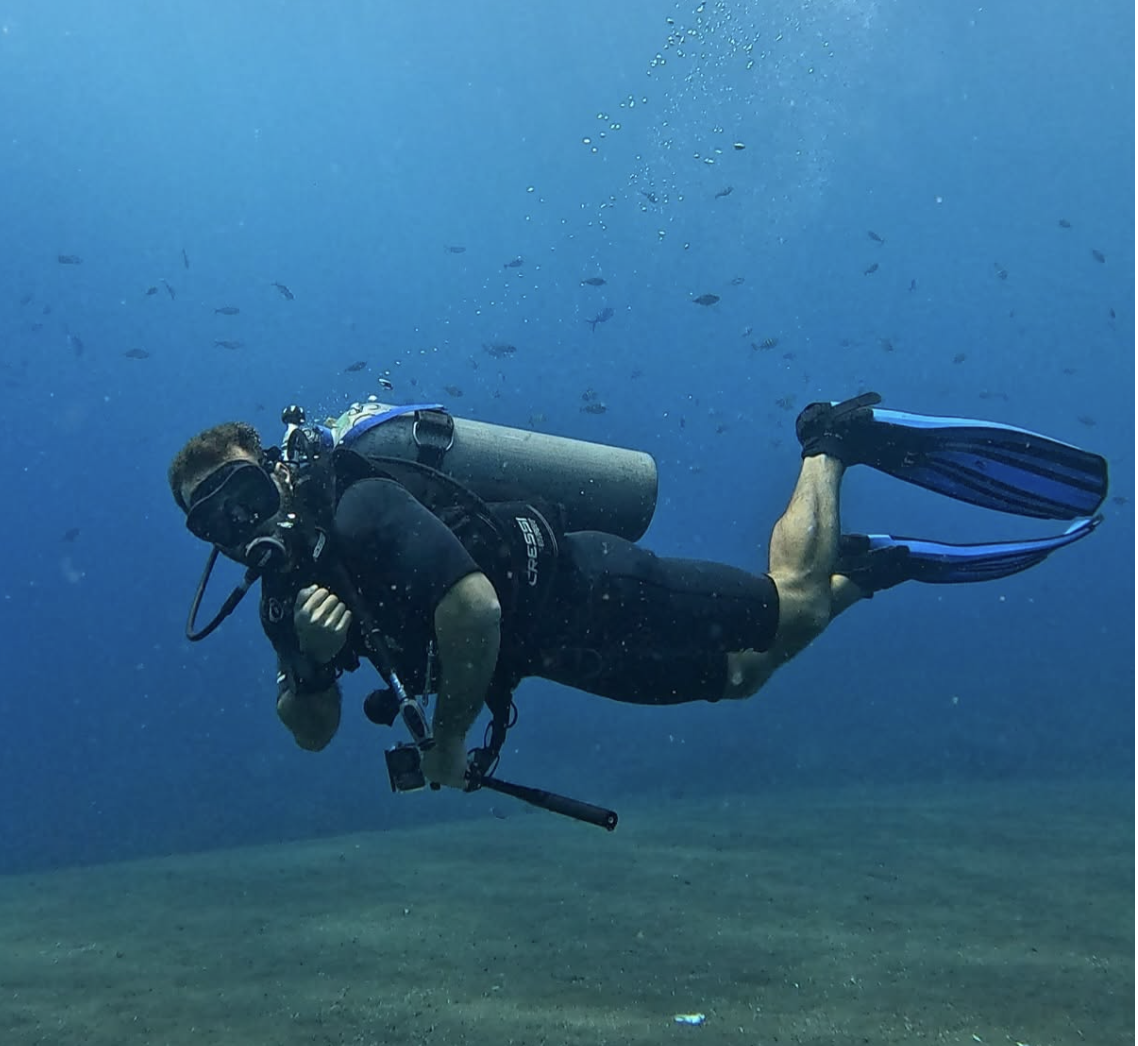
For all six dives including the caverns, I wore a 3mm shorty and felt comfortable.
Where to Stay in Bayahibe
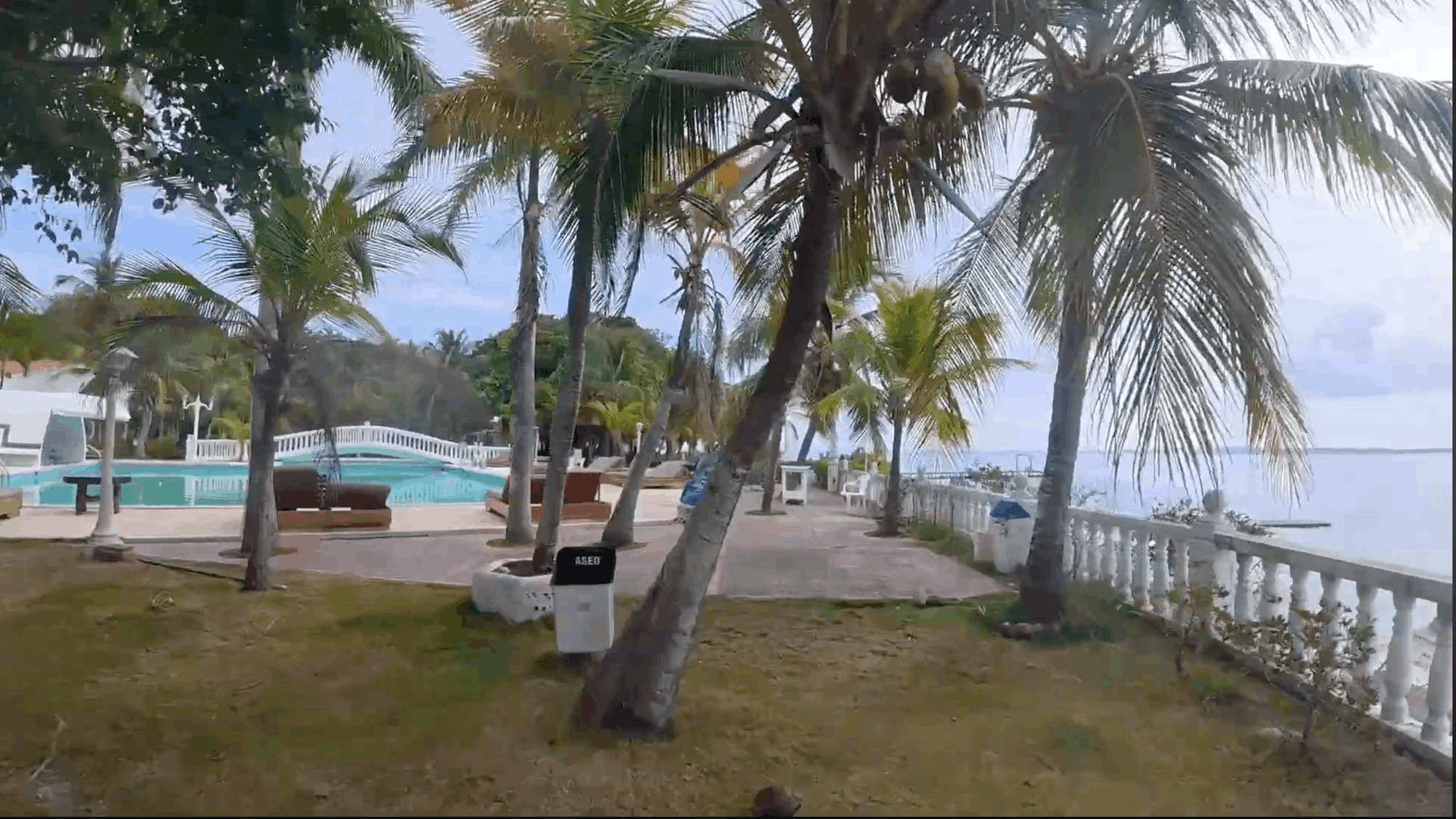
For most of the trip I was based in Bayahibe, a fishing town on the southeast side of the island, and it is the town I would pick again if the diving is the reason you are coming.
I stayed at this Airbnb in Bayahibe.
Getting to the Dominican Republic
Punta Cana is the DR's main tourism hub and the most common entry point for international flights. It's where I flew into when I arrived.
From there I based myself in Bayahibe on the southeast coast, which is where all six of my dives ran from.
Getting from Punta Cana to Bayahibe was easy. I took an Uber and had no problems with it at all.
Going the other way is where it fell apart. Uber does not price the route correctly out of Bayahibe, and I had five separate drivers show up and then tell me they would not take me. They were willing to do the ride off the app, but at the price Uber was quoting it was not worth their time to drive me.
If you are leaving Bayahibe, save yourself the trouble and have your hotel organize a taxi instead. That is the reliable option, and it avoids the whole problem.
When is the best time to dive the Dominican Republic?
You can dive year round. The dry season runs December through May and brings calmer seas, warmer water, and the best visibility. The Atlantic-facing sites around Punta Cana and Bavaro are better from April through September.
Where is the best diving in the Dominican Republic?
Bayahibe, on the southeast coast. Almost all of its best sites sit inside Parque Nacional del Este, which protects them from fishing and anchoring.
What is visibility like in the Dominican Republic?
On the Caribbean side, visibility averages 60 to 90 feet (18 to 27 m) most of the year. It is lower on the Atlantic side, where coral coverage is thinner and the water runs colder.
What wetsuit do you need in the Dominican Republic?
I wore a 3mm shorty for all six dives, including the caverns, and was comfortable. Water temperature sits in the upper 70s°F (mid-20s°C) in winter and climbs to the mid-80s°F (around 29°C) in summer.
How do you get from Punta Cana to Bayahibe?
I took an Uber and the trip out was straightforward. Coming back is the problem: Uber misprices the route from Bayahibe, and I had five drivers show up and refuse the fare. Book a taxi through your hotel for the return leg.
Can you cave dive in the Dominican Republic?
Yes. Cueva Padre Nuestro is a freshwater cave system inside Parque Nacional del Este, about 15 minutes from Bayahibe. My maximum depth there was 31 feet (9 m).
How deep is the St. George wreck?
It sits in around 40 meters (130 ft) of water, 800 meters (2,600 ft) off Dominicus Beach. I hit 130 feet (40 m) on my dive, which is the PADI recreational diving limit.
Let's Dive Together
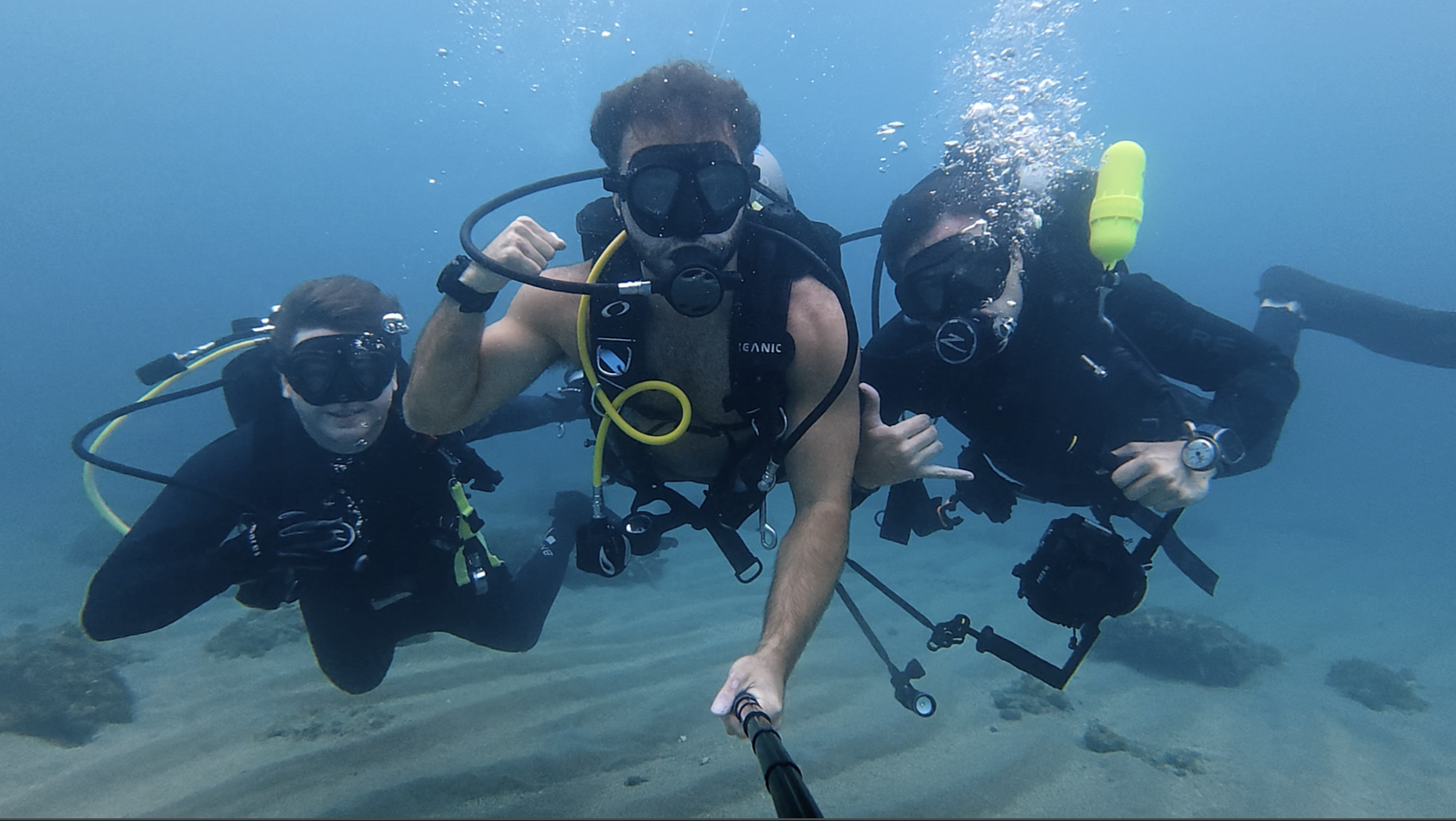
👋 It's Divemaster Austin
I'm inviting you to Dive Club, my global scuba diving community.
What you’ll find inside:
🤿 Dive meetups & group trips
🌍 Top dive sites shared by community members
⚙️ Gear tips & technique discussions
🤝 Diver's who’ve already linked up IRL
See you there!

.webp)
.webp)


%20(1).png)