
.webp)
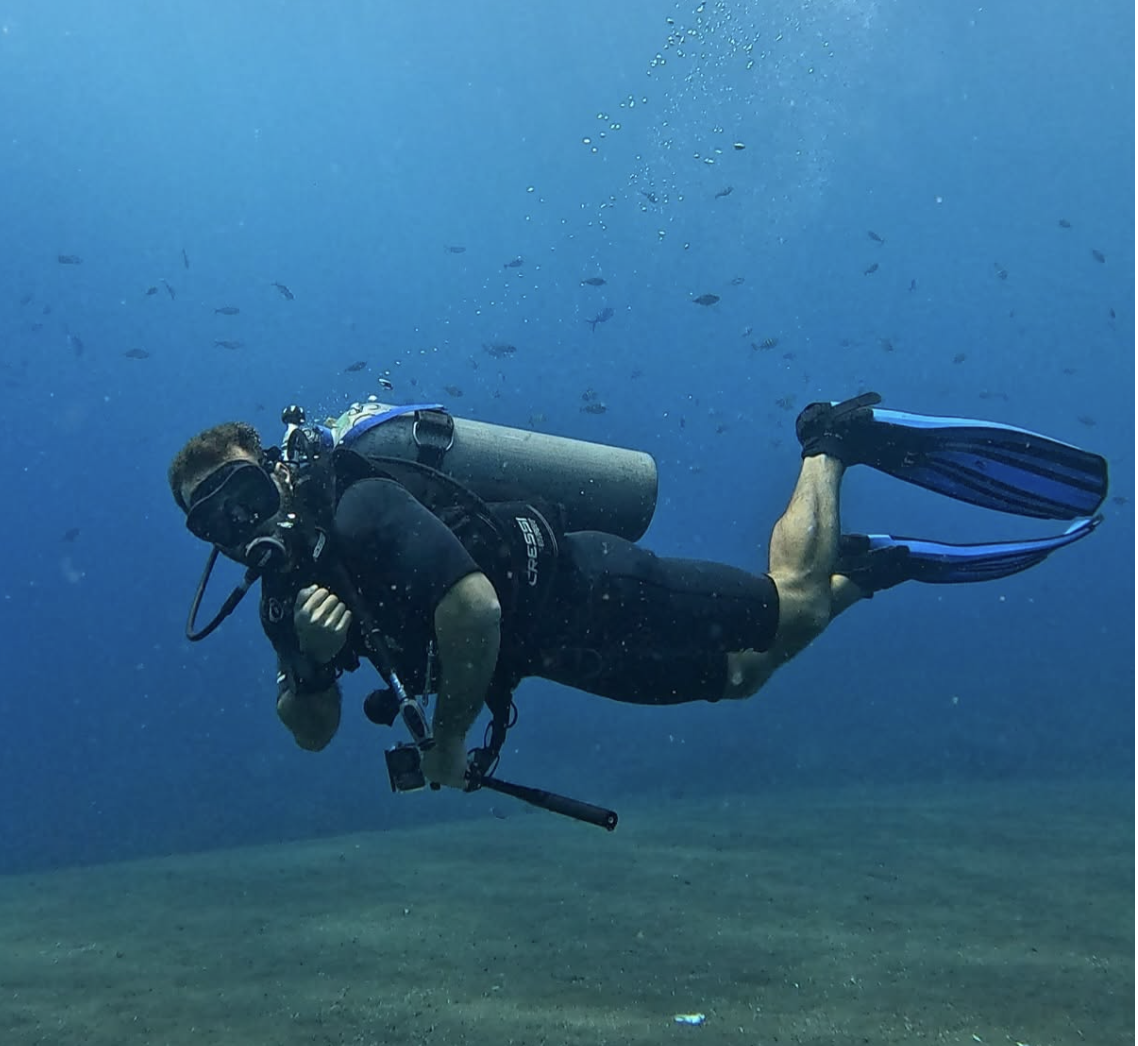
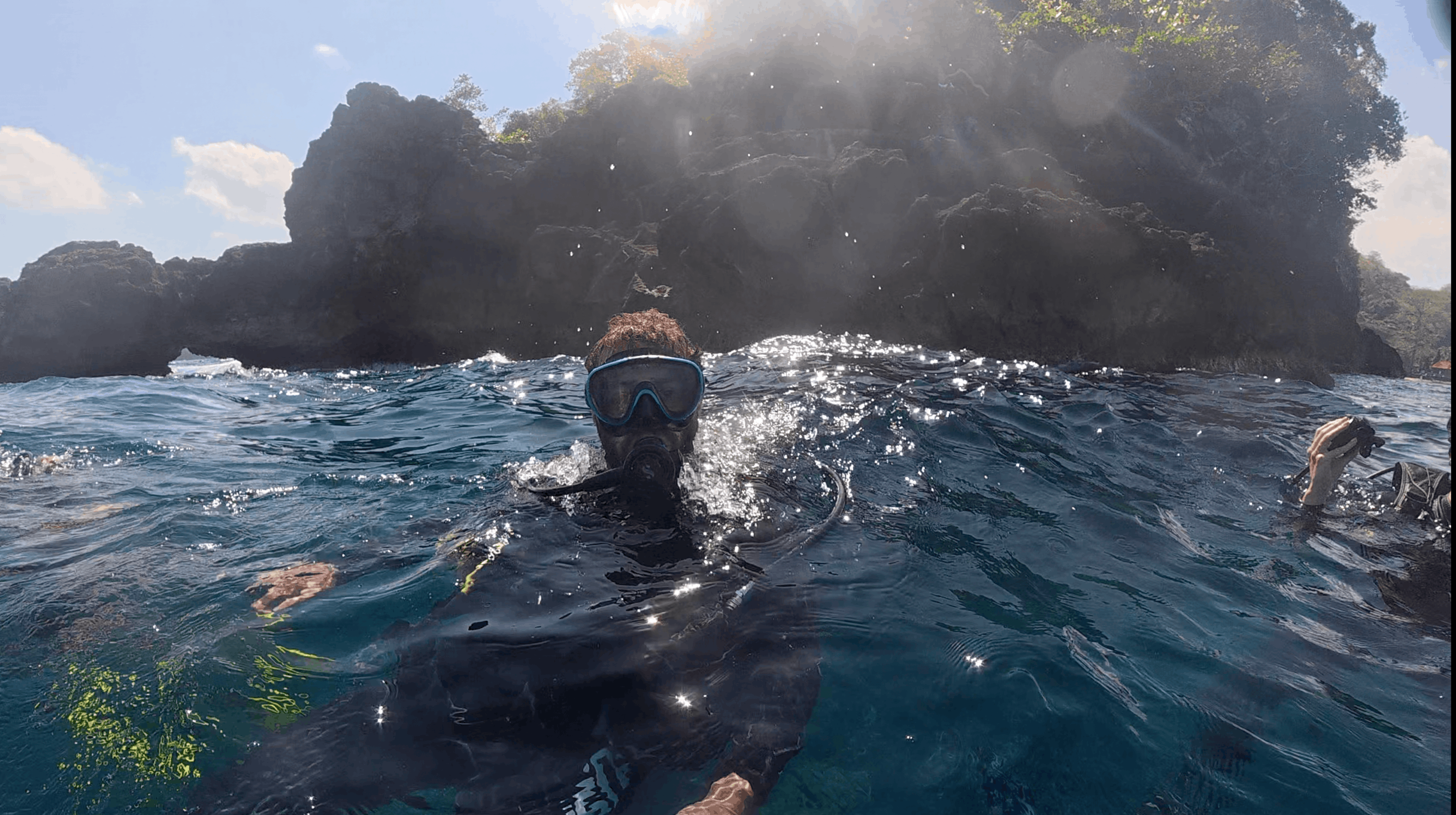
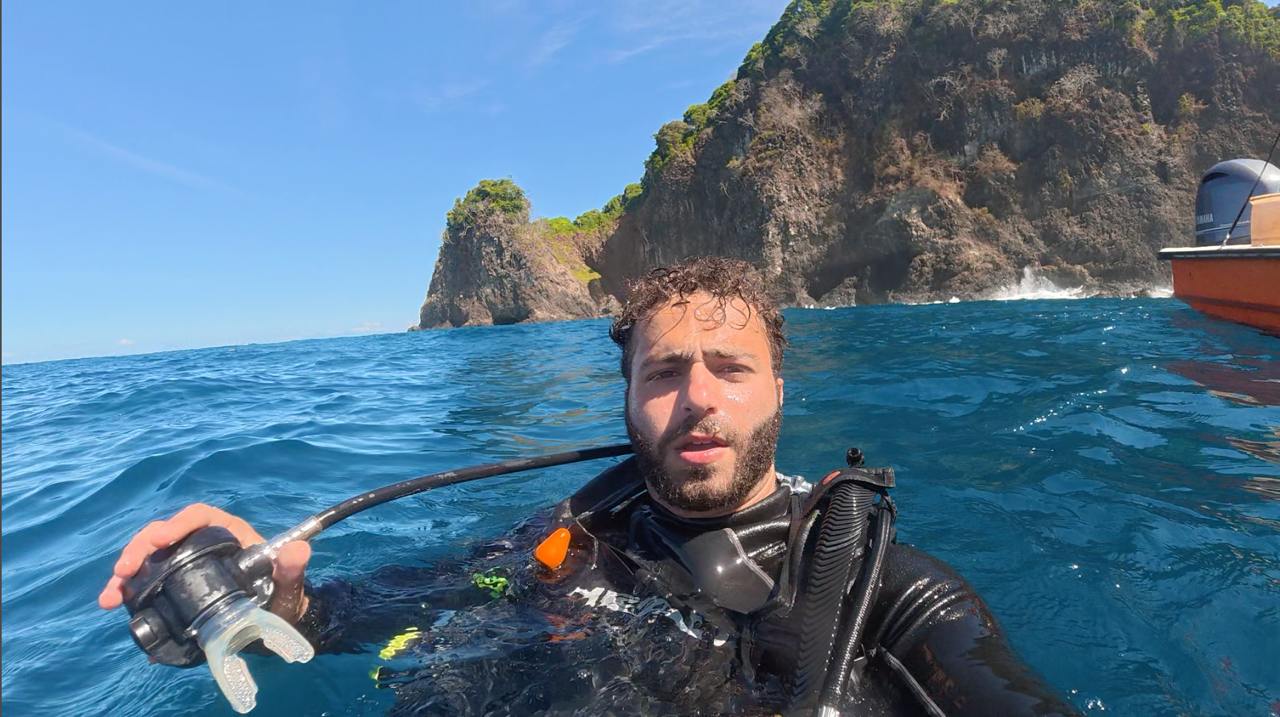
In January 2026, I spent a week living and diving in Cozumel with the team at Deep Exposure. It immediately became a top five scuba diving destination in the world for me.
Located off the Yucatan Peninsula in Mexico, Cozumel sits inside one of the most protected marine parks in the world.
The Yucatan Current constantly flushes fresh ocean water in, giving divers fast drift dives and consistent 80-100 feet (24-30 m) visibility.
In this guide I'll cover the best dive sites, which operator to use, marine park rules, where to stay, and everything else you need to plan a scuba diving trip to Cozumel.
Best Time to Dive Cozumel
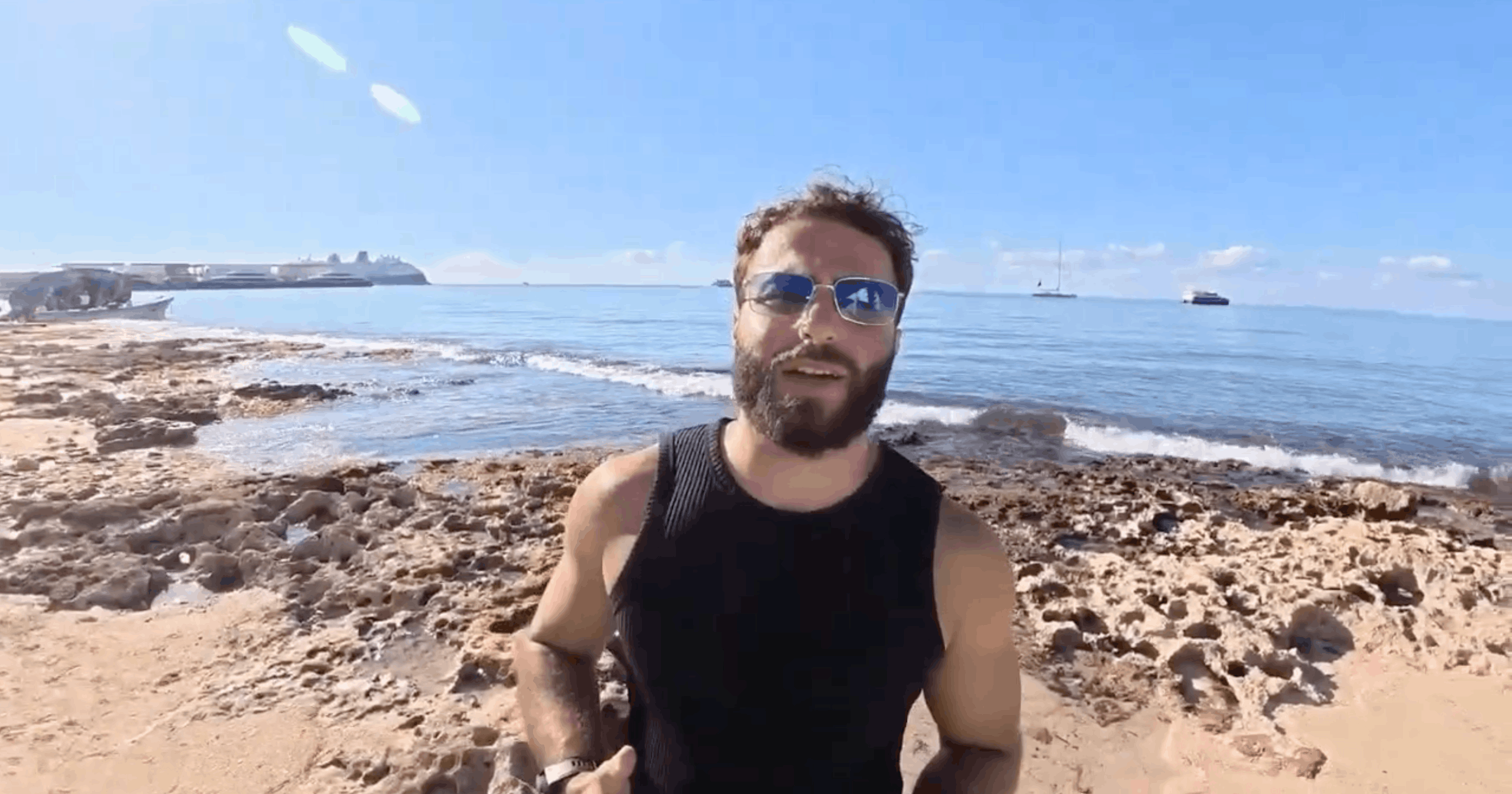
Cozumel is dove year round, but the best time is May through July. You'll get the warmest water, high visibility, and fewer crowds.
December through March is the prime season for spotted eagle rays and bull sharks. I was there in January, and dove shirtless, so the water is plenty warm year round.
Visibility is less seasonal here than at most destinations. The Yucatan Current runs year-round and holds that 80 to 100 foot (24 to 30 m) range rather than letting it drop off outside high season.
Best Dive Sites in Cozumel
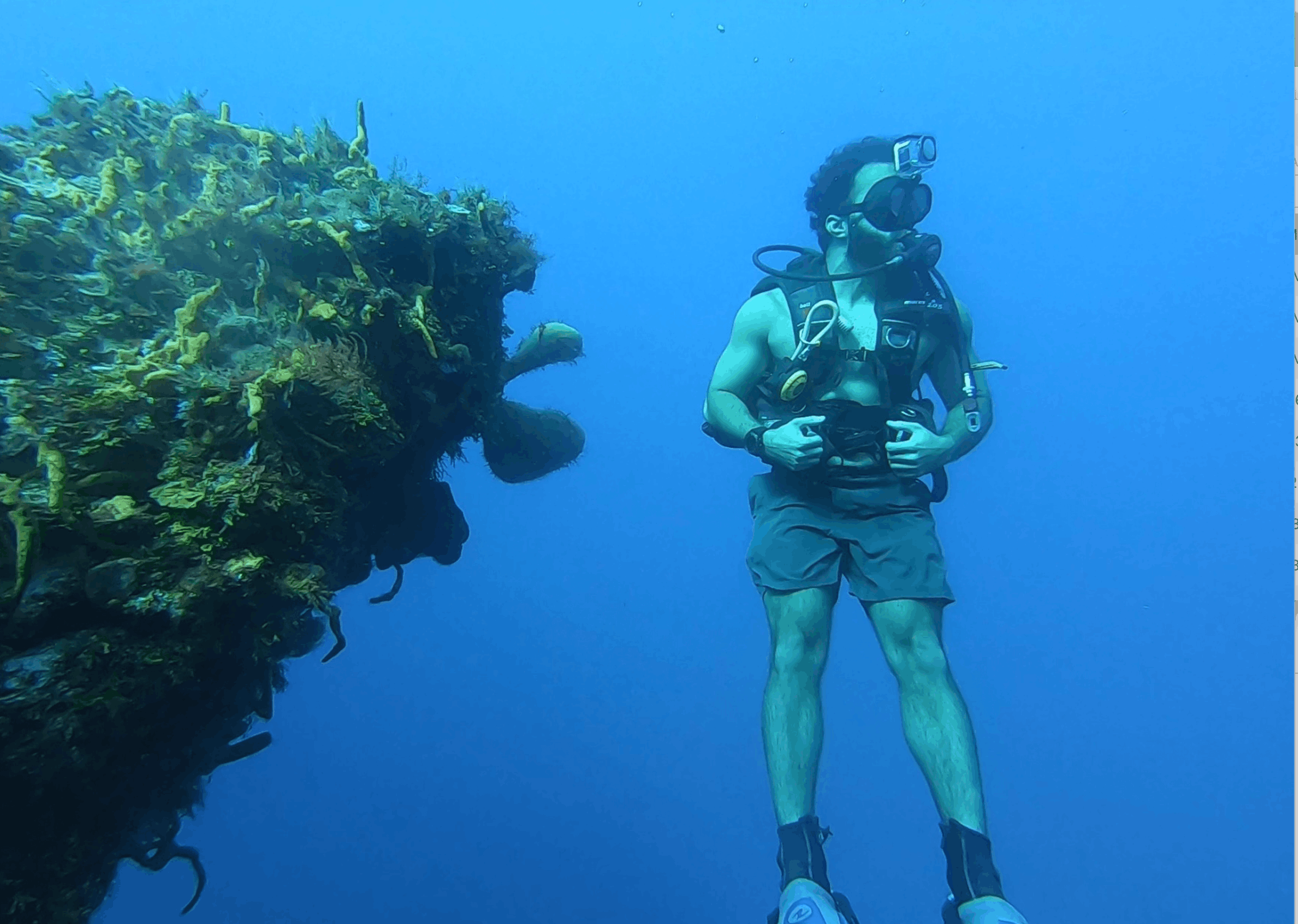
I dove four sites on my trip being Dalila Reef, Yucab Reef and Paradise Reef and Palancar Caves (my favorite).
Below, I tell you a a bit more about them ordered by how much I would prioritize them, not the order I dove them. Afterwards, I'll cover some famous dive sites I didn't visit, but heard great things about.
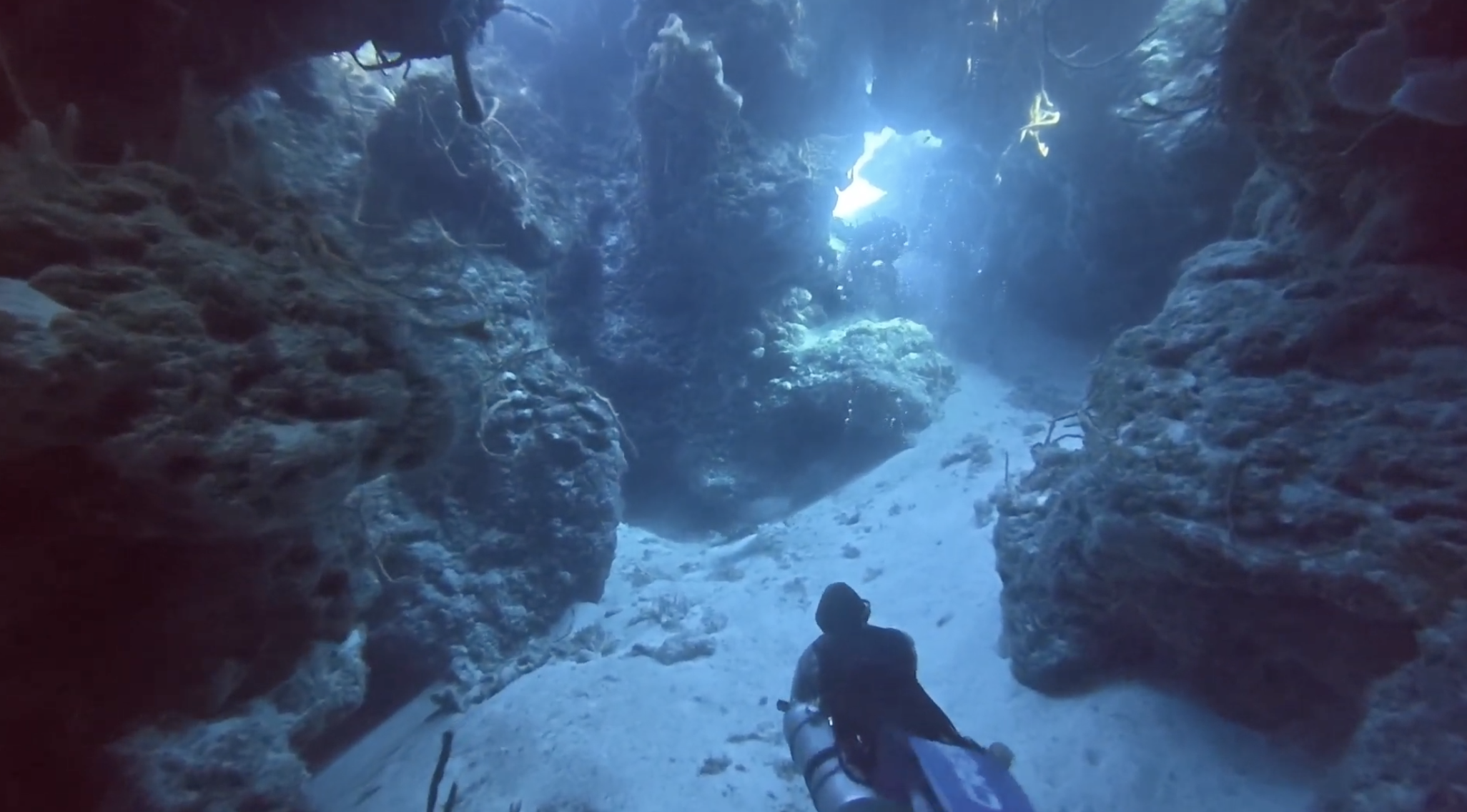
Best Overall: Palancar Caves
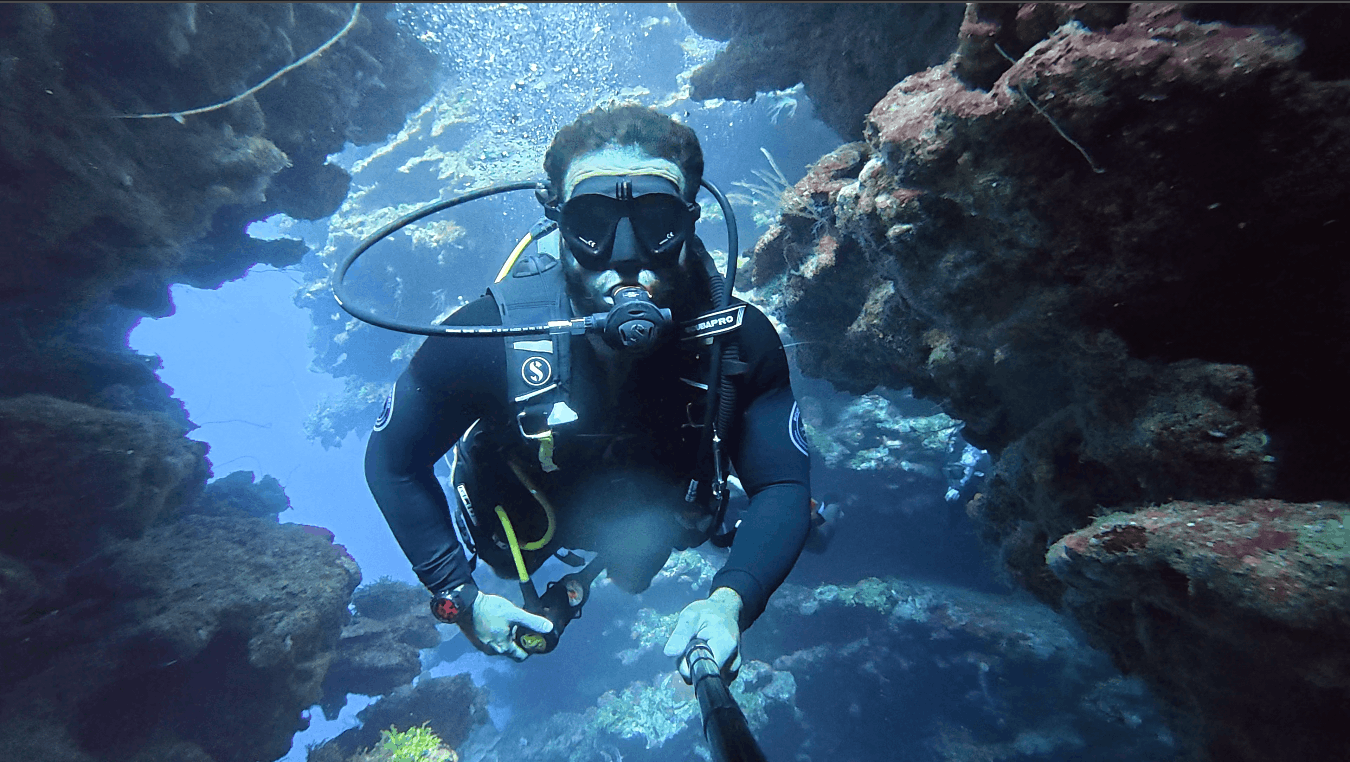
Approaching 400 dives across four continents, Palancar Caves easily ranks as one of the top five dives of my life. I'm confident it'll be yours too.
It sits on Cozumel's southwest coast as part of the larger Palancar Reef system.
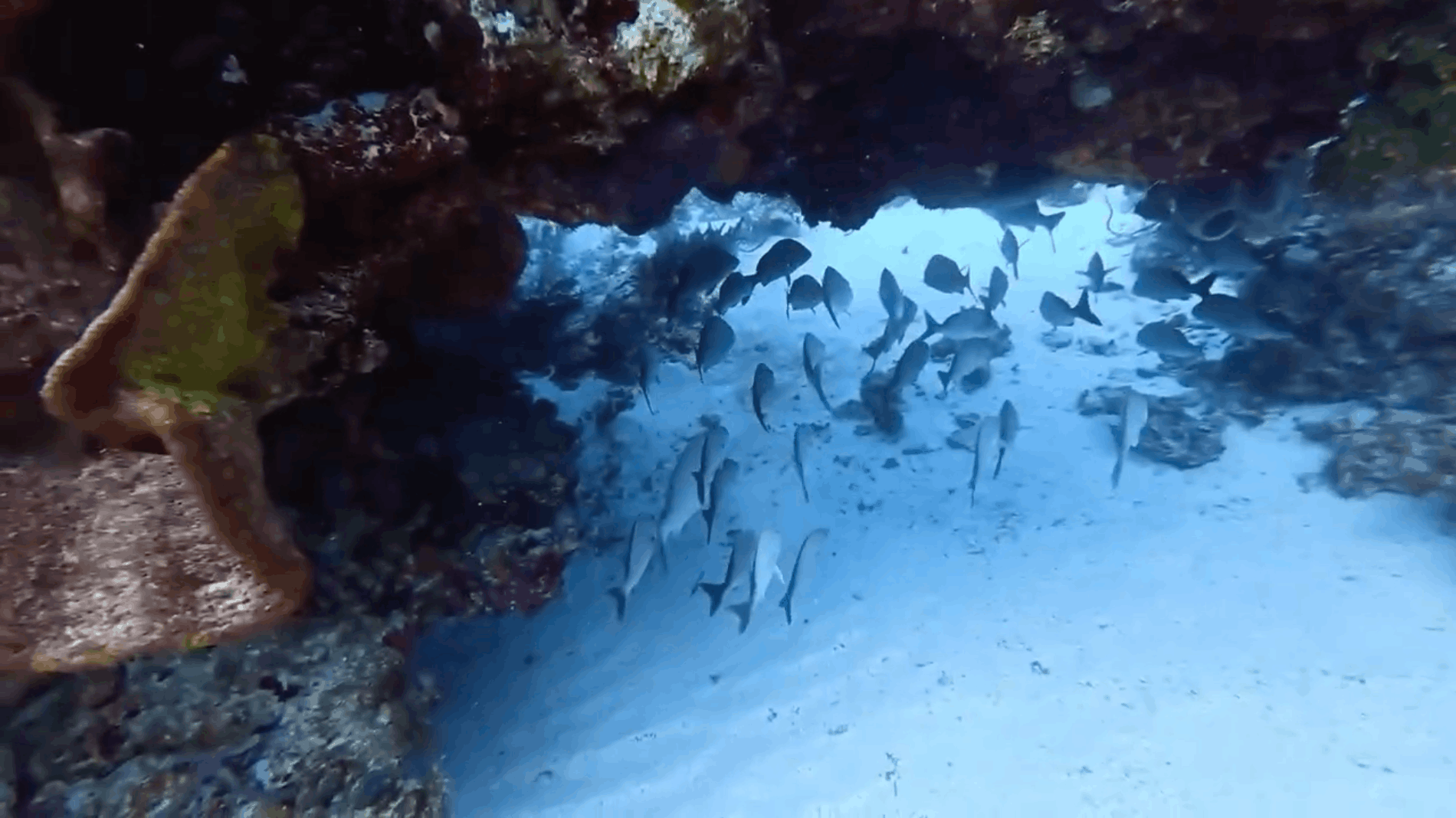
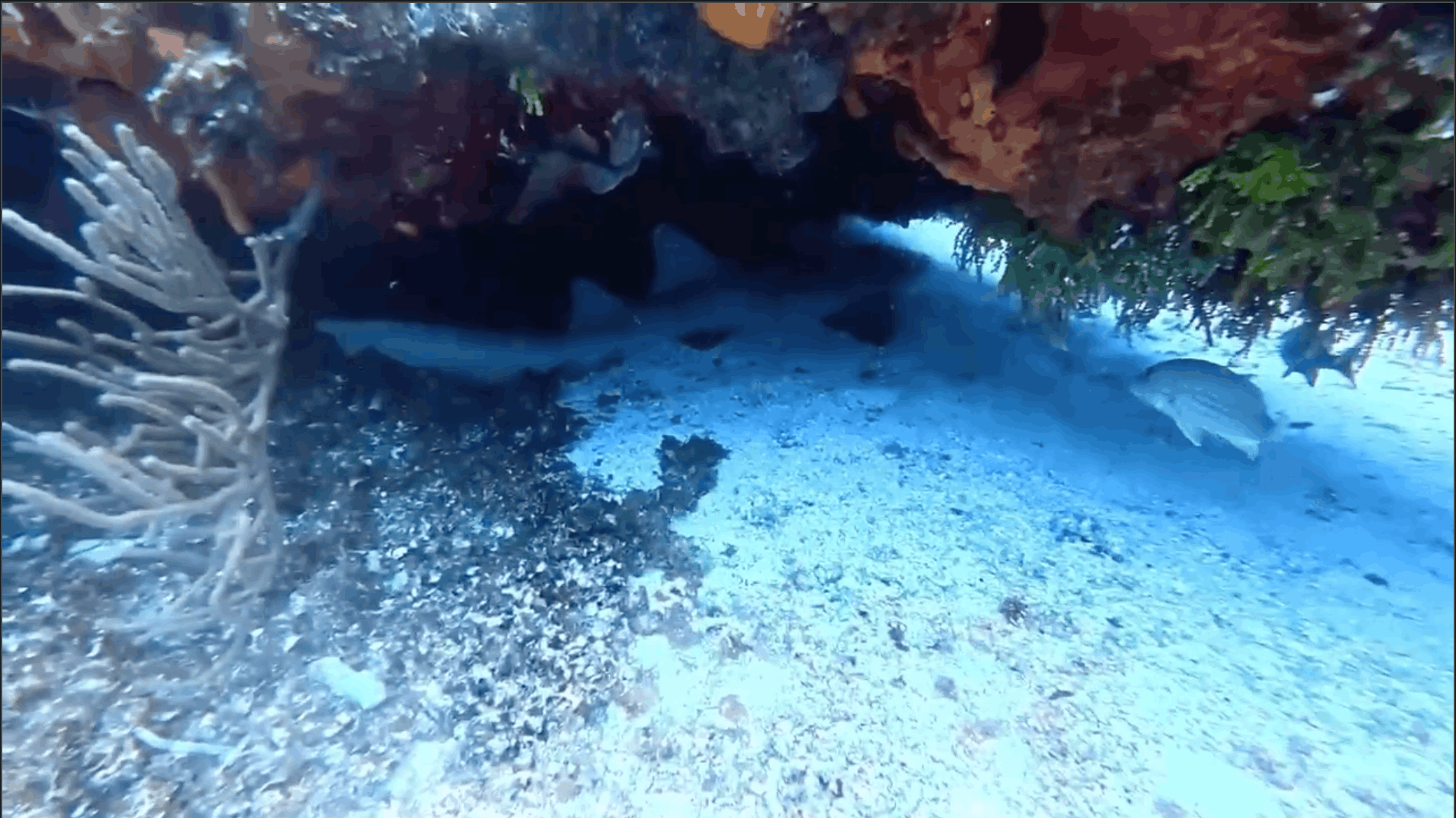
The "caves" aren't true overhead environments, rather massive coral formations creating epic swim-throughs, tunnels, and cavern-like passages that let you explore without any cave training needed.
It's nearly an hour of navigating cathedral-like swim-throughs, massive overhangs, and the most dramatic underwater topography I've seen.

Swim-throughs range from wide-open cathedral passages all the way to tighter sections that funnel you through with just enough space.
The cave walls are covered in colorful tube sponges, barrel sponges, and other marine life.
A moment that stuck out to me on my dive was watching a sea turtle descend from the surface directly in front of the group and start feeding, completely unbothered by us.
The guide also spotted a seahorse tucked into the cave structure.
Seahorses are a rare find anywhere and a good reminder of why diving with experienced guides matters.
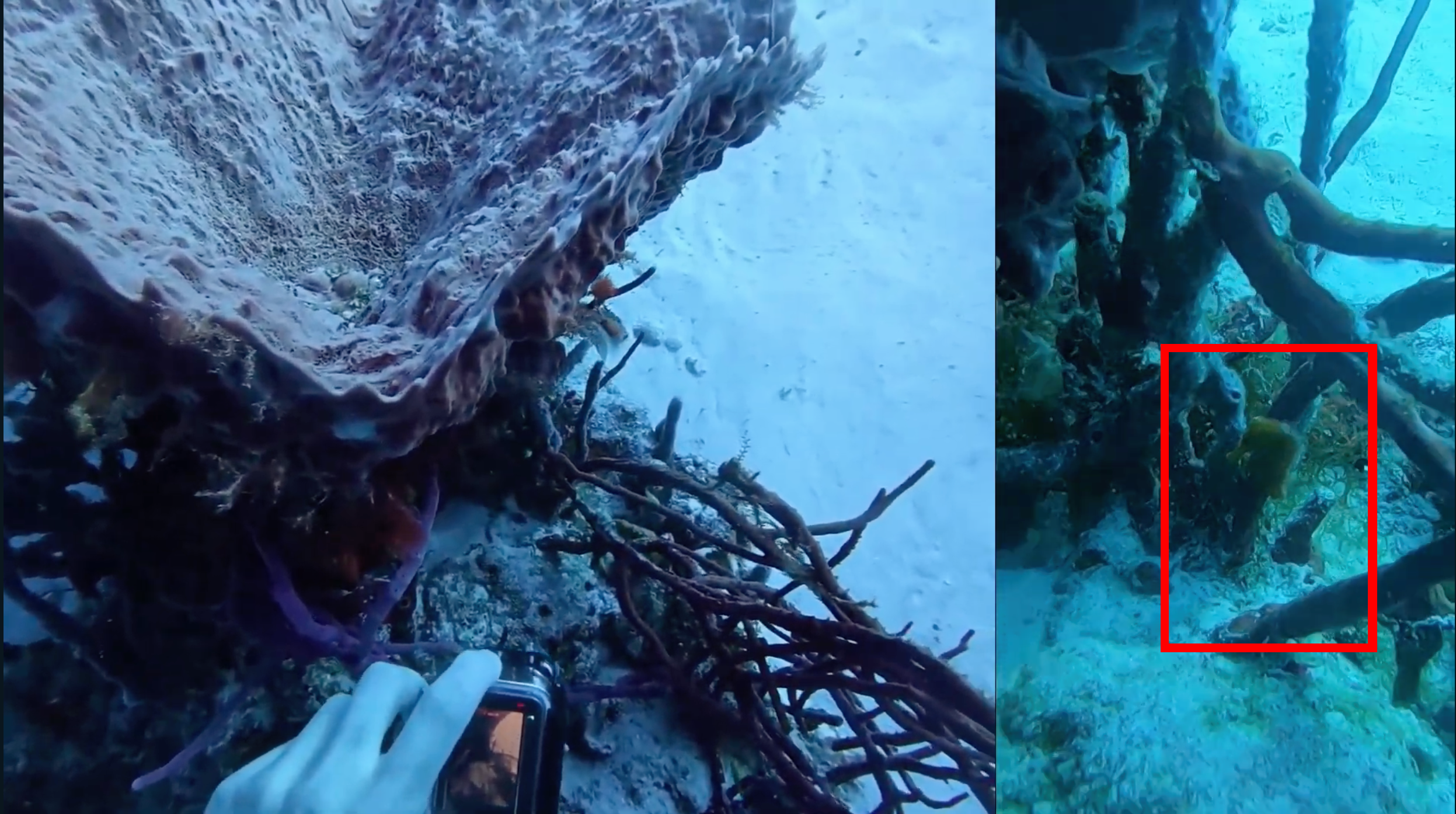

Before this trip, most of my recent diving had been in Florida.
Seeing coral formations like this after so long made this dive stand out.
Best Drift Dive: Dalila Reef
Dalila Reef was my first dive in Cozumel, and it started off my trip strong.
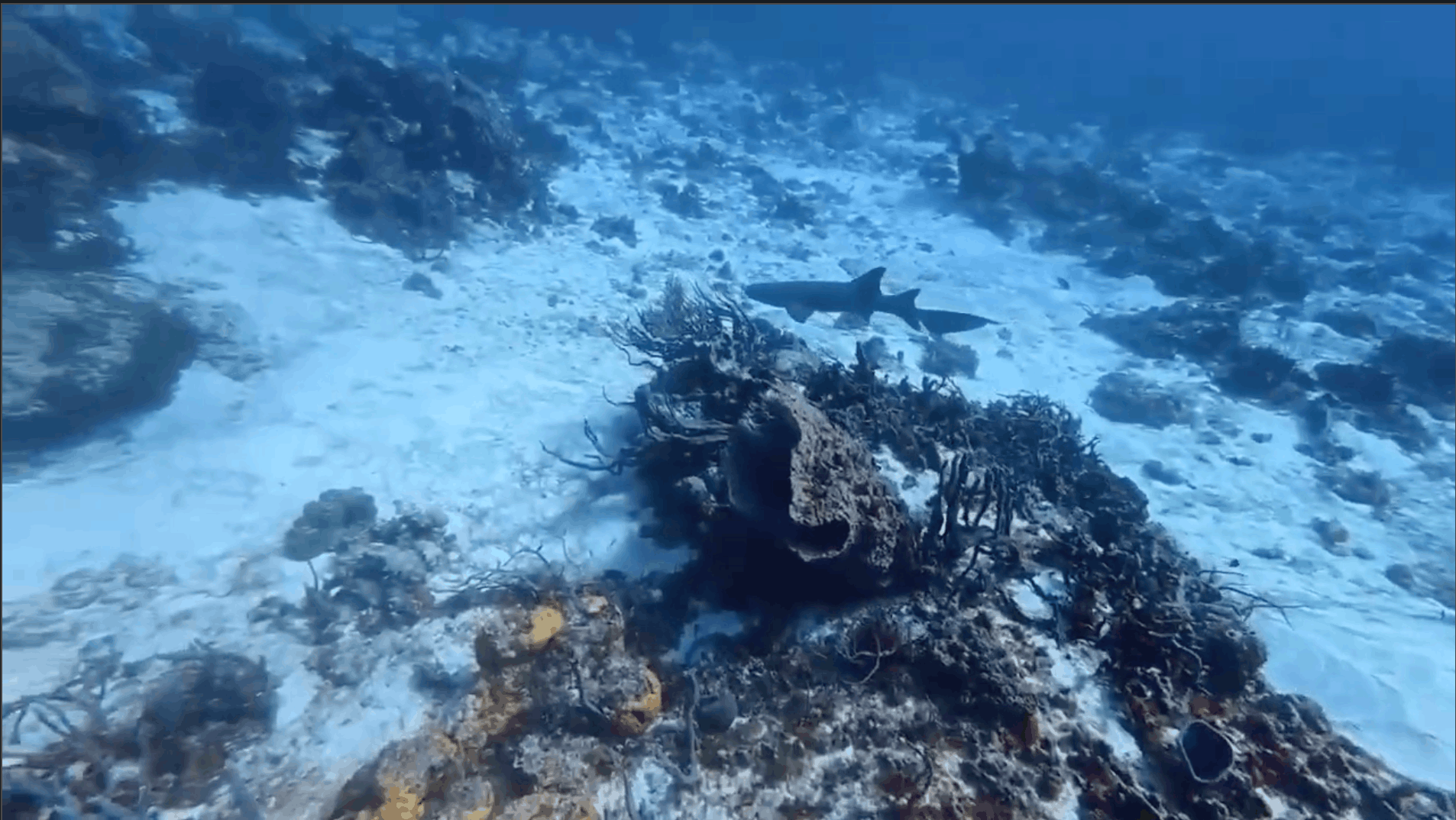
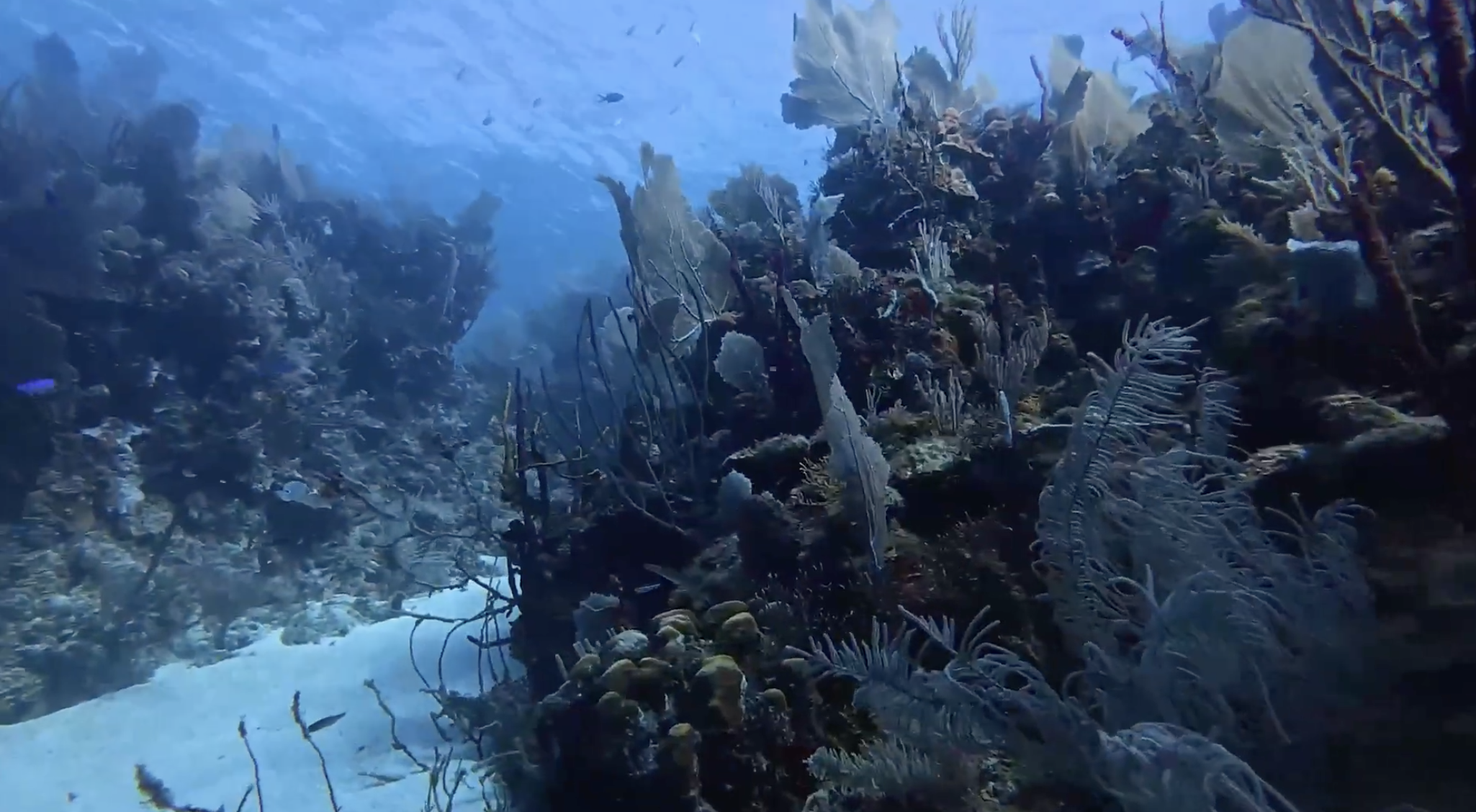
The Yucatan Current is immediately noticeable on open reef dives as there isn't as much cover like there is in Palancar Caves.
The drift diving is a lot of fun and effortless, but creates real challenges for underwater photography as staying steady in one place costs energy (and therefore more air!)
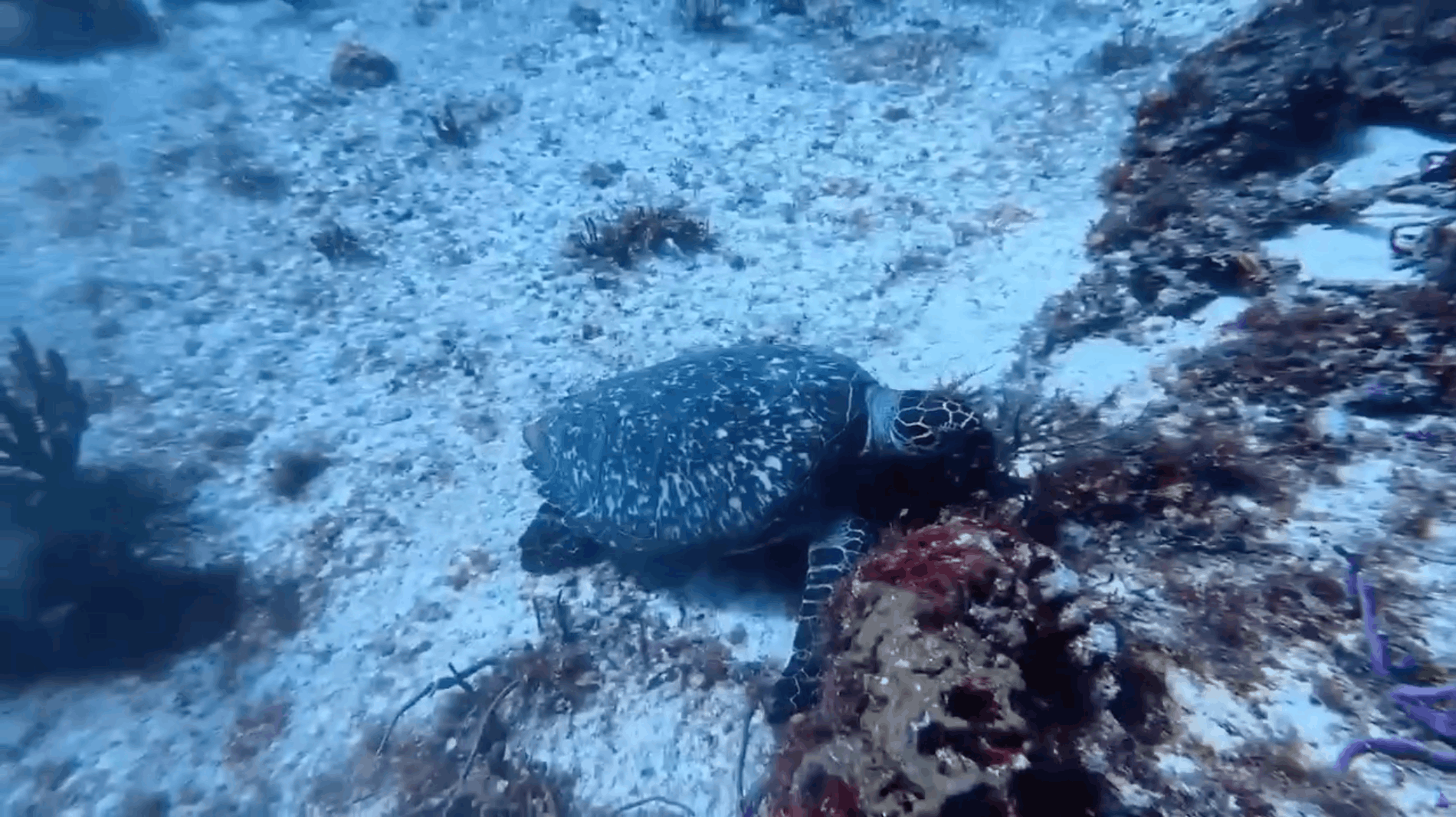
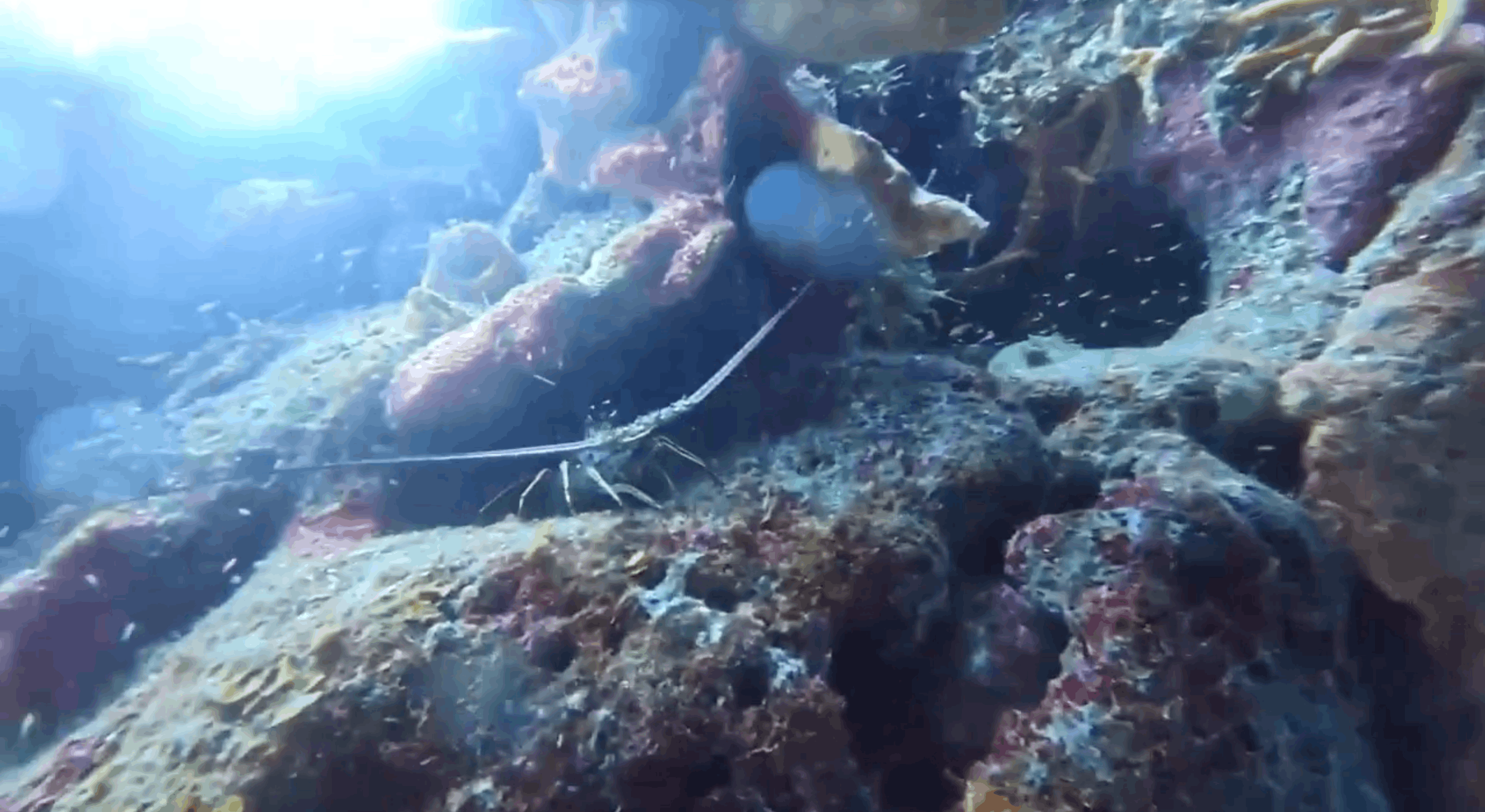
I saw tons of lobster tucked under coral with their antennae out, king crabs hiding in mini caves, and a turtle with a propeller-chipped shell.
Best Swim-Throughs: Yucab Reef
The second dive on the first day was at a site called Yucab Reef. I remember the guide taking us through several swim-throughs.
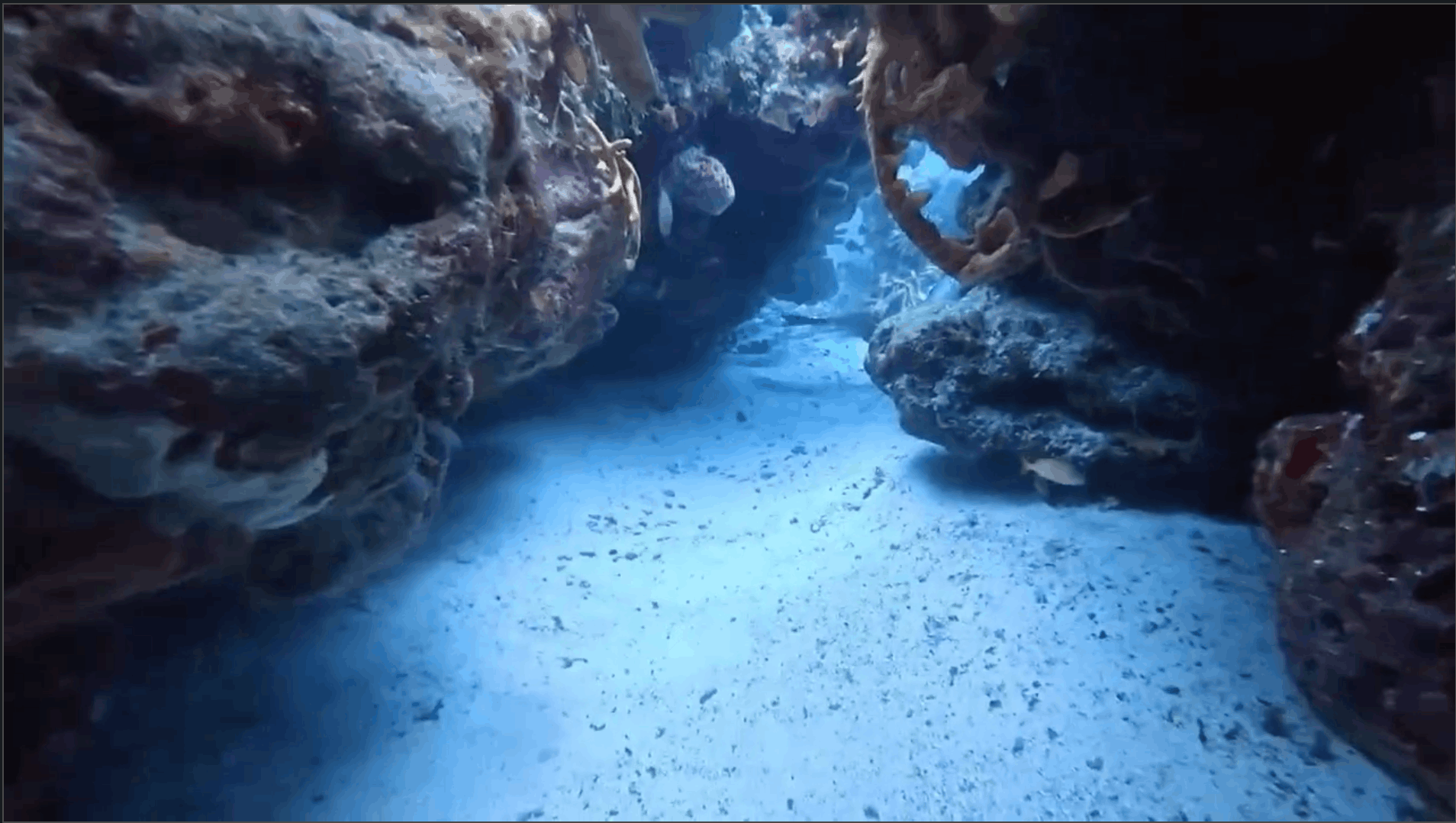
Cozumel is a fully protected marine park, which means no gloves, no touching coral, no grabbing ledges, and no stirring up the sand.
Operators only take advanced divers through the swim-throughs here for that reason.
Best Beginner Dive: Paradise Reef
The third and final dive of the day was a site called Paradise Reef, and it was the shallowest.
After two dives in one day, and a limited surface interval going deep isn't an option. Paradise Reef is a common end-of-day shallow dive in Cozumel.
Not my favorite of the three sites, but still solid.
Good visibility, healthy coral, and a relaxed pace after two bigger dives.
I remember seeing a lot of eels here.
Sites I Didn't Dive
In just one week, it's not possible to hit every single site in Cozumel.
I also found it somewhat difficult to request dive sites ahead of time. Charters pick sites depending on group sizes and dive conditions. As a solo diver, I didn't have much sway!
These are the sites I did not get to, but heard a lot of great things about.
Santa Rosa Wall
Probably Cozumel's most famous wall dive. A sheer drop-off run as a drift, with overhangs and swim-throughs.
Devil's Throat
The vertical tunnel system at Punta Sur and one of the best known advanced dives on the island. It's not a casual dive!
Dive Operators in Cozumel
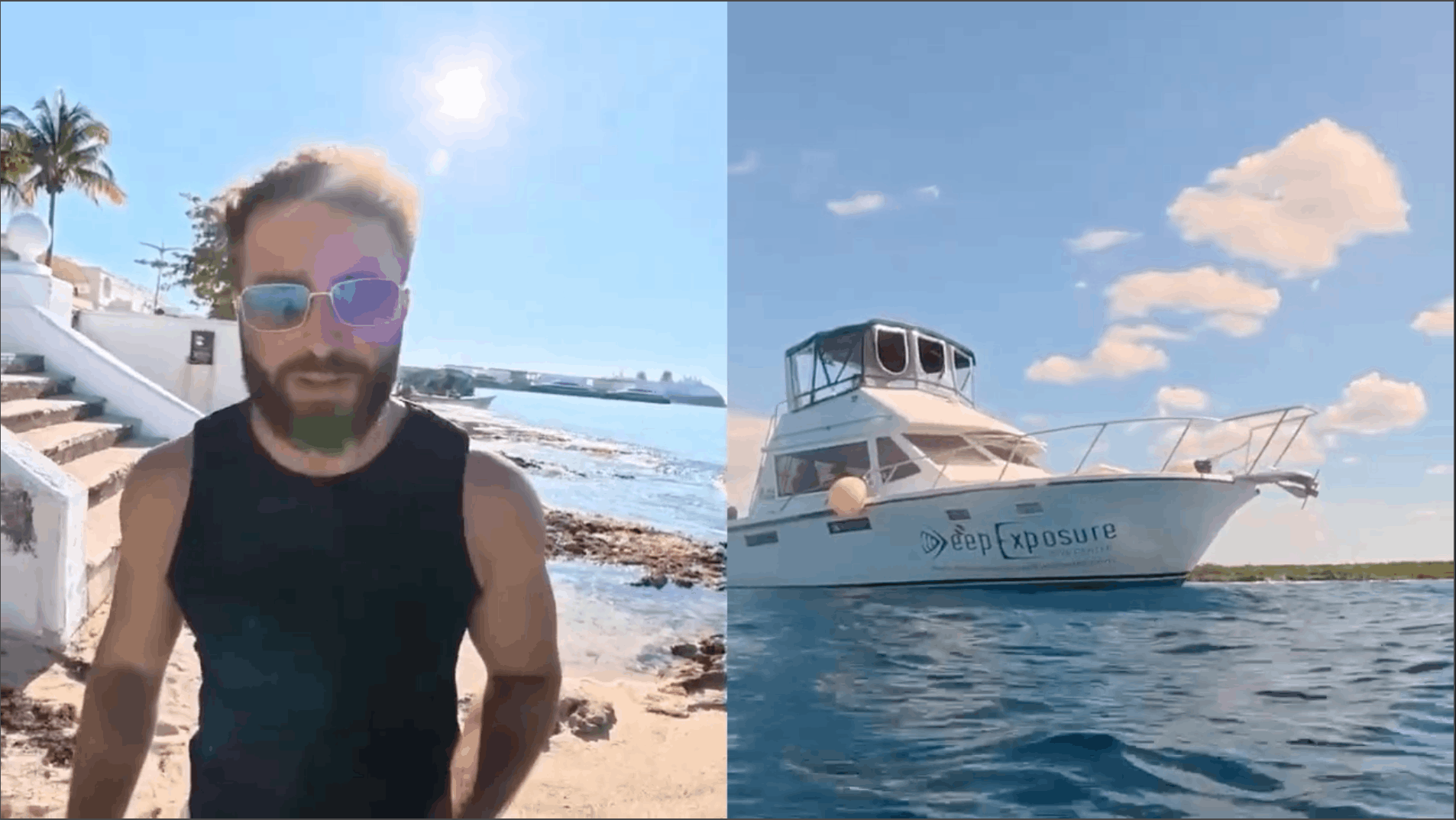
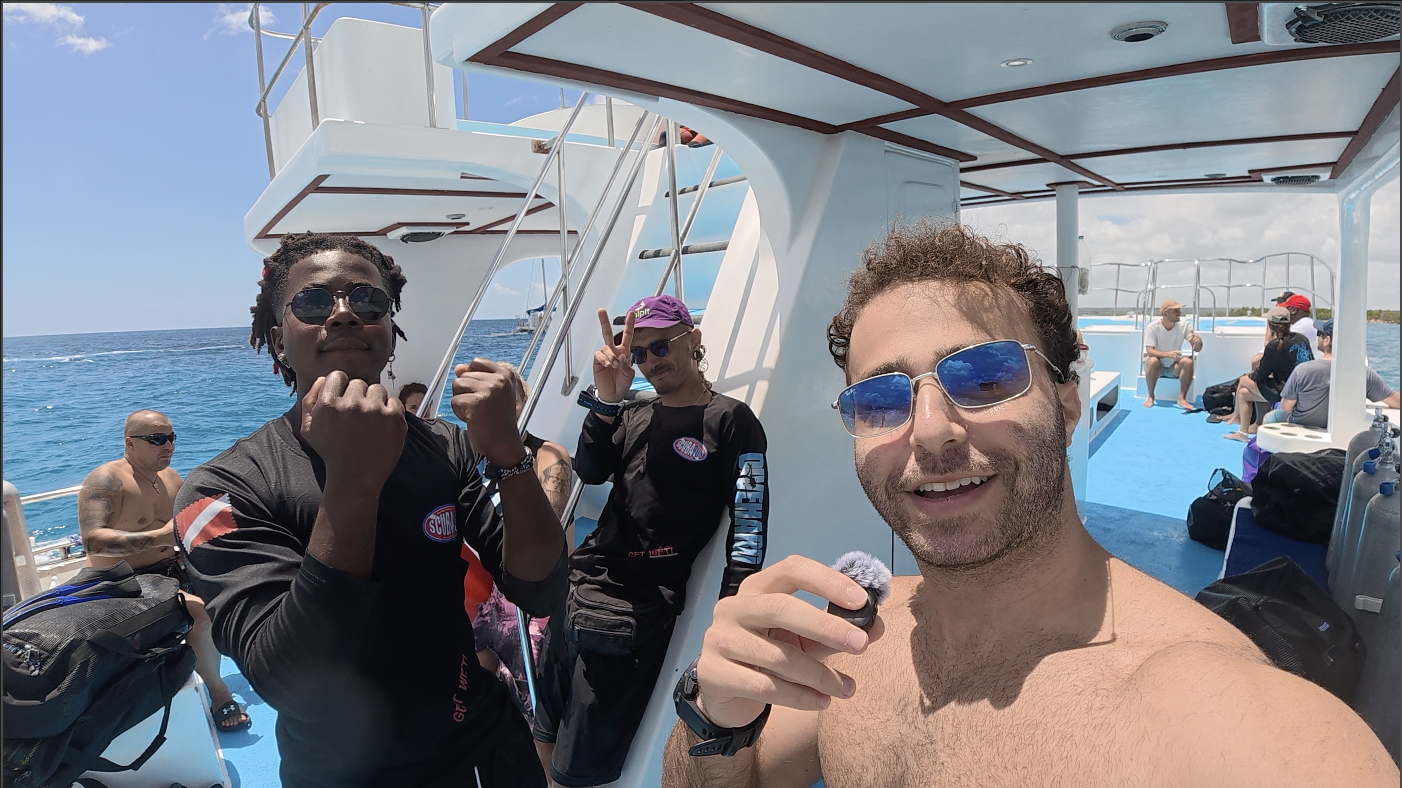
I dove both days with Deep Exposure and really enjoyed my time with them.
They have a fast boat, experienced crew, and guides who know these sites intimately. If you dive with Roger, send him my regards!
They're not a luxury operation, but efficient and well-run.
On board you can find camera rinse tanks, proper gear storage, and fresh food waiting when you surfaced between dives.
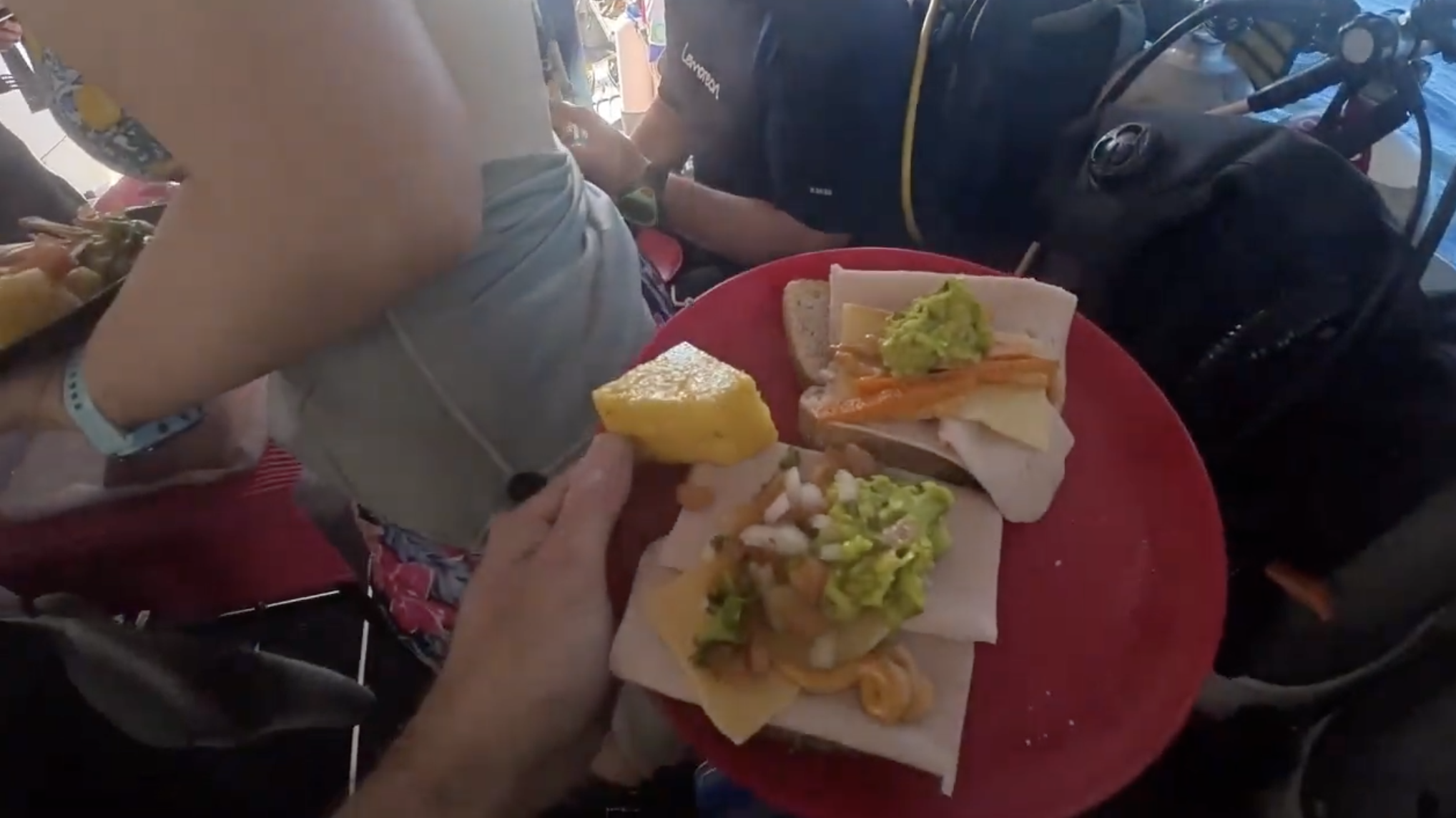
In between dives, we came up to a full spread of sandwiches and fruit, which hits the spot after a long dive.
Marine Park Fees & Rules
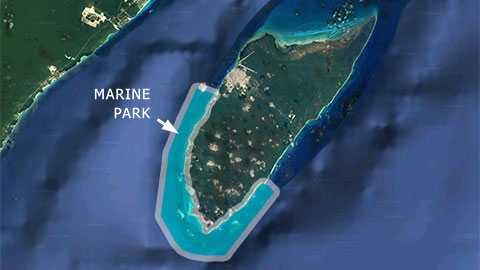
As of January 1, 2026 the daily fee increased to $13 USD (218 pesos). If you're diving multiple days, an annual pass runs $89. Your operator collects the marine park fee on your behalf.
Key rules:
- Stay 1.5 meters (5 ft) from the reef at all times
- No touching or disturbing marine life
- No sunscreen (reef protection)
- No gloves, knives, or rods
- Use only authorized operators
What Diving Cozumel Costs
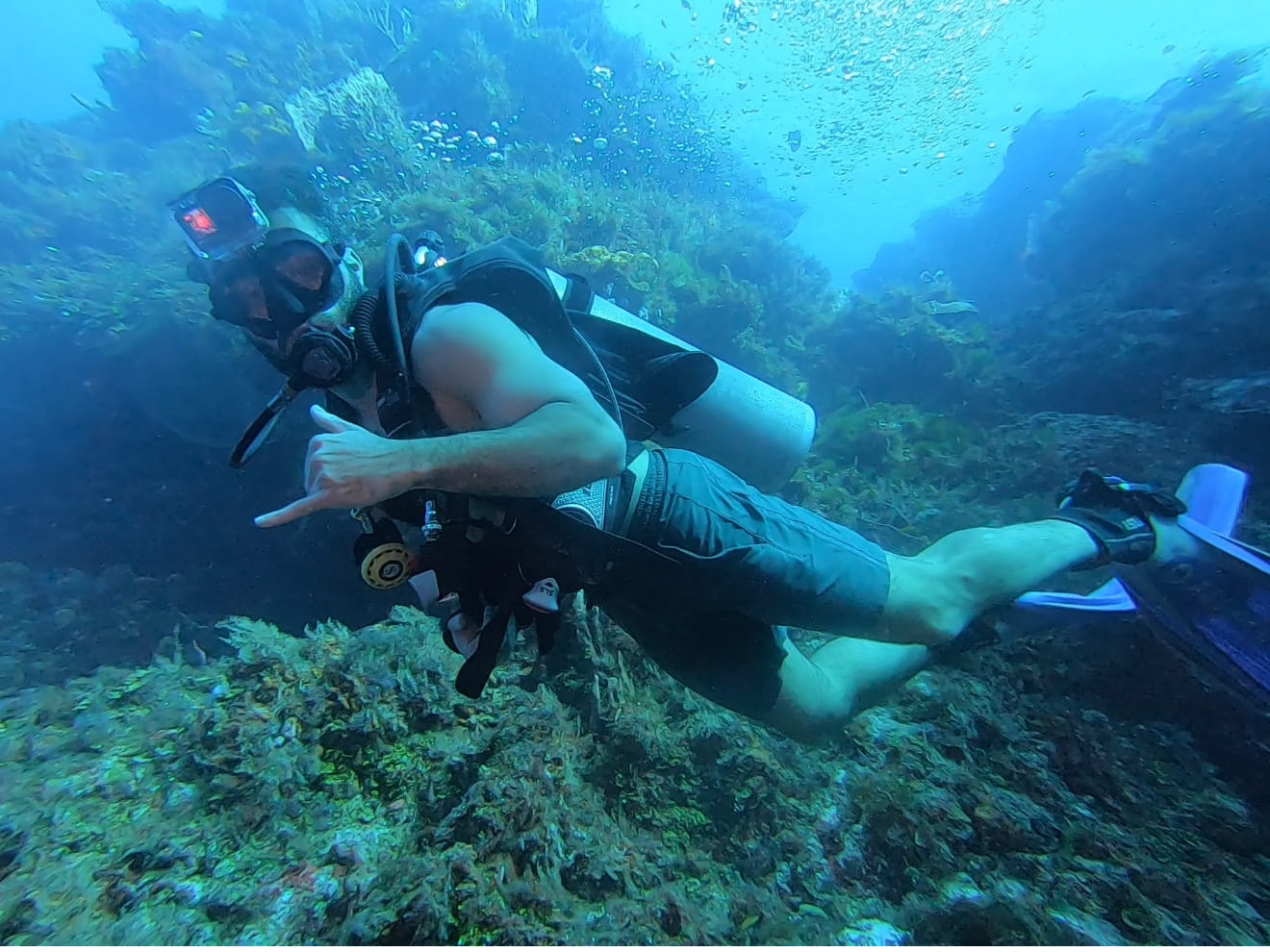
These are the rates I paid with my dive charter, Deep Exposure.
Expect to pay a little more or a little less depending on your situation and who you end up diving with. None of these include the marine park fee.
- One tank reef dive: $65
- Two tank reef dive: $115
- Three tank reef dive: $150
- Night dive: $80
- Nitrox, per tank: $10
Gear rental is separate, and cheap if you are only missing a piece or two. A complete setup with BCD, regulator, wetsuit, mask and fins runs $25 a day.
Water Conditions & What to Wear

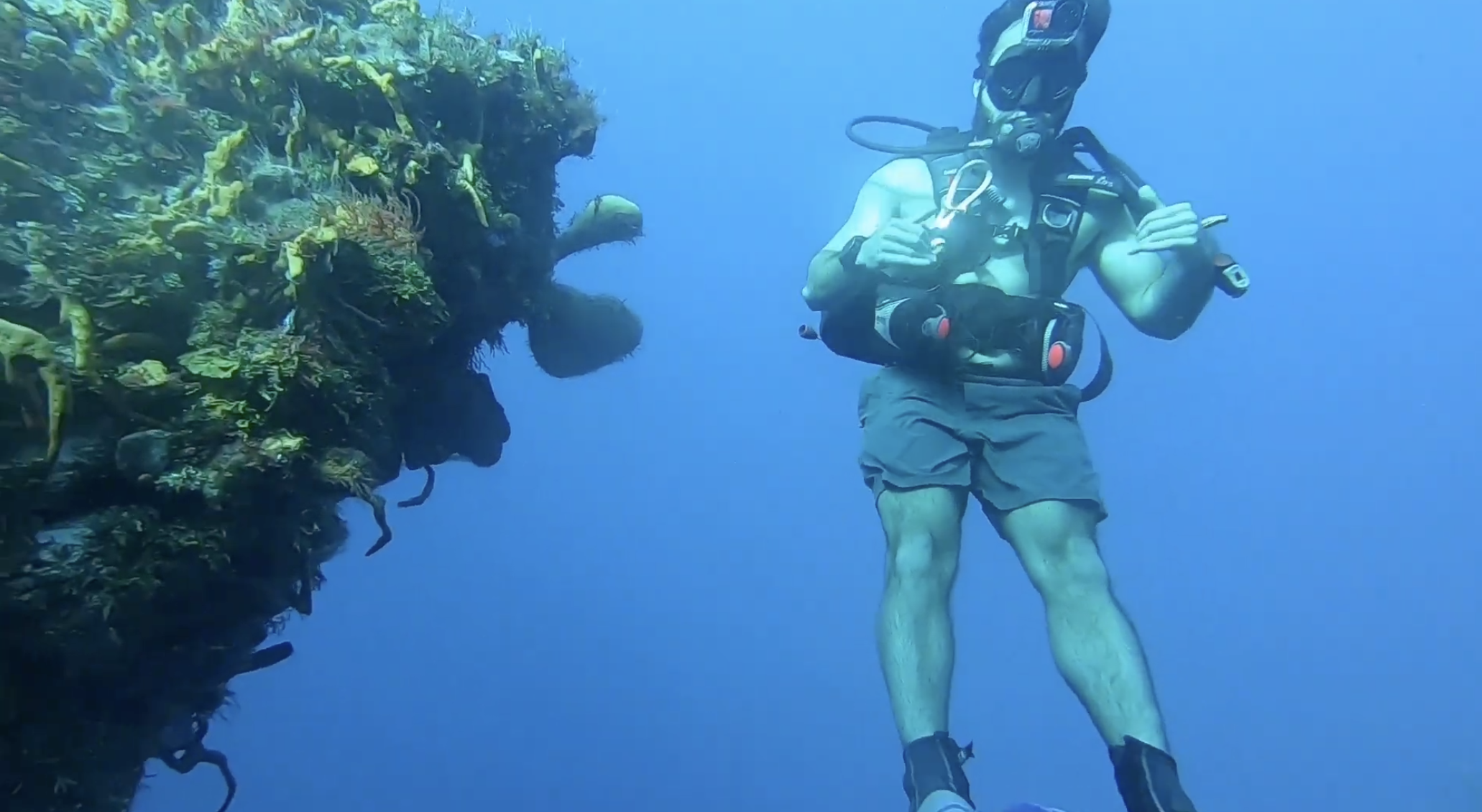
One thing worth noting: At the end of each dive the guides send up DSMBs so the boat can track our position.
Cozumel gets congested with boat traffic, and a DSMB is a much more practical solution than carrying a flag for the entire dive.
Visibility regularly hits 80-100 feet (24-30 m) driven by the Yucatan Current constantly pushing clean ocean water through the area.
Currents range from mild to strong depending on the site and conditions. Drift diving is the norm here, not an exception like in other dive destinations.
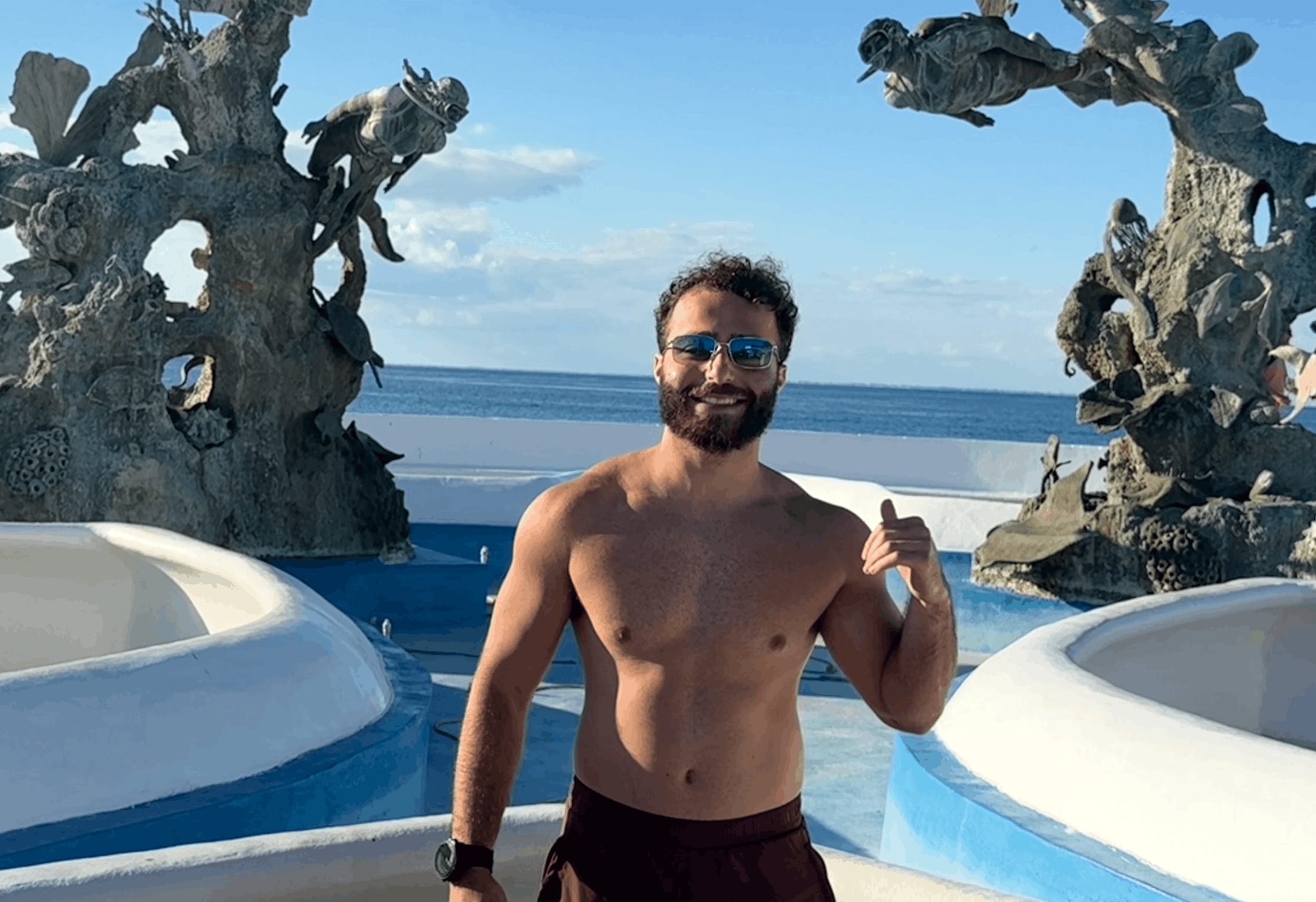
The water here is extremely warm. When I went in January I even dove shirtless on some dives.
Where to Stay in Cozumel
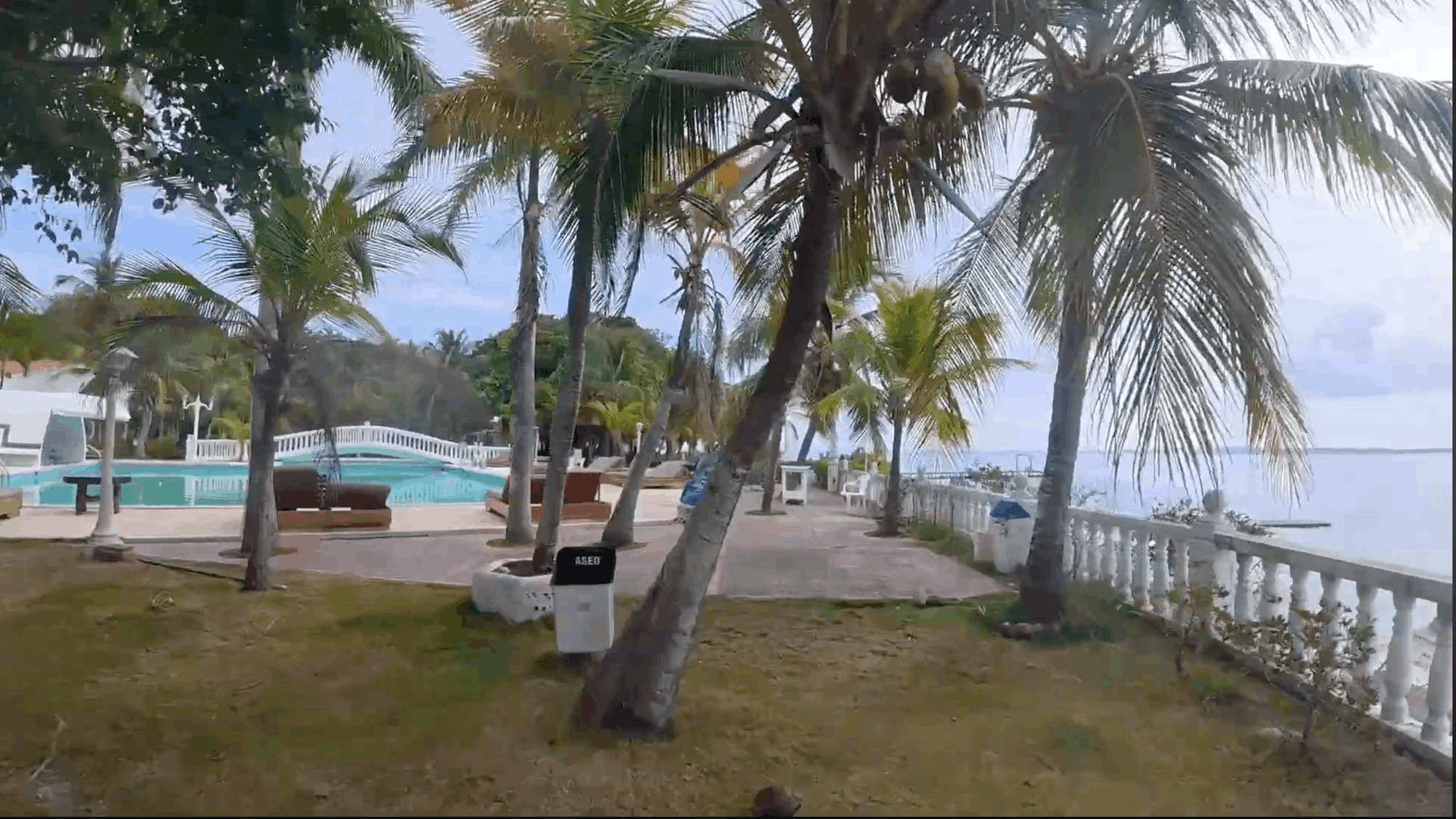
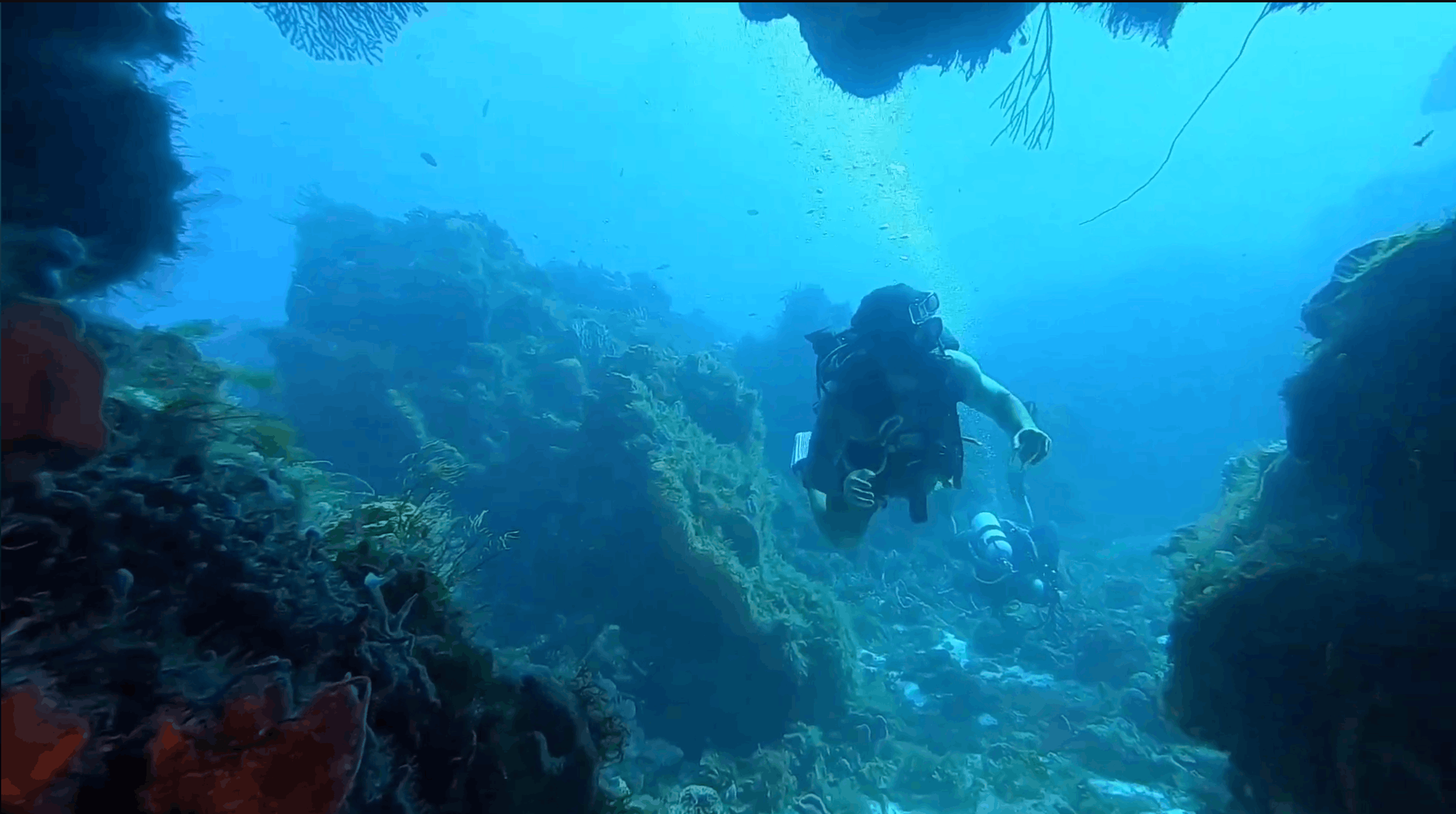
I rented this Airbnb for the week I was on the island.
One thing worth knowing: most dive boats leave from the Aquasport pier, which is close to the main town. I walked there every time. Some operators will organize a ride if you need one, but you probably will not.
Getting around otherwise is easy. You can rent a scooter, and for anything inside the downtown area you can mostly just walk.
Getting to Cozumel
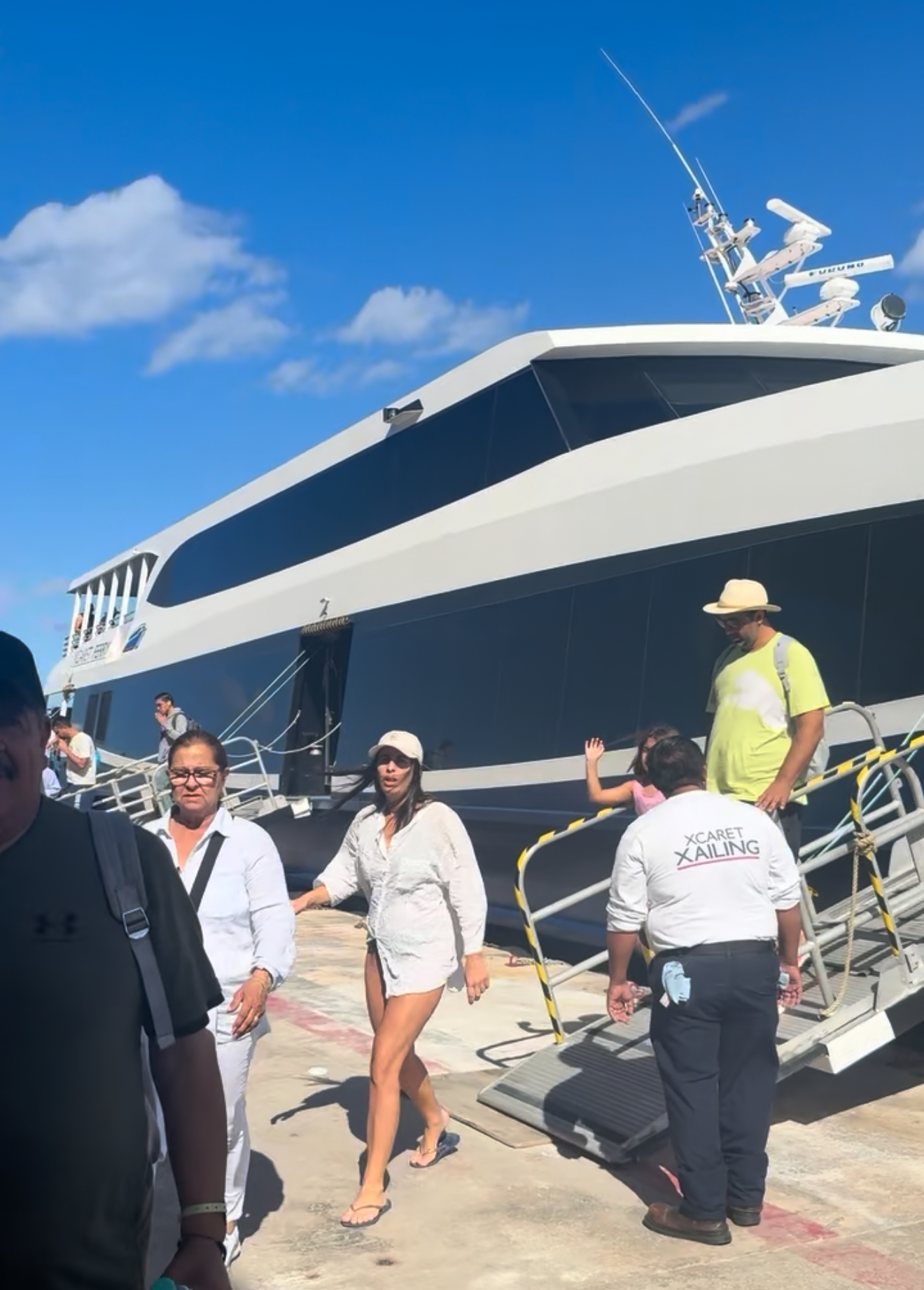
Cozumel has its own international airport (CZM) with direct flights from several US cities. Alternatively, you fly into Cancun and take a bus to Playa del Carmen like I did, and then a 45-minute ferry across to the island.
This is what I did only because I wanted to spend some time in Playa del Carmen beforehand.
But if you were carrying lots of heavy scuba gear, this option doesn't sound as fun.
When is the best time to dive Cozumel?
May through July for the best overall conditions: warm water, high visibility, fewer crowds, and ahead of the peak of hurricane season.
December through March if you specifically want spotted eagle rays and bull sharks.
How much does diving in Cozumel cost?
A two-tank reef trip is around $115, plus the $13 daily marine park fee.
Full gear rental adds $25 a day and nitrox is $10 a tank. Budget roughly $128 a day with your own gear, or $153 with rental.
Do you need to be an advanced diver to dive Cozumel?
Not for the island in general, but yes for parts of it. Operators only take advanced divers through the swim-throughs at sites like Yucab Reef, because a mistake inside a confined passage means contact with protected coral.
How much is the Cozumel marine park fee?
As of January 1, 2026 it is $13 USD, or 218 pesos, per day. An annual pass runs $89, which pays for itself at seven days of diving. Your operator collects the fee on your behalf.
What is visibility like in Cozumel?
Consistently 80 to 100 feet (24 to 30 m). The Yucatan Current keeps clean ocean water moving through the reef, so it does not fluctuate the way it does at a lot of destinations.
Let's Dive Together
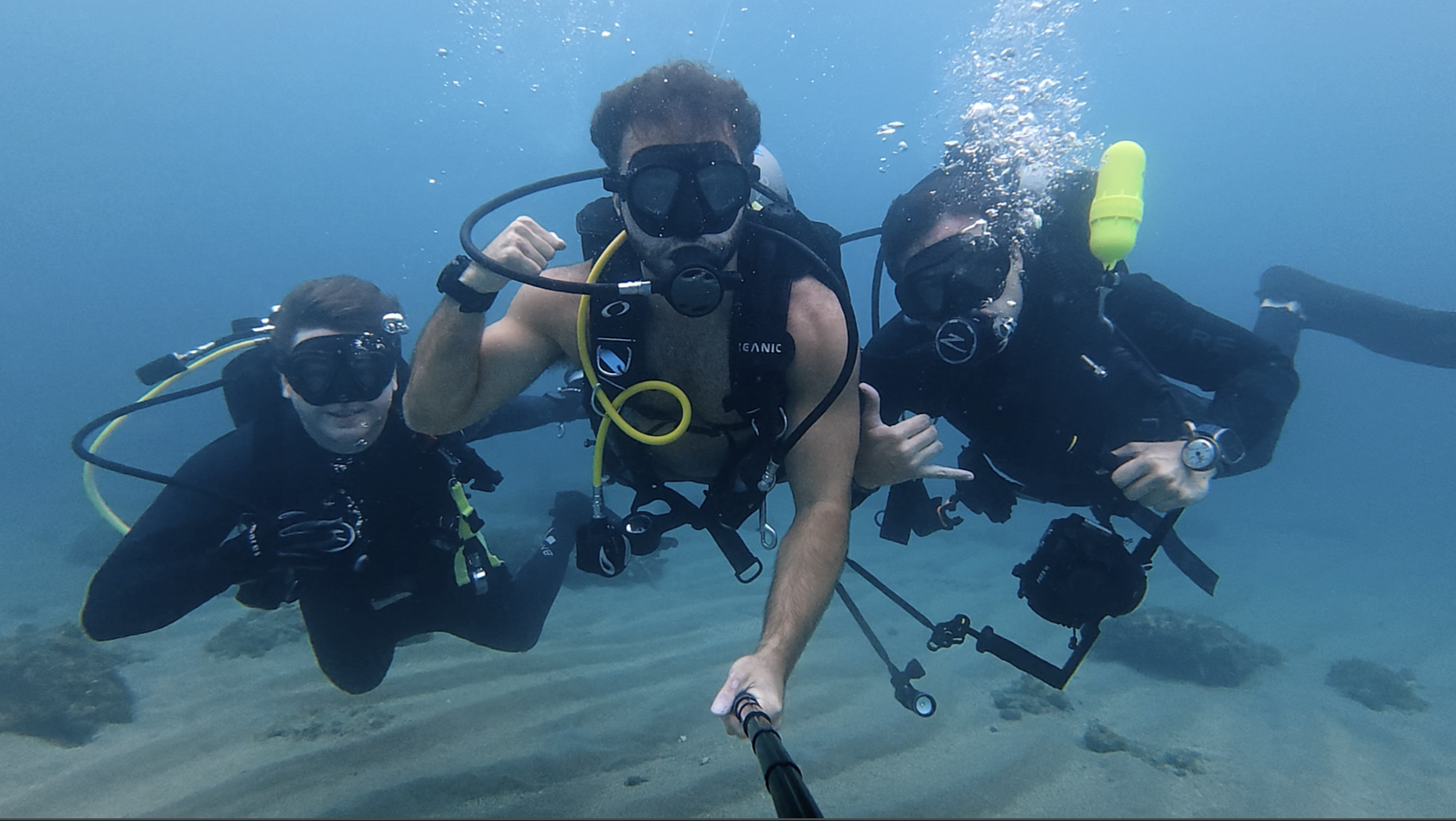
👋 It's Divemaster Austin
I'm inviting you to Dive Club, my global scuba diving community.
What you’ll find inside:
🤿 Dive meetups & group trips
🌍 Top dive sites shared by community members
⚙️ Gear tips & technique discussions
🤝 Diver's who’ve already linked up IRL
See you there!

.webp)
.webp)


%20(1).png)