
.webp)
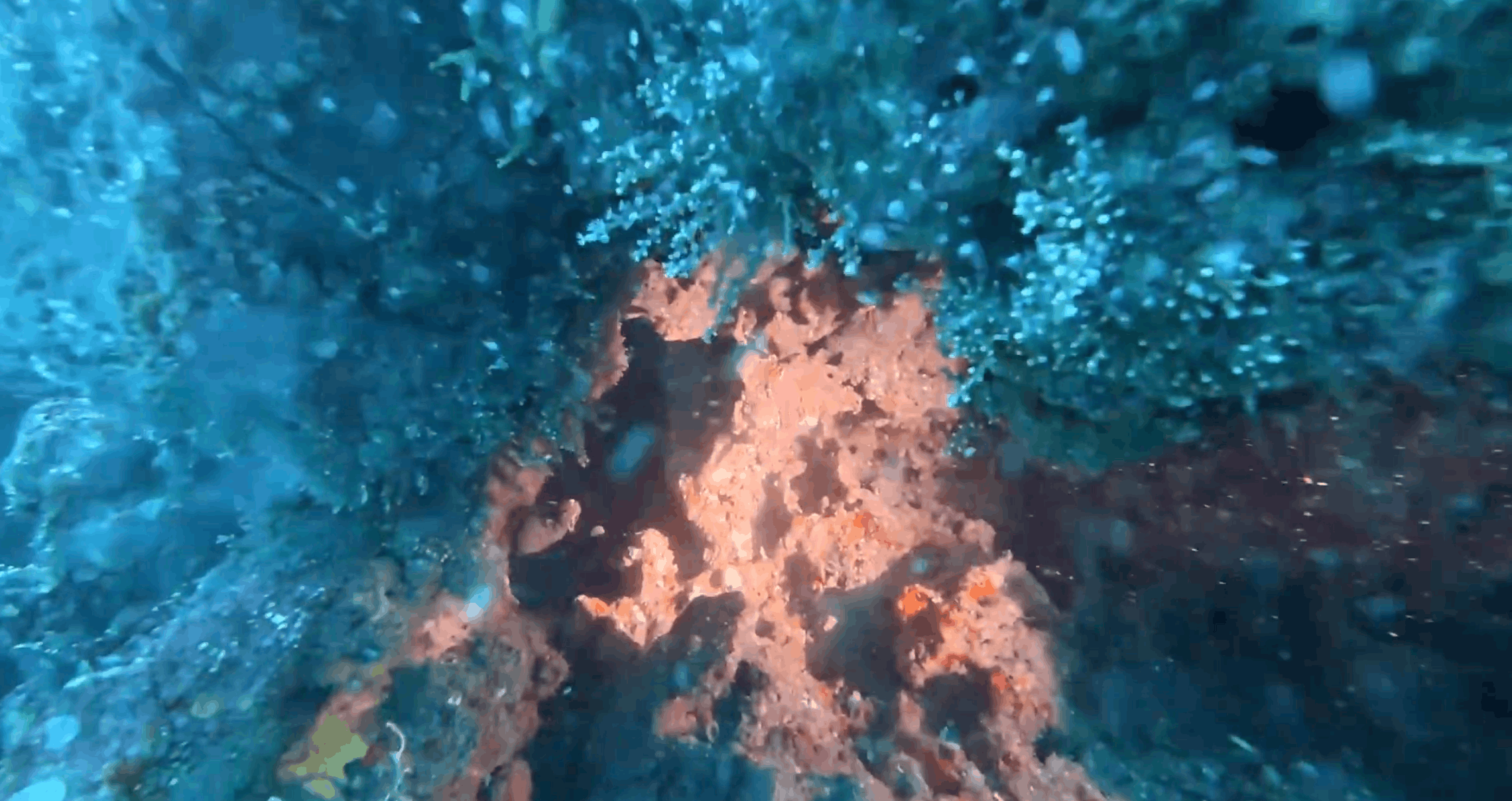
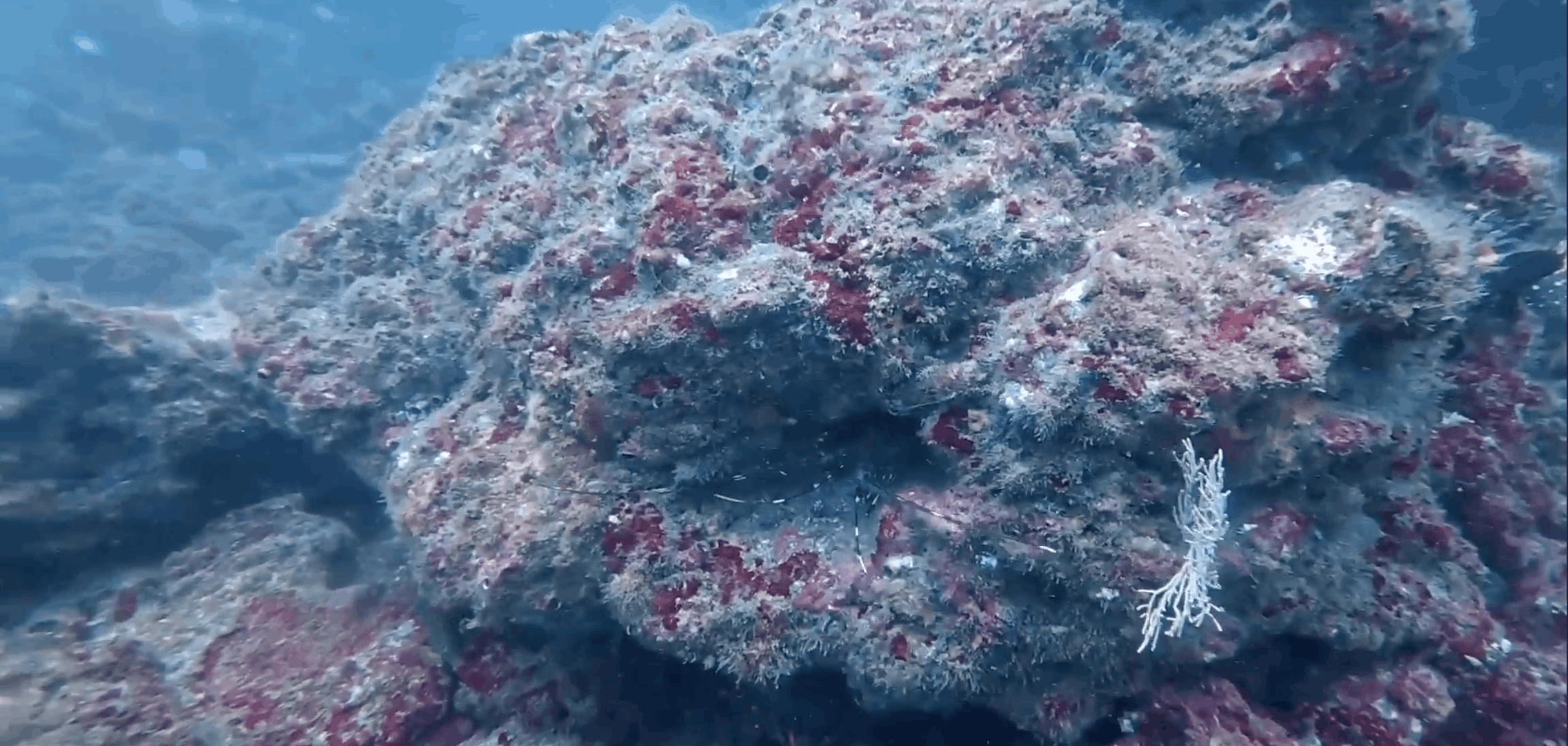
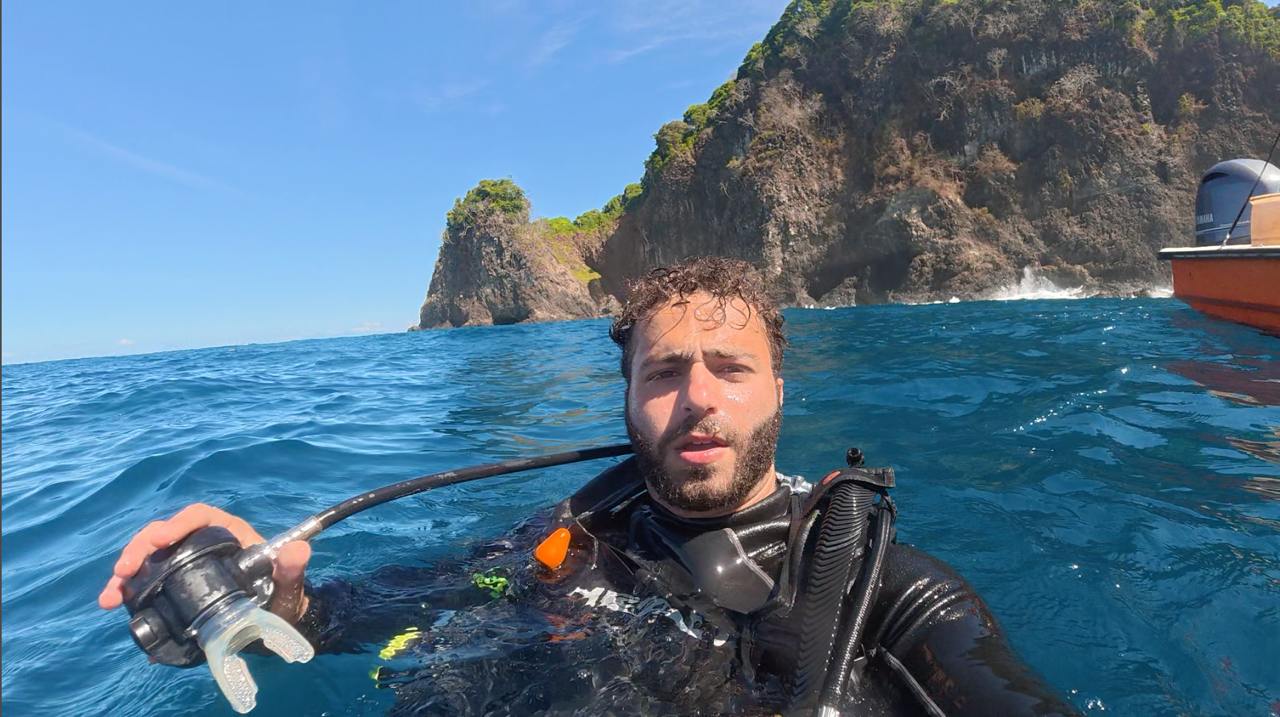
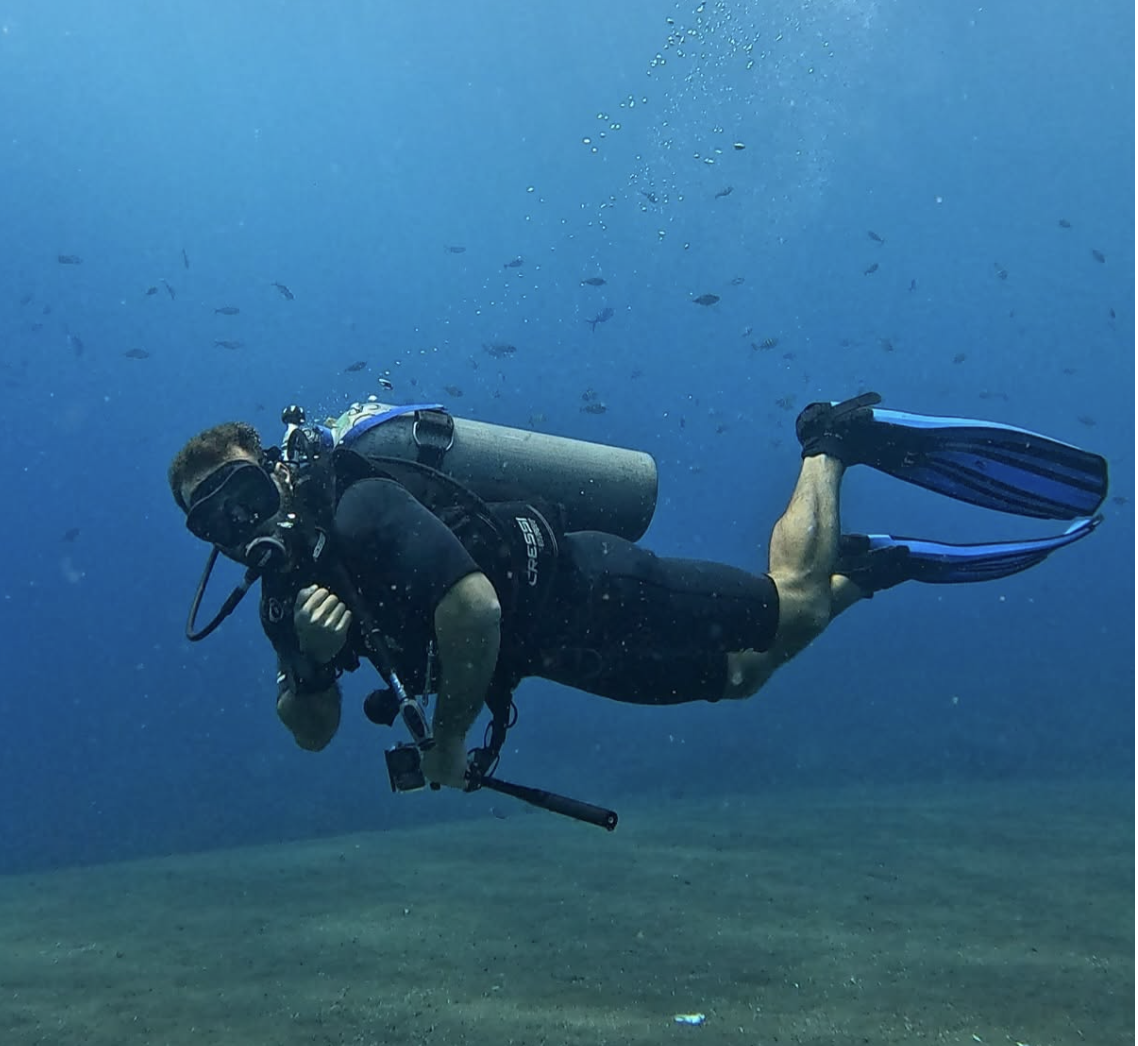
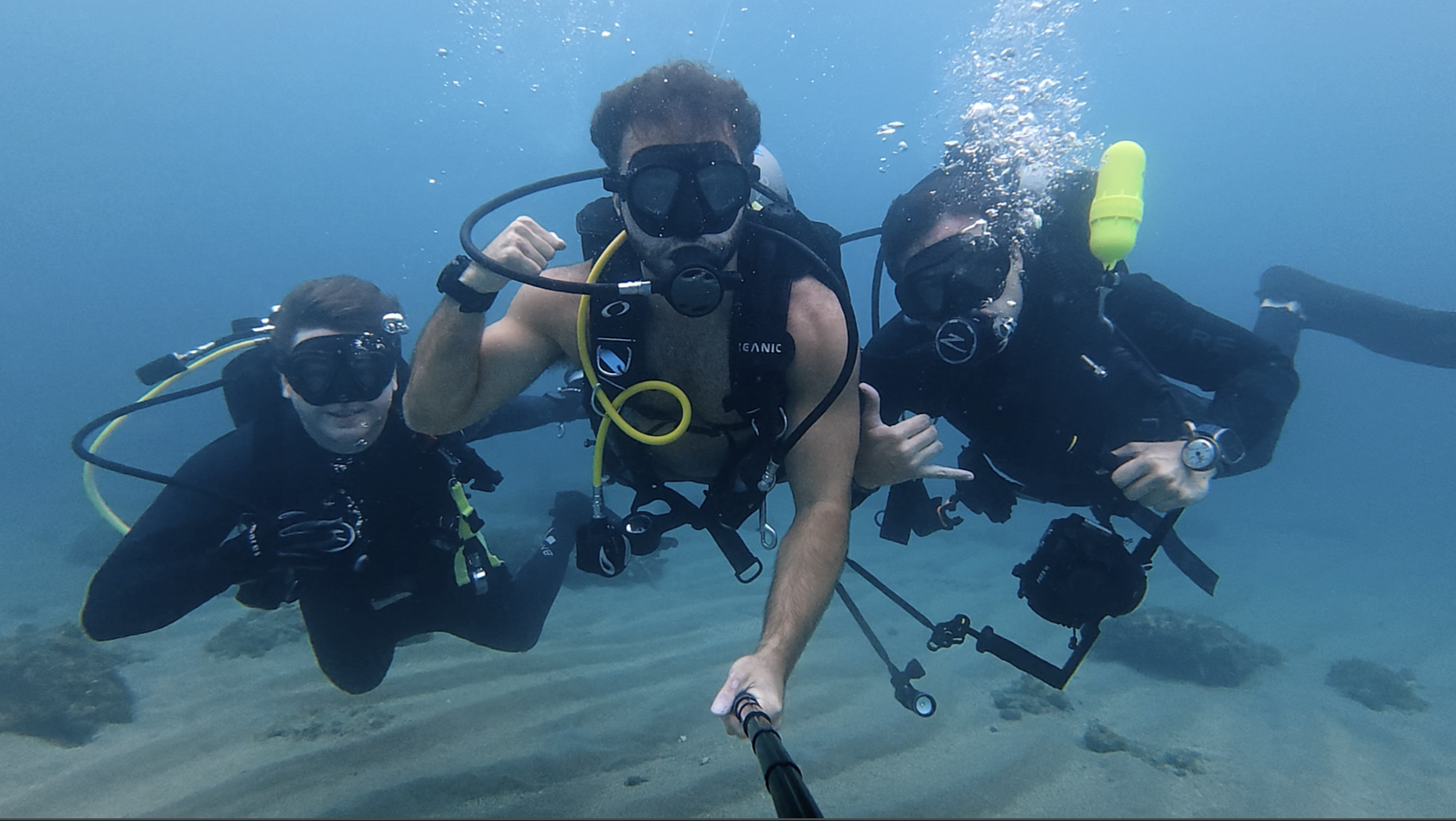
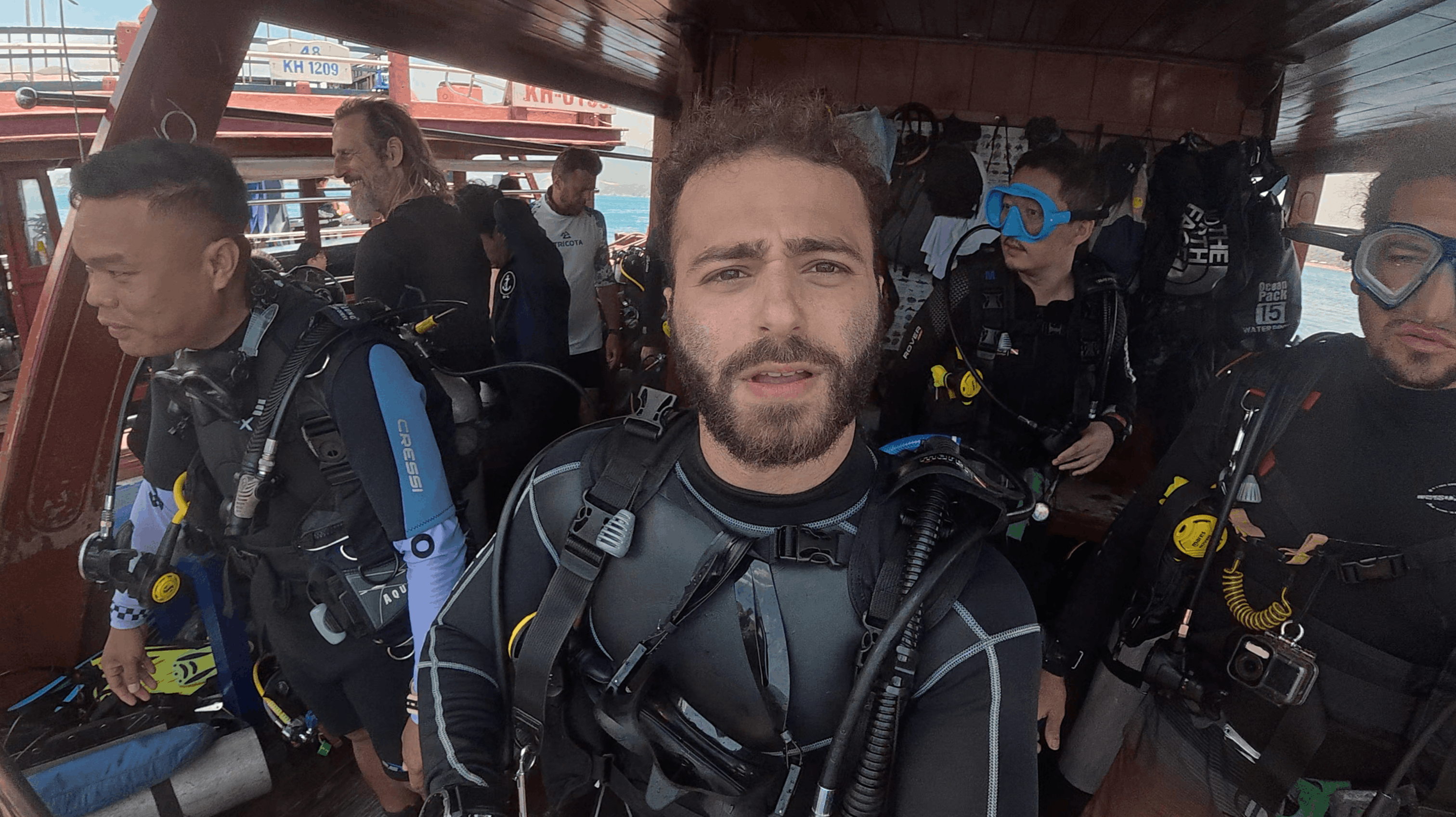
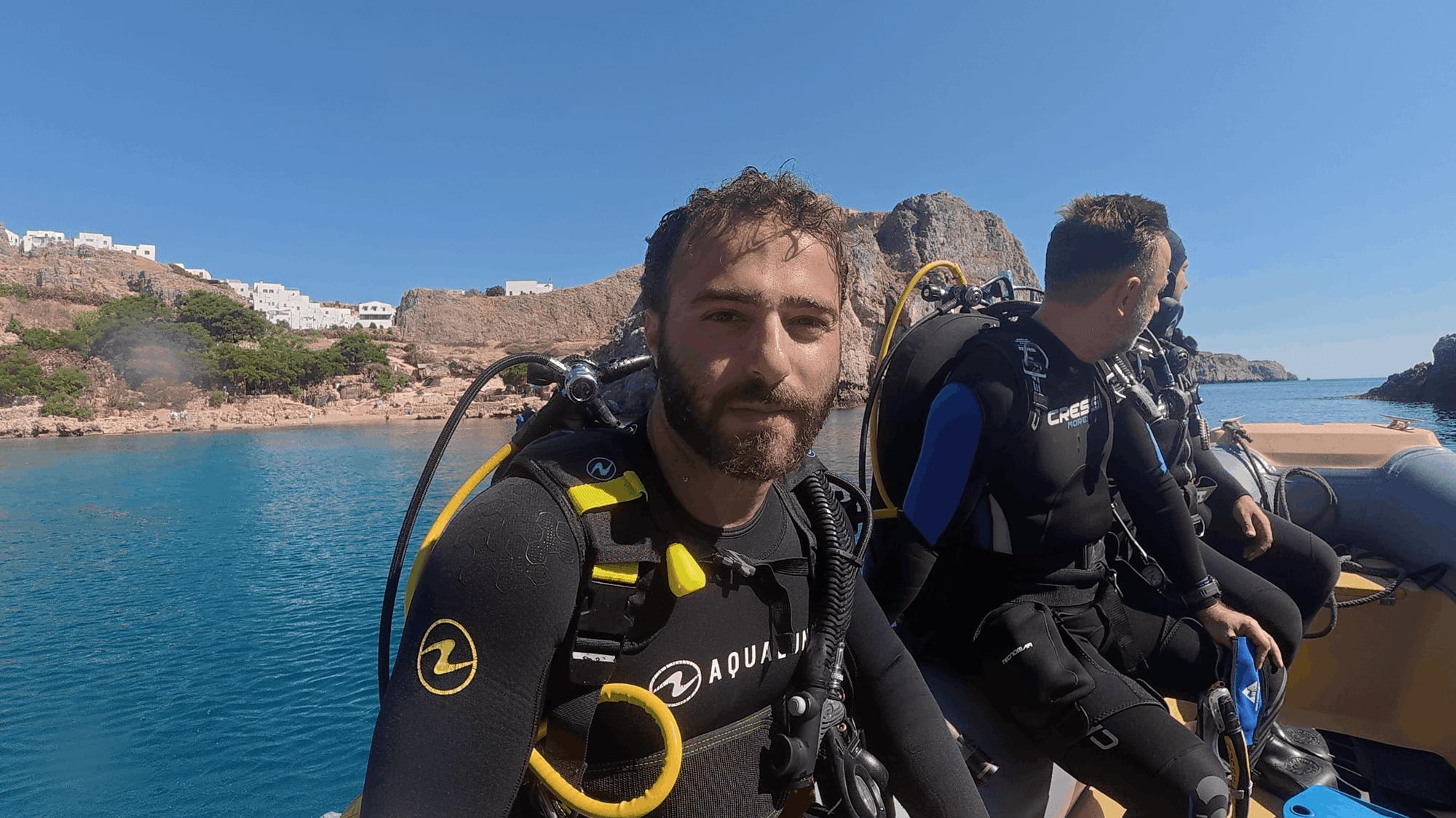
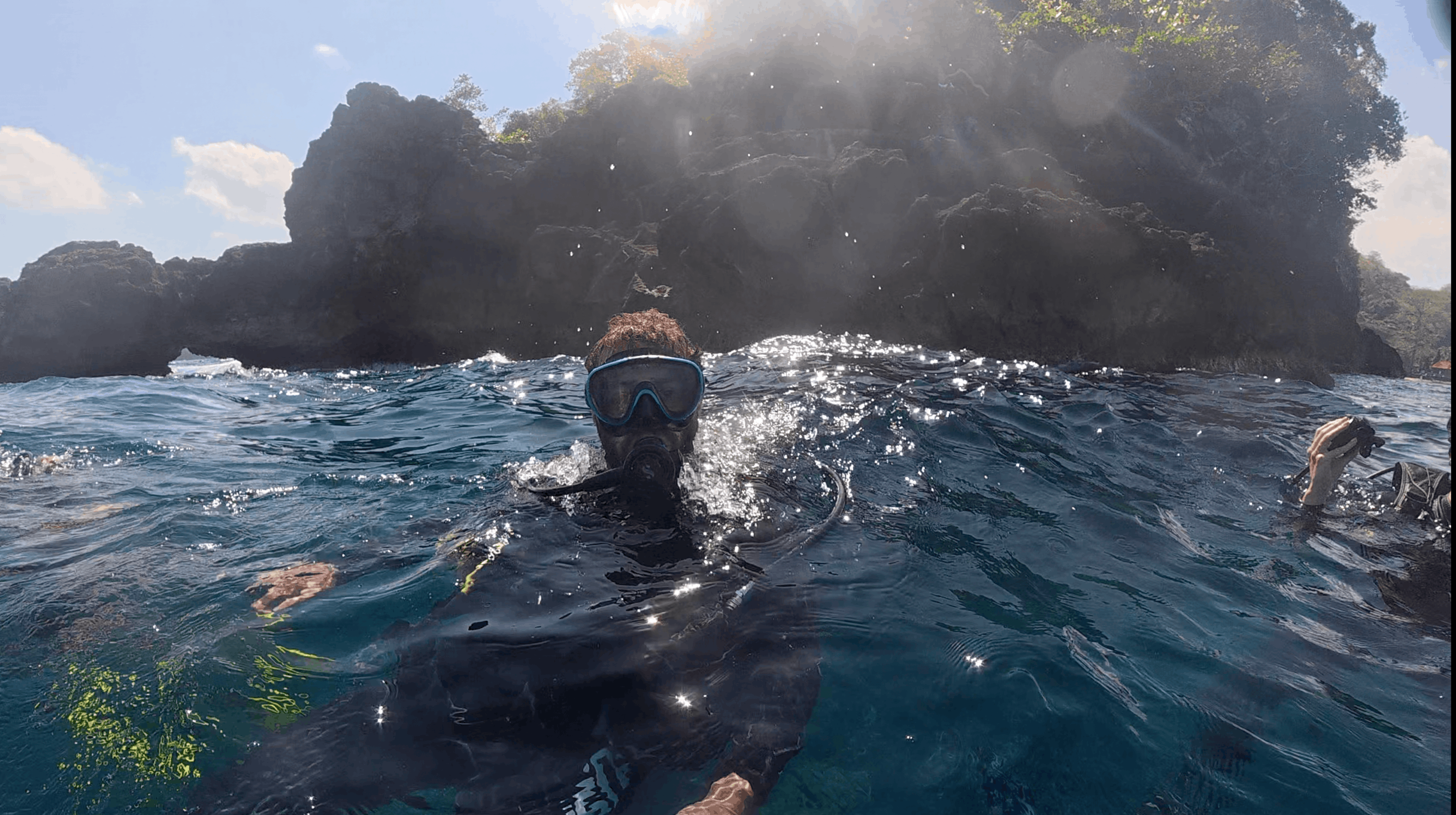
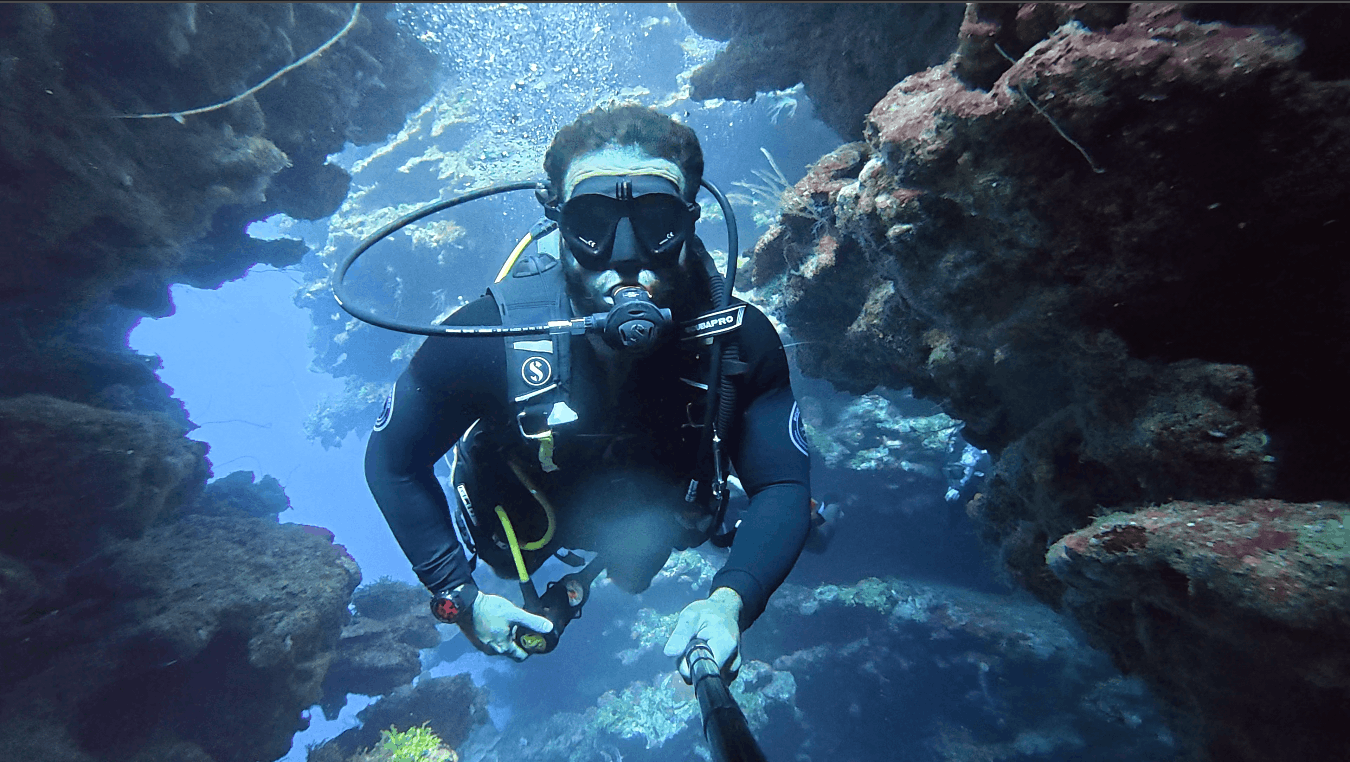
I dove Santa Teresa in January 2026 with Ananda Dive N' Flow, by boat out of Malpais, Costa Rica. It was a two tank trip. We did a shipwreck on the first dive and a wall called La Pared on the second.
If you're considering diving on Costa Rica's Pacific coast and Nicoya Peninsula, here's everything you need to know.
The visibility diving wasn't that clear. I'm not sure if this was a one-off occasion or typical for the area. The current was strong throughout both dives, but nothing unmanageable.
I spent $150 for the two-tank dive trip including all rental gear.
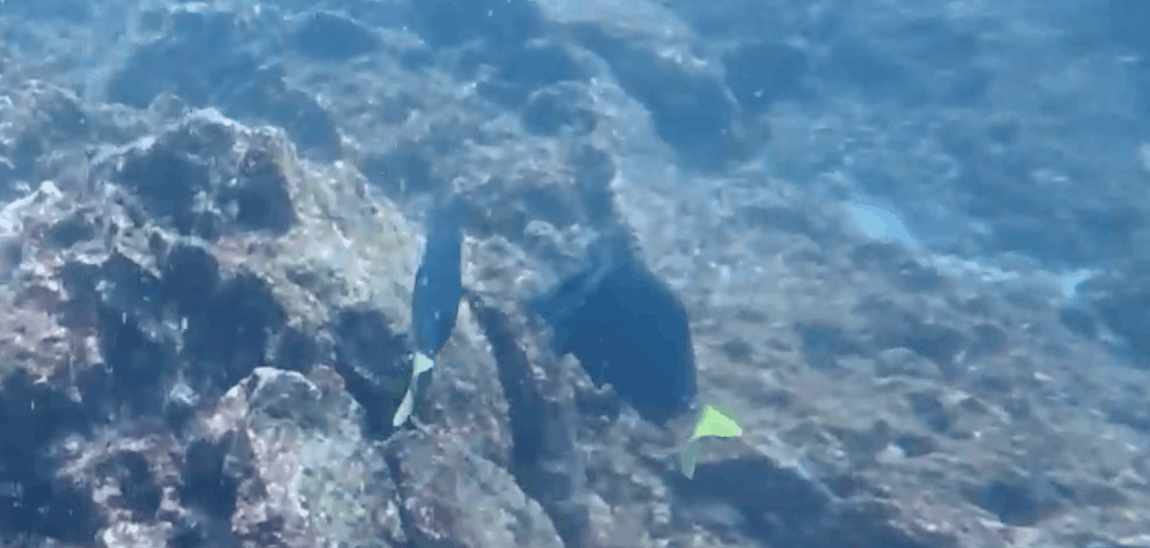
This was one of the first dives I ever filmed from start to finish. I used an old camera and an old editing style, so I'm sorry if anything looks blurry or hard to make out in the videos and images here.
Best Wreck Dive: The Sunken Ship

The Sunken Ship
The first dive was hands-down one of the most eerie diving experiences I've had. Throughout this dive, you could hear whale cries and sirens echoing through the water.
Between that, the low visibility, sharks casually passing through, and the shipwreck structure, it was a very eerie dive.

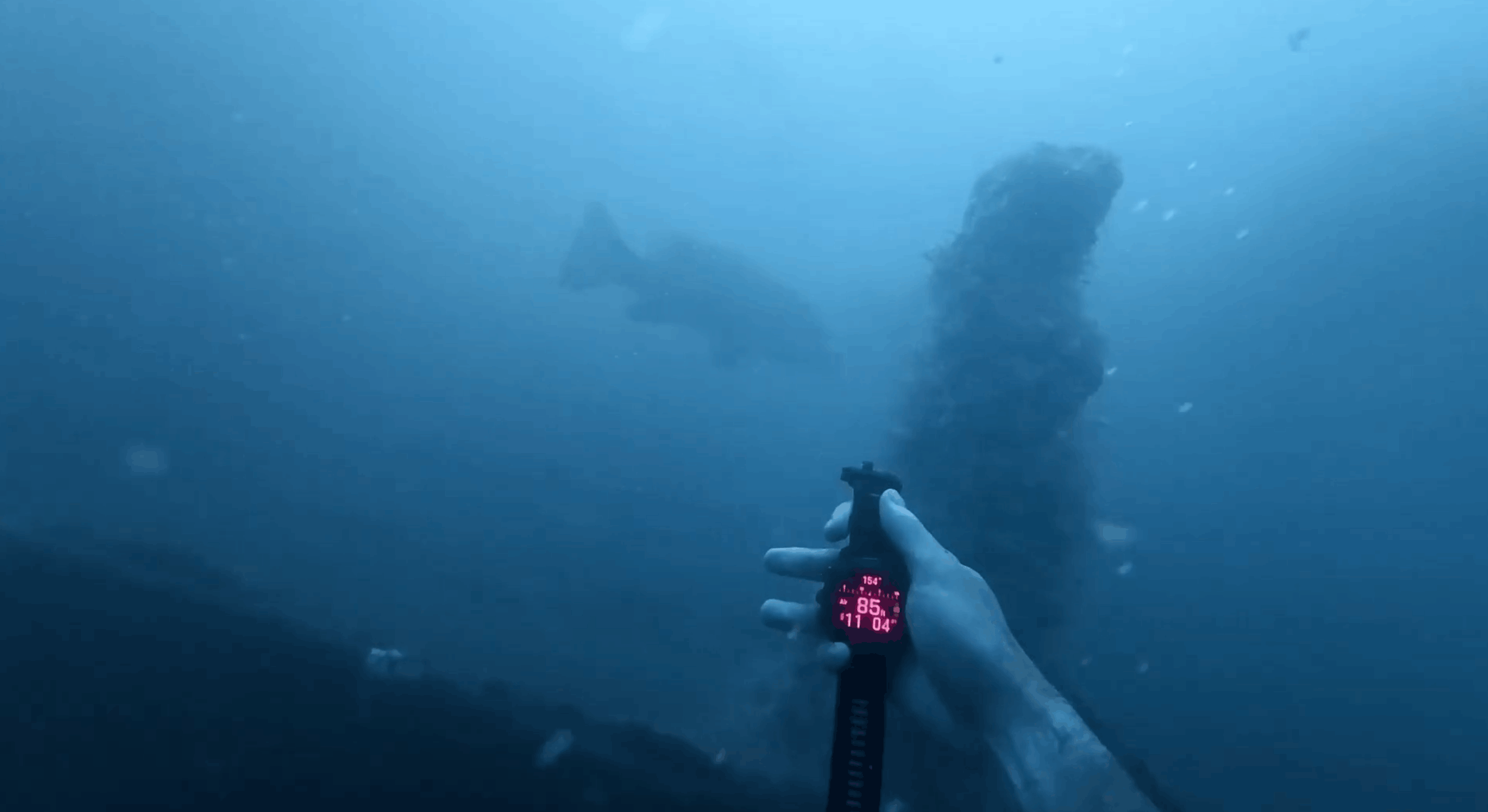
The wreck itself sits at a maximum depth of 91 ft (28 m), though we spent most of our time around 52 ft (16 m) exploring the structure and surrounding area.
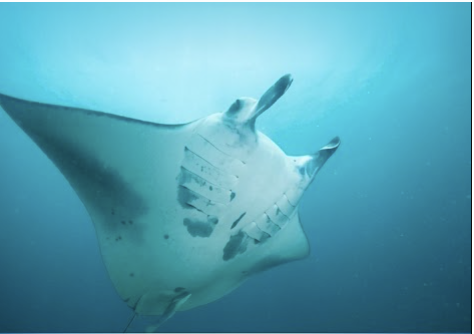
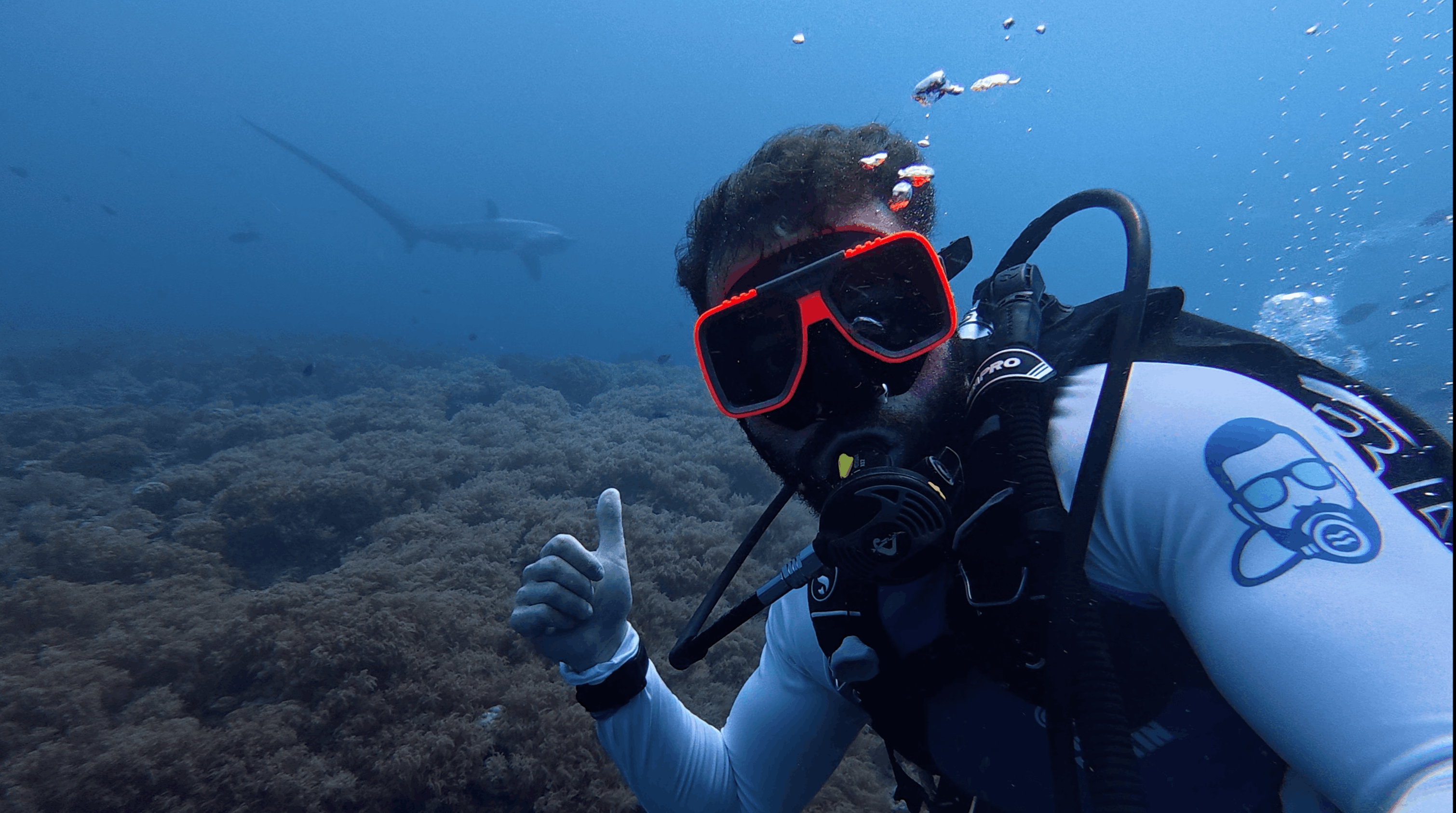
Sharks were present but didn't show much interest in us.
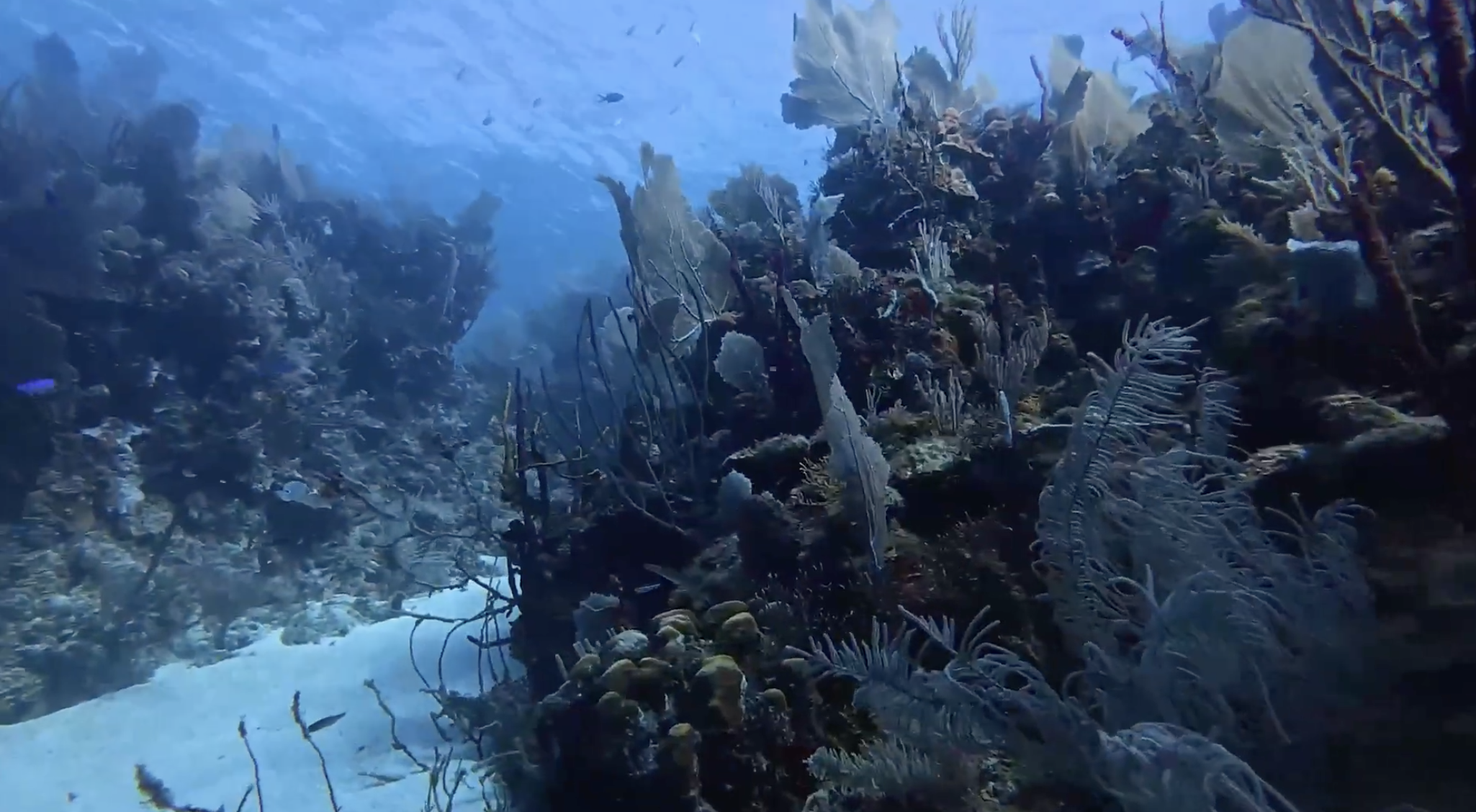
Best Wall Dive: La Pared
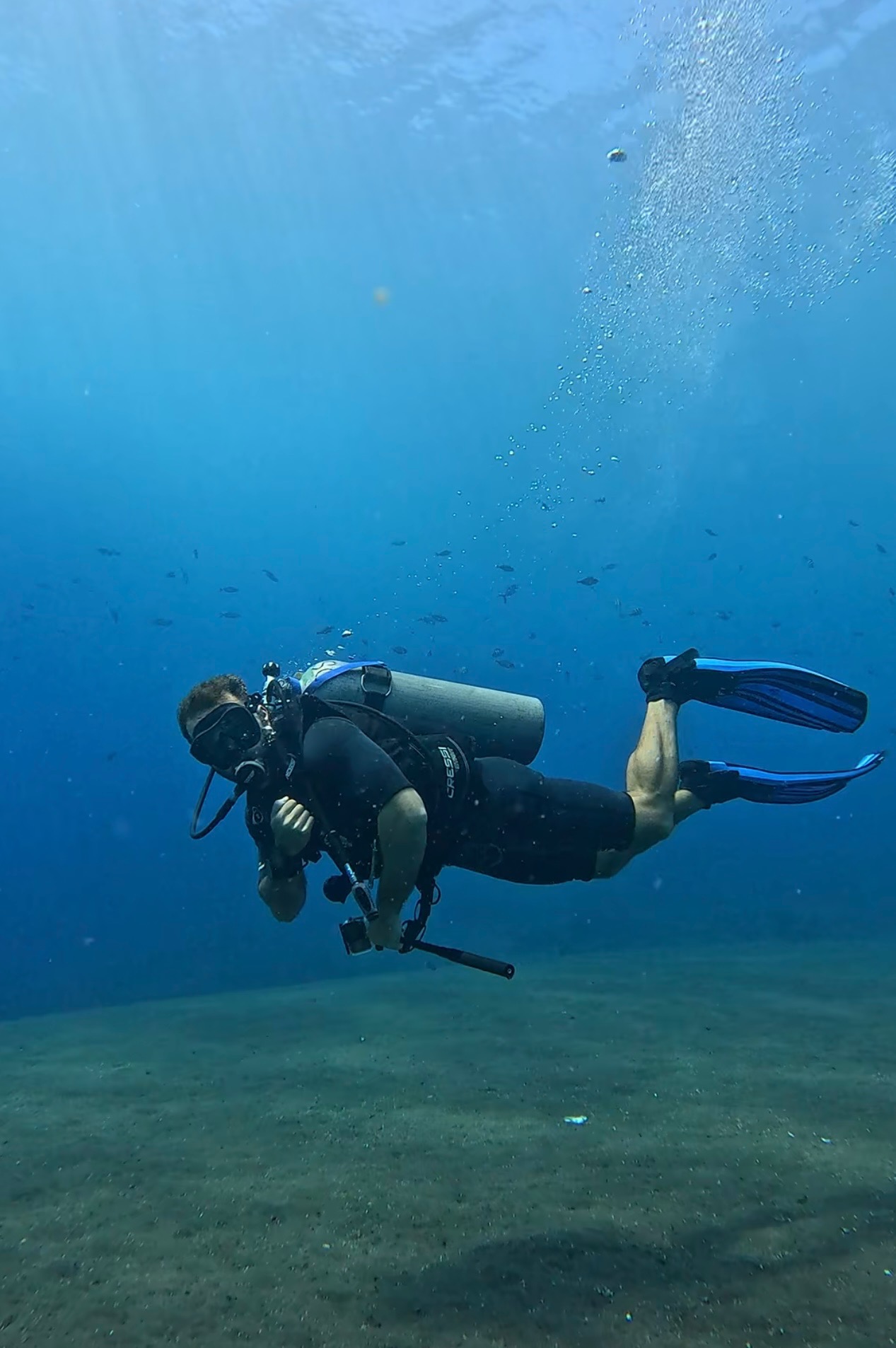
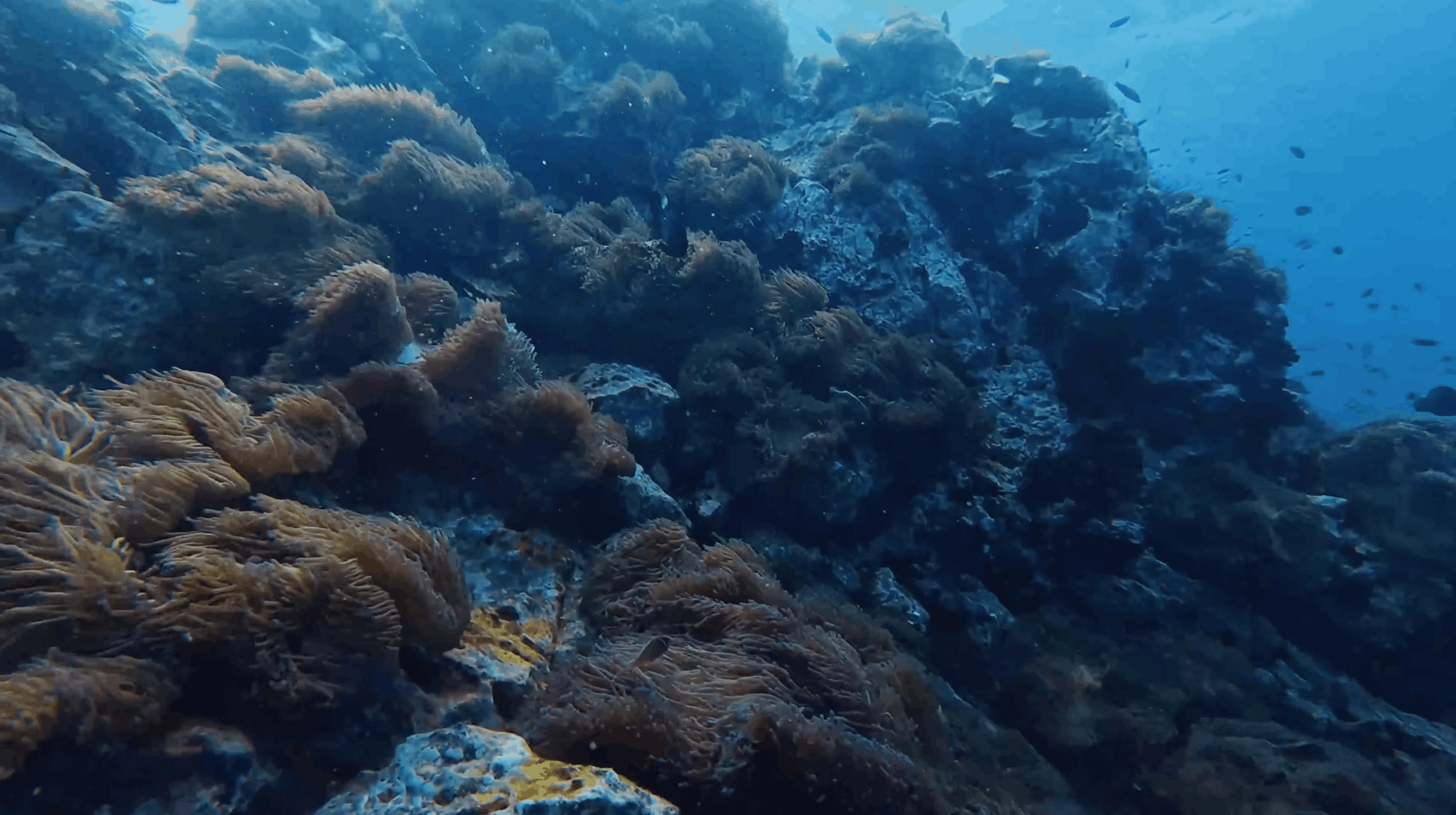
After a one-hour surface interval, we hit La Pared, which translates to "The Wall." This dive was more mellow compared to the shipwreck, with a shallower maximum depth of 74 ft (23 m) and an average depth of 44 ft (13 m).
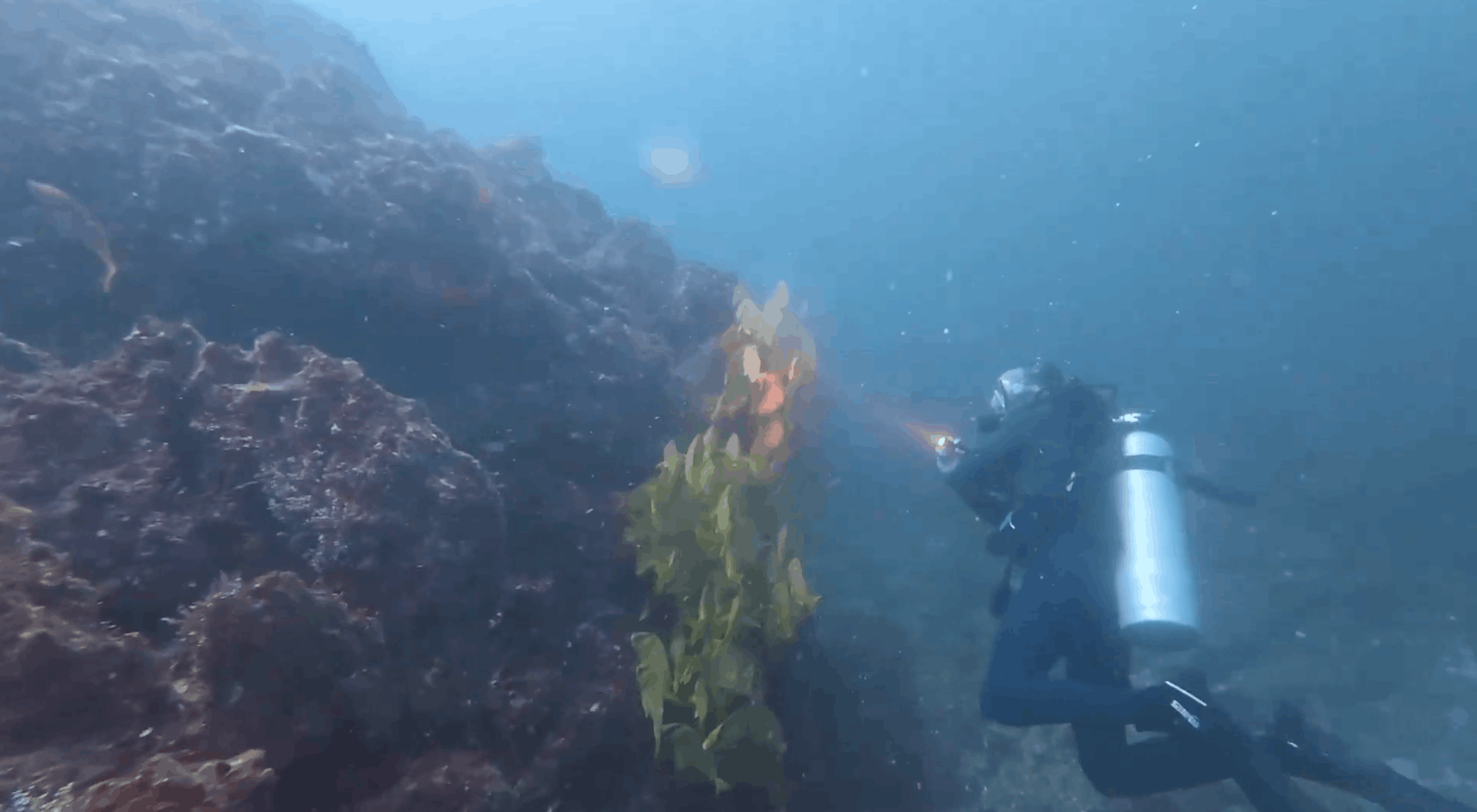
La Pared
The current was still present but we had more bottom time on this dive, over 41 minutes exploring the wall structure.
The visibility was similar to the first dive, and you're essentially swimming along a wall formation looking for marine life tucked into the reef.

Water temperature was noticeably warmer on this dive, ranging from 78 to 86°F (26 to 30°C). The shipwreck dive ran a thermocline and we hit 73°F (23°C) at depth.

The real highlight though was the whale sounds on the first dive. Costa Rica's Pacific coast is a migration route for humpback whales, and hearing their calls underwater while exploring a shipwreck is something I won't forget.
We also saw whales on the boat ride out to the site. They seem to be around the area in January.
Logistics
Location: Santa Teresa and Malpais are located on the southern tip of the Nicoya Peninsula in Costa Rica's Puntarenas Province.
Getting There: The area is accessible by:
- Flying into San José and driving/taking a shuttle (4-5 hours)
- Taking a domestic flight to Cobano and taking a taxi
Best Time to Visit
The dry season (December to April) generally offers the best diving conditions, though I dived in late January and encountered limited visibility.
Safety Considerations
Current: Both dives had noticeable current. You need to be comfortable with drift diving and managing yourself in current. Not recommended for beginners.
.png)
Depth: The shipwreck maxes out at 91 ft (28 m), putting you solidly in advanced recreational territory. Proper buoyancy control and depth awareness are essential.
Visibility: Limited visibility means you need to stay close to your buddy and be comfortable diving when you can't see far. This also makes photography challenging.
Decompression: My first dive triggered a decompression warning on my dive computer at 91 ft (28 m). While we stayed within recreational NDL limits, the depth and profile require attention to your dive plan.
Marine Life: Sharks are present but not aggressive. Standard shark encounter protocols apply. Do not panic, maintain visual contact, and give them space.
Is Scuba Diving in Santa Teresa Worth It?
If you're looking for clear water and easy reef diving, Santa Teresa is likely not your first choice. I absolutely love the town of Santa Teresa and spend a lot of time here, and although it is not world class diving, I have a great time.
If you want a unique Pacific diving experience with unique elements like shipwreck exploration, shark encounters, and whales, this area delivers something different.
Best For:
- Intermediate to advanced divers comfortable with current
- Divers looking for something different than Caribbean reef diving
- Shark enthusiasts
- Wreck diving fans who don't mind limited visibility
- People combining diving with surfing (Santa Teresa is a major surf destination)
Not Ideal For:
- Beginner divers
- Underwater photographers requiring good visibility
- Divers uncomfortable with current or limited visibility
- Those seeking pristine Caribbean-style conditions
Final Thoughts
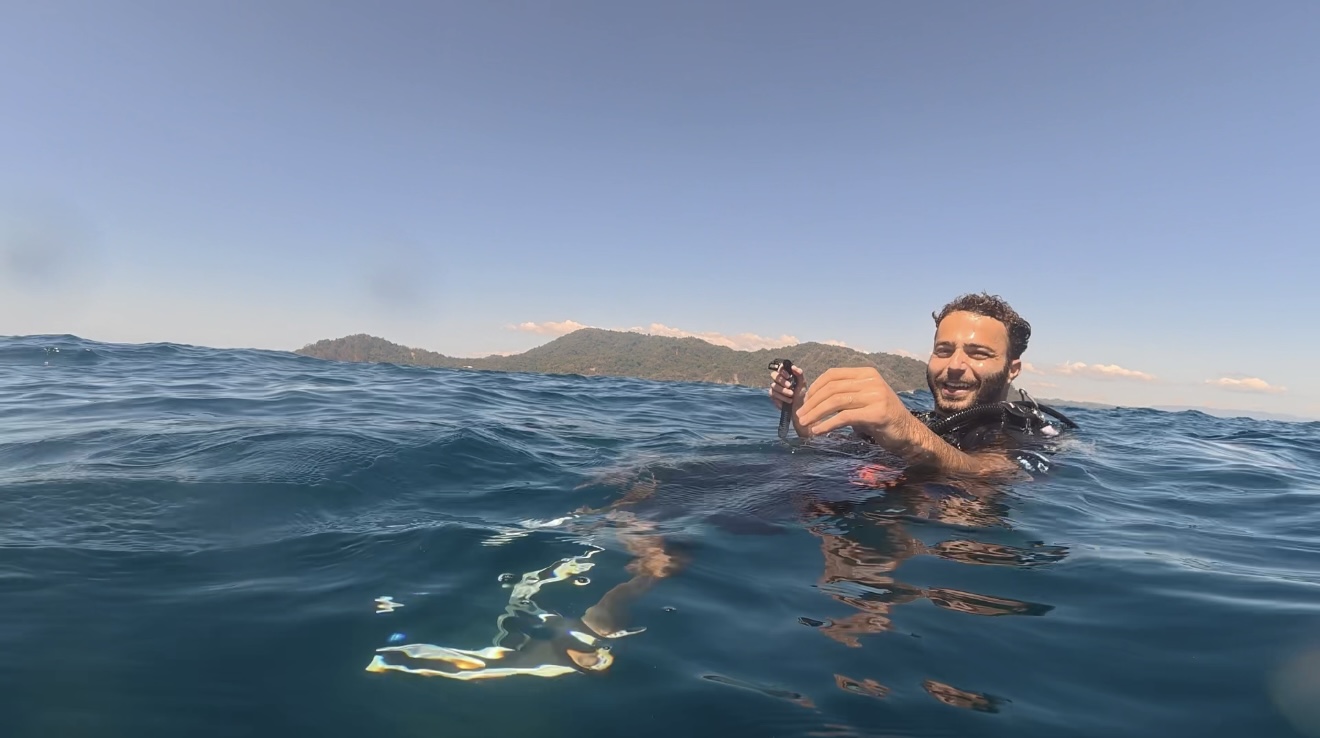
Santa Teresa diving is raw Pacific Ocean diving. Strong current, limited visibility, deep profiles, and an edgier feel than most tropical destinations. The shipwreck dive with whale sounds and shark encounters was genuinely one of the most unique dives I've logged.
Would I dive here again? Absolutely, especially if I was already in the area for surfing or exploring the Nicoya Peninsula. Would I fly here specifically just for diving? Probably not. There are better pure diving destinations in Costa Rica (like Cocos Island or the Caribbean side).
If you're in Santa Teresa and looking to add some diving to your trip, it's definitely worth and experiencing what Pacific Costa Rica has to offer underwater.
Let's Dive Together
👋 It's Divemaster Austin
I'm inviting you to Dive Club, my global scuba diving community.
What you’ll find inside:
🤿 Dive meetups & group trips
🌍 Top dive sites shared by community members
⚙️ Gear tips & technique discussions
🤝 Diver's who’ve already linked up IRL
See you there!

.webp)
.webp)


%20(1).png)