

.webp)
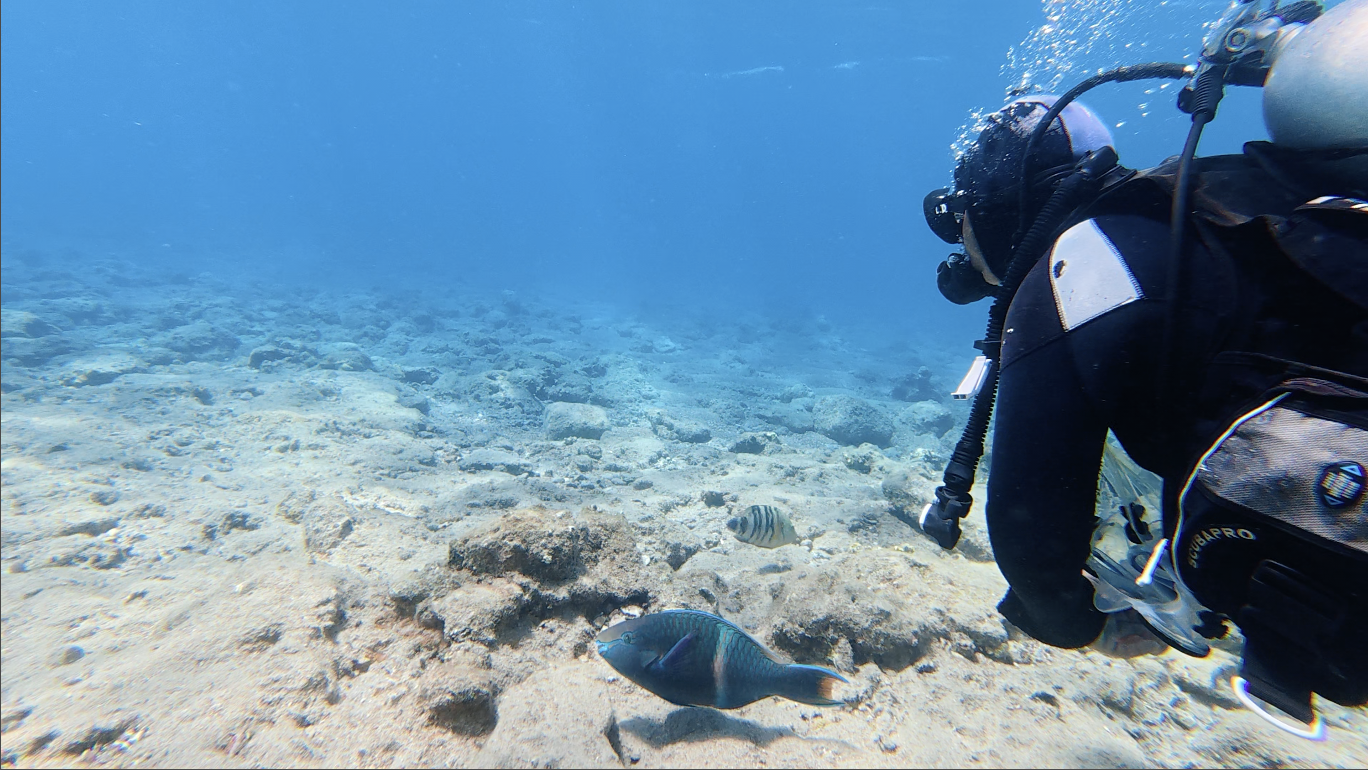
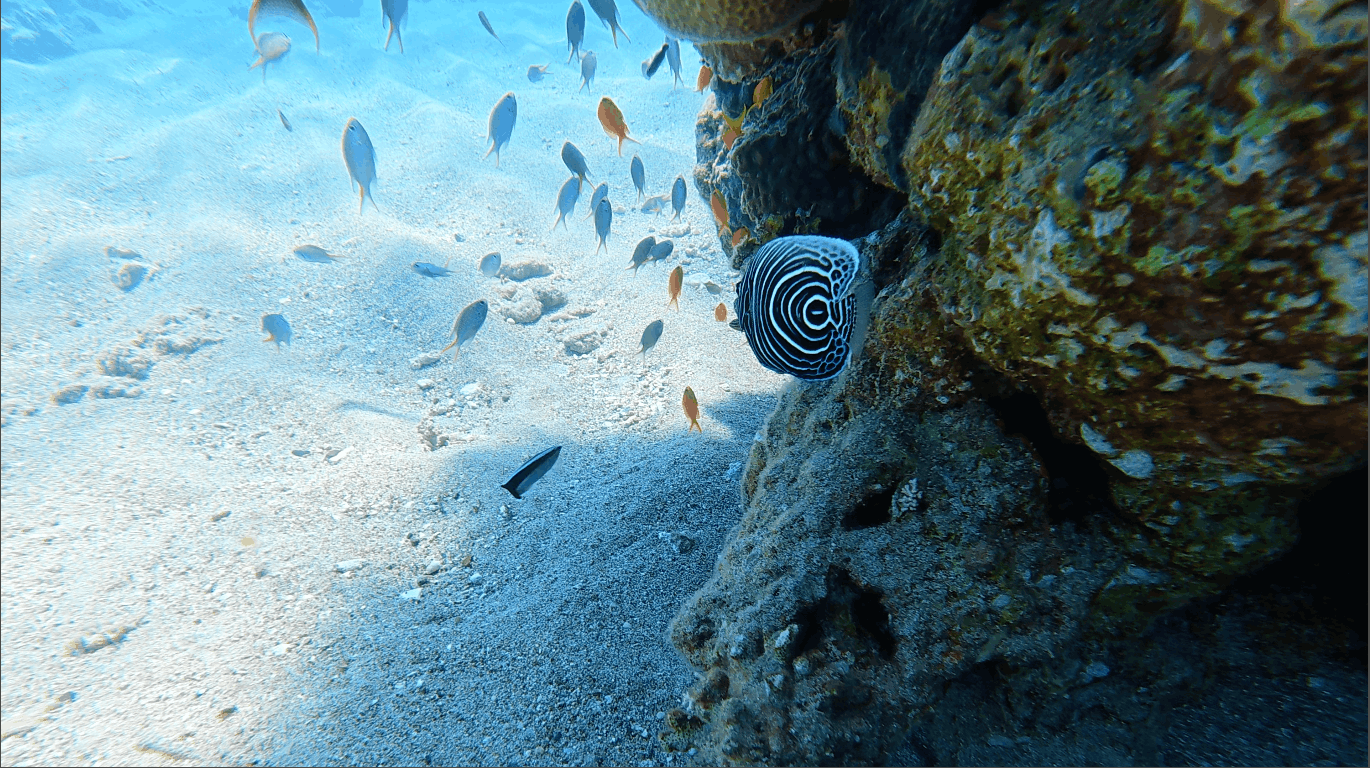
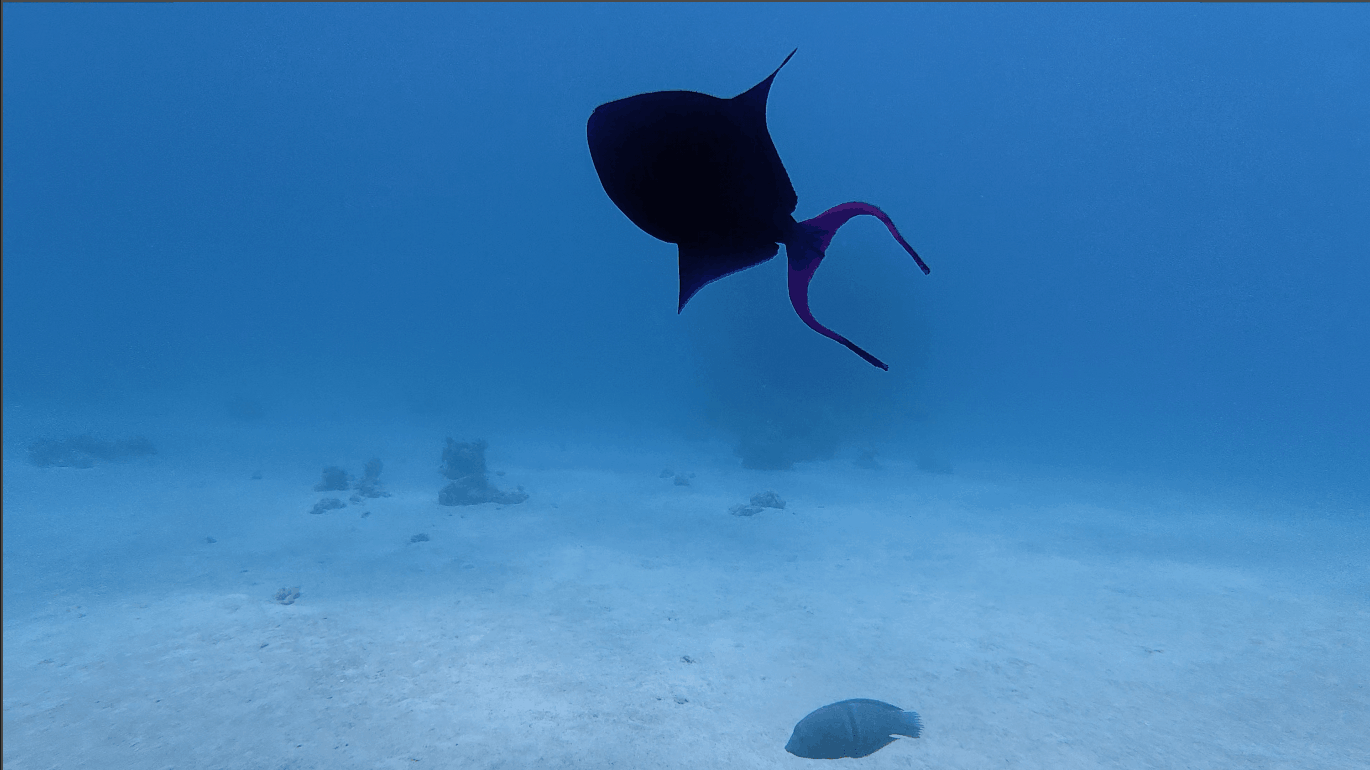
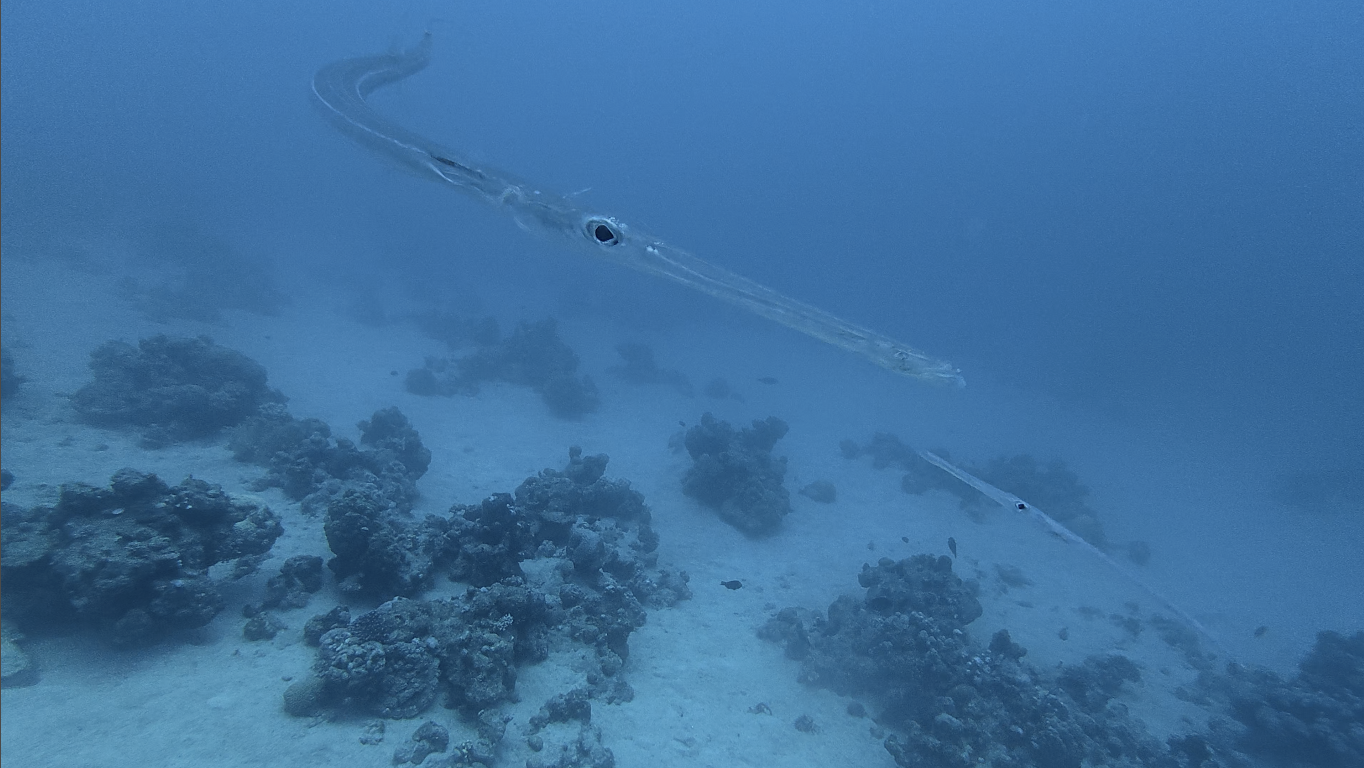
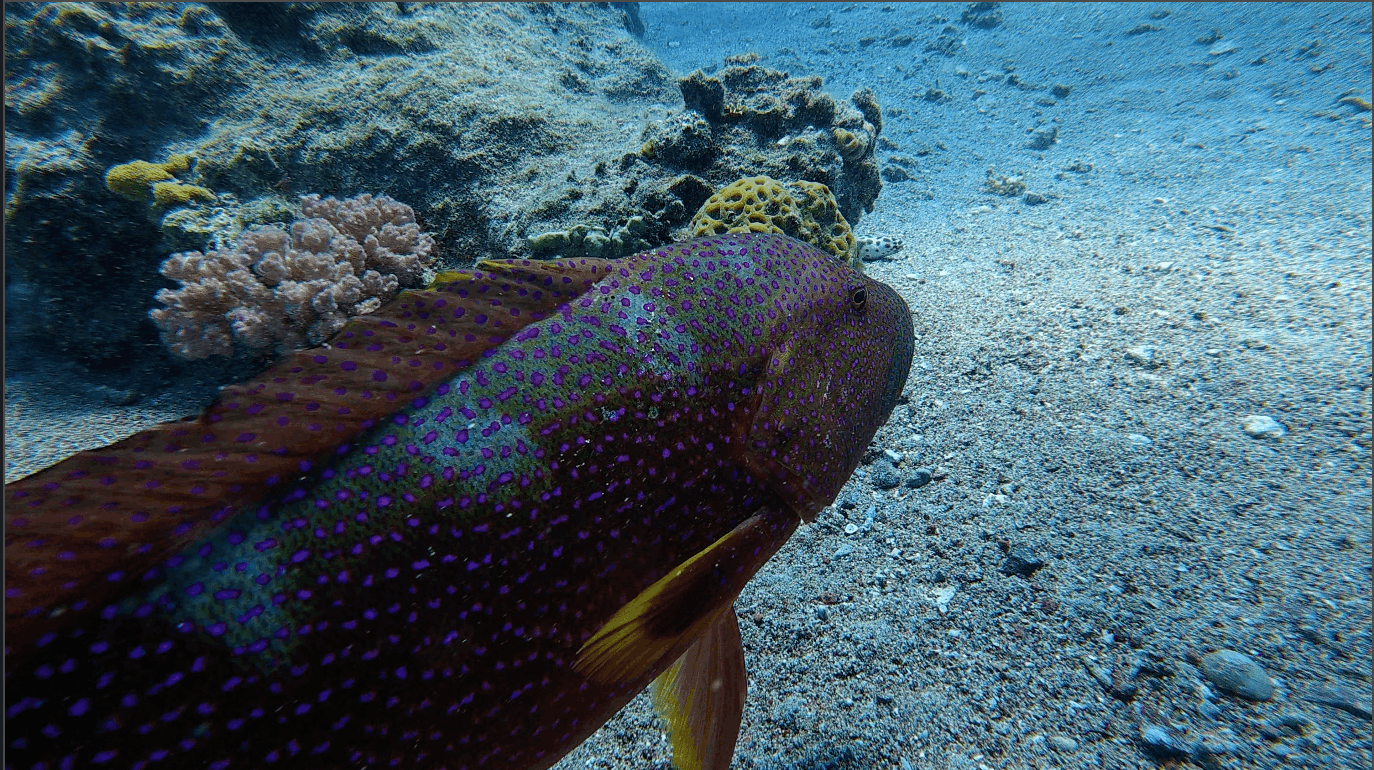
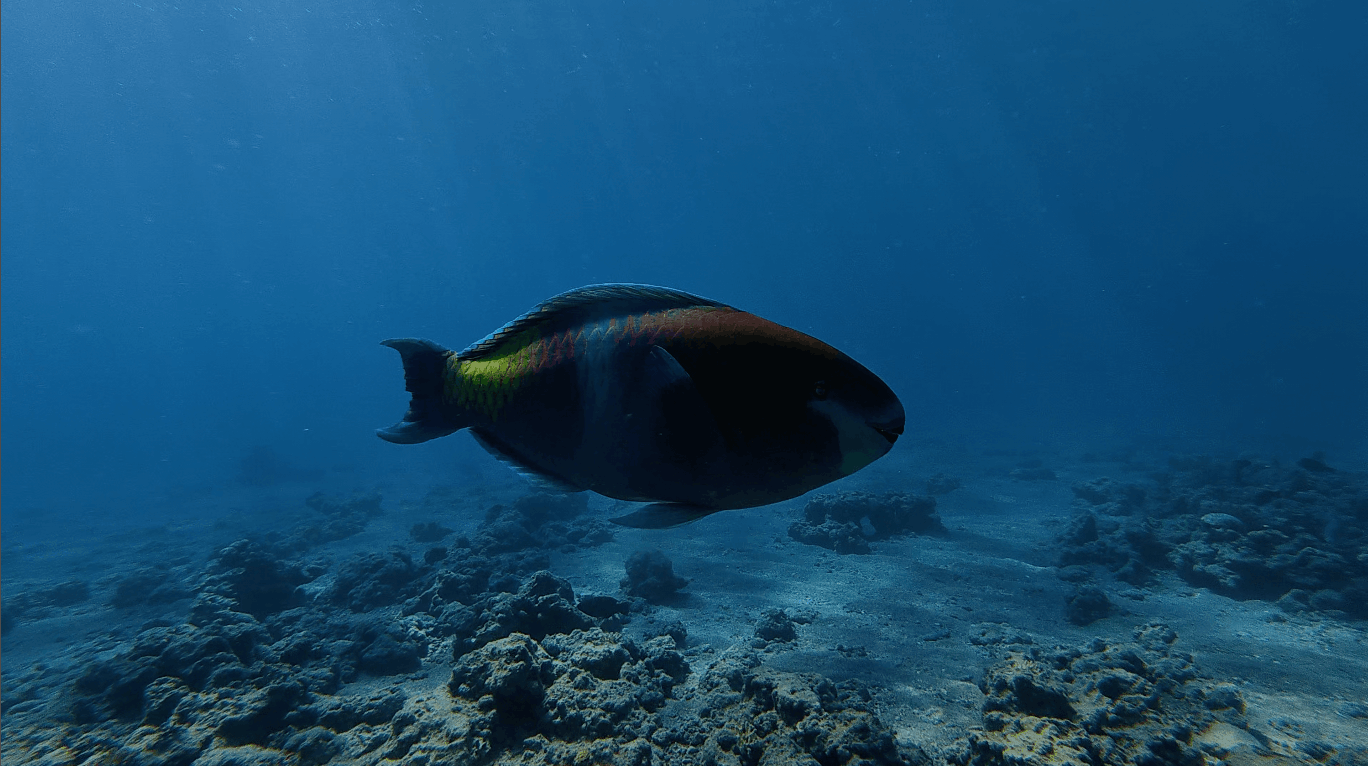
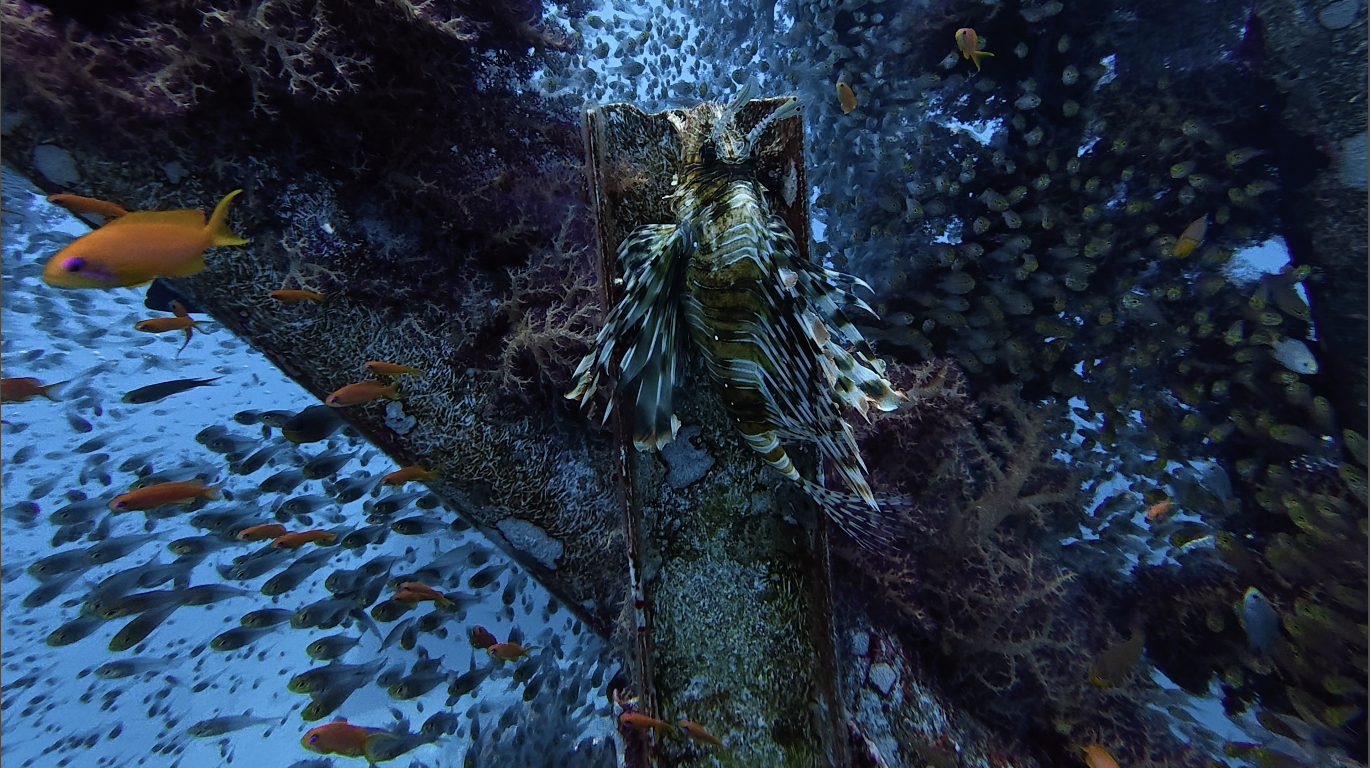
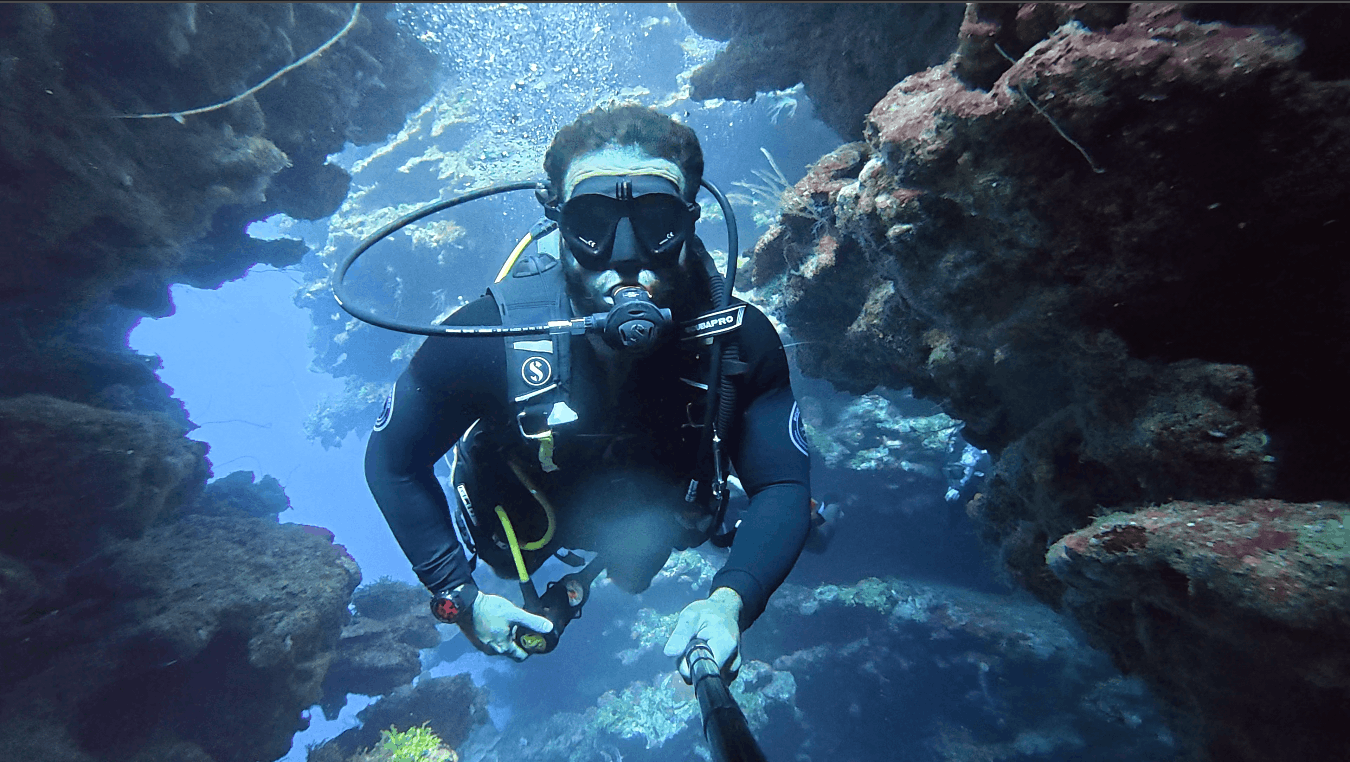
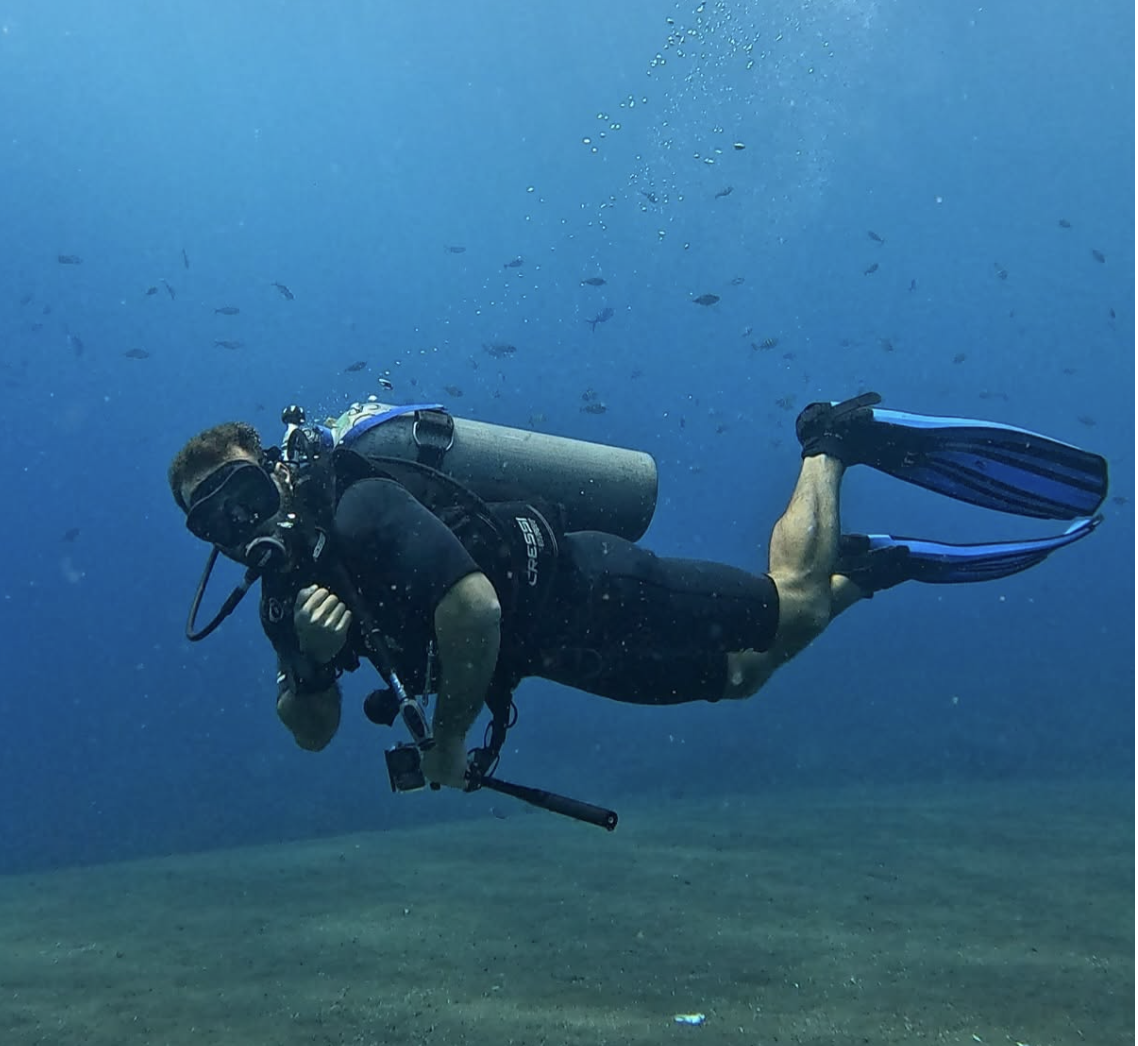
In May of 2026, I spent a week diving in Eilat, Israel with a total of seven dives across five sites.
My favorite dive sites here in order were:
- The Satil Wreck
- Japanese Gardens
- The Yatush Wreck
- The Nature Reservation
- Sunboat Wreck
Eilat is Israel's only city on the Red Sea, sitting at the northern tip of the Gulf of Aqaba with Jordan to the east and Egypt to the west.
The diving here works a lot differently than other diving destinations I've been to this year.
It's almost entirely shore-based, has strict regulations, and dive conditions greatly change depending on the time of year.
In this guide, I'll share everything you need to know about scuba diving in Eilat, based of my experience diving here, as well as local guides I interviewed.
Best Dive Sites
Next, I'm going to cover the dive sites I did in Eilat, starting with my favorite.
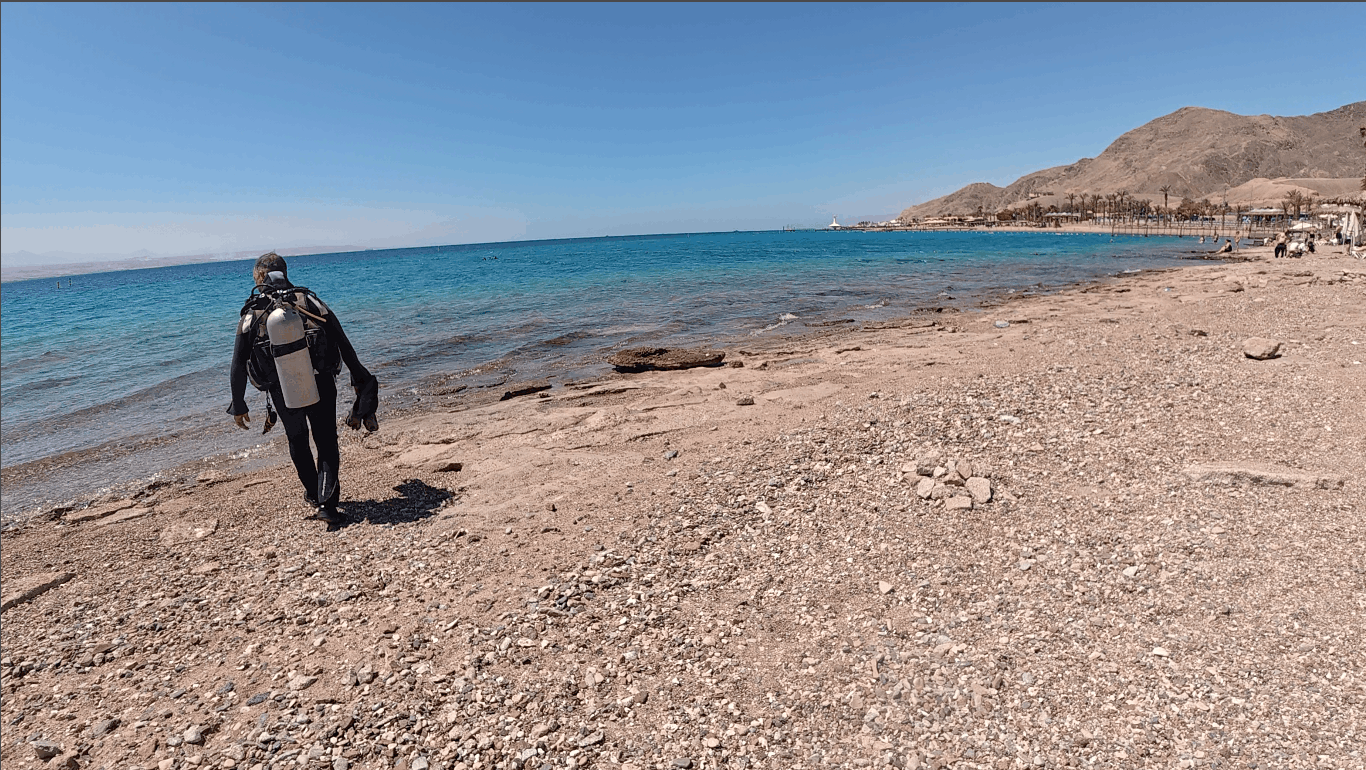
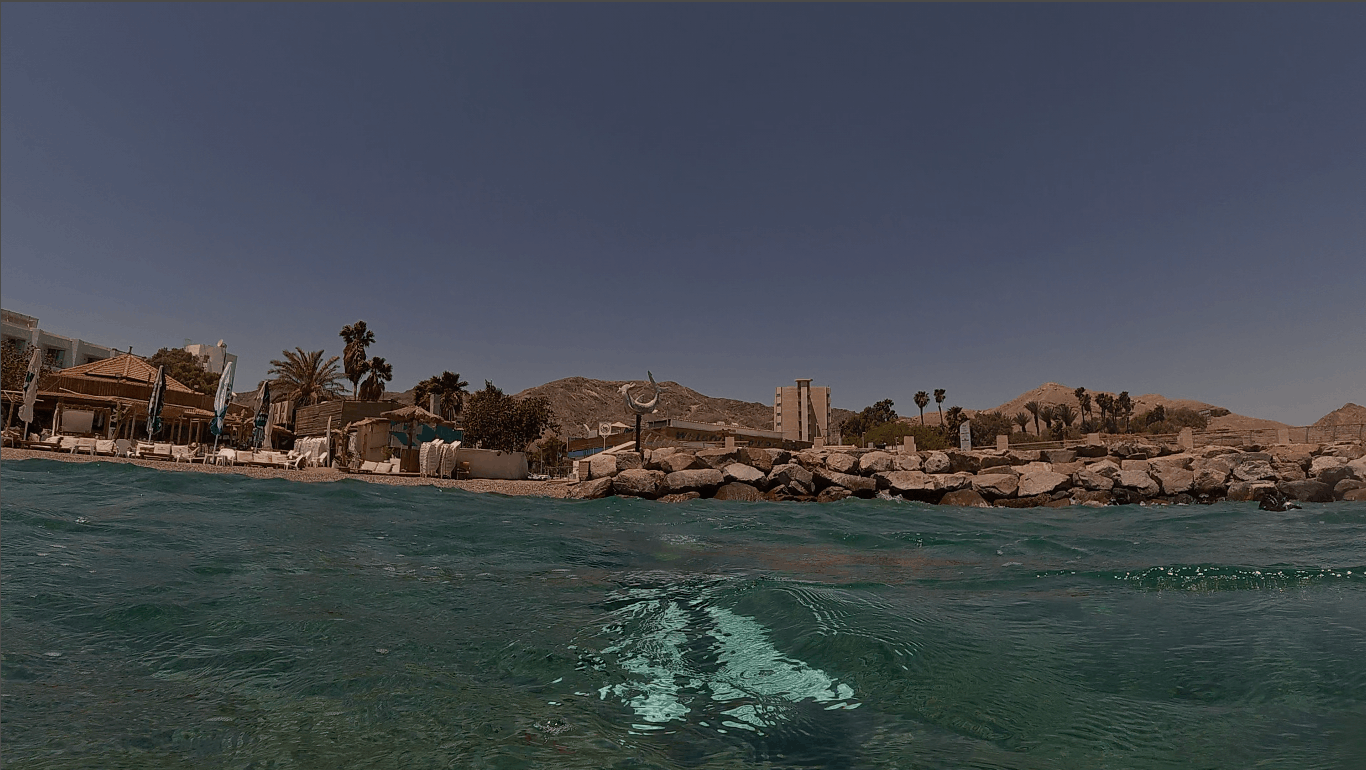
Most are shore dives, which is a big part of what makes diving here so easy.
Nearly everything sits along one short stretch of coast south of town, so you are not tied to a boat schedule or a departure time. You walk in, dive, and walk out.
That also means you can do the two main wrecks (Satil & Yatush) in one morning.
Best Wreck Dive: Satil
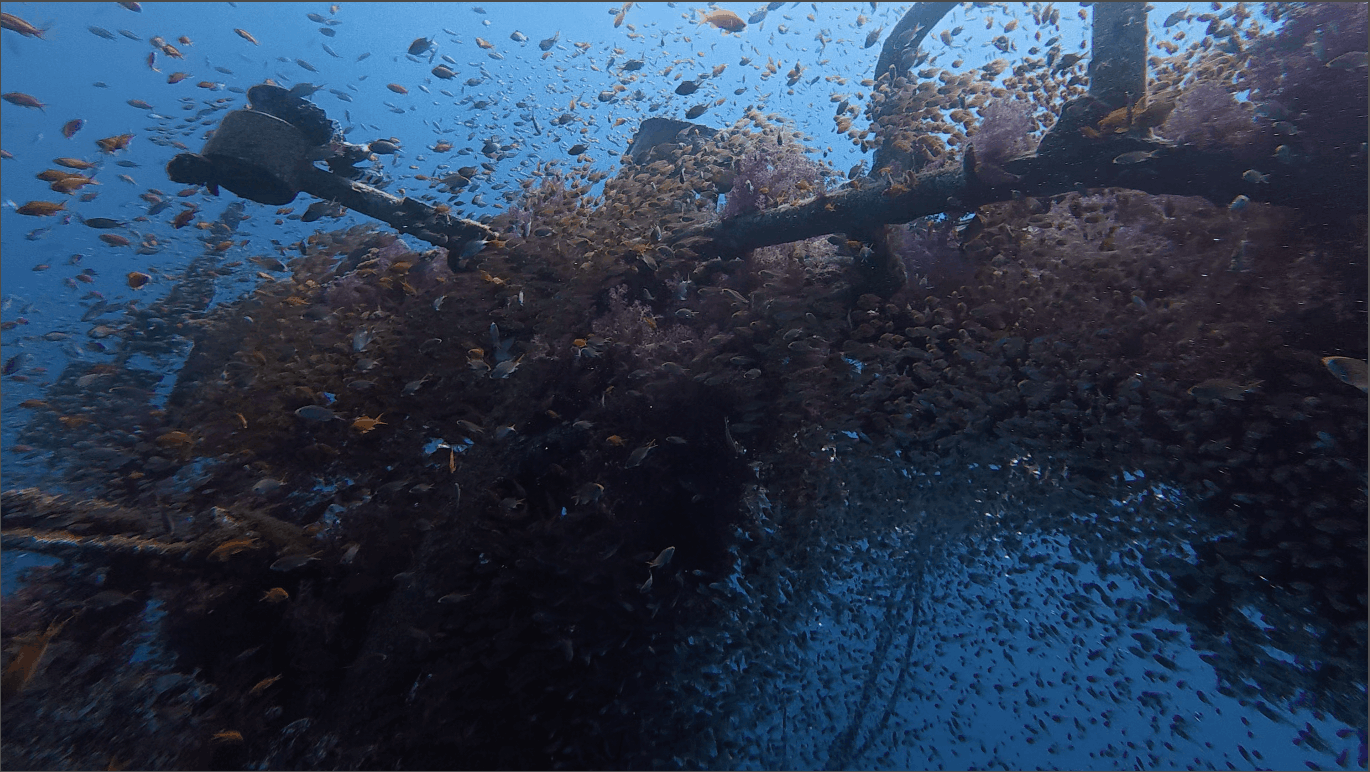
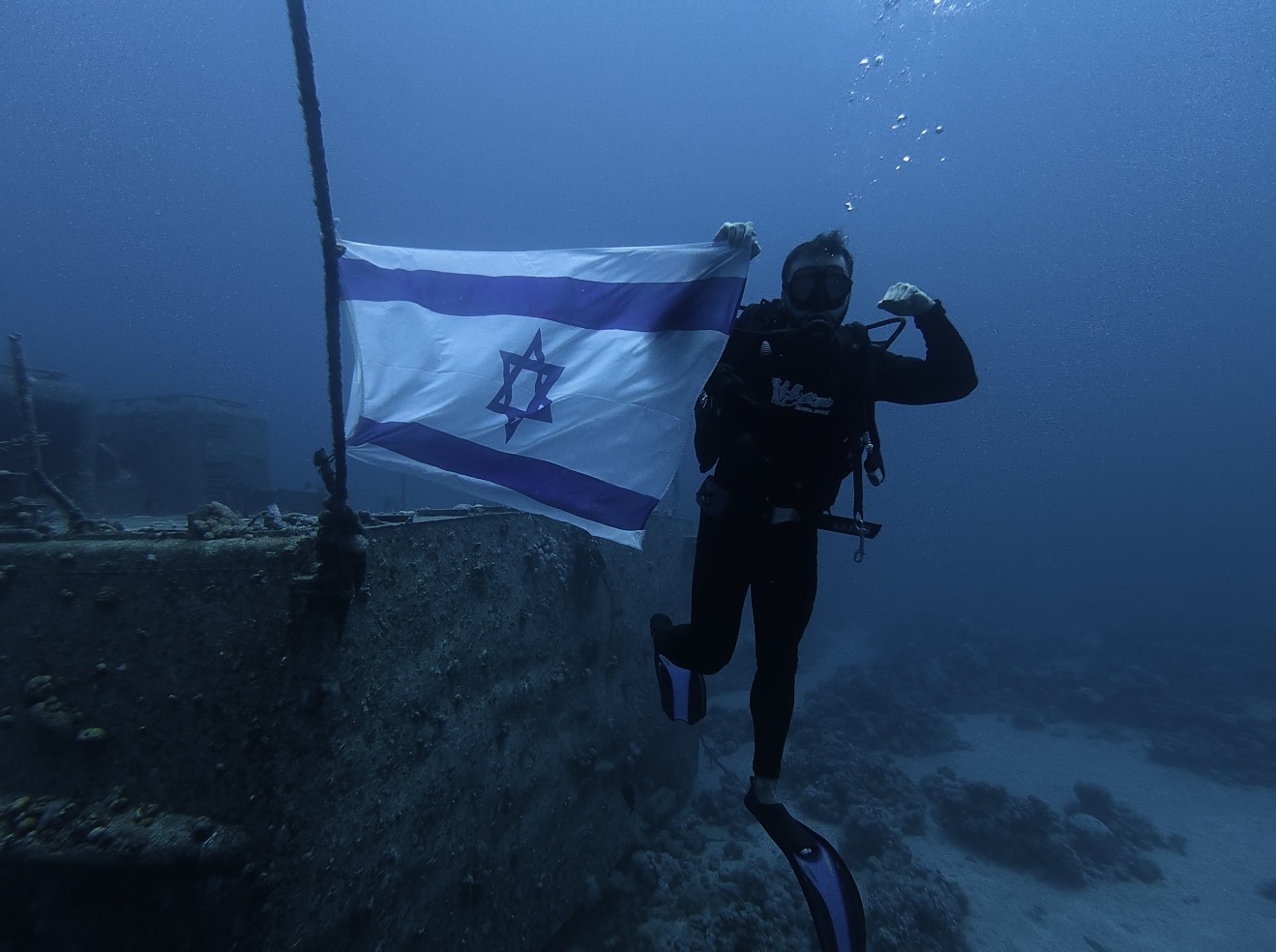
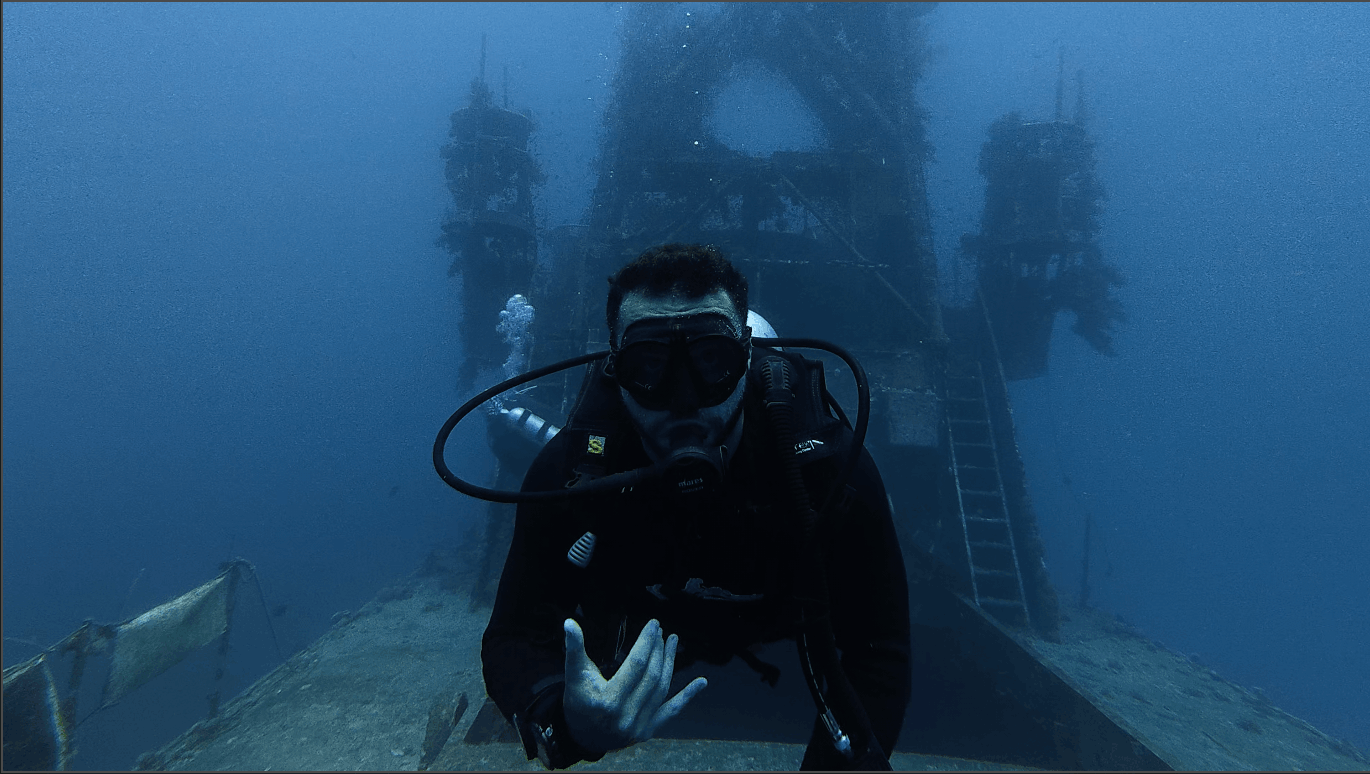
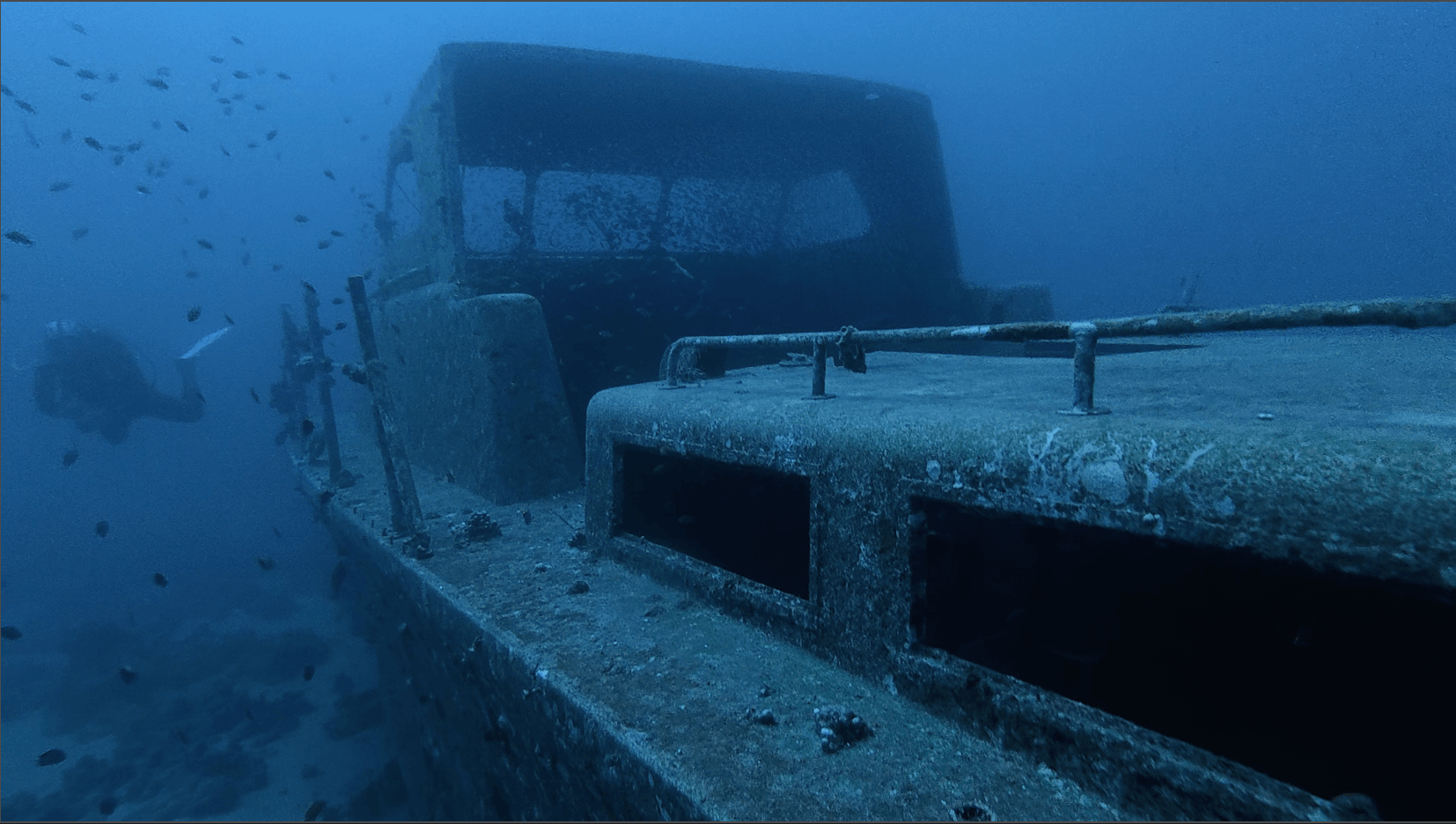
My favorite dive site in Eilat, was the Satil shipwreck, and it has some really interesting history.
I dove both wrecks with Joseph Leverton of Big Blue Sea, a private guide and instructor based in Eilat. Marina Divers and Lucky Divers are also right on the beach if you need gear or a guide.
In the 1960s, Israel paid France to build a fleet of missile boats.
Shortly after the deal, France imposed an arms embargo on Israel and refused to hand over the boats.
The boats sat in the harbor at Cherbourg, paid for, built, but going nowhere.
On Christmas Eve of 1969, Israeli sailors snuck into Cherbourg and quietly sailed five warships out of the harbor in the middle of the night.
France woke up Christmas morning and the boats were gone.
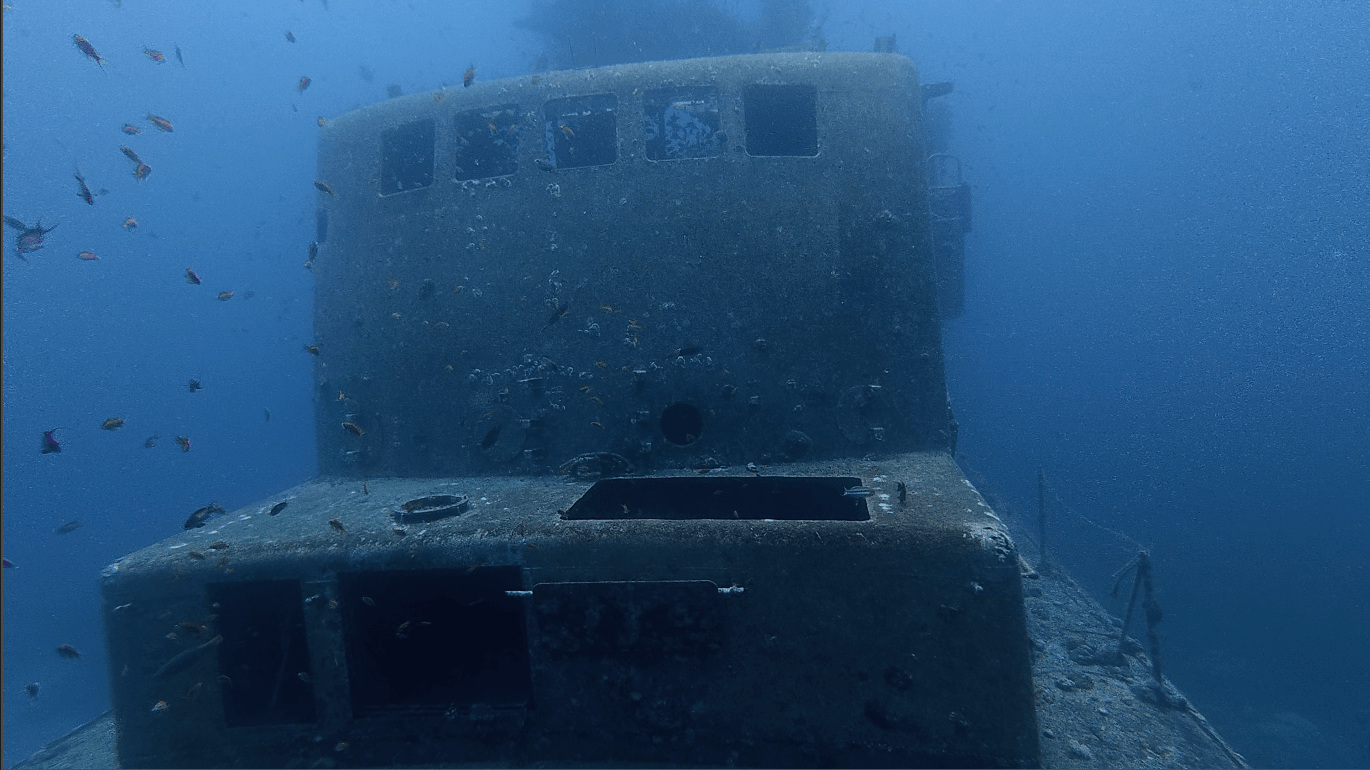
The Satil is one of those boats.
It served the Israeli Navy for 25 years before being deliberately sunk off the shore of Eilat in 1994 as an artificial reef.
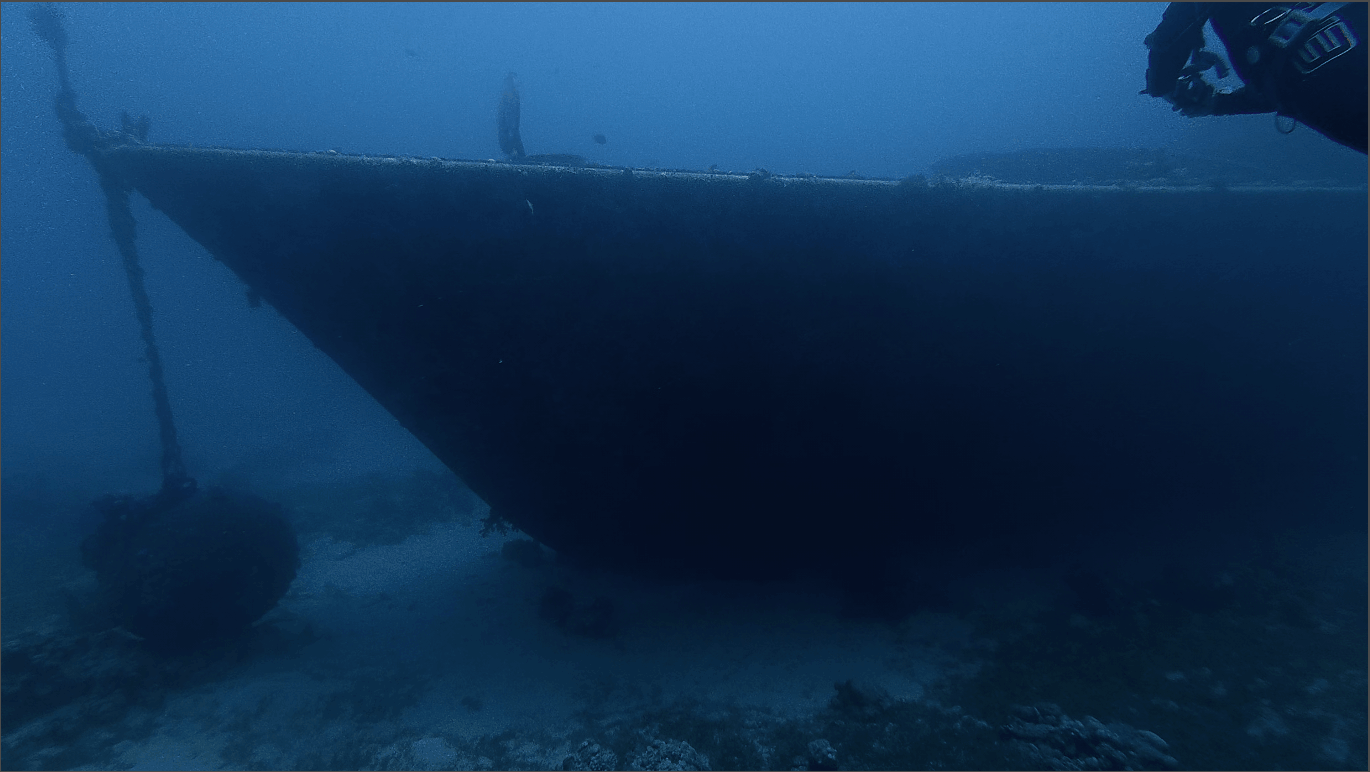
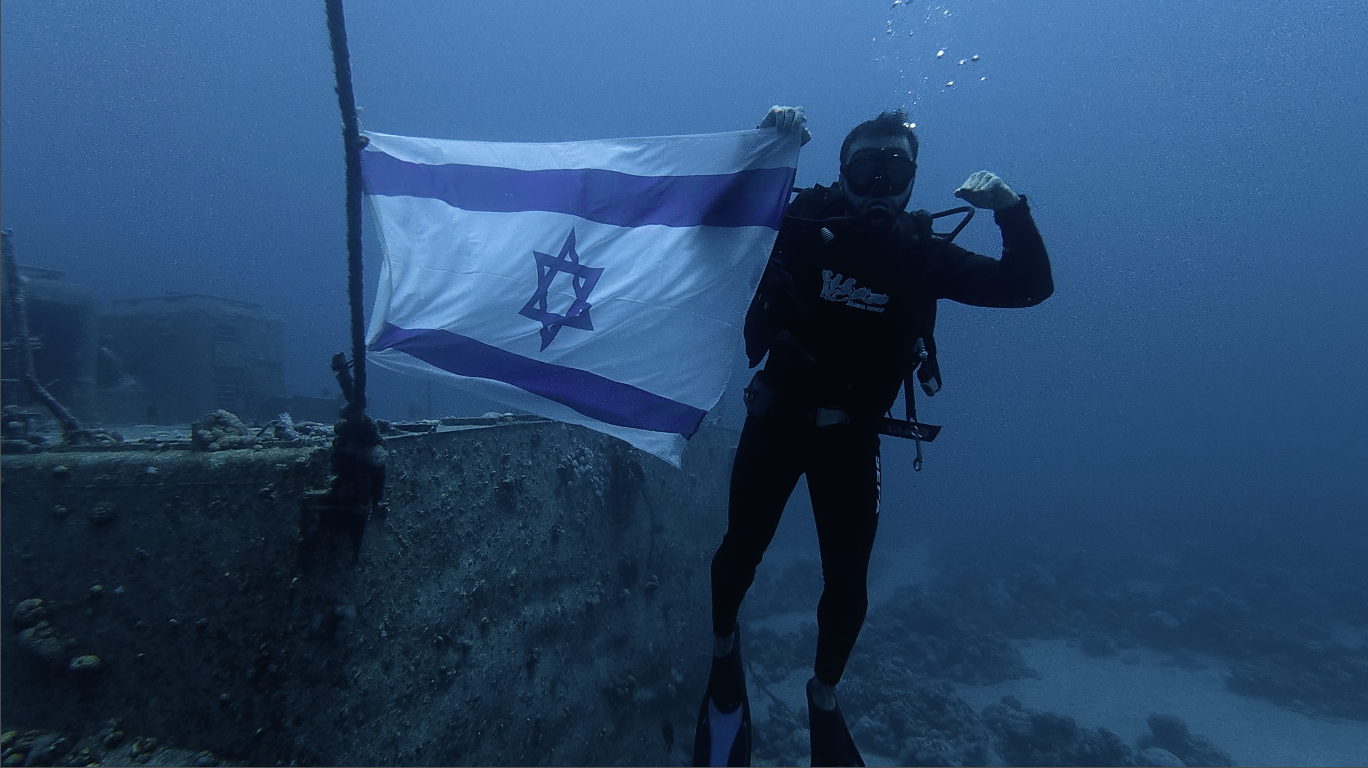
You need a wreck diver certification to penetrate the ship. Israel enforces this strictly.
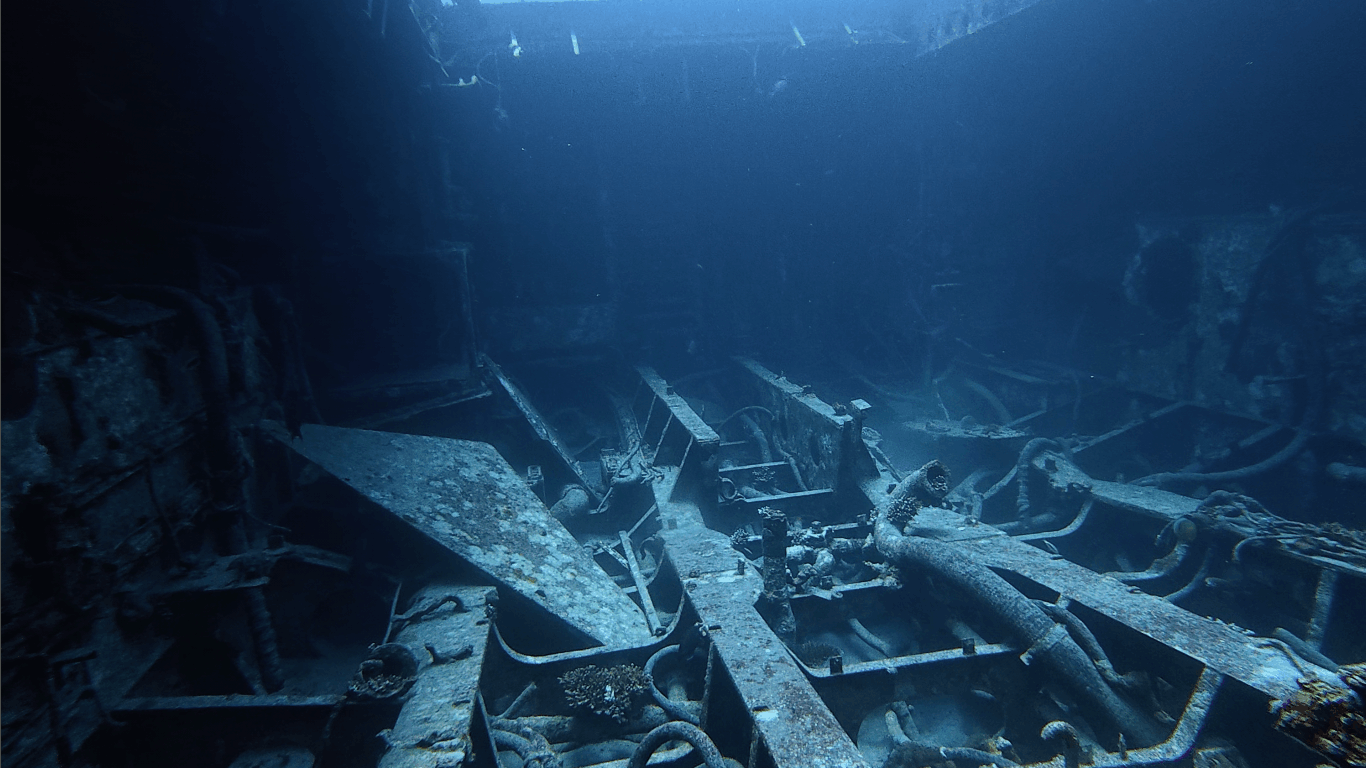
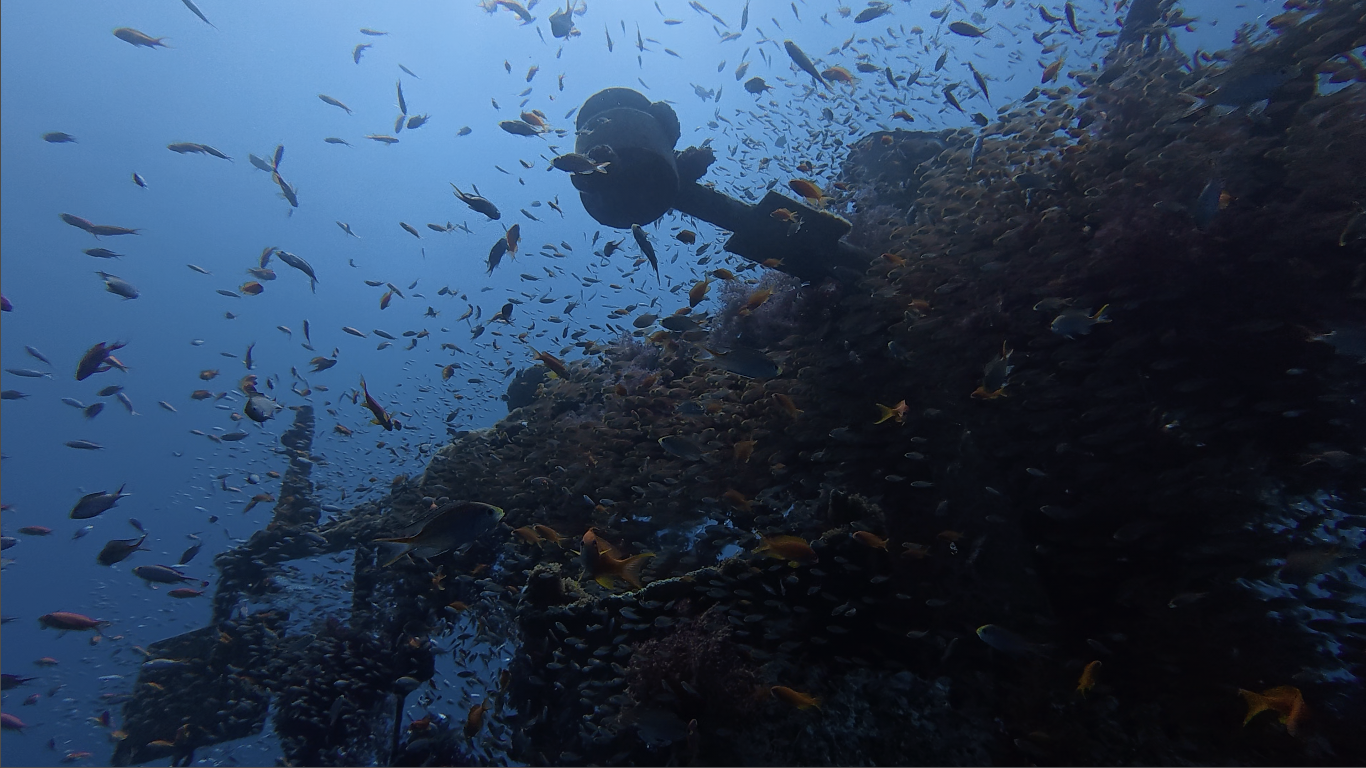
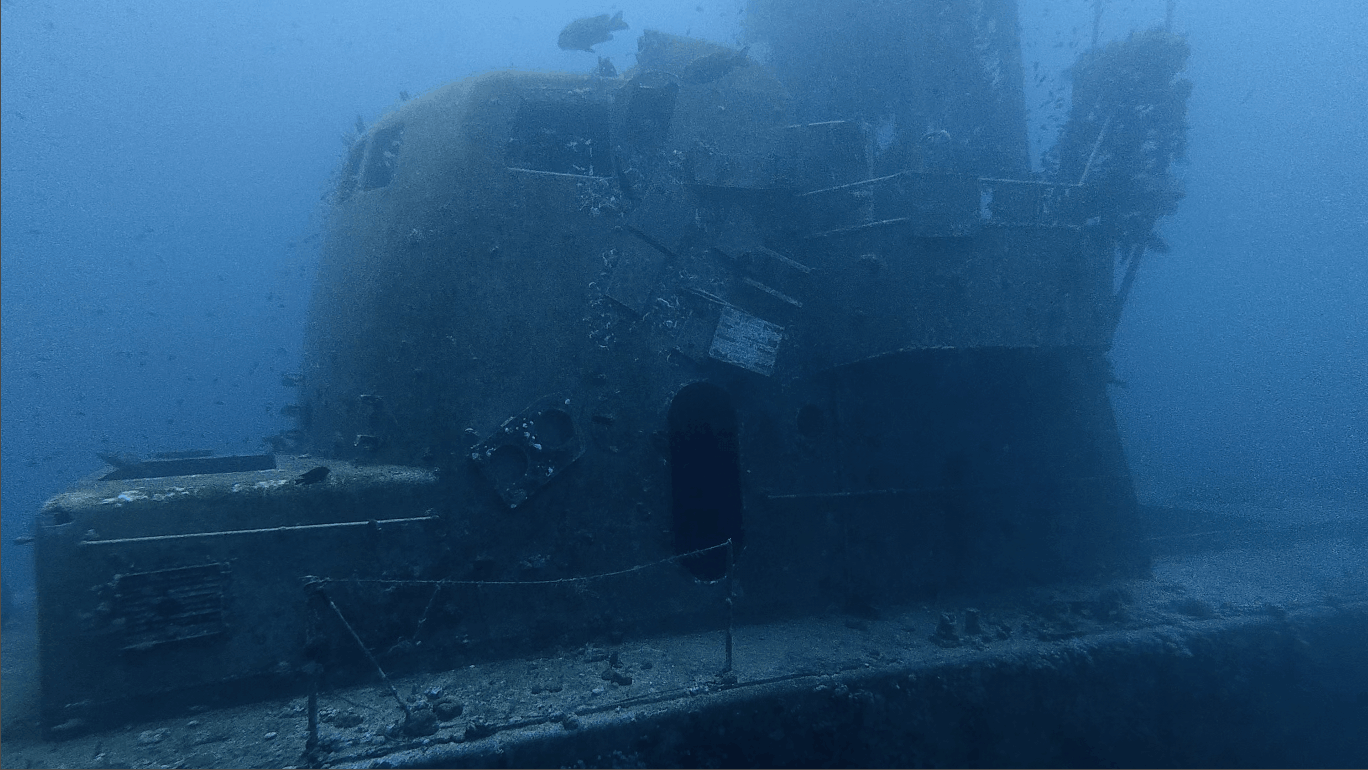
The Satil is a Sa'ar 4-class missile boat, and the deck still carries the outline of the torpedo tubes and missile launch rails. That is what separates it from a generic sunken hull.
Deep Wreck Dive: Yatush
The next shipwreck dive I did in Eilat, was the Yatush.
Yatush is the Hebrew word for mosquito, which should tell you something about the size of this boat.
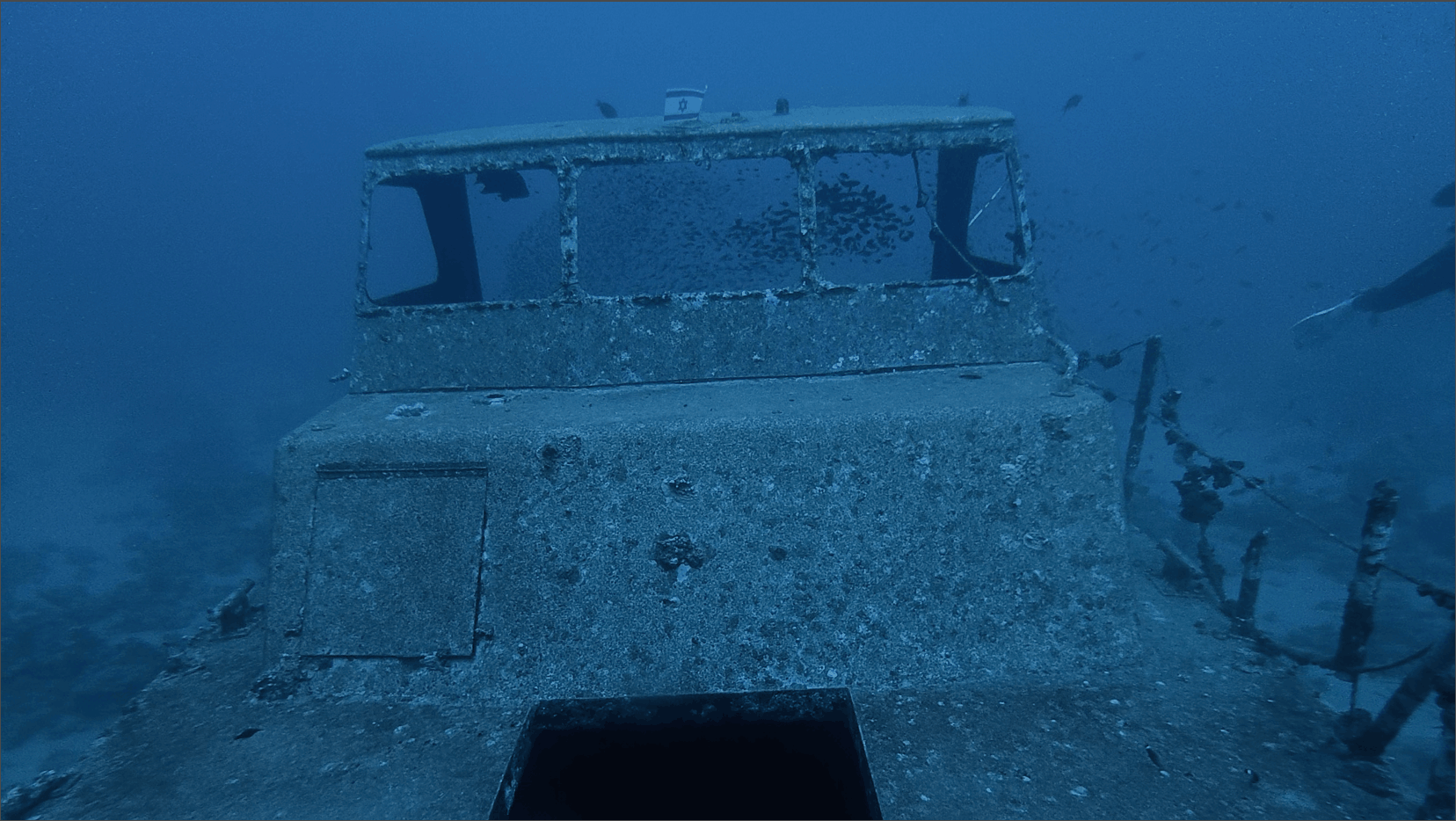
The Yatush is another shore dive, requiring a short swim from Village Beach.
The Yatush is a former U.S. patrol cruiser that served in Vietnam.
When the Americans withdrew, the vessel was transferred to Israel.

The Israeli Navy used it until August 1987, when it was retired and sunk off the shore of Eilat as an artificial reef. At just 49 ft (15 m) long, it is a compact boat.
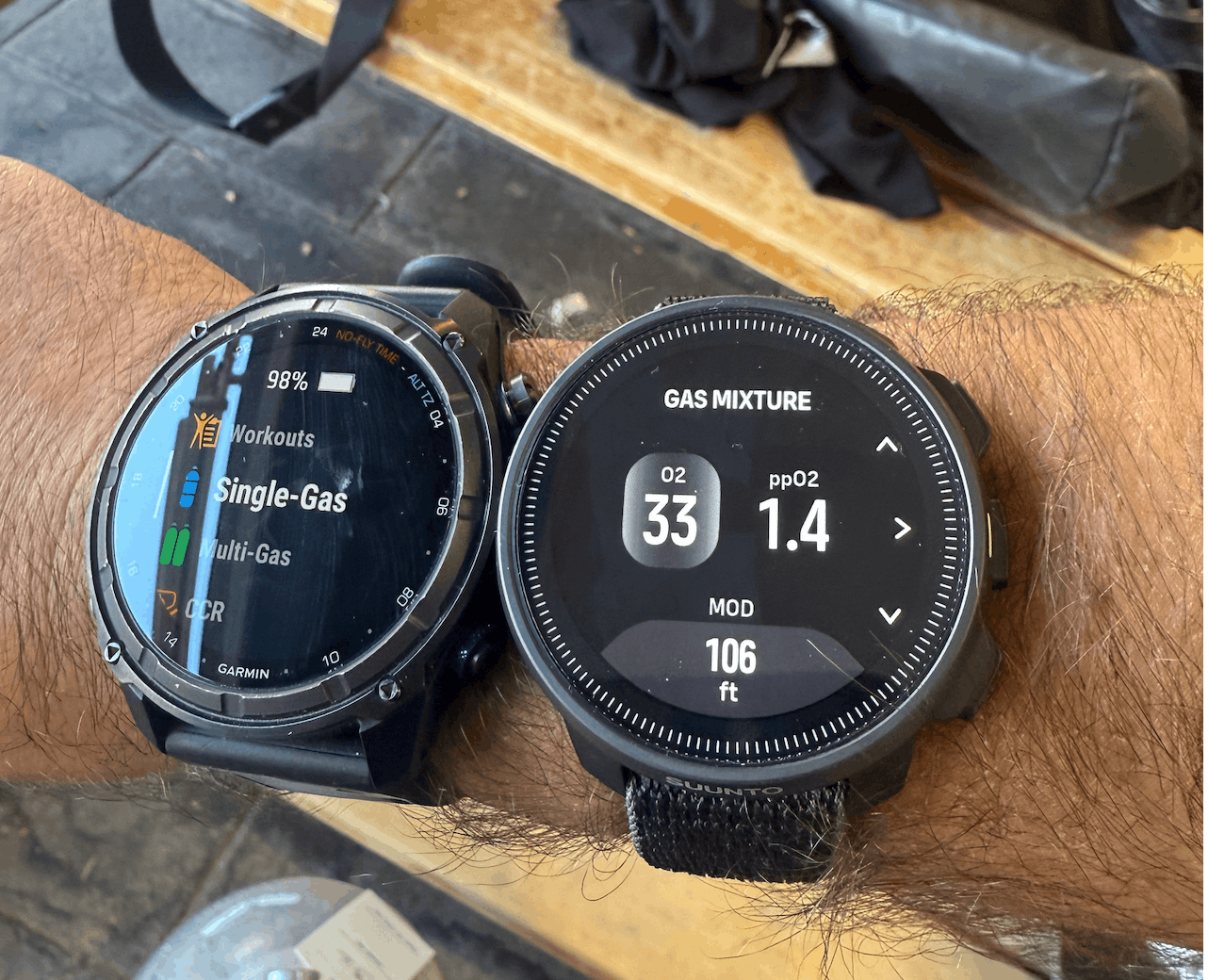
Running the Yatush and the Satil back to back is a popular combination here, but it takes planning. The Yatush bottoms out right at the edge of what EANx 32 to 33 allows before maximum operating depth becomes a problem.
We ran EANx 33 on the Yatush and EANx 32 on the Satil, which kept the surface interval to just over an hour and stayed inside oxygen exposure limits on both dives.

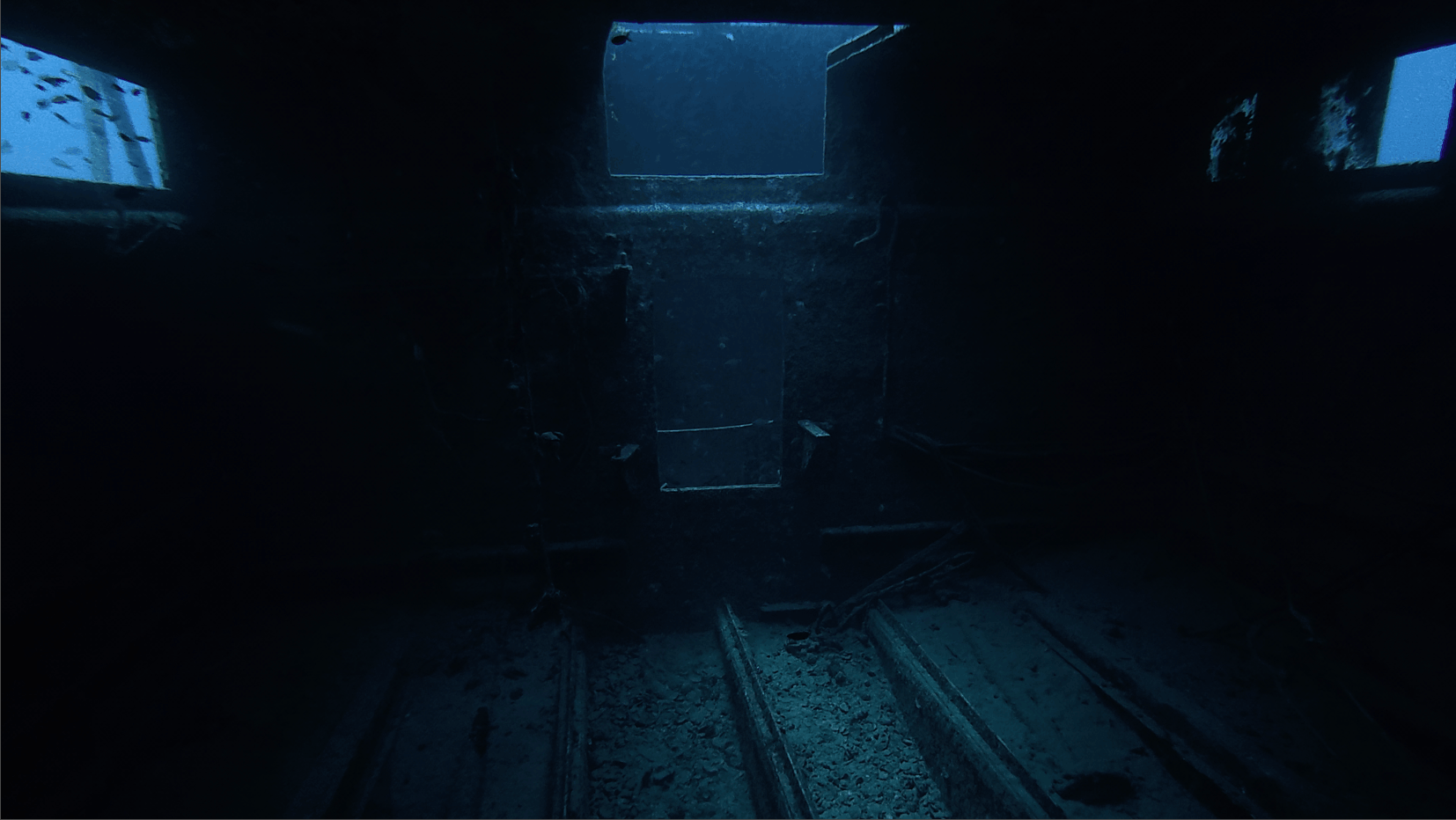

Given the wrecks depth, and small size, you can see the wreck quickly and spend the rest of your air scanning the surrounding reefs.

Best Shore Reef: Coral Beach Nature Reserve
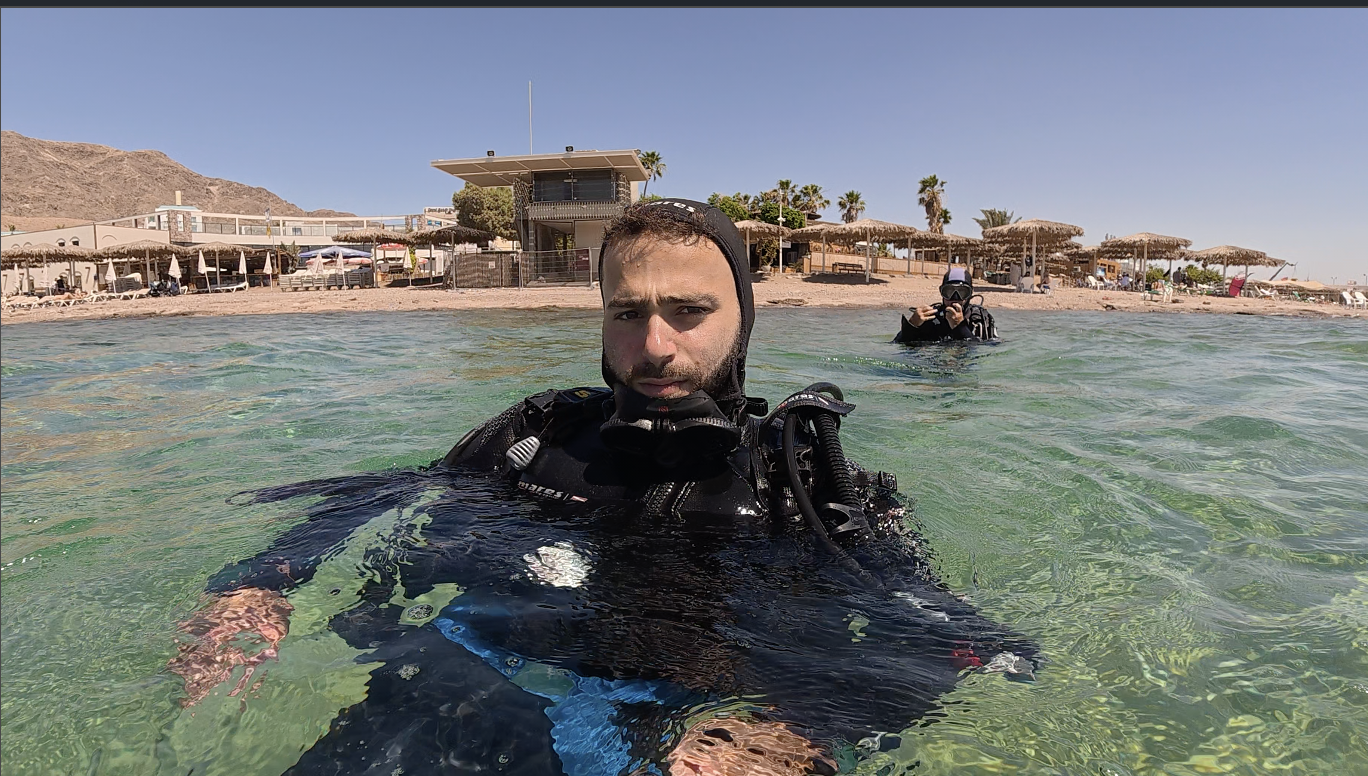
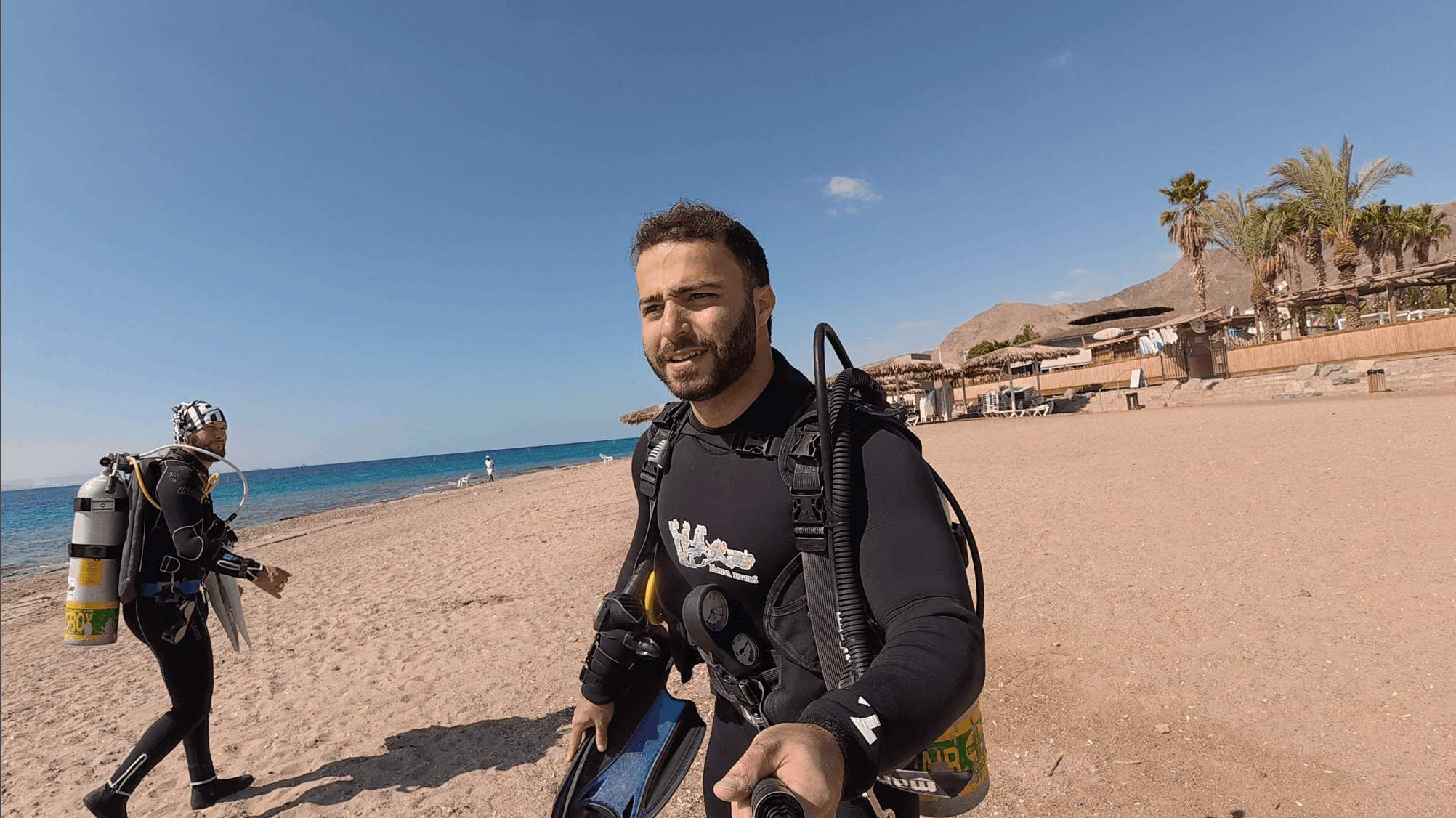
The Nature Reserve was actually the first site I dived on this trip. I went with Tamir from Lucky Divers, who has been diving Israel for over 30 years and runs a very by-the-book operation.
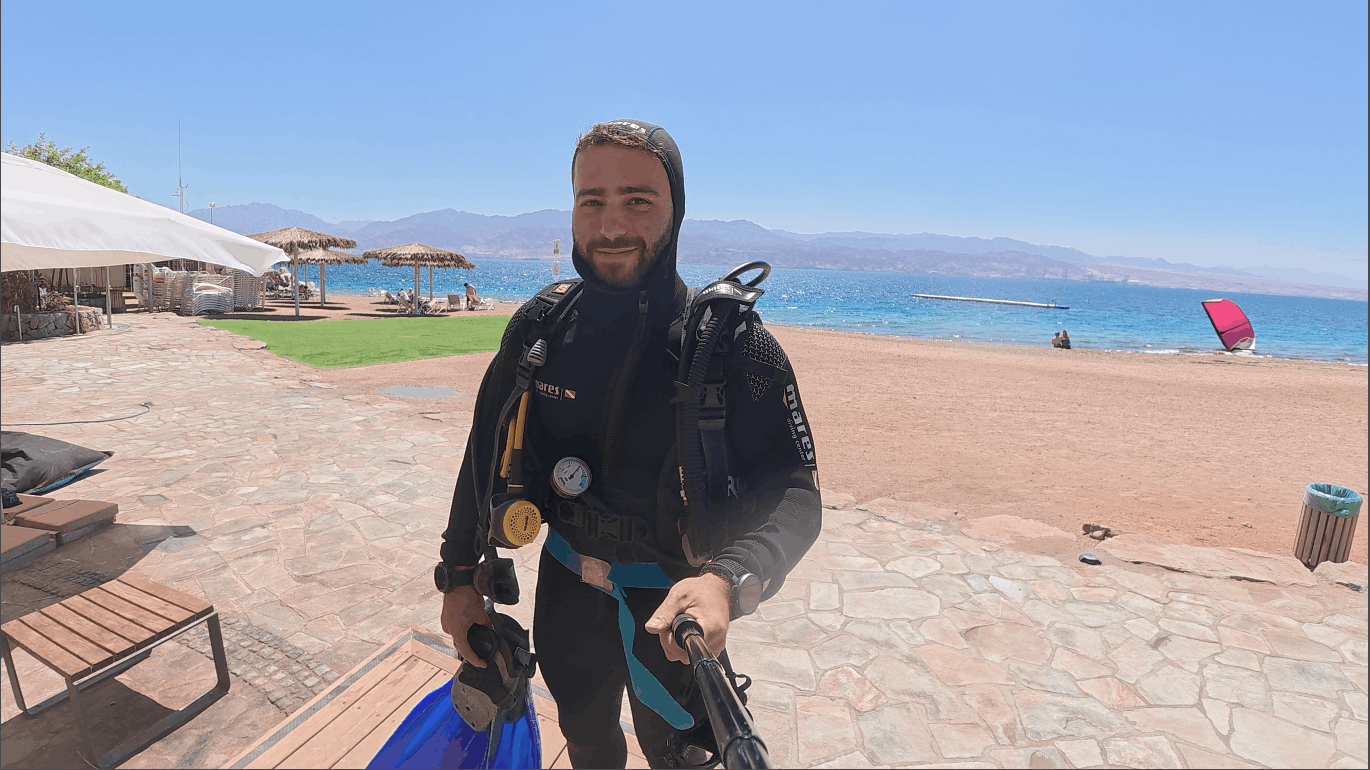
We did two dives here, with the second hitting Joshua Rock.
The reserve is fenced off from boat traffic, so there's no need for a dive flag or SMB on the surface.
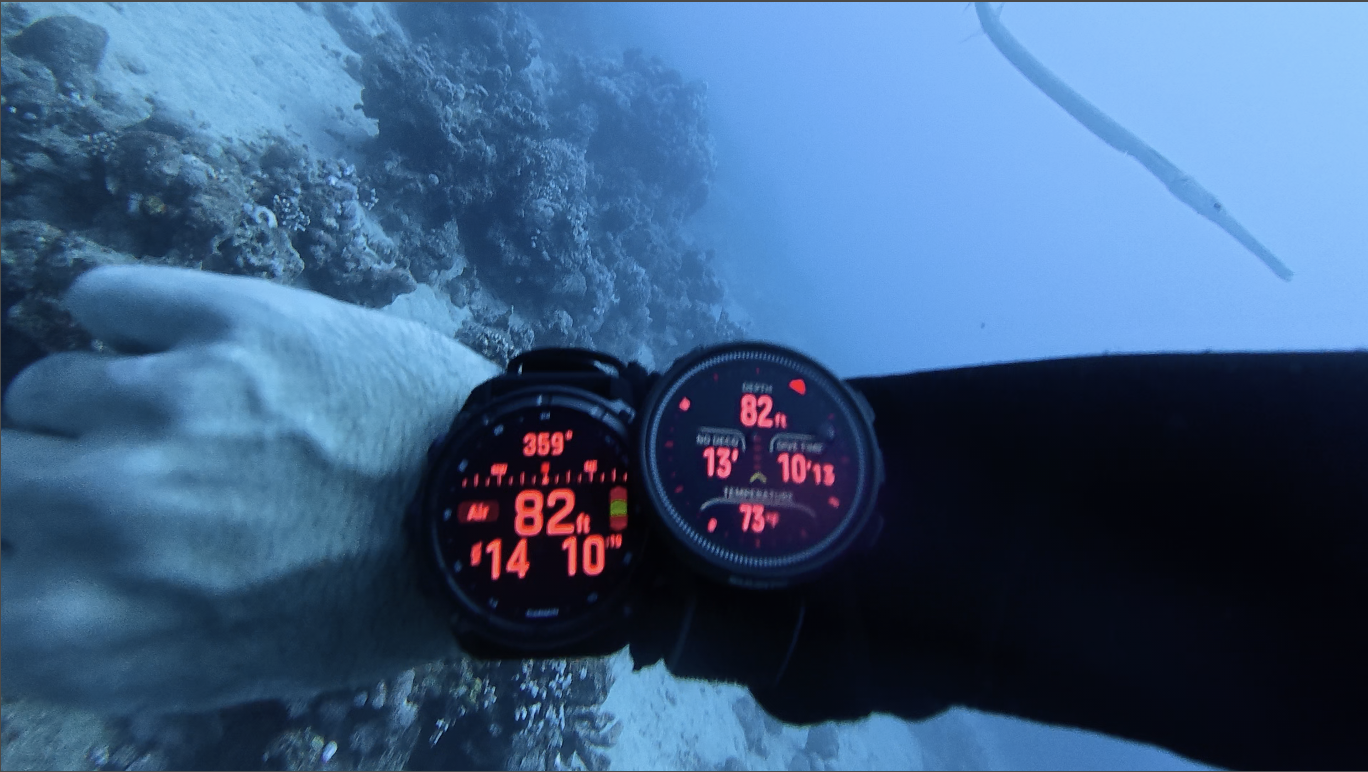
Joshua Rock is close to a snorkeler area marked by a rope that divers cannot cross.
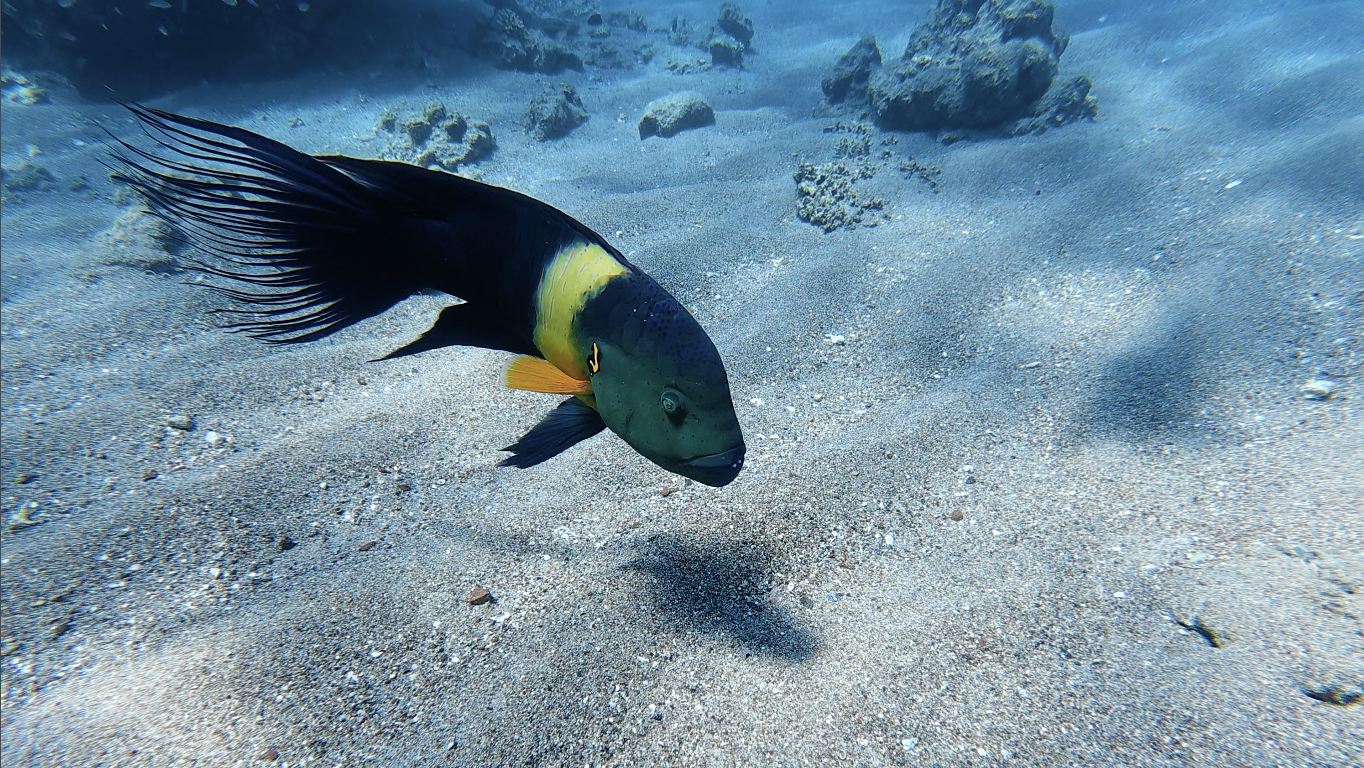
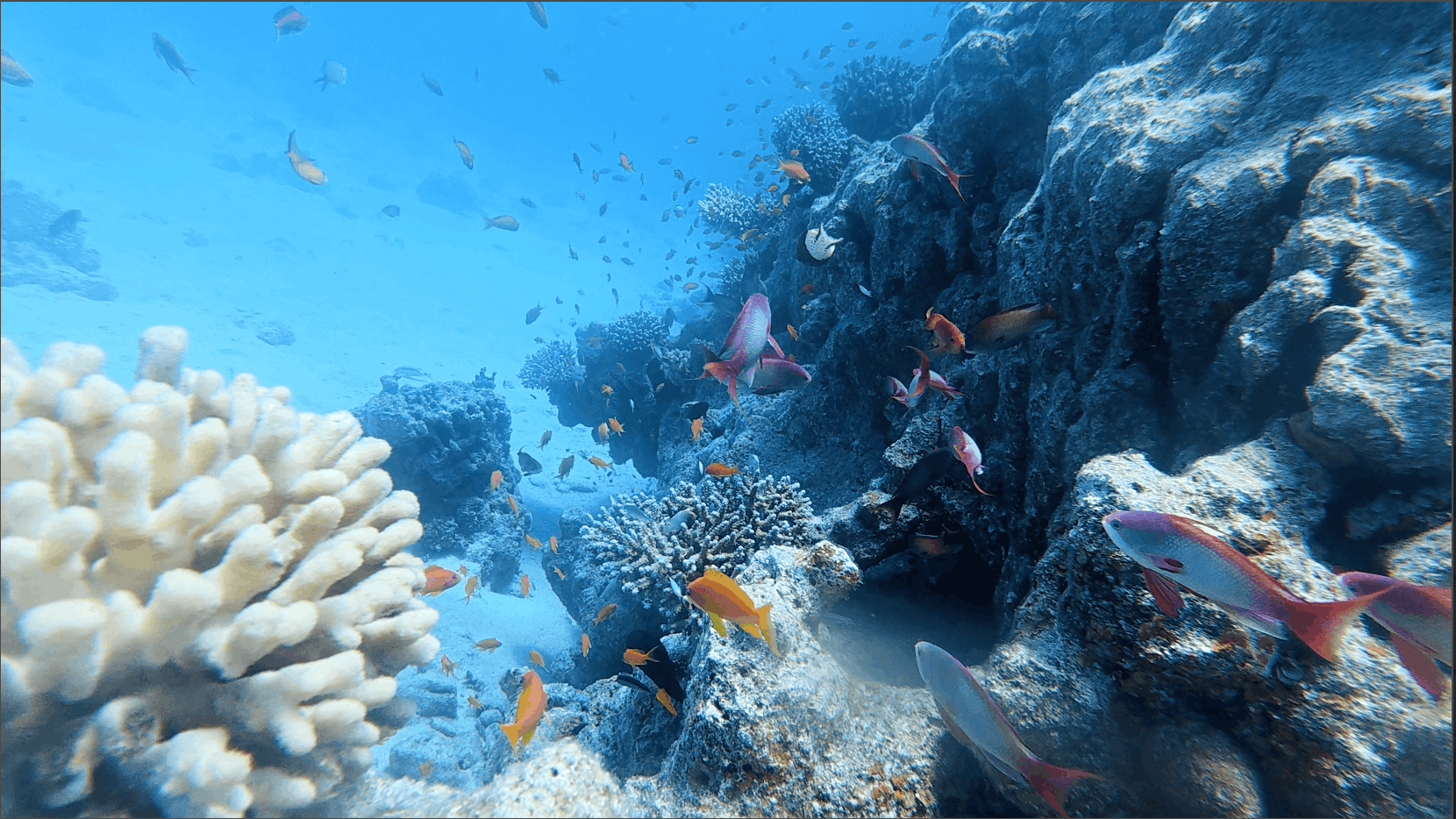
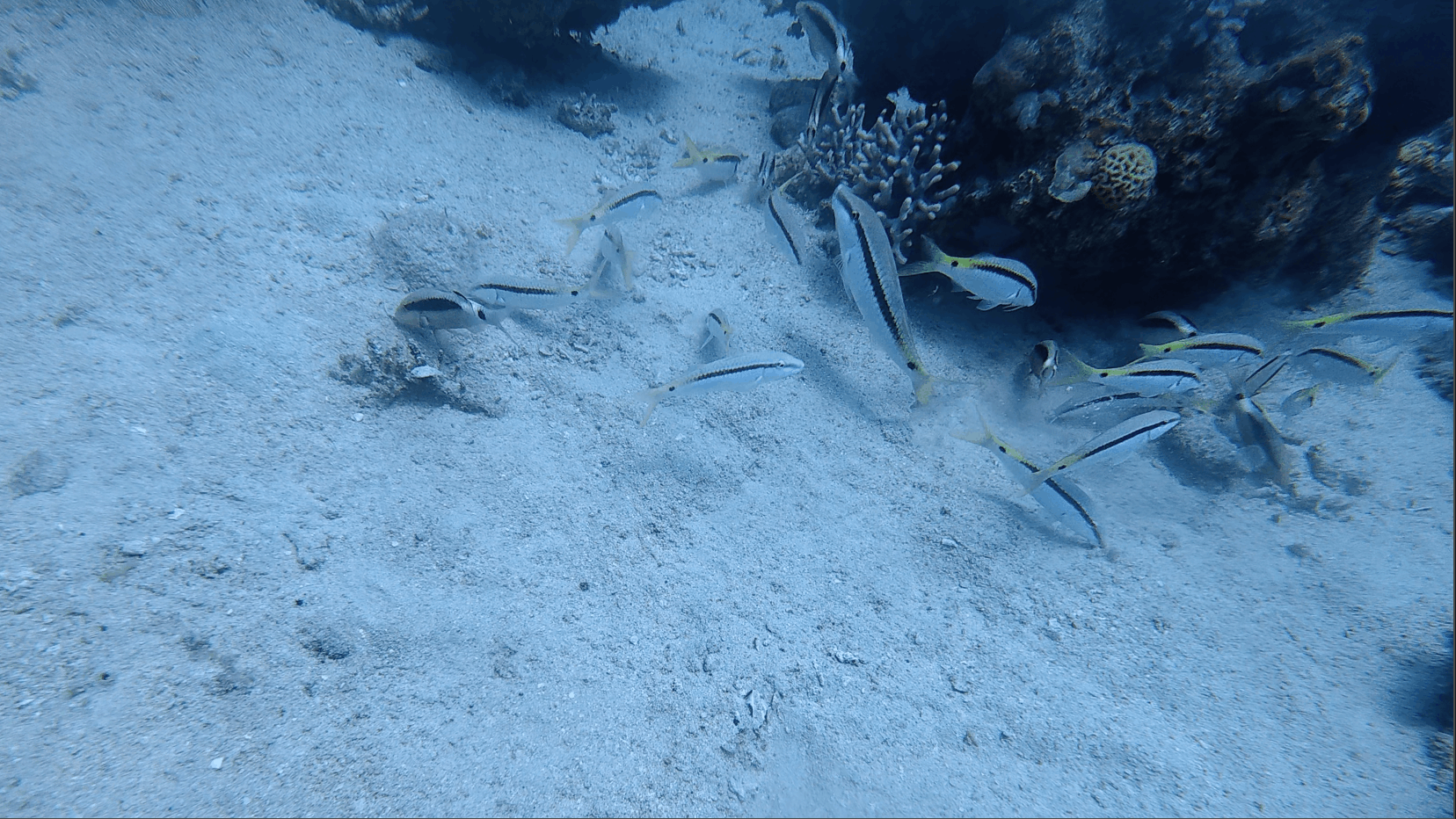
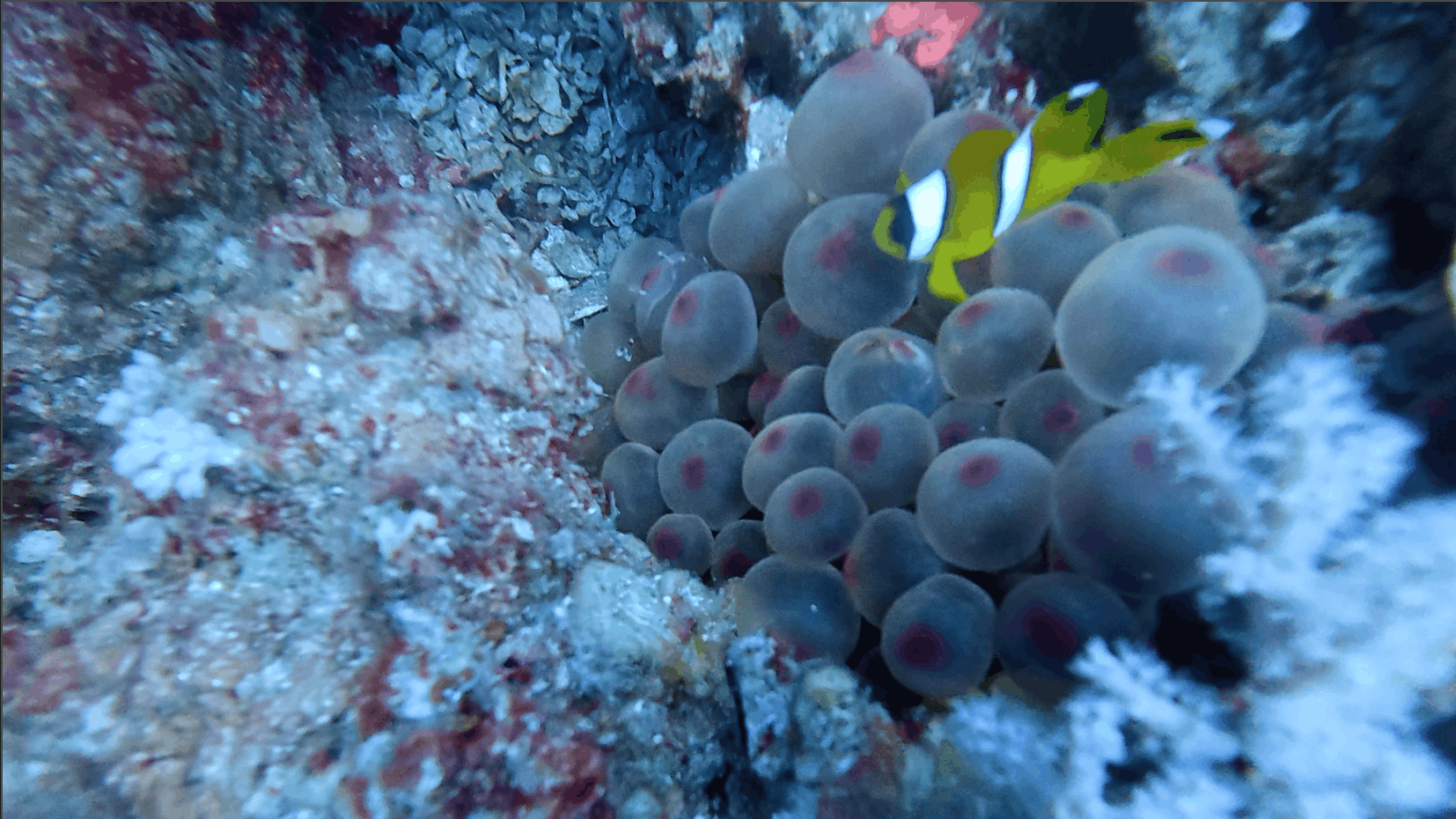
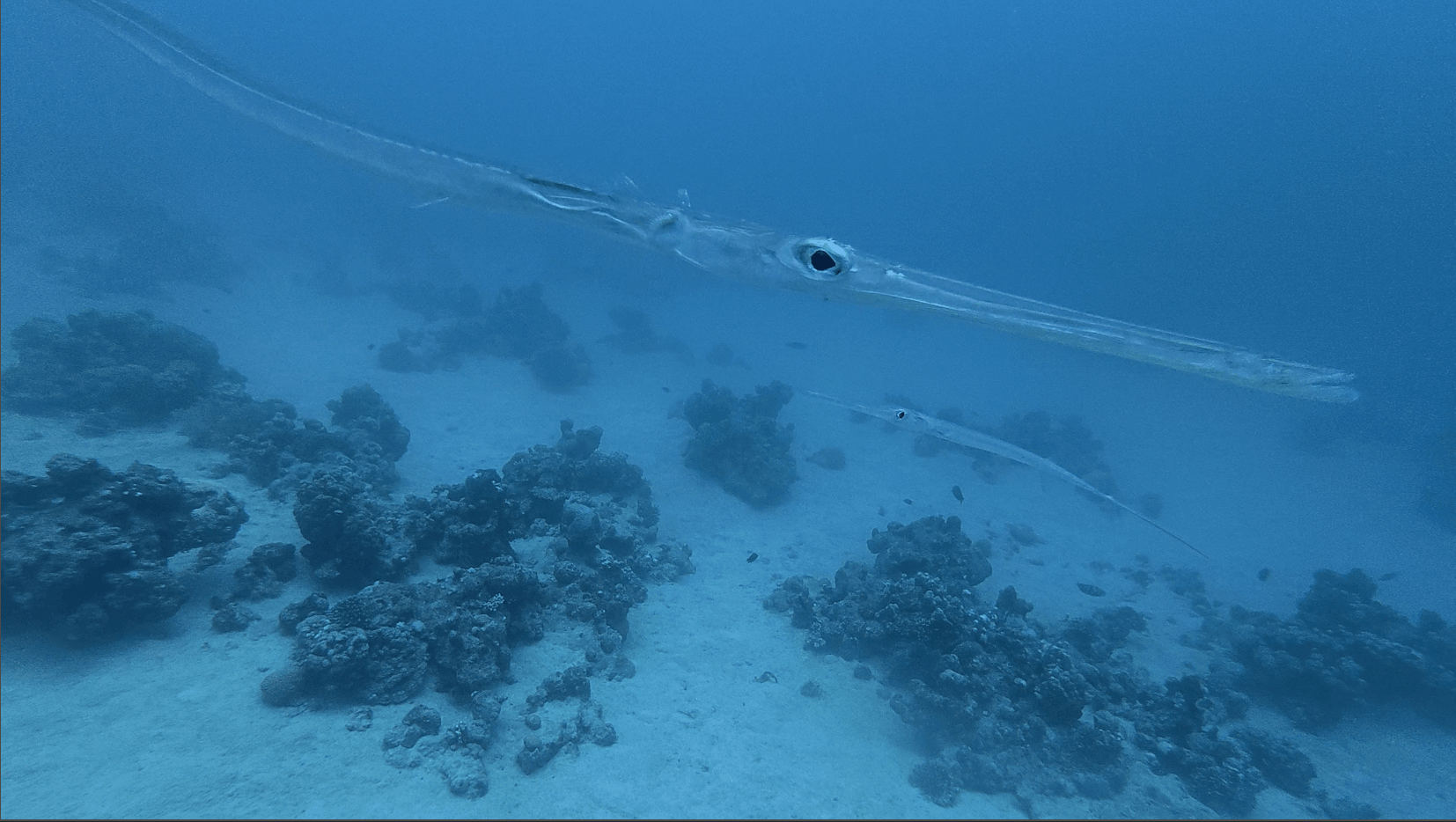
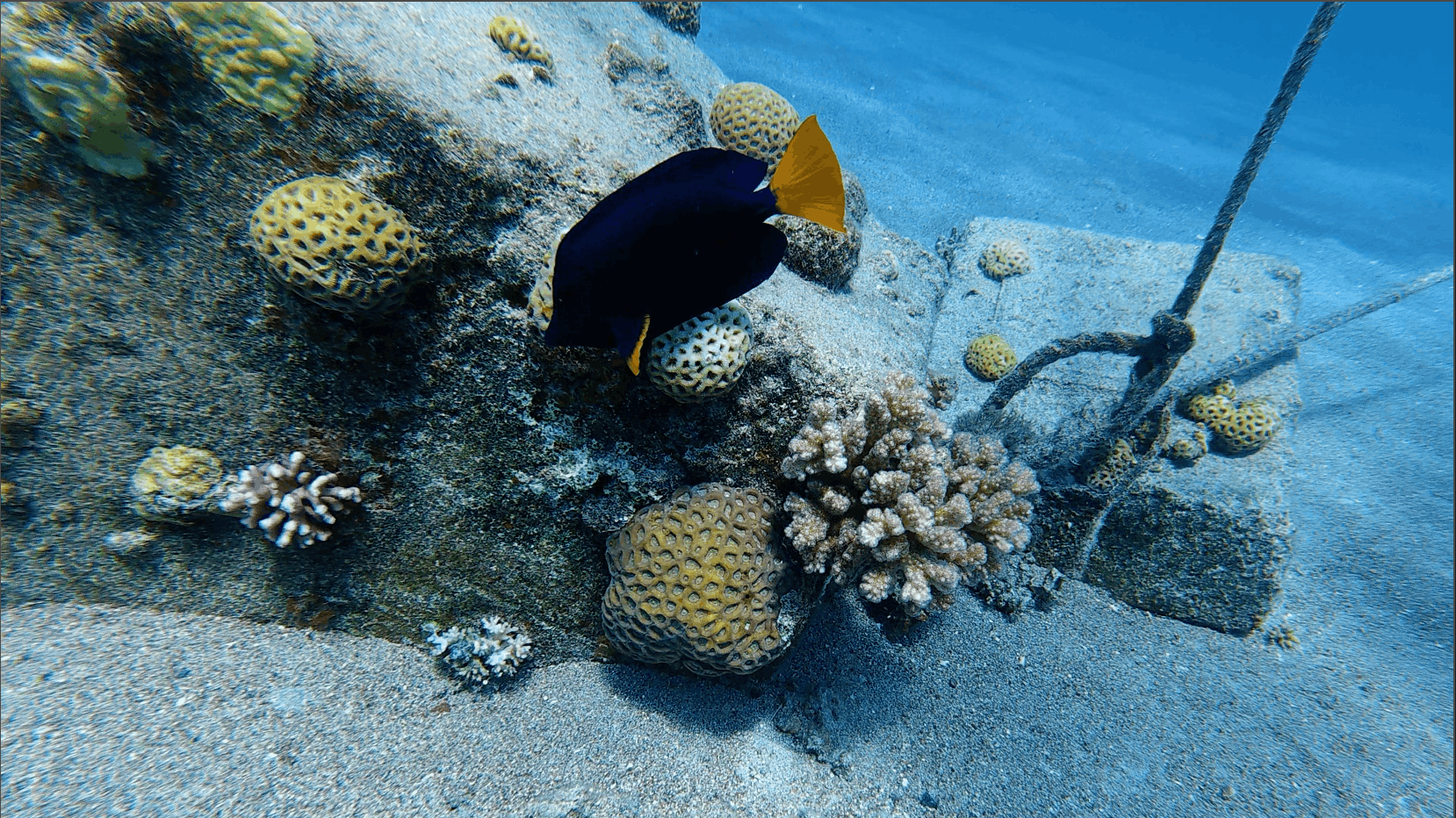
But you can see the outer edges of it, and the coral formations there are some of the best I've seen in my life, at relatively shallow depth, with swimmers and snorkelers right above you.
Best Reef in Eilat: Japanese Gardens
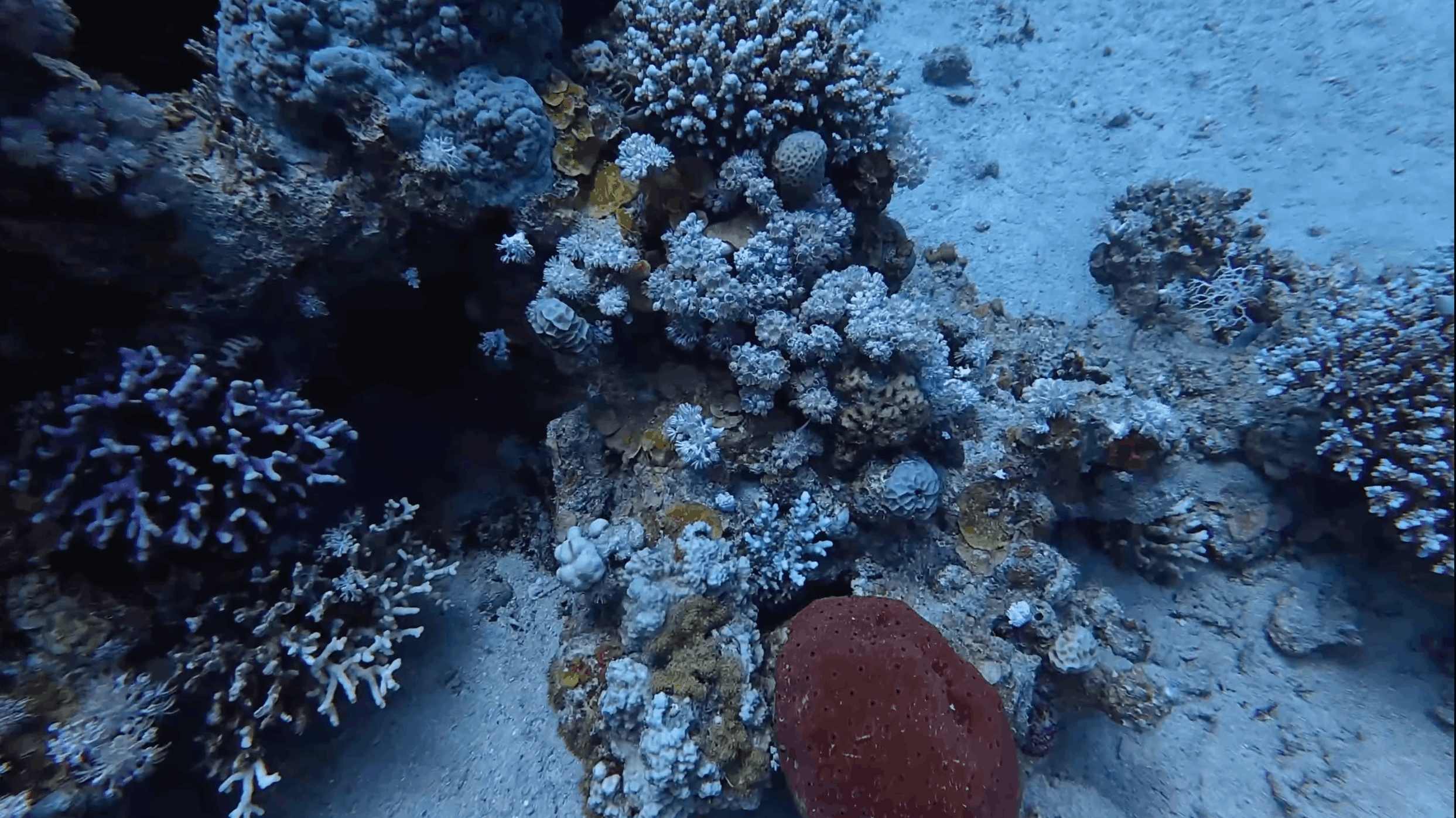
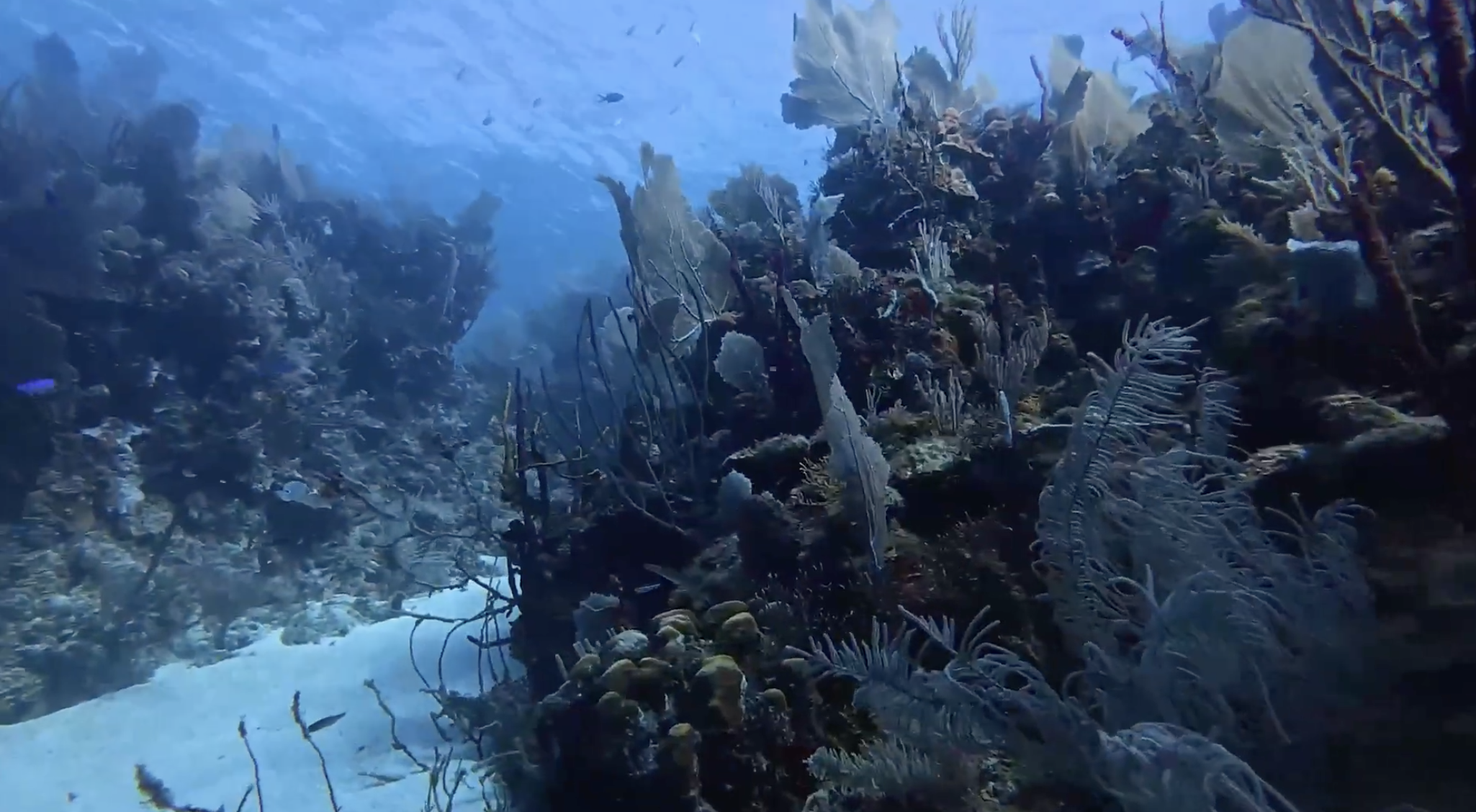
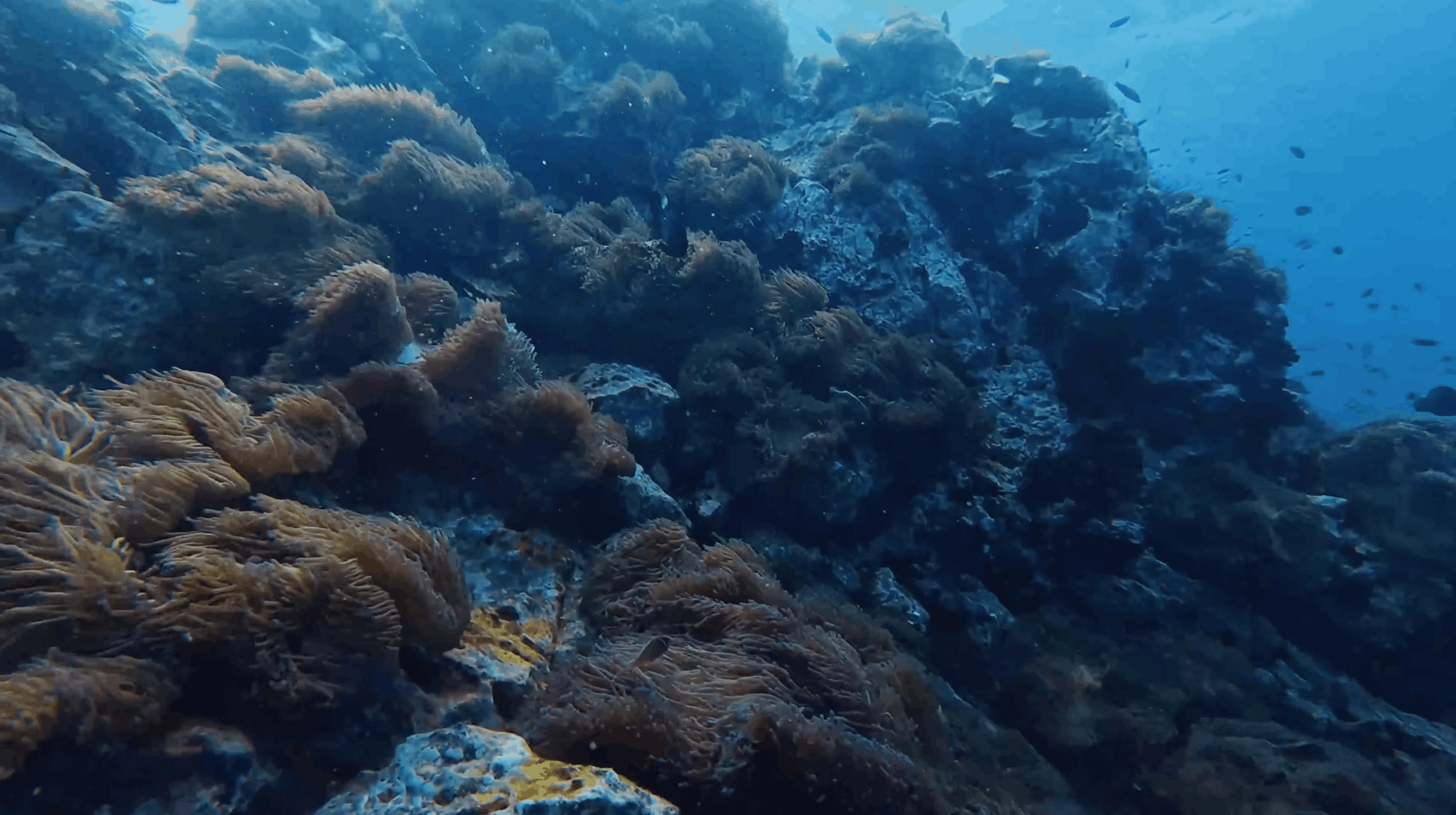
Japanese Gardens is the most visually impressive dive site in Eilat, and honestly one of the most coral-dense sites I've seen anywhere.
However, you do need a boat to access the site, making it more expensive to visit.
The reef drops from shallow coral gardens down to around 80 ft (24 m) for recreational divers.
The coral formations here are unlike anything I've seen close to shore. Table corals, massive formations, anthias covering every surface. I ranked it my second favorite dive of the trip.
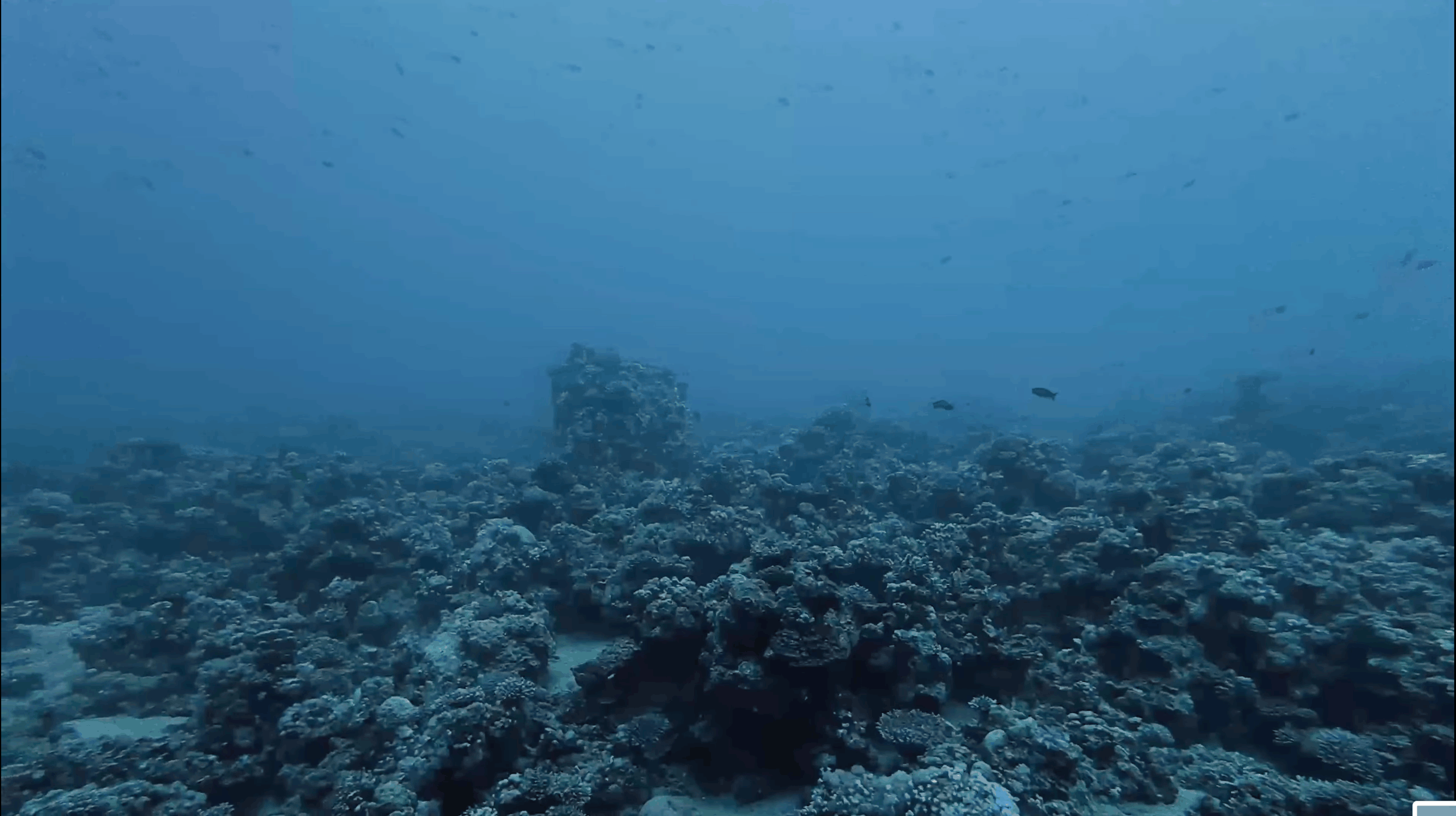
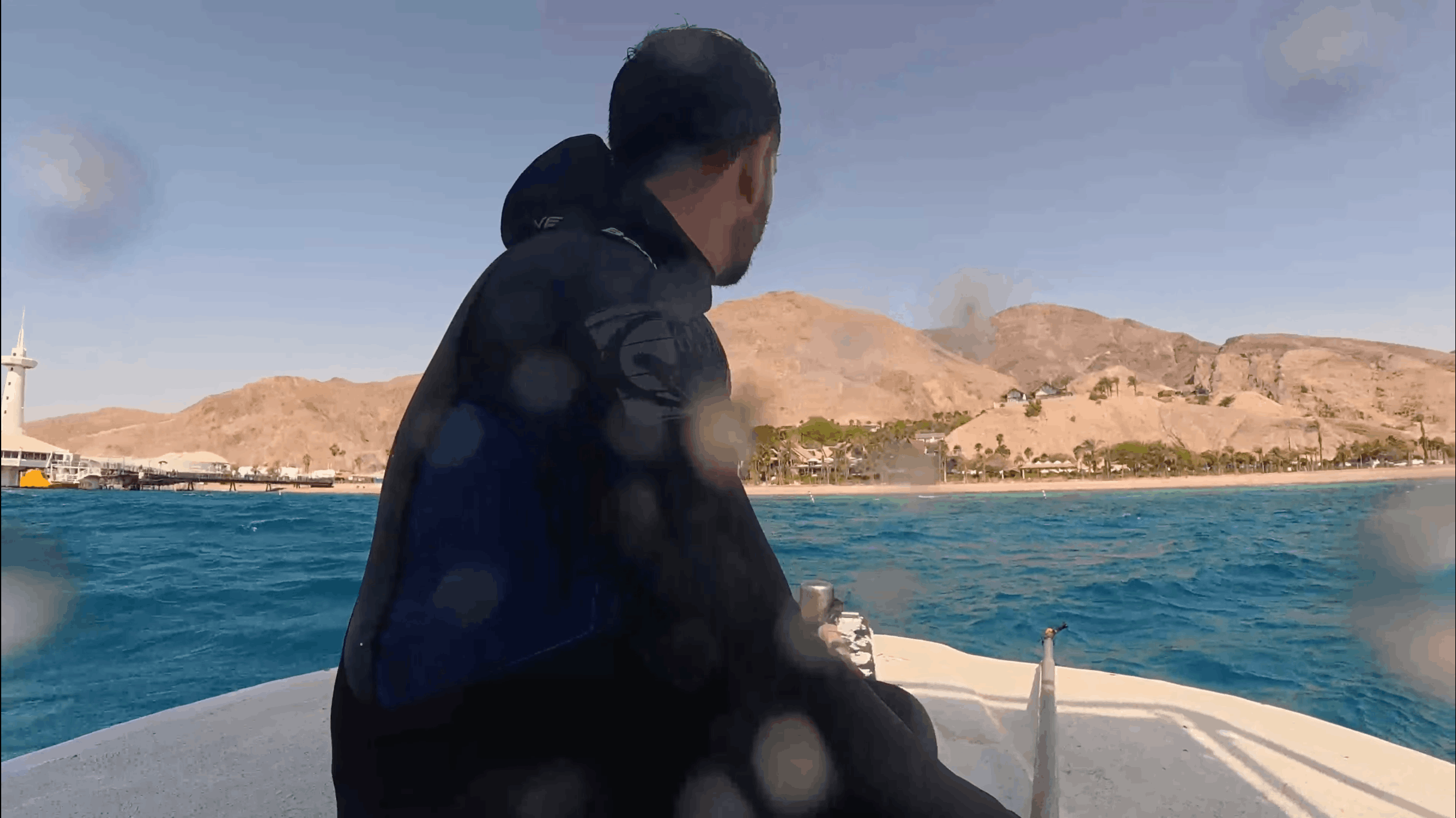
My guide mentioned he's shore dived it before, but it requires a very long surface swim around the nature reserve or marine observatory.
Least Visited Wreck: Sunboat
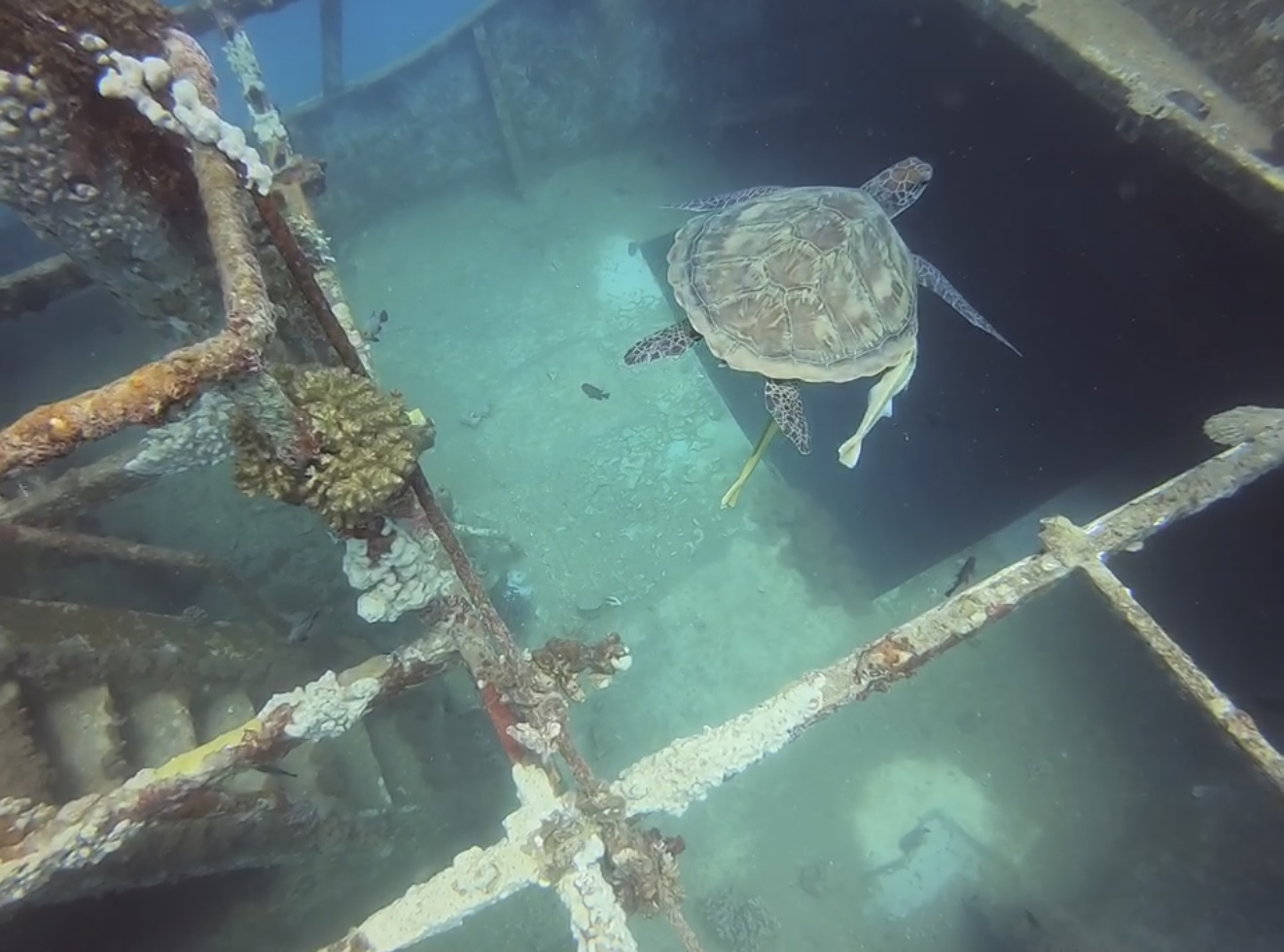
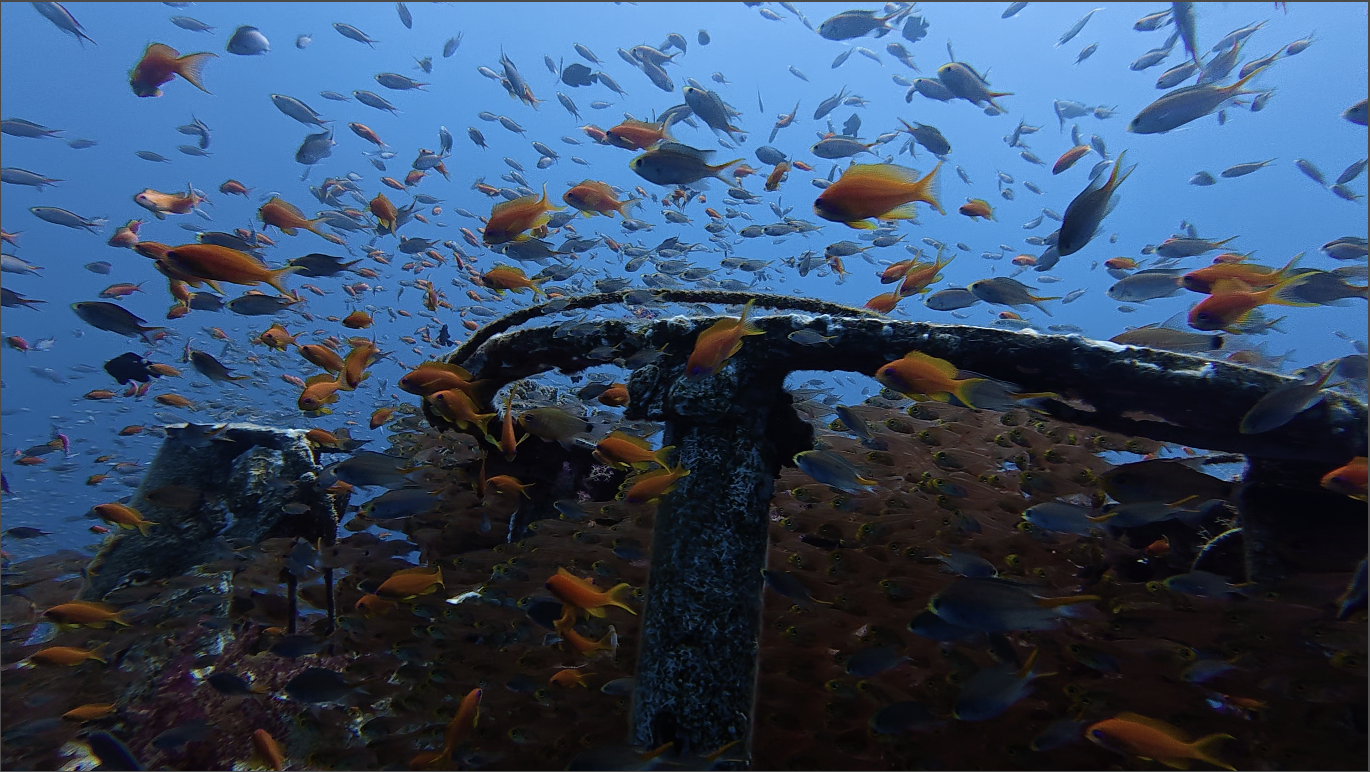
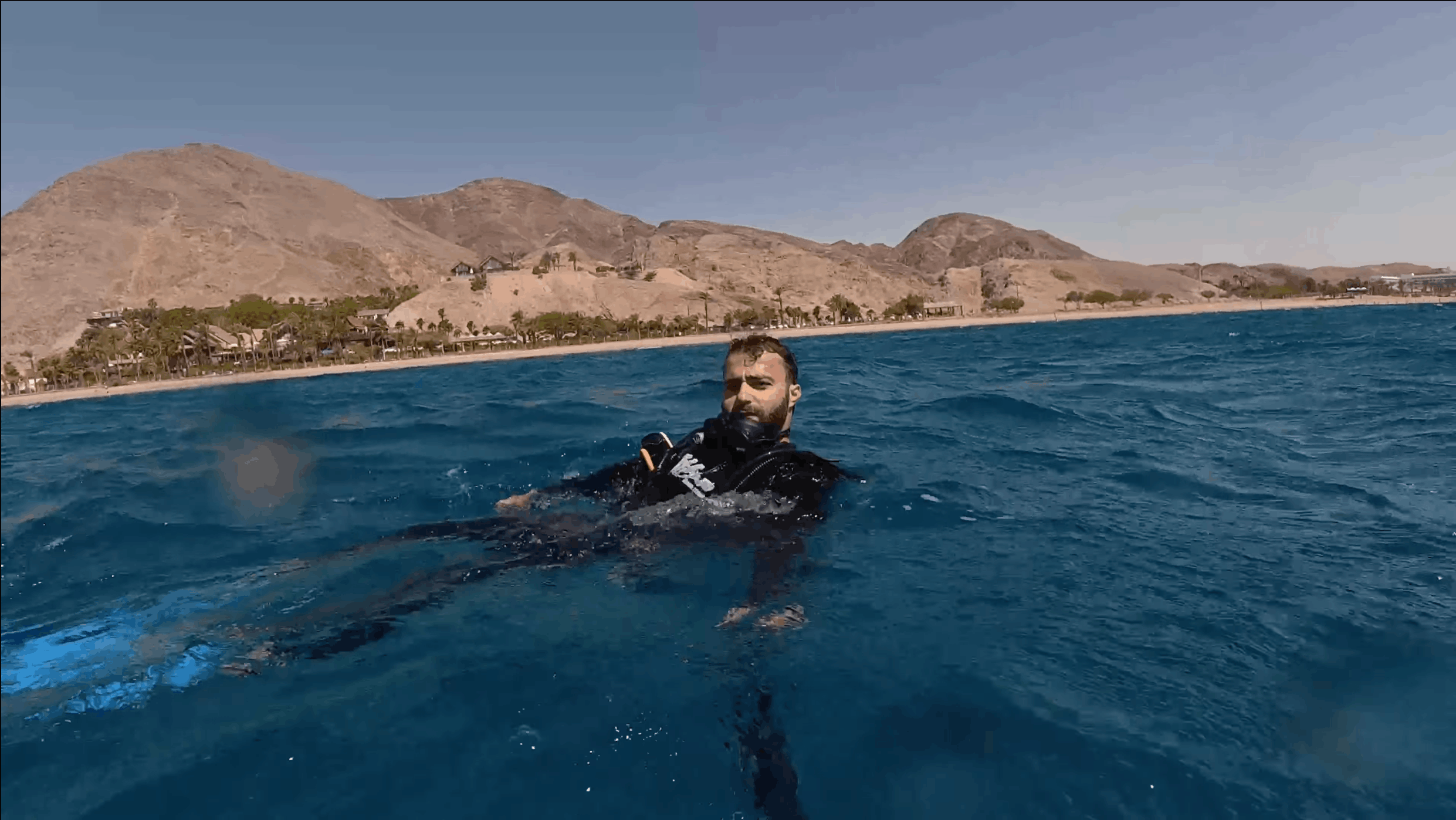
I haven't dove the Sunboat since 2019. Forgive me on the picture quality, it was from my GoPro Hero 7 on default settings.
The Sunboat was a working liveaboard that spent its operating life taking divers to sites across the Red Sea.
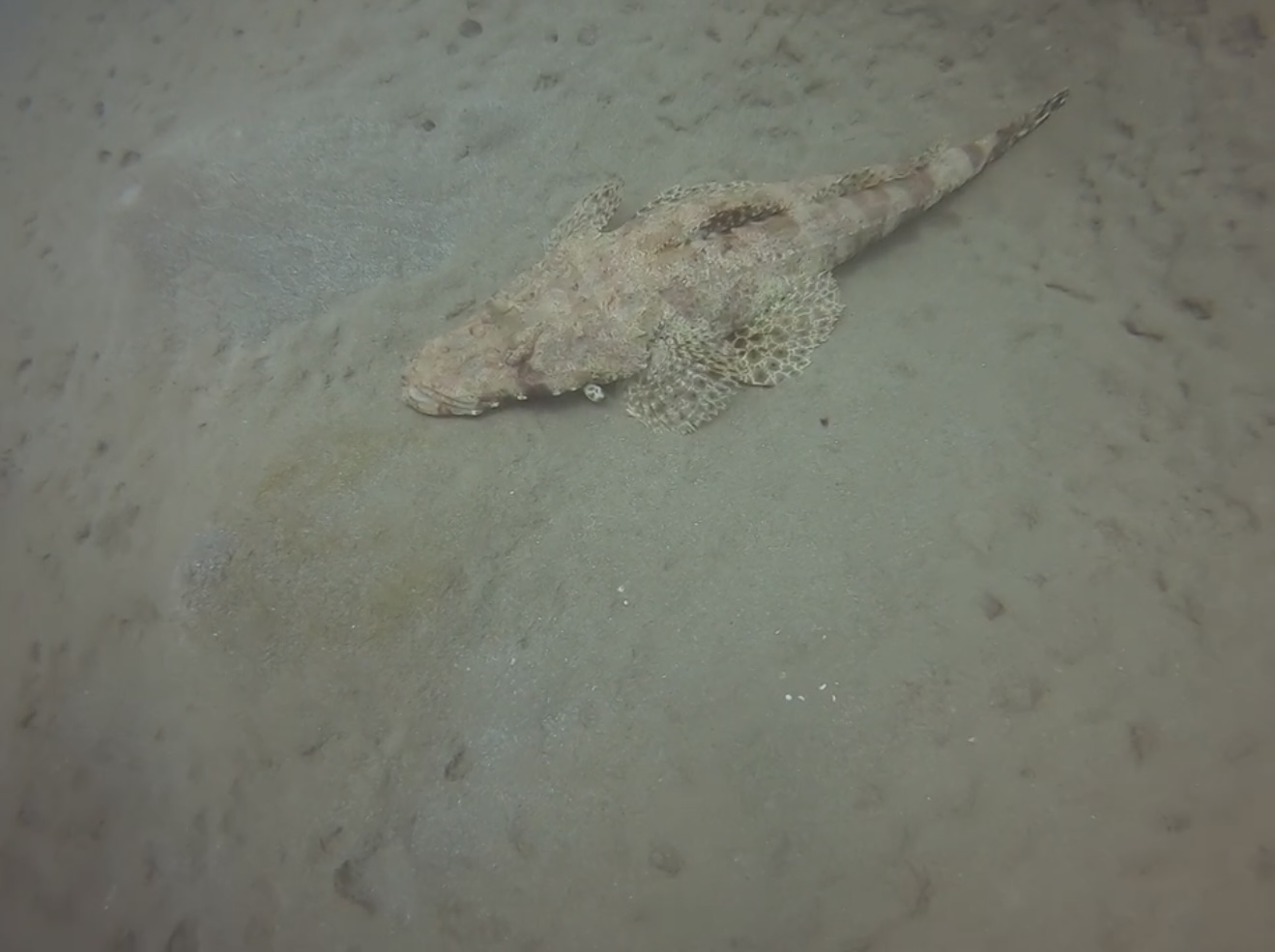
In 2010 it was deliberately sunk as an artificial reef. It now sits upright on a sandy bottom at 46 to 49 ft (14 to 15 m), 98 ft (30 m) long, bow pointing north.
Several smaller wrecks nearby are connected to it by cables, which makes the site easy to navigate.
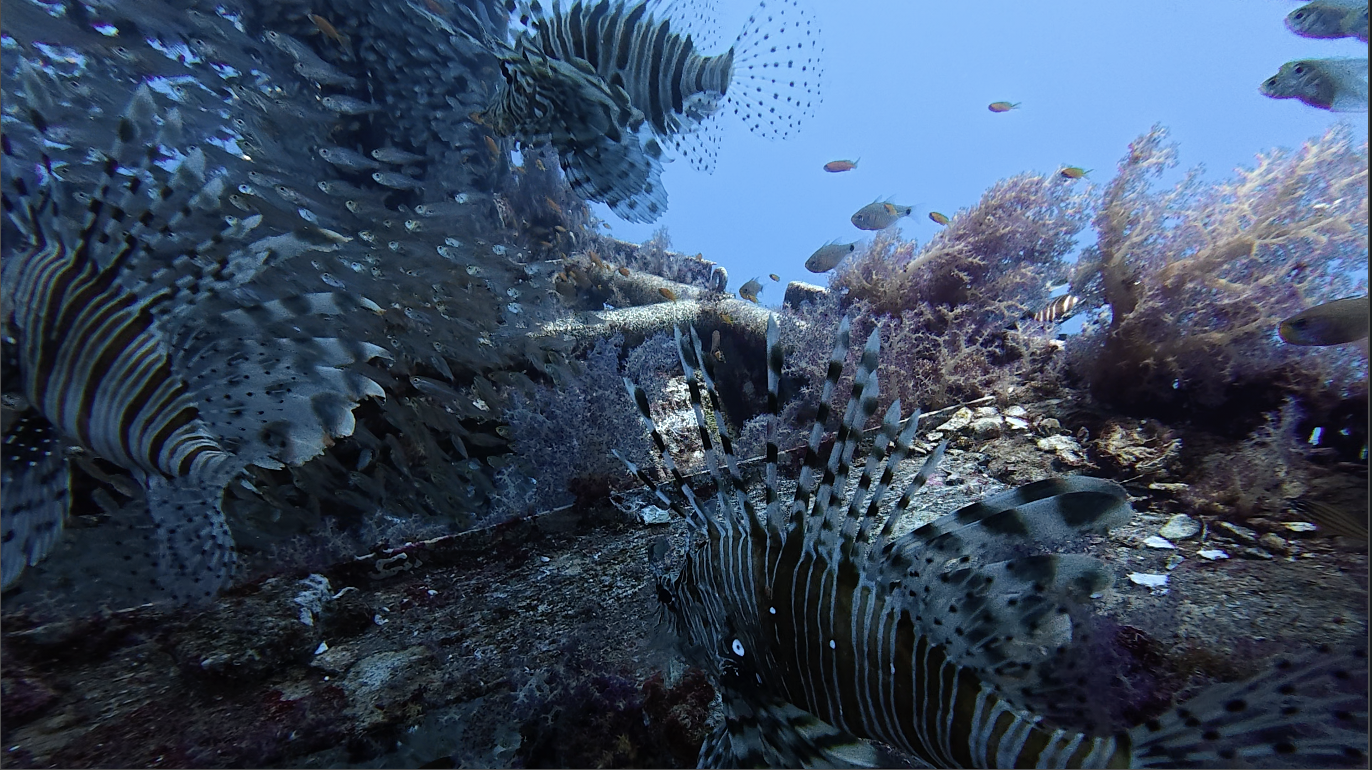
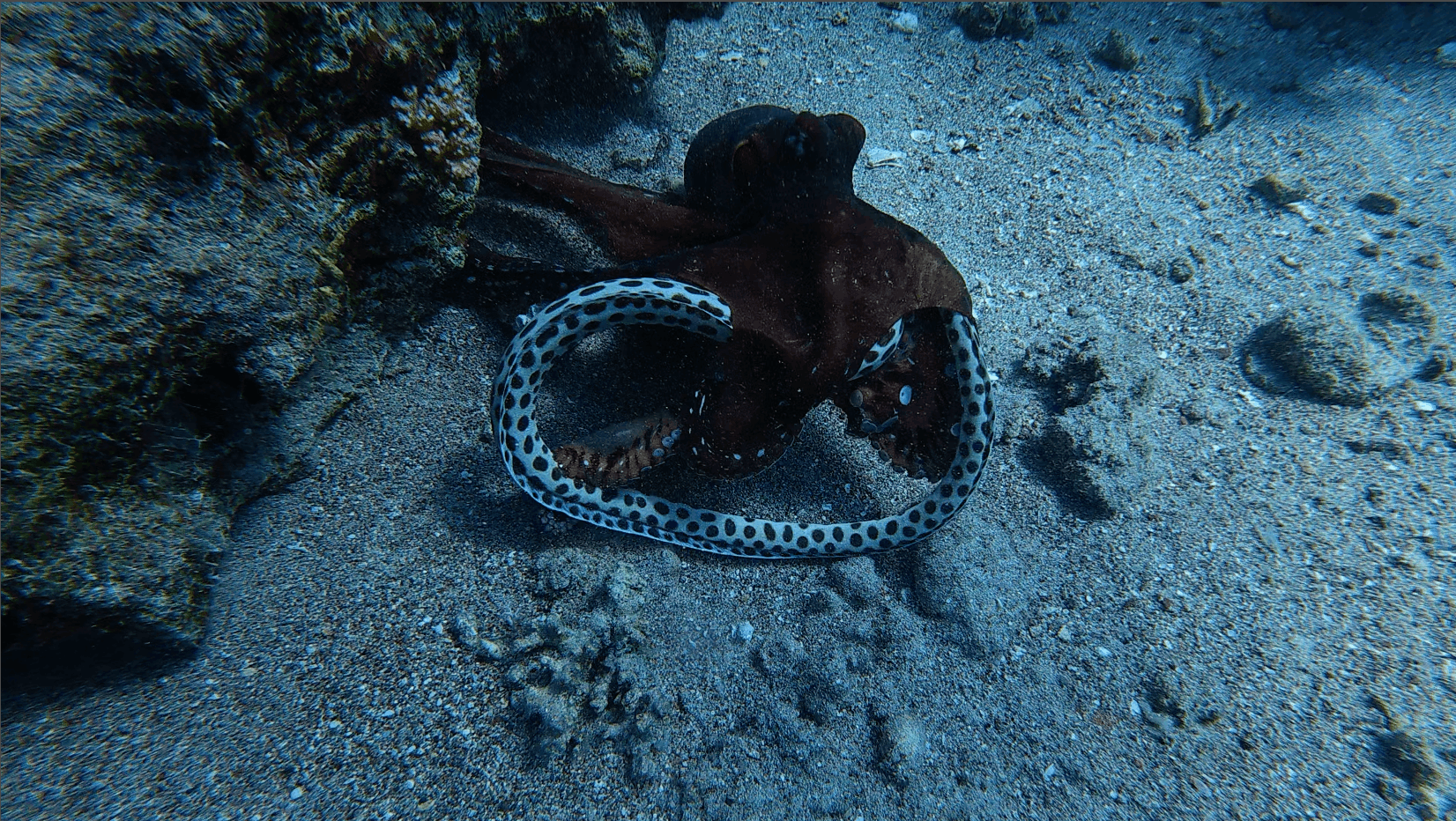
Expect to see lionfish, eels, reef fish, turtles, and more!
Novelty Dive: The Underwater Restaurant
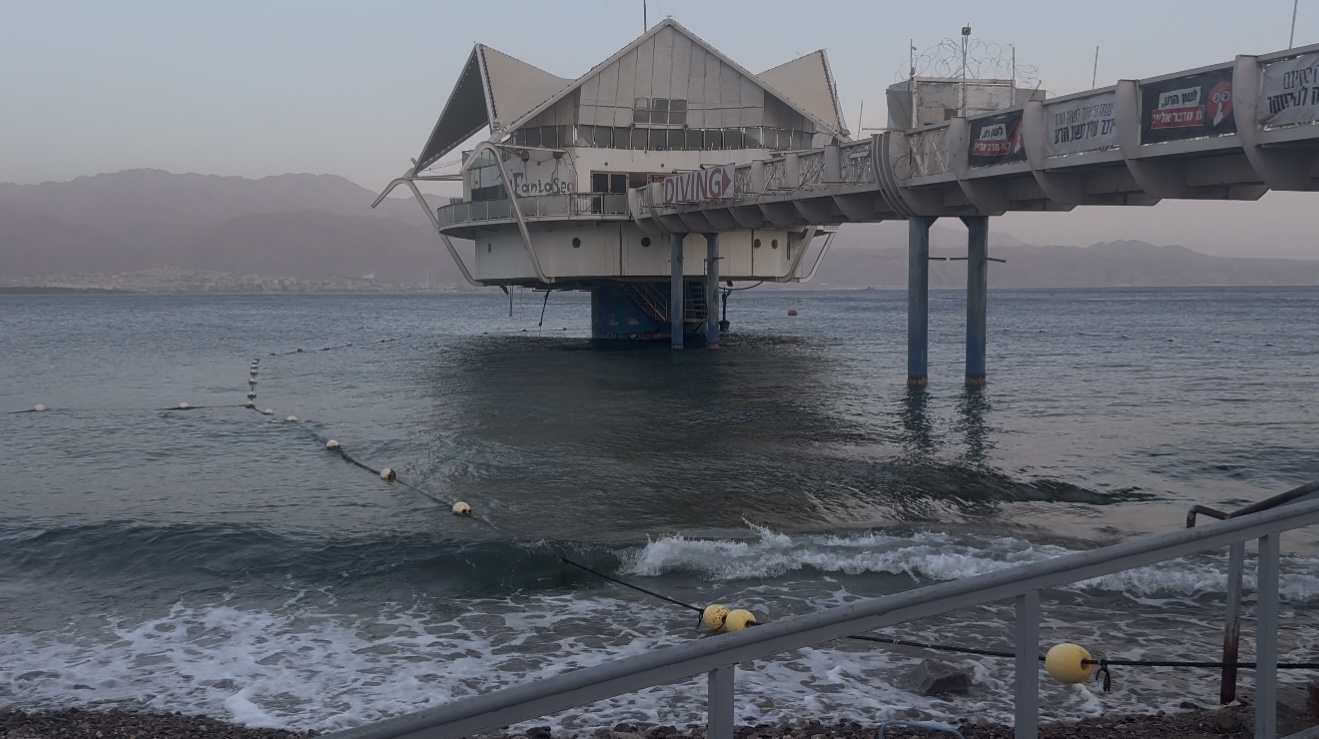
Walking the boardwalk in Eilat, you'll notice what looks like a structure sitting just offshore in the water.
That's the underwater restaurant, and yes, you can dive it.
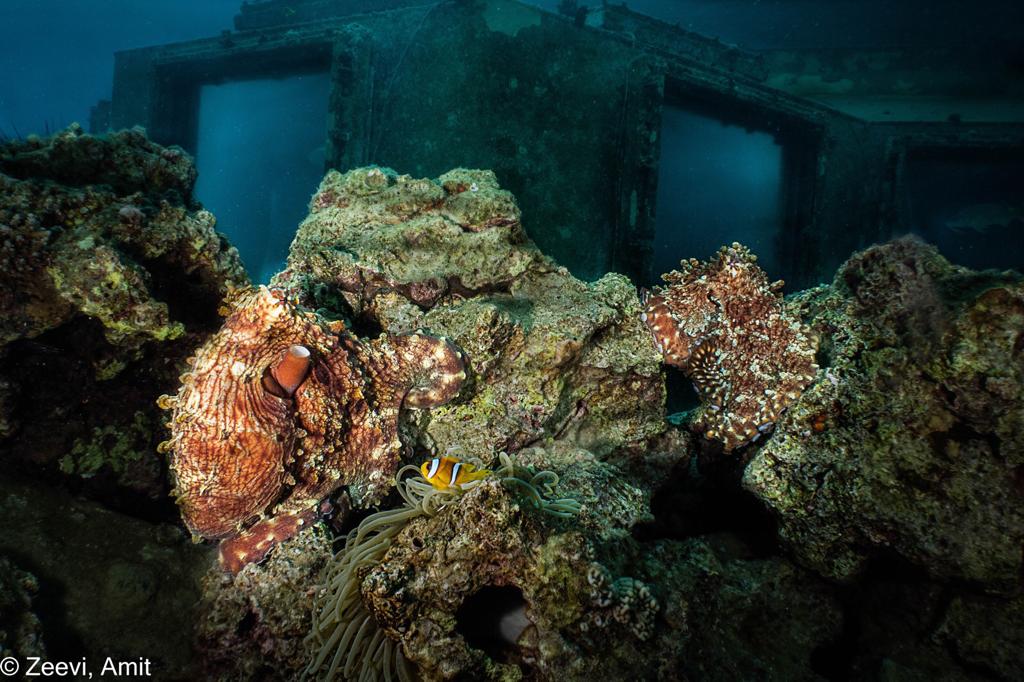
I didn't dive this one myself, so I can't give you a firsthand account.
From what I heard, it's a pretty shallow site, which makes it a popular spot for discovery dives and Open Water certifications.
It used to be an underwater strip club at some point.
How Diving in Eilat Works
One thing to watch for before the rules: cone snails. They are here, they are extremely venomous, and there is no antivenom available. Do not pick anything up off the bottom.
.png)
Eilat is one of the only places in the world, along with Spain, where scuba diving is regulated by the government. The rules are noticeably stricter than Florida or anywhere else I dived this year.
A few key things to know before you get in the water:
Solo diving is illegal. Even with a self-reliant diver certification. You must dive with a buddy or a guide. Two Advanced Open Water divers can shore dive together without hiring a guide, but below that certification level you need supervision.
.png)
Dive insurance is required. Every guide and charter will ask for proof of insurance and your certification card before taking you out. Come prepared with both.
Wreck penetration requires certification. You need a wreck diver cert to go inside any of the wrecks. This is enforced.
The instructor-to-student ratio is 6:1, compared to the standard 8:1 in most countries.
Certification star ratings: In Israel, you may hear divers refer to one-star or two-star ratings. This comes from Israel's own diving federation, affiliated with CMAS. A one-star is equivalent to Open Water, a two-star to Advanced.
Spearfishing is illegal throughout the entire Israeli Red Sea.
DPVs are allowed, but you may run into issues getting them through customs.
Shabbat: From sundown Friday to sundown Saturday, most dive operators will be closed, along with a lot of public transportation and restaurants. Plan your diving days around this if you're visiting over a weekend.
When to Dive Eilat
.png)
The Red Sea dives year-round. When I dove in May, visibility was around 70 ft (21 m) and my computer read 73°F (23°C).
Locals told me strong winds had knocked the visibility back to roughly 70% of its best. On a clear day it can reach 130 ft (40 m).
I wore a 5 mm on every dive and was still a little cold. Guides and instructors here told me summer water gets up to 82°F (28°C), which is a big swing for one stretch of coast.
March to May and September to November are the sweet spot, warm water and good visibility without the surface heat. January and February can see visibility drop after winter storms, but people still dive.
The last time I came before this trip it was July into August, and air temperatures were over 100°F (38°C).
Eilat is not the only place to dive in Israel, but it is the main one. Caesarea up the Mediterranean coast has ruins you can dive.
Best Snorkel Spot: Dolphin Reef
If you're traveling with a non-diver, send them to Dolphin Reef.
It's a fenced-in shallow reef area where you can see around 80% of what Eilat's reefs have to offer from the surface. The dolphins it's named for are wild and come here on their own.
Easy to reach by public bus.
Cost of Diving in Eilat
Prices are from my visit in May 2026:
Guided shore dive (group): 150 shekel (~$40-50), gear included
Private guide: ~300 shekel (~$80-100) per dive, gear included
Boat charter: ~350 shekel (~$90-100) for two dives
Dive boots are not included in rental gear. The beaches here are rocky and the sand gets hot. Either bring your own or budget to buy a pair when you arrive.
Getting to Eilat
Eilat is Israel's southernmost city, about a 5-hour drive from Tel Aviv. It is a bit of a trek, but the town is the Las Vegas of Israel, so there is plenty to do beyond the diving.
There is a domestic airport with flights from Tel Aviv Ben Gurion and Haifa, which is the fastest option. The Egged bus also runs the route if you want to save money. Renting a car works too if you plan to explore the region.
Eilat borders both Egypt (Taba) and Jordan (Aqaba). Both have their own dive scenes.
One warning on Taba. I intended to dive there and was not allowed across the border with my GoPros and action cameras. They wanted them left in customs for the duration of my stay, which defeats the point. My time in Egypt lasted two hours and I never got in the water.
Jordan is the better bet for a day trip. There is a sunken aircraft and a couple of tanks off Aqaba, and Petra is right there.
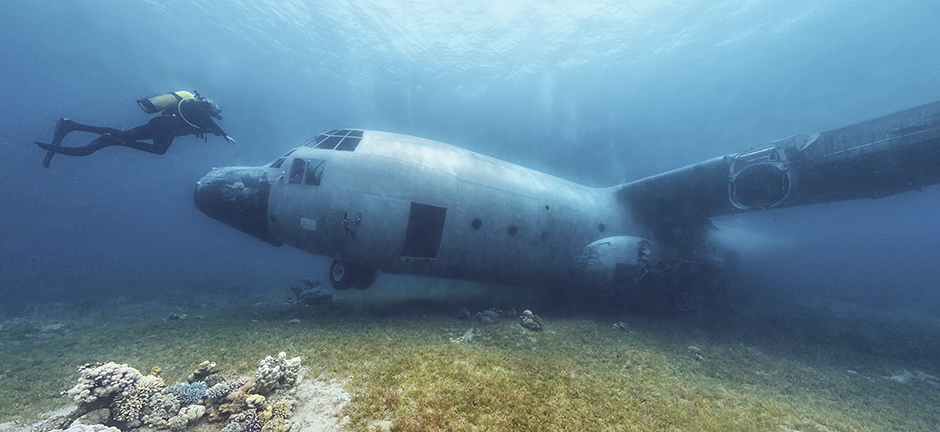
Petra is also a short day trip from Aqaba if you're extending the trip.
Let's Dive Together
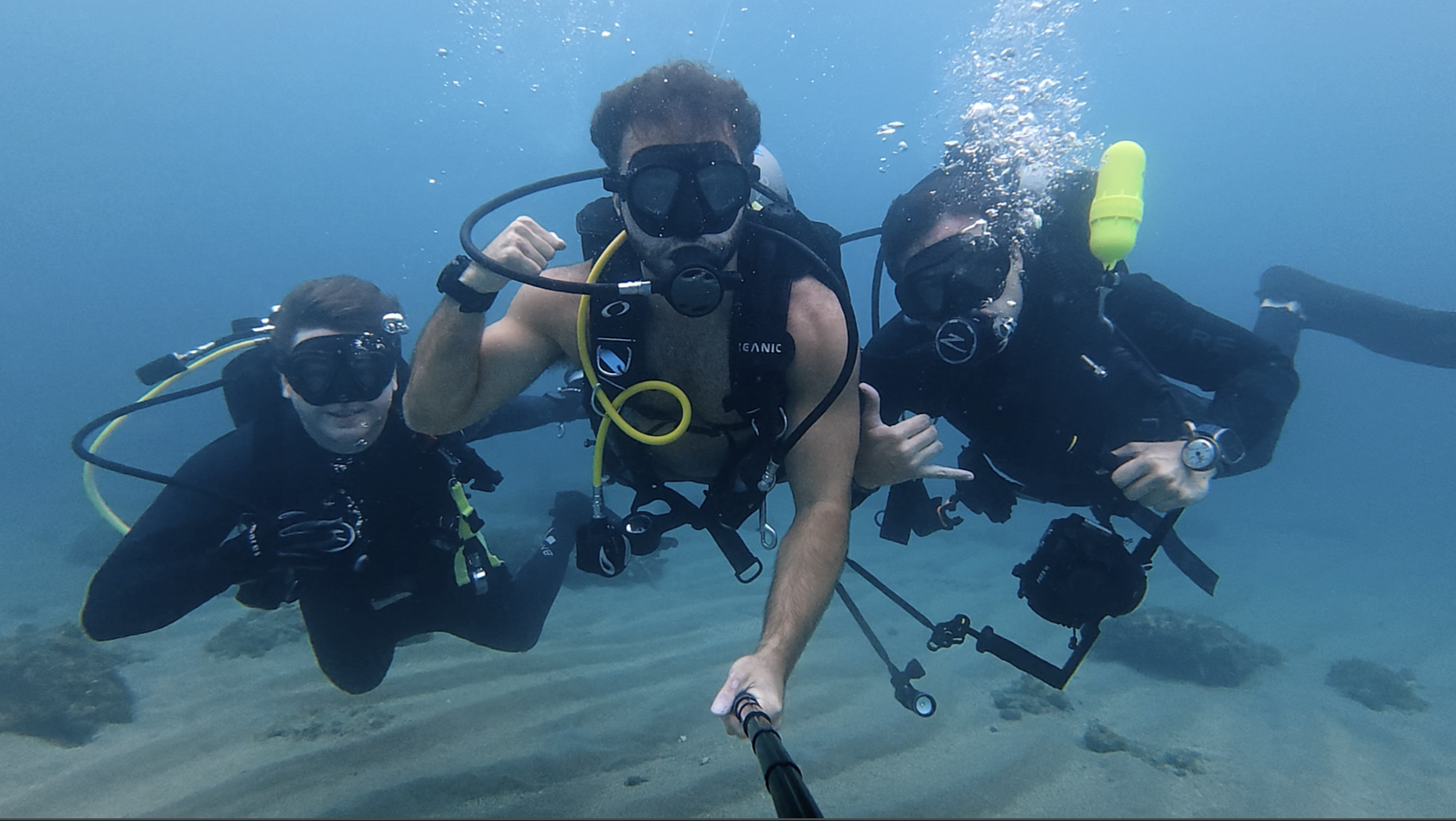
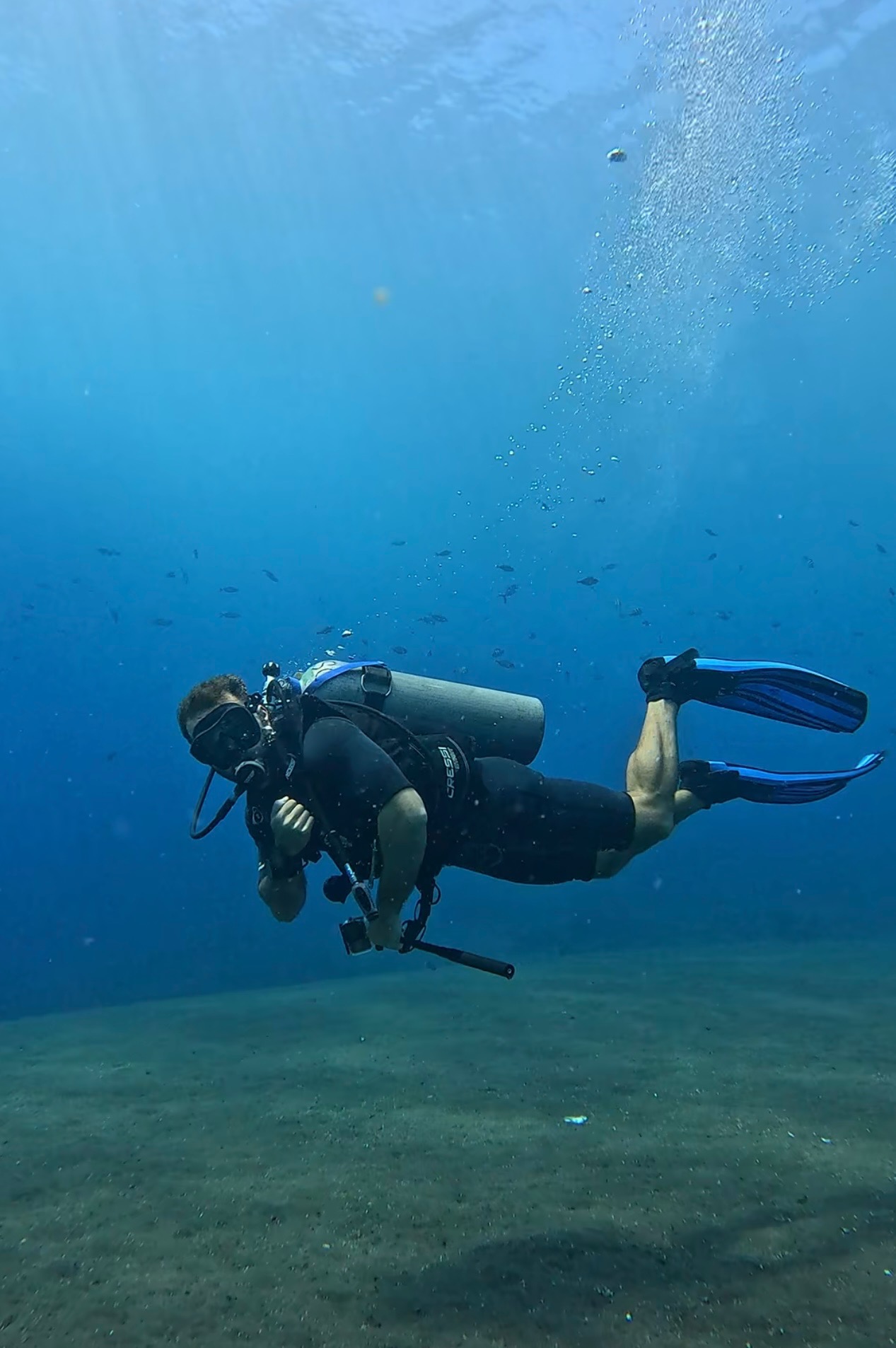
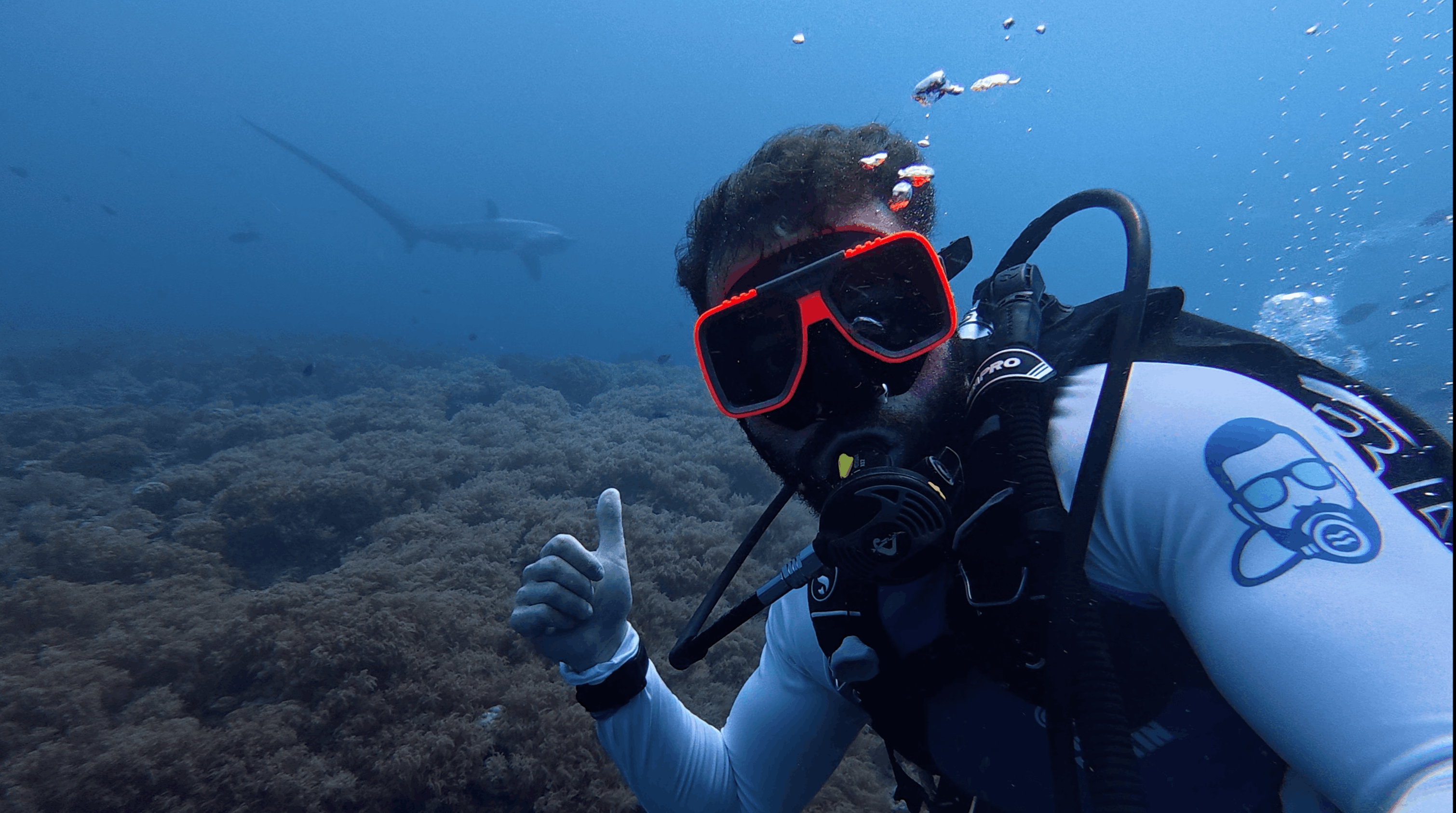
👋 It's Divemaster Austin
I'm inviting you to Dive Club, my global scuba diving community.
What you’ll find inside:
🤿 Dive meetups & group trips
🌍 Top dive sites shared by community members
⚙️ Gear tips & technique discussions
🤝 Diver's who’ve already linked up IRL
See you there!

.webp)
.webp)


%20(1).png)