

.webp)
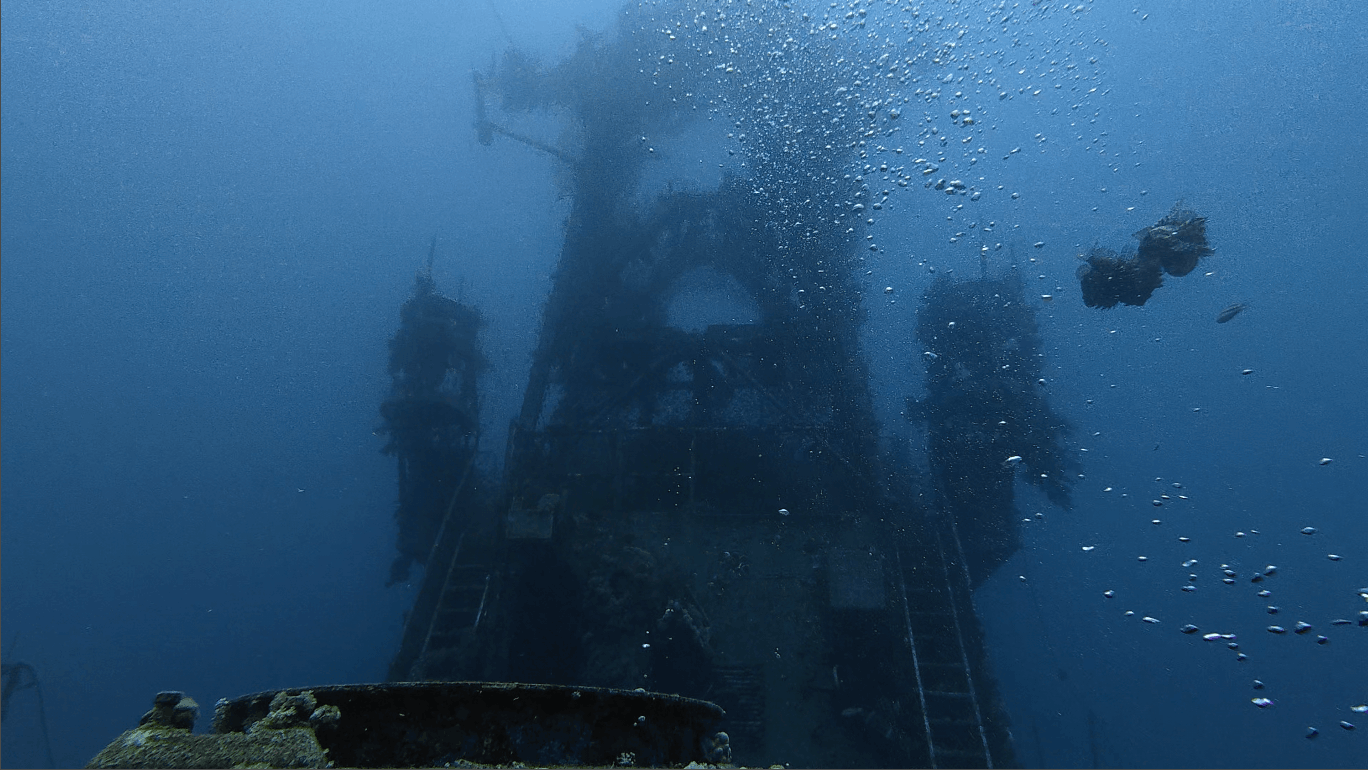
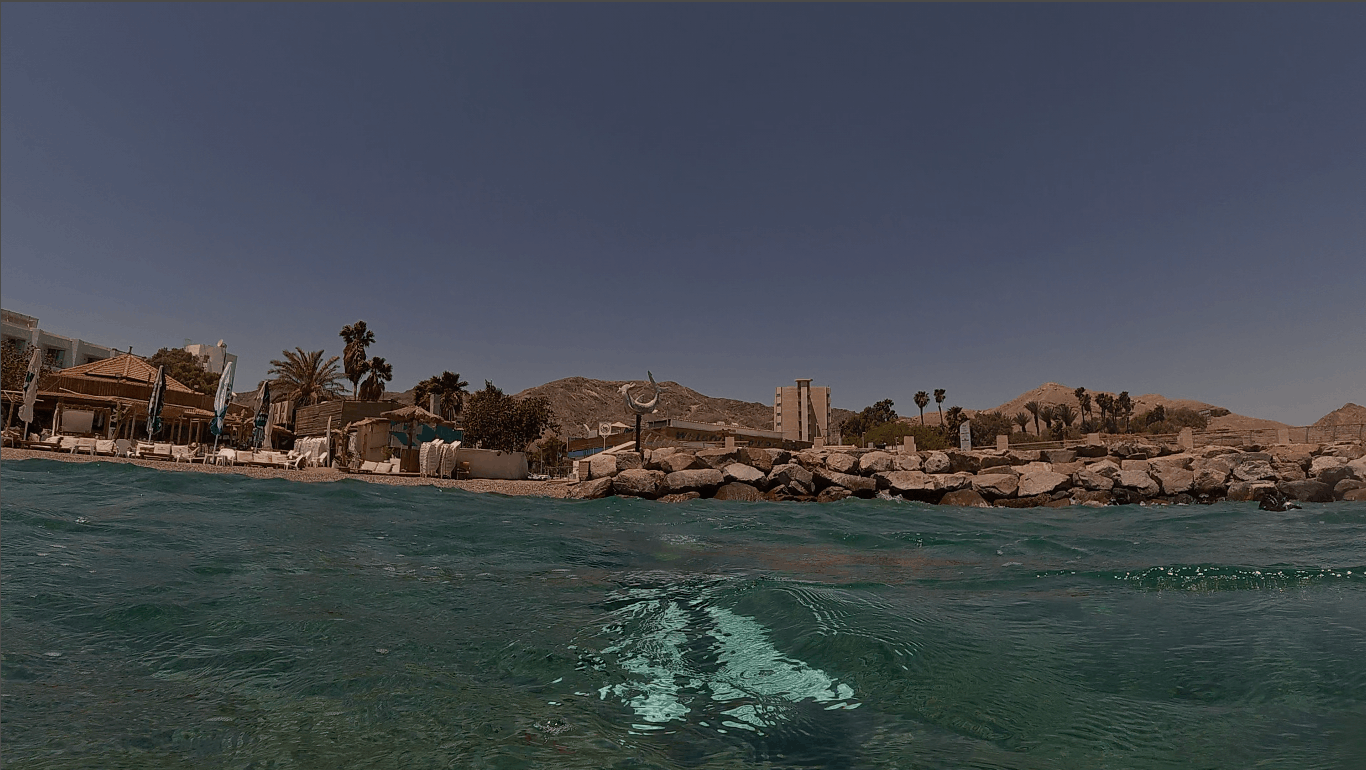
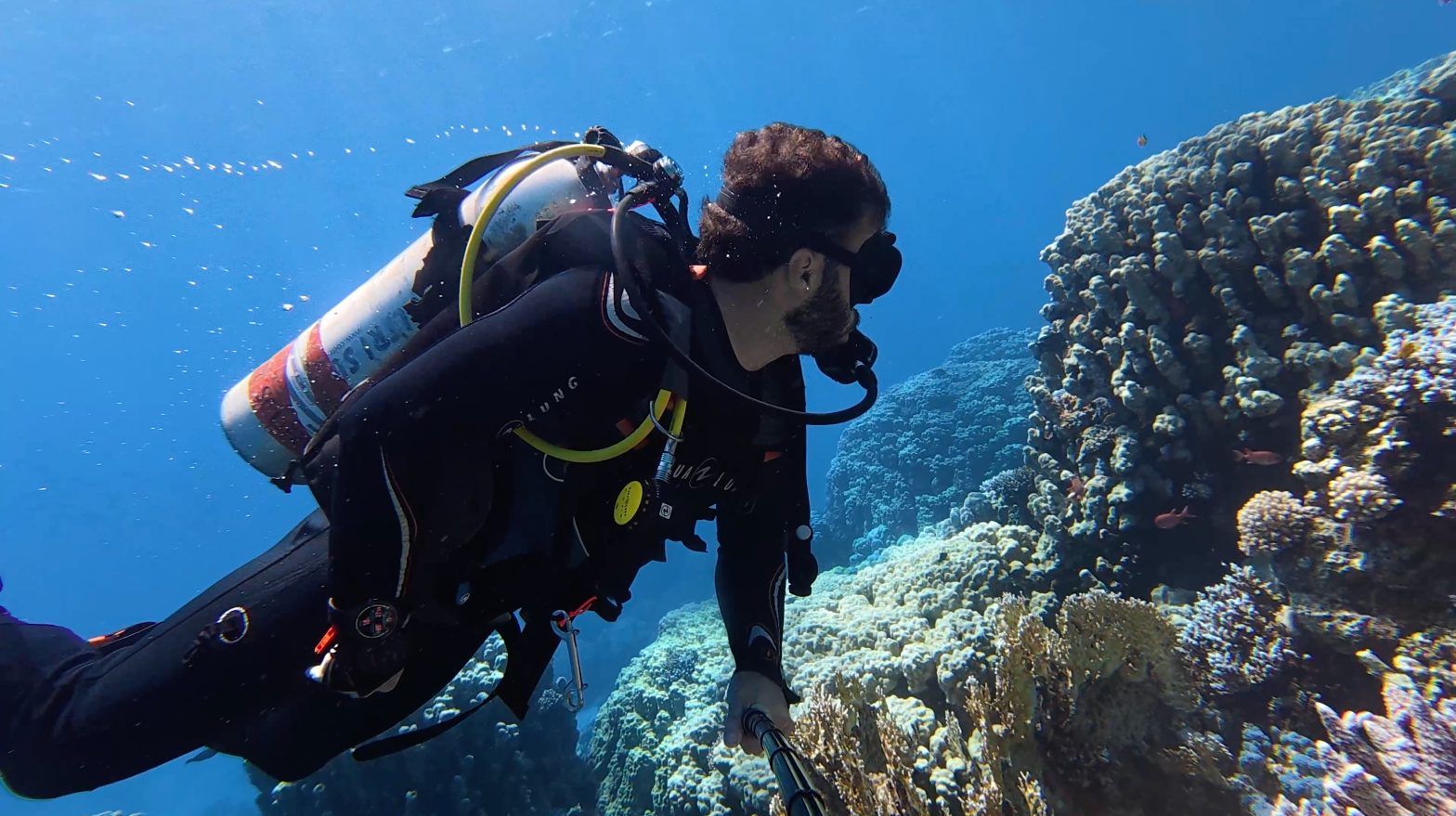
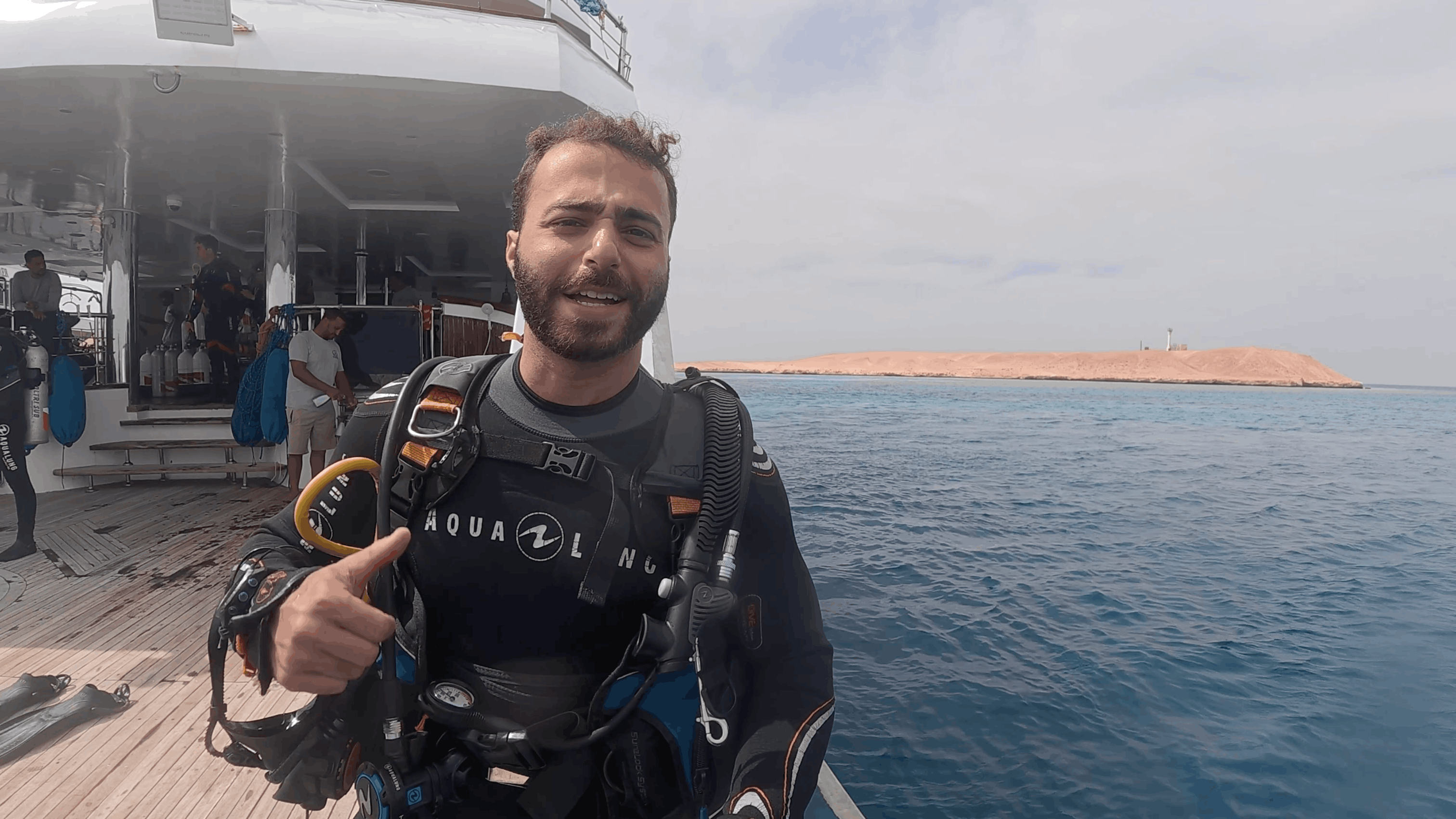
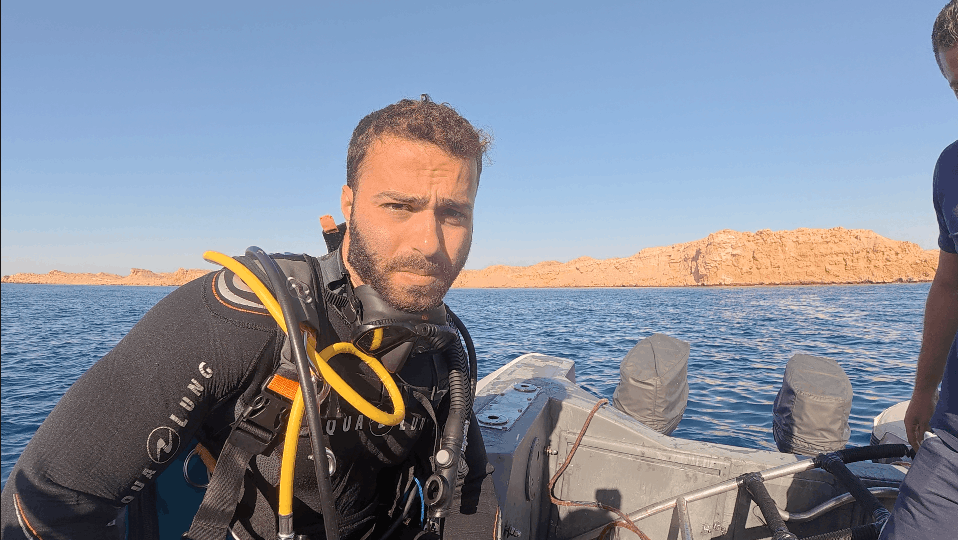
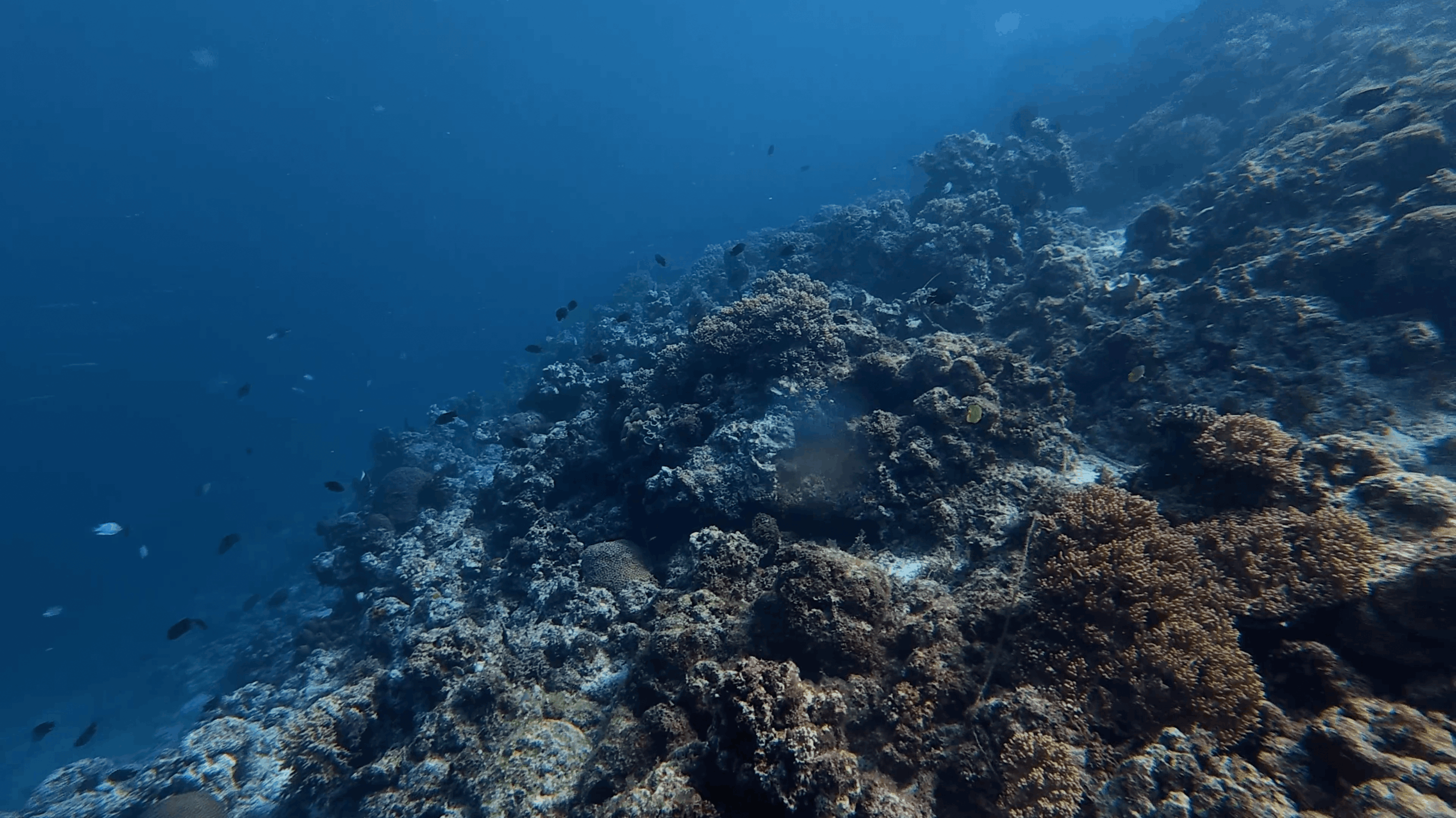
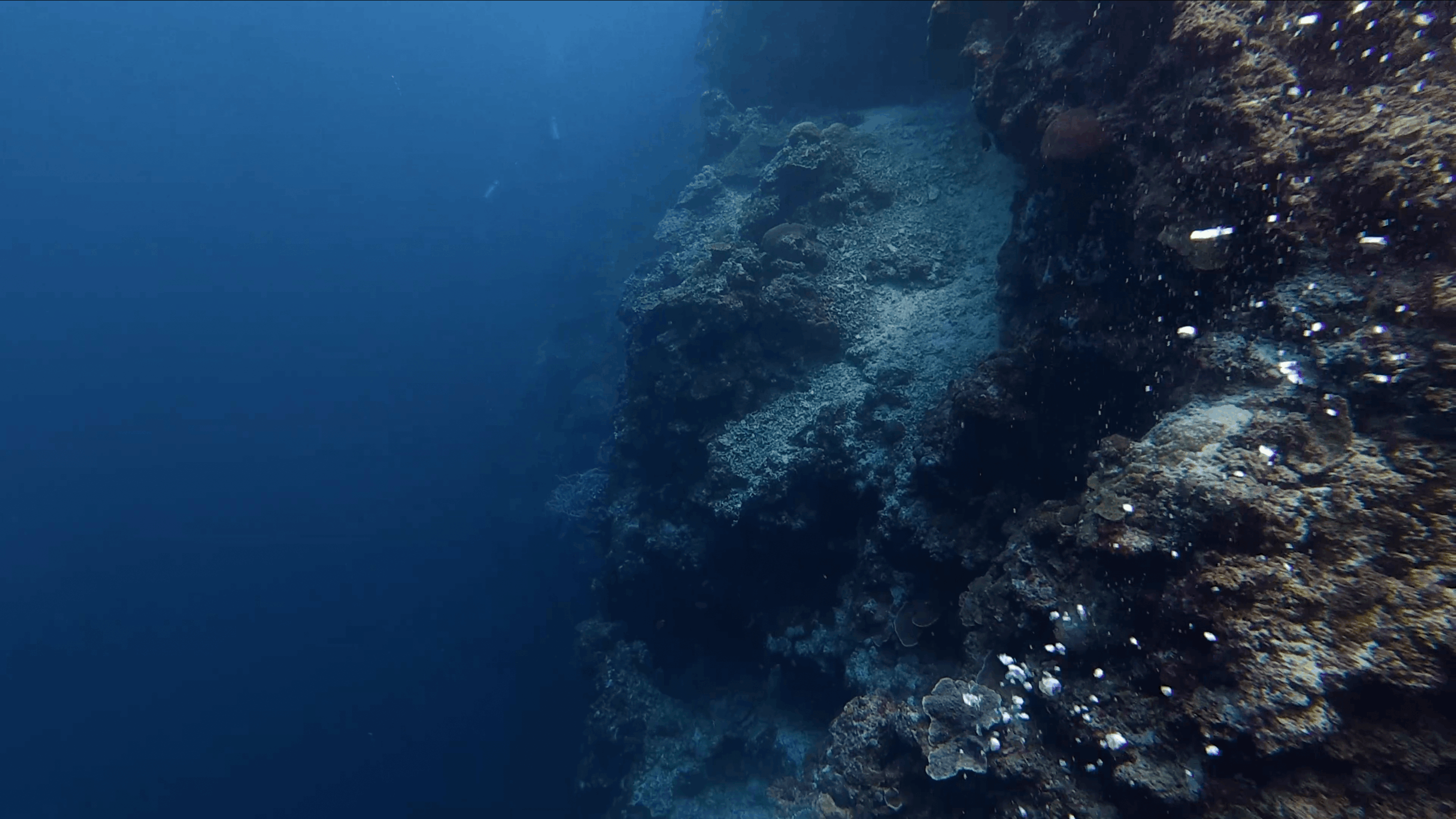
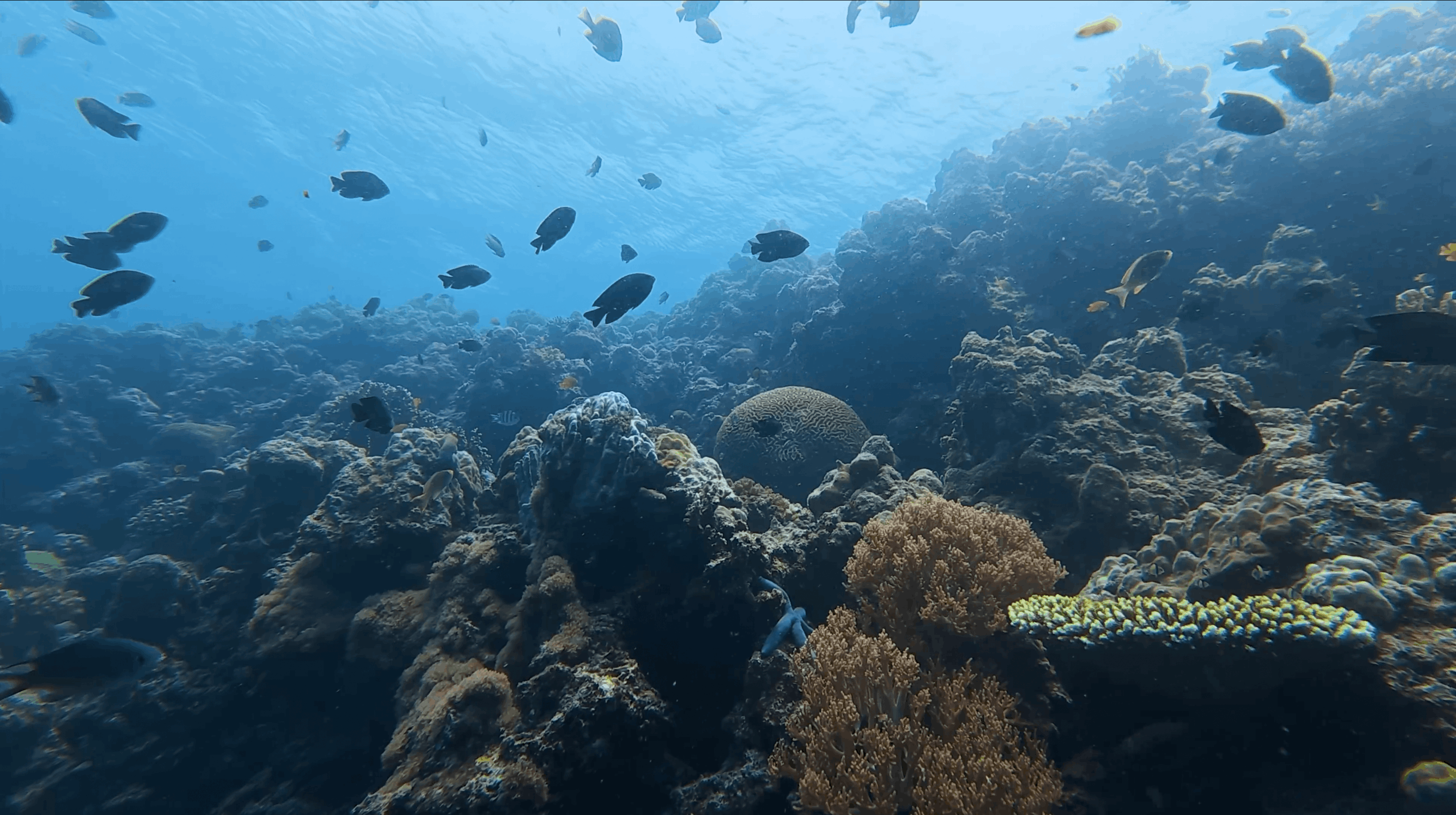
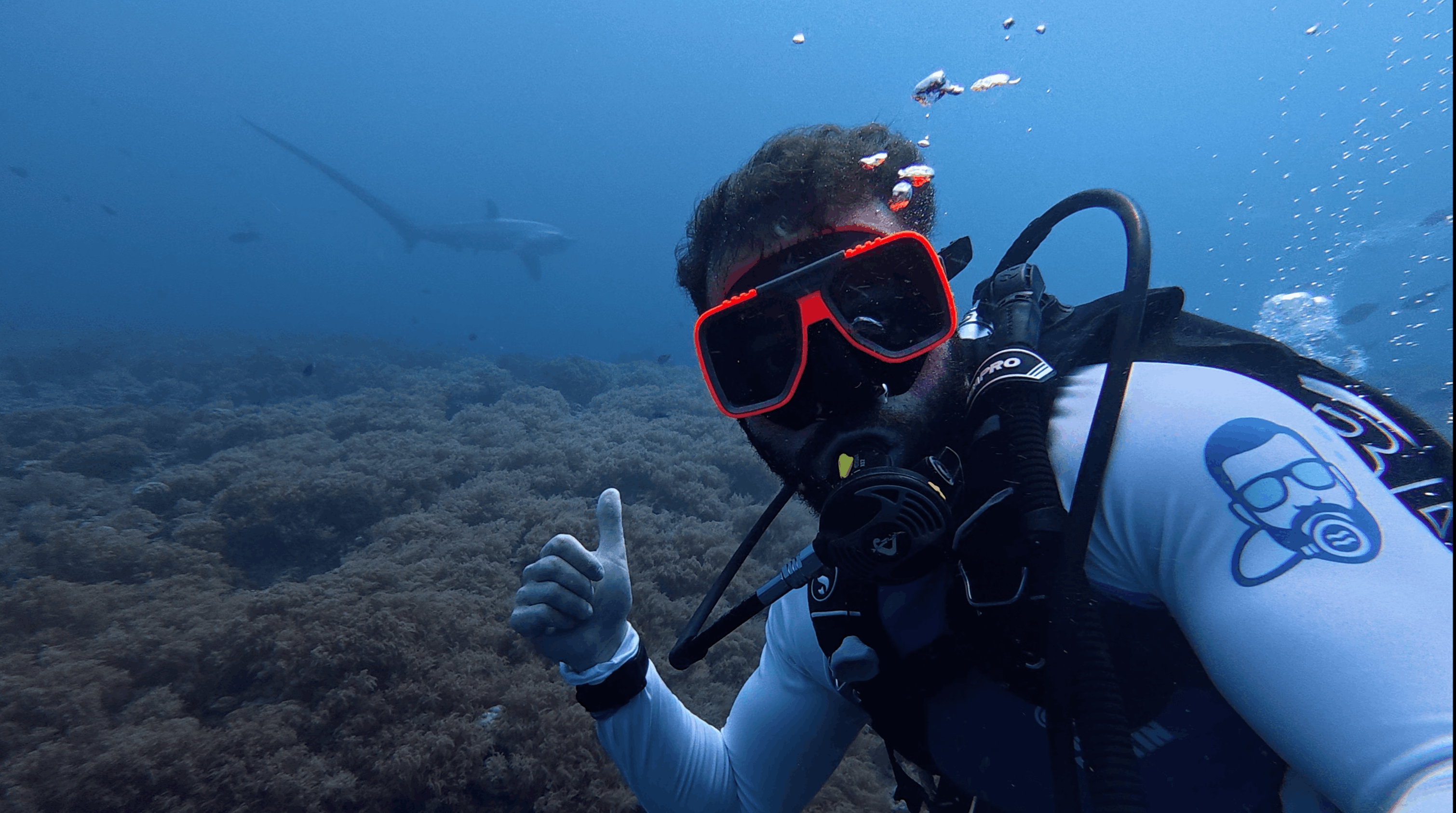
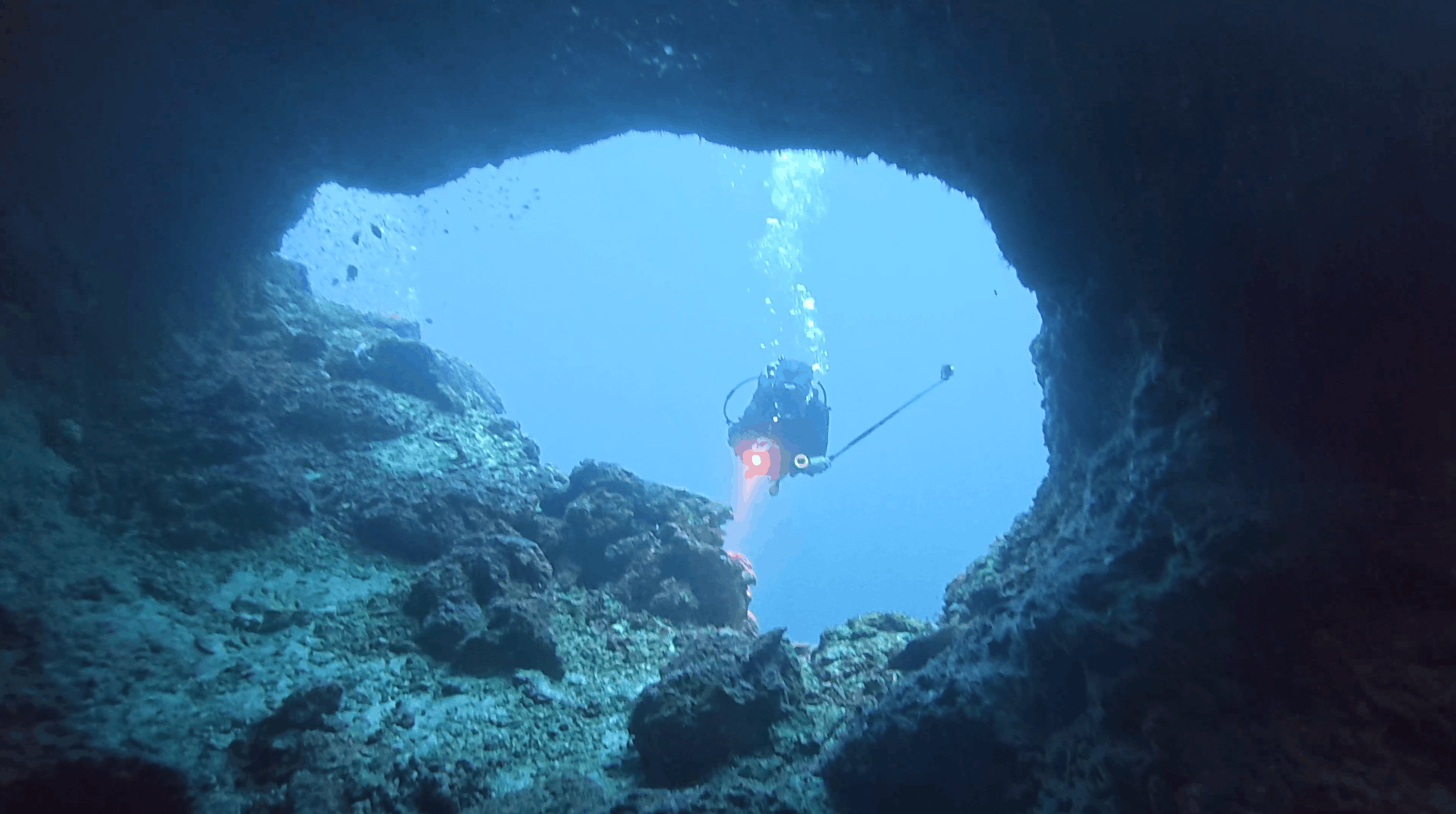
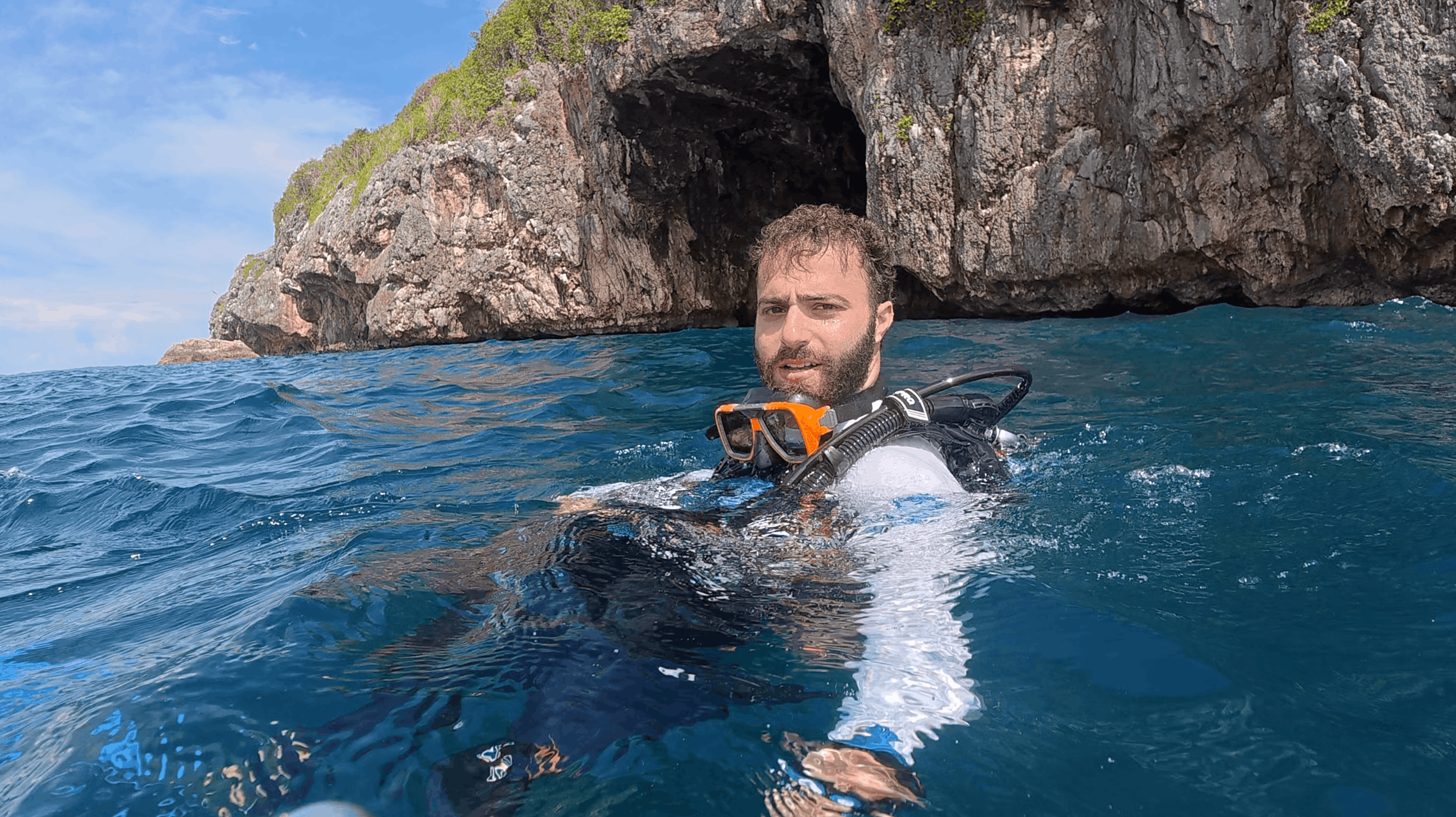
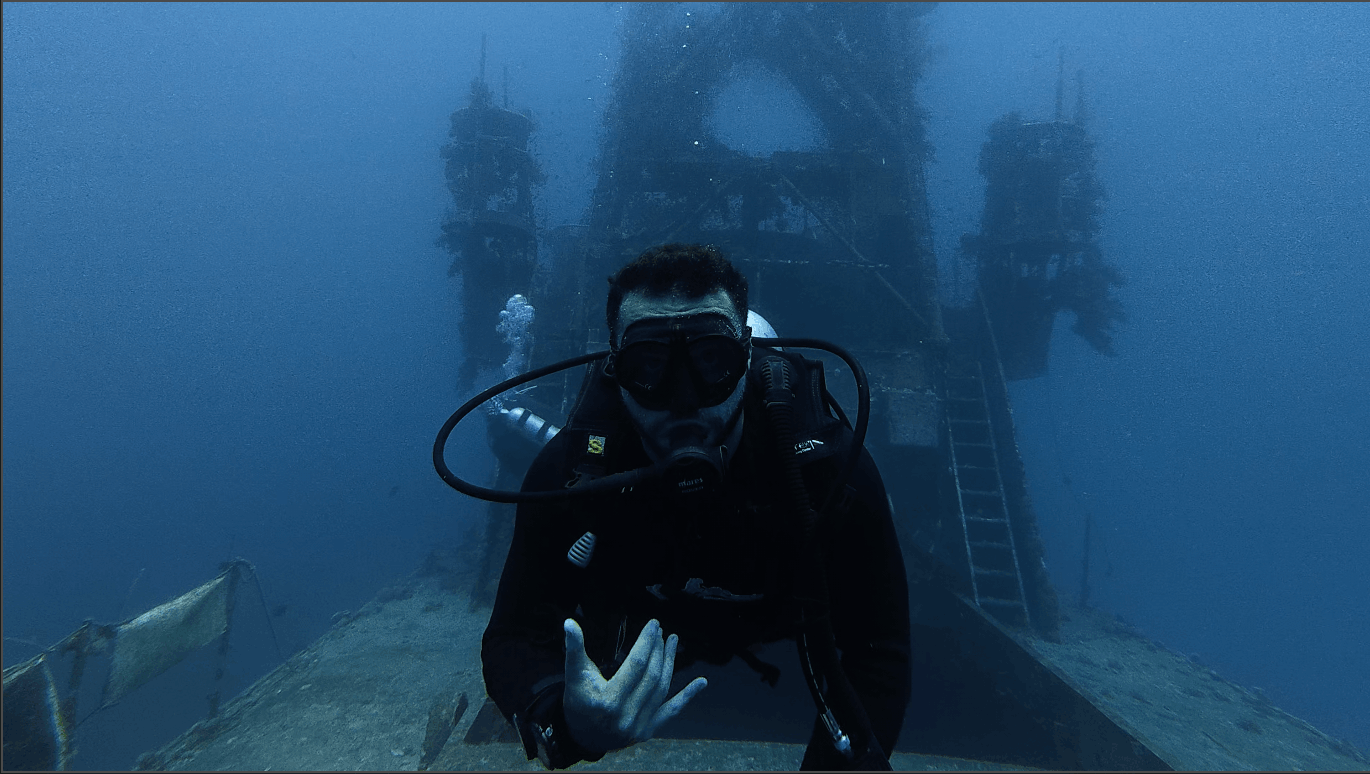
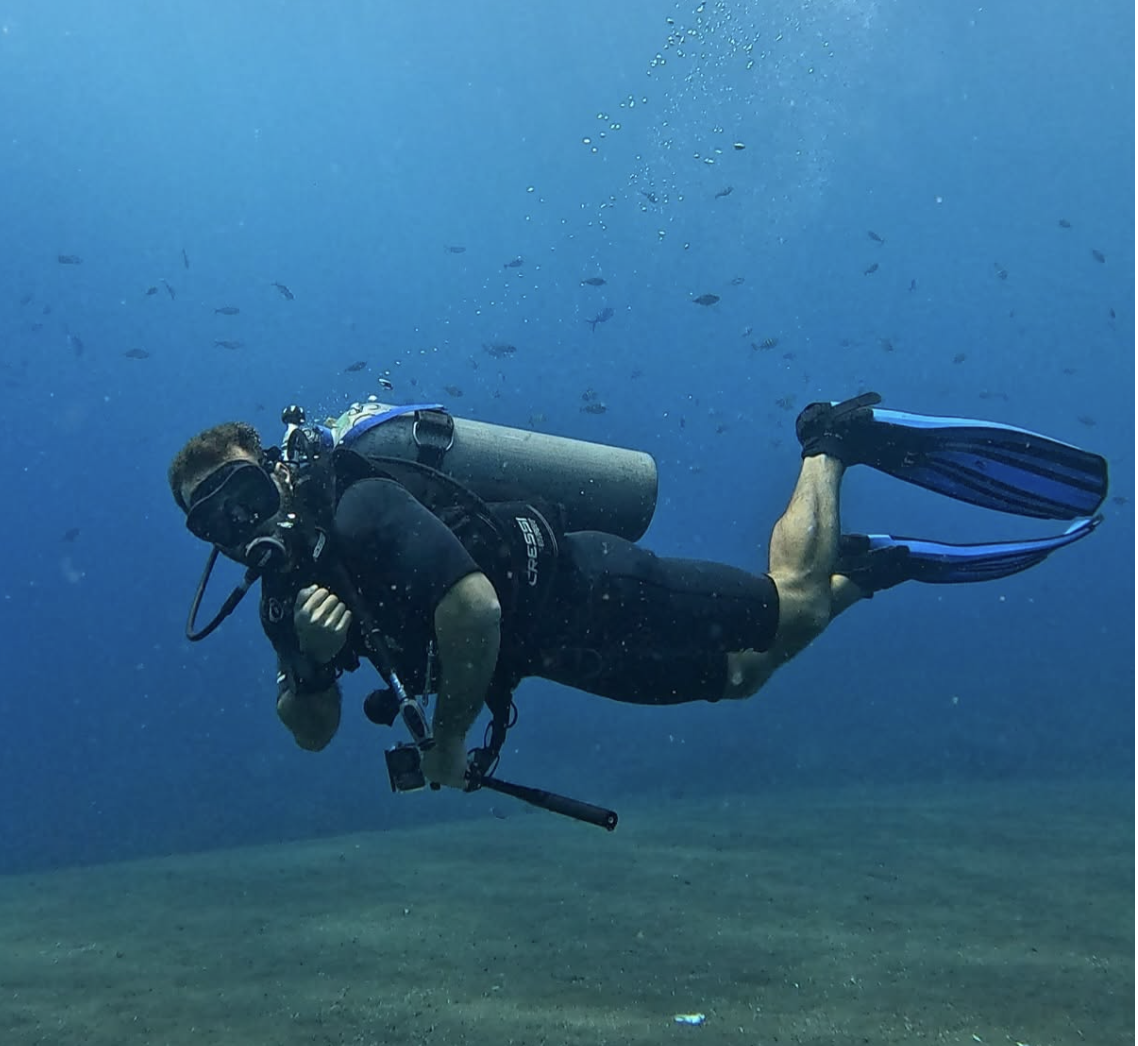
I shore dove the Satil in May 2026 with Joseph Leverton of Big Blue Sea, a private guide and instructor in Eilat, entering from Veranda Beach. It is one of the best dives and wrecks in the Red Sea.
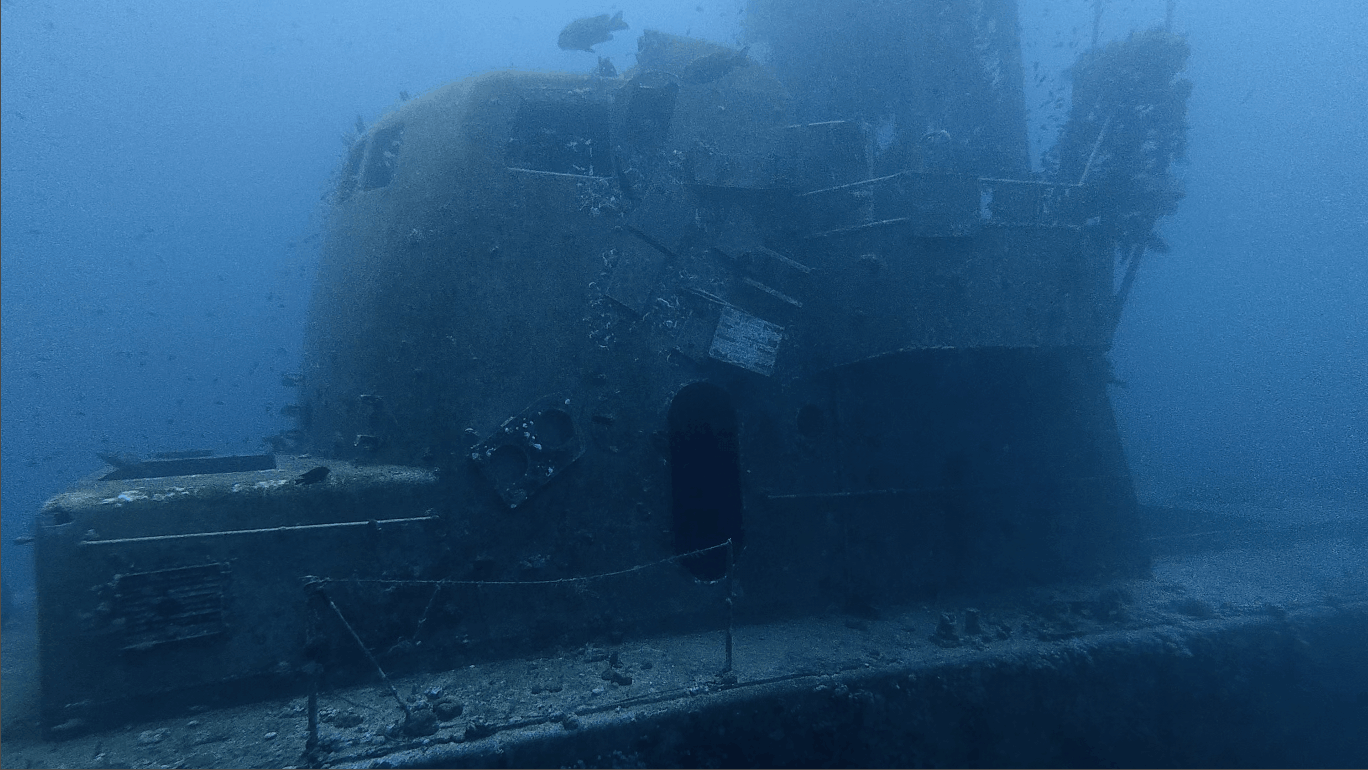
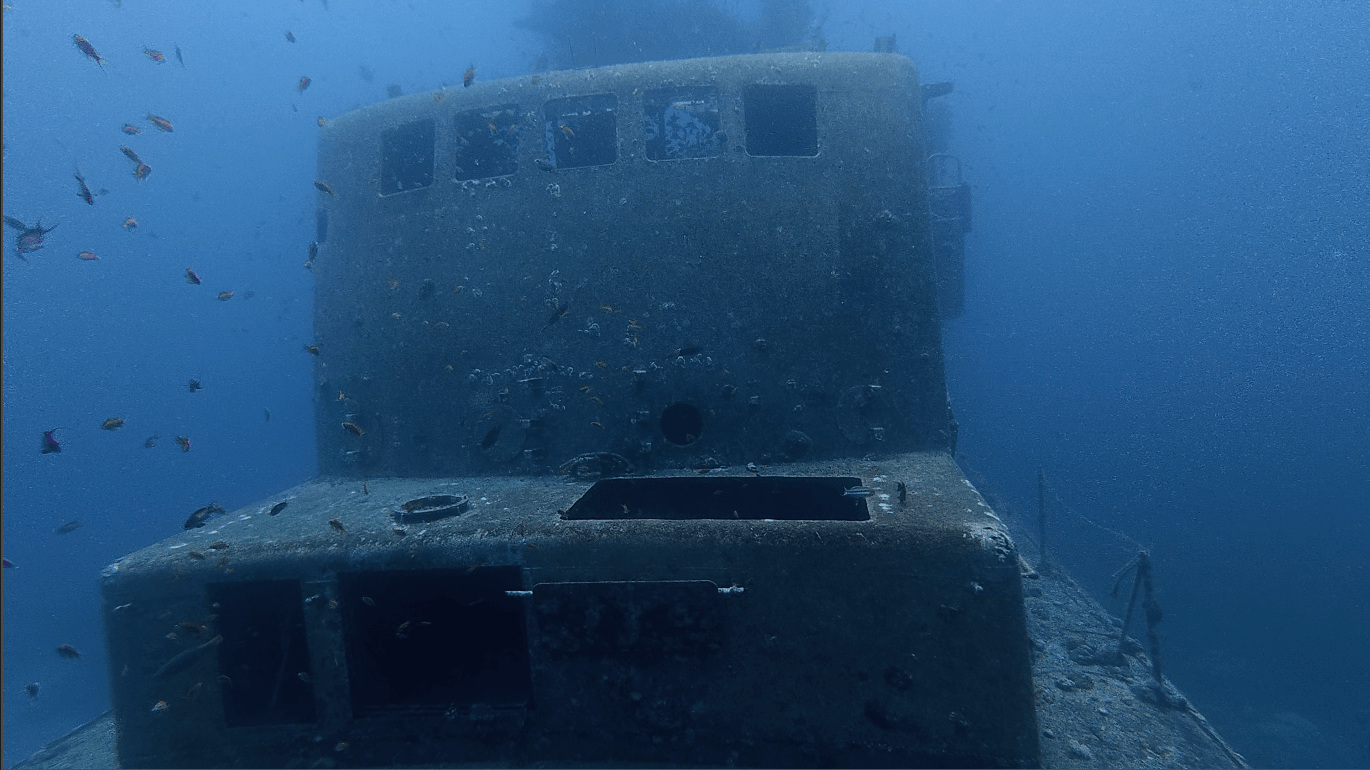
The Satil is a decommissioned Israeli Navy Sa'ar 4-class missile boat, that was deliberately sunk in 1994 just off the coast of Eilat to serve as an artificial reef for divers.
In the three decades since, the Satil has become a thriving ecosystem and in my opinion, a must-dive for anyone visiting Eilat and the Gulf of Aqaba.
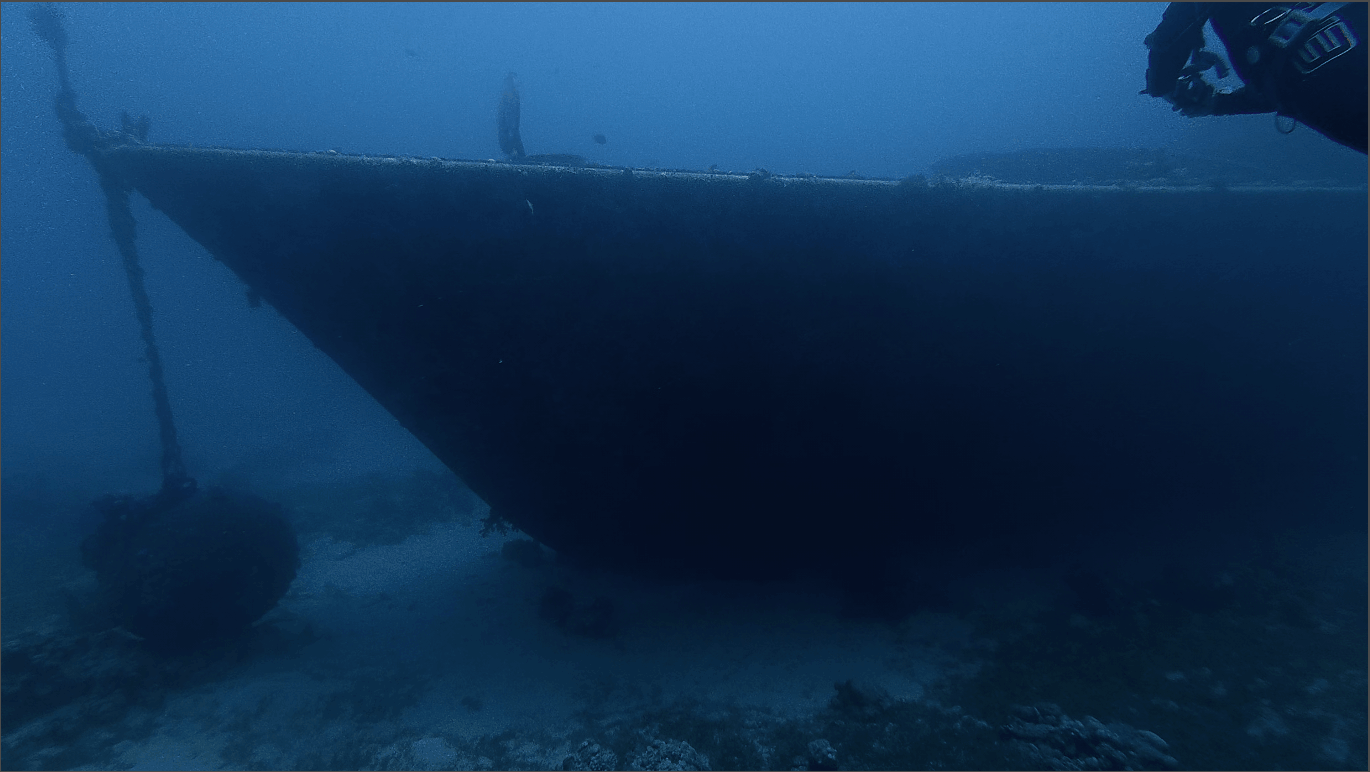
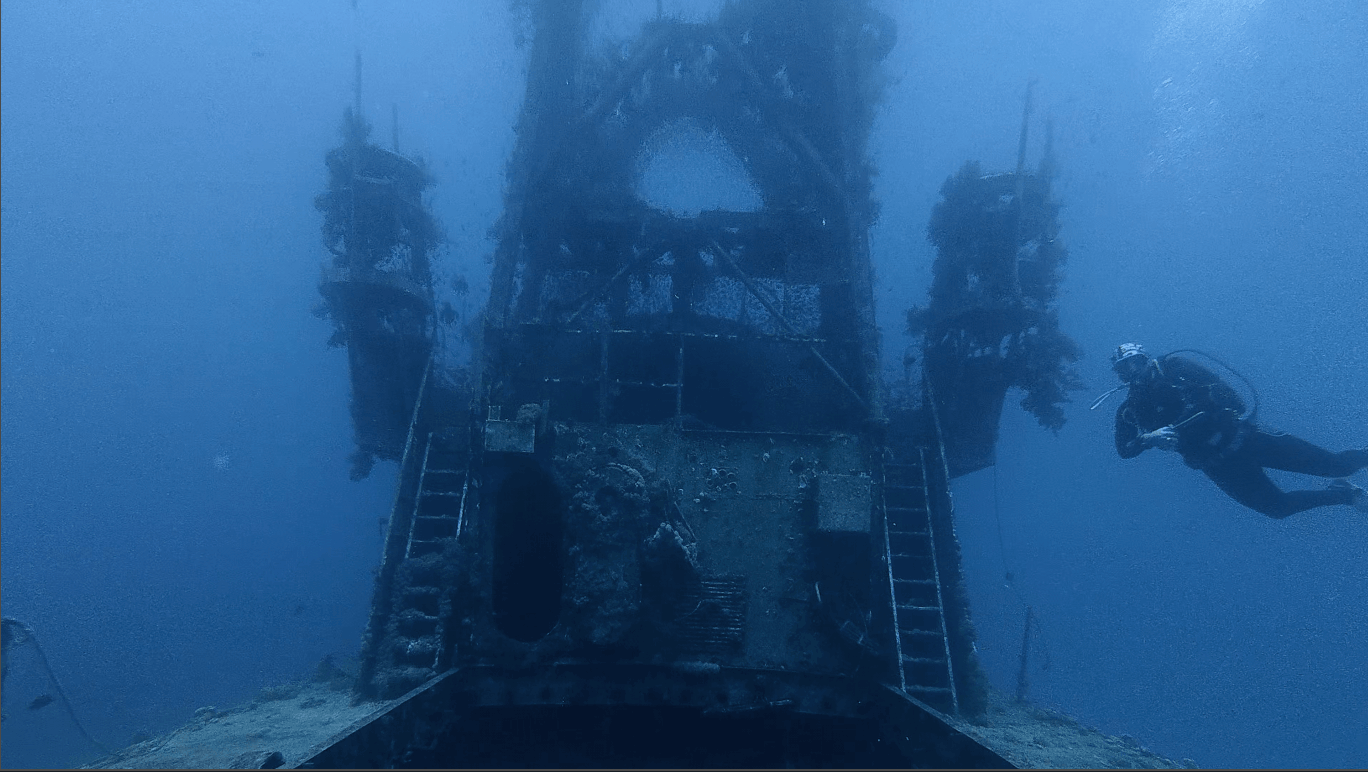
At just over 190 ft (58 m) long, the wreck sits upright and largely intact on a sandy bottom.
History of the Boat
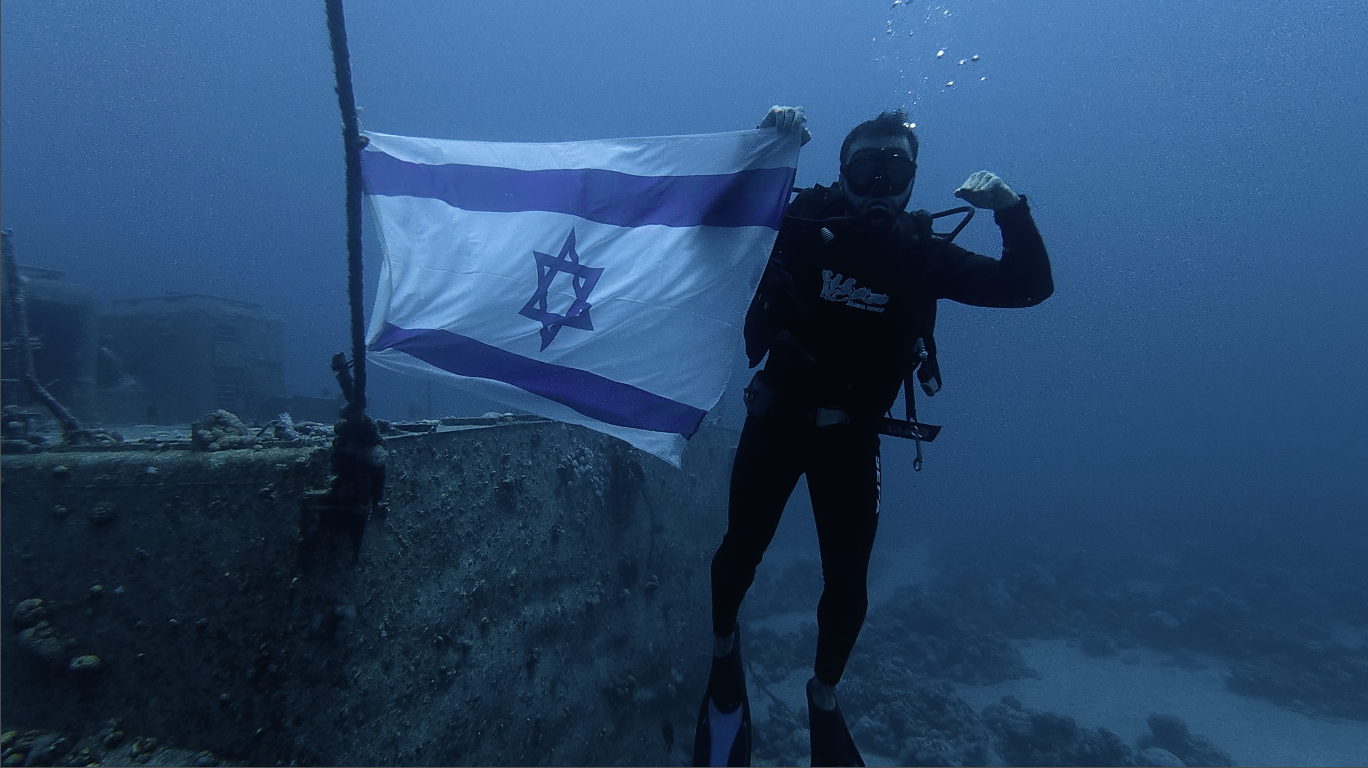
The Satil has insane history.
In the 1960s, Israel paid France to build a fleet of missile boats.
Shortly after, France imposed an arms embargo on Israel and refused to hand them over.
On Christmas Eve of 1969, Israeli sailors snuck into Cherbourg in civilian clothes, hid below deck, and quietly sailed five warships out of the harbor in the middle of the night.
France woke up Christmas morning and the boats were gone.
The Satil is one of those boats.
It went on to serve the Israeli Navy for 25 years. In 1994 it was deliberately sunk off Eilat as an artificial reef, which is how a boat stolen out of a French harbour on Christmas Eve ended up as a shore dive you can walk to.
The Dive

The best shore dive entry point is from Veranda Beach and the site is a short swim away and marked by a buoy. Most people run it back to back with the Yatush, the other shore wreck down the coast.
Almost everything in Eilat is dived from shore. The reef and the drop-offs sit so close in that a boat is not necessary for most of the sites here.
If it is your first time on this one, go with a guide. Joseph runs private guiding here, and Marina Divers and Lucky Divers are both based right on Veranda Beach if you need to rent gear or find someone to go in with.
The main deck sits at roughly 72 ft (22 m), and the deepest point of the wreck is around 75 ft (23 m). My own max depth on the dive was 74 ft (22 m).
If you are running it back to back with the Yatush, plan the gas. I ran EANx 32 on both, which kept the surface interval to just over an hour.
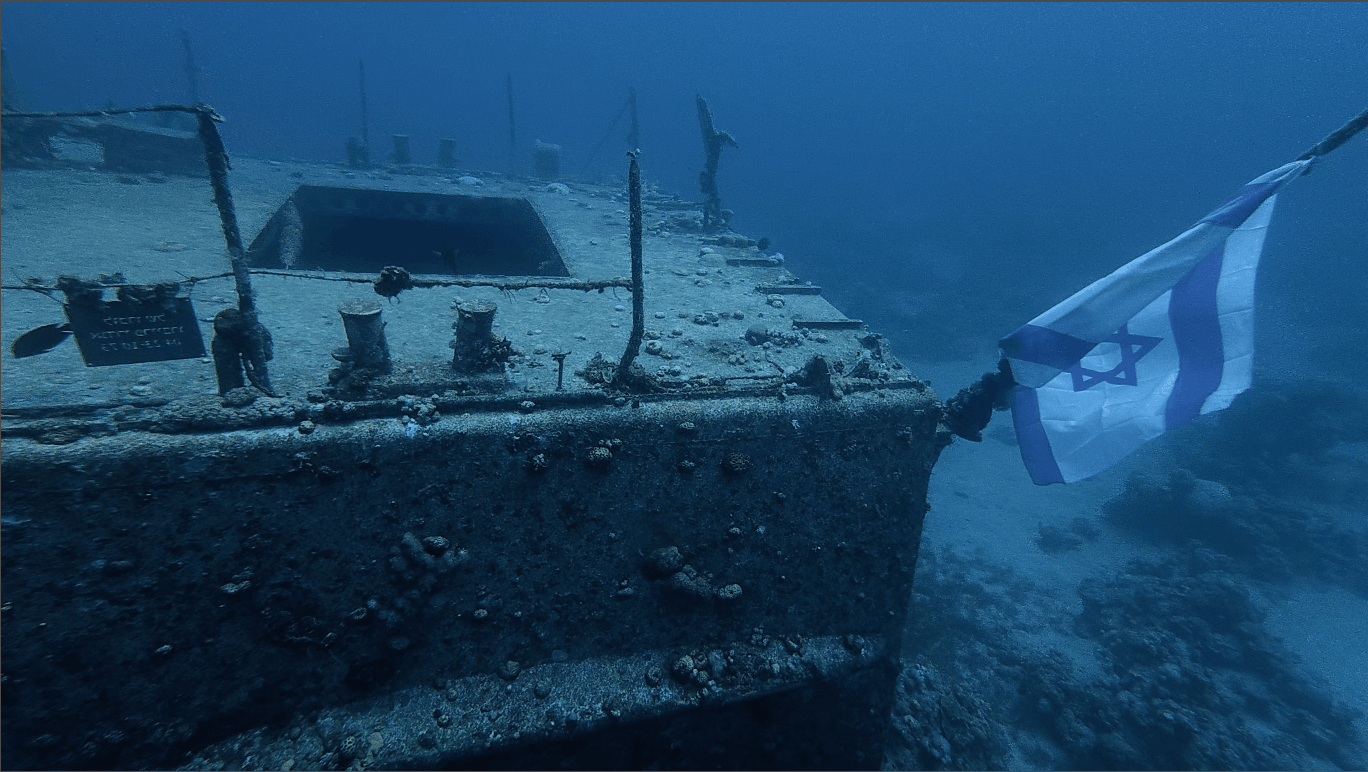
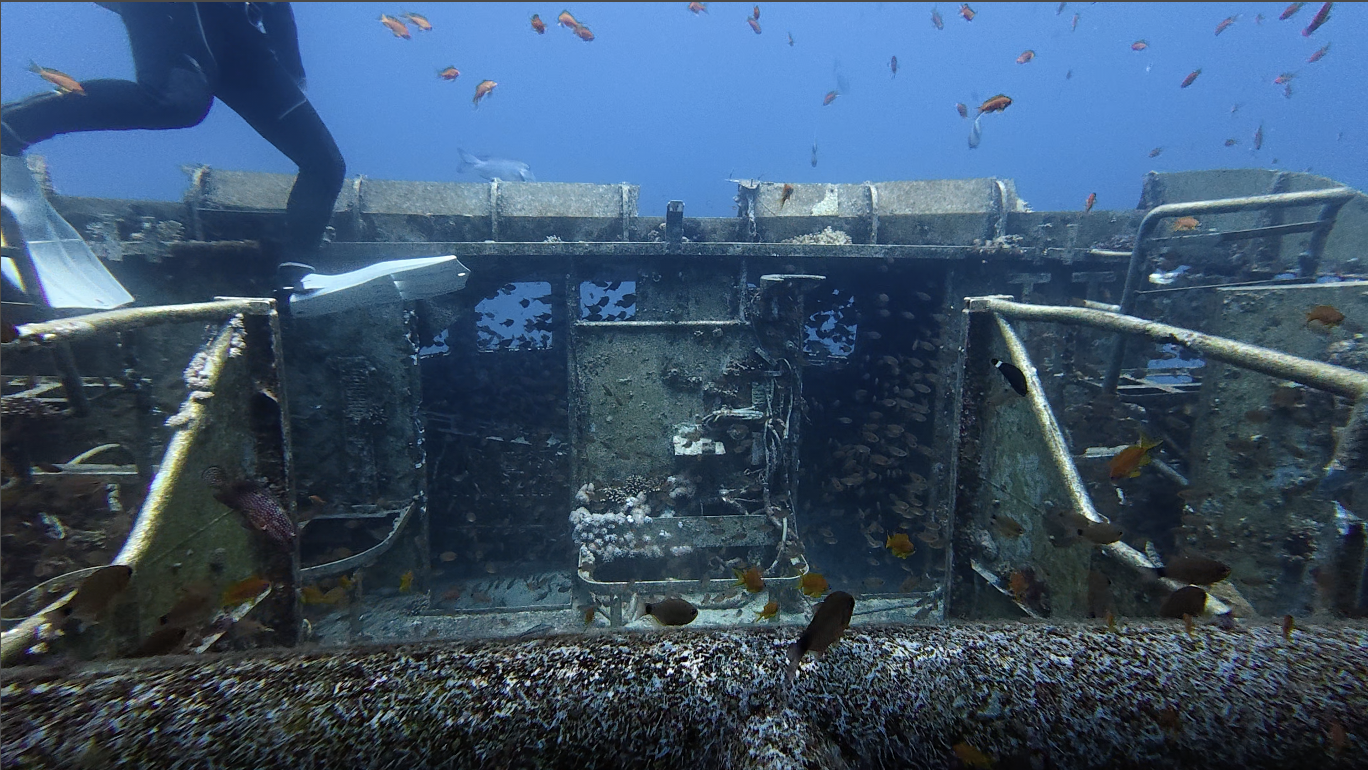
The wreck gives plenty of opportunities for penetration, but Israel requires a wreck diver certification to go inside any of the wrecks here and it is enforced heavily.
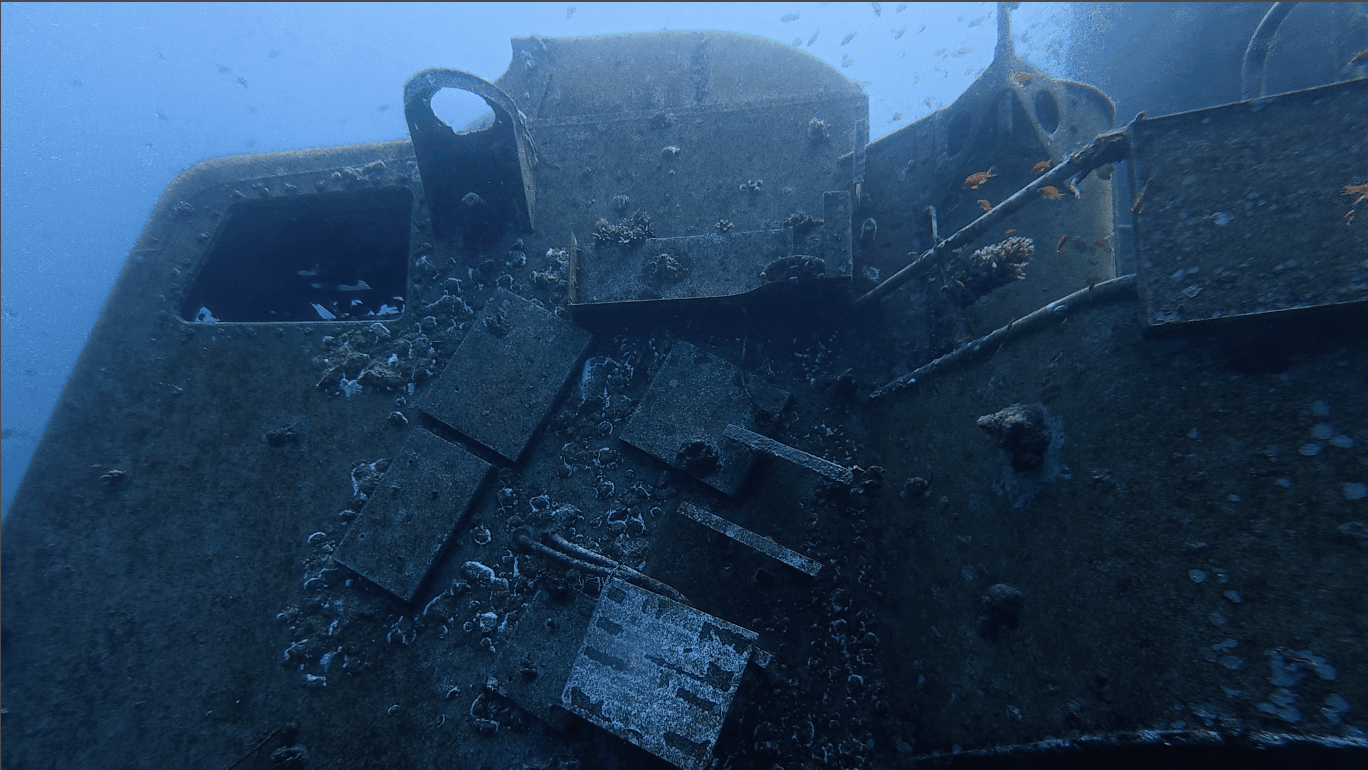
The good news is the water is clear enough that you can look straight in through the doorways and porthole frames and still see most of what is in there.
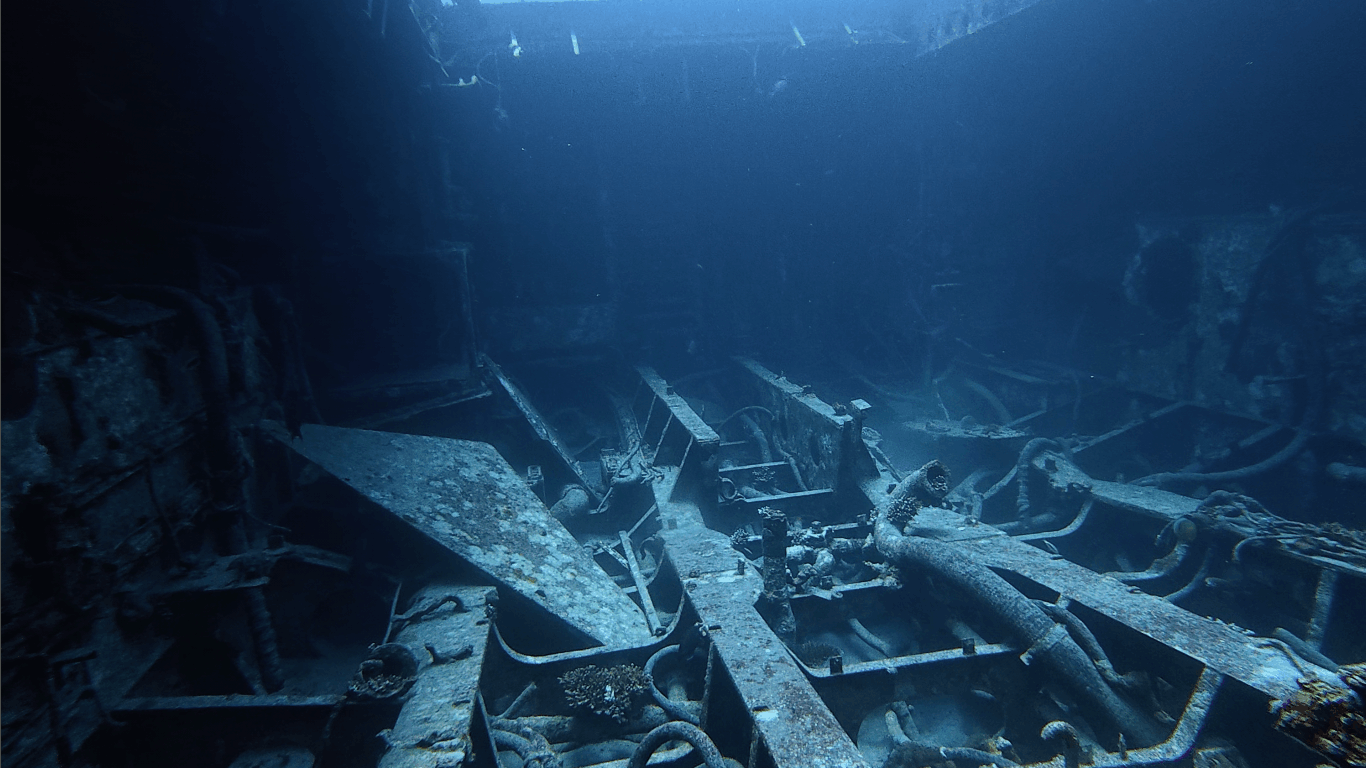
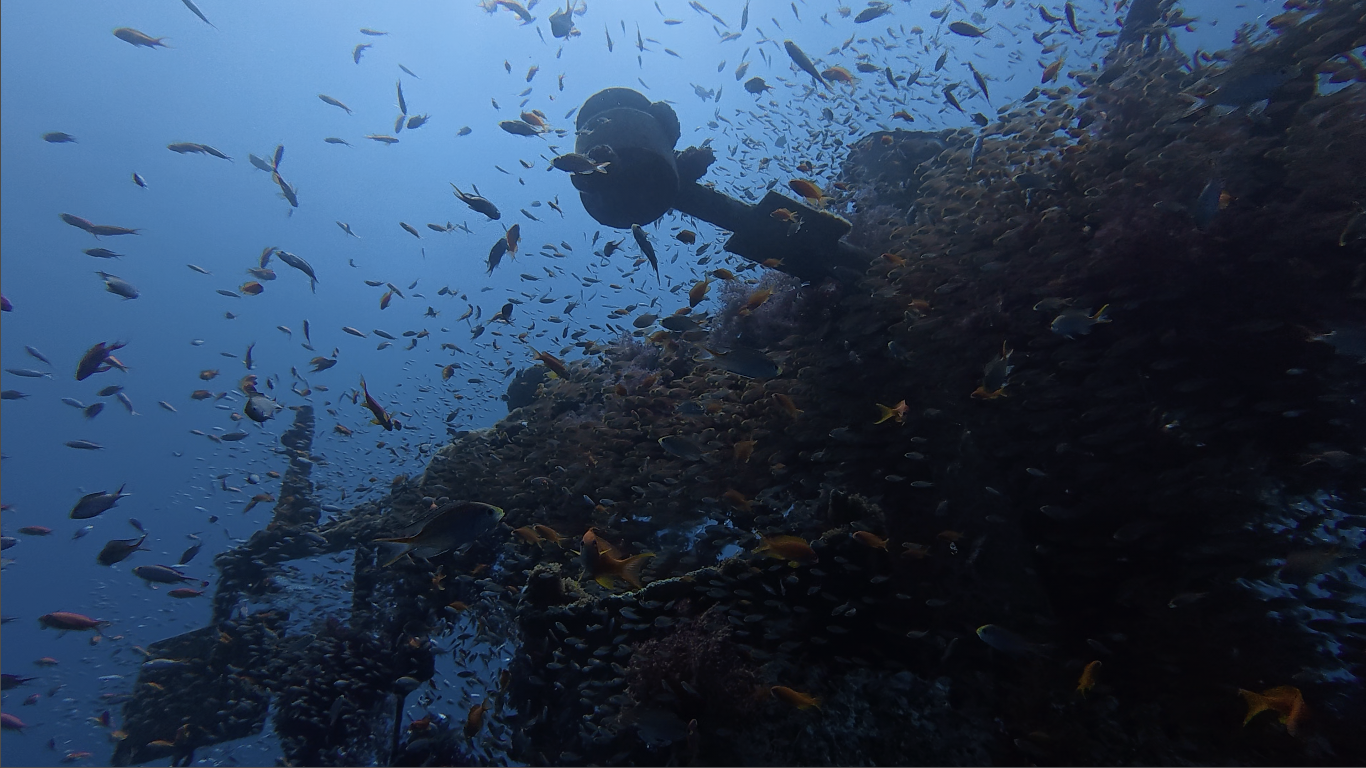
Torpedo tubes, deck fittings, and the outline of the missile launch rails are still recognizable.
What Marine Life I Saw
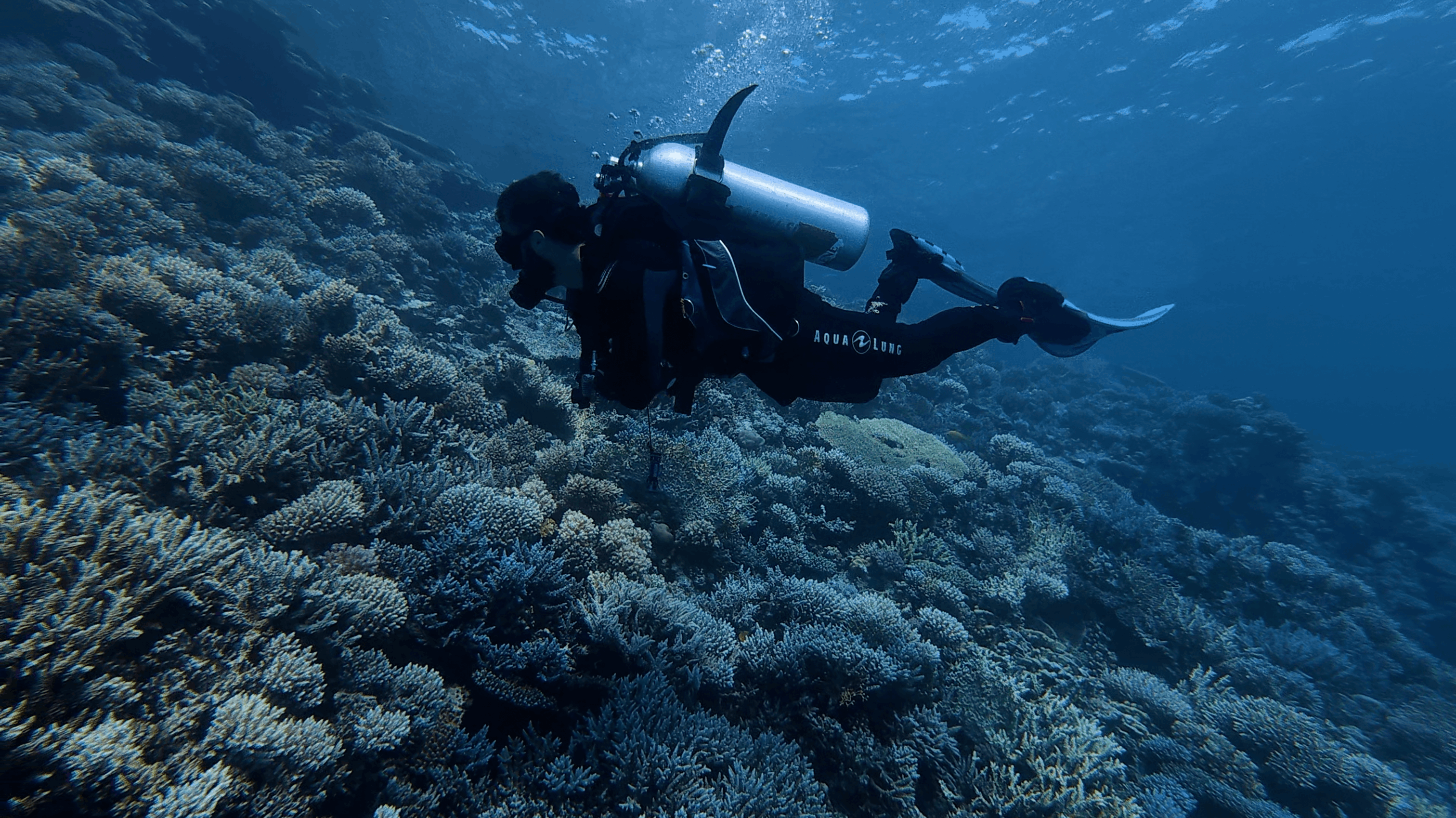
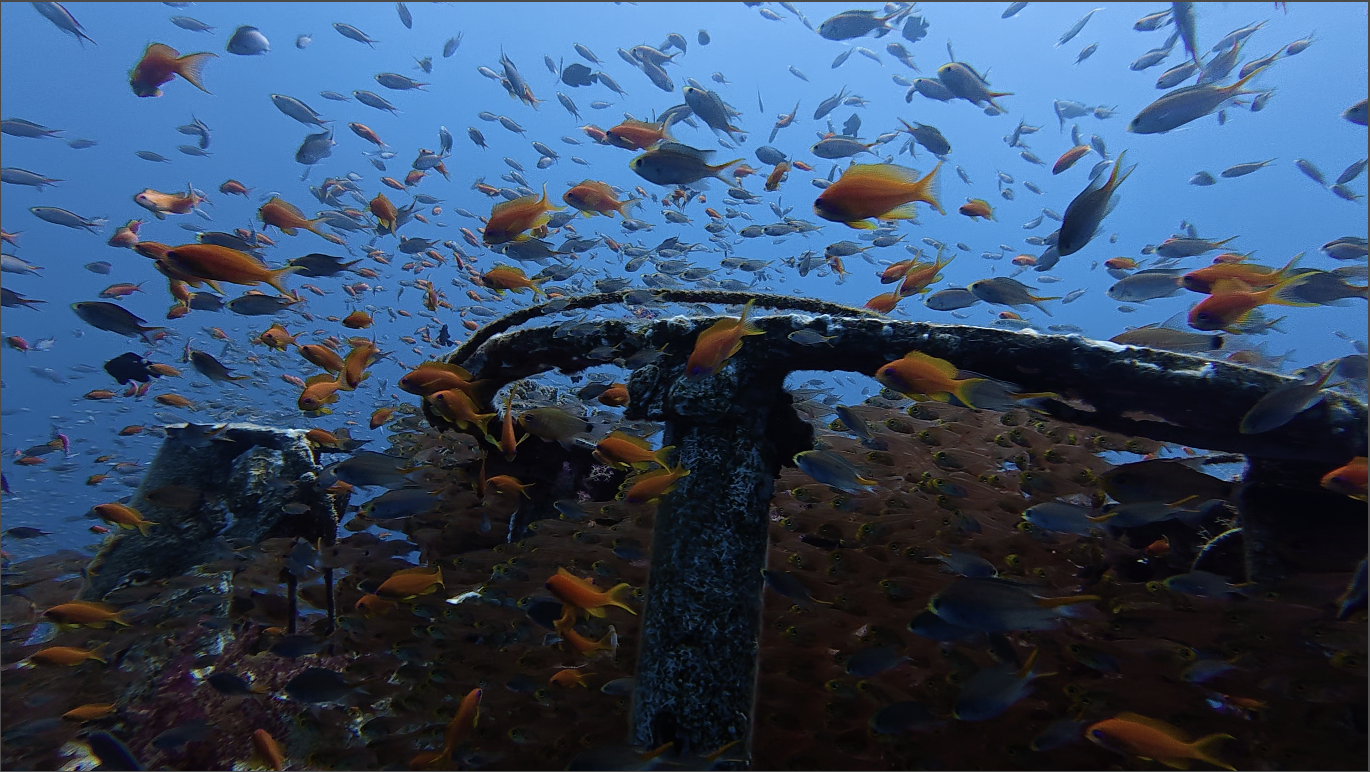
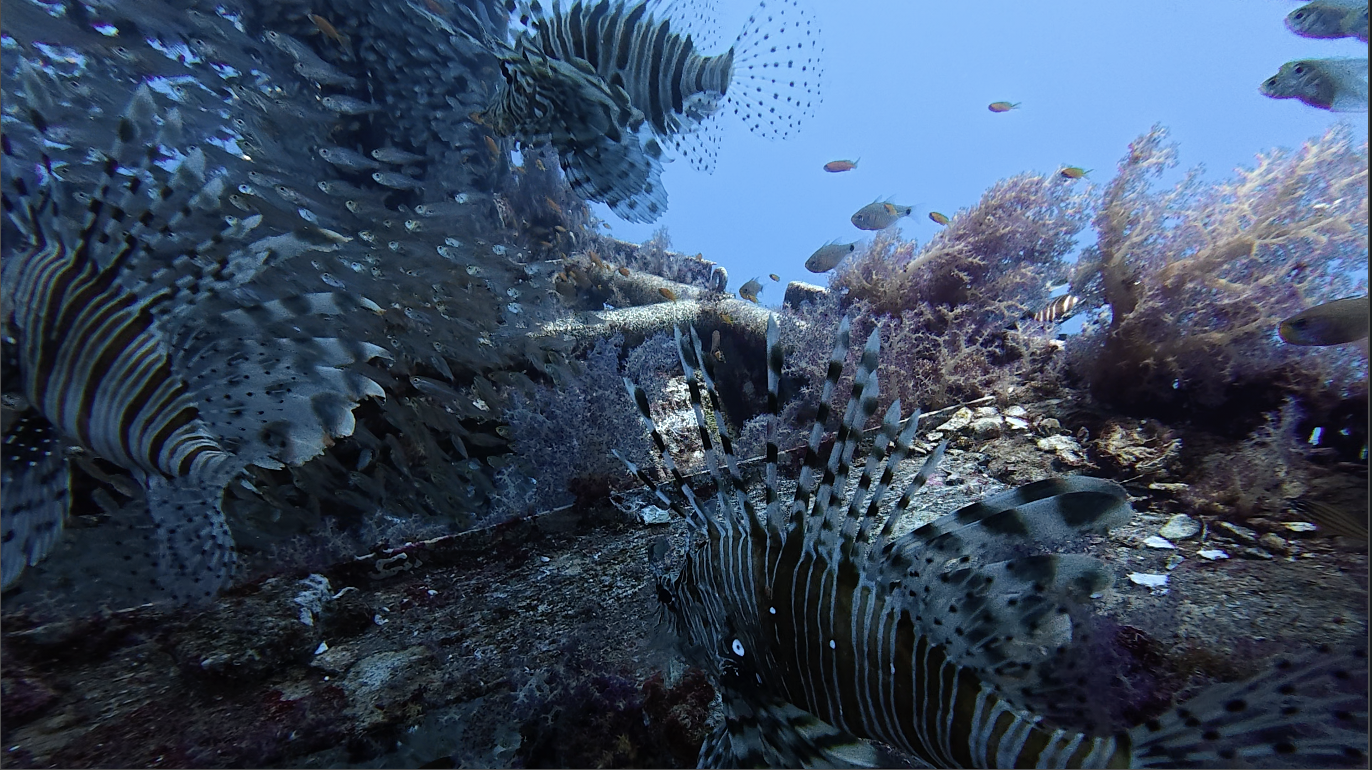
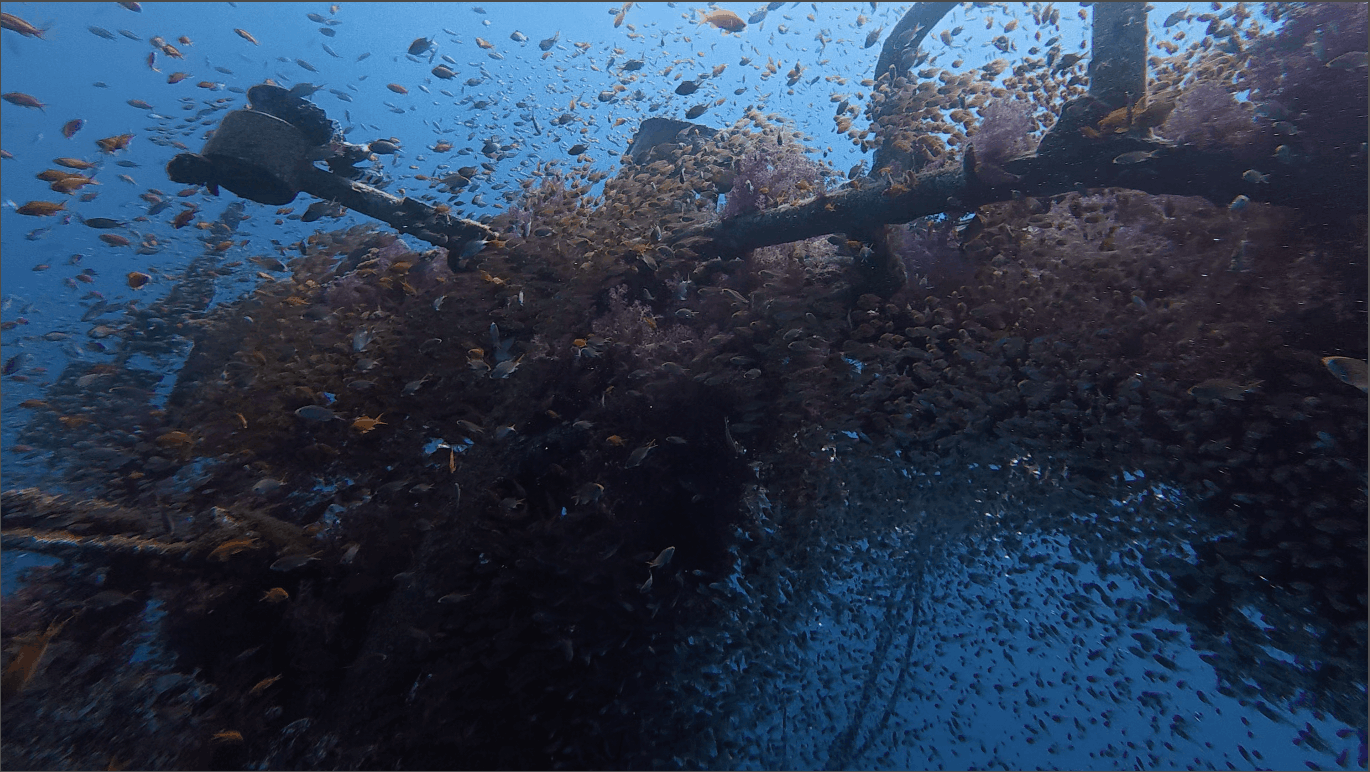
Thirty years underwater has turned the hull into a reef.
Anthias and glassfish sit over the deck in numbers thick enough to hide the structure behind them.
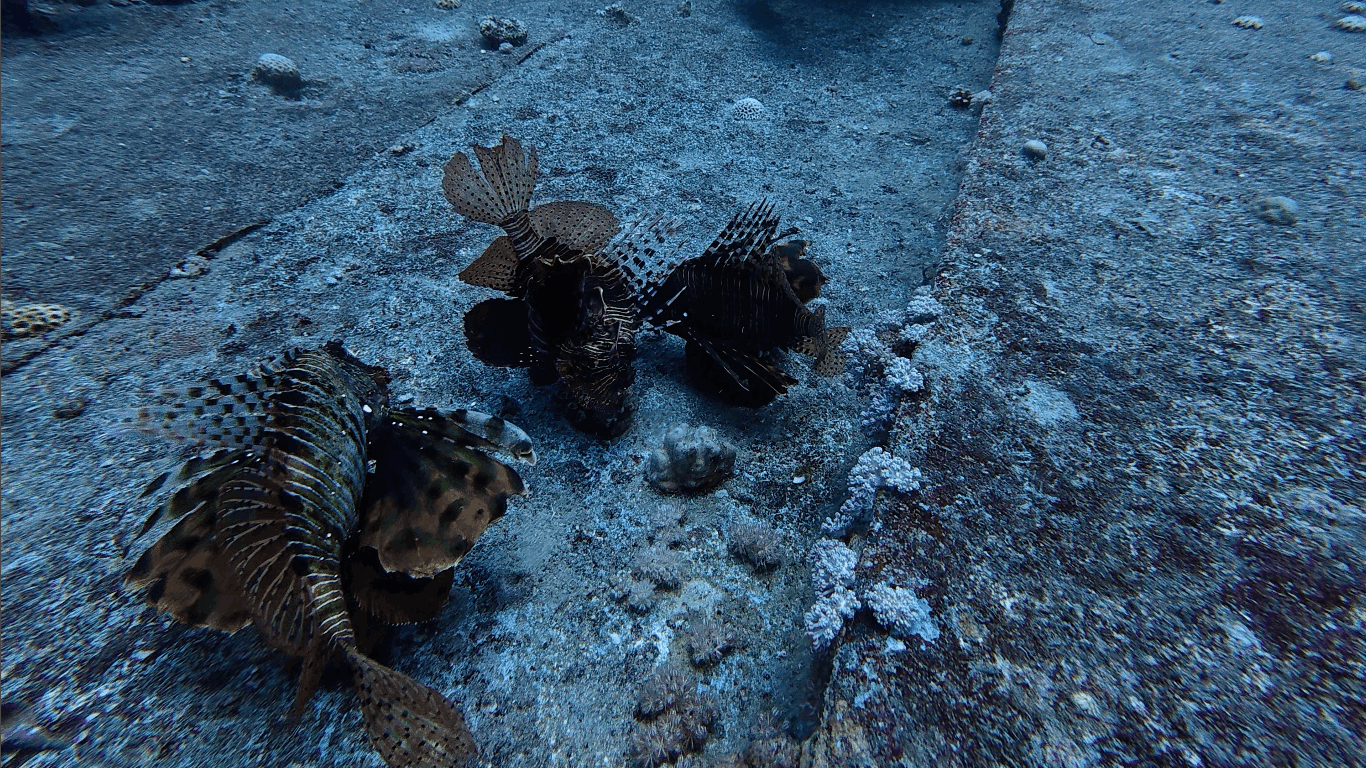
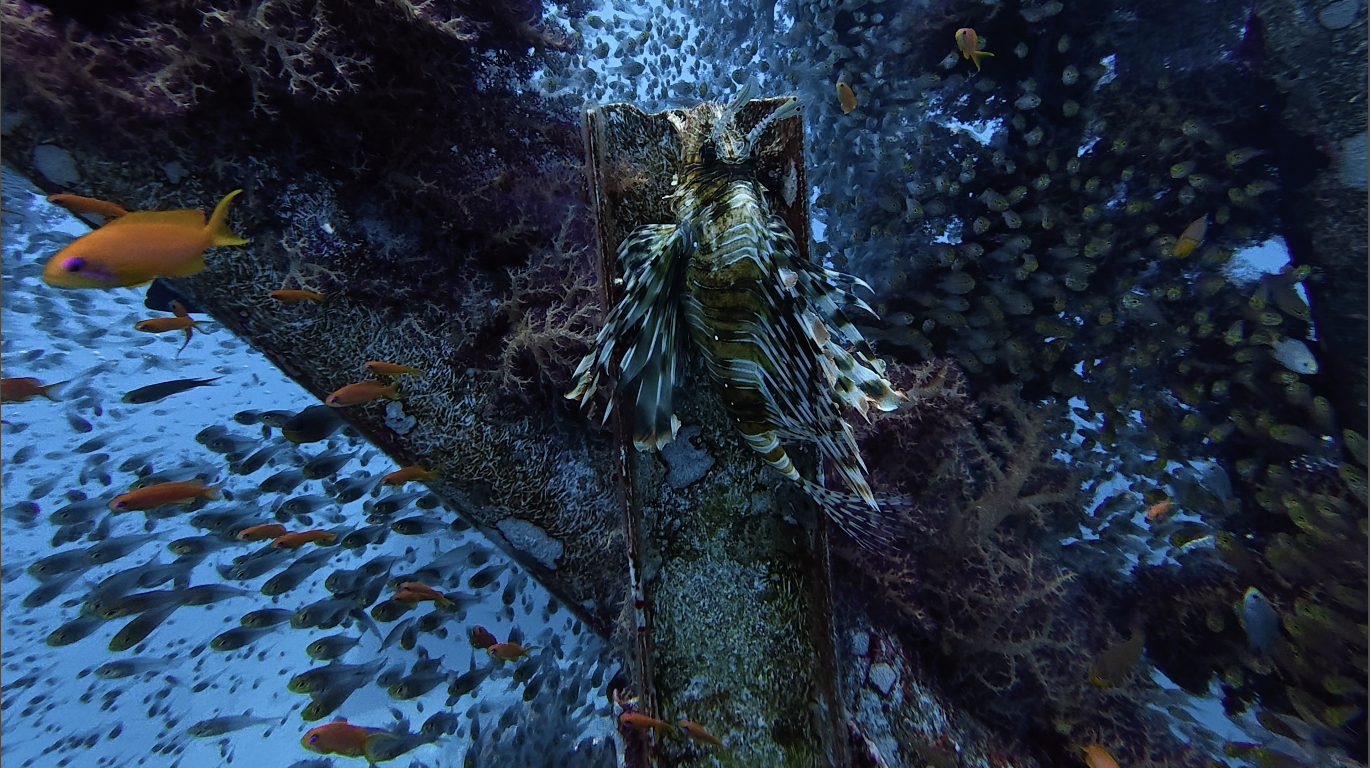
Lionfish are the other constant. I counted several on the deck alone, hanging over the soft coral that has taken hold along the rails and superstructure.
Worth knowing: lionfish are native to the Red Sea, so nobody culls them here. That is the opposite of Florida, where they are invasive and hunted. The ones on the Satil were fat and there were plenty of them, and their numbers apparently do not get out of hand.
Best Time to Visit
You can dive the Satil any month of the year, but the shoulder seasons are what you want. March to May and September to November give you warm water without the surface heat.
That matters more than usual here because it is a shore dive.
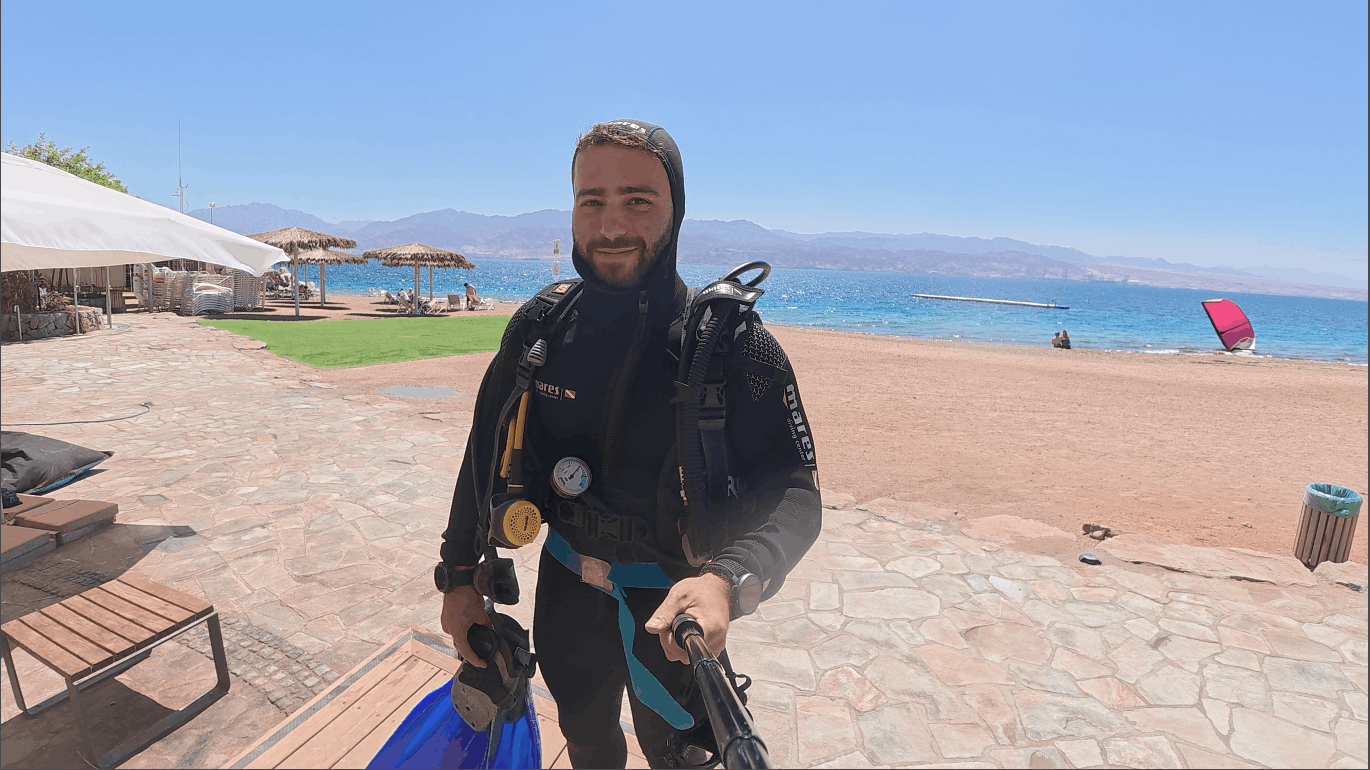
You are walking to the entry in full gear and a thick wetsuit.
The last time I came before this trip it was July into August and the air was over 100°F (38°C), which turns the walk into the hardest part of the day.
Winter storms knock the visibility down a little in January and February, but people still dive.
Let's Dive Together
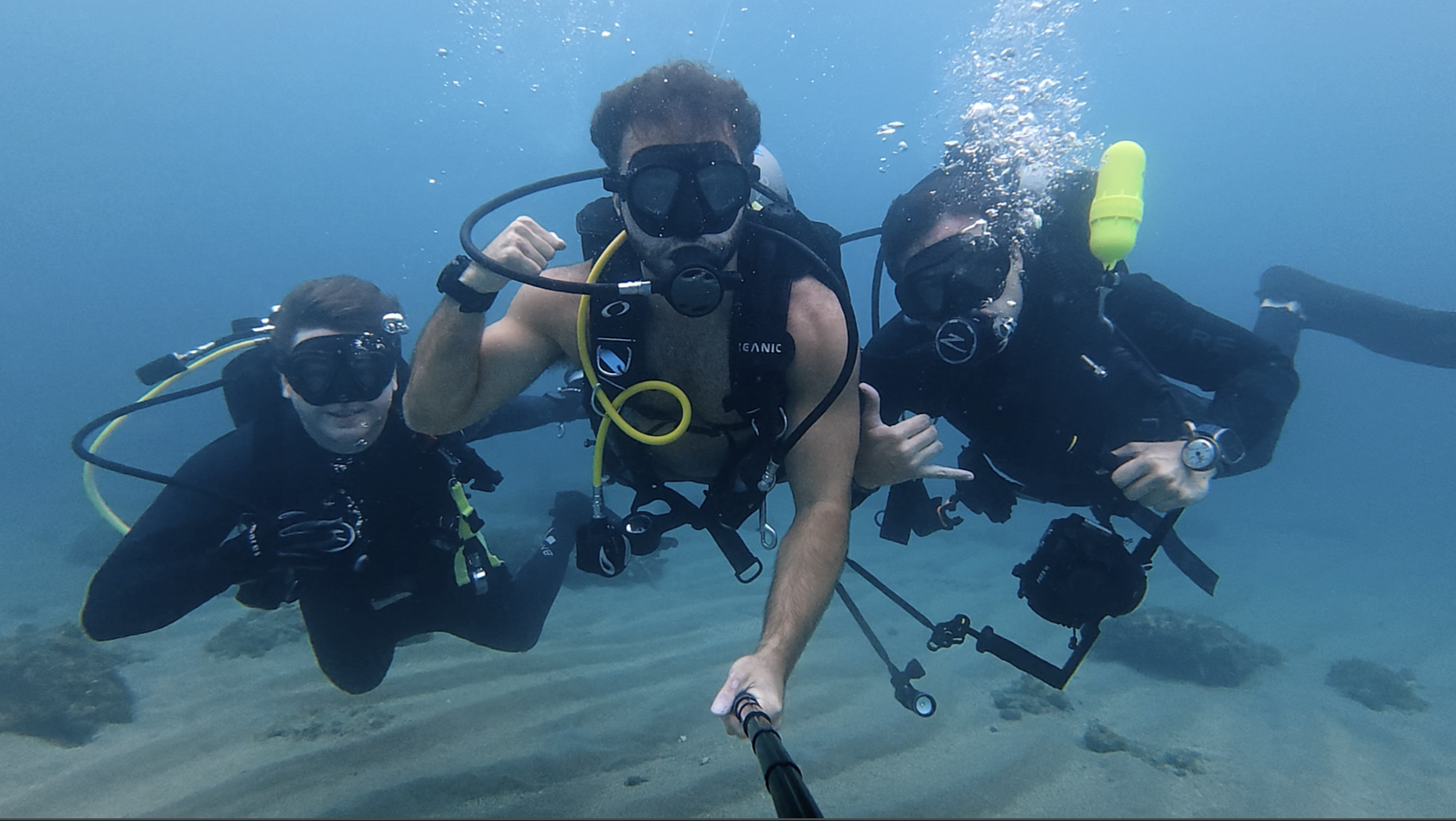
👋 It's Divemaster Austin
I'm inviting you to Dive Club, my global scuba diving community.
What you’ll find inside:
🤿 Dive meetups & group trips
🌍 Top dive sites shared by community members
⚙️ Gear tips & technique discussions
🤝 Diver's who’ve already linked up IRL
See you there!

.webp)
.webp)