

.webp)
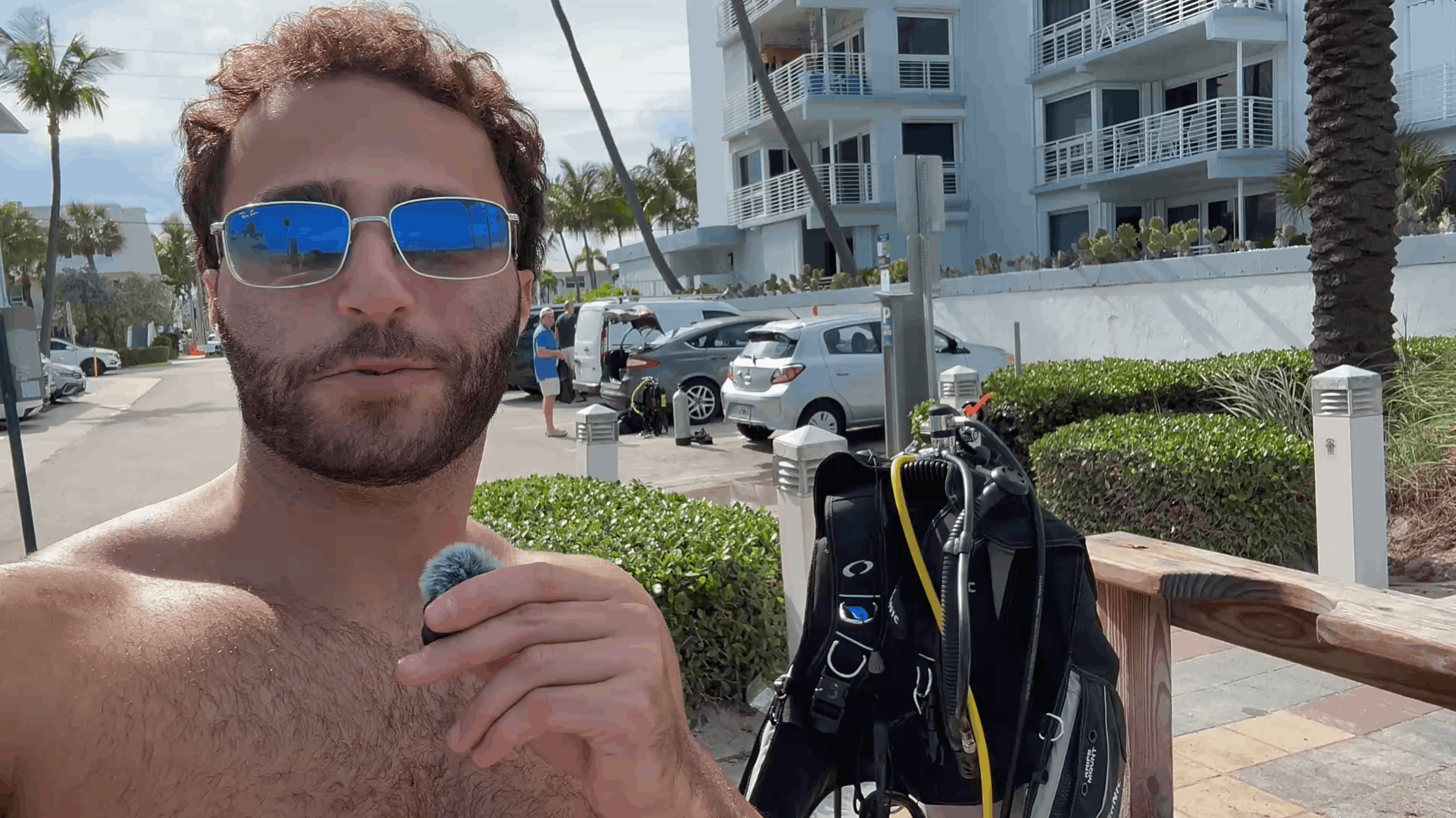

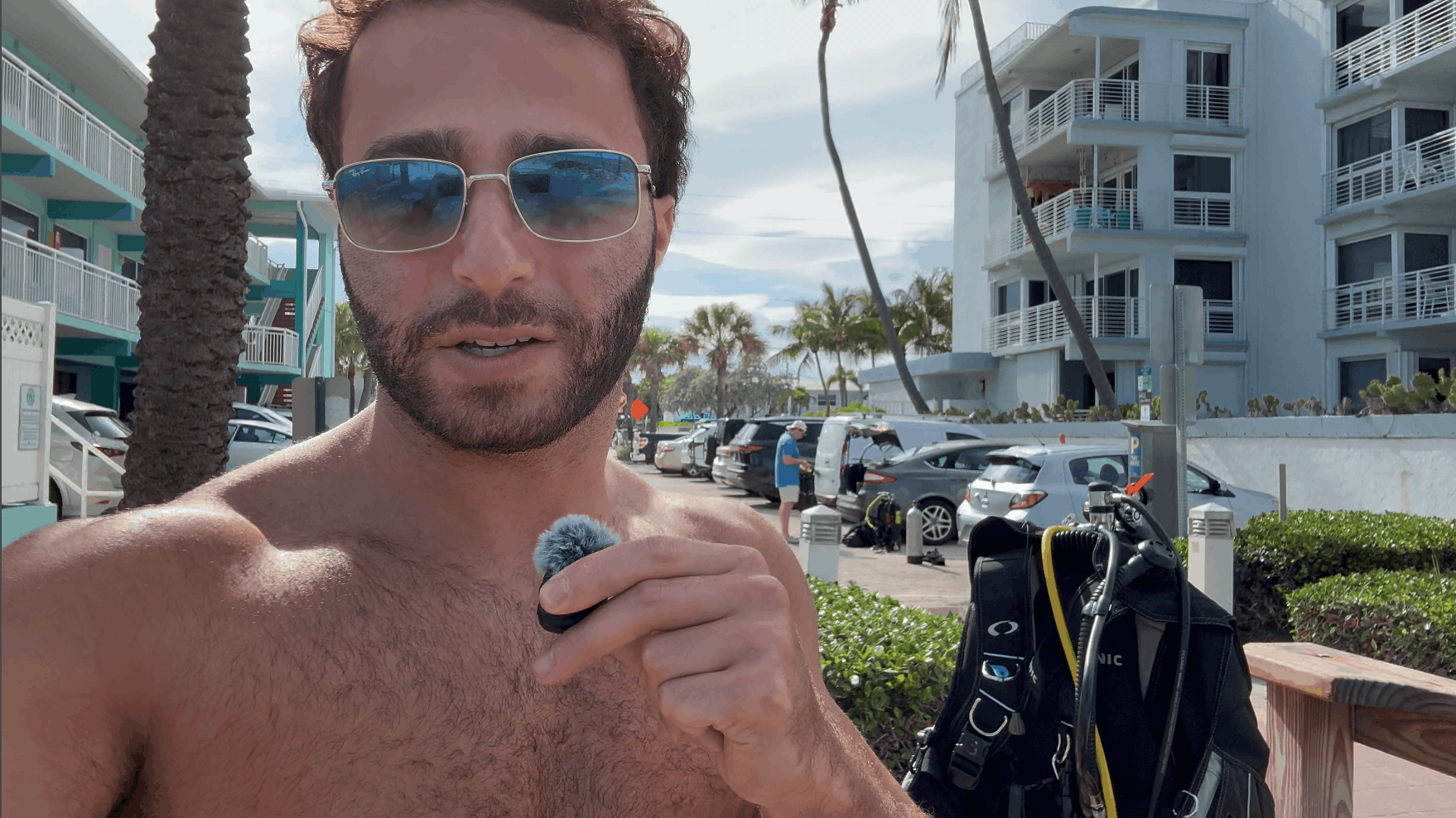

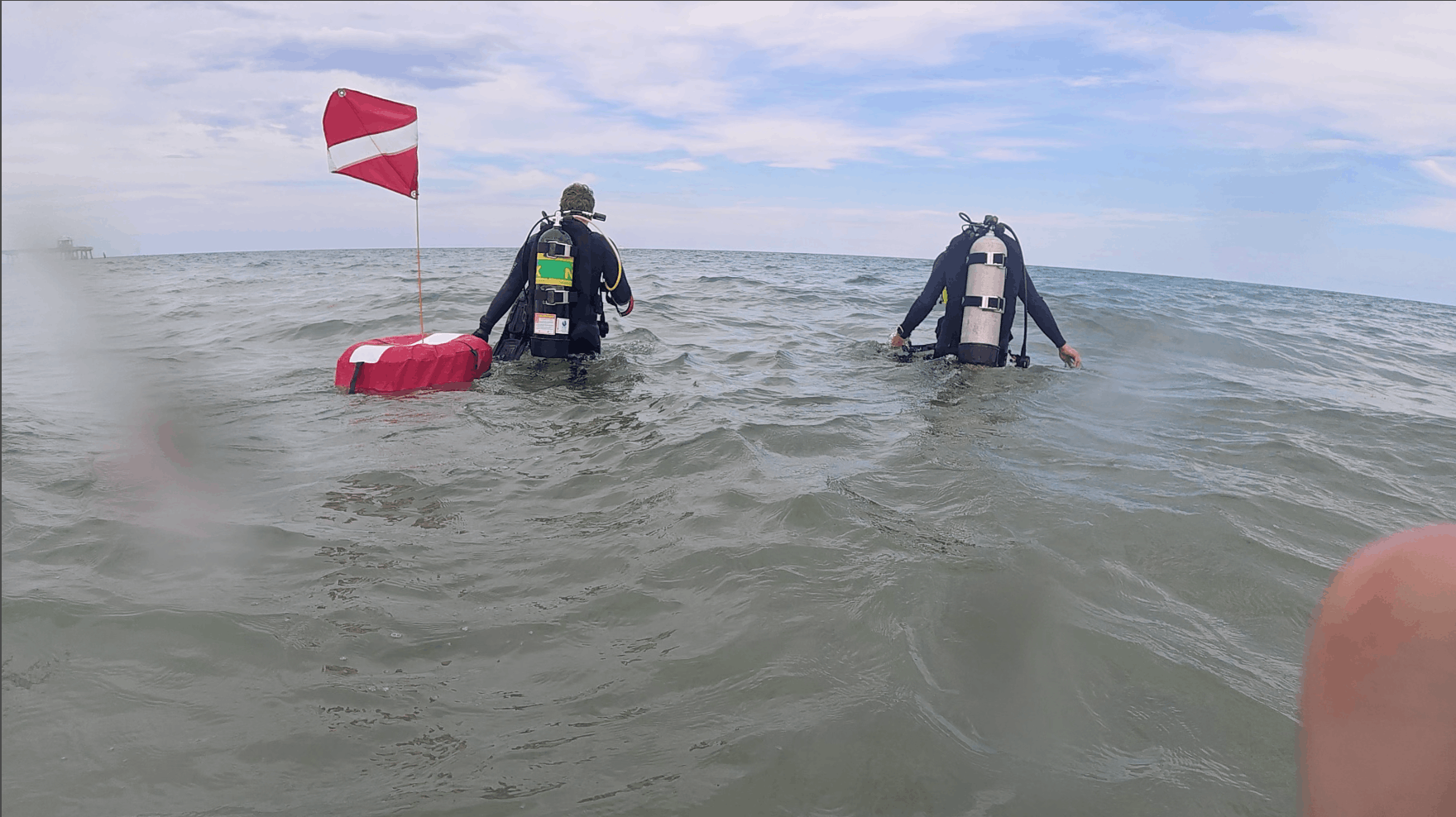
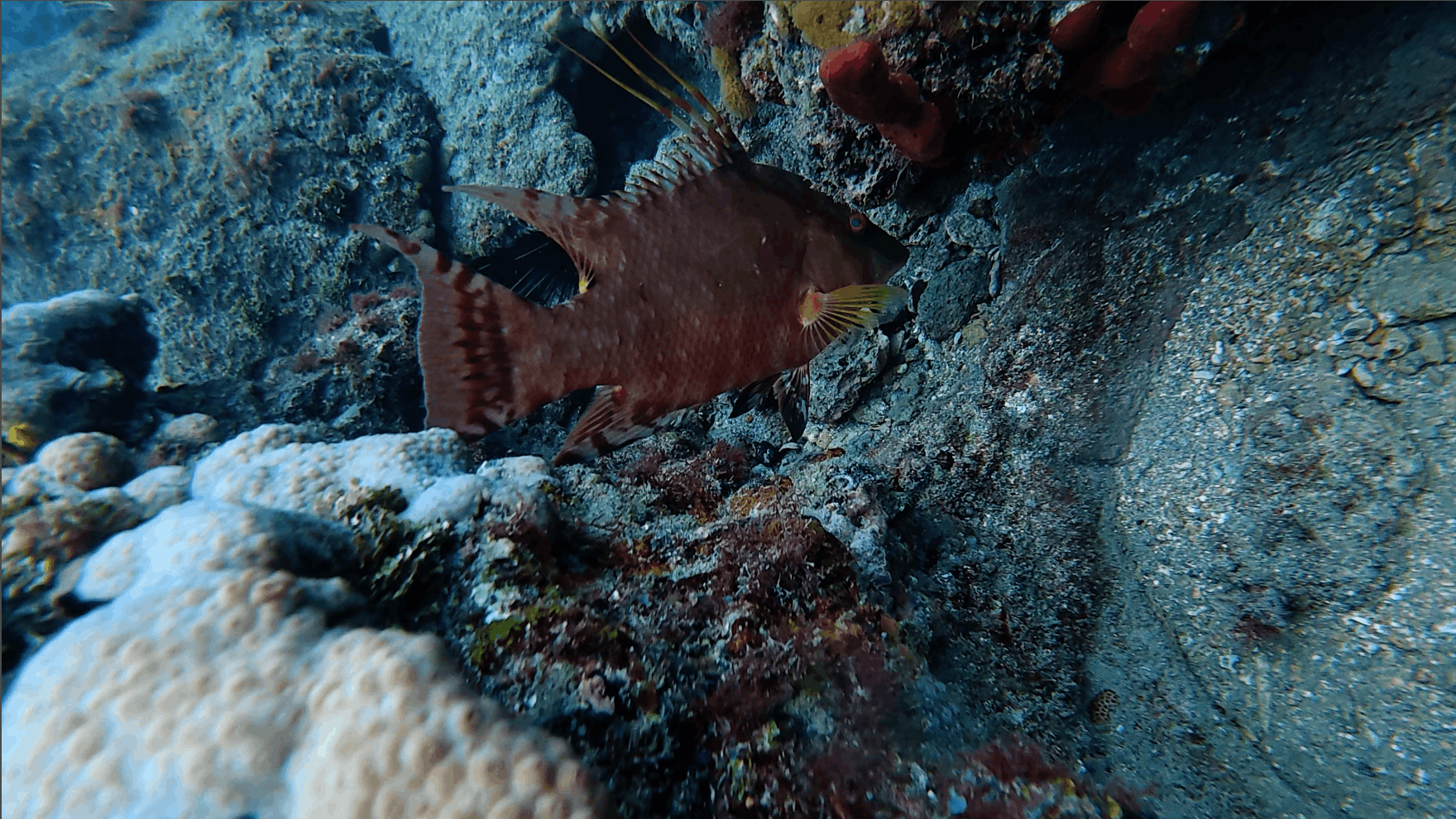
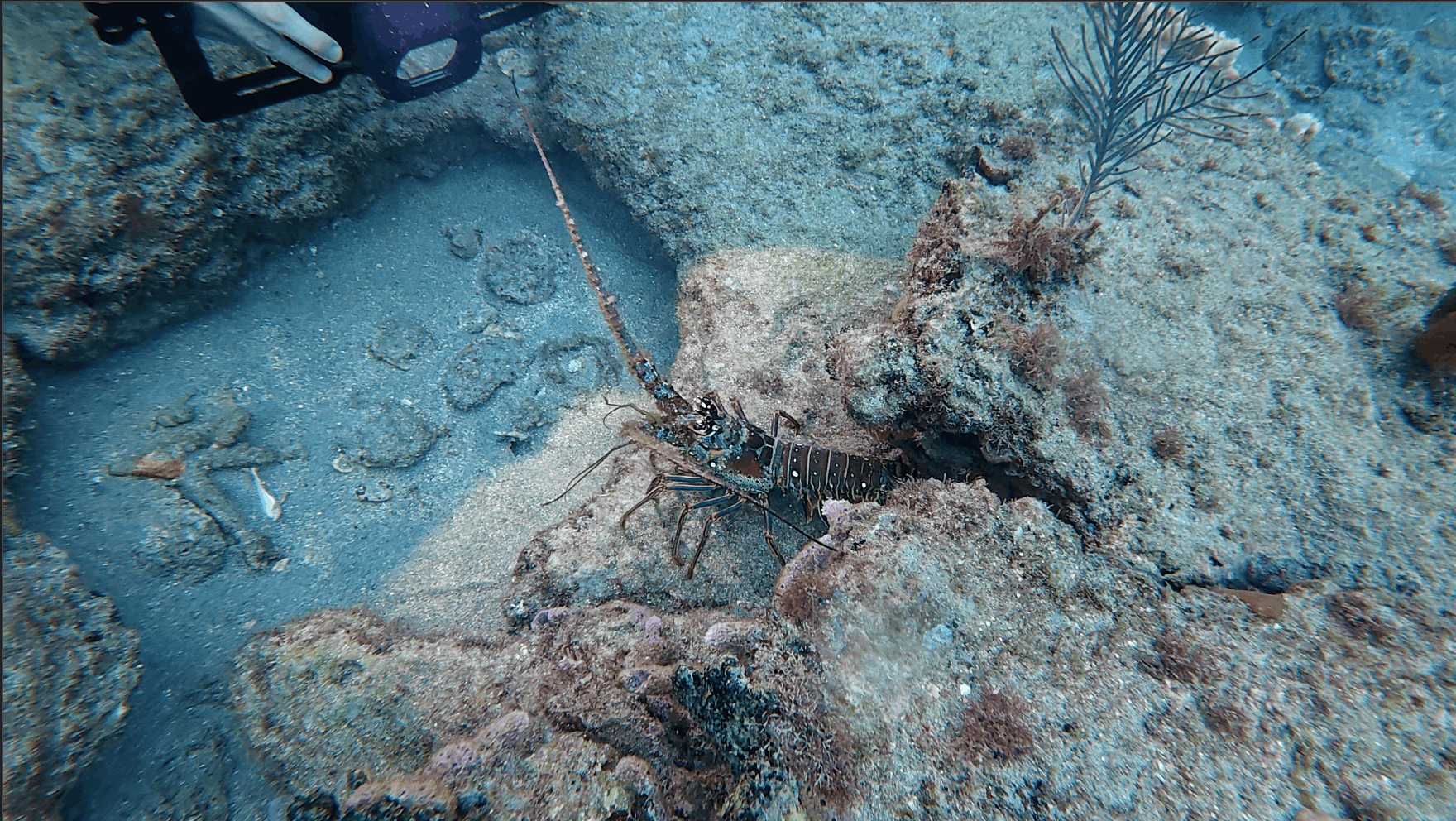
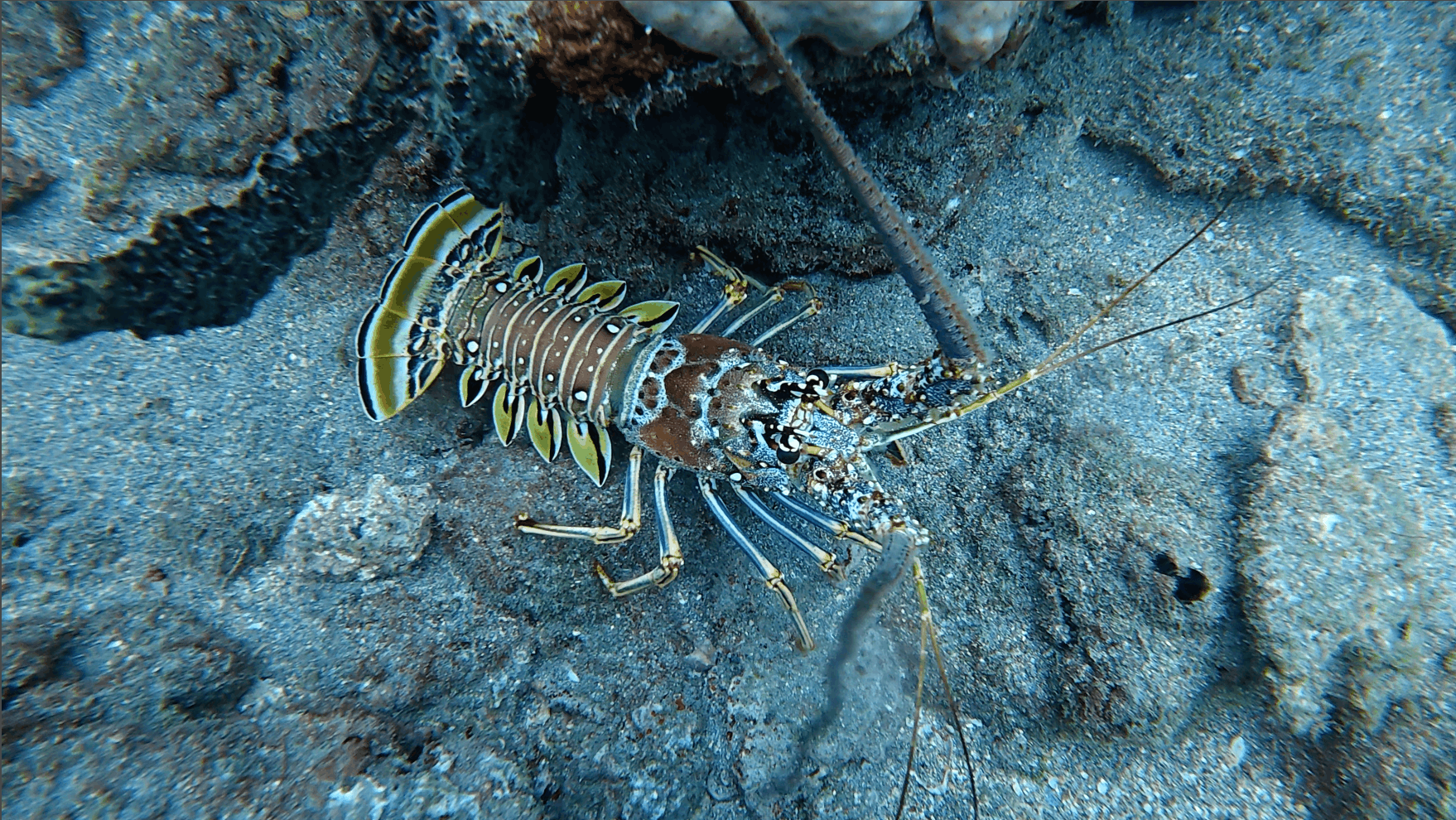
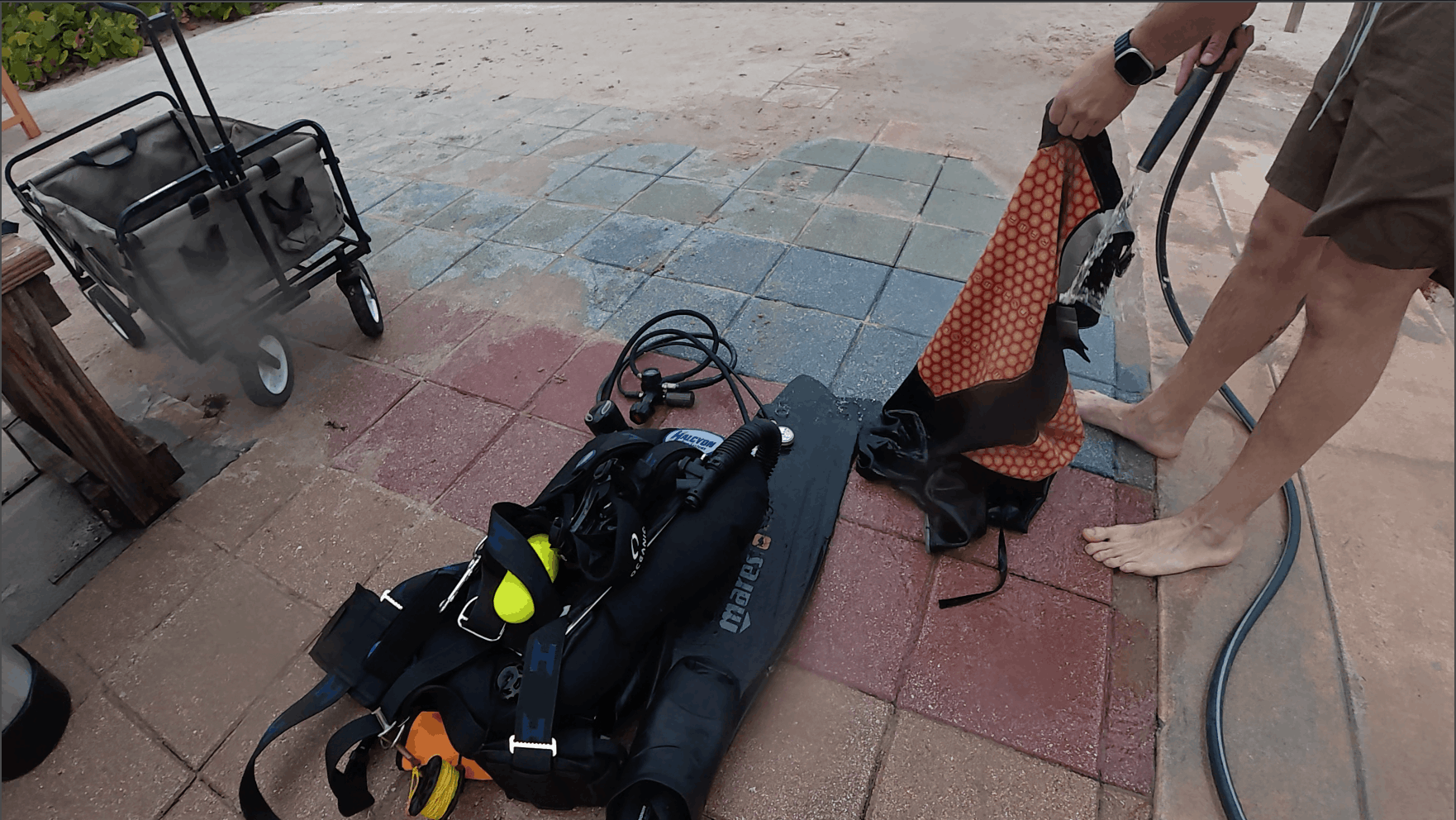
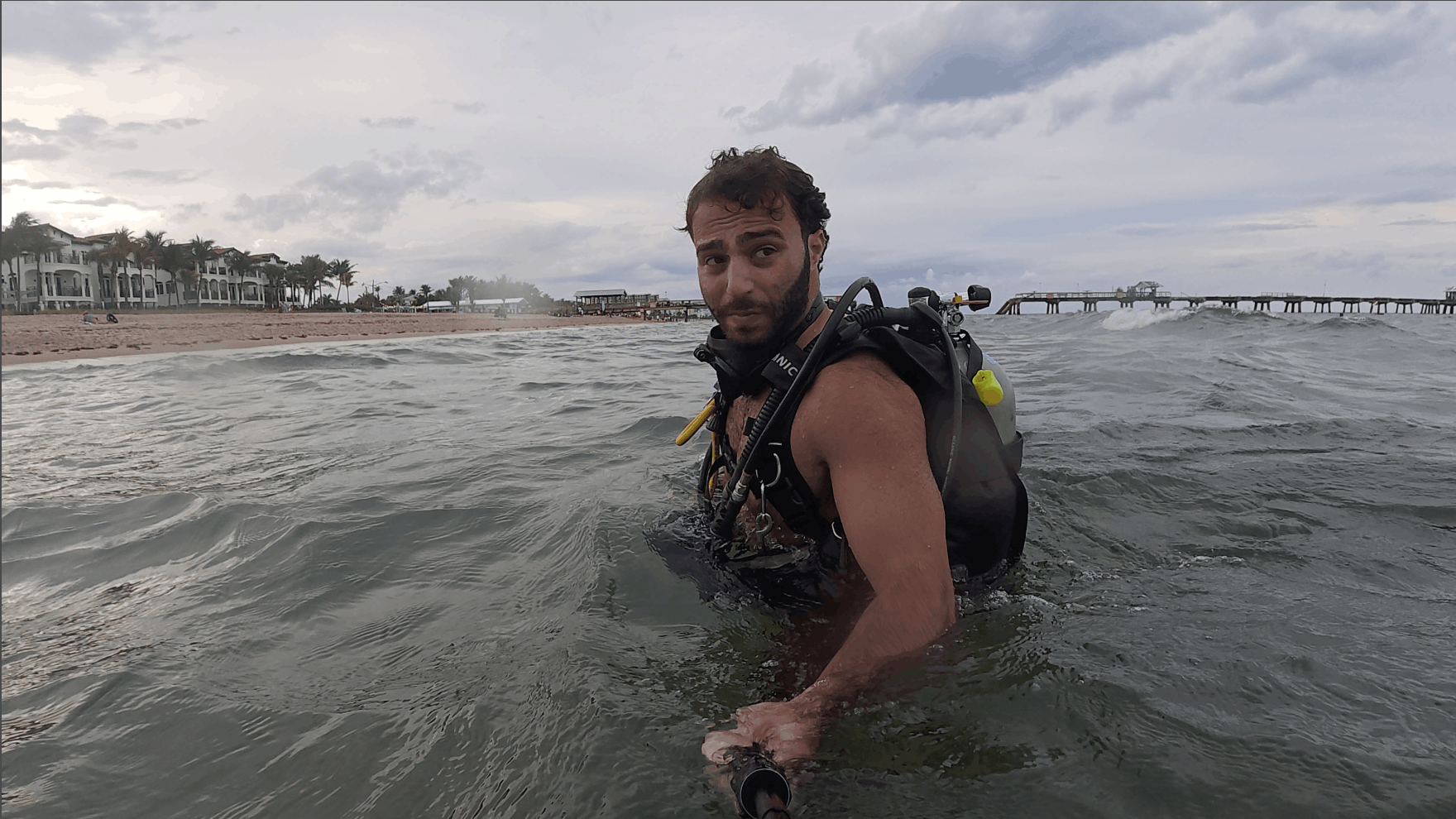
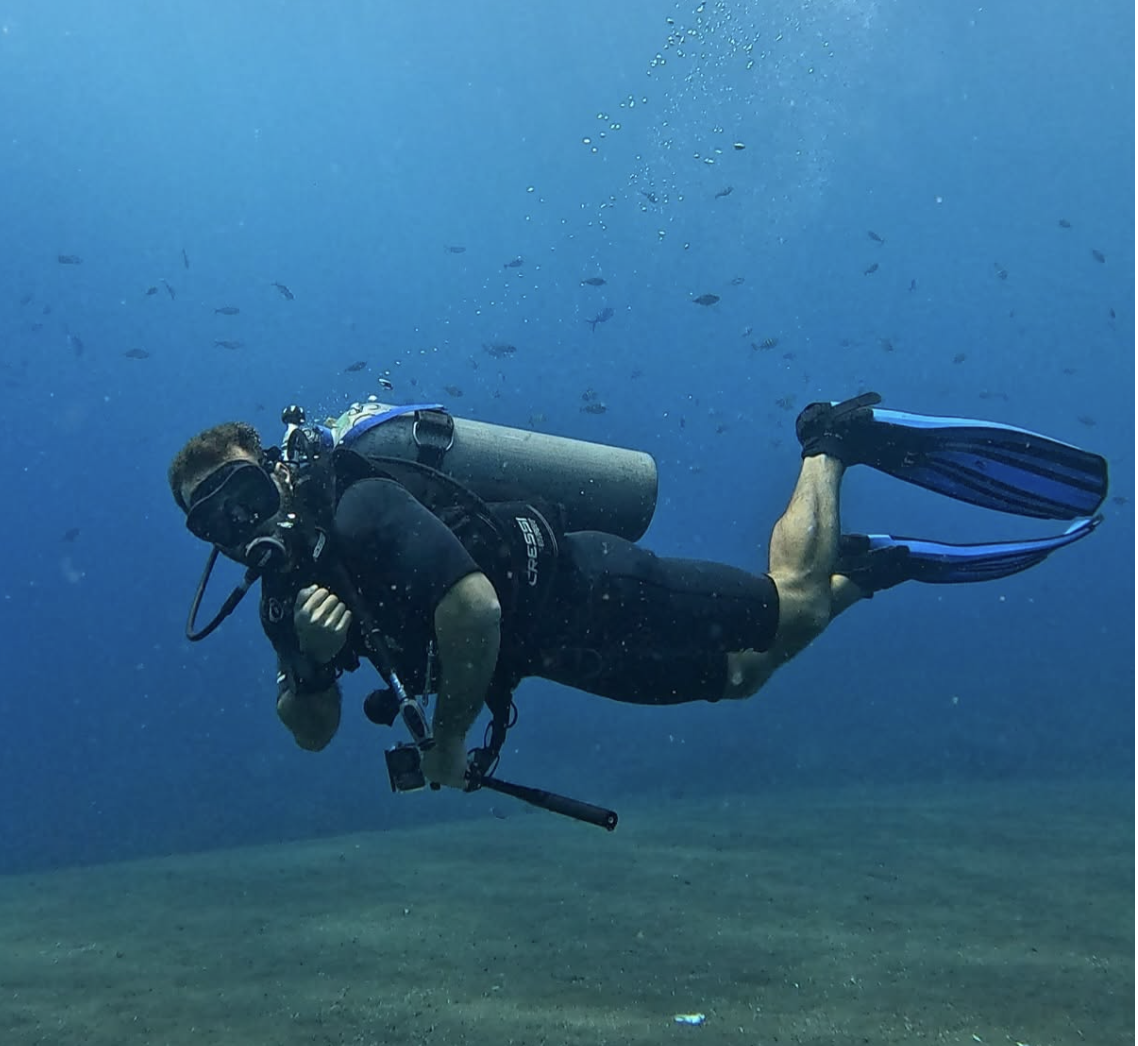
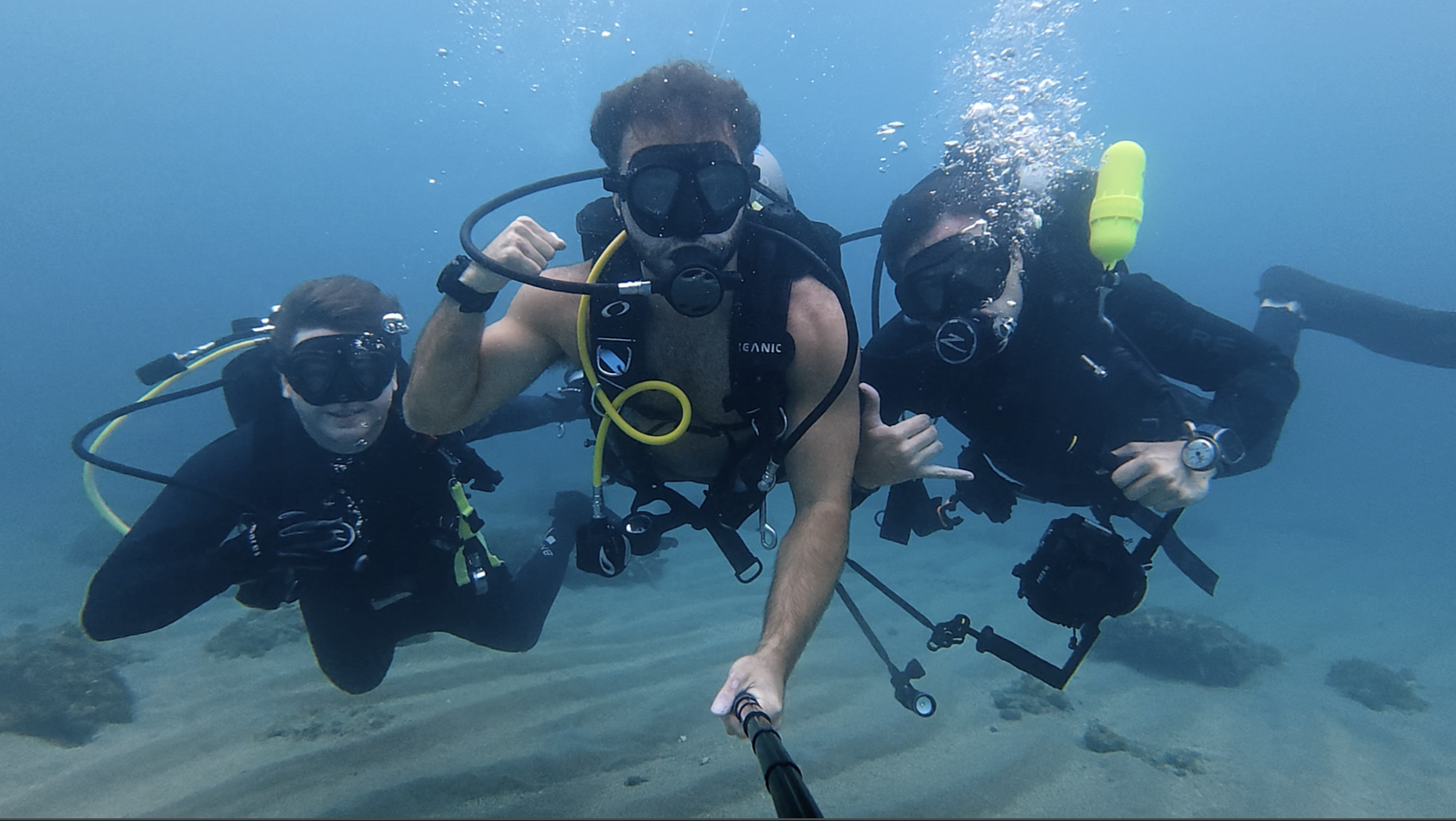
In April of 2026, I took two dive buddies from my online scuba community out to Lauderdale By The Sea for a shore dive.
Lauderdale by the Sea is one of the most beginner friendly shore diving locations in South Florida, so I wanted to create this guide for you to reference to dive here on your own time.
Lauderdale by the Sea
Where to Park
To dive the site, park at 1 Datura Avenue, Lauderdale By The Sea with a car full of scuba or freedive gear.
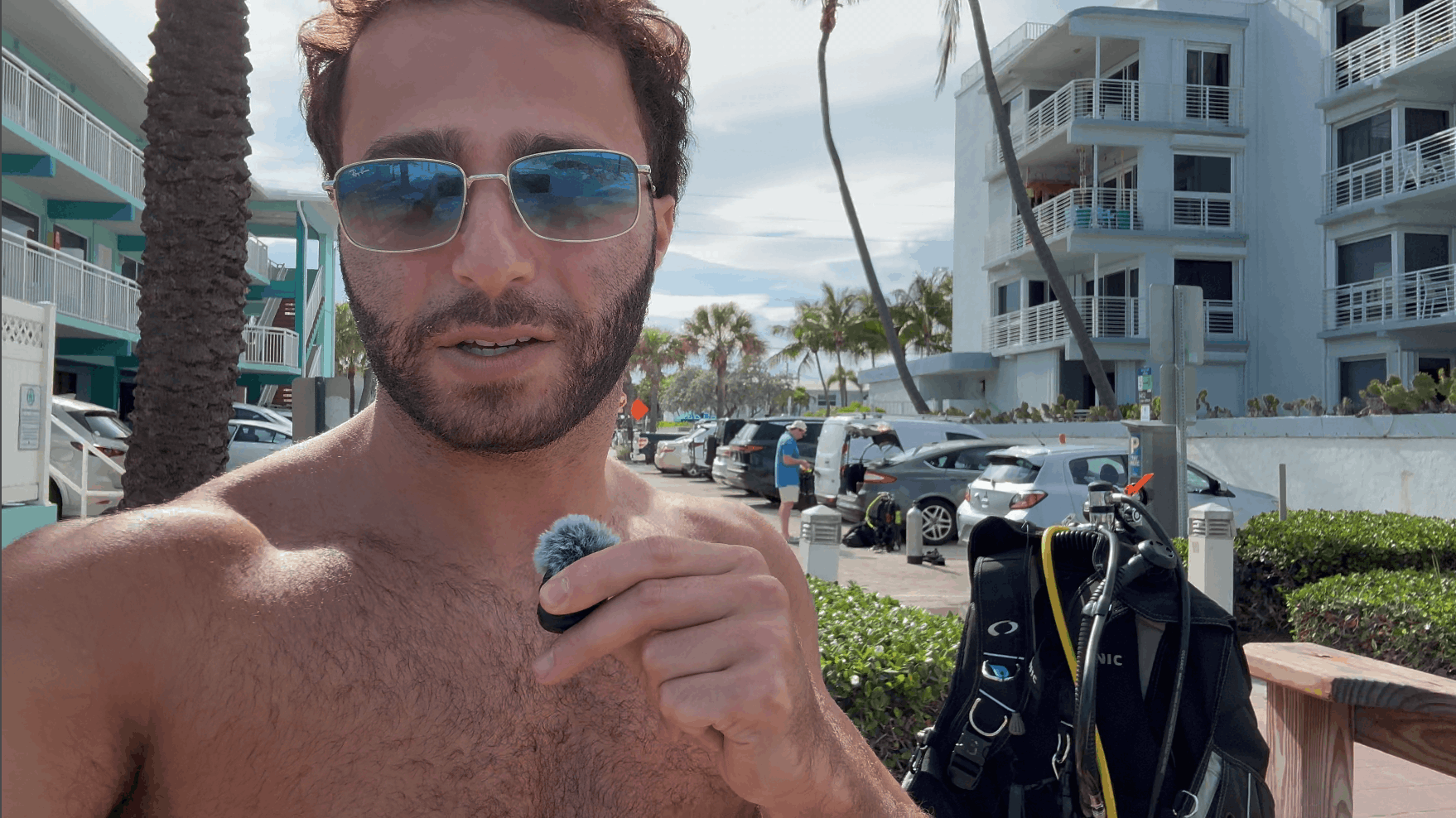
This is the best entry point and has a staging area to assemble and disassemble gear, plus a freshwater hose to rinse salt and sand off everything post-dive.
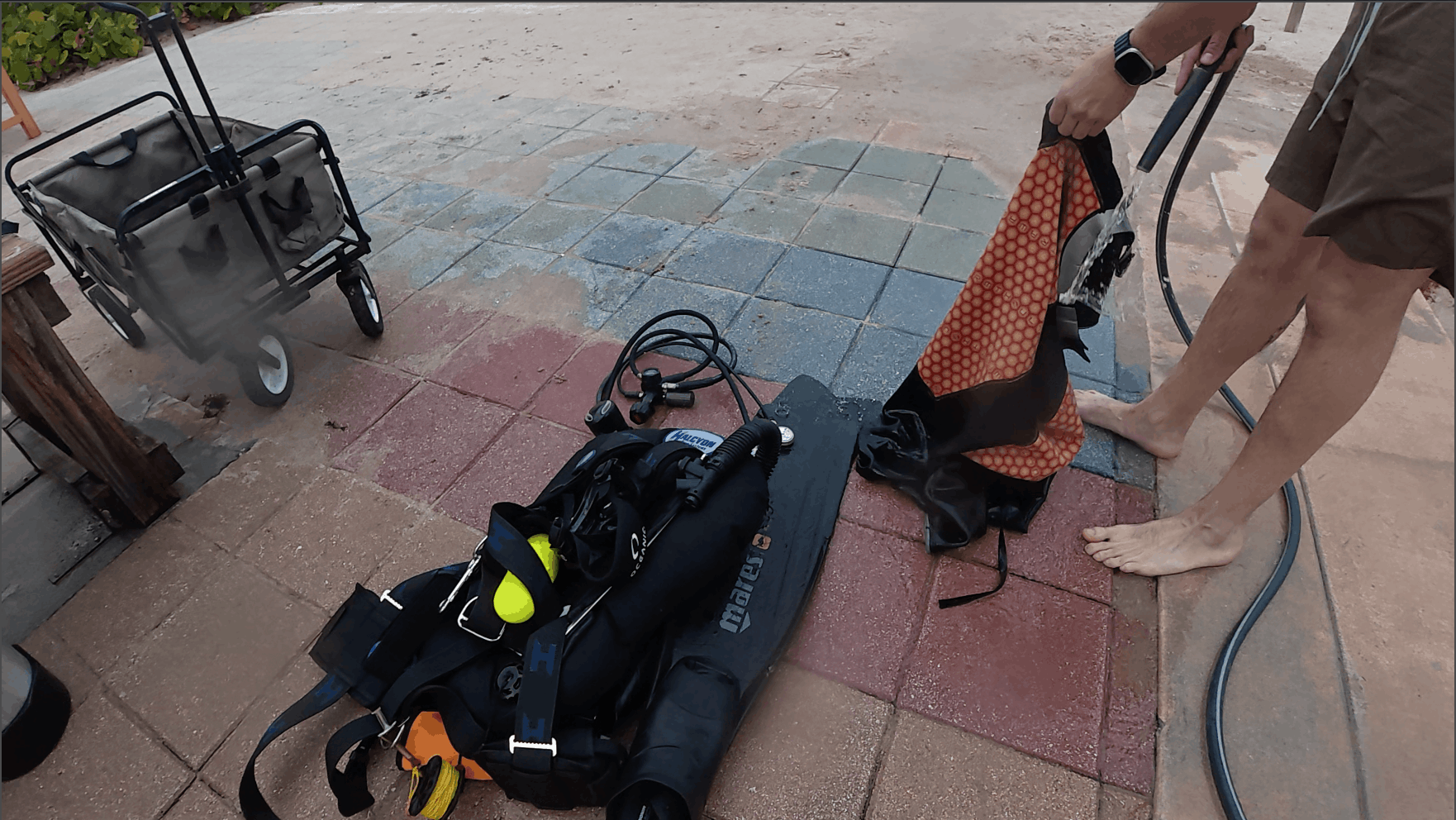
If parking is full, I'd suggest pulling up, dropping your gear on the beach, and having someone wait with it while you go find a parking spot farther away.
Entering the Water
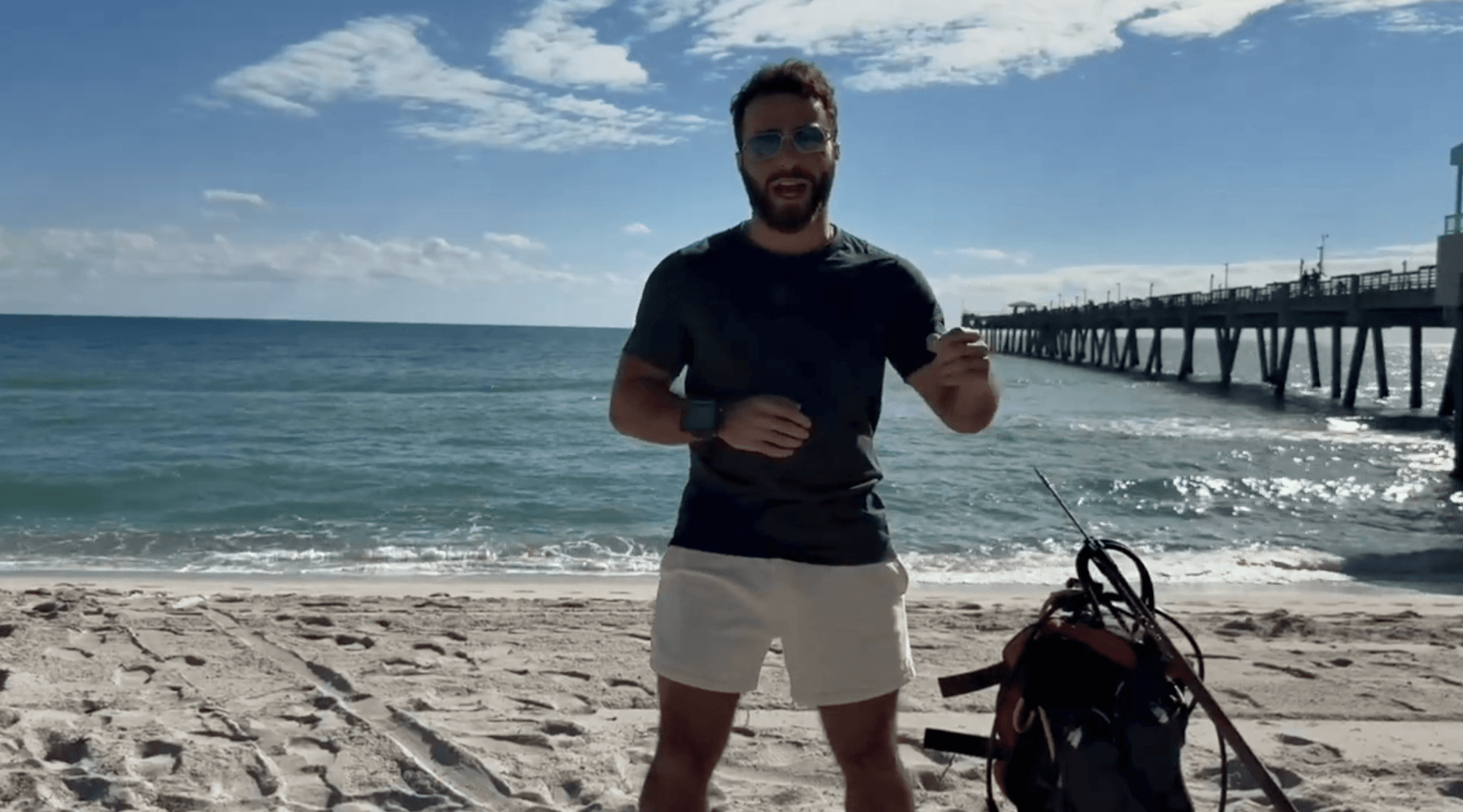
Walk down the path from the parking area and enter straight off the beach.
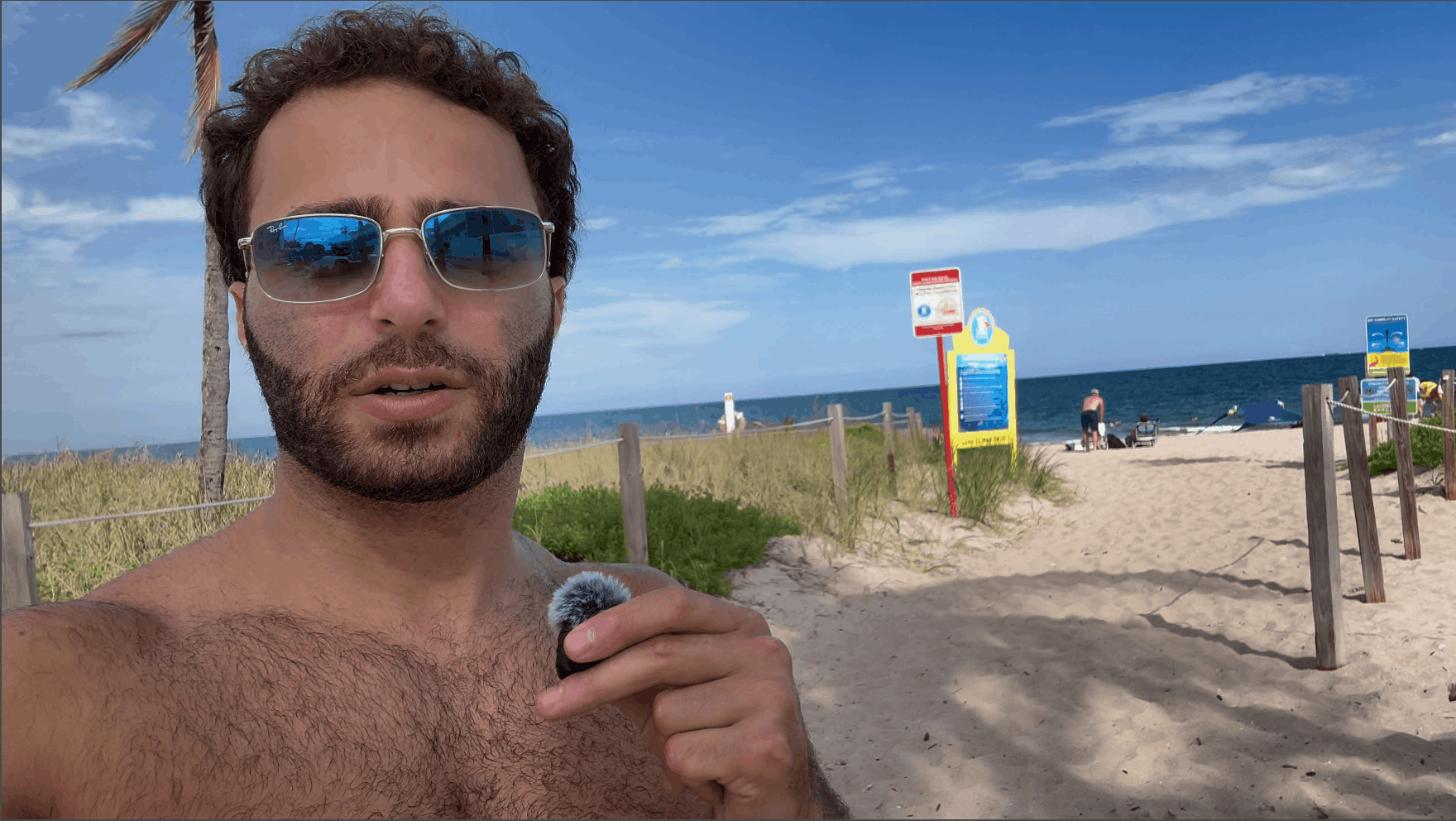
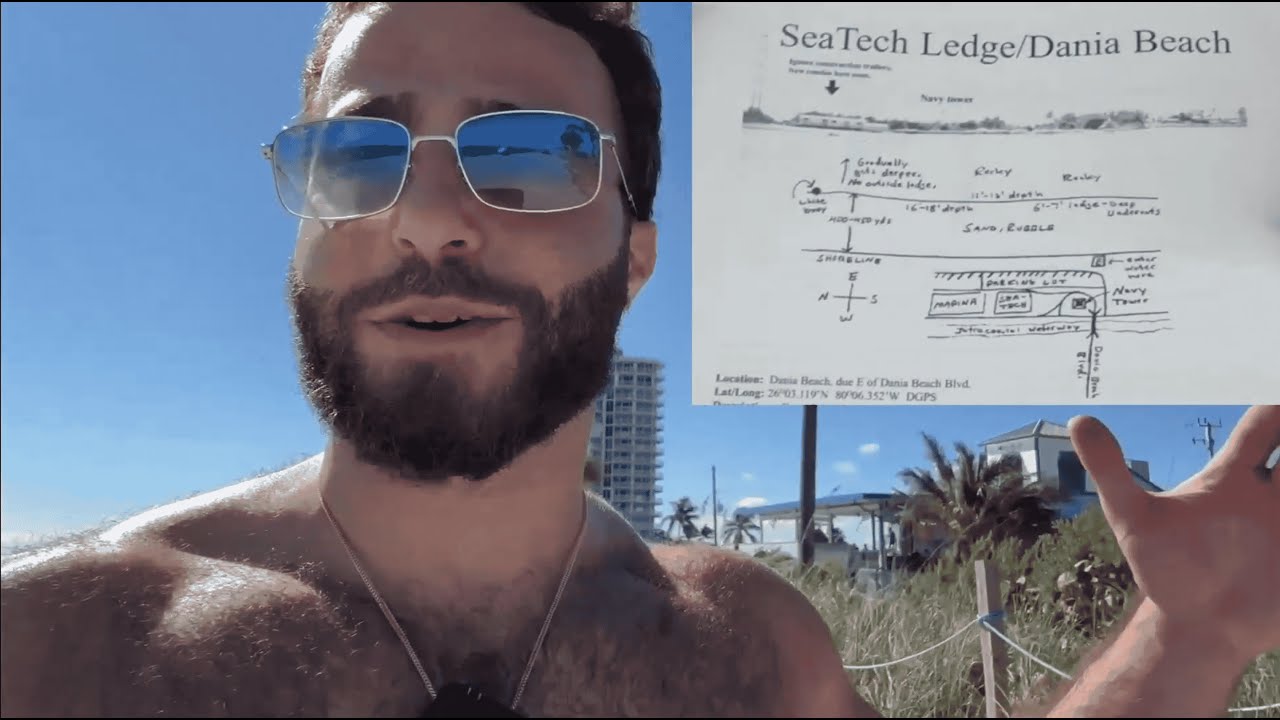
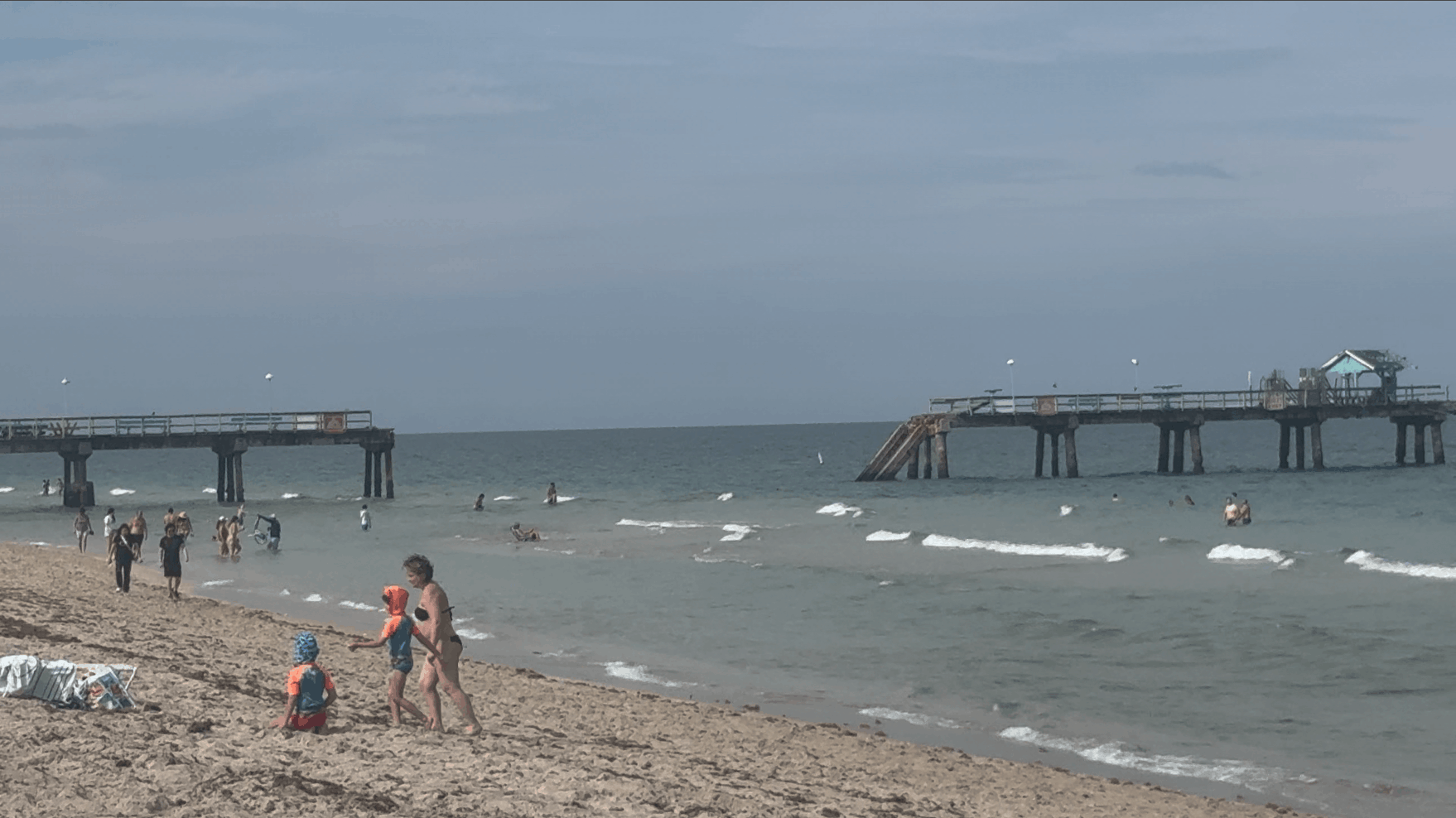
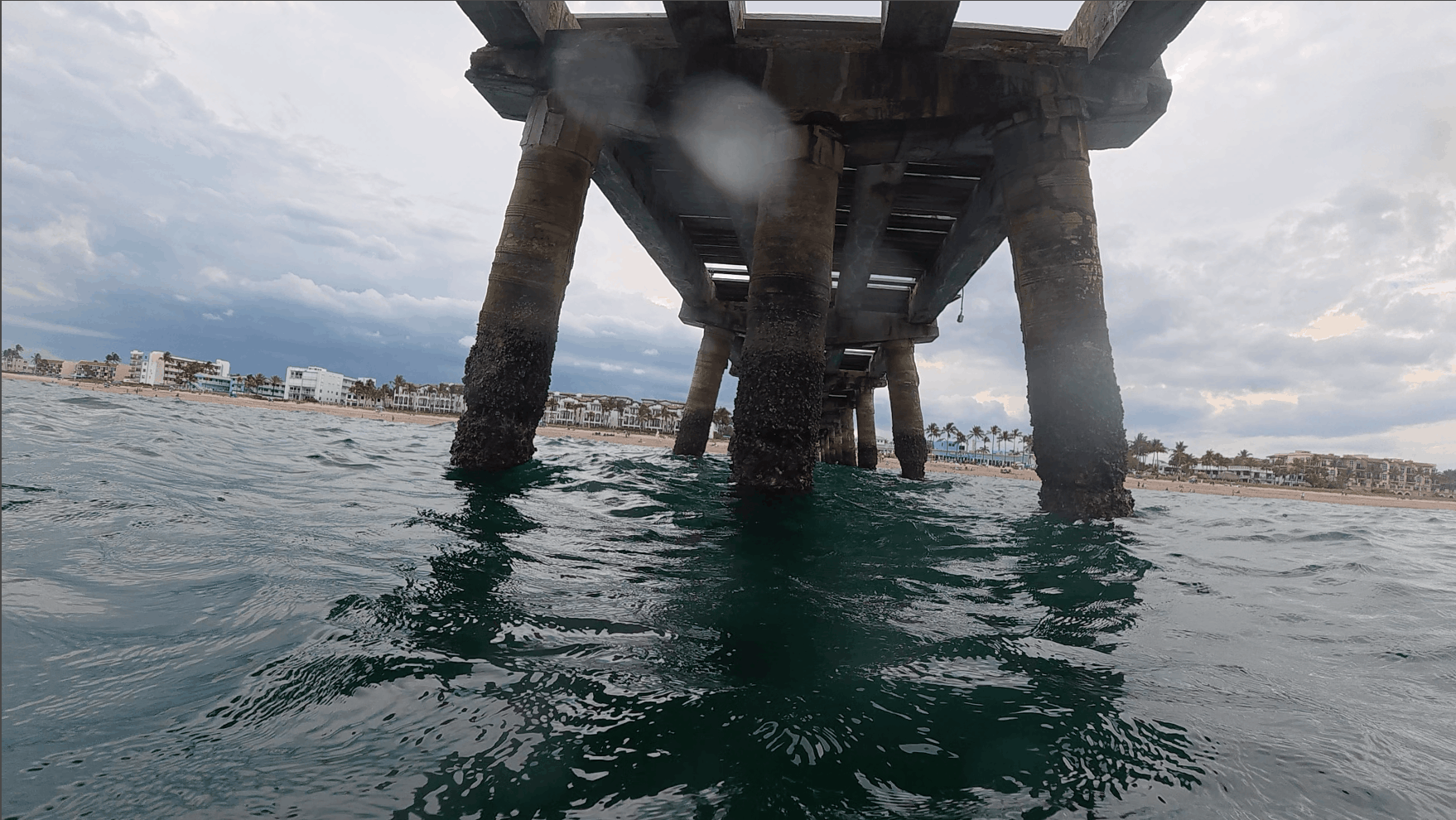
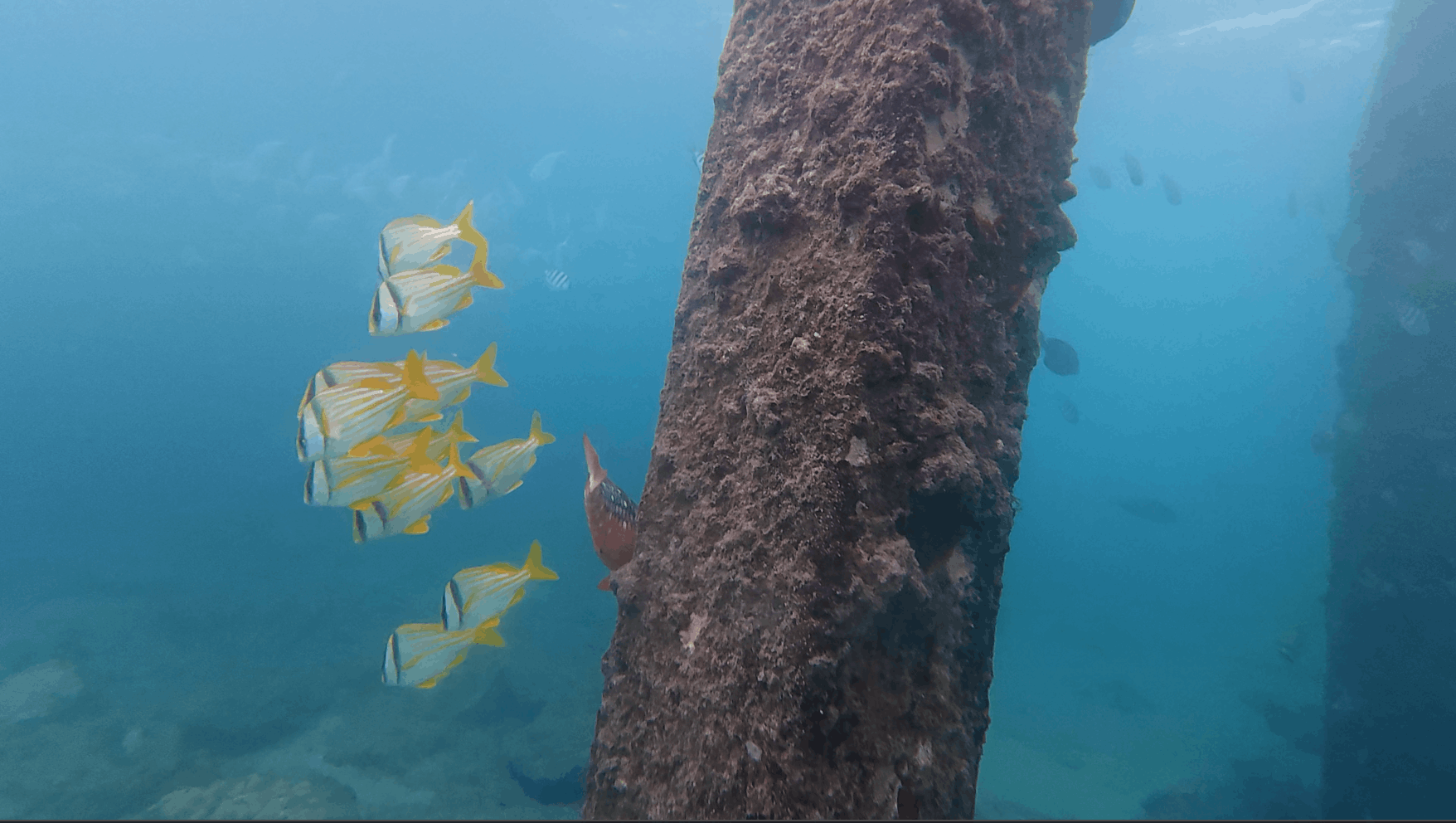
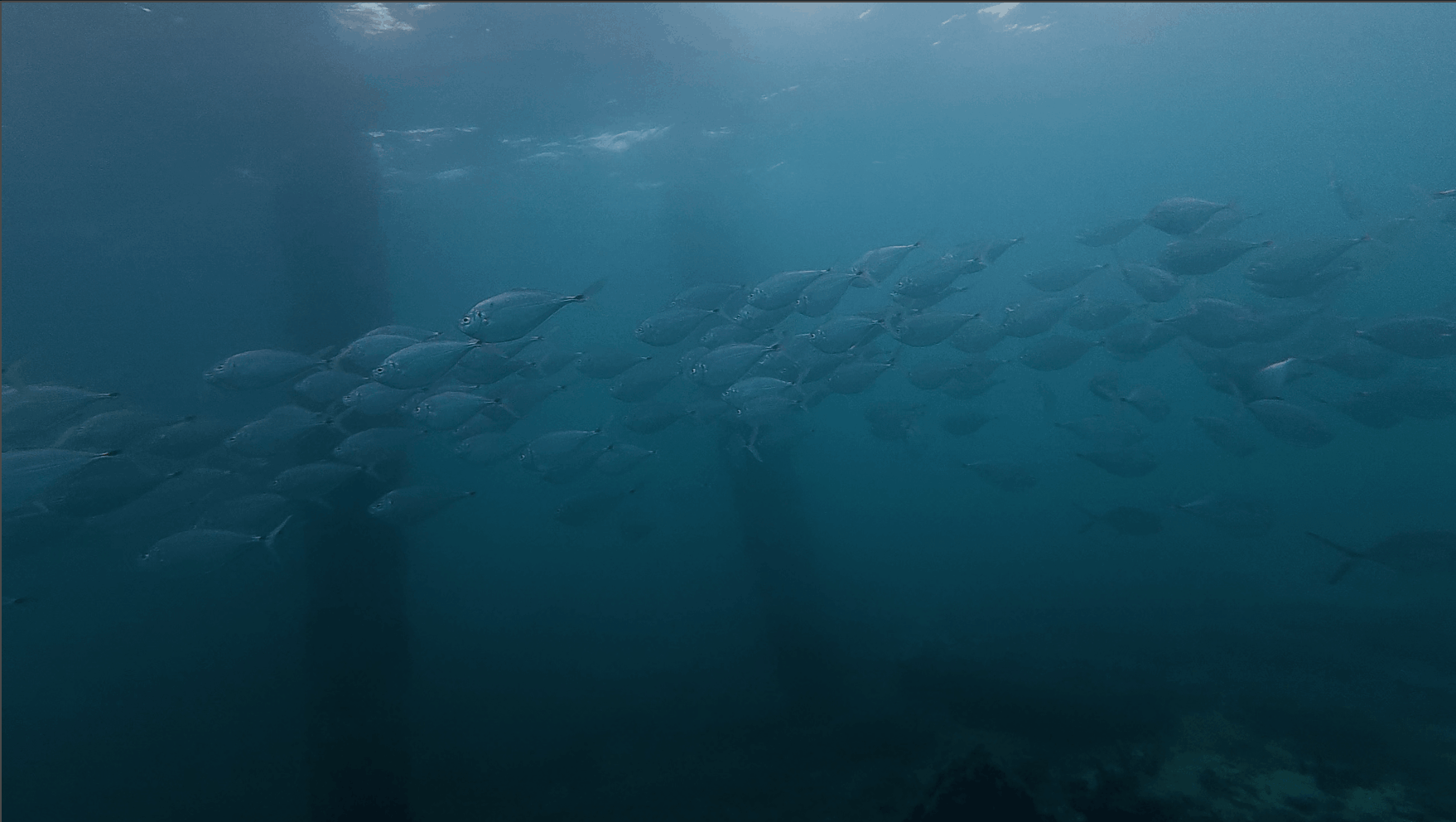
The way we dove the site was first swimming northeast toward the pier to investigate what's under it, continuing south east from there to the second reef, where you can exit the water close to where you parked.
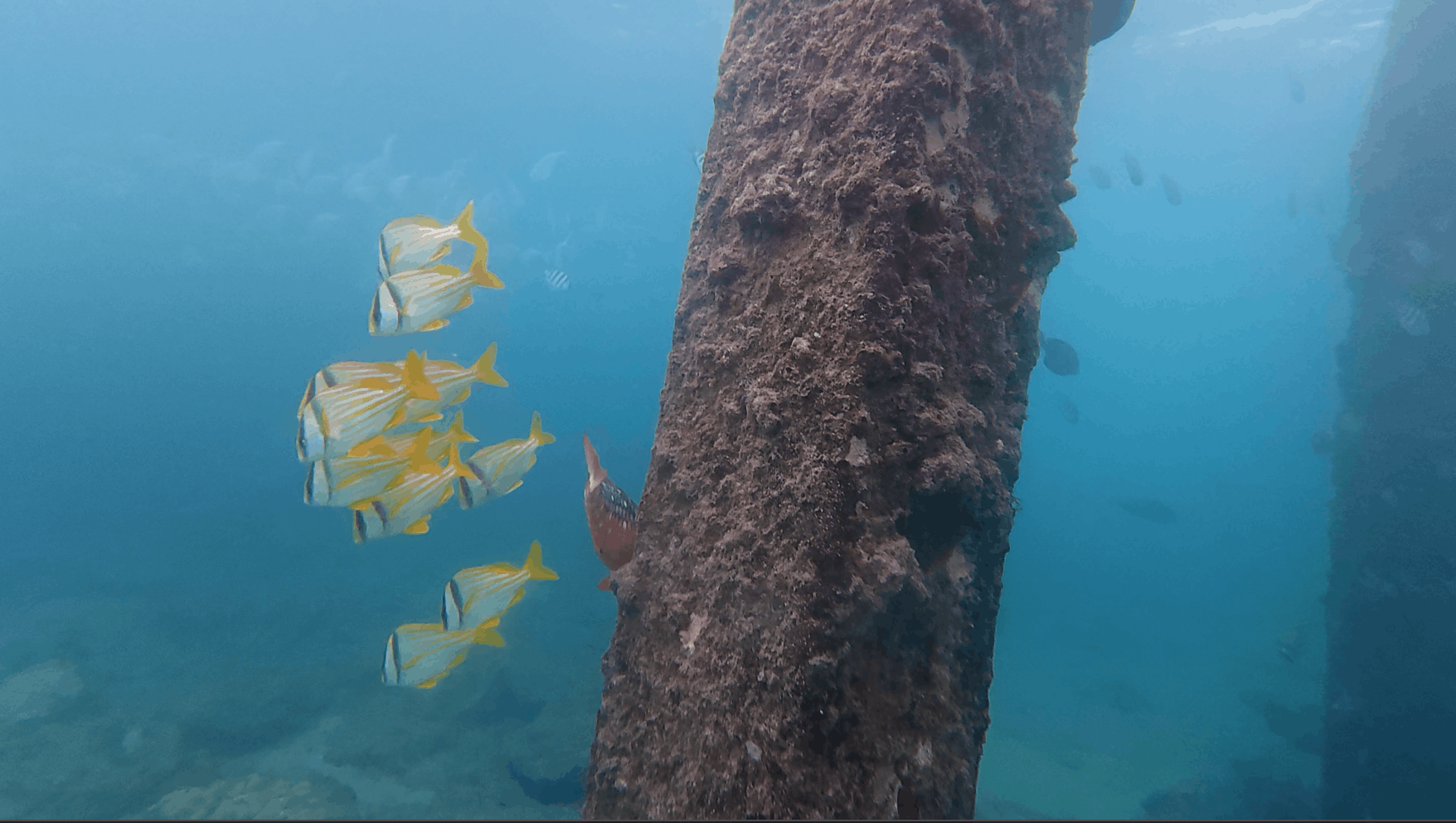
I use the digital compass on my Garmin Descent MK3i, but any analog compass works fine here given the shallow depth.
One thing worth knowing: the pier at LBTS was damaged by Hurricane Nicole in 2022 and, as of August 19, 2026, still has a break in the middle.
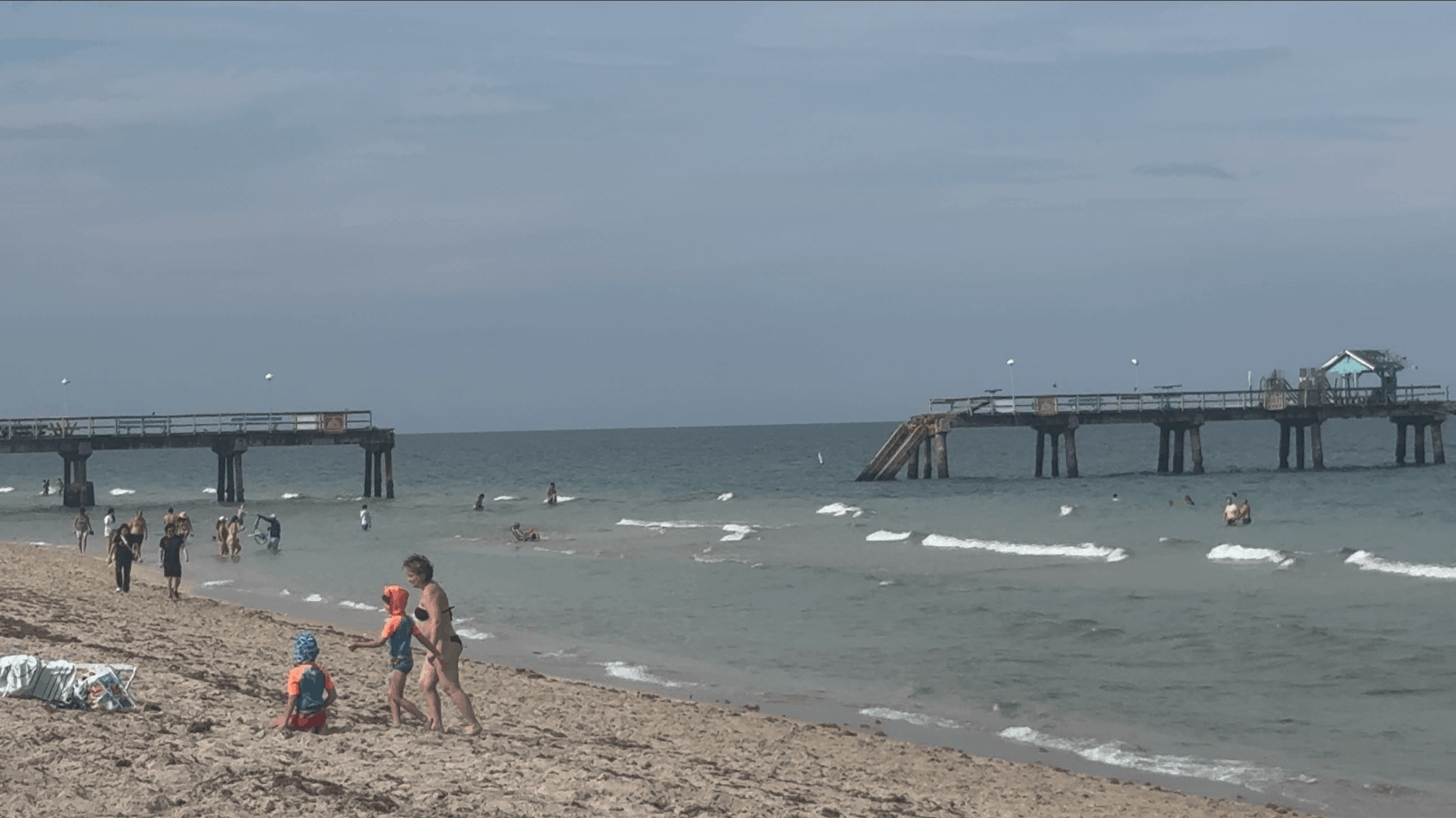
Normally Florida piers carry a 300-foot no-diving rule, but because the pier is broken and not an active continuous structure, divers can go under it.
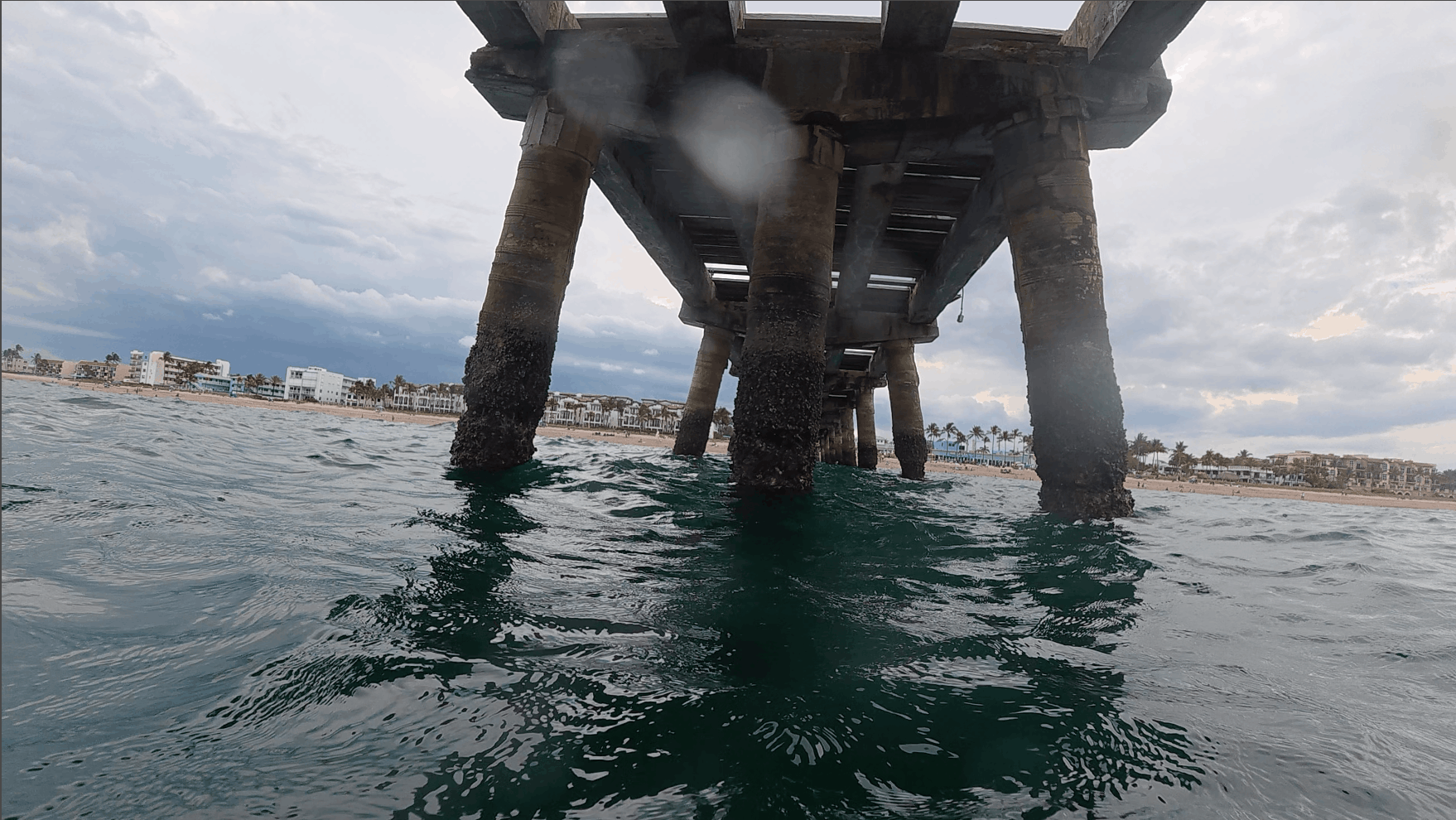
If the pier gets repaired and goes back into active use, that 300-foot rule applies again.
What's Underwater
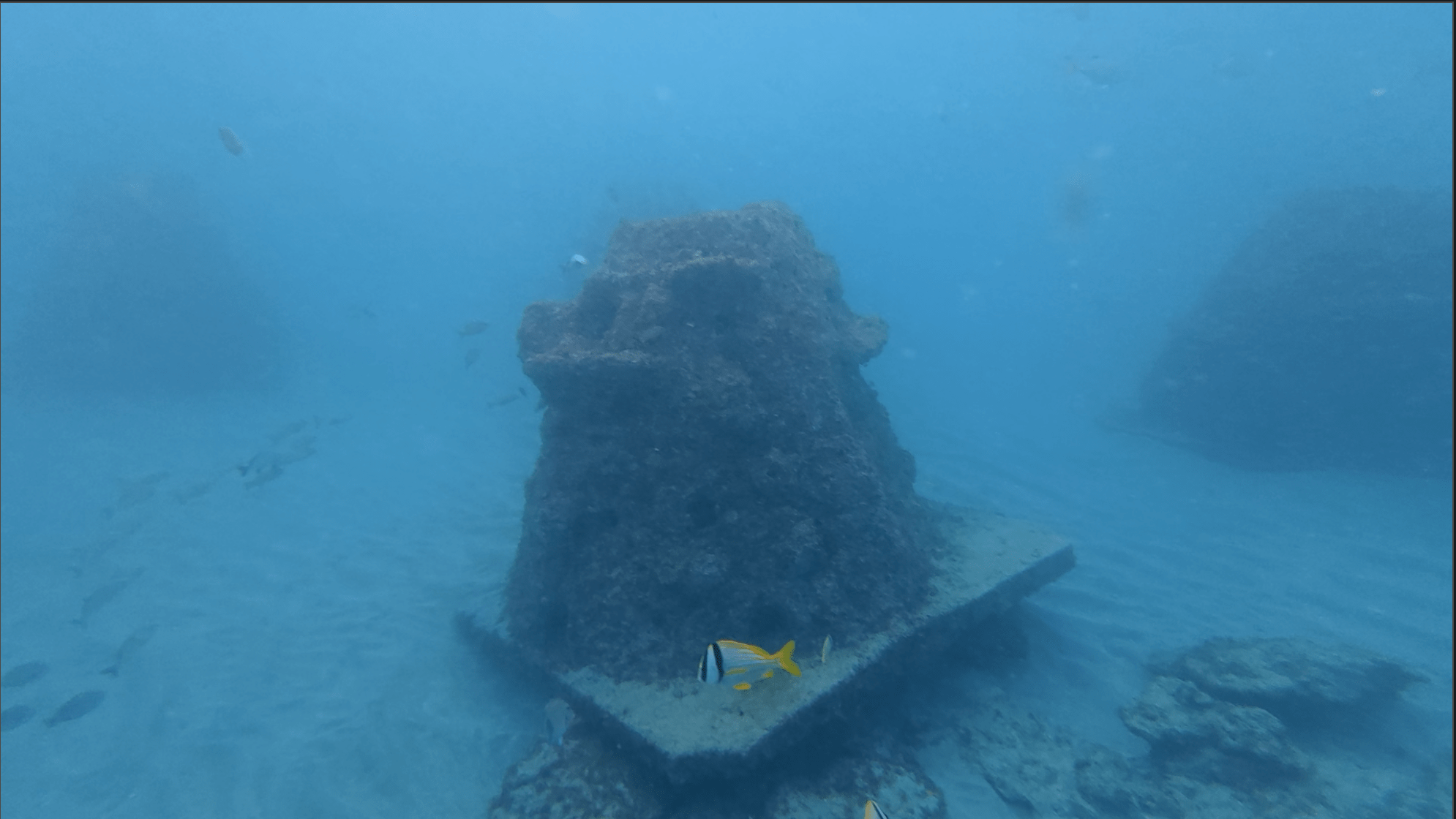
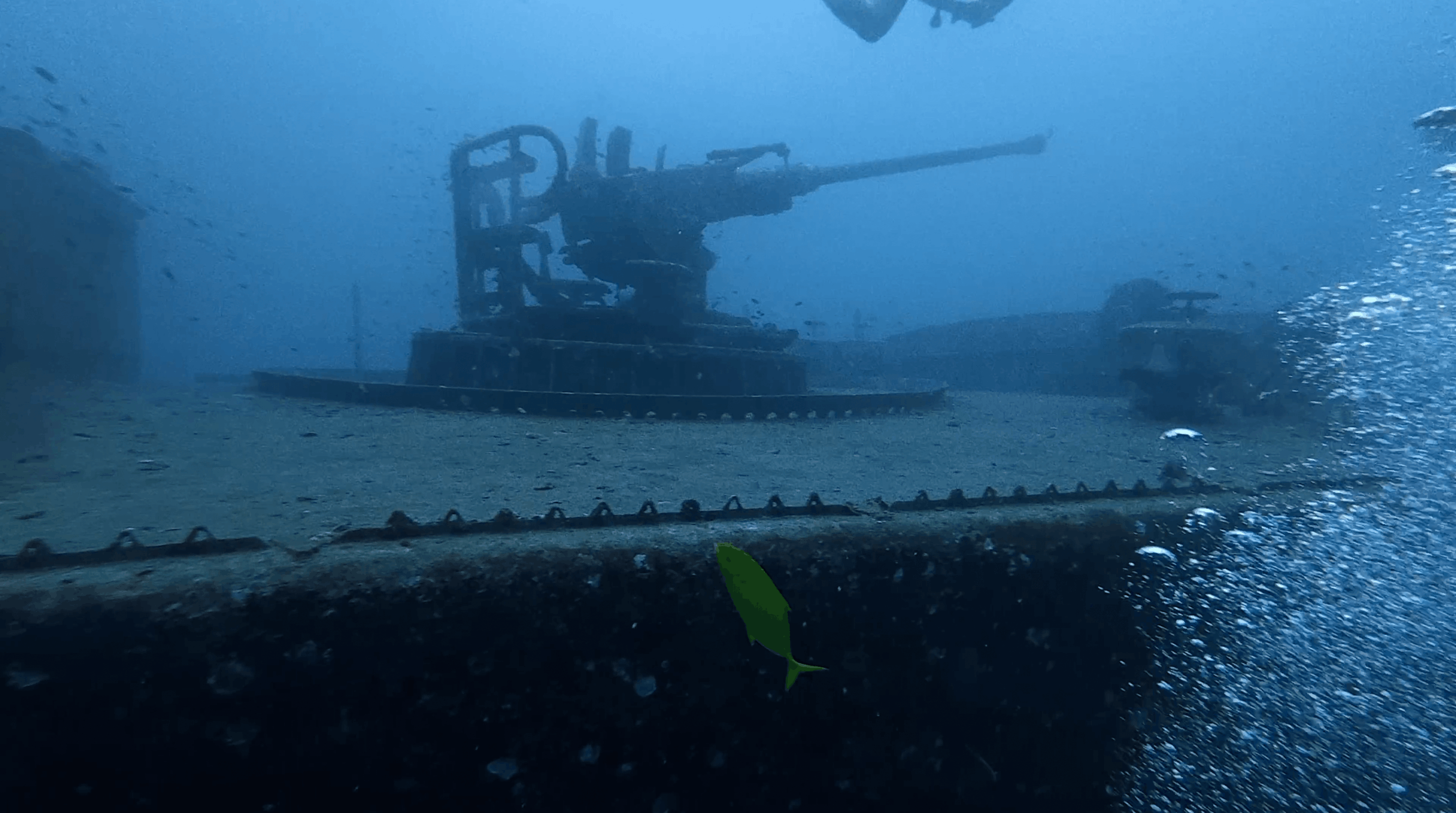
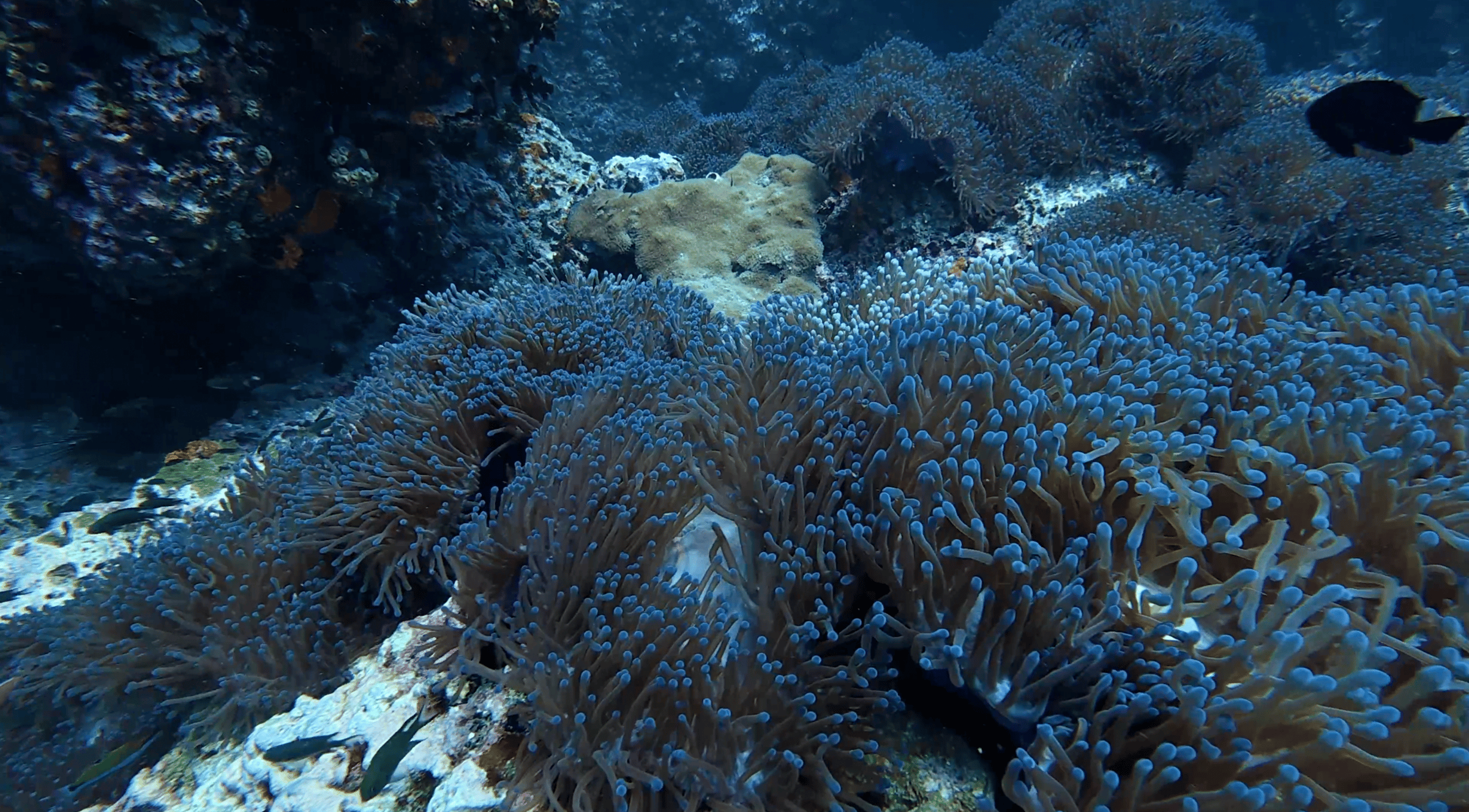
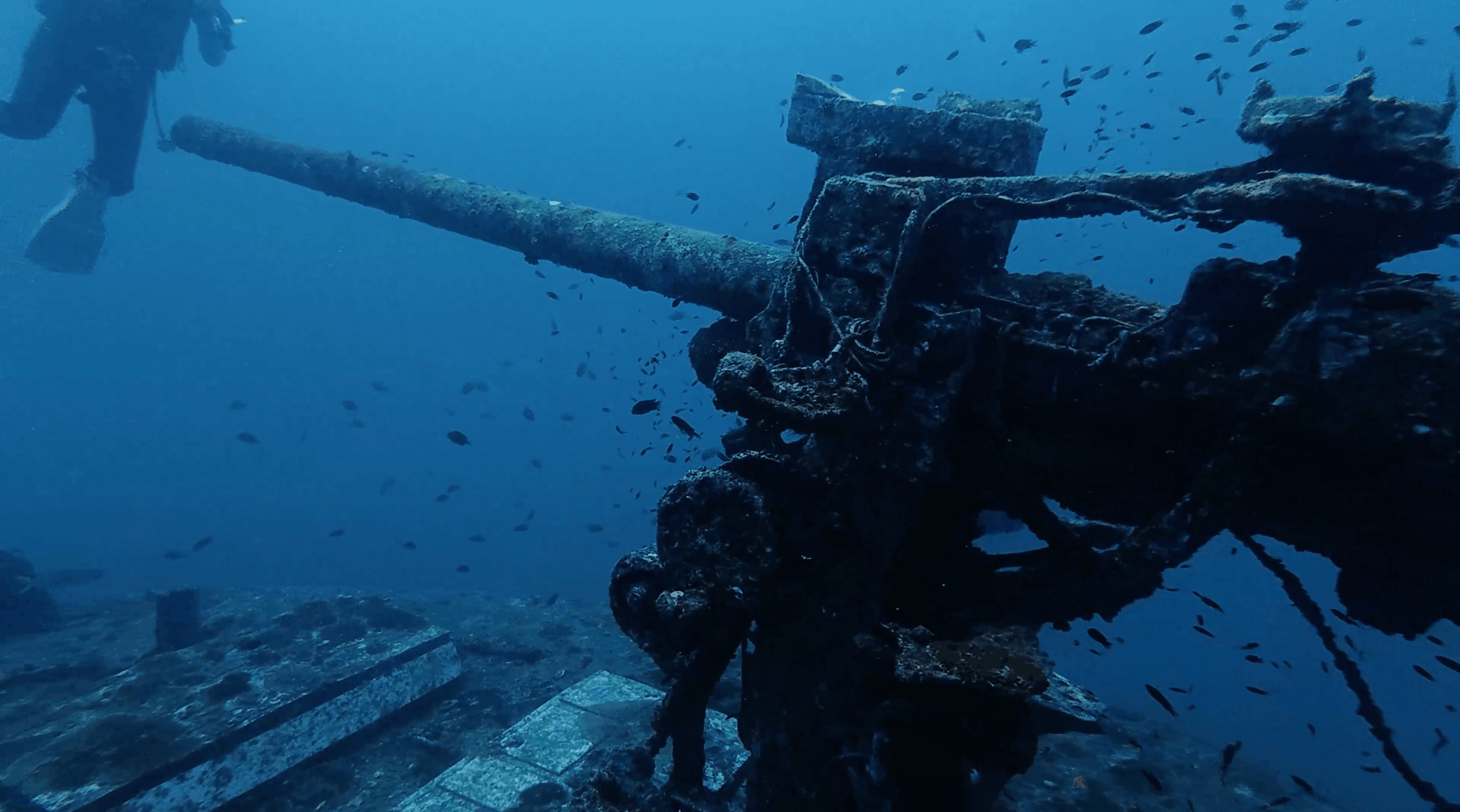
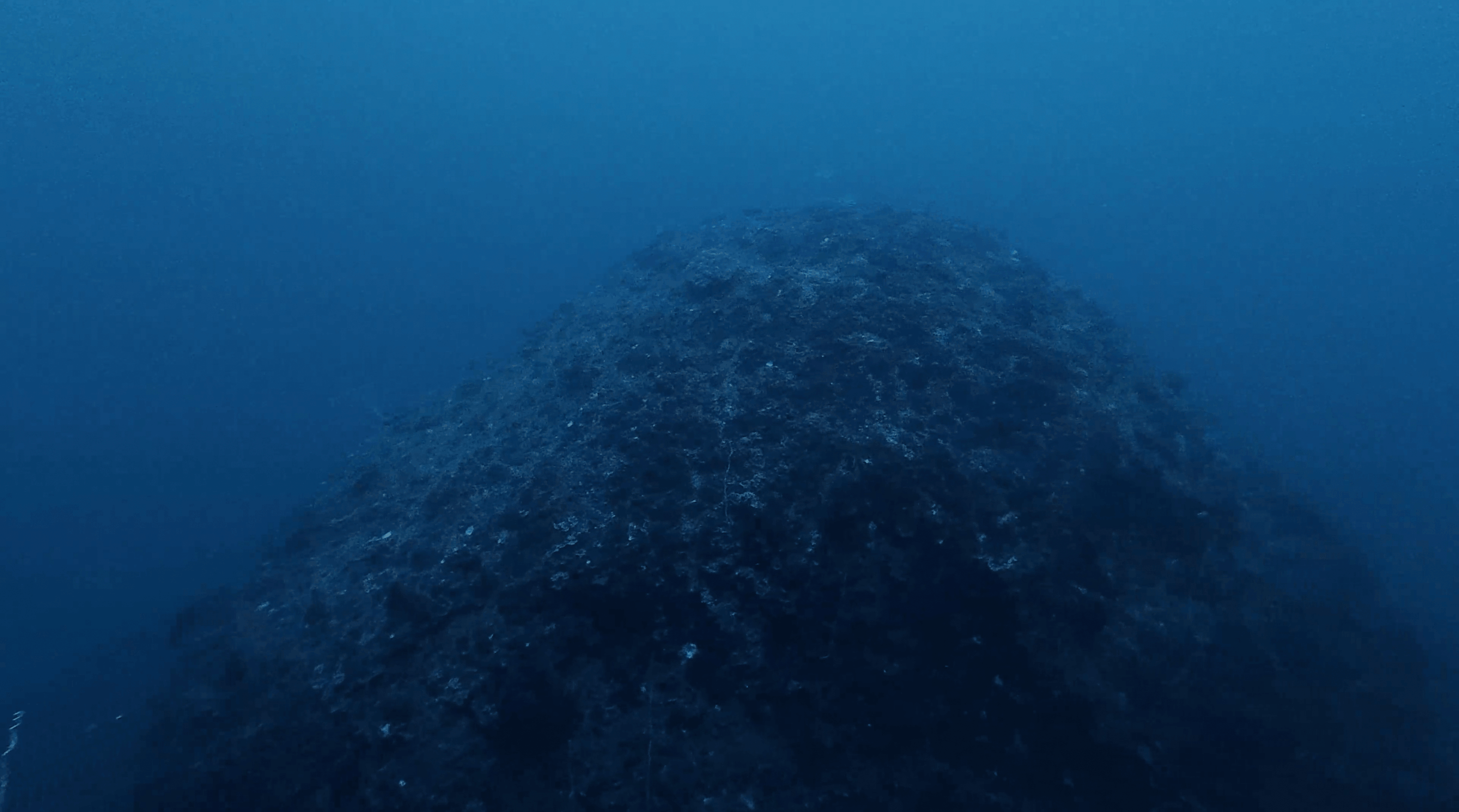
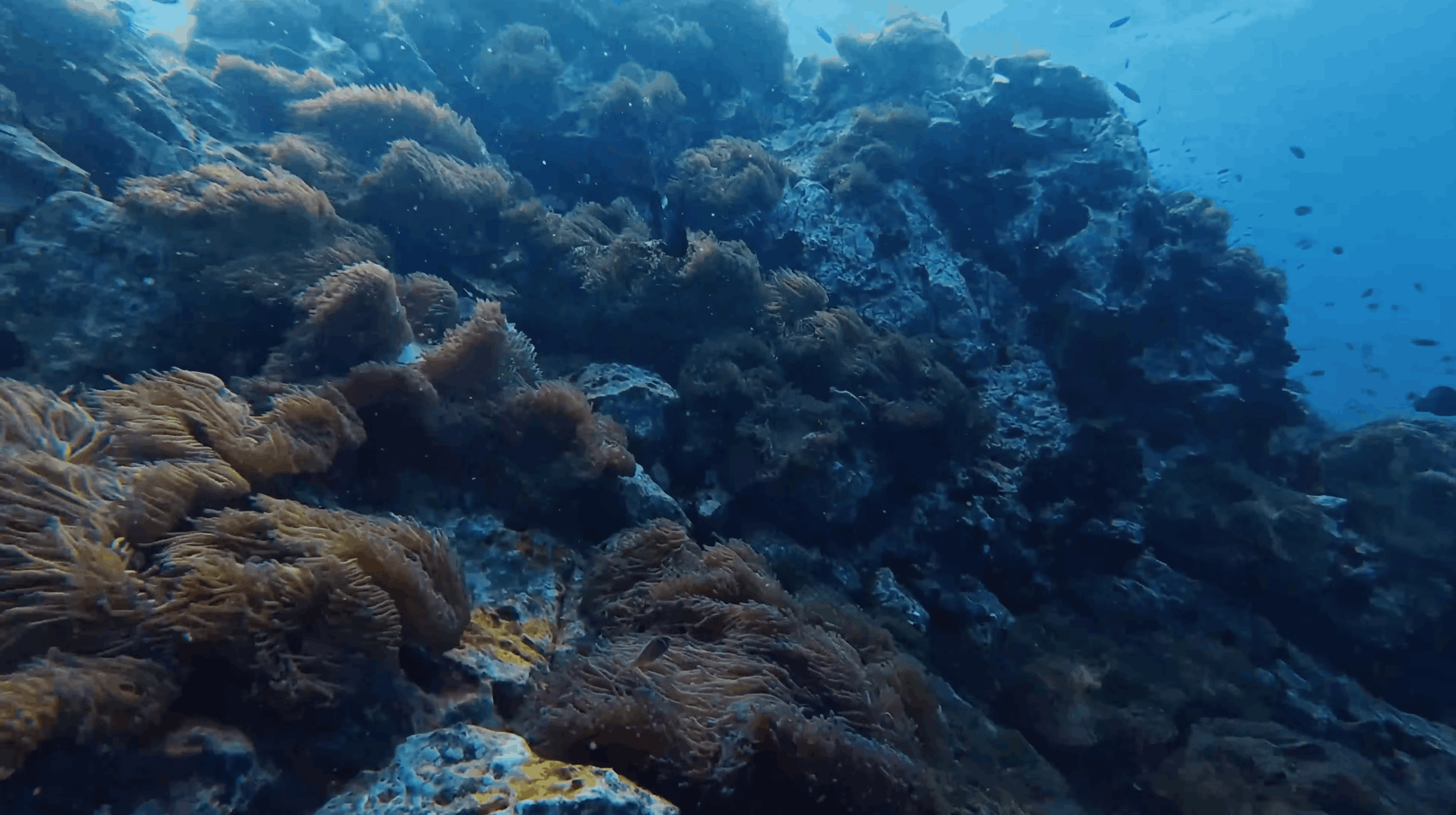
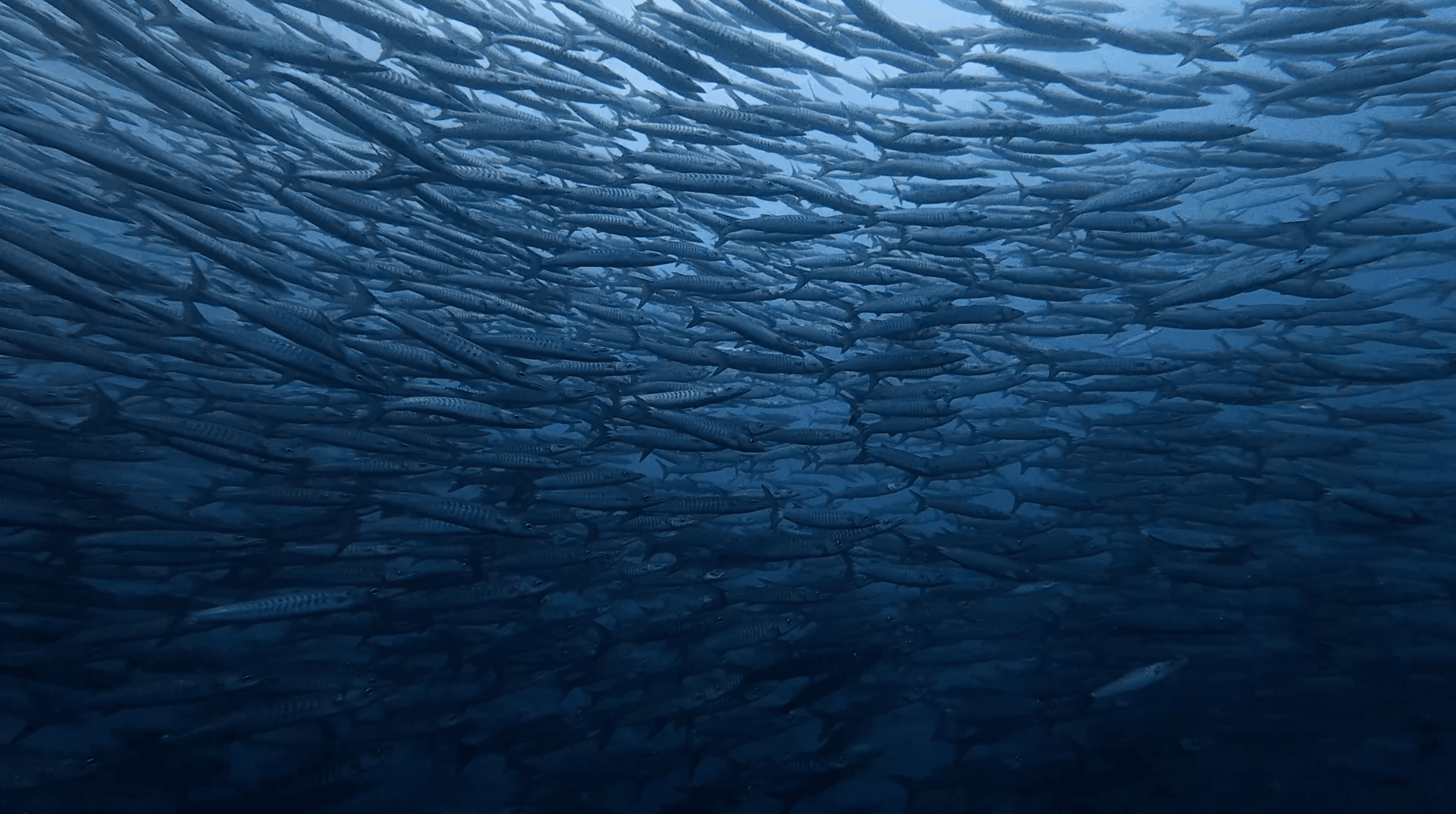
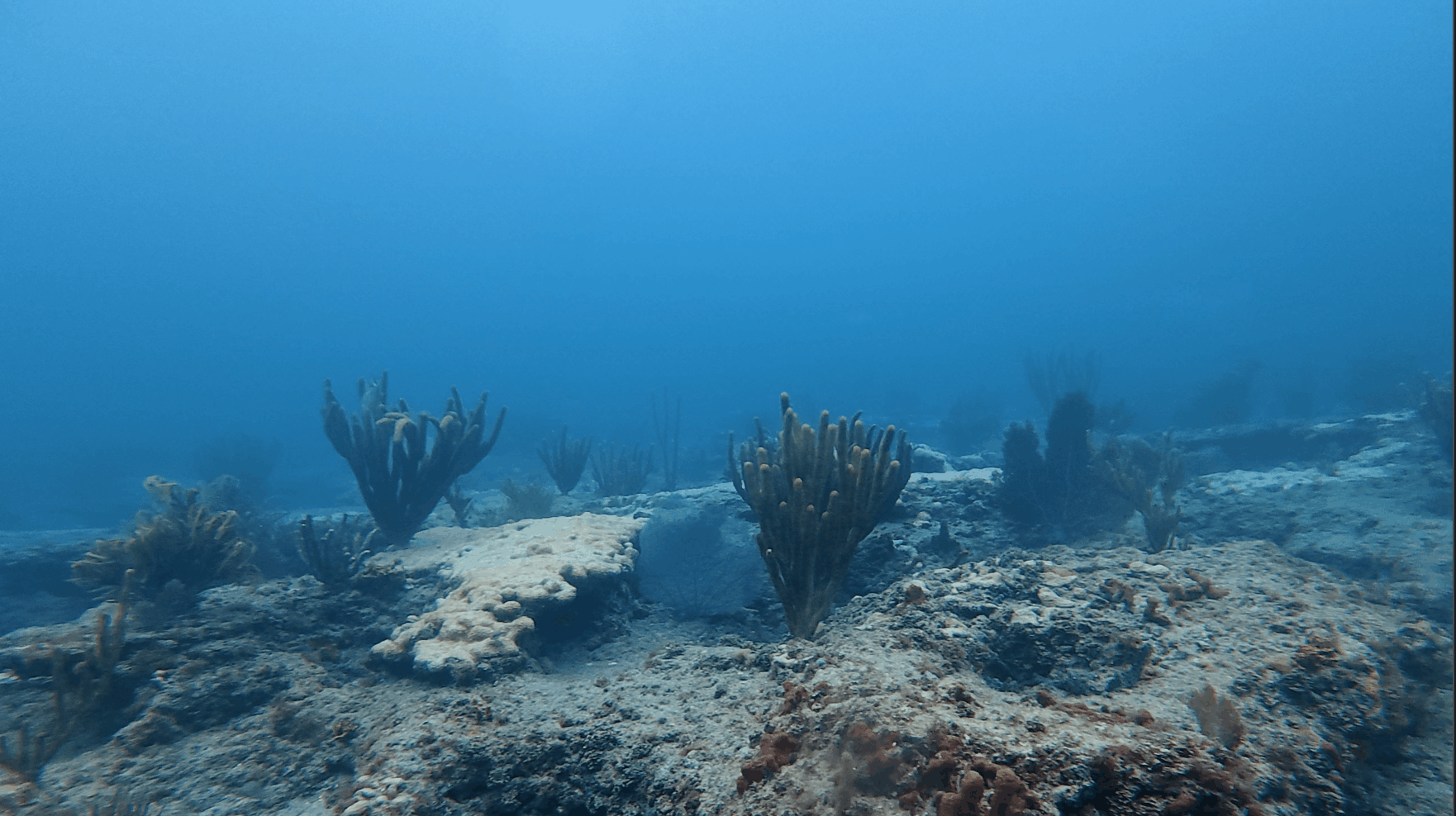
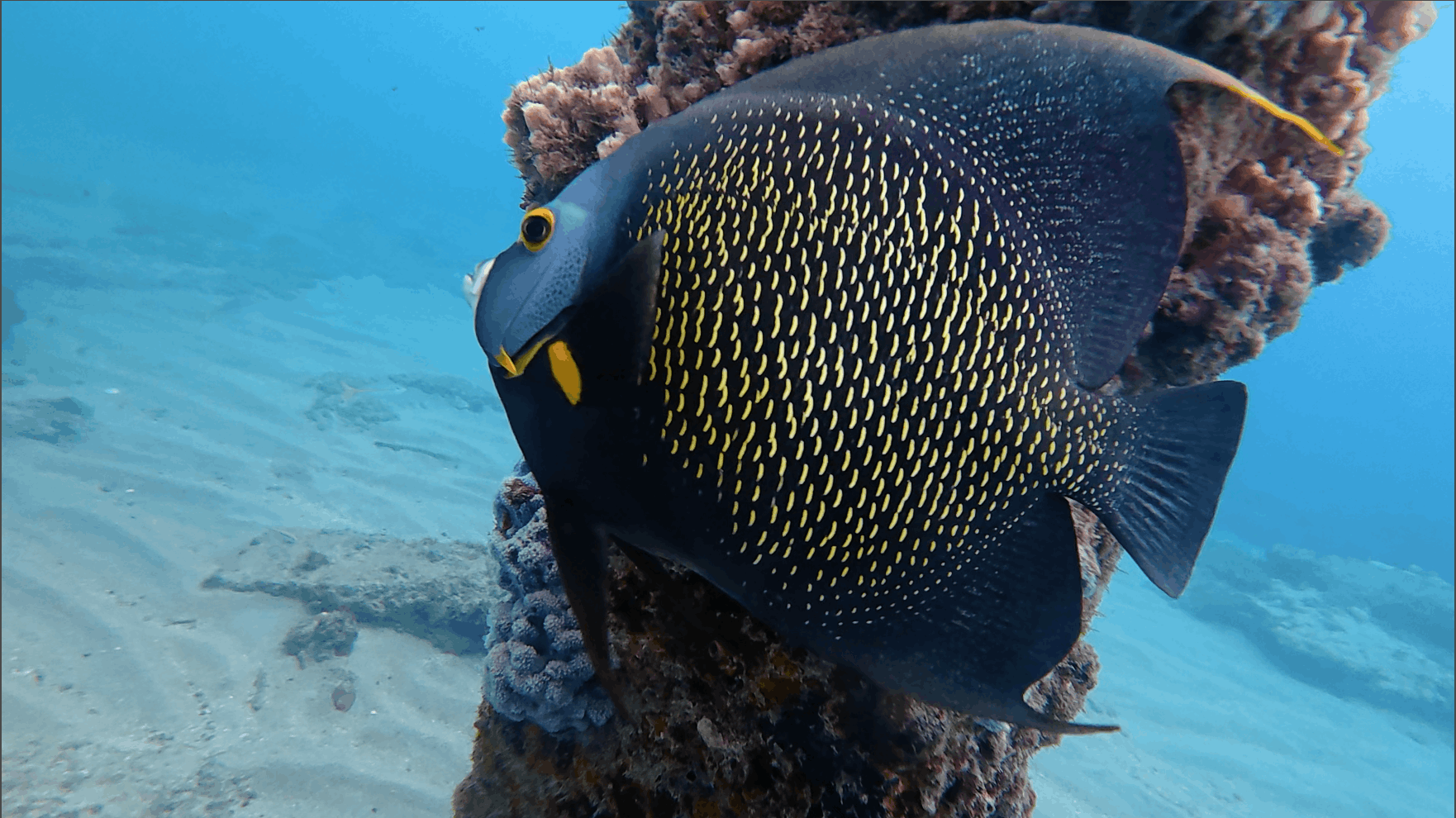
There are three reef systems off the shore at LBTS.
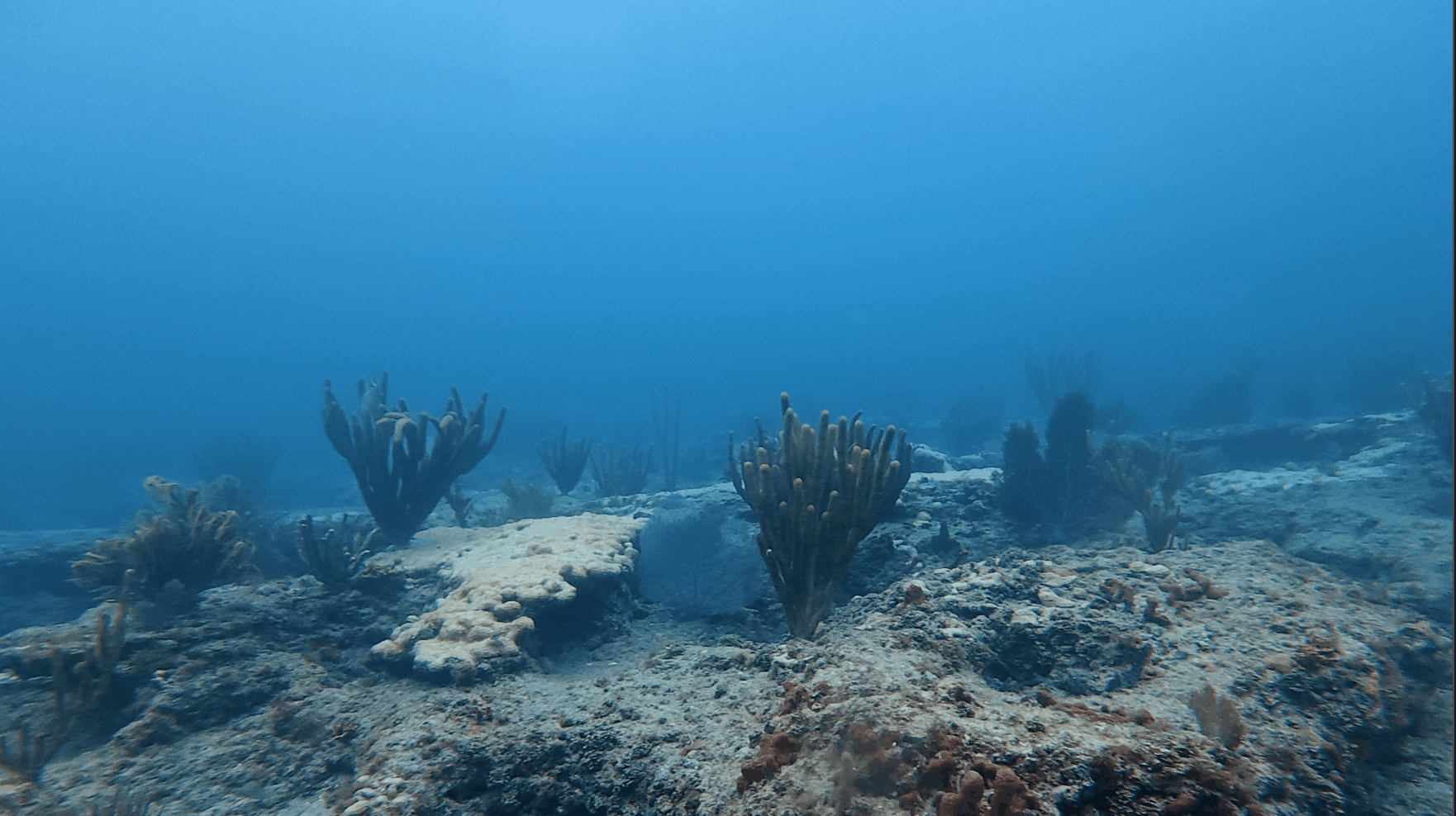
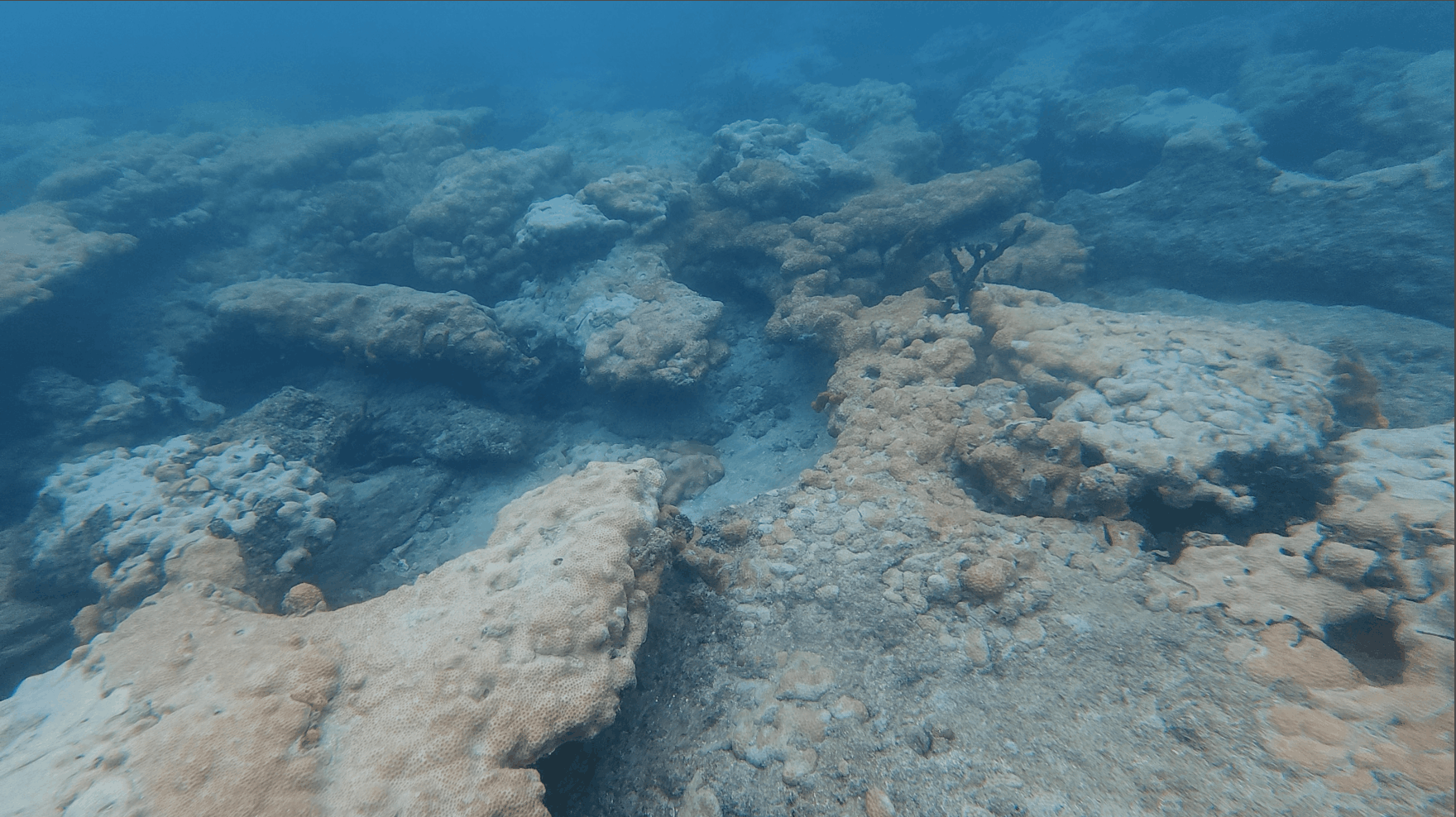
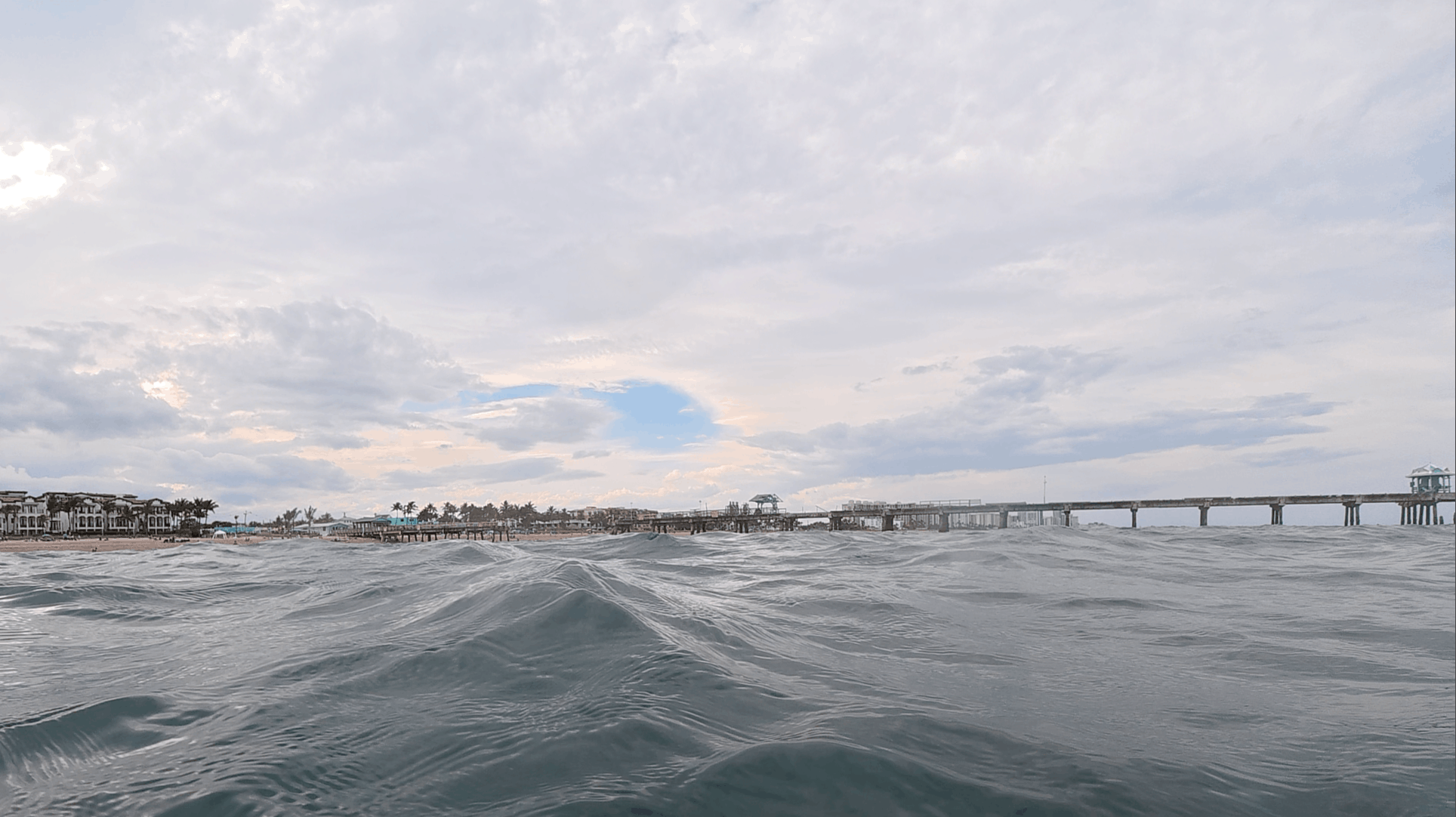
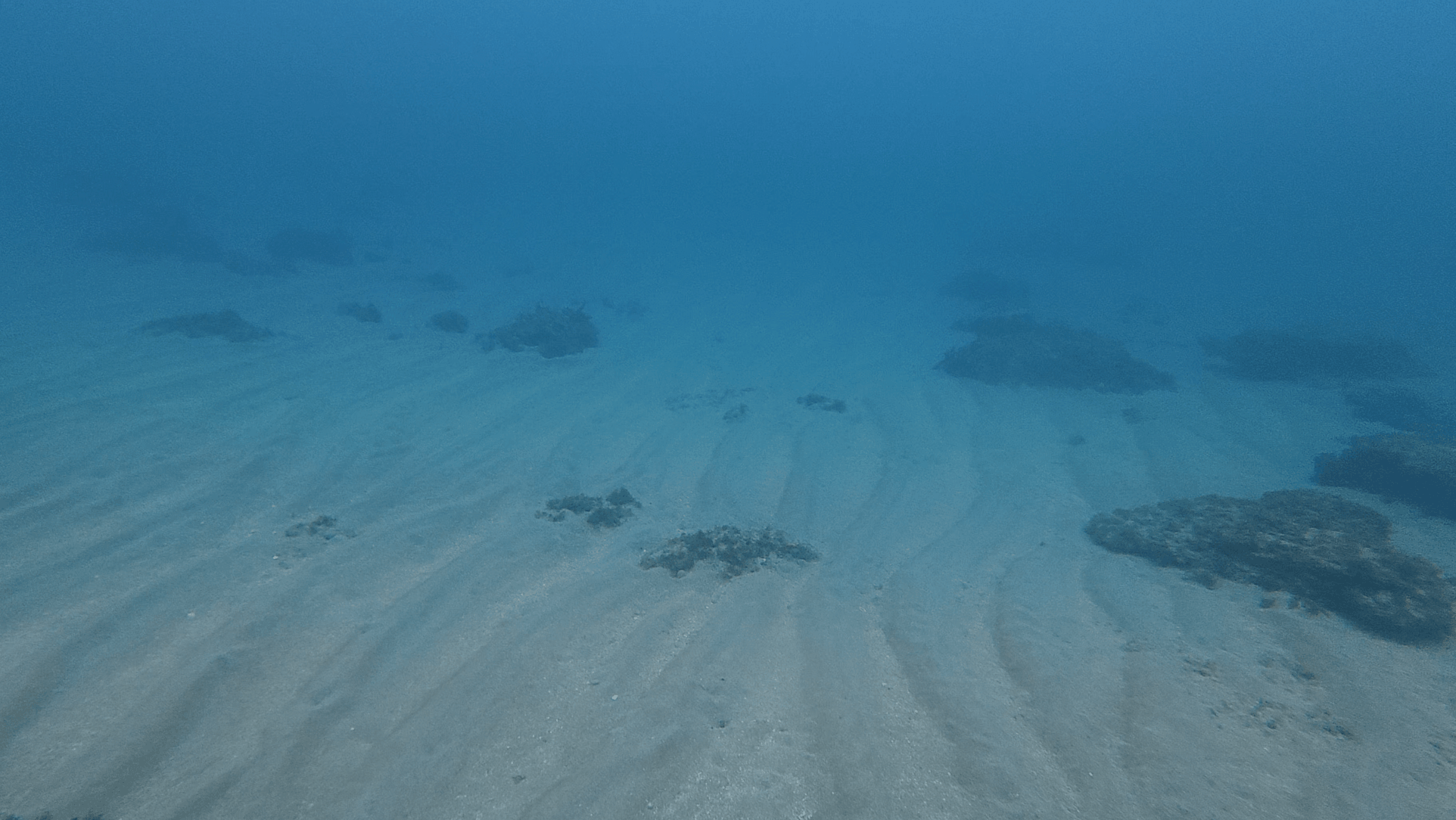
Keep swimming east and things pick up significantly on the second reef.
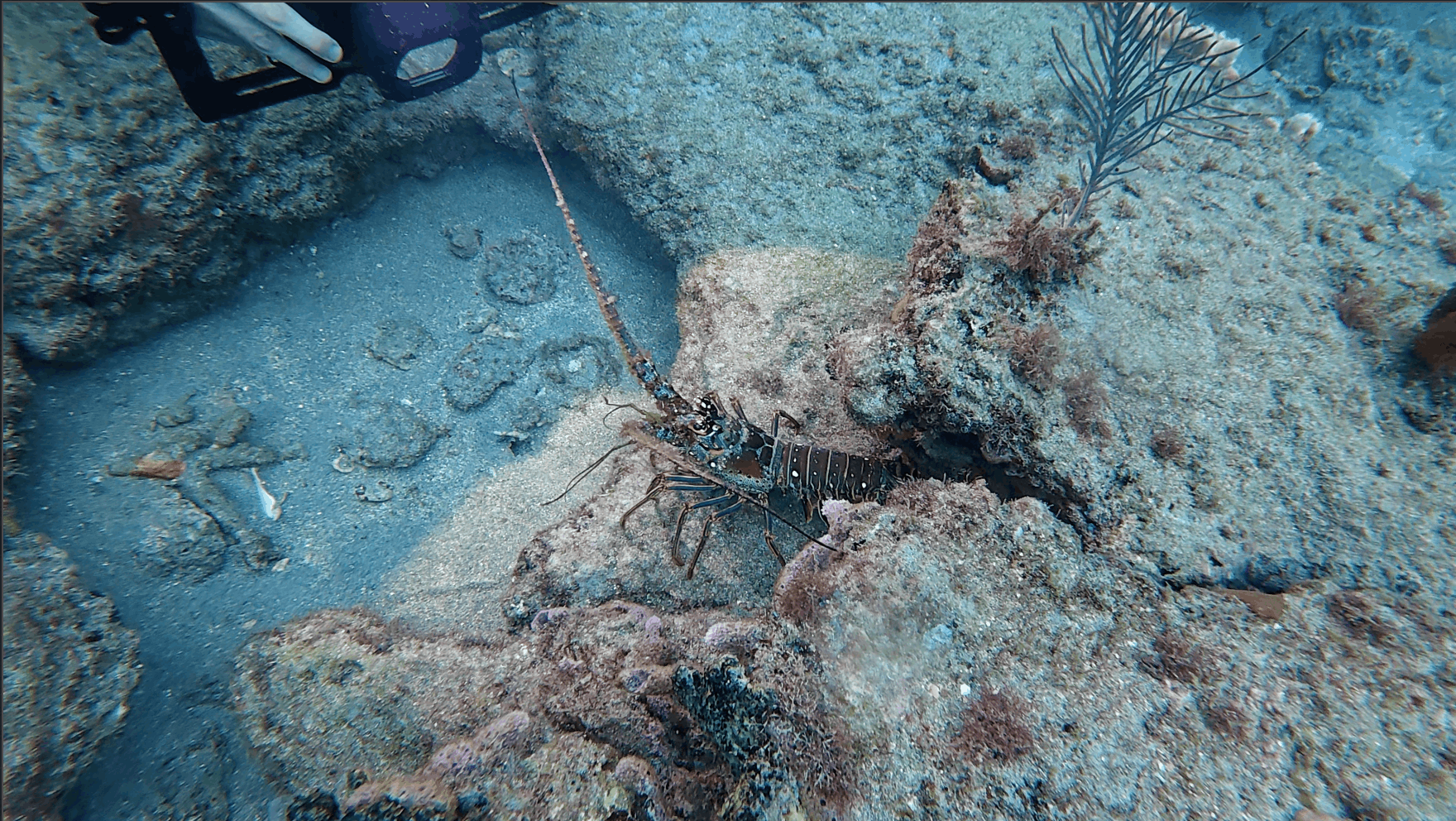
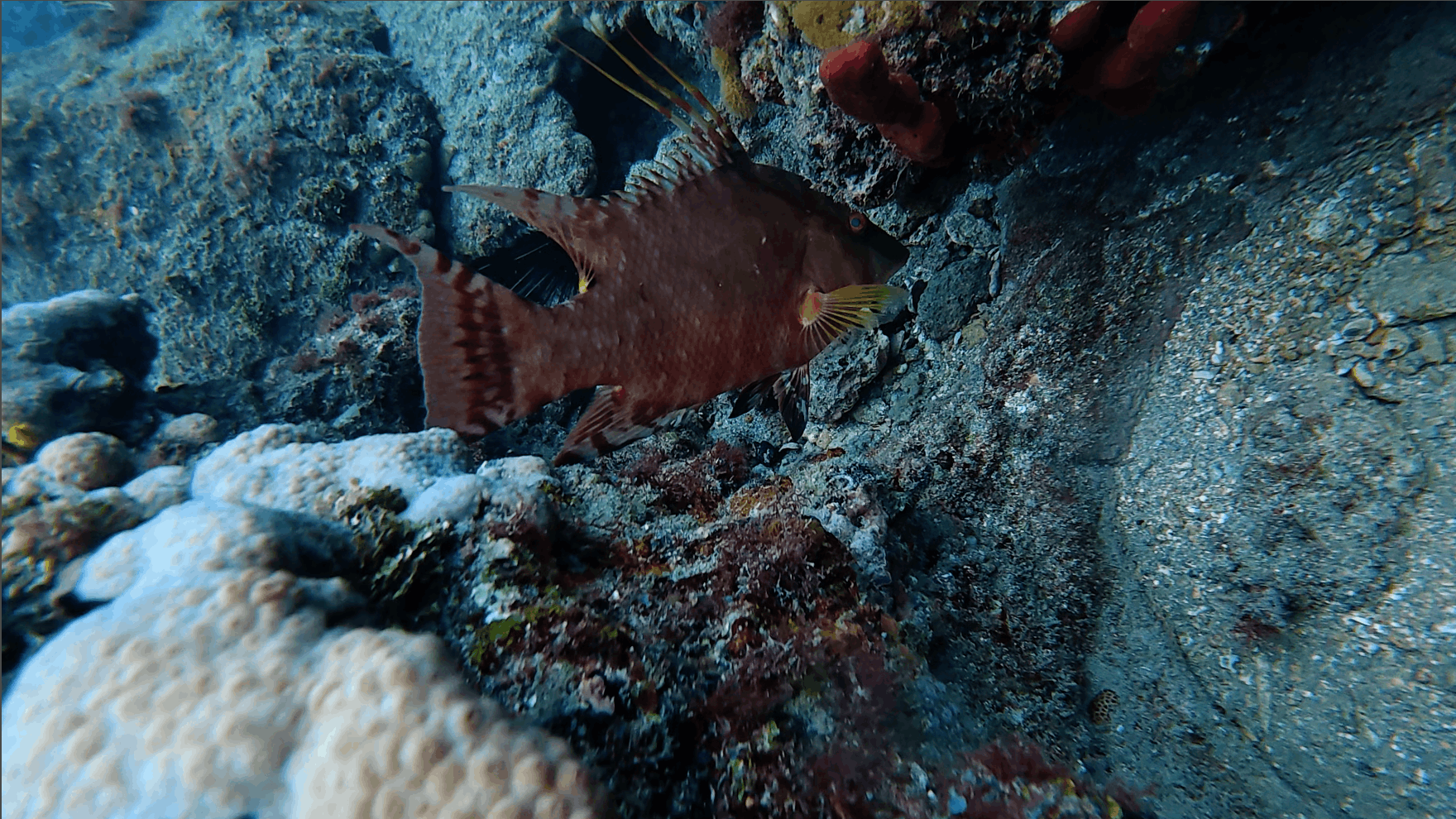
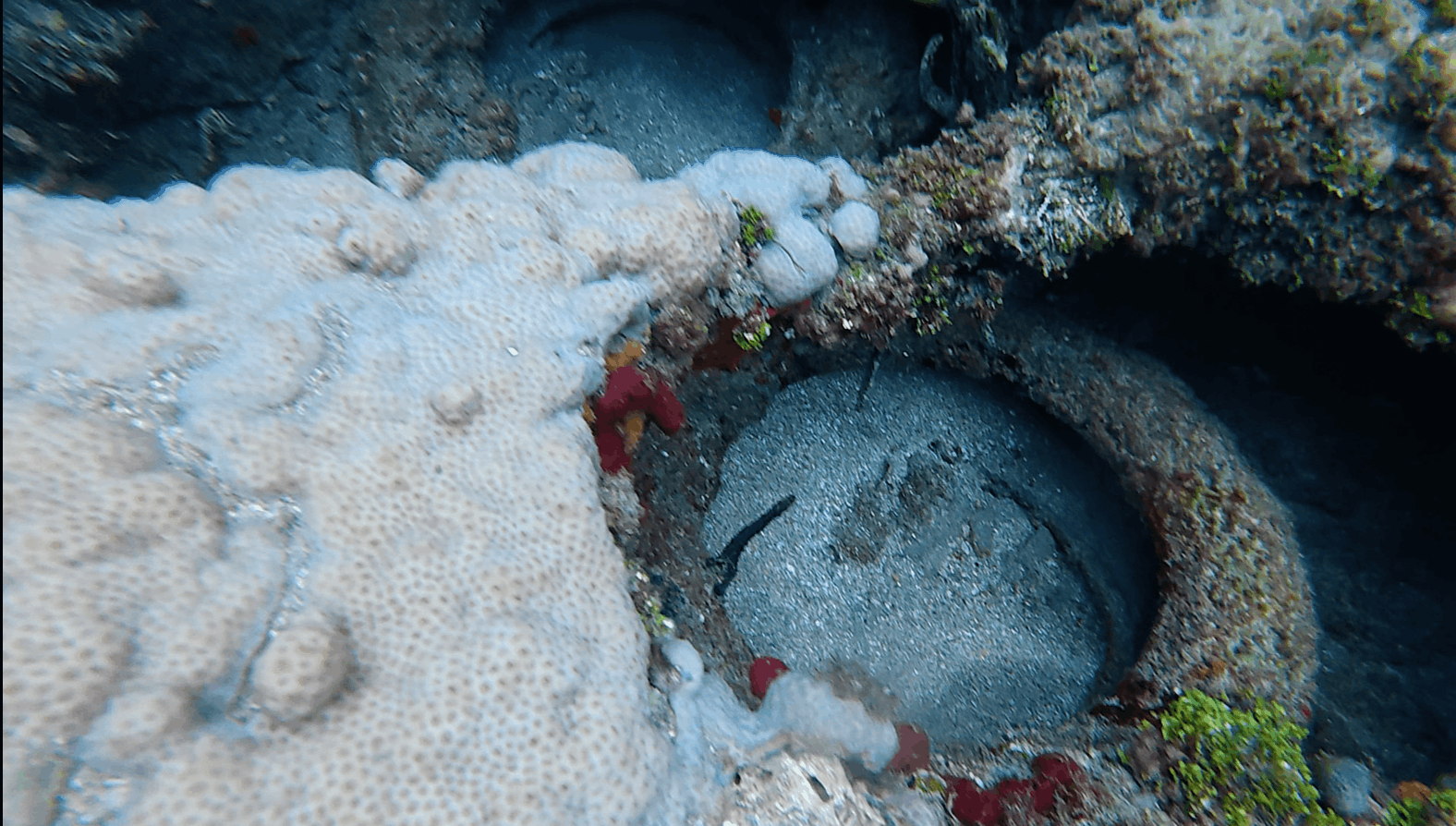
Water temp ran between 80.5 and 82.4°F (27 to 28°C), so a rash guard or thin wetsuit is all you need here.
Because of the shallow depth and low current, our dive lasted an hour and eight minutes.
We all had over 1,000 PSI left when we called it, but it was getting dark.
Essential Shore Diving Gear
Gear I Actually UseDive Conditions
Visibility on my dive was around 15-20 feet (4.6-6.1 m), which is below average for this site.
On a better day you'd see cleaner water, especially as summer approaches.
Two things I check before making the drive:
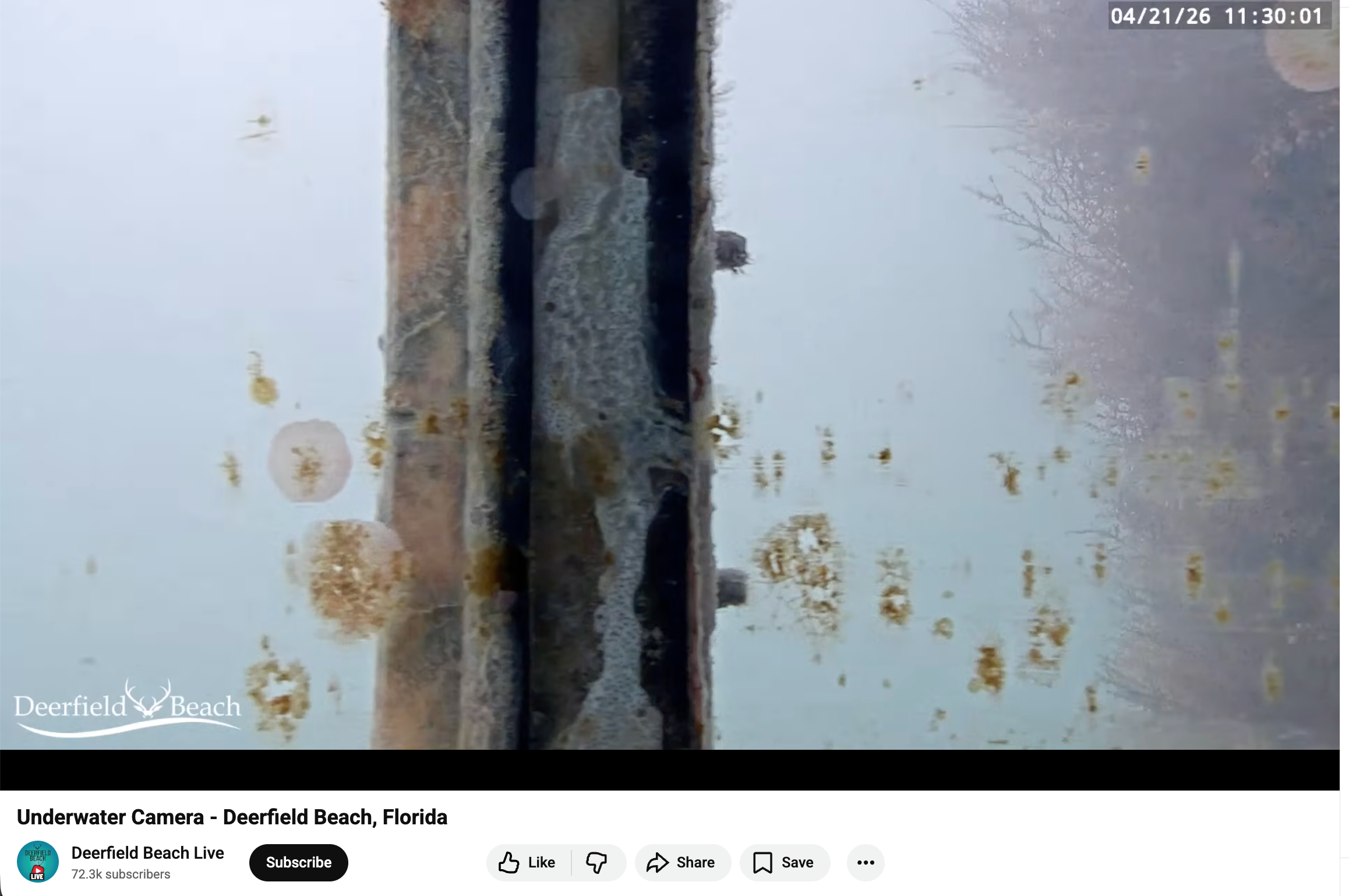
Pier cams: The Pompano Beach and Deerfield Beach pier cams aren't exactly LBTS, but conditions across this stretch of coast run nearly identical. If those look good, LBTS will too.
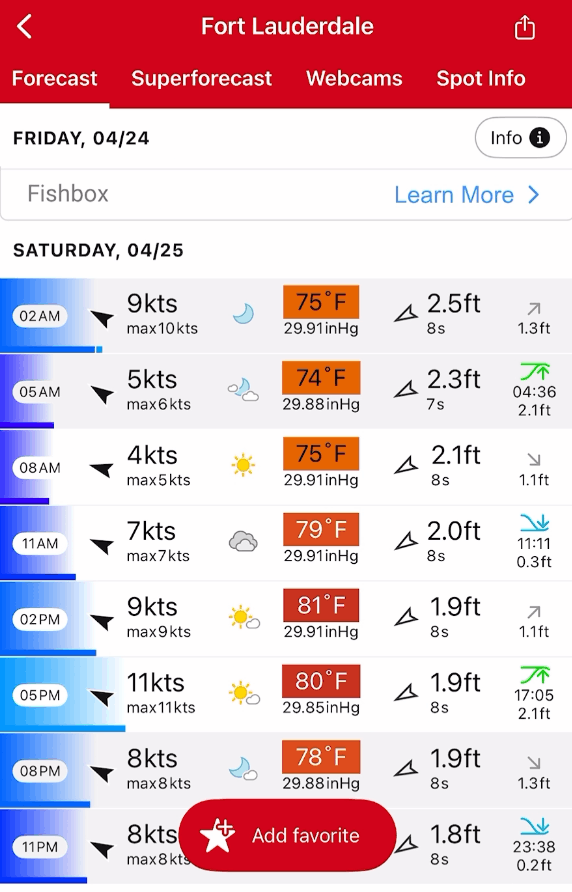
Windfinder: I use this to check wave height, current, and tide. I personally won't dive anything above 3 to 3.5 foot (0.9 to 1.1 m) seas. Check the swell direction too, not just height.
Let's Dive Together
👋 It's Divemaster Austin
I'm inviting you to Dive Club, my global scuba diving community.
What you’ll find inside:
🤿 Dive meetups & group trips
🌍 Top dive sites shared by community members
⚙️ Gear tips & technique discussions
🤝 Diver's who’ve already linked up IRL
See you there!

.webp)
.webp)