

I first dove the Erojacks in November 2025, and went back in November 2026 for a much longer dive, both times by shore entry at Dania Beach, Florida.
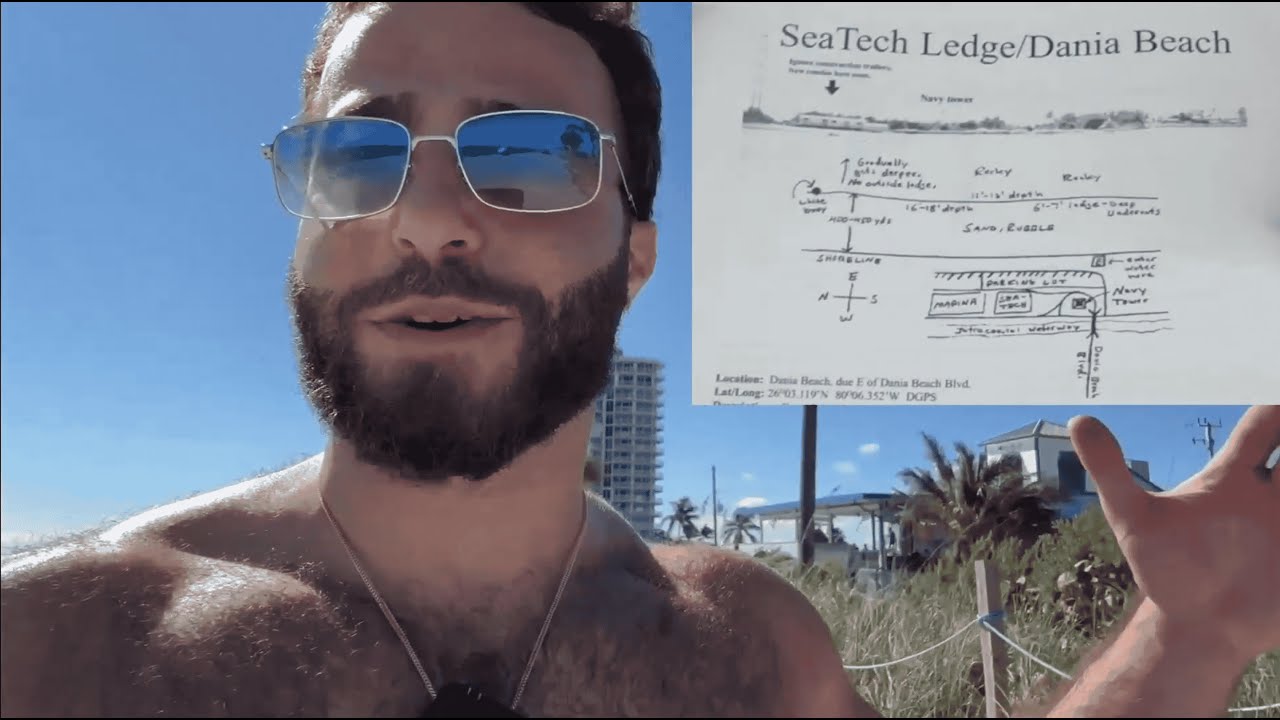
The Erojacks are an artificial reef north of Dania Pier, created in the 1960s as a beach erosion experiment. They sit just off the south end of Dr. Von D. Mizell-Eula Johnson State Park, about a third of a mile north of the pier.
Starting 100 yards (90 m) off shore, they’re a super easy shore dive that almost anyone can do. Max depth is 19 feet (5.8 m), shallow enough to snorkel or freedive too.
Erojacks
How to Get There

When I dove this site in November 2025, the parking lot closest to the entry point inside Dr. Von D. Mizell-Eula Johnson State Park was down for construction.
I have not been back to Florida since the start of the year, so I cannot tell you whether it has reopened. If you have been there recently, let me know and I will update this.
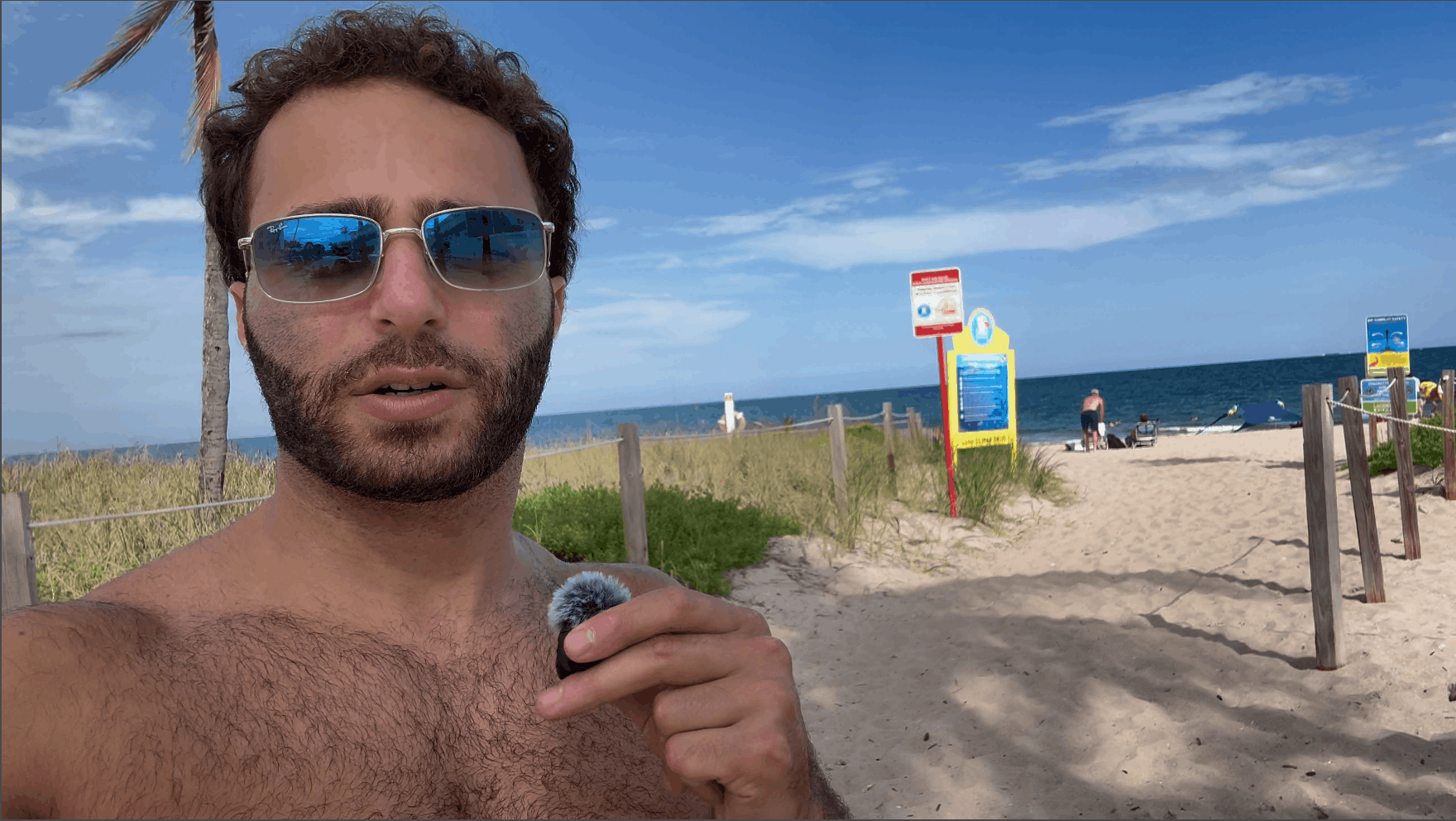
In the meantime, you’ll need to park at the Dania Pier parking lot located at 300 N Beach Rd, Dania Beach, FL 33004 and walk over with your scuba diving gear.


If you go further past this sign, you'll eventually run into a post with the word "Jax" written on it, along with a scuba diving flag.

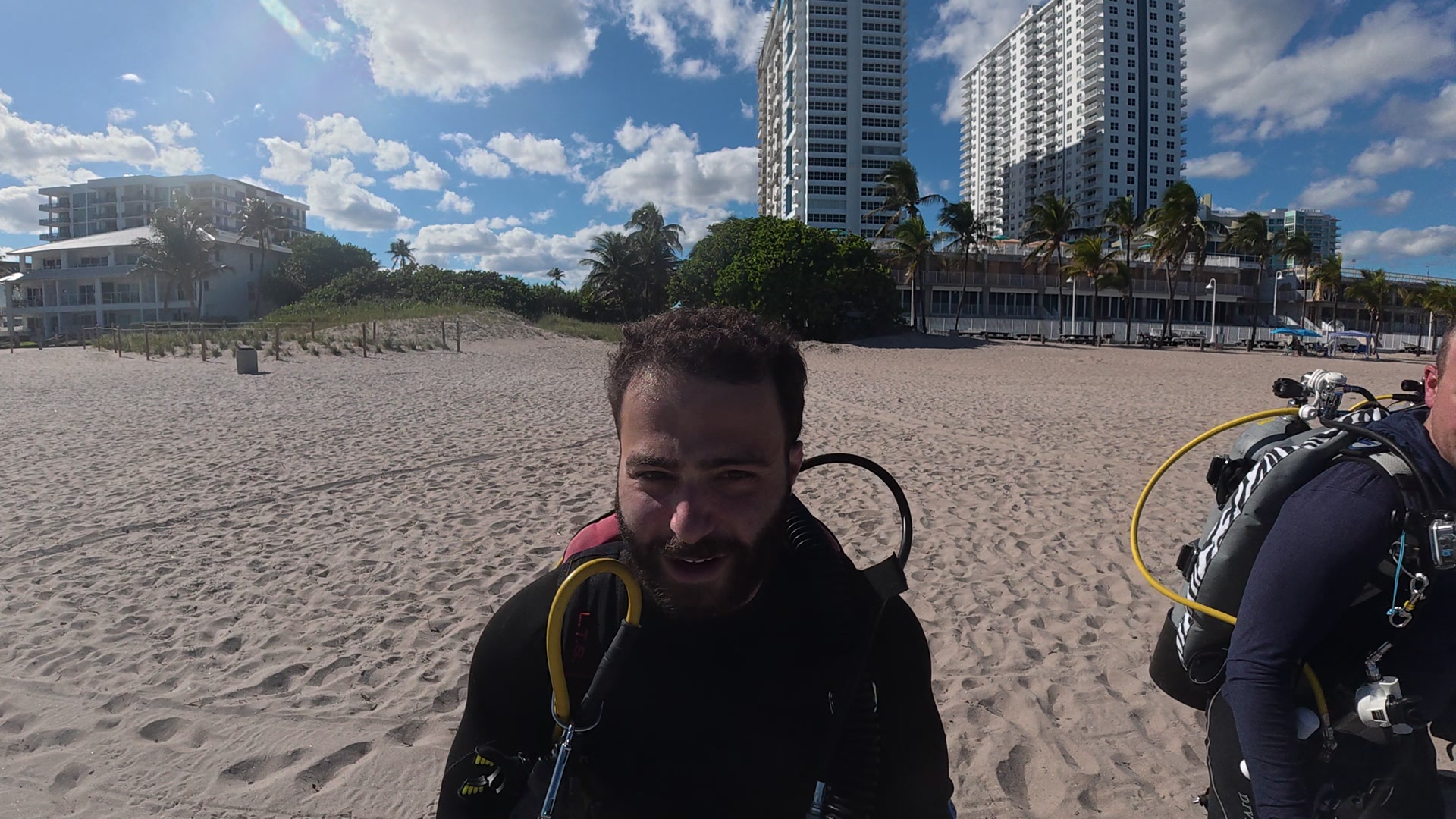
Once you make it here, start unloading and setting up your gear and begin your dive. It should be no more than a 5-10 minute swim in order to get out far enough.
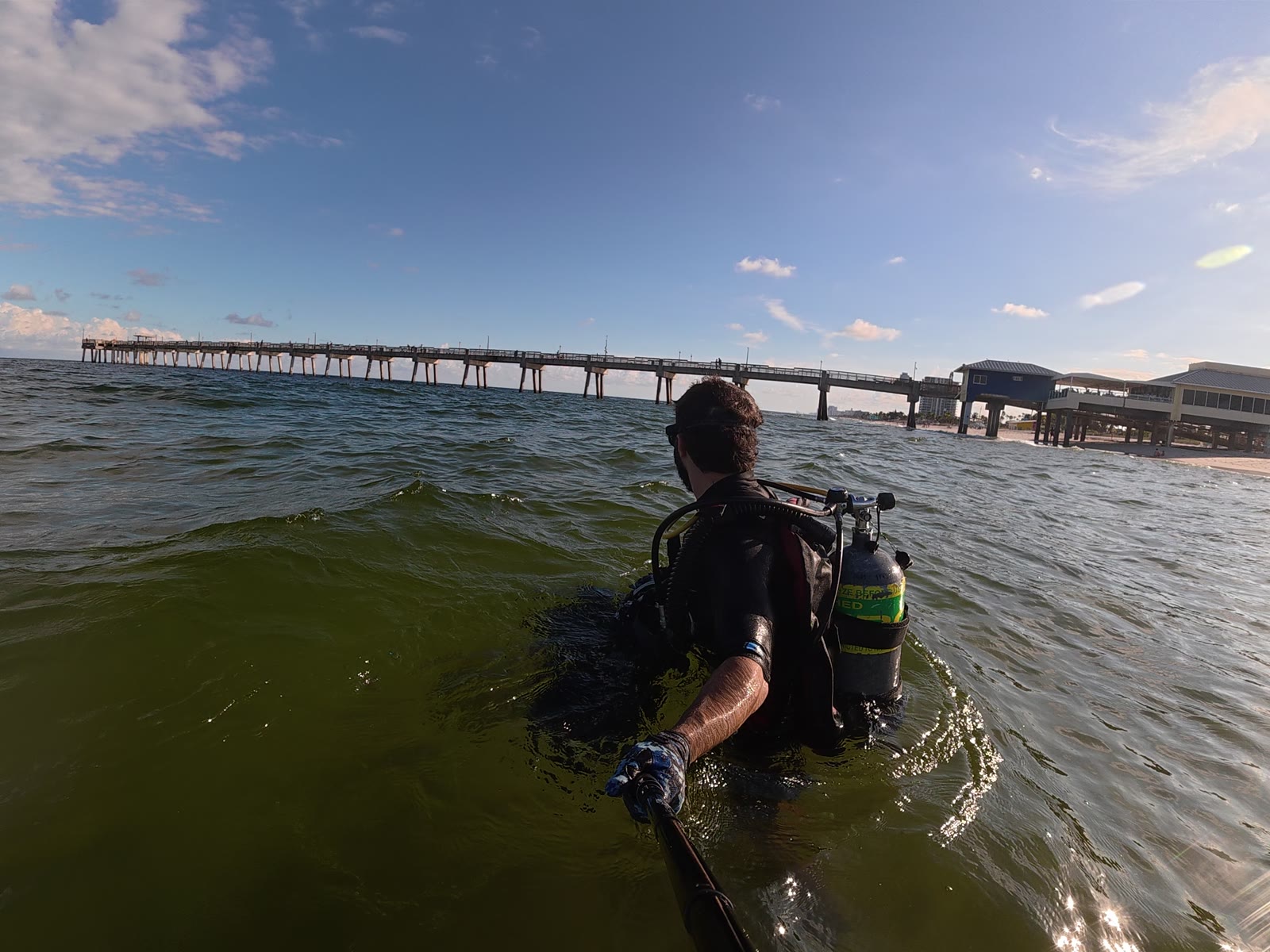
The Erojacks run East to West, so if you swim North or South depending on your entry point, you will eventually come across them.
History of the Erojacks
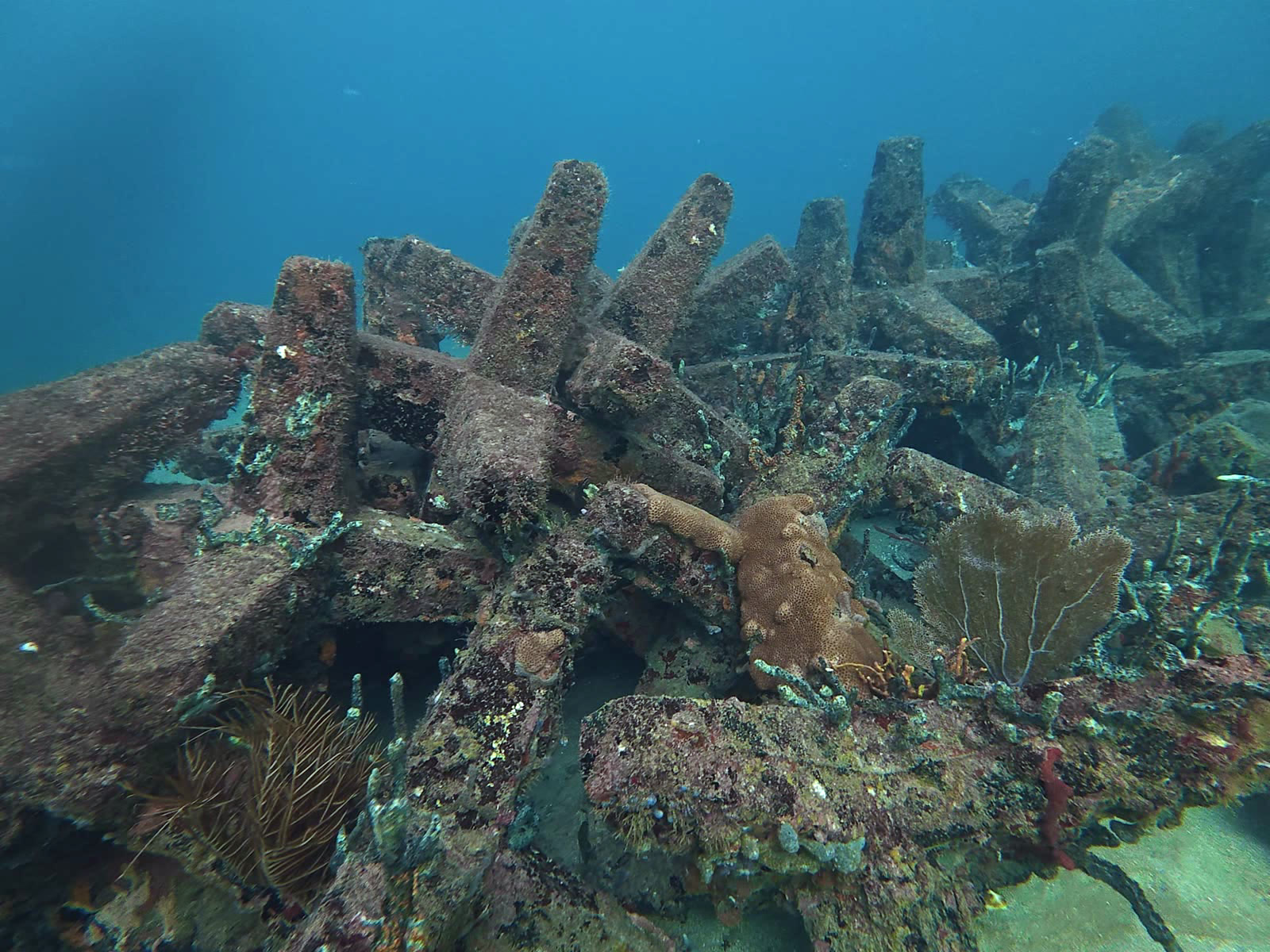
The jacks were set down here in the 1960s by Broward County's Erosion Prevention District, in an attempt to stop sand from getting carried away. Erojacks is short for erosion jacks.
Each one is around 4 ft (1.2 m) tall. They start about 100 yards (90 m) off the beach and run almost a third of a mile out, all the way to the first natural reef.
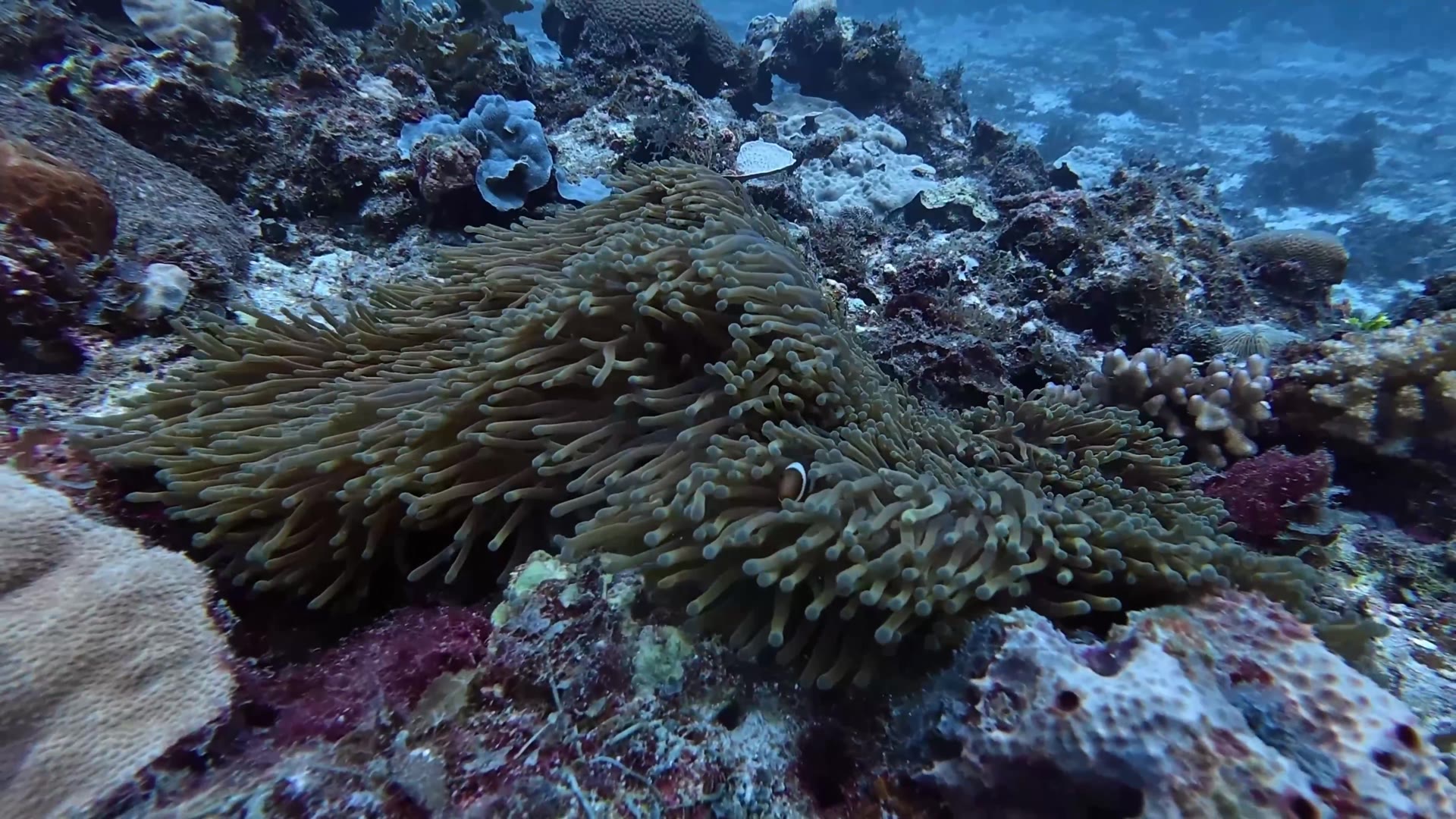
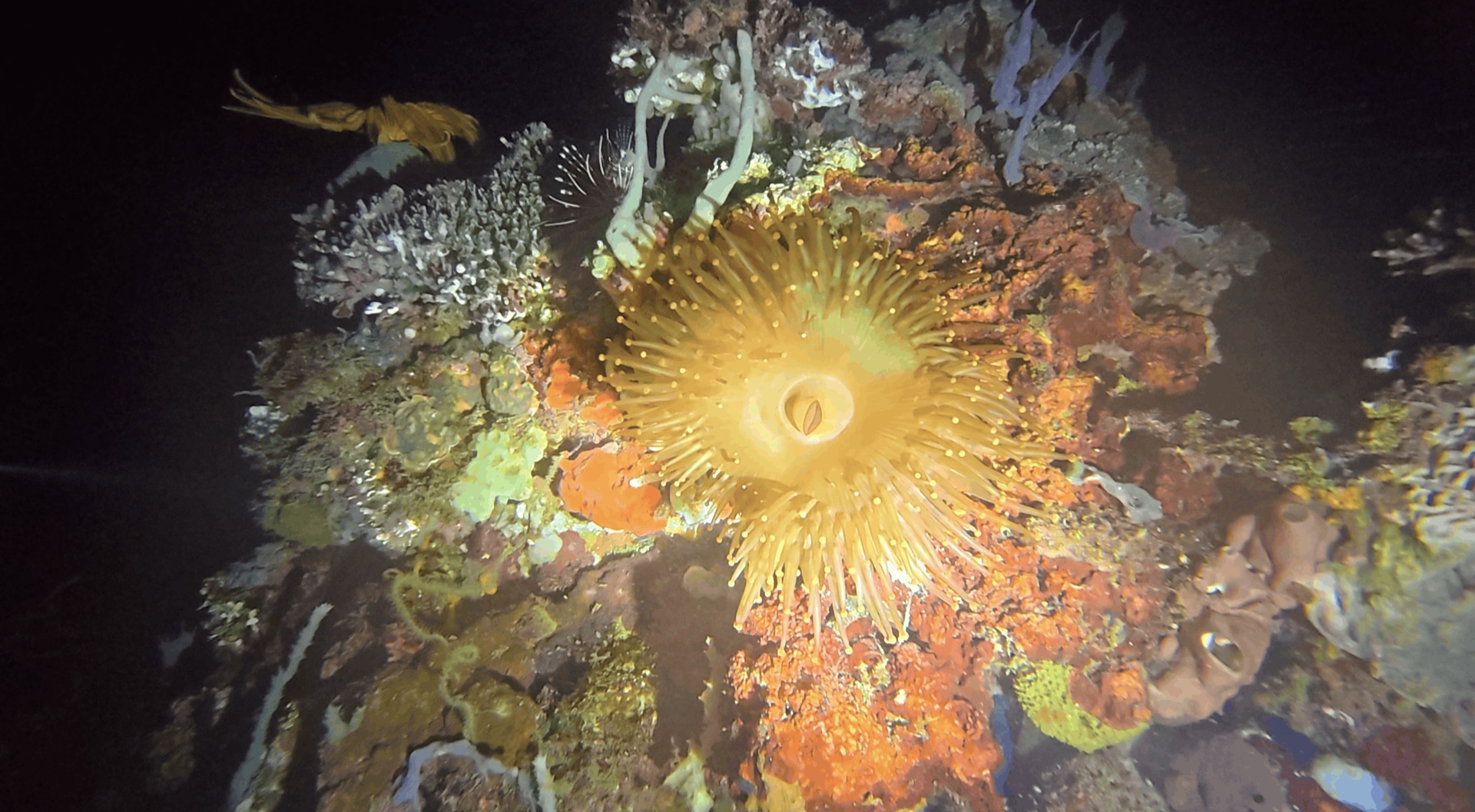
More than 60 years later, they are covered in sponges and coral, and packed with fish, lobster and nurse sharks.
What Marine Life I Saw

First off, you'll see piles of Erojacks running almost a third of a mile (about 540 m) out to the first natural reef.
They don't move, but there's something oddly mesmerizing about swimming along the line and watching how they stack on top of each other.
Each Erojack is packed with coral growth and hiding spots for everything from small reef fish to lobster to nurse sharks.
On my dive I ran into:
- Groups of baby puffer fish
- Multiple hog fish
- Margates
- Slipper lobsters
- Grunts
- Porkfish
Everything you typically expect at a shallow South Florida reef.
My November 2026 Dive
On my second visit I stayed down for 83 minutes solo, one of the longest dives I have ever done, and counted 20 different species. This time I swam out along the jacks and kept going to the first natural reef before heading back.
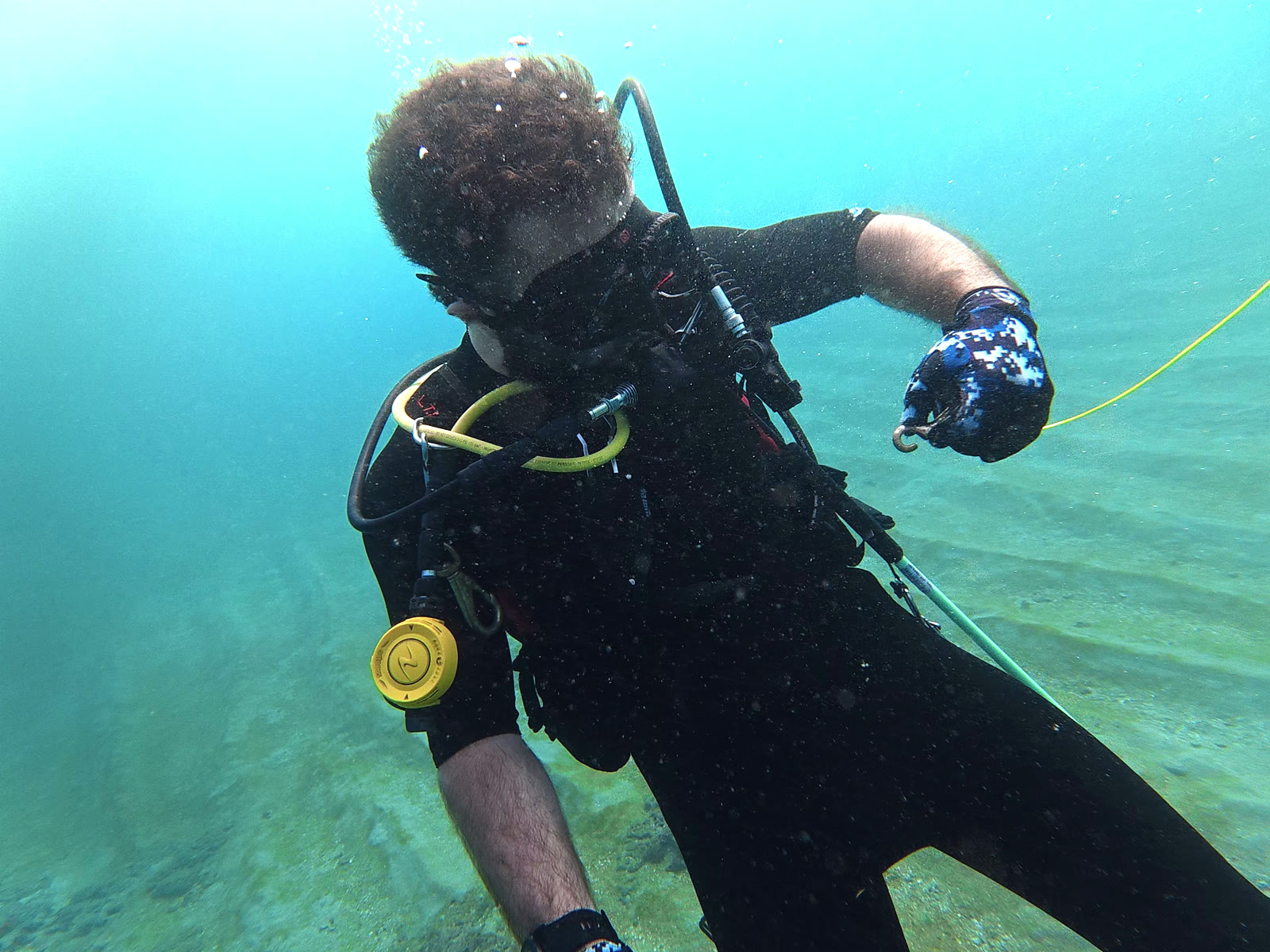
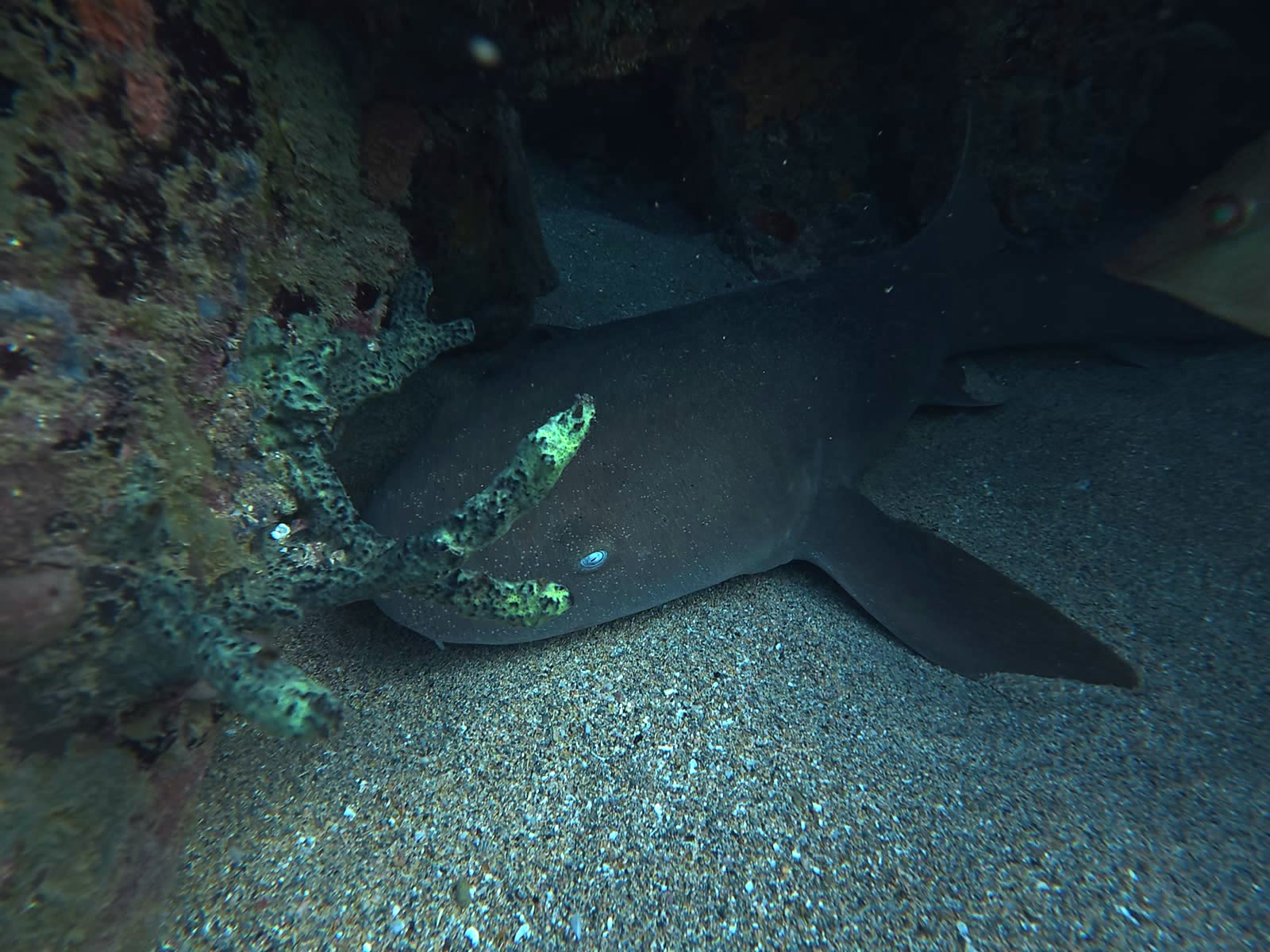
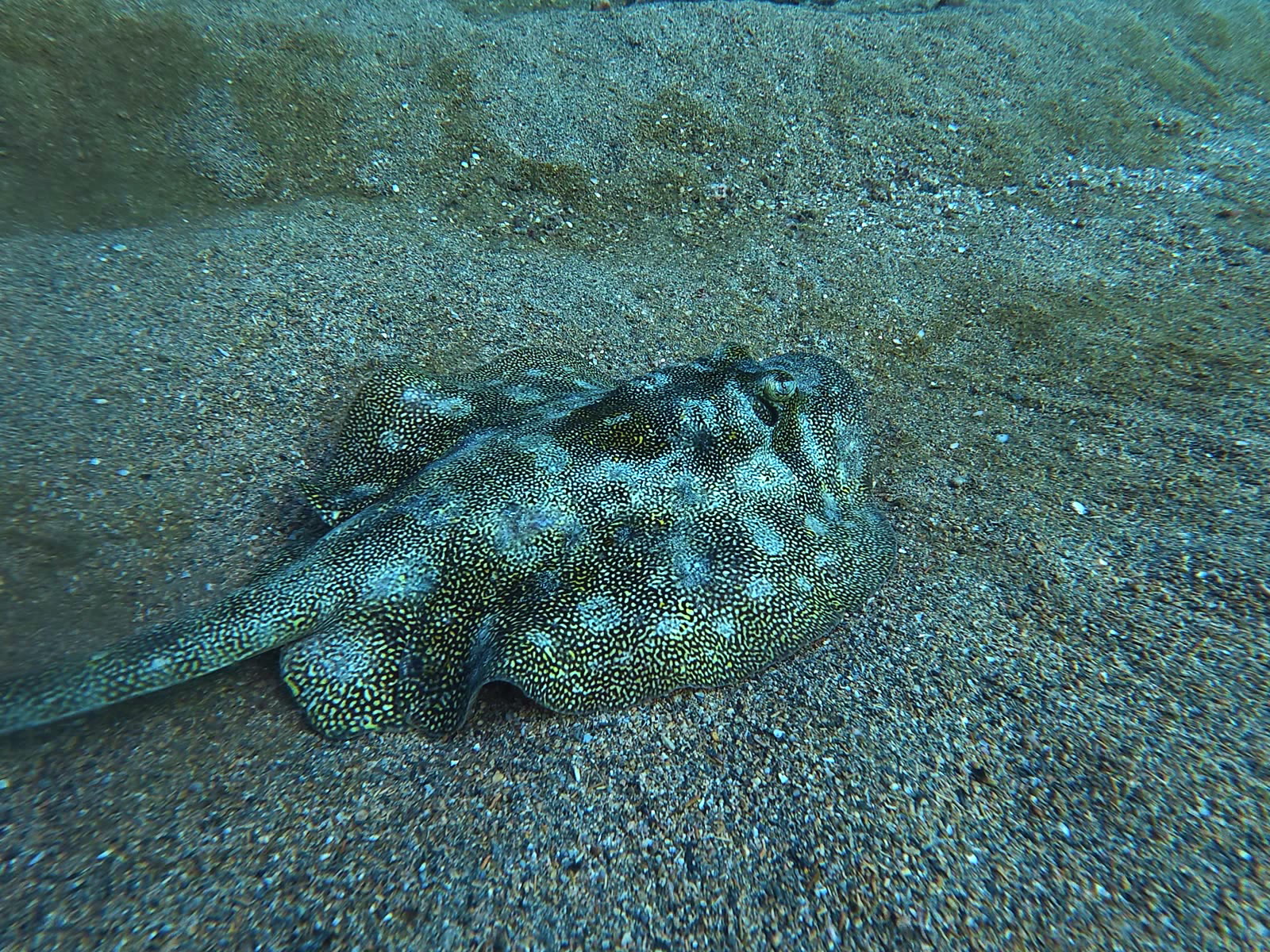

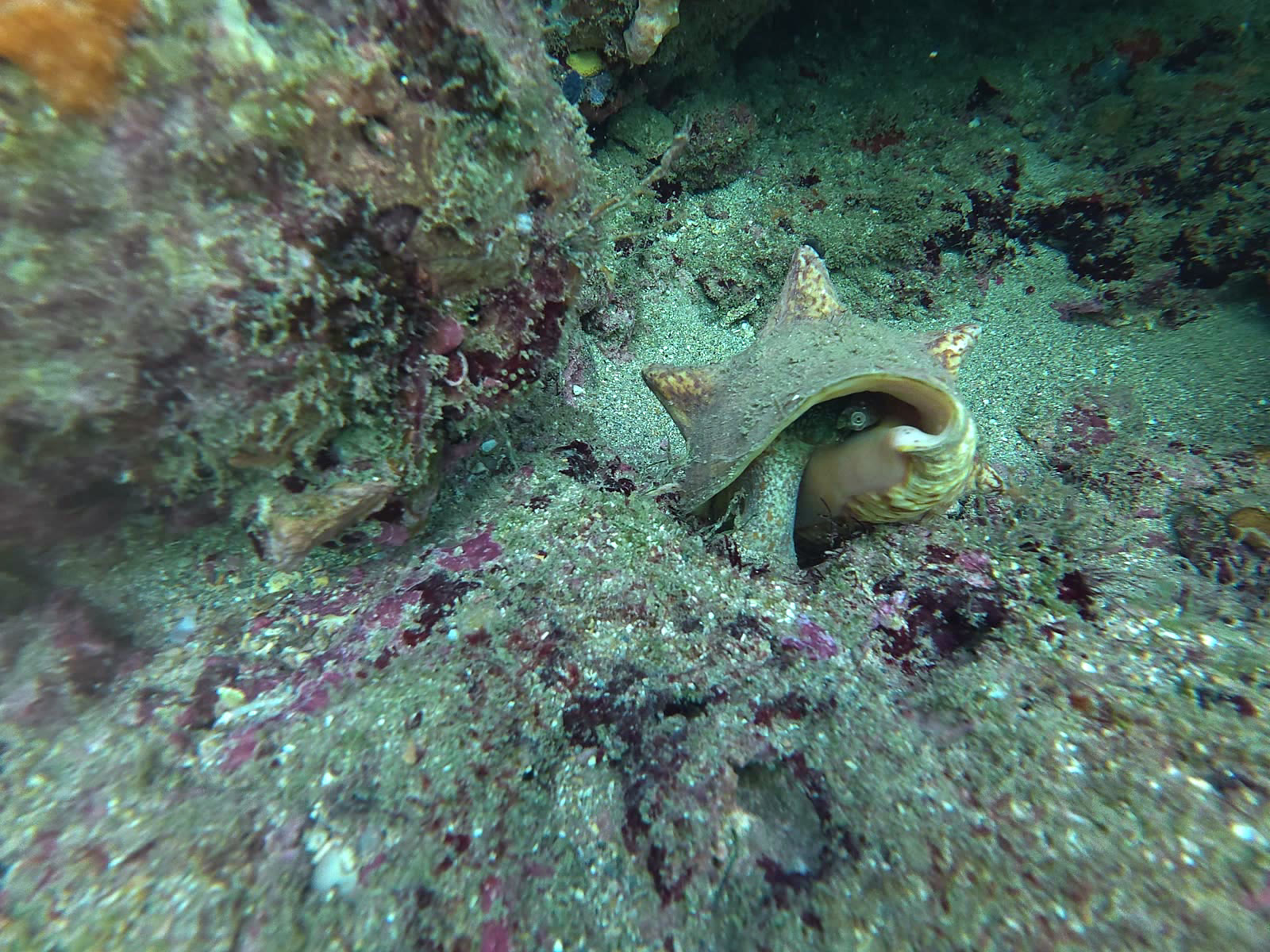
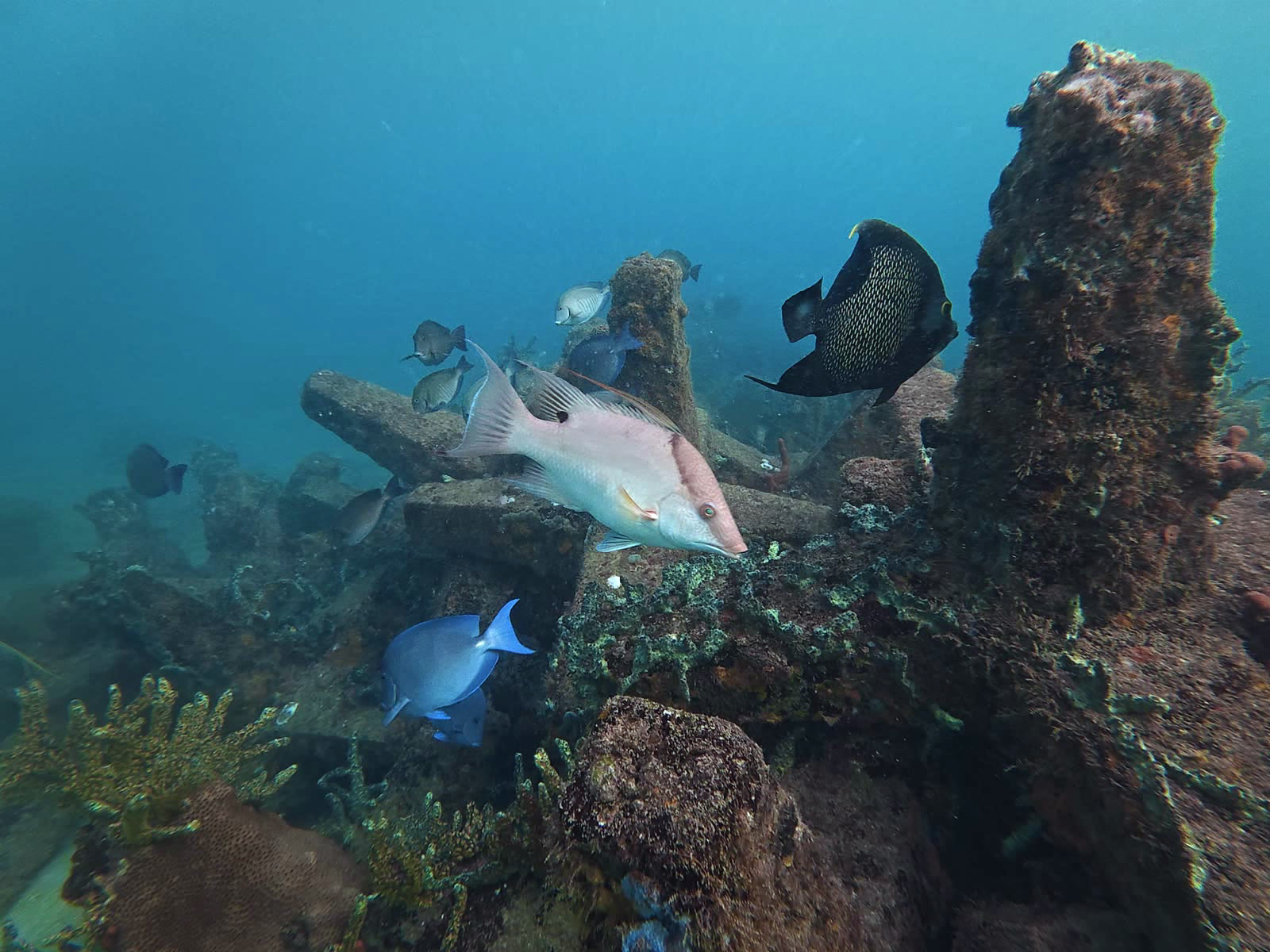
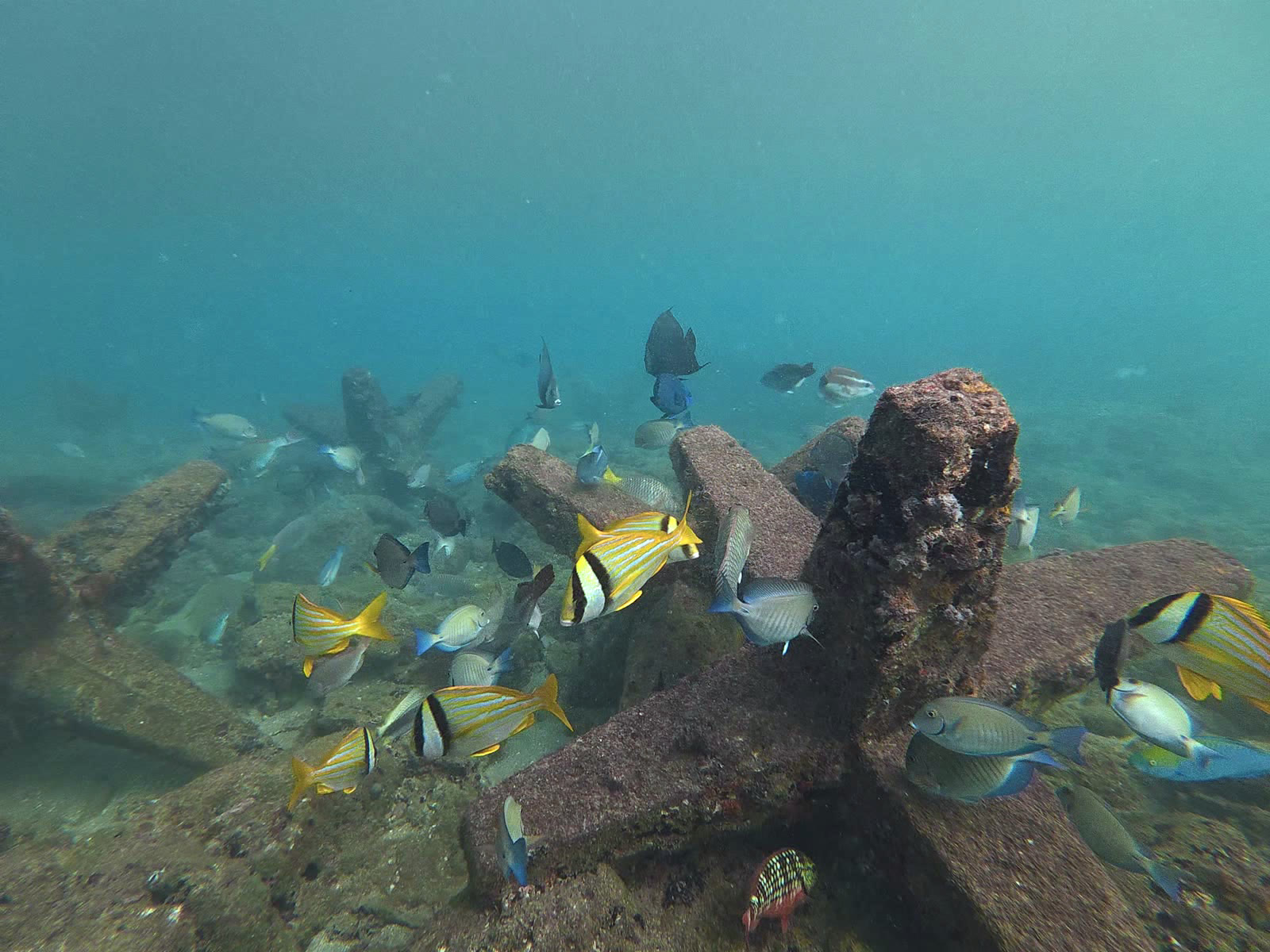
Everything I saw on that dive:
- Nurse shark
- Great barracuda
- Spotted moray eel
- Lesser electric ray
- Caribbean spiny lobster
- Spanish lobster
- Arrow crab
- Queen conch
- Hogfish
- French angelfish
- Gray angelfish
- Stoplight parrotfish
- Rainbow parrotfish
- Blue tang
- Scrawled filefish
- Balloonfish
- Porkfish
- Black margate
- Yellow jack
- Mangrove snapper

The spiny lobster are a big reason people dive here in season. If you want to hunt them, read my Florida lobster guide first.
Essential Shore Diving Gear
Gear I Actually Use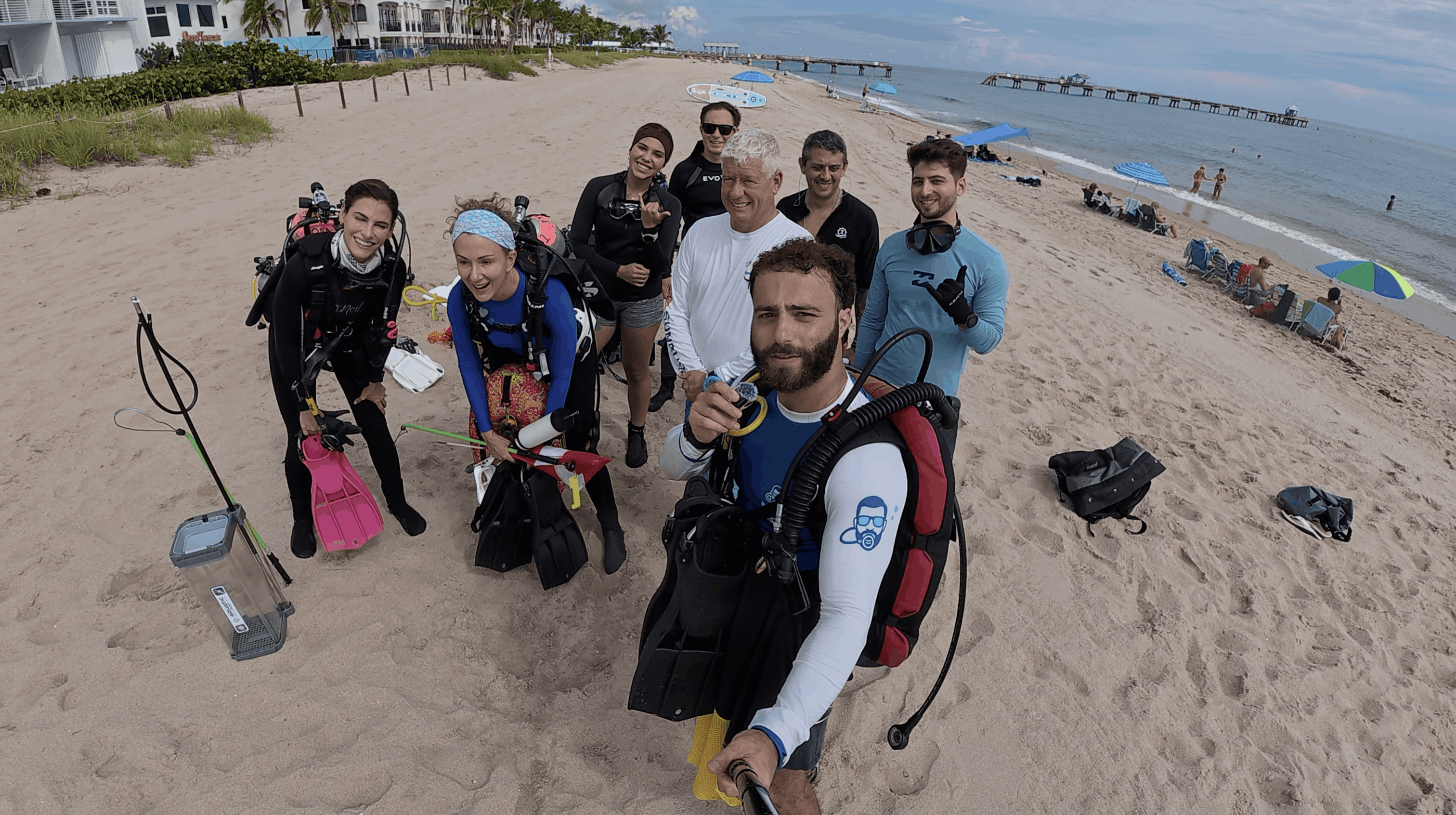
Dive Club is my free online scuba community.
- Dive meetups and group trips
- Dive sites shared by members
- Gear tips and technique discussions
Safety Considerations
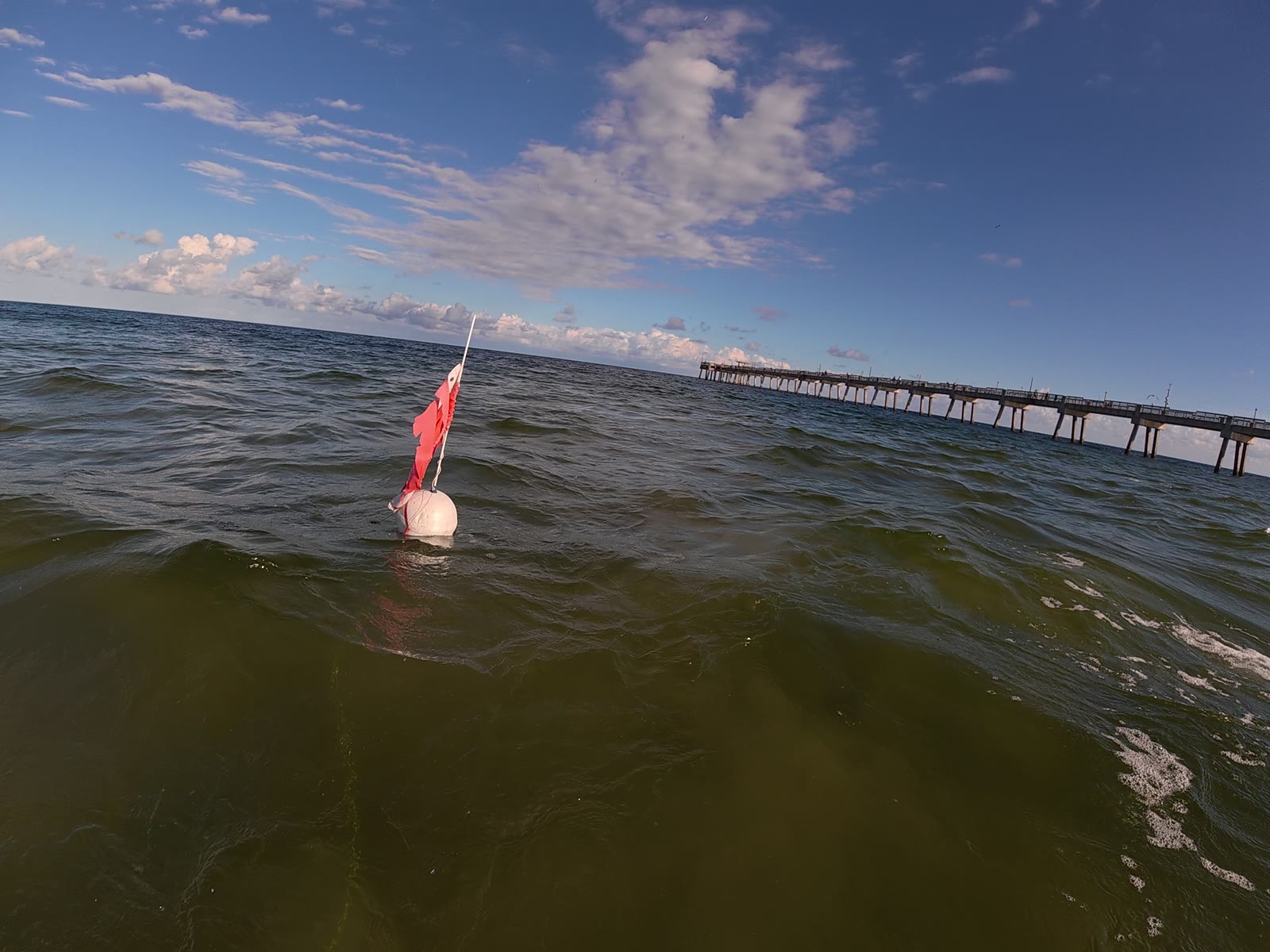
The main safety consideration on this dive site is boat traffic. Although it's a simple shore dive, many decide to dive them from a boat, so expect boat traffic overhead.
Divers are required to use a dive flag when diving in Florida. While this should protect you from boats, unfortunately not everyone follows the rules.
The rules are simple. In open water you need to stay within 300 ft (90 m) of your flag, and any boat that comes within 300 ft of it has to slow to idle speed. A plain orange SMB does not count as a dive flag.
Every dive site I've logged, with depth, visibility, water temp and my Dive Score. Filter by country, season and skill level.
Explore All Dive Sites
ABOUT THE AUTHOR
Austin Tuwiner
Hey I'm Austin, a PADI Divemaster based in South Florida .
I initially got certified at 16 at a scuba camp in Kona, Hawaii, did my Advanced Open Water on Koh Tao, my deep and nitrox on Gili Trawangan, and my Rescue and Divemaster in Miami.
Since then I've logged 500+ dives across 20 countries and states. I write about the gear I dive with, the sites I've dived, and the trips I've taken.


Let's Dive Together
👋 It's Divemaster Austin
I'm inviting you to Dive Club, my global scuba diving community.
What you’ll find inside:
🤿 Dive meetups & group trips
🌍 Top dive sites shared by community members
⚙️ Gear tips & technique discussions
🤝 Diver's who’ve already linked up IRL
See you there!