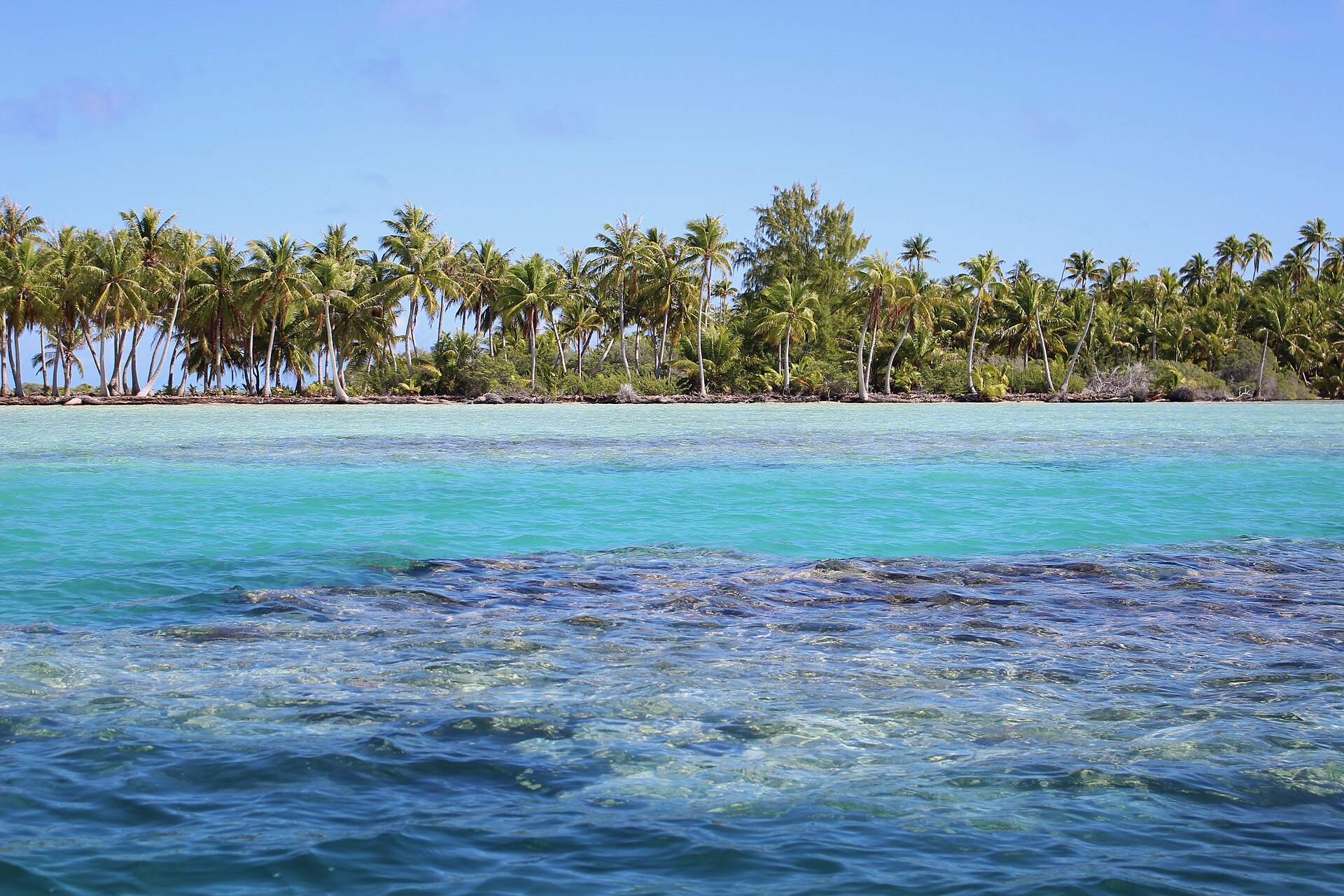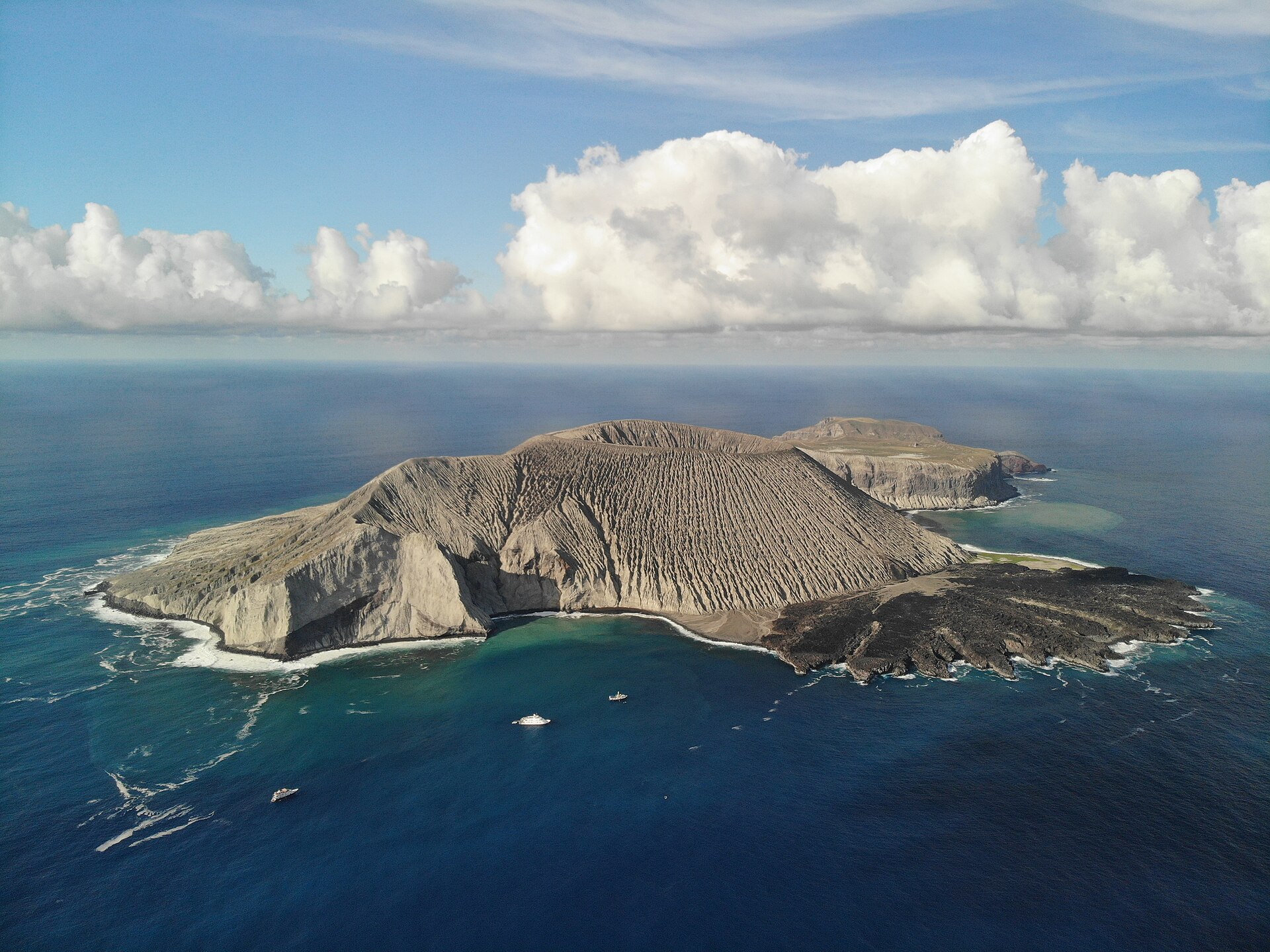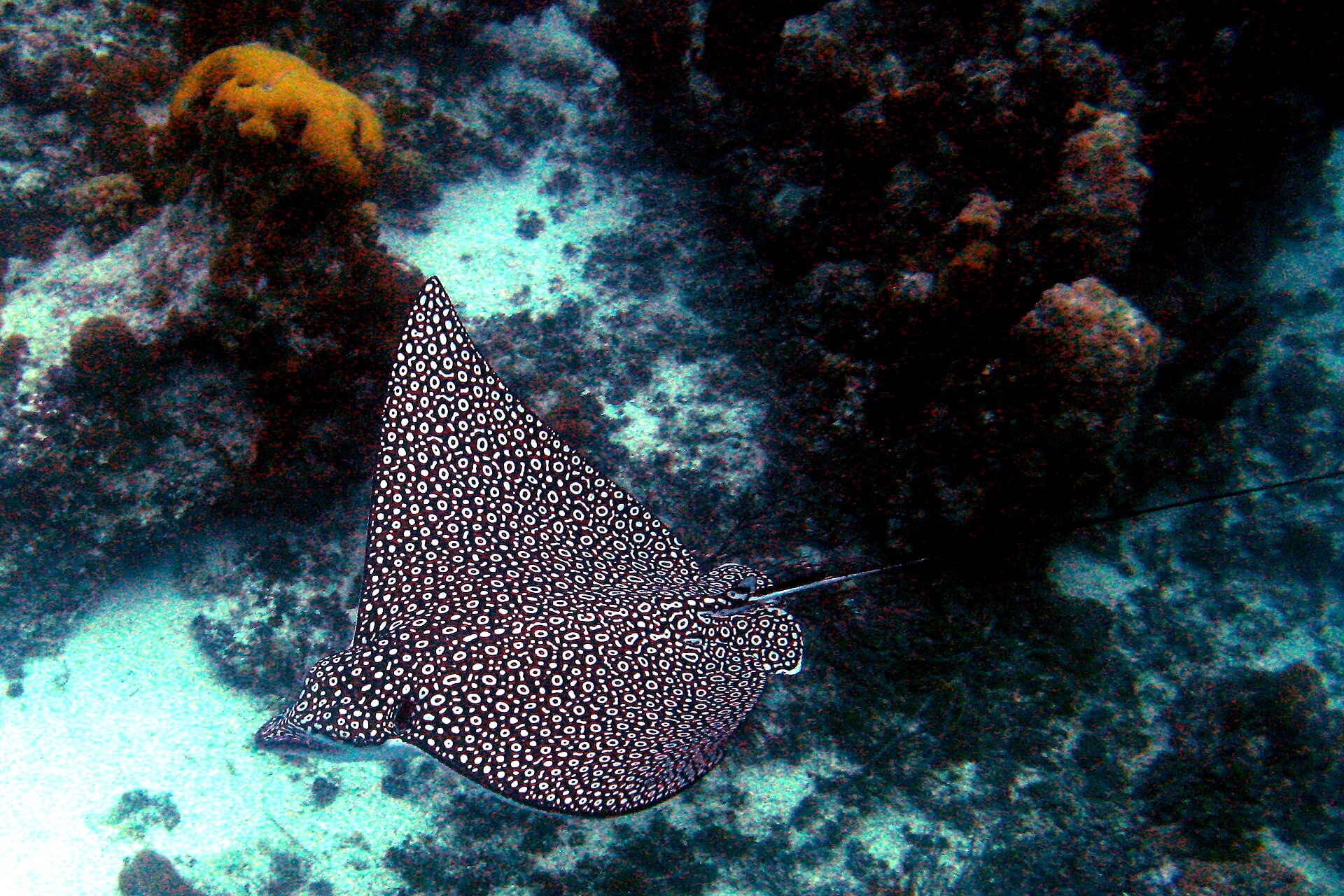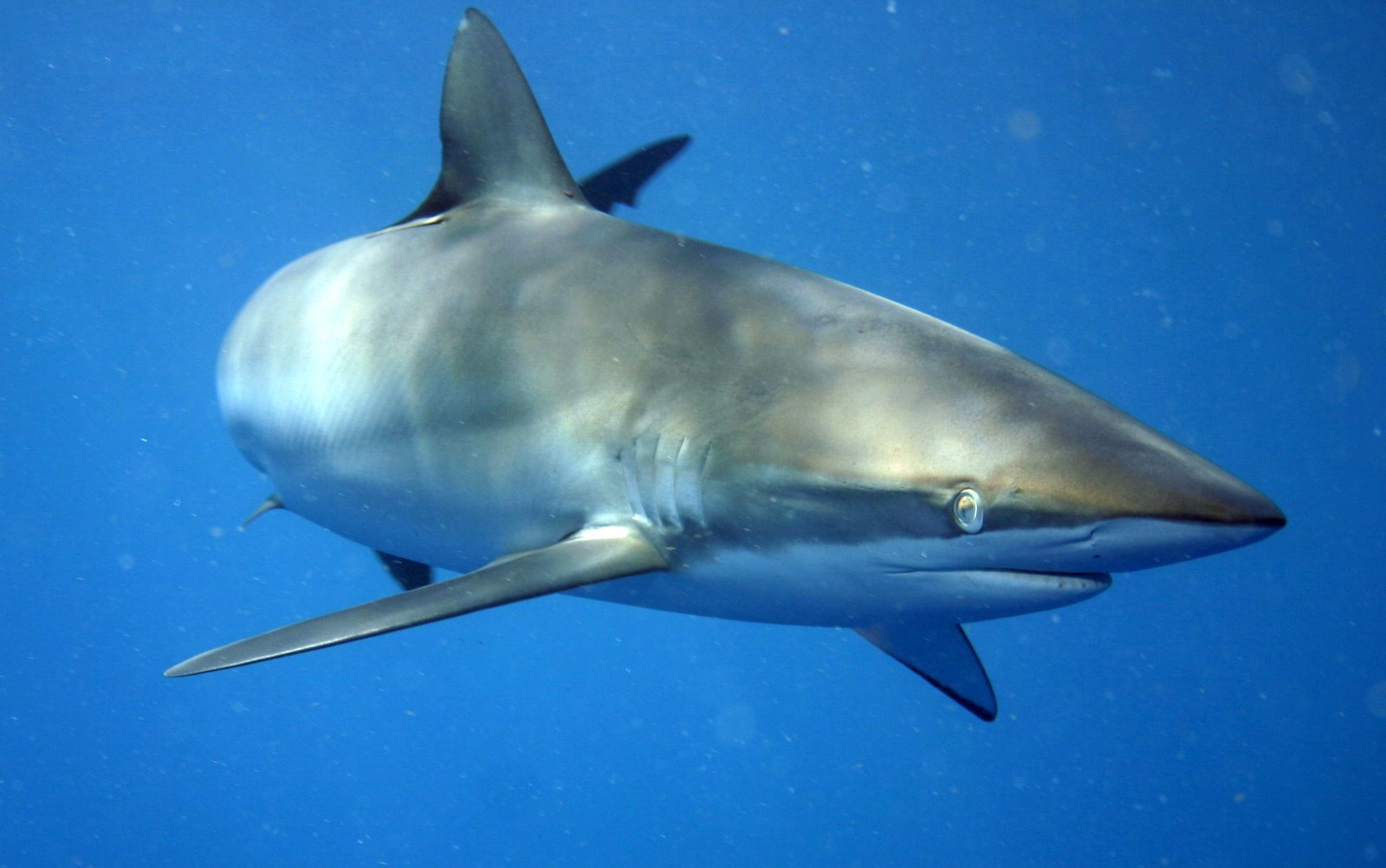




The Galapagos is the big animal capital of the diving world. The islands sit about 600 miles (965 km) off Ecuador, right where several ocean currents collide, and that's why you get schools of hundreds of hammerheads, whale sharks, mantas and Galapagos sharks, plus things you can't see anywhere else, like marine iguanas feeding underwater, sea lions, penguins and the odd mola mola.
I've dived the Eastern Tropical Pacific at Coiba in Panama and Isla del Caño in Costa Rica, and the Galapagos is the most famous stretch of that same ocean. Its headline sites, Wolf and Darwin, are only reachable by liveaboard.
Here are the 6 Galapagos liveaboards I'd pick from, with every one of their 2027 itineraries.
Galapagos Liveaboards Compared
| Boat | From (per day) | Guests | Nights | Rating (Reviews) |
|---|---|---|---|---|
| Tiburon Explorer | $924 | 16 | 7 | 9.7 (98) |
| Aqua | $649 | 16 | 7 | 9.1 (193) |
| Galapagos Aggressor III | $913 | 16 | 7 | 9.1 (132) |
| Galapagos Sky | $937 | 16 | 7 | 9.5 (65) |
| Calipso | $924 | 16 | 7 | 9.4 (92) |
| Galaxy Diver II | $938 | 16 | 7 | 9.5 (71) |
Per-day prices are each boat's cheapest 7 night dive trip divided by 8 days, and ratings are from Liveaboard.com, November 2026. Prices don't include park fees or flights to the islands.
Galapagos Liveaboard Routes
Almost every Galapagos dive liveaboard runs a 7 night trip out of Baltra or San Cristobal, and every boat on this list spends a big part of the week at Wolf and Darwin.
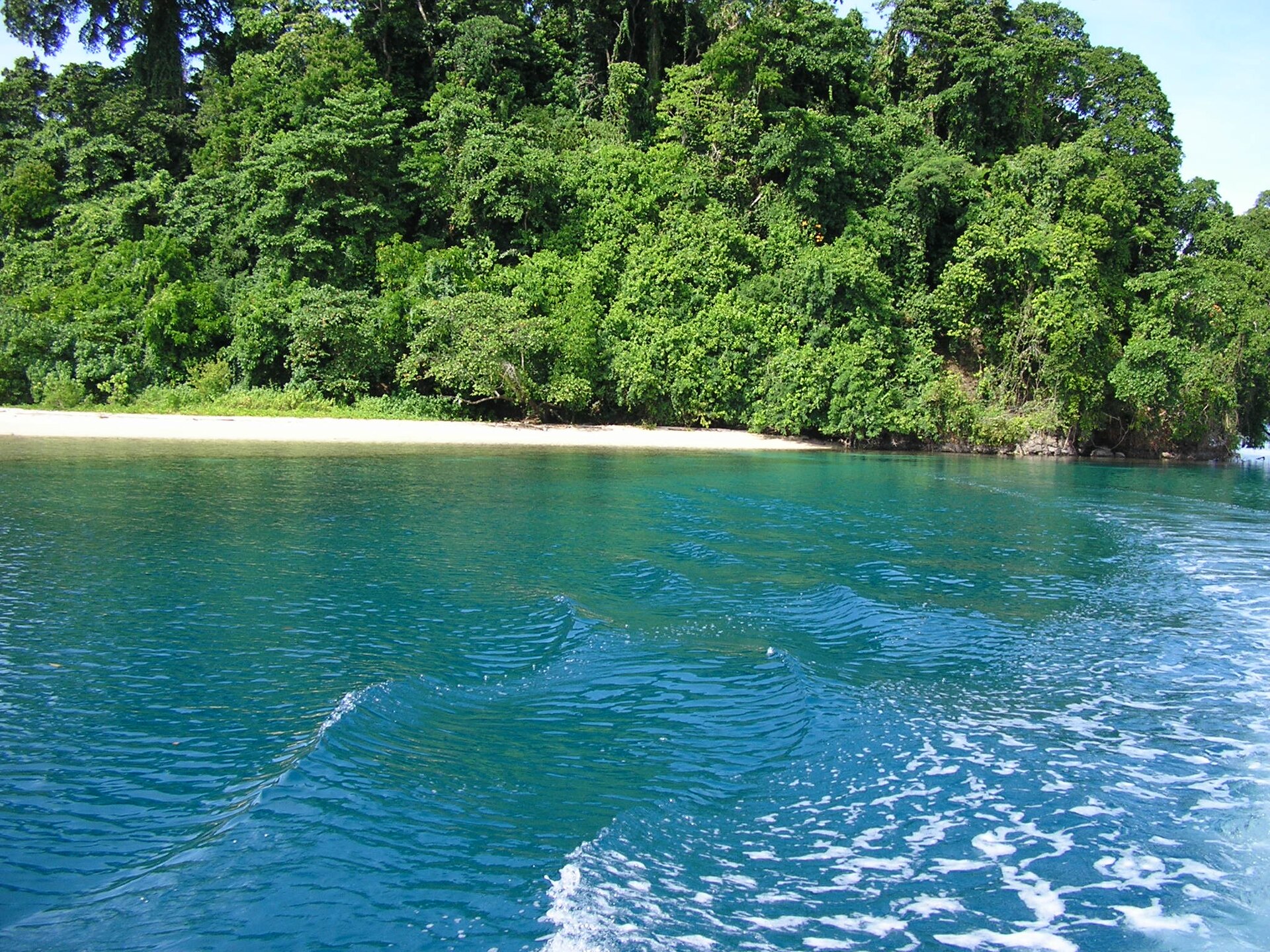
1. Central Islands. Around Santa Cruz and Santiago. Gordon Rocks and Cousins Rock are often the first and last dives of a trip, so they double as check dives.
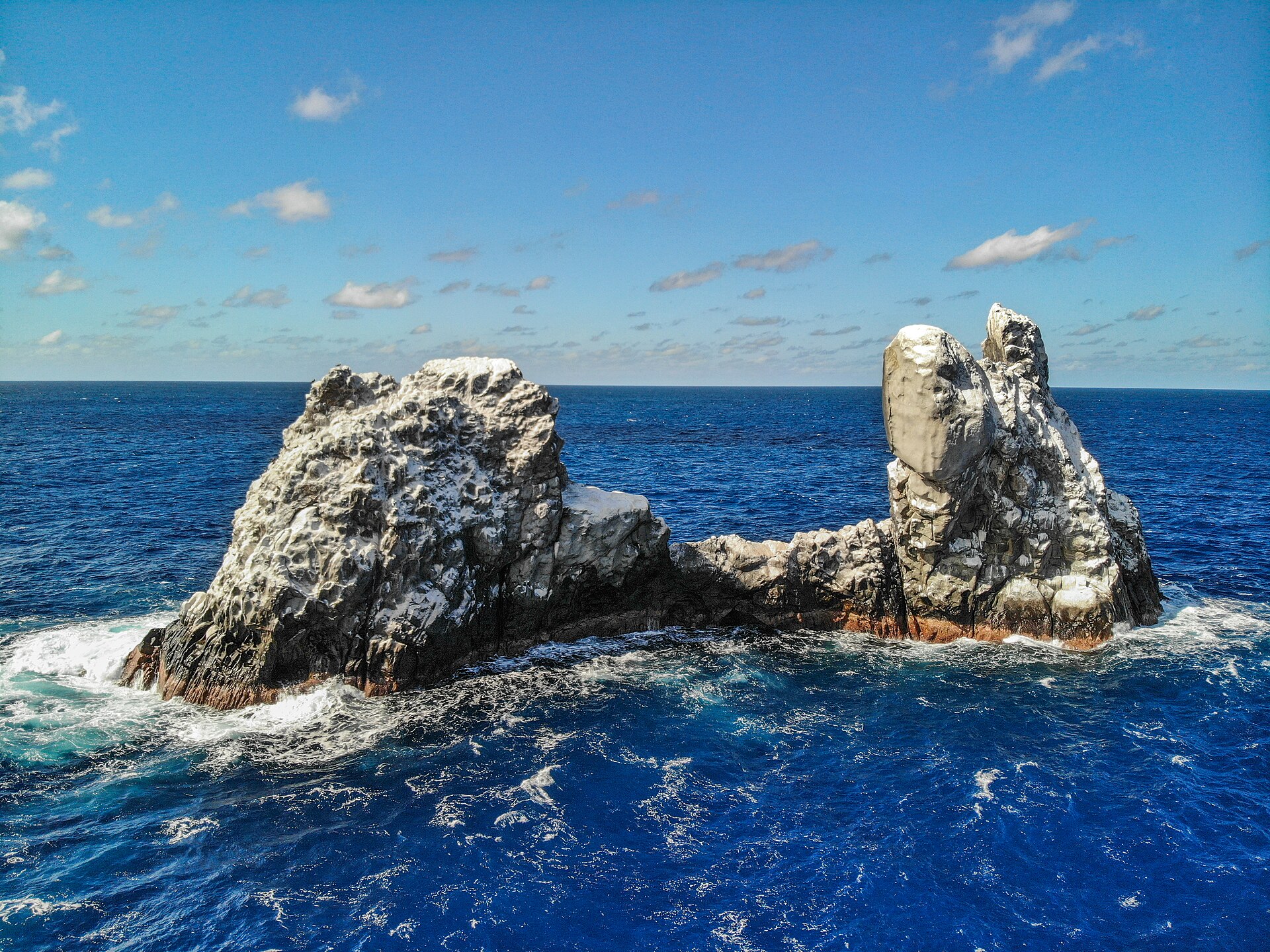
2. Wolf & Darwin. An overnight sail north of the central islands, and the reason divers come to the Galapagos: huge schools of hammerheads, Galapagos and silky sharks, dolphins and, in season, whale sharks. Most trips spend 2 to 3 days up here.
3. Isabela & Fernandina. The cold, nutrient-rich west side. Punta Vicente Roca and Cabo Douglas are where you can see marine iguanas feeding underwater, penguins, flightless cormorants and mola mola. Not every trip goes west, but Tiburon Explorer's does.
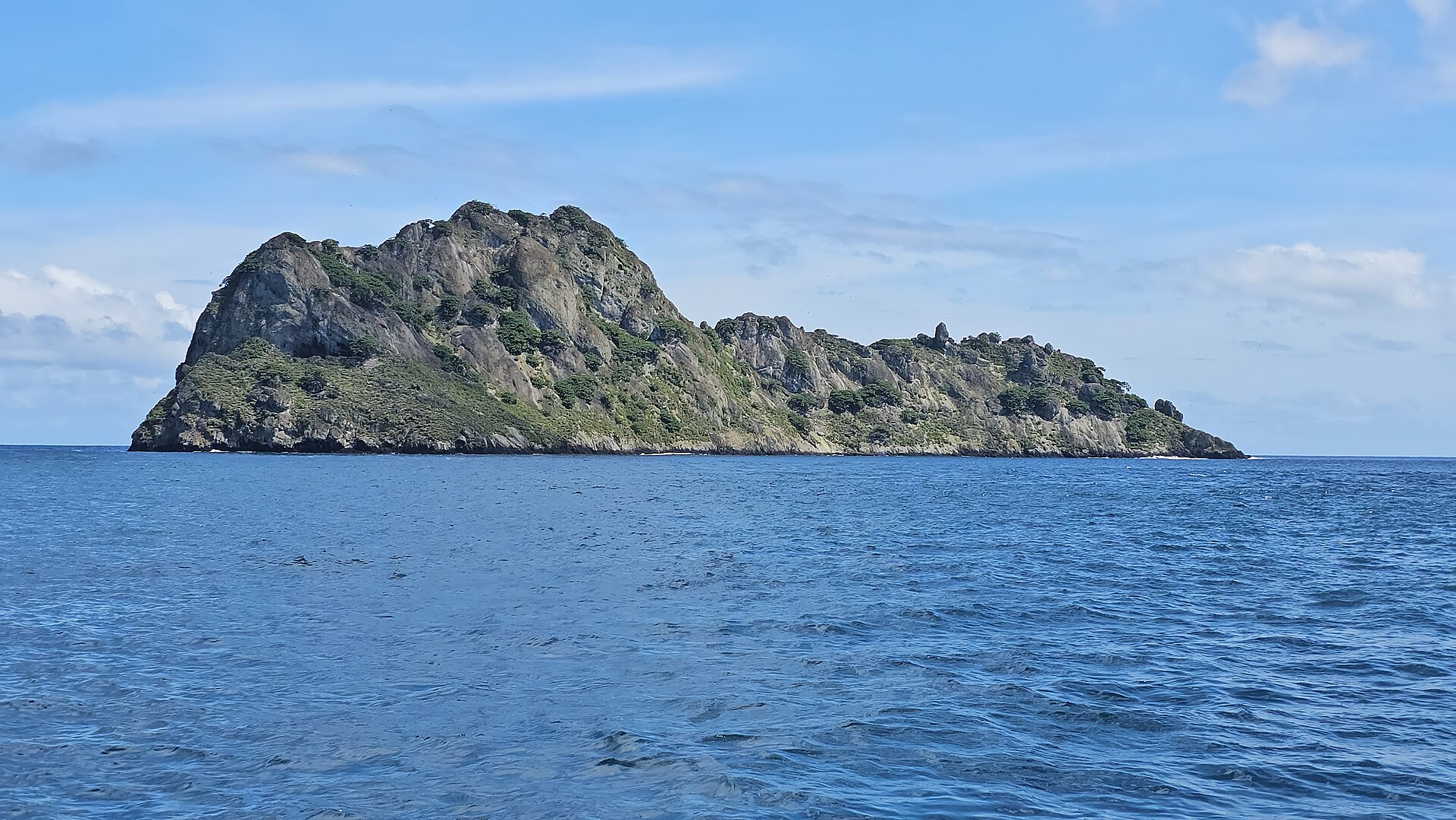
4. San Cristobal. Galapagos Sky and Calipso start and end in San Cristobal, where Kicker Rock (León Dormido) is a common dive.
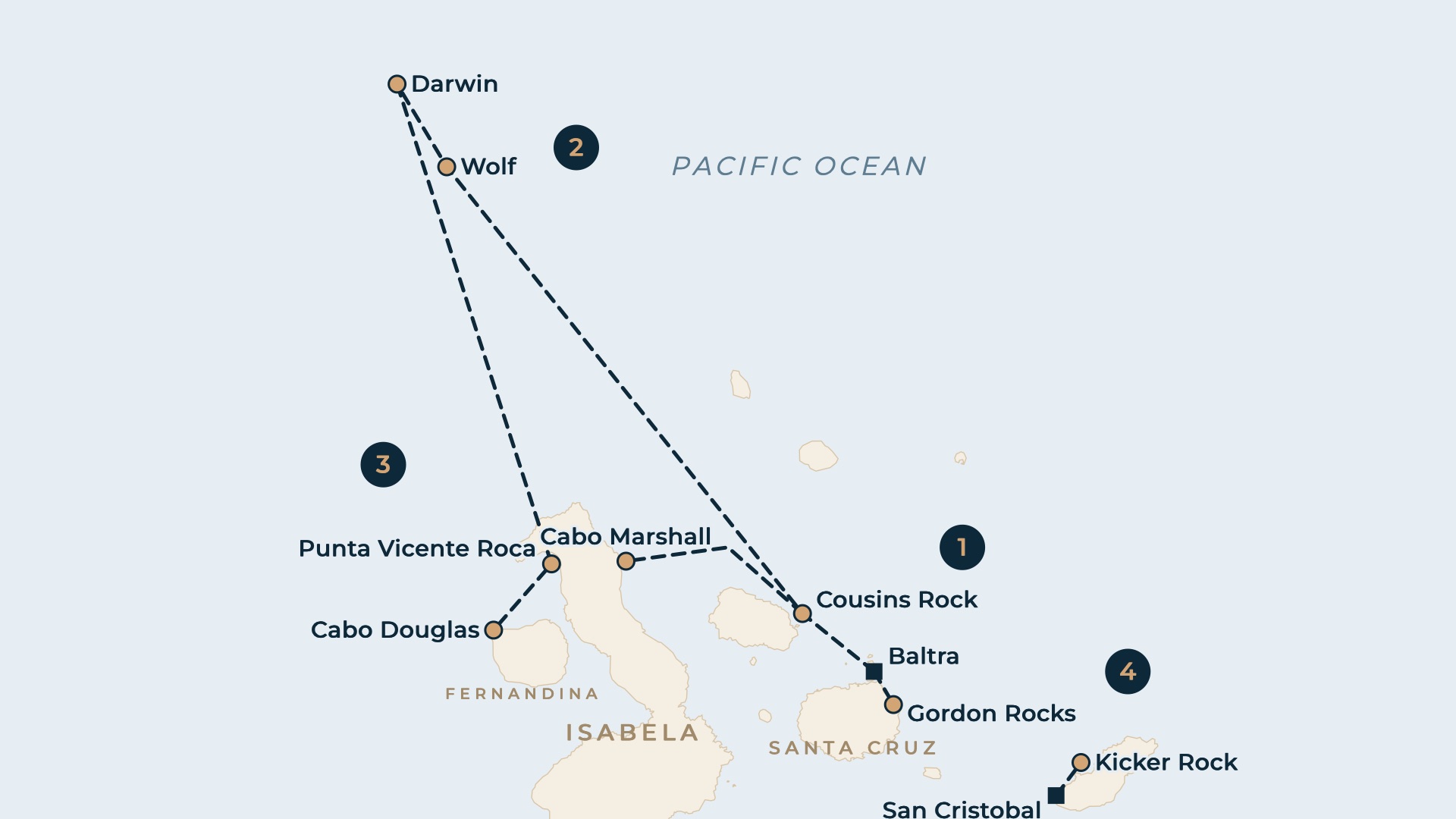
Baltra · Gordon Rocks · Cousins Rock
An overnight sail north
Punta Vicente Roca · Cabo Douglas
Kicker Rock
Galapagos Liveaboard 2027 Itineraries
Here's every 2027 Galapagos dive itinerary from the boats on this list. All of them are 7 nights.
| Boat | Trip | Departs | From | First 2027 Departures |
|---|---|---|---|---|
| Tiburon Explorer | Western Archipelago, Darwin & Wolf | Baltra | $7,395 | Jan, Feb, Mar |
| Aqua | Itinerary A, Diving Trip | Baltra | $5,195 | Feb, Mar, Apr |
| Galapagos Aggressor III | Galapagos Islands with Wolf & Darwin | Baltra | $7,300 | Jan, Feb |
| Galapagos Sky | Galapagos Islands, Wolf & Darwin | San Cristobal | $7,495 | Jan, Feb |
| Calipso | Calipso Diving | San Cristobal | $7,395 | Apr, May, Jun |
| Galaxy Diver II | Diving Itinerary | Baltra to Santa Cruz | $7,500 | Not posted yet |
Trip prices and the first 2027 departures with open space from Liveaboard.com, November 2026. Most boats run all year, so there are more departures later in 2027 than shown here.
Best Overall: Tiburon Explorer
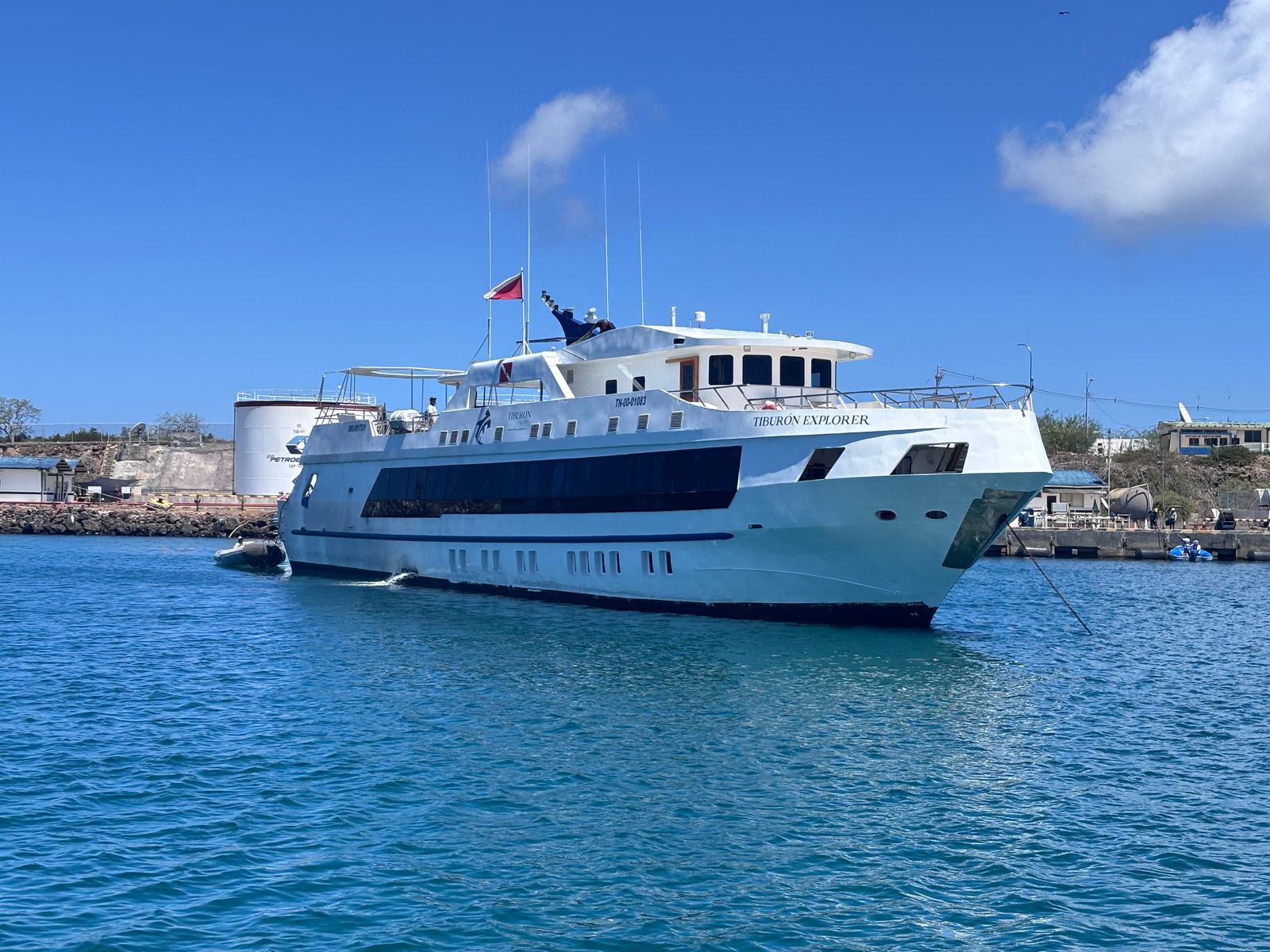
Tiburon Explorer is a 130 ft (40 m) boat built in 2020 for diving, with 9 cabins for 16 guests, a hot tub on deck, and membership in the Green Fins sustainability program. It's the highest rated Galapagos boat on Liveaboard.com.
Alcoholic drinks, Wi-Fi, land excursions, a naturalist guide and airport transfers are all included, which is more than most boats here.
Its 7 night Western Archipelago, Darwin & Wolf trip runs out of Baltra from $7,395, so you get the west side of Isabela and Fernandina as well as Wolf and Darwin. Park fees are $220, fuel is $150 to $220, and there's a $20 environment tax and a $35 chamber fee. Nitrox is $150 a week.
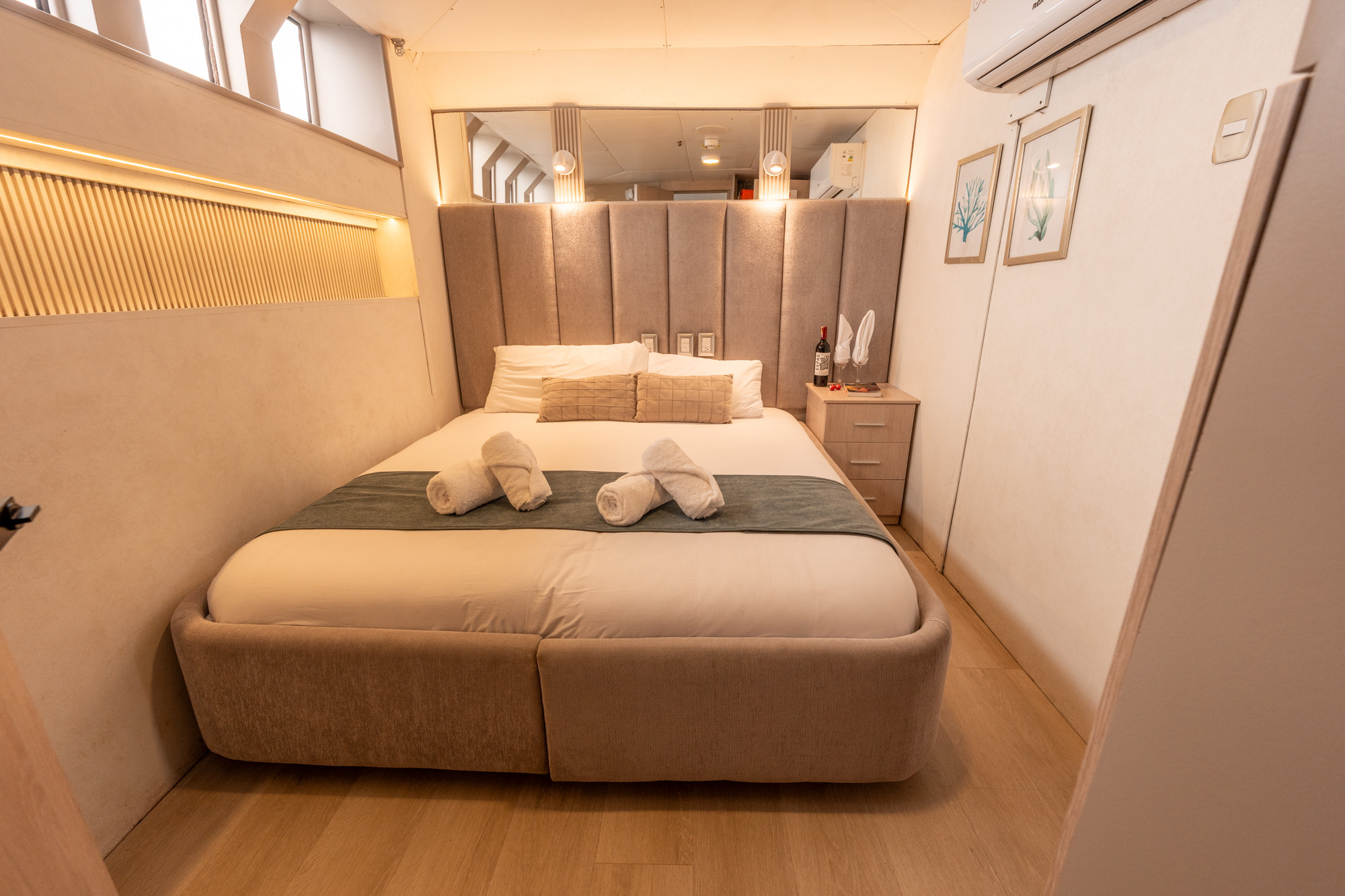
Cabin
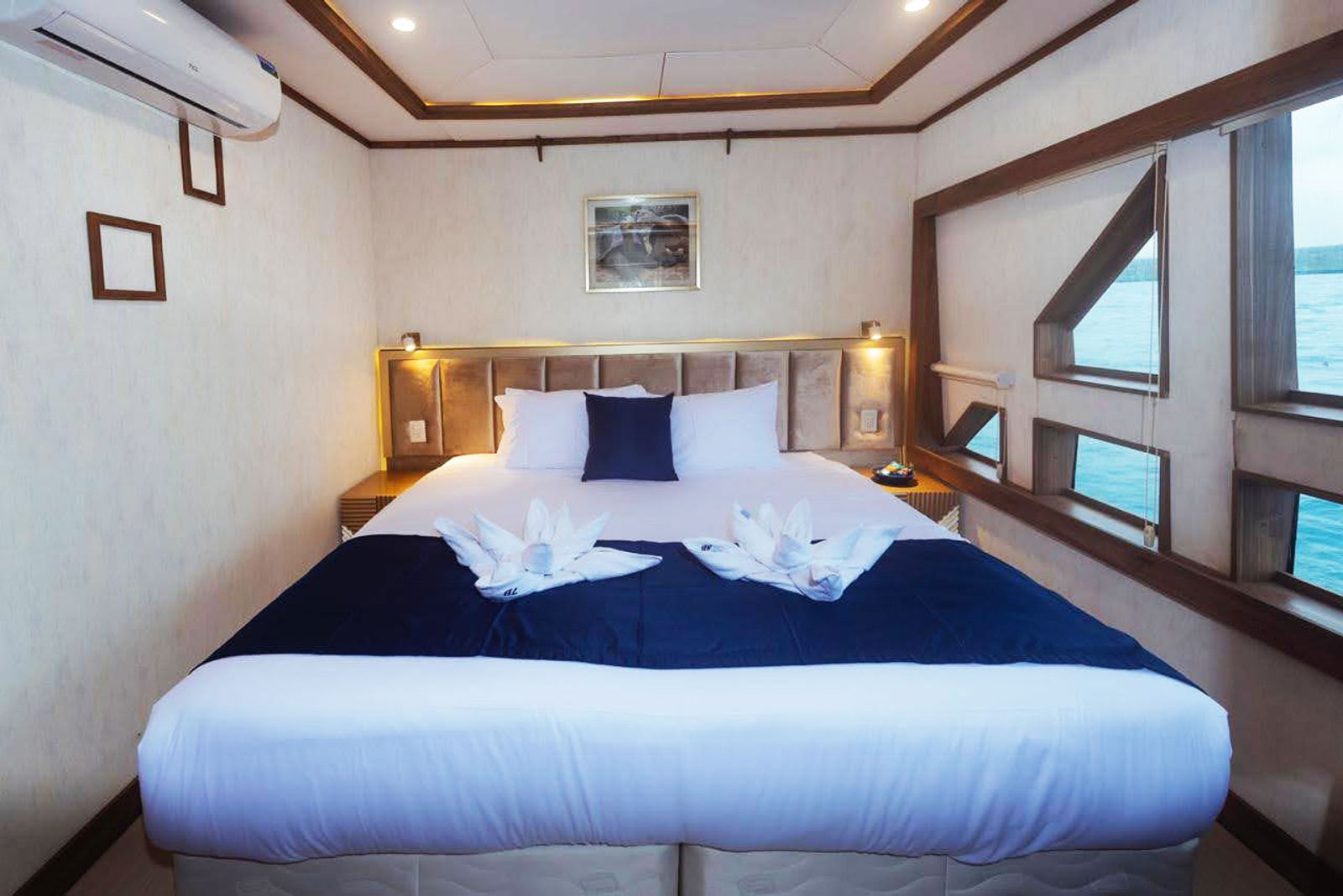
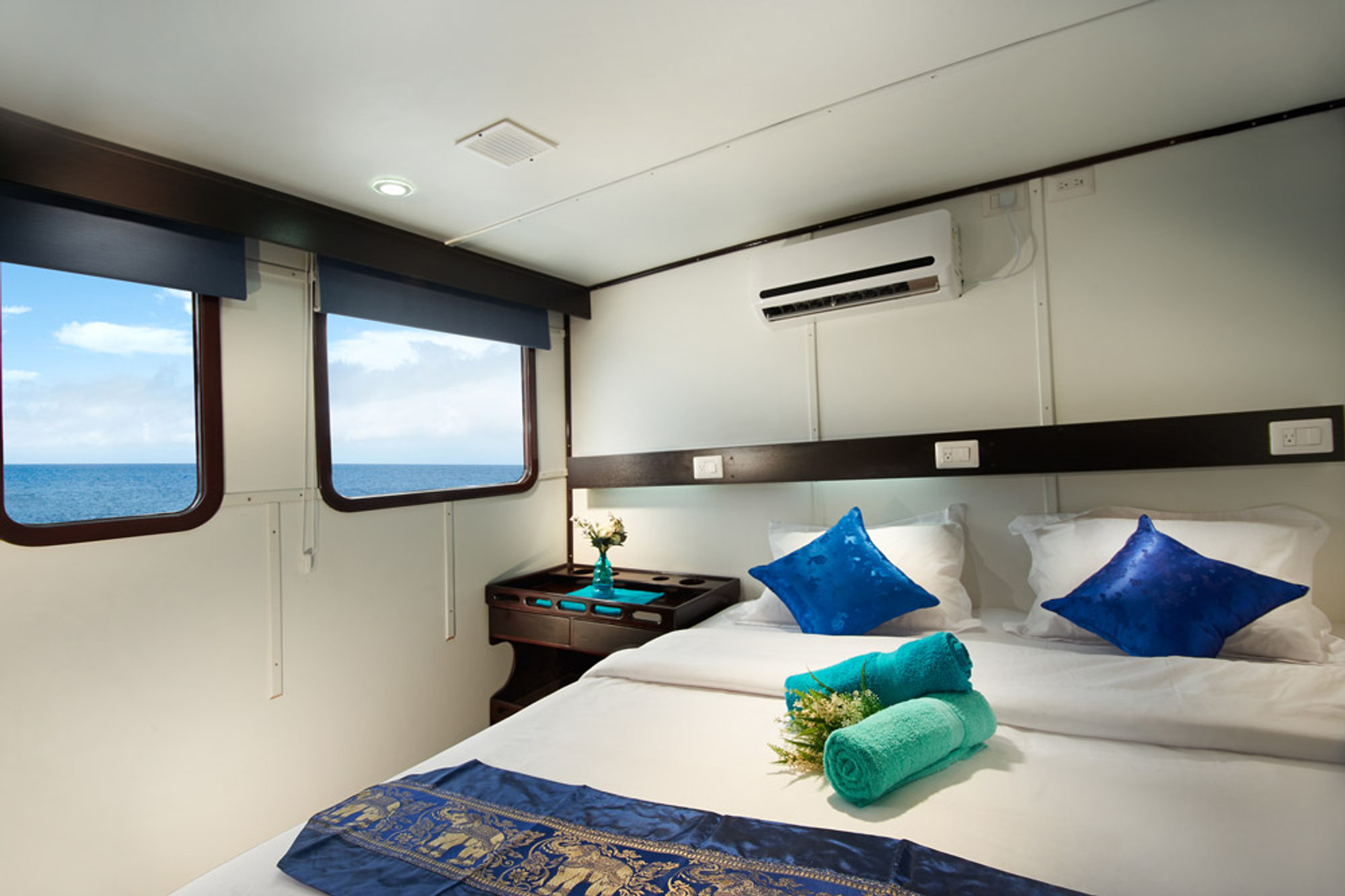
Best Value: Aqua
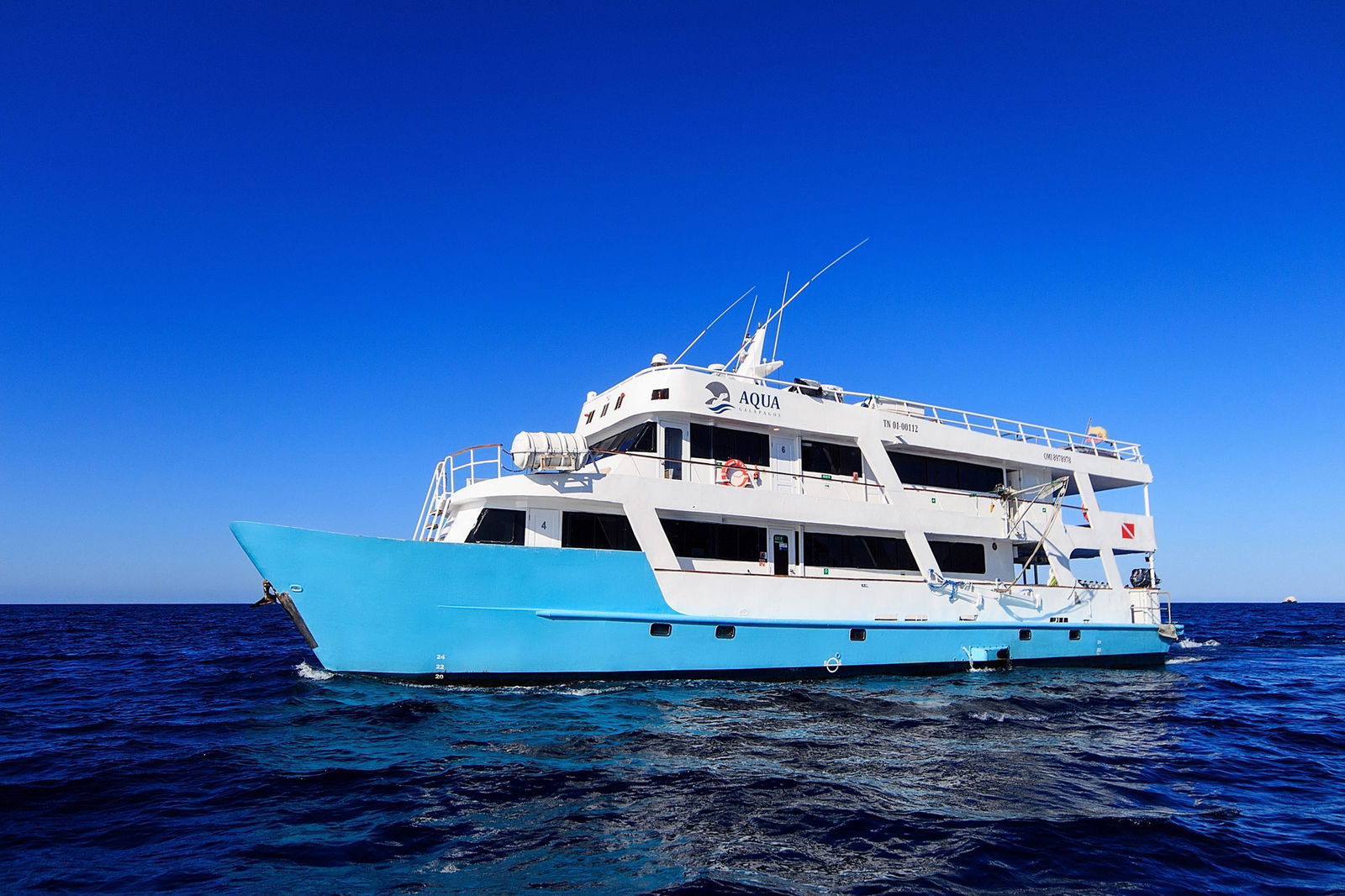
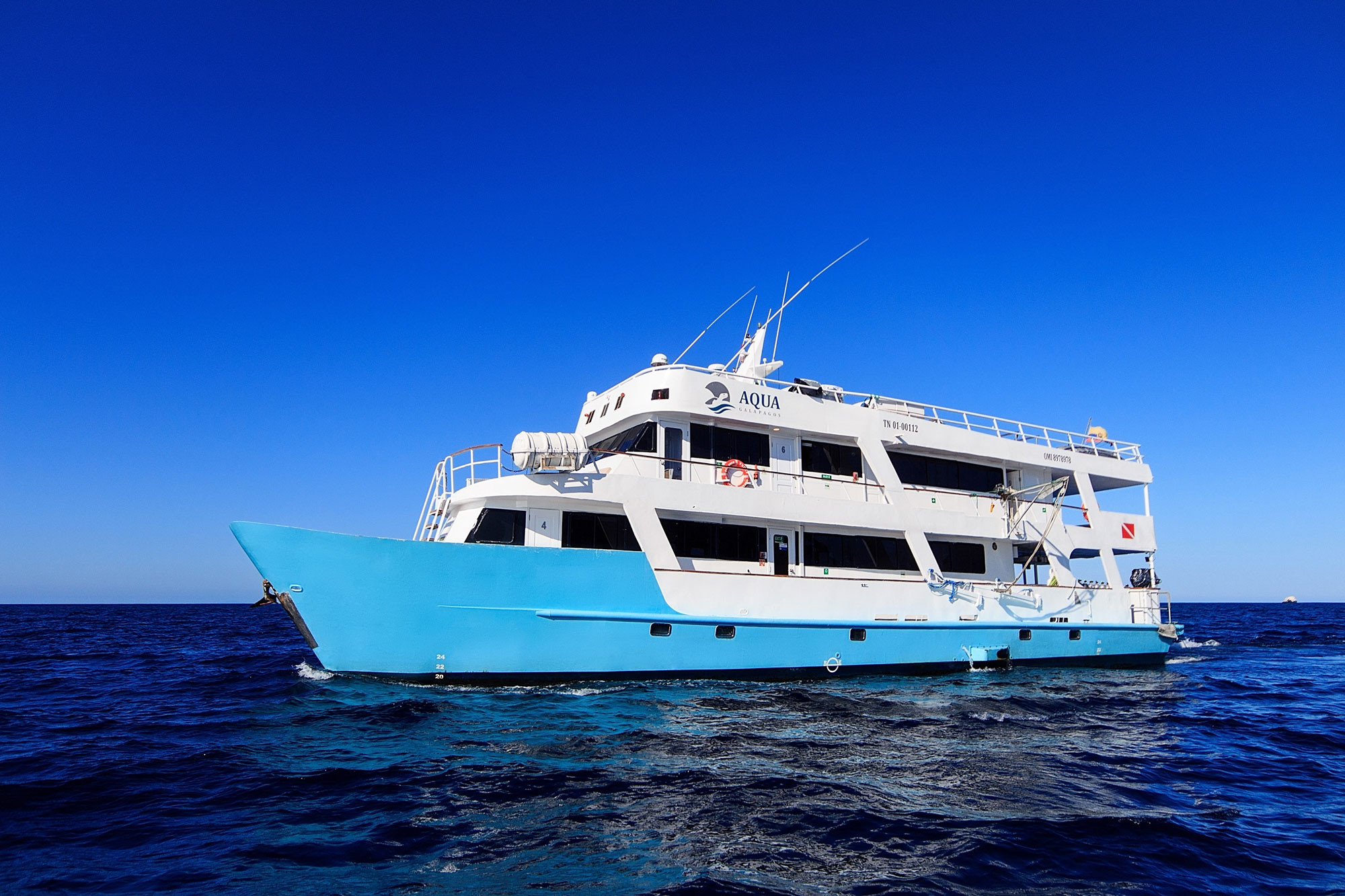
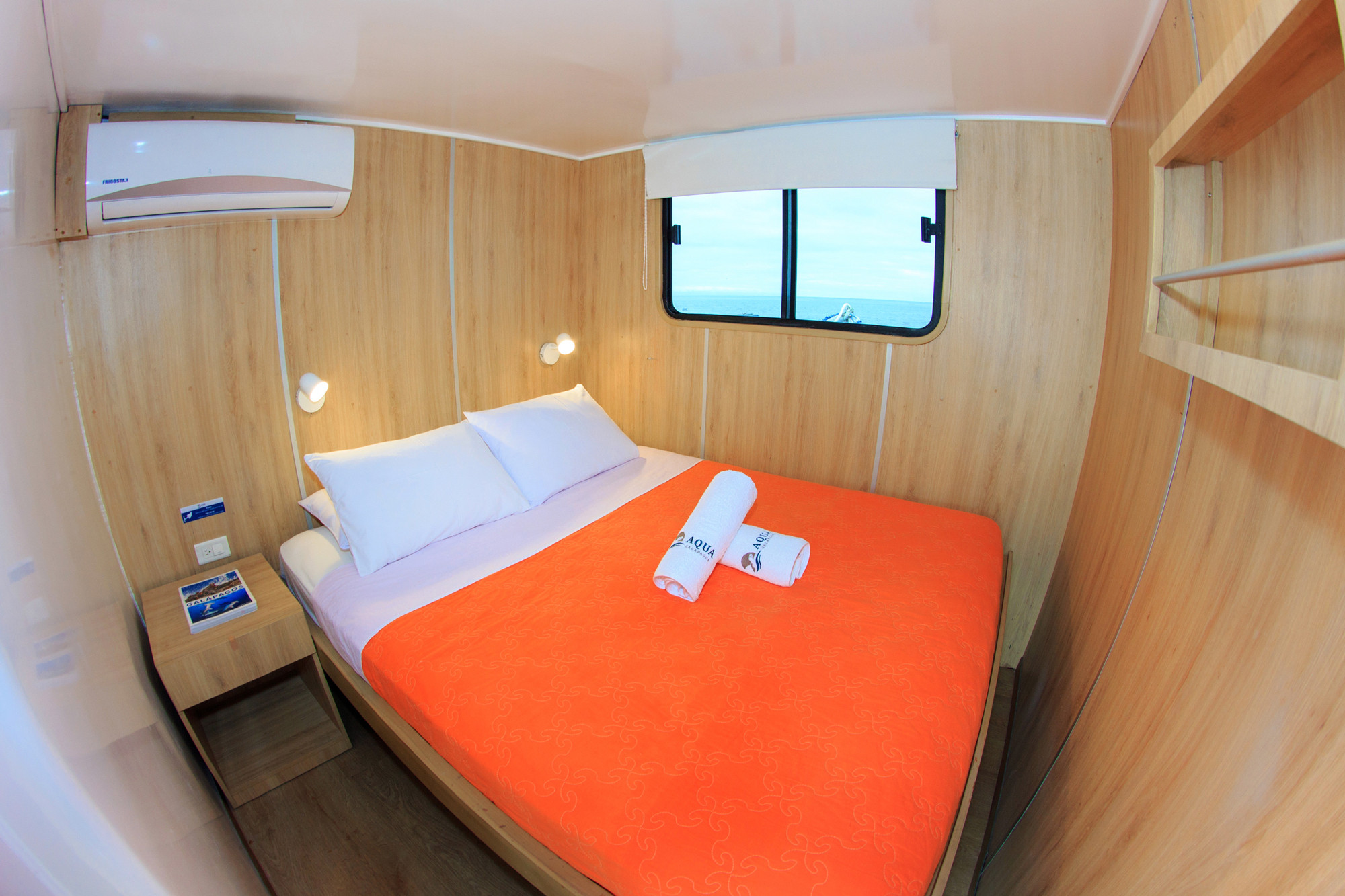
Aqua is an 85 ft (26 m) yacht built in 1998 and renovated in 2023, with 9 cabins over 3 decks for 16 guests. It's the most reviewed Galapagos boat on Liveaboard.com.
Its 7 night diving trip out of Baltra starts at $5,195, the cheapest Wolf and Darwin trip on this list by about $2,000. Every diver gets a personal marine rescue GPS, a storm whistle, a beacon and an SMB.
You need at least 50 logged dives to book, because of the conditions at some sites. Park fees are $220, nitrox is $150 a trip, and Wi-Fi and airport transfers are included.
Cabin
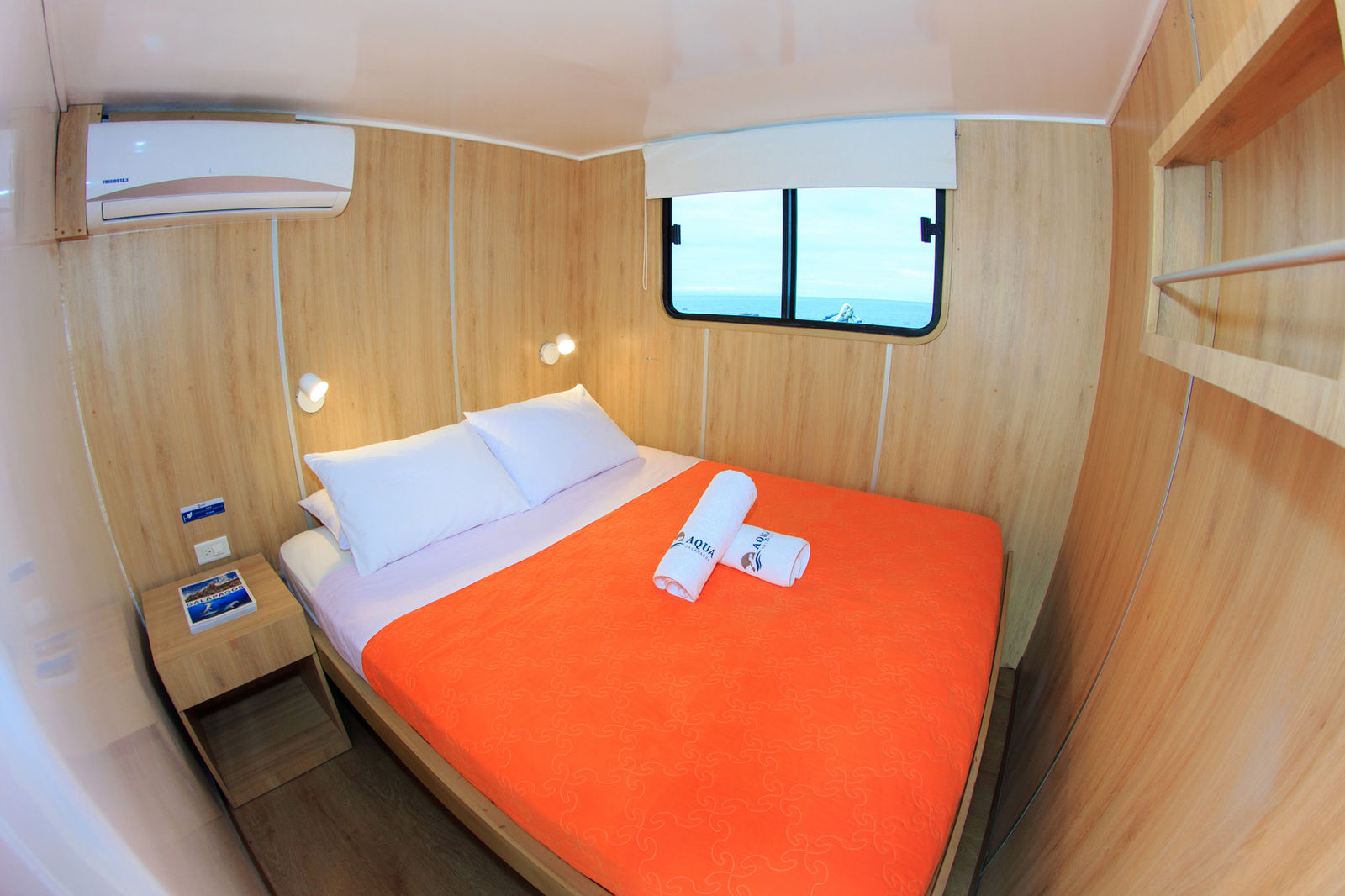
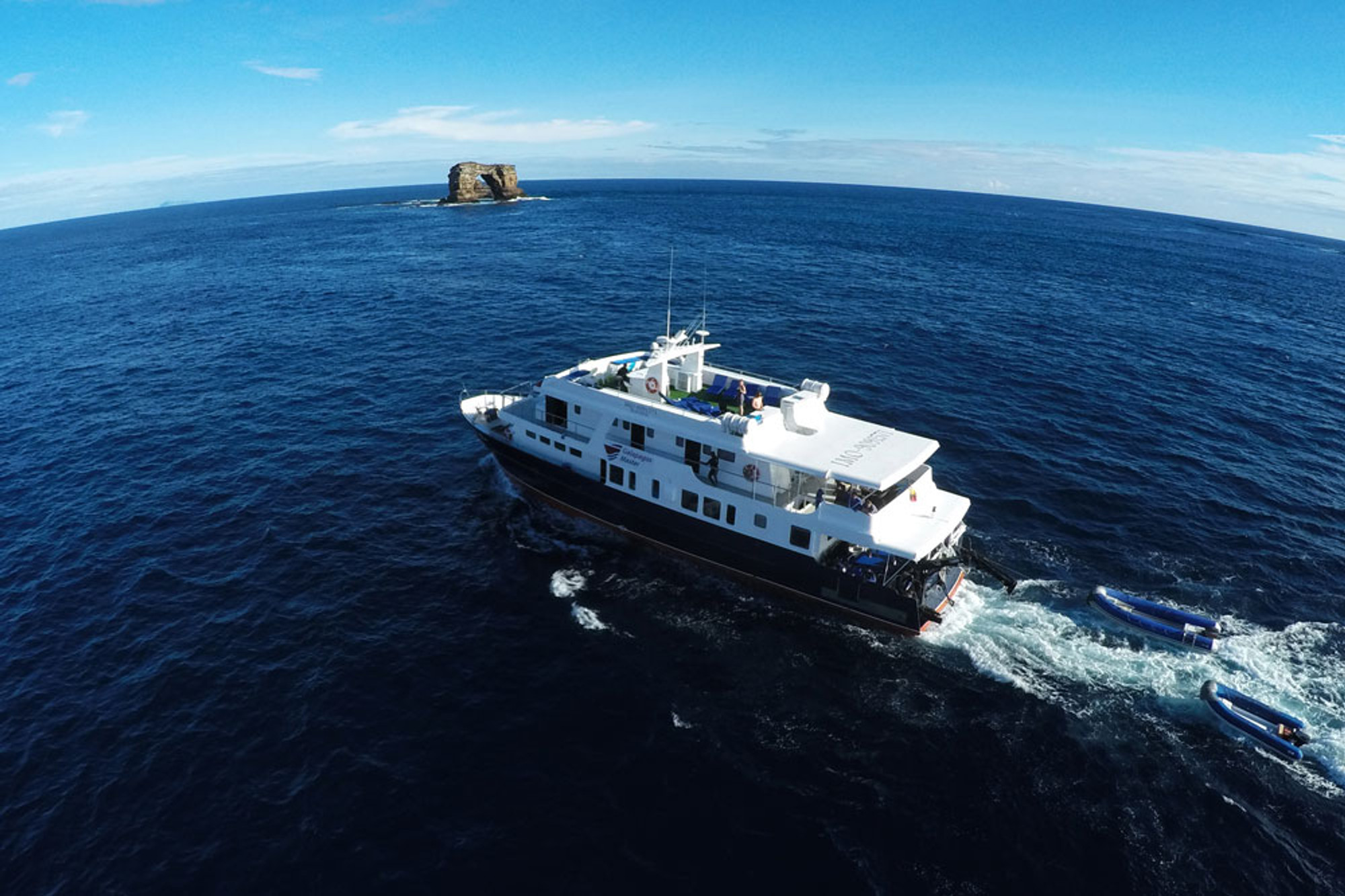
Most Reliable: Galapagos Aggressor III
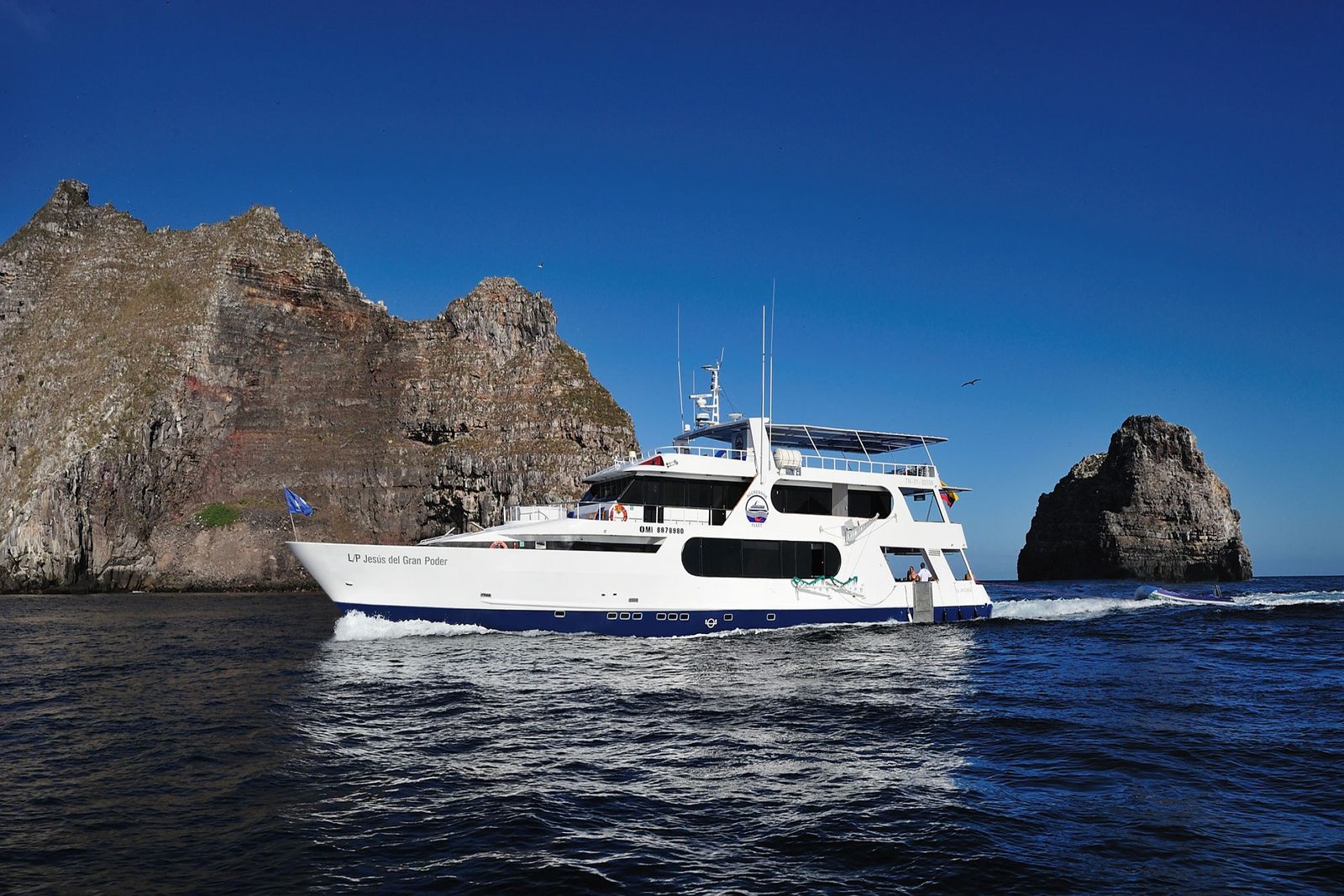
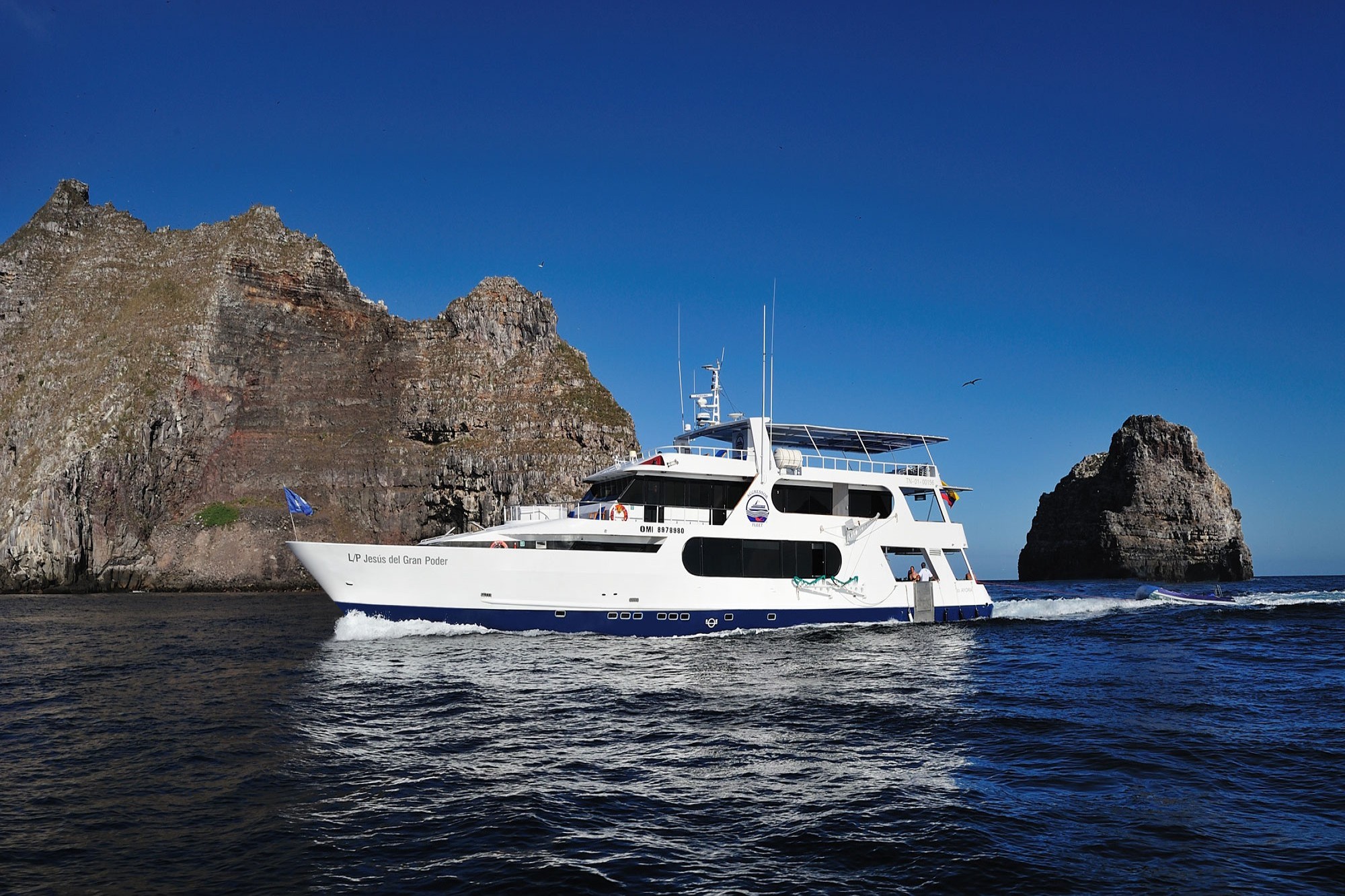
Galapagos Aggressor III is a 100 ft (30 m) boat from the Aggressor fleet with 16 guests in 8 staterooms: deluxe twins on the lower deck and master staterooms above. It runs up to 4 dives a day, and local beer and wine are included.
It has the second most reviews of any Galapagos boat on Liveaboard.com, and it runs a departure almost every week.
The 7 night Galapagos Islands with Wolf & Darwin trip leaves from Baltra from $7,300. Fuel is $300 a trip and park fees are $220. Nitrox is $80 to $150 and Wi-Fi is $25.
Cabin
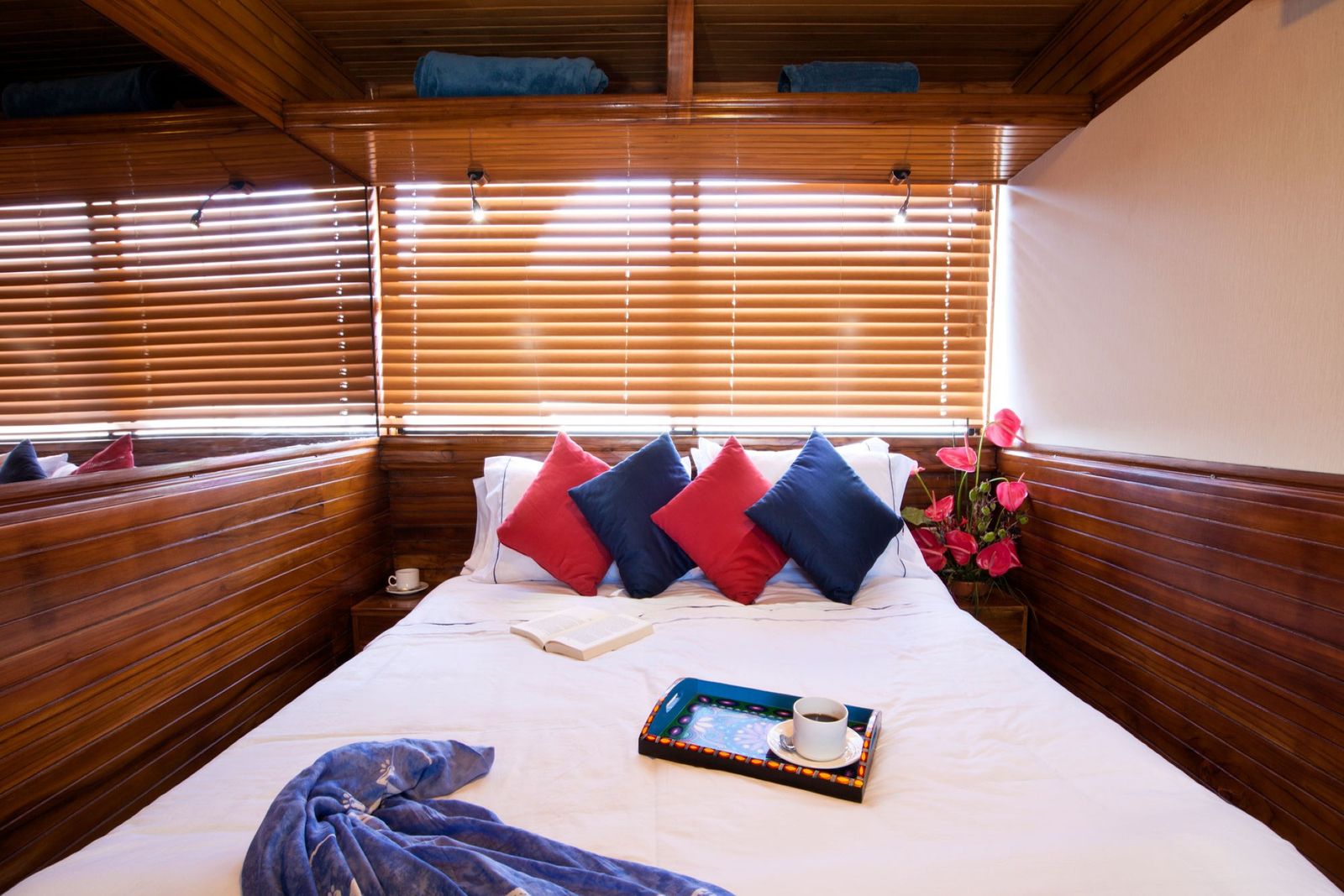
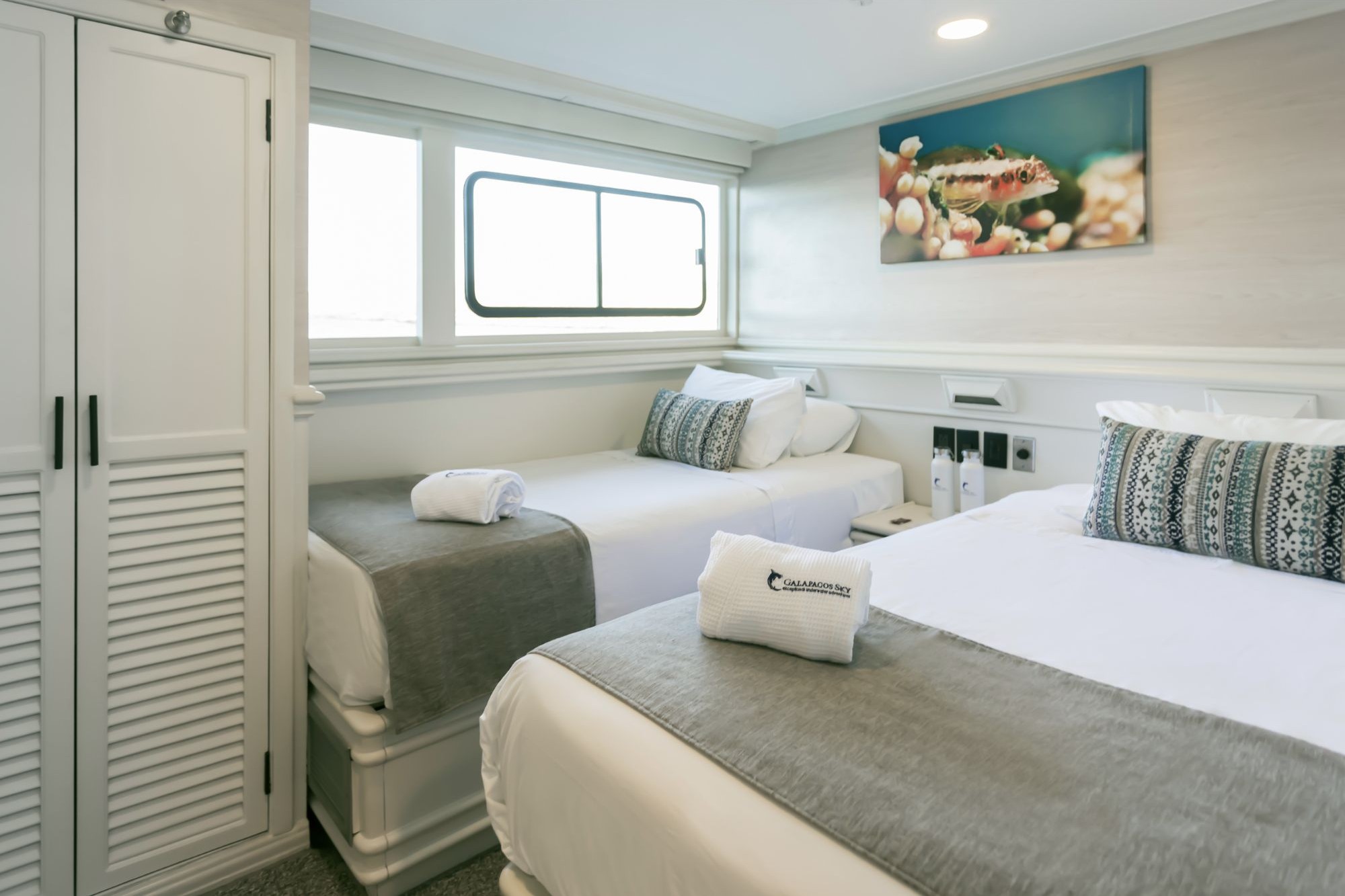
Luxury: Galapagos Sky
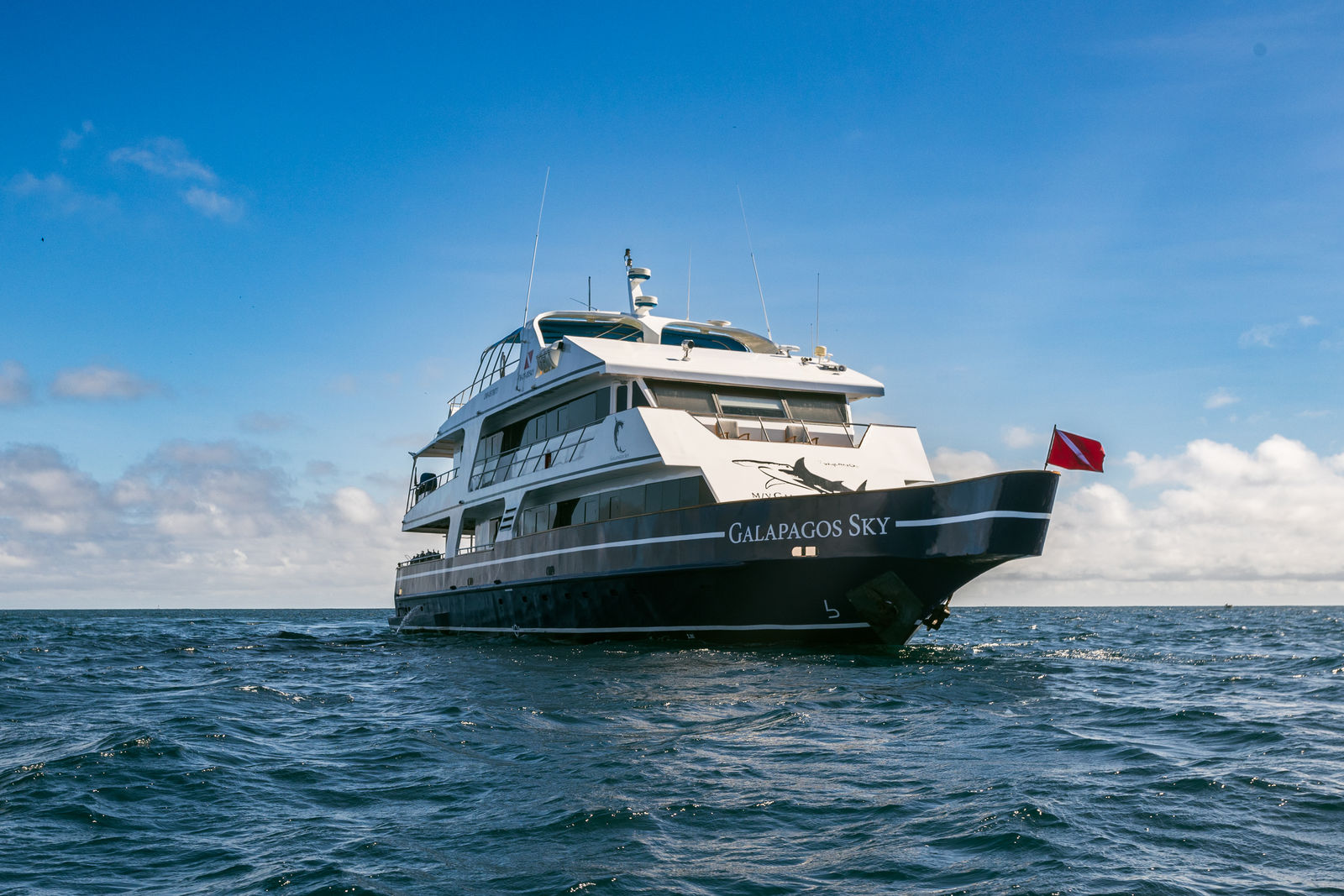
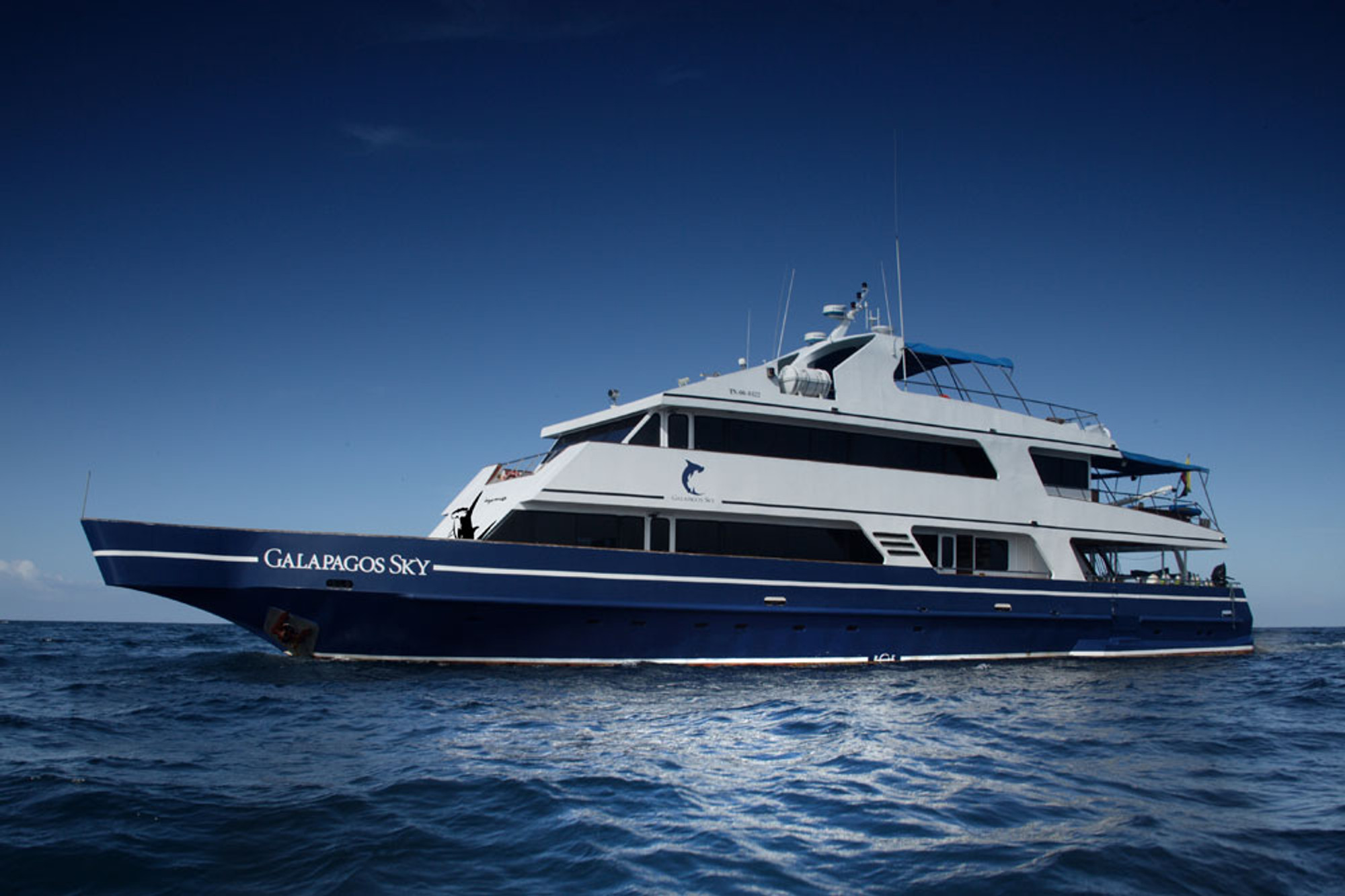
Galapagos Sky is a 100 ft (30 m) yacht that has been diving the Galapagos since 2001 and was refurbished in April 2025, with 8 cabins for 16 guests and one of the most experienced crews in the islands.
Every trip includes 3 days of diving at Wolf and Darwin and 3 land tours, including a visit to the giant tortoises. Alcoholic drinks, Wi-Fi and a beach BBQ are included.
The 7 night trip starts and ends in San Cristobal, from $7,495. Park fees are $220 and there's a $35 chamber fee. Flights to the islands are extra, $525 to $575.
Cabin
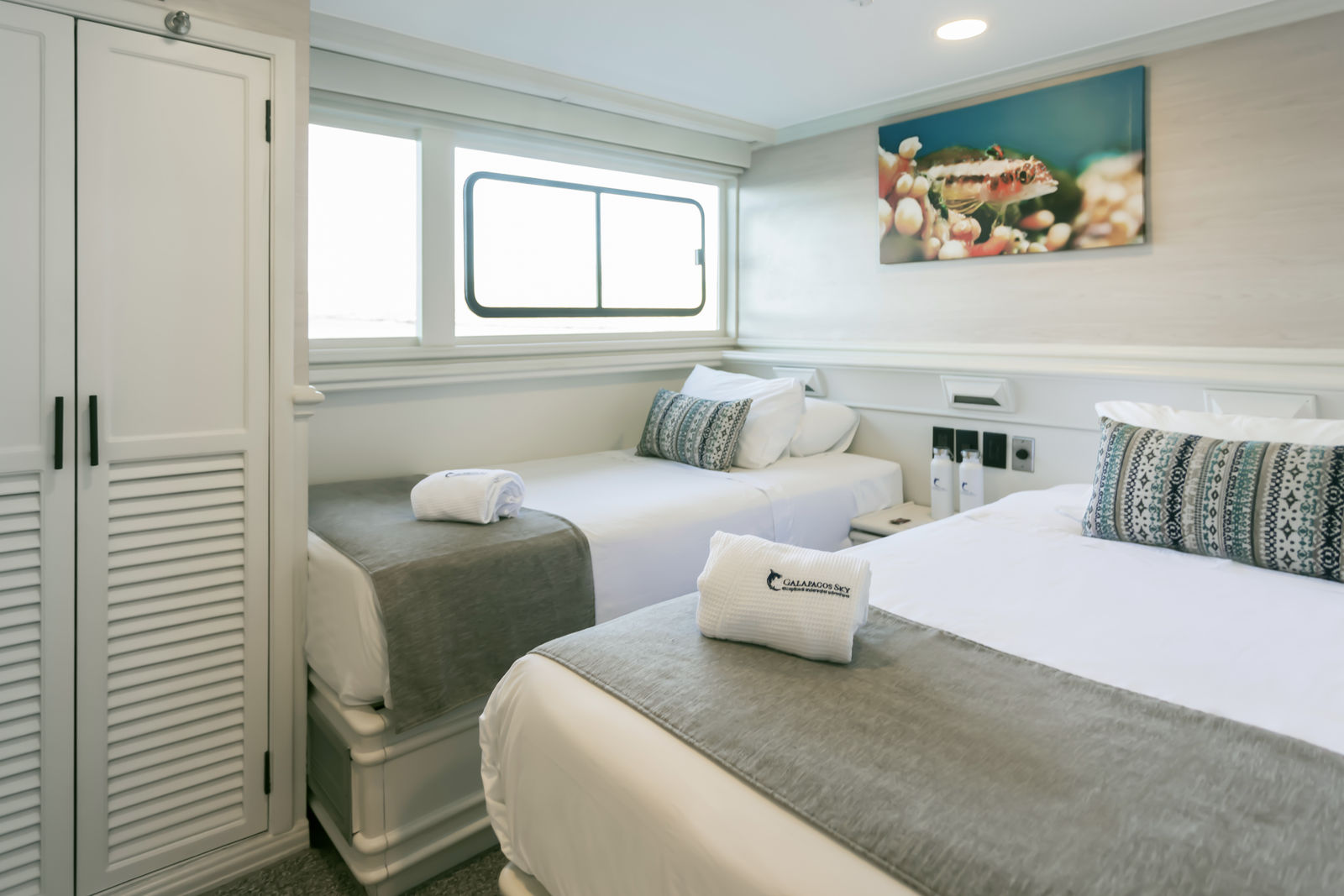
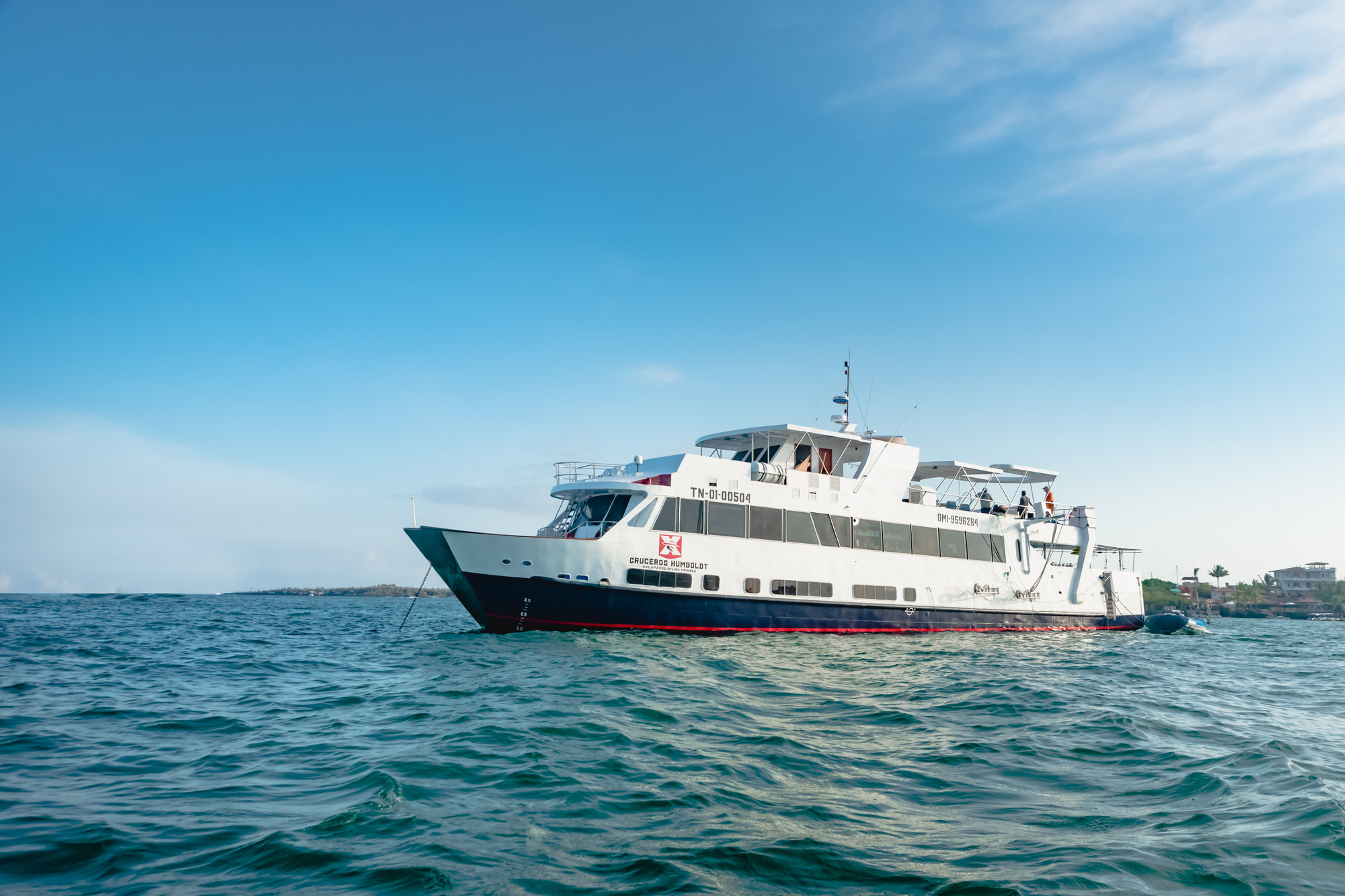
Best for Solo Divers: Calipso
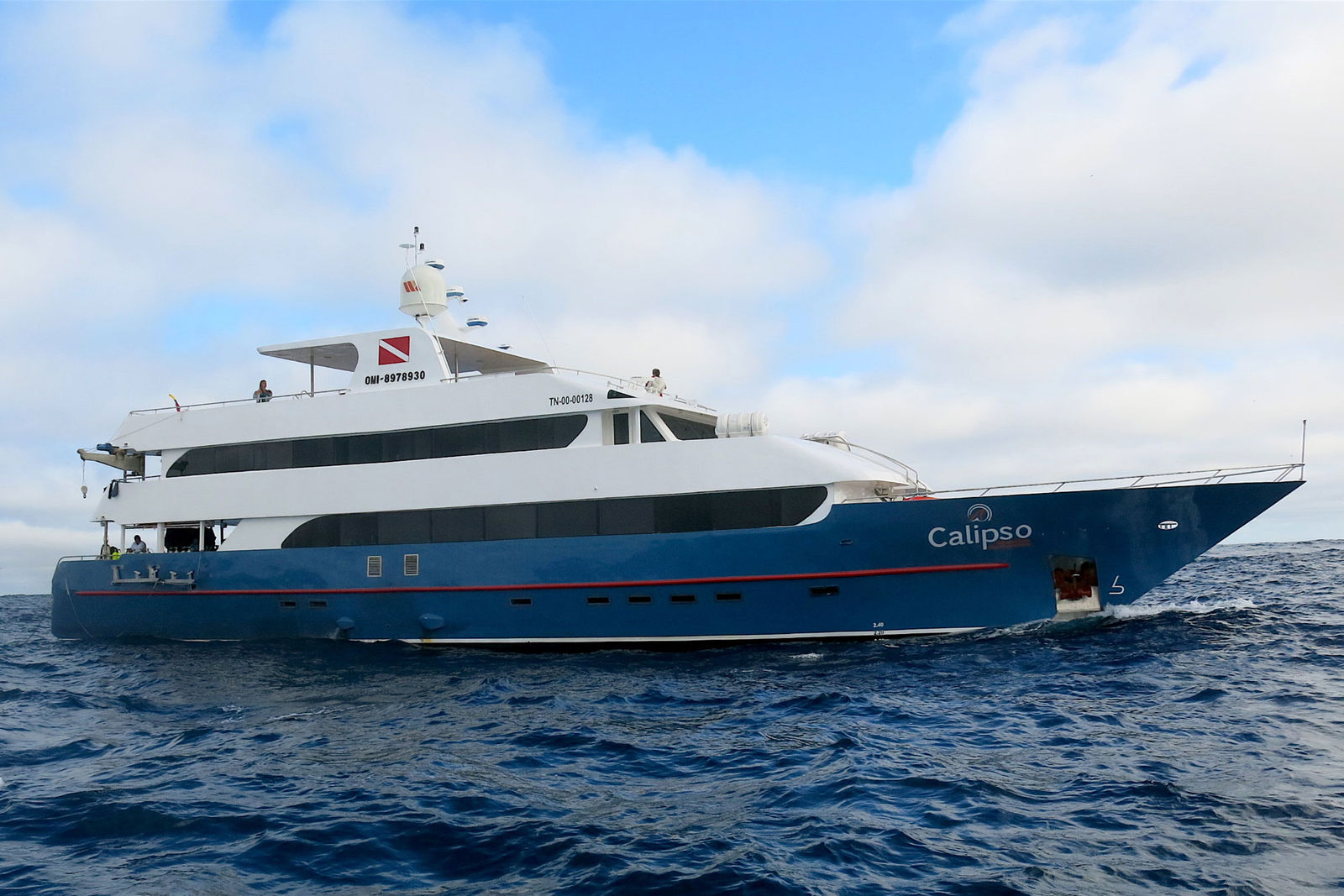
Calipso is a 116 ft (35 m) boat built in 1991 and renovated in 2019, with 8 cabins for 16 guests. The double cabins are all on the main or upper deck with big panoramic windows, and there's a single cabin with no single supplement, subject to availability.
The dive deck has 4 hot showers and a two level camera rinse tank, and nitrox and Wi-Fi are both included.
Its 7 night trips leave from San Cristobal from $7,395, with Wolf and Darwin as standard plus some more exploratory sites. Park fees are $220.
Cabin
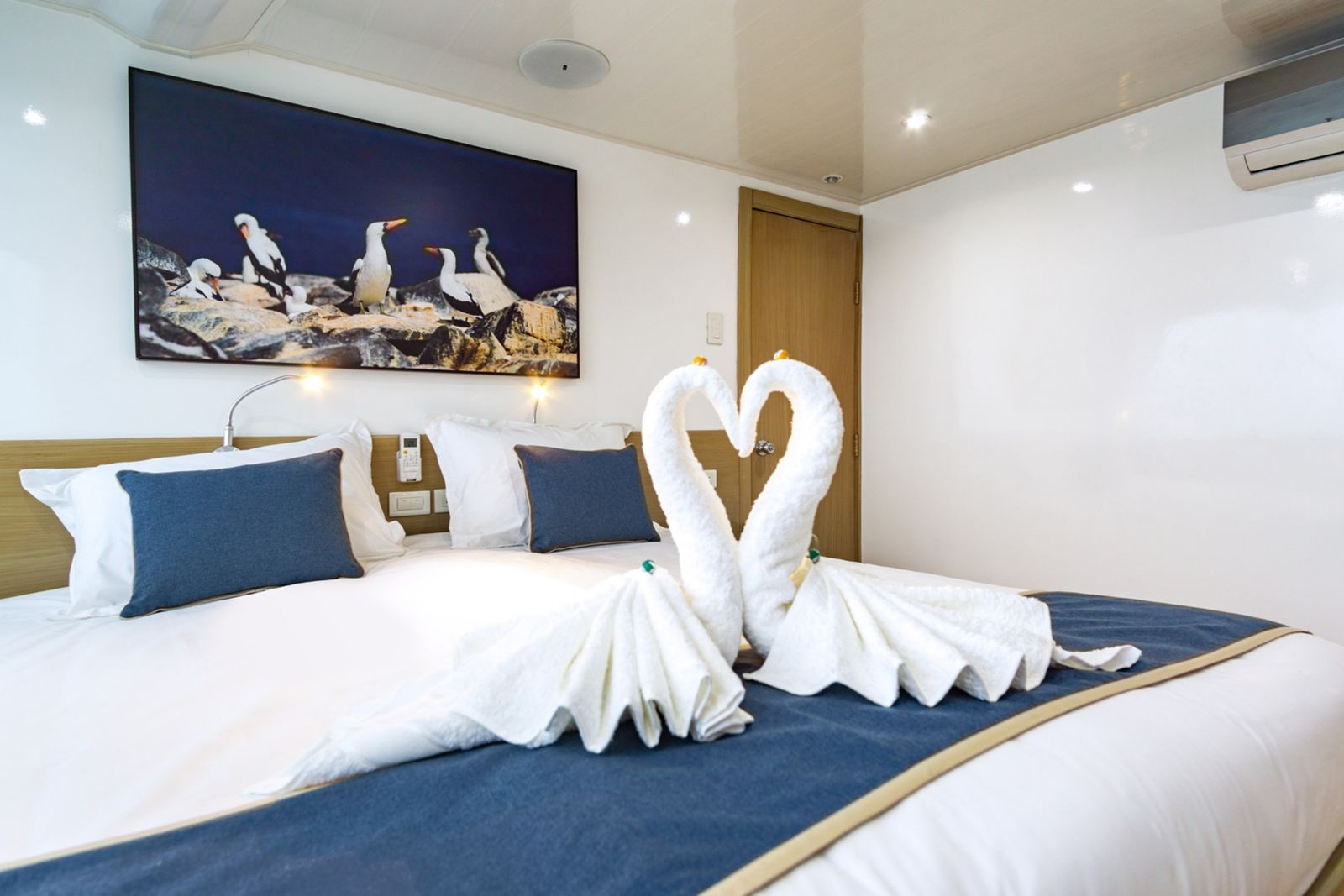
Best for Comfort: Galaxy Diver II
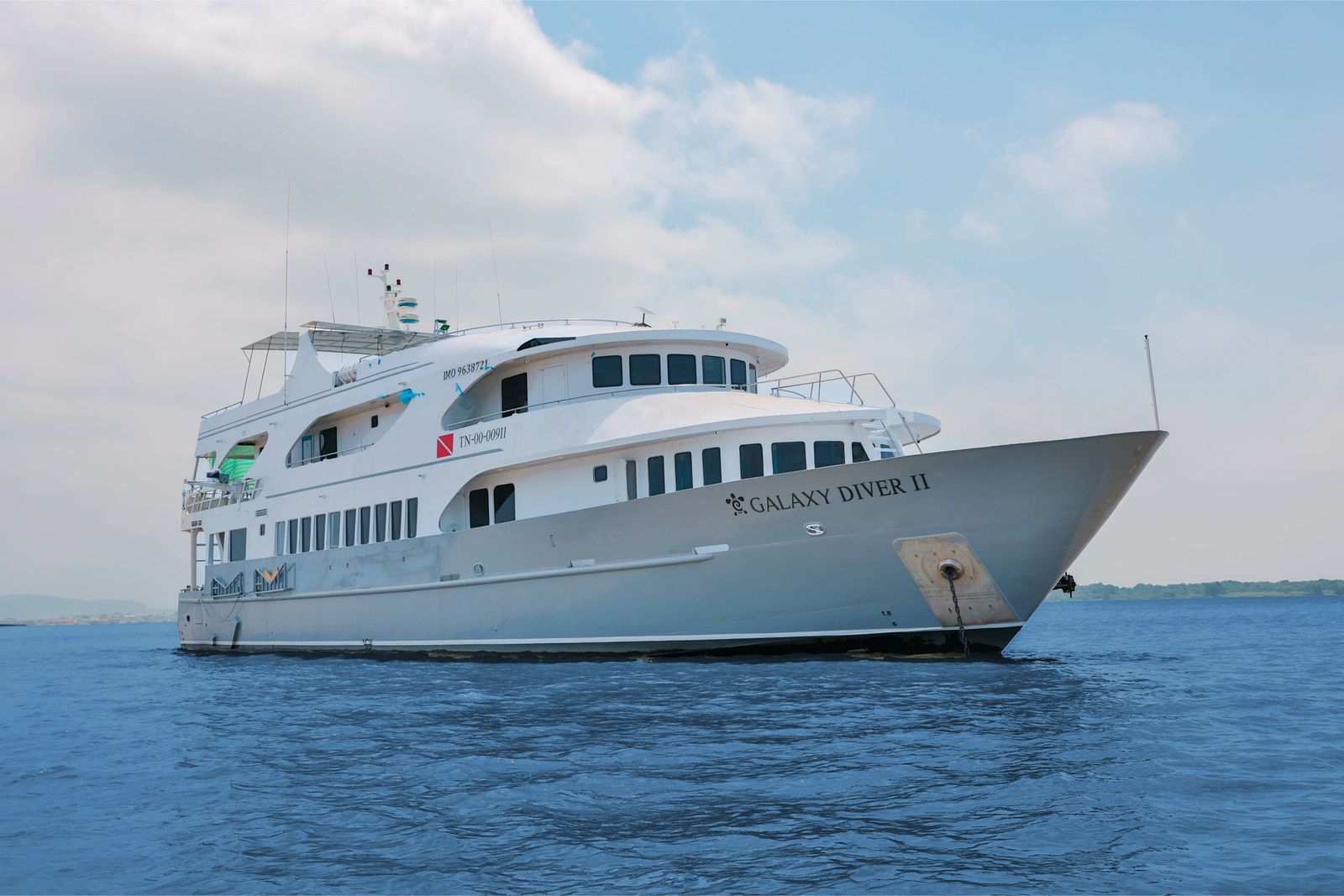
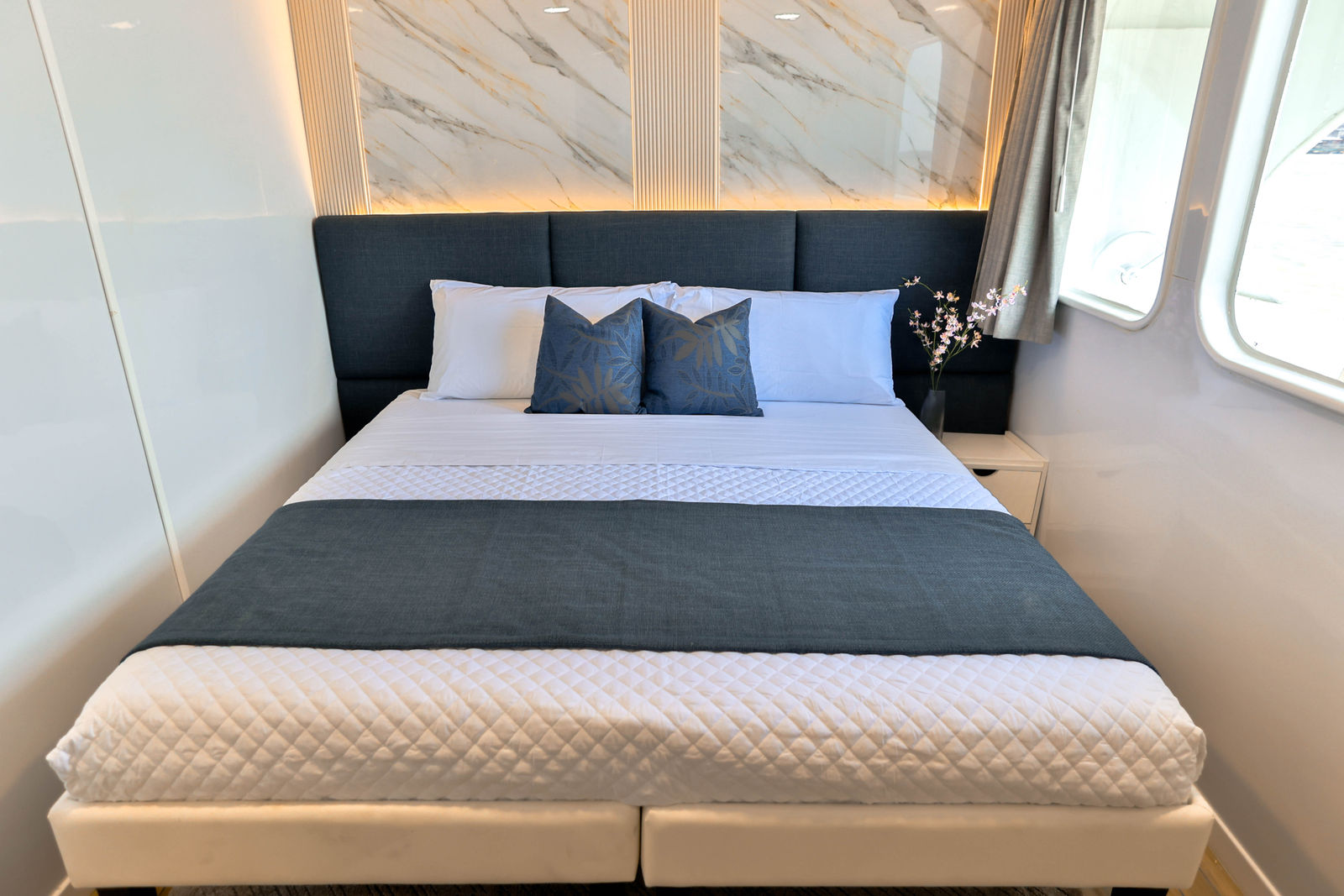
Galaxy Diver II is a 95 ft (29 m) yacht with 9 cabins for 16 guests. Guests keep pointing out how big the cabins and bathrooms are, and there's a jacuzzi, kayaks and paddleboards.
Nitrox, Wi-Fi and port fees are included, which is rare in the Galapagos. Its 7 night trip runs from Baltra to Santa Cruz for $7,500.
It hasn't posted 2027 dates on Liveaboard.com yet, so check back before you plan around it. Park fees are $220, plus a $60 fee if you book your own domestic flights.
Cabin
Dive Sites You'll Visit
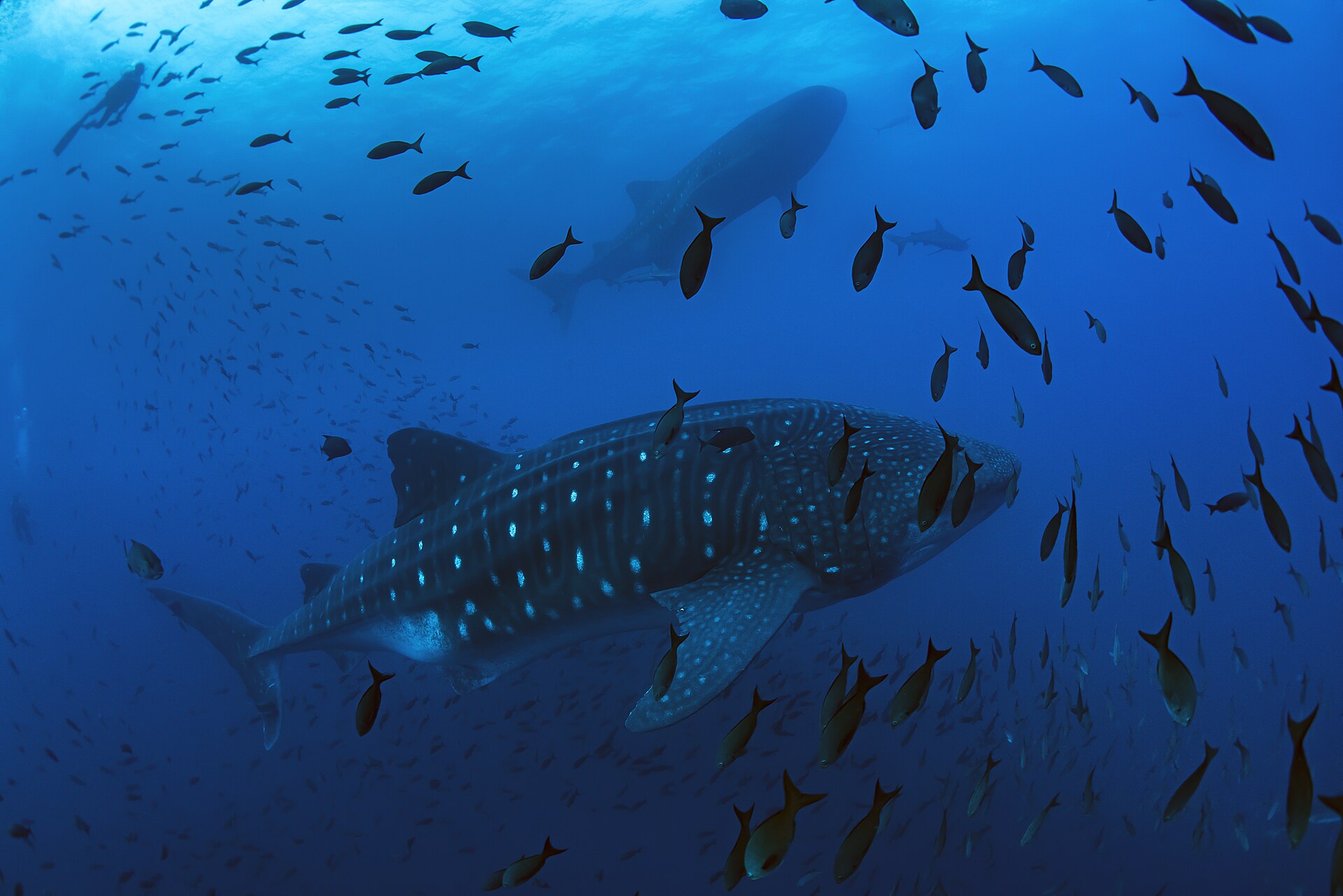
These are based on how divers and guides consistently describe the sites that come up across these itineraries.
Darwin's Arch
The most famous dive in the Galapagos, off Darwin Island. The arch itself collapsed in 2021, leaving two rock pillars, but the dive site is still there, with walls of hammerheads, Galapagos and silky sharks, and whale sharks from about June to November.
Wolf Island
Wolf's sites, like Shark Bay and the Landslide, are known for schooling hammerheads, eagle rays, dolphins and green turtles, with strong current and a lot of time spent holding on to rocks watching the show.
Cabo Douglas
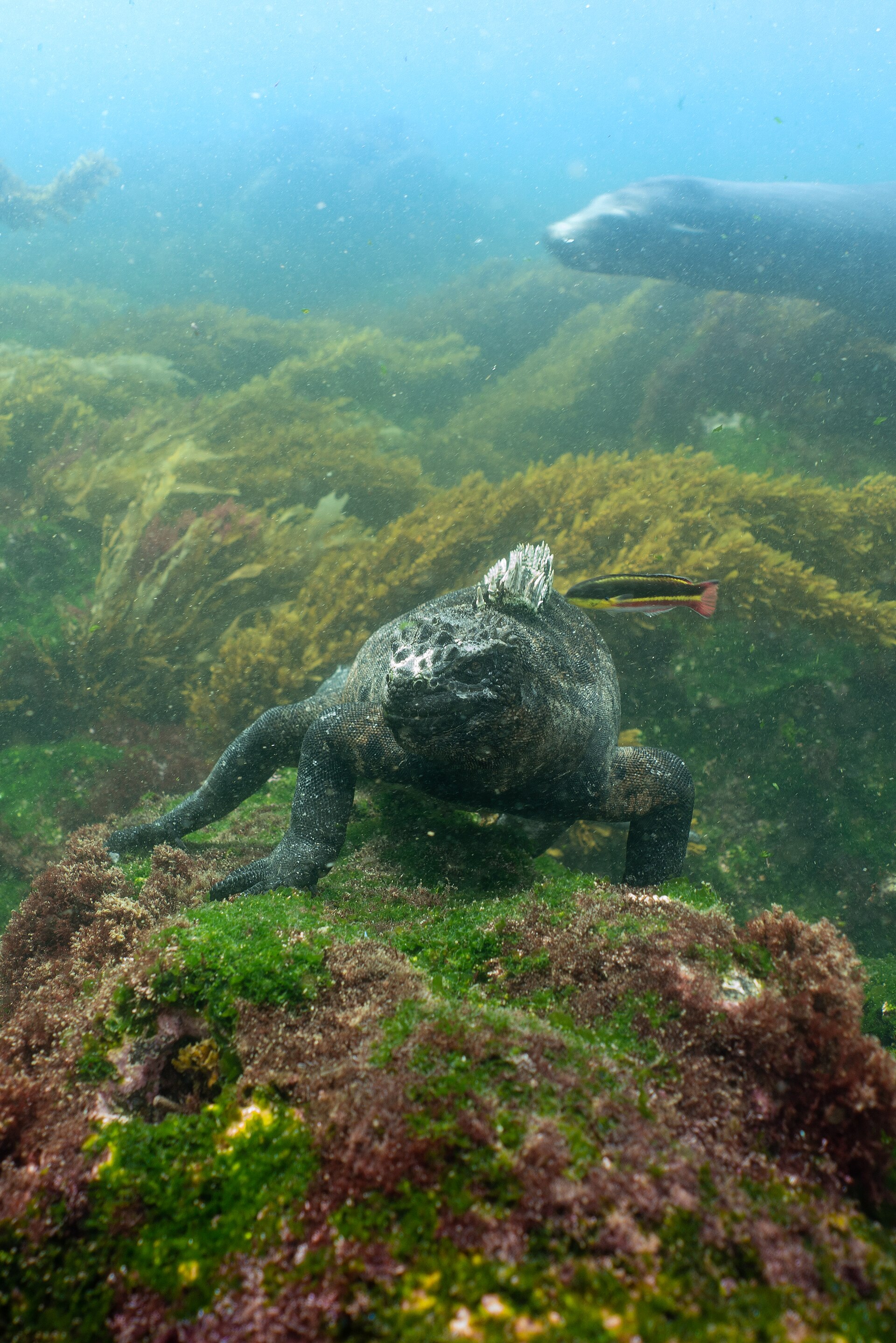
Off Fernandina in the west, and one of the only places in the world where you can dive with marine iguanas feeding on algae. Sea lions and penguins are common too.
Gordon Rocks
The eroded crater of an old volcano near Santa Cruz, nicknamed the washing machine for its currents, with hammerheads, eagle rays and turtles.
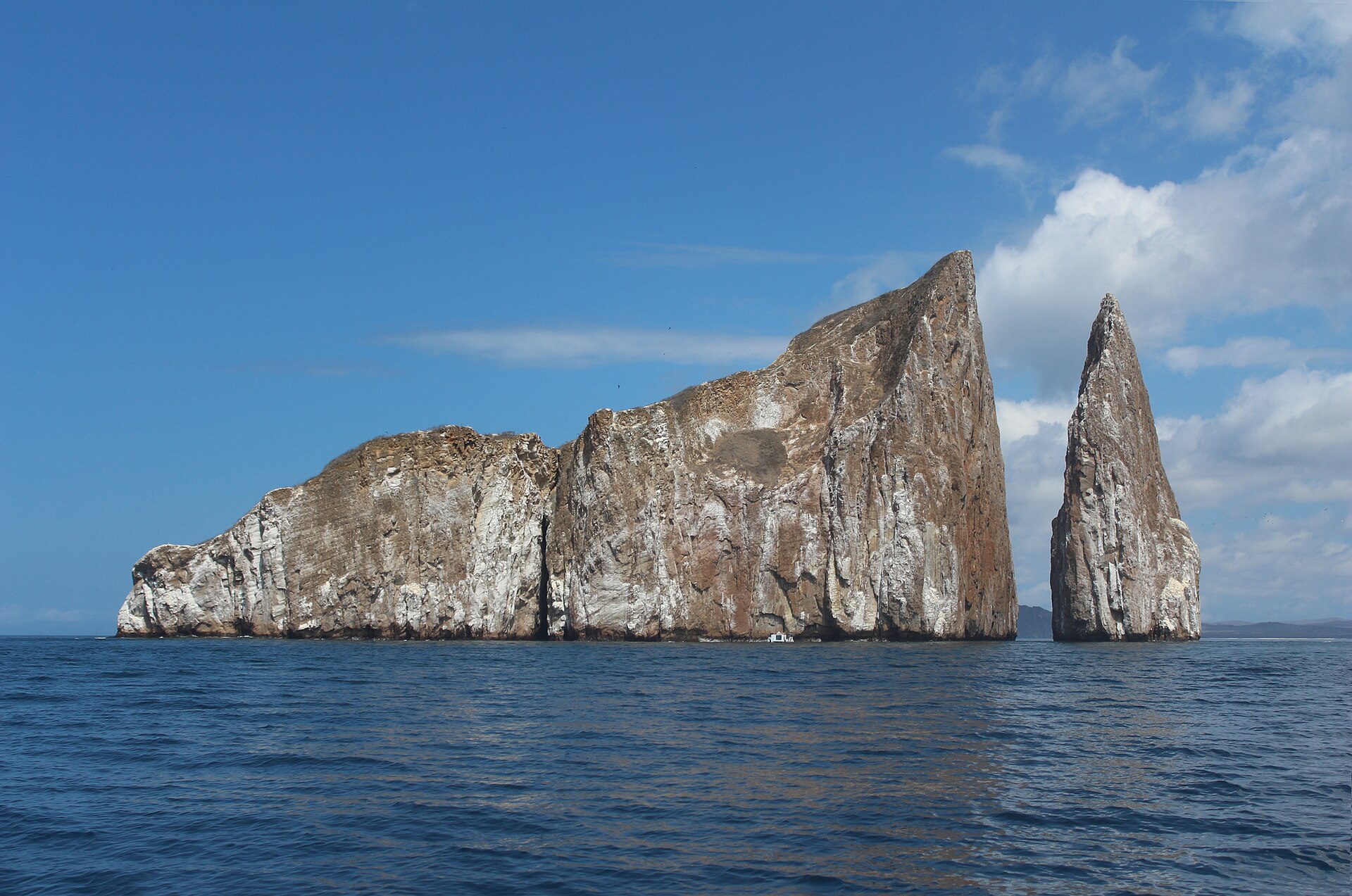
Kicker Rock
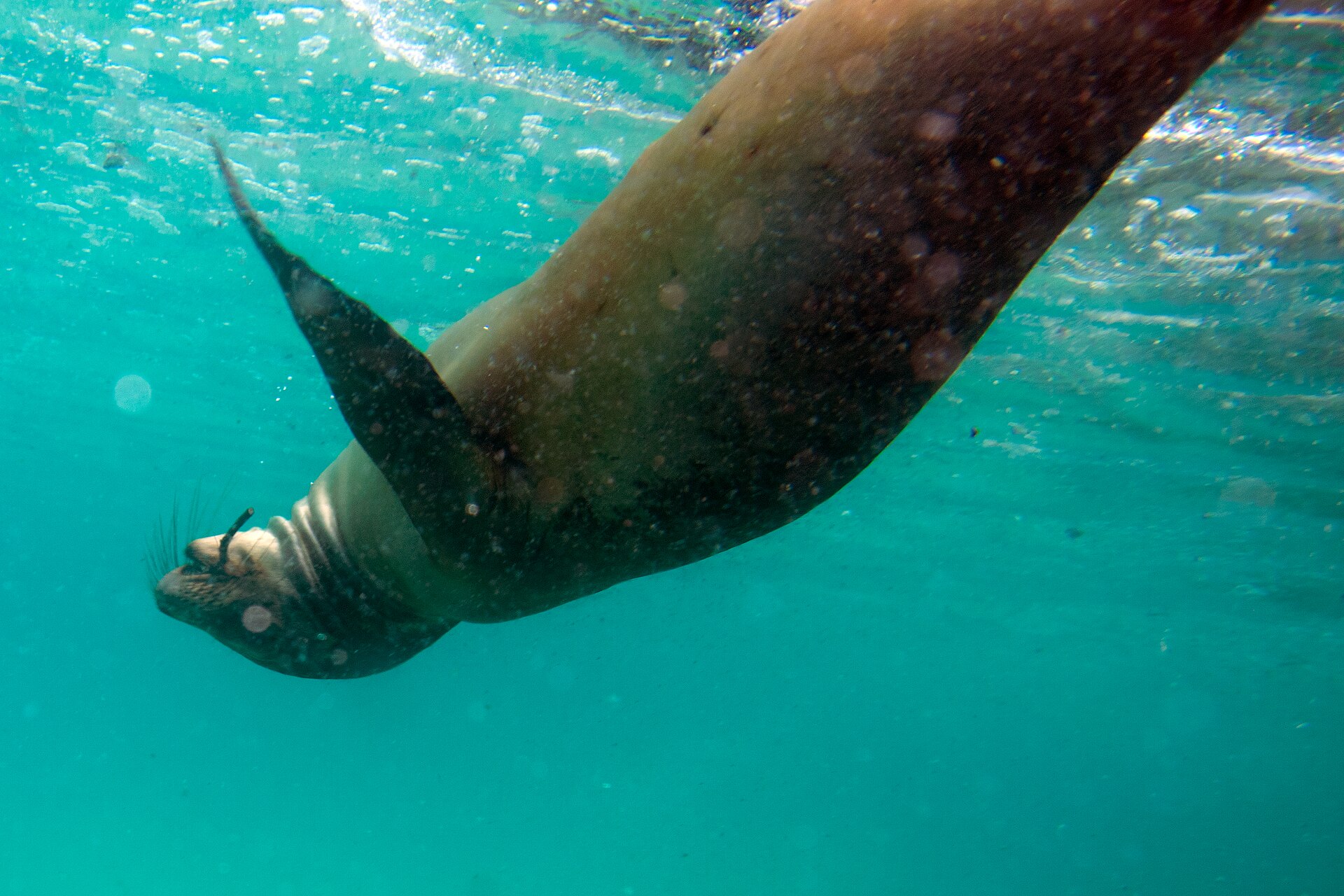
A split rock off San Cristobal with a channel between the two halves, where Galapagos sharks, hammerheads and sea lions are common.
Galapagos Liveaboard Season
The Galapagos is dived year round, but there are two very different seasons.
June to November is the cooler season. The water drops to around 64 to 72°F (18 to 22°C), the seas are rougher and there's more plankton in the water, but it's the best time for whale sharks at Wolf and Darwin.
December to May is the warmer season, with water around 72 to 79°F (22 to 26°C), calmer seas and better visibility, plus a better chance of mantas. Hammerheads are around all year.
Either way, most divers bring a 7 mm wetsuit and a hood, since thermoclines can drop the temperature fast.
Getting to the Galapagos
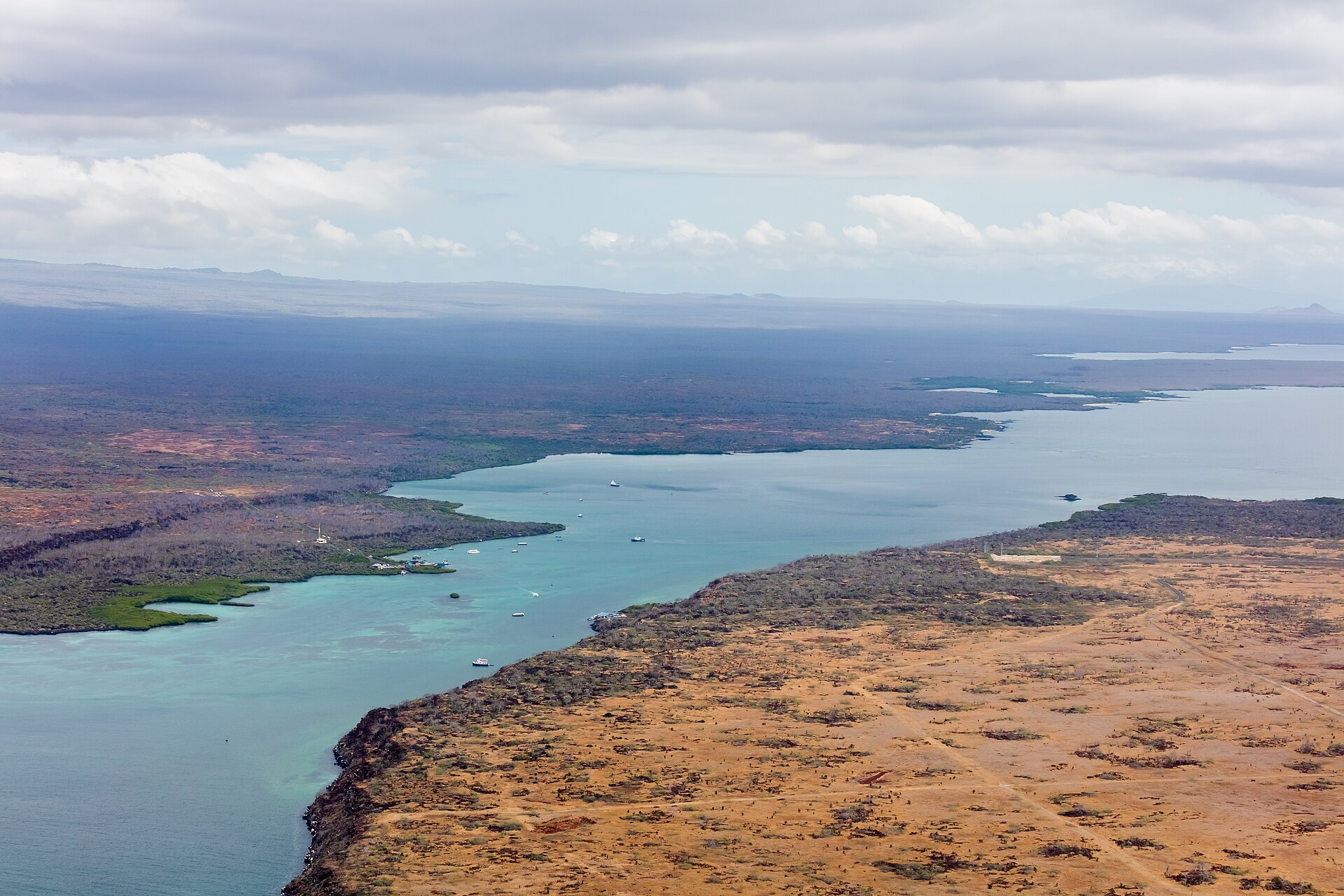
Fly into Quito (UIO) or Guayaquil (GYE) on mainland Ecuador, then take a domestic flight to Baltra (GPS) or San Cristobal (SCY), depending on where your boat leaves from. Those flights usually aren't included, and Aqua and Galapagos Sky list them at about $470 to $575.
Before you fly to the islands you'll buy a $20 transit card at the mainland airport, and you'll pay the $200 Galapagos National Park entrance fee when you land. That's the $220 in park fees every boat lists.
Plan to spend a night in Quito or Guayaquil before your flight out, since the boats leave on a fixed schedule.
What to Pack for a Galapagos Liveaboard
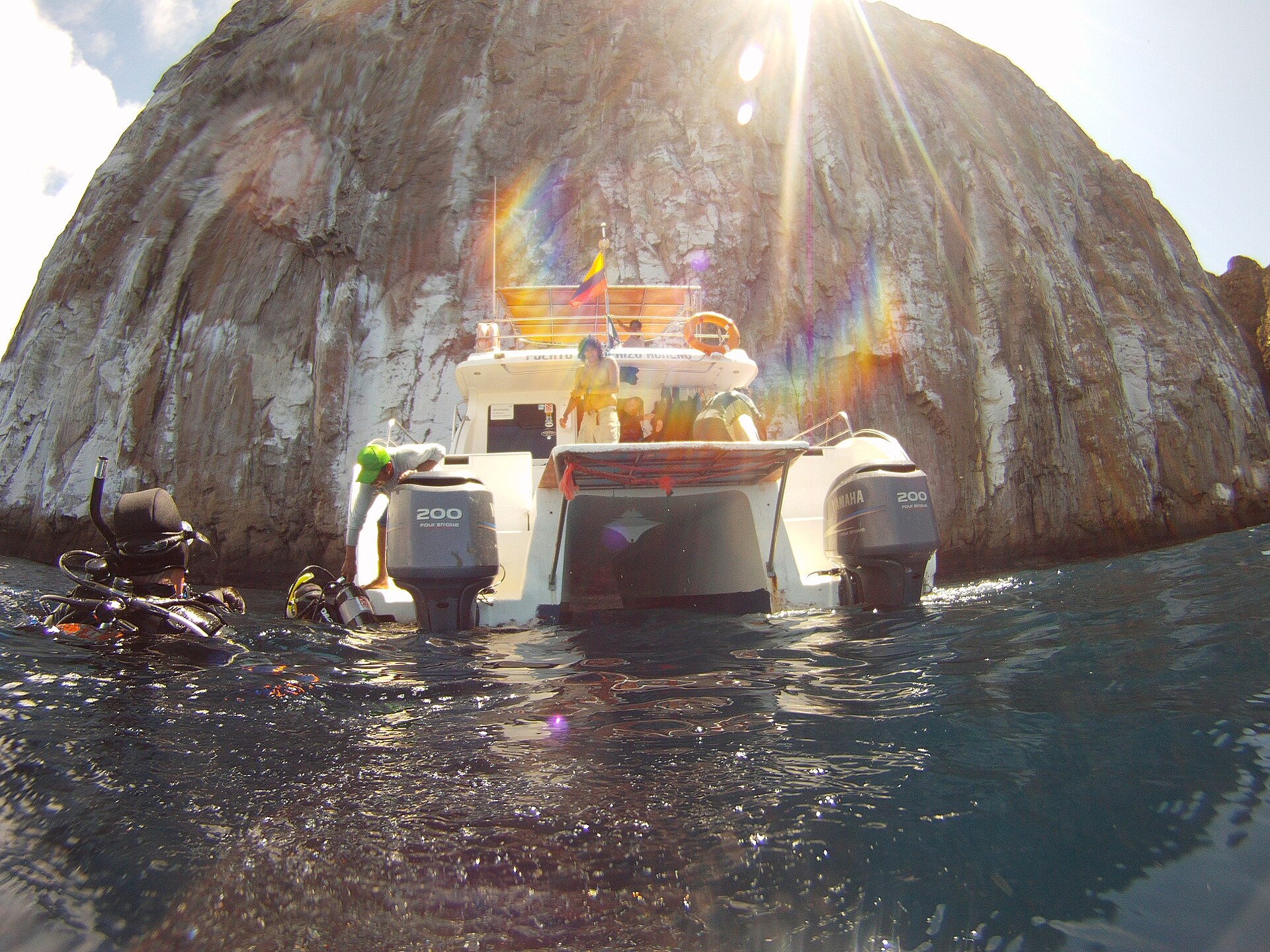
Here's the gear I'd bring for the Galapagos, plus the small stuff that's easy to forget.
Gear I dive with
DJI Osmo Action 6: the camera I film all my dives on. Here's my full review.
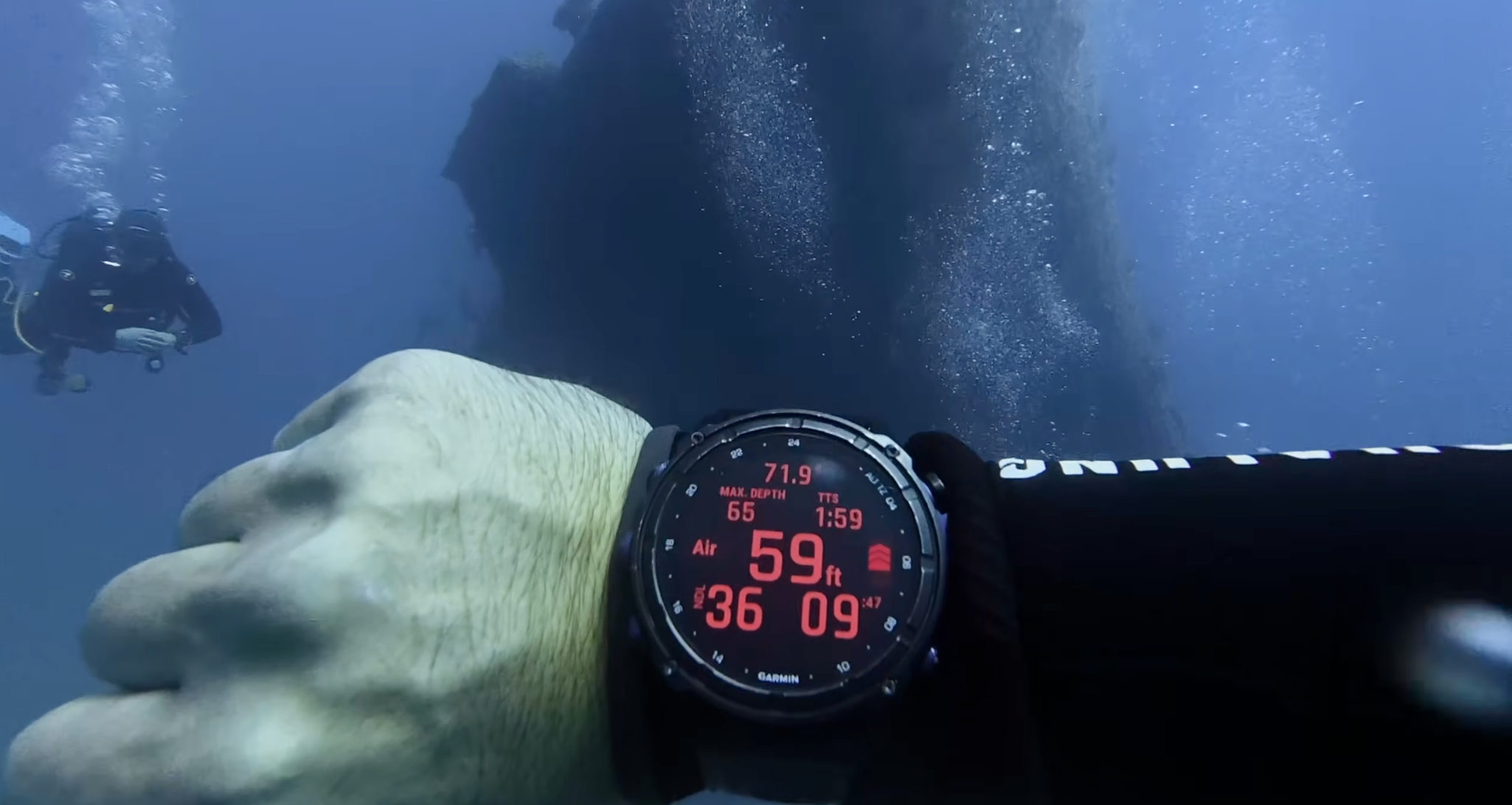
Garmin Descent MK3i: my dive computer. Here's my full review.
An SMB: Wolf and Darwin are open ocean with strong current, so you need one on every dive. Here are the SMBs I recommend.
Reef-safe sunscreen: the equator sun is strong on deck. Here are my picks.
Don't forget
Your certification card (or a digital copy), a 7 mm wetsuit and a hood, a dive torch, seasickness medication for the overnight crossings, a dry bag, a power bank, a travel adapter, and cash for crew tips.
Most boats rent gear for an extra fee, but bringing your own means it fits.
Dive Insurance
Wolf and Darwin are a full night's sail from the nearest town, and several boats here charge a chamber fee because the nearest recompression chamber is back on the main islands. I'd get dive insurance before the trip that covers dive accidents and emergency evacuation, like DAN or DiveAssure.
Park Fees
Every boat here lists $220 in park fees: the $200 Galapagos National Park entrance fee plus the $20 transit card. On top of that, Tiburon Explorer adds $150 to $220 for fuel, a $20 environment tax and a $35 chamber fee, Galapagos Aggressor III adds $300 for fuel, and Galapagos Sky adds a $35 chamber fee. Galaxy Diver II charges $60 if you book your own domestic flights.
FAQ
How many nights is a Galapagos liveaboard?
Almost every Galapagos dive trip is 7 nights, with 2 to 3 of those days spent at Wolf and Darwin.
How experienced do I need to be to dive the Galapagos?
The best sites have strong current, cold water and open ocean conditions. Most boats want Advanced Open Water and real experience, and Aqua requires at least 50 logged dives.
When is the best time to dive the Galapagos?
June to November is best for whale sharks, with cooler water and rougher seas. December to May has warmer water, calmer seas and better visibility. Hammerheads are around all year.
What happened to Darwin's Arch?
The arch collapsed from natural erosion in 2021, leaving two rock pillars. The dive site is still there and still one of the best in the Galapagos.
Can I see the Galapagos on land too?
Yes. Galapagos Sky includes 3 land tours, including the giant tortoises, and Tiburon Explorer and Calipso include land excursions.
Do I need dive insurance for the Galapagos?
I'd get it. Wolf and Darwin are far from the nearest chamber, and insurance like DAN or DiveAssure covers dive accidents and emergency evacuation.
Disclaimer
I haven't sailed any of the boats on this list, and I haven't dived the Galapagos yet. Every pick here is researched: I checked each boat's 2027 schedule, and pulled specs, prices, itineraries and safety equipment from the operators' own listings and Liveaboard.com.
Some links on this page are affiliate links, so I may earn a commission if you book, at no extra cost to you. Landscape and wildlife photos are credited under each image.
ABOUT THE AUTHOR
Austin Tuwiner
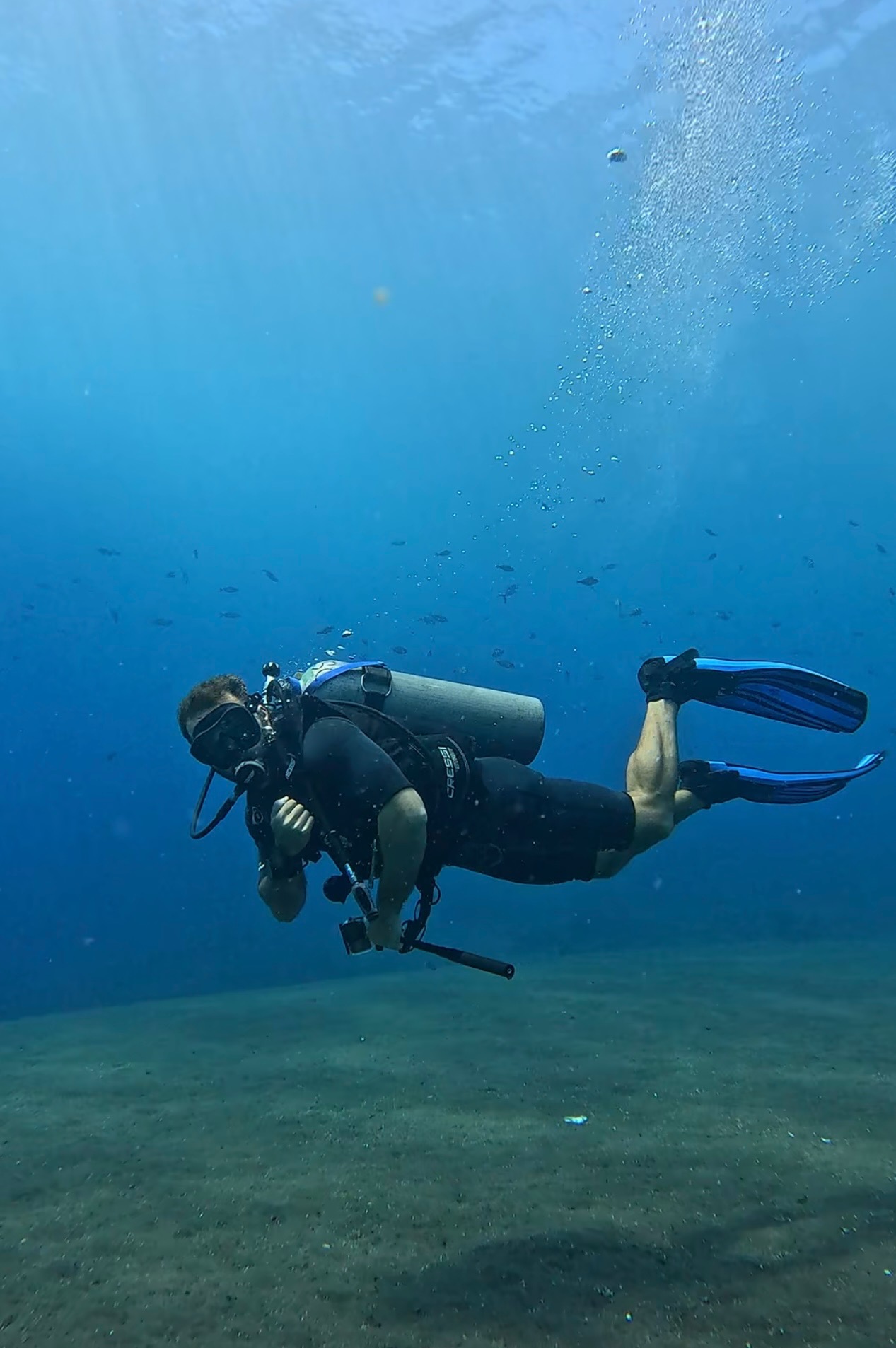
Hey I'm Austin, a PADI Divemaster based in South Florida .
I initially got certified at 16 at a scuba camp in Kona, Hawaii, did my Advanced Open Water on Koh Tao, my deep and nitrox on Gili Trawangan, and my Rescue and Divemaster in Miami.
Since then I've logged 500+ dives across 20 countries and states. I write about the gear I dive with, the sites I've dived, and the trips I've taken.


Let's Dive Together
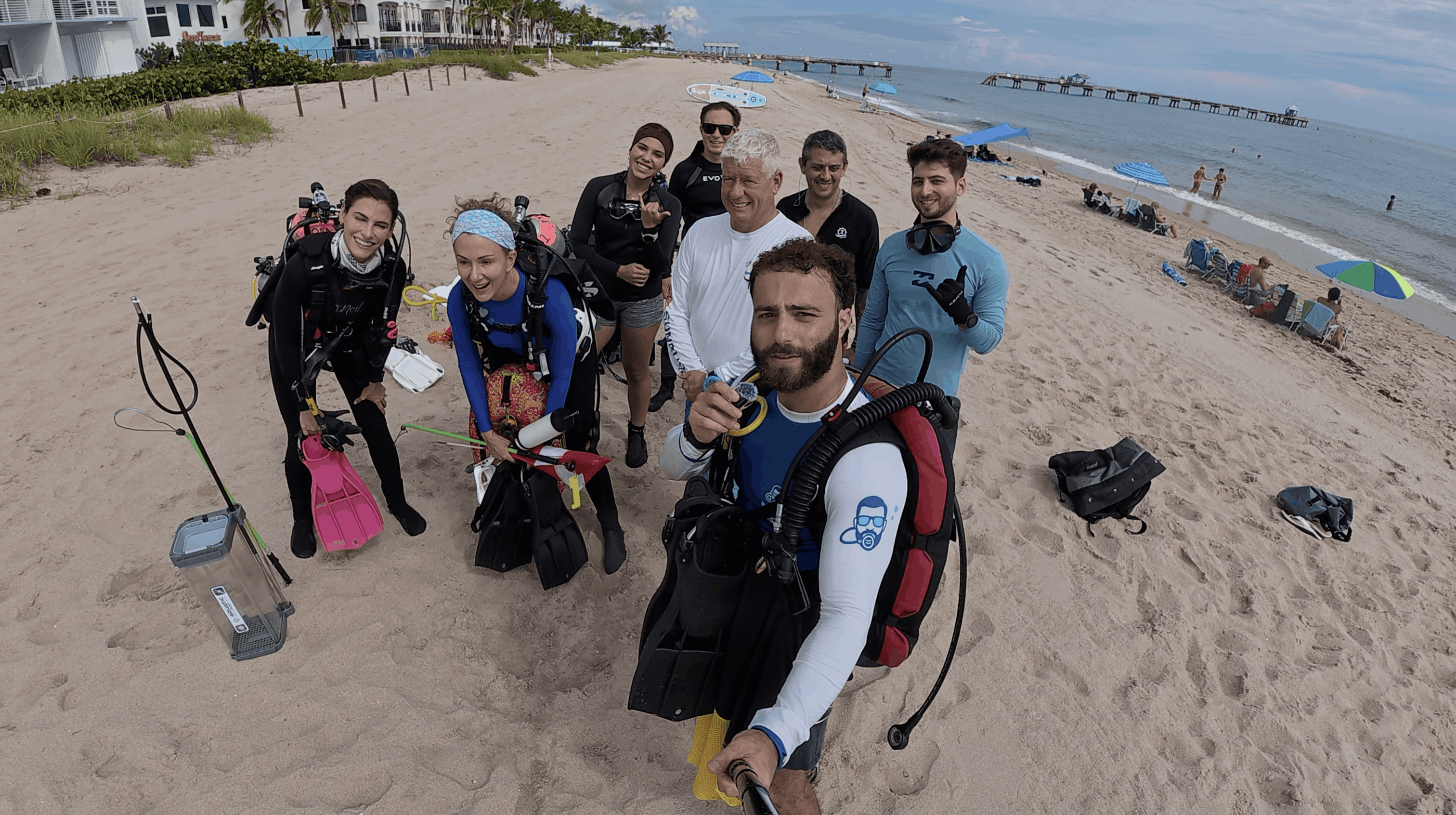
👋 It's Divemaster Austin
I'm inviting you to Dive Club, my global scuba diving community.
What you’ll find inside:
🤿 Dive meetups & group trips
🌍 Top dive sites shared by community members
⚙️ Gear tips & technique discussions
🤝 Diver's who’ve already linked up IRL
See you there!