

.webp)
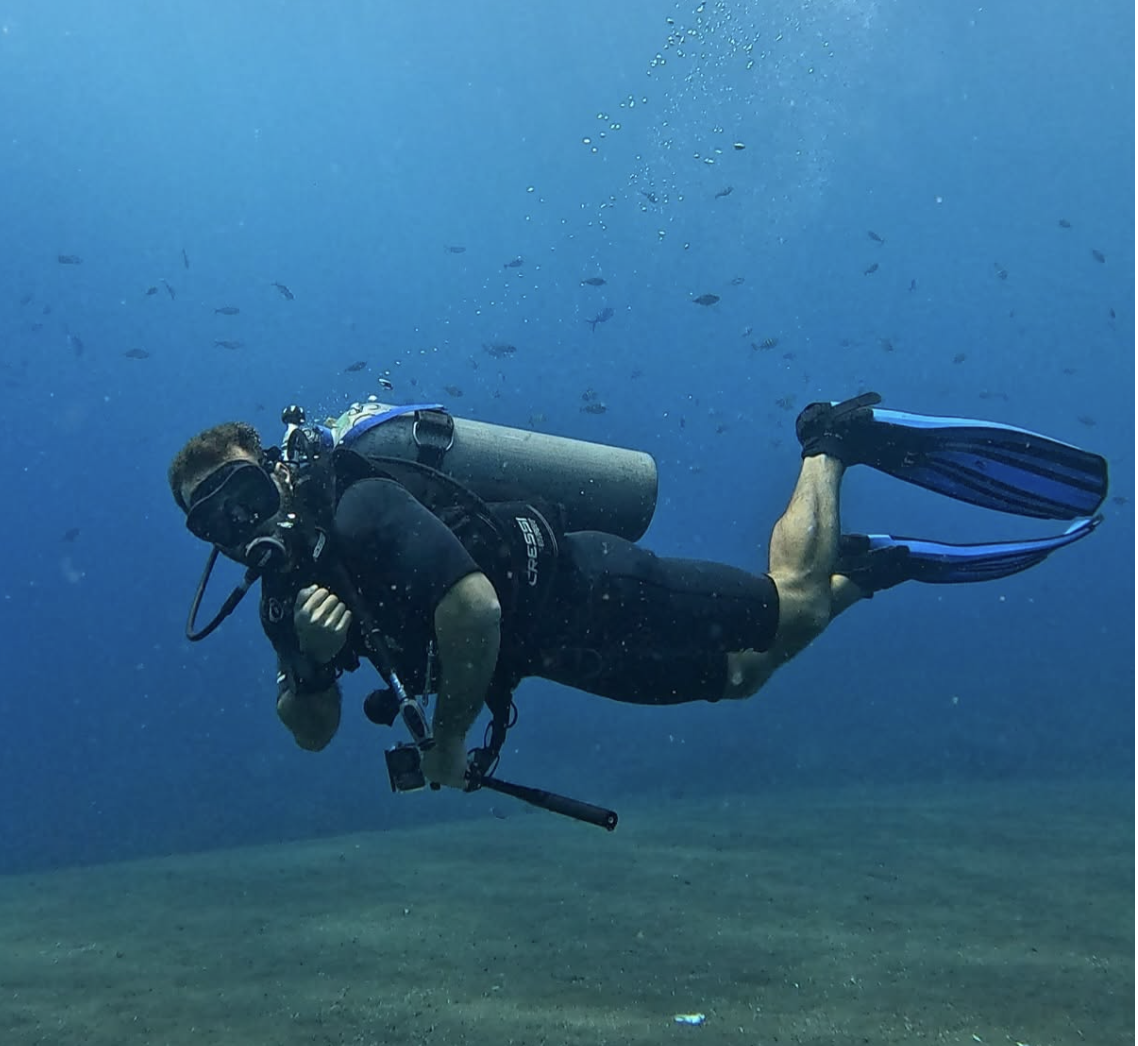
The most common materials for scuba diving tanks are steel and aluminum.
Which tank you end up using will affect your buoyancy, weight distribution, your wallet, and more.
Steel tanks are lighter and smaller than aluminum, with better buoyancy. They're ideal for cold water diving, drysuits, and overall reducing additional weight for controlling buoyancy.
Aluminum tanks are much more affordable and corrosion-resistant. They're the most common rental tank worldwide for a reason, and perfect for warm tropical diving where extra weight isn't needed.
If you'd like to deep dive into the differences between the two tank types, so you can decide which to buy or rent on your next dive, keep reading!
Tank Durability
Aluminum is a much softer material than steel.
This relative frailness can cause cracks in your tank, especially where it's threaded and attachments screw onto it, rendering it unusable.
Aluminum tanks should be inspected regularly for cracks in order to prevent them from becoming unsafe for use.
While aluminum does not rust when exposed to moisture, it does corrode, creating an aluminum oxide, which can actually help it become more resistant to the elements.
On the other hand, steel is composed of mostly iron as well as some carbon and trace elements.
Iron is very prone to rust, especially when exposed to moisture, which is unavoidable when diving.
To prevent this, steel tanks require extra care to prevent deterioration. Ensure your tank is only filled with dry air and is never completely drained.
In the event rust is discovered on your steel tank, it's time to take it in for inspection where it will be tumbled.
In the durability department, steel wins, if you can keep it rust-free.
Tank Size and Weight

When it comes to the weight of your tank, steel tanks are lighter than aluminum cylinders.
This might seem counterintuitive as steel is a much heavier material, but due to the alloy's increased strength, less steel is used to reinforce the tank walls compared to aluminum, reducing weight.
A standard dry steel tank will weigh ~28 pounds (13 kg), whereas a standard aluminum will weigh ~33 pounds (15 kg).
In addition to the weight difference, standard steel tanks are often slightly smaller and thinner than standard aluminum tanks.
When we start discussing tank variations (specialty tanks) with varying pressure capacities in the next section, we may encounter exceptions to the expected rules.
Steel wins on size and weight, lighter to carry, smaller profile, and easier to manage in the water.
Tank Capacity and Pressure
%20(1).png)
The capacity of a scuba diving tank is directly correlated to its rated pressure.
Standard steel tanks store the same amount of air as standard aluminum tanks, although steel tanks have the ability to be overfilled, assuming their recent inspection allows for that.
This is why you may see the signs HP (High Pressure) and LP (Low Pressure) thrown around when shopping for tanks. Depending on how the tank is built, a certain material type will hold more or less air than expected.

Steel wins here. The ability to overfill means more bottom time from the same size tank.
Common Scuba Tank Sizes
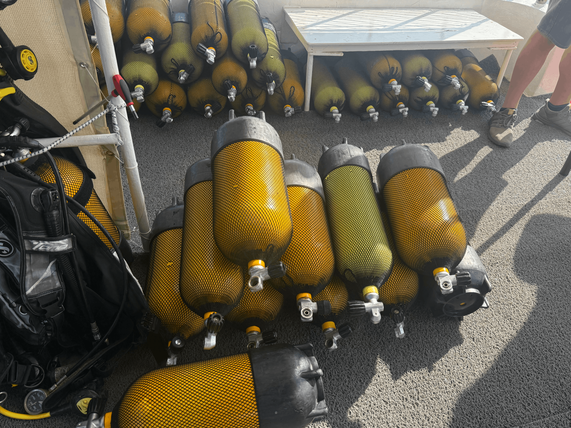
There are really only four tank types worth knowing for the average diver. Exact figures move a little between manufacturers, so treat these as ballpark estimates.
AL80
The aluminum 80 is what you will be handed almost everywhere in warm water. It holds around 77 cubic feet at 3,000 psi (207 bar) and weighs about 31 lbs (14 kg) dry. It starts roughly 1.5 lbs (0.7 kg) negative and finishes around 4 lbs (1.8 kg) positive, and that swing is exactly why you end up carrying extra lead on rental gear.
HP100
The high pressure steel 100 is the most popular steel tank among recreational divers. Around 100 cubic feet at 3,442 psi (237 bar), about 33 lbs (15 kg) dry, and still negative when empty. More air than an AL80 in a shorter cylinder, with none of the positive swing at the end of the dive.
HP80
Same 3,442 psi (237 bar) rating as the HP100 in a smaller package, with capacity close to an AL80 but steel's buoyancy behaviour. Worth a look if you are smaller framed or find an AL80 awkward to carry and trim.
LP85
The low pressure steel 85 holds around 85 cubic feet at 2,600 psi (179 bar). It is heavier than an HP100 at roughly 34 to 38 lbs (15 to 17 kg) for less air, but low pressure steel is what gets overfilled, and a shop willing to do it turns an LP85 into a lot more gas than the number on the neck suggests.
Tank Buoyancy
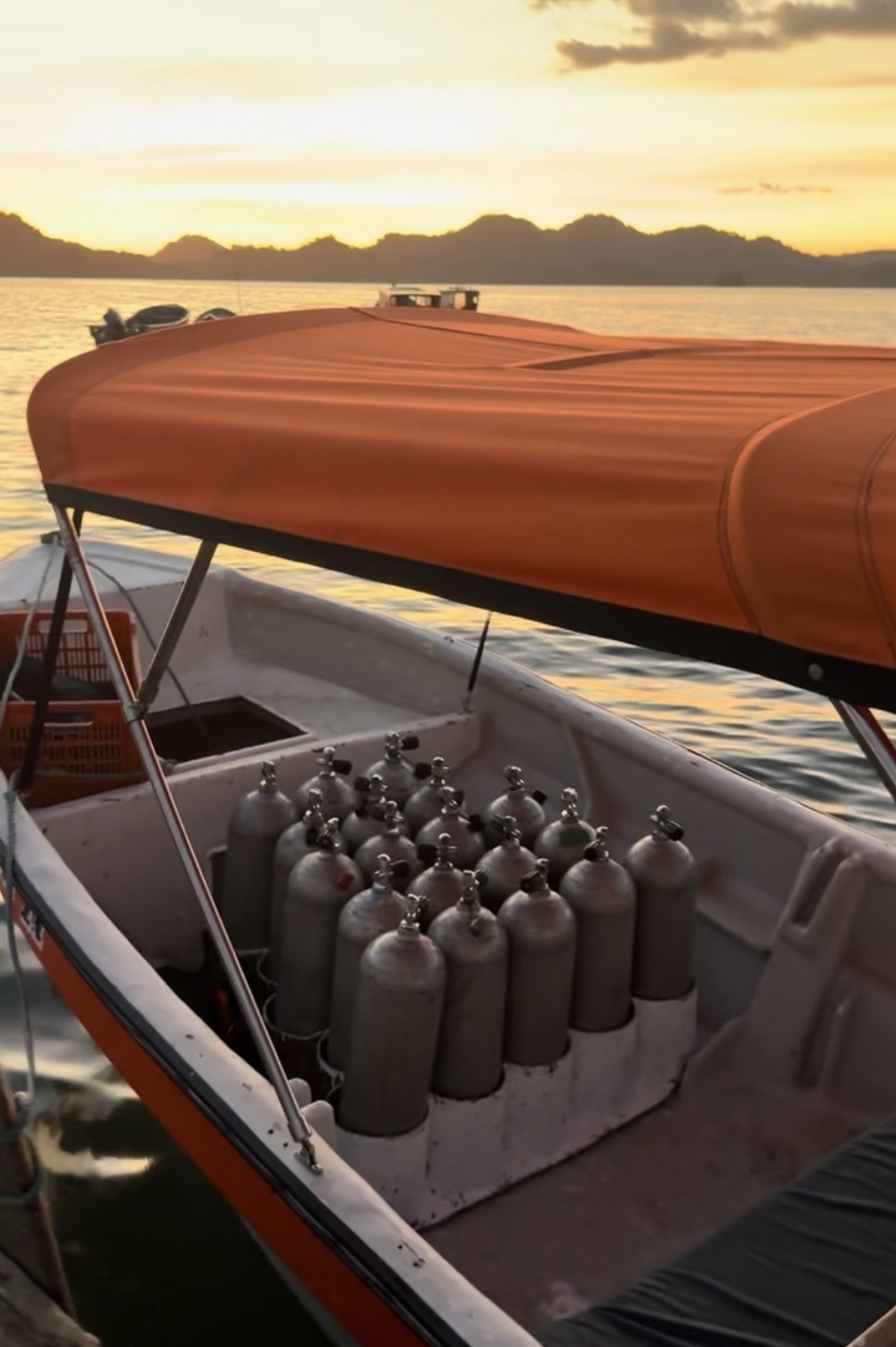
Buoyancy is the biggest practical difference between the two materials.
Steel tanks are negatively buoyant when full and stay negative even when empty.
Aluminum tanks start slightly negative but go positively buoyant as you burn through your air.
To compensate, aluminum divers typically need 4–6 lbs (1.8–2.7 kg) more negatively buoyant than steel divers.
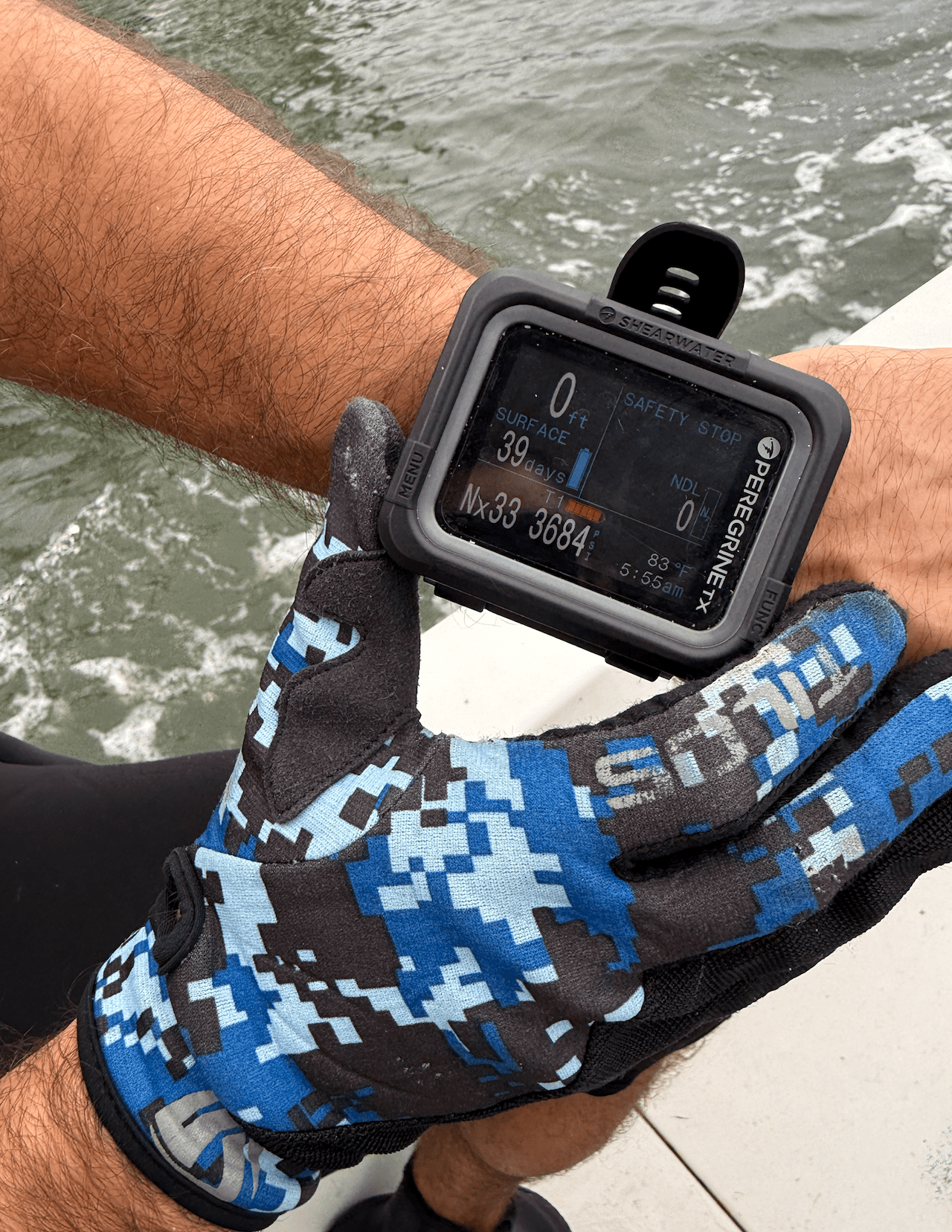
I own steel tanks, but when I'm traveling and using rental aluminum tanks, I add four pounds of lead to counteract the buoyancy difference.
In cold water, where you're already adding weight for a drysuit or thick wetsuit, it's convenient to use a steel tank as extra lead adds up fast.
Cold water or drysuit diving → steel.
Warm water tropical diving → aluminum.
Tank Valves
Most modern scuba diving tanks accept both valve types (DIN and Yoke), but it's worth knowing the difference when buying a regulator.
Yoke (A-clamp): clamps onto the outside of the valve. More common on aluminum tanks and at tropical dive shops worldwide.
DIN: screws directly into the valve. More common on steel tanks and in technical/cold water diving. Considered more secure at depth.
If you're renting tanks, yoke is the safer regulator choice as it's what you'll find most places.
DIN is worth considering if you're buying your own steel tank setup.
Tank Price

Due to material costs, steel diving tanks are more expensive than aluminum tanks upon first purchase.
I'd expect a steel tank to be on average 30%-100% more expensive than an aluminum tank of the same size.
Considering we mentioned above that steel tanks are more durable than aluminum, it could pay off, in the long run, to pay the increased price now and save in the long run.
Purchasing your own scuba tank will bring down the cost of diving for you over time, as you'll no longer need to pay rental prices.
Consider getting a used tank if the person selling it is reputable and the tank was inspected recently.
When a tank has a full service this is marked on the outside with the month and year so you can always check if you are unsure.
If price is the ultimate factor, then go with an aluminum tank.
Conclusion
Steel wins in almost every technical category. It's lighter, smaller, holds more air, stays negatively buoyant, and lasts longer.
The tradeoff is cost and rust maintenance.
Aluminum wins on price and corrosion resistance, and it's what you'll find on most charter boats in warm water destinations. For recreational tropical diving, it gets the job done. It's the most common scuba diving tank for a reason.
Buy steel if: you dive cold water, wear a drysuit, do technical diving, want to minimize lead on your belt, and budget isn't a concern.
Buy aluminum if: you dive warm water recreationally, you're on a budget, or you're not ready to commit to tank ownership yet, rent first, buy later.
Let's Dive Together
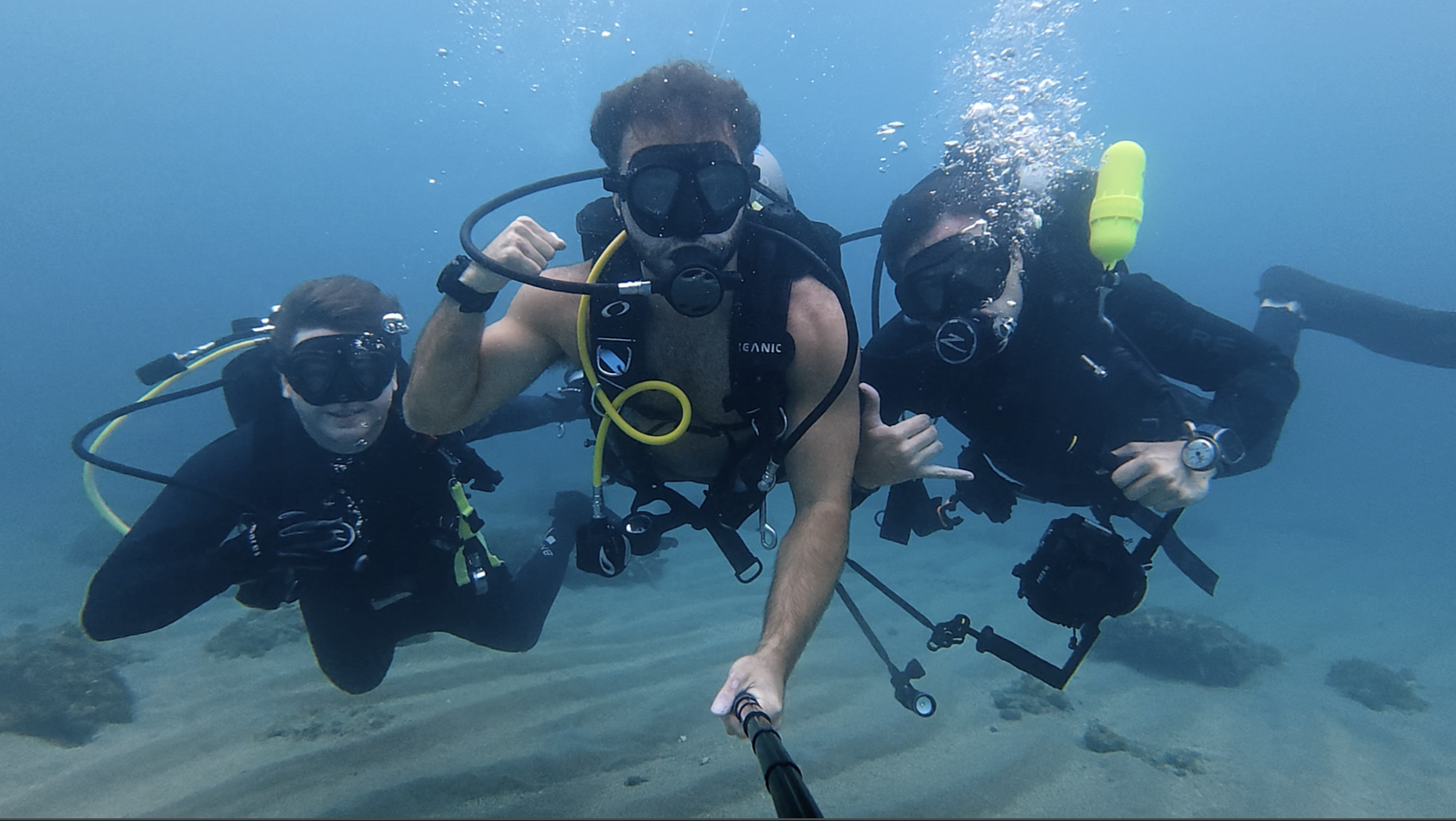
👋 It's Divemaster Austin
I'm inviting you to Dive Club, my global scuba diving community.
What you’ll find inside:
🤿 Dive meetups & group trips
🌍 Top dive sites shared by community members
⚙️ Gear tips & technique discussions
🤝 Diver's who’ve already linked up IRL
See you there!
Join my scuba diving community.

I'm Austin, a PADI Divemaster with over a decade of diving experience under my belt.
I created a free scuba diving community, where divers can connect, learn, and share their dives.
See you inside!
Join my Diving Community

.webp)
.webp)




.png)

.png)