.png)


.webp)
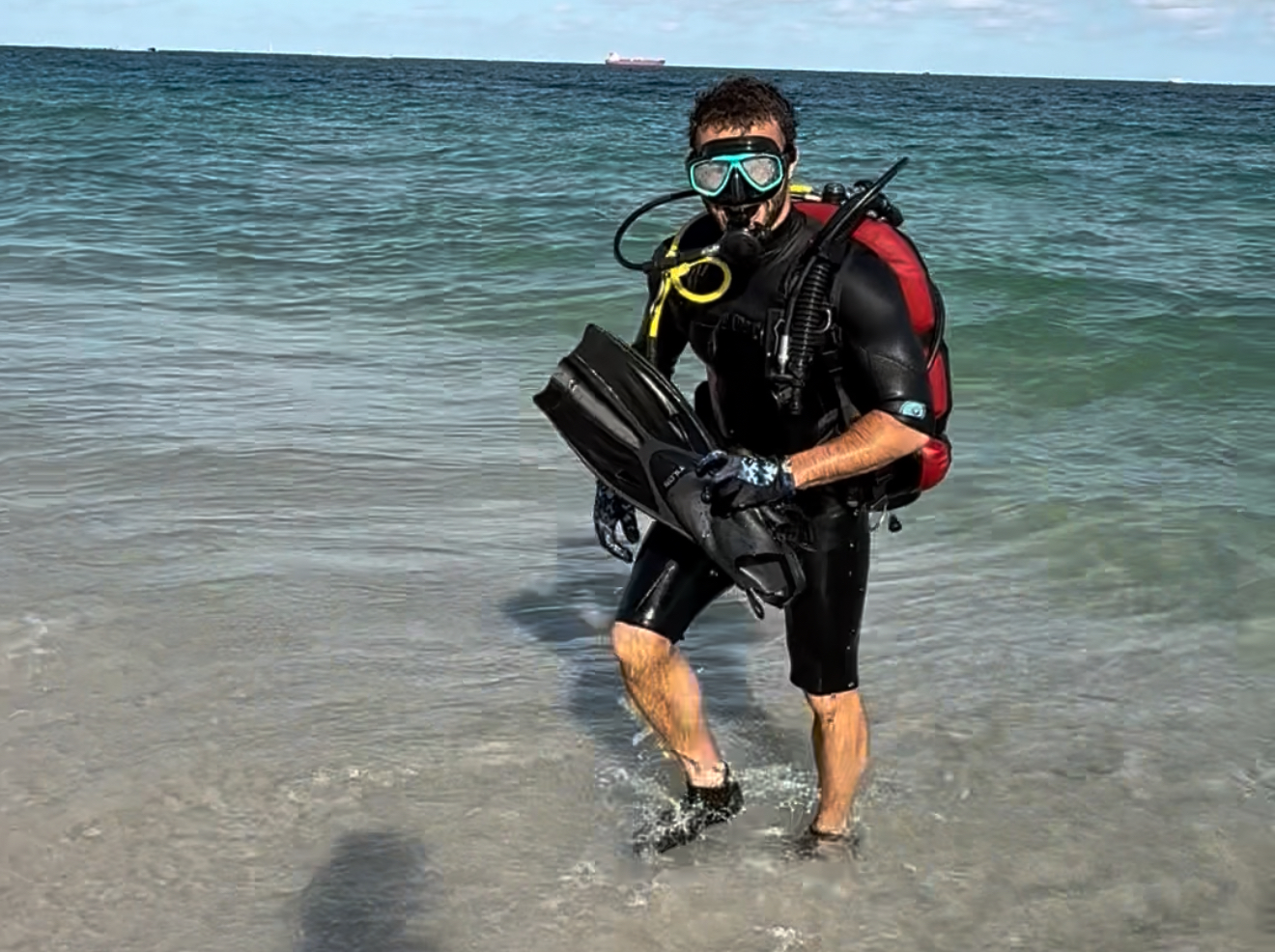
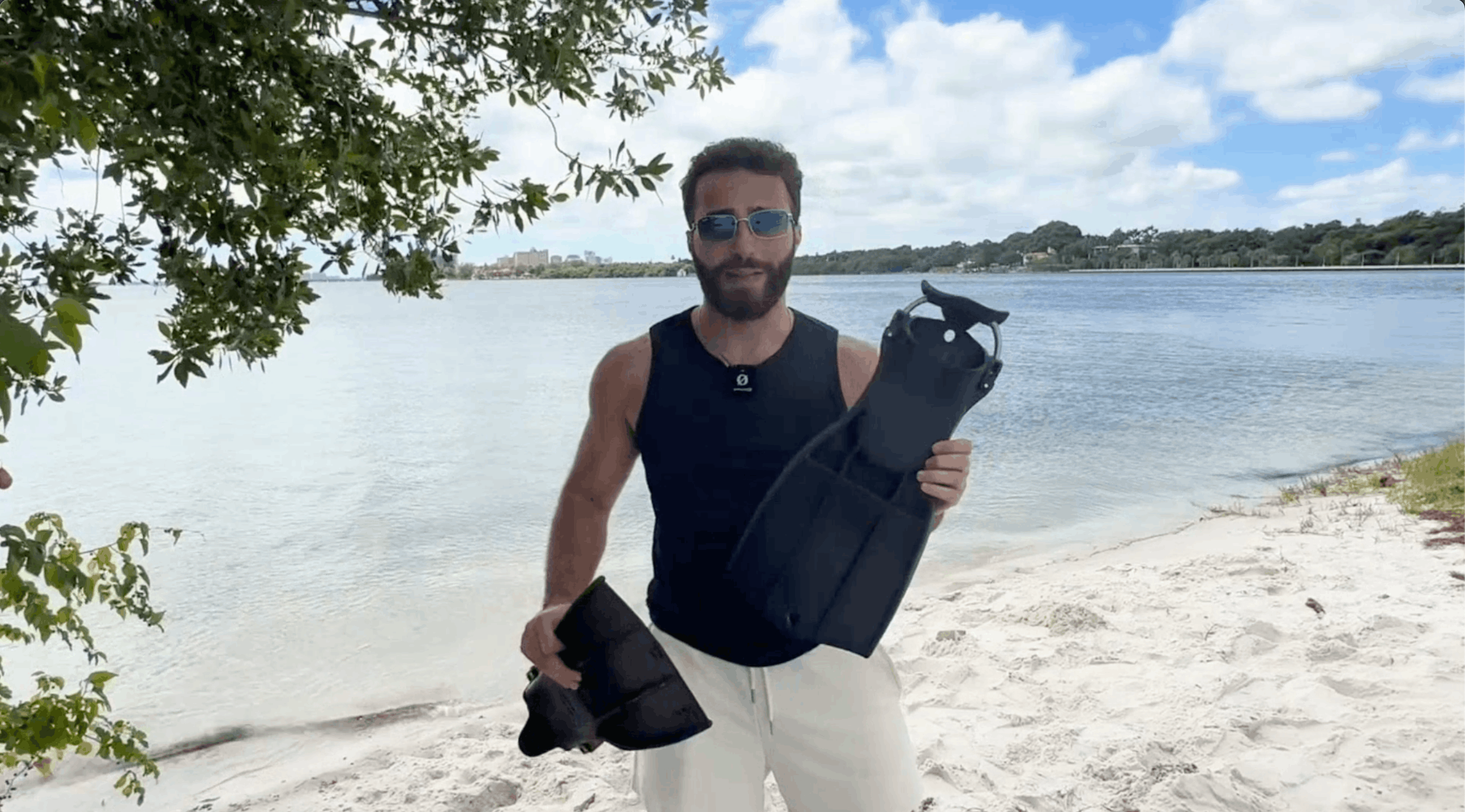
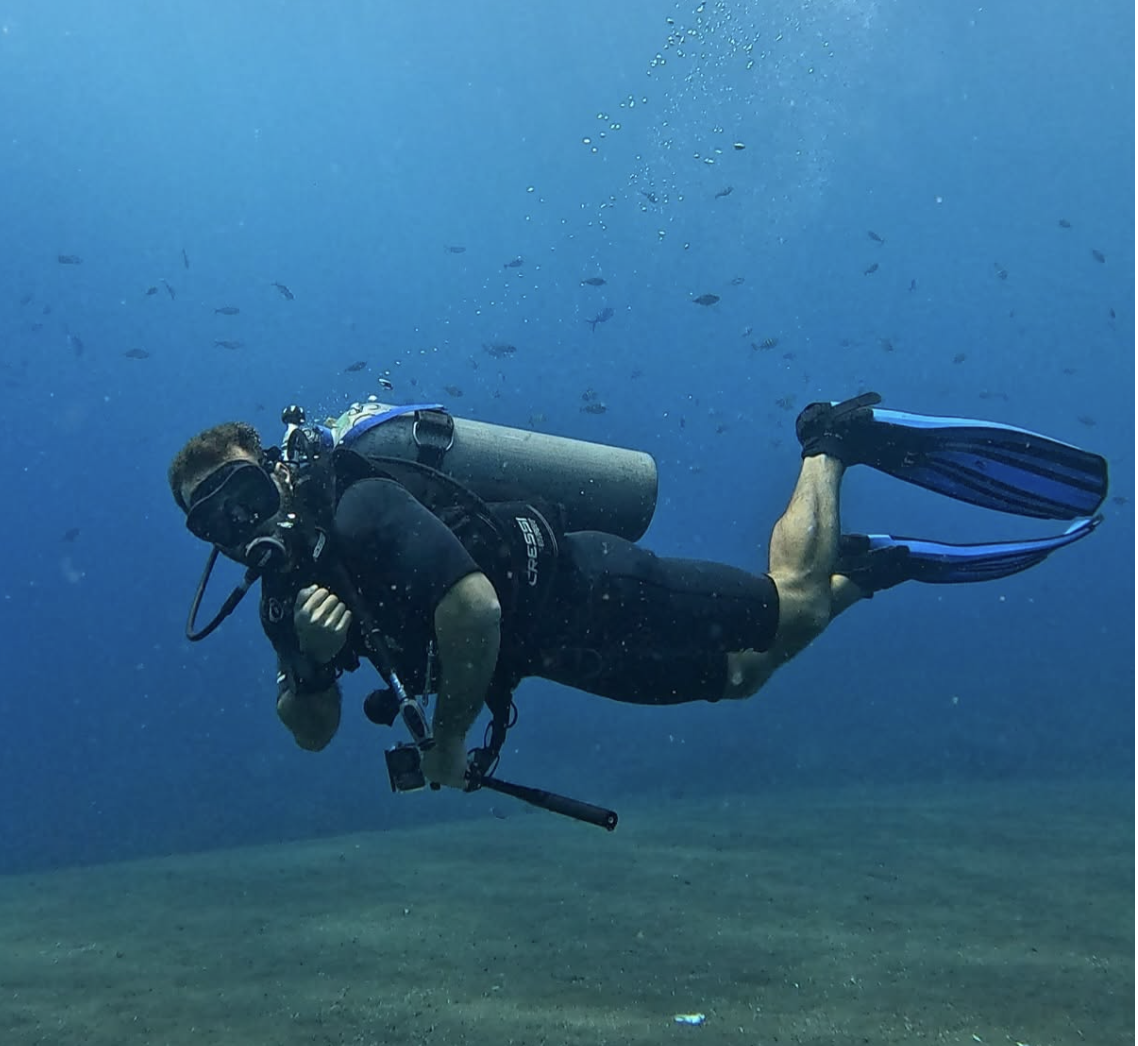
Scuba fins enhance a diver’s maneuverability and speed underwater.
Depending on the type of diving you do (boat vs. shore) and the conditions you dive in (currents vs. caves vs. wrecks), different fins perform better.
Getting fins of your own makes sense if you're diving regularly.
You'll save on rental fees, and more importantly, develop muscle memory with your own gear.
With so many options, the idea of purchasing fins can be intimidating.
For this reason, I put together a complete guide to choosing scuba diving fins, so you can comfortably use them on your next dive.
Scuba Fins Buying Guide
I'd start off by identifying the type of diving you're planning to do the most:
🌊 Drift diving - Strong currents, need power and control
⚓ Wreck diving - Tight spaces, want a smaller fin
⛰️ Cave diving - Precision manuevering, multiple kick styles, want a certain blade type
🤿 Tech diving - Heavy gear, controlled movements
❄️ Cold water diving - Thick exposure protection, need negatively buoyant fins
✈️ Travel diving - Need lightweight, compact, packable fins
Once you've identified your primary diving style, the next decision is choosing between open heel, closed heel, and freediving fins.
Open Heeled Fins
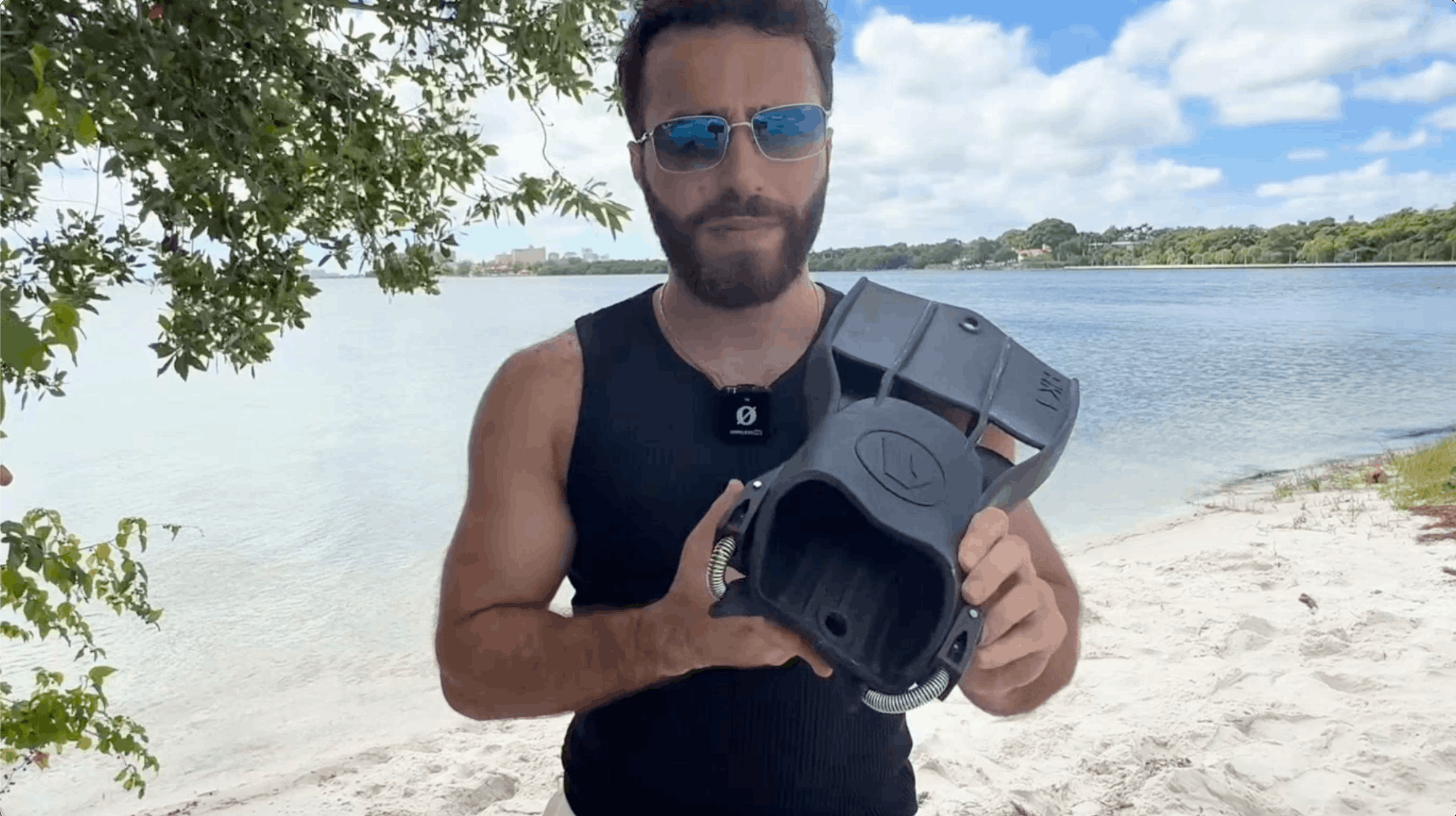
They're the only fin type designed to be worn with dive boots, giving them a balance of power, warmth, and comfort.
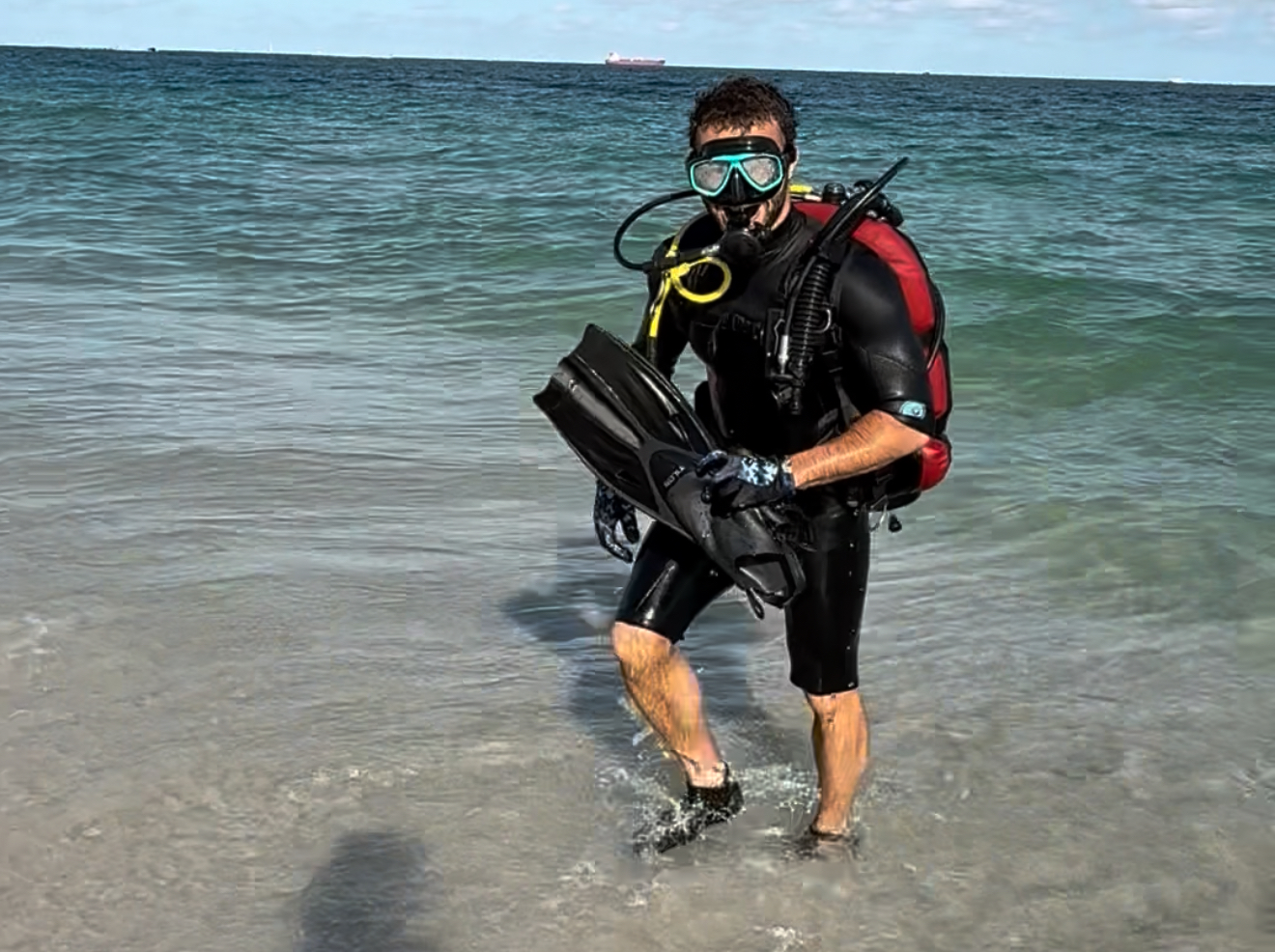
Dive boots of different thicknesses also provide thermal protection in cold water.
Most open-heel fins come with spring straps, which make them easier to get on and off quickly.
This matters for shore diving (getting fins on between wave sets) and climbing up boat ladders with ease.
Closed Heel // Full Foot Fin
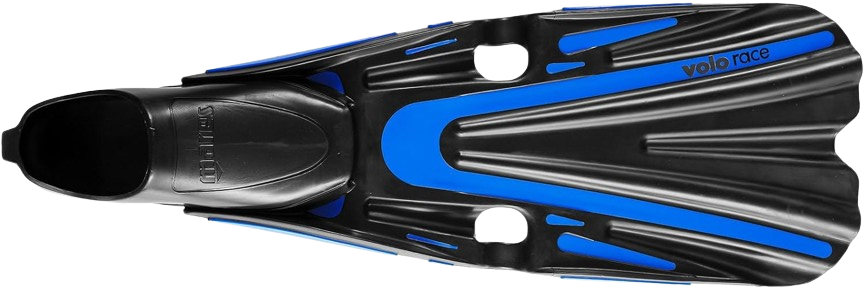
Closed heel fins (also called full-foot fins) are designed to be worn barefoot.
They're lighter and more streamlined than open-heel fins, making them popular for calm diving and warm water where you're not fighting current.
They're also generally much cheaper and more compact than other fins, which can be the deciding factor if you're on a budget or traveling with them often.
Freediving Fins
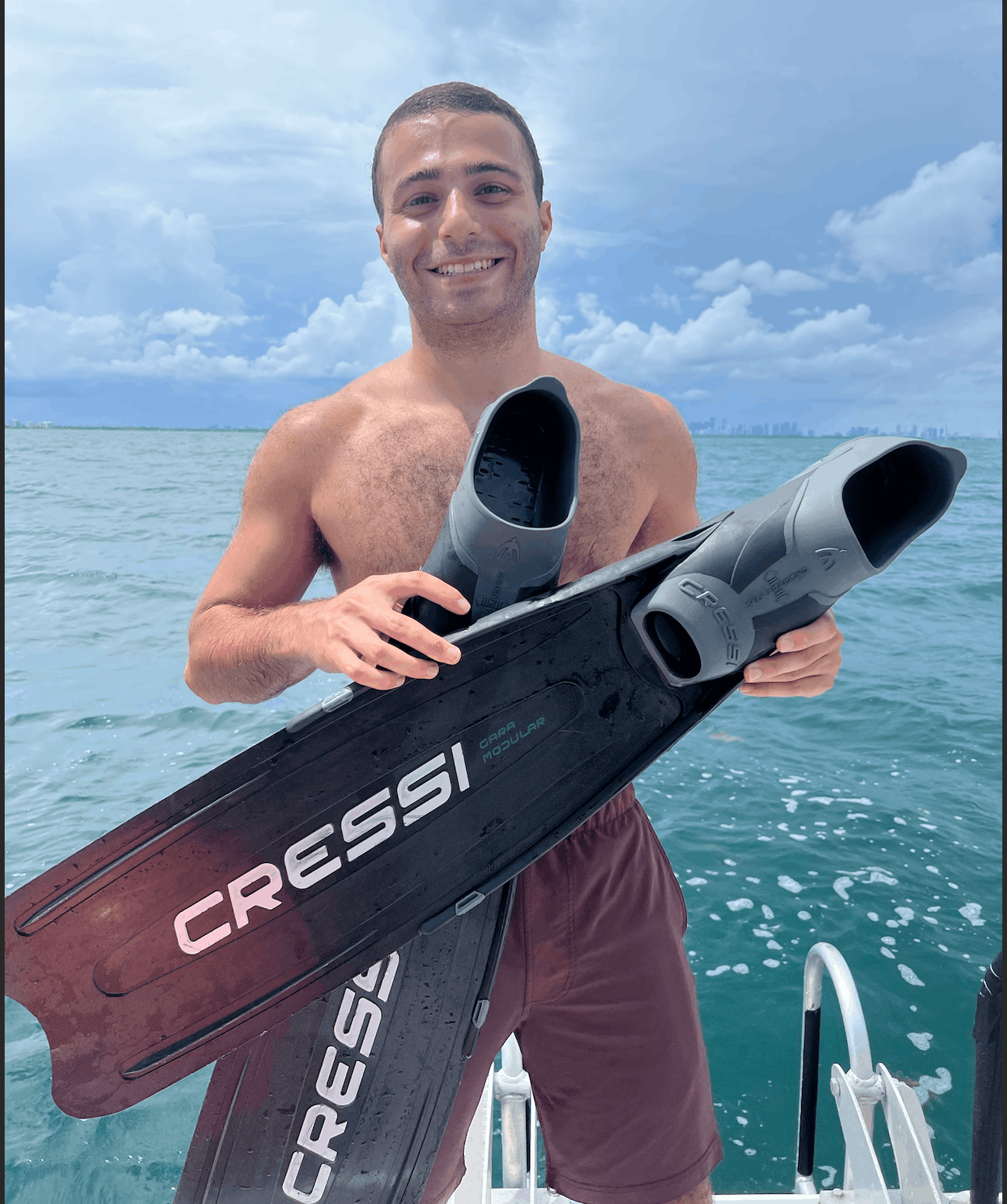
Some scuba divers use freediving fins for extra propulsion, especially in situations where speed matters like swimming against current or for spearfishing.
The tradeoff is maneuverability.
The extended blade length makes tight spaces, wreck penetration, and reef navigation more difficult.
You'll also need refined buoyancy control and a specialized finning technique.
I only recommend freediving fins for scuba if you're an advanced diver with solid buoyancy and trim.
Materials and pricing:
💰 Plastic (~$100-150) - Most durable, best for scuba diving with rocks/rough handling
⚡ Fiberglass (~$200-350) - Lighter and more responsive, but less durable
🚀 Carbon fiber (~$400-500+) - Maximum performance but fragile and expensive
Why Get Your Own Fins?
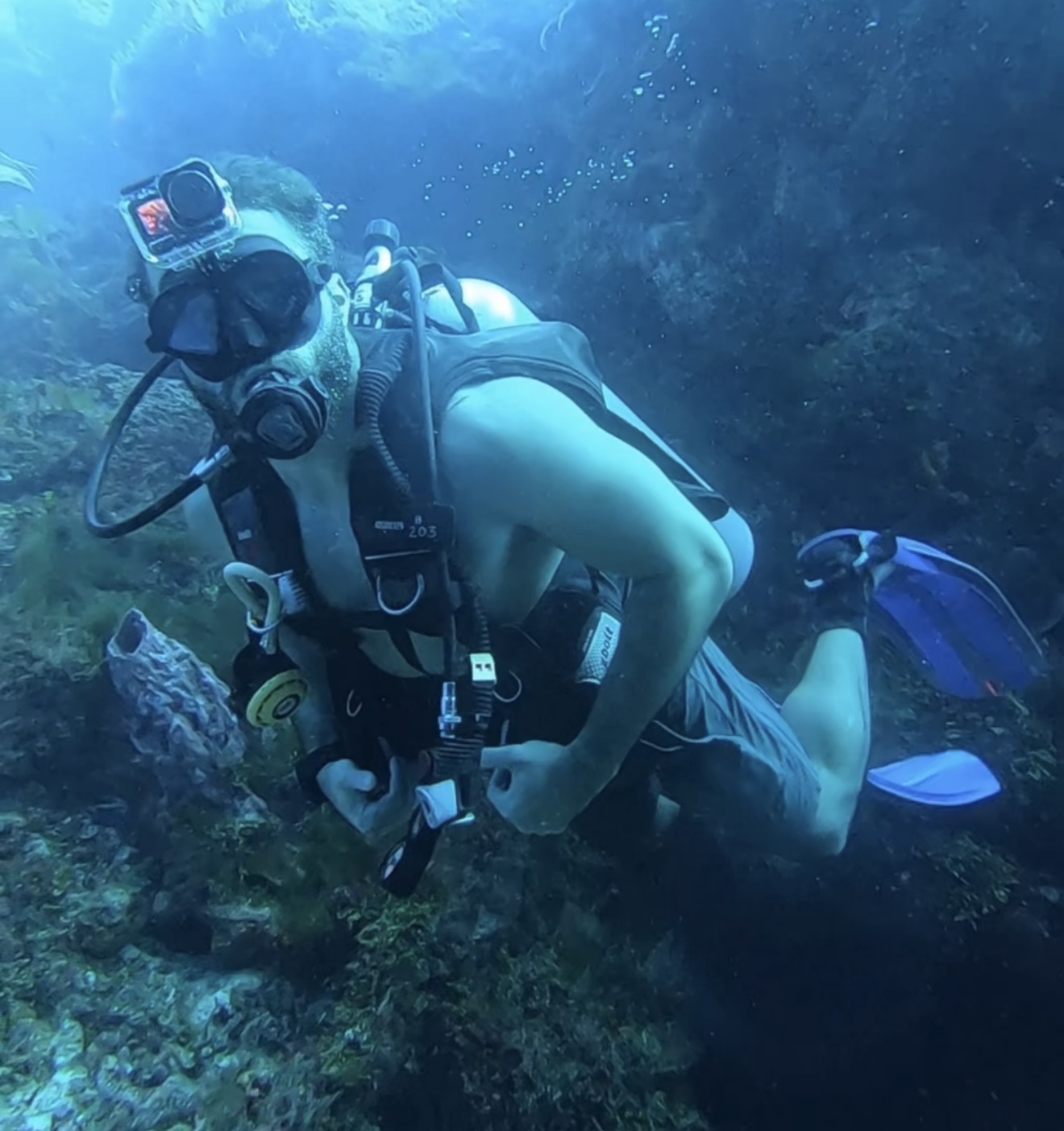
Having diving fins you're comfortable with is one of the best ways to enhance your diving experience. Diving with rental fins that feel like paper in strong currents can completely ruin your vacation.
When chosen correctly, proper fins can help reduce air consumption, improve buoyancy, and increase speed.
Depending on how often you dive, buying your own gear will save you money.
For example, in Miami, my local dive charter charges $15 to rent fins. If you take a fin recommendation from this article, you'll earn that back in six to twelve dives.
Fin Color
Color is mostly personal preference, but consider these factors:
🤿 Recreational diving - Bright colors (yellow, orange, blue) make you easier to spot for your buddy and boat crew. Also easier to find if you drop one.
🎯 Spearfishing - Camouflage patterns help you blend in while hunting.
✨ Uncommon colors - Make you more recognizable to your dive buddy and guide underwater, which can be useful in low visibility or crowded dive sites.
🎨 Matching gear - Some divers like to match fin colors with their BCD, mask, or wetsuit for a cohesive look.
Fin Straps
If you're getting open-heel fins, the strap matters almost as much as the blade:
⚙️ Spring straps - Metal spring wrapped in rubber or silicone. Stretches open for easy on/off, holds tension over time. Most durable of the three, best if you dive regularly.
🟠 Rubber bungee straps - Budget alternative to spring straps. Similar stretch and easy donning, but the rubber degrades with sun and salt exposure faster.
🧵 Nylon bungee straps - Holds up a bit better than rubber against UV and salt, but still wears out faster than spring straps over the long run.
Open-heel fins are sized like clothing (S/M/L), and the right size depends on the thickness of the boots you're wearing them with, not just your foot size.
Always try fins on with the actual dive boots you plan to use before buying, especially if you switch between a thin 3mm boot and a thick 7mm boot depending on the water temperature.
Fin Buoyancy
Buoyancy is an overlooked spec when picking fins.
⬇️ Negatively buoyant fins: pull your feet down and keep your body flat in trim. Built for dry suit diving, where the weight offsets the suit's float.
🪶 Lighter, closer-to-neutral fins: are soft and light enough to skip boots, a better match for warm-water boat and reef diving where you don't want extra weight dragging your feet down all dive.
🎯 Match fin weight to your exposure protection. Cold water and dry suits want negative fins. Warm water and travel diving want lighter, neutral fins.
ScubaPro Jet Fins are the extreme example: heavy rubber blades that pull your feet down and help keep your body flat in trim. They're built for dry suit diving, where that weight offsets the suit's natural float.
My Apeks RK3s are negatively buoyant too, just lighter and less extreme than Jet Fins. That makes them a better fit for warm-water technical diving, where you're often in a thin wetsuit or none at all but still want the fin to hold its position instead of floating up behind you.
Fins like the Aqualung Storm do the opposite job. Made from monoprene, they're soft and light enough to wear without boots, which makes them a better match for warm-water boat and reef diving, where you don't want extra weight dragging your feet down all dive.
Depending on whether your fins are positively, negatively, or neutrally buoyant could affect your trim. However, weight placement and distribution likely has a larger effect than this.
How to Size Scuba Fins
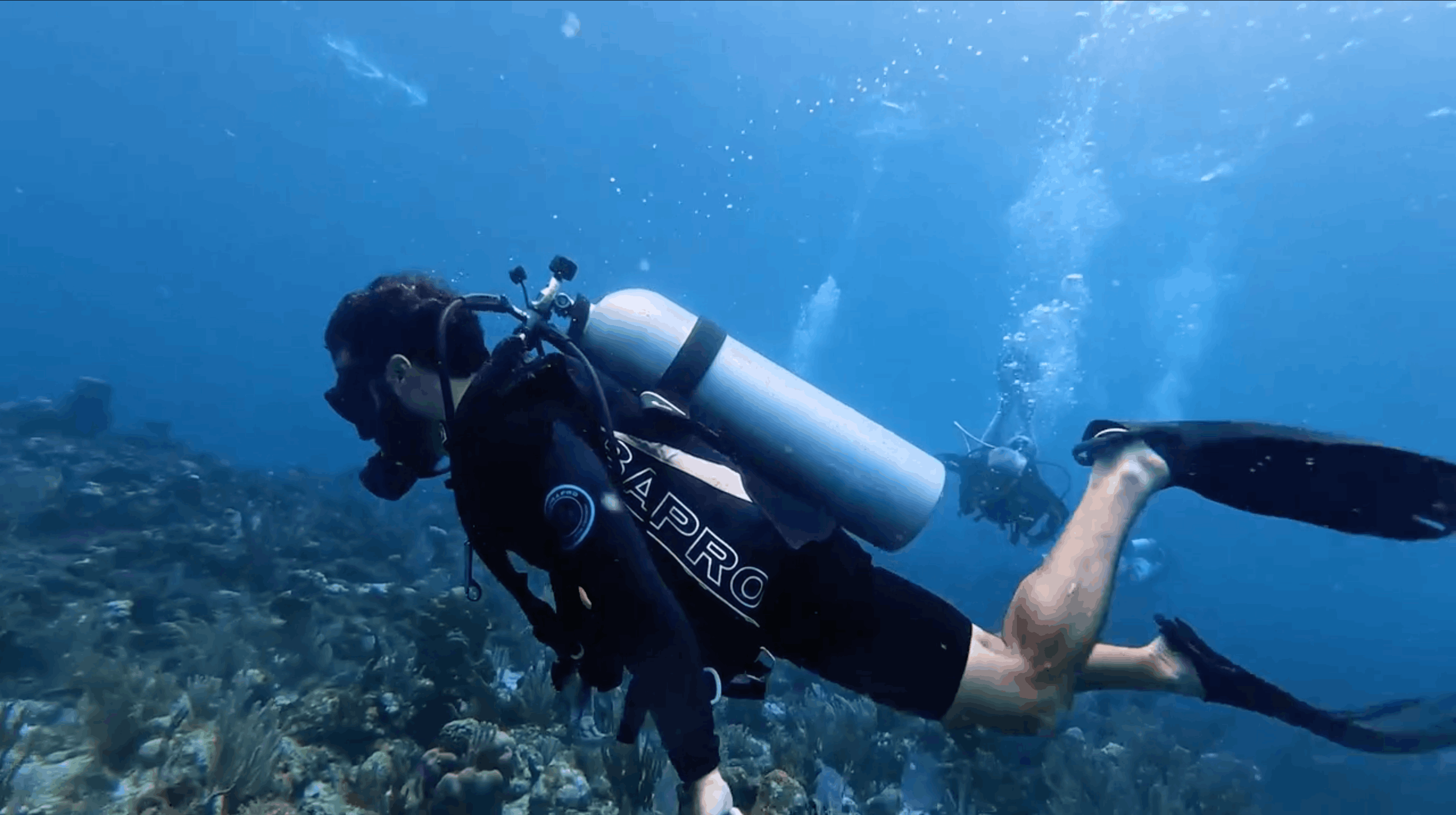
Sizing your scuba diving fins properly is critical.
Poorly sized fins cause blisters, cramps, and can even slip off mid-dive.
Open heel fins are worn with dive boots, which adds complexity to sizing.
Determine your boot thickness
- 3mm neoprene boots: Usually go with your normal boot size
- 5mm boots: May need to size up
- 7mm+ or hard-sole boots: Often need to size up 1-2 sizes
Pro Tip: If you dive in both warm and cold water (switching between 3mm and 7mm boots), consider adjustable spring straps. They make it easier to switch between boot thicknesses without changing fin sizes.
Full foot fins are worn barefoot, which makes sizing more straightforward but less forgiving. Size full foot fins similarly to shoes, but brands vary significantly.
Freediving fins come in two styles: full foot pockets (like closed heel) or modular systems with separate foot pockets and blades.
Apeks RK3: Best for Reef, Shore, & Technical Diving
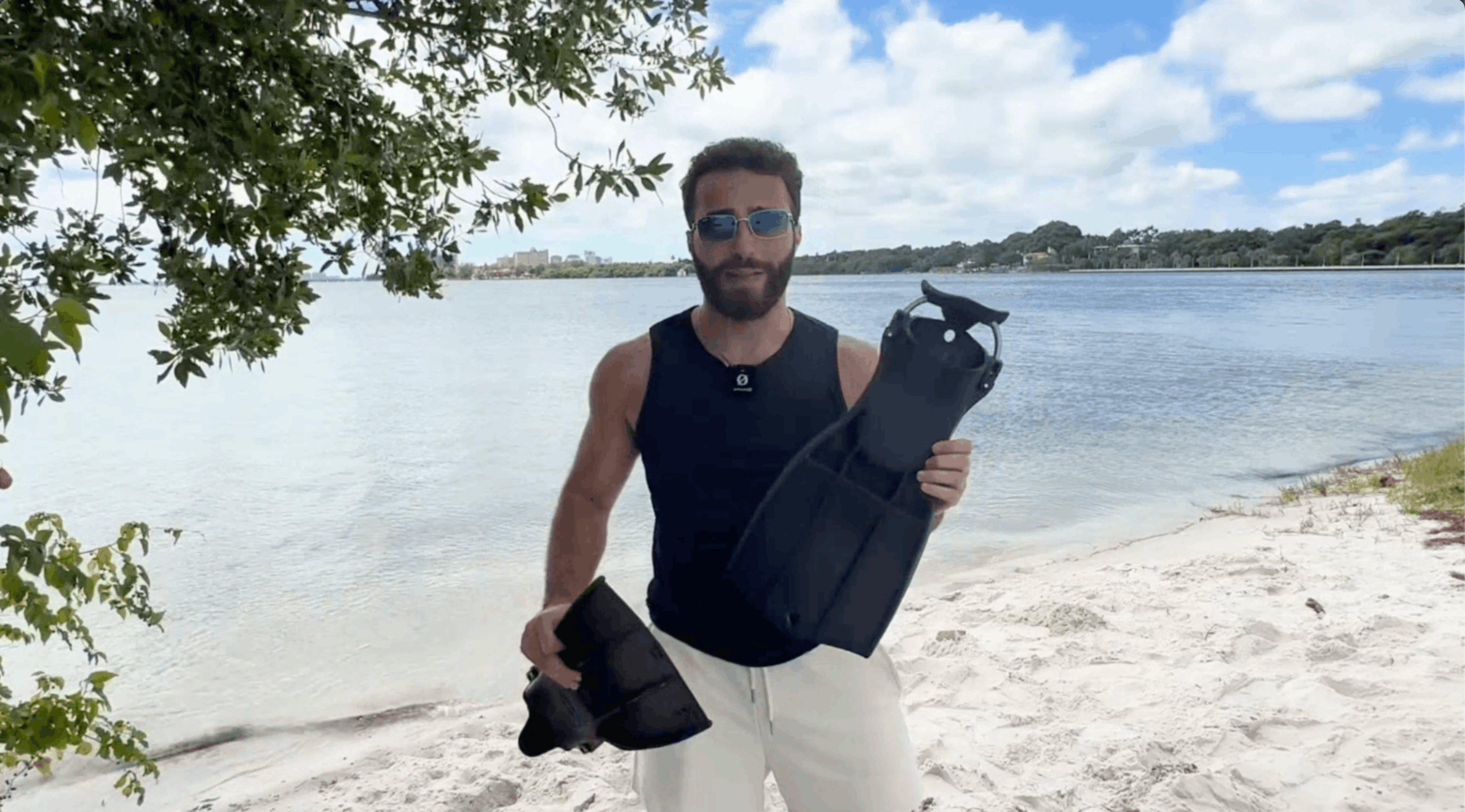
The Apeks RK3 are my personal fins and my top pick for most divers.
The vented blade design provides excellent power without burning out your legs, and the foot pocket stays comfortable even on multi-dive days when worn with dive boots.
The RK3s come with steel spring straps and are incredibly durable. At 2.5 lbs (1 kg) per fin, they're negatively buoyant.
These are open-heel fins, so you'll need to wear them with dive boots.
Pros
- ✅ Popular among recreational, professional, and tech divers
- ✅ Amazing propulsion & maneuverability
- ✅ Wider blade for improved forward thrust
- ✅ Very comfortable foot pocket
- ✅ Excellent for strong currents
Cons
- ❌ Heavy for recreational divers
Mares Avanti Quattro Plus: Best All-Around
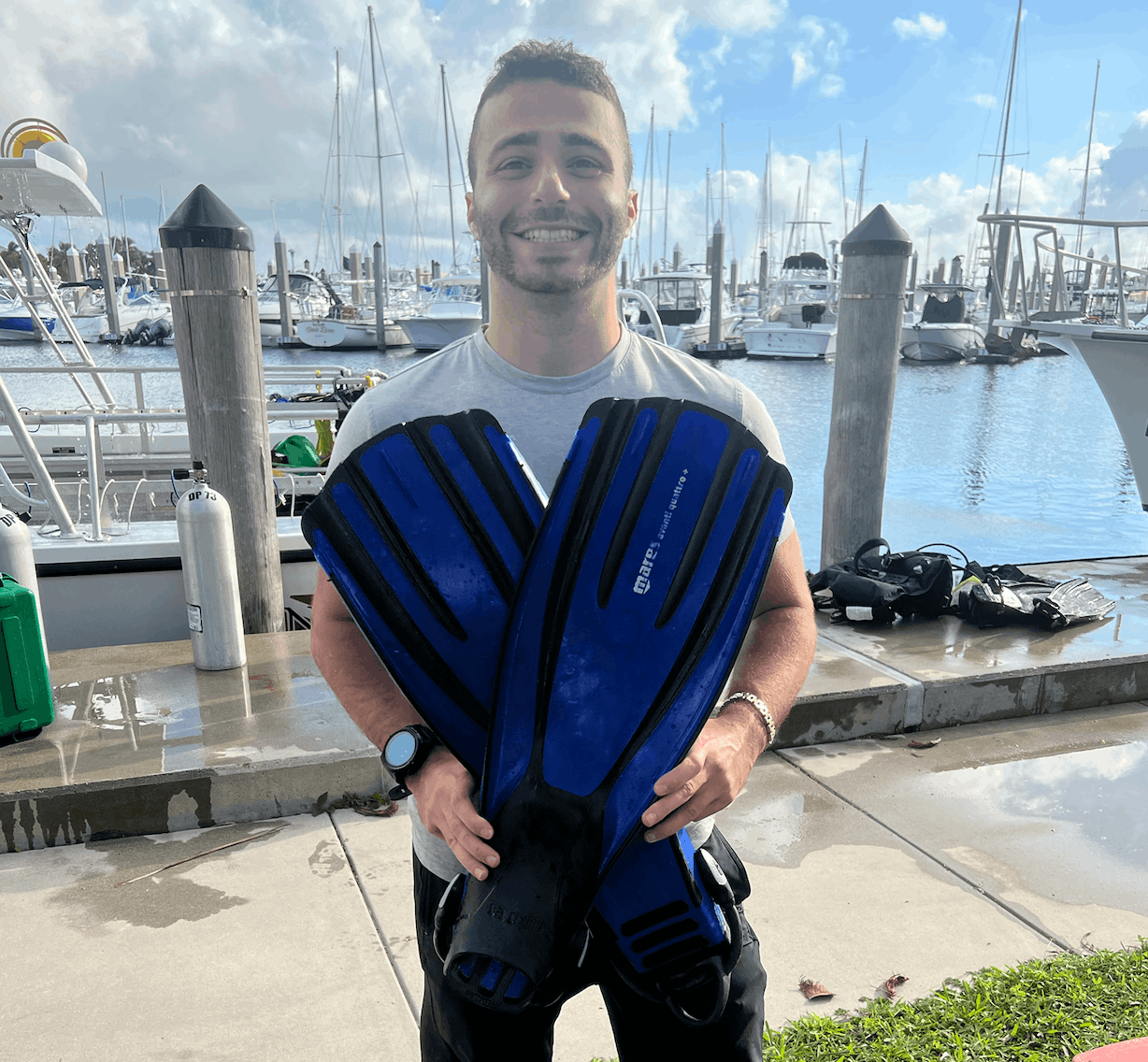
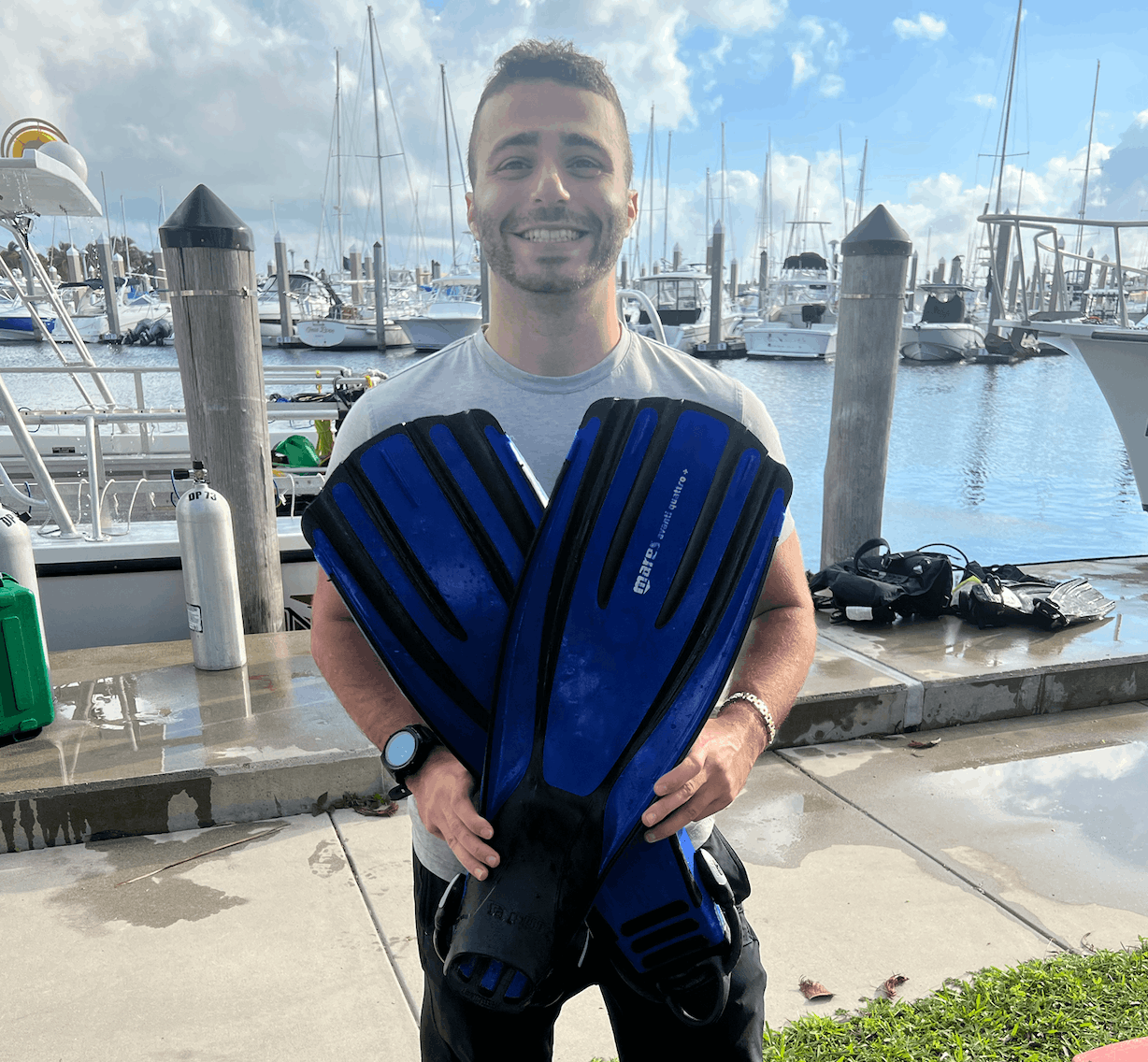
Another great fin are the Mares Avanti Quattro. I have often come across this model as the go-to fin for dive centers.
They are flexible and easy to maneuver. They generate power effortlessly. The bungee straps with the thumb loops make them easy to pull on and off.
Pros
- ✅ One of the most popular diving fins worldwide
- ✅ Four-channel design for increased thrust
- ✅ Flexible and easy to maneuver
- ✅ Lightweight
- ✅ Bungee straps with thumb loops
- ✅ Versatile across all dive conditions
Cons
- ❌ Takes up a lot of suitcase space
- ❌ Higher price point
- ❌ May be too flexible for advanced technical divers
Scubapro Seawing Nova

The ScubaPro Seawing Nova are a very popular fin amongst divers. I've tried these on various occasions and right away you notice the build quality.
Made from 100% Monoplane, they feel strong and robust yet flexible. ScubaPro has a patented hinge that allows the entire blade to flex and pivot, generating power and speed when necessary.
Getting them on and off is easy due to the self-adjusting strap.
Diving with this fine, you feel the power, acceleration, and maneuverability of a single blade making them both great for cruising, and produce power and thrust when needed, especially in strong currents. They also come in tons of colors (including pink!) making them a fun option.
Similarily to the Apeks RK3, the top of the fin has a space for a double ended snap or another method of securing them.
Pros
- ✅ Extremely efficient design
- ✅ Reduces leg fatigue and cramping
- ✅ Lightweight with slight positive buoyancy
- ✅ Innovative pivot blade design
- ✅ Won't sink if dropped
- ✅ Great for divers with knee issues
Cons
- ❌ Unusual appearance (love it or hate it)
- ❌ Higher price point
- ❌ Less feedback/control than traditional paddle fins
Best Full Foot Fin: Mares Volo Race
The Mares Volo Race are the only full-foot scuba fin on the list and they're a great budget fin. Since you won’t wear boots, these are more suited to warm water environments.
Assuming you're sized correctly, I found the foot pocket to be both secure and really comfortable.
They are effortless to kick but because of that, it does feel that you sacrifice some power. The channels provide good direction and stability.
Pros
- ✅ Great looking affordable fin
- ✅ High performing versatile set of fins
- ✅ Very good power with less effort
- ✅ Soft anatomical foot pocket
- ✅ Rubber covered stabilizers provide improved performance
- ✅ Also a great choice for snorkelers
- ✅ Good travel fin
Cons
- ❌ Not suitable for cold water diving
Best Freediving Fins for Scuba: Cressi Gara
In my opinion, these fins are too long for most scuba diving environments, but they do have a use case among freedivers & for scuba spearfishing.
For freediving fins, they're pretty affordable, and since they're made of plastic, they can take a beating unlike carbon fiber freediving fins.
Pros
- ✅ Long fins gives speed for currents & spearfishing
- ✅ Attractive long fins
- ✅ Good value for money
- ✅ Lightweight and very reactive
Cons
- ❌ Too long for most dives
- ❌ Takes up a lot of room when packed
Let's Dive Together
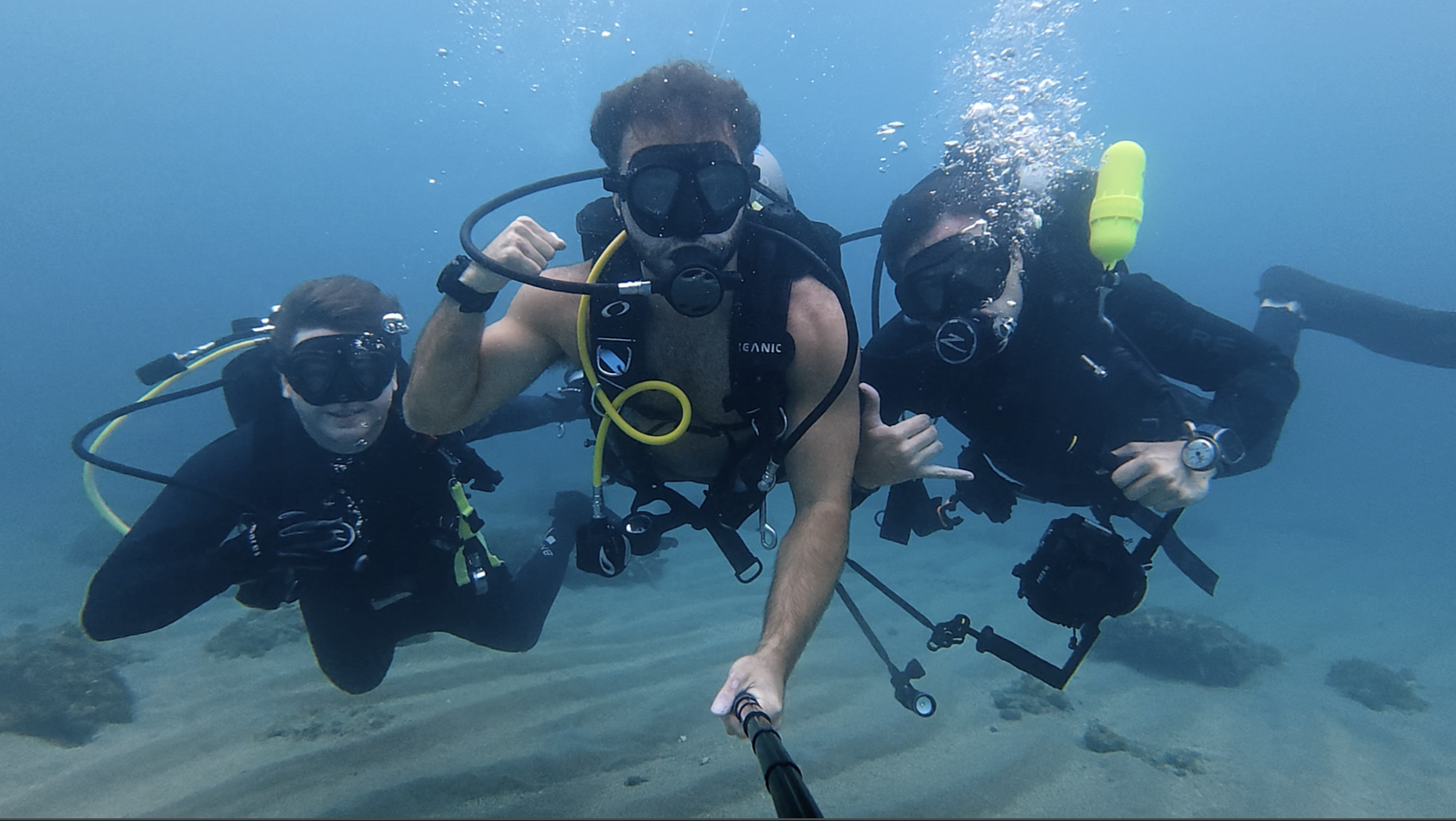
👋 It's Divemaster Austin
I'm inviting you to Dive Club, my global scuba diving community.
What you’ll find inside:
🤿 Dive meetups & group trips
🌍 Top dive sites shared by community members
⚙️ Gear tips & technique discussions
🤝 Diver's who’ve already linked up IRL
See you there!
Join my scuba diving community.
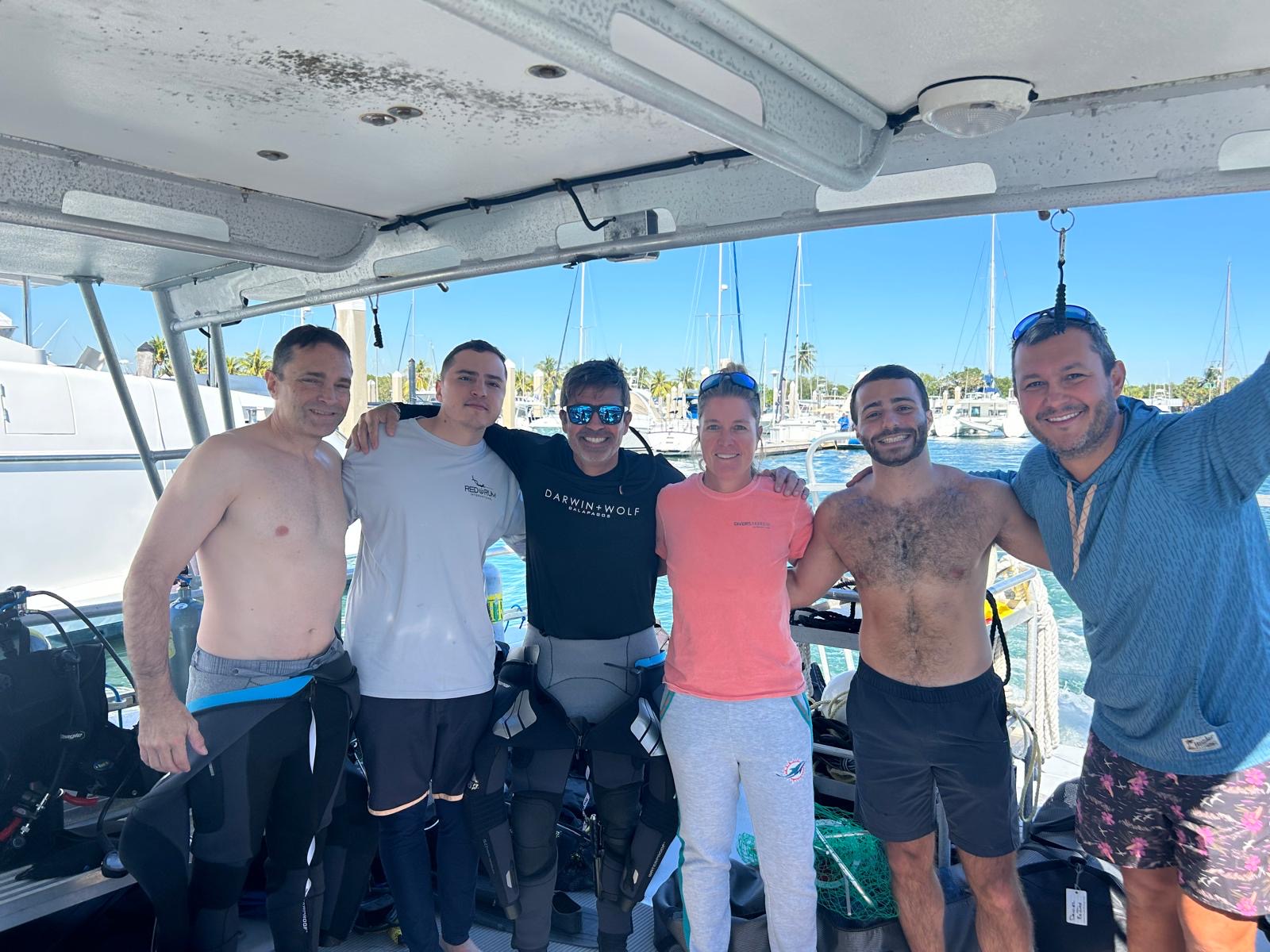
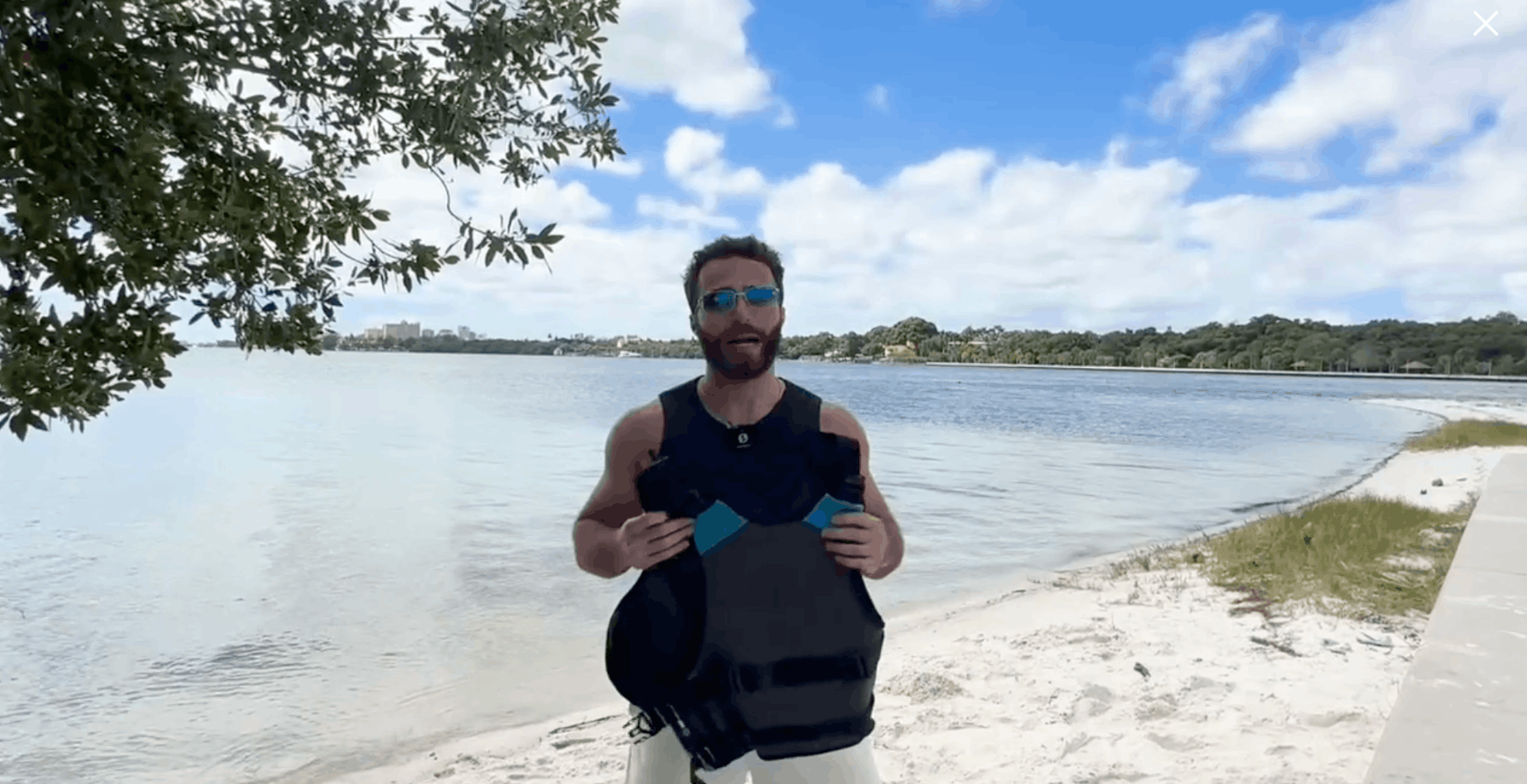
I'm Austin, a PADI Divemaster with over a decade of diving experience under my belt.
I created a free scuba diving community, where divers can connect, learn, and share their dives.
See you inside!
Join my Diving Community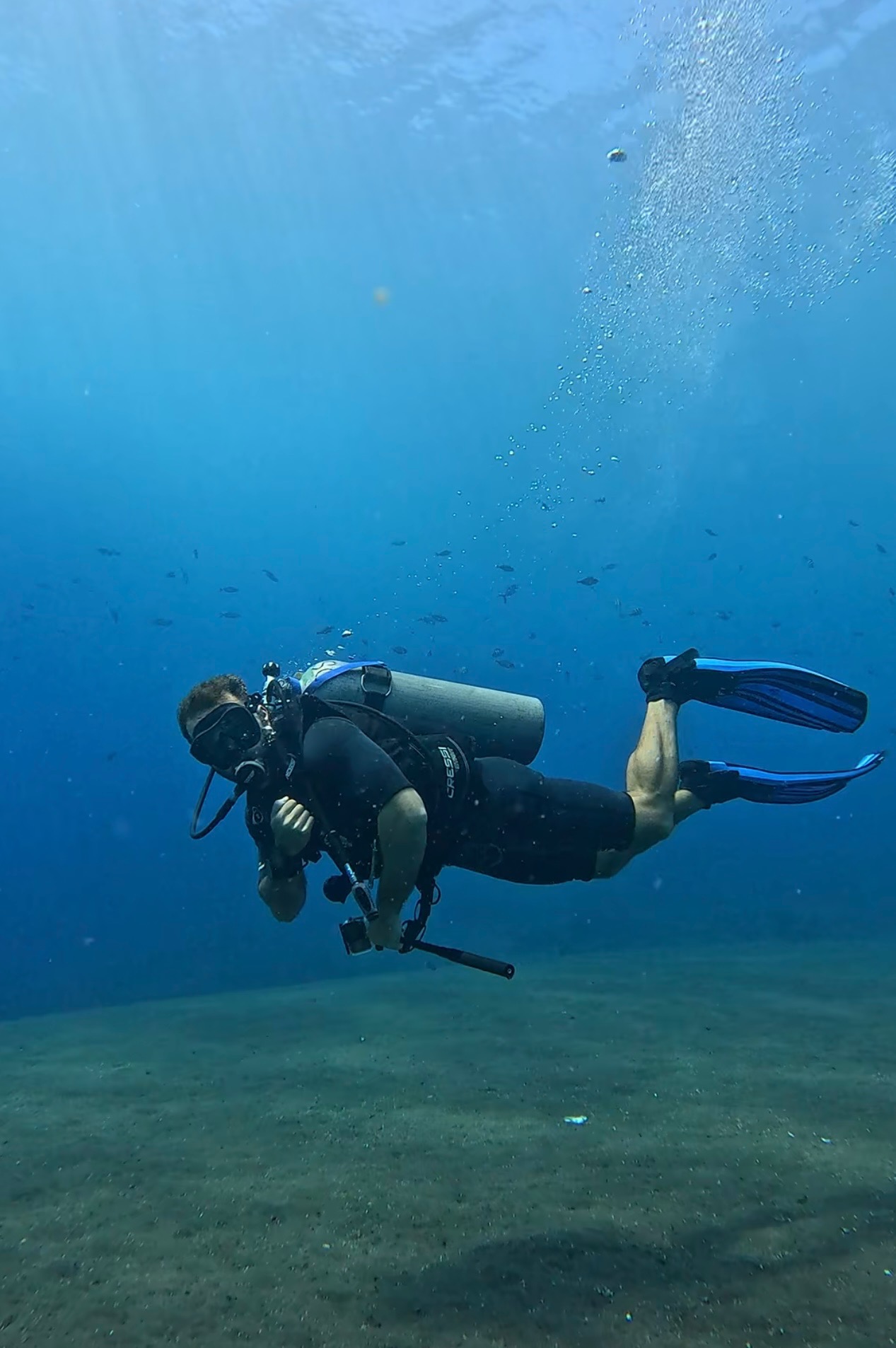

.webp)
.webp)



.png)