

.webp)
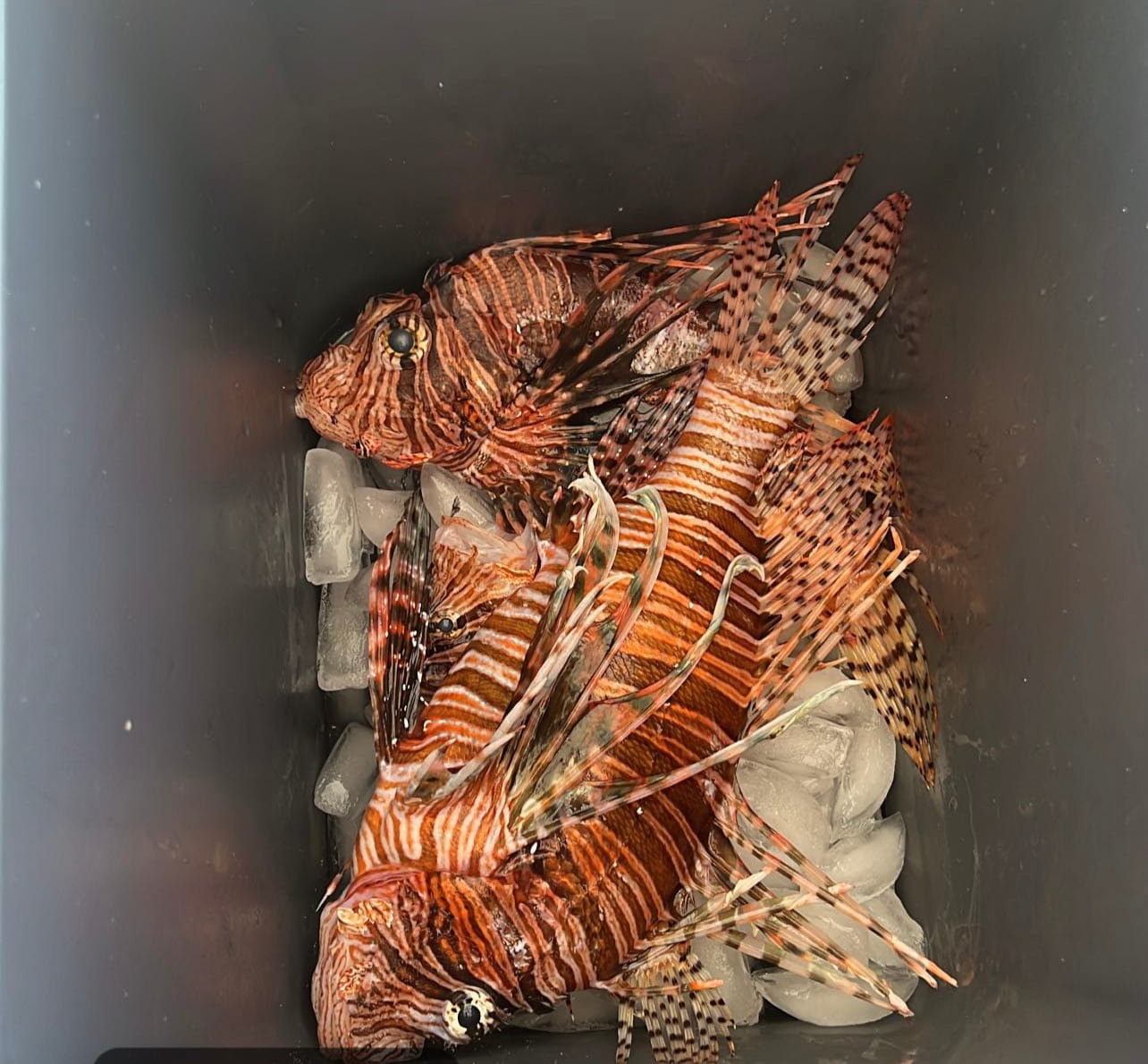
Lionfish don't belong in the Caribbean & Atlantic Ocean.
These Indo-Pacific invaders are thought to have been released by aquarium hobbyists in the 1980s.
Lionfish reproduce like crazy (2 million eggs per year), eat everything (20 fish in 30 minutes), and have zero natural predators.
Until now...
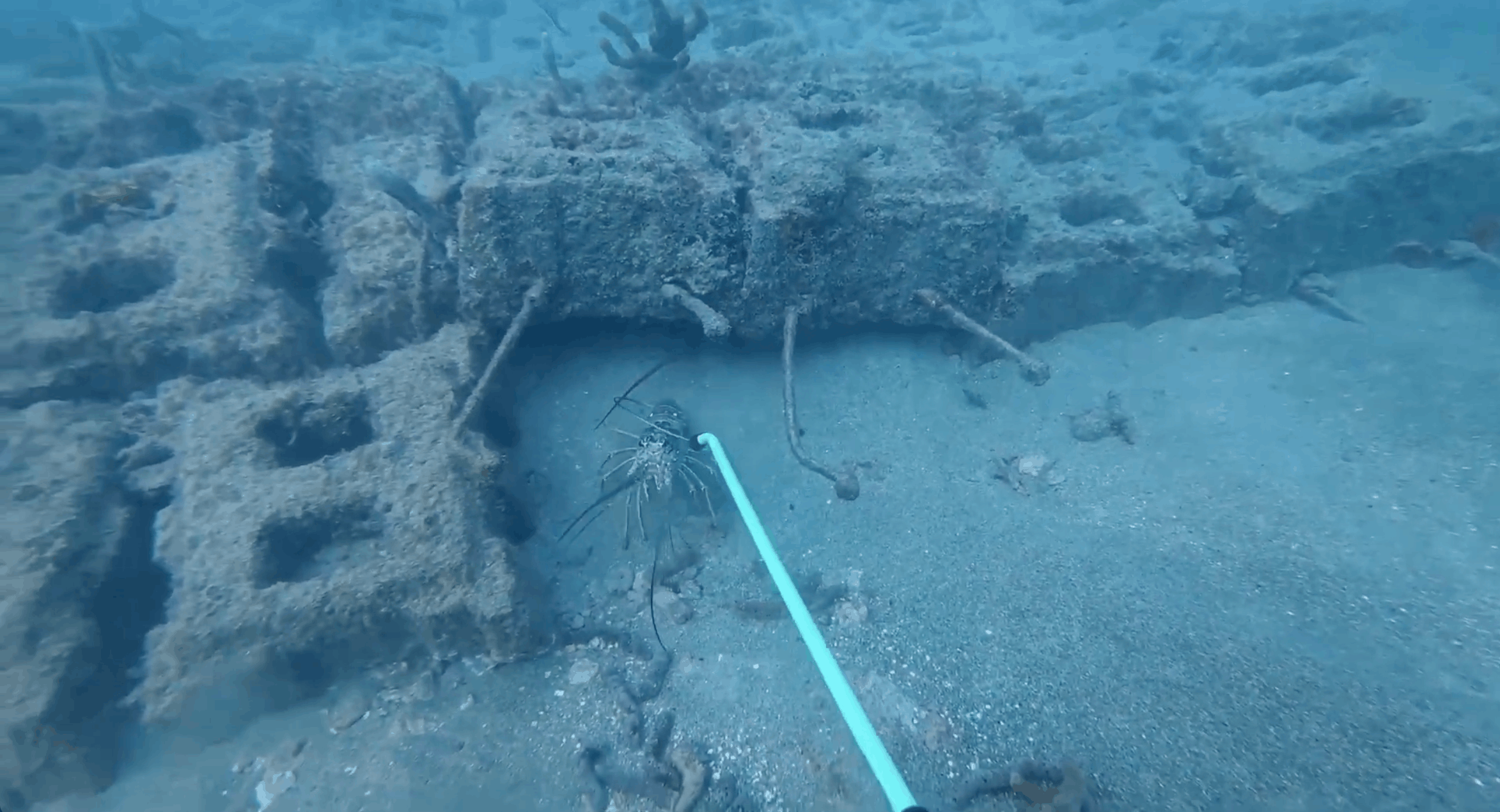
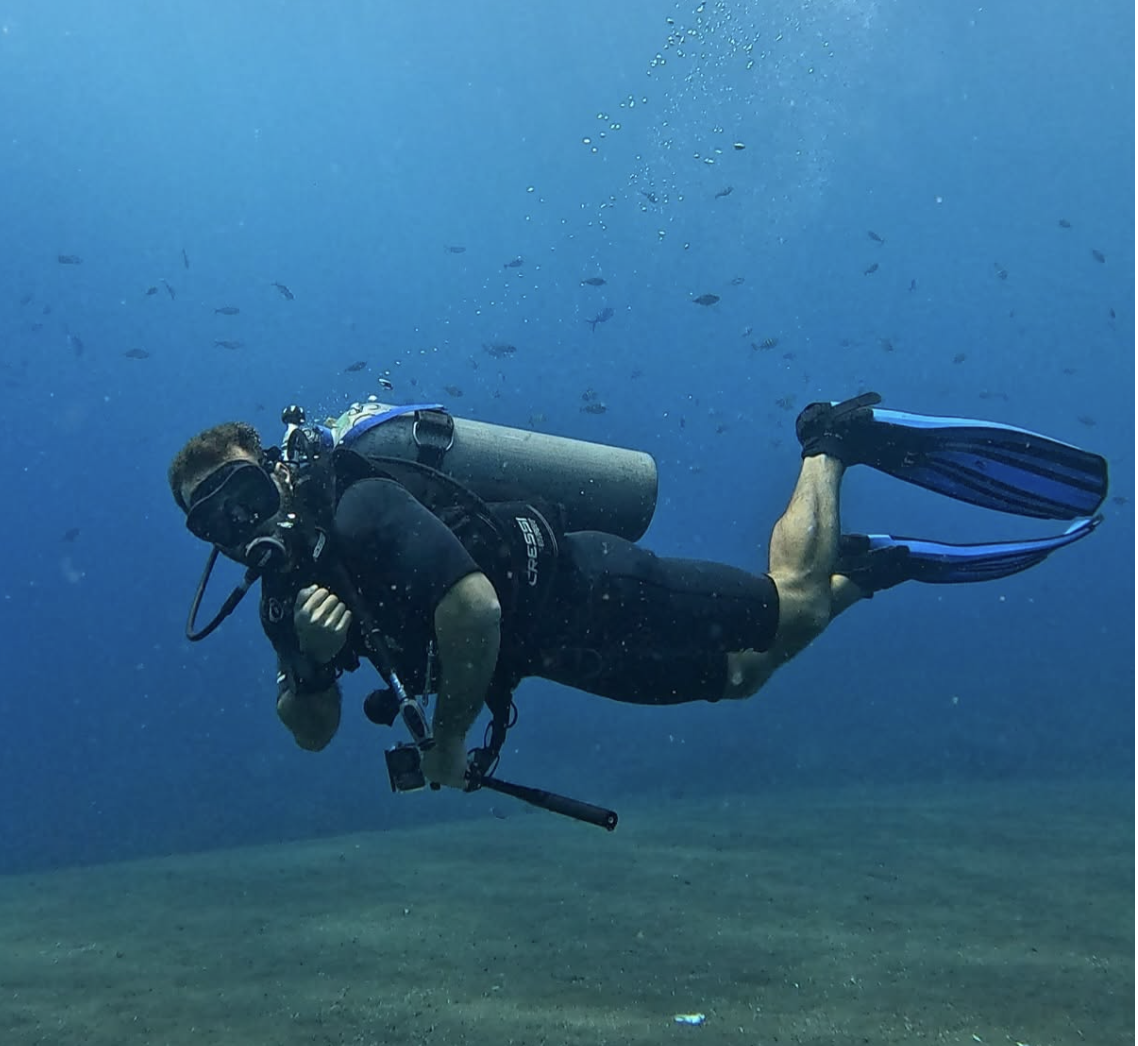
Over the past four years, I've hunted lionfish on almost every Florida and Caribbean dive of mine, so I wanted to put together the ultimate guide to hunting lionfish, so you can join the fight and save the reefs!

What Gear Is Needed?
Lionfish are able to be hunted year-round in many countries with zero restrictions. In order to hunt Lionfish, you’ll need a few different specialized pieces of equipment.
Polespear
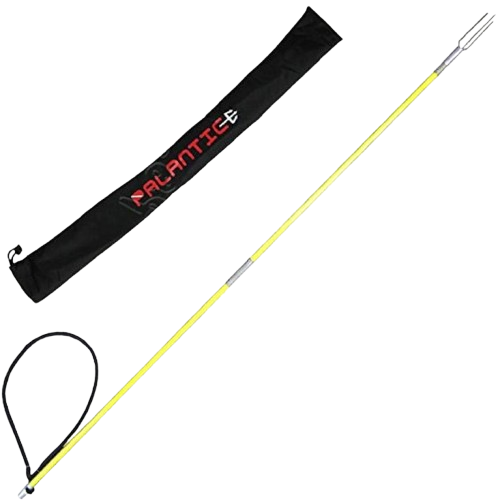
Polespears are the most common tool used to hunt Lionfish.
When picking a polespear, I’d say there’s two main considerations to make, the first being the length of the shaft, as well as whether you want one thats barbed or not.
I’d recommend without a barb, so that you can easily remove the lionfish into your storage device, which we’ll get to next.
While I’ve seen it done before using a speargun, this renders the speargun near useless for the rest of the dive, as good luck getting it off the barbed spear-shaft after that. I’ve seen some reload the gun with a lionfish on, but it seems like a surefire way to get stung.
Lionfish Storage
Unless you’re freediving for Lionfish, which is generally pretty rare, you’ll need a place to store the Lionfish throughout your dive, so that they don’t sting you.
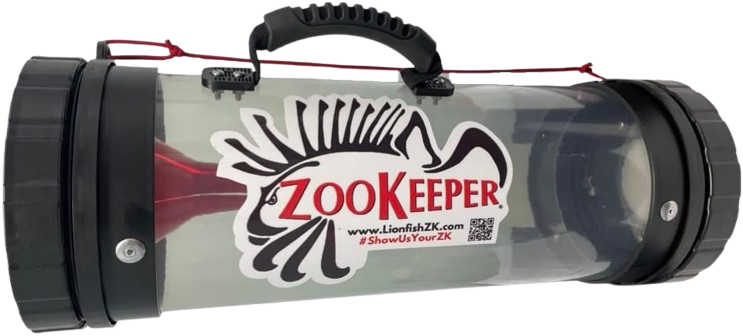
Zookeeper is a leader in the market right now, offering different sizes ranging from 12” to 28”. Bigger isn’t always better, as they go up in price, and become large and bulkier.
I think the 20” option will be the best for most.
You’ll need to store the device to your body, and the most common way to do so is via double ended snap and a D-Ring.
There’s another brand Aquatic Hunt Pro: that seems to have a similar functionality to a Zookeeper, but I’ve never used it before.
These devices can also be used to store lobster and lionfish if you’re hunting them as well.
Dive Gloves
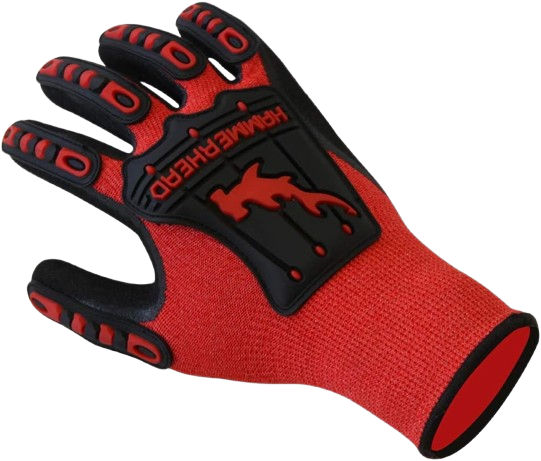
I’d recommend using dive gloves with puncture resistance, as this will give you an extra level of protection. I still got punctured through dive gloves (story on that later), so don't think these will make you immune.
Cutting Tool
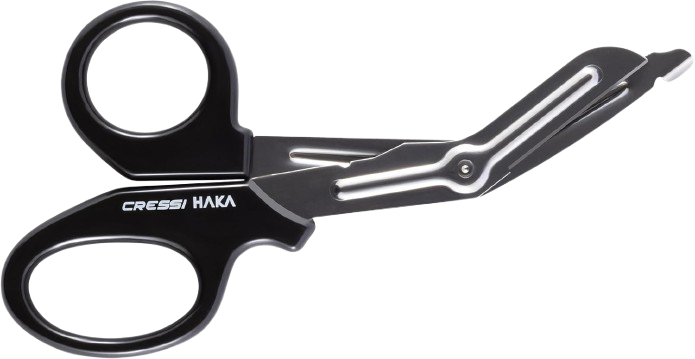
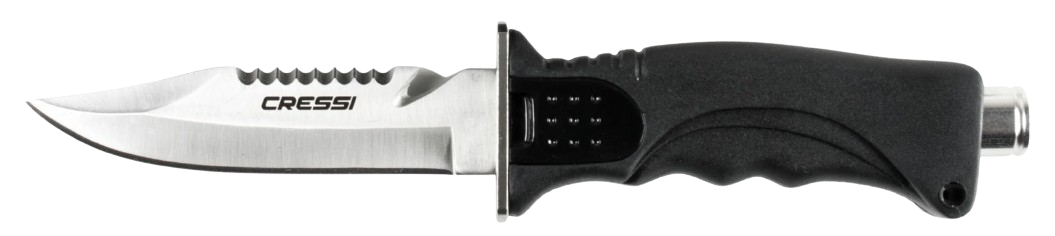
Assuming you’ll be handling filleting lionfish, you’ll want to have a cutting tool or shears to remove the spines. I'd recommend shears like these, but normal scissors should work fine.
Some divers decide to cut the spines off while underwater, but it takes a long time which can be spent exploring and hunting more lionfish.
Safety Considerations
Lionfish are venomous. When a spine penetrates skin, pressure squeezes the venom glands and pushes the toxin up grooves in the spine directly into the wound.
The venom contains a mix of proteins and neurotoxins that cause:
- Immediate, intense localized pain (often described as one of the most painful marine envenomations)
- Swelling and redness around the puncture site
- Potential systemic effects like nausea, difficulty breathing, or temporary paralysis in severe cases
In December of 2024, I got stung by a lionfish while spearfishing, perhaps I’ll share the story in a video.
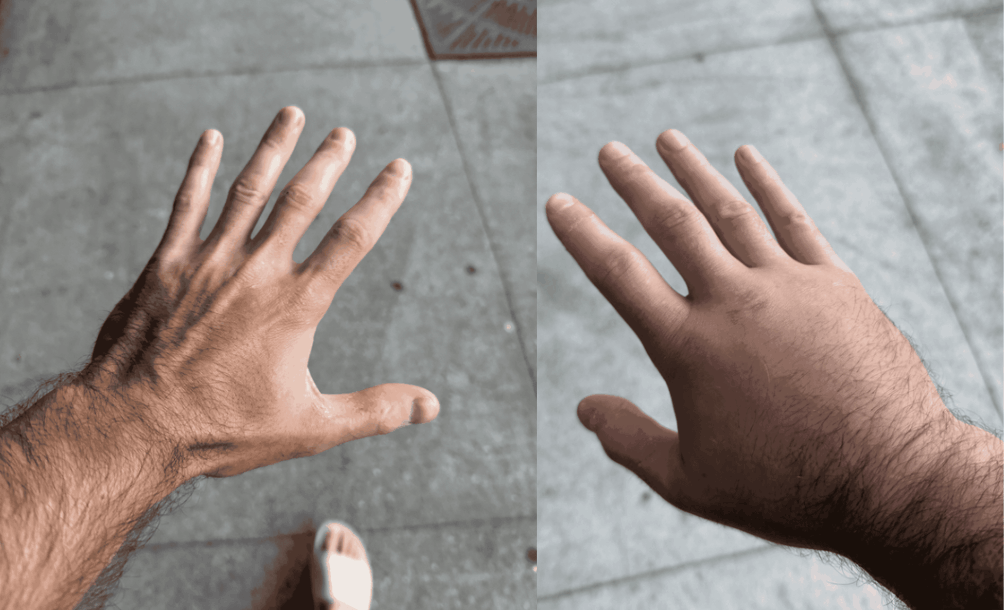
Besides the slight pain of being impaled, it wasn’t until around 15 minutes later when the venom made it into my body, that I started to feel localized pain in addition to nausea.
To make matters worse, it occurred on the first dive on a two tank trip, causing me to have to sit out and wait for everyone to complete their second dive before returning to shore.
Their venom is purely defensive mechanism and they don't use it for hunting. The venom is only dangerous via puncture wounds - it's not toxic if ingested.
How to Treat Lionfish Stings
The key to treating lionfish stings is that the venom proteins are thermolabile - they denature (break down) at temperatures around 113-115°F (45-46°C).
Immersing the affected area in hot water (as hot as the victim can tolerate without causing burns, typically 110-114°F (43-46°C)) for 30-90 minutes breaks down the protein structure of the venom, significantly reducing pain.
Where in the World Do They Hunt Lionfish?
Florida - The most active hunting area, especially South Florida, the Keys, and both coasts. You've got regular lionfish derbies and a well-established hunting culture.
Bahamas - Extensive hunting programs, particularly around Nassau, Exumas, Grand Bahama, and Andros.
Cayman Islands - Very active culling efforts with regular organized hunts.
Cozumel/Mexican Caribbean - Growing hunting activity, especially around Cozumel's reefs where you dive.
Bonaire - Active removal programs given their marine park system.
Turks and Caicos - Regular hunting with some lionfish-specific dive operations.
Honduras (Roatán, Utila) - Organized removal efforts, particularly around the Bay Islands.
Belize - Active hunting programs along the barrier reef.
Jamaica, Dominican Republic, Puerto Rico, USVI, BVI - All have varying levels of hunting activity.
Texas, Louisiana, Alabama, Mississippi - Growing populations being actively hunted, though less established than Atlantic side.
Cyprus, Lebanon, Turkey, Greece - Lionfish recently invaded via the Suez Canal. Active removal efforts are ramping up.
Let's Dive Together
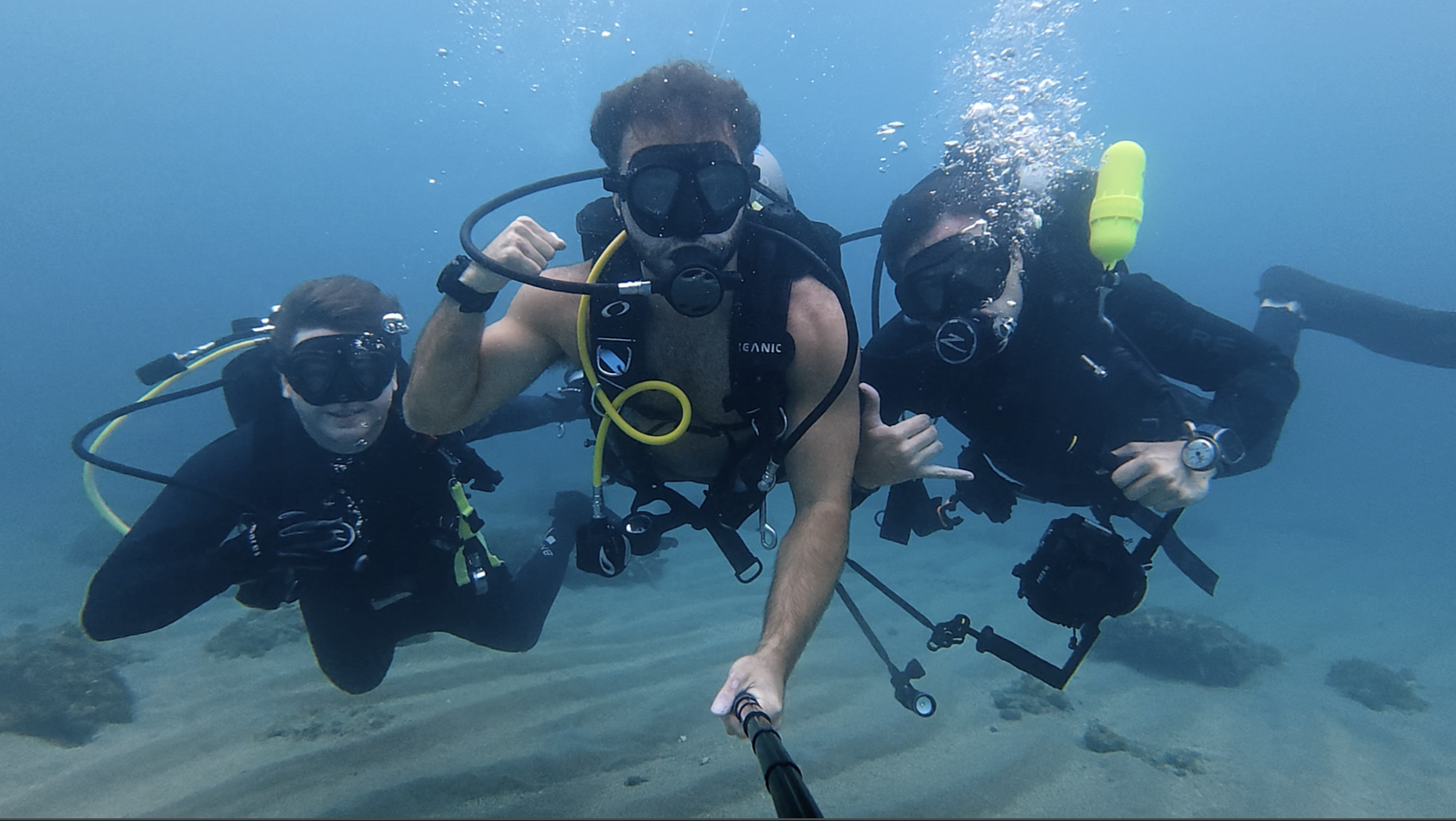
👋 It's Divemaster Austin
I'm inviting you to Dive Club, my global scuba diving community.
What you’ll find inside:
🤿 Dive meetups & group trips
🌍 Top dive sites shared by community members
⚙️ Gear tips & technique discussions
🤝 Diver's who’ve already linked up IRL
See you there!
Join my scuba diving community.
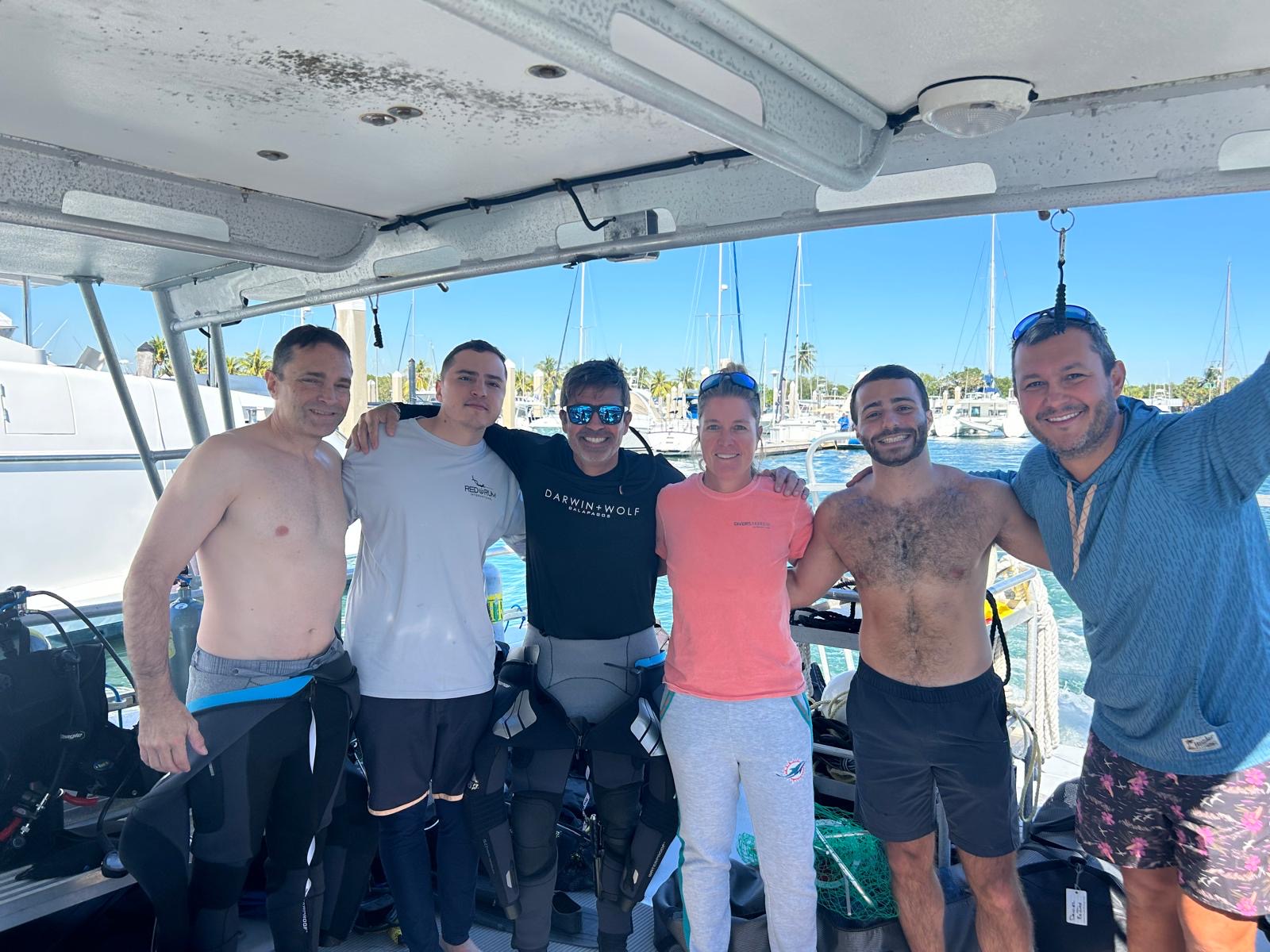
I'm Austin, a PADI Divemaster with over a decade of diving experience under my belt.
I created a free scuba diving community, where divers can connect, learn, and share their dives.
See you inside!
Join my Diving Community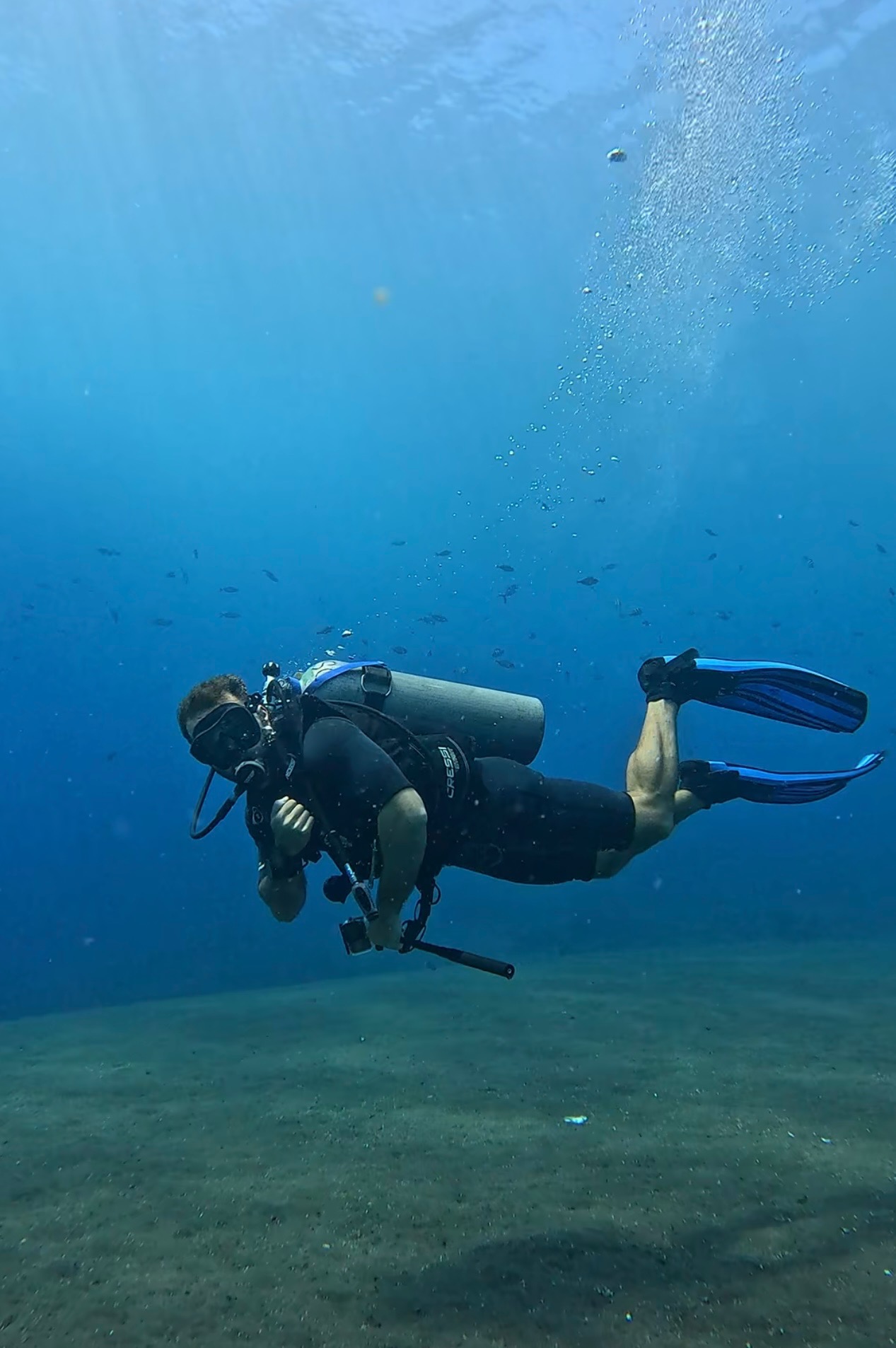

.webp)
.webp)