
.webp)

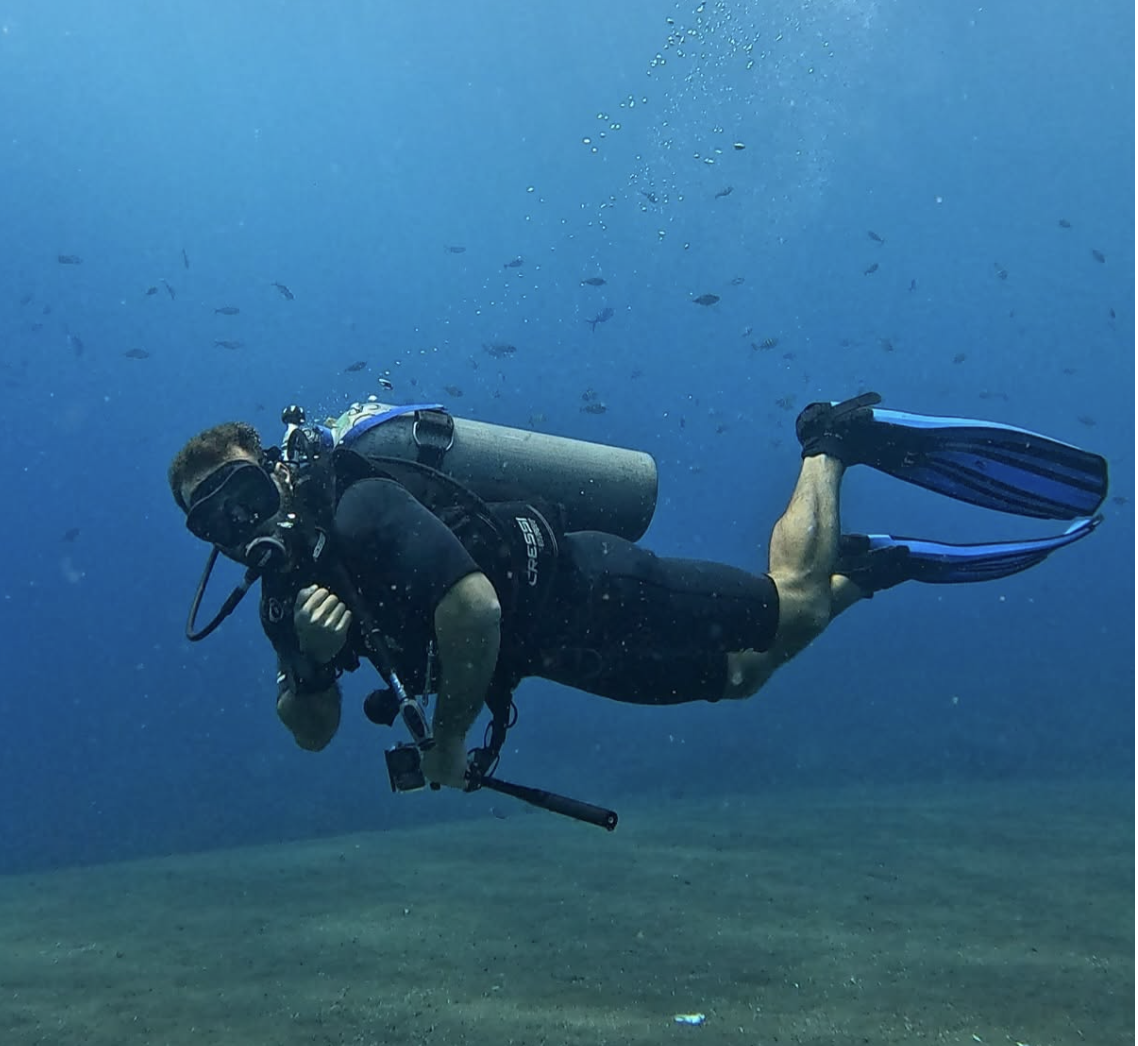
Dive gloves are an often debated piece of scuba diving equipment.
Wear them, and you risk touching more than you should underwater – potentially damaging coral, marine life, or fragile ecosystems.
Some dive sites and marine parks have banned them for this reason.
Go without them, and you're potetnailly dealing with frozen fingers or torn-up hands.
That's why it's important to know when you actually need them, and choosing the right pair for the job.
Below, I'll break down the best dive gloves for each scenario plus a complete buying guide to help you make the right choice.
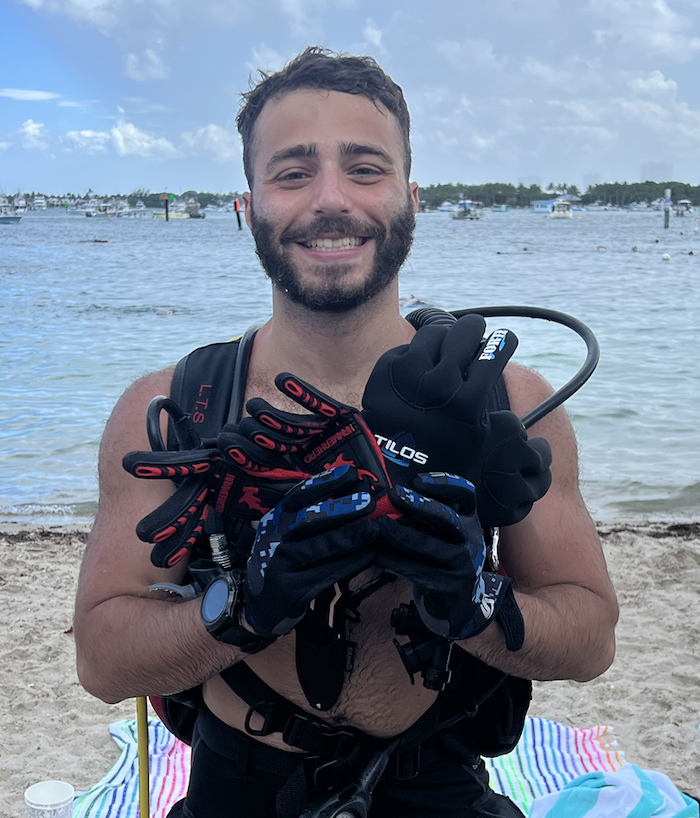
Best for Tropical Diving: Tilos 1.5mm Gloves
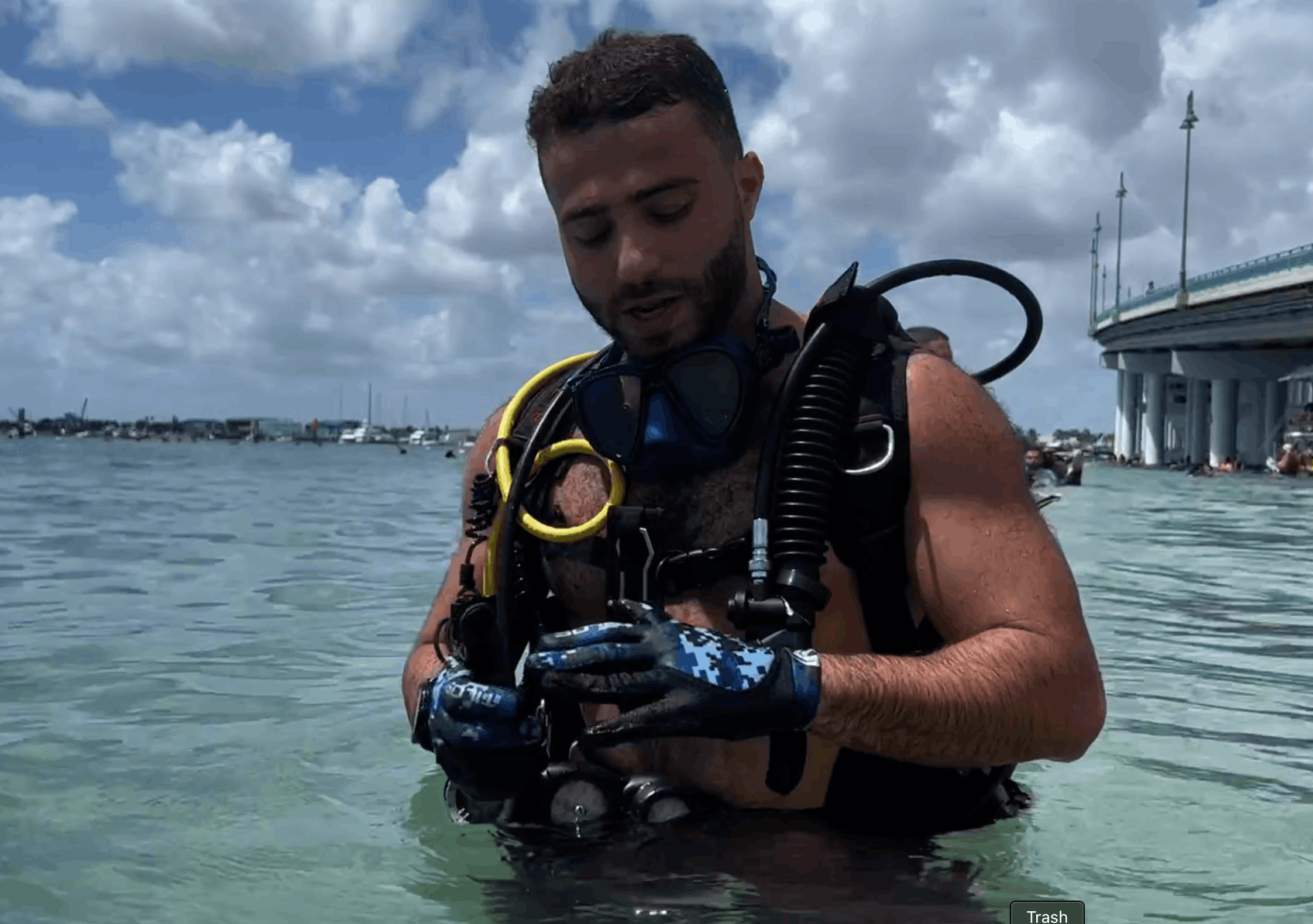
The Tilos 1.5mm Tropical-X Mesh gloves are my most-worn dive gloves.
In South Florida, I don't need neoprene for warmth as the water sits around 75-82°F (24-28°C) year-round. What I do need is protection from accidental contact with fire coral and general hand protection.
I also think they look really cool.
At 1.5mm, they're thin enough that I barely notice I'm wearing them. I still have full dexterity to operate my camera, deploy my SMB, and clip gear.
The palms, thumbs, and fingertips are reinforced with extra material, which is why mine have held up so well. I've used these gloves on probably 100+ dives – grabbing down lines and cleaning up trash underwater. They're still in solid condition with minimal wear and tear.
Best for Hunting & Spearfishing: Hammerhead Dentex

When I'm spearfishing or dealing with sharp objects underwater I use the Hammerhead Dentex gloves. They're built from Dyneema fiber, a material that's up to 15 times stronger than steel by weight.
If your dive knife slips or you accidentally drag your hand across fish or lobster's spines you'll have some level of protection. These gloves are rated ANSI Cut Level 5 and Puncture Level 3, which is about as good as it gets for dive gloves.
Despite being cut-proof, they're not bulky. You still get excellent dexterity and finger mobility, which matters when you're threading a stringer, reloading bands, or handling catch.
The palms have a polyurethane coating that gives you grip – both underwater and on the boat.
Best for Warmth: Scubapro Everflex Gloves 3mm
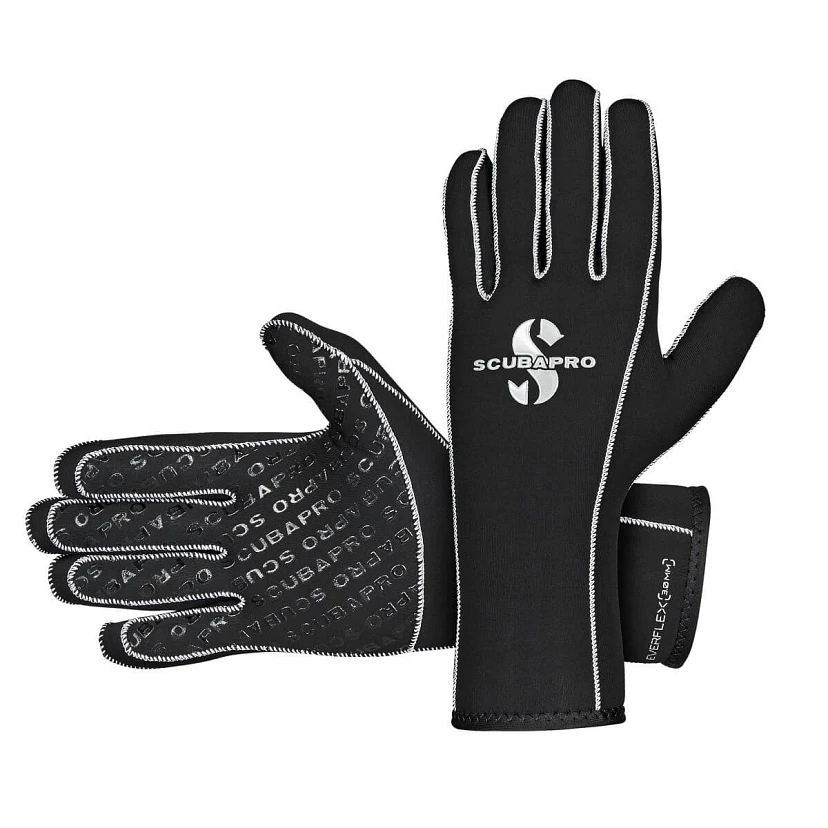
I don't wear gloves for exposure protection for my typical South Florida dives as the water's too warm.
When I dove Monterey, California, these ScubaPro Everflex gloves were great.
Monterey's water sits around 50-55°F (10-13°C) year-round, and without proper hand protection, your fingers go numb within minutes. I needed gloves that would keep my hands warm enough to operate my gear, but not so bulky that I lost dexterity.
I thought the ScubaPro Everflex 3mm gloves hit that sweet spot perfectly.
The way the gloves are sewn and glued actually keeps water out, and the interior lining makes them easy to pull on and off.
What really impressed me was the grip.
The textured on the palms gave me solid control over my camera housing even in cold water with reduced finger sensitivity. I could still operate buttons, adjust settings, and handle my SMB without fumbling.
Diving Gloves Buying Guide
There's actually a lot of things to think about when choosing a pair of gloves and you want to get it right.
Price
As with most things and especially diving you get what you pay for. The better gloves will be more money.
The nice thing about gloves is that they will last a while and are relatively cheap but I would never go cheap on diving gear.
Durability & Material
These two go hand in hand as different materials give you better durability than others. You want a pair of gloves that are durable so they don’t rip and you get your money’s worth.
Neoprene is the most common material used for diving gloves and offers a lot of stretch but doesn’t give you a lot of grip strength. This is why companies either use other materials and often reinforce the palms with materials like Kevlar.
This does extend the life of the glove. Another factor to increase durability is when gloves are covered in rubber this helps to stop rips and the gloves from wearing out in the places with the most use.
Instead of rubber coating the material Dyneema is another popular option out there. These gloves are good for underwater work and spearfishing and like Kevlar, they will provide protection from hazards.
The downside to these is that they don’t offer much thermal insulation so if you are in colder waters these may not be the best choice.
Dexterity
You always have to be able to move your fingers and hands in the water, you need to make a lot of adjustments to inflate/deflate the BCD, clear your mask, check gauges, etc. With gloves on you will lose a bit of dexterity depending on the thickness and type of gloves.
For the most dexterity, you will want five-finger gloves, which allow you to do anything you would without gloves while still getting some protection.
If you want a bit more warmth three-finger mitts are the next best choice. They are the happy medium between warmth and dexterity. You can still use your index finger and thumb to manipulate things but the other fingers are in a mitt keeping them warm.
The full mitts offer the least amount of dexterity but will keep you the warmest.
Thickness
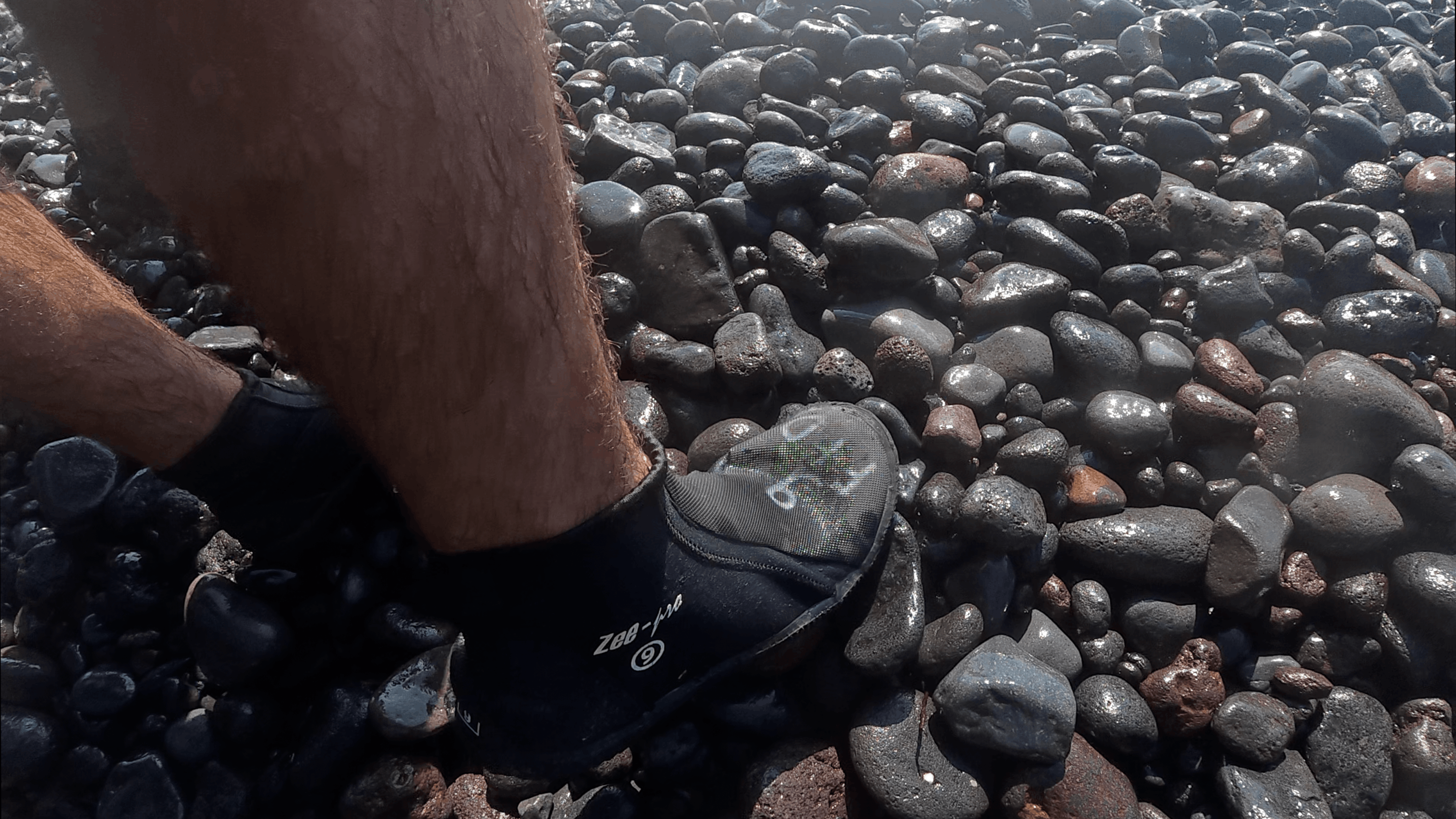
This is just like your booties and wetsuit and a personal preference. If you get cold easily you might need 3mm while others are fine with 1.5mm. You will have to see what works for you but here is a loose guide to when to use different thicknesses:
- Warm Water 80F (28C)- you can use a glove with a thickness from 1mm to 3mm.
- Cool Water Between 80F (27°C) and 68F (28-20C)-a glove with a thickness from 3mm to 5mm should be warm enough for you.
- Cold Water Below 68F (20C)- You may be able to get away with a 3mm but for longer dives, multiple dives 5mm and on up will give you the most warmth.
Size
You need to find a pair that will fit you well. Too small and you won’t be able to move your fingers and it will be very uncomfortable.
If you go too big they will get a lot of water in them and defeat the purpose of having gloves. The other issue with gloves that are too big is that they can snag on things and it is hard to use your gear.
In an ideal world, a glove that fits snugly but is not constrictive is the best, and when trying them on remember that they will loosen a bit in the water.
Let's Dive Together
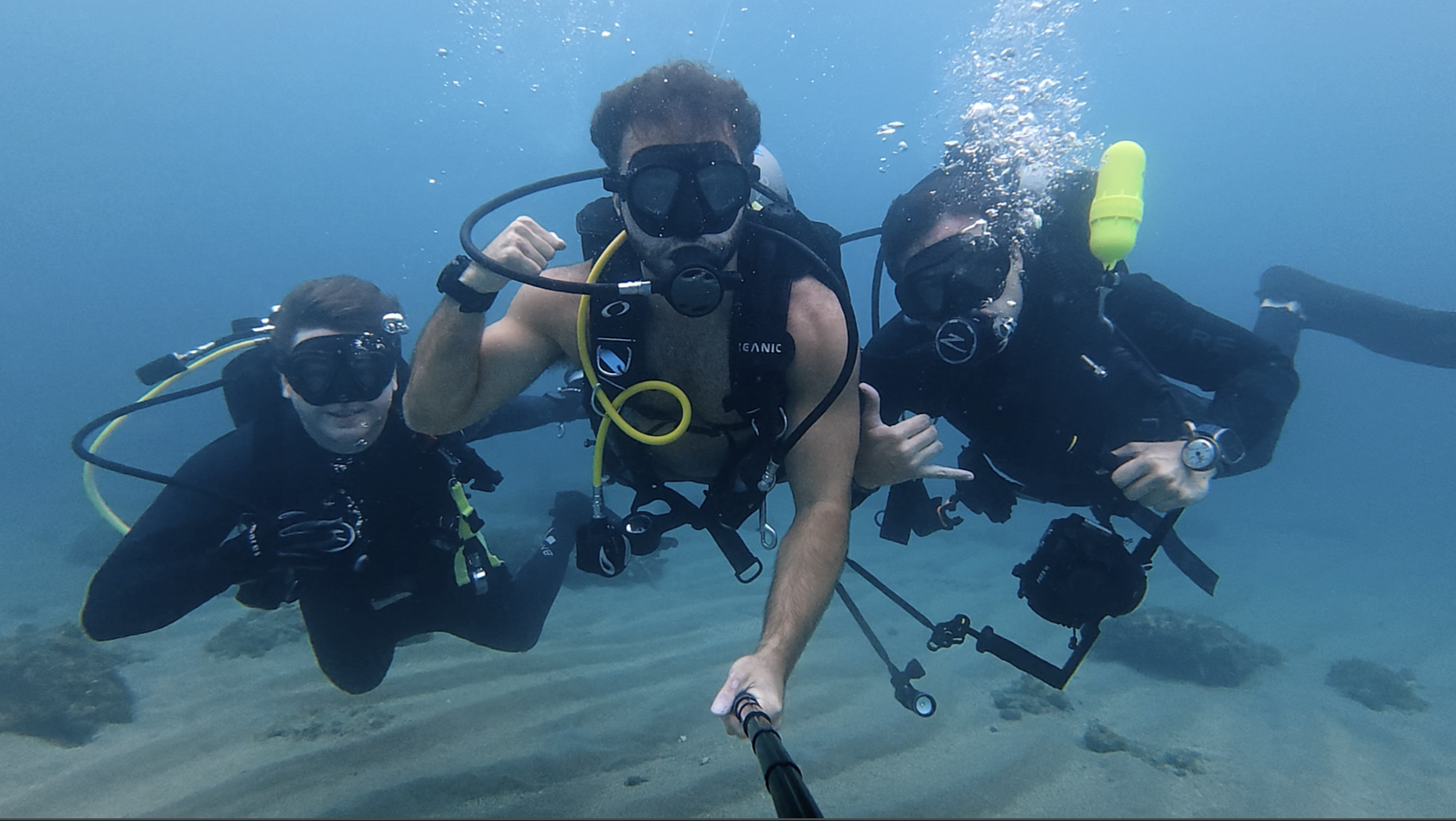
👋 It's Divemaster Austin
I'm inviting you to Dive Club, my global scuba diving community.
What you’ll find inside:
🤿 Dive meetups & group trips
🌍 Top dive sites shared by community members
⚙️ Gear tips & technique discussions
🤝 Diver's who’ve already linked up IRL
See you there!
Join my scuba diving community.
I'm Austin, a PADI Divemaster with over a decade of diving experience under my belt.
I created a free scuba diving community, where divers can connect, learn, and share their dives.
See you inside!
Join my Diving Community

.webp)
.webp)



.png)
.png)