

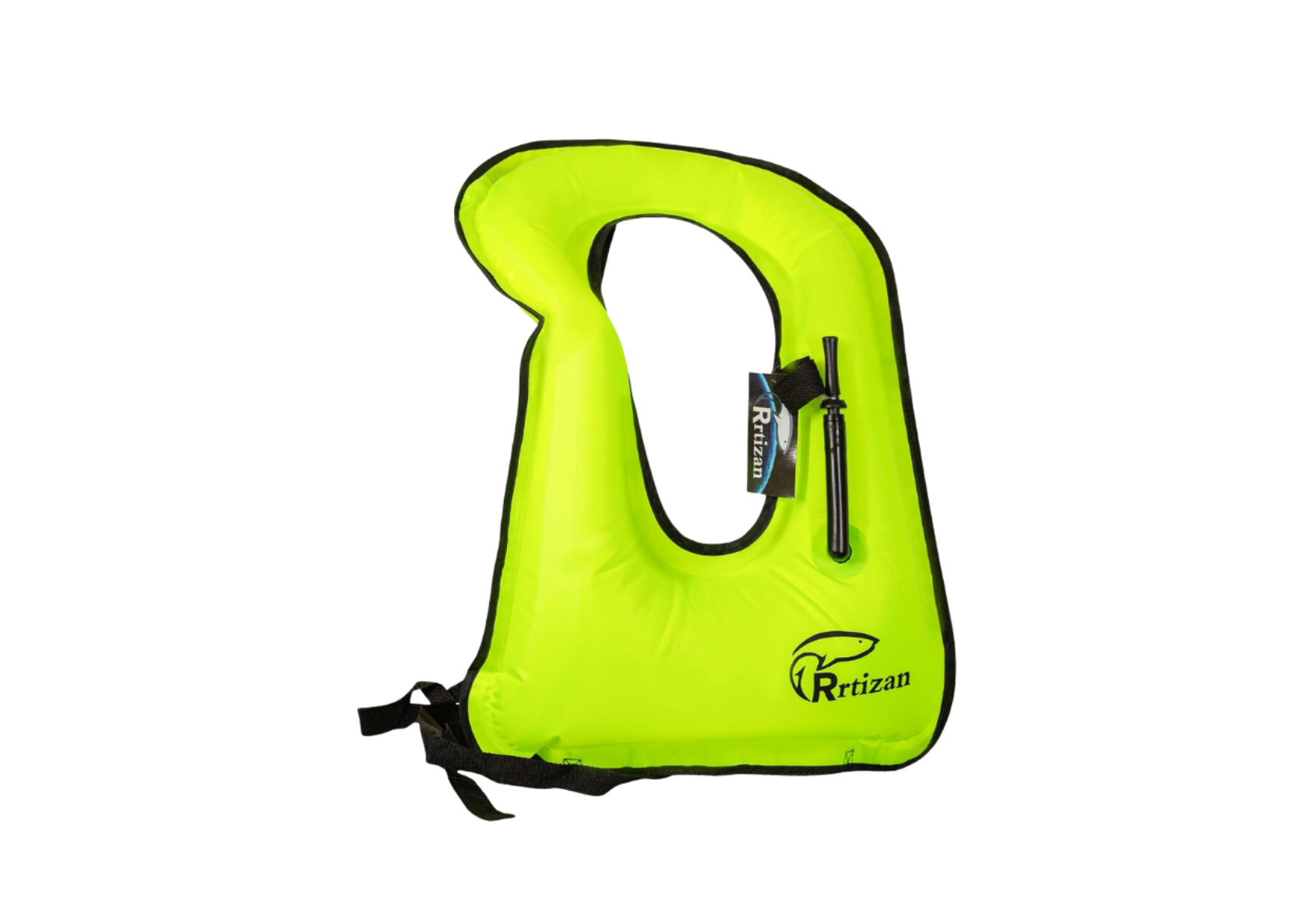
If you're new to snorkeling or not fully confident in the water, a snorkel vest is one of the most important pieces of gear you can own.
It keeps you afloat without effort, makes you visible to boat traffic, and turns you face-up if you end up exhausted or unconscious at the surface.
Here are three options I recommend across every price point, with a buying guide at the end.
Best Overall: Seaview Palawan
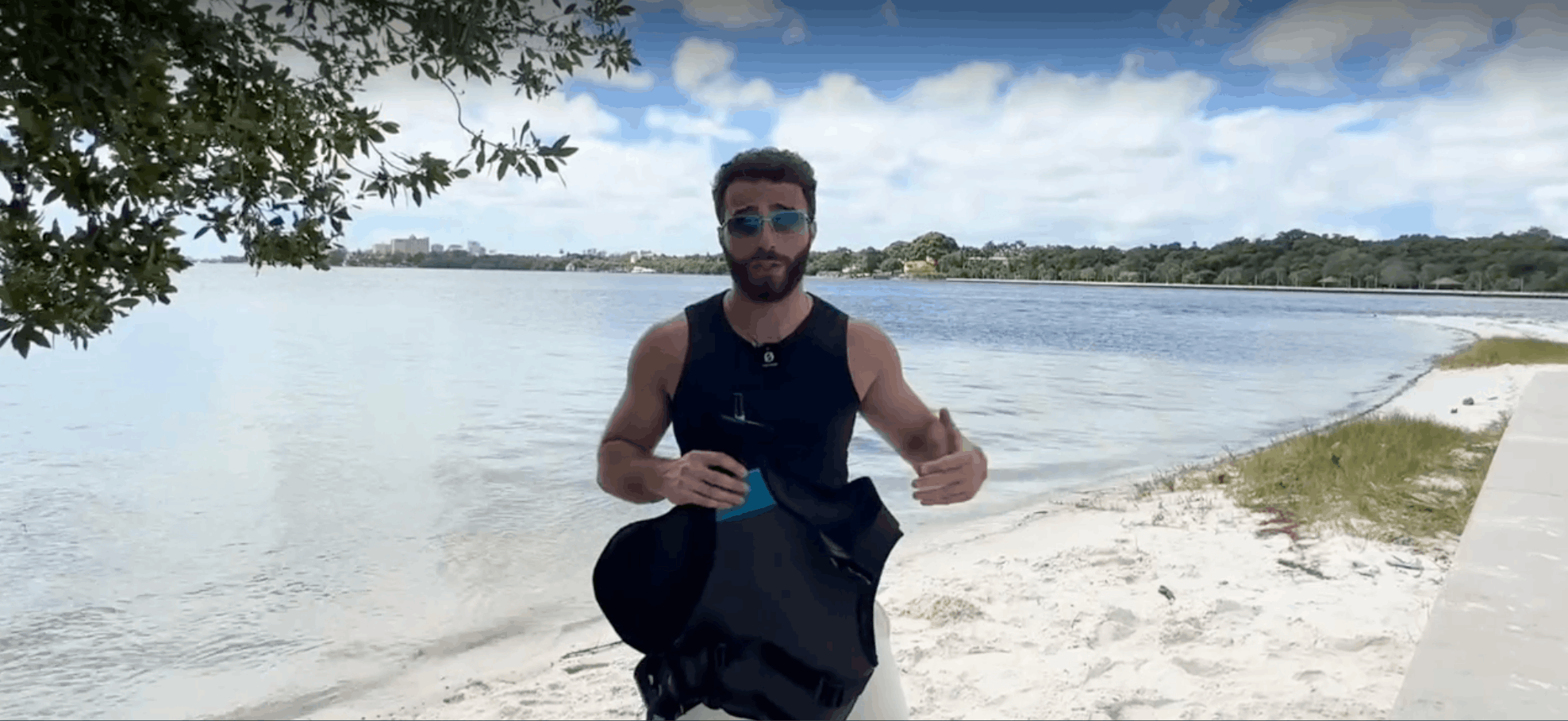
The Seaview Palawan keeps you in a natural horizontal position at the surface without having to fight the vest due to its air distribution.The single-sided entry makes it easy to put on, and the secure lock valve lets you inflate and deflate quickly to adjust buoyancy on land or even while in the water.
Its leg straps, waist buckles, and adjustable shoulder straps give you a secure fit across a wide range of body types. It's also available in 4 sizes so you can actually find one that fits rather than wrestling with a one-size vest.
Best for Contrast & Budget: Rrtizan
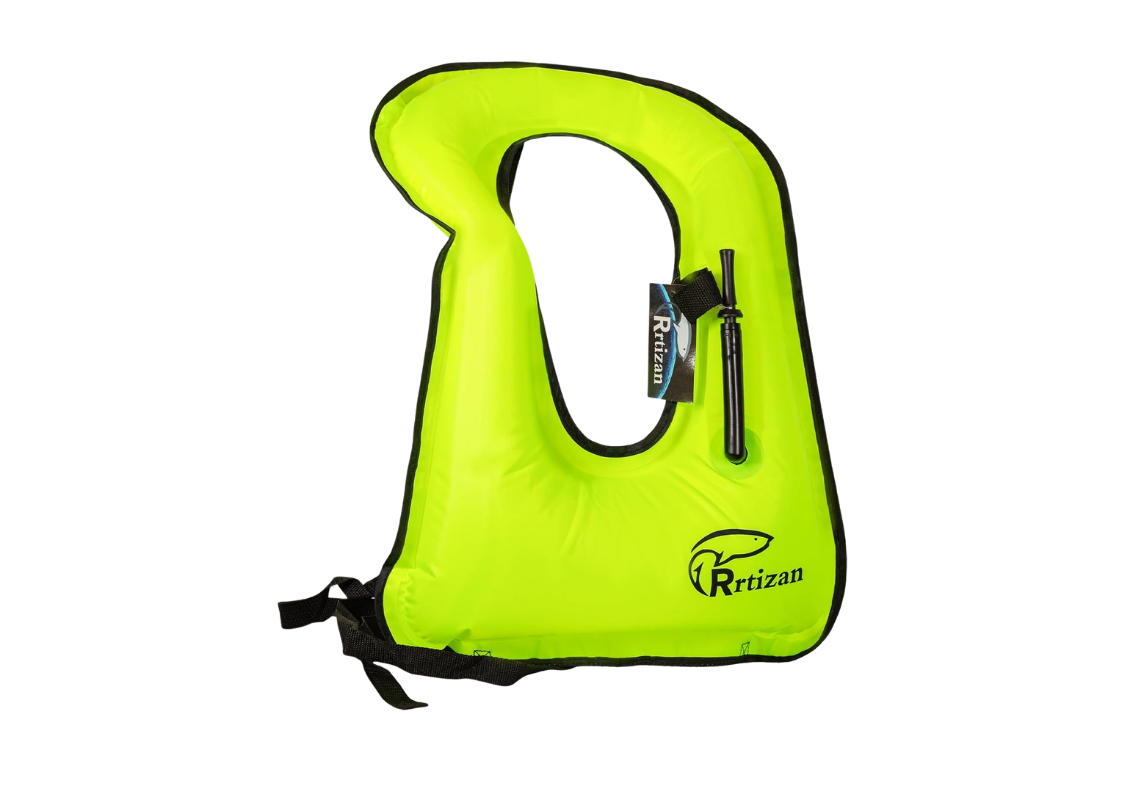
The Rrtizan is my pick for families or anyone who wants a budget snorkel vest.
It comes in three neon colors designed to make the wearer extremely easy to spot on the water.
It's not the most durable vest on this list and the straps can ride up slightly, but it's the cheapest and highest contrast option on the list.
Best Front Zip: OMOUBOI
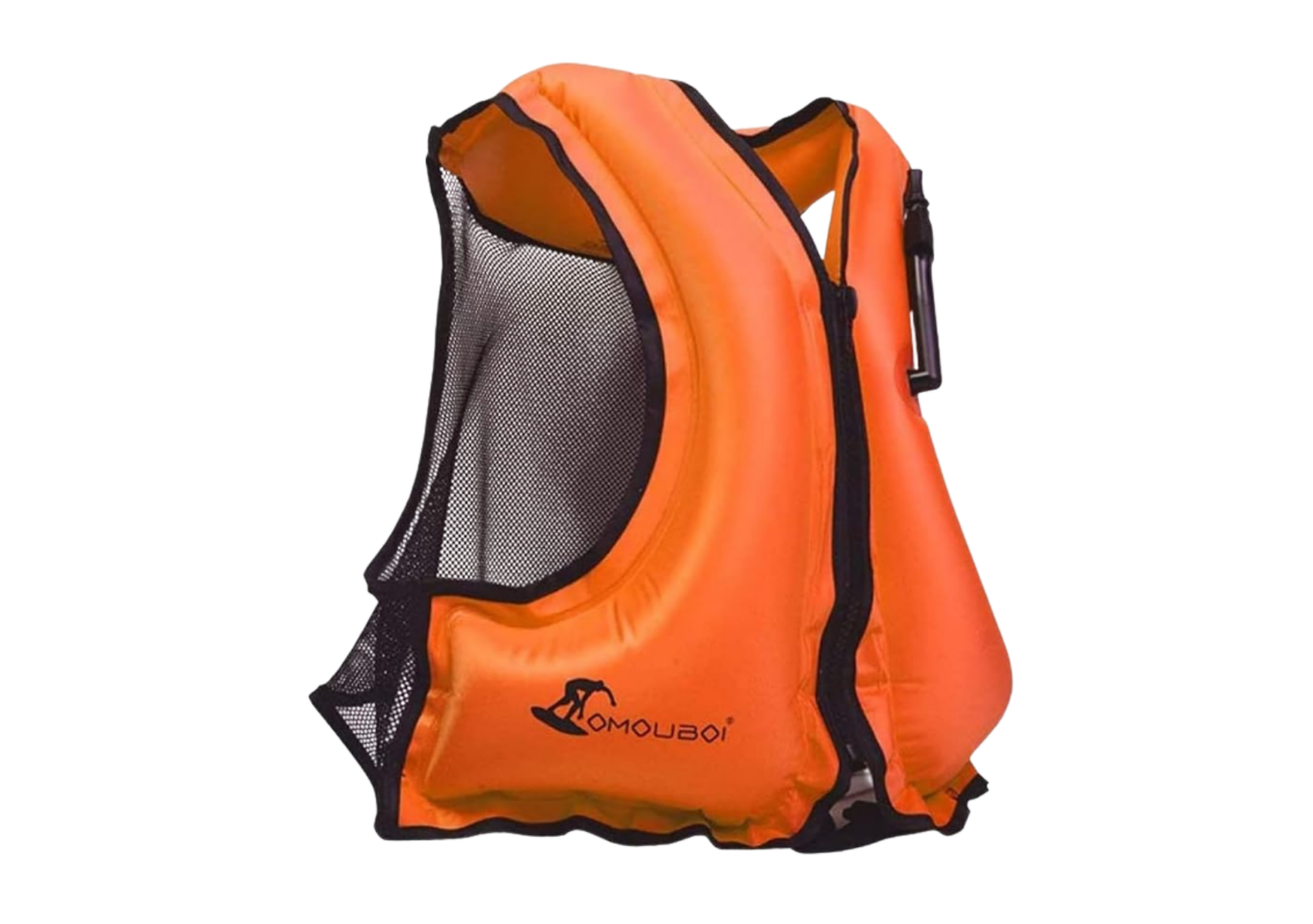
The front zip design is the main reason to choose the OMOUBOI over a traditional overhead vest. It's significantly easier to get on and off, especially when wet.
The mesh sides and back add breathability that most vests at this price don't offer. The adjustable waist strap creates a snug fit, and the whole vest packs down small when deflated, making it a solid travel option.
The main limitation is sizing. One size fits all works for most average adult frames, but not for larger or smaller builds. Without a crotch strap, smaller users may find it rides up.
At this price, it's one of the better values on this list.
Why Wear a Snorkel Vest?
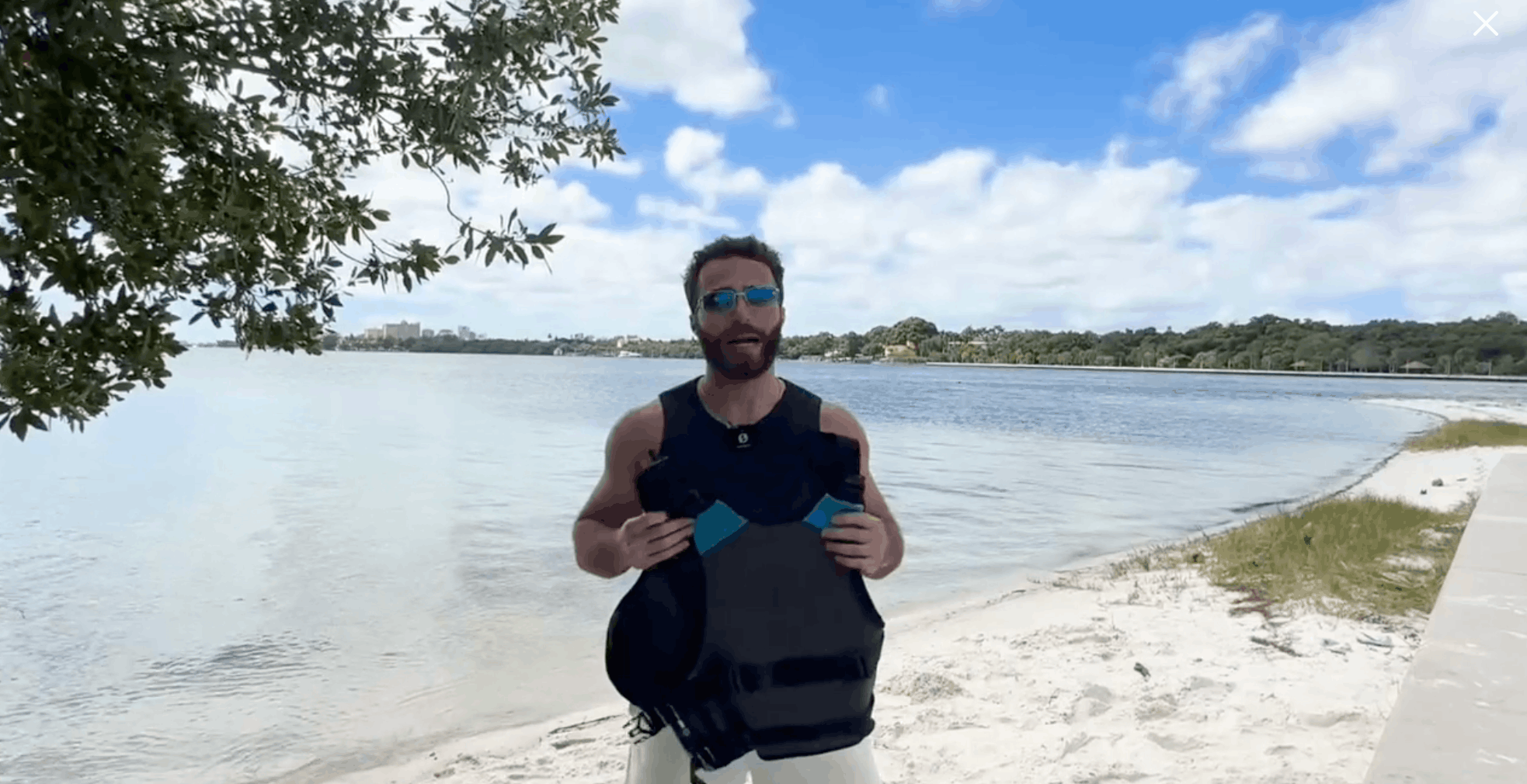
A snorkel vest keeps you afloat without effort. That's the core value.
For non-swimmers or nervous snorkelers, it makes the activity accessible. For confident swimmers, it extends how long you can stay in the water without tiring and makes you significantly more visible to boat traffic.
If you end up exhausted or unconscious, a properly fitted vest with buoyancy at the chest and behind the head will turn you face-up and keep your airway above water.
Snorkel Vest Buying Guide
Sizing
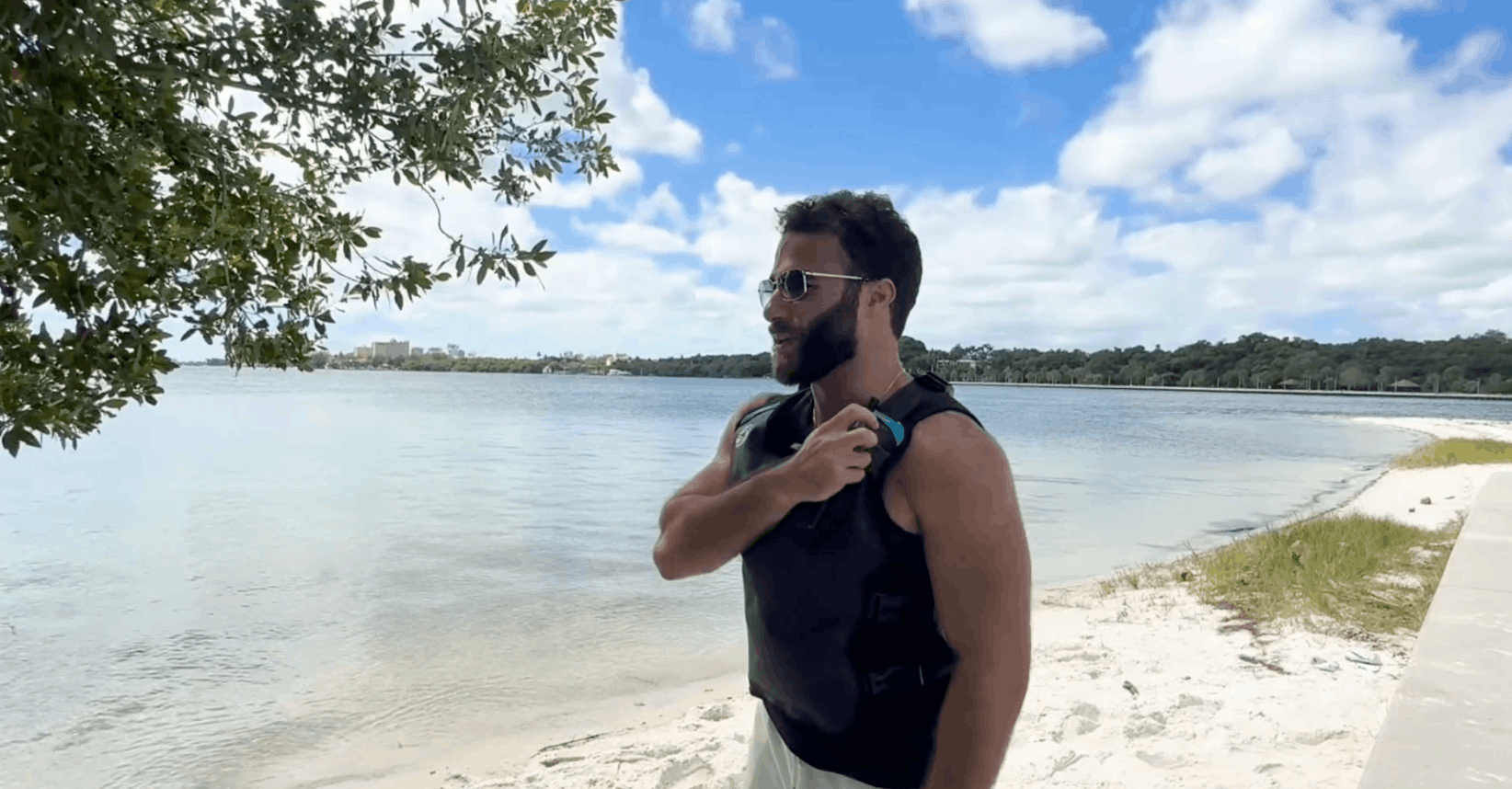
This is the most important factor. A vest that's too large can be dangerous: you can slip out of it or get tangled. A vest that's too small won't provide enough buoyancy.
Check the sizing chart and weight rating before buying. Choose a vest rated for slightly more than your body weight to ensure positive buoyancy. Look for adjustable straps so you can get a proper fit.
Entry Style
Traditional overhead vests are the most common and tend to be the most secure. Front zip vests are easier to get on and off, especially when wet, and are a better choice if mobility is a concern.
Size Options
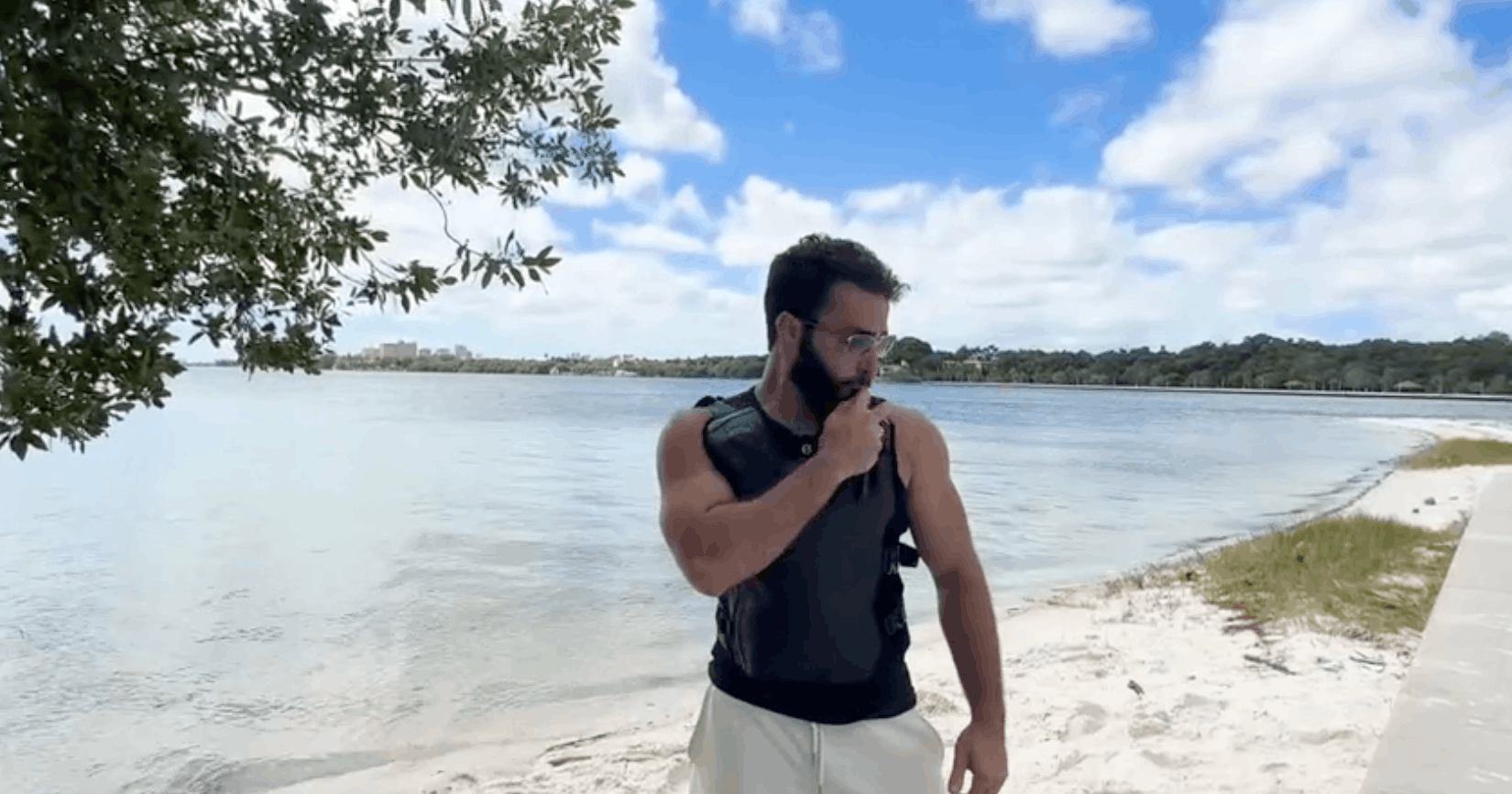
One-size vests work for average adult frames. If you're shopping for children, larger adults, or a mixed group, look for a vest with multiple size options.
Visibility
Bright yellow and neon colors are easier to spot from boats and shore. If you're snorkeling in busy areas or open water, visibility matters more than aesthetics.
Adjustable Buoyancy
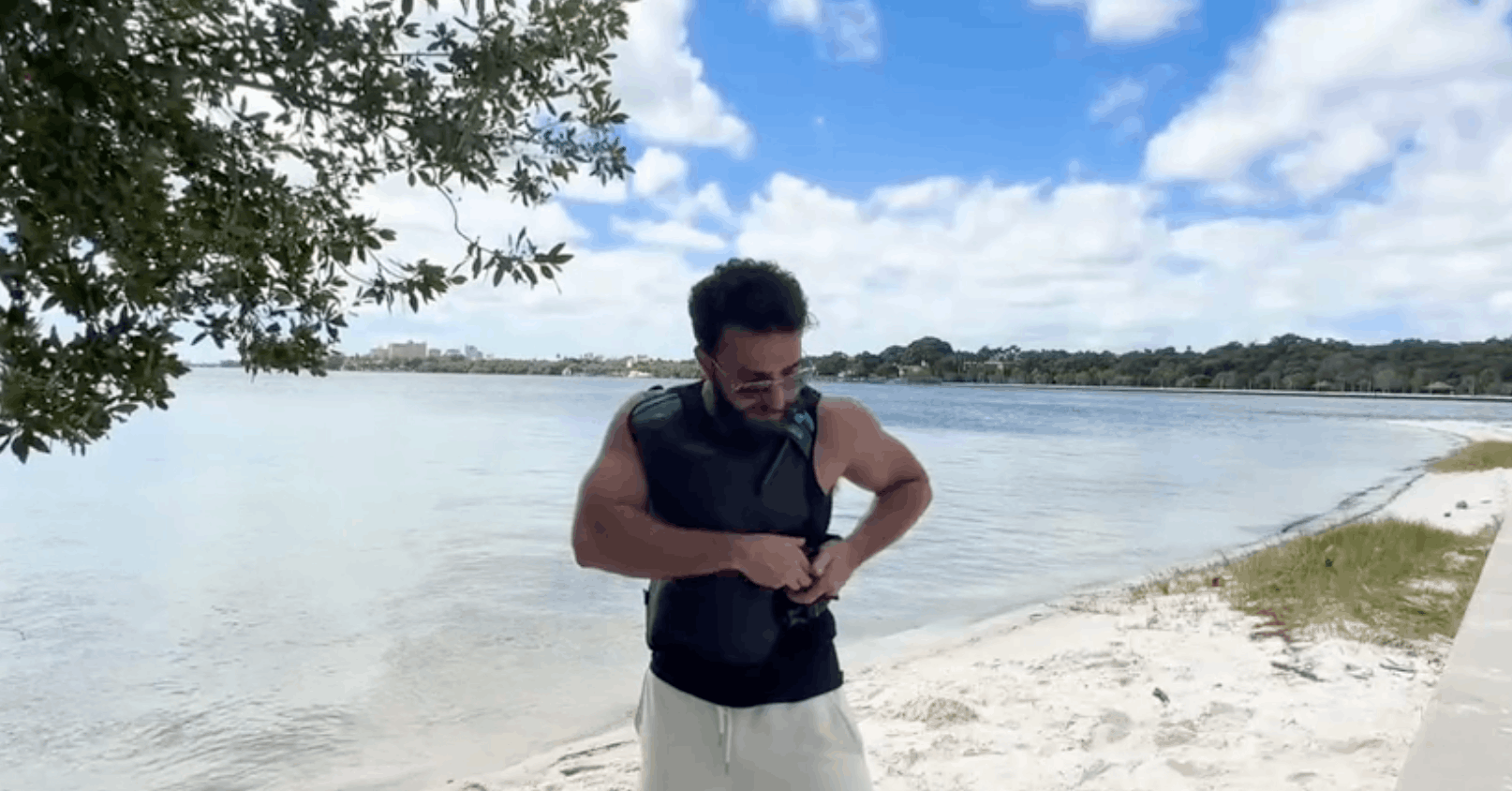
Some vests have a valve that lets you inflate or deflate while in the water. This allows you to duck dive for a closer look and reinflate at the surface when you come back up.
Do you need a snorkel vest if you can swim?
It's not required, but it helps. A vest lets you float without effort, so you can stay in the water longer without tiring, and it makes you much easier for boats to see.
How should a snorkel vest fit?
Snug. A vest that's too large can slip off or tangle, and one that's too small won't give you enough buoyancy. Check the sizing chart and weight rating before you buy.
Which snorkel vest is best for kids?
The Rrtizan comes in adult and kids sizes and three neon colors, which makes kids very easy to spot on the surface.
ABOUT THE AUTHOR
Austin Tuwiner
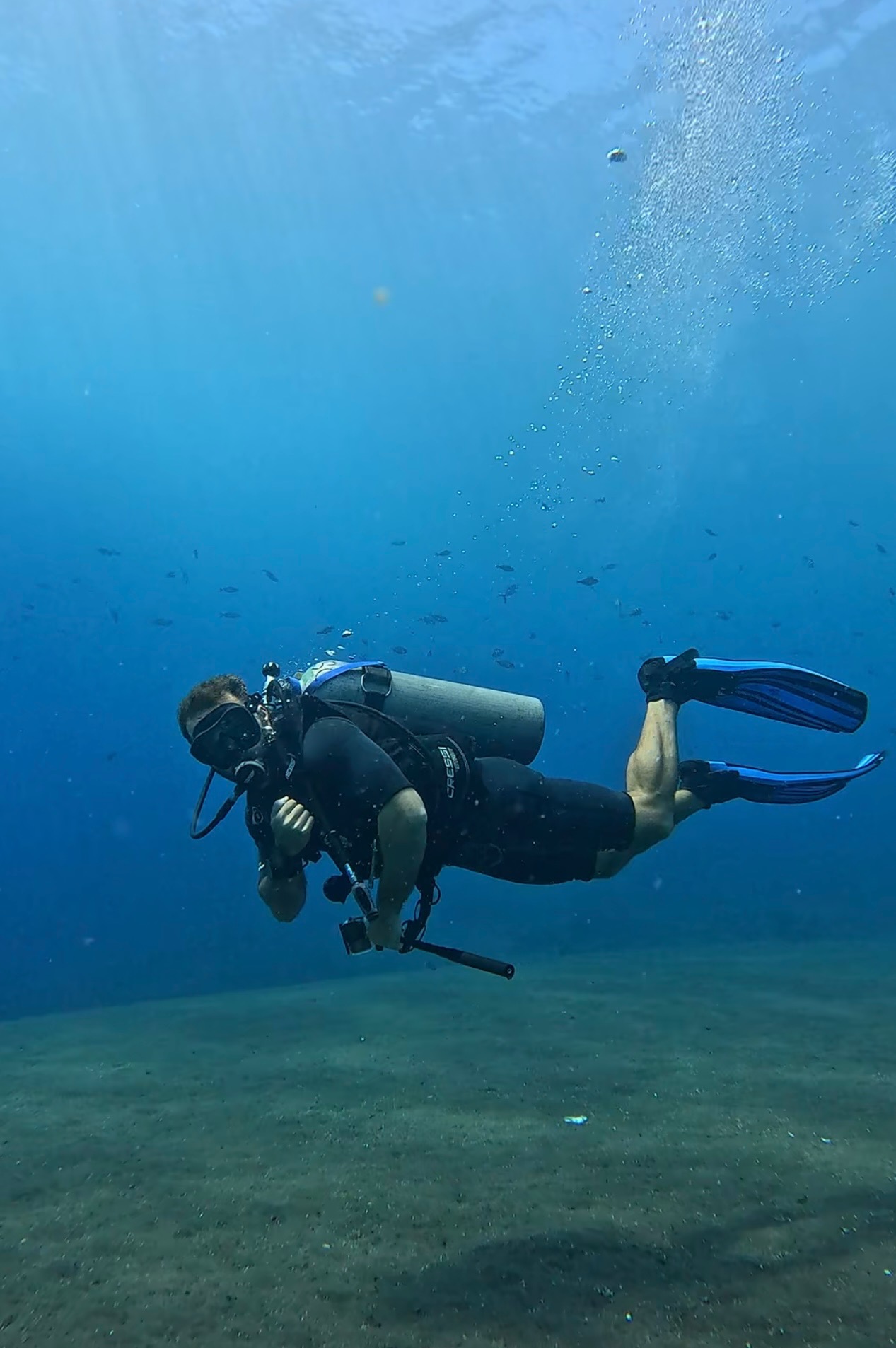
Hey I'm Austin, a PADI Divemaster based in South Florida .
I initially got certified at 16 at a scuba camp in Kona, Hawaii, did my Advanced Open Water on Koh Tao, my deep and nitrox on Gili Trawangan, and my Rescue and Divemaster in Miami.
Since then I've logged 500+ dives across 20 countries and states. I write about the gear I dive with, the sites I've dived, and the trips I've taken.


Let's Dive Together
👋 It's Divemaster Austin
I'm inviting you to Dive Club, my global scuba diving community.
What you’ll find inside:
🤿 Dive meetups & group trips
🌍 Top dive sites shared by community members
⚙️ Gear tips & technique discussions
🤝 Diver's who’ve already linked up IRL
See you there!
Join my scuba diving community.
I'm Austin, a PADI Divemaster with over a decade of diving experience under my belt.
I created a free scuba diving community, where divers can connect, learn, and share their dives.
See you inside!
Join my Diving Community