

.webp)
Full-face snorkel masks provide an alternative to the traditional mask and snorkel.
Rather than biting down on a snorkel mouthpiece, you can breathe naturally through your nose-and-mouth when using one.
This mask style doesn't come without it's tradeoffs though.
As full-face masks have gotten more popular, the market has filled up with cheap knockoffs that skip the safety basics, like a separate breathing chamber to prevent CO2 buildup.
Buy the wrong one and you're not just uncomfortable, you're rebreathing your own exhaled air, which has lead to deaths in Hawaii.
In addition, due to the way the masks are designed, equalizing during freediving is more difficult, as you don't have access to your nose.
In this article, I'll share the best full-face snorkel masks I tested snorkeling at Blue Heron Bridge, ensuring they recycle air properly.
WildHorn Outfitters Seaview 180° V3
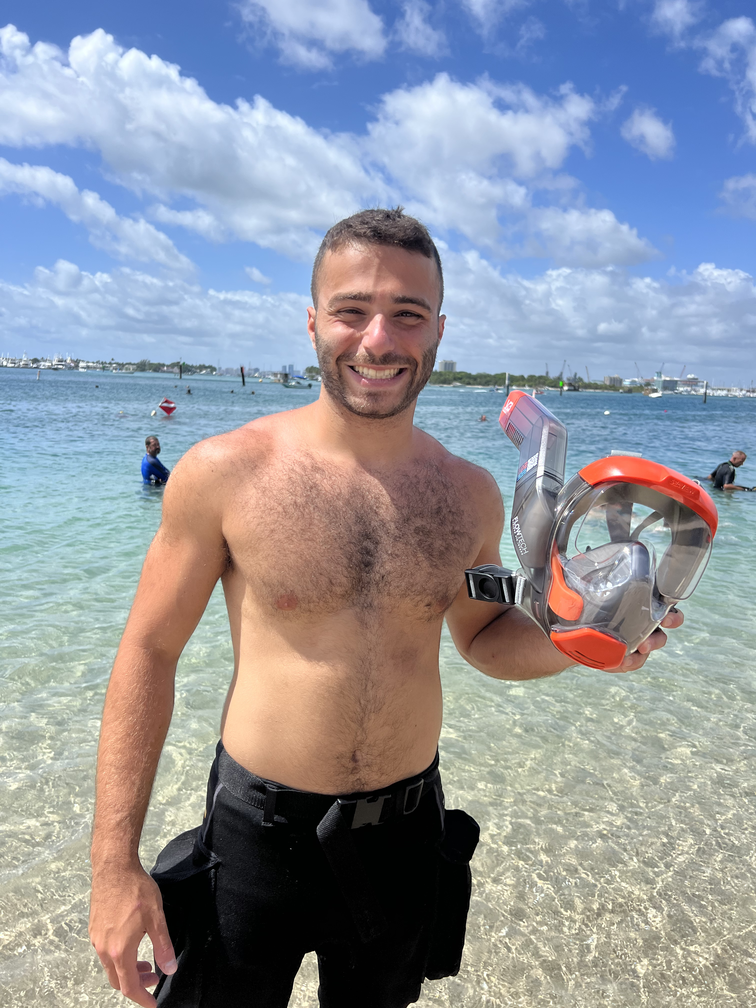
Seaview's 180 Full Face Snorkel mask is my #1 reccomendation and what I use on basic beach snorkel days.
The way the mask is designed, it has two chambers and four one-way valves to keep the air you breathe in separate from the air you breathe out.
The snorkel tube sits higher than the other designs I tested. I could move my head around more without it dipping under.
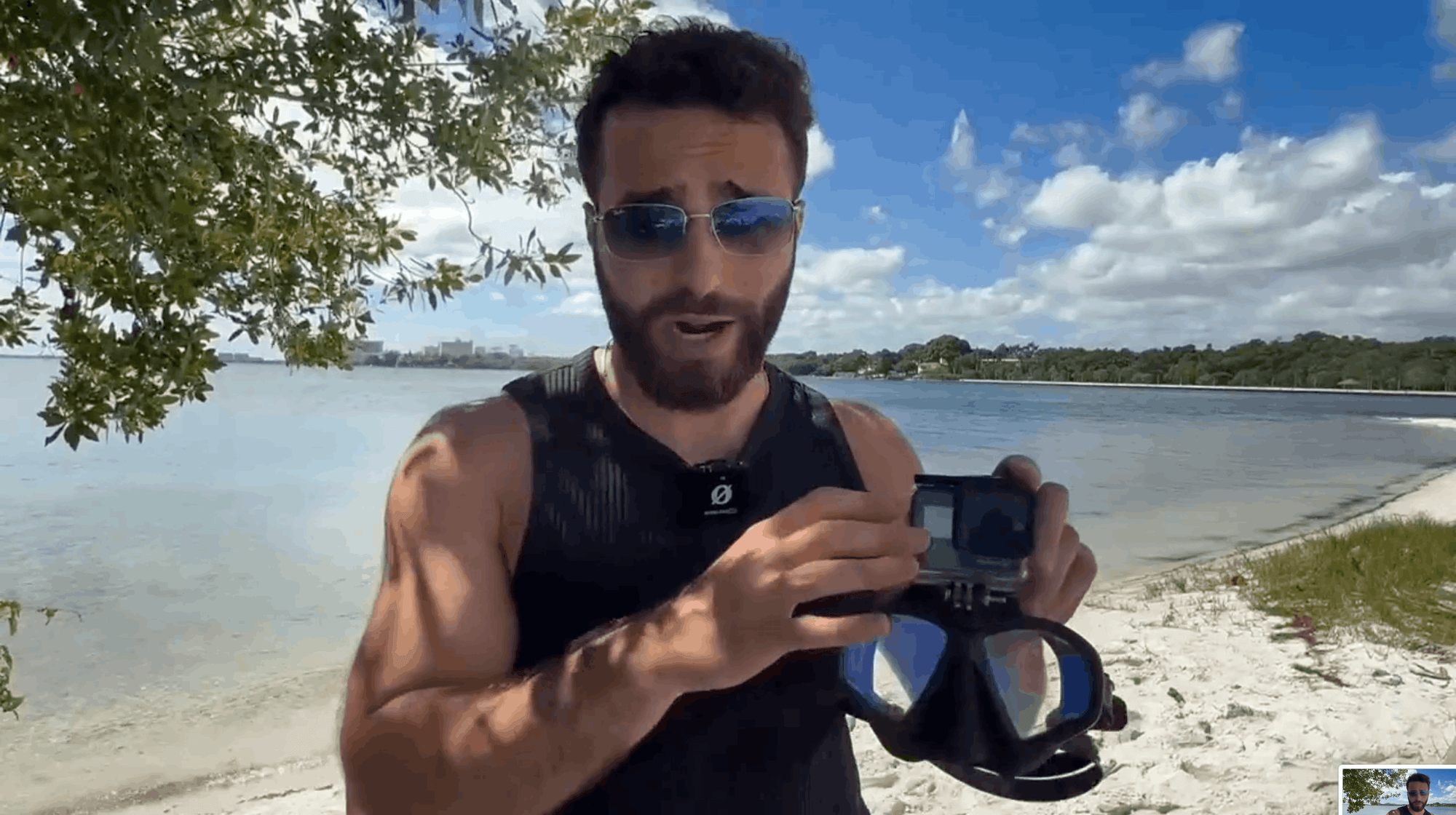
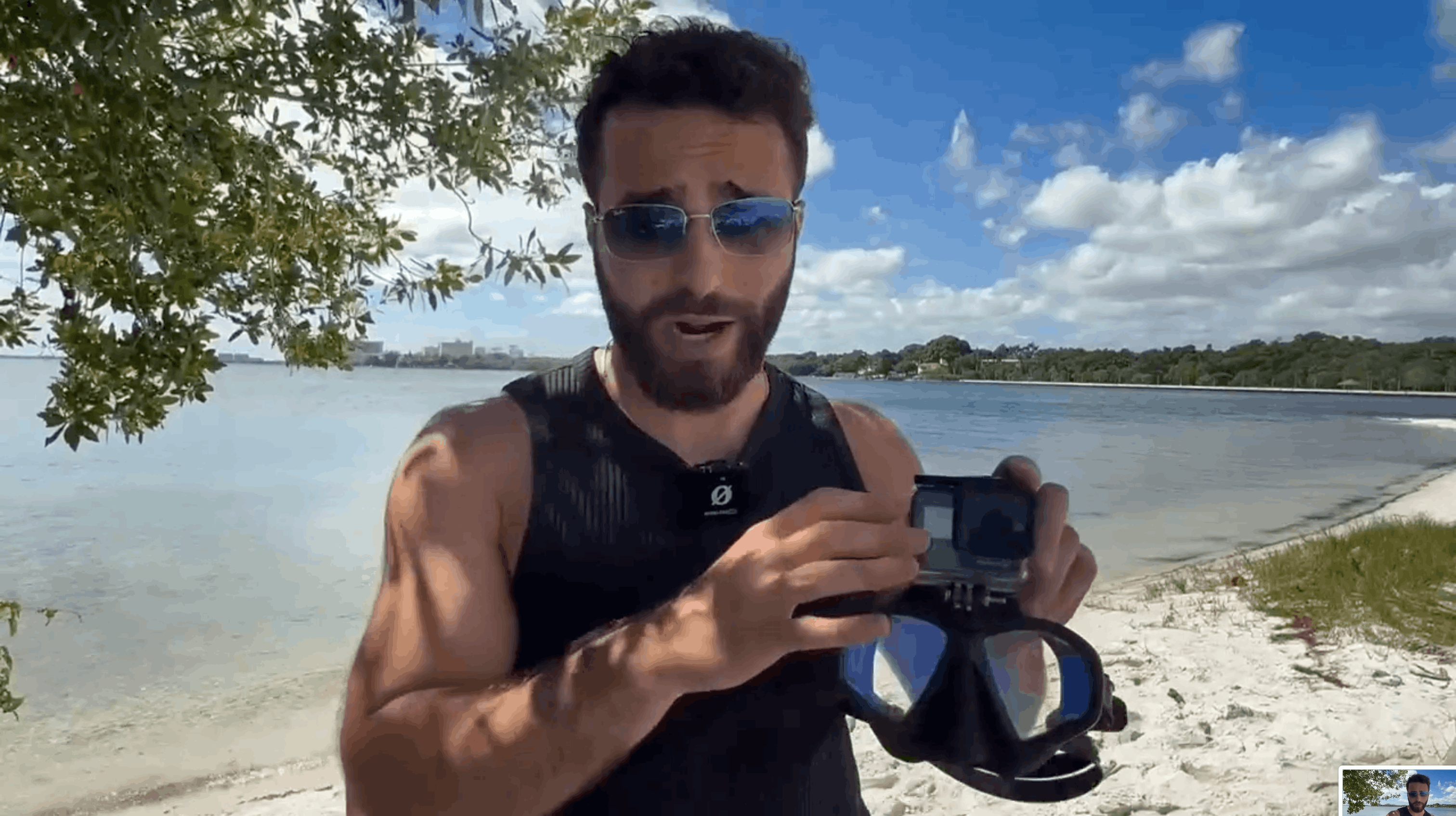
It is also the only mask here with a built-in GoPro mount.
WildHorn claims the FlowTech intake moves 50 percent more air than other full face masks, and that it stays leak-proof with facial hair, in rough seas and at speed.
Cressi Duke Dry
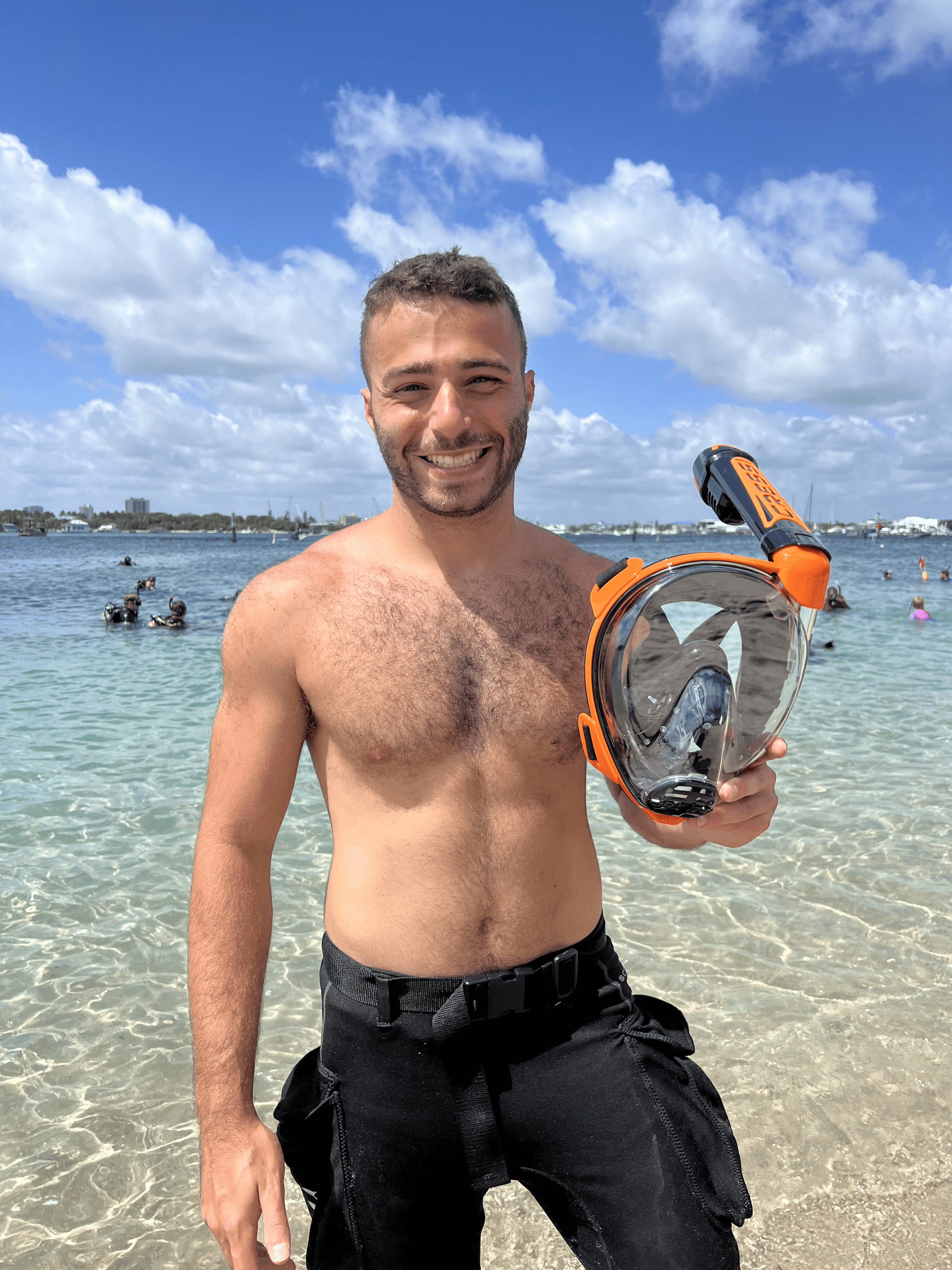
The Cressi Duke Dry is the lightest mask on this list by a significant margin, less than half the weight of the Seaview.
Cressi claims 30% more visible area than other masks, but I didn't notice a drastic difference compared to the Seaview.
The dry snorkel and specialized deflector keep water out and prevent fogging.
The silicone skirt is soft and hypoallergenic, and the seal held up well, though the fit wasn't quite as comfortable for me personally as the Seaview.
It comes in two sizes and multiple color options, and it's backed by a 2-year warranty, the longest of any mask on this list.
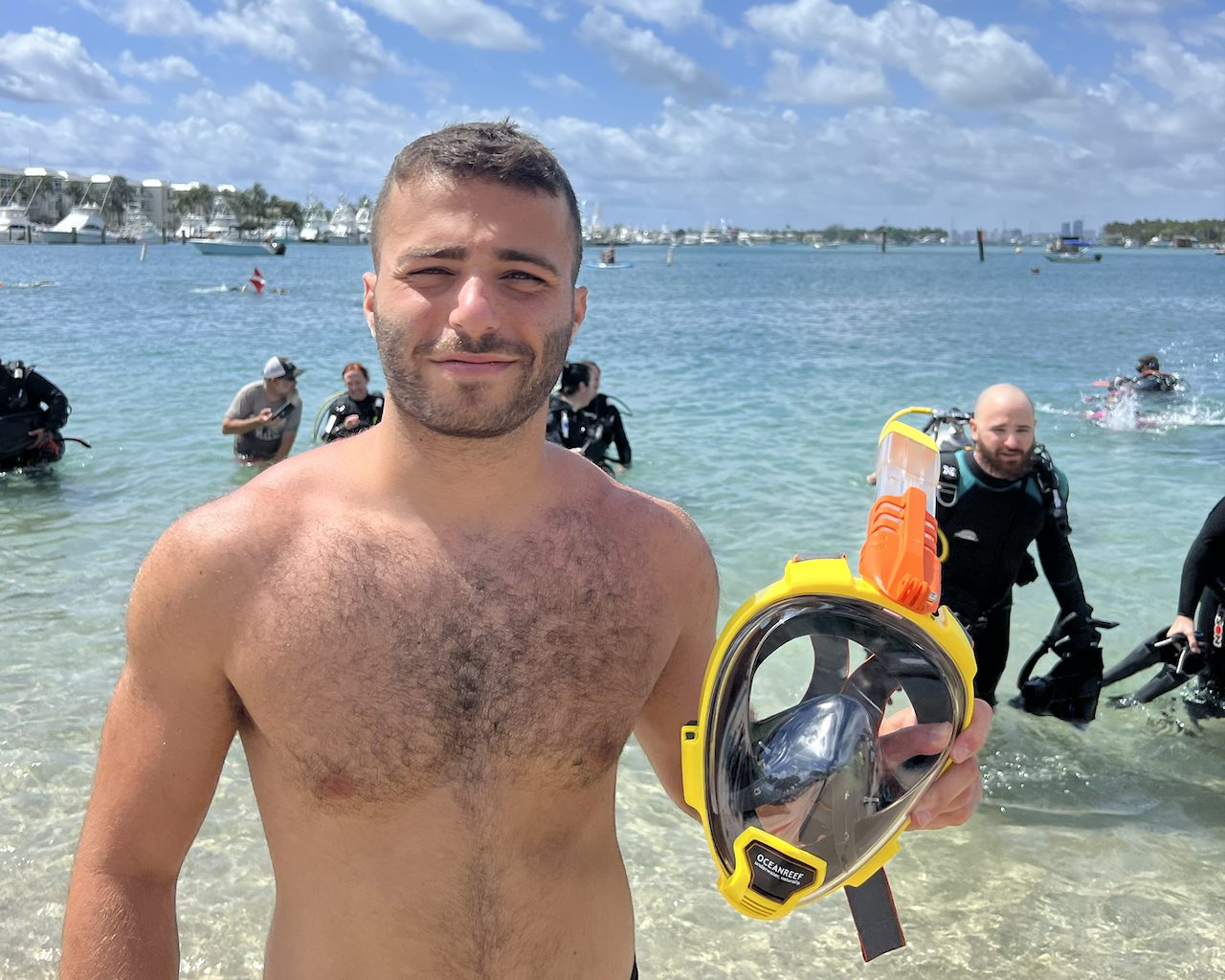
Ocean Reef Aria QR+
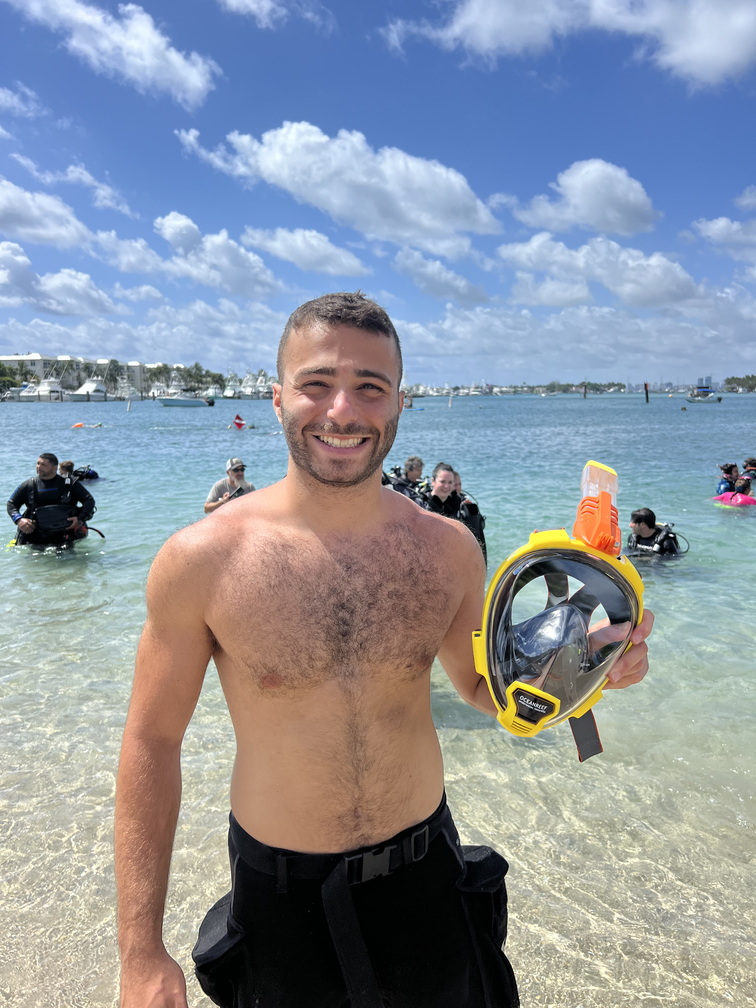
The Ocean Reef Aria QR is the heaviest mask on this list and one of the pricier options.
The fit is comfortable, and the unobstructed view is great for surface snorkeling.
The QR (quick release) buckle system is the main differentiator here. It lets you get the mask off fast in an emergency, something cheaper masks often skip.
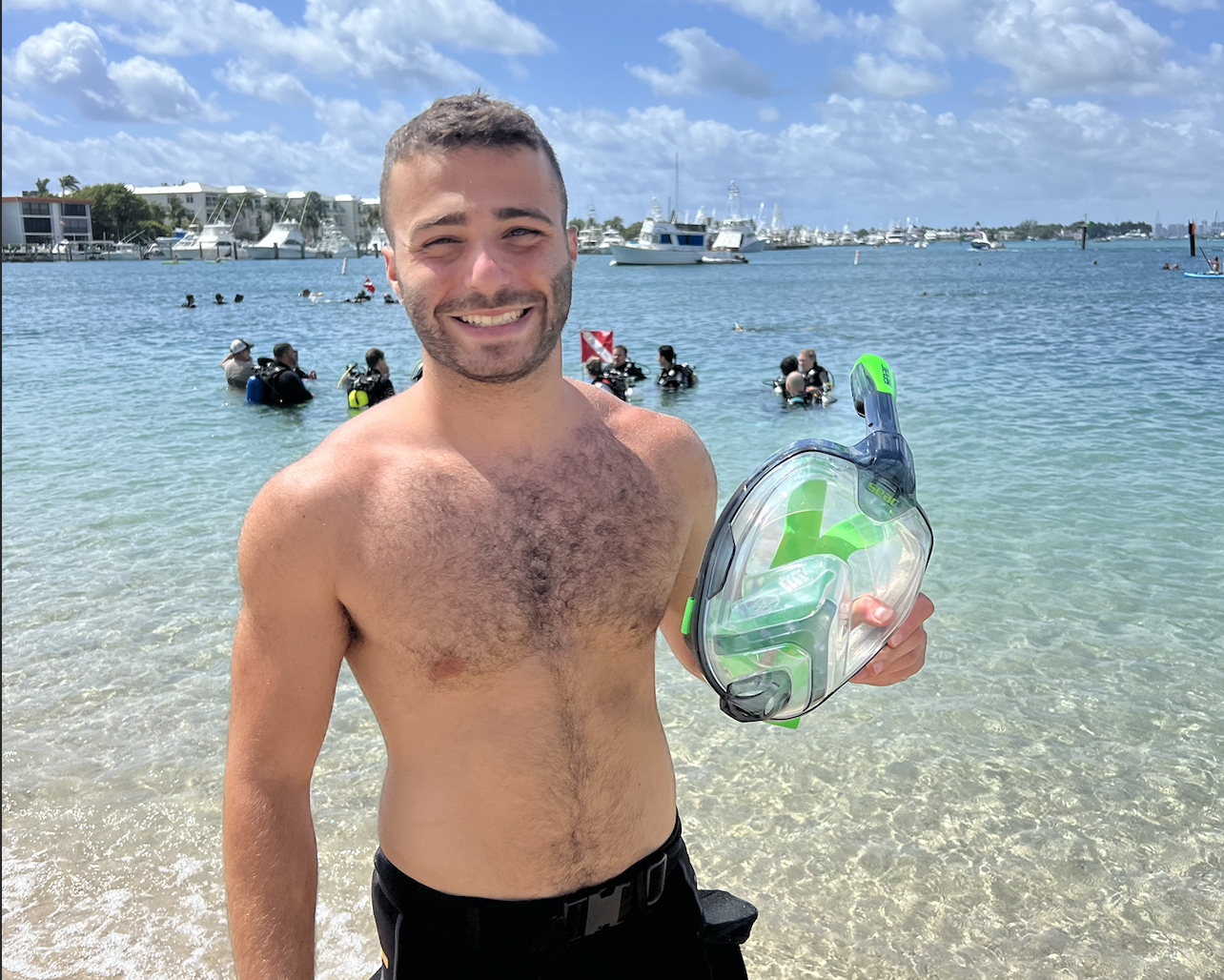
SEAC Unica
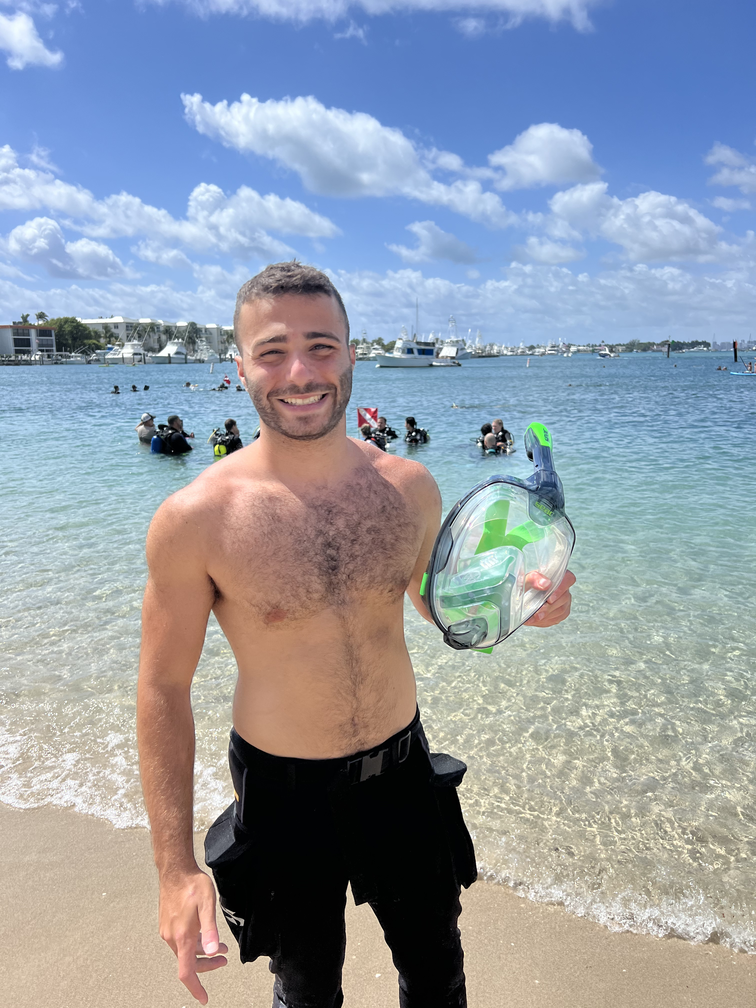
The SEAC Unica is the cheapest full face snorkel mask I feel comfortable recommending.
The wide frame gives a 180-degree view, and it didn't fog up thanks to the separate inhalation and exhalation channels. The elasticated fabric straps gave a secure fit without the pressure points you get from some silicone strap designs. The hypoallergenic facial skirt is a nice touch.
It also comes in a junior size, which none of the other masks on this list offer, making it the best pick for families with younger kids.
The materials aren't as premium as the Seaview or Cressi, but at this price, that's the tradeoff.
Why Cheap Full Face Masks Are Dangerous
A well-built full face mask keeps the air you breathe in physically separate from the air you breathe out.
The Seaview does this with two chambers and four one-way valves. The SEAC Unica uses separate inhalation and exhalation channels.
The exhaled air has its own path out of the mask and never mixes with what you are about to inhale.
Cheap knockoffs skip that.
Without a separate breathing chamber, your exhaled breath sits in the mask and you inhale it again on the next breath. That is CO2 buildup, and in the water it means headaches, dizziness and disorientation while your face is underwater, which can eventually lead to drowing.
Full Face Snorkel Mask Buying Guide

Fit
A mask that doesn't fit leaks. A leaking full-face mask is more disorienting than a leaking traditional mask, because water fills your entire breathing space, not just the area in front of your eyes.
Be sure to check the sizing chart before you buy.
Masks with multiple size options, like the Cressi Duke's two sizes or the SEAC Unica's junior size, give you a better shot at a proper seal than a mask that only comes in one size.
The facial skirt should be soft silicone or a hypoallergenic material that conforms to your face without gaps.
Breathing System
Look for a full face snorkel mask design with a separate inhalation and exhalation chamber, like the WildHorn's FlowTech system or the SEAC Unica's separate channels. That keeps exhaled air from recirculating, which prevents both fogging and CO2 buildup.
Avoid any mask that doesn't clearly explain how it separates airflow. If the manufacturer doesn't mention it, assume it doesn't do it properly.
Dry Top Snorkel
A dry top valve seals the snorkel tube when it's submerged, so water doesn't flood in when a wave passes over you. Every mask on this list has one. A lot of cheap masks don't.
Purge Valve
A purge or drain valve in the chin area clears out any water that does get inside the mask. It's a small feature, but it makes a real difference if you get splashed or briefly go under.
Quick Release Buckles
In an emergency, you want to get the mask off fast. Quick release buckles let you do that. The Ocean Reef Aria QR+ is included for this feature specifically.
Camera Mount
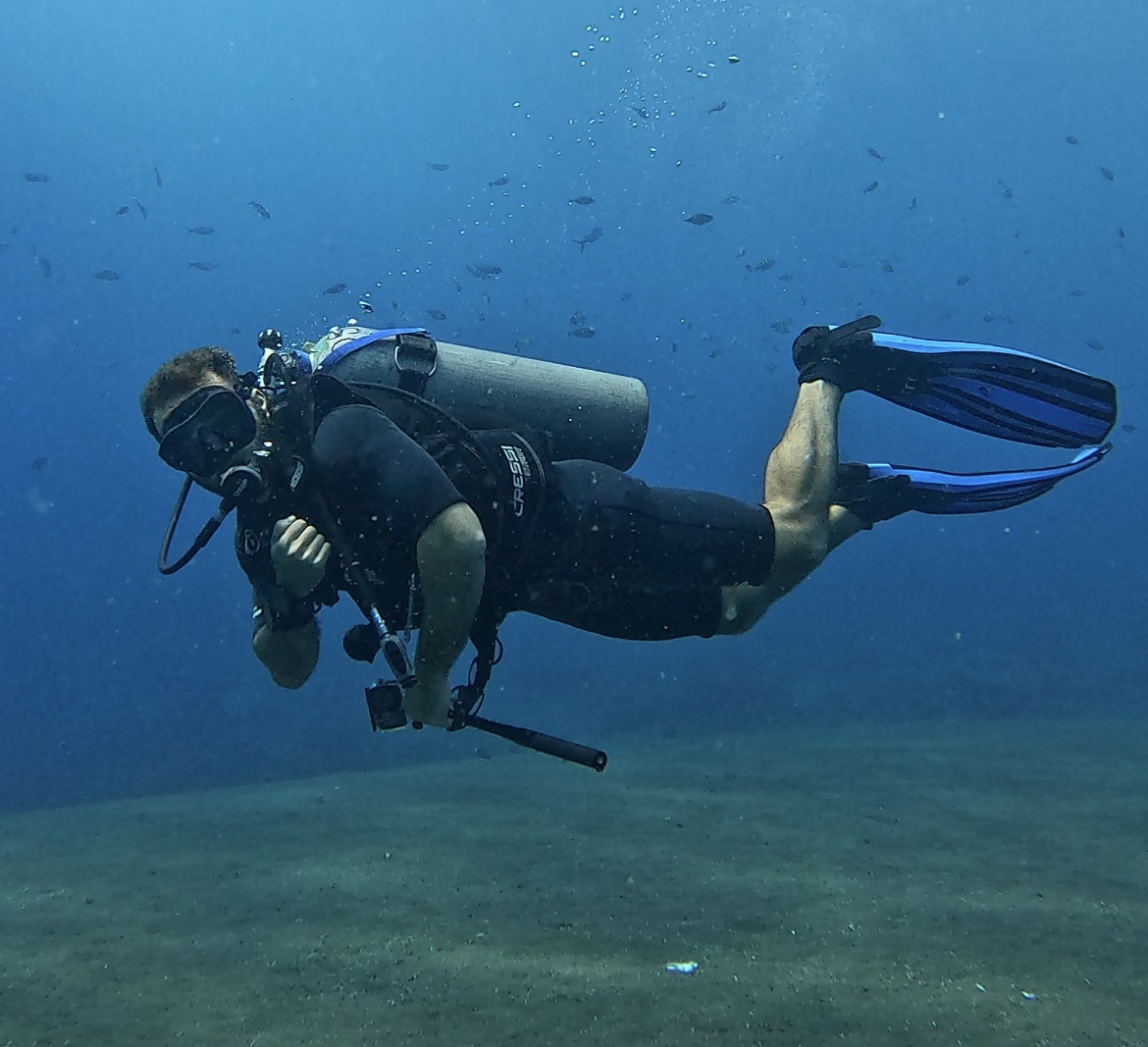
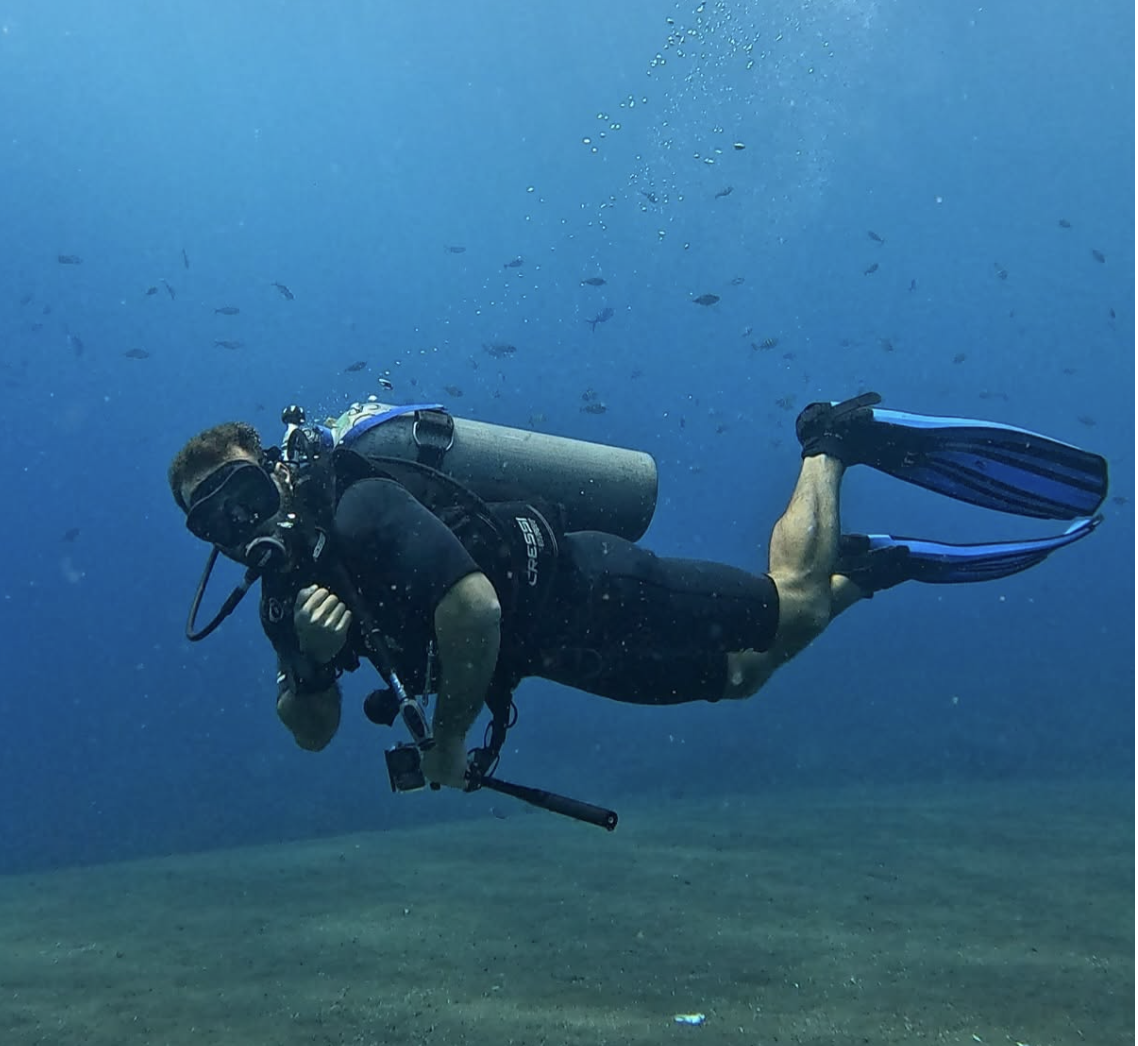
If you want to film while you snorkel, look for a mask with a built-in GoPro mount. The WildHorn Seaview 180° V3 has one, so you don't need to rig up a separate strap mount. You don't always need to film headmount though. On my YouTube channel I always film with the camera on a collabsable stick for different ranges, angles, and POVs.
Full Face vs Traditional Mask and Snorkel
Full face masks are easier for beginners.
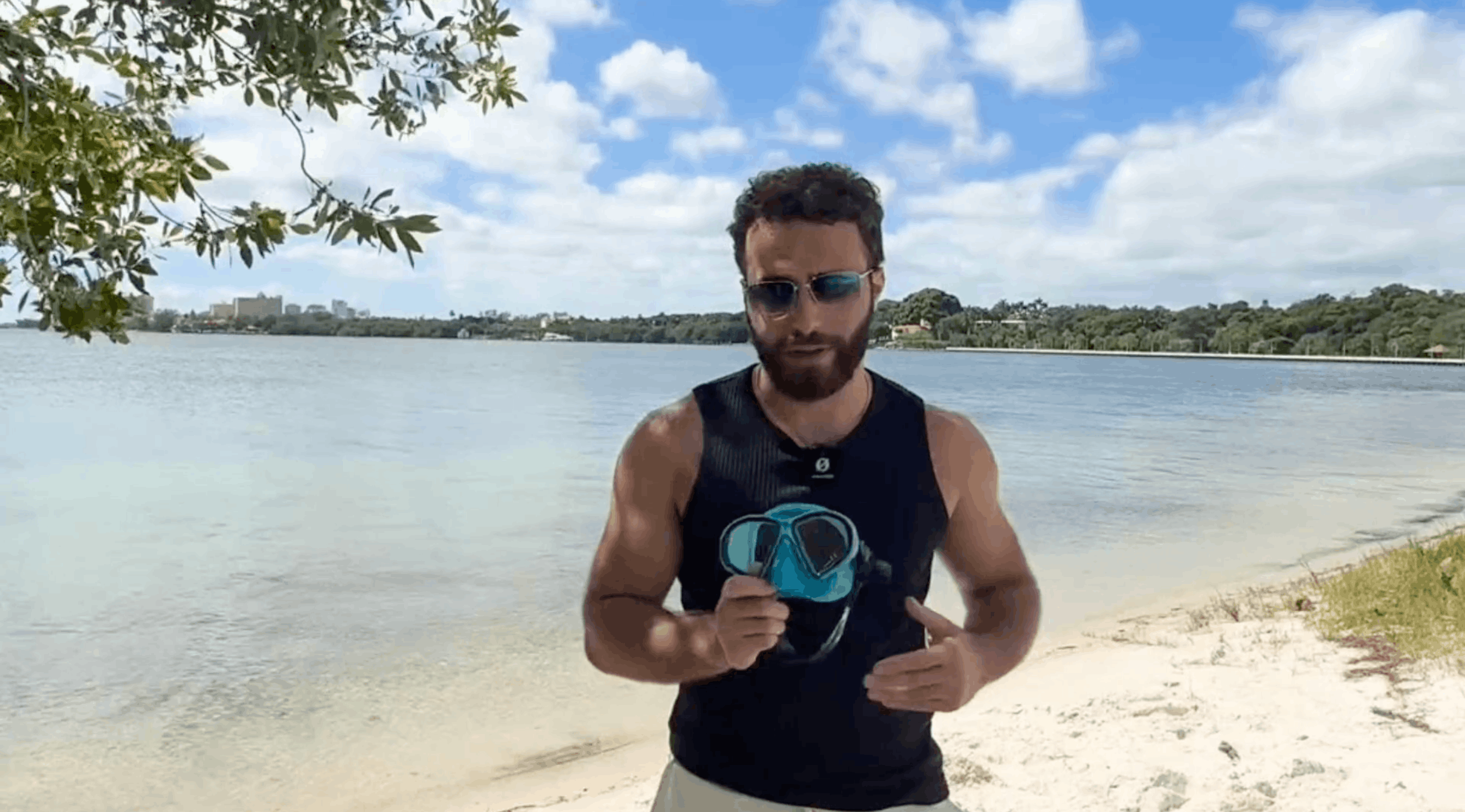
There's less chance of leaks, no mouthpiece to bite down on, and more natural breathing through the nose and mouth.
Traditional masks are more versatile. They work for freediving and scuba, pack smaller, and are easier to clear if water gets in. If you're planning to progress to freediving or scuba diving, start with a traditional setup.
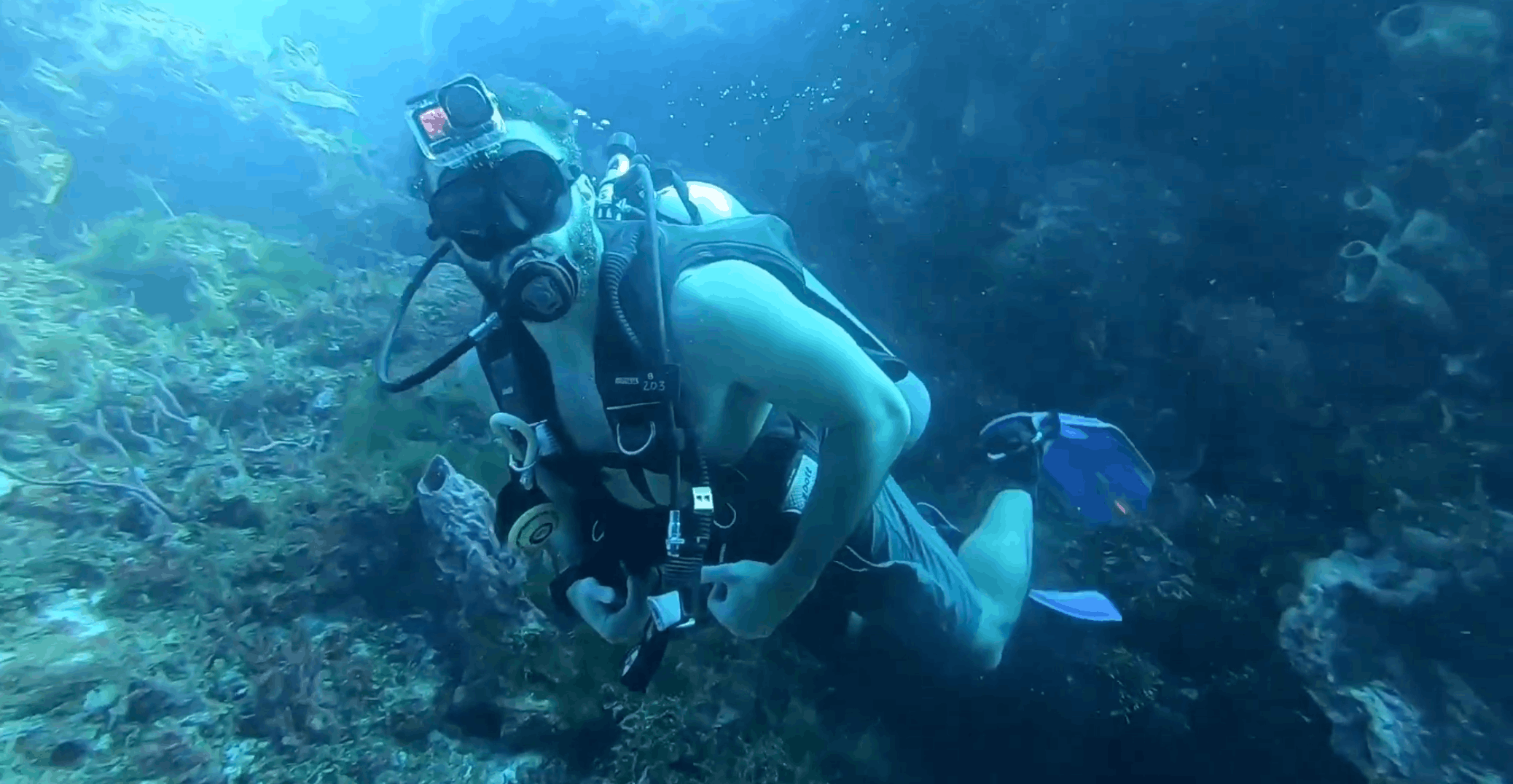
Full face masks are surface snorkeling only. You cannot equalize your ears with a full face mask because you can't pinch your nose. Do not take them below the surface.
Frequently Asked Questions
Are full-face snorkel masks actually safe?
Yes, as long as you buy the right one and pay attention to how you feel in the water. The real risk isn't the design, it's cheap masks that don't properly separate your inhaled and exhaled air. Without that separation, you're rebreathing your own CO2.
Every mask on this list uses a genuine dual-chamber breathing system, so that's not a concern here. Still, monitor your own breathing. If you ever feel short of breath, lightheaded, or like you're working harder than normal to breathe, surface and take the mask off. Don't cheap out here to save $20. It's the one piece of gear where the knockoffs genuinely aren't worth it.
Can I get a full-face snorkel mask with prescription lenses?
Yes, on some models. The Ocean Reef Aria supports optical lens inserts, so you can get a version fitted closer to your prescription instead of snorkeling in a blur. Fit and prescription range vary by person, so check with Ocean Reef or a dive shop before you order.
How do you clean and store a full-face snorkel mask?
Rinse it in fresh water after every use, lens, frame, straps, and valves, to get the salt and sand off before it wears down the seals. For a deeper clean, use a mild, unscented soap and a soft brush, focus on the valves where grime builds up, then rinse and air dry out of direct sunlight.
Store it somewhere cool and dry, out of the sun and away from damp spots like a bathroom. Heat and UV break down silicone and plastic over time. Keep it loose rather than compressed, so the skirt doesn't take a permanent crease.
Let's Dive Together
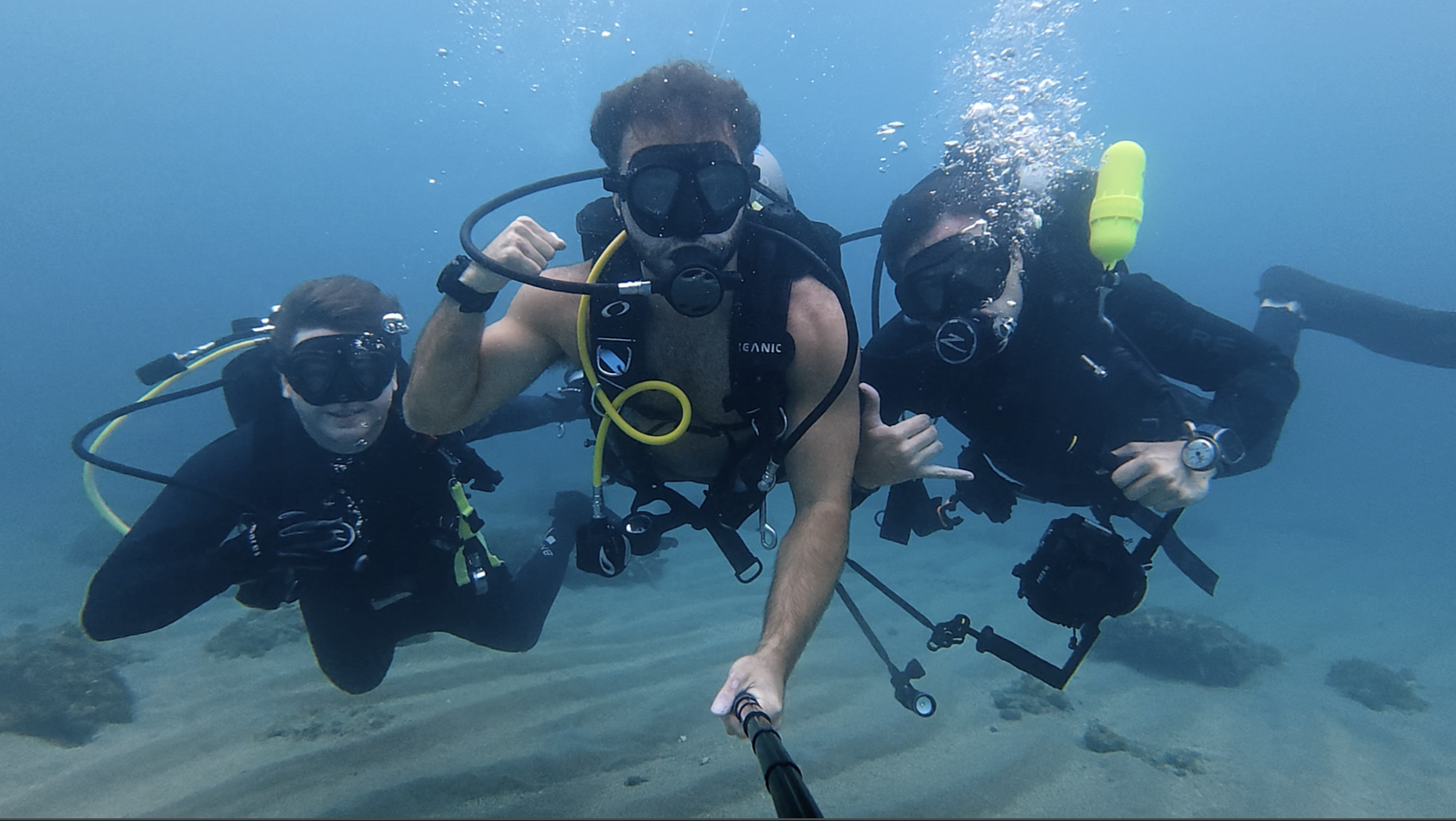
👋 It's Divemaster Austin
I'm inviting you to Dive Club, my global scuba diving community.
What you’ll find inside:
🤿 Dive meetups & group trips
🌍 Top dive sites shared by community members
⚙️ Gear tips & technique discussions
🤝 Diver's who’ve already linked up IRL
See you there!
Join my scuba diving community.
I'm Austin, a PADI Divemaster with over a decade of diving experience under my belt.
I created a free scuba diving community, where divers can connect, learn, and share their dives.
See you inside!
Join my Diving Community

.webp)
.webp)