

.webp)

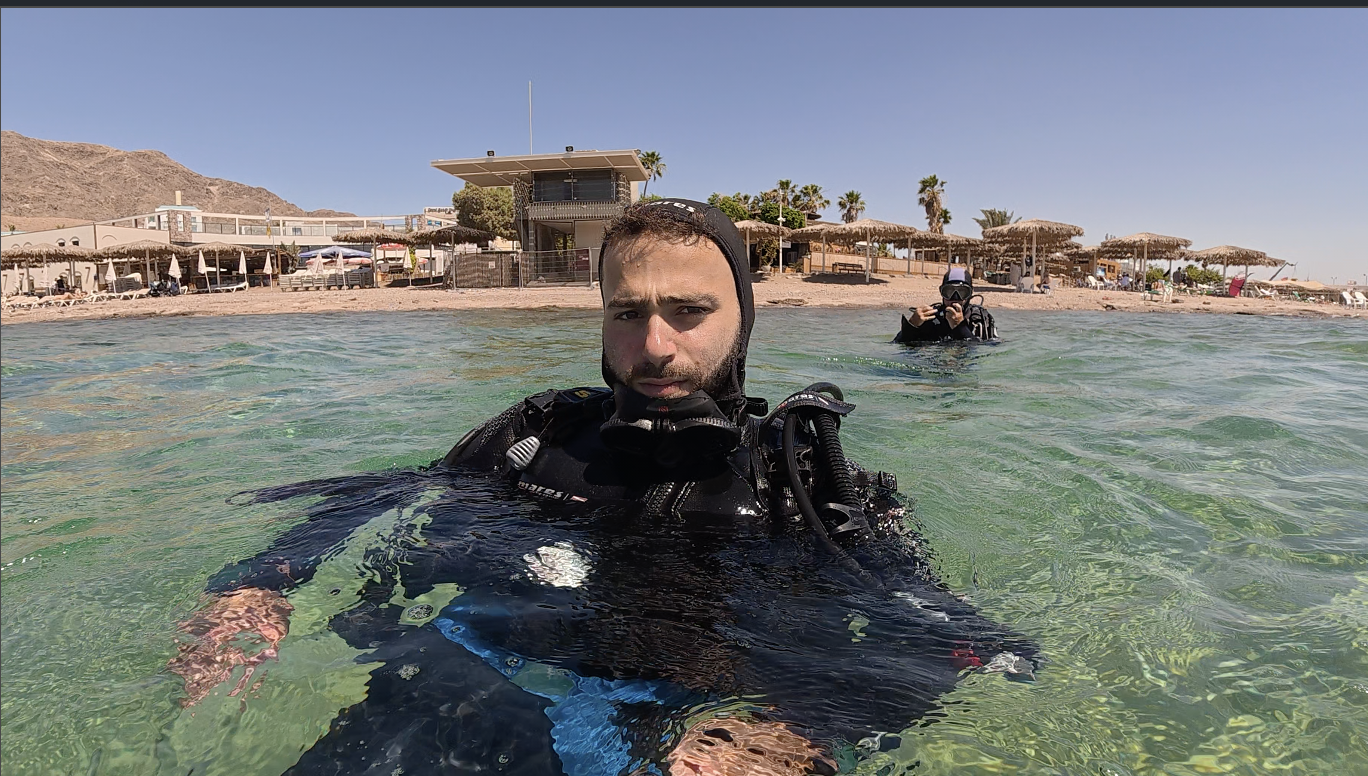
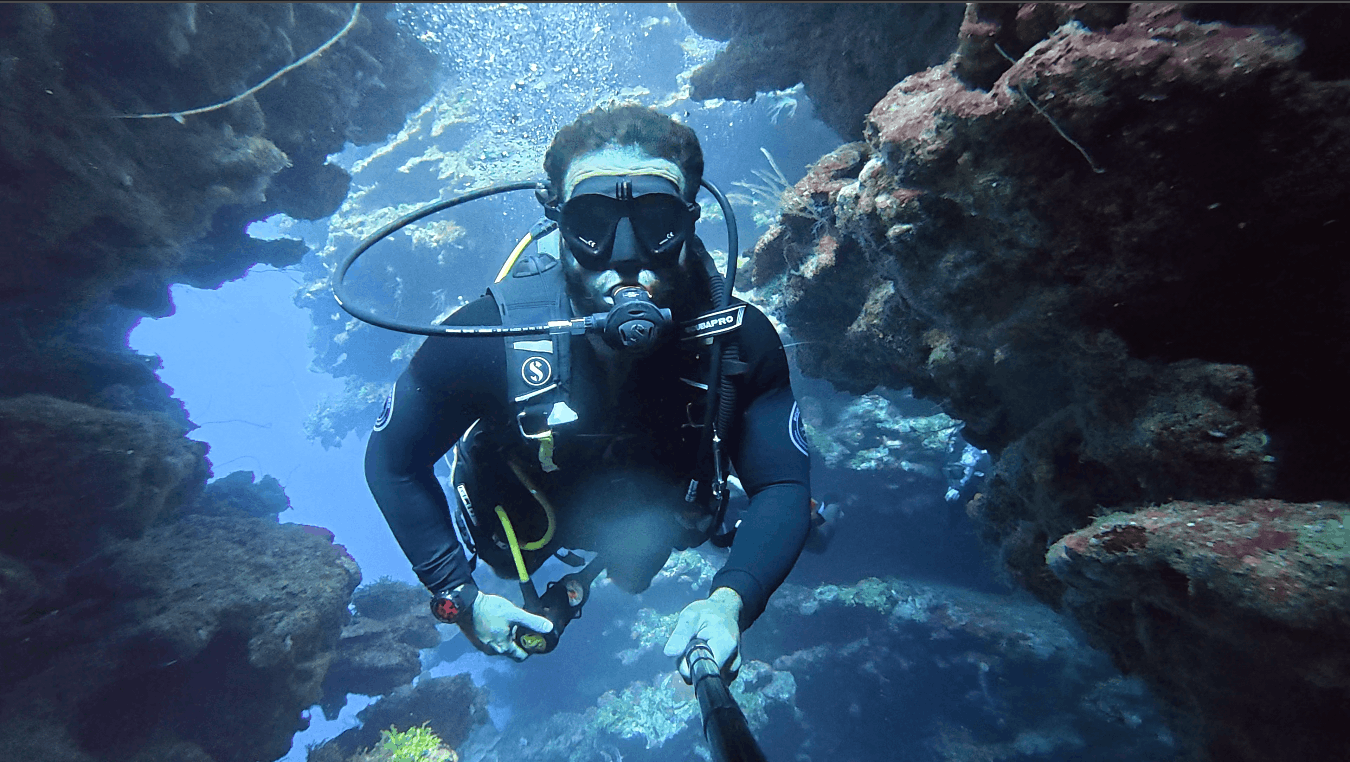
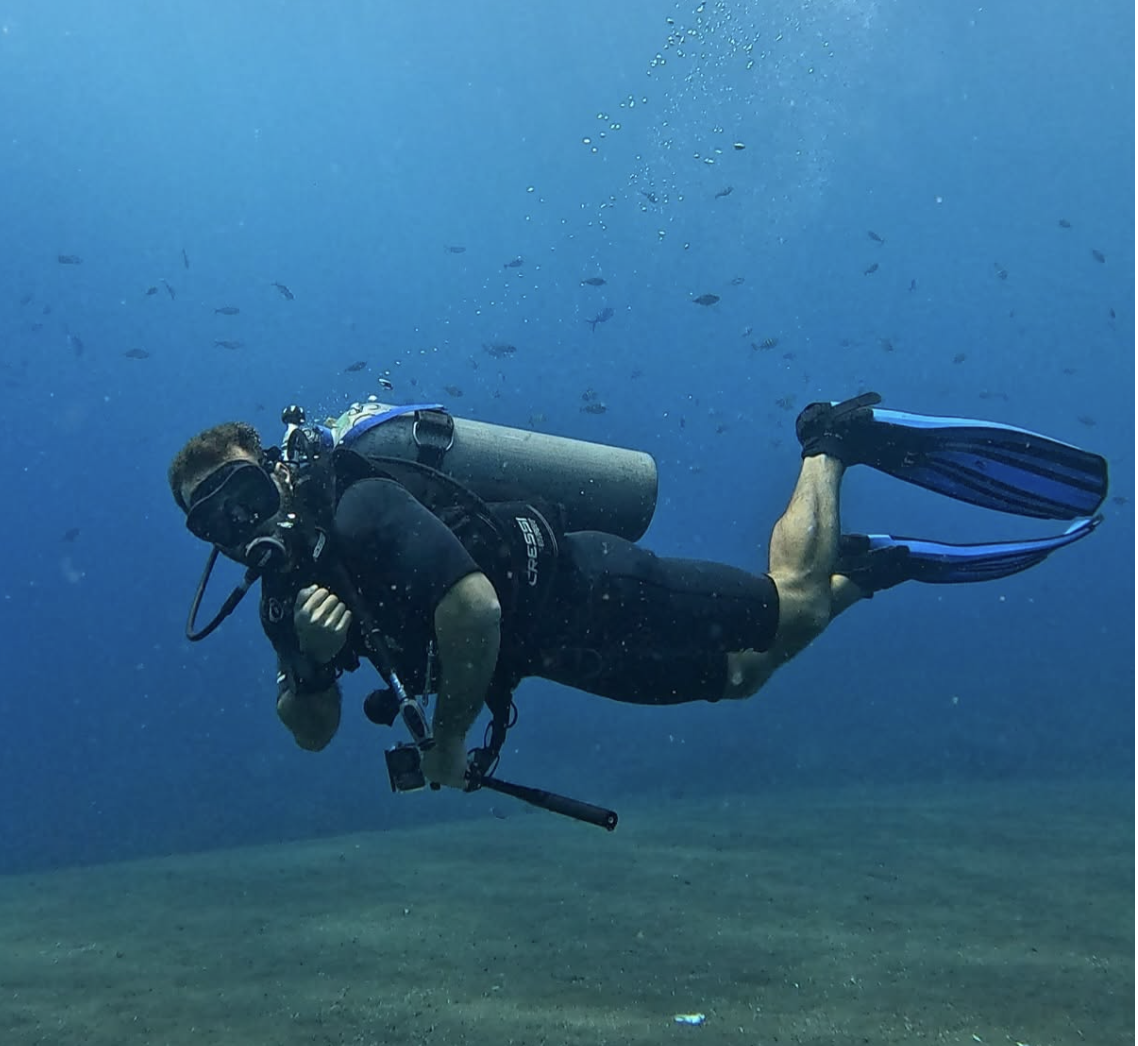
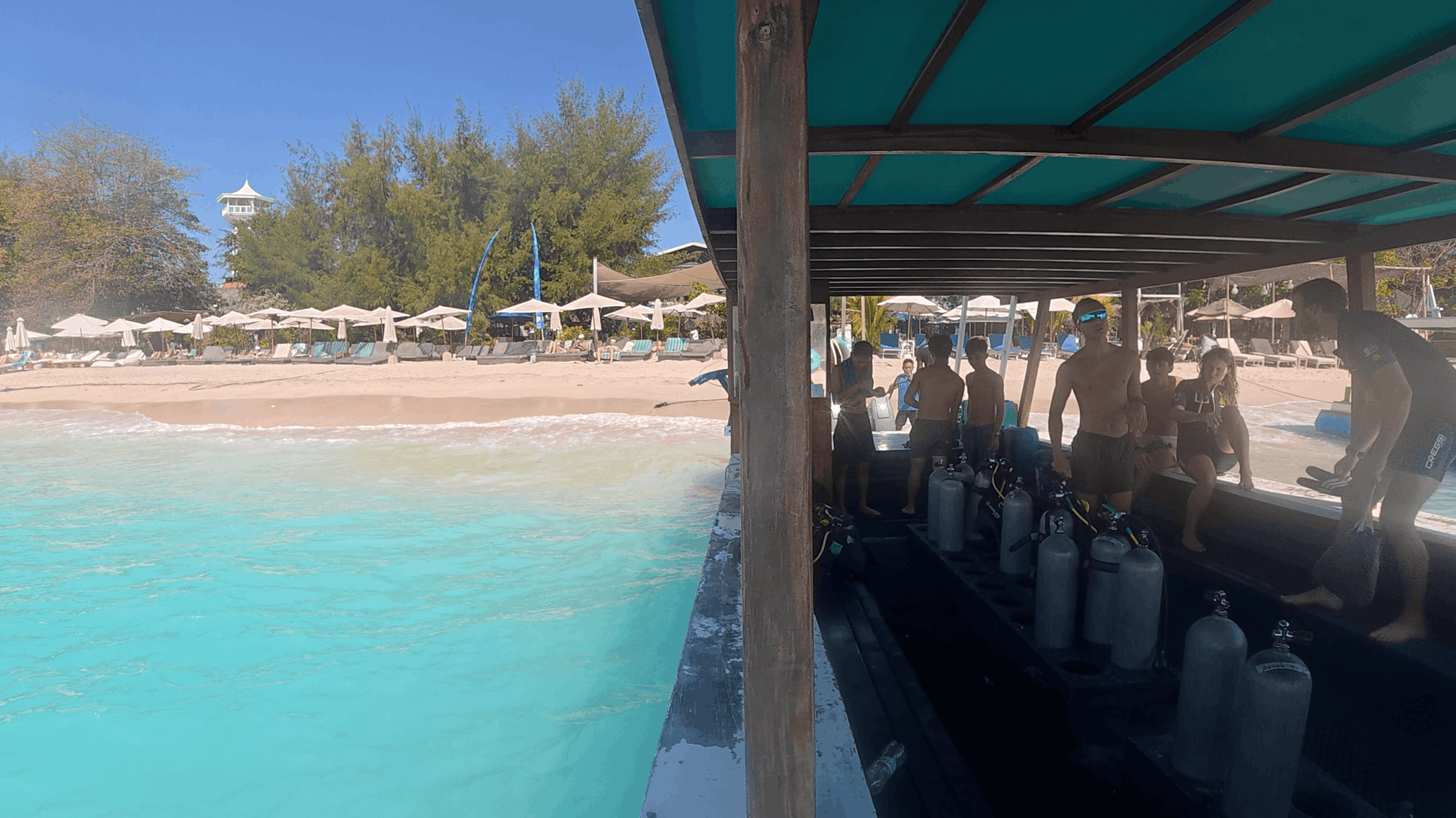
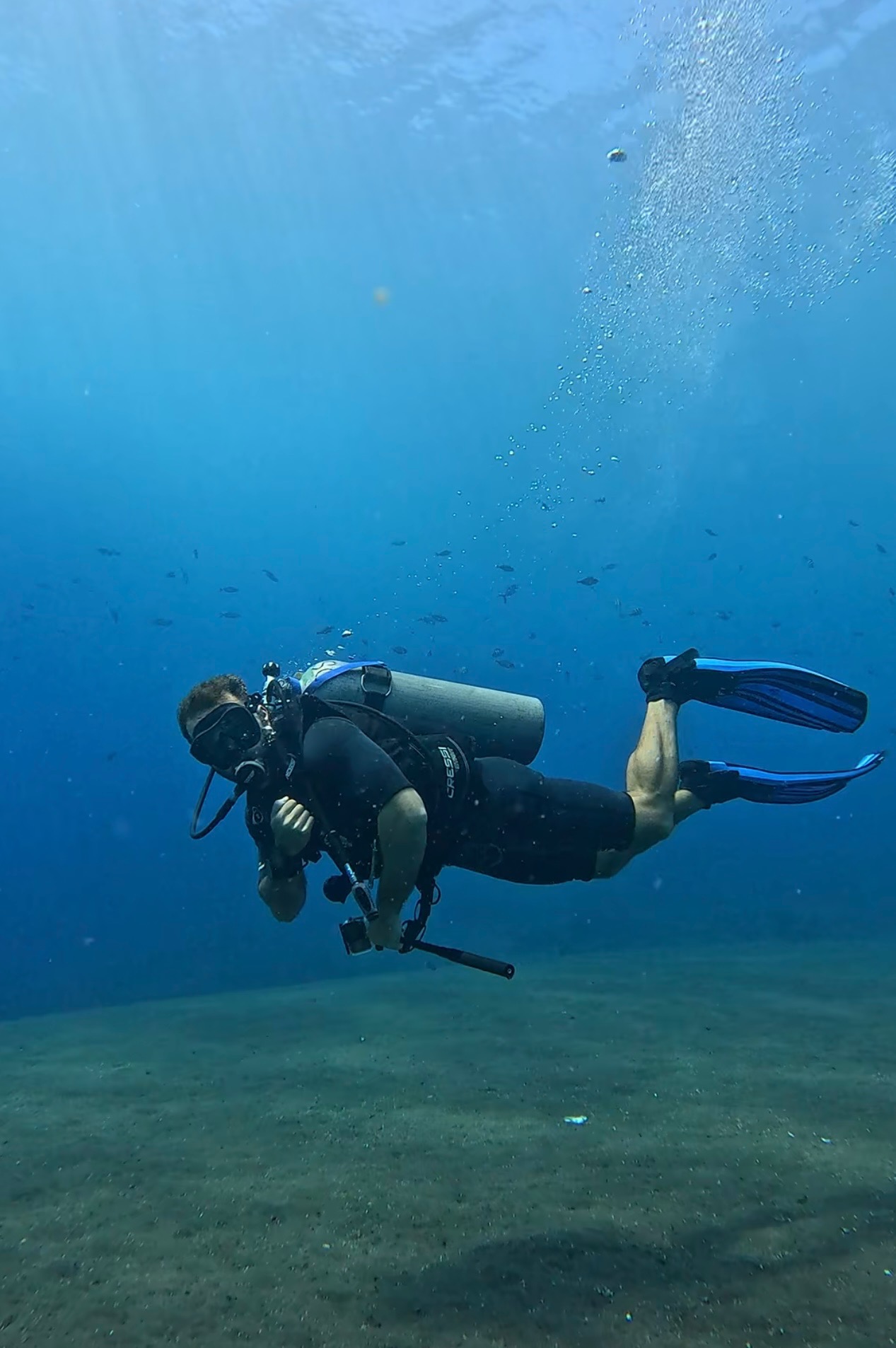
In July 2026, I spent a week diving out of Gili Trawangan, logging six dives across three different islands.
I'd been here once before, seven years earlier, when I did my Deep Diver and Nitrox certifications.
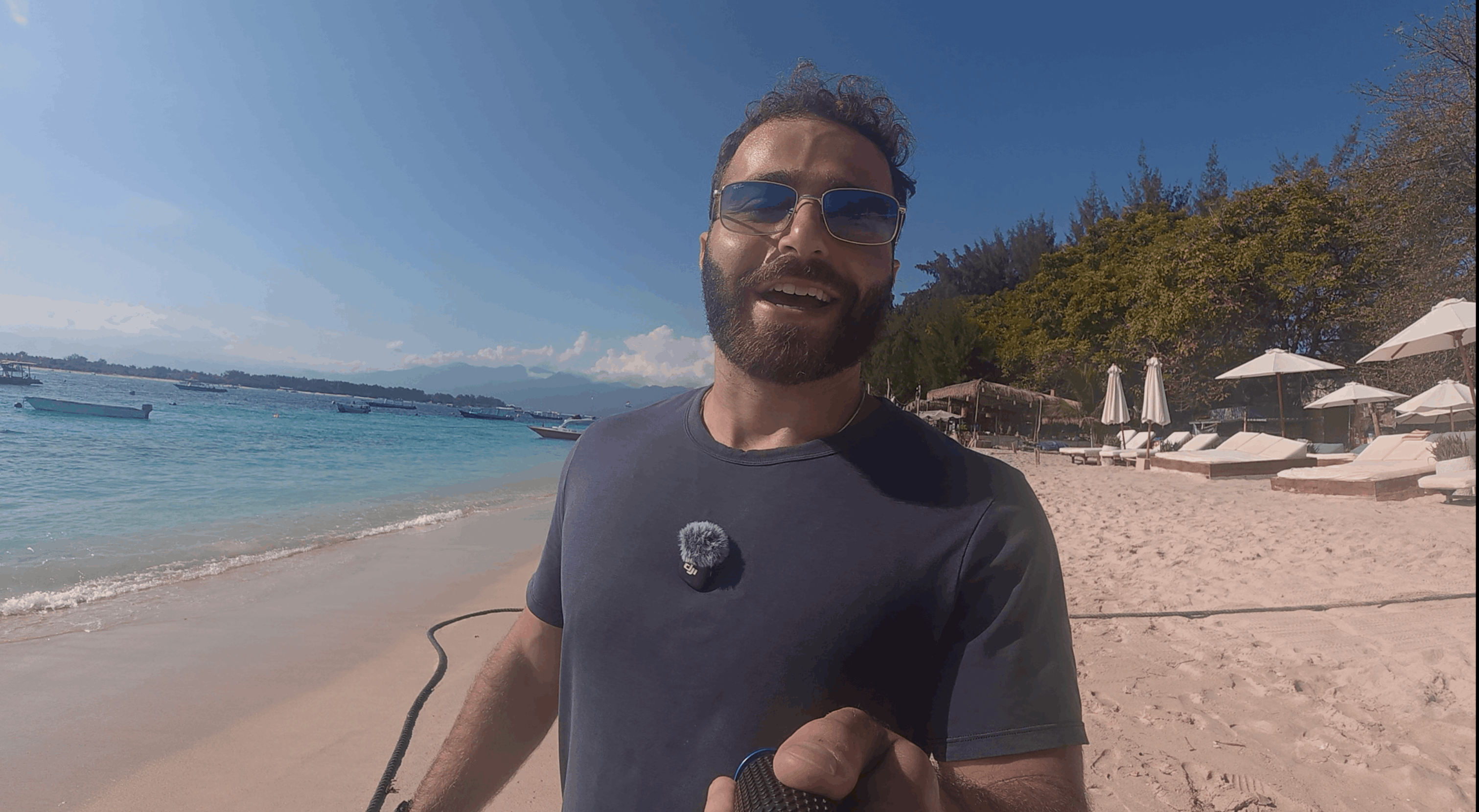
The Island
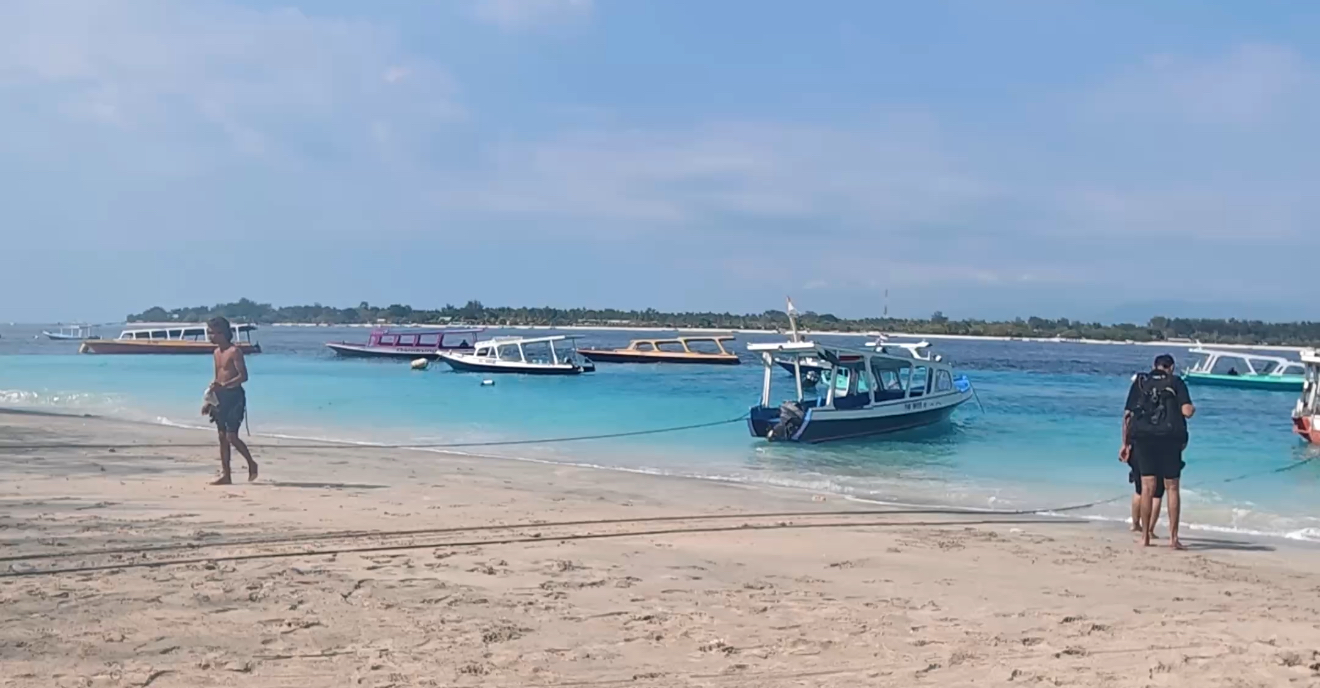
Gili Trawangan is the biggest and rowdiest of the three Gili Islands, sitting just off the northwest coast of Lombok
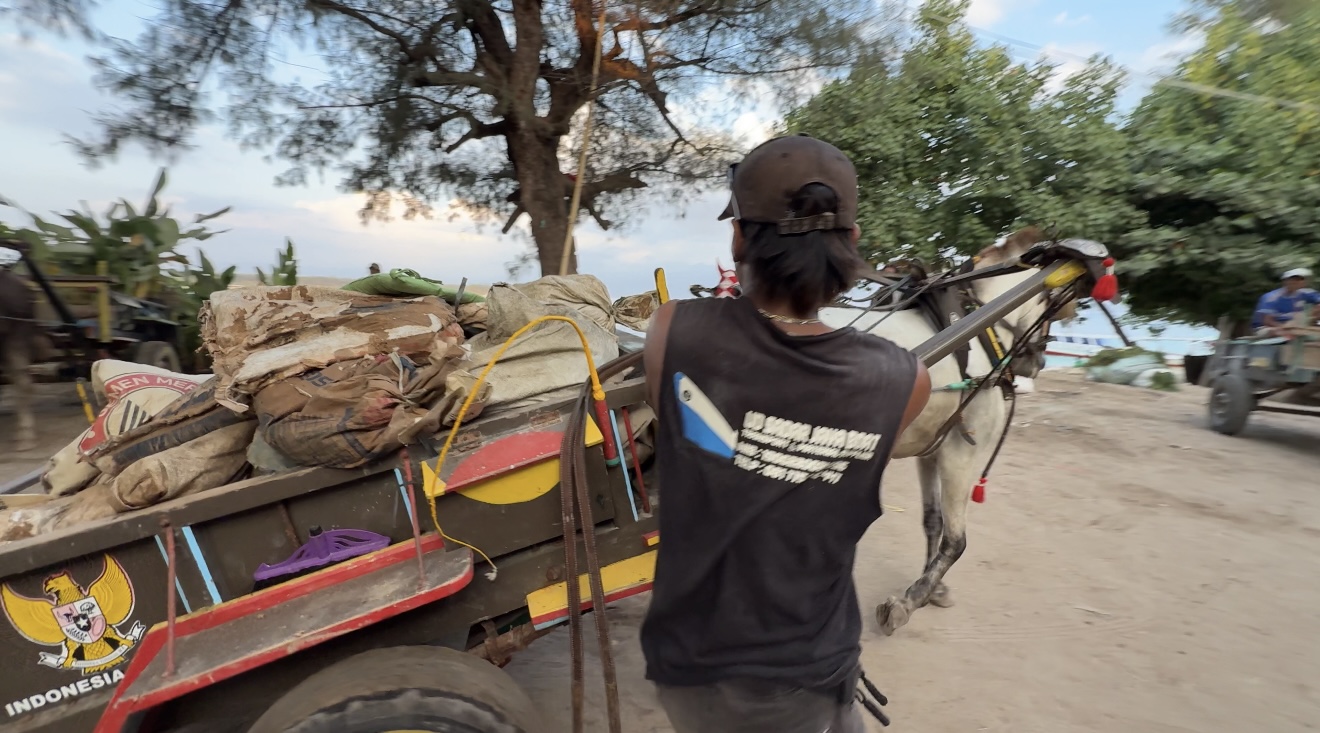
There are no cars and no motorbikes, nothing motorized on the island at all.

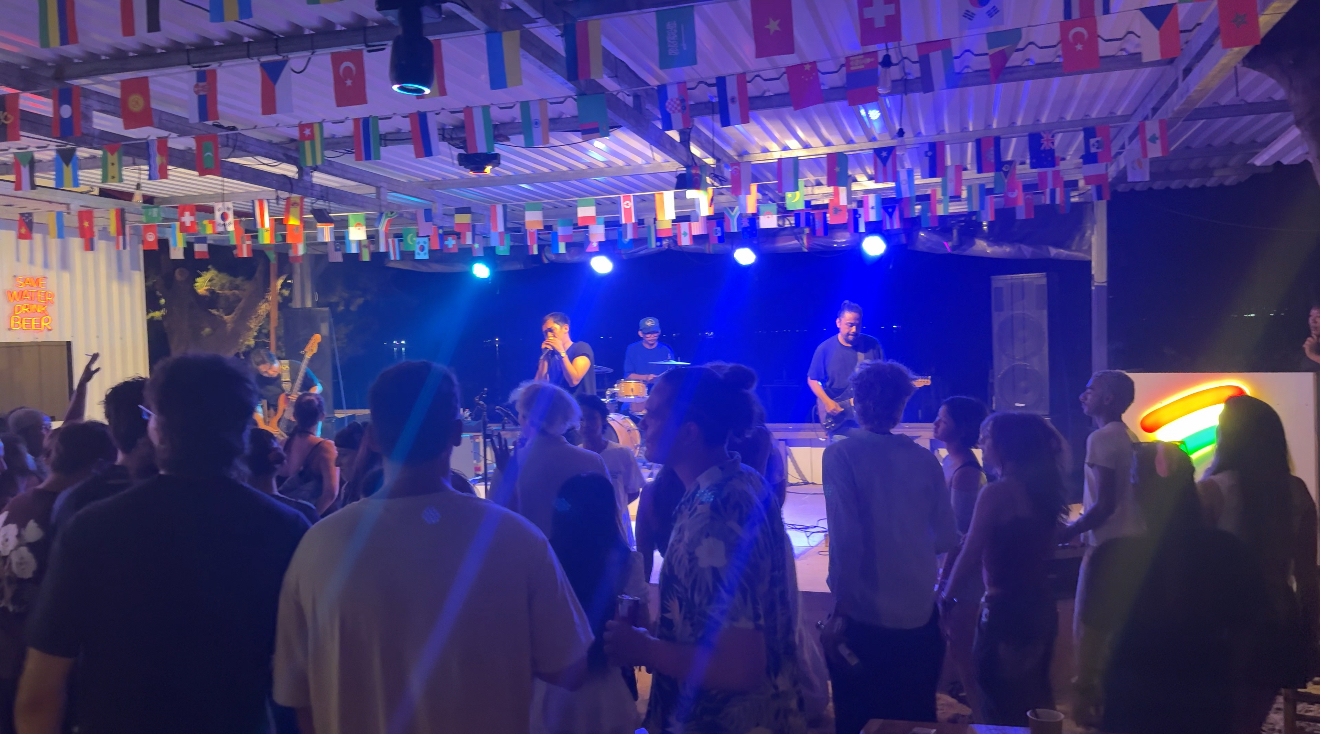
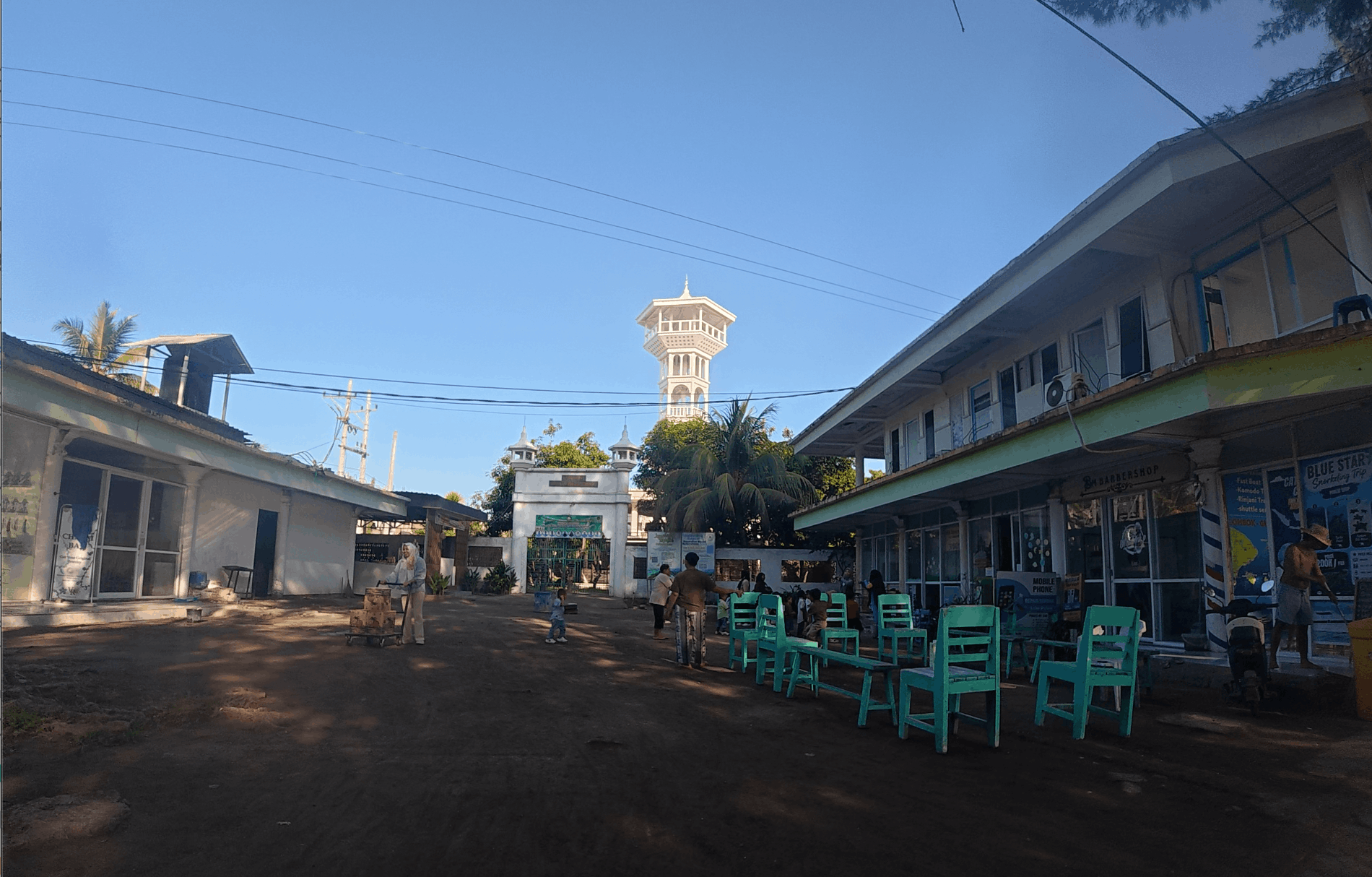
The water is a clean, saturated blue, and the beaches are some of the best I've seen.
Best Gili Trawangan Sites
Next, I'm going to cover the dive sites I did around the Gilis. After the sites I dove myself, I'll include one I didn't get to but heard great things about.
Best Shark Dive: Shark Point
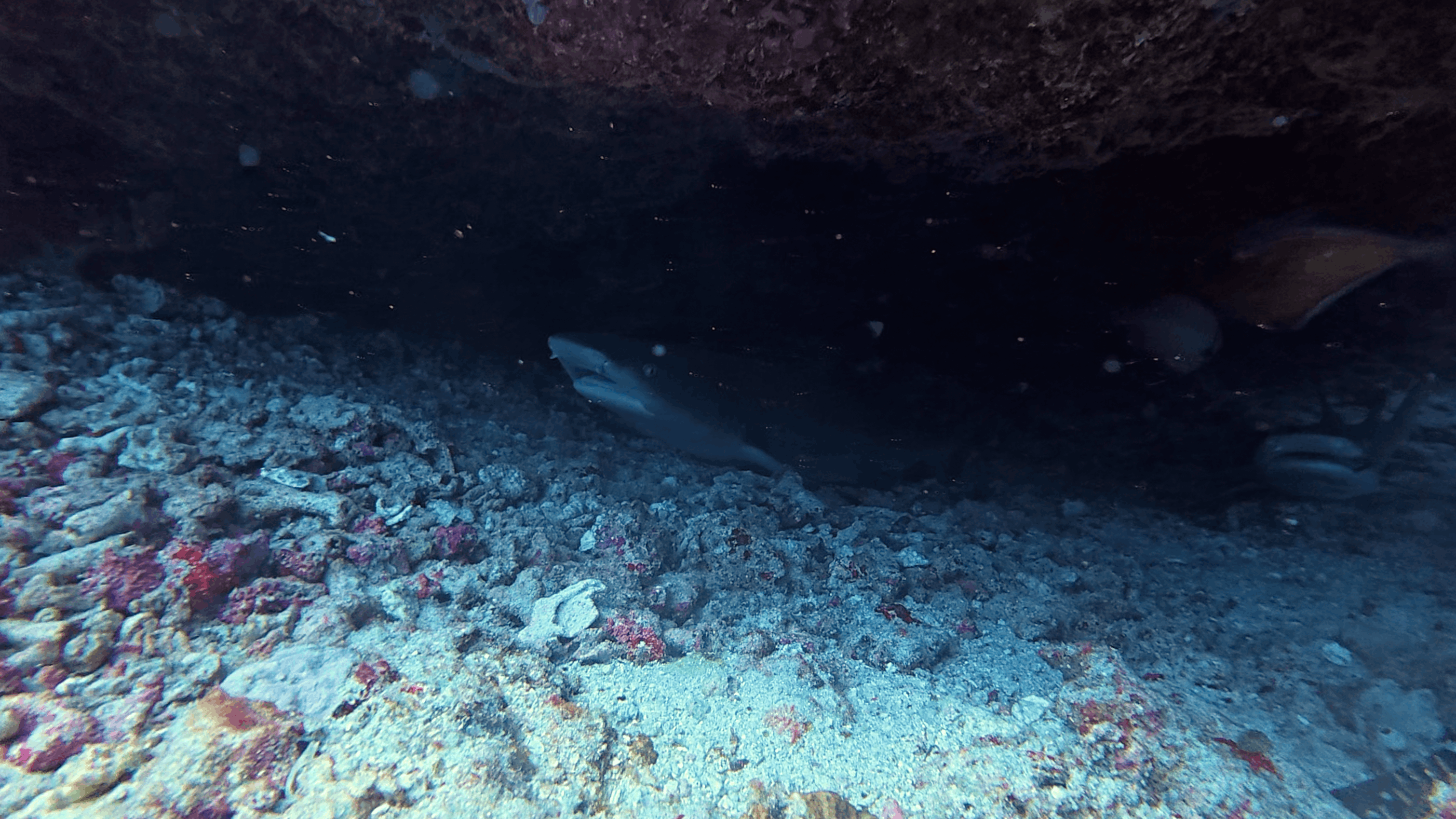
Shark point is one of the most famous dive sites in Gili Trawangan. Whitetip reef sharks resting under ledges and cruising open water.
Intermediate-to-advanced despite how popular it is, not a beginner site.


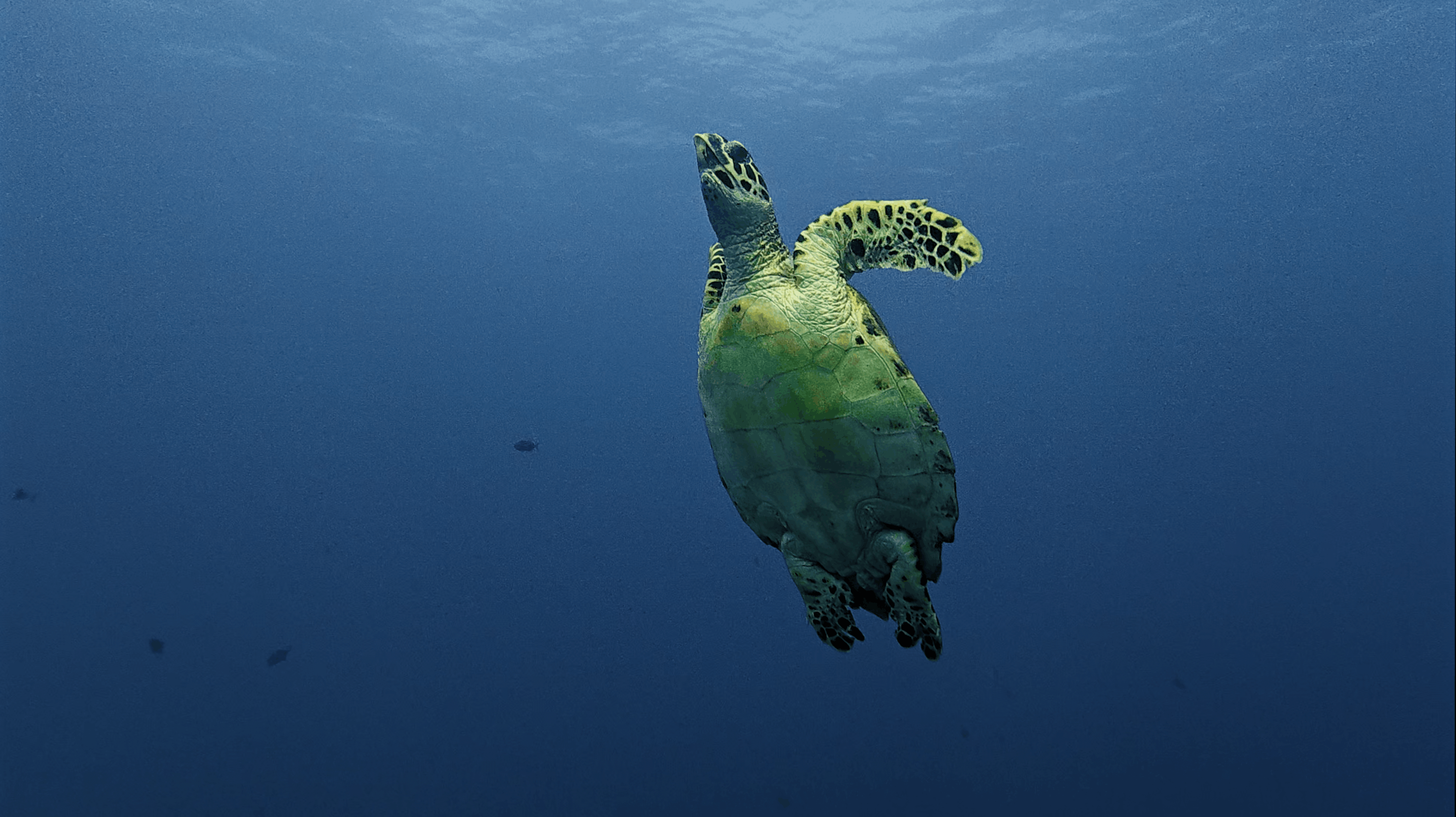
Strong Current Drift: Halik

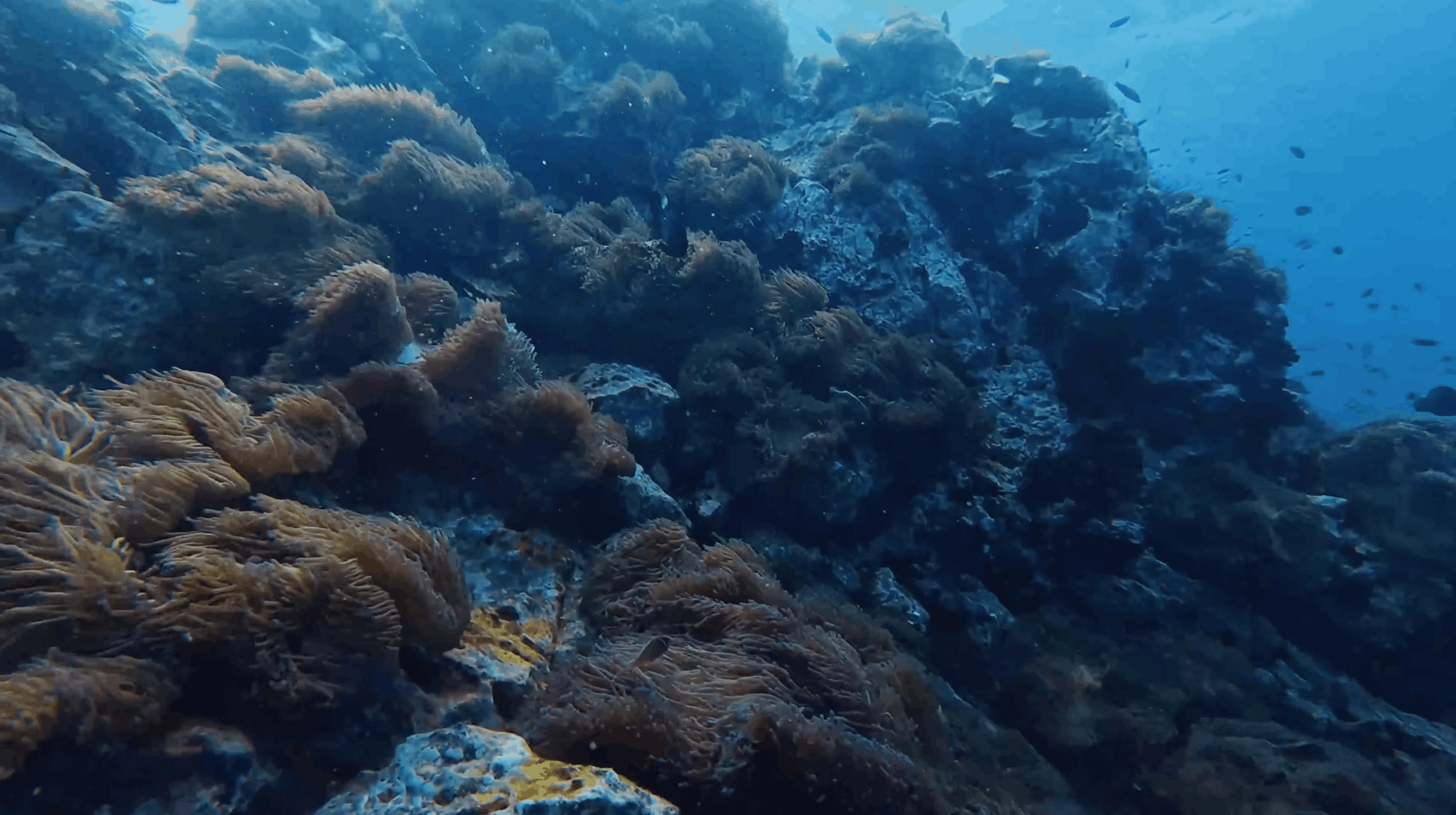
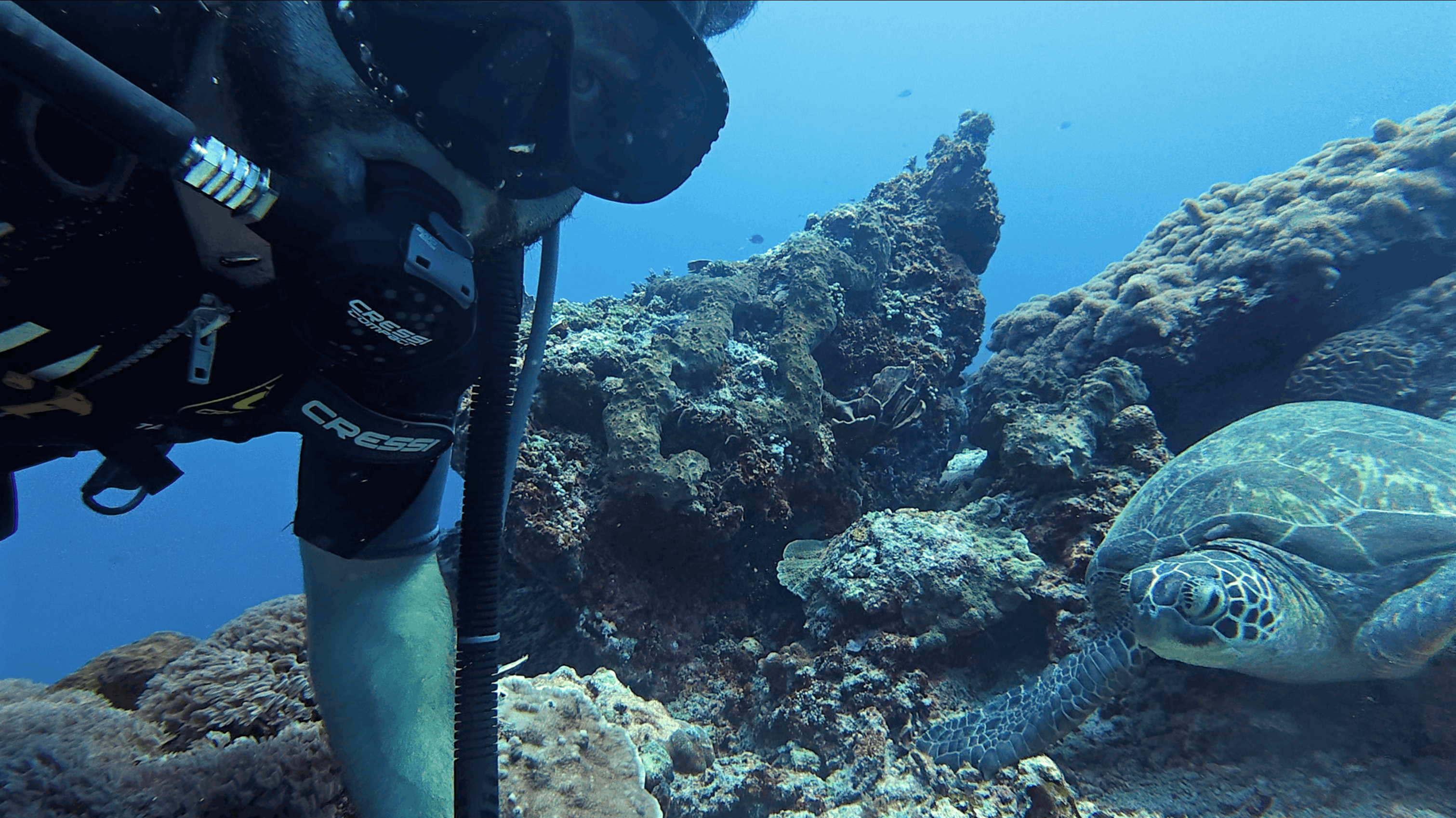
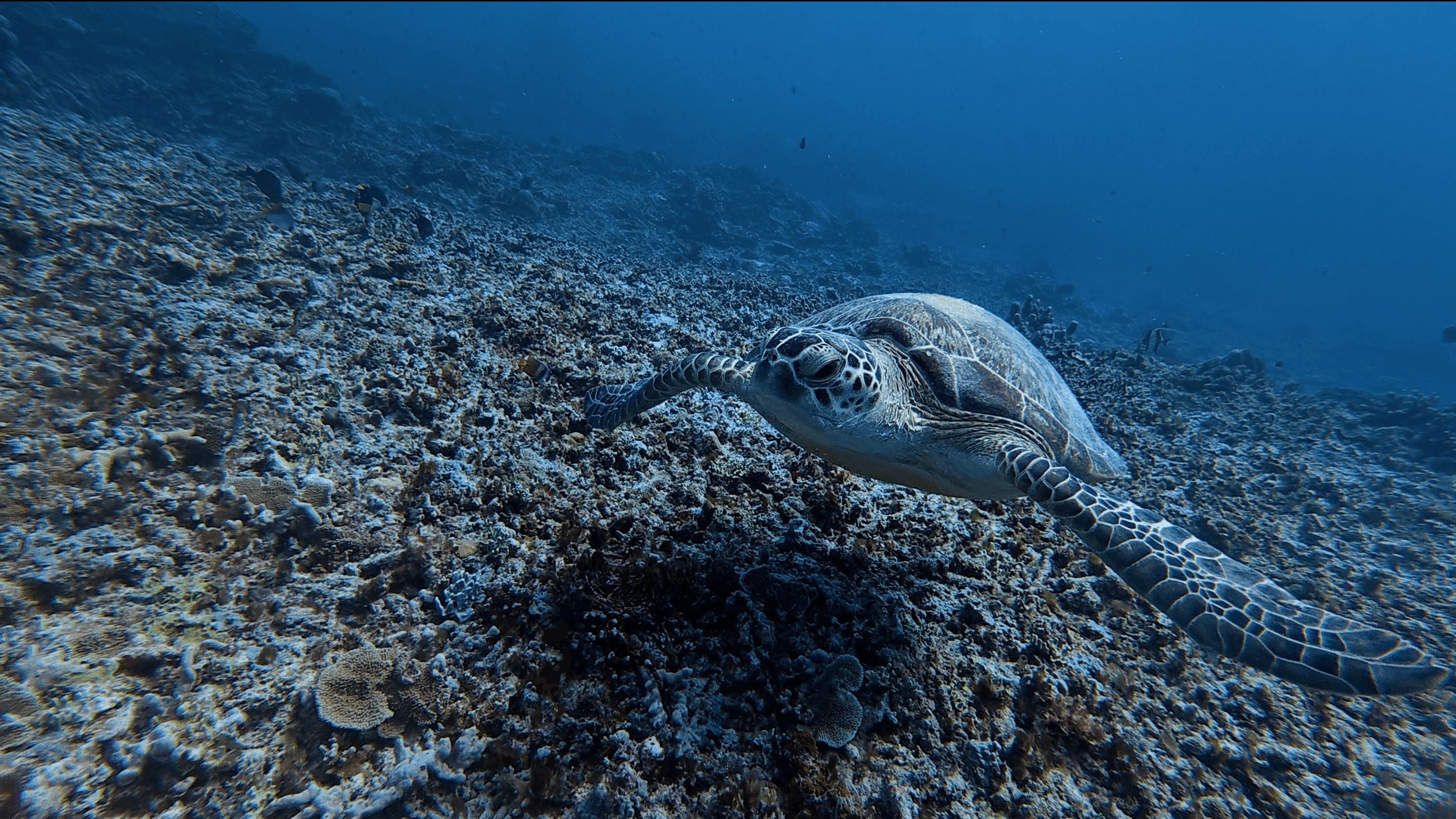
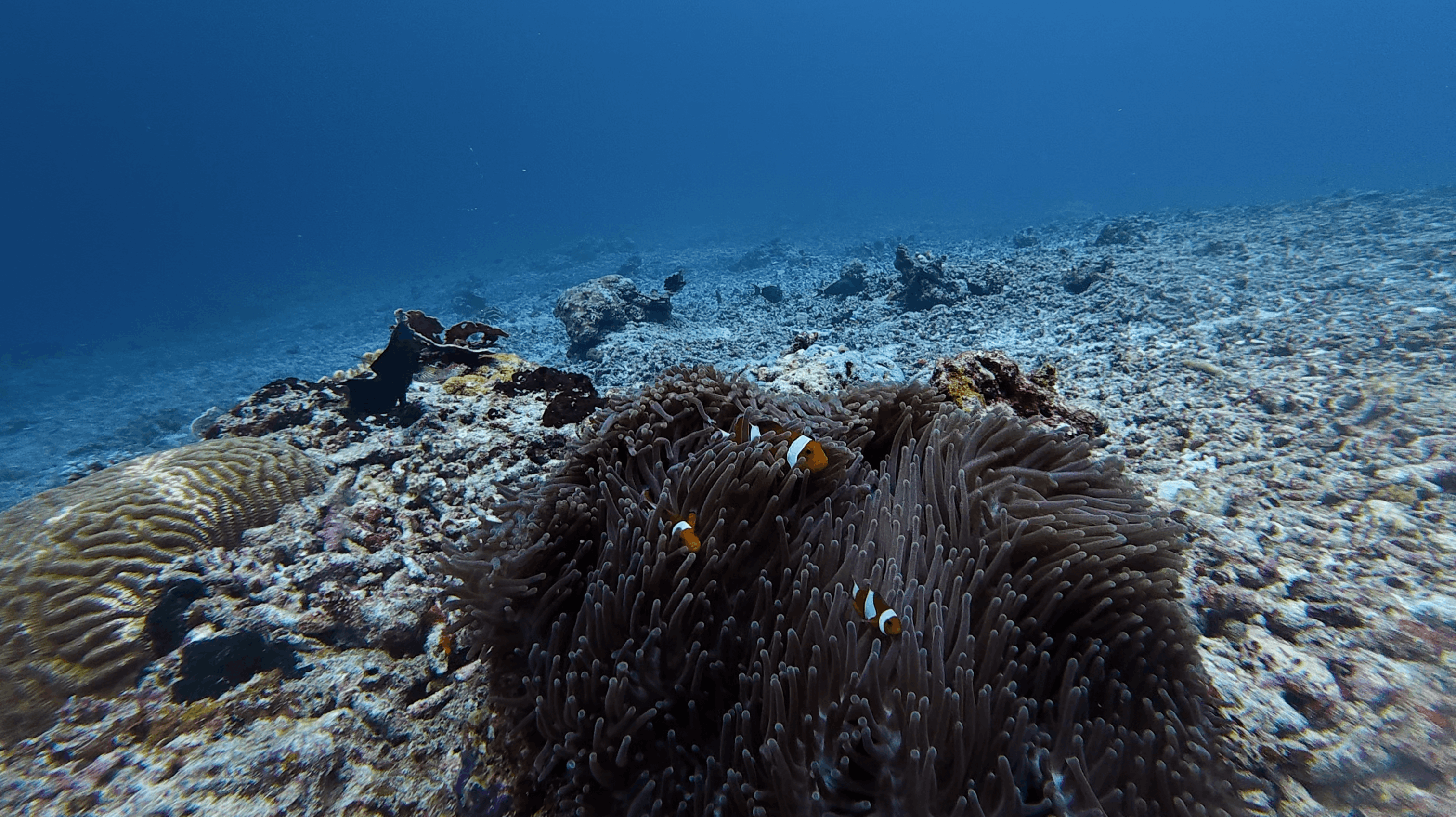
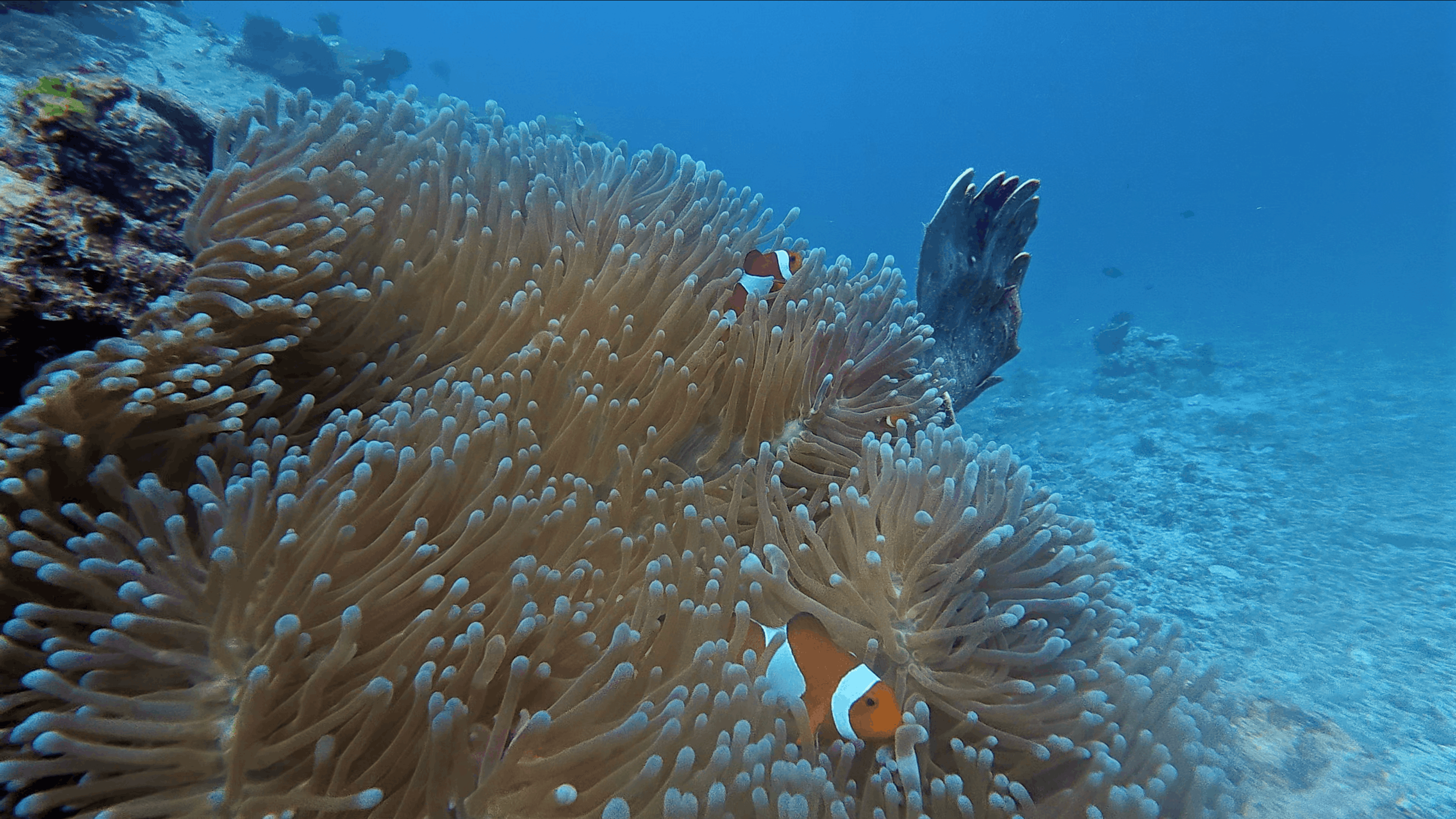
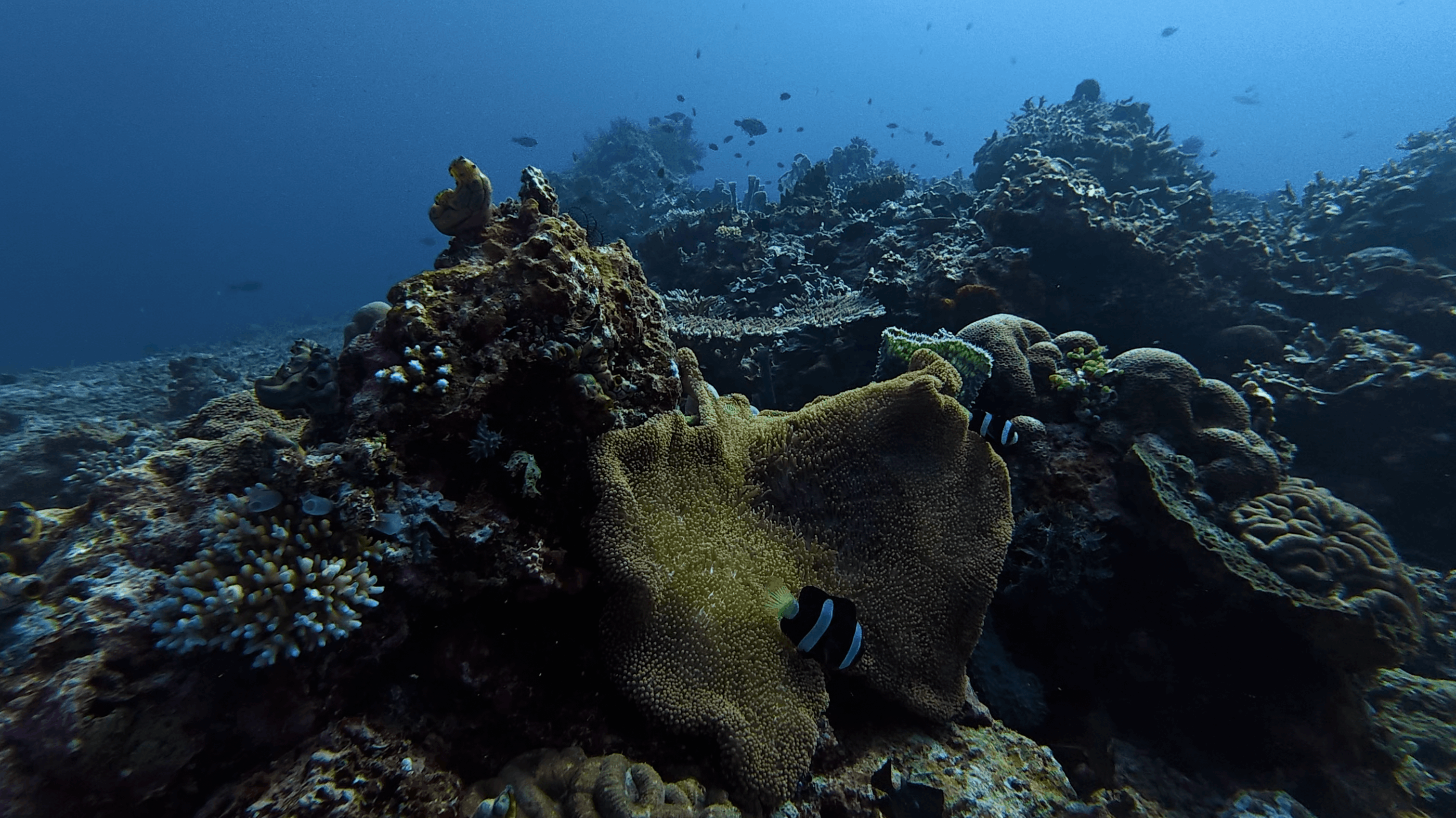
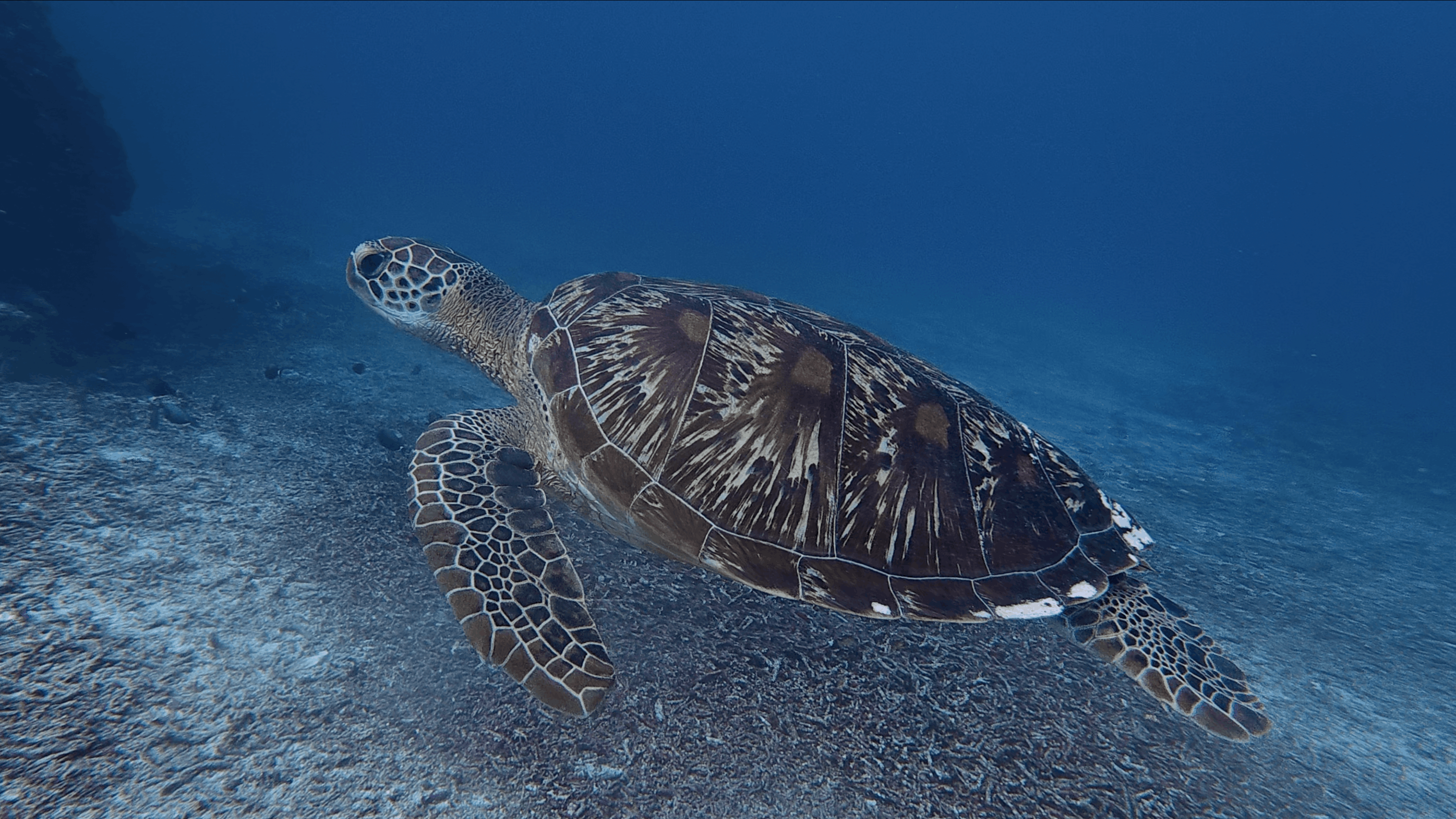
I dove Halik as a drift dive. I saw six to seven sea turtles, clownfish in anemones, soft coral.
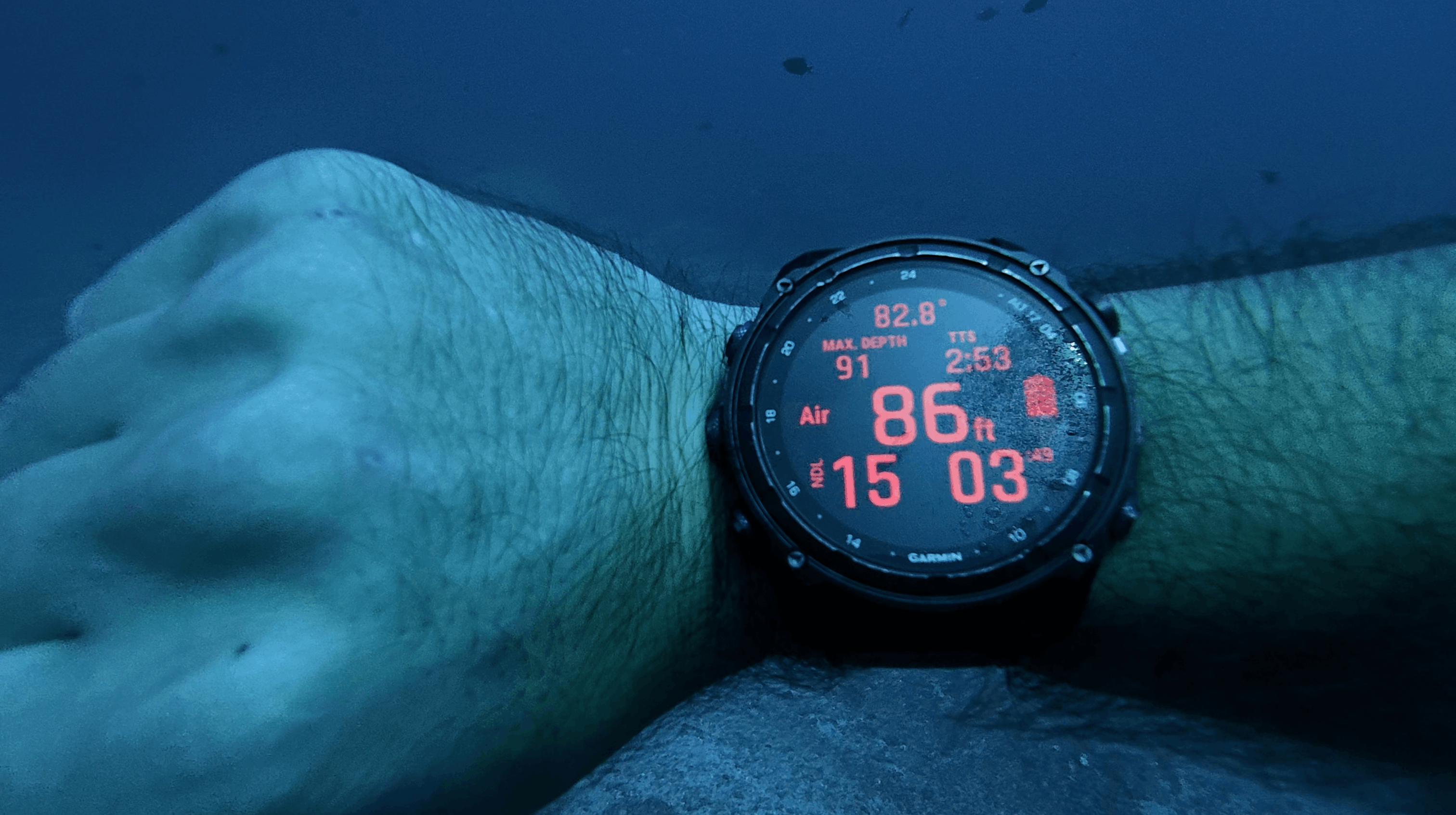
Current was strong the entire dive, strong enough that chasing anything for a photo was a losing battle.


Best Wreck Dive: Gili Meno Bounty Wreck
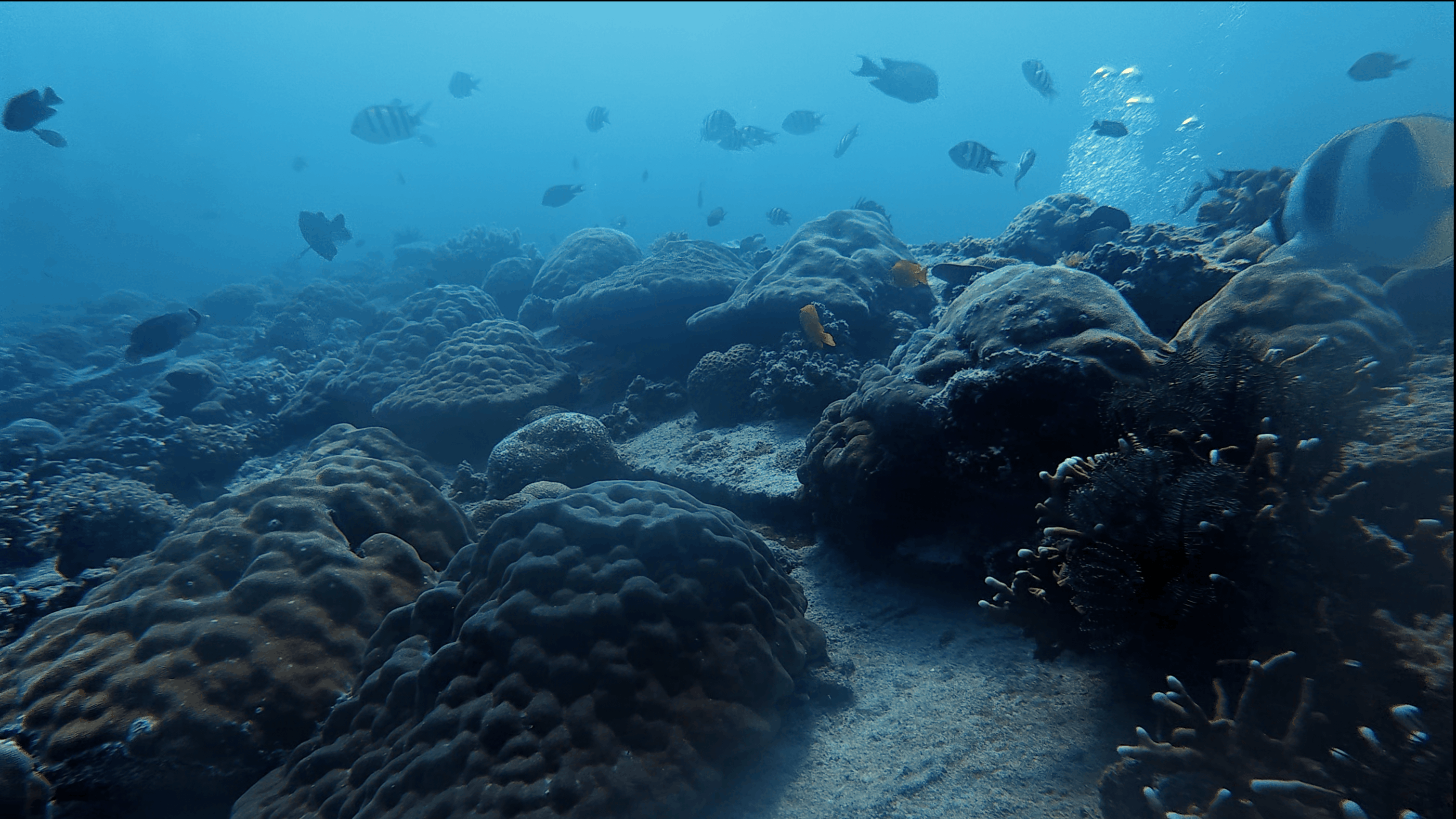
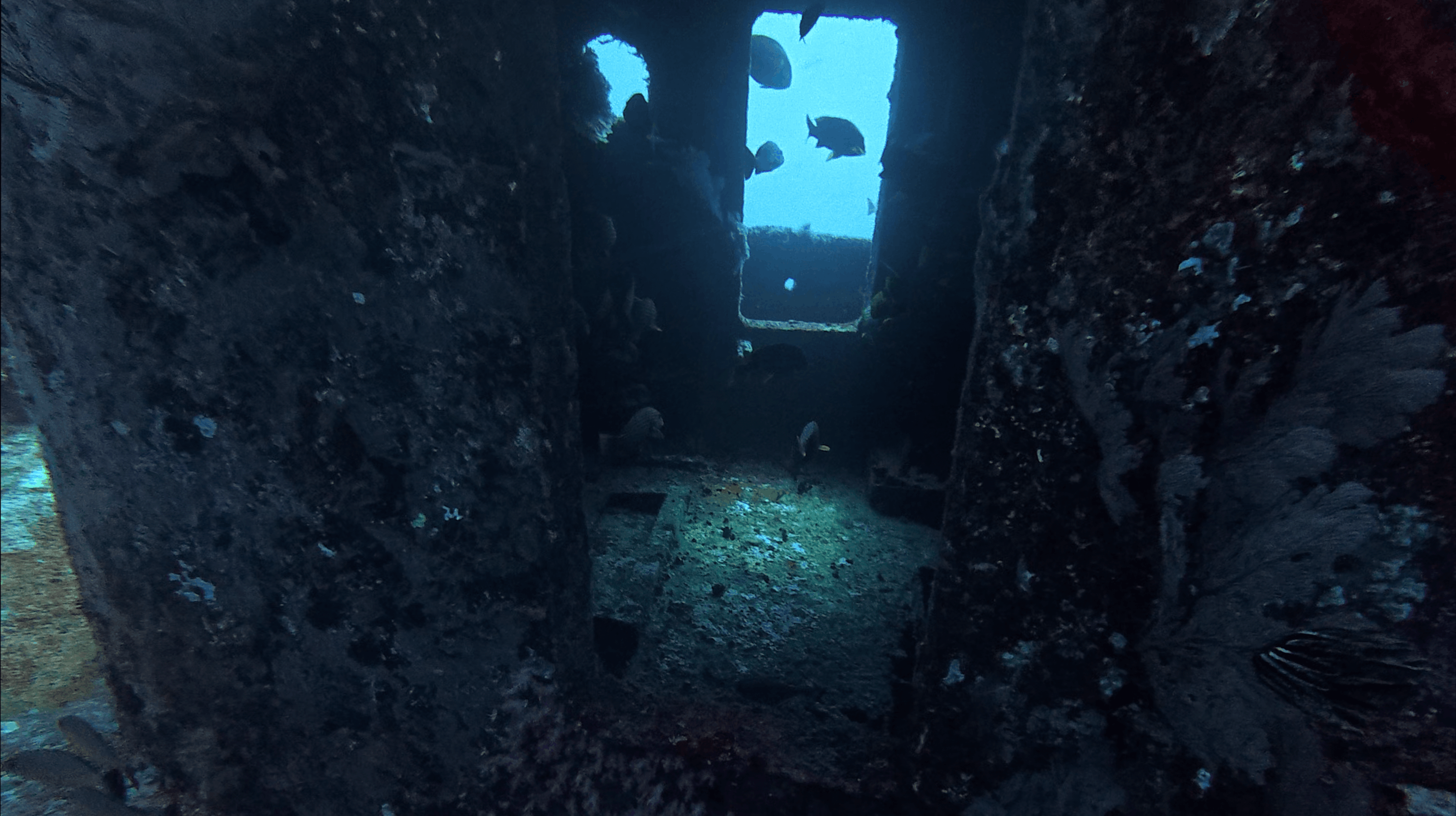
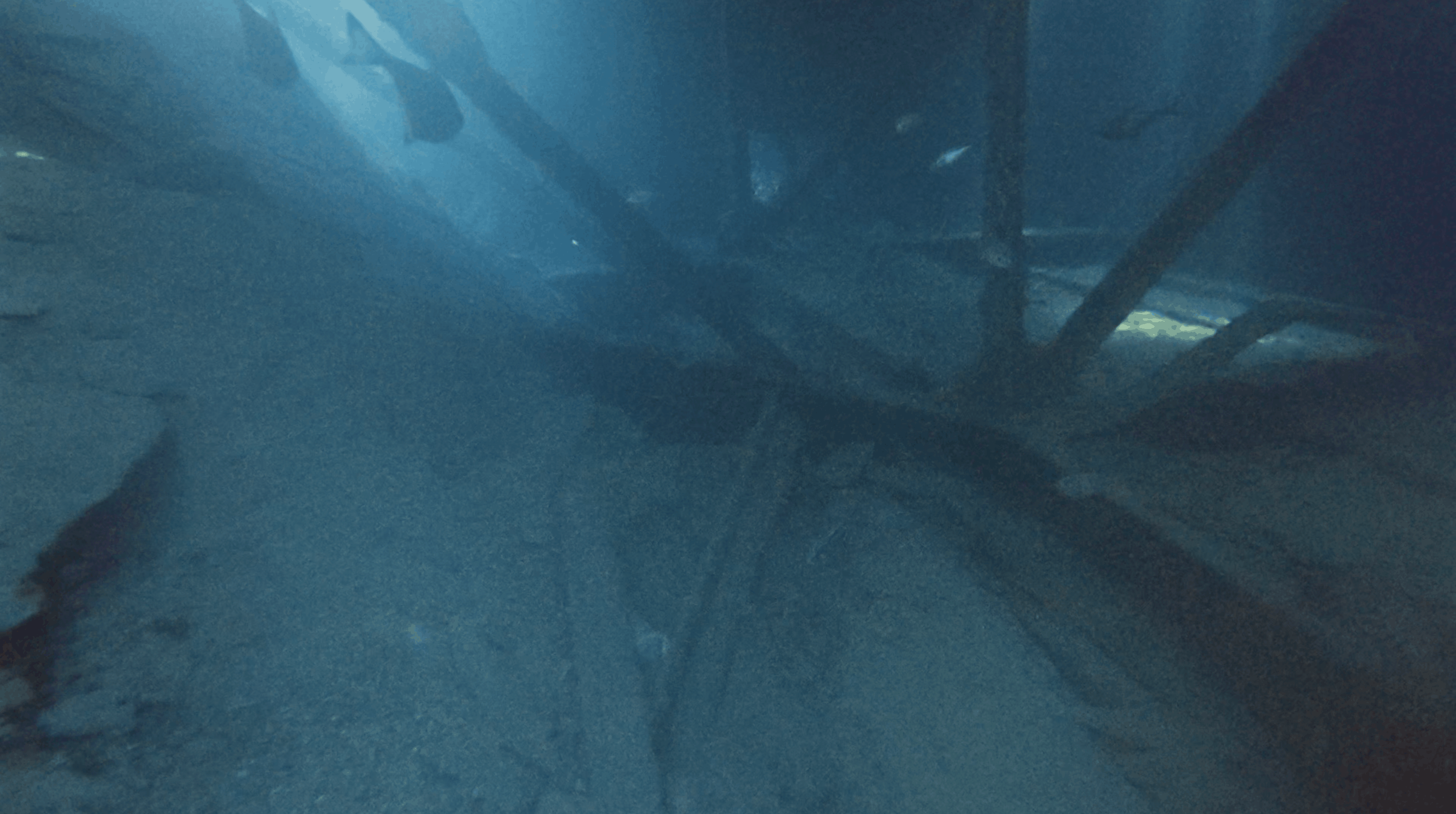
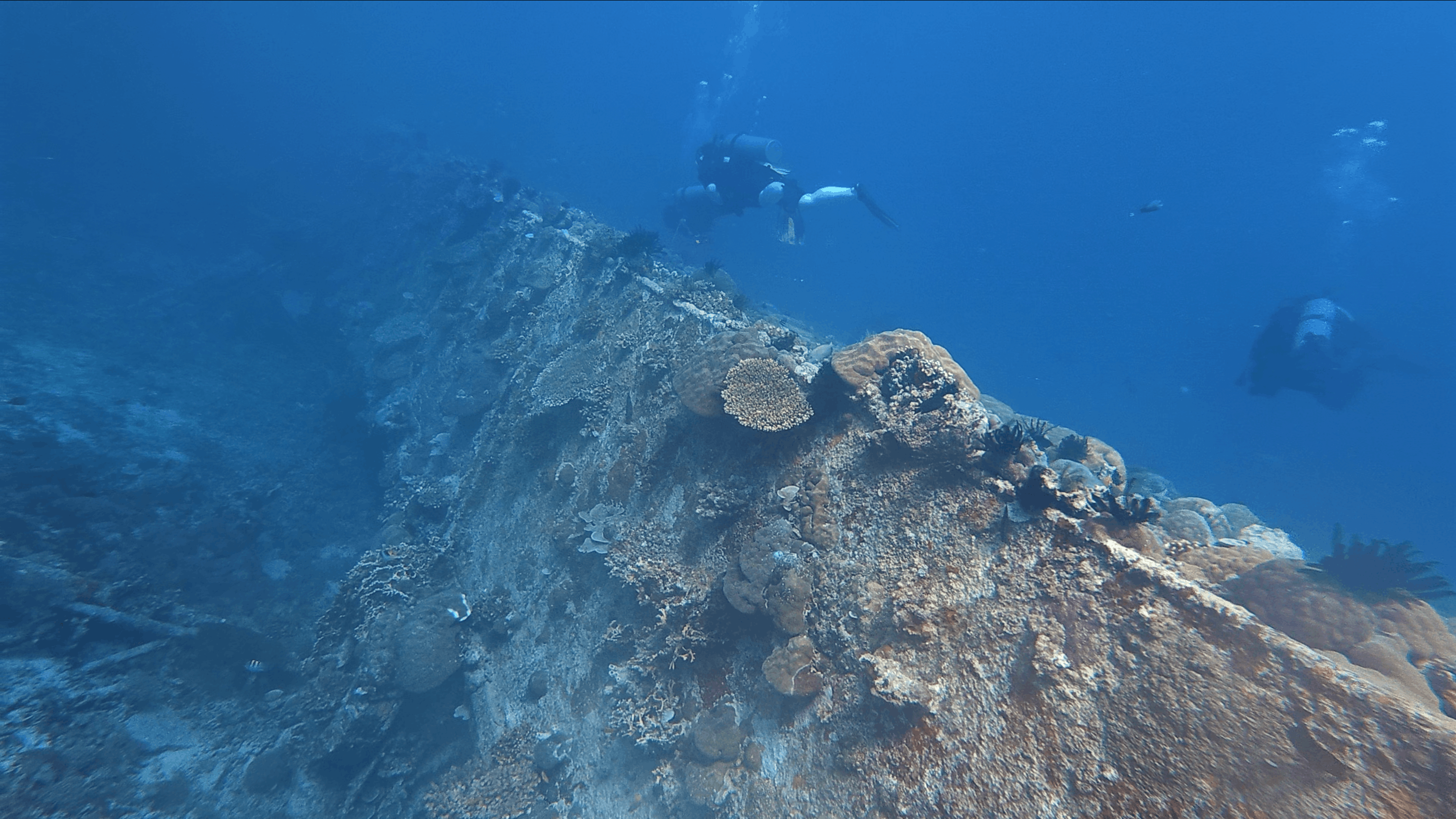
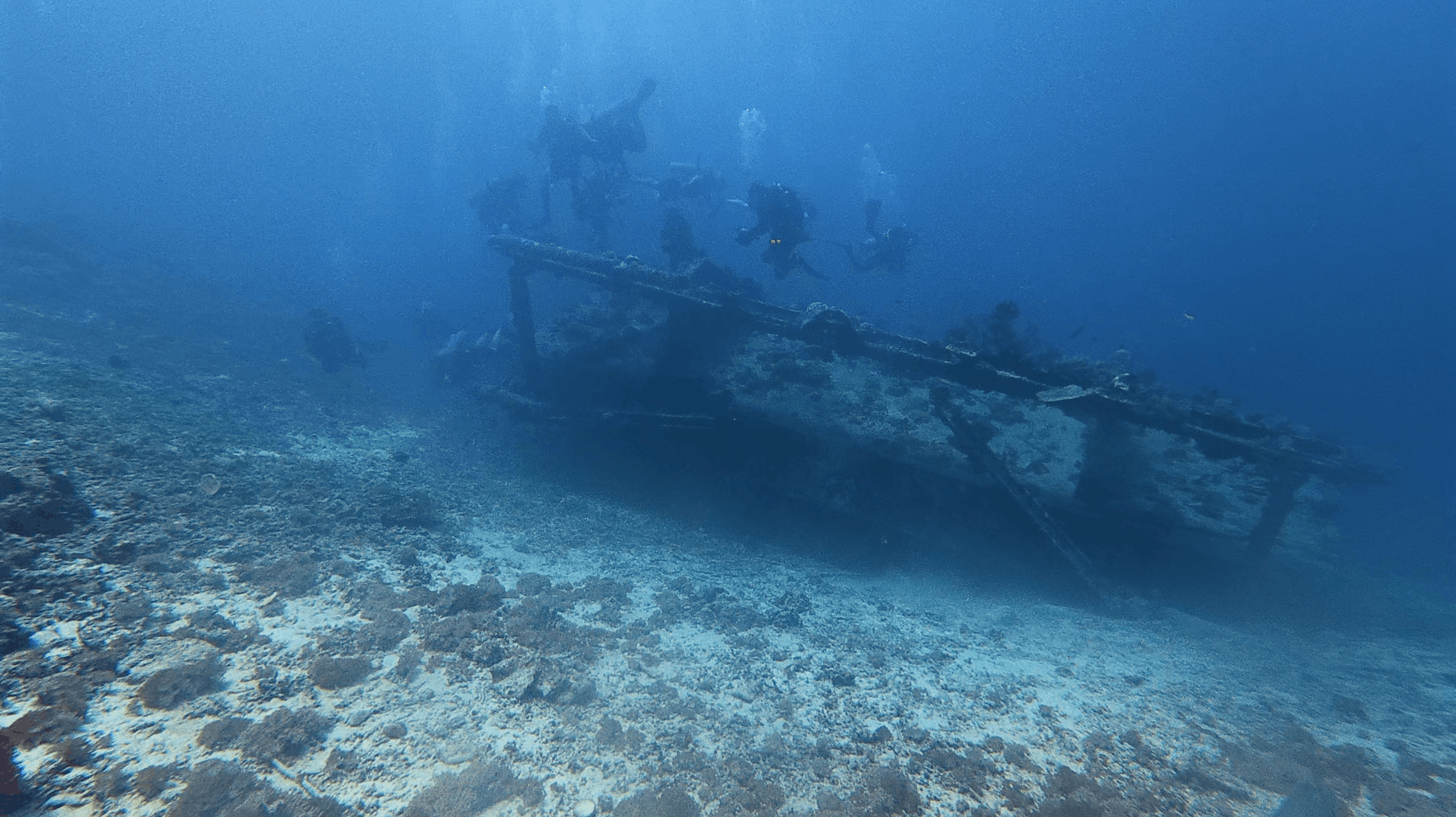
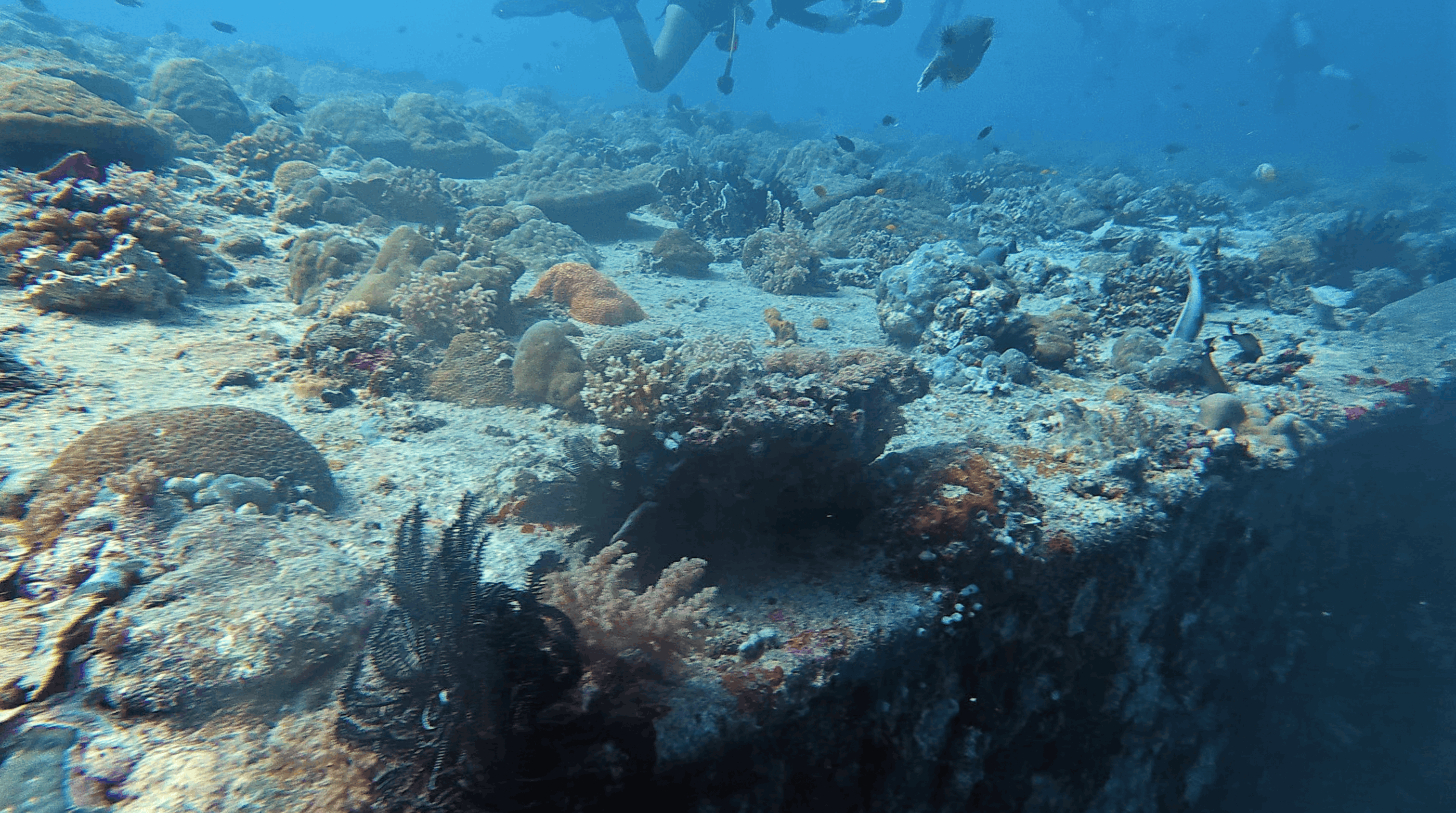
The Bounty Wreck was once a floating dock, now an artificial reef, sunk in 1999. Soft coral coverage, angelfish, schooling fusiliers, butterflyfish, turtles, and whitetip reef sharks near the table corals. Mild current, gentle drift onto the wreck.
Popular enough that it was crowded with other divers when I was there.
Best Reef Dive: Hidden Reef
Hidden Reef was one of my favorite dive sites this trip.
It's a coral slope in the channel between Gili Meno and Gili Air.
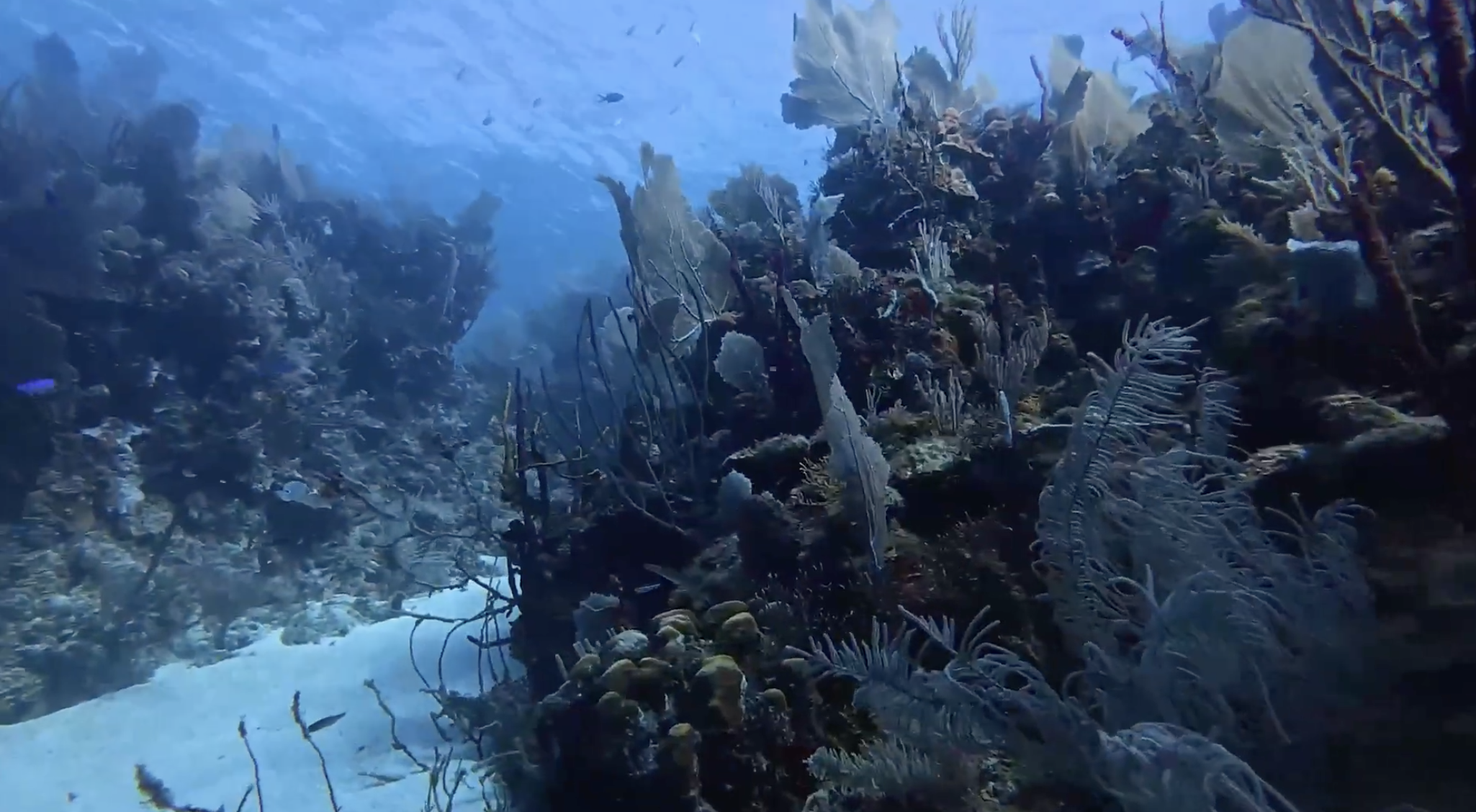
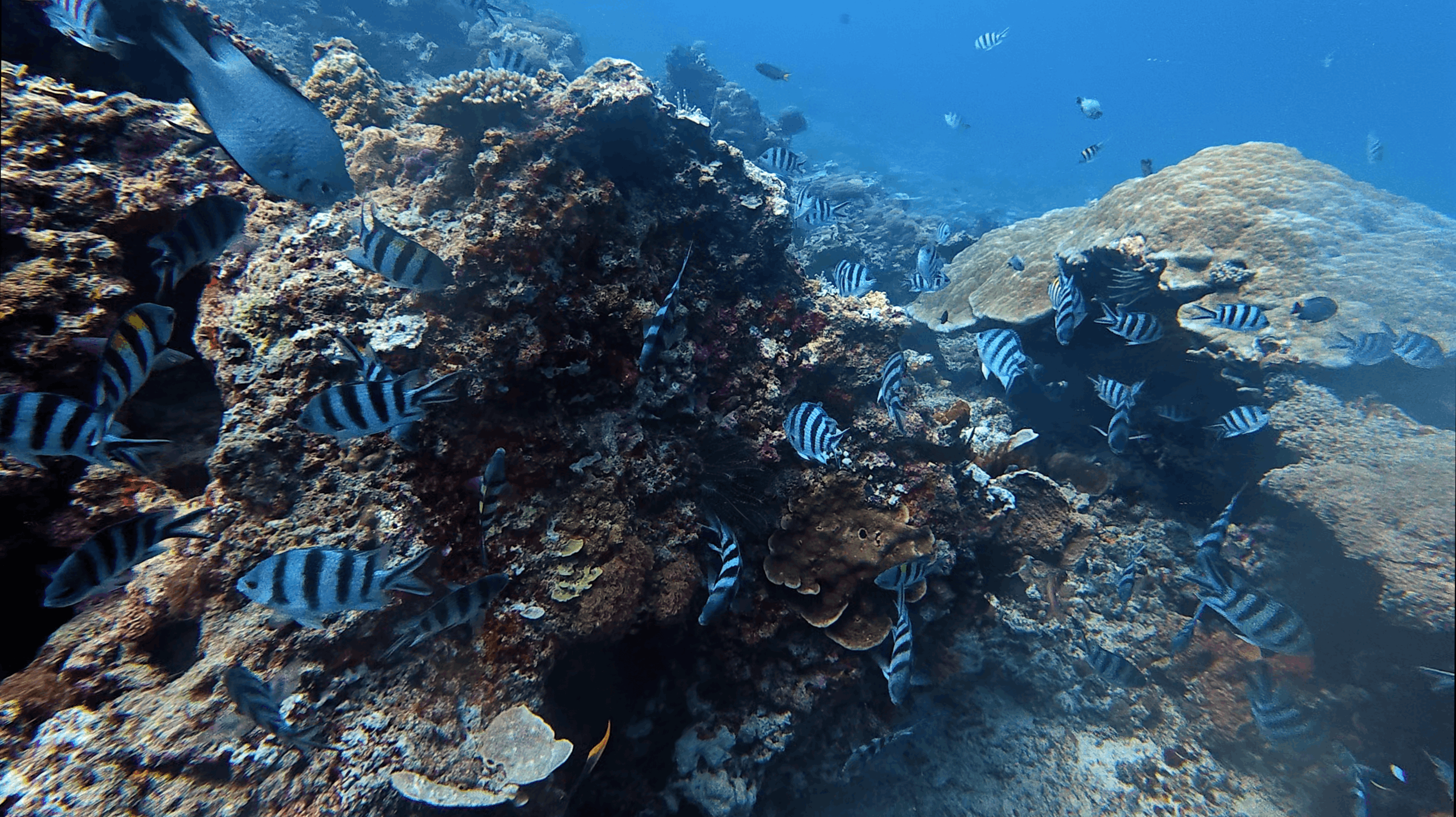
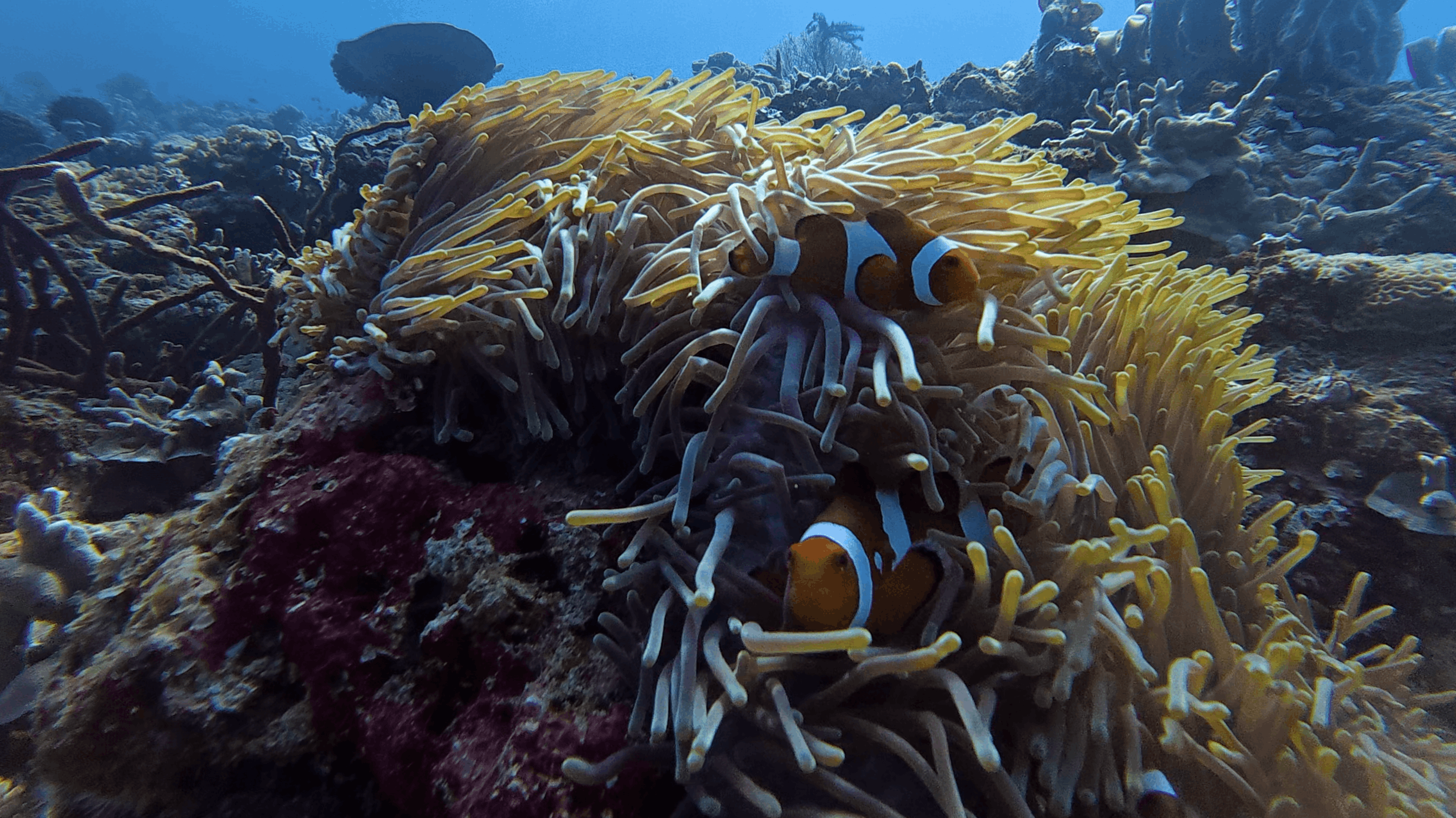
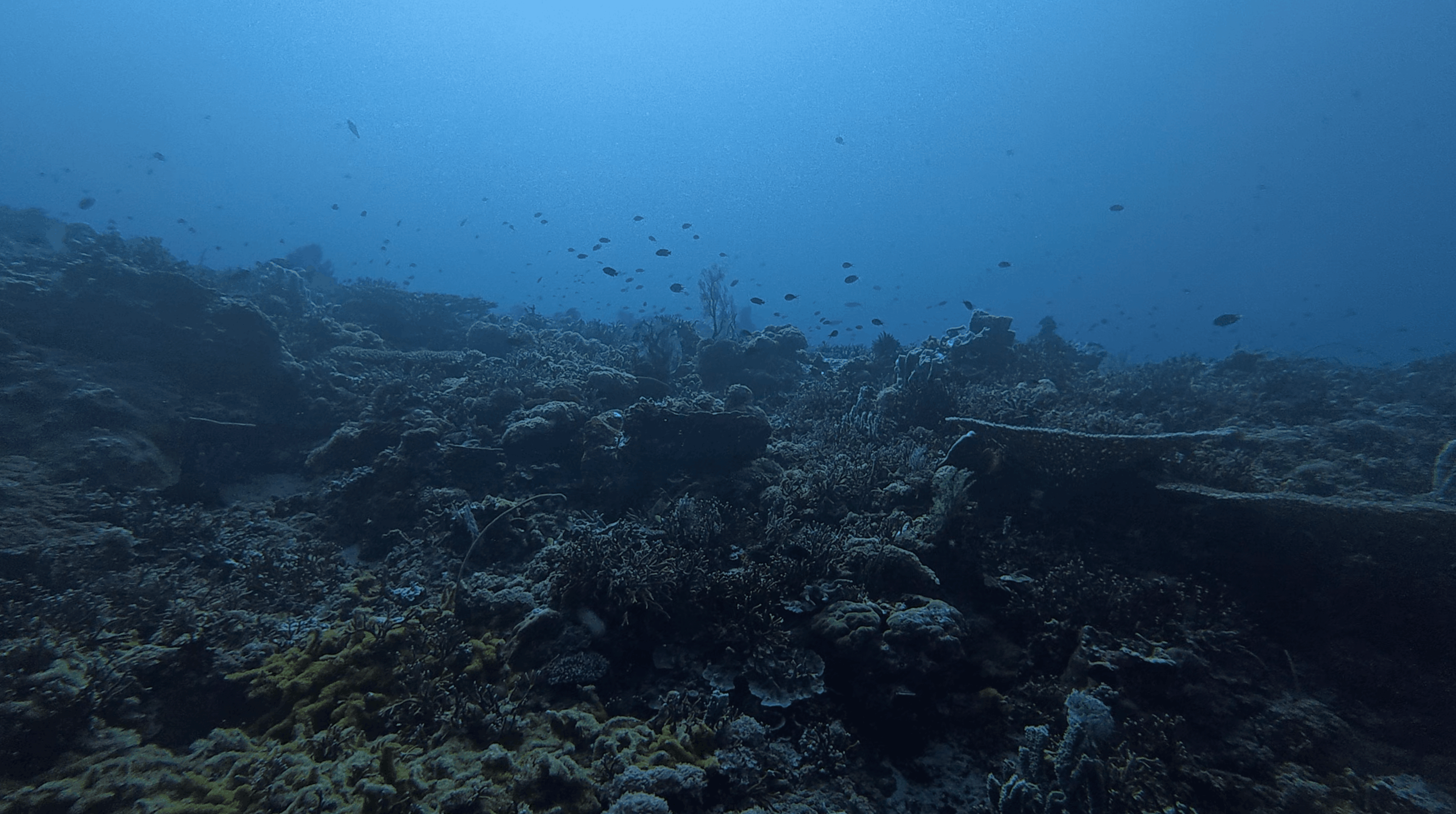
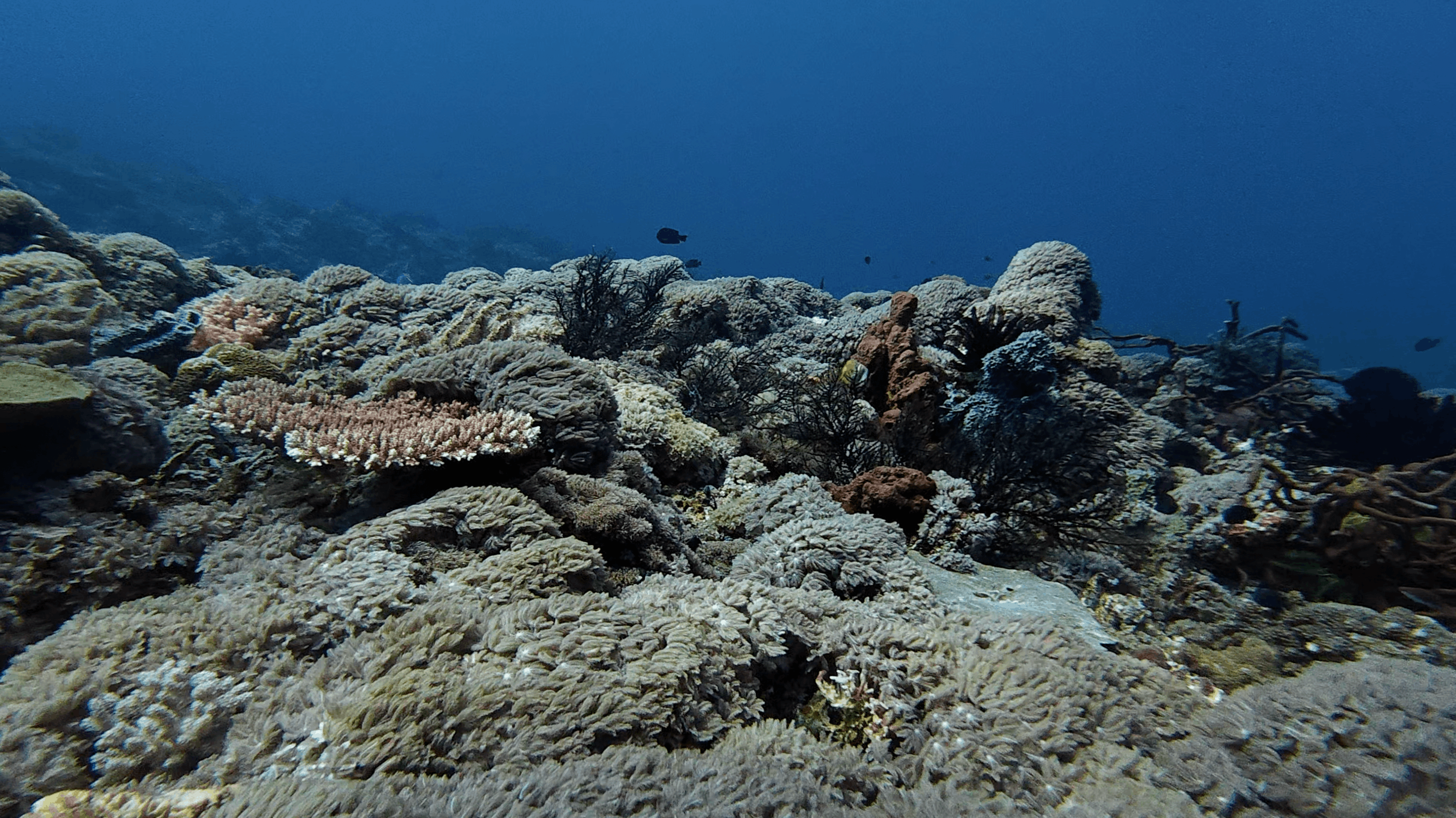
Stingrays, triggerfish, clownfish, and pipefish across thick hard and soft coral coverage. Current runs north to south through the channel and was strong the day I went.
Best Muck Dive: Seahorse Bay (Lombok)
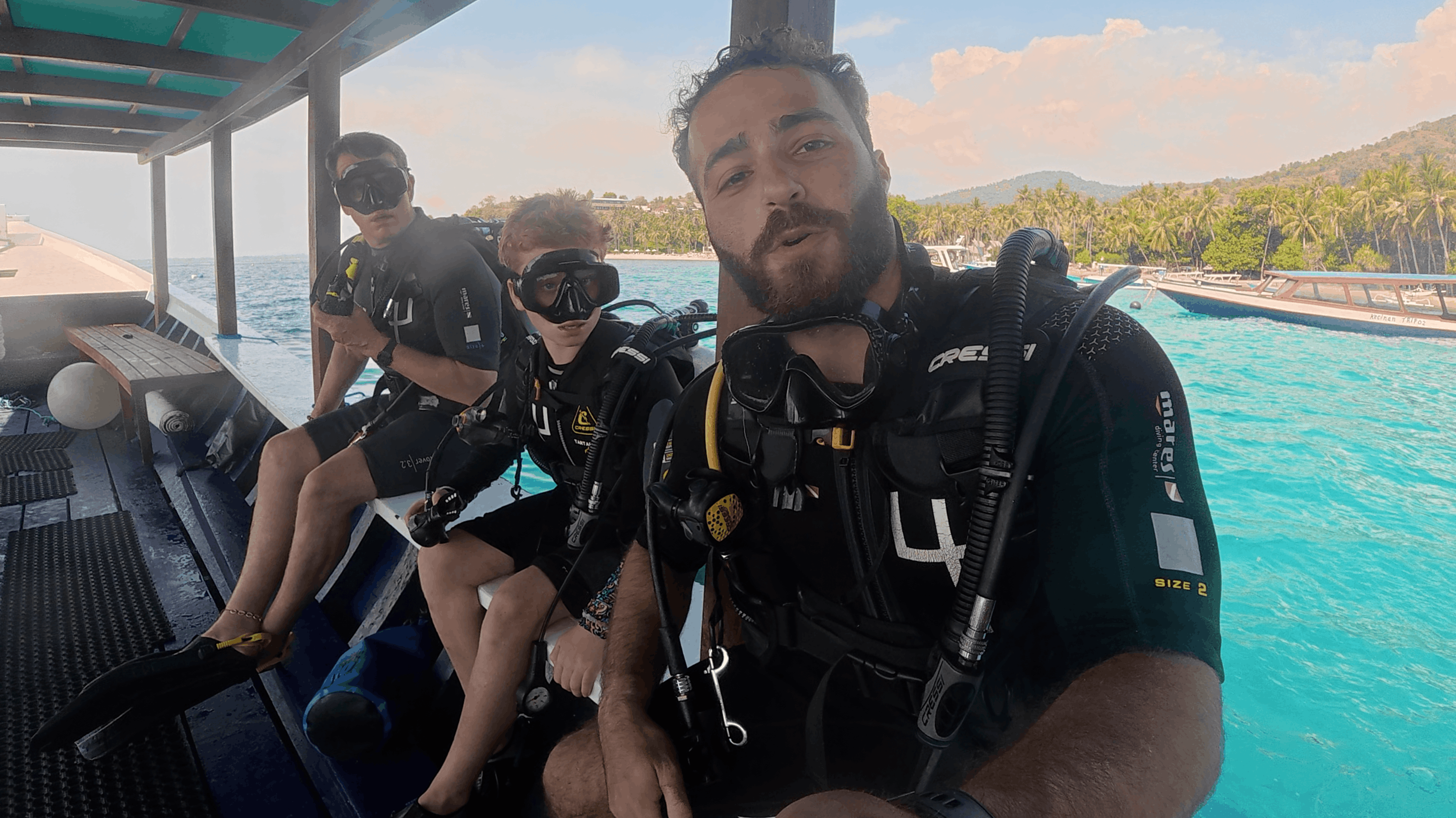
Seahorse Bay is a lesser visited Gili Dive site as it's a bit longer of a boat ride (about 20-25 minutes Gili T), and is done as a dedicated muck dive.
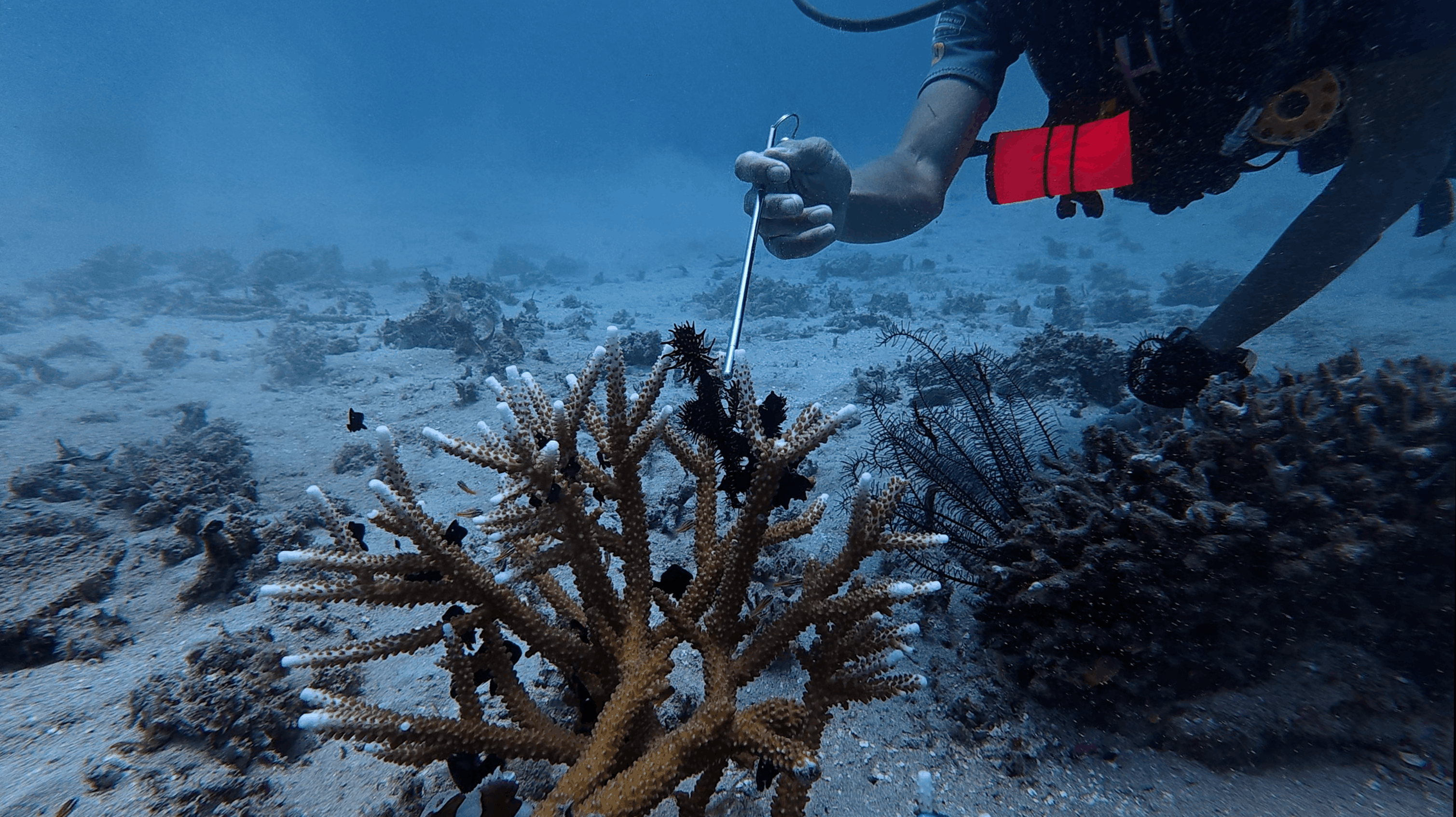
You drop onto a sandy, sloping bottom and move slowly, working the terrain a few feet at a time instead of covering ground. It's a different mindset than reef diving: you're not scanning wide, you're looking close, in the sand, along debris, in small crevices.
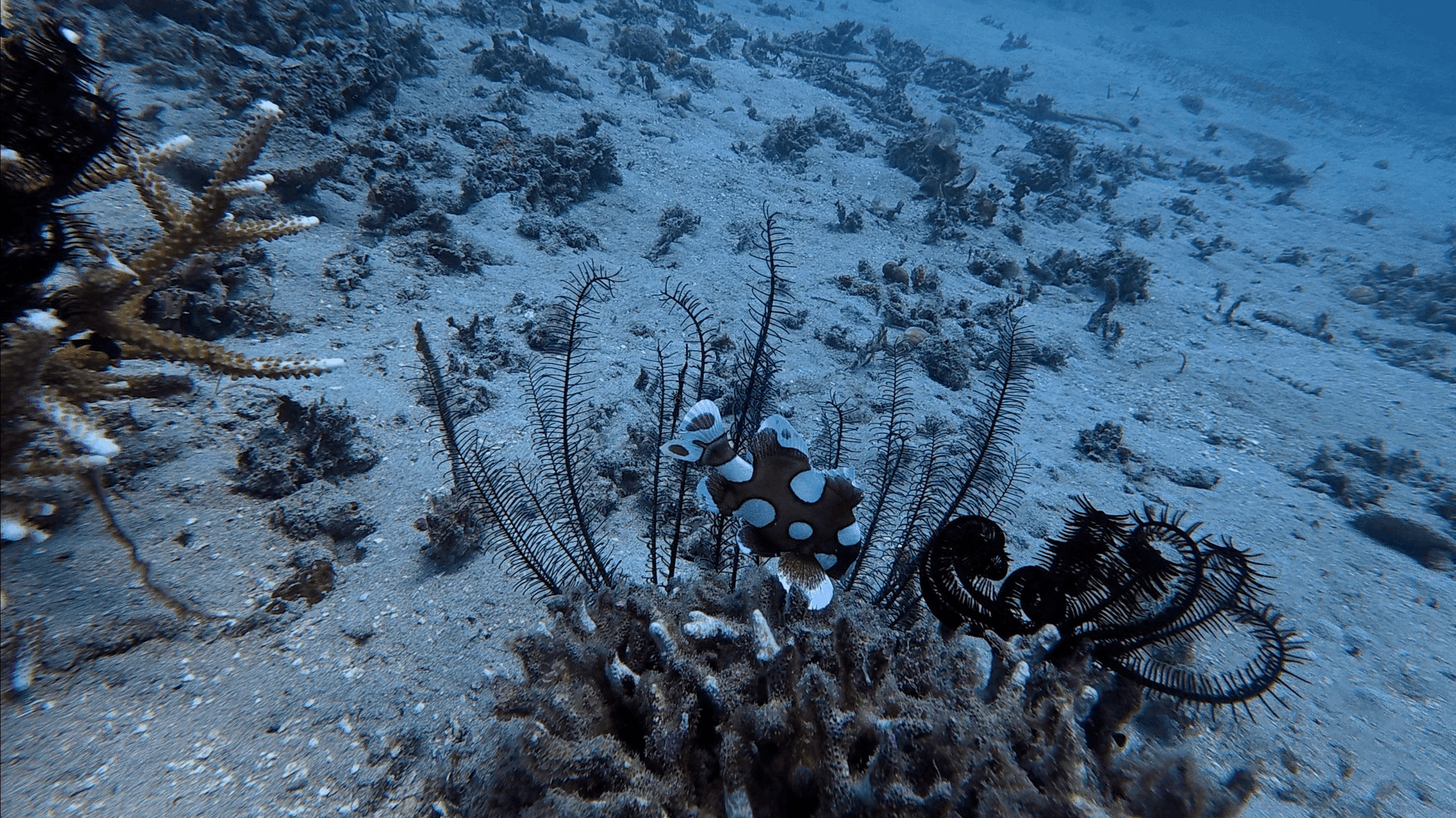
Flounder, mantis shrimp, ornate ghost pipefish, a blue ribbon eel, moray eel. I didn't have the right camera gear for this dive type, but it was still one of the best times I had all week.
Quietest Reef: Sunset Reef

Two to three whitetip reef sharks, but the quietest reef of the trip, sparser on fish and coral than the other sites I hit around Gili T. My least favorite of the six.


Sites I Didn't Dive
One site came up more than once that I wasn't able to fit in:
Turtle Heaven
Getting There
The only way to arrive at Gili Trawangan is by boat. Ferries are the main way that people arrive and depart the island.
You can either:
- Take a boat over from the airport on the mainland of Lombok
- Fly into Denpasar, Bali get a ride over to Sanur, the main boat exit point, and you can get a ferry over to the Gili Islands
in my case, I actually came to the Gili Islands from Nusa Lembongan. This is where I had some of the best dives of my life, and I highly recommend doing a dedicated trip here to dive Nusa Penida
Where I Stayed
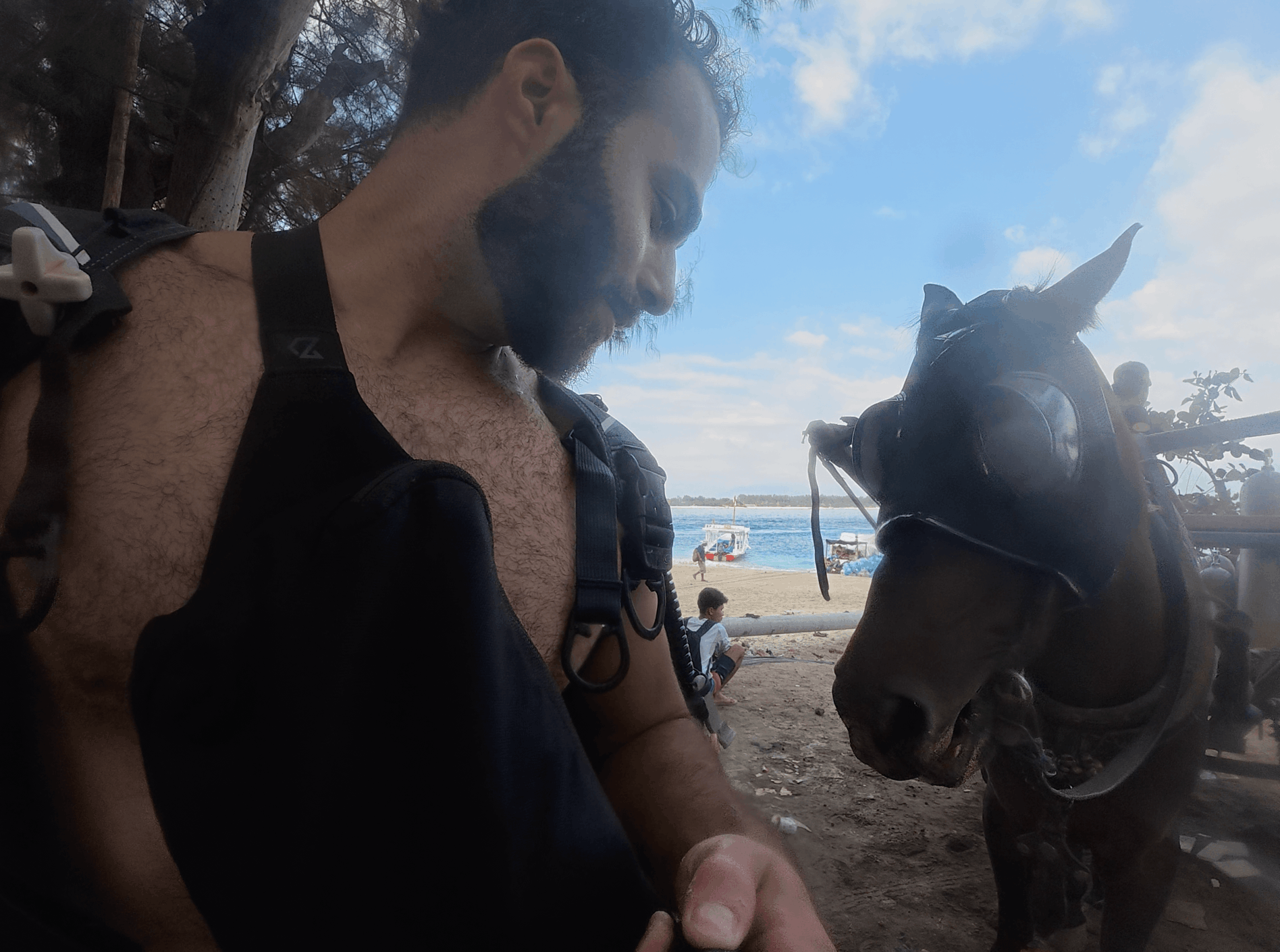
Stayed at an Airbnb for six of the seven nights that I was on Gili Trawangan. I tried to extend, but it was full, so I ended up moving to the Blue Marlin Hotel. Plenty of options whether you want party hostel vibes, higher-end resort vibes, or just decent accommodation, and I used Airbnb to book mine.
The Biorock Story
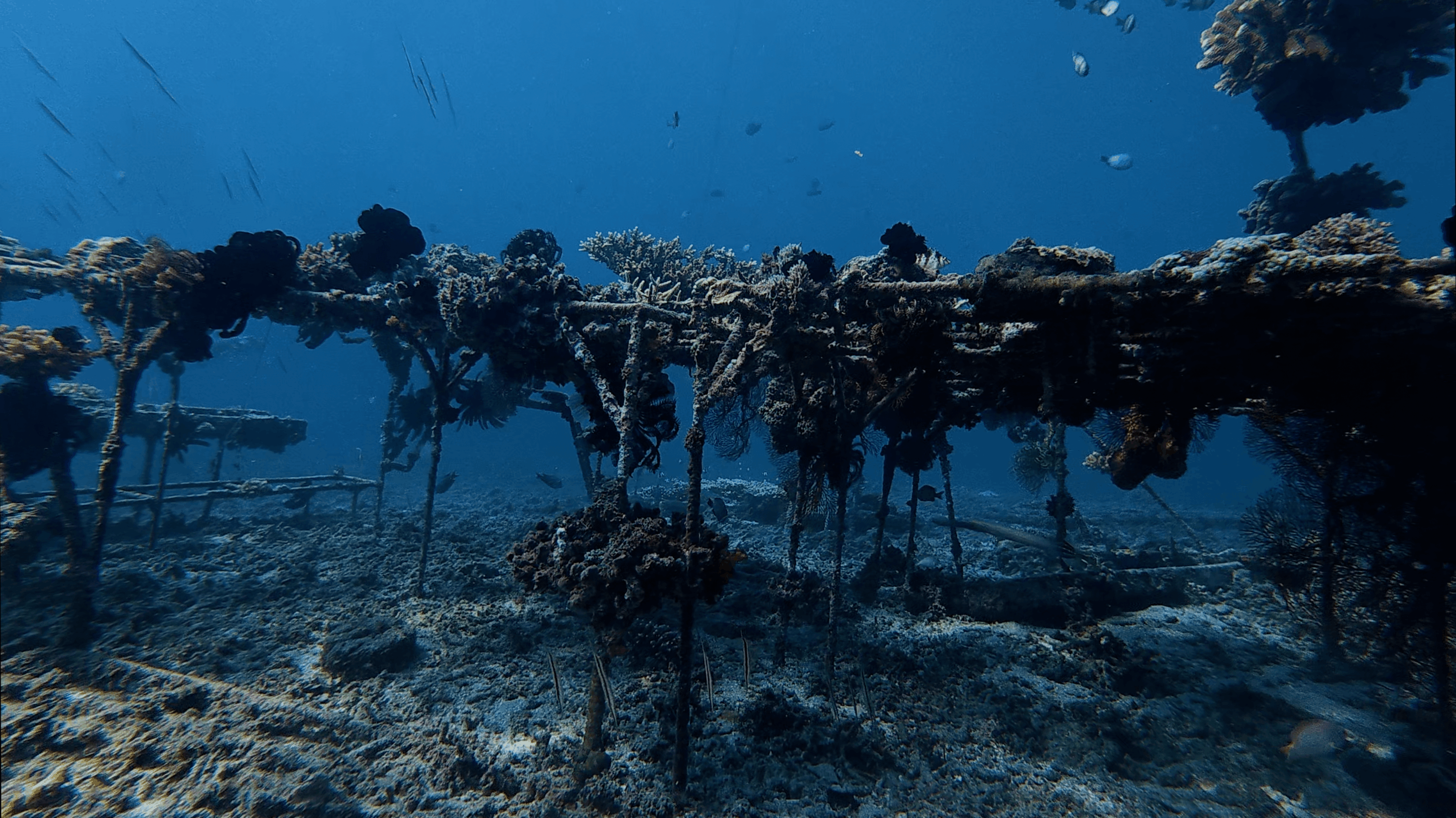
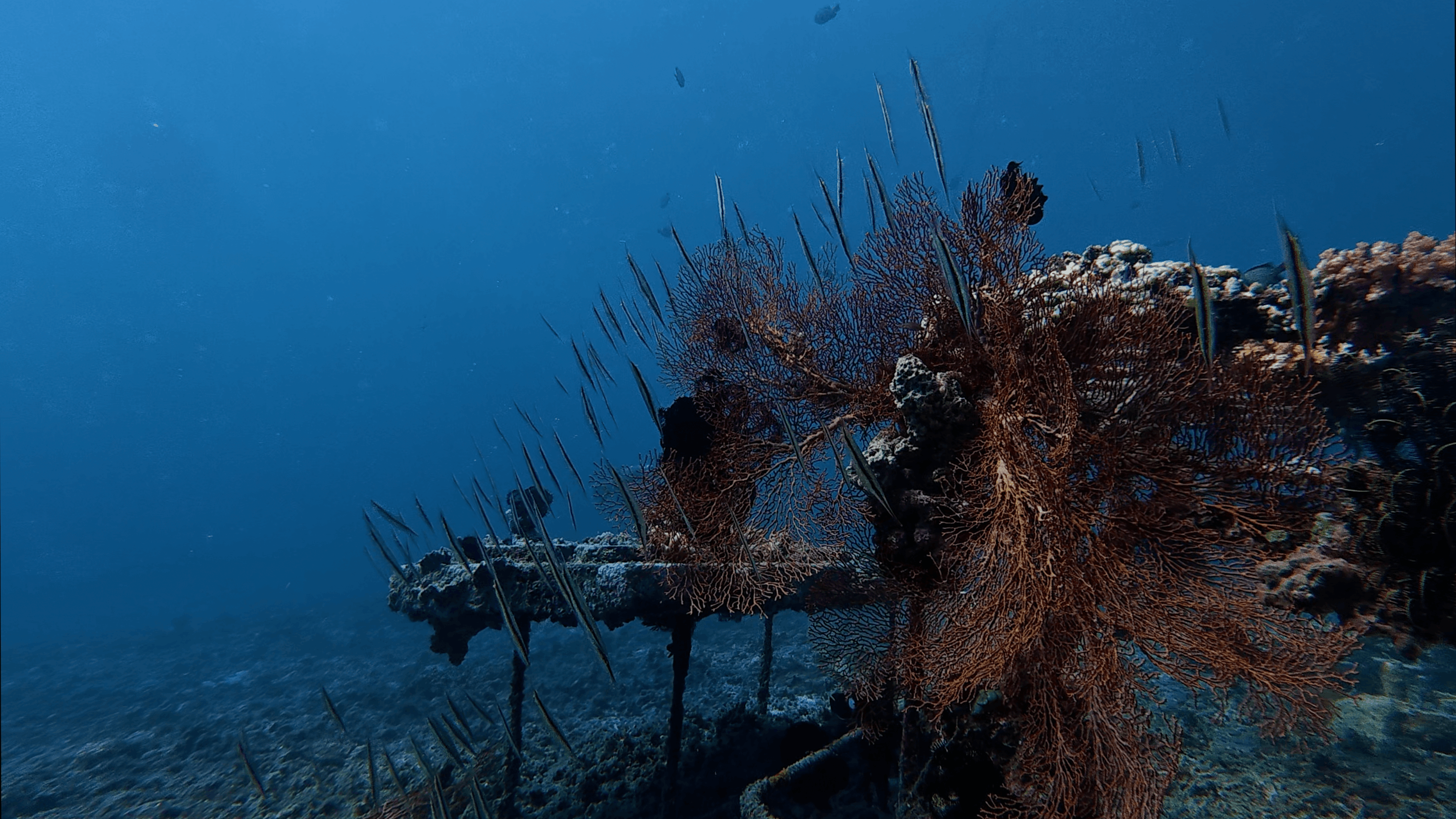
The Gili Islands are the second-largest Biorock site in the world, with more than 120 structures in the water. Biorock is a submerged steel frame that carries a safe, low-voltage electrical current.
Coral fragments strapped to the structure grow three to five times faster than on natural reef, and survive bleaching and pollution at far higher rates, in some cases over 75% survival versus under 60% on unprotected reef nearby.
Trawangan Dive, the operator I dove five of my six sites with, runs a Biorock/Eco Diver certification course on-island. It's a big part of why the reefs here have held up better than a lot of overfished Southeast Asia.
When to Dive
Best conditions run April through November (dry season), with the sweet spot May–September, calm seas and better visibility than wet season.
December–January brings heavier rain and reduced visibility.
July–September and December–January are the busiest months.
July and August are the roughest months for ferry crossings, I was there in July and if you board a smaller ferry the waves can be rough.
Recommended Operators
Trawangan Dive ran five of my six dives and were solid every time, plus this is where I originally certified seven years ago.
Blue Marlin ran the Bounty Wreck trip and I also stayed at their hotel and liked it. Both are good options.
Let's Dive Together
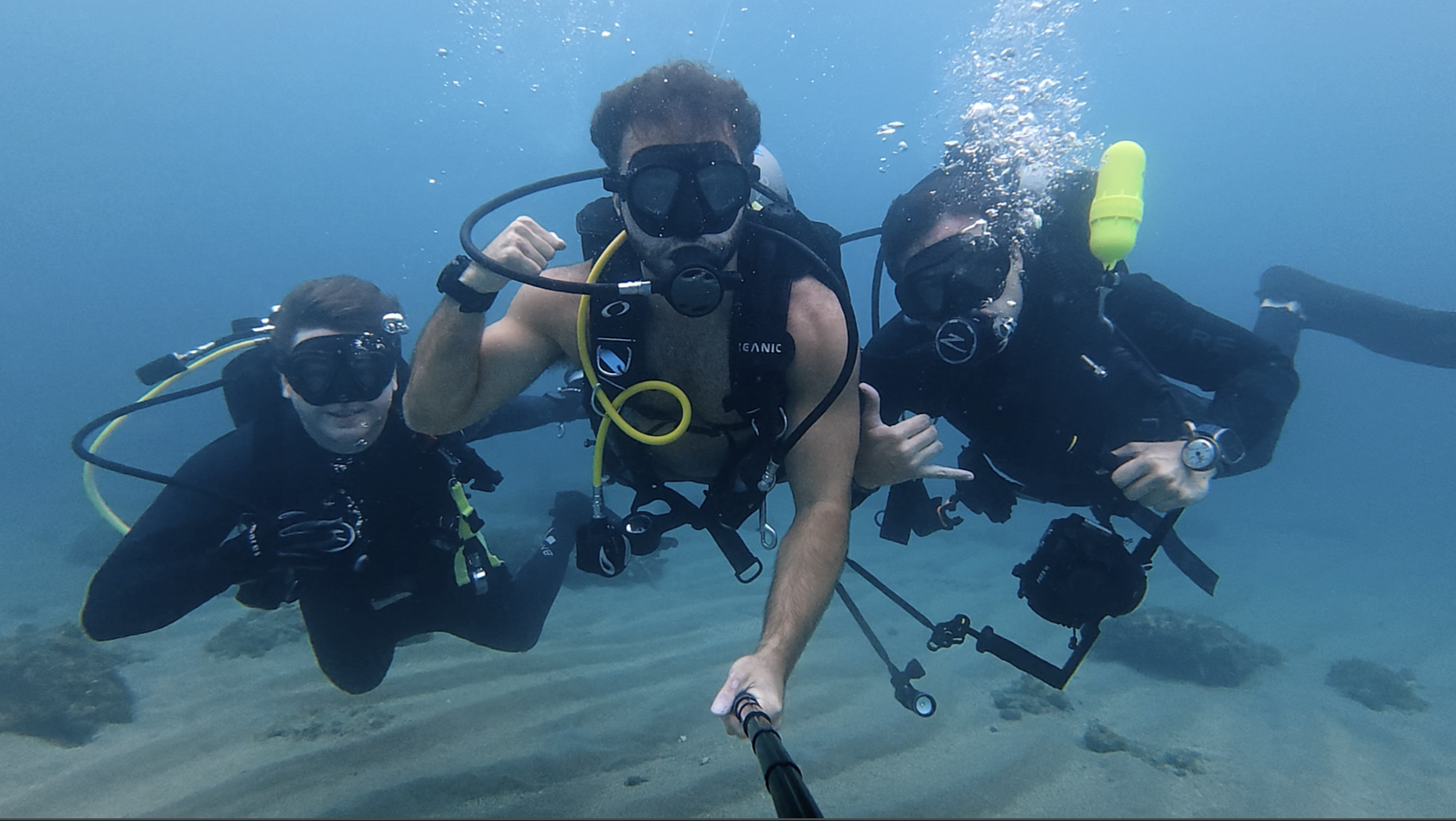
👋 It's Divemaster Austin
I'm inviting you to Dive Club, my global scuba diving community.
What you’ll find inside:
🤿 Dive meetups & group trips
🌍 Top dive sites shared by community members
⚙️ Gear tips & technique discussions
🤝 Diver's who’ve already linked up IRL
See you there!

.webp)
.webp)