
.webp)
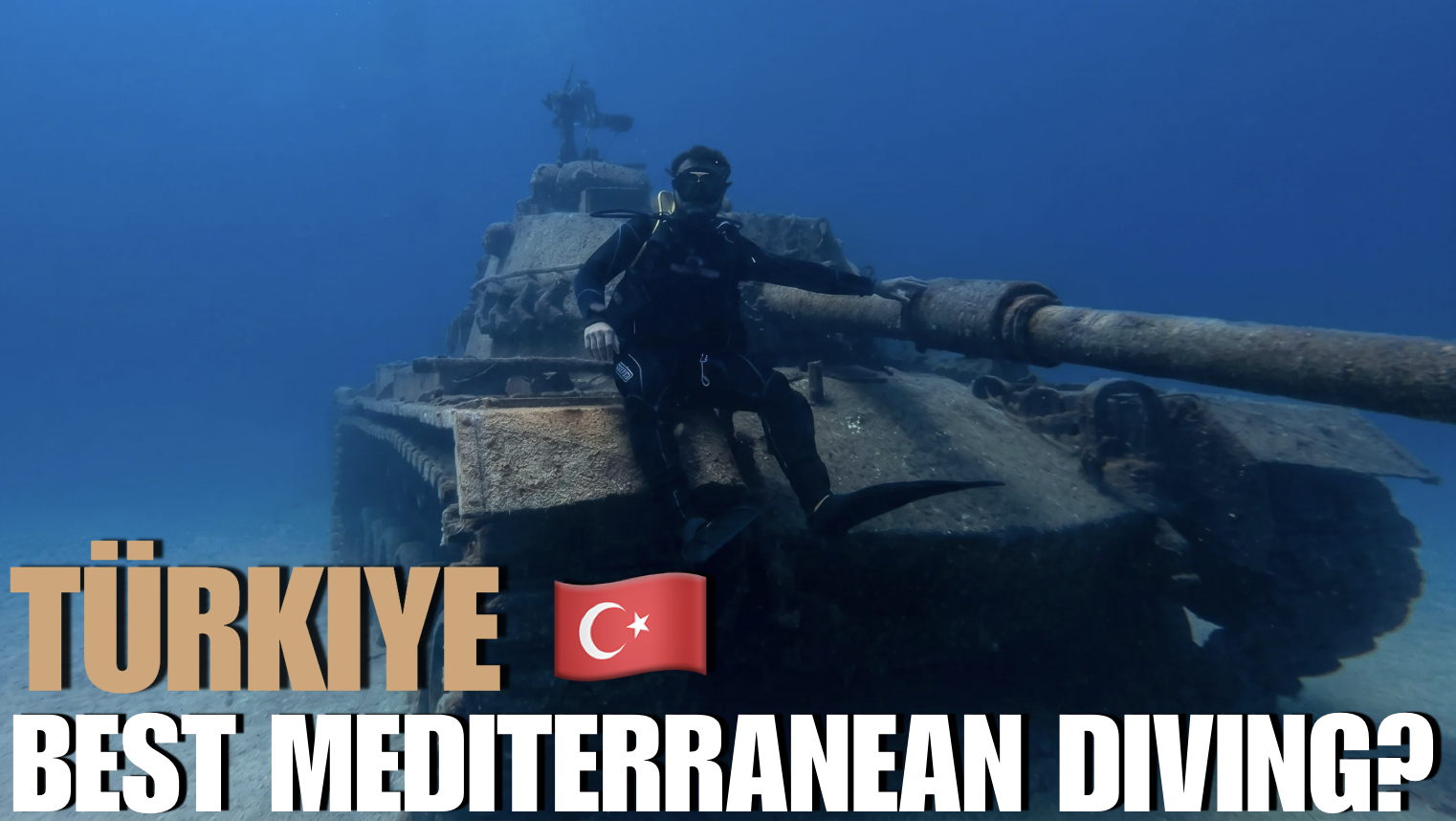
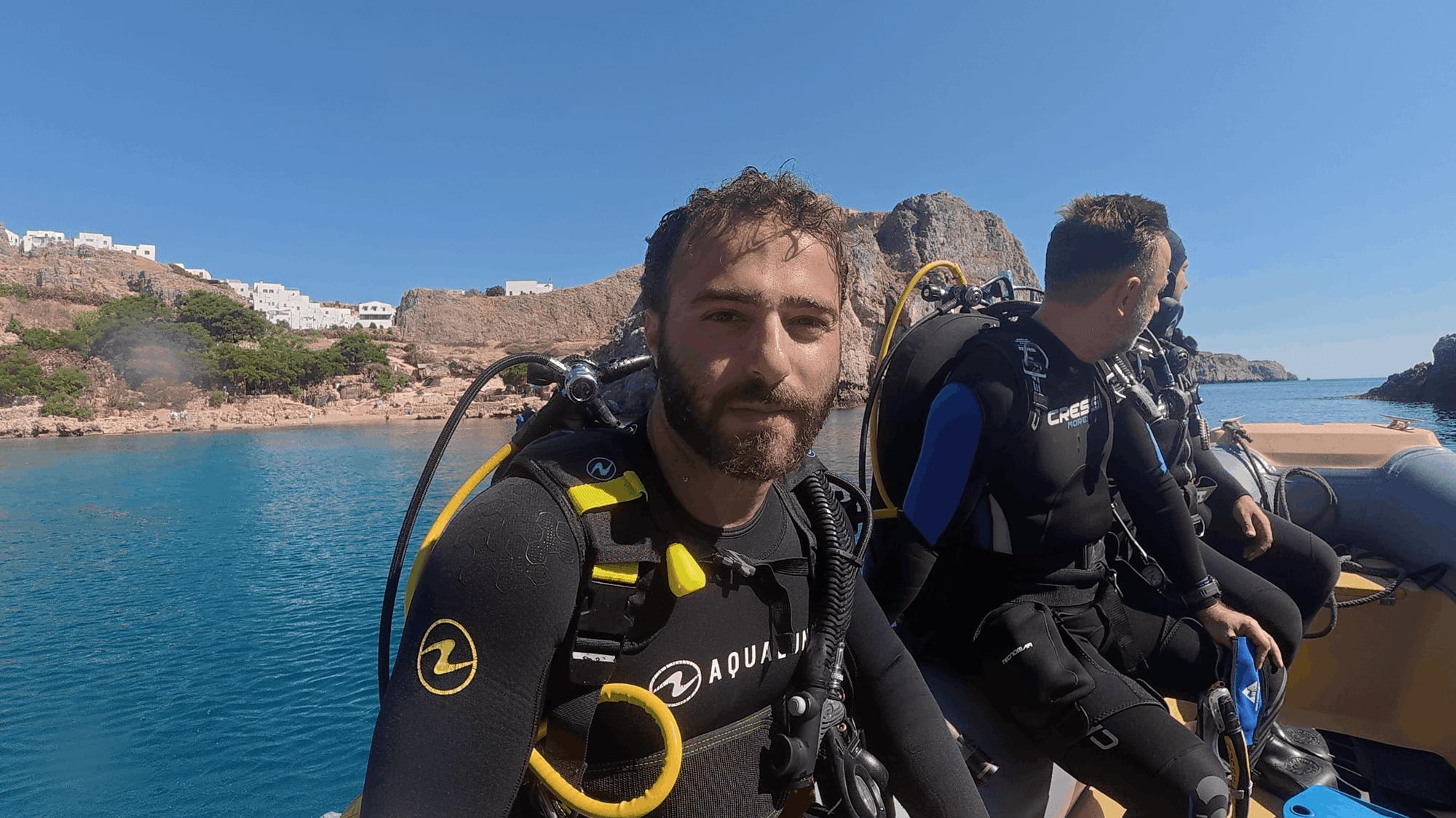
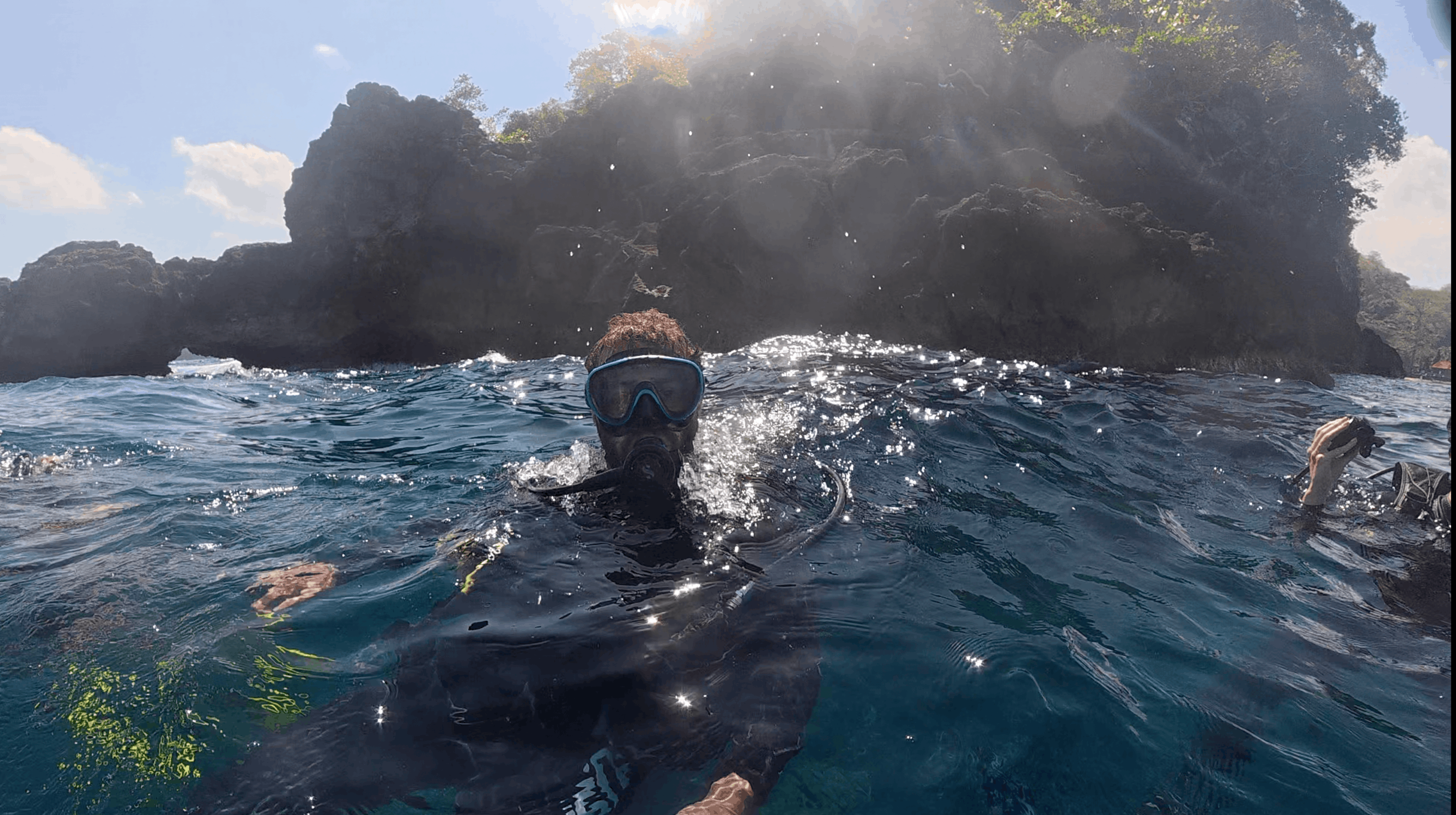
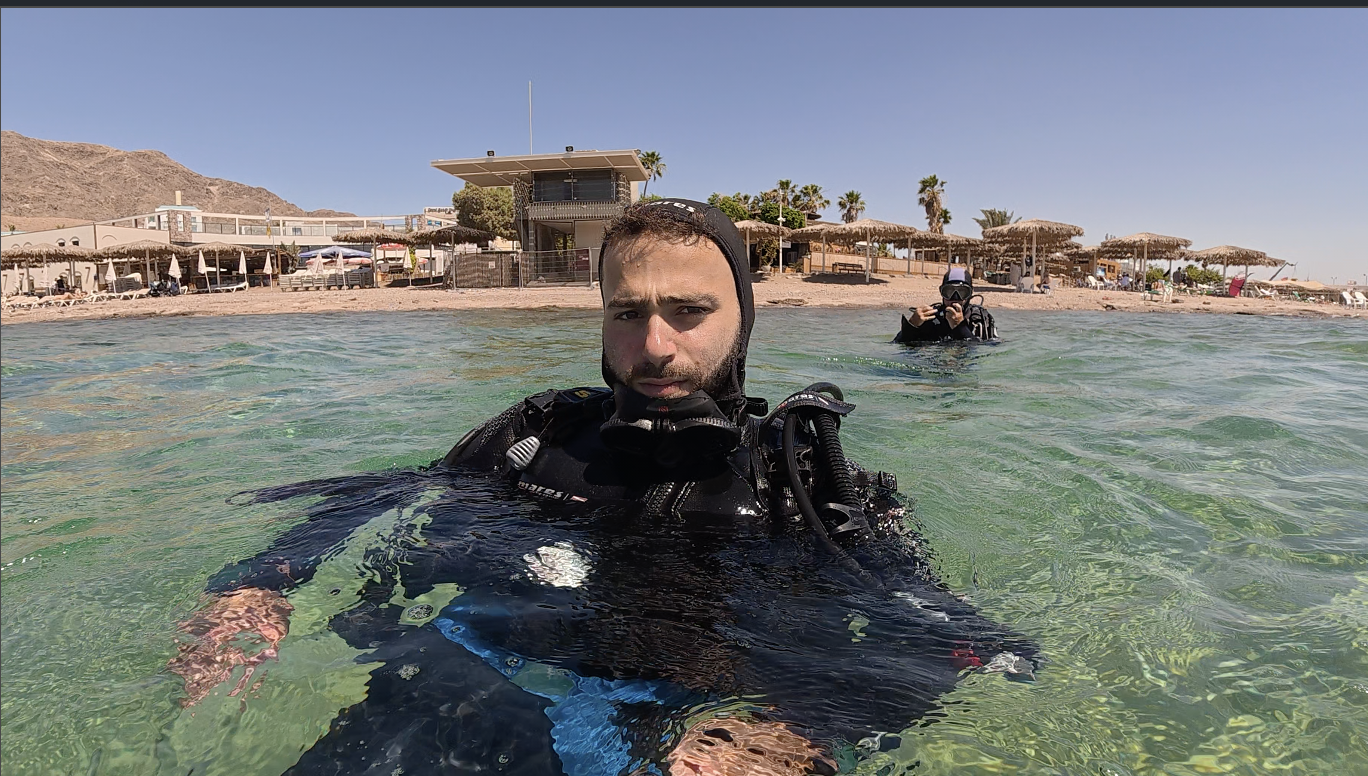
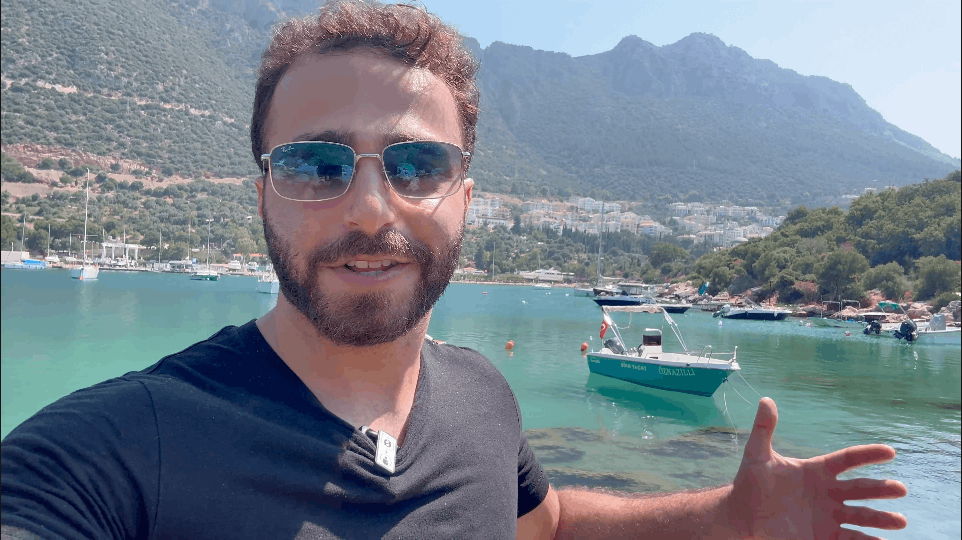
In May and June of 2026, I spent three weeks diving across Türkiye, hitting what I believe are the best dive sites in the country, based off internet research and following local recommendations.
My travels took me to the diving hotspots: Antalya, Kemer, Tekirova, and Kaş, however, there's a couple I missed such as Gallipoli and Kalkan that I'll cover later.
Türkiye isn't the Red Sea or the Philippines, but the diving culture here is something else.
Divers get creative with what they have, canyons, caves, shipwrecks, tanks, even sunken planes, and Türkiye may be the unofficial capital of historic WWI and WWII wreck diving.
Here's the top sites I dove across the country, along with some things to know about the diving here, so you can see what scuba diving in Türkiye actually looks like.
Highly suggest checking out the embedded YouTube video as well!
Türkiye At a Glance
The Best Dive Sites in Türkiye
Next, I'm going to cover the best dive sites I did in Türkiye. They are spread along the Mediterranean coast, from Antalya down through Kemer, Tekirova and Kaş.
Best Wreck Dive: The St. Didier
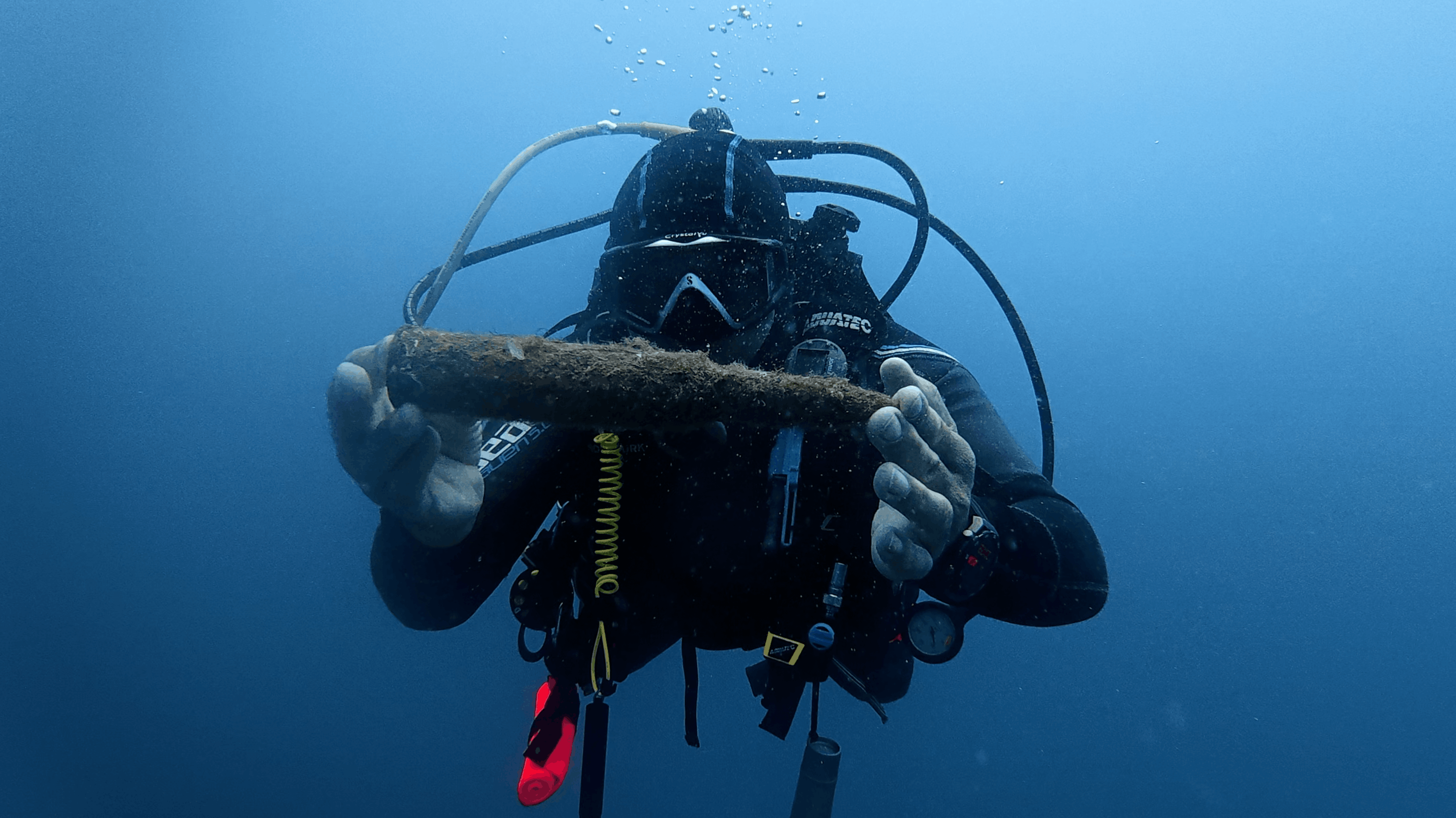
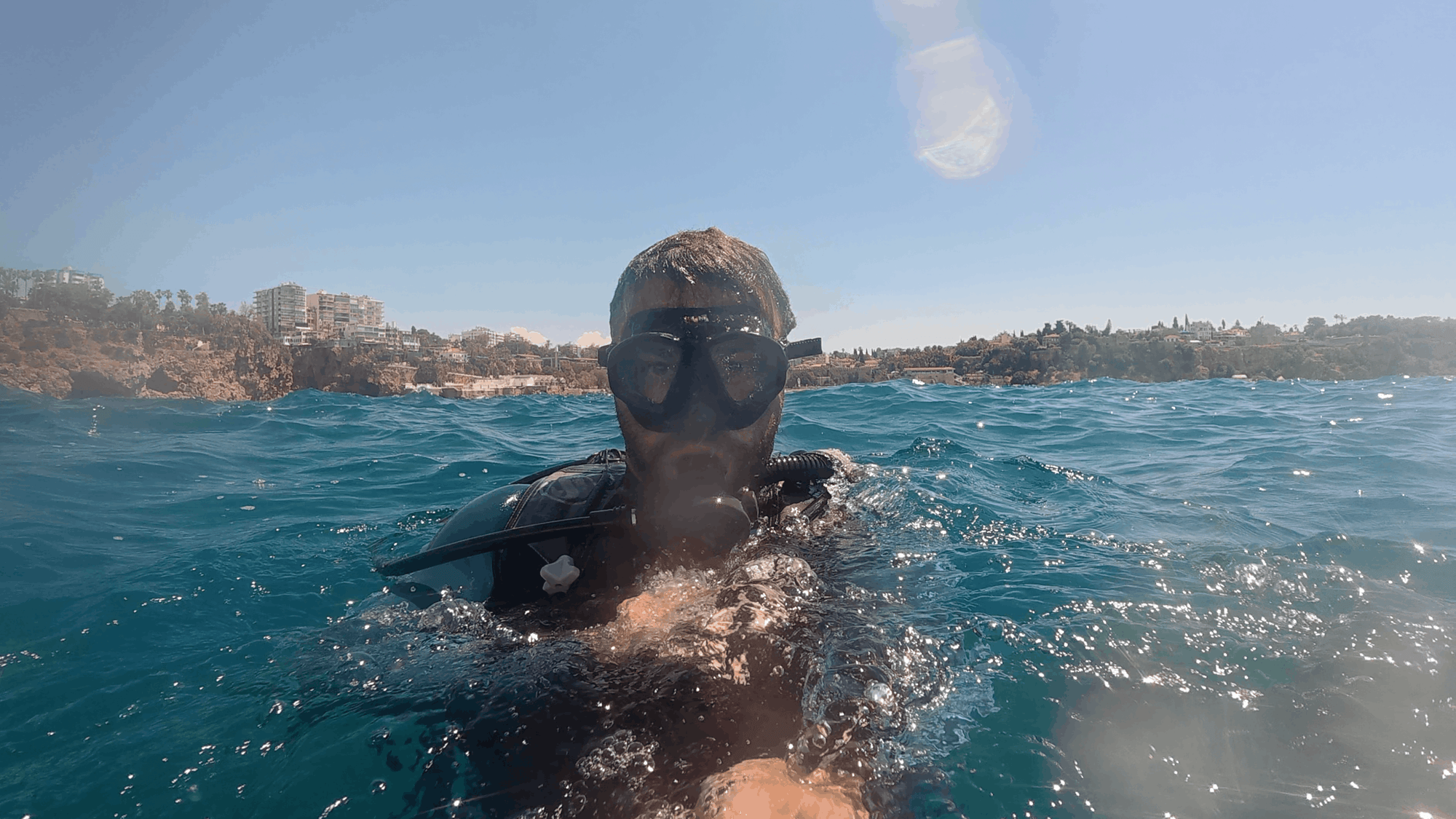
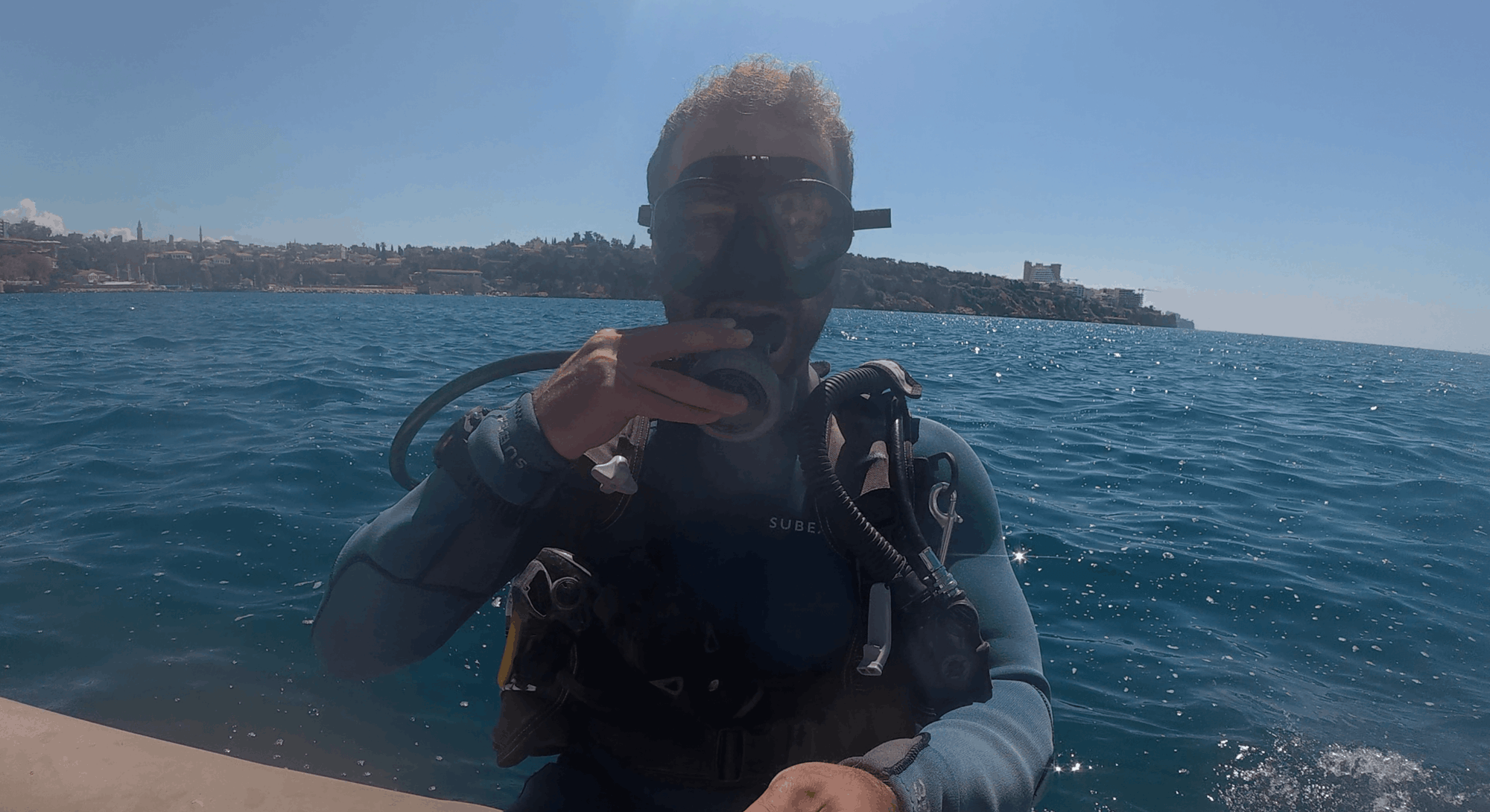
The St. Didier is the largest, most accessible wreck dive in the country, sitting just off the shores of Antalya. It's a French war and supply ship sunk by the British during World War II, a strange twist given France and Britain were allies at the time.
After France fell to Germany in 1940, the country split into the Free French and the Vichy French, who sided with Germany, and the St. Didier was a Vichy vessel.
It left Greece in 1941 loaded with troops, arms, munitions, and vehicles, but a British air squadron hit it with torpedoes, crippling the engine.
The crew tried to hide in Antalya Harbor disguised as a neutral Turkish boat, even flying a hospital flag, but the British found them an hour and a half later and finished the job, killing 14 crew members.
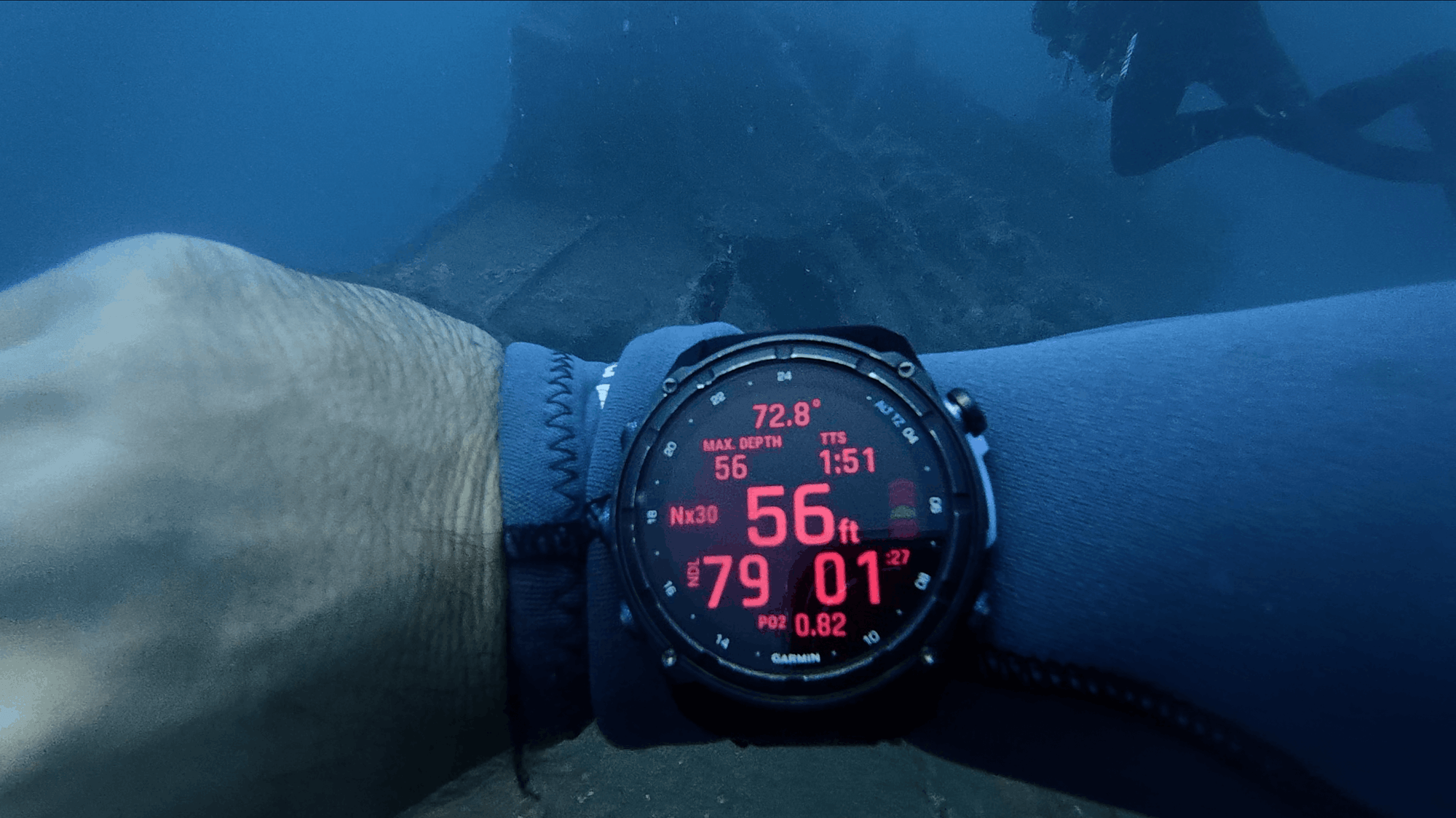
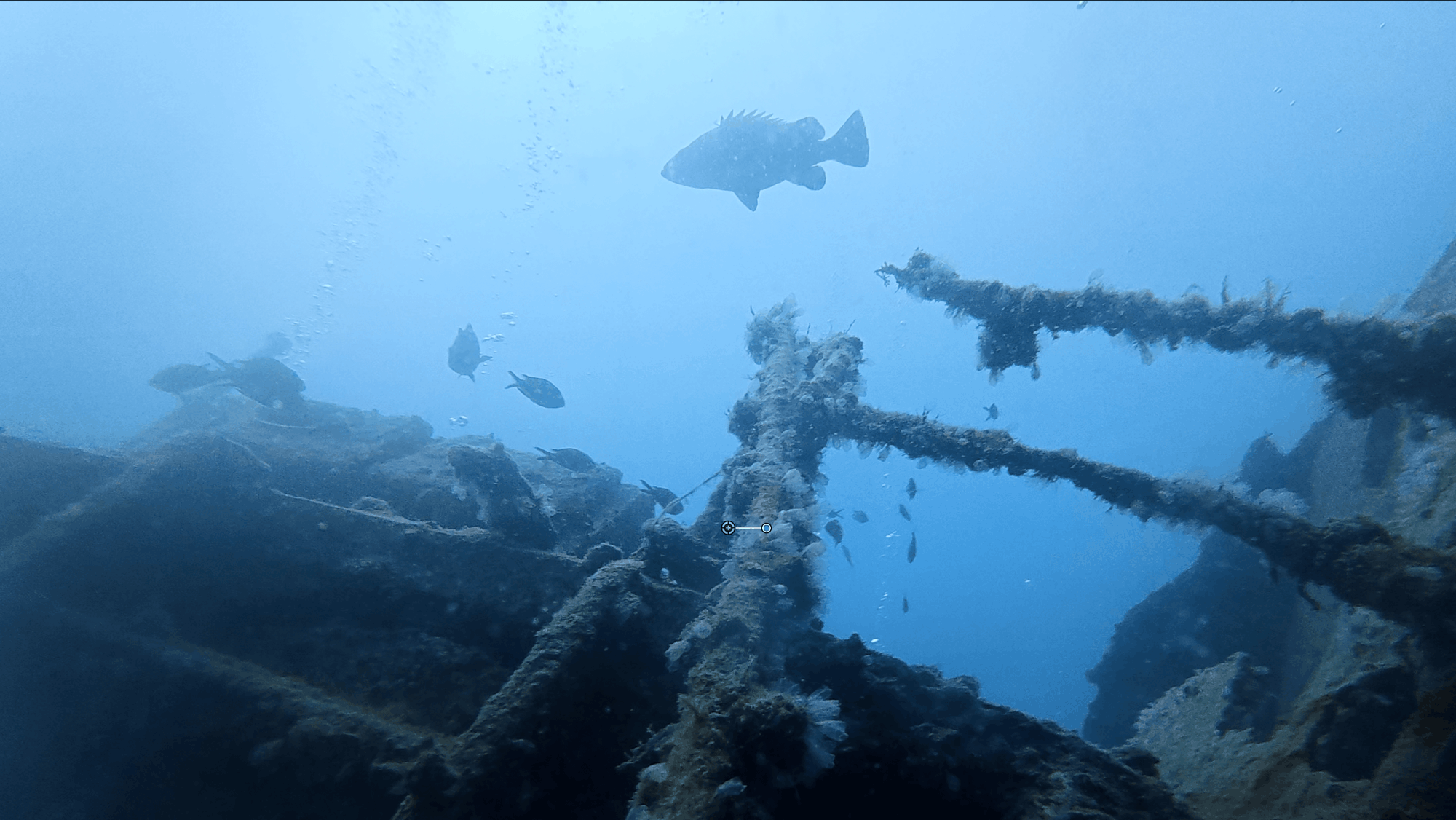
The wreck runs 314 ft (96 m) long and sits at a slant, with the bow around 100 ft (30 m).
Two salvage operations in 1946 and 1974 cleared out most of the weapons and remains, but rifles, bombs, and even cars are still inside the hull.
Most Historic Wreck: The Paris 2
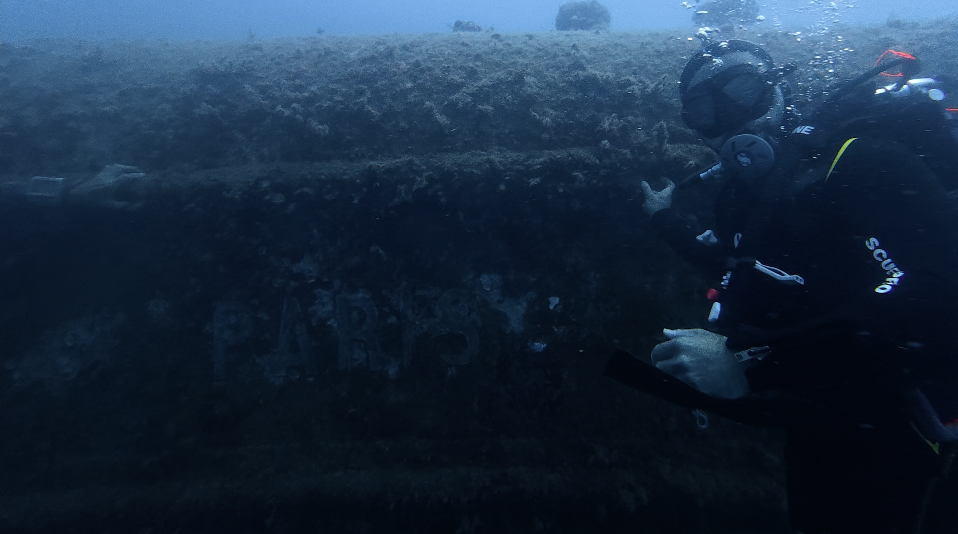
Across town in Kemer sits the Paris 2, a French steamboat sunk in World War I.
I got to dive the site with Özcan, the diver who discovered the wreck.
Özcan found it in 1994 when a fisherman's net snagged on something underwater. Rumors had placed a wreck somewhere in the area for decades, but there was no sonar or modern detection tech in the 90s, so it sat there for over 70 years after WWI ended before anyone found it.
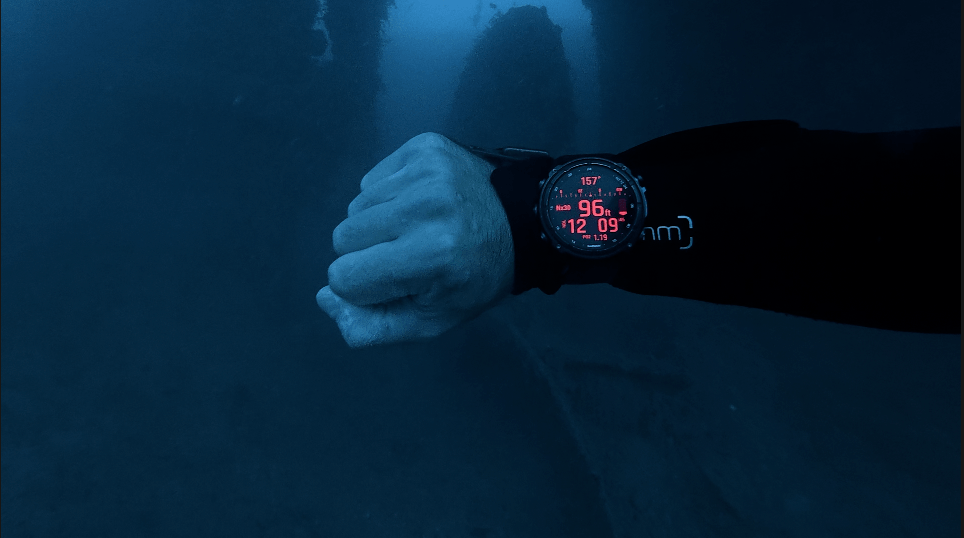
The story of how the ship sank is wild.
Türkiye was allied with Germany at the time, so a Turkish general had a local fisherman deliver gift boxes of citrus to the French crew, with explosives hidden inside.
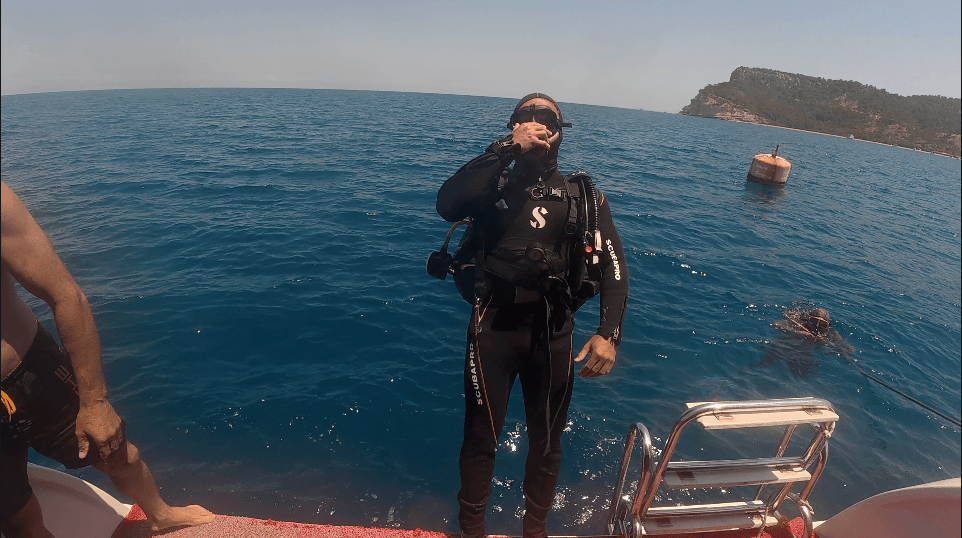
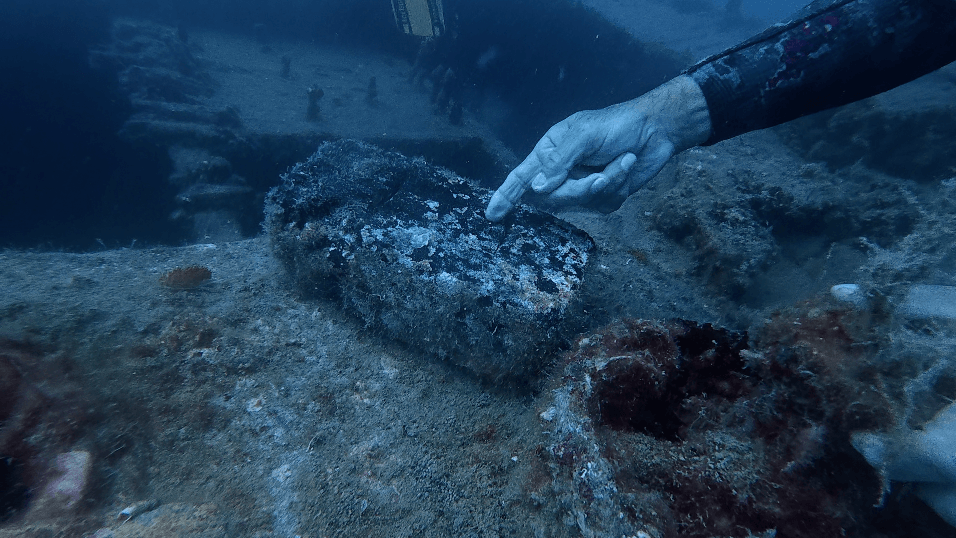
Best Plane Wreck: Uç Adalar (Three Islands)

Out of the town of Tekirova, you take a boat to Uç Adalar meaning Three Islands.
My first dive here at a site named "Three Pyramids" was a slow start. Charters take divers here they don't know yet, so don't expect much.
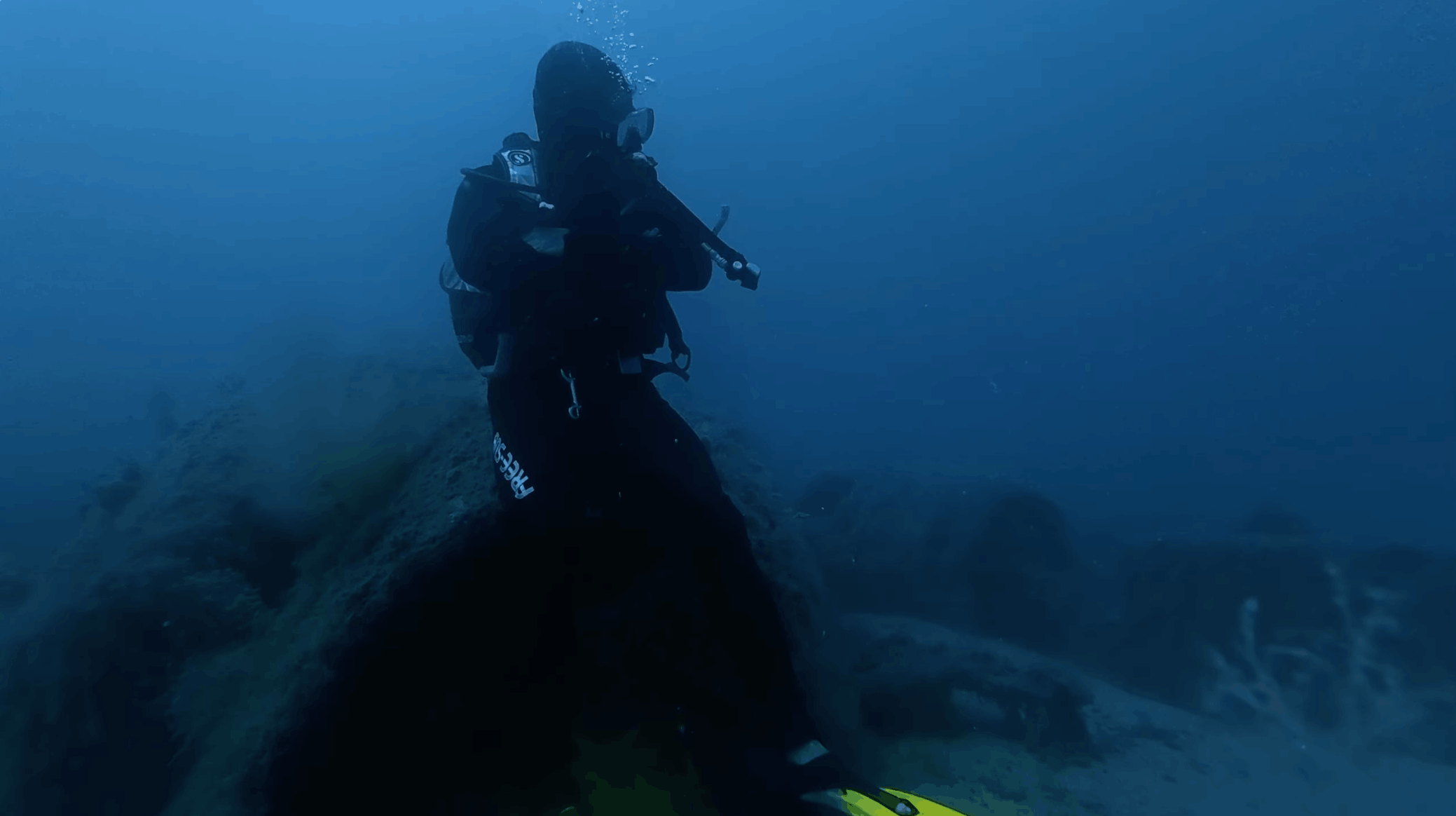
The second dive redeemed it, a C-47 plane wreck at around 90 ft (27 m), decommissioned from paratrooper service and sunk as an artificial reef.
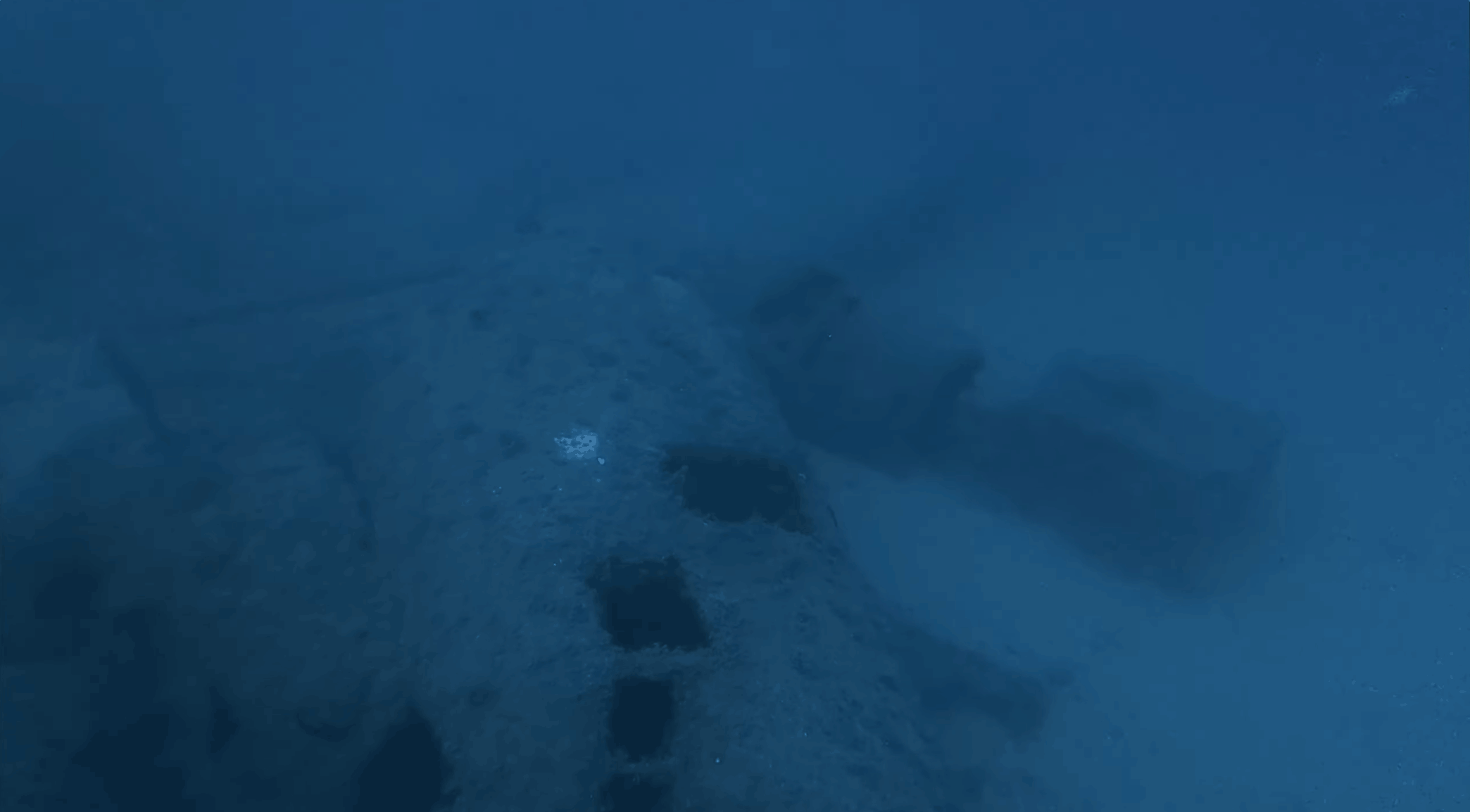
A school of squid greeted us on the drop down, and Mediterranean monk seals occasionally show up here too, though I didn't get lucky.
Best Overall Dive: Kaş Canyon
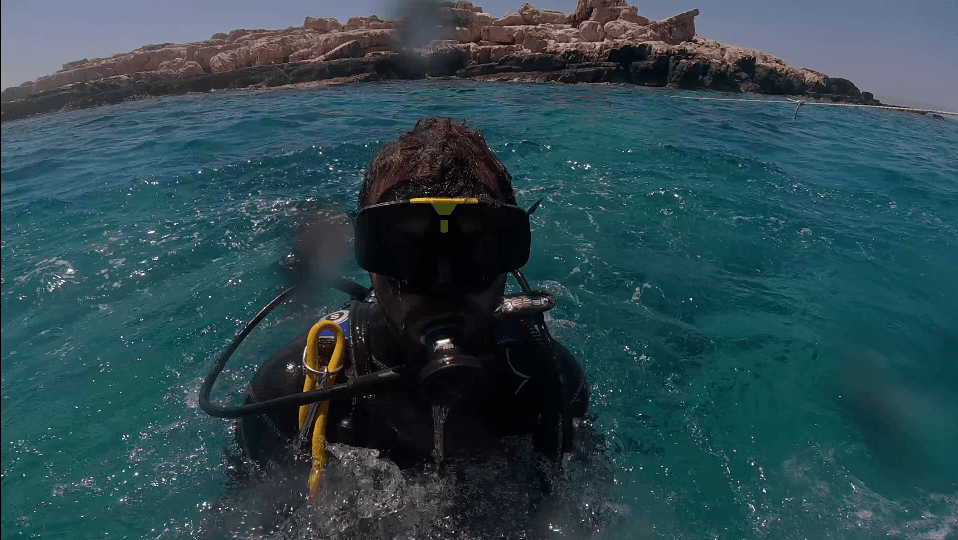
Kaş is the diving capital of Türkiye, with over 20 named sites, and Kaş Canyon was the best of them.
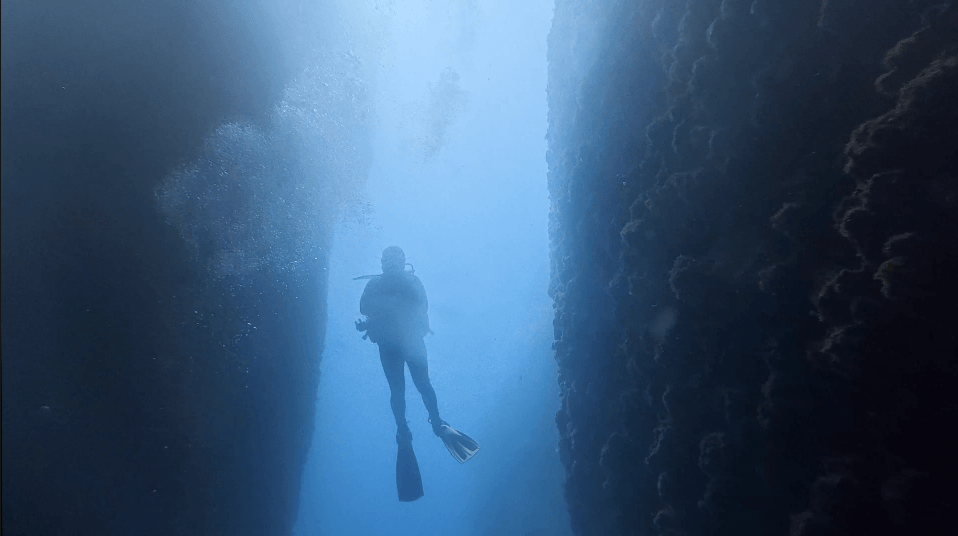
It's an advanced site that mixes caves, caverns, canyon walls, and a couple of shipwrecks into one dive. Early on you hit the Demetris, a steel freighter that crashed in 1968 and is still called the Cotton Wreck locally for the cargo it once carried, though none of it remains visible.
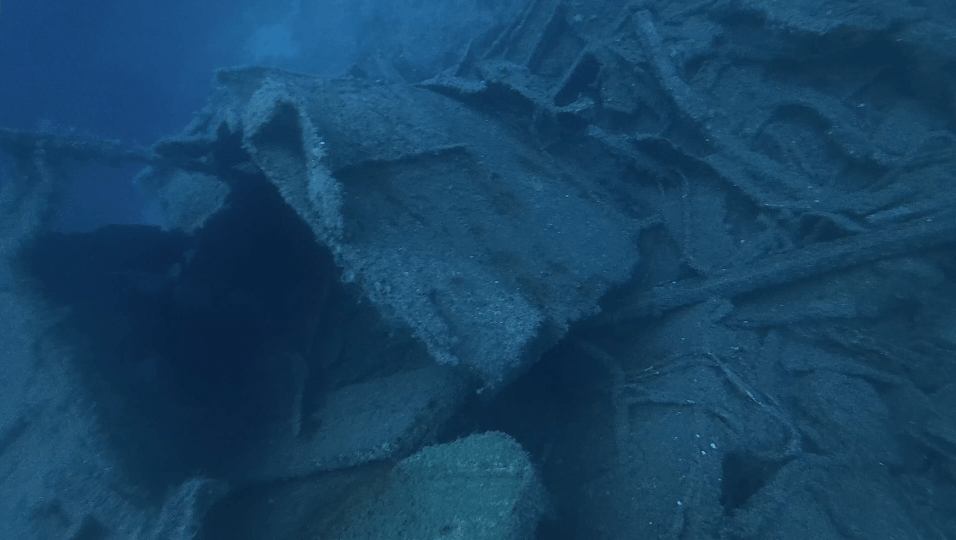
The wreck runs from about 88 ft (27 m) down to roughly 137 ft (42 m), so you won't see all of it in one go.
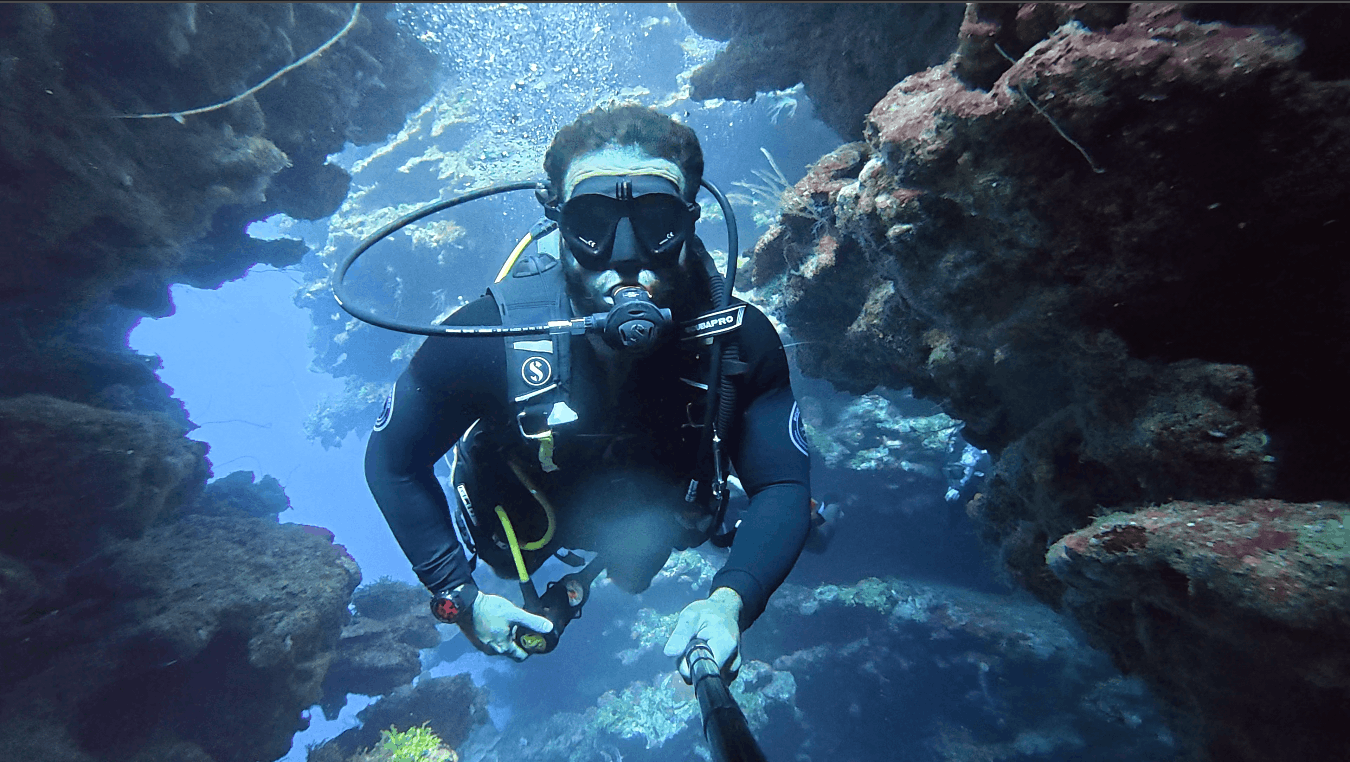
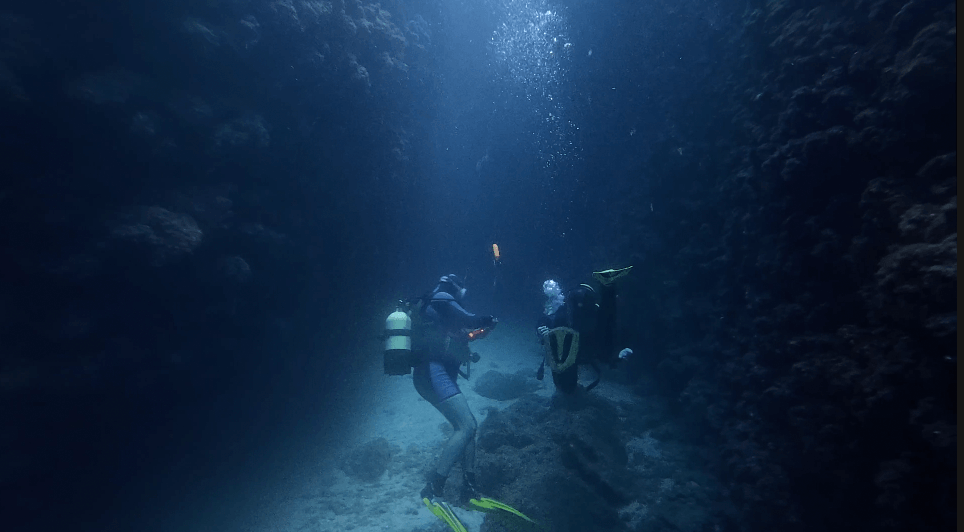
Midway through there's a swim through a pitch black tunnel before ascending between canyon walls with light pouring down from the surface, an eerie but incredible feeling at 100 ft (30 m). The marine life here was the best I saw all trip, nudibranchs, sea breams, damselfish, and Mediterranean parrotfish in red, yellow, and gray.
Typical Mediterranean Dive: Kemer Caves
Not an officially named site, but worth including because it's a good baseline for what an average Mediterranean dive looks like, mostly stony, rocky bottoms instead of coral. Charters use it to size up divers before taking them out to the Paris 2. Expect sea cucumbers everywhere, which shrivel up and stick to your hand if you touch them (not that I'm recommending you do).
Best Photo Dive: Sunken Tank
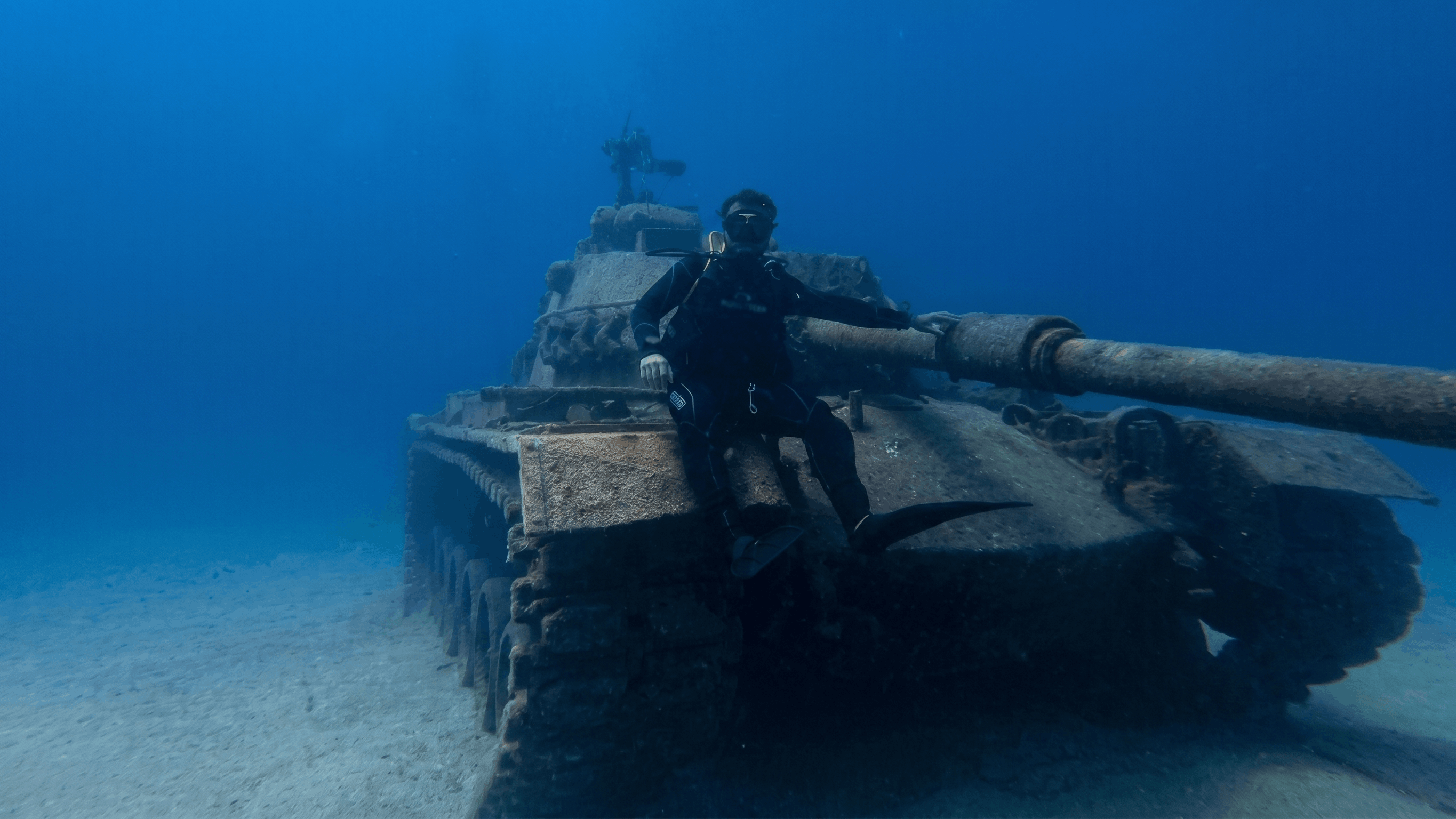
The Batigi tank makes for awesome pictures and videos, but the surrounding area gets dull fast once you're past it.
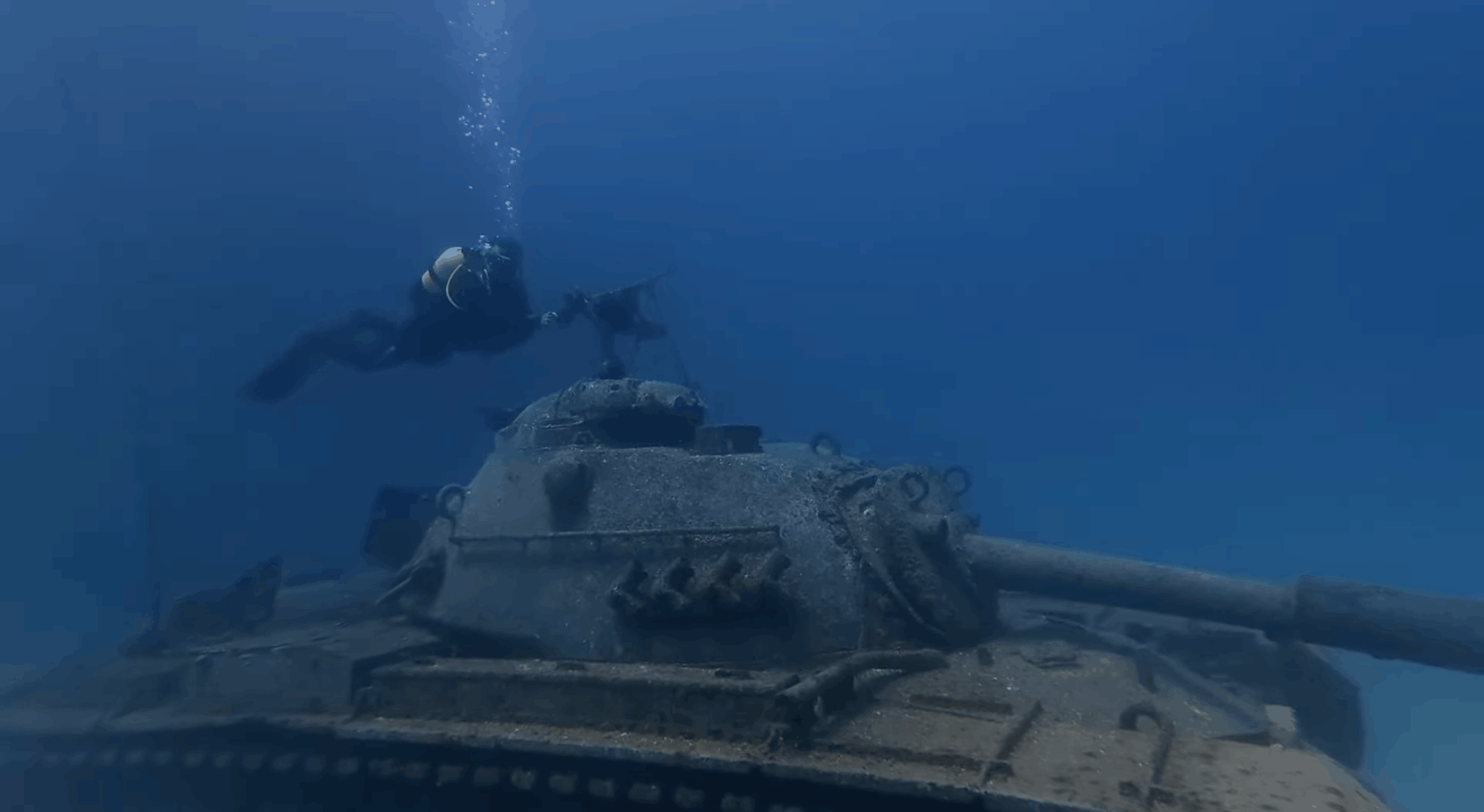
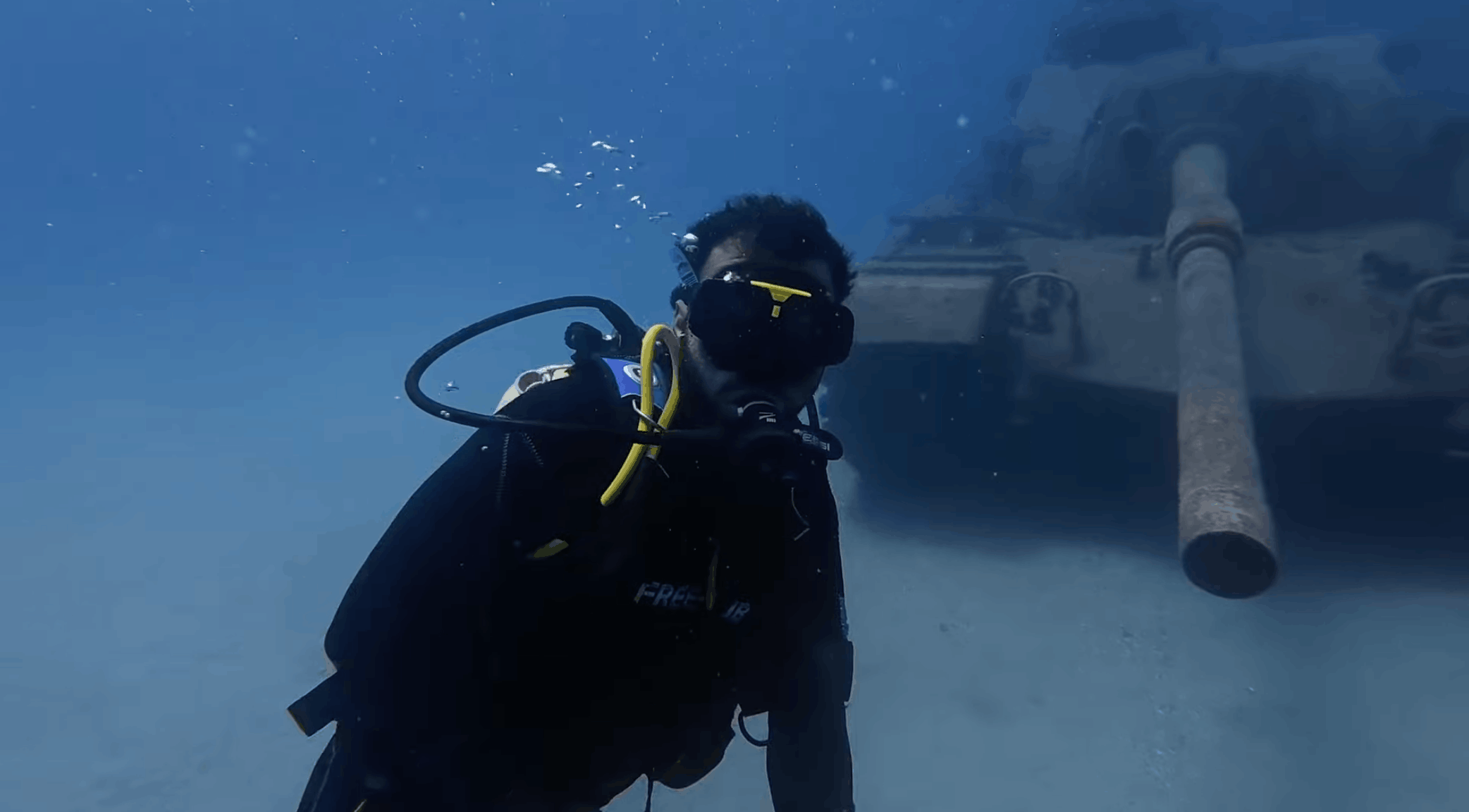
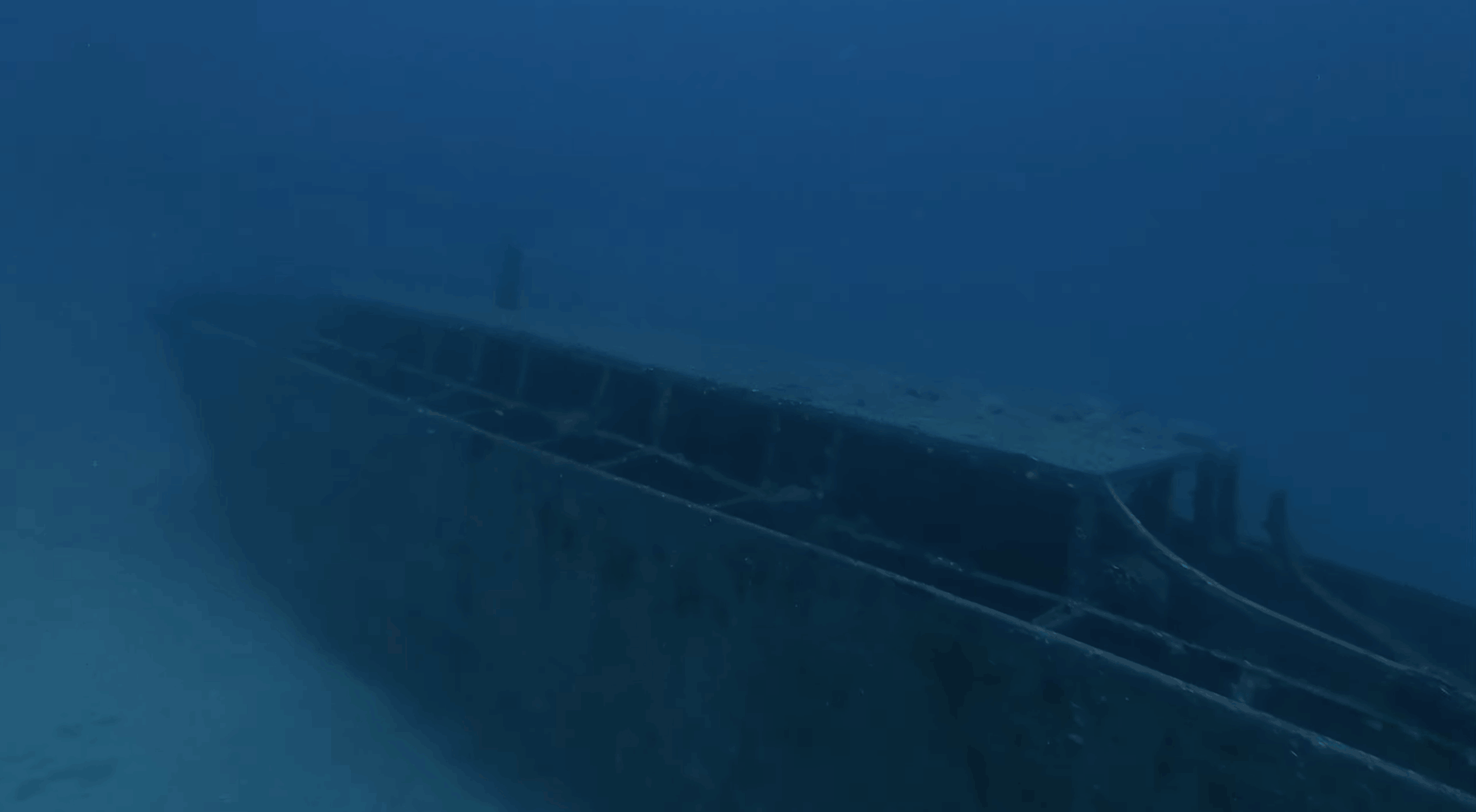
It's recommended you pair this site with the Altuğ on the same day since they sit close together.
Best Kaş Wreck: The Altuğ
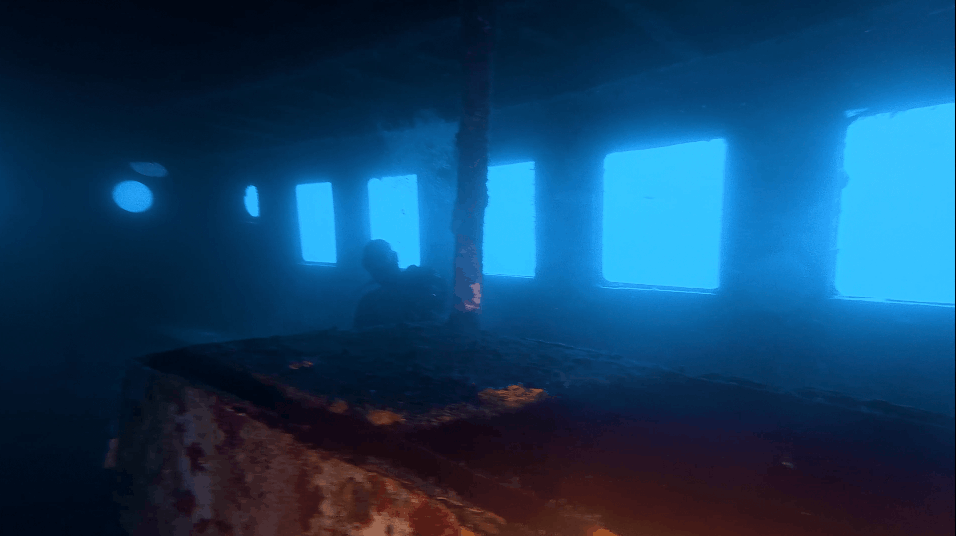
The better of the two Kaş wrecks. The Altuğ was a tugboat being towed to a marina for maintenance when its lines snapped, and it sank slightly on its port side.
It's marked by a buoy, has multiple levels to explore, and decent marine life throughout.
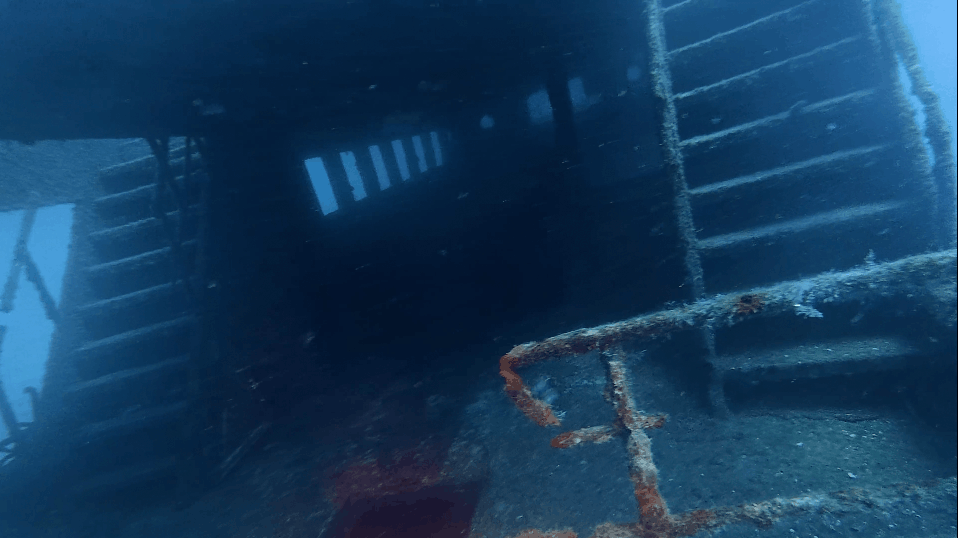
My guide showed me an air pocket trapped in the upper corner of the wreck and breathed from it himself.
I wasn't brave enough to try, no telling what's actually in that air after decades underwater.
Dive Operators
I went with four different charters across the trip, and all of them were solid.
- Kaleiçi Divers in Antalya runs the St. Didier trips out of the yacht harbor.
- Diving Kemer is how you link up with Özcan for the Paris 2.
- Tekirova Diving, run by a guy named Alper, handles Uç Adalar and will often pick you up straight from your accommodation in Kemer.
- 300 Bar Dive Center in Kaş has access to all 20-plus named sites in the area, the owner will pull out a map and help you pick based on your certification level.
One thing worth knowing before you book: English proficiency among guides was lower here than anywhere else I've dove. Most charters have a translator on the boat, and underwater hand signals are universal anyway, so it's never been an issue.
Water Conditions & What to Wear
During my dives on the Southwest Coast in May and June, I wore a 5mm wetsuit on nearly every dive and felt fine.
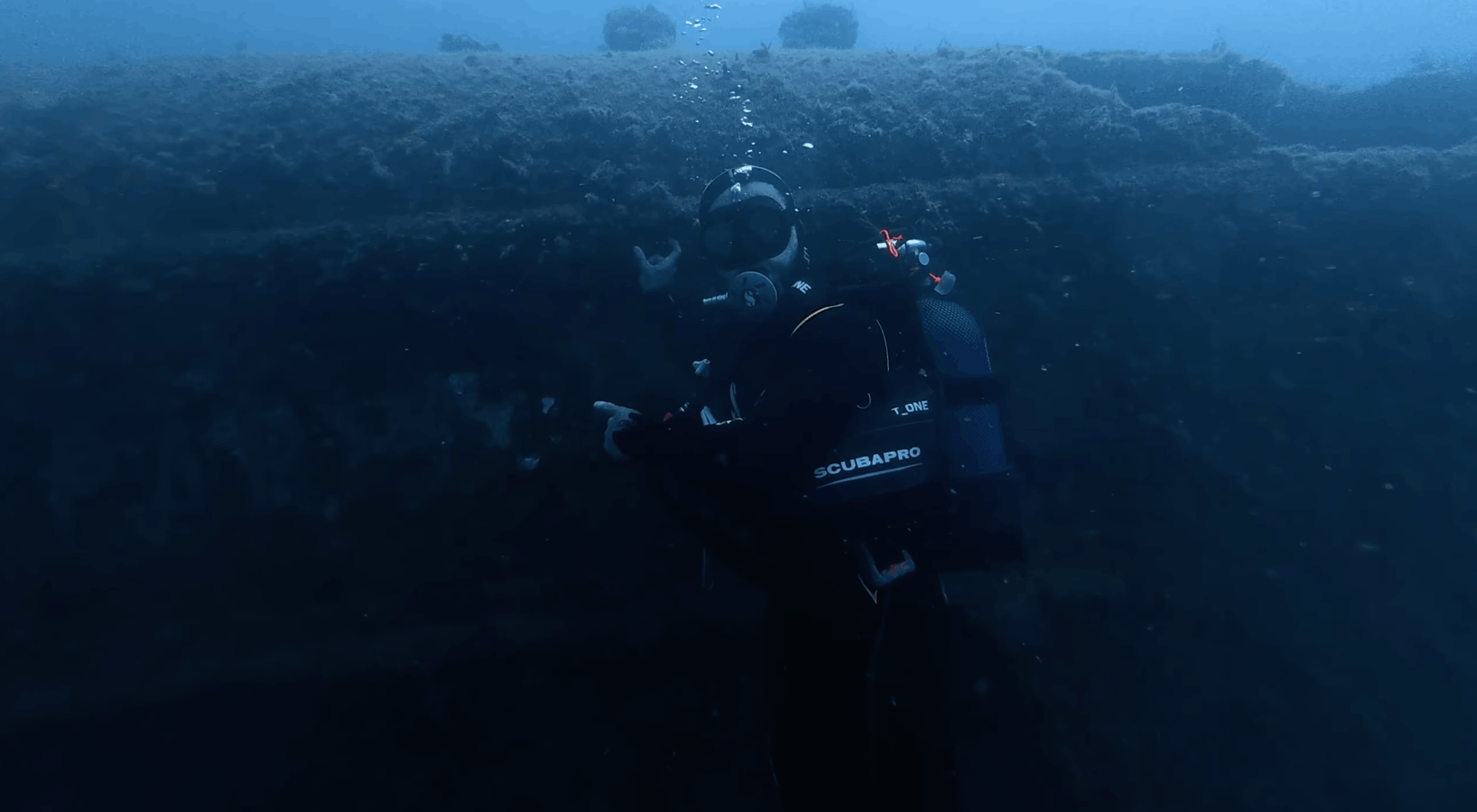
From what I've read (not firsthand experience), Mediterranean water temps range from around 57°F (14°C) in winter up to 82°F (28°C) in peak summer, so plan for a 7mm or drysuit in colder months and you can get away with a 3mm or rashguard in summer.
Visibility never hit the 100 ft (30 m) sometimes advertised online, 40 to 50 ft (12 to 15 m) was the max I saw across three weeks.
Current was minimal on most dives, with the exception of a gnarly surface current at the St. Didier that just meant holding onto a line.
Getting to Türkiye
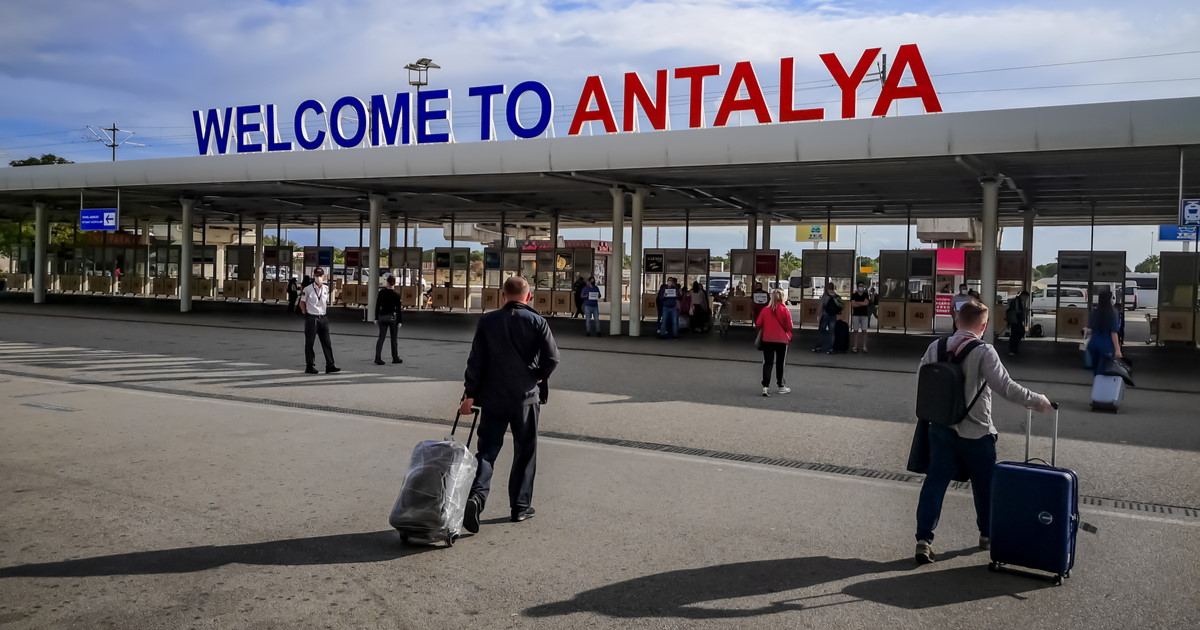
The easiest route is flying into Antalya Airport, diving the St. Didier with Kaleiçi Divers, then working your way down the coast to Kemer for the Paris 2, Tekirova for Uç Adalar, and finally Kaş, about a two hour drive, for the bulk of the best diving. You can also run it in reverse by flying into Dalaman straight into Kaş.
Budget $80 to 100 per two-tank dive, which usually includes lunch, gear, and a guide, though the Turkish lira's volatility against the dollar has pushed prices up in recent years.
Türkiye isn't the Red Sea or the Philippines, and if you're coming purely for world-class reef diving, you'll probably leave disappointed. But if you're already building a Mediterranean trip and want to mix in some of the most unique wreck diving in the world, or you just love history, this country might be a top world war wreck diving destination.
Let's Dive Together
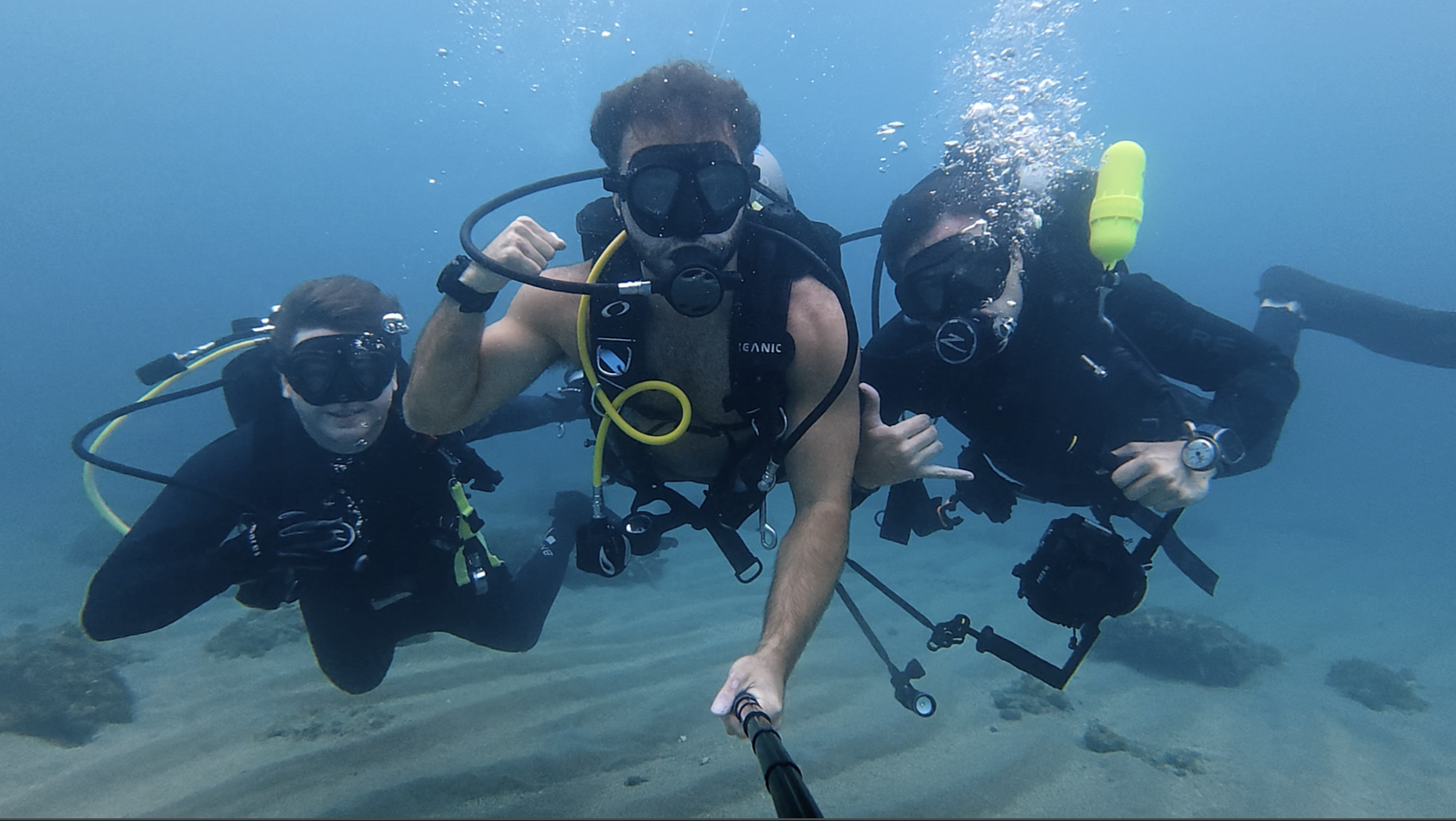
👋 It's Divemaster Austin
I'm inviting you to Dive Club, my global scuba diving community.
What you’ll find inside:
🤿 Dive meetups & group trips
🌍 Top dive sites shared by community members
⚙️ Gear tips & technique discussions
🤝 Diver's who’ve already linked up IRL
See you there!

.webp)
.webp)