

.webp)
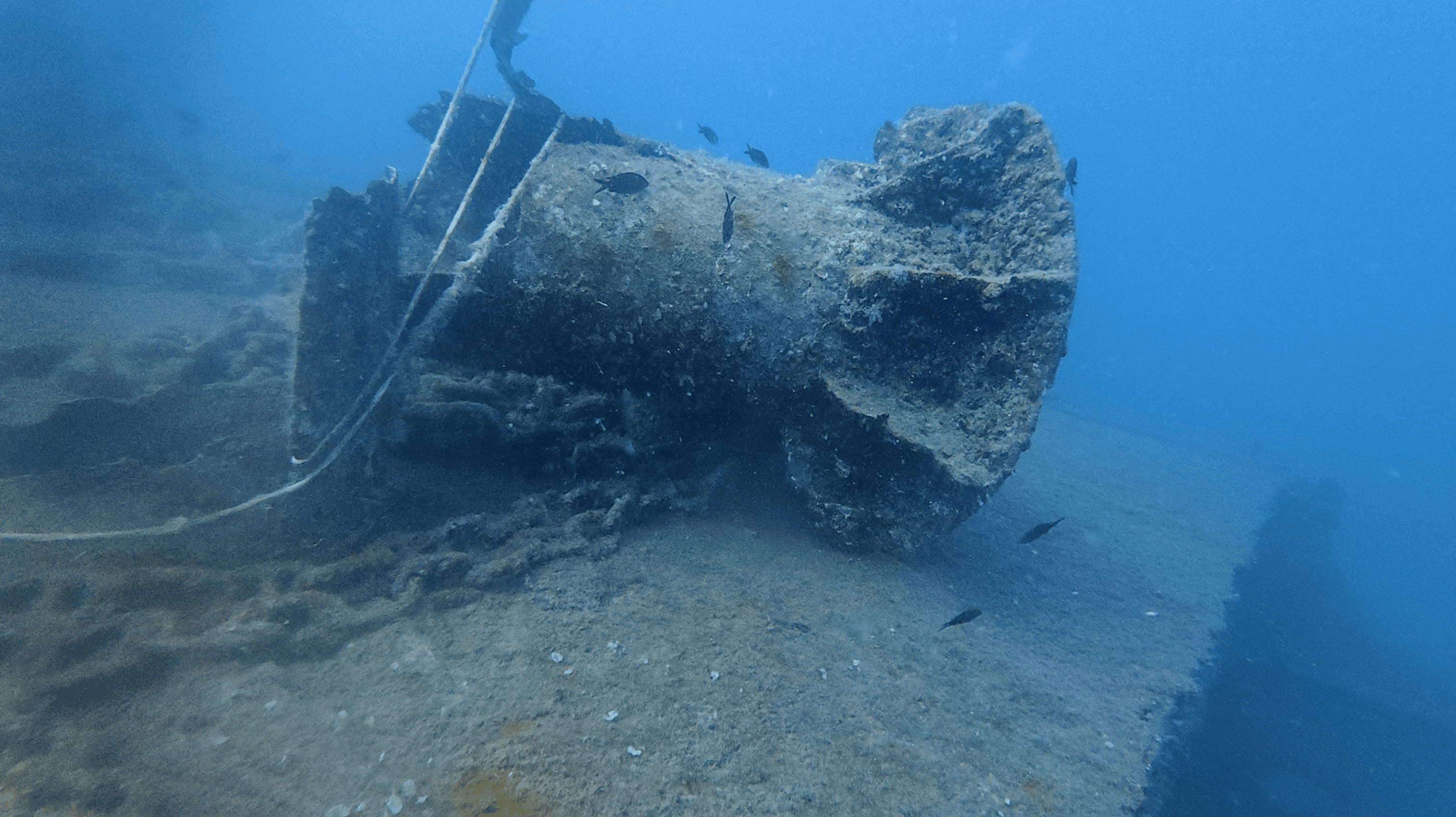
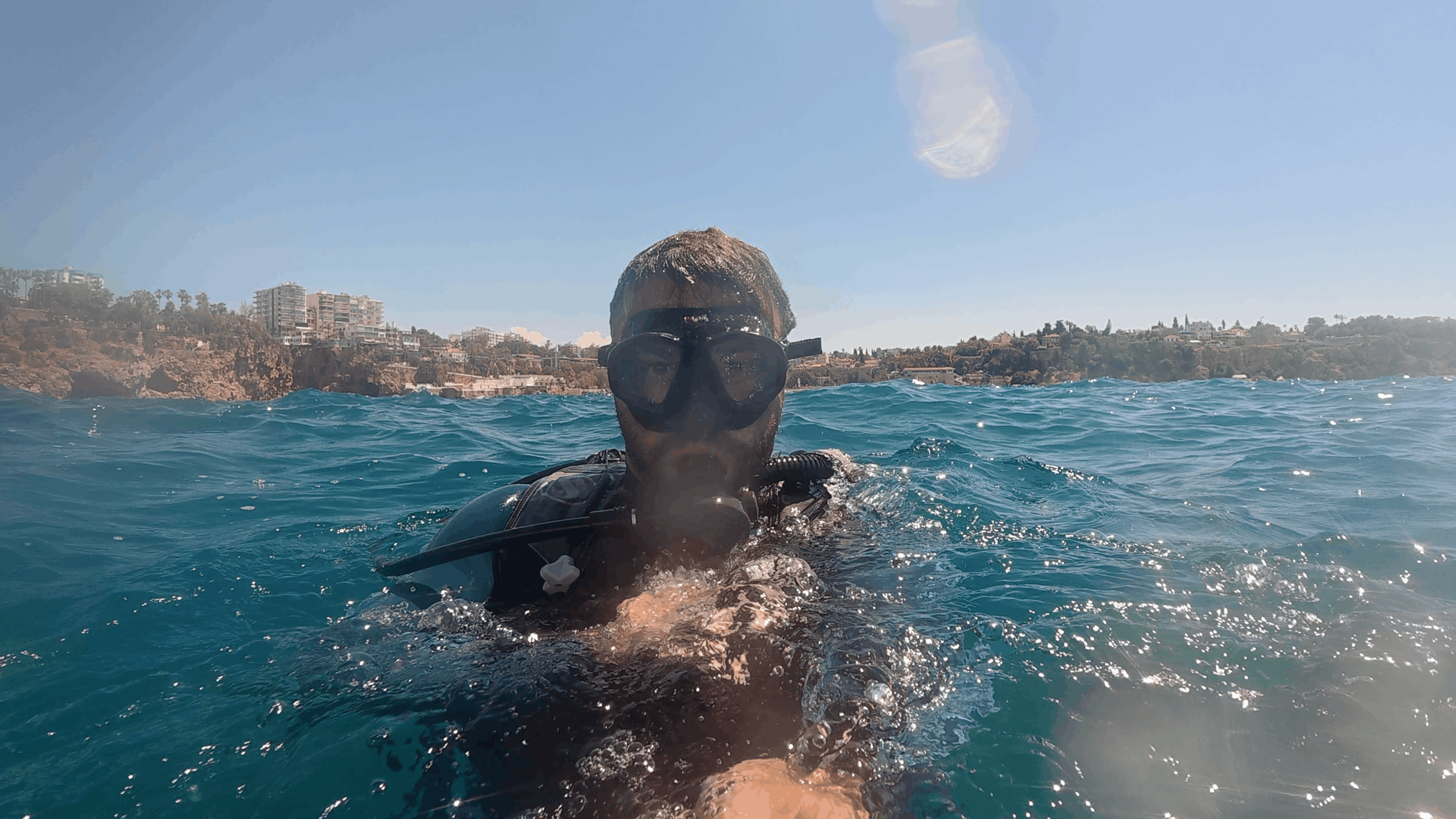
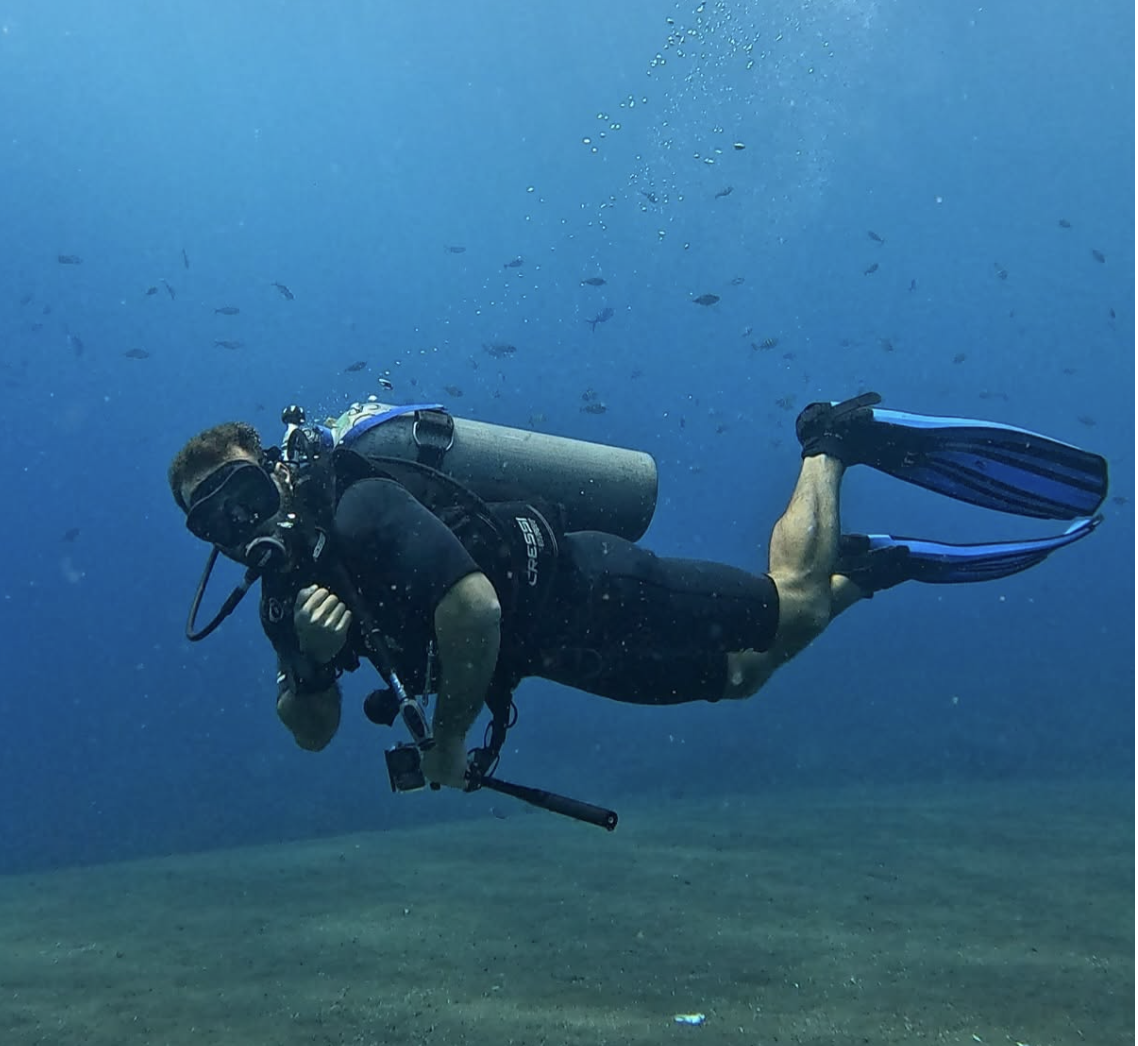
I dove the St. Didier in May 2026 with Kaleiçi Divers, by boat out of Antalya, Turkey.
The St. Didier is the largest wreck dive in Turkey, a Vichy French supply ship sunk by the British in 1941 that still holds rifles, bombs, and cars in its hull.
It was one of five sites I dove across Antalya and Kaş, all written up in my Türkiye diving guide.
History of the St. Didier
After France fell to Germany in 1940, France split into two factions: the Free French, who continued fighting with the Allies, and the Vichy French, who sided with Germany. The St. Didier was a Vichy French war and supply ship.
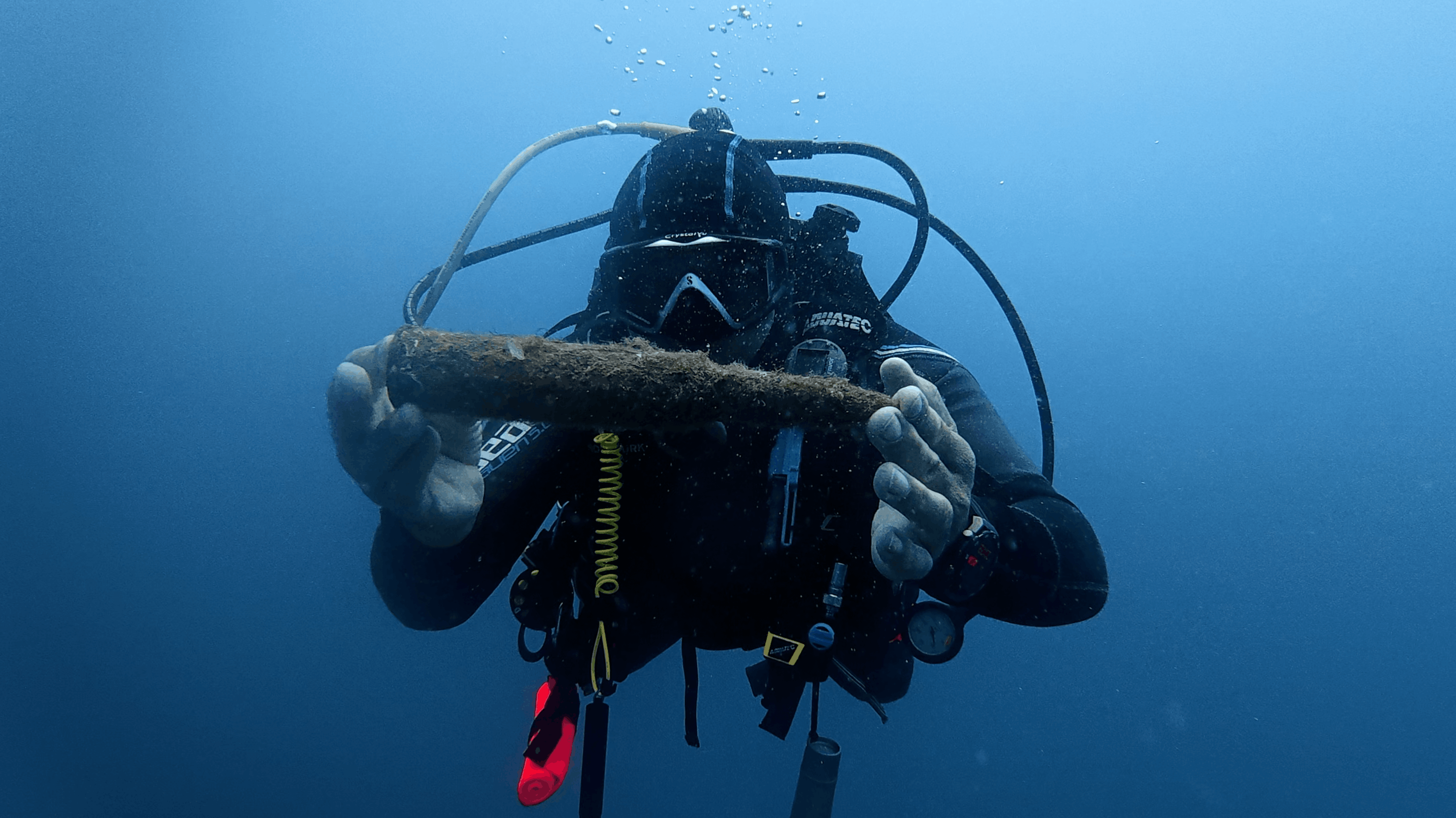
In 1941, the St. Didier left Greece carrying troops, arms, munitions, and vehicles.
A British air squadron hit it with torpedo missiles, causing severe engine damage.
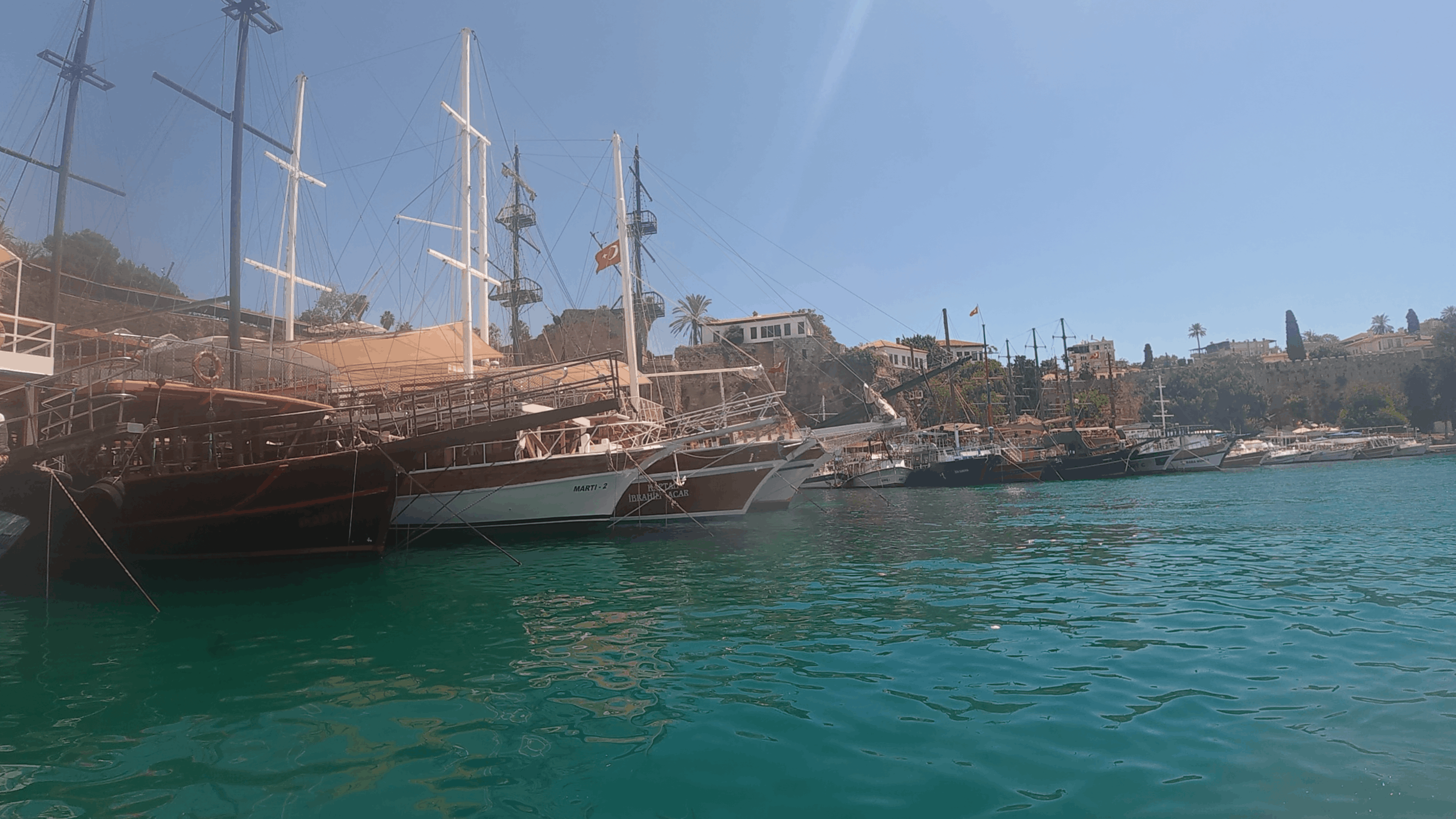
The crew sheltered in Antalya Harbour and attempted to disguise the ship as a neutral Turkish vessel, changing the name and flying a hospital flag.
An hour and a half later the British identified it and attacked again. Four torpedo missiles struck the ship and 14 crew members were killed.
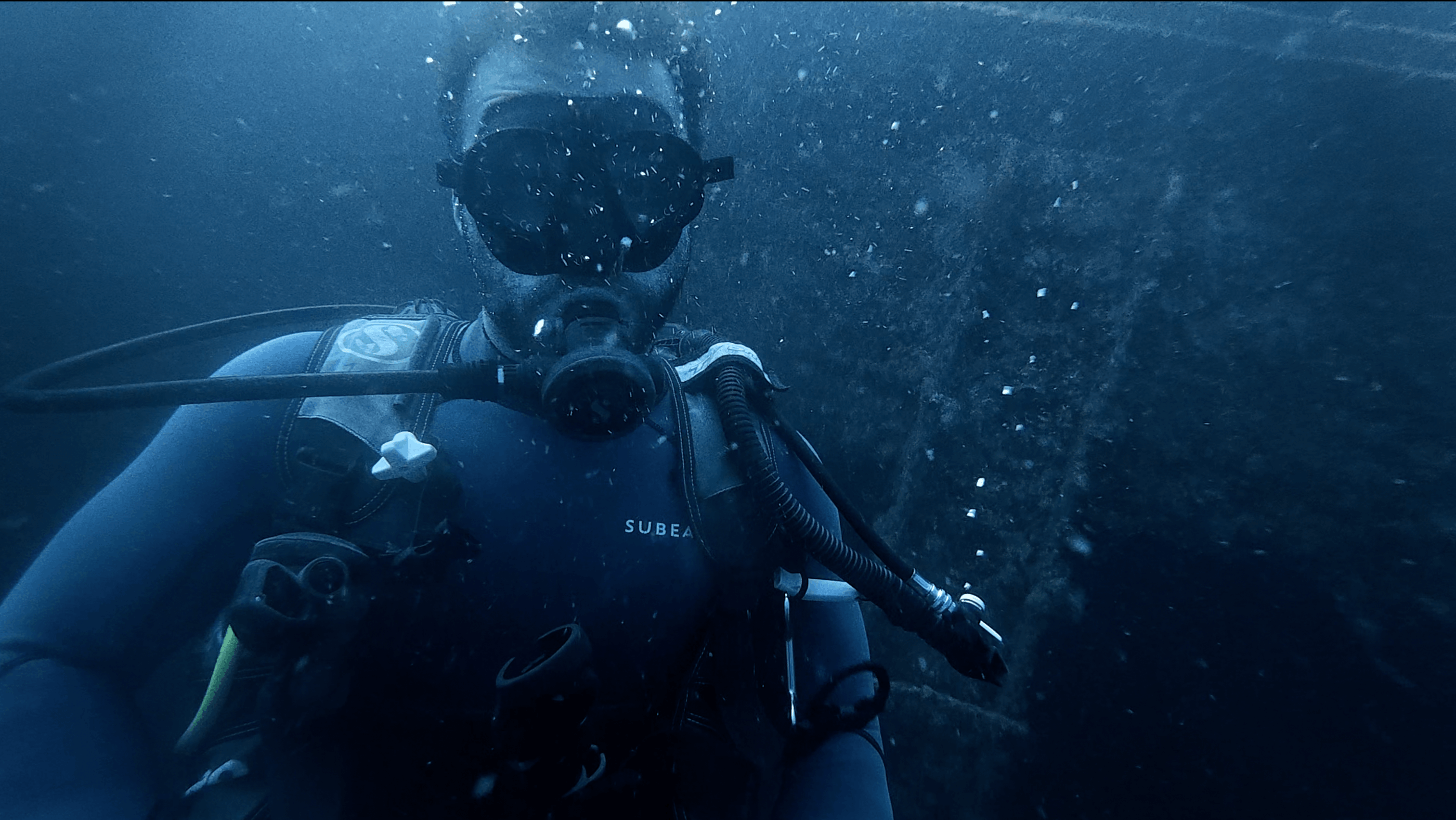
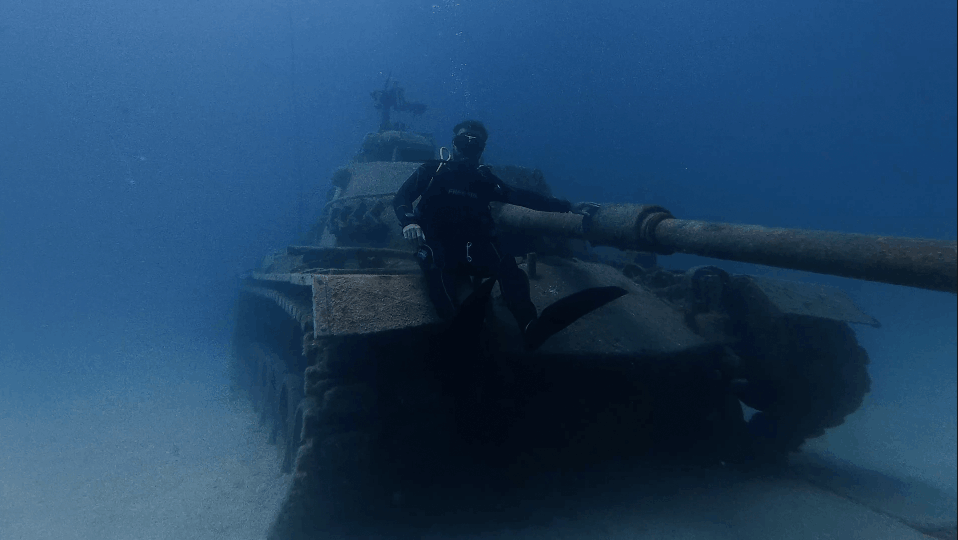
Two salvage operations followed in 1946 and 1974, removing weapons, ammunition, vehicles, and the remains of the deceased. The wreck still contains rifles, bombs, and cars inside the hull.
How to Find It
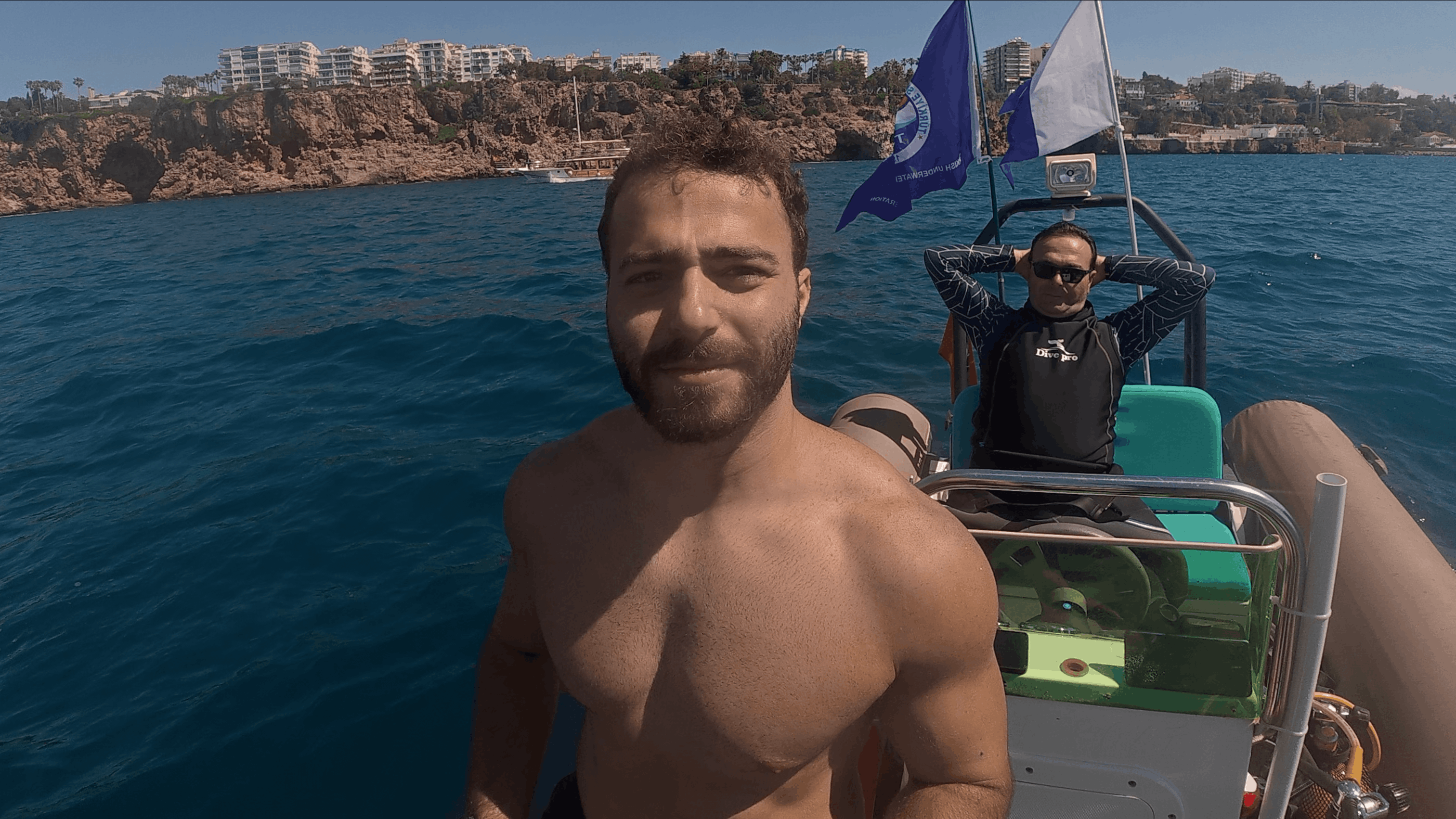
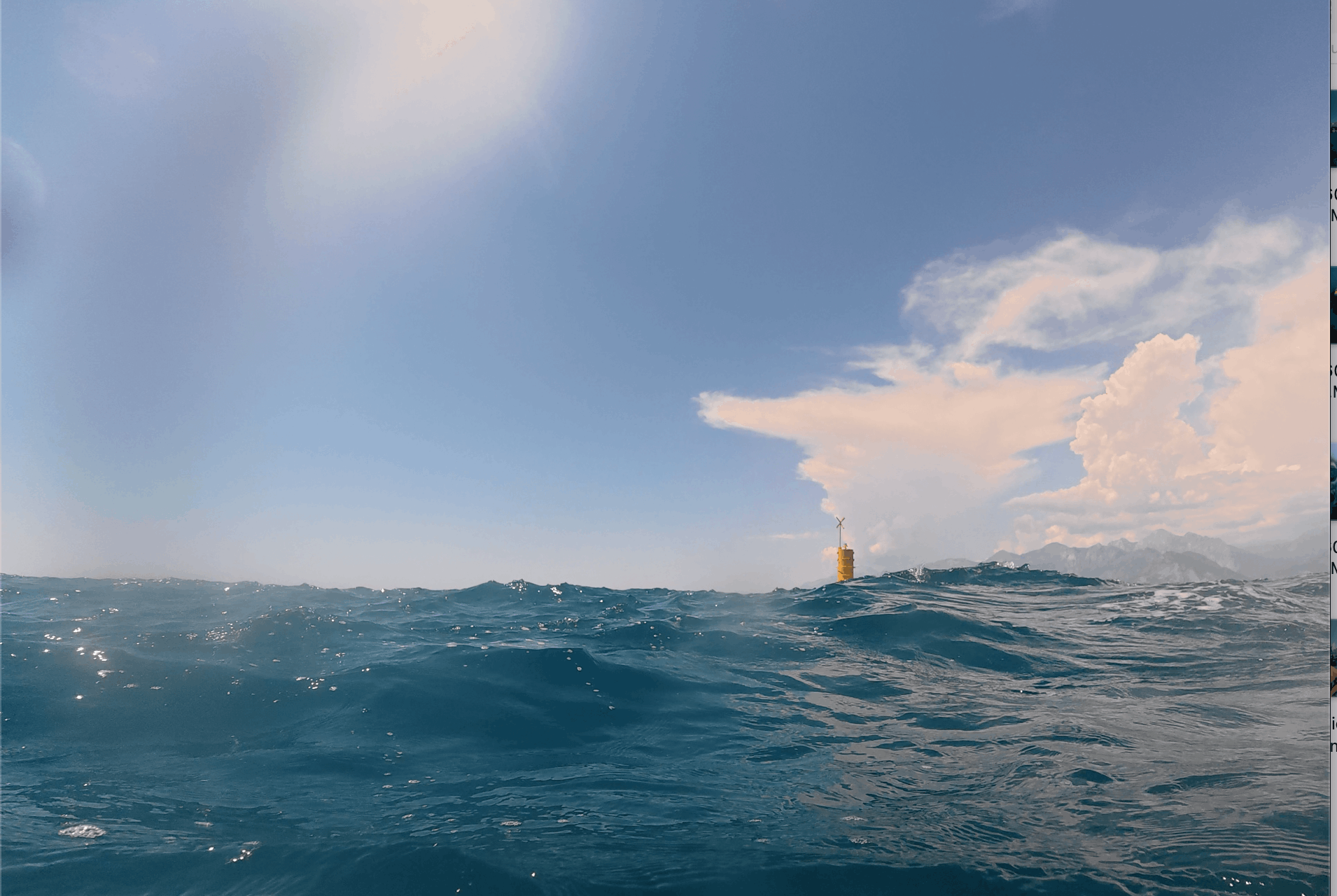
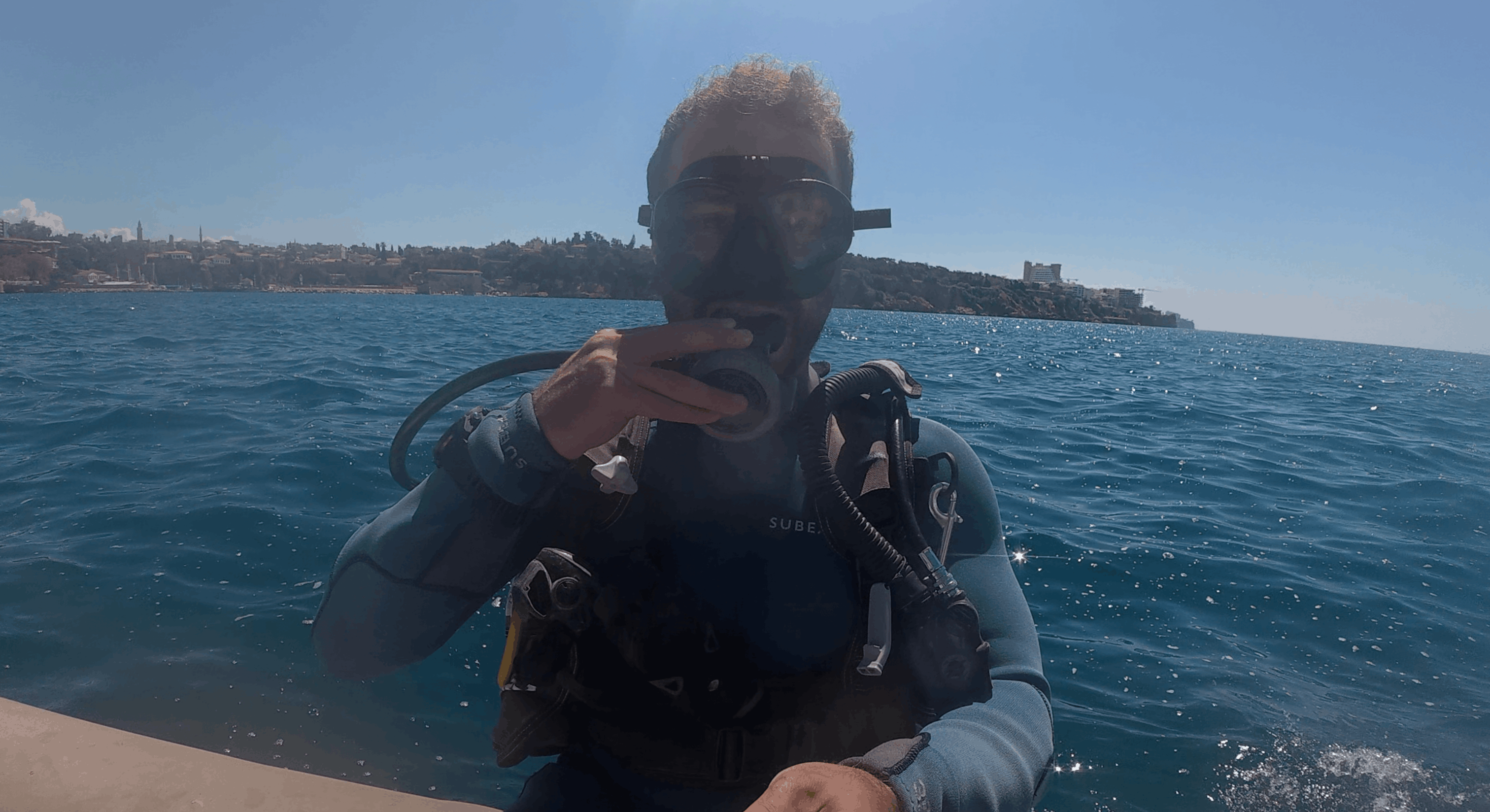
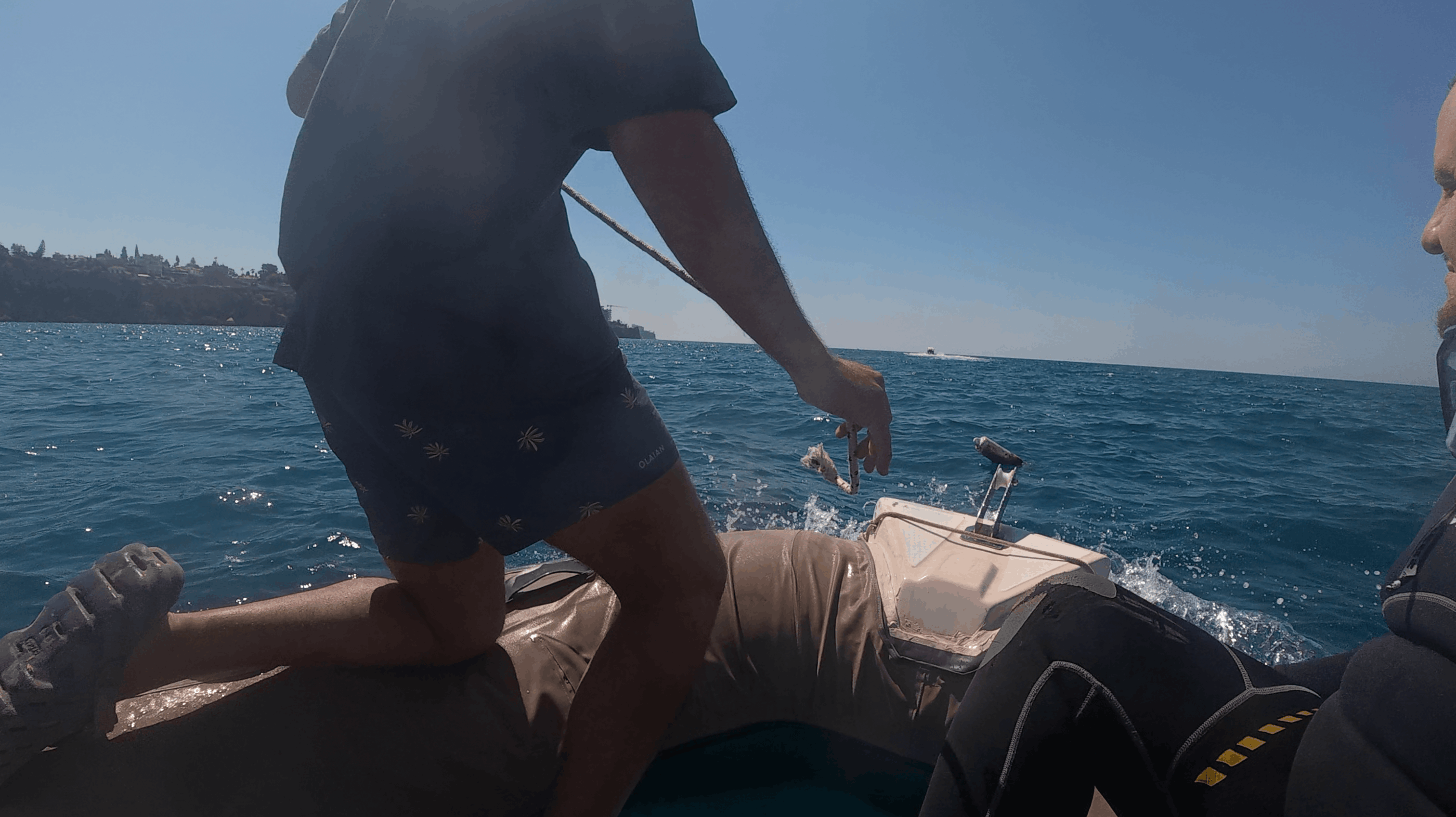
I went with Kaleiçi Divers in Antalya.
Entering the Water
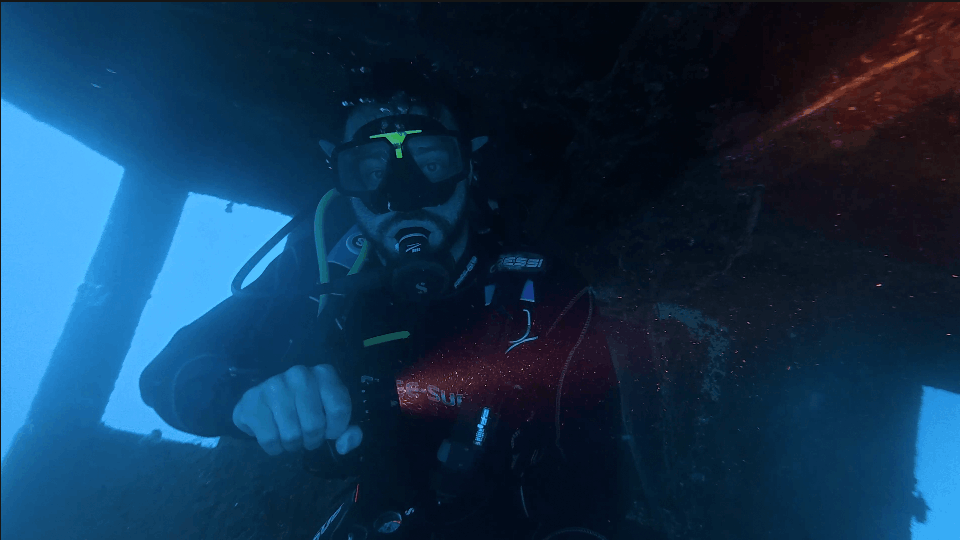
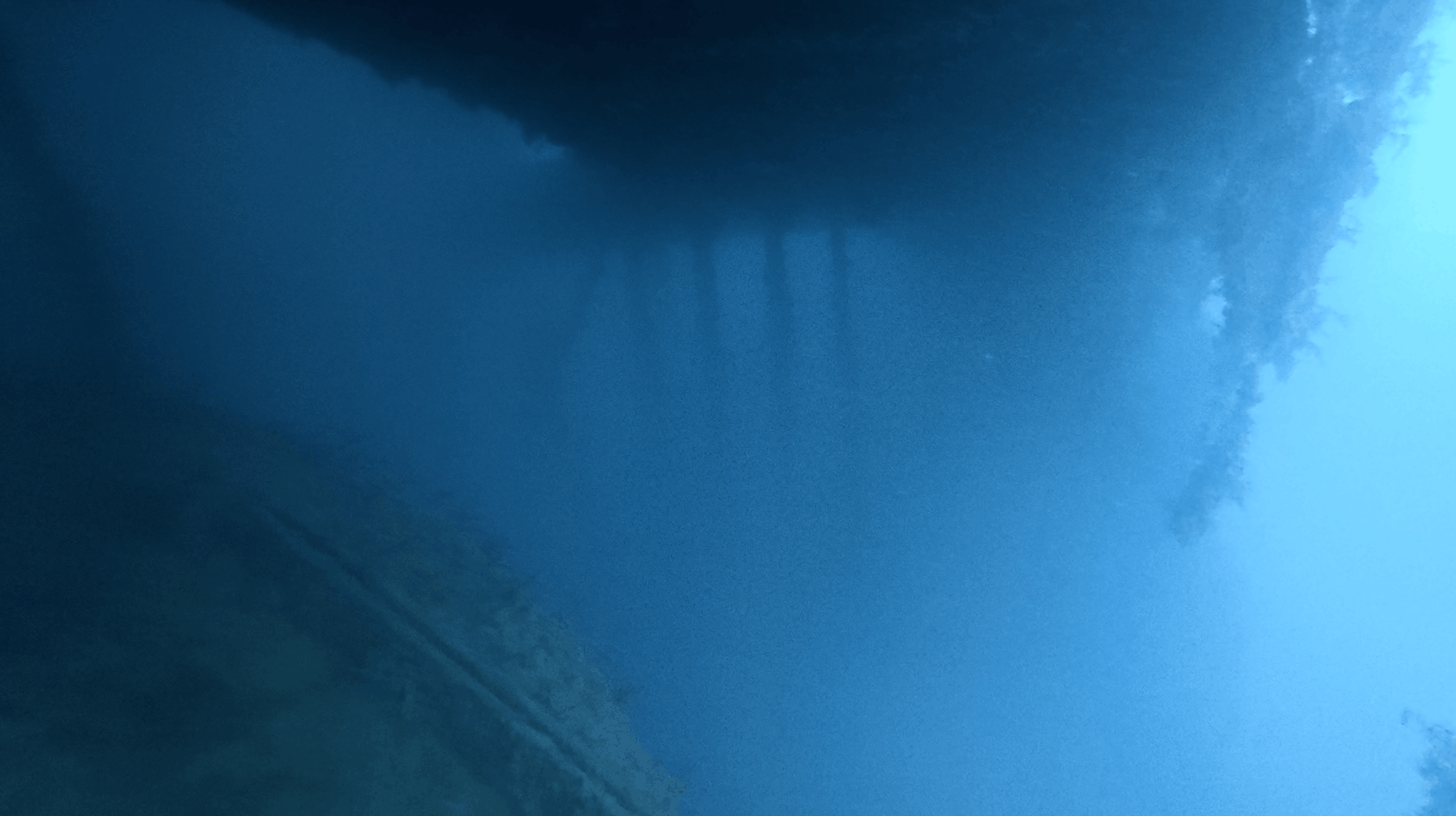
The Wreck
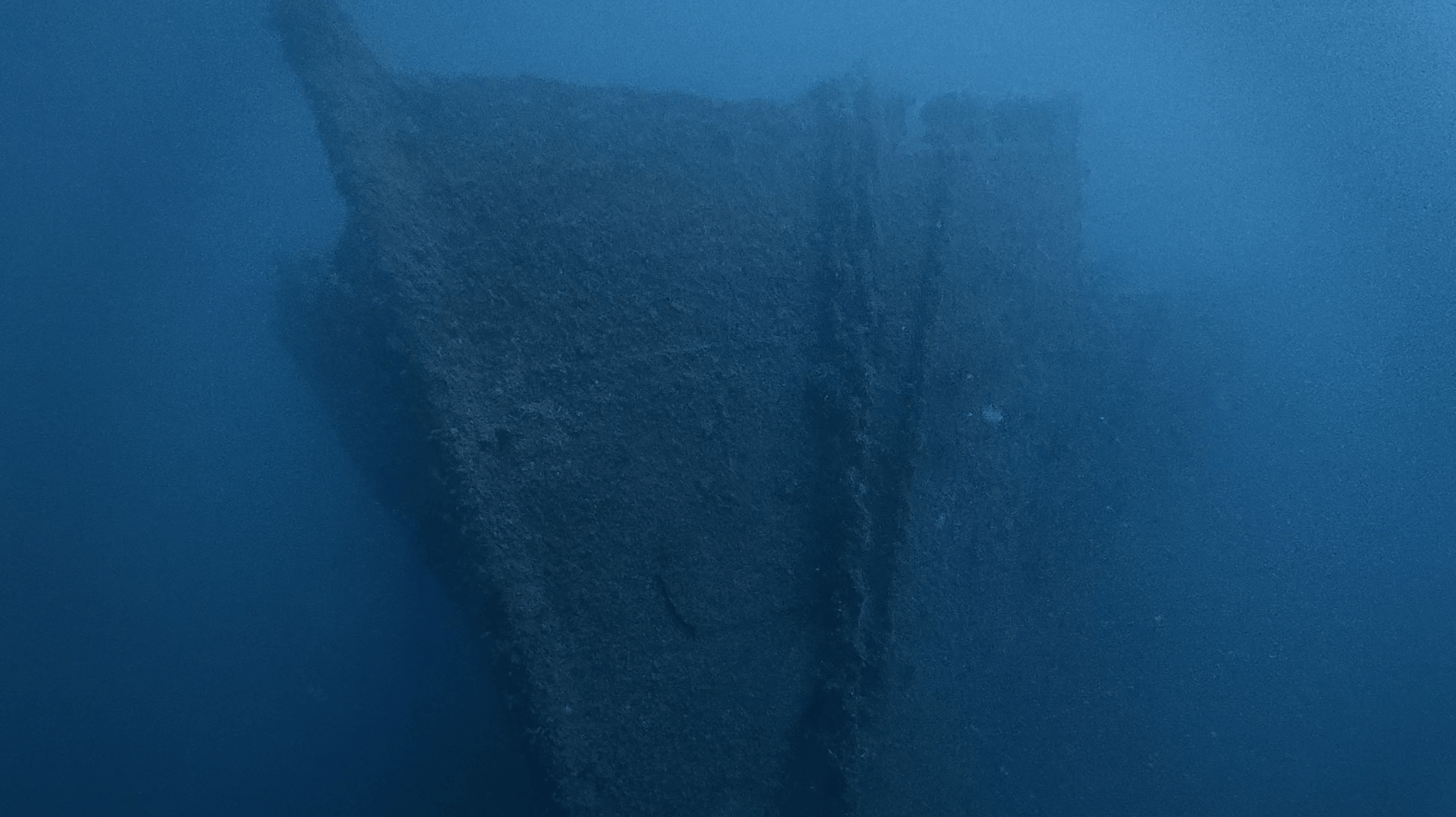
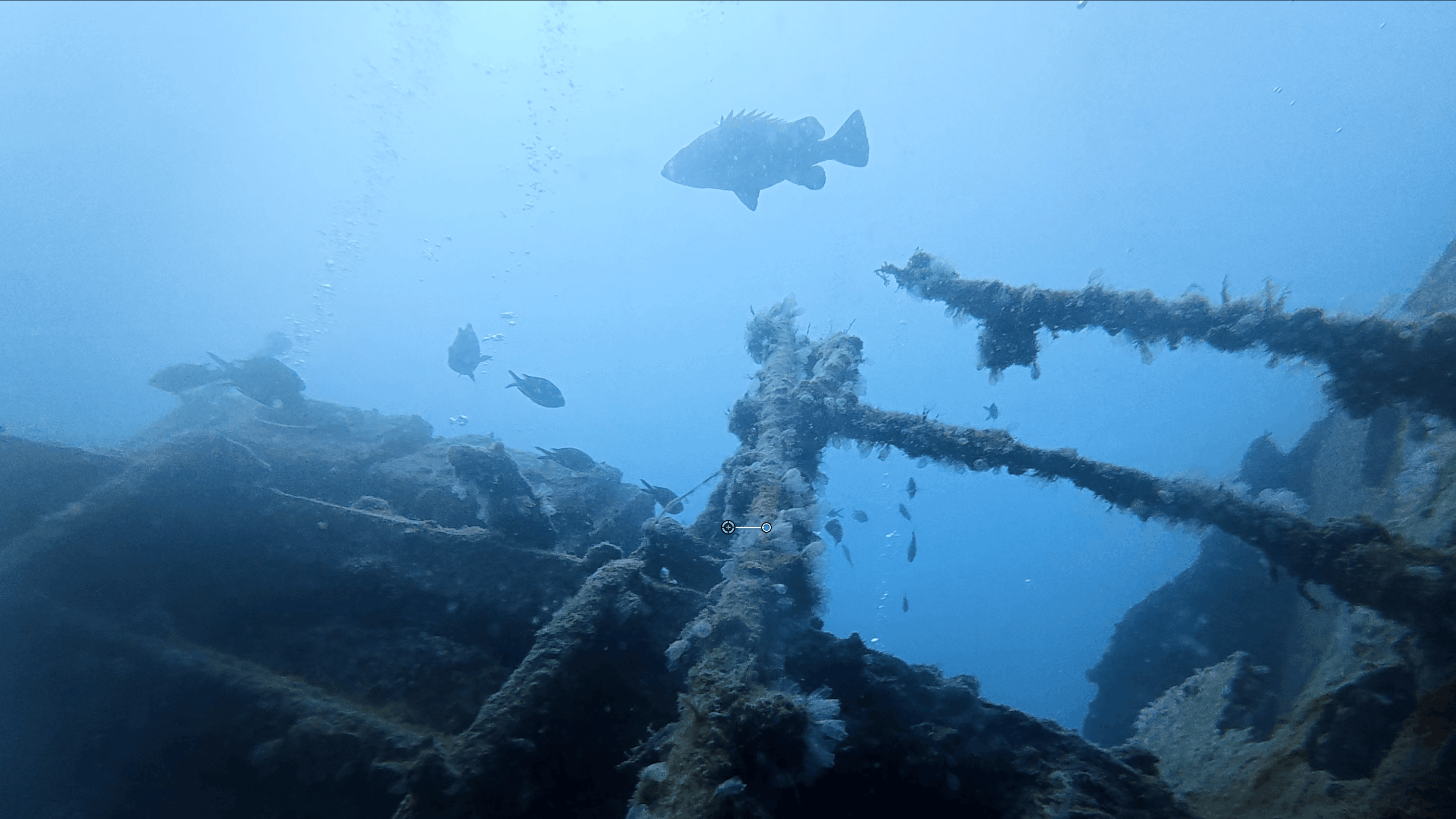
One dive is not enough to see this ship. I only covered the front half before we had to surface due to my dive buddy's air consumption.
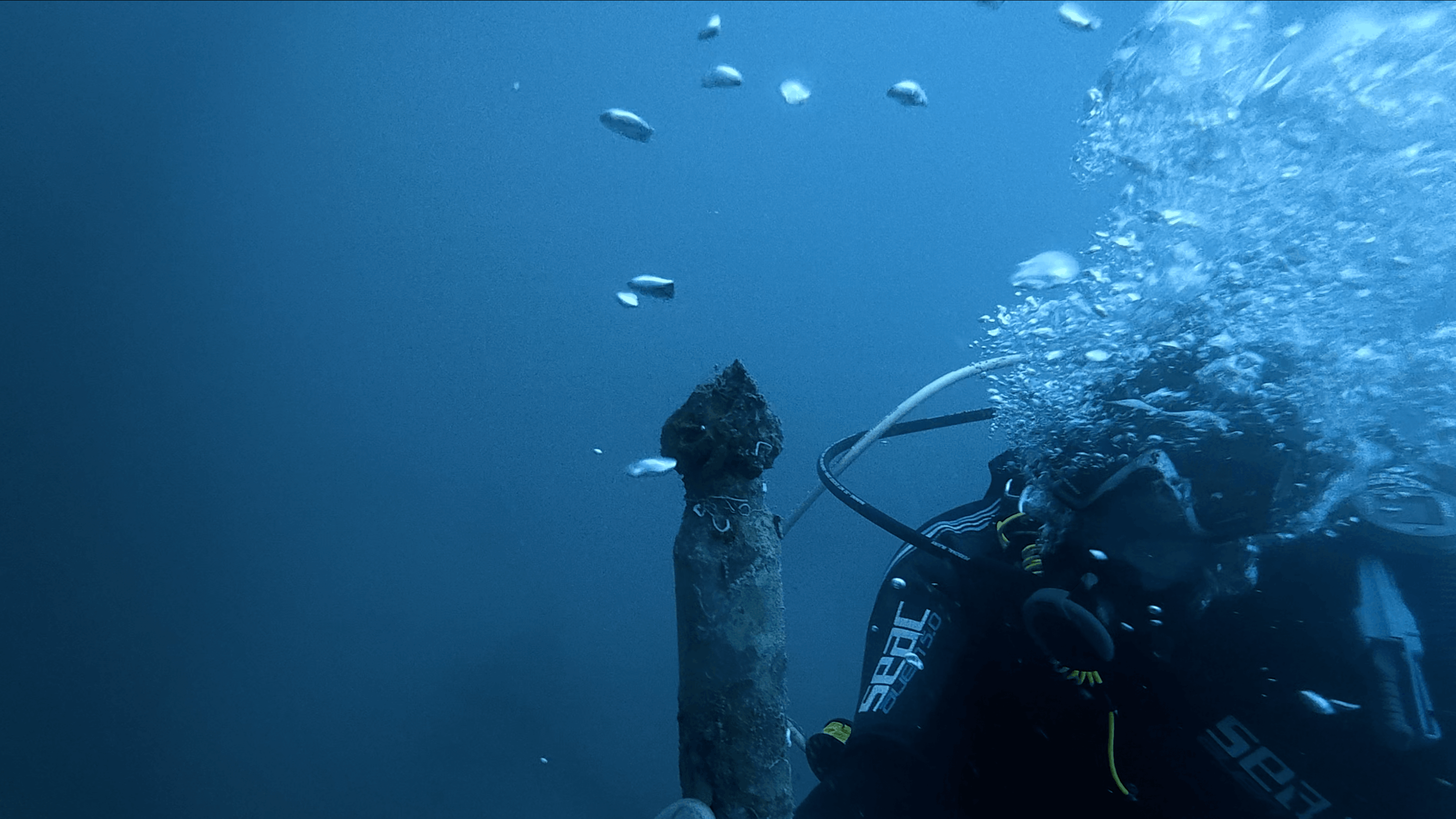
There is a large gap torn into the side of the hull, likely where the British torpedoes hit.
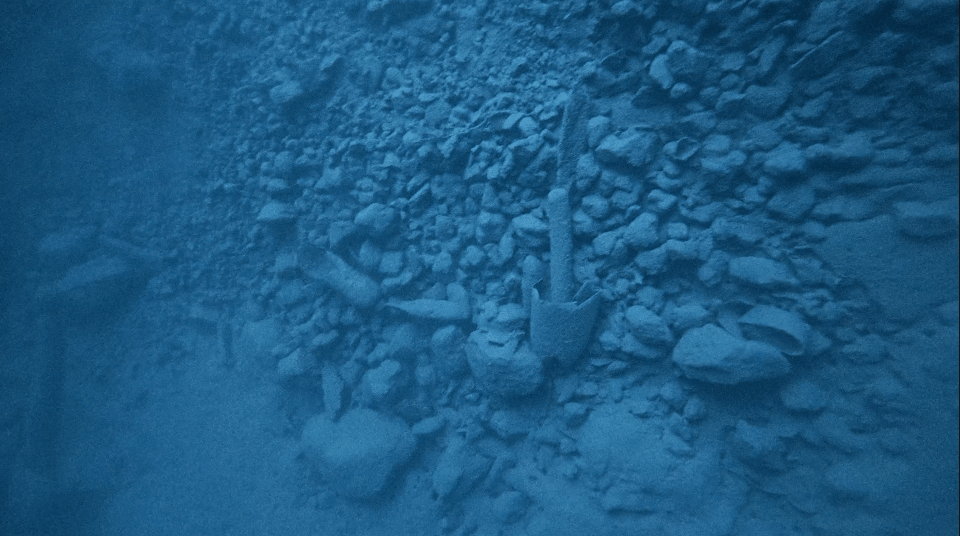
The cars, bombs, and rifles are further into the ship. I did not reach them on this dive.
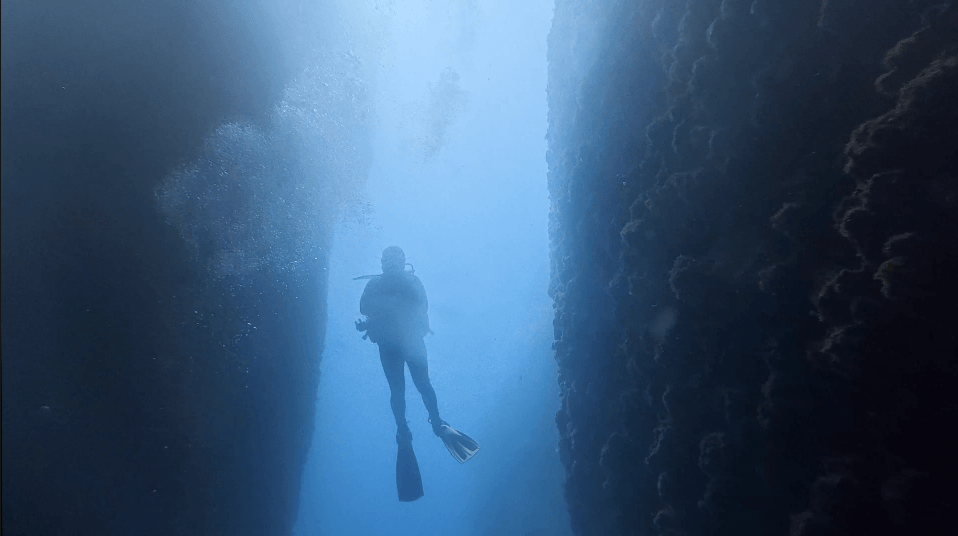
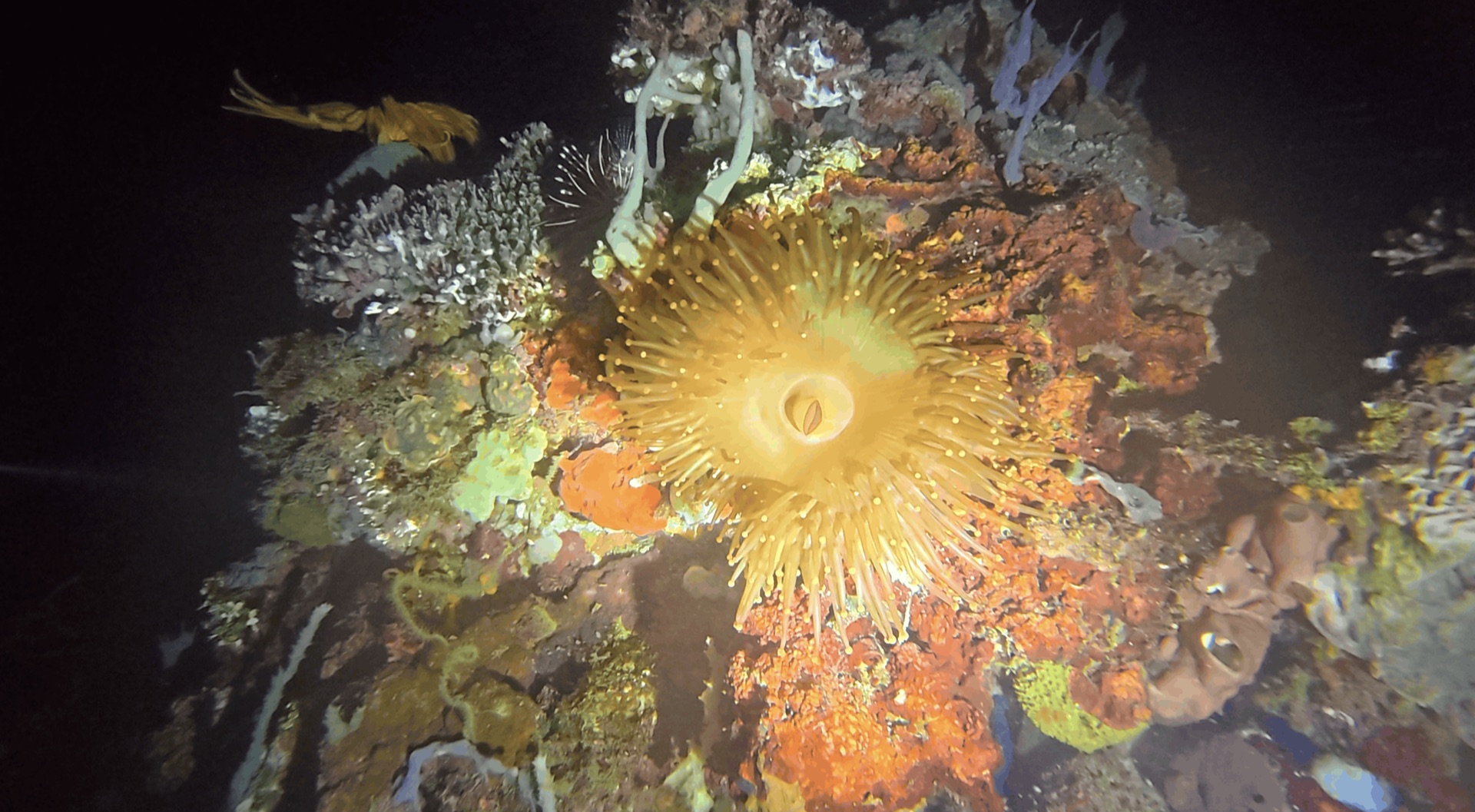
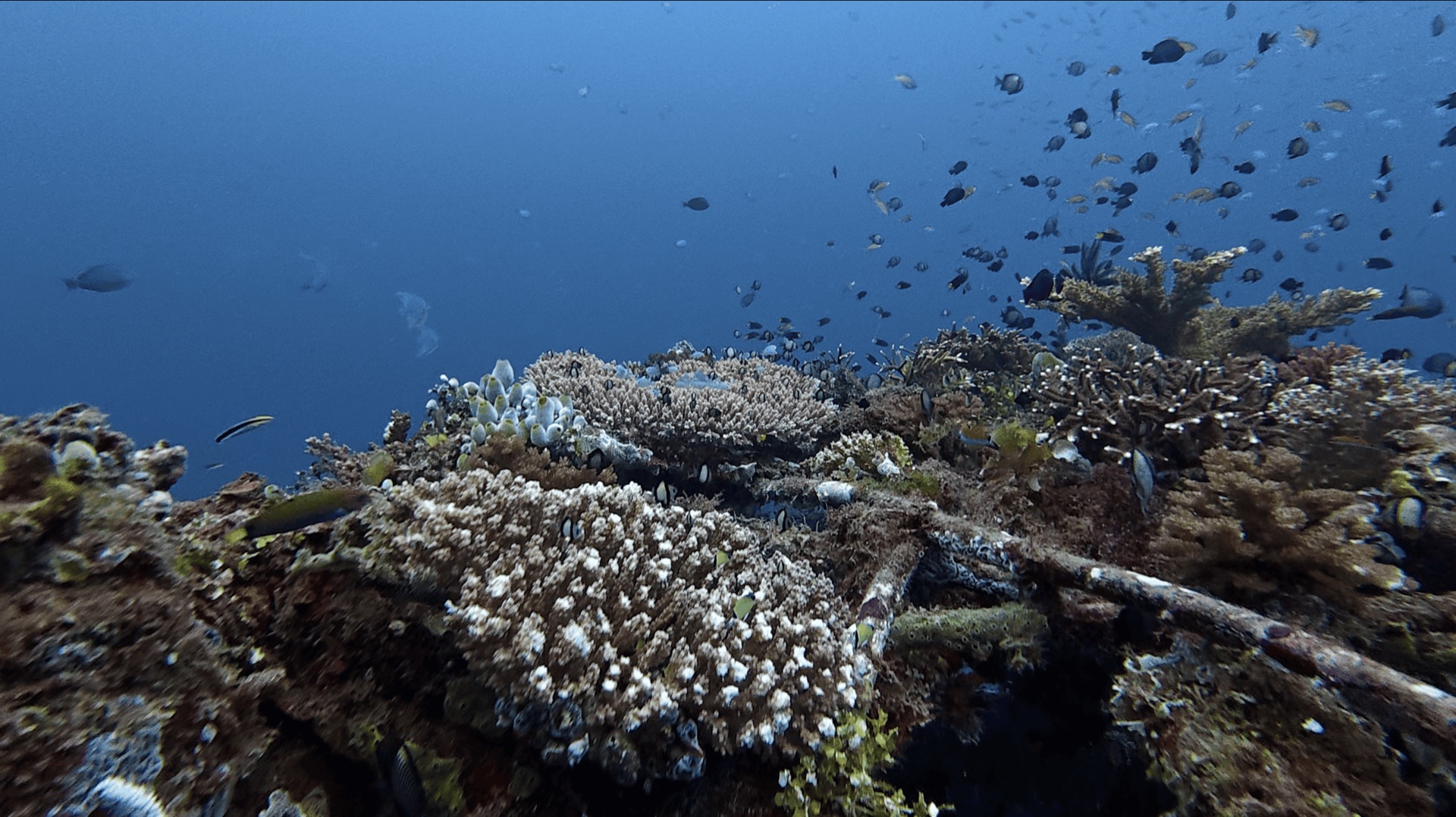
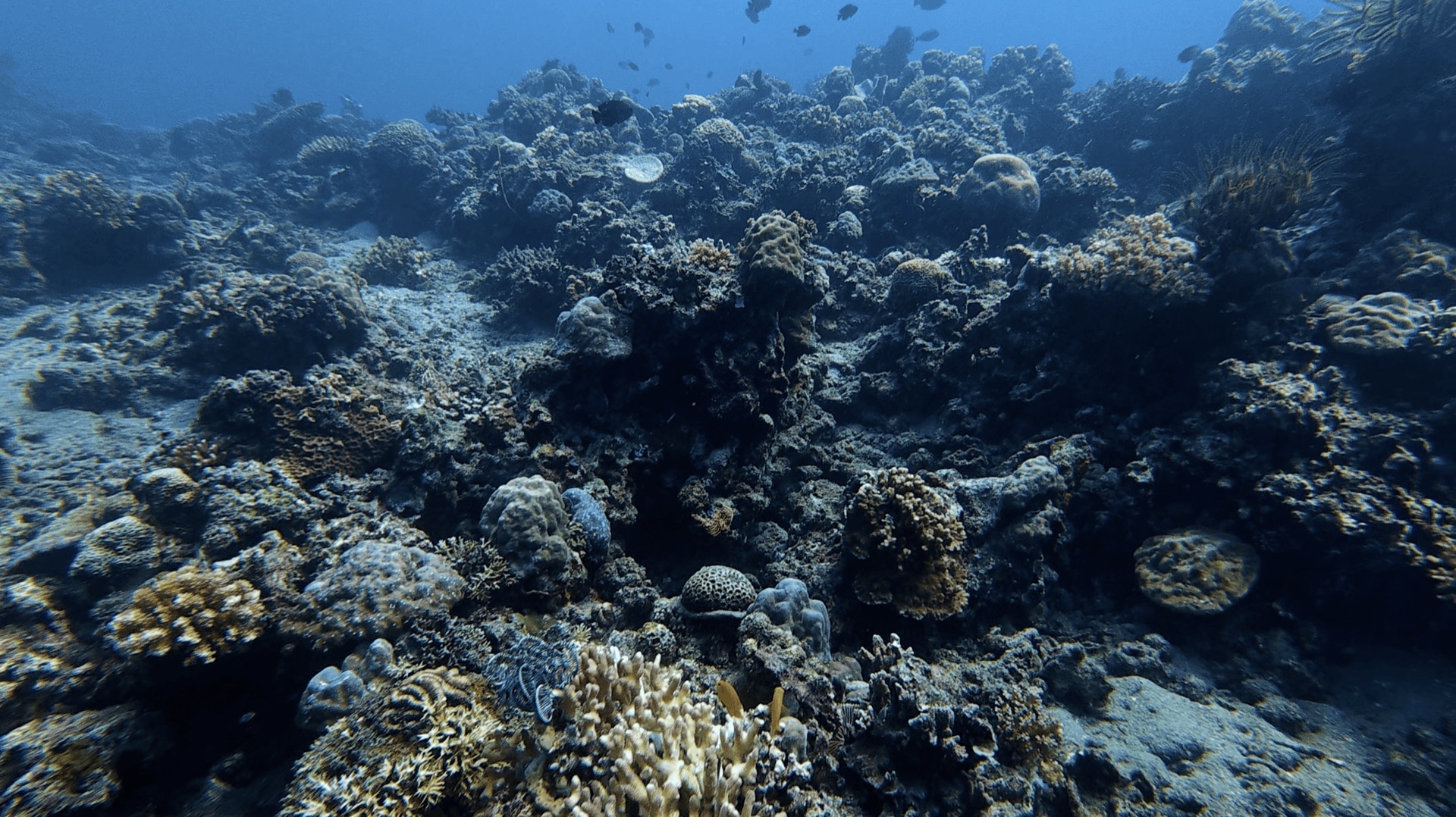
What Marine Life I Saw
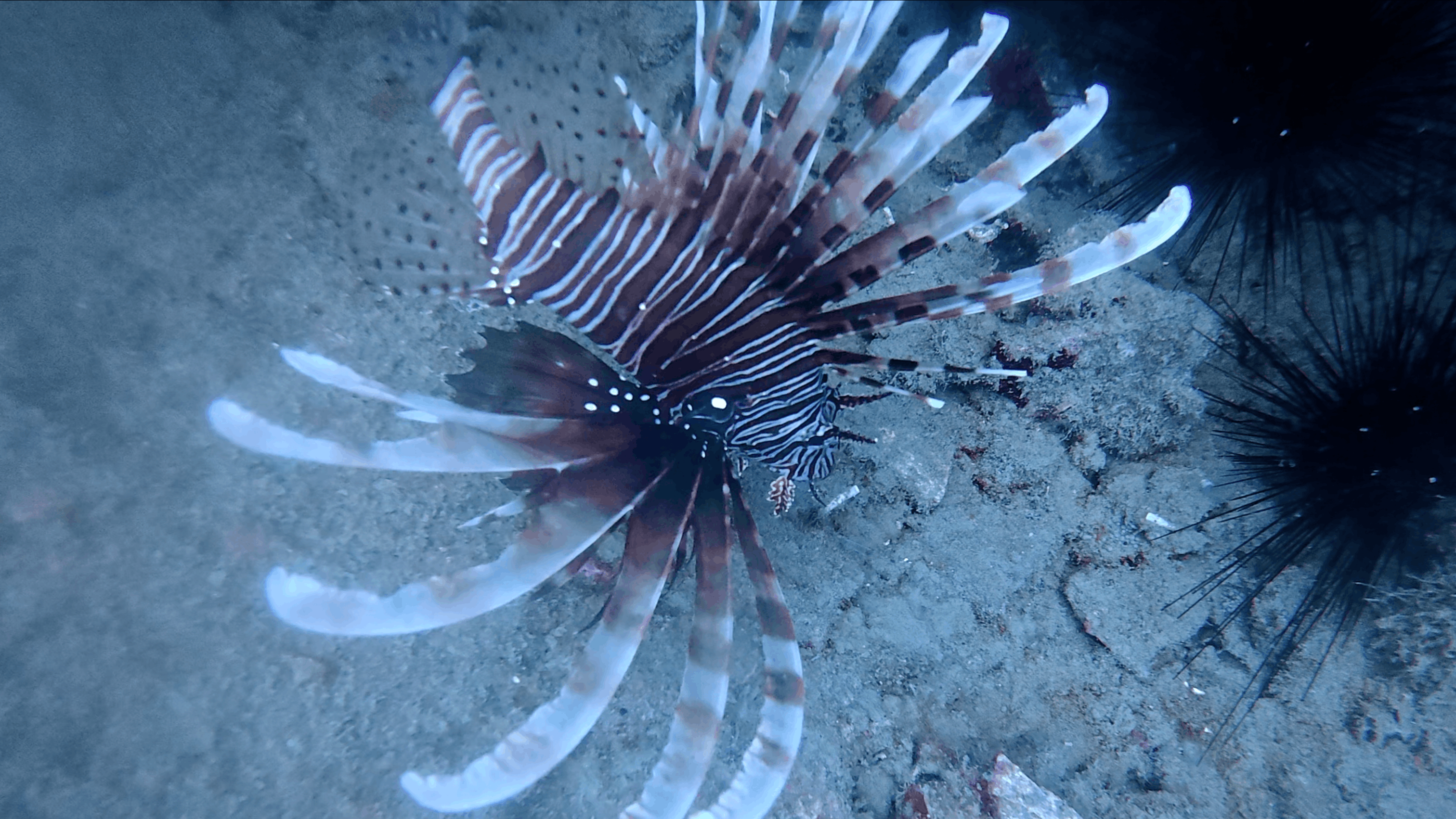
The Mediterranean here is heavily overfished. Two invasive species from the Red Sea, lionfish and a species of pufferfish, have compounded the problem by eating eggs and juvenile reef fish.
Both are killed on-site in Turkey when encountered, but each presents its own removal challenges.
Logistics
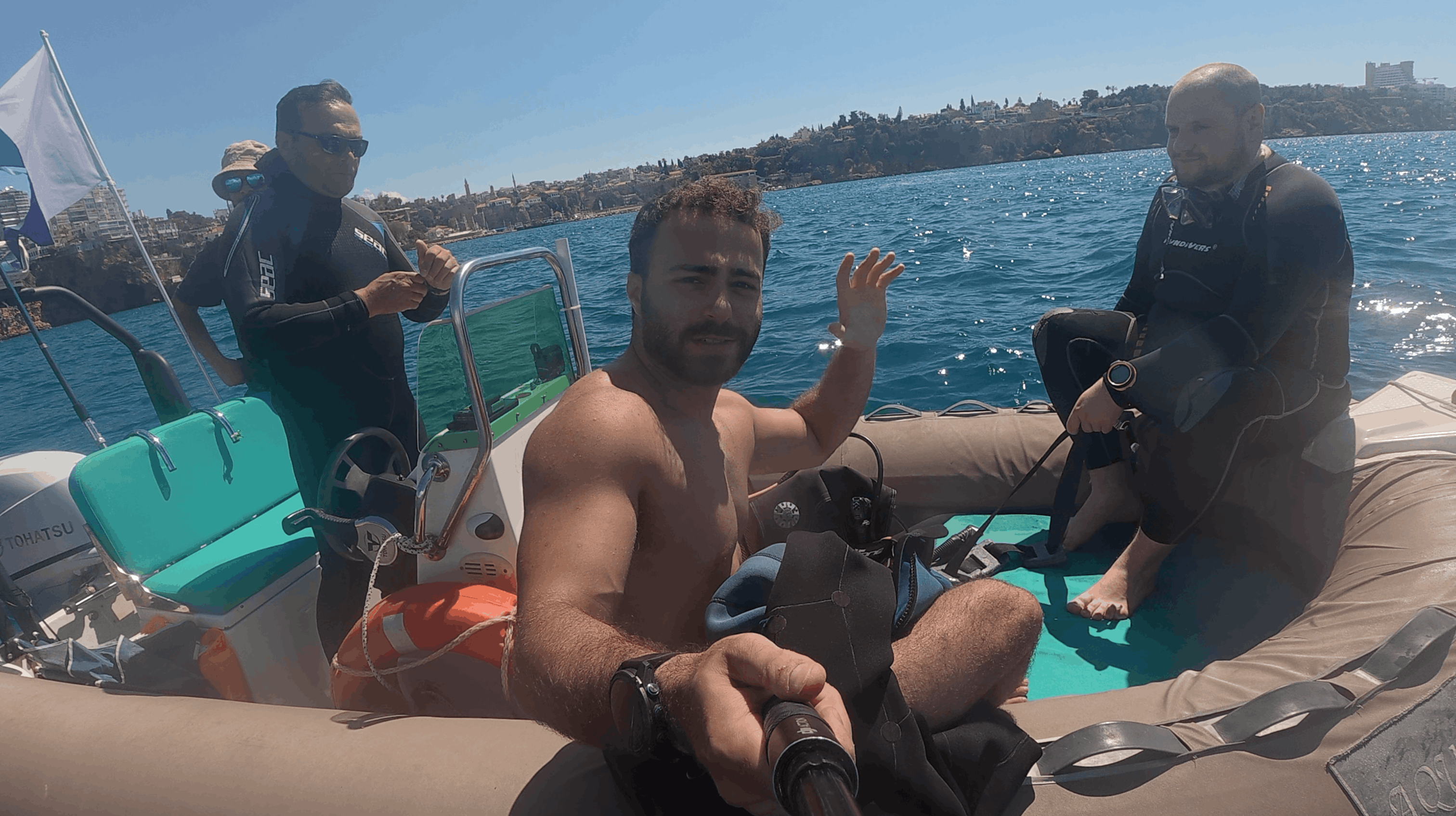
Kaleiçi Divers runs small zodiac trips to the St. Didier.
After the dive they offer coffee, tea, or cigarettes. Customer service is excellent.
The Paris II off Kemer and the C-47 at Uç Adalar are the other two wrecks on this stretch of coast, and the Kaş sites are a few hours further west.
Dive Conditions
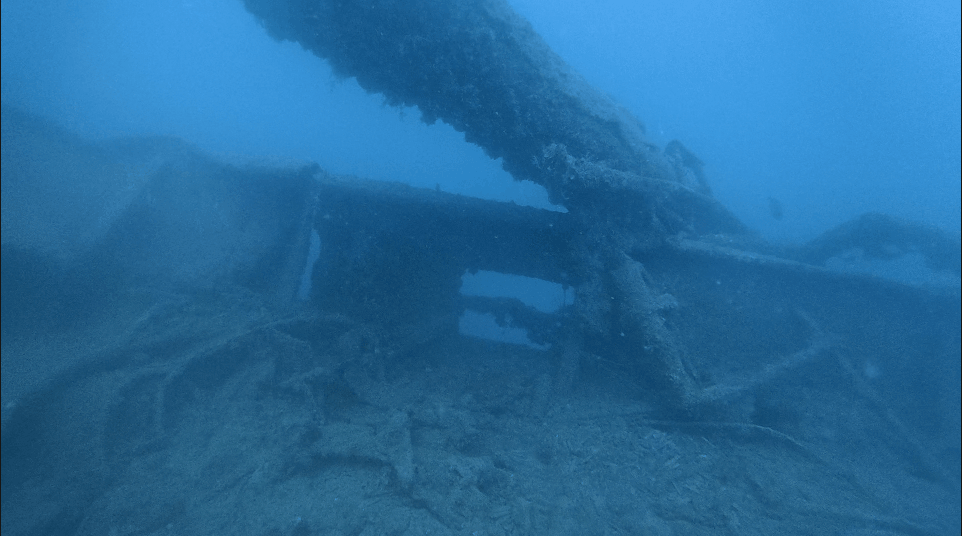
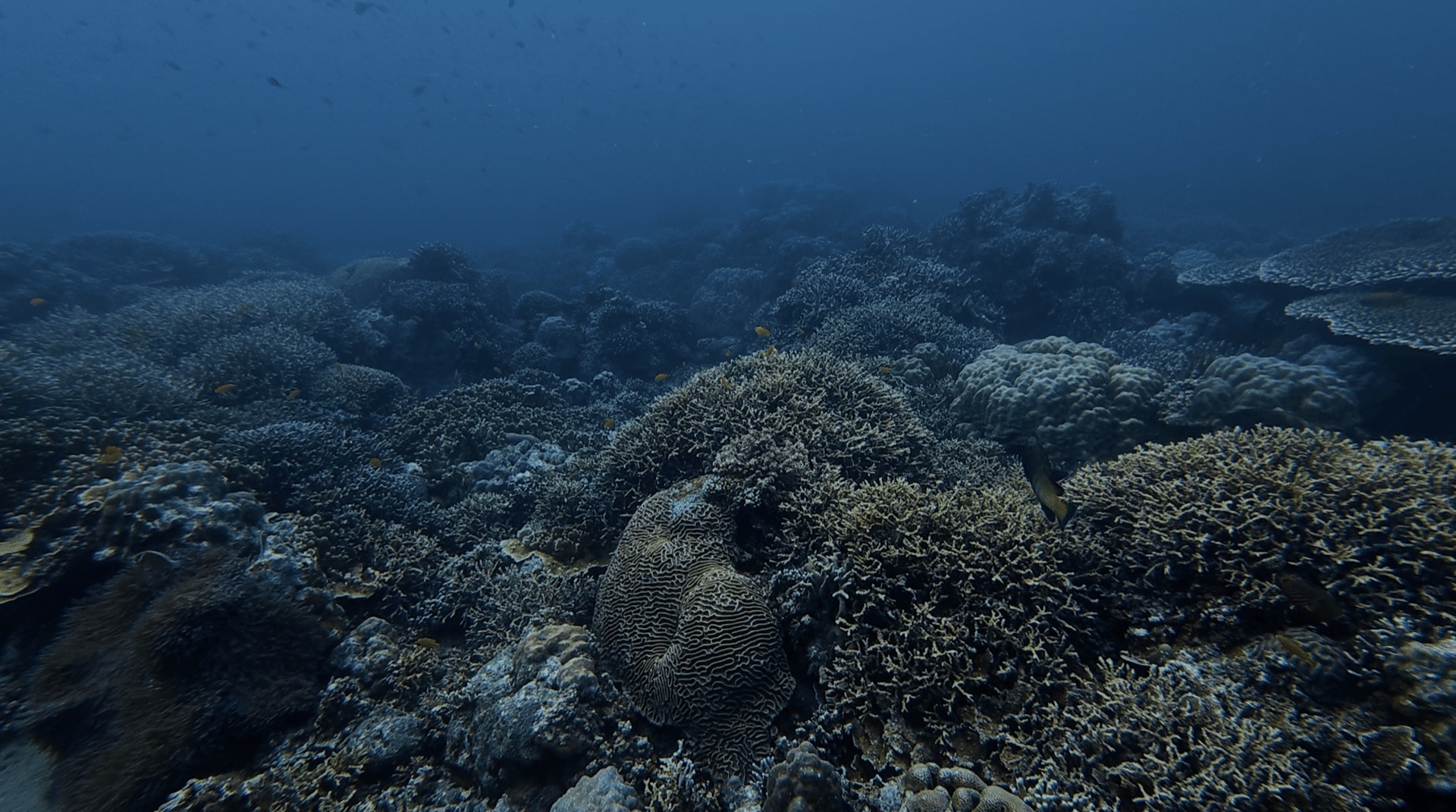
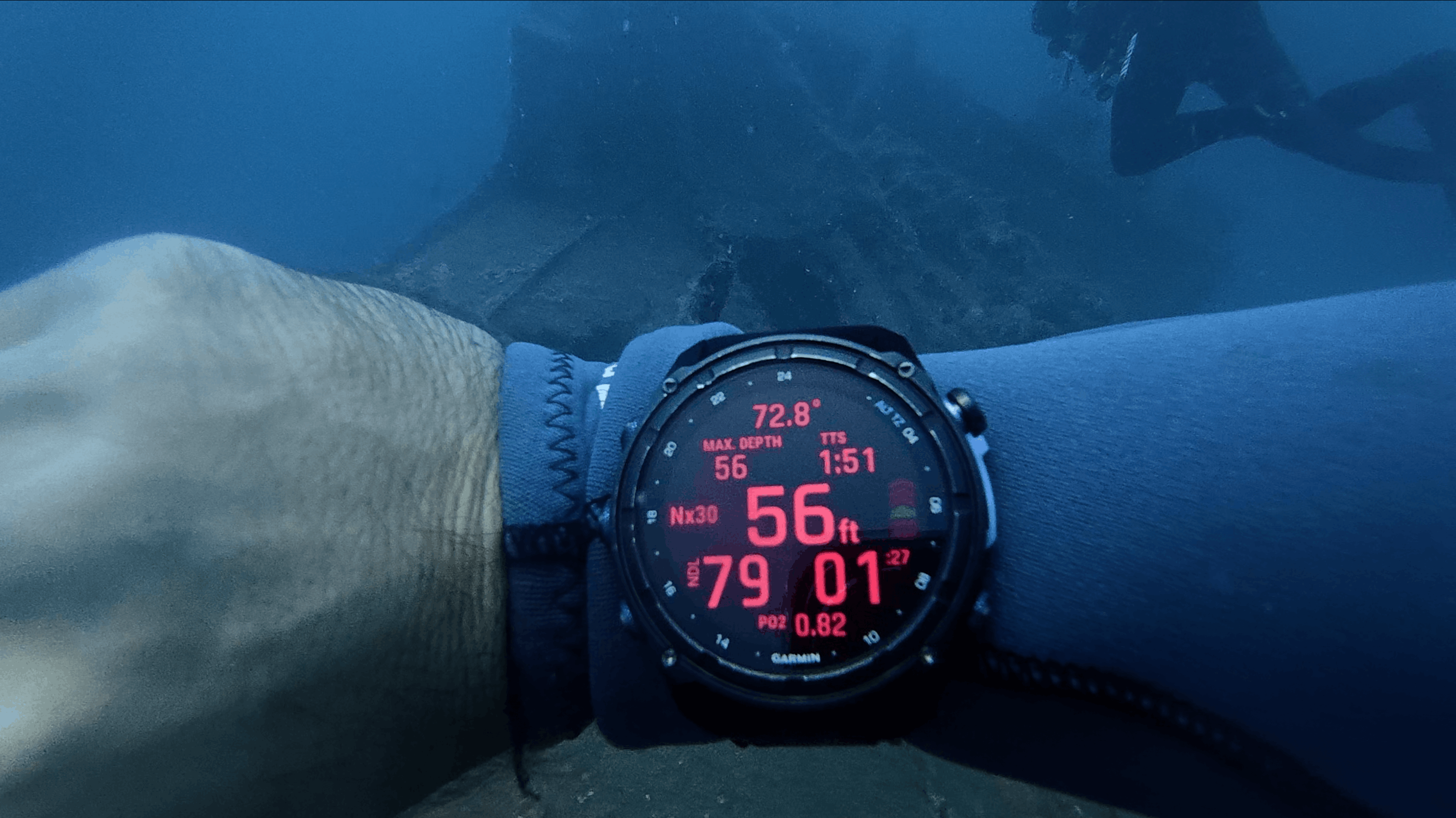
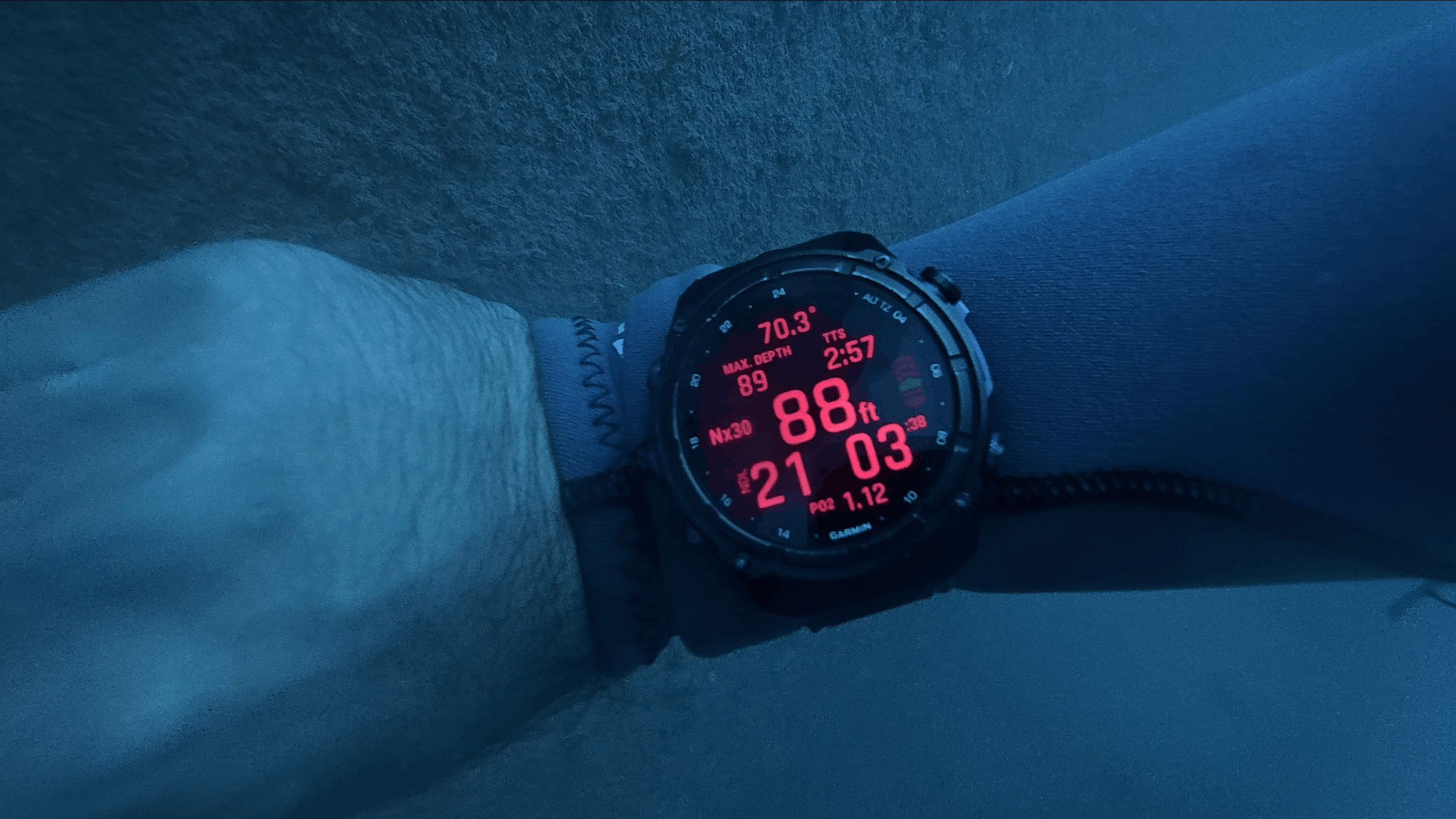
Visibility on this dive was 15 to 20 feet (4.6 to 6.1 m). The dive guide rated it a 9 out of 10 for this site. Surface conditions were choppy with a light current. I wore a 3mm wetsuit, which was comfortable for most of the dive.
There was a noticeable thermocline on the descent towards the lowest point, with 68°F (20°C) being the lowest temperature my dive computer recorded.
Let's Dive Together
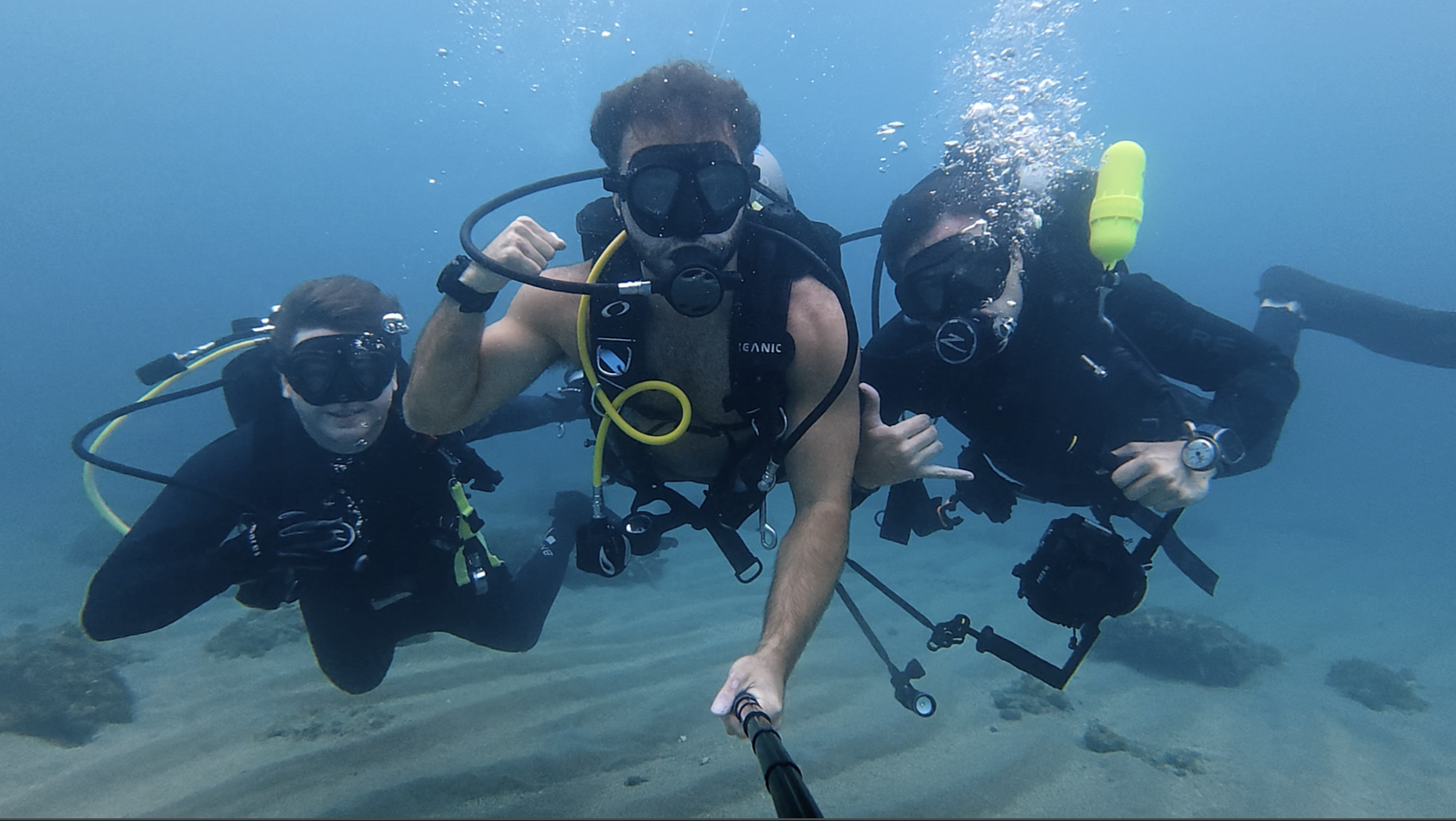
👋 It's Divemaster Austin
I'm inviting you to Dive Club, my global scuba diving community.
What you’ll find inside:
🤿 Dive meetups & group trips
🌍 Top dive sites shared by community members
⚙️ Gear tips & technique discussions
🤝 Diver's who’ve already linked up IRL
See you there!

.webp)
.webp)