
.webp)
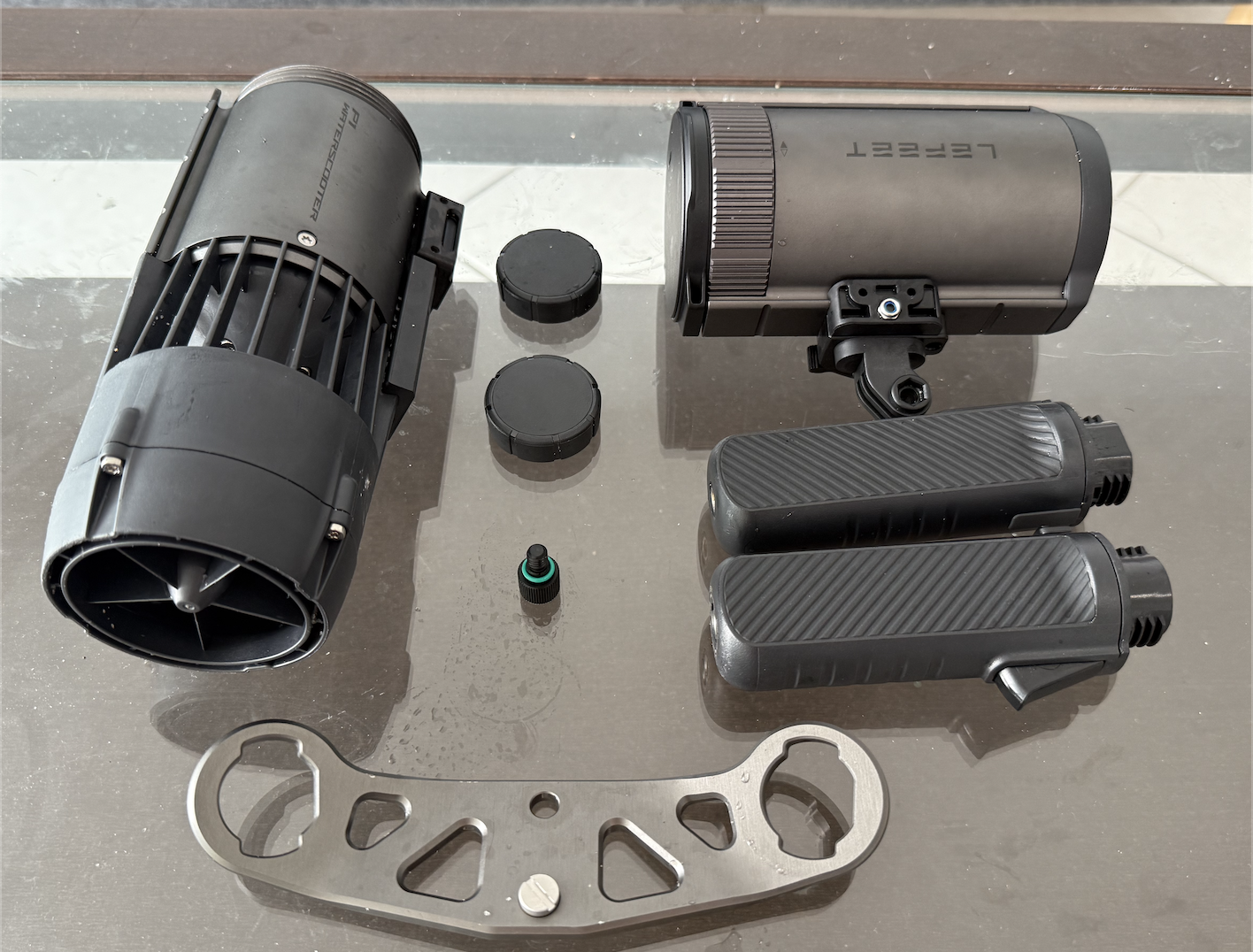
At the end of 2025, I purchased the Lefeet P1 diver propulsion vehicle (DPV), with the goal of assisting my scuba diving in four main areas:
- Easier shore diving
- Stable filming mount
- Improved air consumption
- Portable device for my world travels
Now in mid 2026, I've had the opportunity to take it on dozens of dives, and while it definitely accomplished these goals, there were a few snags and surprises along the way.
Goal 1: Shore Dive Assist
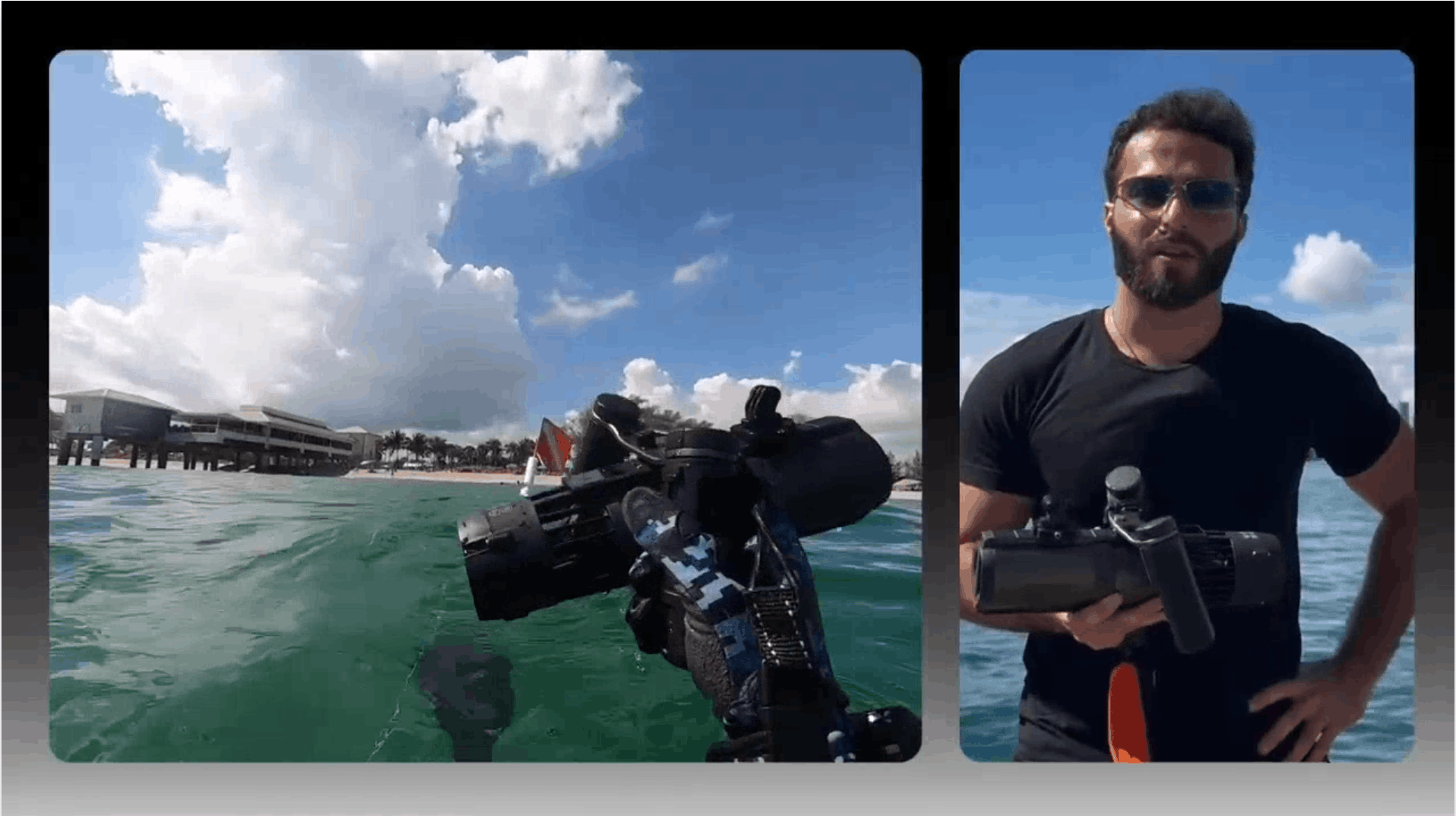
I do a lot of shore diving as I don't currently own a boat, and this generally comes with long surface swims before you hit the dive site.
Diving with a DPV gives me extra comfort and insurance on my shore dives.
I'm not using it as a tool to push me beyond my limits, as if the scooter fails, you're in a situation you're not able to return safely return from.
My approach is surface snorkel swim out without using the scooter to save air and battery.
Once I reach the site, I drop down, dive with the scooter, and then use the last 40% remaining battery to return.
The Lefeet P1 extends what you can do on a single tank especially in shore diving scenarios.
Goal 2: Camera Stability

The P1 has a built-in GoPro rail on the front, and my idea was that a fixed mount would give me more stable footage than a head mount that shifts constantly throughout a dive.
I was somewhat right.
It's a fantastic camera mount when the motor is running.
When moving through the water, the footage is smooth and the scooter is light enough to angle shots with your hands.
The problem is when you disengage the thruster and aren't propping the scooter up with your strength.
Shots can be completely ruined in this instance as the camera will drop along with the scooter.
Now, where I mount my primary camera depends on the dive: how much I need my hands free, how long the scooter will be running, and what I'm trying to capture.
Goal 3: Air Conservation
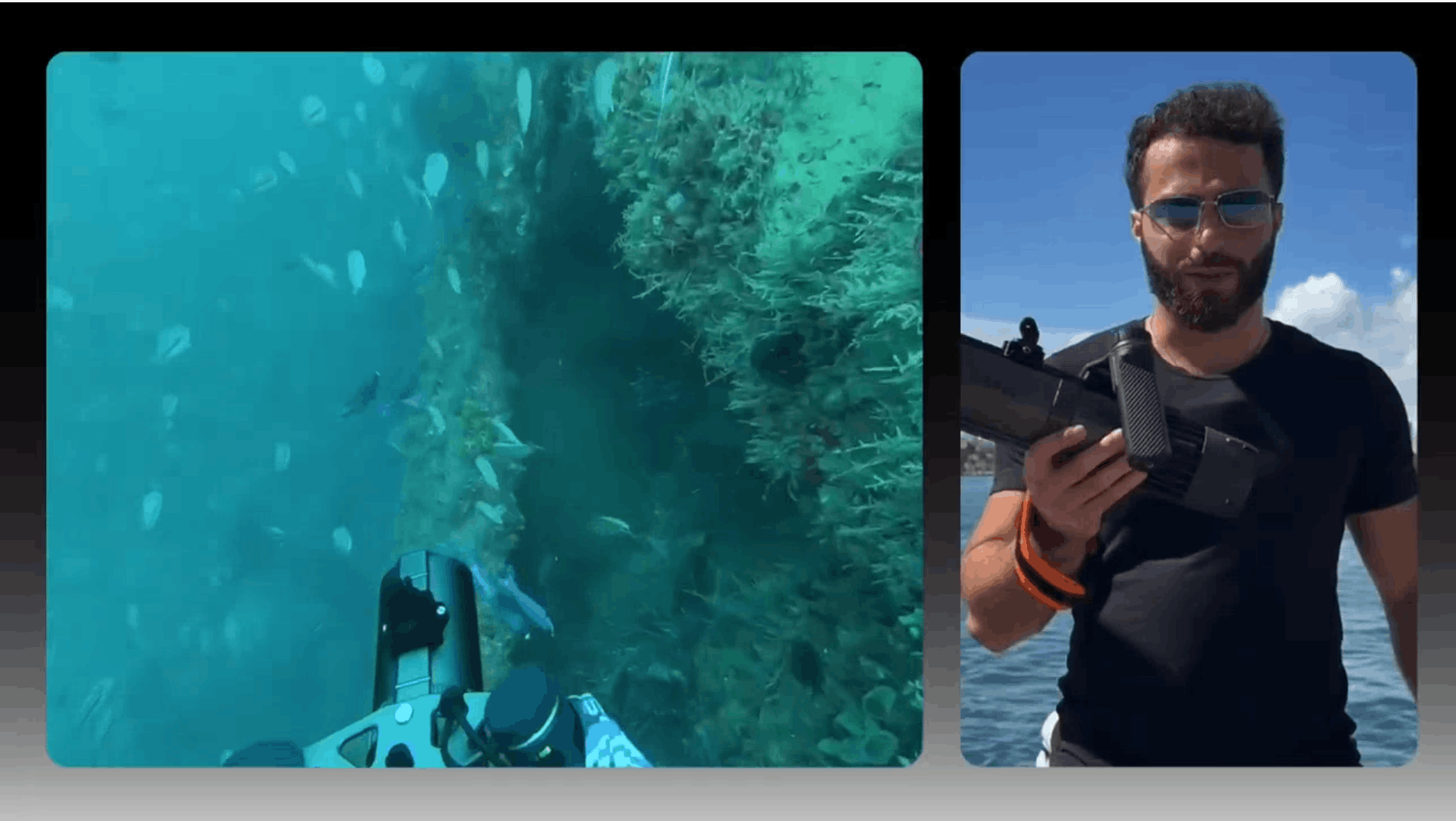
Improved air consumption is one of the biggest benefits of diving with a DPV, and the Lefeet P1 proved it on a recent dive to 120 feet (37 m) at the Tarpoon Wreck in Miami.
I was running a steel 80CF tank while my dive buddies were on 100CF tanks.
By the time the charter called the dive, I had more air remaining than anyone else in the group.
Less kicking means a lower heart rate, and a lower heart rate generally means slower air consumption.
There's also something about having a DPV in your hands that keeps you calm and controlled underwater, which compounds the effect.
With the Lefeet P1 pulling you through the water, you cover significantly more ground on a single tank.
You see more and get more out of every dive.
Goal 4: Travel Portability
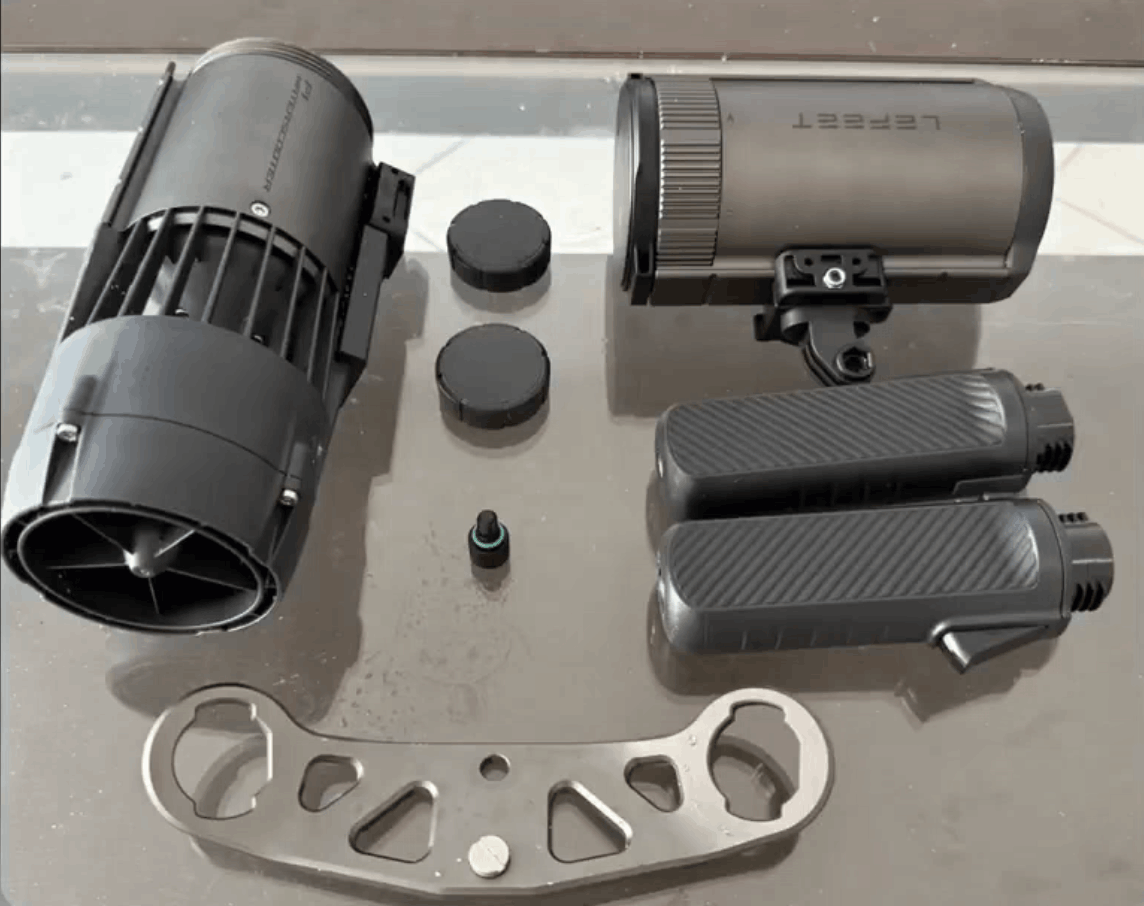
The P1 disassembles into pieces with the main parts being handles, motor, and a battery.
While heavy, these easily fit inside a standard travel backpack or carry-on.
According to the Lefeet P1 website:
The standard 100Wh battery is TSA approved without issue. The XR 160Wh battery is technically approved under IATA rules but airlines have discretion, so check before you fly.
In my experience, traveling with this device to over 7 different countries, it makes for an interesting airport security conversation every single time.
Keep in mind, it's in my carry-on, not a checked bag.
The first couple times, they would always search my bags and ask me what it's for.
Now, I always take it out before going through security, knowing that it will cause an issue.
You need to push a bit with them, but I've always gotten through security carrying it.
2 Things I Didn't Like
Mid-Dive Shutdown
On my first dive with the P1, the scooter shut off completely underwater. This was due to the seal between the motor and battery not being screwed in tight enough.
The display will show a loose connection error if the seal isn't seated, but in my case I had tightened it to the point the error cleared but it still failed mid-dive.
When assembling the scooter before a dive, tighten past the point where the error disappears. Give it an extra firm twist to make sure the connection is secure.
Remote Stopped Pairing After 4 Months
After about four months of regular use, my remote stopped connecting to the motor entirely.
I followed the syncing and pairing steps multiple times with no luck.
I reached out to Lefeet support and they sent me a replacement remote after I demonstrated the issue via video.
Standard Battery vs. XR: Which Should You Buy?
I tested both.
For a single-tank dive, the standard battery plenty, but you need to monitor battery especially if you're using higher speed settings.
The XR 160Wh battery adds roughly 30 minutes of runtime, a fifth speed gear.
It's physically larger and adds weight, but the difference underwater is meaningful, and allows me to use it on two back to back dives.
If budget isn't a constraint, I would highly recommend buying the XR. The extra runtime gives you way more use on longer dives without watching the battery indicator constantly.
If you're primarily doing single-tank dives, the standard is fine. You can always start with the base model and upgrade later.
Battery & Charging
In my experience, both the base and XR battery take several hours to charge, while Lefeet claims it only takes one hour.
In order to charge the device, you need to disassemble it, and place the charging plate on top of the battery.
From there, plug the USB-C cord into the battery and you'll see up to four dots light up depending on the current charge. These represent 25% increments.
There were some cases where the lights did not properly represent the current battery charge on the motors LED display for me.
Lefeet P1 Buoyancy

The P1, especially with the extended battery, significantly affected my buoyancy.
The scooter is negatively buoyant, and holding it underwater effectively replaced about 6 pounds (2.7 kg) of lead I'd normally wear.
You can either dive overweighted, or remove weight to counteract this.
I'd recommend always having the DPV attached to you, as if you set it down, then you could become positively buoyant mid dive.
If you want to counteract the negative buoyancy entirely, Lefeet sells a buoyancy sleeve that attaches to the unit. I haven't used it personally, but it's worth knowing the option exists.
Is It Worth It?
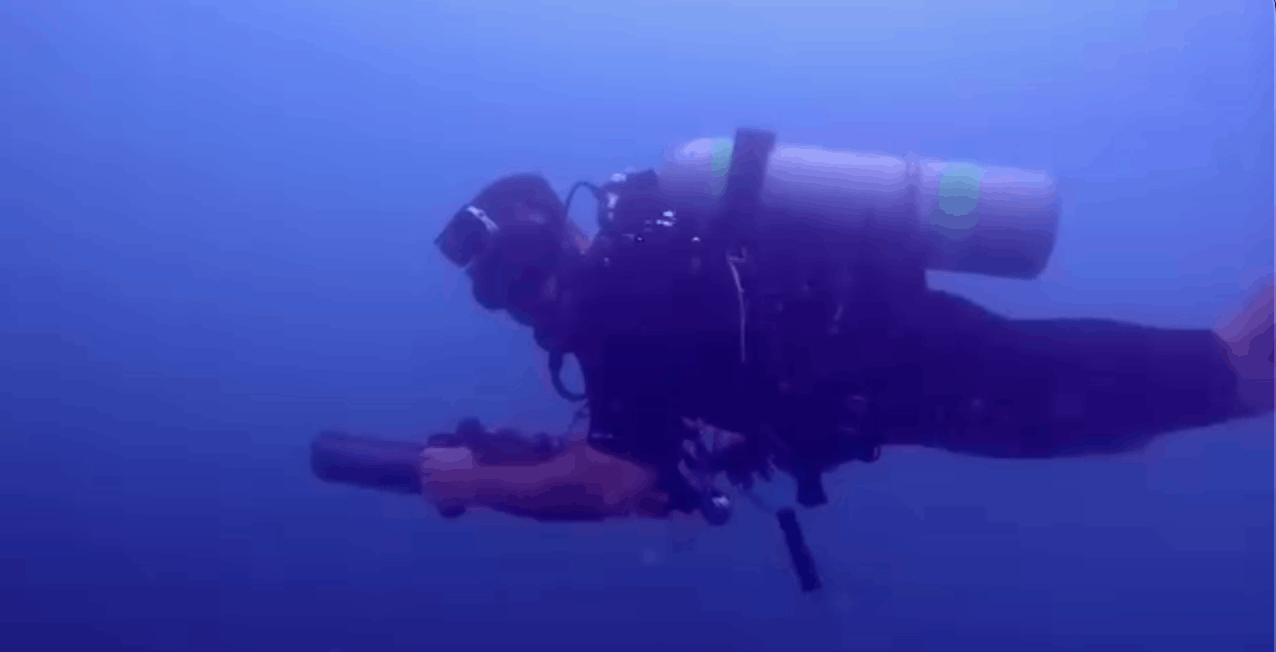
The Lefeet P1 is the most practical DPV for traveling divers who want a real assist tool without a dedicated case, extra checked bags, or a five-figure budget.
It won't replace a full-size DPV for wreck penetration or cave diving. It's not designed for that. But for shore diving, reef diving, air conservation, and travel, the four reasons I bought it, it delivered on every count.
The XR battery is worth the upgrade if you're buying new. The extra runtime removes the one real anxiety of diving with the standard unit.
If this review helped your decision, purchasing through my link below supports the content I make.
Let's Dive Together
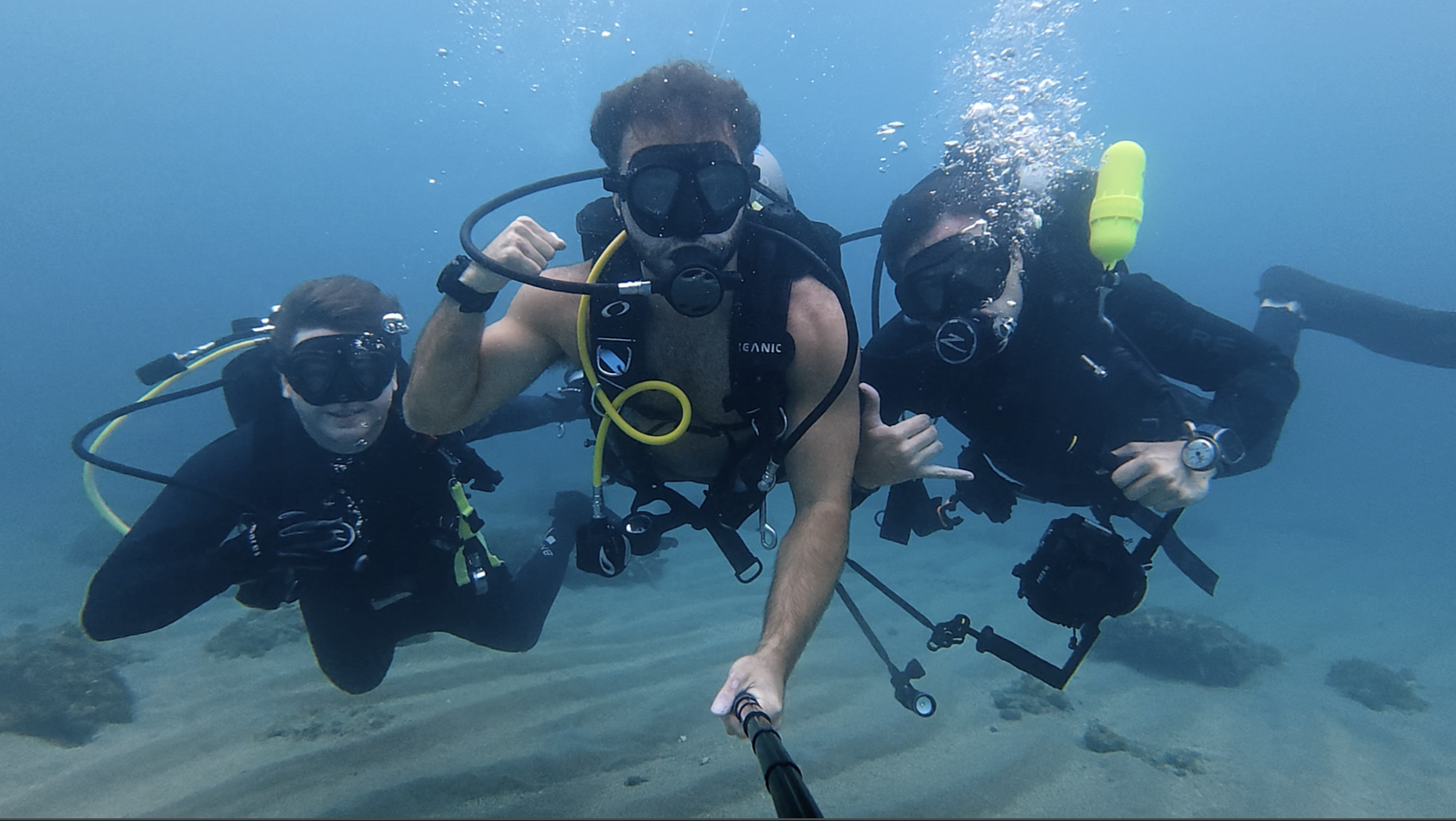
👋 It's Divemaster Austin
I'm inviting you to Dive Club, my global scuba diving community.
What you’ll find inside:
🤿 Dive meetups & group trips
🌍 Top dive sites shared by community members
⚙️ Gear tips & technique discussions
🤝 Diver's who’ve already linked up IRL
See you there!
Join my scuba diving community.
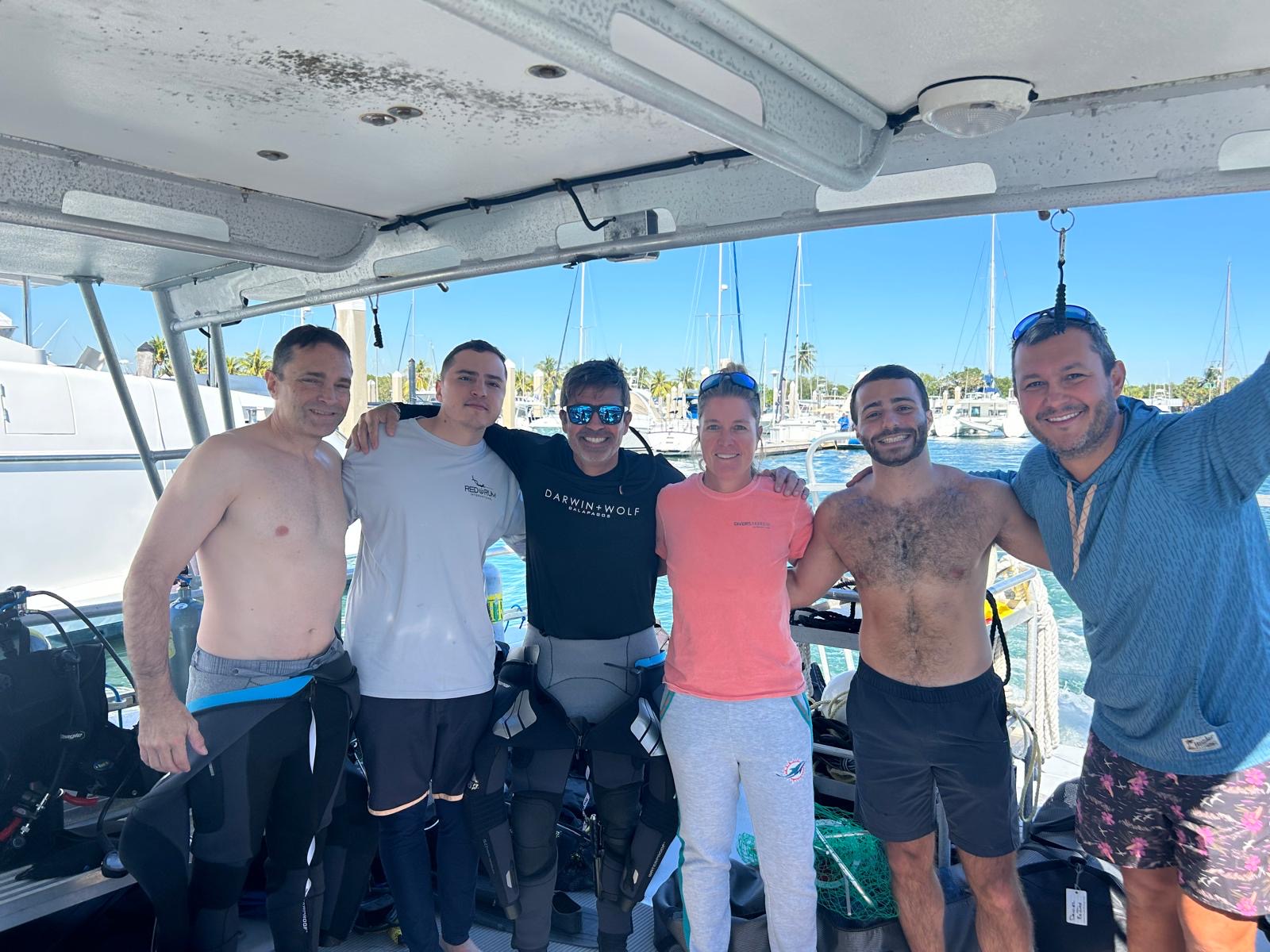
I'm Austin, a PADI Divemaster with over a decade of diving experience under my belt.
I created a free scuba diving community, where divers can connect, learn, and share their dives.
See you inside!
Join my Diving Community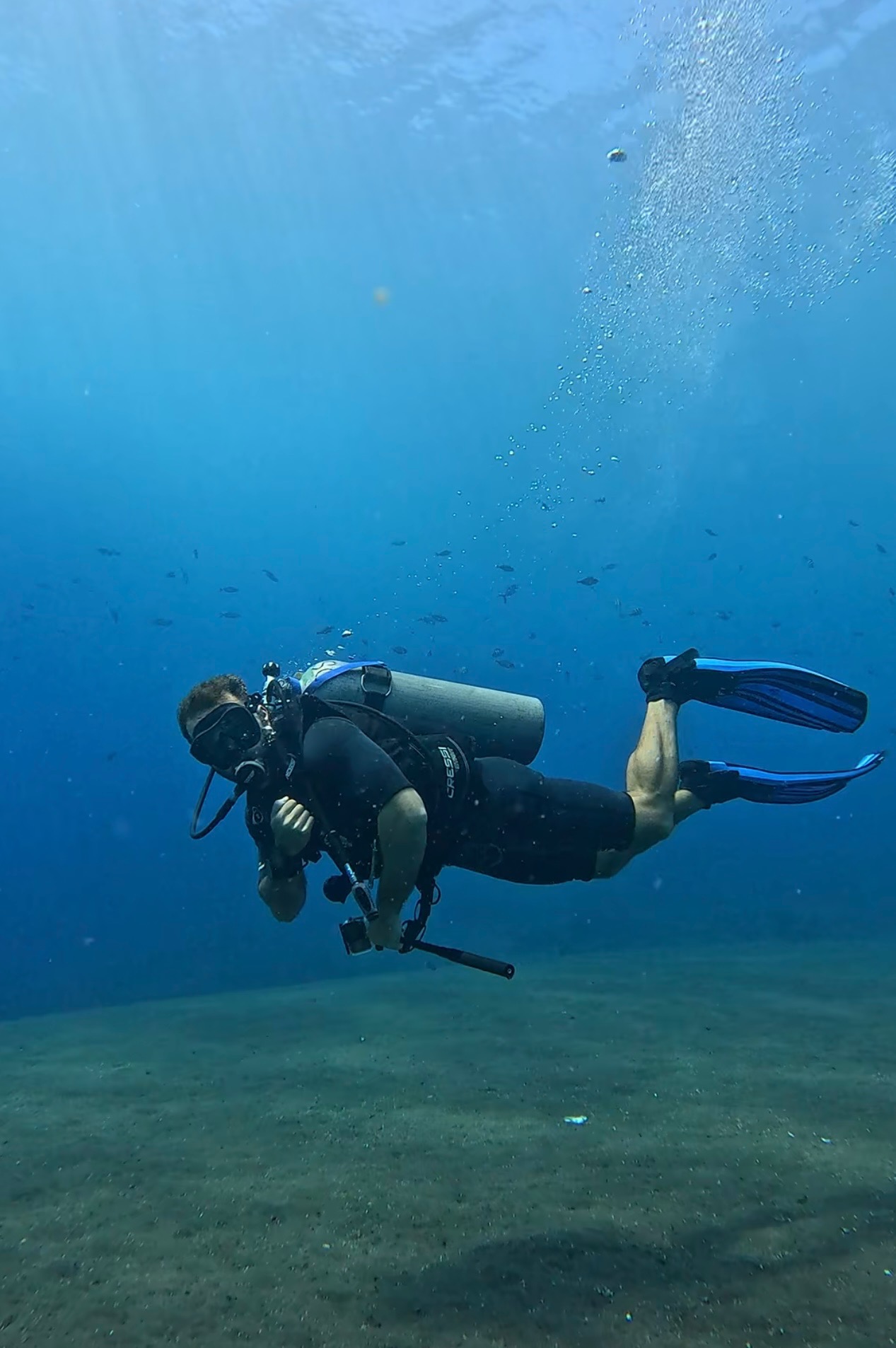

.webp)
.webp)


.png)