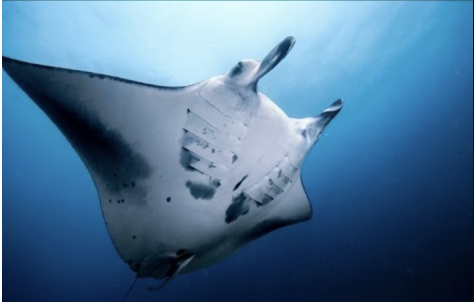

.webp)
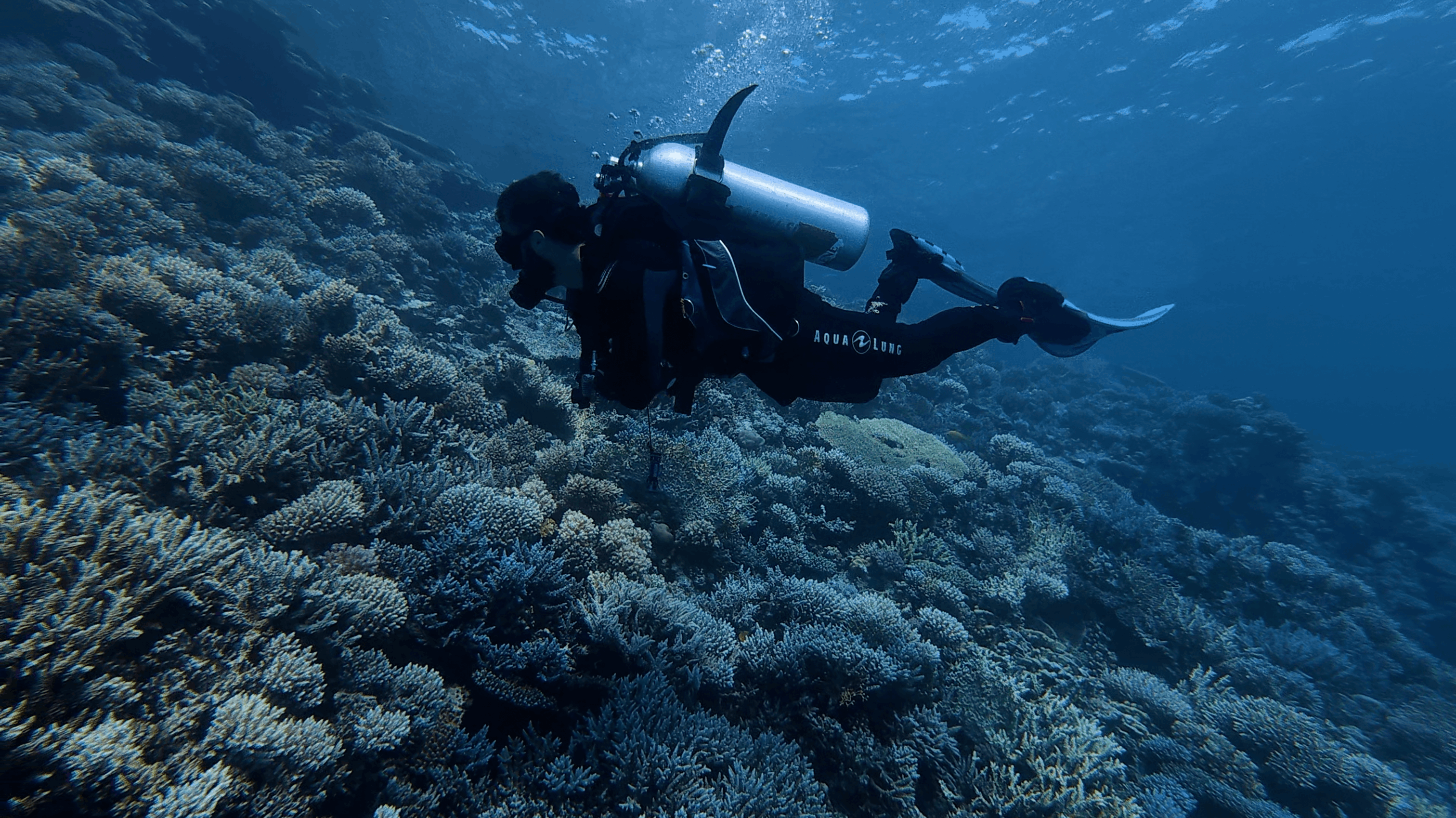
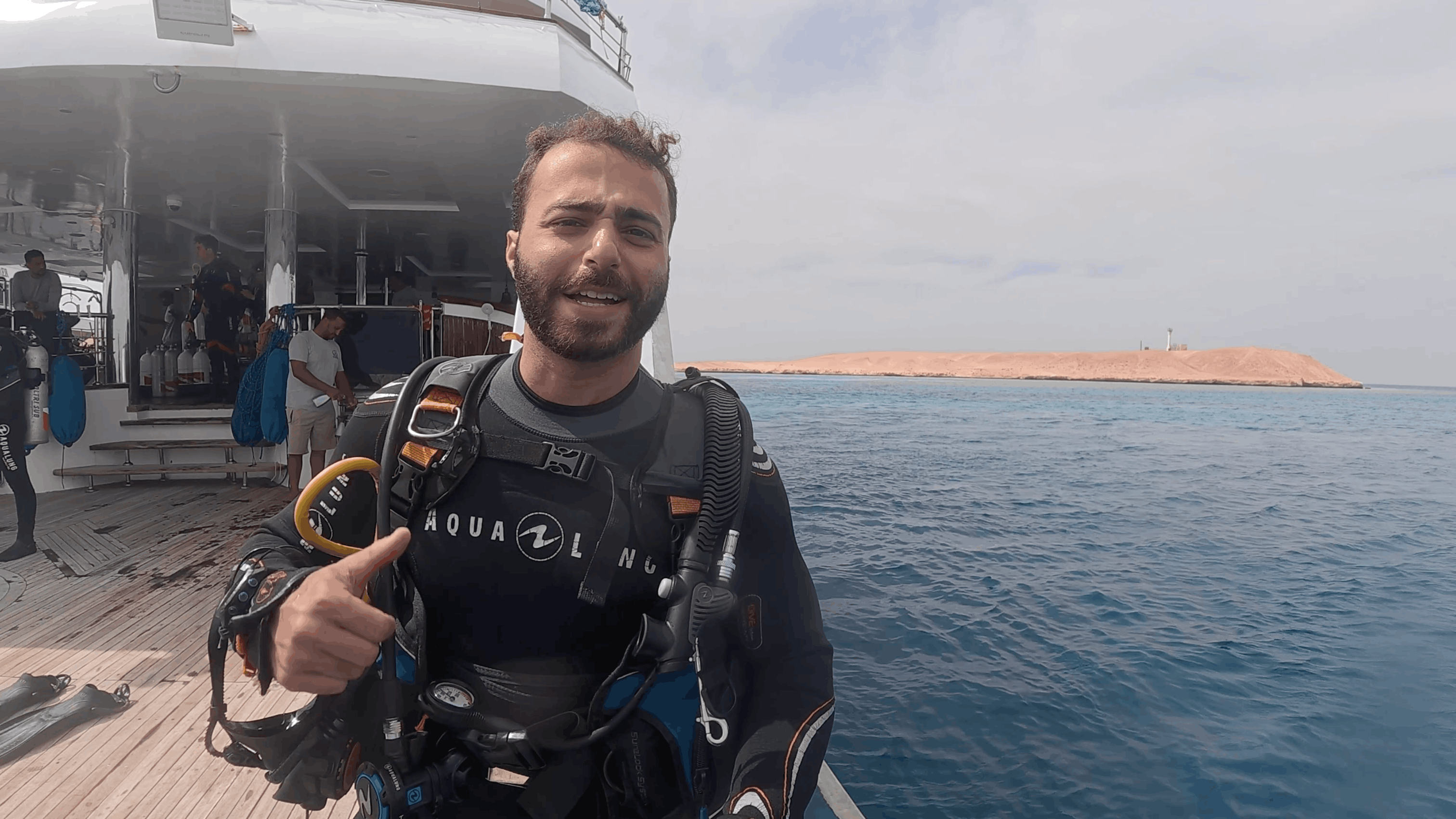
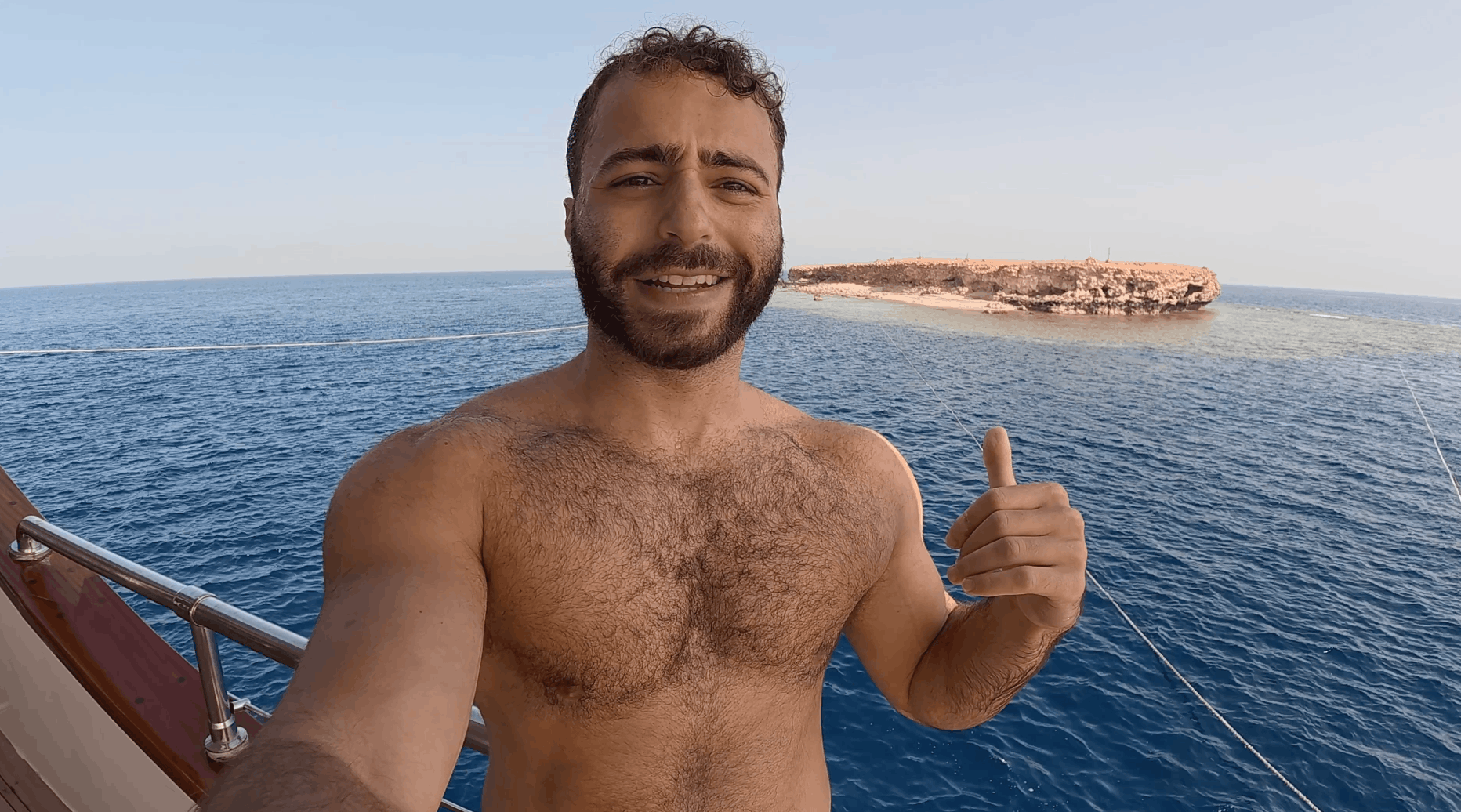
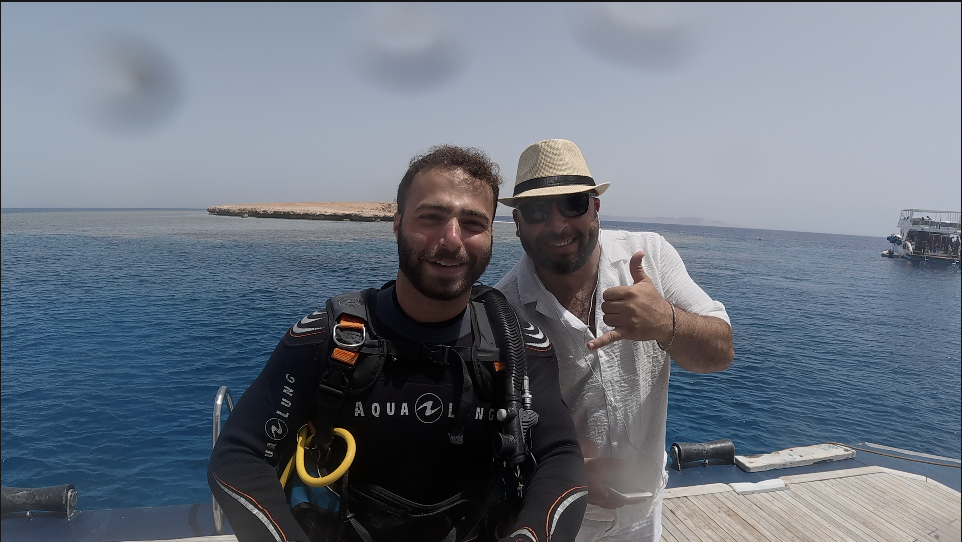
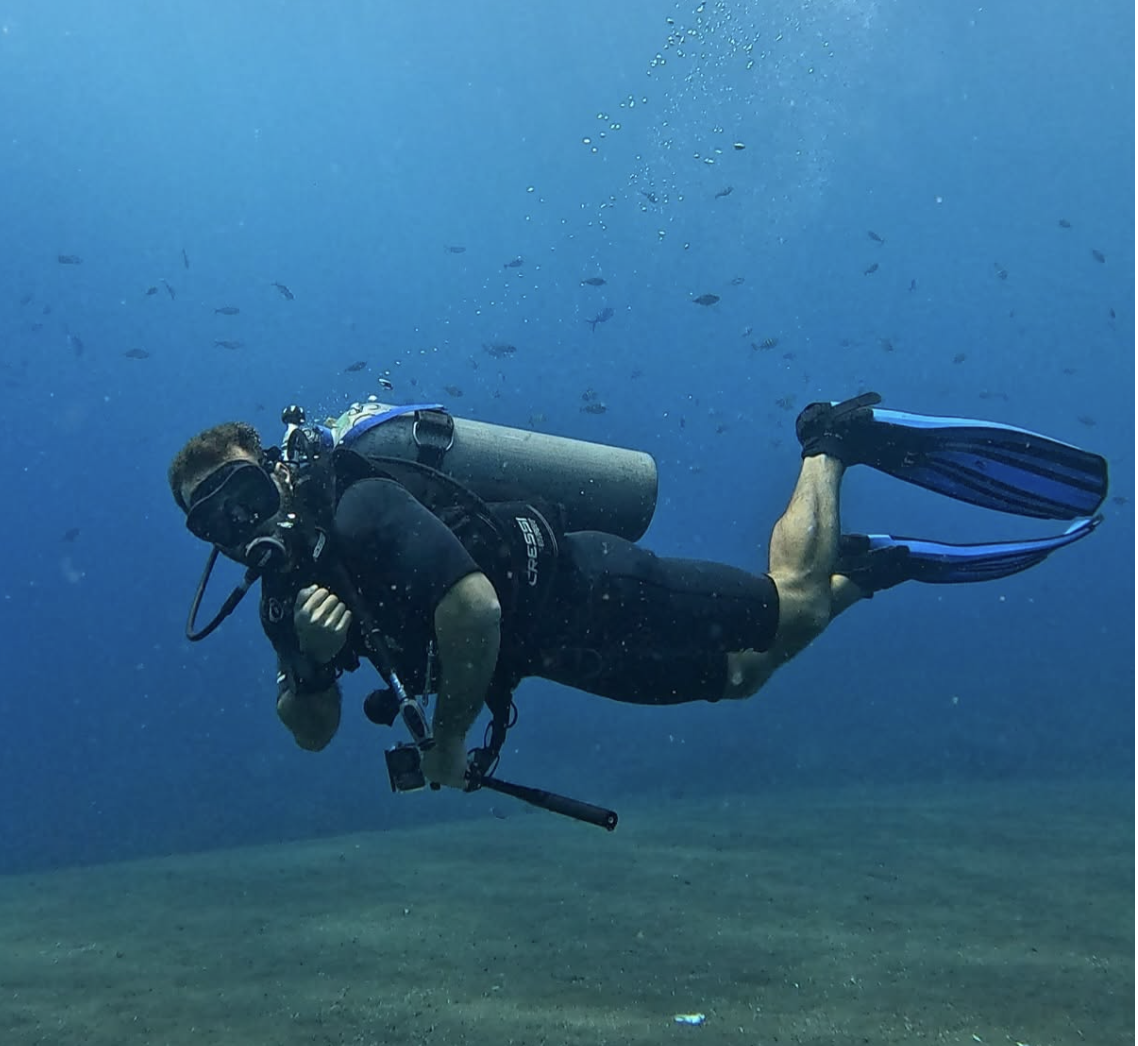
In May of 2026, I dove Gota Abu Ramada as the first dive of the All Star Scuba Scene liveaboard, a week-long Red Sea cruise.
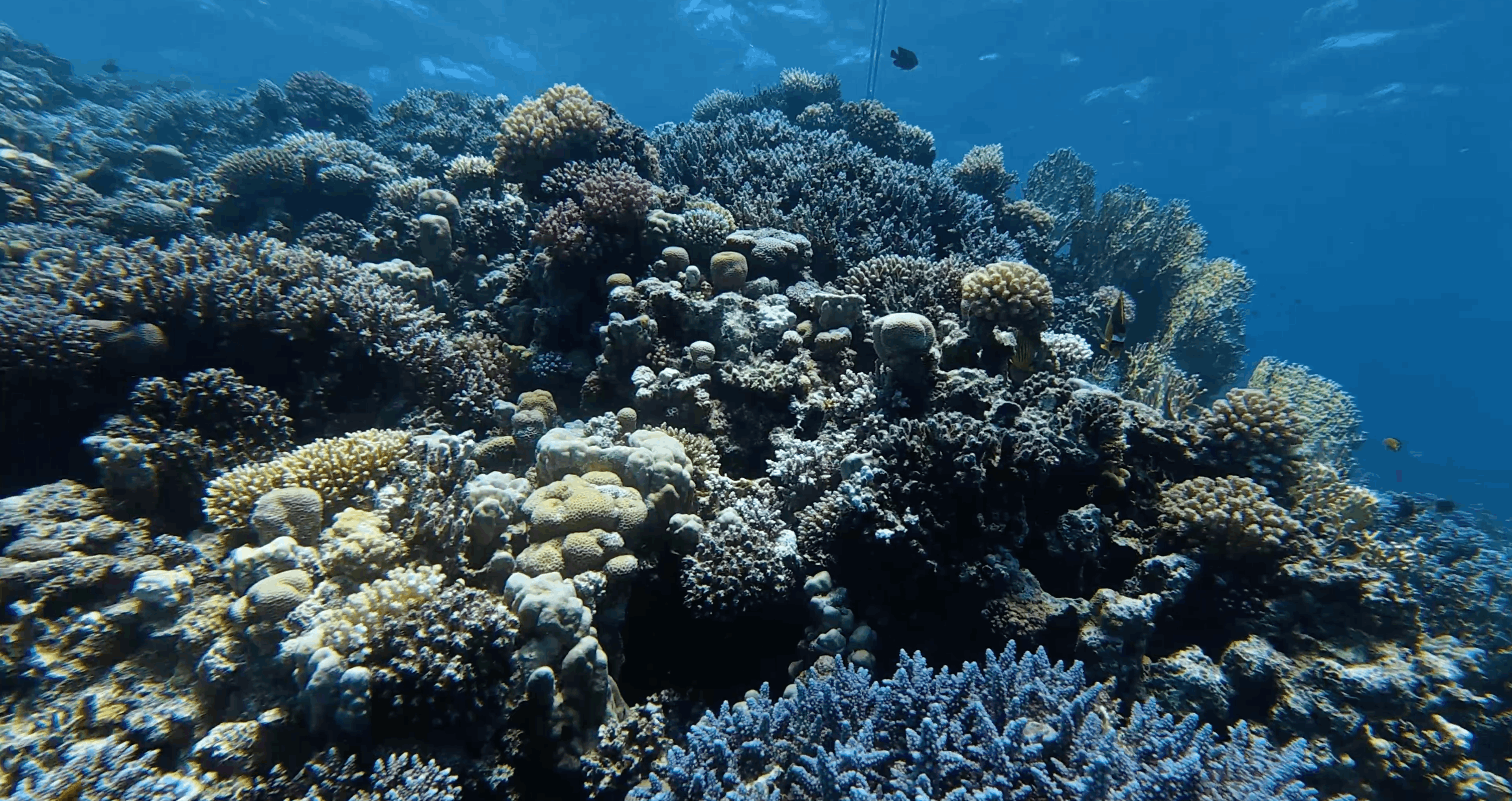
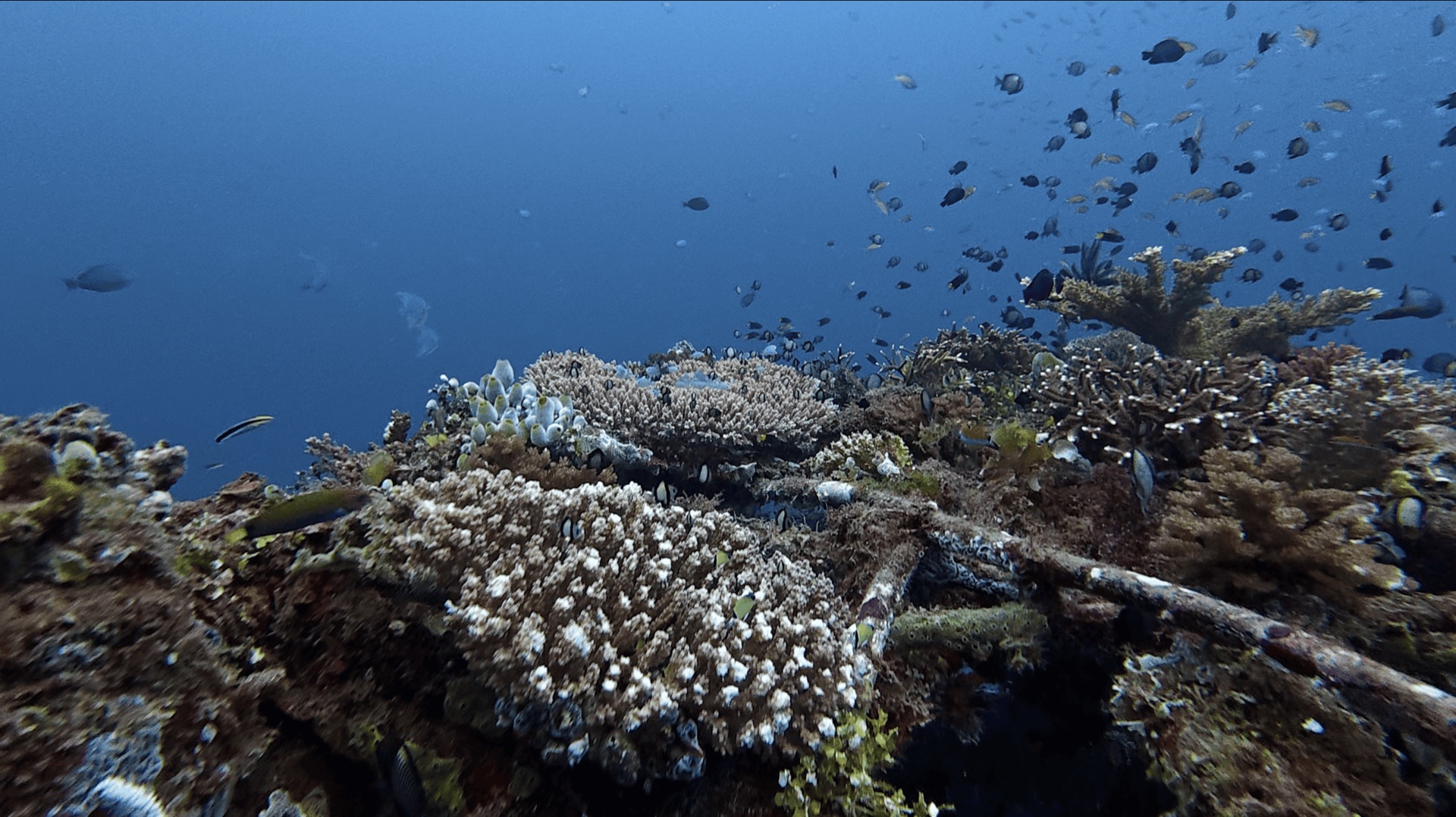
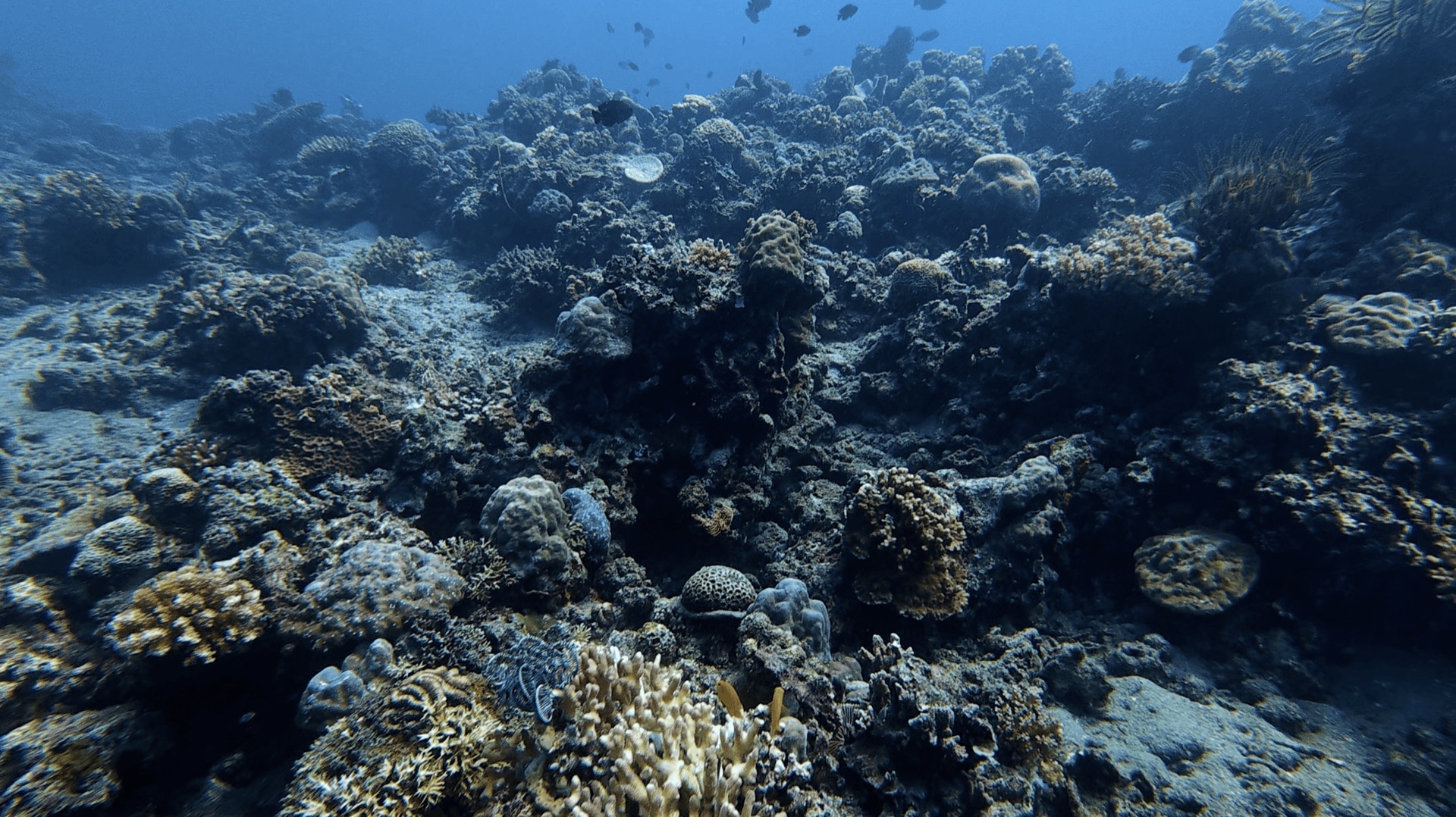
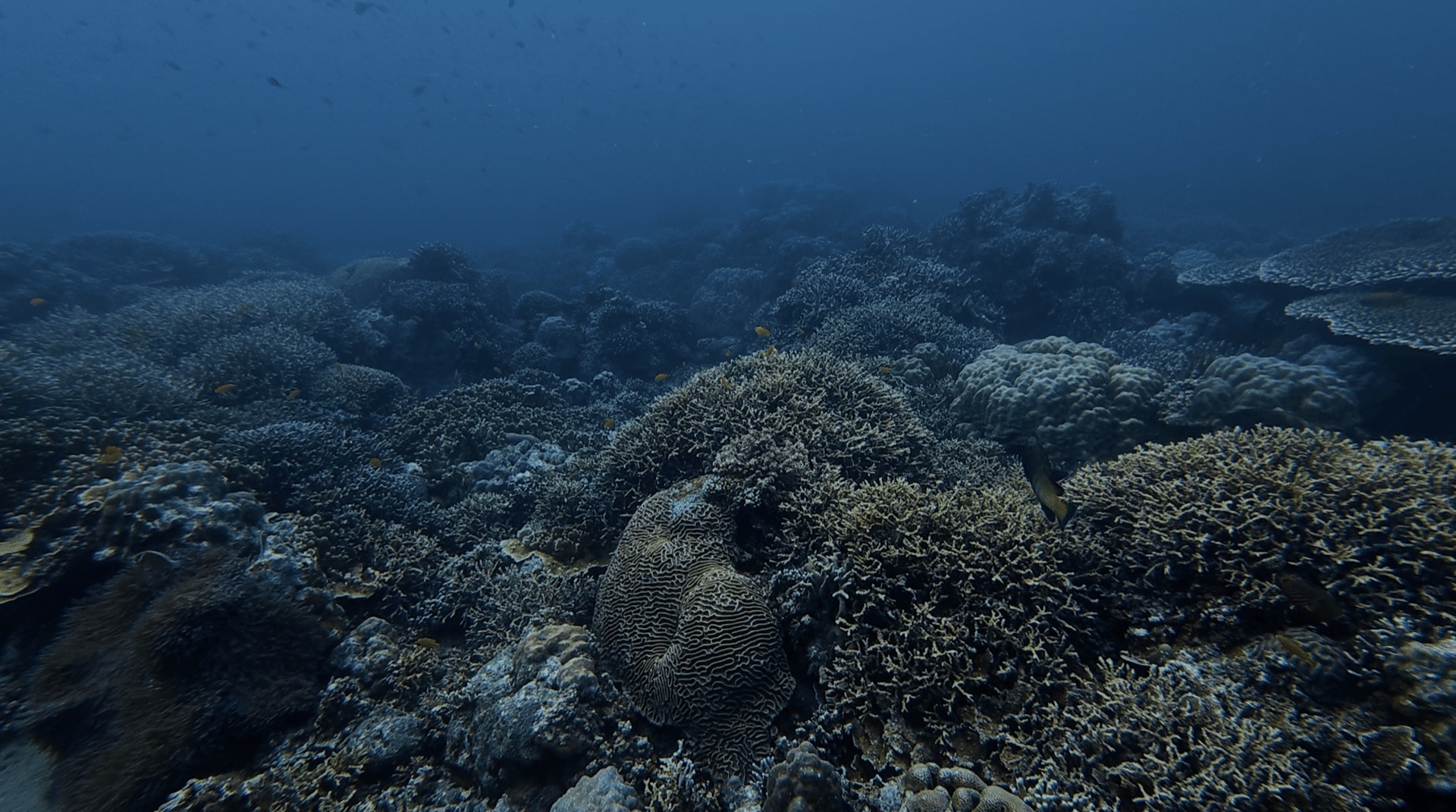
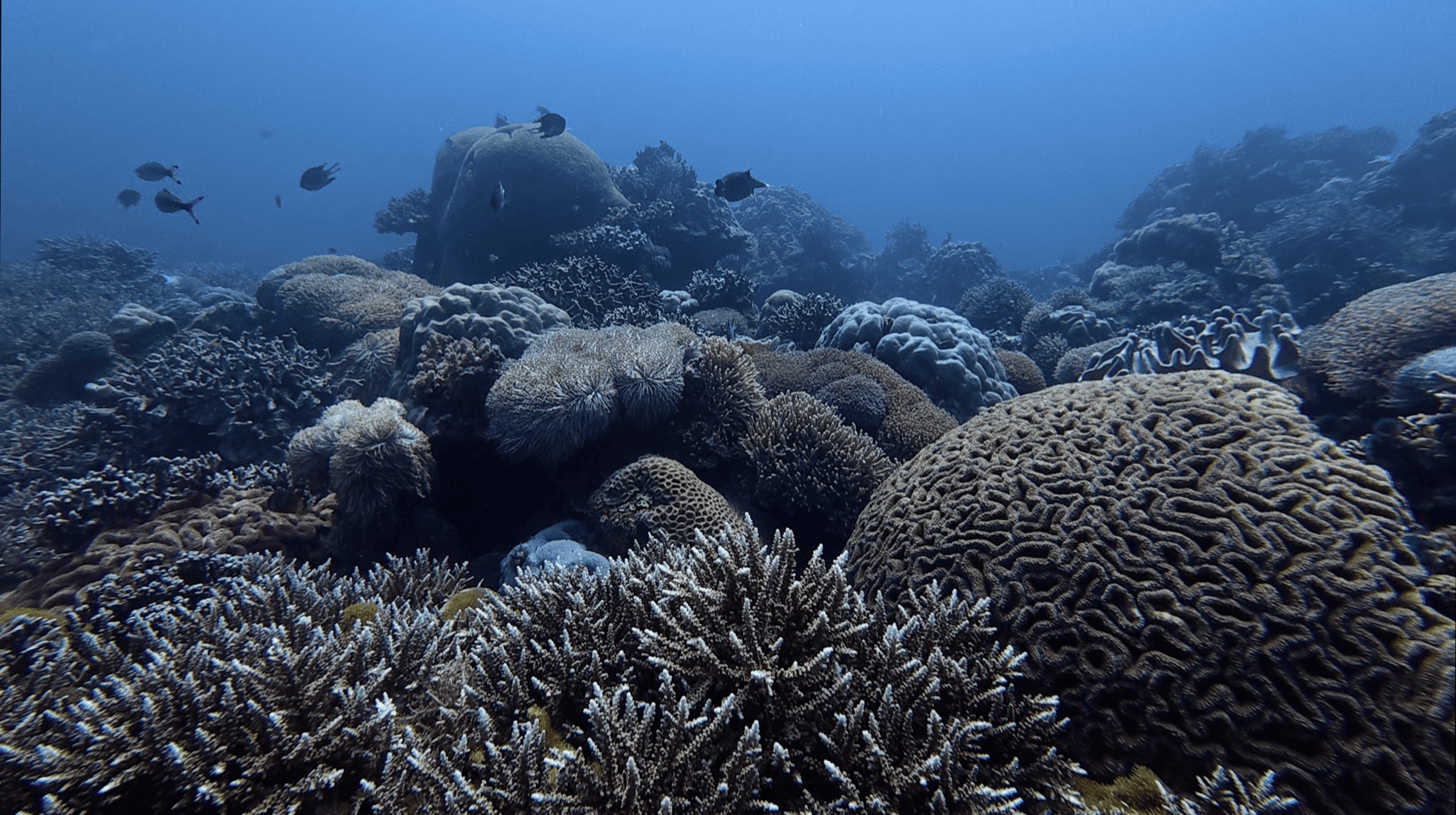
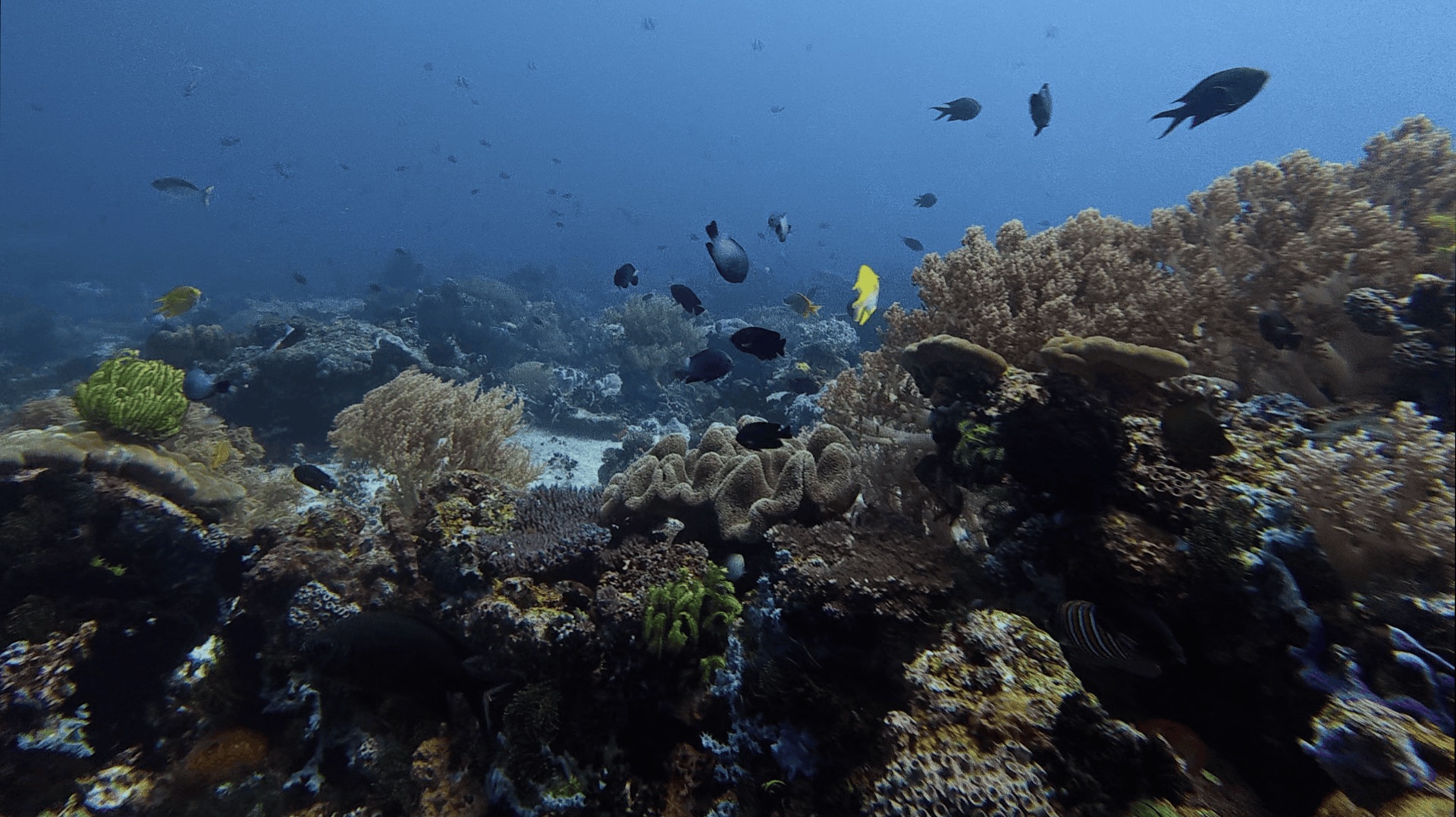
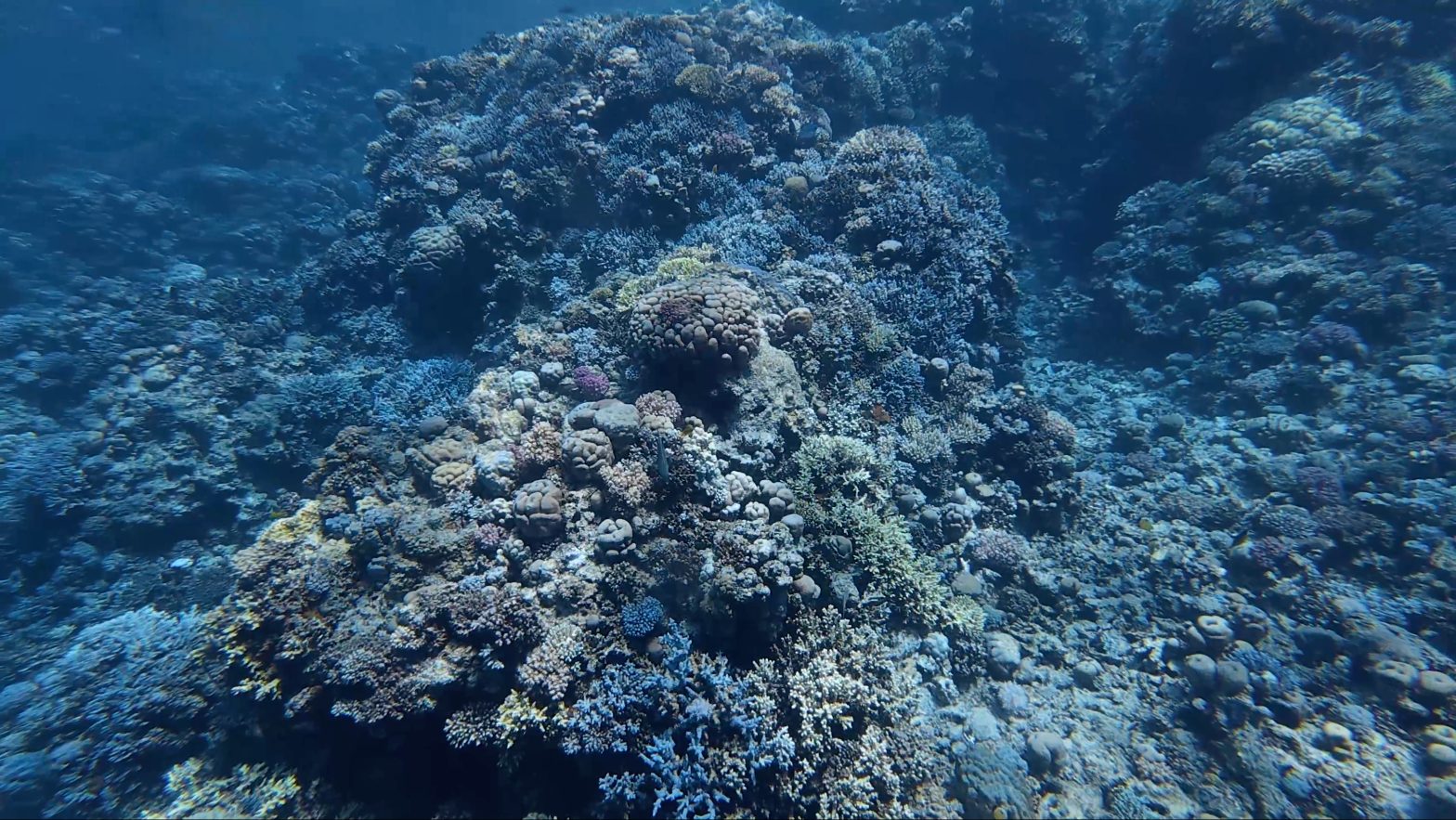
These were some of the most beautiful coral gardens I have ever seen in my life.
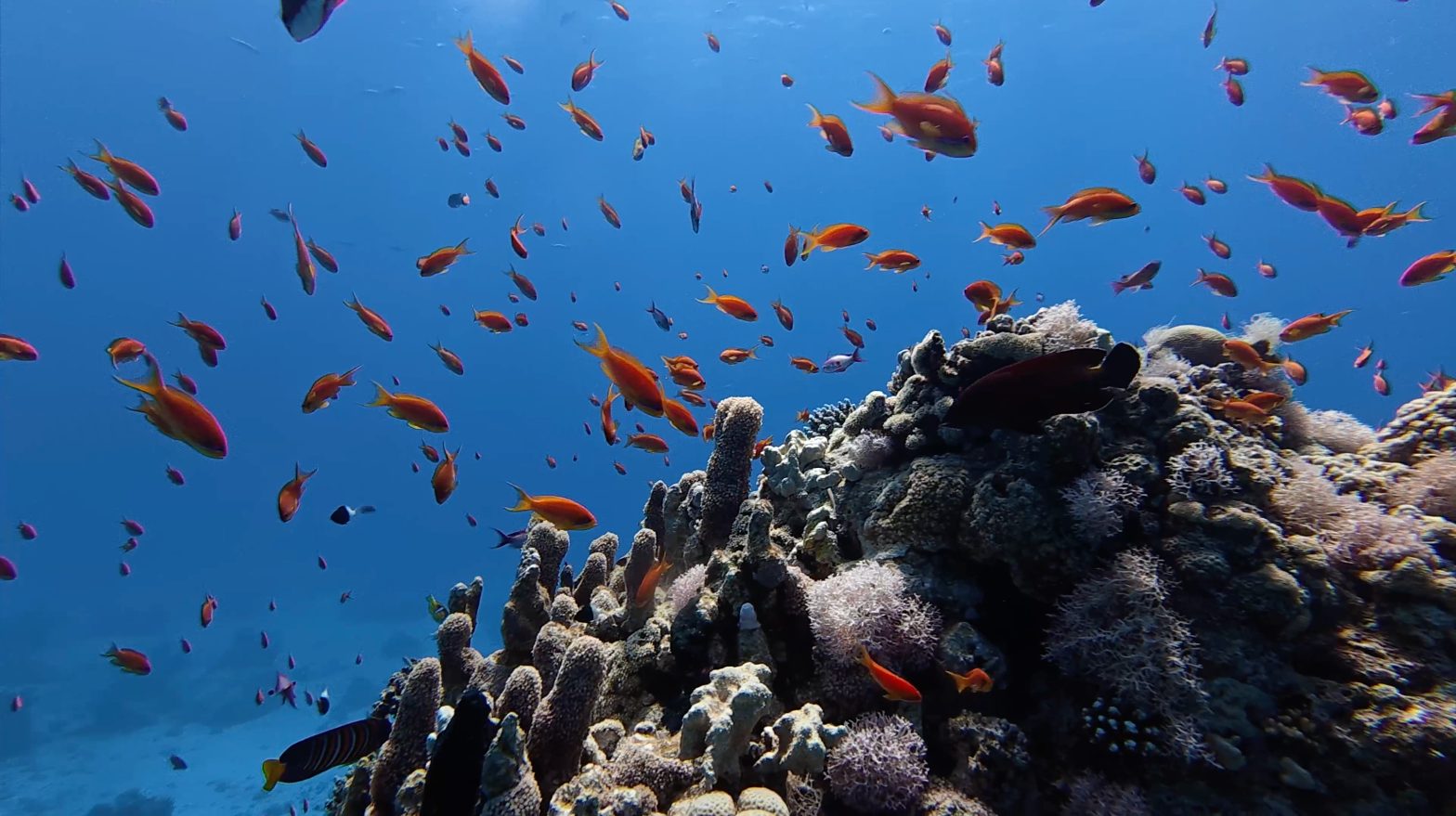
Divers and guides call this site "The Aquarium," and it definitely earns the name.
Gota Abu Ramada is a sheltered coral reef sitting south of Hurghada, between Giftun Island and the mainland.
The reef is shallow, mostly between 5 and 15 meters (49 ft), built from coral mounds (ergs) that rise off a sandy bottom.
The Dive
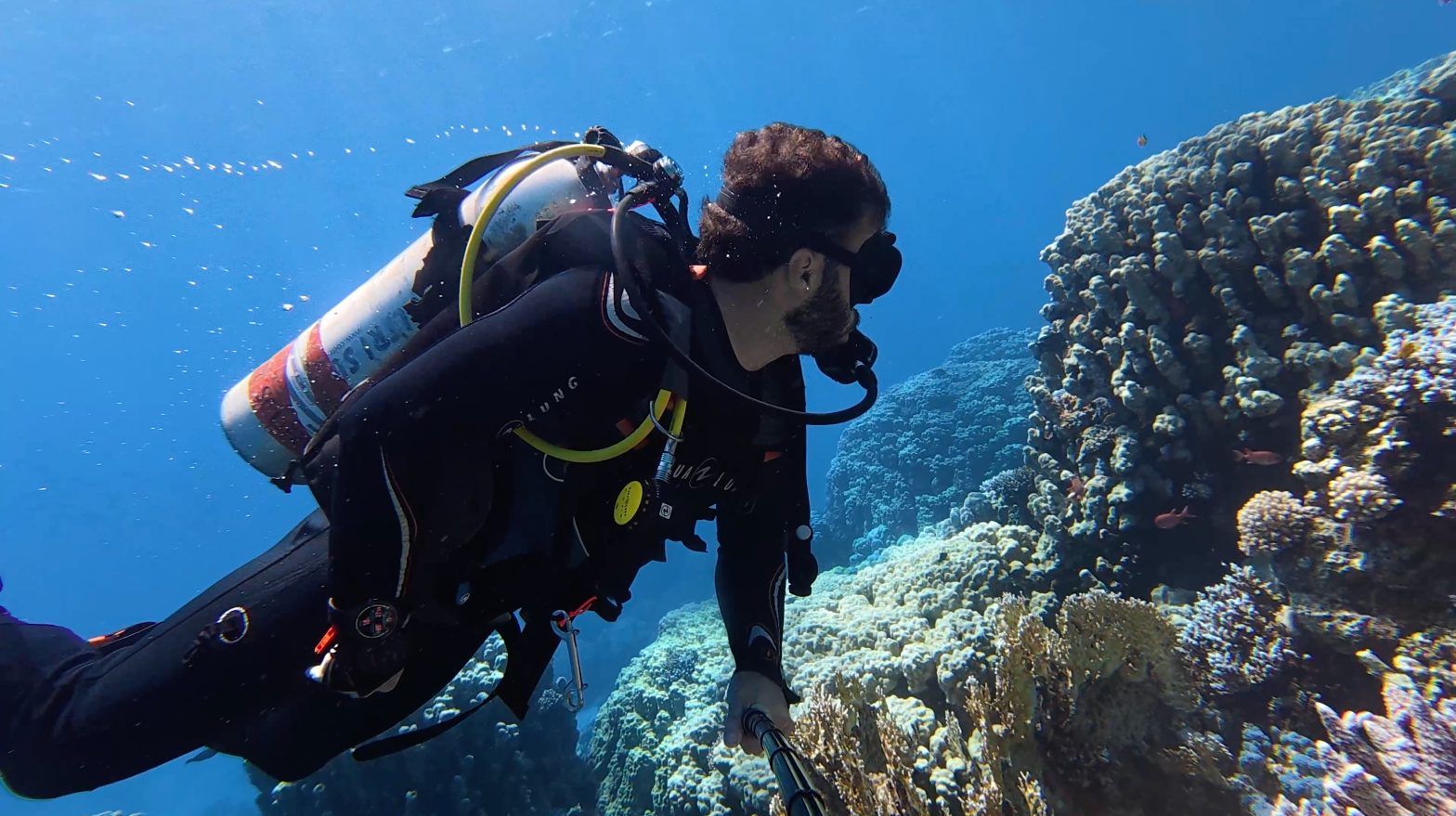
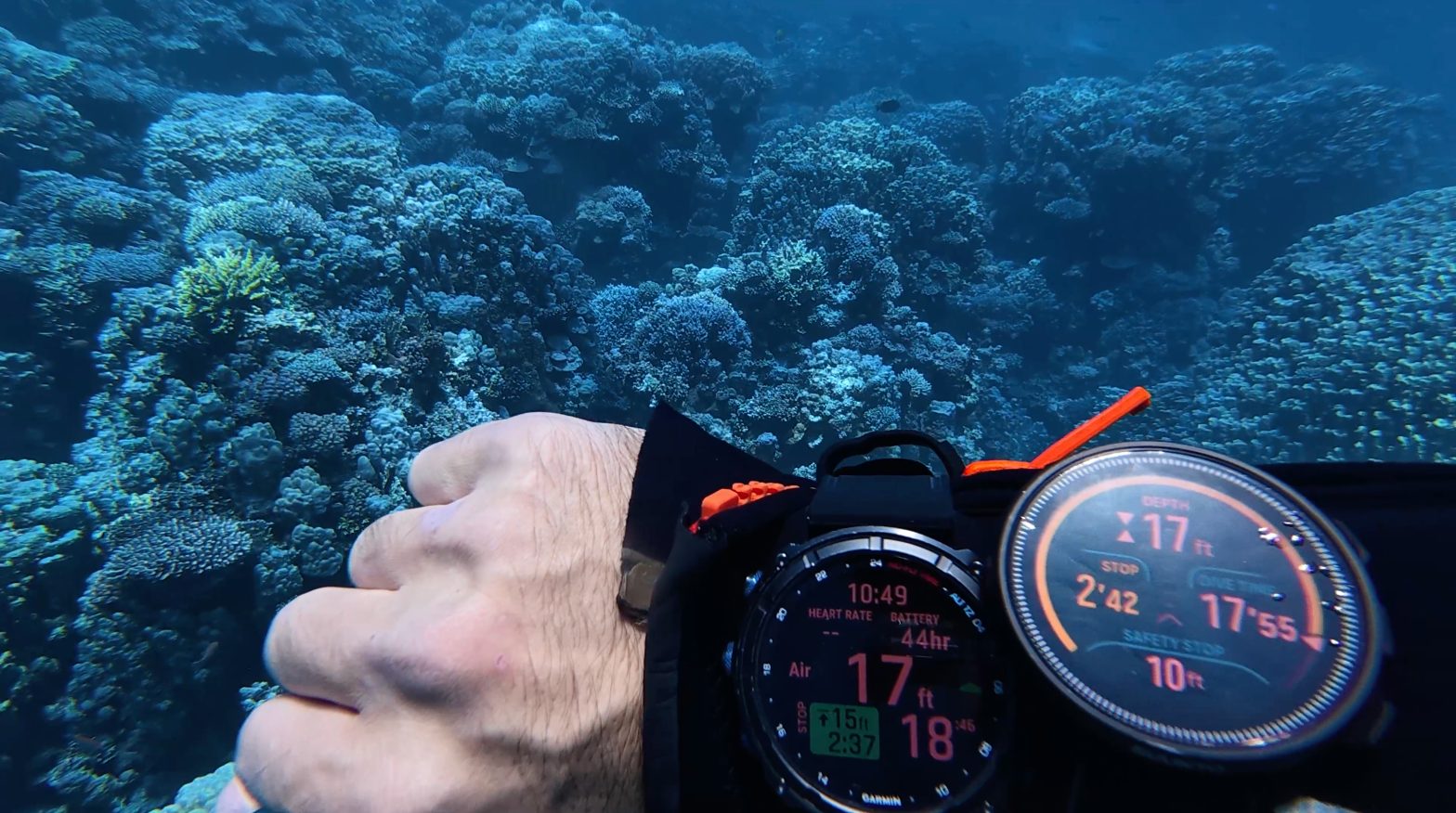
Because the reef is shallow and protected, it works as a relaxed first dive of the day or a gentle second dive. That allows you to have long bottom times.
Visibility is usually excellent and current is mild.
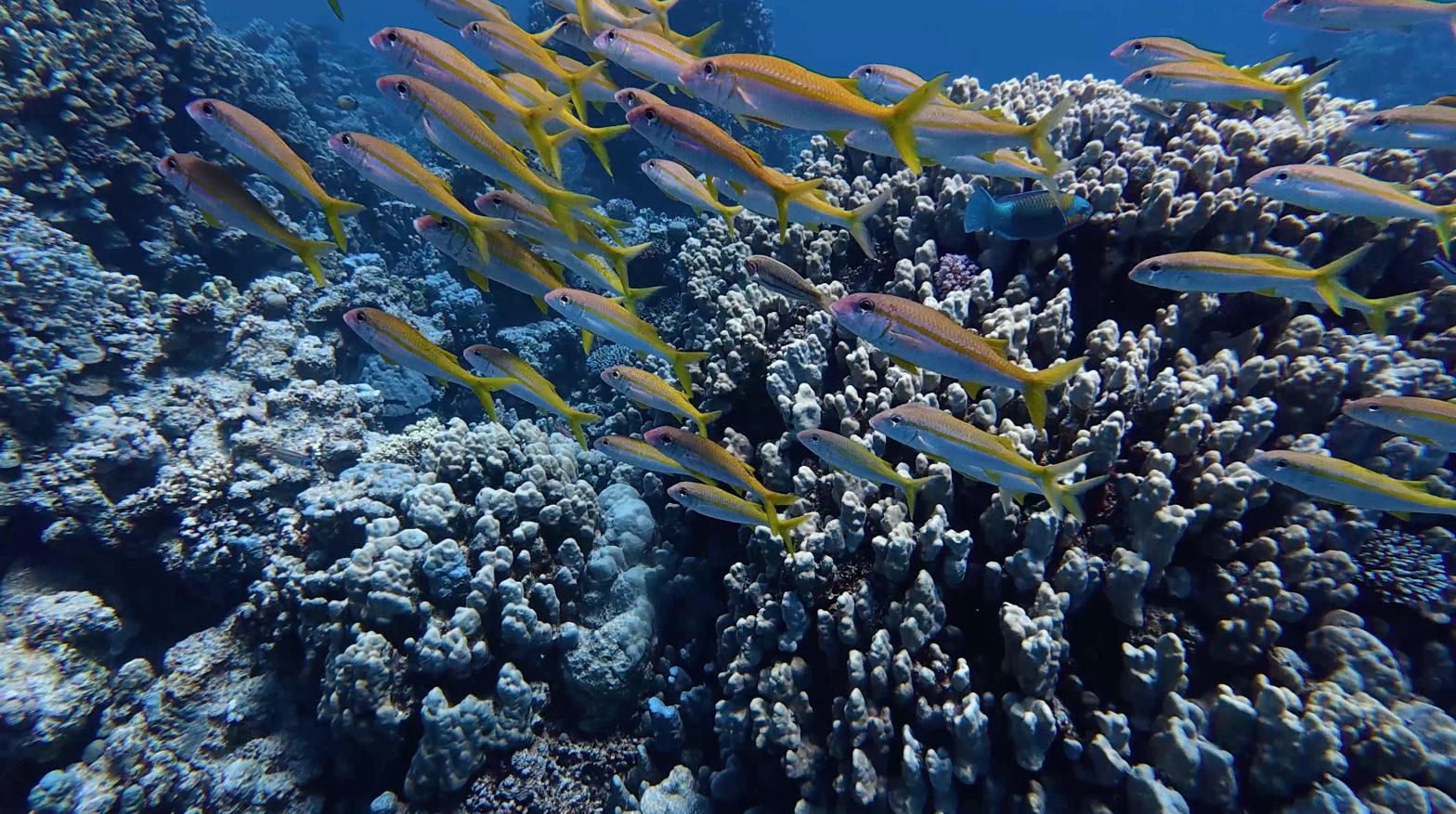
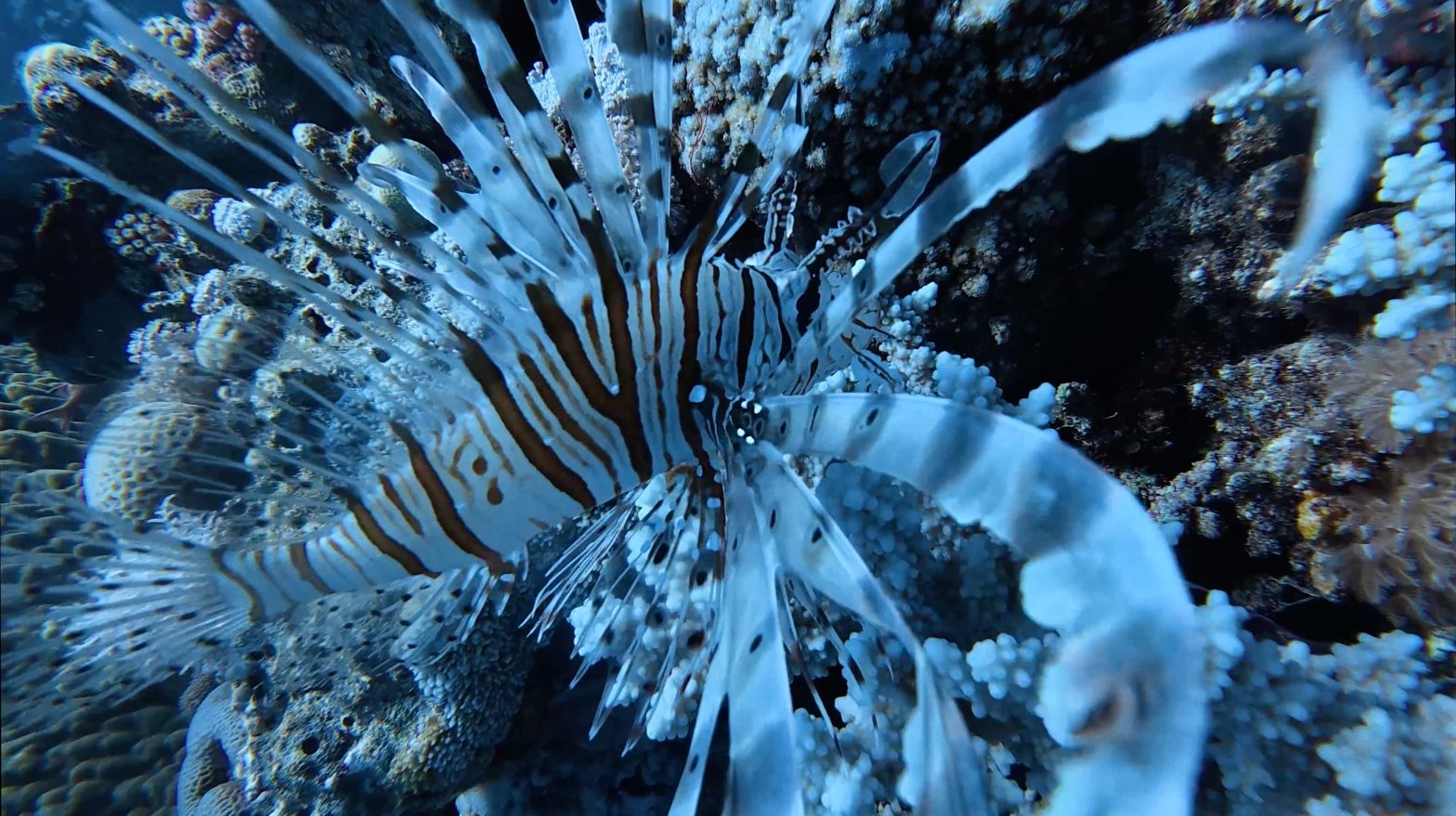
What Marine Life I Saw
I spotted multiple moray eels peering out of cracks across the dives, sometimes two or three on a single pass. At night time, these guys came alive and are on the hunt.
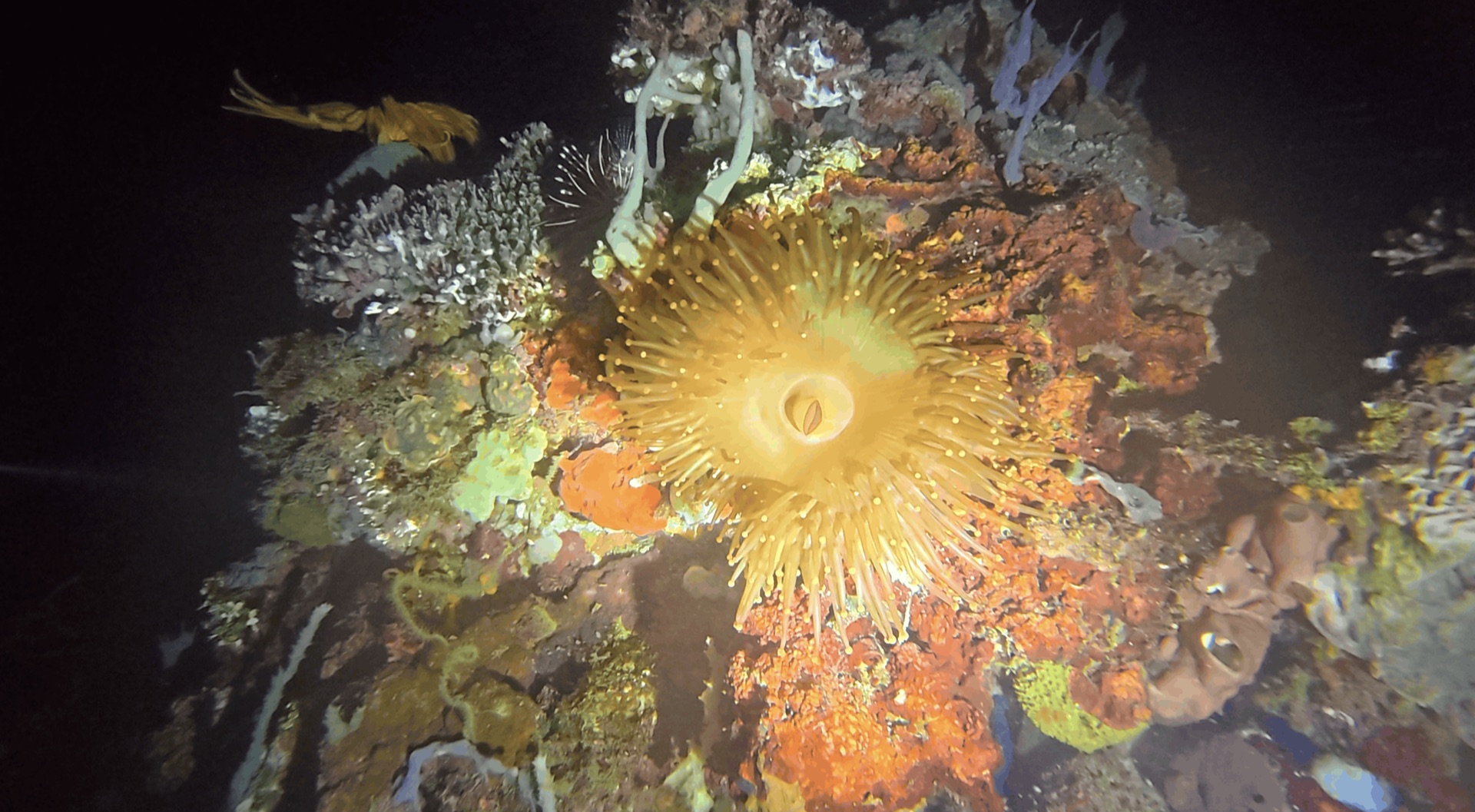
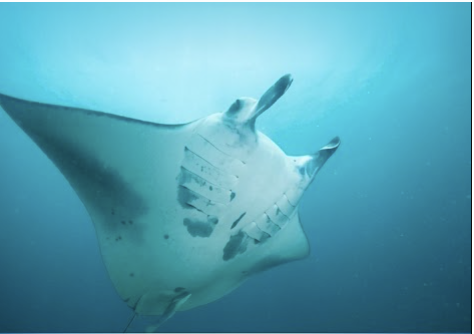
Stingrays rested on the sand between the coral mounds, and on the night dive the reef felt like a completely different place after dark.
Best Time to Visit
Diving runs year-round here, but April–June and September–November give you the sweet spot of warm water, great visibility, and calm crossings.
High summer gets hot topside, with surface temperatures climbing fast, but the water stays comfortable.
Winter visibility can dip a little after a storm, but the site still dives well.
Let's Dive Together
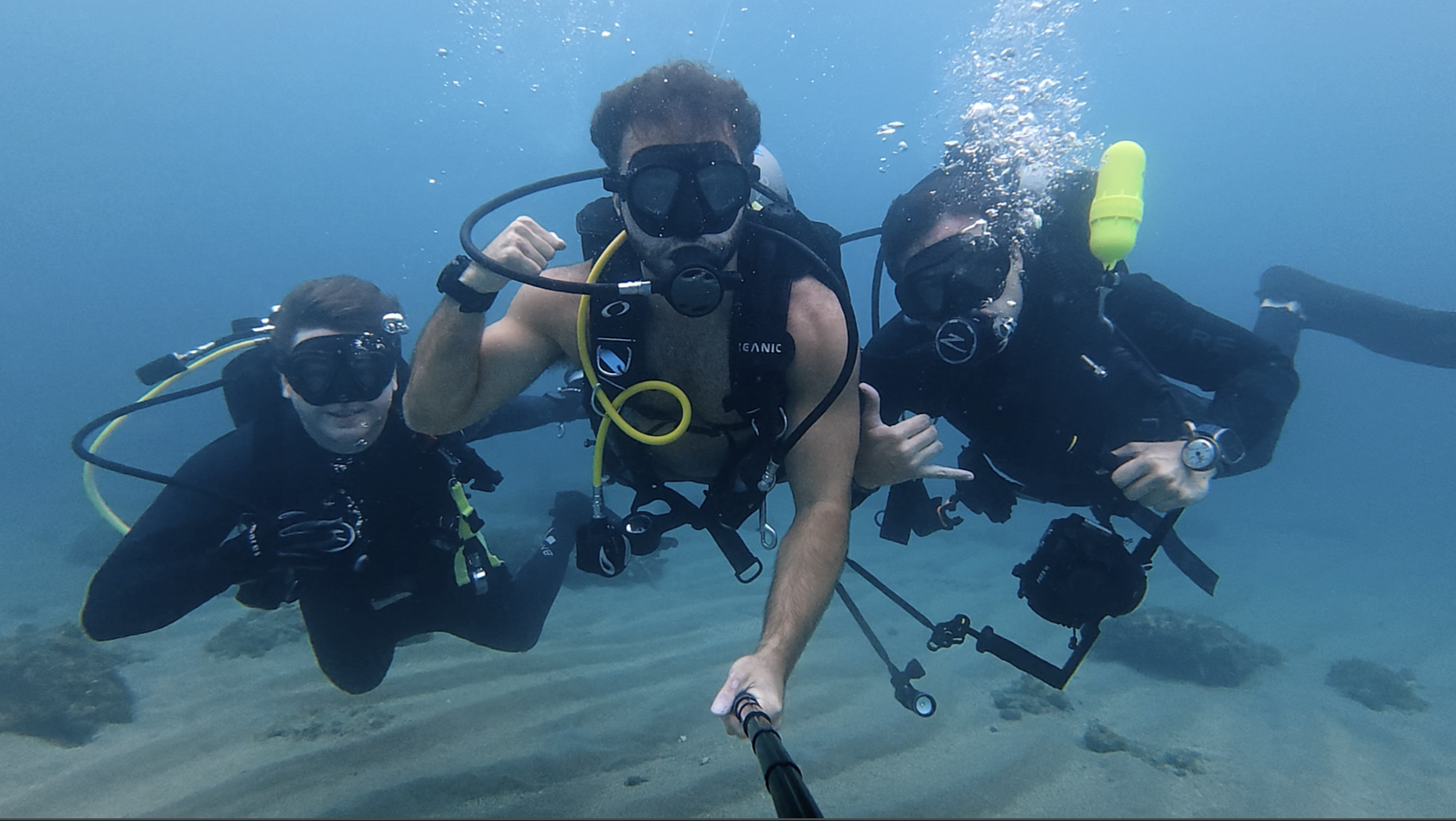
👋 It's Divemaster Austin
I'm inviting you to Dive Club, my global scuba diving community.
What you’ll find inside:
🤿 Dive meetups & group trips
🌍 Top dive sites shared by community members
⚙️ Gear tips & technique discussions
🤝 Diver's who’ve already linked up IRL
See you there!

.webp)
.webp)