
.webp)

Scuba tanks are one of the last pieces of gear divers buy for themselves, if they ever do.
For divers who get in the water frequently enough, there's real cost savings in owning your own.
You also get the freedom to pull off spontaneous dive trips without having to pick up and drop off rental tanks from a dive shop within a time window.
That said, there are only a handful of reputable tank manufacturers, and with so many specs, pressures, sizes, and materials to choose from, it can be hard to know what the best scuba tank is to buy.
I purchased two steel tanks in 2022, and while I'm glad I did, I wish I'd read an article like this first.
I've narrowed the options down to the three best tanks and broken down exactly which scenario each one is best for, so you can make the right decision.
Best for Tropical Diving: Sherwood Aluminum 100 CF

The Sherwood C100 is one of the most popular scuba diving tanks in the world. You've likely rented one before. It's constructed from heavy gauge aluminum which makes it very durable.
It comes in a range of colors so you can be in style, more easily visible and always find your tank in a group.
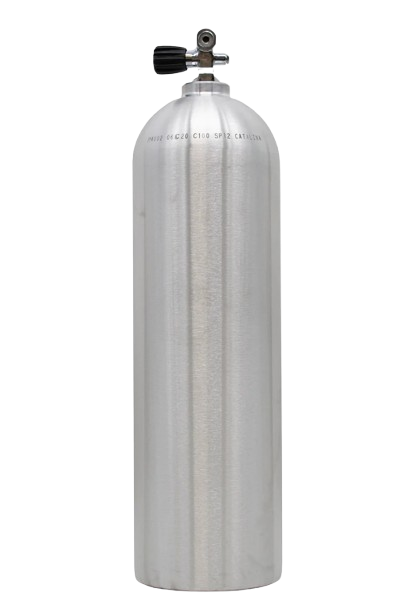
The tank is negatively buoyant at 500 PSI because of the amount of aluminum it was made with. So make sure to think about this when weighting yourself as aluminum tanks are usually buoyant at the end of the dive.
For valves, it comes with a standard K valve that will work with a yoke, not a DIN but you can request a valve that allows for both a yoke and DIN. This is the largest aluminum scuba tank on the market.
Best for Cold Water and Luxury Divers: Faber Steel HP80
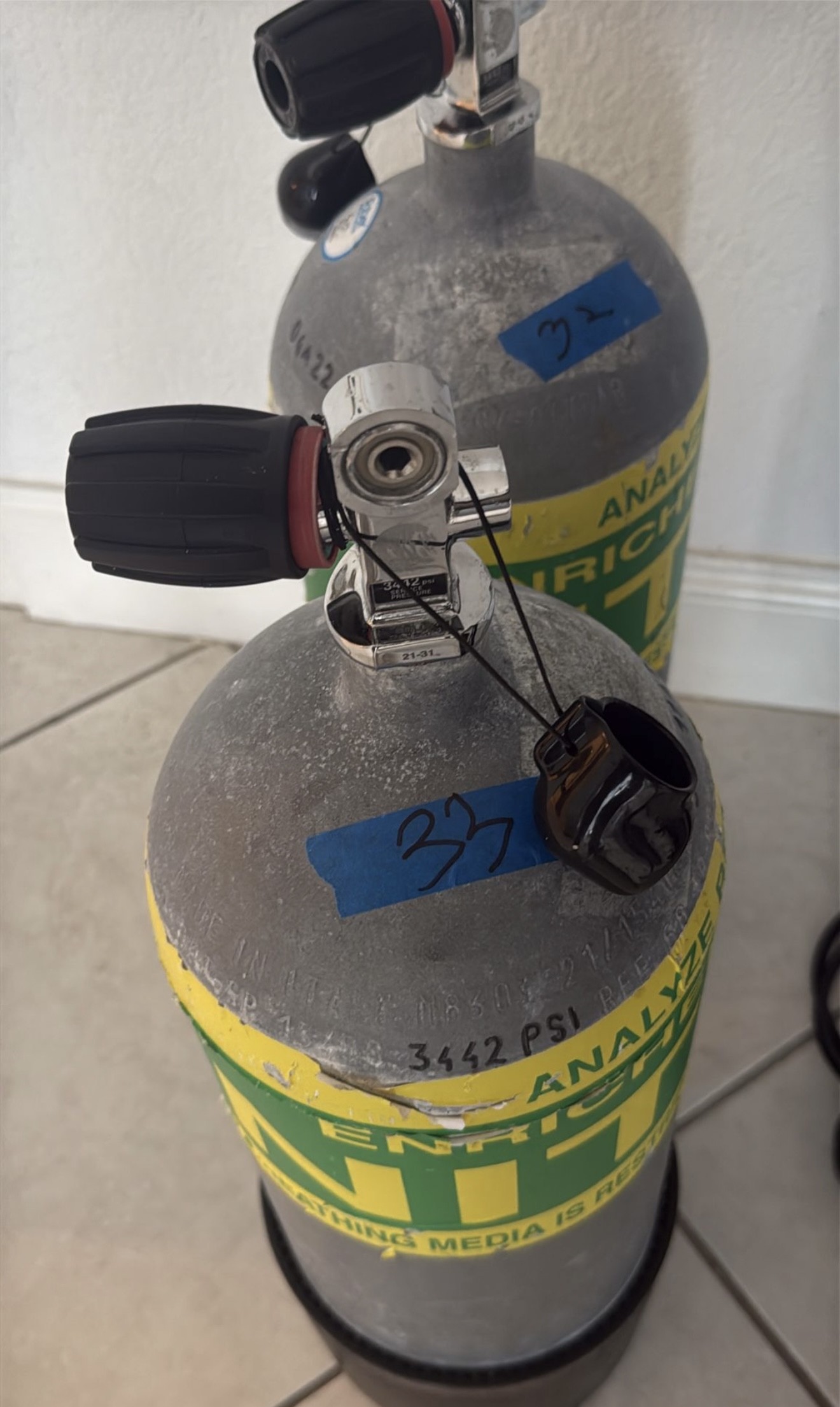
The tanks I own in Florida are the Faber Stealths.
It's one of the most widely used steel tanks, with great buoyancy characteristics going from -2.4 lbs. to -9.4 lbs (4.3 kg). (-1.1 kg to 4.3 kg). The outer layer has a triple-protected finish to make it longer-lasting and more durable.
The reason that I bought this scuba diving tank is:
- Steel 80s are smaller in tank size despite holding the same amount of air as an aluminum of the same size.
- They are much more negative buoyant, allowing me to wear less weight.
- I'm 5'6" so the smaller tank fits my build better.
When diving in Florida in a 3mm or no wetsuit, I need no added extra weight, whereas if I needed aluminum, I would need ~4 lbs (1.8 kg).
You will need an O2 cleaning so you can use Nitrox up to 40%.
It also comes with the XS Scuba “PRO Valve” which is a yoke but is able to spin out and convert to a DIN valve.
Best Pony Bottle: SMACO S400 Pro 1L
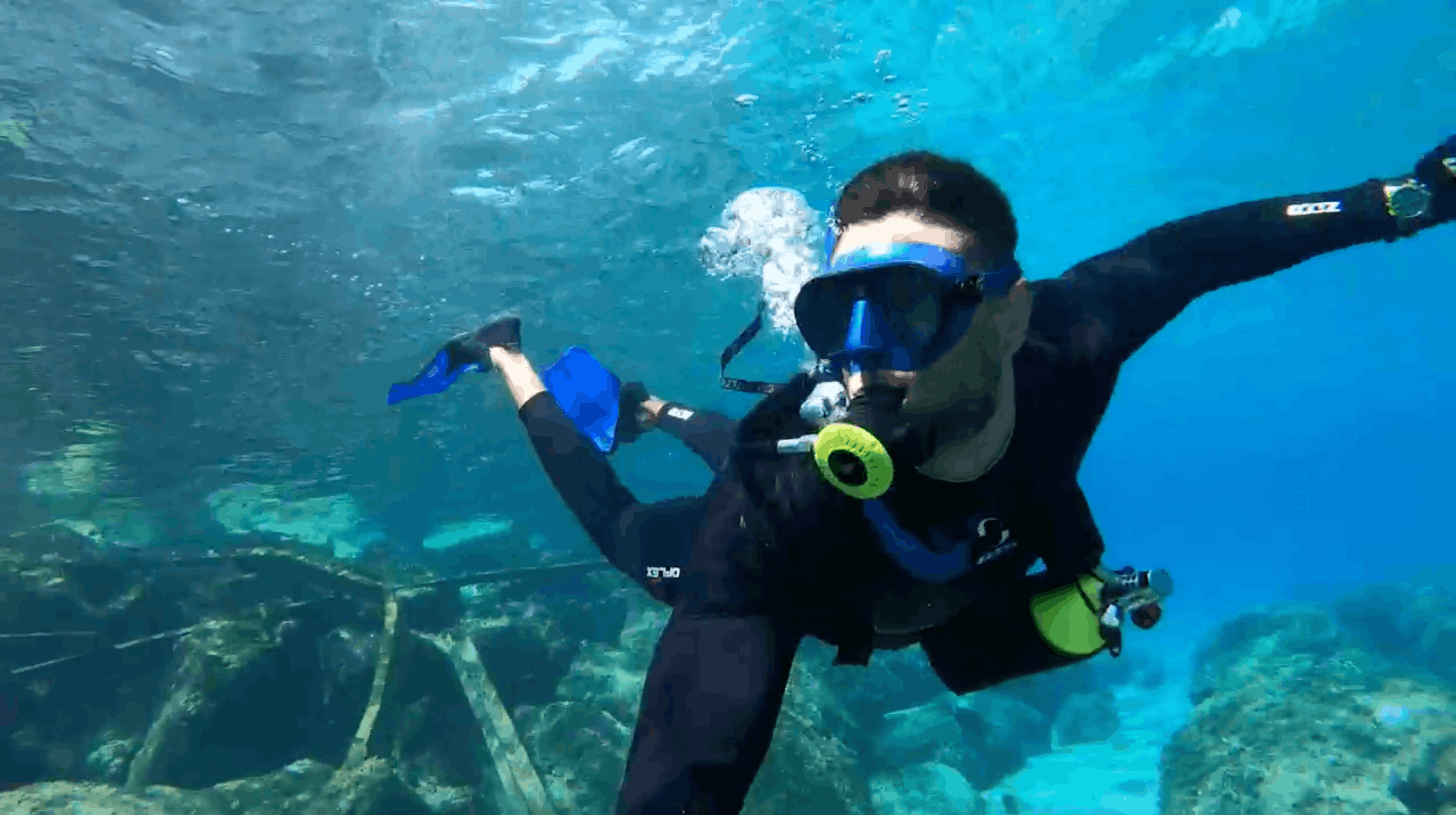
If you are planning to dive solo or below 130ft (40m), a pony bottle is essential. This little tank has a capacity of 1L and when full.
Depending on your breathing and depth, it could last you about 15-20 minutes.
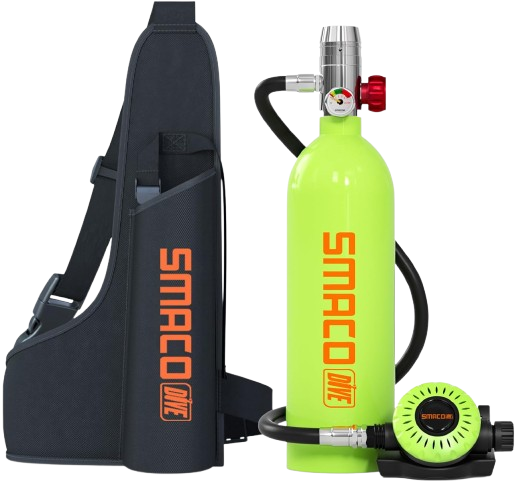
With a weight coming in at only 5.07 pounds (2.3 kg), it can work for dive travel and transport. When traveling on a plane you can also split the regulator and tank body to comply with airline regulations.
There are also a few different options to purchase with a hand pump, different bags, and an electric air pump.
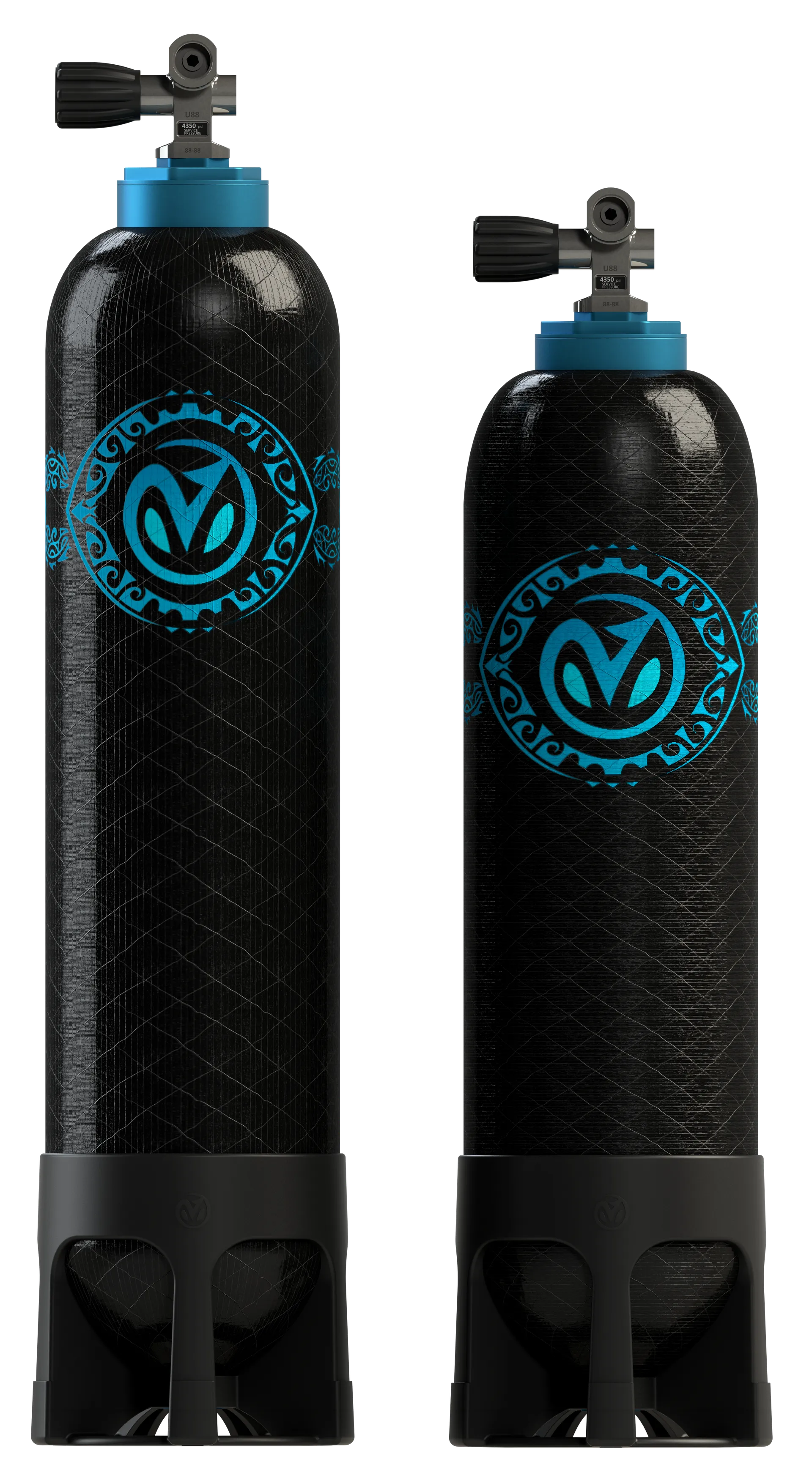
Most Innovative: Avelo Hydrotank
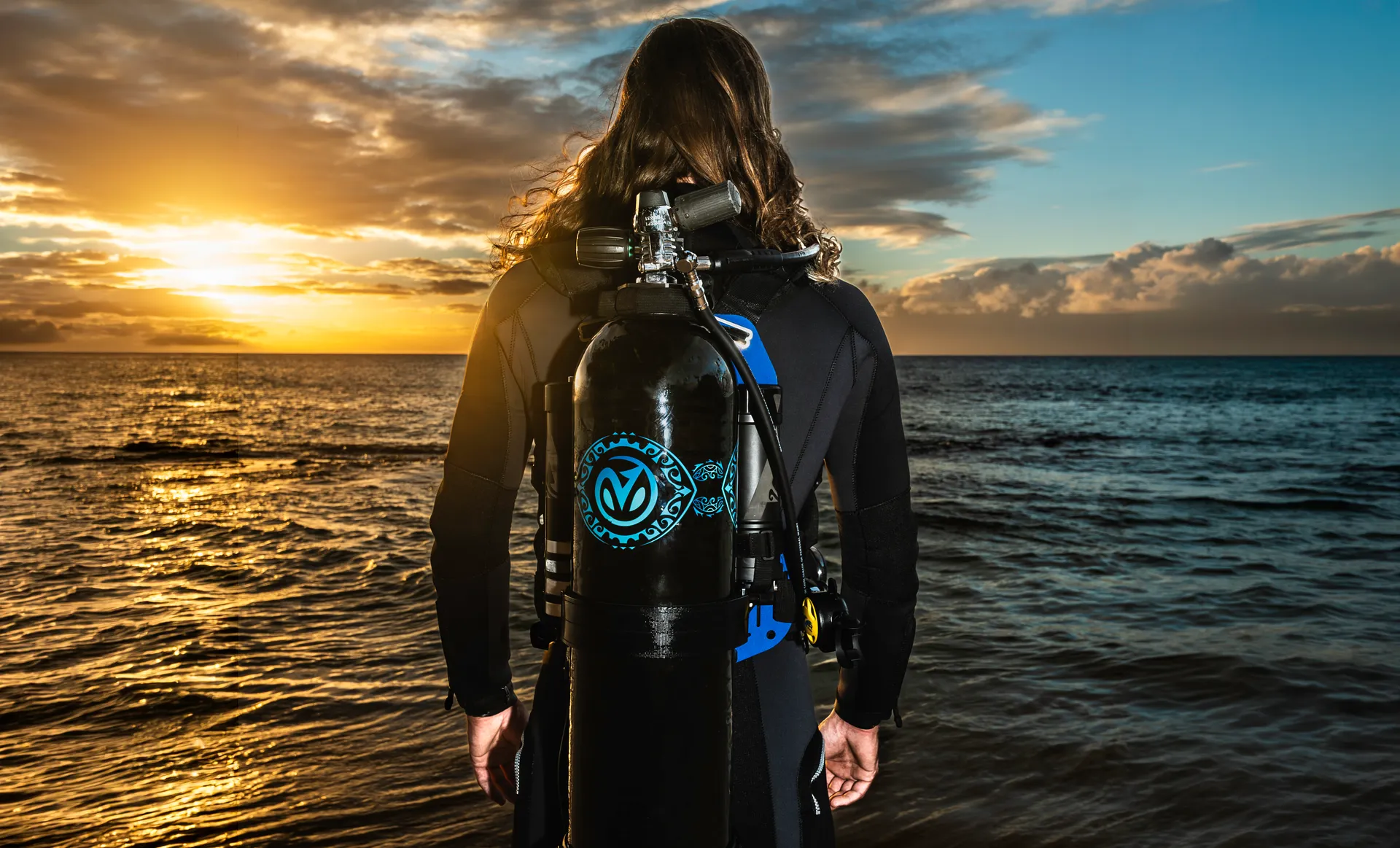
Avelo has genuinely reimagined how a scuba tank works and it's worth knowing about even if you never end up buying one.
Traditional scuba tanks are passive cylinders. They hold air at high pressure, and as you breathe down the tank the pressure drops but the tank itself doesn't change causing buoyancy to shift throughout a dive.
As we discussed earlier, an aluminum 80CF starts negatively buoyant and ends positively buoyant as the air is consumed, requiring BCD adjustments to compensate.
Avelo solves this with what they call the Hydrotank.
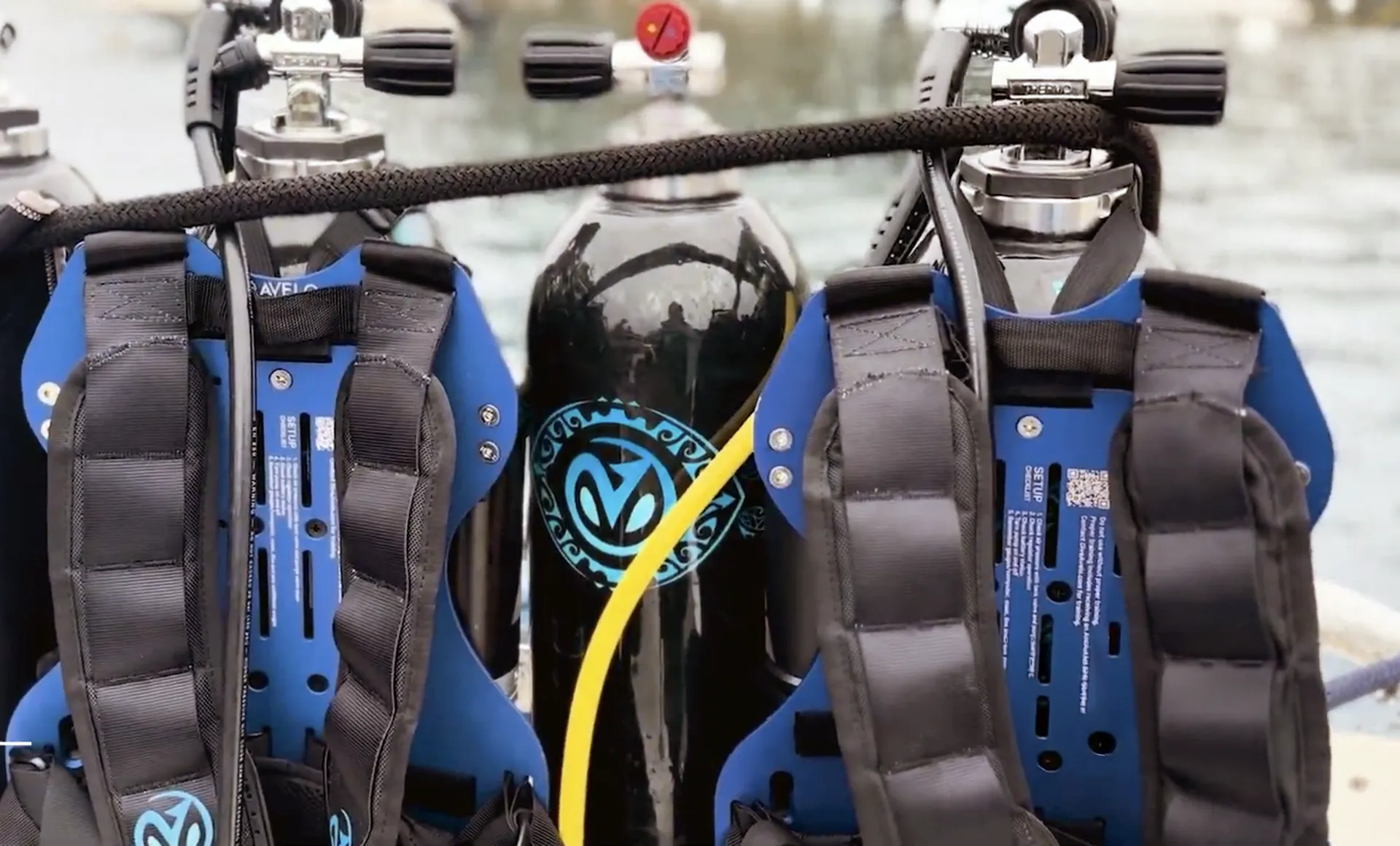
It's a cylinder with a built-in hydraulic system that uses a small amount of water to actively maintain neutral buoyancy throughout the dive.
As you consume air and the tank gets lighter, water is introduced into a bladder inside the cylinder to compensate for the weight loss.
The result is a tank that stays neutrally buoyant from the first breath to the last.
Avelo tanks are also significantly lighter than a comparable aluminum tank on the surface, making it easier to carry around on boats or shore diving.
Who It's For
Avelo is positioned as a tool for dive professionals, underwater photographers, marine researchers, and serious recreational divers who want more control over their buoyancy and to carry less weight.
It's not a budget option as the system runs around $1,000–$1,200 for the full setup, but for the right diver it's an interesting choice. You also need to take a course.
How to Get Certified
Avelo requires a specific certification before you can use the system, called the Avelo Diver Course.
A short specialty course, typically completed in a single day, that covers how the Hydrotank system works, how to set it up and maintain it, and how to dive with it properly since the buoyancy behavior is different from a standard cylinder.
To get certified you need to find an Avelo-authorized dive center. You can search for certified training locations on Avelo's website at diveavelo.com.
If you already hold an Open Water certification or higher, you're eligible to take the Avelo course.
How Does Tank Capacity Work?
%20(1).png)
It's important to know how tank capacity works. Service pressure does not exactly correlate to the tank capacity.
All scuba cylinders have a relationship between their internal volume, their maximum service pressure, and the actual free gas capacity.
Without going deep into the math (see this breakdown of cylinder capacities) several tanks hold less air than the size advertised on the tank, so do your research.
Just remember a higher service pressure does not always mean more air.
Things to Consider When Buying a Scuba Tank
Visual and Hydro Inspections
Owning your own scuba tanks comes with one responsibility most divers don't think about at the time of purchase: mandatory inspections.
There are two types being visual inspections and hydrostatic testing.
Both are required to keep your tank legal and safe to fill at any dive shop.
Visual Inspection (VIP)
A visual inspection is an annual check of the interior and exterior of your tank.
A certified inspector removes the valve, inserts a light and inspection tool into the tank, and checks for corrosion, pitting, cracks, and debris inside the cylinder. The exterior is checked for dents, cuts, and damage as well.
Most dive shops will refuse to fill a tank that doesn't have a current VIP sticker.
The sticker shows the month and year of the last inspection, and once it expires you'll need a new one before your next fill.
Cost runs between $20 and $40 at most dive shops. Some shops include it free with a fill if you're a regular customer.
Hydrostatic Testing
A hydrostatic test is a deeper structural integrity test required every 5 years in the US.
The tank is filled with water and pressurized beyond its rated service pressure to check for expansion or deformation in the cylinder walls. If the tank expands beyond an acceptable threshold it's condemned and taken out of service.
You'll see the hydro test date stamped directly into the metal on the shoulder of the tank, it shows the month and year of the last test. Any tank that's out of hydro cannot be legally filled until it's been retested and re-stamped.
Cost runs between $40 and $60 at a local dive shop or hydro testing facility. Some areas have dedicated hydro testing centers that are cheaper than dive shops.
What This Means for Your Budget
When factoring the cost of tank ownership, plan for roughly $20–$40 per year for visuals and $40–$60 every 5 years for hydro (at least in Florida, USA).
Spread over a tank's lifespan of 20+ years with proper care, the inspection costs are minimal but they're non-negotiable if you want to dive your own tanks.
If you're buying a used tank, always check the shoulder stamp for the hydro date and ask for the most recent VIP sticker before purchasing.
A tank that's out of hydro will need to be tested before you can use it, which adds to your upfront cost.
Buying Used Scuba Tanks
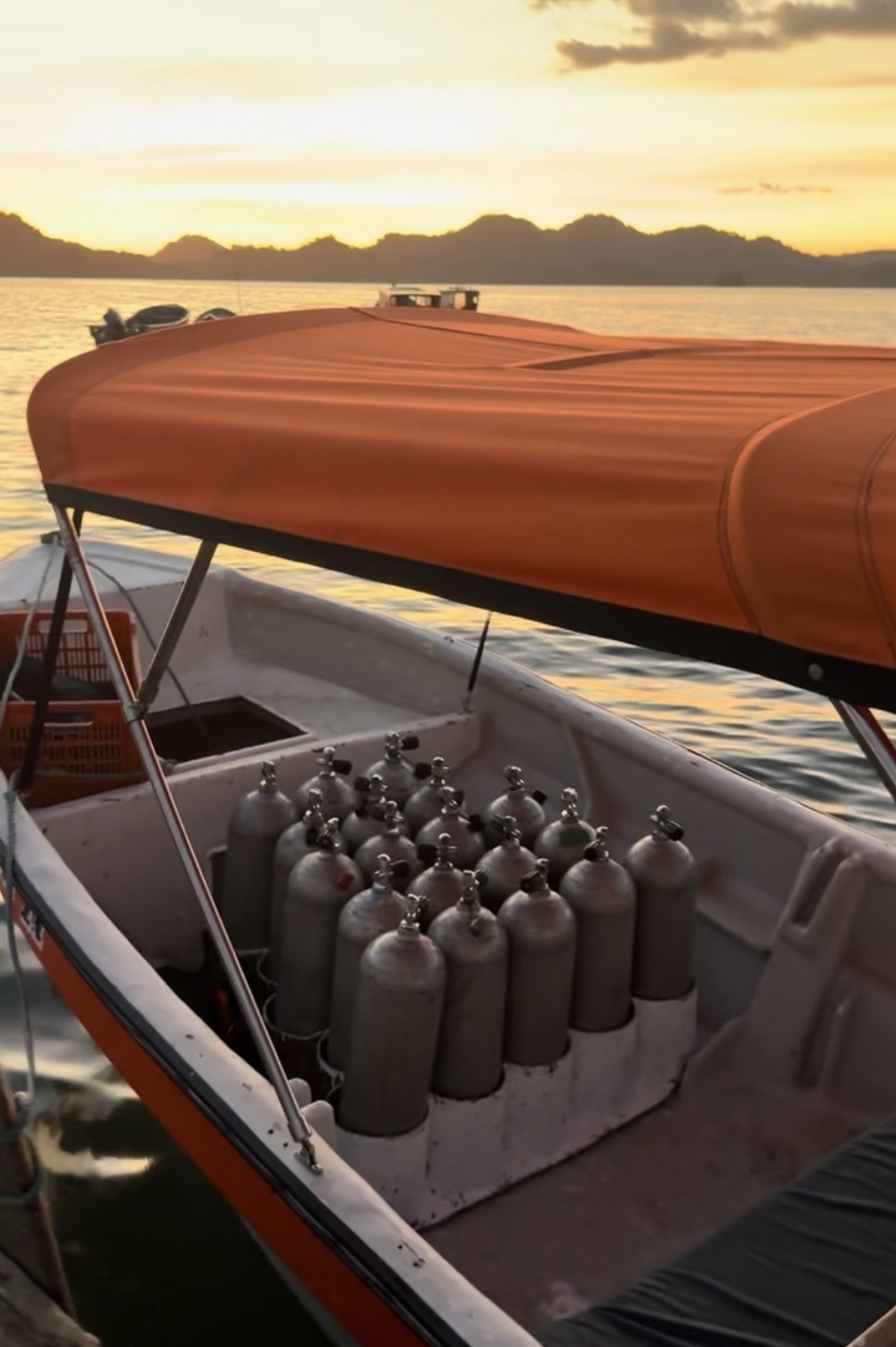
Buying a used scuba tank is a legitimate way to save money, and plenty of divers do it successfully.
It comes with real risks if you don't know what to check. A tank that looks fine on the outside can be trash on the inside.
Here's what to look for before handing over any money.
Check the Hydro Date
The hydrostatic test date is stamped directly into the shoulder of the tank. It shows the month and year of the last test.
In the US, tanks must be hydro tested every 5 years if the stamp is more than 5 years old, the tank is out of hydro and no dive shop will fill it until it's been retested.
Factor the cost of a hydro test ($40–$60) into your offer price if the tank is overdue.
Check the VIP Sticker
Look for a current visual inspection sticker on the tank. If it's expired or missing, the tank needs a VIP before it can be filled. Not a dealbreaker, but again factor the cost in.
Inspect the Exterior
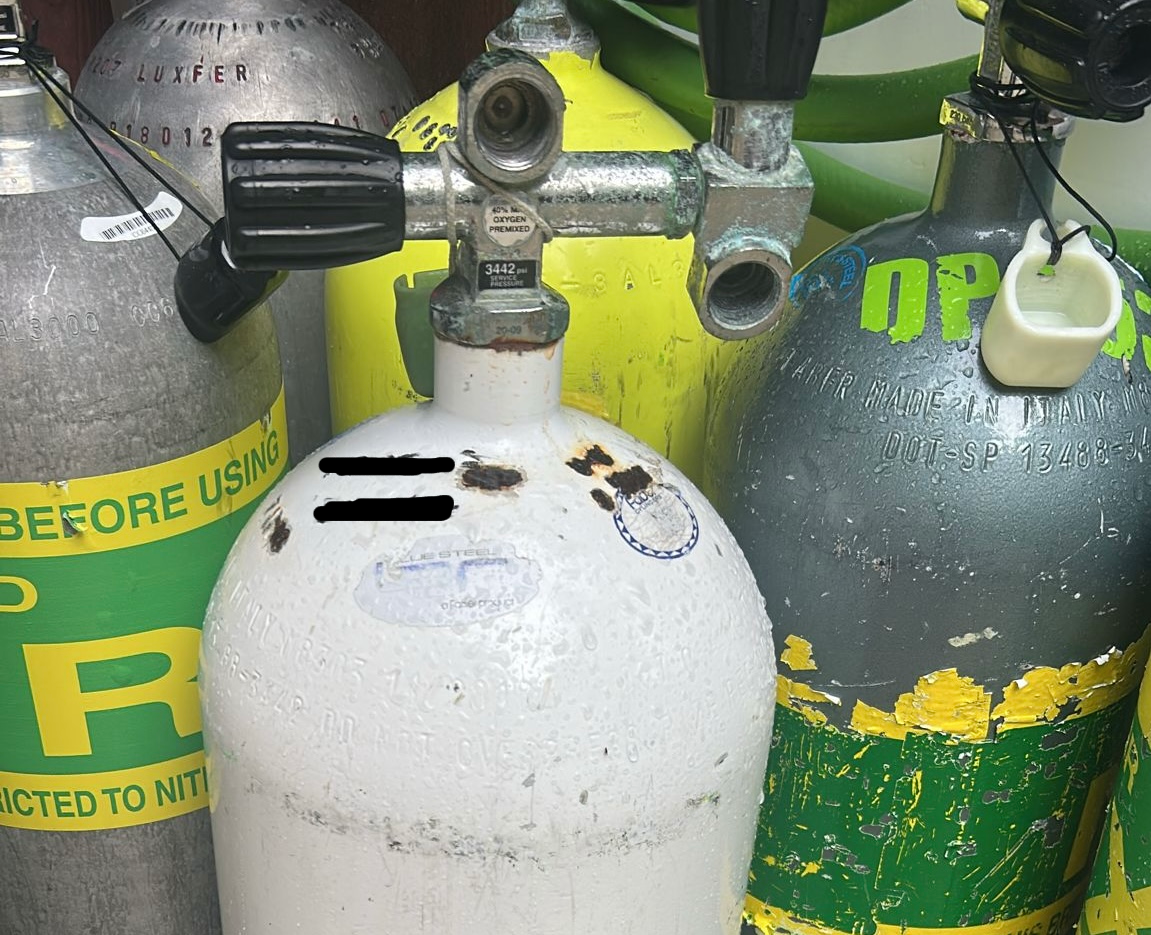
Look for dents, deep gouges, cuts, or corrosion on the outside of the cylinder. Minor surface scratches are normal. Anything that looks structural a dent in the cylinder wall, corrosion around the neck, damage near the valve is a red flag.
Check the Valve
Make sure the valve turns smoothly and isn't seized or corroded. A seized valve can be expensive to replace. If the tank comes without a valve at all, budget another $50–$100 for a replacement.
Ask for the History
If you're buying from another diver, ask how the tank was stored and how often it was used.
Tanks that sat empty for years, were stored in hot environments, or were repeatedly allowed to go completely empty are more likely to have internal corrosion.
A tank that's been regularly used and maintained by an active diver is a much safer buy.
Where to Buy Used Tanks
The best places to find used tanks are local dive club Facebook groups, dive shop bulletin boards, and Craigslist or Facebook Marketplace.
Avoid buying tanks you can't inspect in person as you need to physically check the shoulder stamp and exterior before committing.
Buoyancy and Materials
The two main choices in tanks are aluminum and steel.

Aluminum cylinders are negatively buoyant at the start of your dive and move towards becoming positively buoyant as they empty.
Steel tanks are negatively buoyant from the beginning to the end of the dive and you can control your buoyancy easier with a steel tank. Steel will require you to wear less weight in order to be neutrally buoyant.

Size and Air Capacity
Size and air capacity are not always perfectly related. Scuba tanks come in a wide array of sizes for all different types of diving.
The size shows how much air could possibly be compressed into the tank. 80cf scuba cylinders are the most popular type tank.
If you use air quicker than normal or you want to dive deeper or longer a 100cf+ will work better.

Here is a quick guide for tank volumes:
- 10 – 30 cu ft: pony bottle
- 31 – 40 cu ft: stage bottle/redundant air source
- 80 – 100 cu ft: primary for an adult
- 101 – 130 cu ft: primary for an adult/ tech diver
Yoke and Din Valves
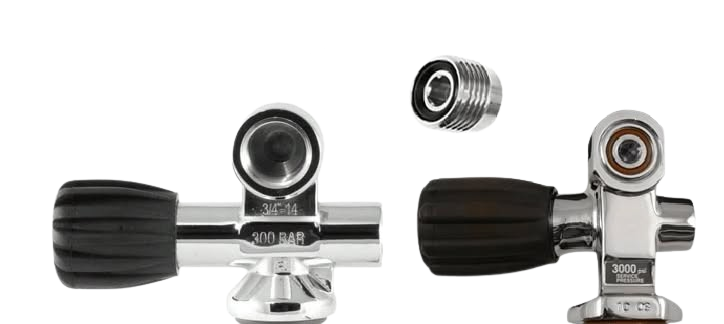
Valves play a major role in controlling the airflow from the scuba tank to your first stage.
The K Valve is the most common one that you will see and should use. They screw in and usually come with an O-ring to make them watertight.
Some of them have a “Pro-Valve” to make switching from yoke to DIN easy.
If you already own a regulator, you want to make sure the tank you buy fits.
Let's Dive Together
👋 It's Divemaster Austin
I'm inviting you to Dive Club, my global scuba diving community.
What you’ll find inside:
🤿 Dive meetups & group trips
🌍 Top dive sites shared by community members
⚙️ Gear tips & technique discussions
🤝 Diver's who’ve already linked up IRL
See you there!
Join my scuba diving community.
I'm Austin, a PADI Divemaster with over a decade of diving experience under my belt.
I created a free scuba diving community, where divers can connect, learn, and share their dives.
See you inside!
Join my Diving Community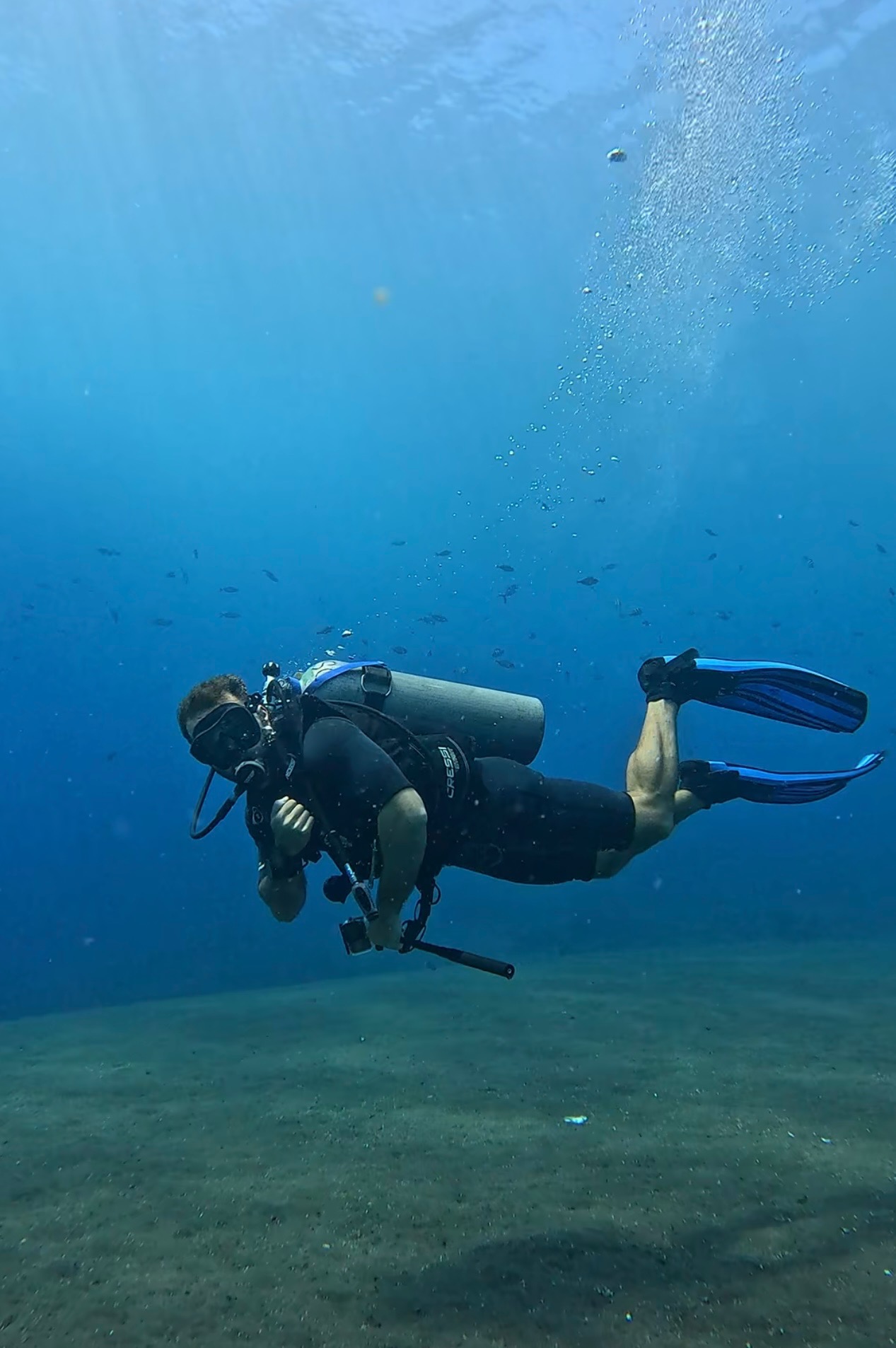

.webp)
.webp)