

.webp)
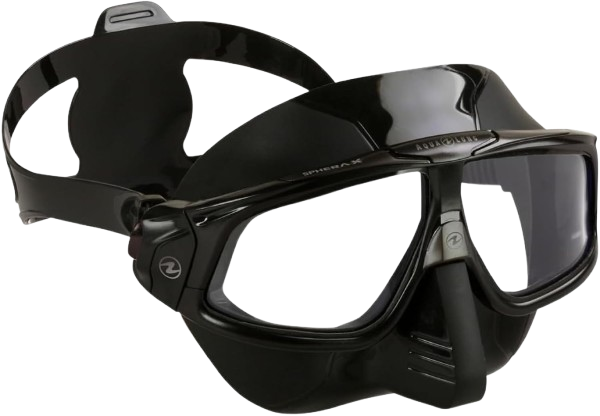
Besides your fins, the right freediving mask is the next most important piece of freediving gear.
While you could use a scuba or snorkel mask, it's not ideal.
The internal volume, fit, and profile will hold you back more than you'd expect.
As an SNSI certified freediver, these are the freediving masks I recommend.
Best All-Around Freediving Mask: Tilos Spawn
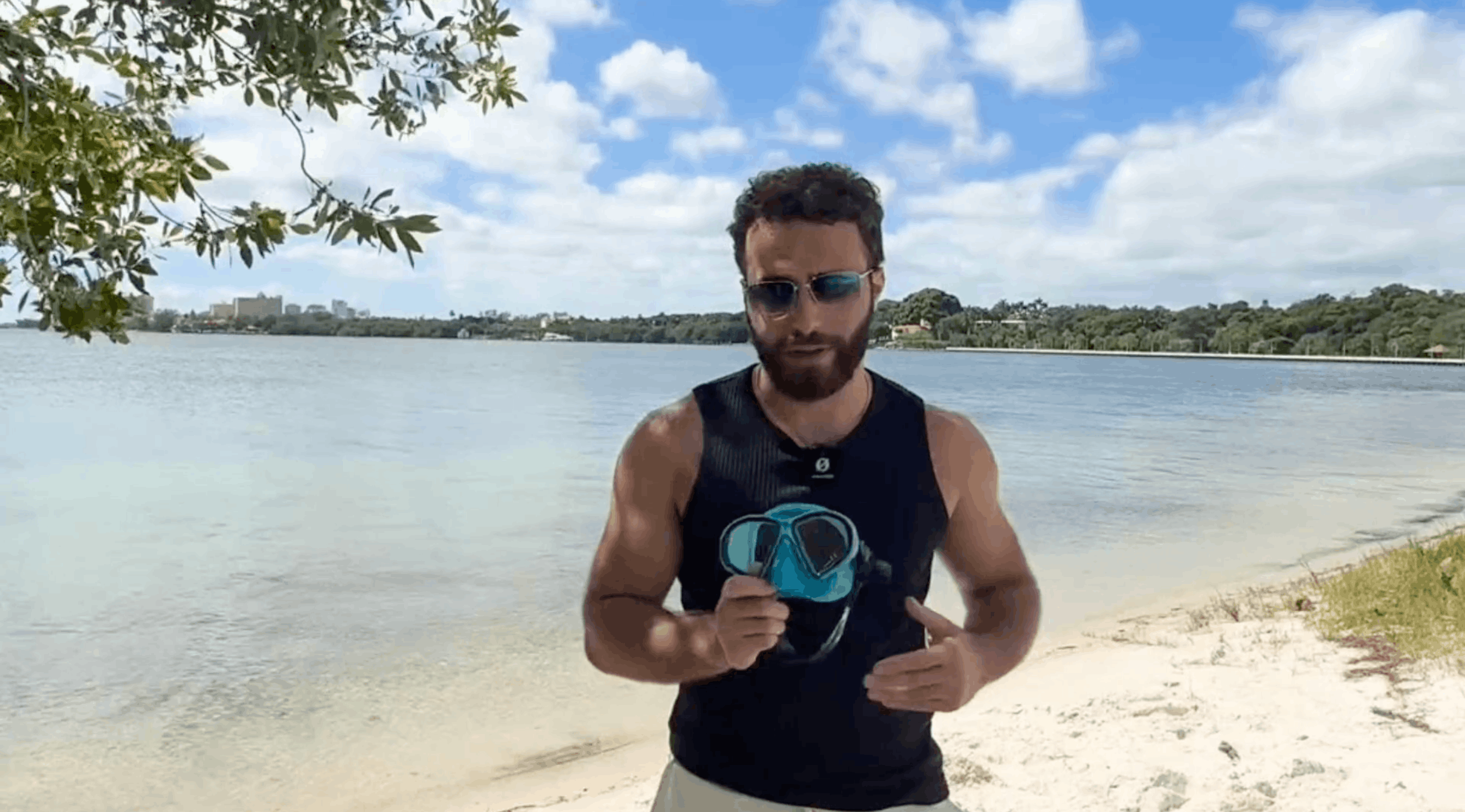
Before I started diving content creation, the Tilos Spawn was the mask I used.
The soft silicone skirt molded to my face and held a watertight seal on every dive. The lenses are tempered glass and shatter-resistant giving me a clear, unobstructed view.
It's also very low-volume, in order to not waste air equalizing. The camo pattern is cool but I'm not sure that it changes anything for spearfishing.
Lowest Volume Freediving Mask: Cressi Nano
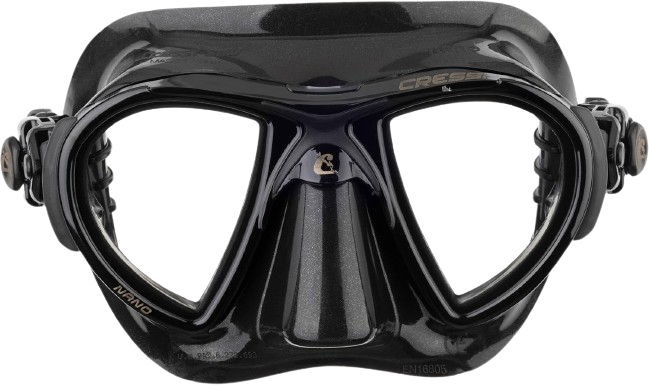
The Cressi Nano is the lowest volume mask on this list.
Cressi list the internal volume at 83 cc, and they get it that low by bonding two rigid frames together instead of using a single frame, which shrinks the air space inside the mask.
The lenses are inclined and tear-drop shaped, angled to open up your view downward, which is where you are actually looking on a descent.
Less volume means less of your breath is spent equalizing it on the way down.
If you are pushing depth and want the smallest air space you can get, this is the mask to buy assuming it fits your face!
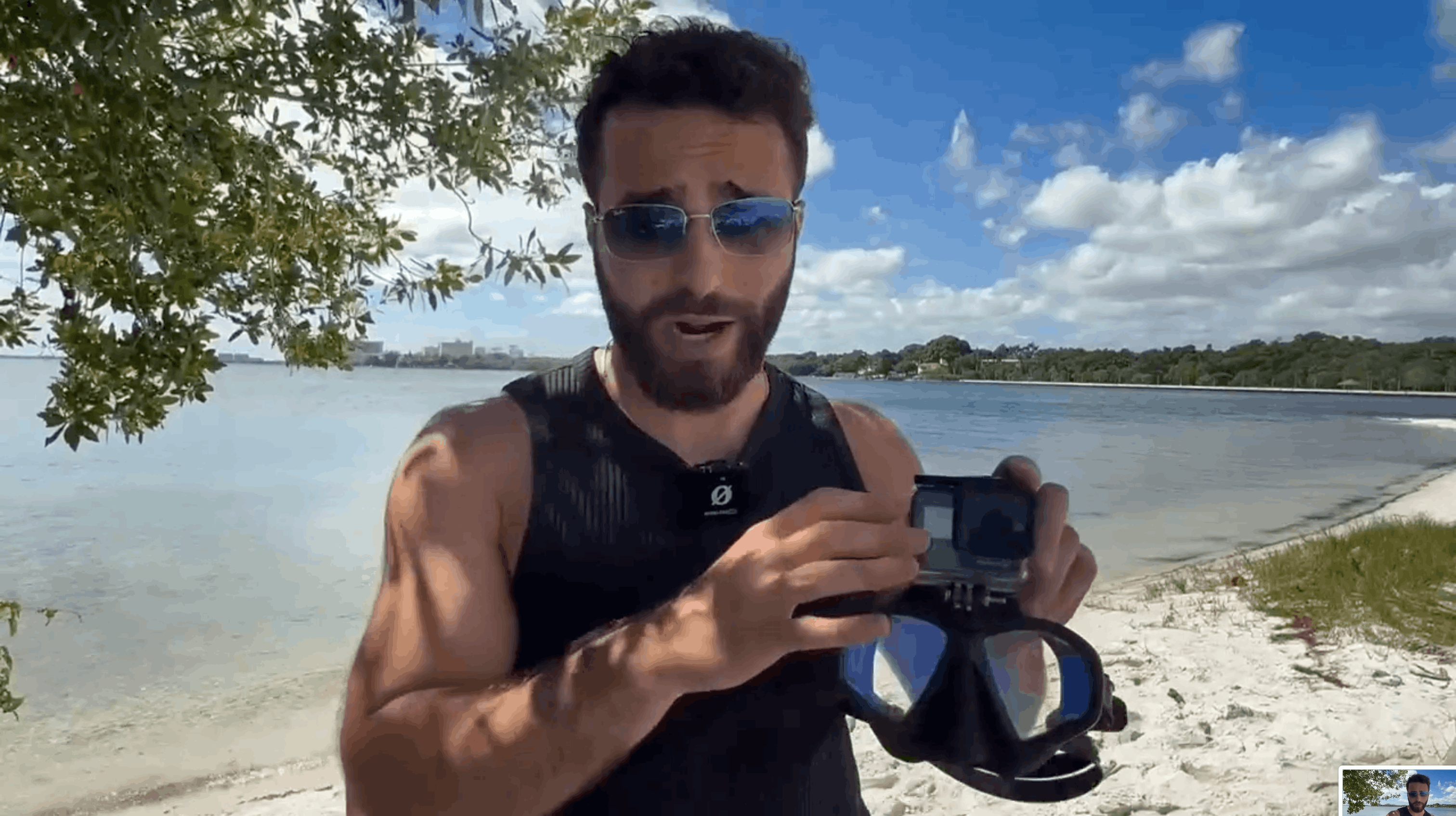
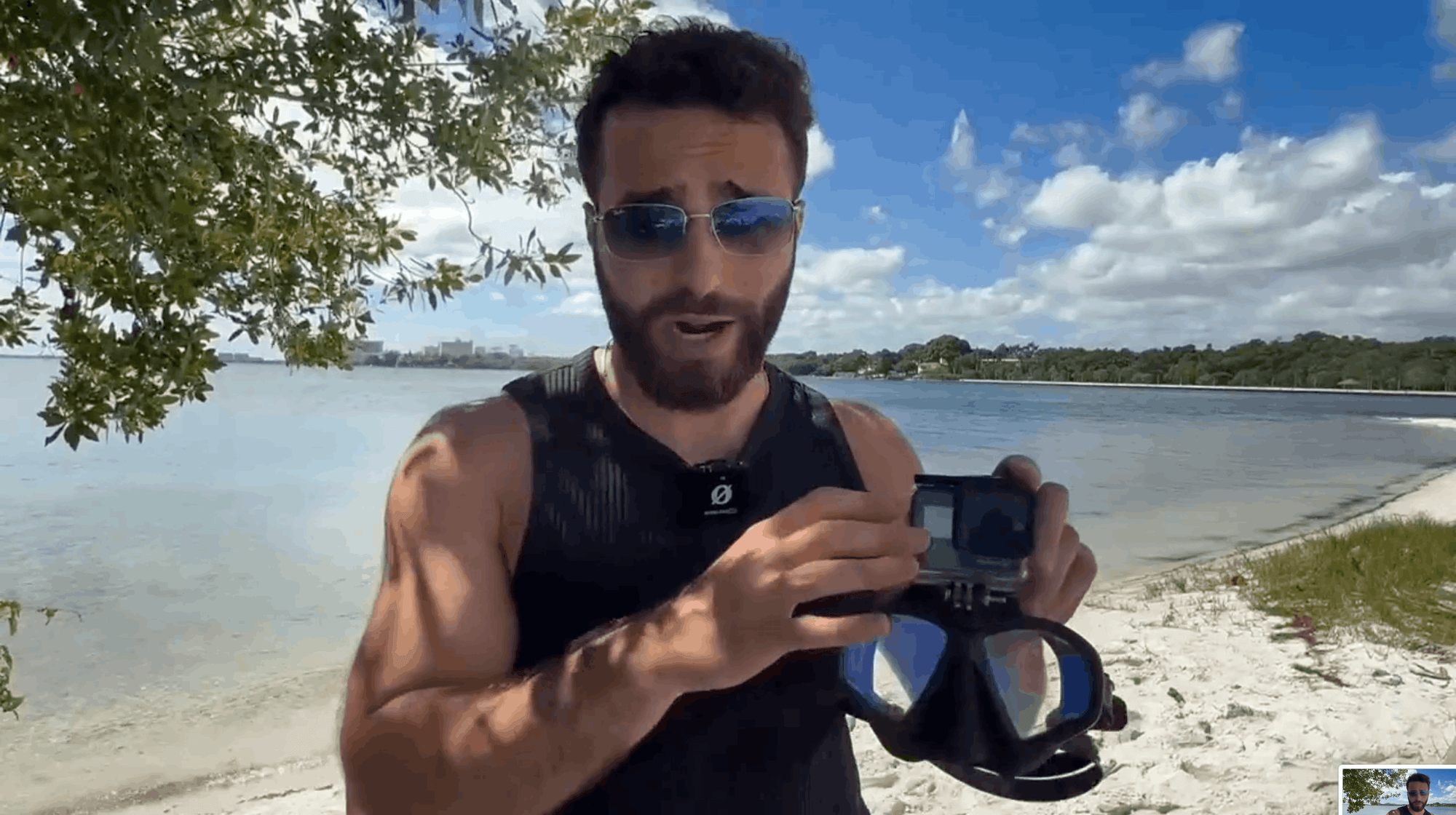
Best Mask for Filming: Hammerhead MV3
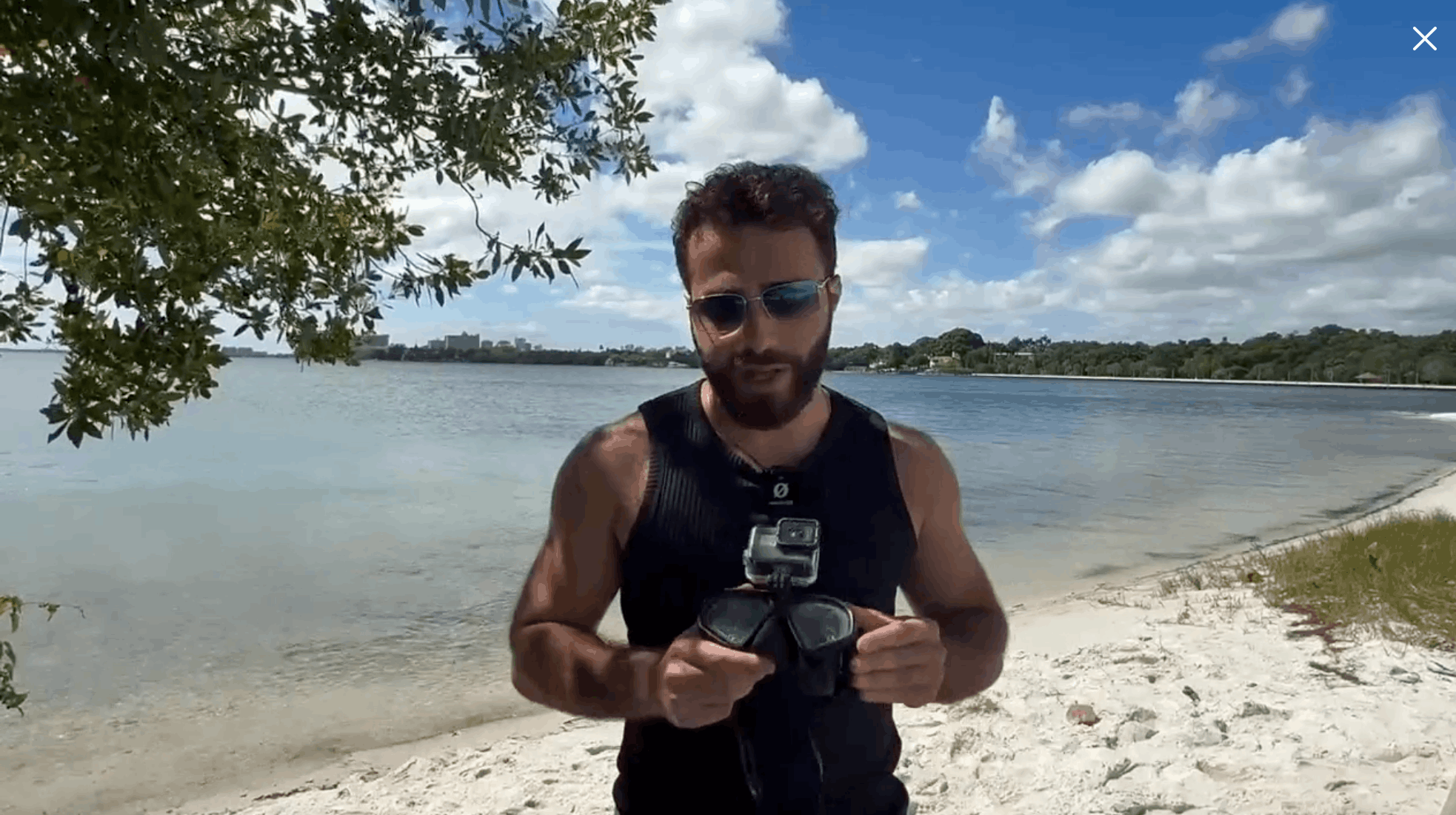
The Hammerhead GoPro mount mask fits my face so well that I actually double it as my scuba diving mask too.
It's not the lowest volume option on this list, so if you're pushing your depth limits every dive it's worth keeping that in mind.
But for recreational freediving and spearfishing, it's not an issue.
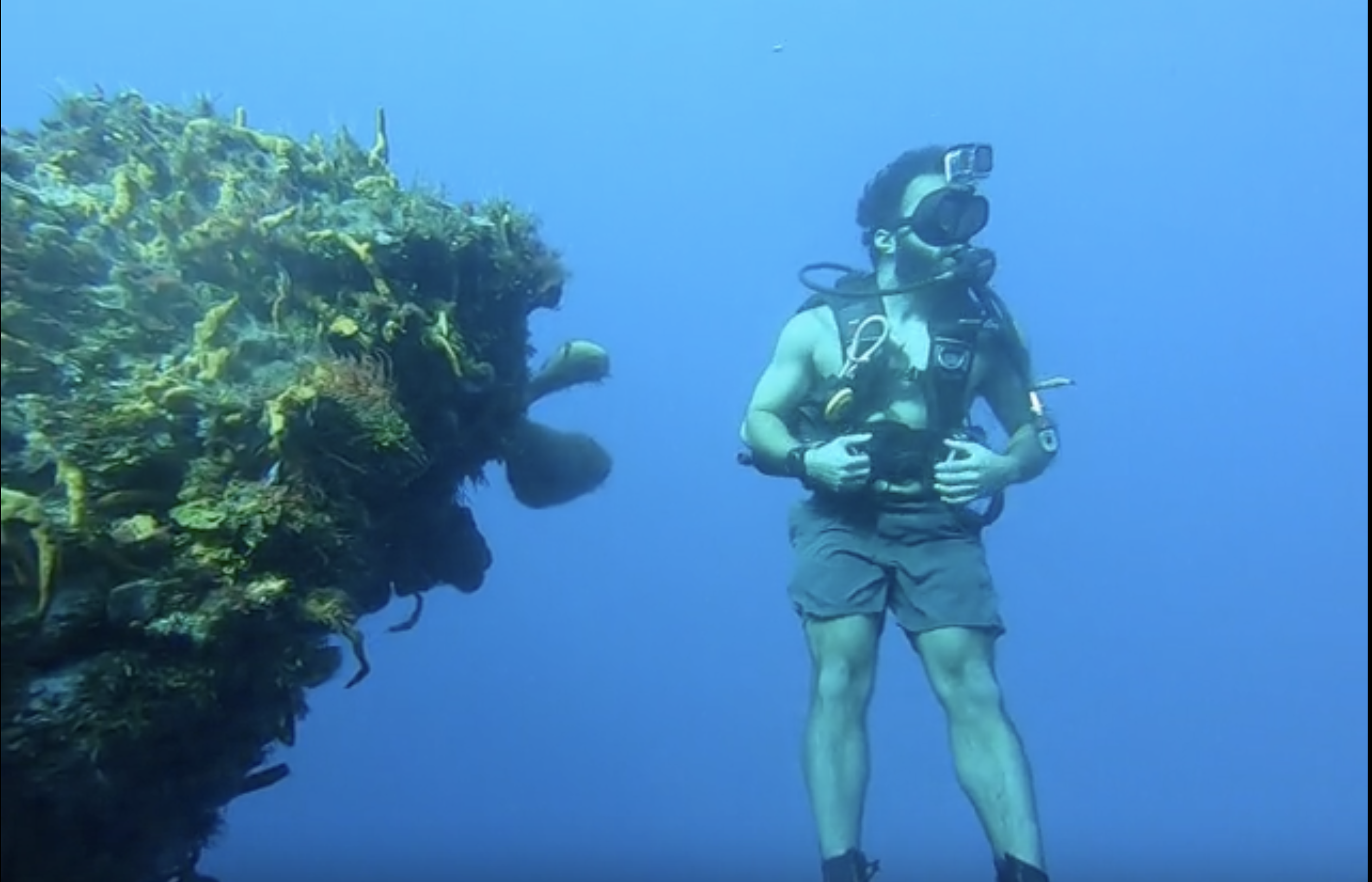
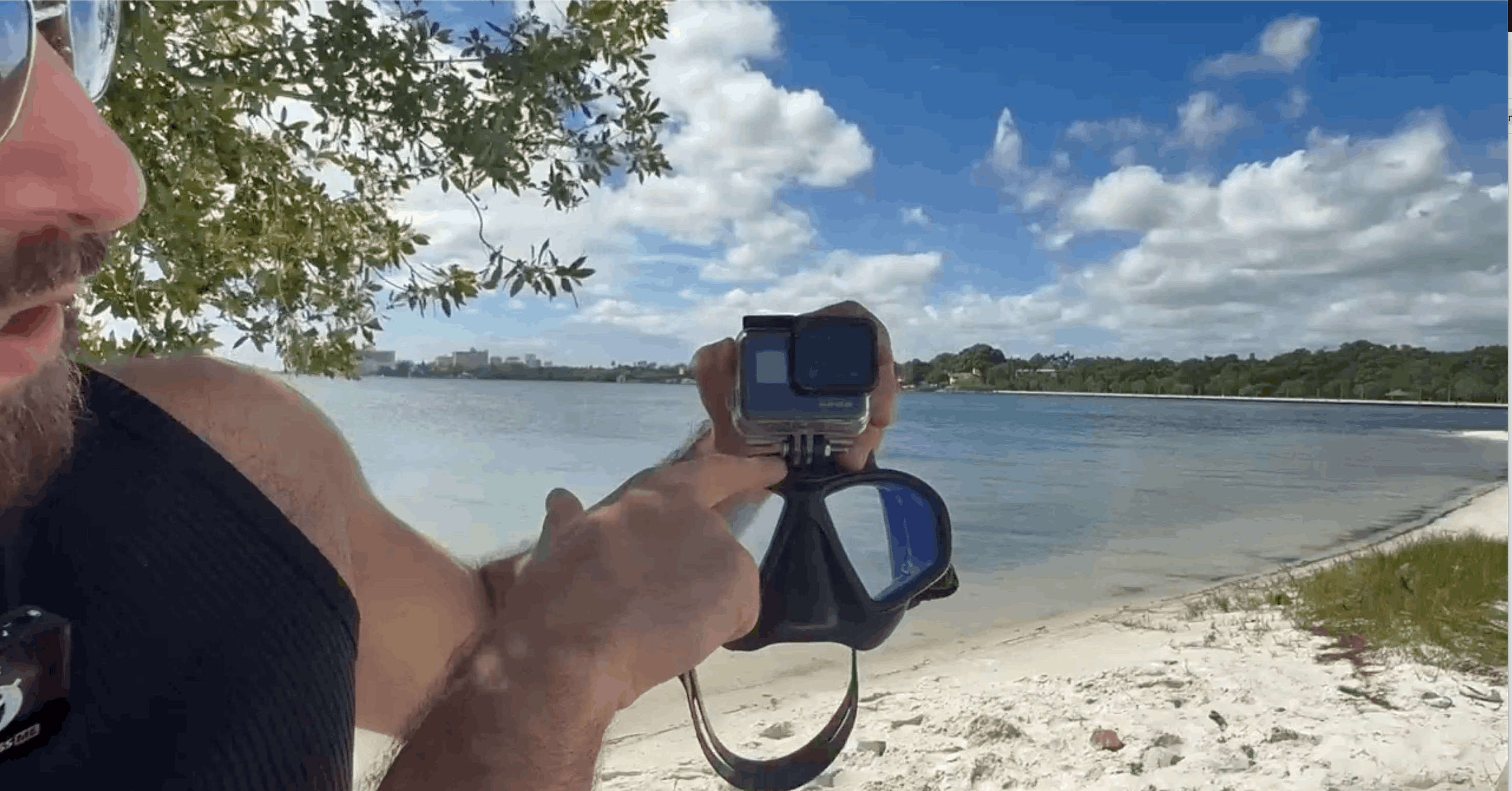
A GoPro head mount allows you to keep your hands free when freediving, and keeps the camera eye level for natural first-person footage. Note that if you move your head around a lot, this can cause footage to be disorienting to watch.
If you're filming dives or spearfishing sessions, and don't want to worry about a headstrap, this is the freediving mask to get.
Freediving Mask Buying Guide
There's a lot to think about when choosing a freediving mask, and it's worth getting right.
Volume
The lower the volume, the less air you spend equalizing on the way down. Anything under 100ml is considered low volume. Ultra-low volume masks come in under 75ml.
Comfort & Fit
A well-fitting mask matters more than any other feature.
It should sit flush against your face without feeling tight. The mask's skirt determines the seal, while the frame and strap determine comfort. Pay close attention to the nose pocket, as if it's too big it adds unwanted volume and makes equalization harder.
Quick test: place the mask on your face without the strap and breathe in through your nose. Hold that breath. If the mask stays suctioned without leaking, the fit is good.
Most freediving masks use a wide double-edged skirt that works on most face shapes. If you have facial hair or a wider face, try a few options before committing.
Design
A low-profile, hydrodynamic design reduces drag and improves your performance underwater. It sounds minor, but it adds up over the course of a dive.
Color matters for spearfishing. Bright colors make you more visible to your buddy, but also to fish. Eyes and face convey aggression in the animal kingdom, so if you're hunting, go with black or muted tones.
Lenses
Mirrored lenses reduce glare and UV exposure and can enhance colors on the reef. The downside is that they make it harder for your buddy to read your face and eyes underwater.
Scuba Masks vs Freediving Masks
Scuba masks and freediving masks look similar, but have one main differentiator, being volume.
When you're freediving, you have one breath for the entire dive.
As you descend, you need to equalize the air space inside your mask.
Every bit of air that goes into the mask comes out of the breath you're holding.
A low-volume mask keeps that cost as low as possible.
Streamlining is another factor. Even slight drag from a wide, bulky mask affects your performance over a dive. Freediving masks are built with a compact, hydrodynamic profile.
Scuba diving masks tend to prioritize a wider field of vision instead.
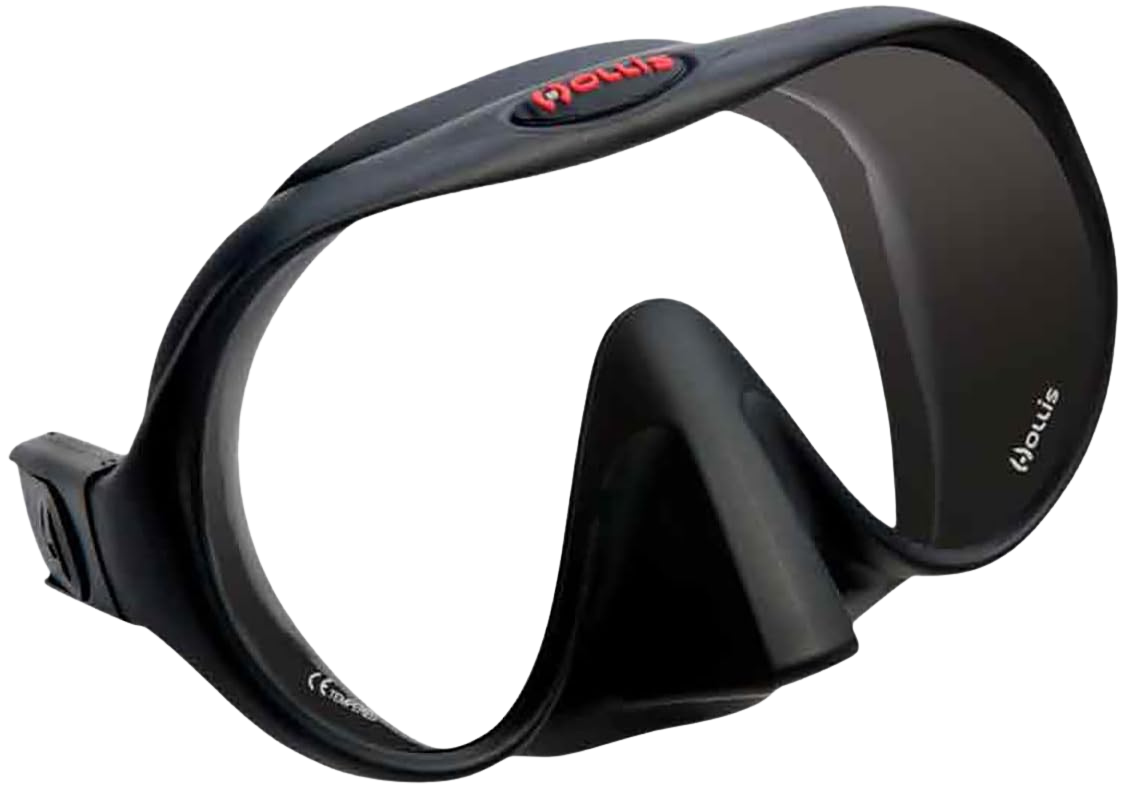
A freediving mask works fine for scuba, so if you're doing both, it's the more versatile choice, at the cost of some vision.
Let's Dive Together
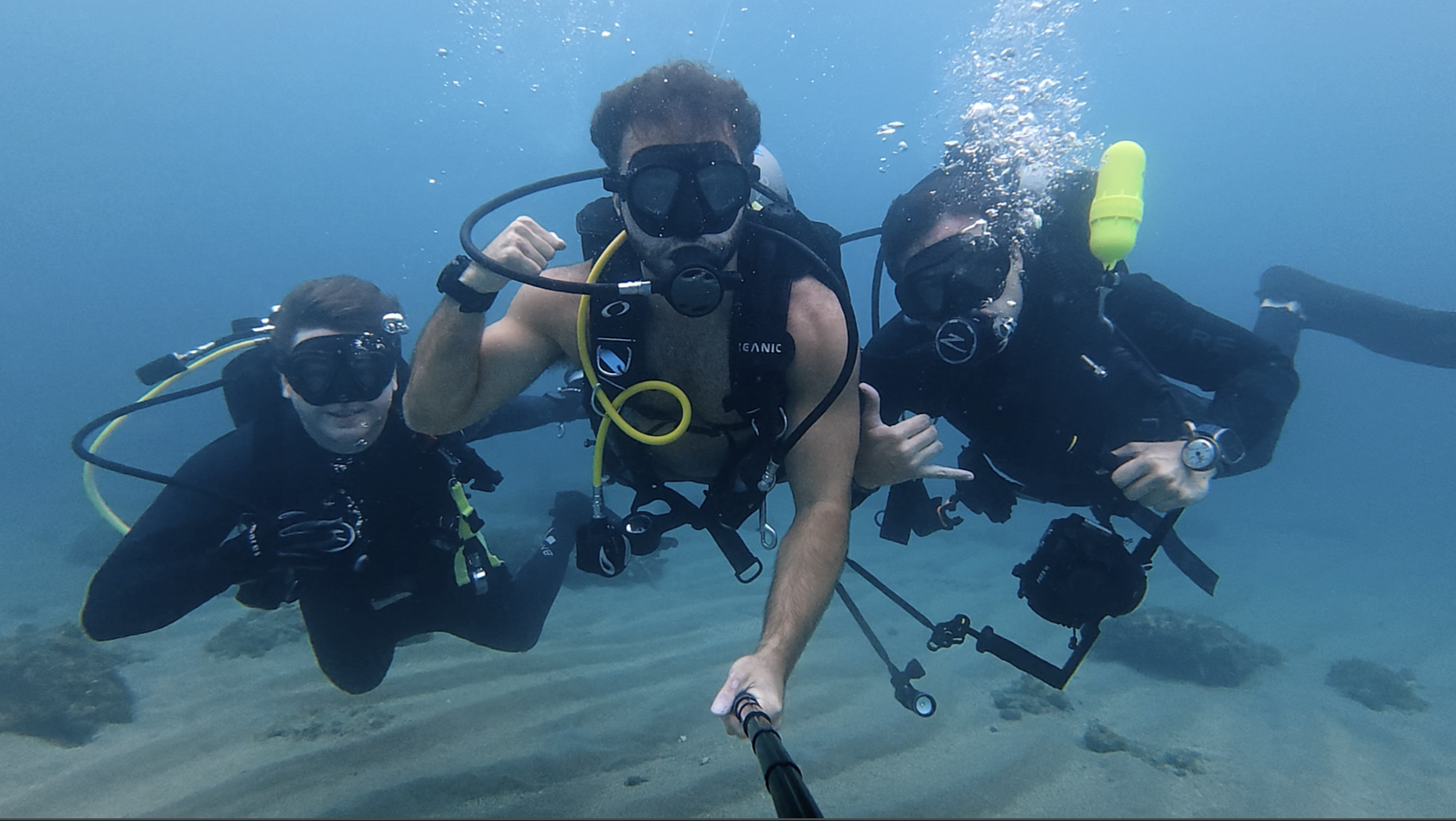
👋 It's Divemaster Austin
I'm inviting you to Dive Club, my global scuba diving community.
What you’ll find inside:
🤿 Dive meetups & group trips
🌍 Top dive sites shared by community members
⚙️ Gear tips & technique discussions
🤝 Diver's who’ve already linked up IRL
See you there!
Join my scuba diving community.
I'm Austin, a PADI Divemaster with over a decade of diving experience under my belt.
I created a free scuba diving community, where divers can connect, learn, and share their dives.
See you inside!
Join my Diving Community

.webp)
.webp)



.png)