
.webp)
If you've ever dove with a foggy mask, you know how annoying it can be.
Spit works in a pinch, and I've used it plenty of times, but I wouldn't rely on it every dive since it's not exactly the most sanitary option.
A lot of dive shops and liveaboards keep a shampoo-and-water spray bottle, but you can't always count on that.
In this article, I'll break down the three mask anti-fog products I've used before, with a buying guide, some application tips, and what to do if you're caught without any.
Stream2Sea Reef Friendly Mask Defog: My Top Pick
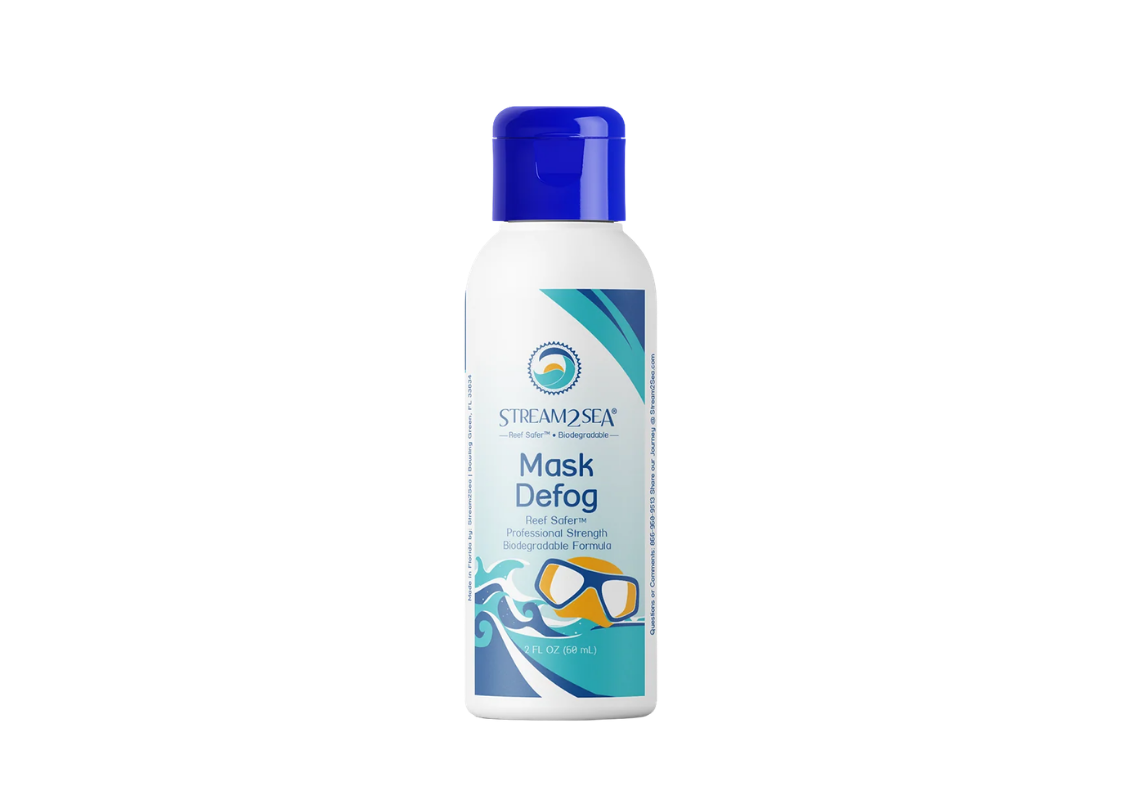
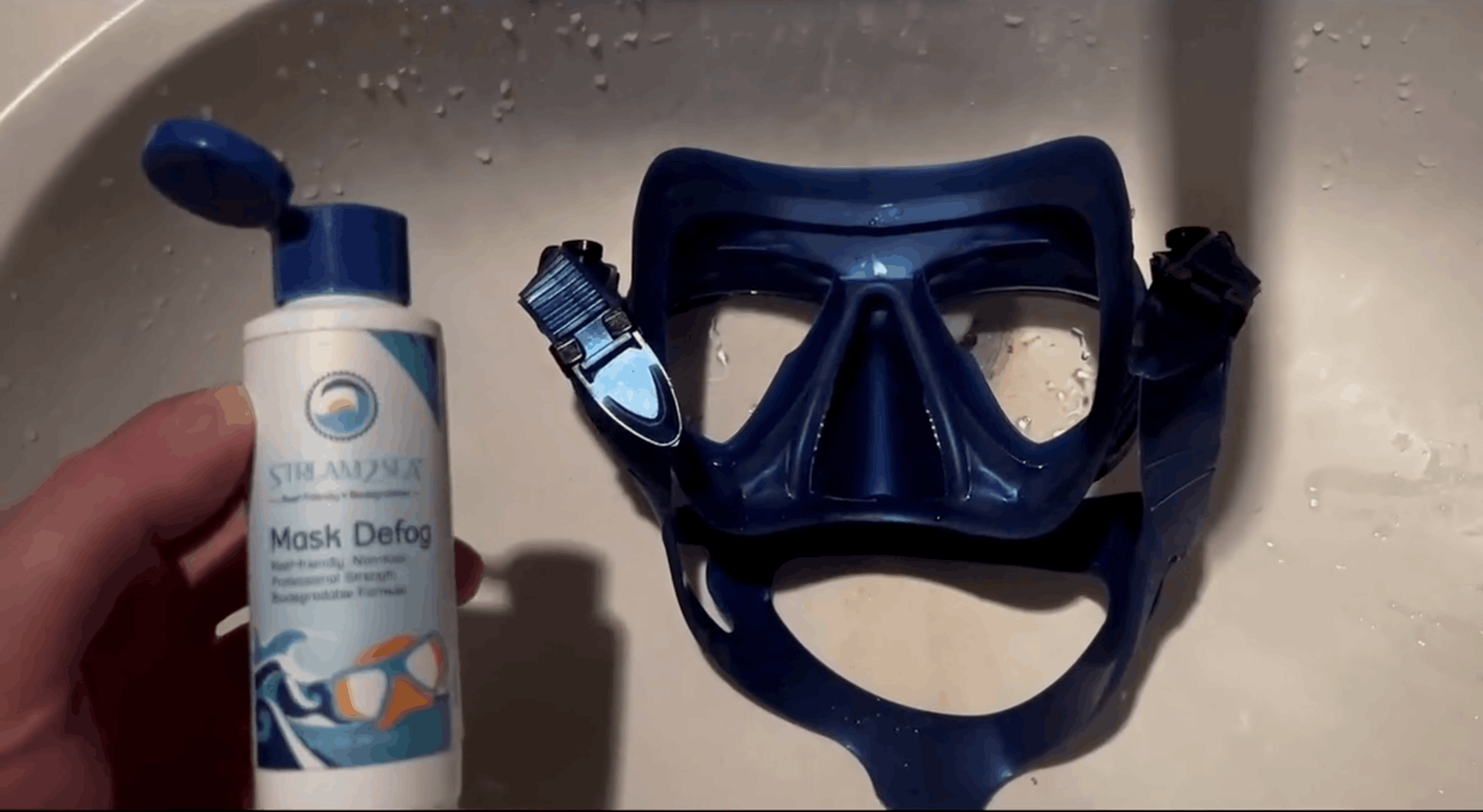
Stream2Sea is my top pick.
Out of everything I've used, it's the most eco-friendly option, built on the same reef-safe formula as the rest of their lineup.
I've spoken on the phone and in-person with the team before, and their emphasis on testing and sustainability is extremely evident.
It's a gel, not a spray, so a small amount goes a long way.
I rub it into the lens with a finger, rinse it off with a small splash of water, and leave a few patches behind rather than rinsing it completely clear.
Product specs from Stream2Sea:
JAWS Quick Spit: Budget Option
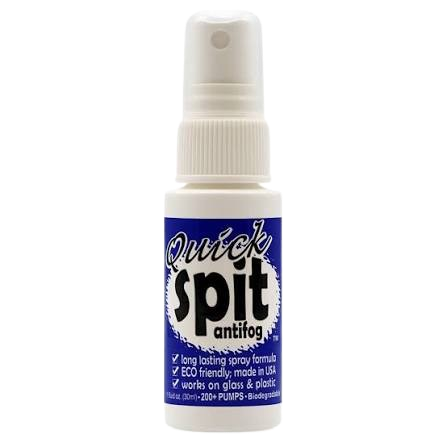
JAWS Quick Spit is a spray, so it dispenses evenly across the lens, and one bottle covers should get you over 200 sprays. The tradeoff with a spray is that it doesn't cling to the lens the way a gel does.
I try not to touch the lens after applying it, and I get better results spraying it on at least 30 minutes before I get in the water rather than right before a dive.
Product specs from JAWS:
Gear Aid Sea Drops: Best 2-in-1
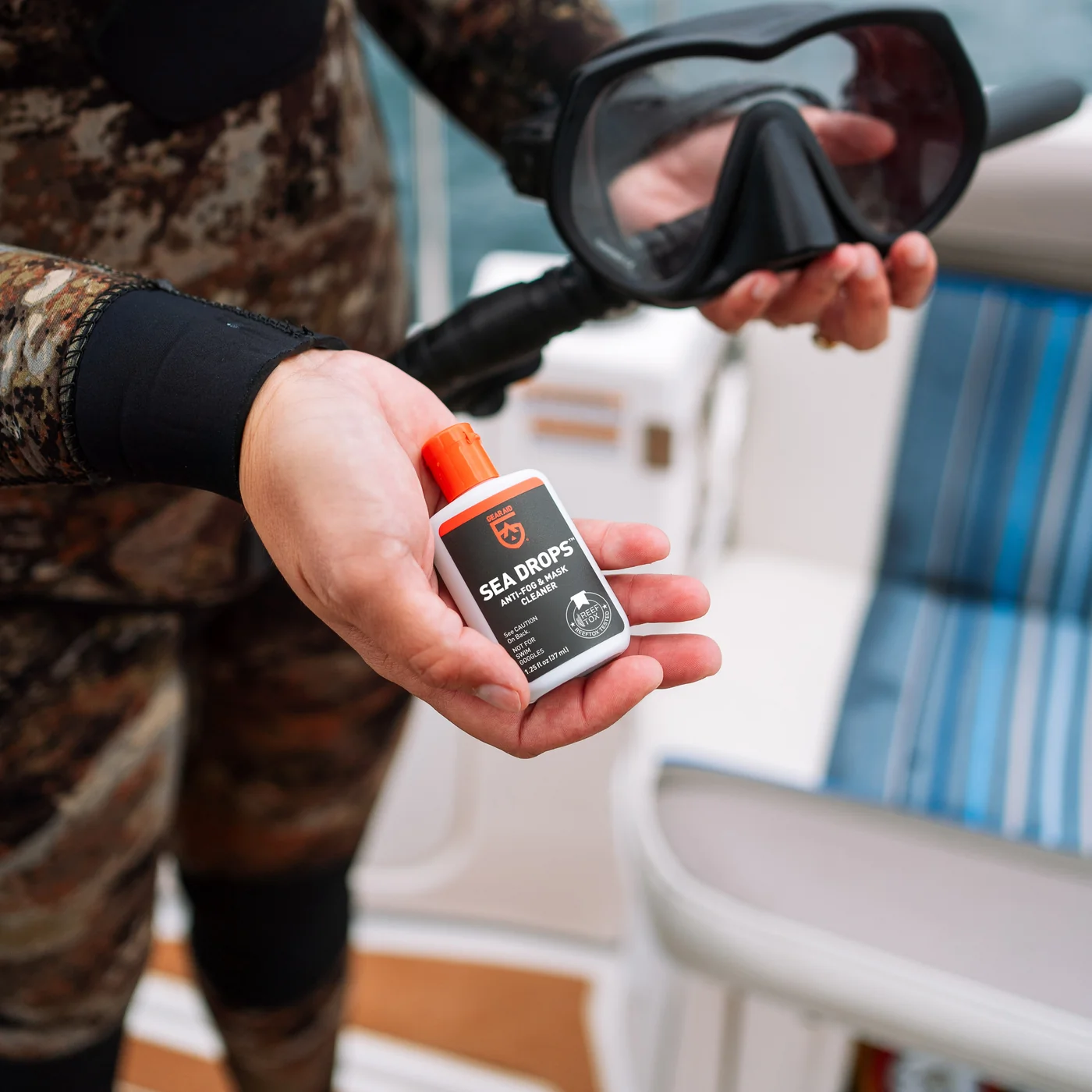
Gear Aid Sea Drops is not only a defog but can be used to clean your lens in the same step. You only need a drop or two per application.
It does take a bit longer to dry than a spray, and it's made specifically for masks rather than other eyewear like ski or swim goggles, so it's less of an all-purpose option than JAWS.
Product specs from Gear Aid:
How to Apply Mask Defog
Application is basically the same across gels, drops, and sprays:
- Start with a clean, dry mask. Rinse it first if it's been used before.
- Apply a small amount. A drop or two, a small dab of gel, or a couple of sprays is usually enough for both lenses.
- Spread it evenly across the inside of the lens with a finger or by tilting the mask.
- Rinse lightly before diving. A full rinse under running water can strip the coating, so a quick dunk or light rinse is enough.
- Avoid touching the lens after treatment, especially with spray formulas.
What If You Don't Have Defog With You?
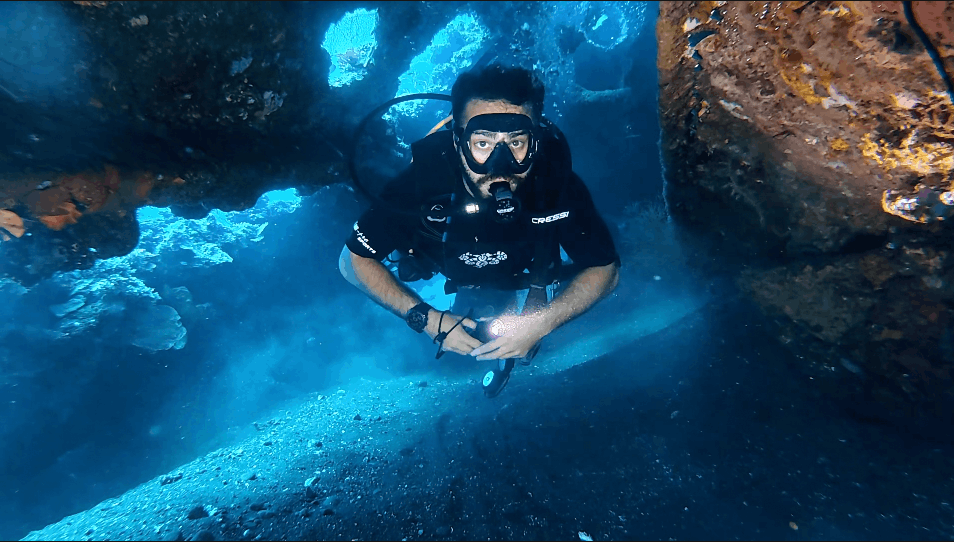
If I'm caught without any, the two backups I trust are spit and baby shampoo.
Spit works, and I've used it plenty of times in a pinch, but I wouldn't rely on it every dive since it's not exactly the most sanitary option, especially if you're sharing gear or diving with a group.
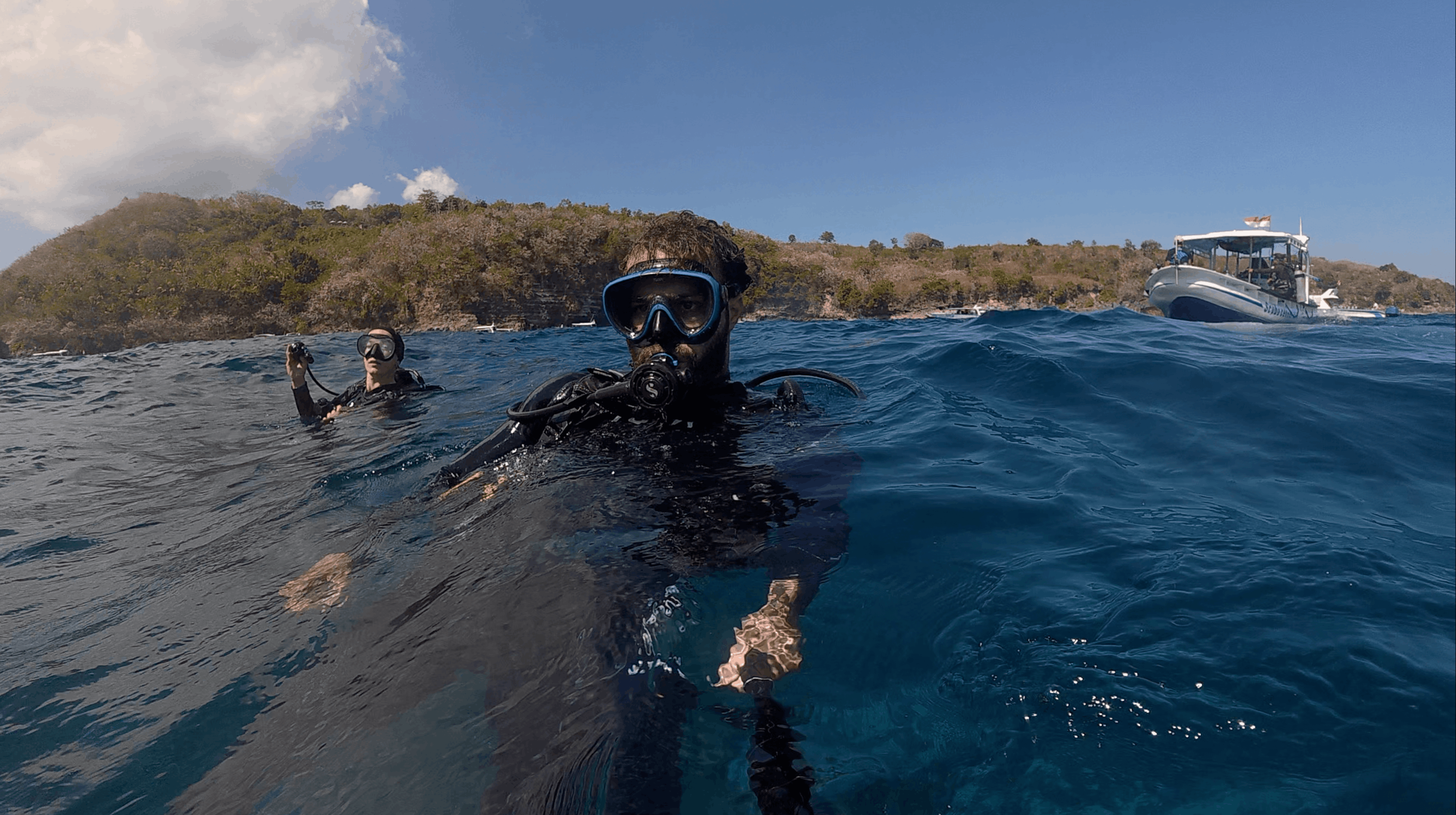
A lot of divers mix a small amount of baby shampoo with water, roughly equal parts, in a small spray bottle as a DIY substitute. It's also worth asking your dive shop or boat crew before a dive. Plenty of them keep a shampoo-and-water spray bottle on board specifically for defogging masks between dives.
What To Look For When Buying A Mask Anti-Fog Solution
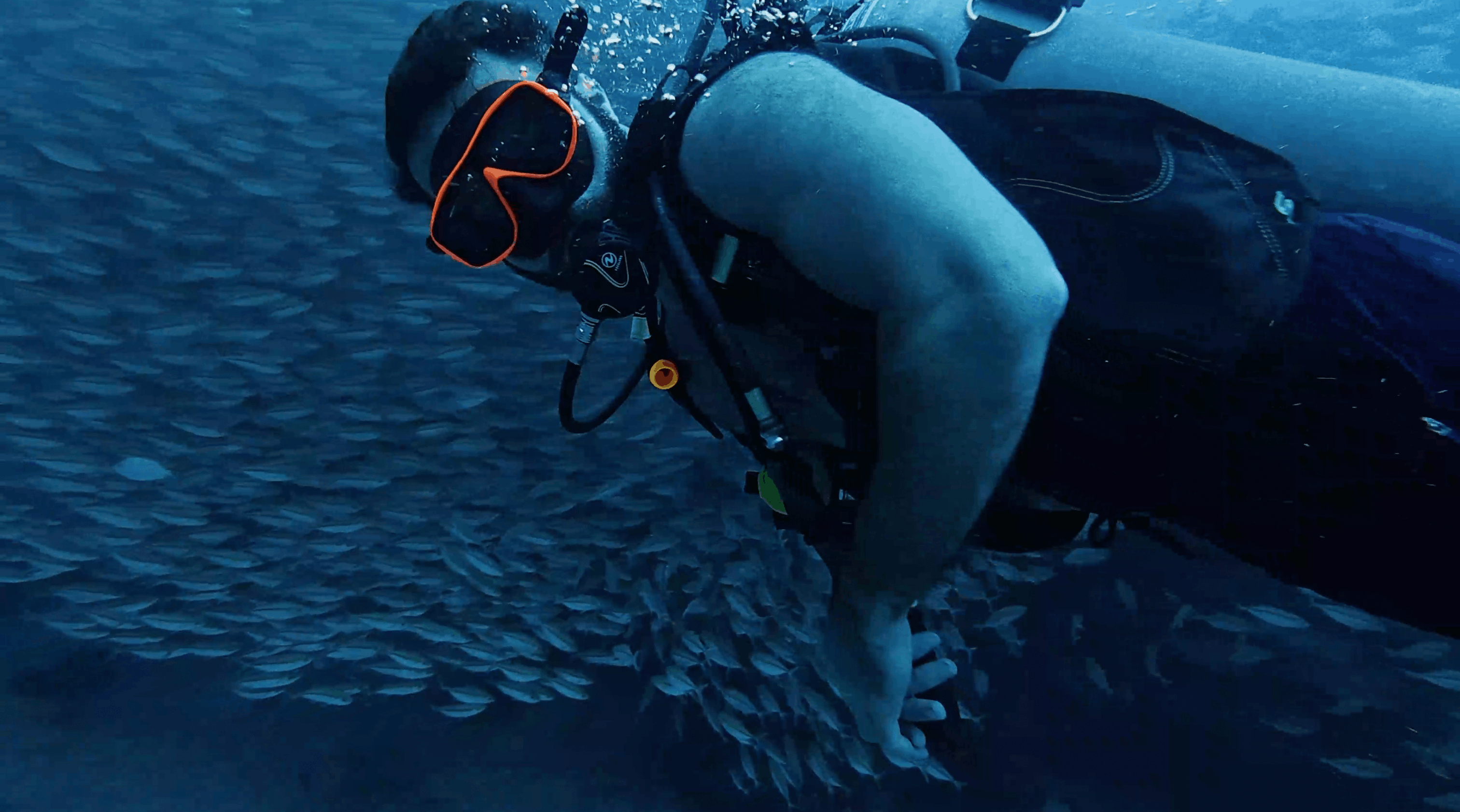
A mask anti-fog treatment is a worthwhile investment. Some anti-fog solutions can also double as a mask cleaner, defogging and cleaning in the same step. Here's what I look for:
- Check the consistency. Thin formulas may not cling to the mask for long, while thicker, gel-like formulas tend to work longer and more effectively but require more rubbing to apply evenly. A thinner spray formula is quicker and easier to apply.
- Avoid alcohol or other eye irritants. Since the product goes so close to the eyes, it should not contain ingredients that can sting or damage them. Alcohol-based formulas can emit fumes that irritate the eyes.
- Look for reef-safe formulas. Some products contain ingredients that are harmful, or even deadly, to marine life. Choosing an anti-fog that's reef safe and free of harmful chemicals helps protect coral reefs.
- 2-in-1 formulas save money. Several of the best mask anti-fog treatments also work as a lens cleaner.
- Check compatibility with other eyewear. Not all scuba mask anti-fogs work on swim goggles or other eyewear. A more versatile product is worth considering if it'll be used for more than one activity.
- Look for multi-bottle deals. Buying two or more bottles at a discounted rate can help if the treatment will be used often, or shared with a dive buddy.
Let's Dive Together
👋 It's Divemaster Austin
I'm inviting you to Dive Club, my global scuba diving community.
What you’ll find inside:
🤿 Dive meetups & group trips
🌍 Top dive sites shared by community members
⚙️ Gear tips & technique discussions
🤝 Diver's who’ve already linked up IRL
See you there!
Join my scuba diving community.
I'm Austin, a PADI Divemaster with over a decade of diving experience under my belt.
I created a free scuba diving community, where divers can connect, learn, and share their dives.
See you inside!
Join my Diving Community

.webp)
.webp)