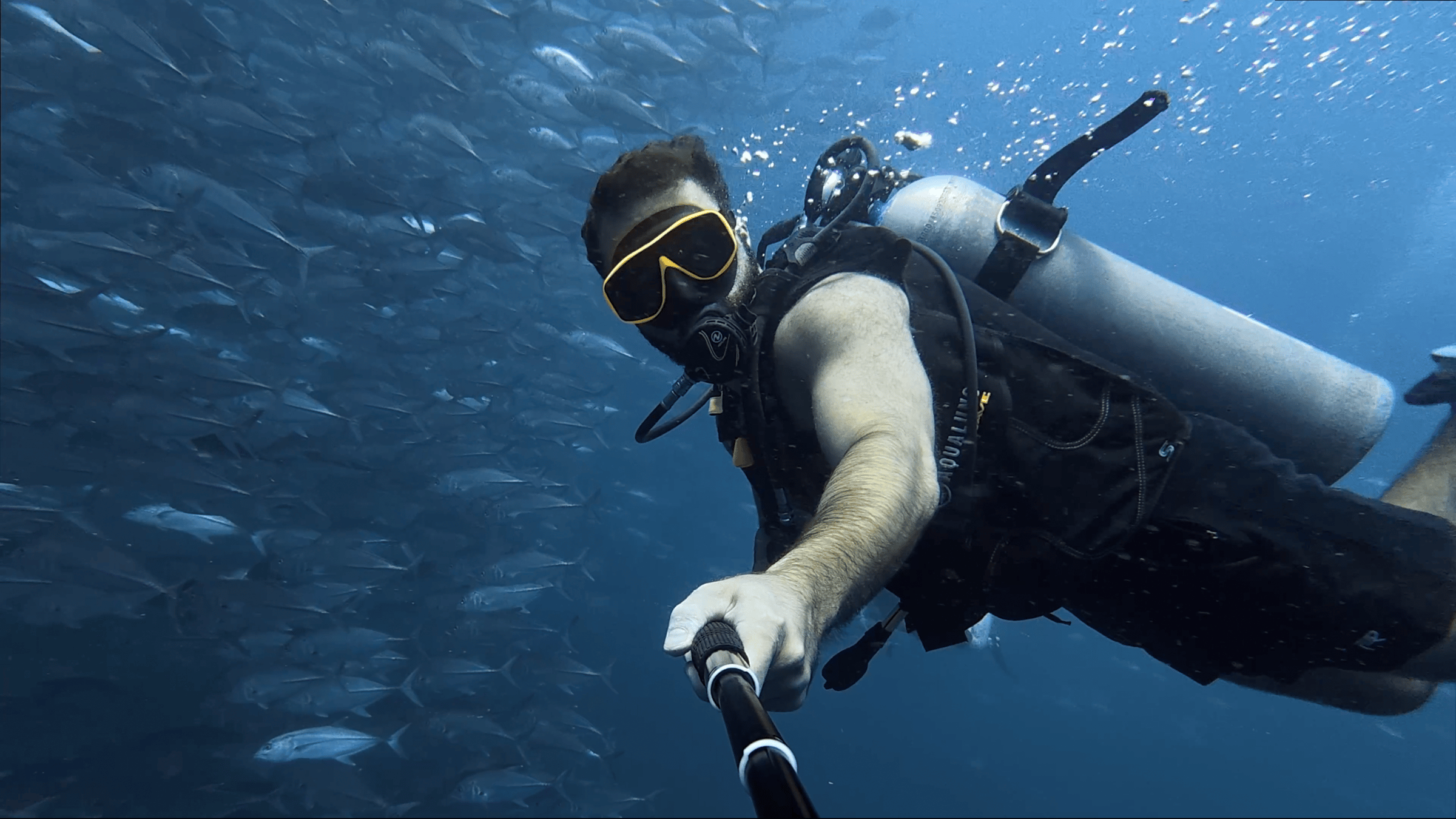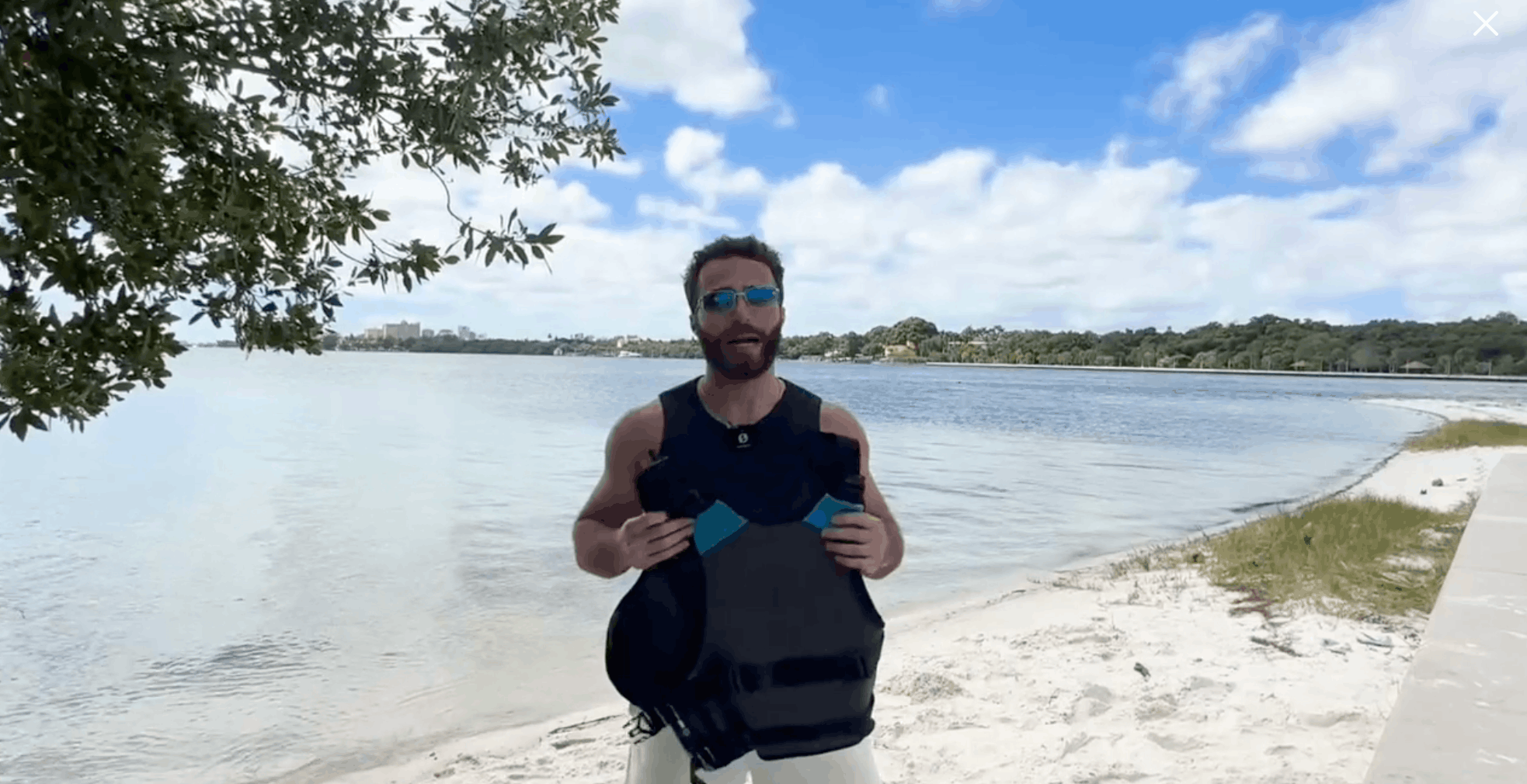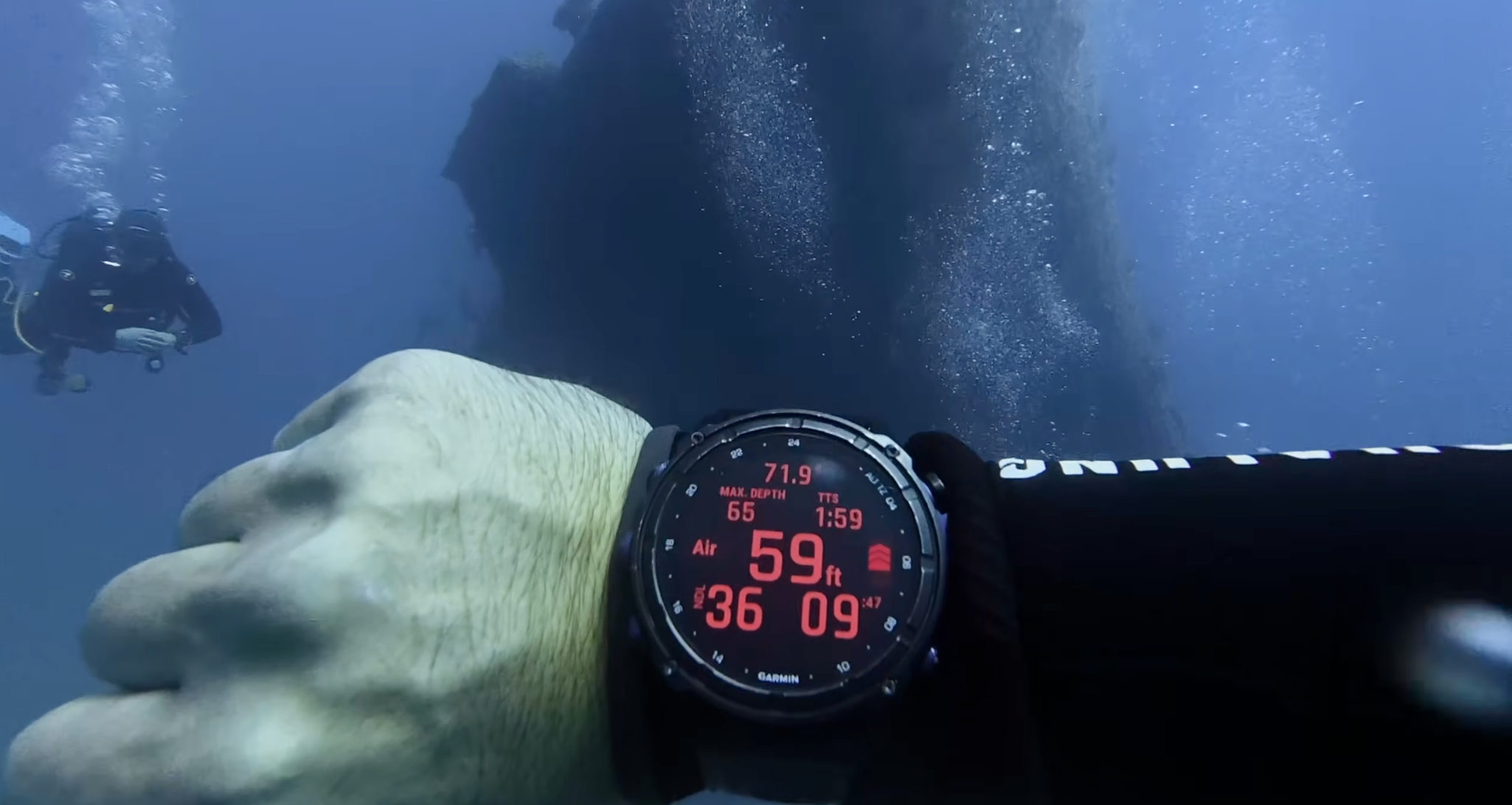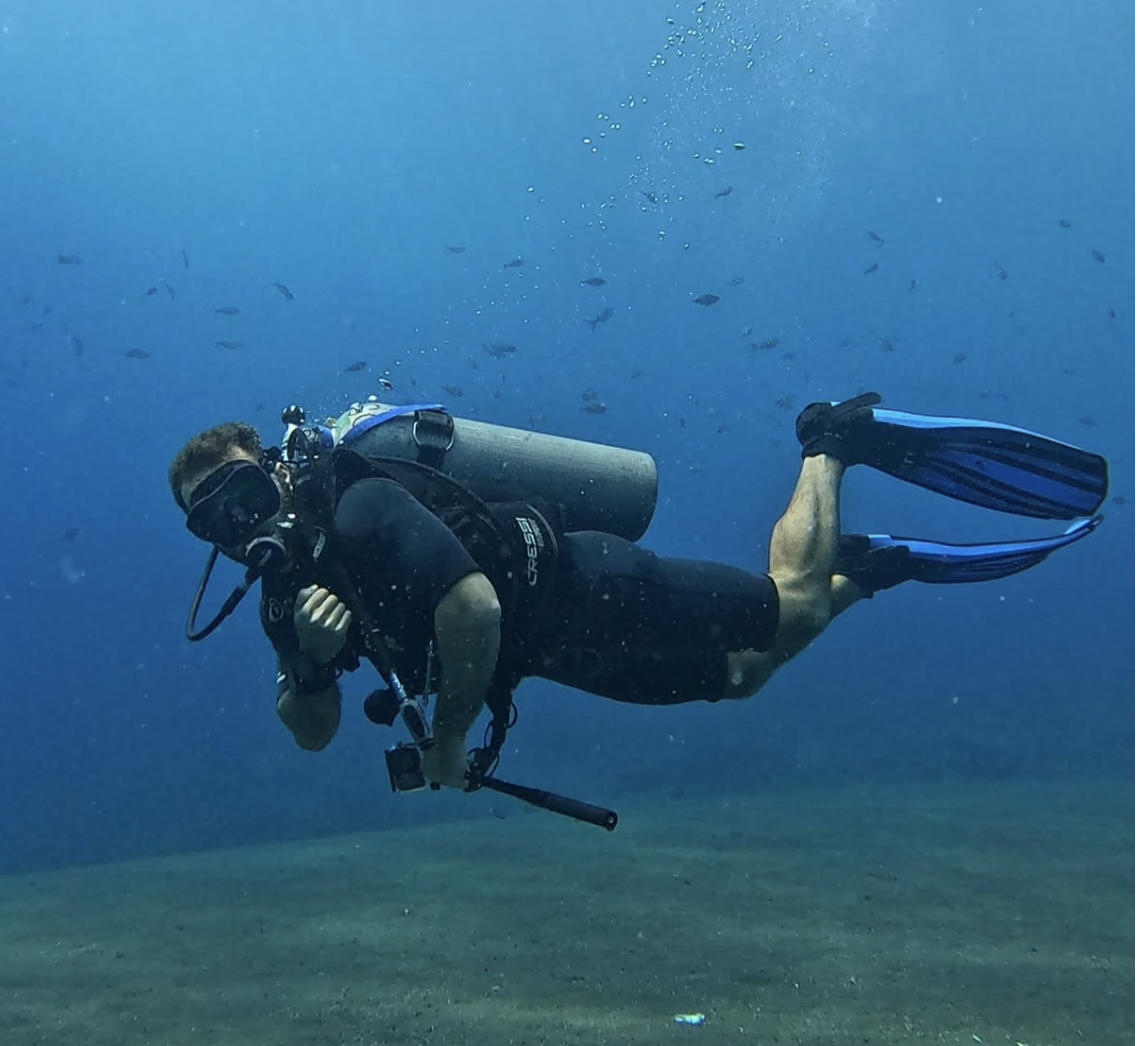


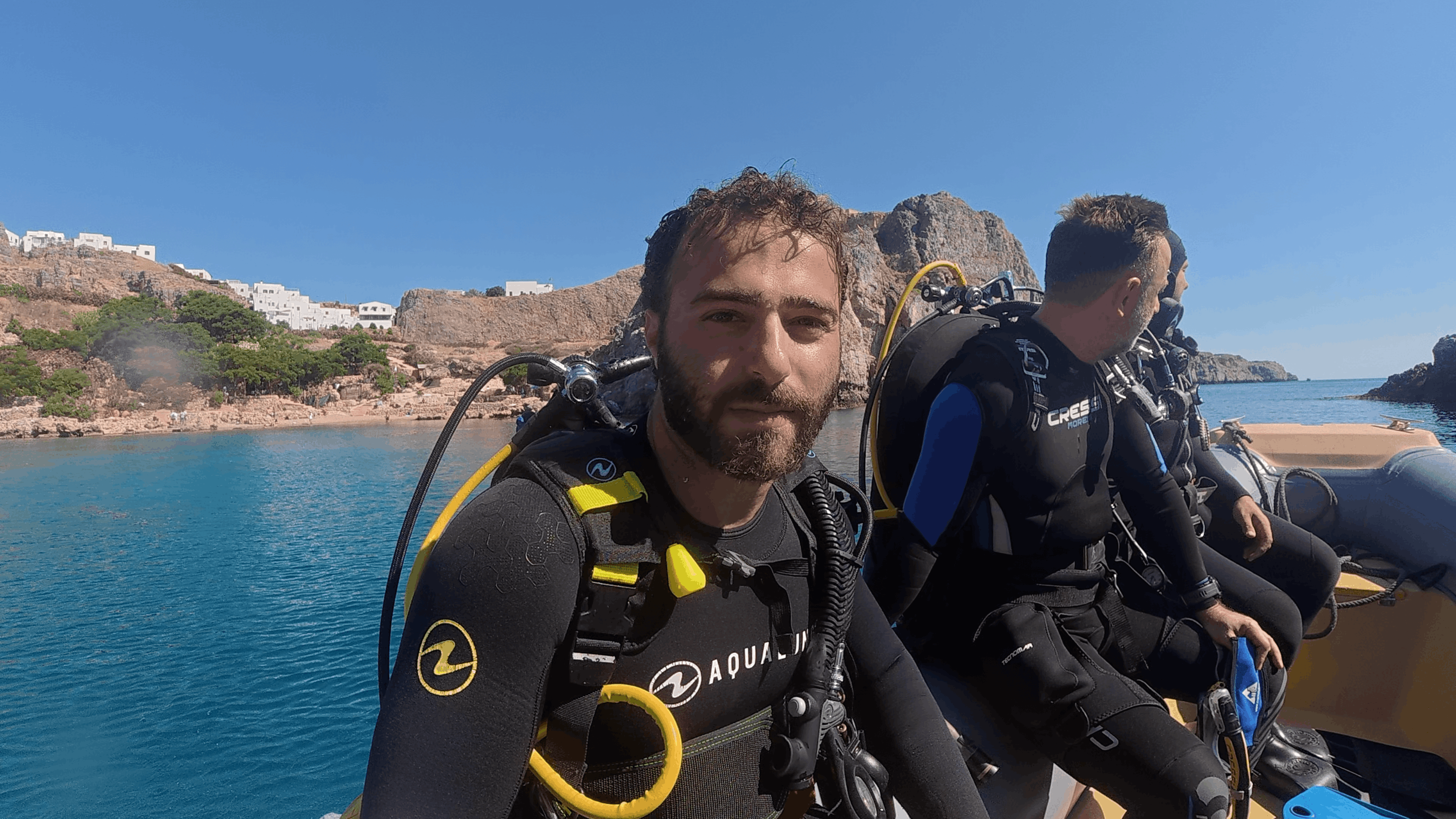
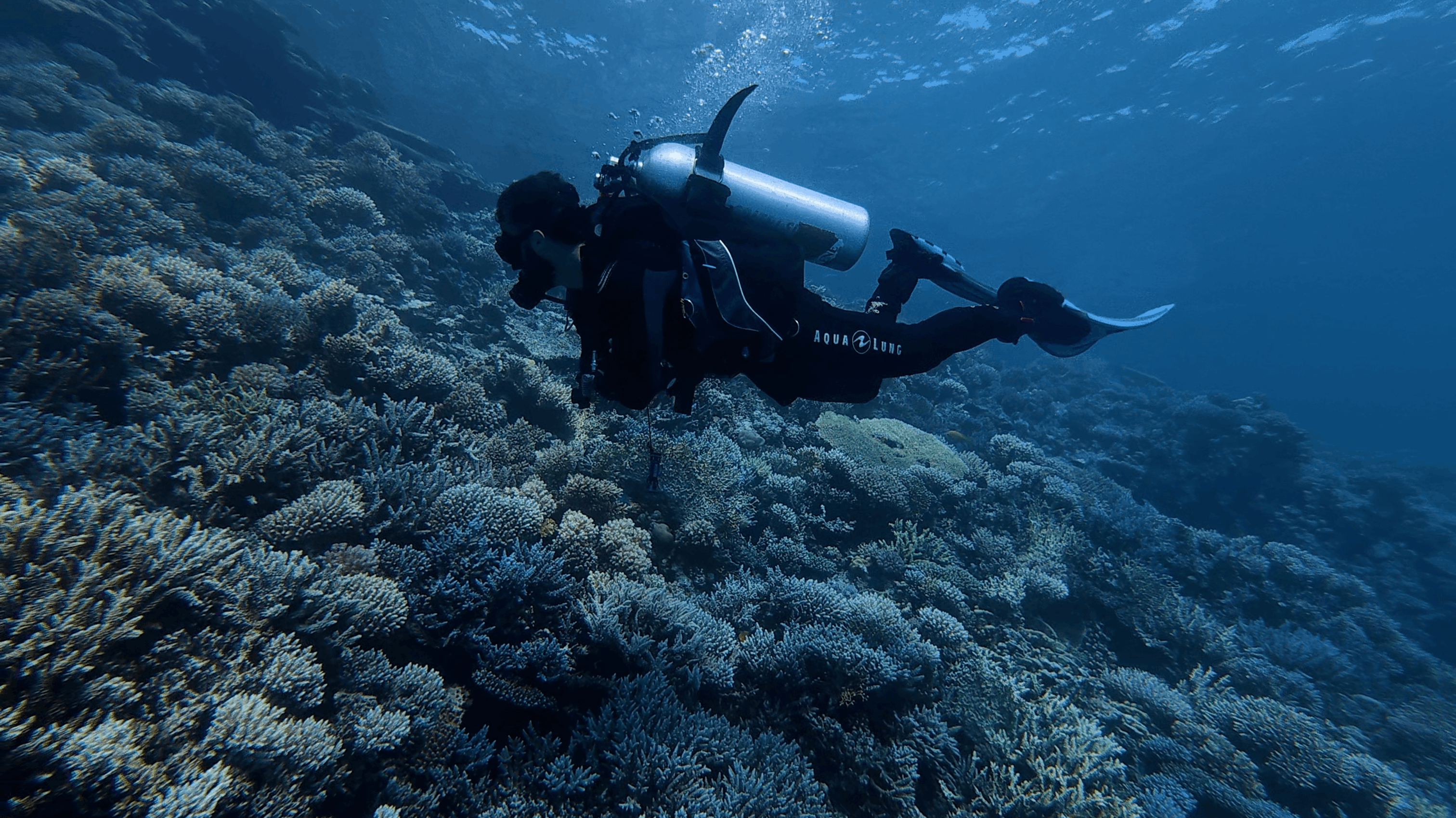
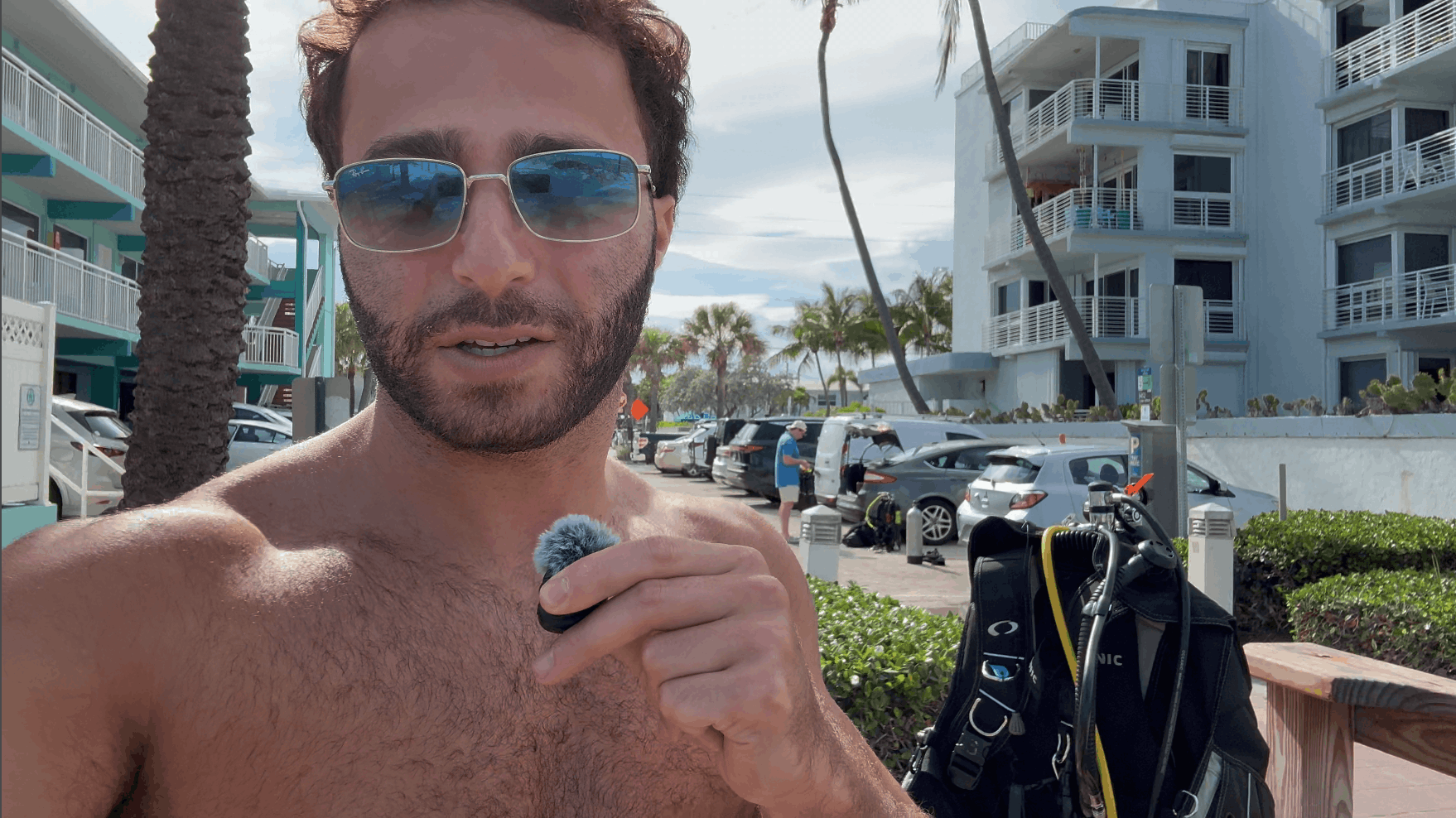
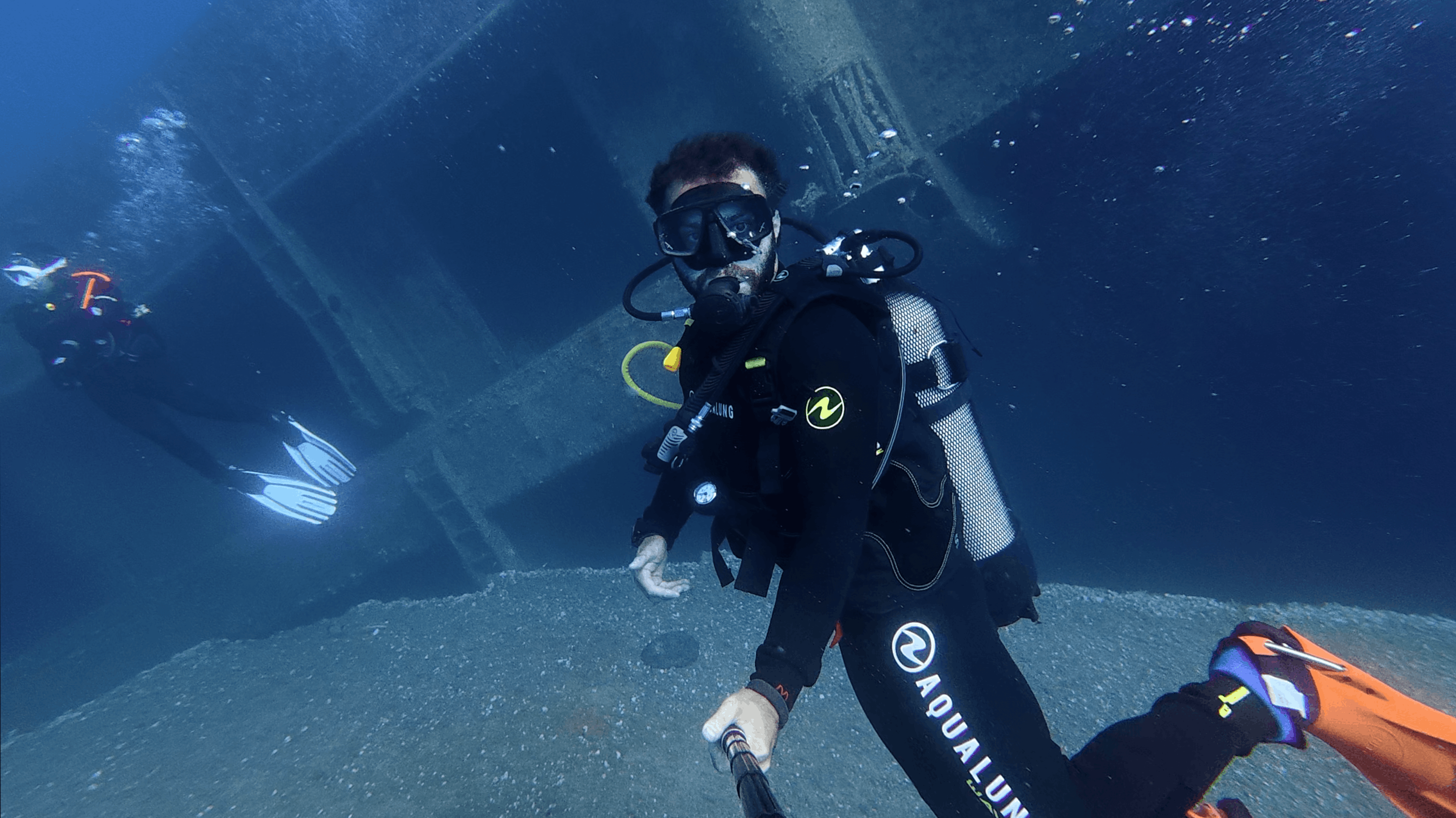
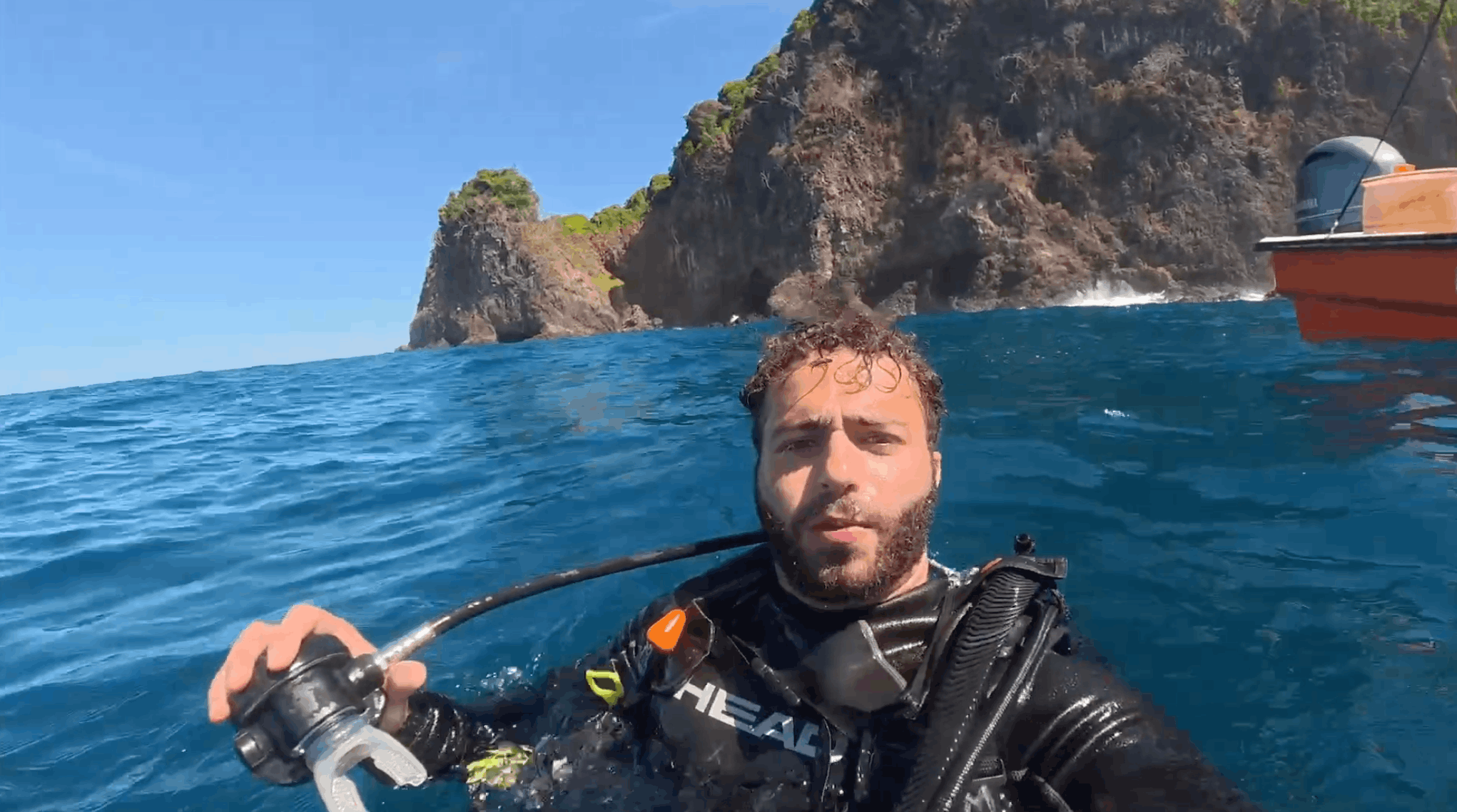
I currently use the Hollis L.T.S. as my at home buoyancy control device. There's a few things I'd like to change about my BCD in the future, but for now it gets the job done.
There's no single best BCD. The right one depends on the kind of diving you do.
A BCD that's perfect for warm-water trips can be the wrong pick for cold-water shore diving, and the setup a cave diver needs is overkill for a chill reef vacation.
Below are my picks for each type of diver, plus what to look for so you can match one to your diving, your body and your budget.
| BCD | Best for | Lift | Price | Watch out for |
|---|---|---|---|---|
| Hollis L.T.S. | Best overall, back inflate | ~30 lbs | $$ | Limited lift |
| Aqua Lung Pro HD | Best value, most divers | 24–55 lbs | $$ | Jacket squeeze when fully inflated |
| Scubapro Hydros Pro | Comfort, frequent divers | 35–40 lbs | $$$ | Price |
| Cressi Travelight | Flying to dives | 13.5–36 lbs | $$ | Low lift on small sizes |
| Dive Rite TransPlate XT + Voyager XT | Backplate & wing | 35 lbs | $$ | No pockets or weights |
| Scubapro Hydros Pro Women's | Women | 35–40 lbs | $$$ | Price |
Hollis L.T.S.: Best Overall
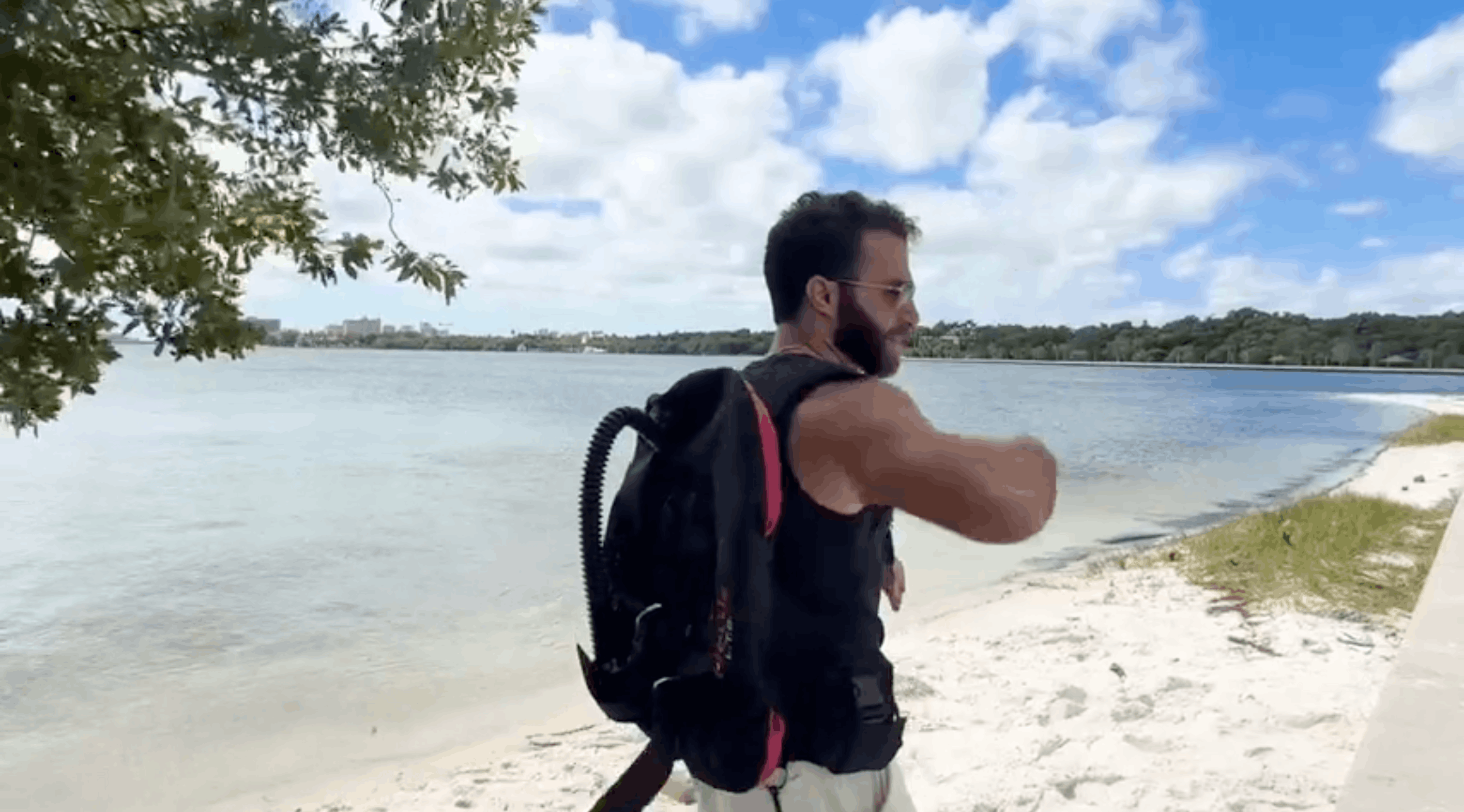 My Current BCD
The Hollis L.T.S. (Light Travel System) is the BCD I own for now, and it's my pick for the best BCD overall.
It's a back inflate, so the air sits behind you, which makes it much easier to stay flat and horizontal compared to a jacket BCD in my experience.
It weighs about 5 lbs (2.3 kg), so it doubles as a travel BCD, and it still has integrated weights.
The trade-offs are lift and storage. At about 30 lbs (13.6 kg) of lift, it's best for warm-water diving with a single tank, and like most back inflates it has fewer pockets than a jacket.
For most divers who want to stay flat and travel light, it's the BCD I'd recommend first.
Who it's for: Warm-water divers who want easy horizontal trim and a BCD light enough to travel with.
Aqua Lung Pro HD: Best Value

The Aqua Lung Pro HD is the best value on this list.
It's one of the cheapest picks here, and a jacket BCD.
It's stable at the surface and easy to learn on, but it's built a step above the rental jackets most of us trained in.
The weights are integrated, using Aqua Lung's SureLock II system. You load your lead into the pockets, slide them into the BCD until they click and lock, and pull the handle to drop them in an emergency.
No weight belt needed.
You can adjust the waistband and the height of the backpack, so it sits where it should instead of riding up when it's inflated.
Lift runs from 24 lbs (11 kg) on the XS up to 55 lbs (25 kg) on the XL, so there's a size for warm-water vacations and for cold dives in a thick wetsuit.
Who it's for: Most recreational divers buying their first serious BCD, in warm or cool water.
Scubapro Hydros Pro: Most Comfortable
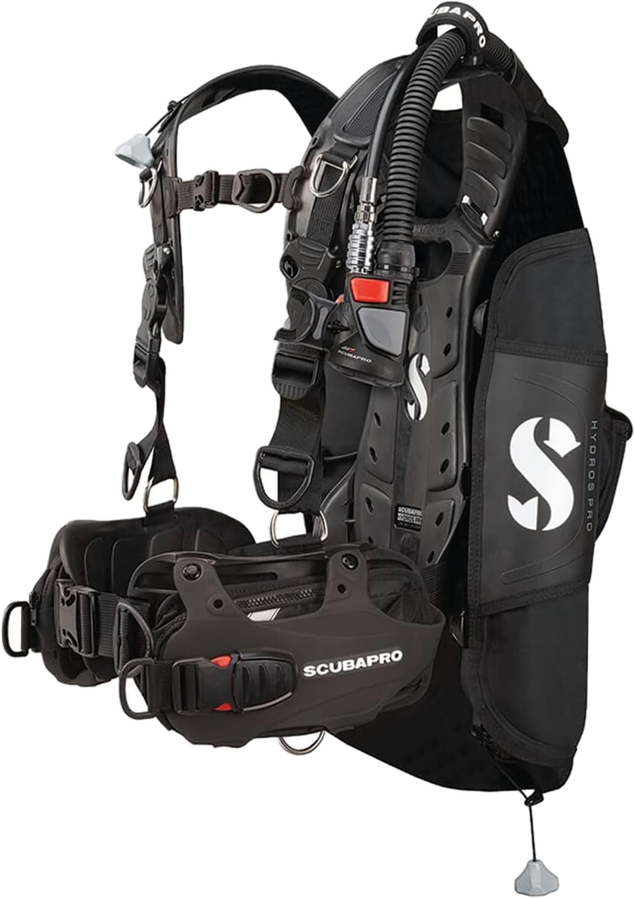
The Hydros Pro looks different from every other BCD on this list. Instead of padded fabric, the harness is molded from Monprene, a soft gel-like material that doesn't soak up water, so it dries fast. It's modular, too. You can run it stripped down as a travel harness, or add the integrated weight system and use it as a full BCD.
It's one of the most expensive options here, but if comfort is your priority and you dive a lot, it's worth a look.
Who it's for: Divers who dive a lot and want the most comfortable BCD they can buy, and travelers who want one BCD for both trips and home.
Cressi Travelight: Best for Travel
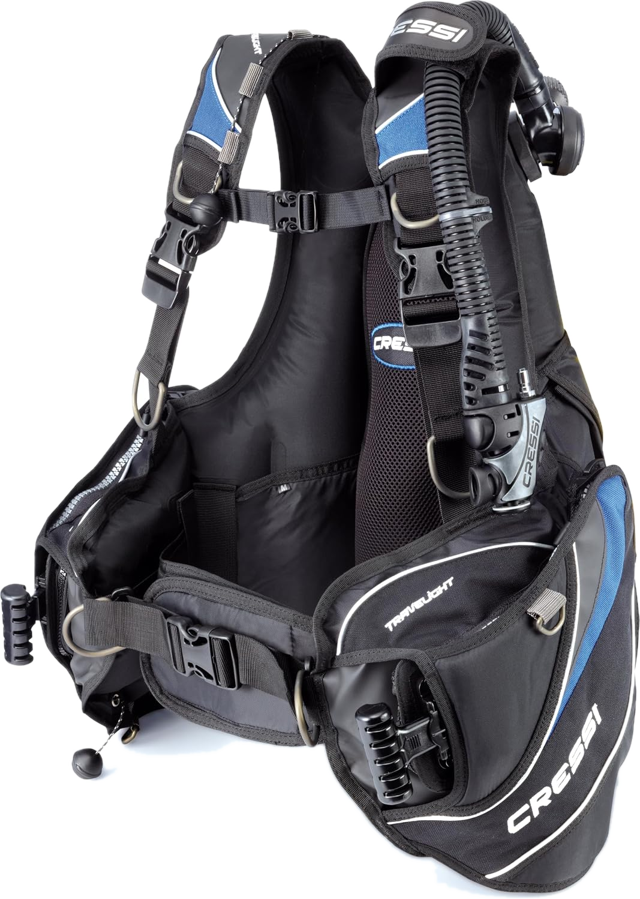
If you fly to most of your dives and plan to pack gear with you, the Cressi Travelight is one to look at.
It weighs about 6 lbs (2.7 kg) and folds flat enough to fit in a carry-on, which frees up room and weight in your checked bag.
Unlike a lot of travel BCDs, it's still a jacket style with integrated weight pockets, so it feels familiar if that's what you learned on.
Who it's for: Divers who fly to most of their dives and still want the feel of a jacket BCD.
Dive Rite TransPlate XT with Voyager XT Wing: Best Backplate & Wing
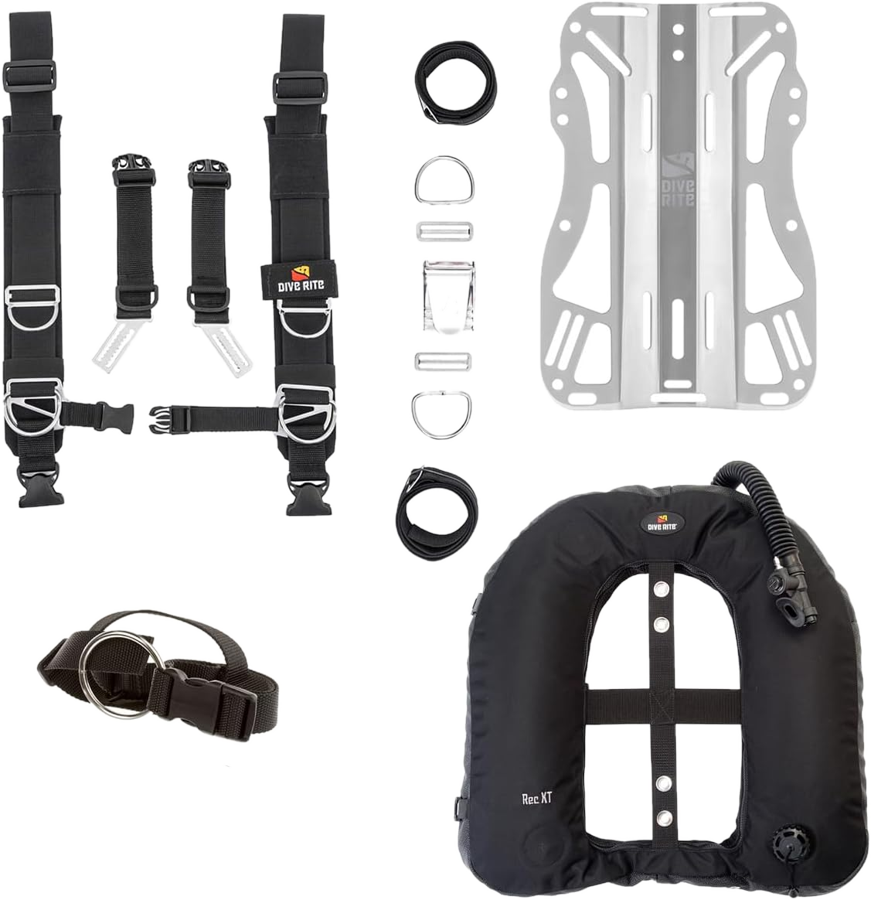
If you're moving toward technical, wreck or cave diving, a backplate and wing is the way to go, and this Dive Rite package gives you everything in one box.
You get a stainless steel backplate, the harness, cam straps and the Voyager XT wing with 35 lbs (15.8 kg) of lift.
The big advantage is customization. Every strap and D-ring can be moved, so you can set it up exactly for your body and your dives.
It's more setup than a jacket BCD, and there are no pockets or integrated weights out of the box, so it's not the one I'd hand to a brand-new diver.
Who it's for: Divers moving toward technical, wreck or cave diving who want to set every strap and D-ring up themselves.
Scubapro Hydros Pro Women's: Best for Women
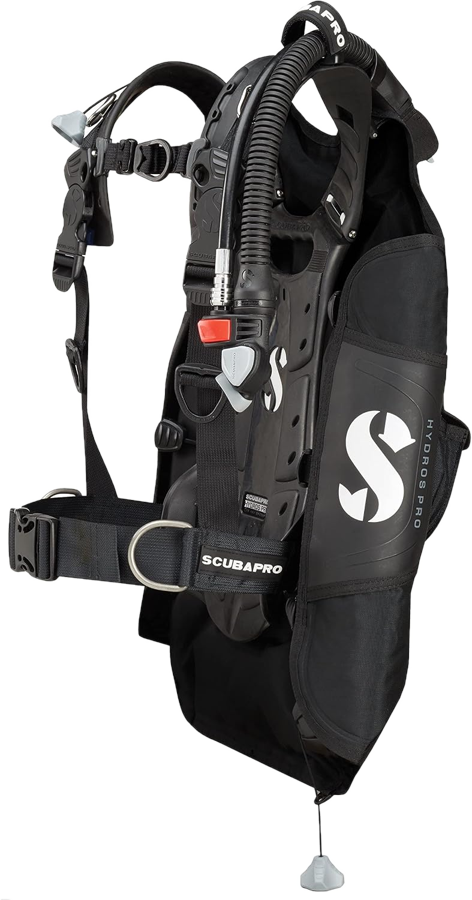
The women's Hydros Pro has the same gel harness and modular design as the men's version, built around a woman's frame.
The air bladder is smaller and the inflator hose is shorter, so there's less bulk and less hose flopping around.
If a unisex BCD has never fit you right through the shoulders or torso, this is worth trying.
Who it's for: Women who've never found a unisex BCD that fits right through the shoulders and torso.
Where They're Different
| Jacket | Back inflate | Backplate & wing | |
|---|---|---|---|
| Where the air goes | Around your sides and front | Behind you | Behind you, in a separate wing |
| At the surface | Most stable, keeps you upright | Can tip you forward a little | Can tip you forward a little |
| Staying flat underwater | Hardest. Air can rush to one side | Easy | Easiest |
| Comfort | Padded, hugs you. Squeezes when inflated | Padded, nothing on your chest | Webbing harness, least padding |
| Pockets | Big cargo pockets | Smaller pockets | Usually none |
| Weights | Integrated pockets | Integrated pockets | Add-on pouches, or a steel plate |
| Fit | T-shirt sizes | T-shirt sizes | One harness adjusts to almost anyone |
| Travel | Bulky, except travel models | Usually light | Light with an aluminum plate |
| Tech diving | No | No | Yes, swap in a bigger wing |
What I Dive and Why
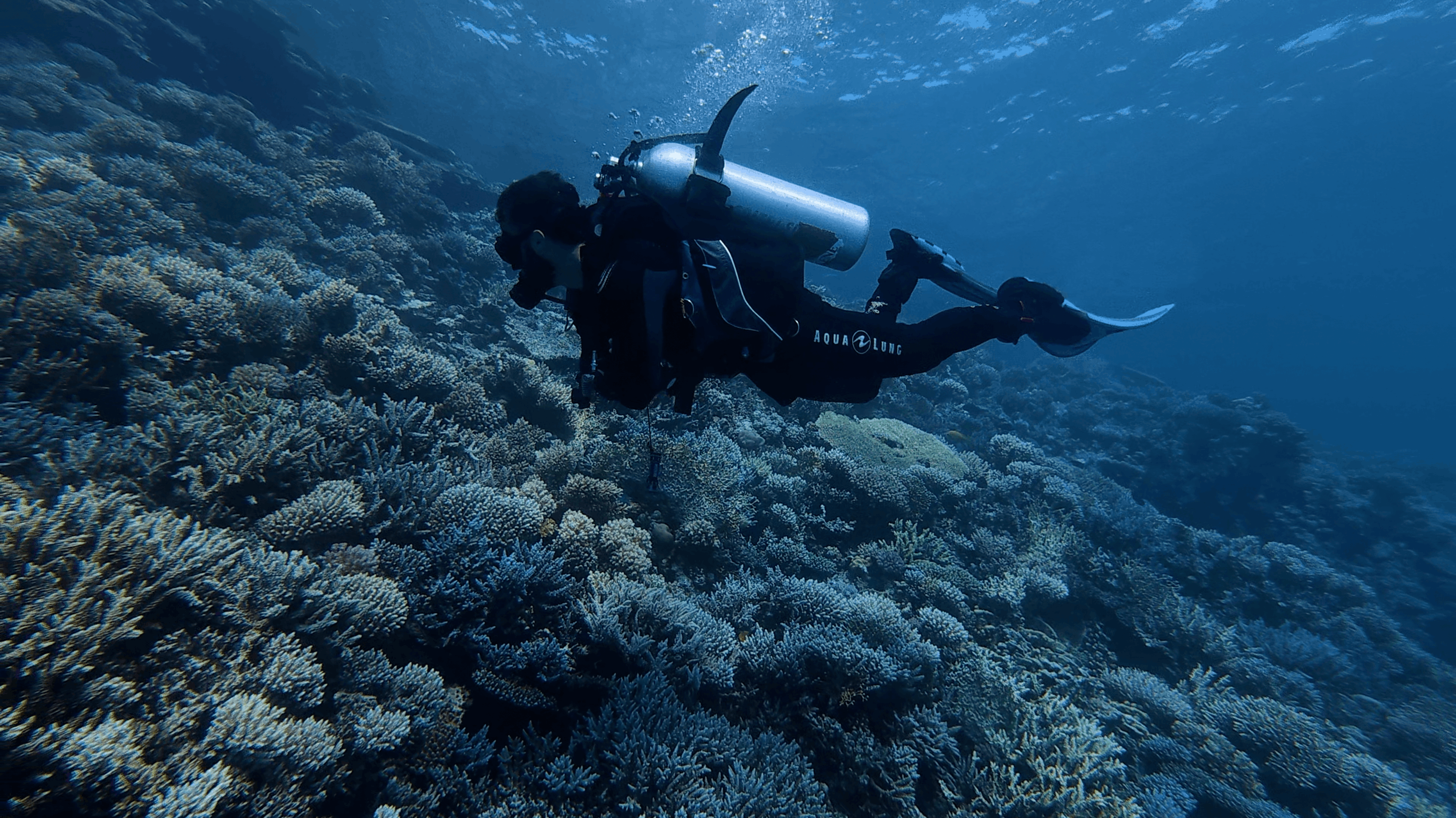
I dive back inflate because it's so much easier to stay flat. In rental jackets, I've rolled onto my side more times than I can count. You lean over to look at something, the air rushes to one side, and suddenly you're fighting to get level again. With the air behind me, that doesn't happen.
Nothing squeezes my chest when it's inflated, and my Hollis packs small and light enough that it comes on every trip.
The two things that have me shopping for my next BCD are pockets and wear. A jacket has room for a slate or a mesh bag for a cleanup dive, and a back inflate doesn't have as much. Mine is also starting to show its age after a lot of dives.
Weight isn't a big deal for me. My BCD has integrated pockets, but I rarely need lead at all because the water in Florida is warm and I dive my own steel tanks, which are heavier than aluminum.
Which Style Should You Get?
- Jacket if you're newer, want the most stability at the surface, or carry a lot of stuff.
- Back inflate if you want to stay flat easily and travel light. This is what I dive.
- Backplate and wing if you're heading toward tech, cave or wreck penetration, or dive cold water in a drysuit, where a steel plate cuts down on lead.
If you can, try both a jacket and a back inflate before you buy. Most dive shops rent both, and one dive in each will tell you more than any review.
How I Picked These BCDs
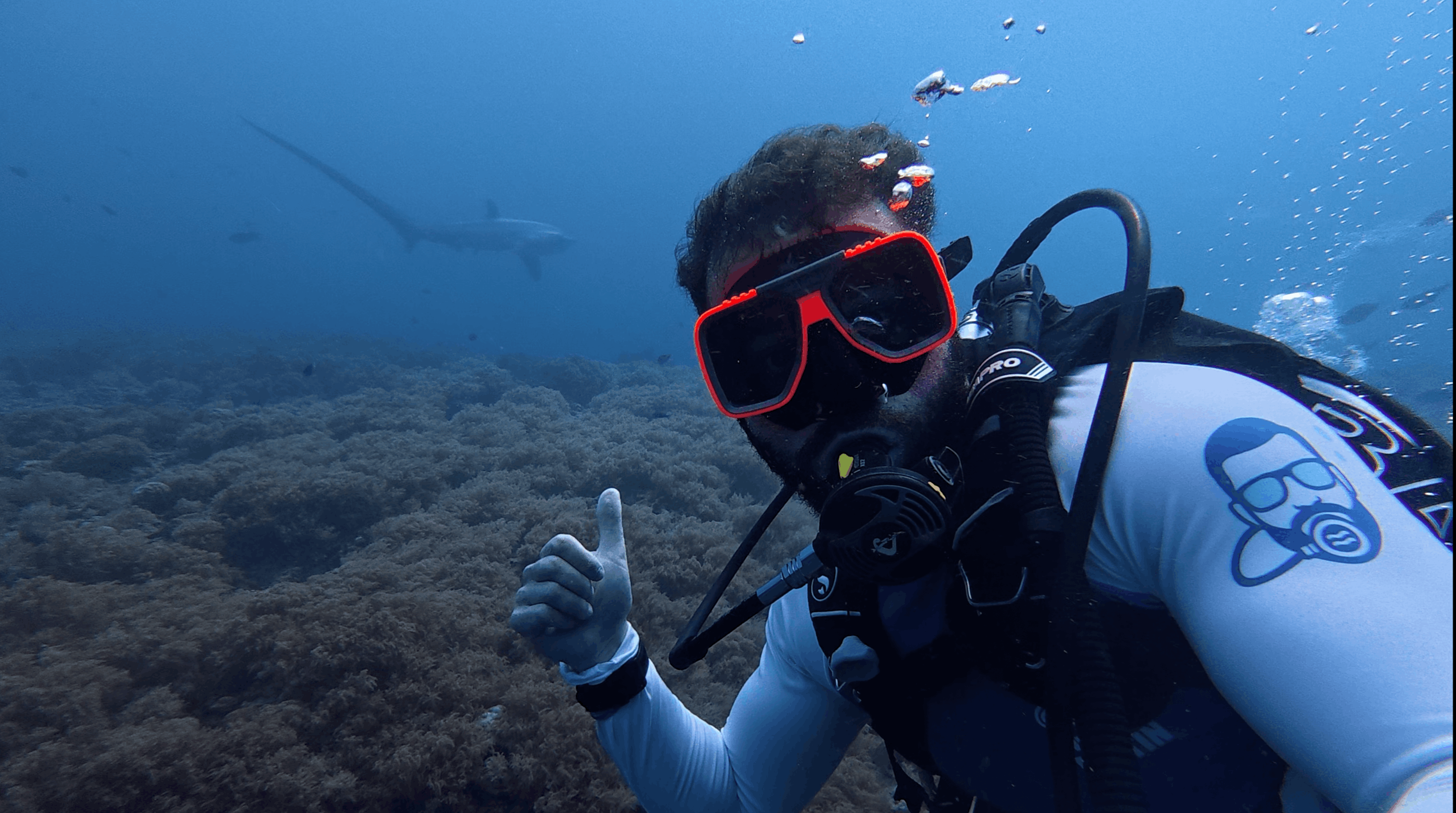
I've done over 500 dives in a lot of different BCDs, including Aqua Lung and Mares jackets in Greece and Panama and dive shop BCDs all over Southeast Asia. That's where my opinions on fit, lift and weight systems come from. My own BCD is the Hollis L.T.S., a back inflate.
For the BCDs on this list I haven't dived myself, I went off the manufacturer specs, retailer listings and owner reviews, and I looked at what ScubaLab and other reviewers found in their testing.
Every pick was checked in November 2026 to make sure it's still for sale.
BCD Buying Guide
The Most Important Question: Where Do You Dive Most?
Before you look at a single BCD, ask yourself where most of your diving actually happens.
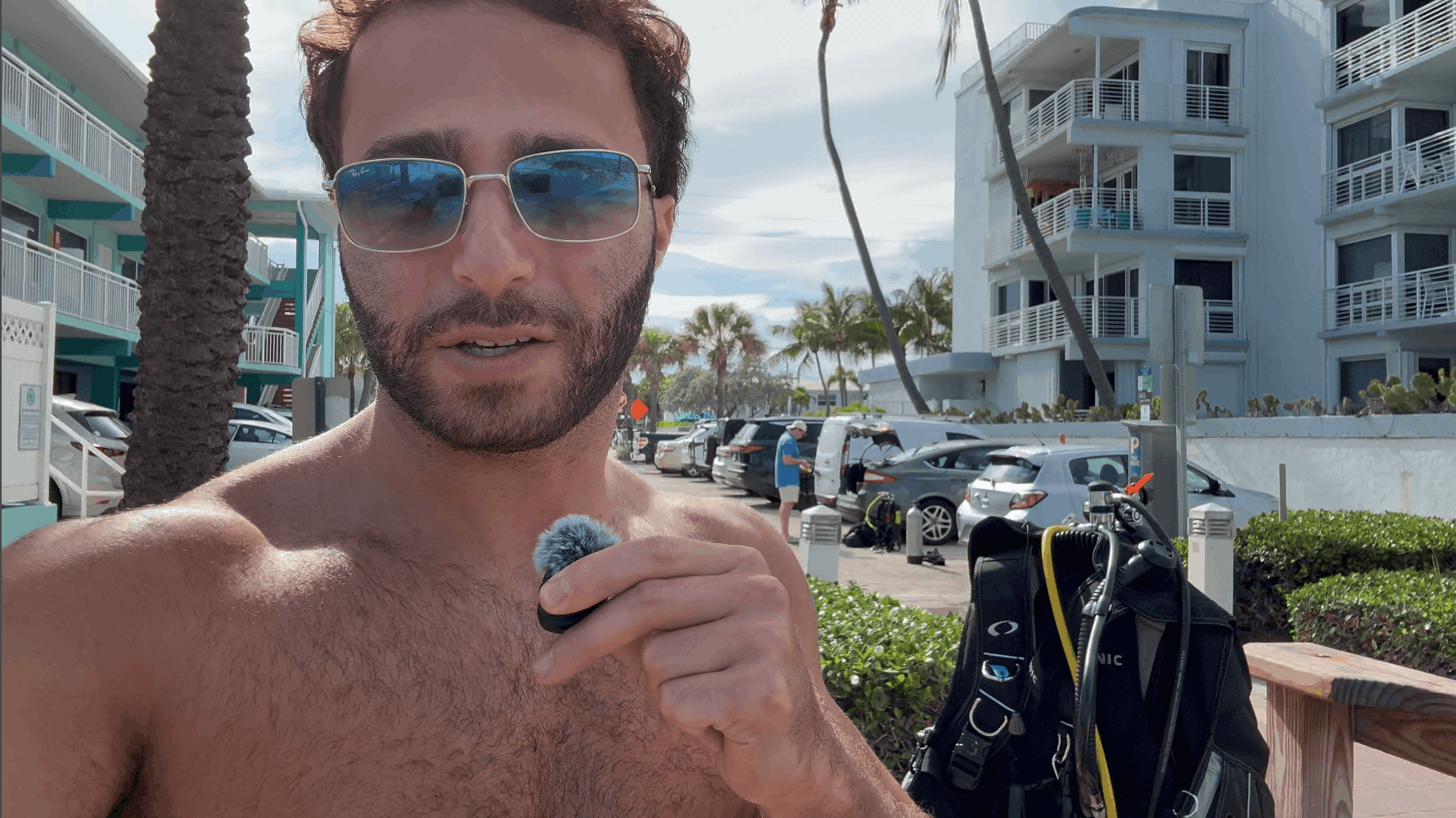
If most of it is close to home, like my shore and boat dives in South Florida, buying a BCD is a great idea. You'll use it all the time, it's always set up the way you like it, and it's worth spending more on one that really fits you, even a more expensive or custom setup.
If most of your diving happens on dive vacations and you don't want to pack a BCD, you're most likely going to use a rental anyway. In that case, either skip buying one for now or get a light travel BCD, like the Cressi Travelight or my Hollis L.T.S., that's easy enough to bring.
Types of BCDs
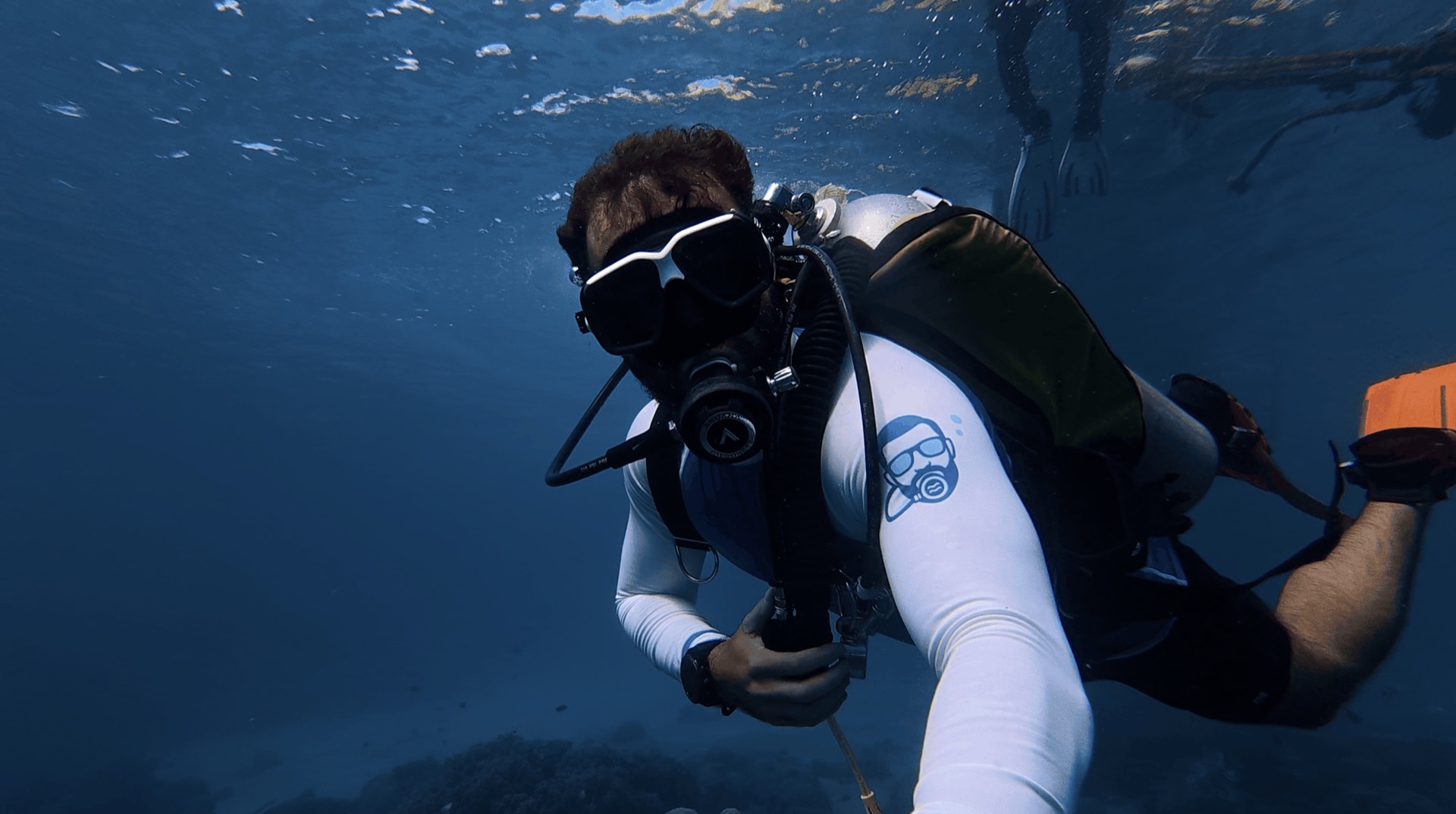
Jacket BCDs inflate around the front, back, and sides of the torso. They're the most common style and what most divers learn on. They're stable on the surface and usually come with large pockets and integrated weights. The downside is that they can push you upright underwater, which makes maintaining a horizontal trim harder.
Back inflate BCDs put all the air behind you along your back. This makes horizontal trim much easier underwater and is more comfortable for a lot of divers since the bladder isn't squeezing your sides when inflated. They take a little more practice to stay vertical at the surface but most divers adapt quickly.
Backplate and wing BCDs are the most streamlined option. A metal backplate sits against your back with a continuous harness and a separate air bladder called a wing. There are no front pockets or weight integration on most configurations. This style is highly customizable and is the go-to for technical and advanced diving.
Travel BCDs are back inflate designs built to be as light and compact as possible. A good travel BCD weighs around 6 pounds (2.7 kg) and rolls up small enough to fit in a carry-on. If you're regularly traveling to dive, it's worth having one.
Surface Lift
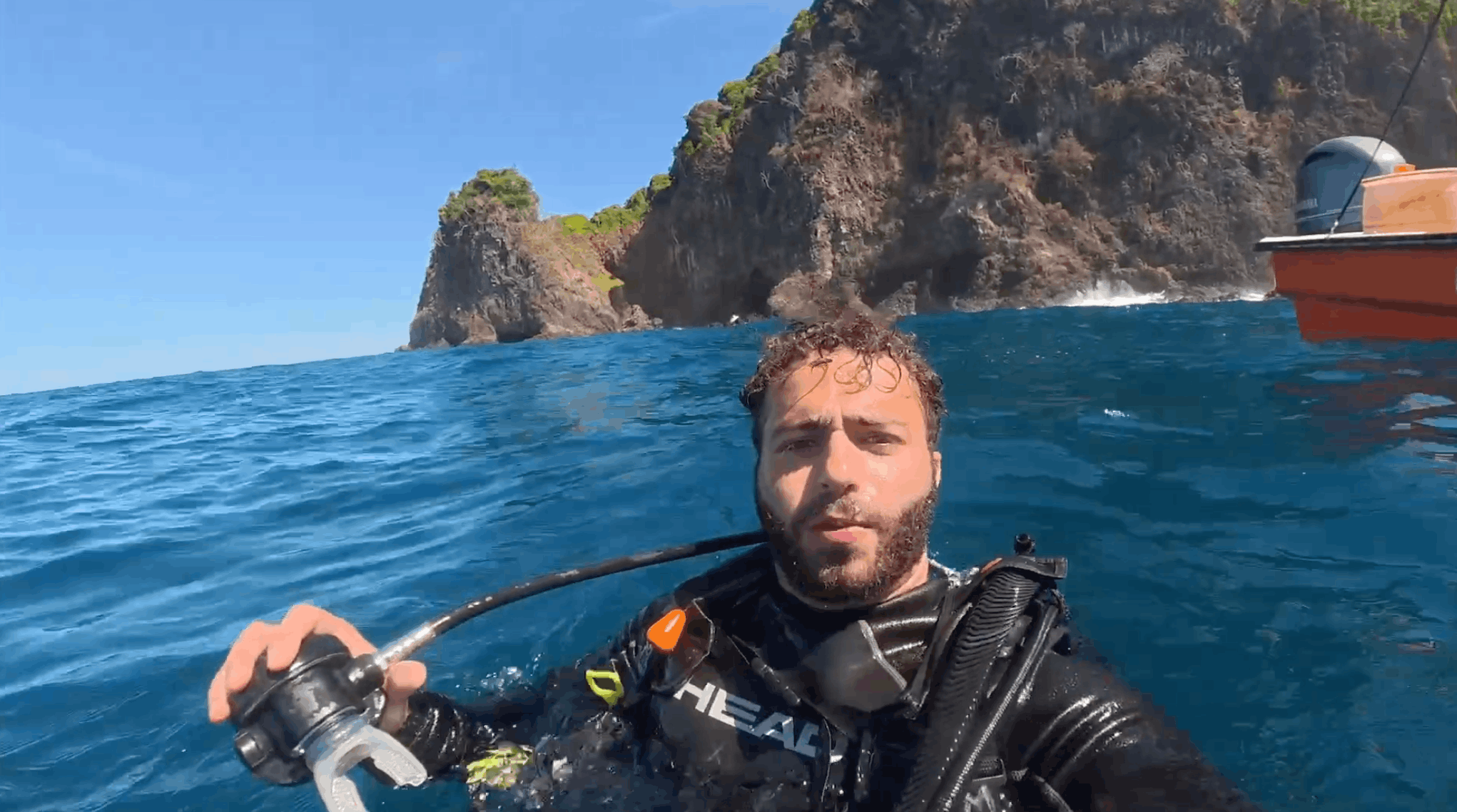
Surface lift is how much buoyancy the BCD can provide at the surface. You need enough to compensate for your gear weight, lead weight, tank weight, and wetsuit compression.
As a general rule, choose a BCD with at least 10 pounds (4.5 kg) more lift than your total weight load. Here are some rough benchmarks:
- Warm water diving in a rash guard: 16 to 28 lbs (7 to 13 kg) of lift
- Diving in a 3mm wetsuit: 20 to 45 lbs (9 to 20 kg) of lift
- Technical diving in a drysuit: 42 to 90 lbs (19 to 41 kg) of lift
Integrated Weights
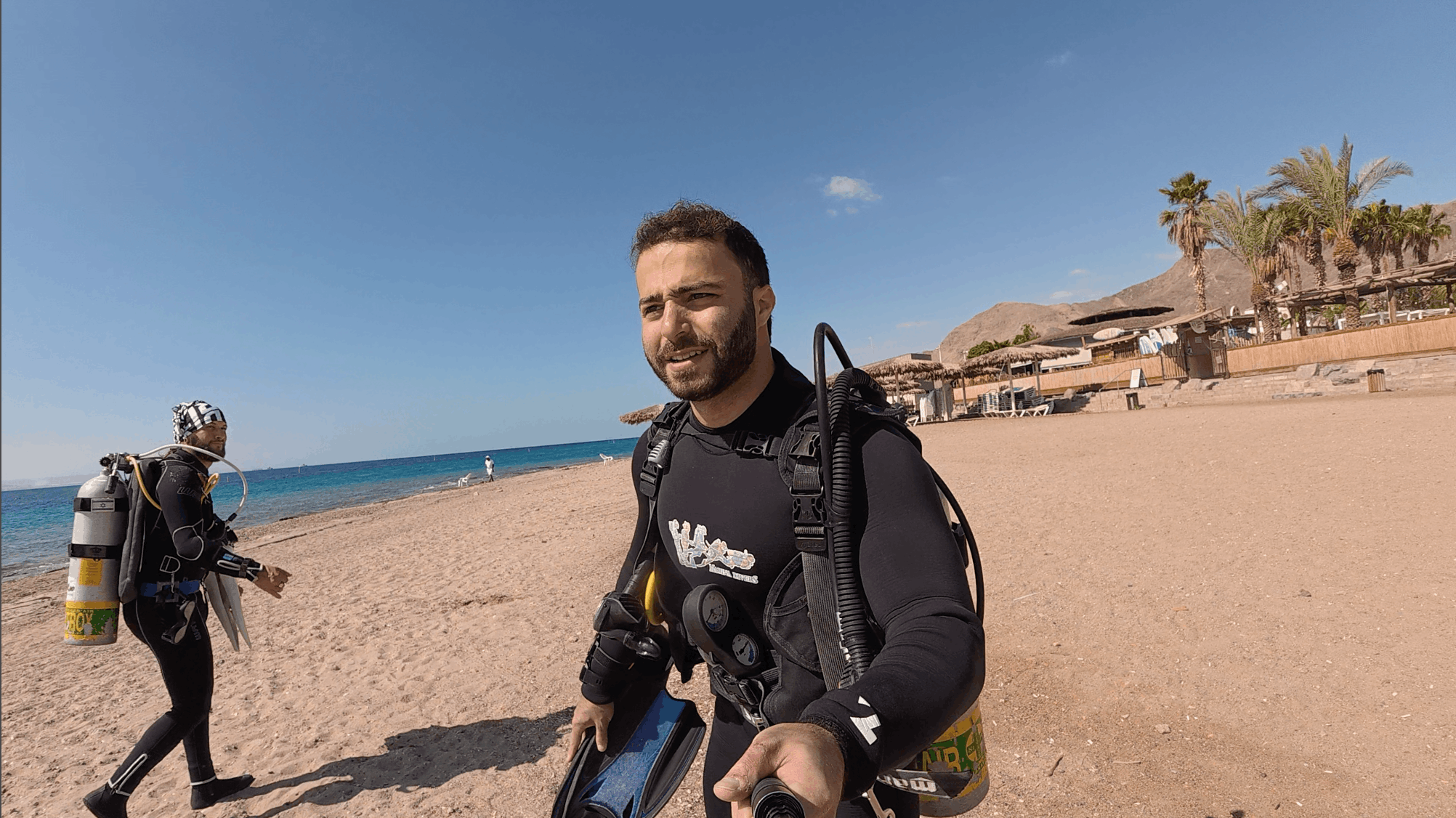
Most recreational BCDs have integrated weight pockets that release quickly in an emergency. This is worth having. The alternative is a separate weight belt, which works but is one more thing to manage.
Check the maximum weight capacity of the pockets before buying. Some back inflate BCDs max out at around 6 lbs (2.7 kg) per side, which is fine for warm water but not enough if you're diving cold water in a thick wetsuit.
D-Rings
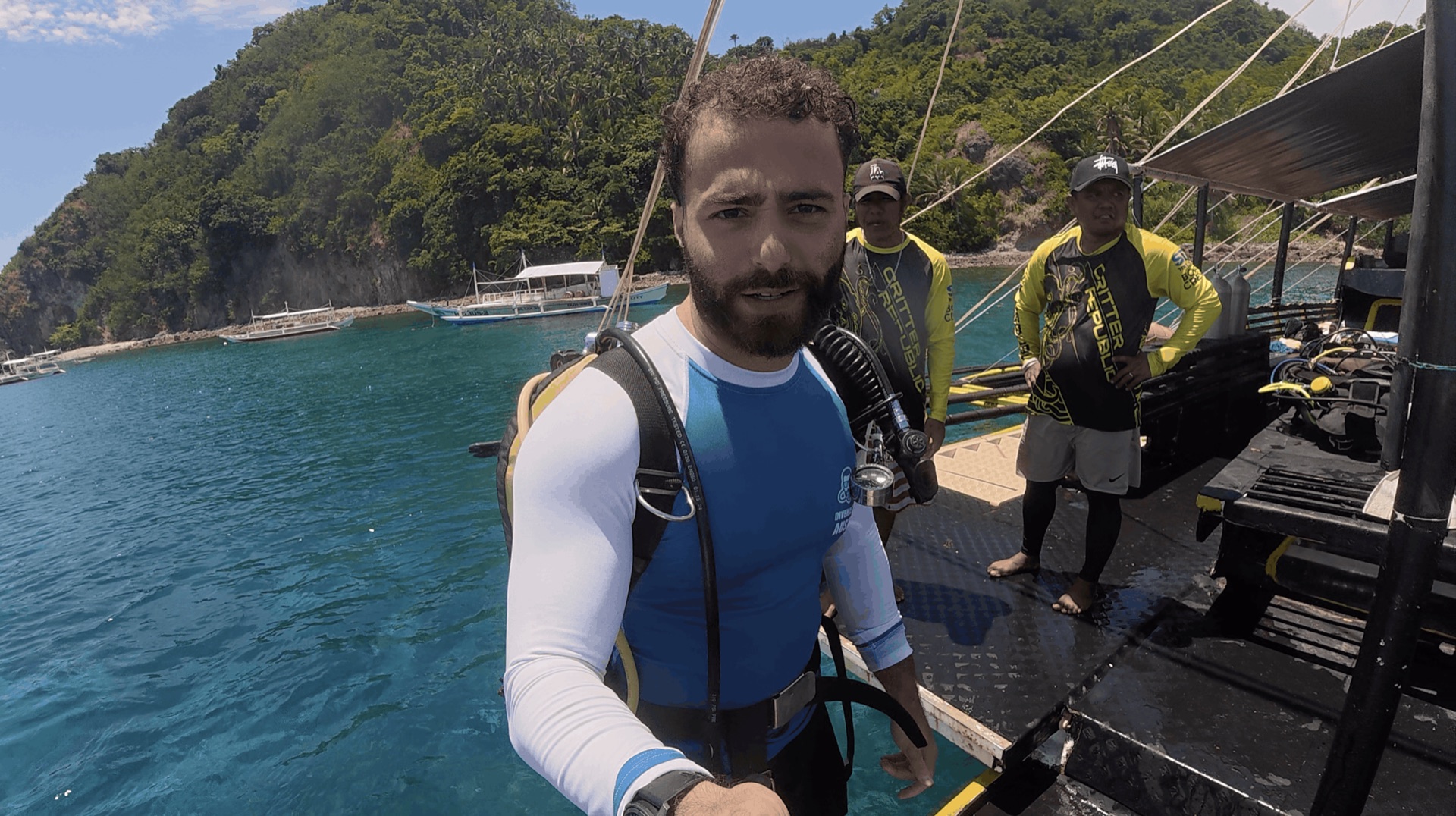
I won't buy a BCD without good D-rings. They're what I clip my camera, my SMB and reel, and anything else I'm carrying to, so my hands stay free and nothing is dangling across the reef.
Stainless steel D-rings are the strongest. Plastic rings can crack, so I wouldn't hang anything heavy on them.
D-rings on the BCDs in this guide:
- Aqua Lung Pro HD: 5 stainless steel.
- Scubapro Hydros Pro (men's and women's): small rings on the shoulder straps and larger ones on the waistband. Scubapro sells a Mini D-Ring Set that clips onto the harness if you want more.
- Hollis L.T.S.: D-rings at the chest and hips. Hollis doesn't publish an exact count.
- Cressi Travelight: 4 light alloy (some listings say 6).
- Dive Rite TransPlate XT: slide-on D-rings on the harness webbing, so you can move them wherever you want.
What to do if your BCD doesn't have enough D-rings:
- Add slide-on D-rings. Stainless D-rings made for 2 inch (5 cm) webbing slide onto your shoulder or waist straps. You'll need to unthread the strap from its buckle to get them on.
- Use the attachment points it does have. Some BCDs, like the Hydros Pro, have mounting points made for add-on D-rings.
- Clip, don't tie. Put a bolt snap on each piece of gear so it clips on and off one ring quickly, and use an octopus holder to keep your backup regulator at your chest.
- Don't clip to the inflator hose, plastic buckles or grab handles. They aren't made to hold weight, and that's how gear gets lost.
Pockets
Pockets vary a lot between models. Some BCDs have two large cargo pockets, others have one, and backplate setups often have none at all. Think about what you carry on a dive and make sure the BCD fits that. I do a lot of drift diving so putting an SMB inside of a BCD pocket so it doesn't accidently come undone is huge for me.
Fit and Gender
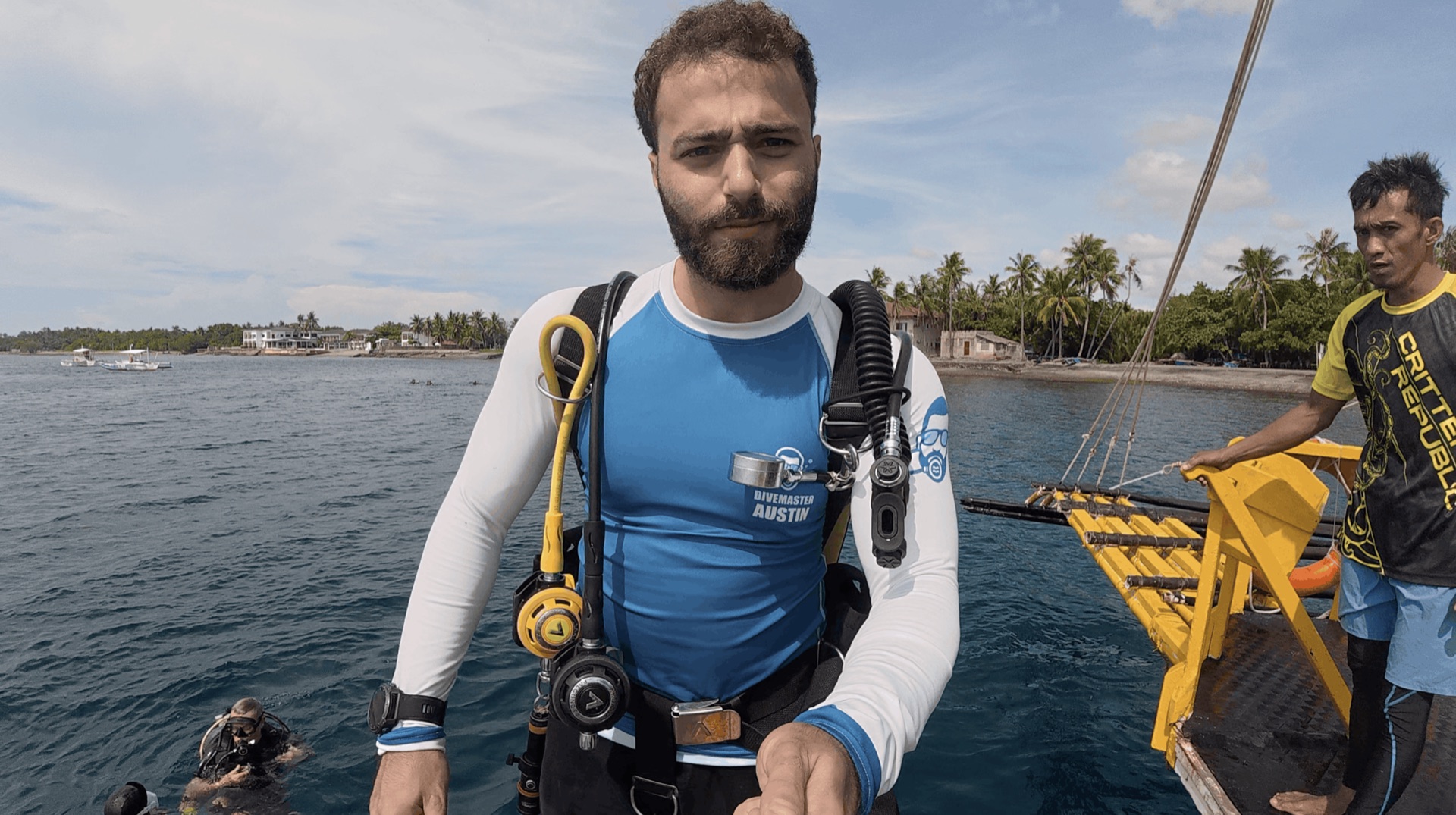
Men's and women's BCDs are cut differently. Women's BCDs have shorter torso lengths and are designed around different shoulder and chest proportions. If you're between sizes or have had trouble with fit in the past, trying a gender-specific BCD is worth it.
The best way to check fit is to put it on, inflate it manually by blowing into the oral inflator, and see how it feels under pressure. Any pinching or restriction you feel on the surface will be worse underwater.
Certification Level
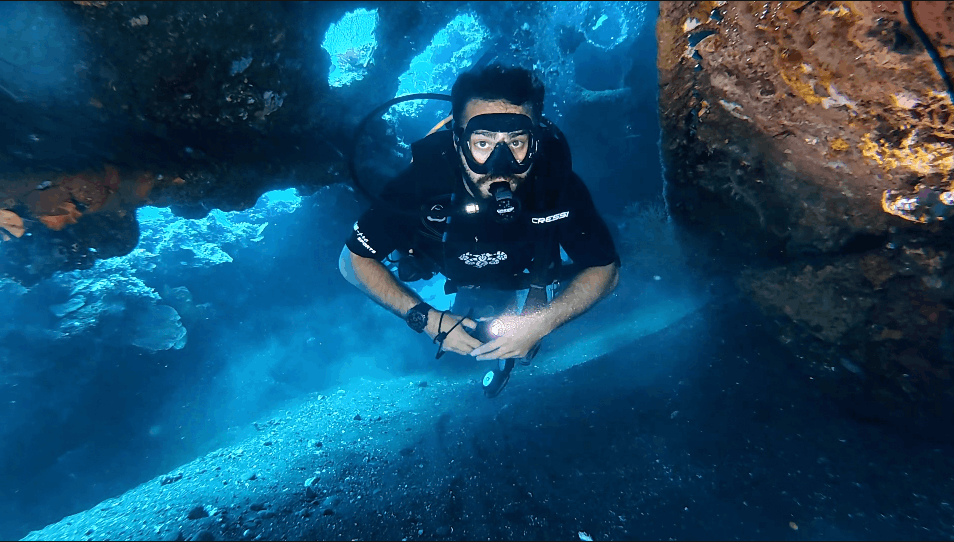
Recreational divers doing standard open water diving don't need a backplate and wing setup. A jacket or back inflate BCD covers everything you need. If you're moving into technical diving, wreck penetration, or cave diving, a backplate and wing gives you the customization and streamlining those dives require.
Parts of a BCD
If you're new to diving, here's a quick reference for the main components:
- Air bladder: Where air goes when the BCD inflates
- Power inflator: Connects to your regulator low-pressure hose and inflates the bladder at the push of a button
- Oral inflator: Lets you inflate manually by blowing into the mouthpiece
- Dump valves: Release air from the bladder quickly, located at the top and bottom of the BCD
- Integrated weight pockets: Hold your lead weights and release in emergencies
- Tank band: Secures your cylinder to the back of the BCD
- D-rings: Clip points for accessories
- Cummerbund: The adjustable waist wrap that helps dial in the fit
Frequently Asked Questions
Should I buy my own BCD or rent one?
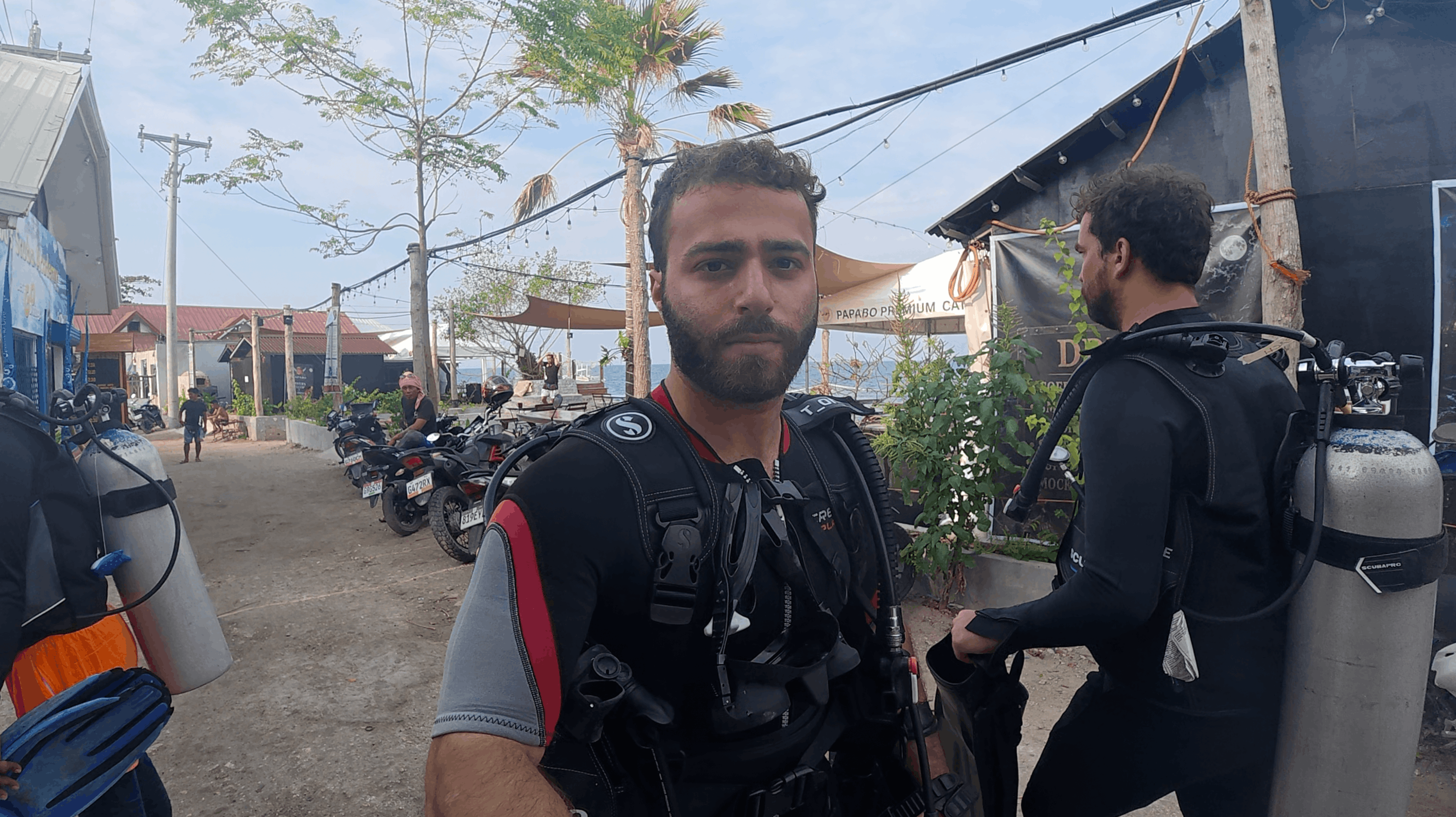
It depends on where you dive most. If most of your diving is close to home, buy one. You'll know it fits and you'll know it works. If you mostly dive on vacations and don't want to pack a BCD, you'll probably end up renting anyway, so a light travel BCD or no BCD at all makes more sense.
Is a jacket or back inflate BCD better?
For me, back inflate. I've rolled onto my side in rental jackets more times than I can count, and staying flat is so much easier when all the air is behind you. A jacket is more stable at the surface and has bigger pockets, so it still makes sense for a lot of divers. If you can, try both before you buy.
Are integrated weights better than a weight belt?
For most divers, yes. The weight sits closer to your body, you don't have a belt sliding around your waist, and you can still drop it quickly in an emergency.
How much lift do I need?
Aim for at least 10 lbs (4.5 kg) more lift than the total weight you're carrying. The Surface Lift section above has rough numbers for warm water, a 3mm wetsuit and a drysuit.
Do I need a backplate and wing?
Not for recreational diving. A jacket or back inflate BCD covers everything most divers do. A backplate and wing makes sense once you get into technical, wreck or cave diving.
How often should a BCD be serviced?
Most manufacturers recommend having it inspected about once a year. Rinse it with fresh water inside and out after every dive trip, and let it dry partly inflated.
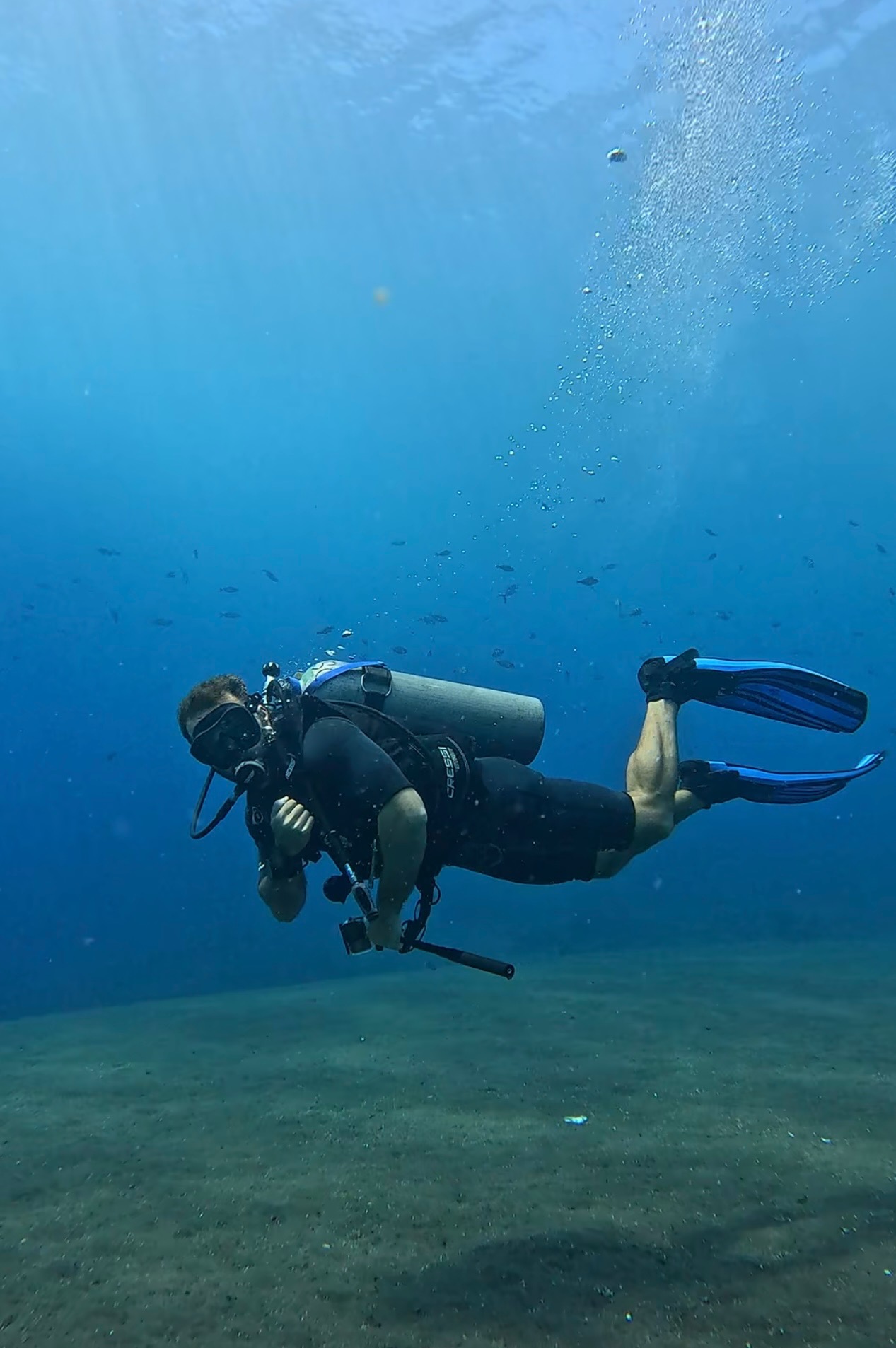
ABOUT THE AUTHOR
Austin Tuwiner
Hey I'm Austin, a PADI Divemaster based in South Florida .
I initially got certified at 16 at a scuba camp in Kona, Hawaii, did my Advanced Open Water on Koh Tao, my deep and nitrox on Gili Trawangan, and my Rescue and Divemaster in Miami.
Since then I've logged 500+ dives across 20 countries and states. I write about the gear I dive with, the sites I've dived, and the trips I've taken.


Let's Dive Together
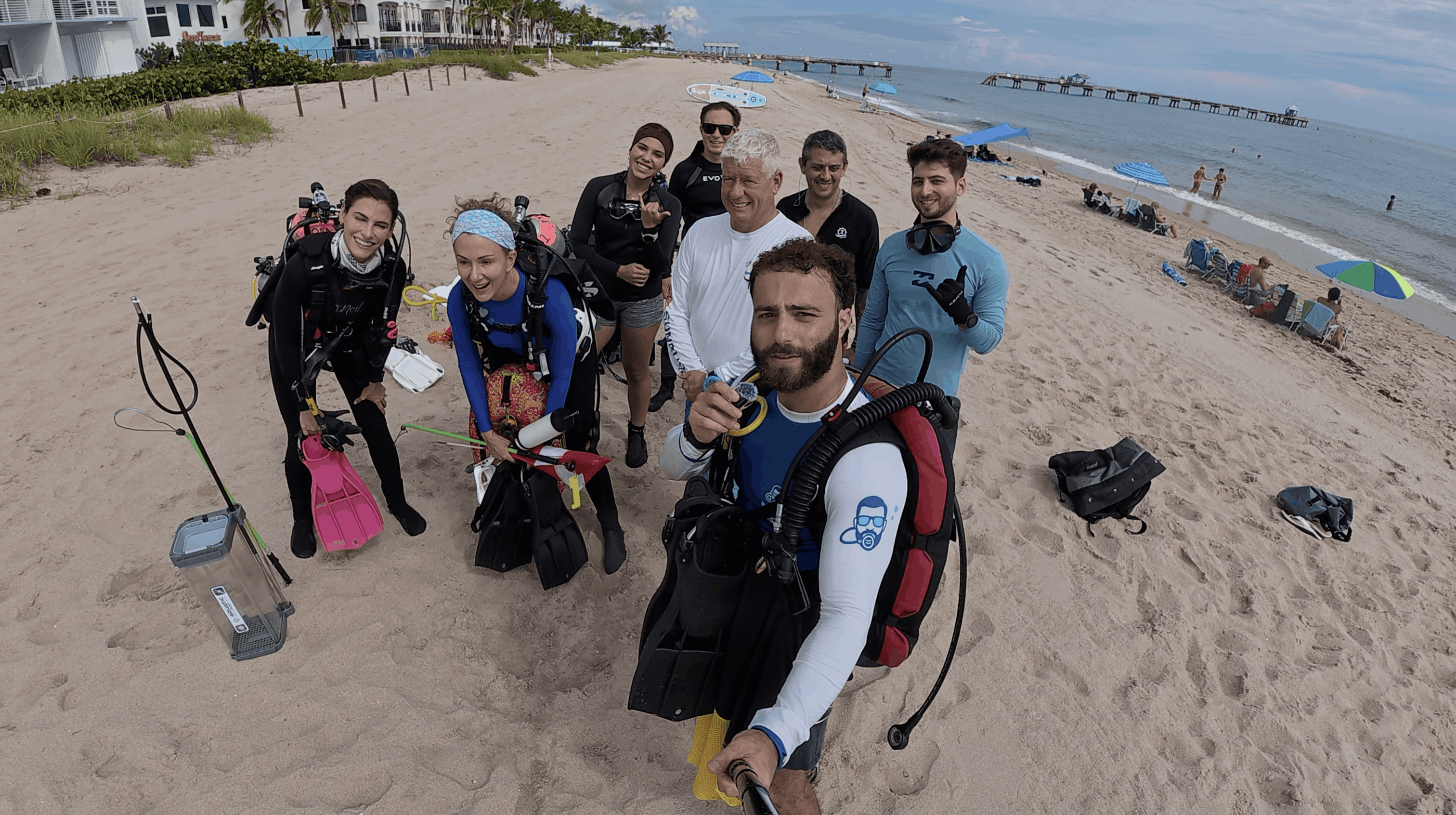
👋 It's Divemaster Austin
I'm inviting you to Dive Club, my global scuba diving community.
What you’ll find inside:
🤿 Dive meetups & group trips
🌍 Top dive sites shared by community members
⚙️ Gear tips & technique discussions
🤝 Diver's who’ve already linked up IRL
See you there!
Join my scuba diving community.
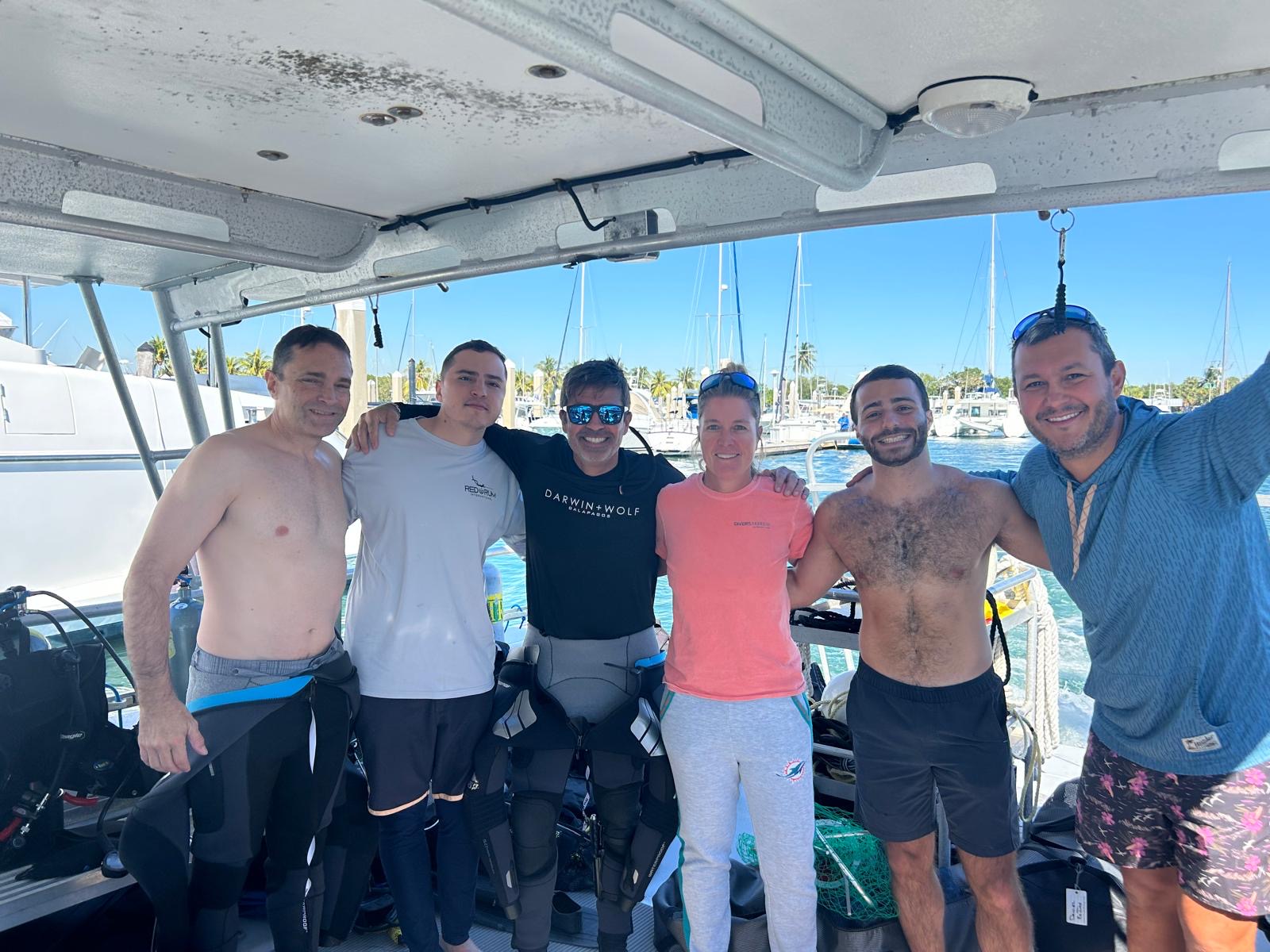
I'm Austin, a PADI Divemaster with over a decade of diving experience under my belt.
I created a free scuba diving community, where divers can connect, learn, and share their dives.
See you inside!
Join my Diving Community