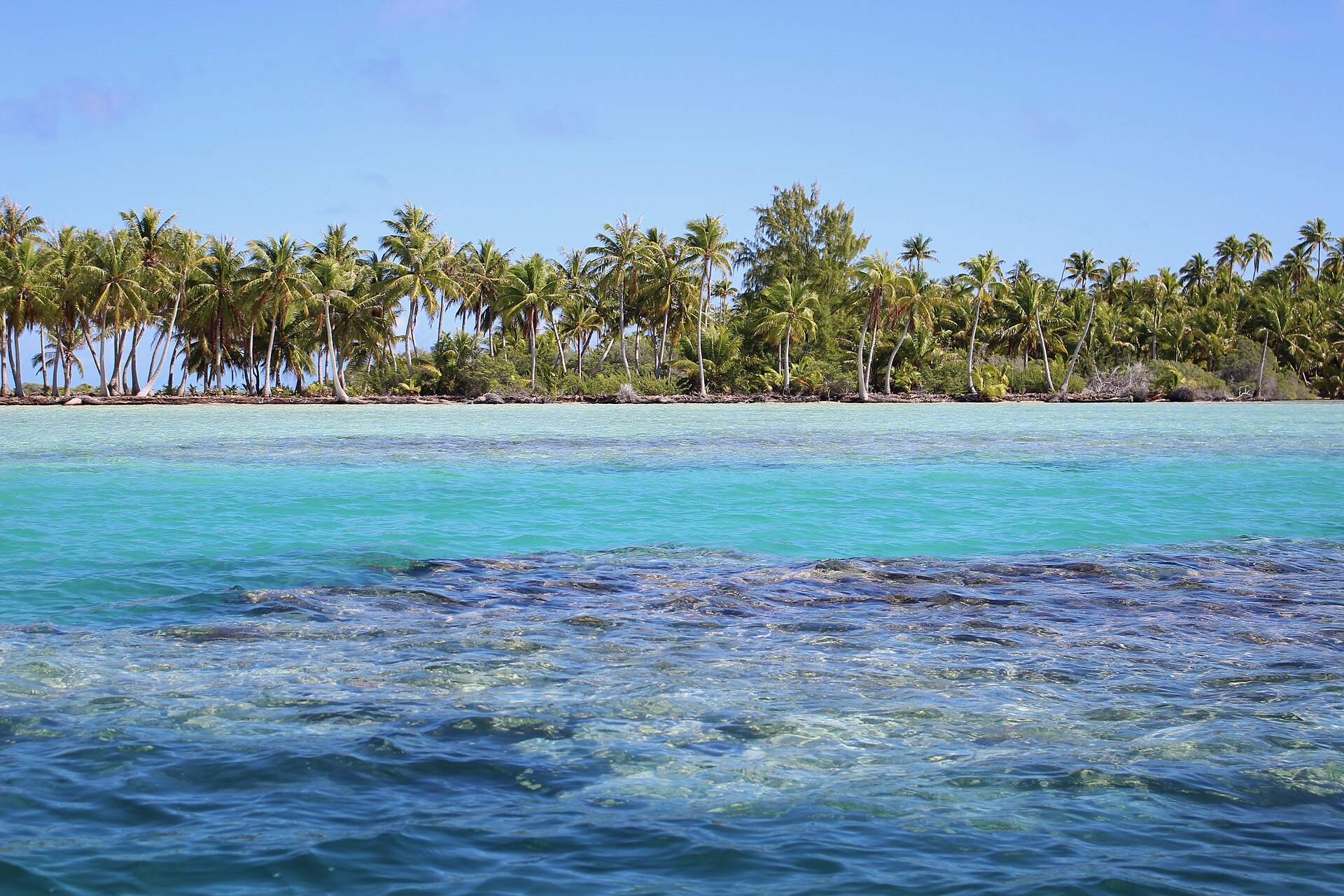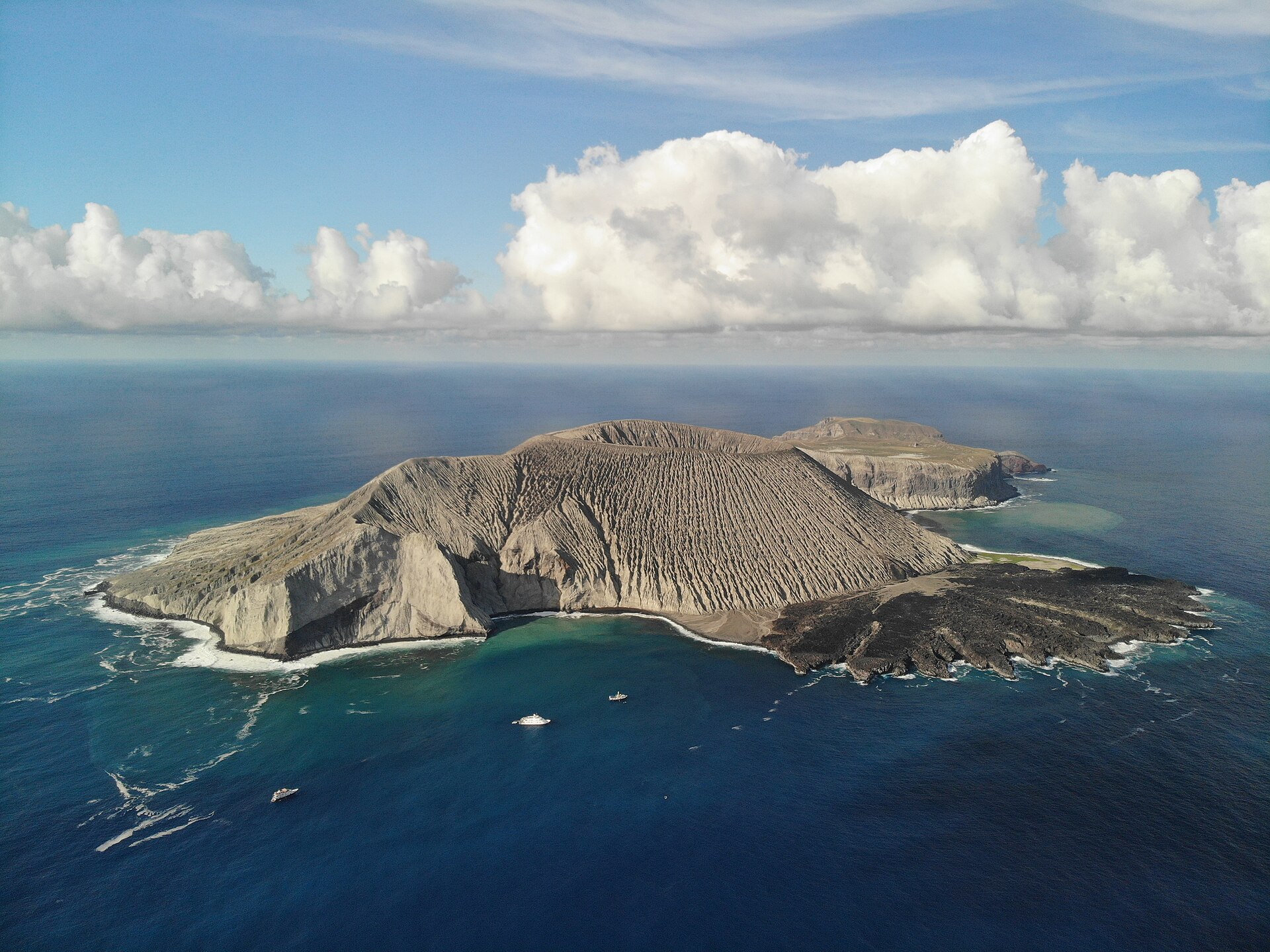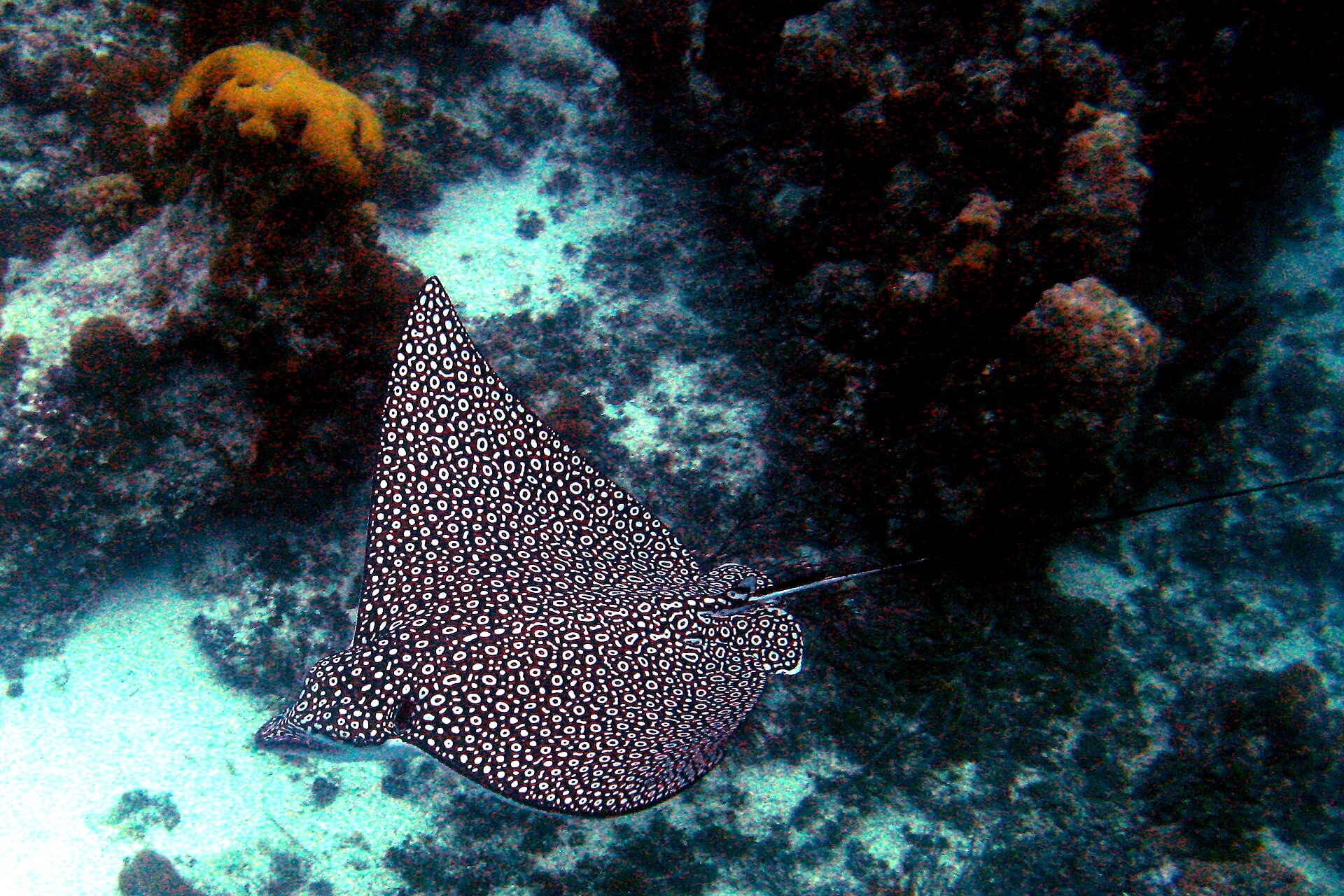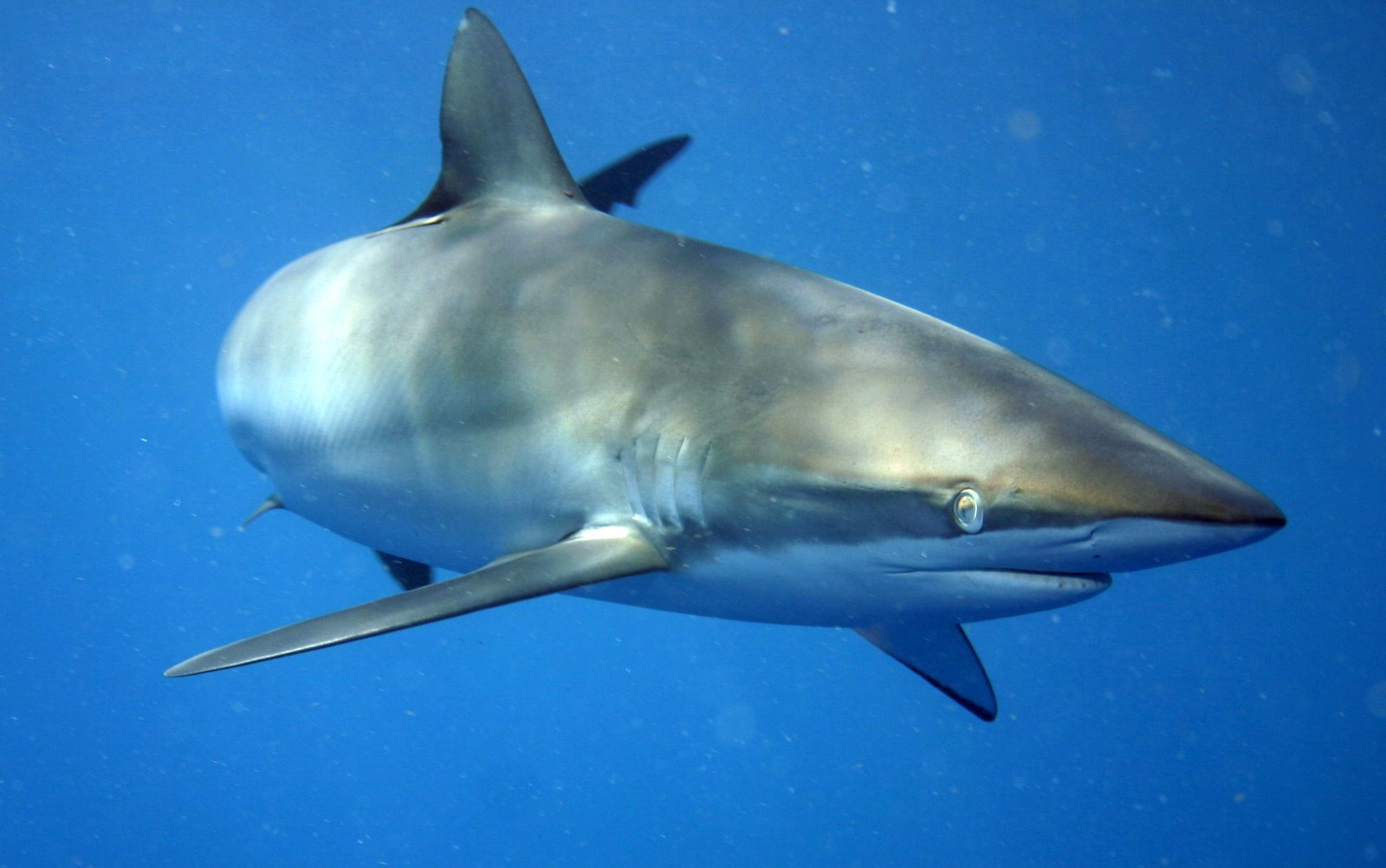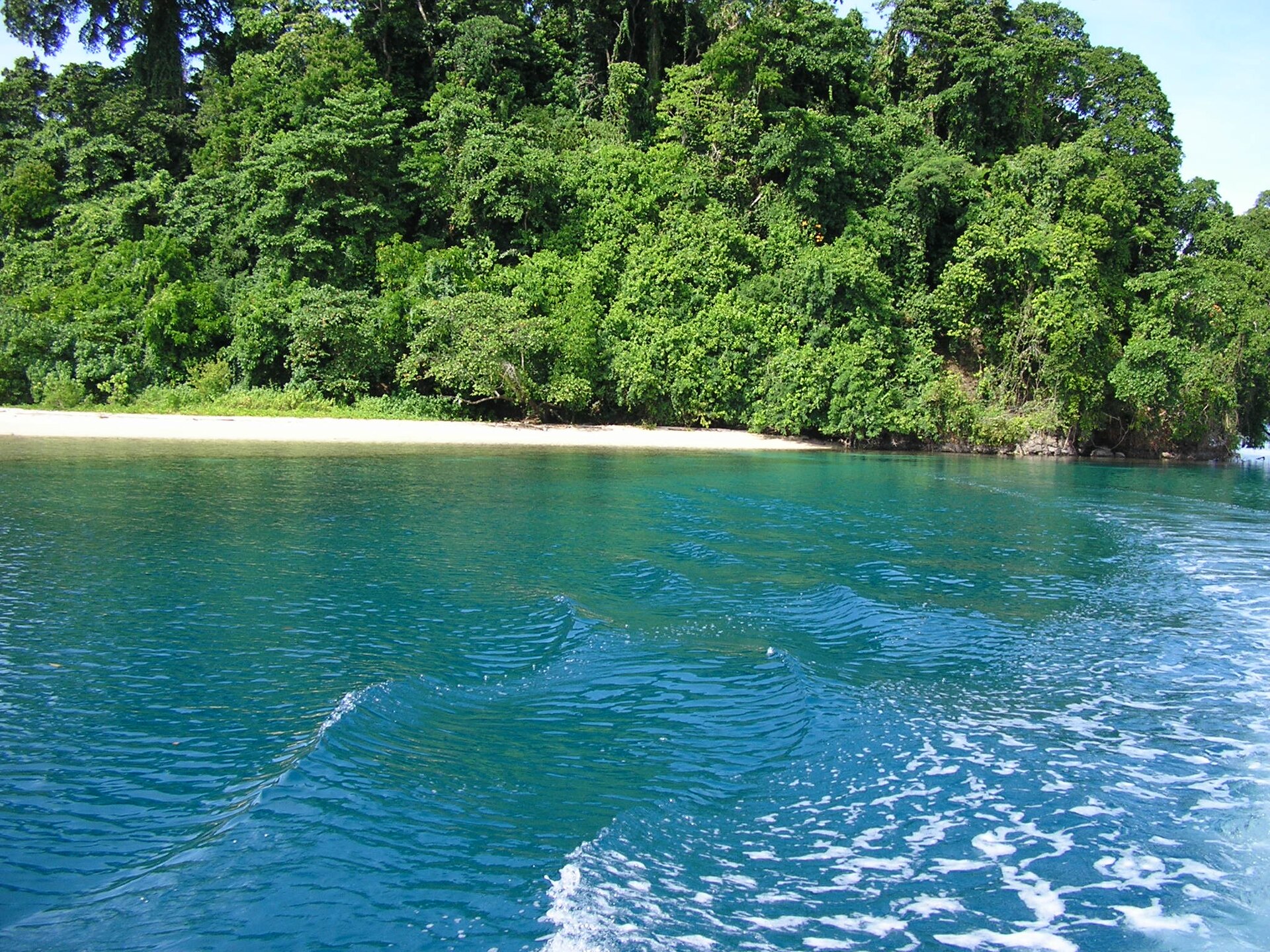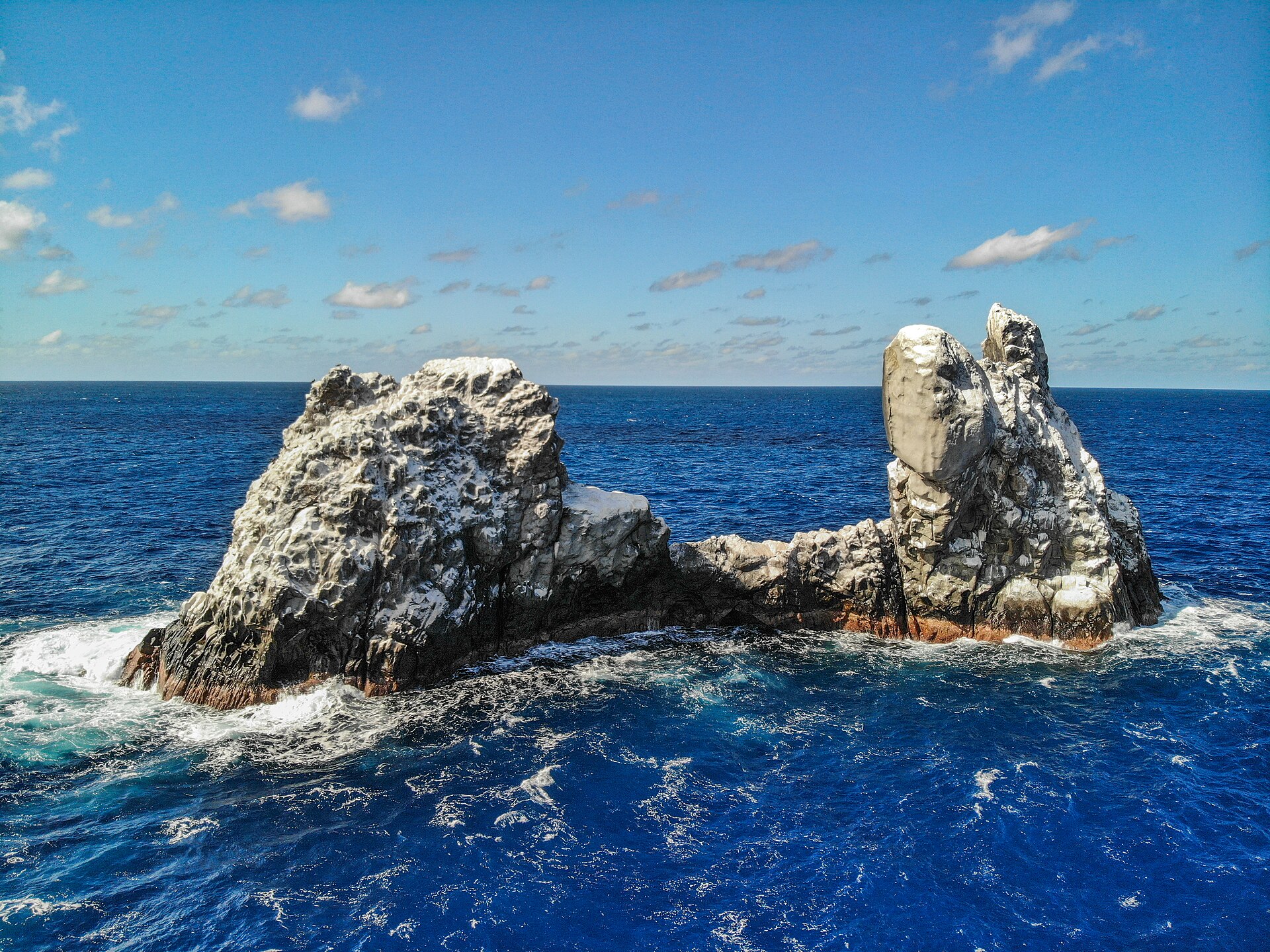



Cocos Island is one of the most famous dive destinations on the planet. It's a remote volcanic island about 340 miles (550 km) off Costa Rica's Pacific coast, a UNESCO World Heritage Site, and home to some of the biggest schools of hammerhead sharks in the world, along with whale sharks, mantas, Galapagos and silvertip sharks, and hundreds of whitetips hunting on night dives.
I've dived Costa Rica at Isla del Caño and Santa Teresa, and Coiba in Panama, which sits in the same stretch of the Eastern Tropical Pacific. Cocos is the remote, big animal version of that same ocean.
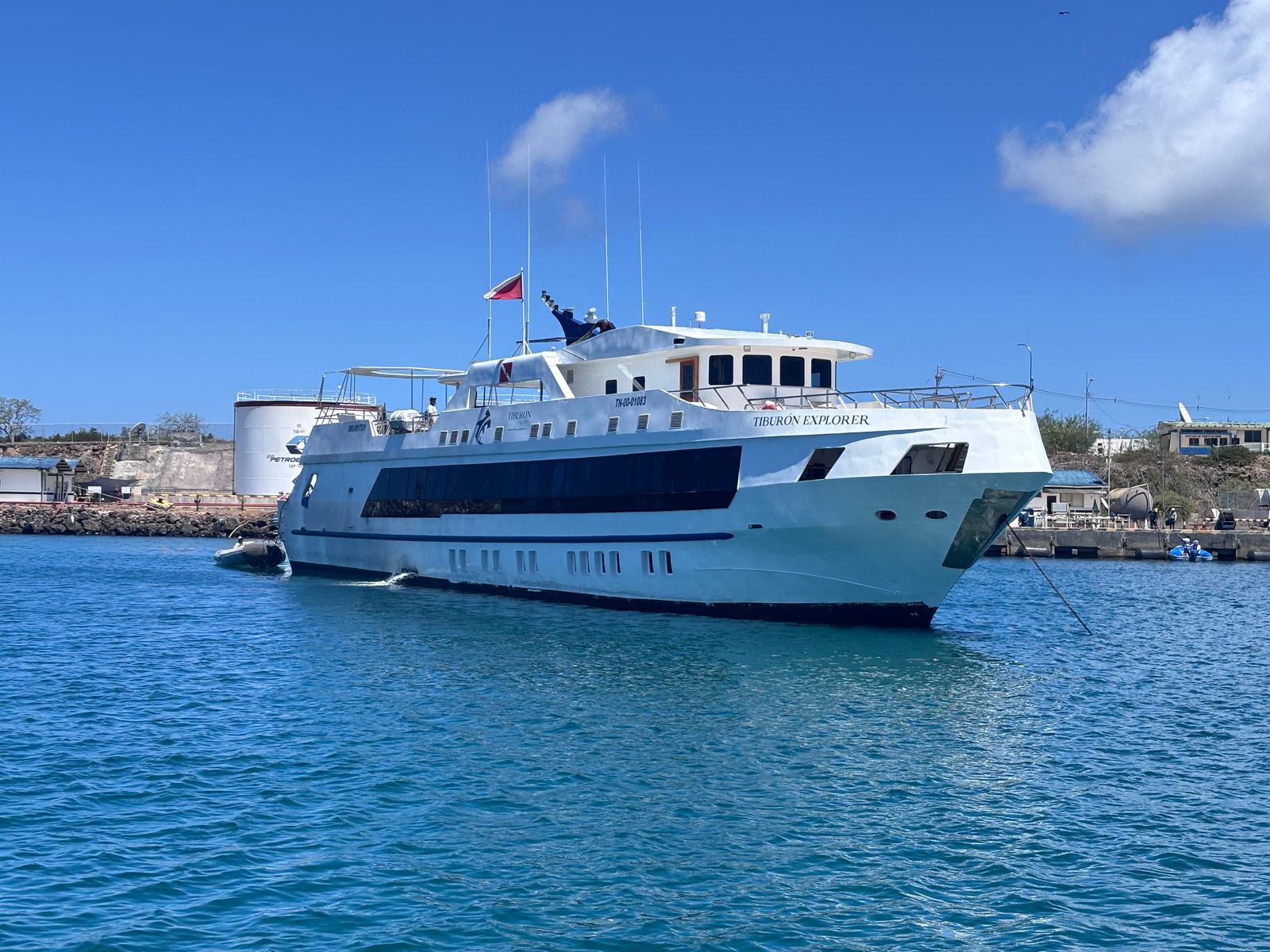
There's no hotel and no day boat to Cocos. The only way to dive it is on a liveaboard, and only 3 boats are running Cocos trips in 2027, so this guide covers all of them, with every 2027 itinerary.
Costa Rica Liveaboards Compared
| Boat | From (per day) | Guests | Nights | Rating (Reviews) |
|---|---|---|---|---|
| Sea Hunter | $658 | 20 | 10 to 11 | 9.1 (48) |
| Okeanos Aggressor II | $459 | 22 | 8 to 10 | 8.4 (74) |
| Cocos Island Aggressor | $476 | 22 | 10 | 8.7 (29) |
Ratings and per-day prices from Liveaboard.com, November 2026. Prices don't include park fees.
Cocos Island Liveaboard Routes
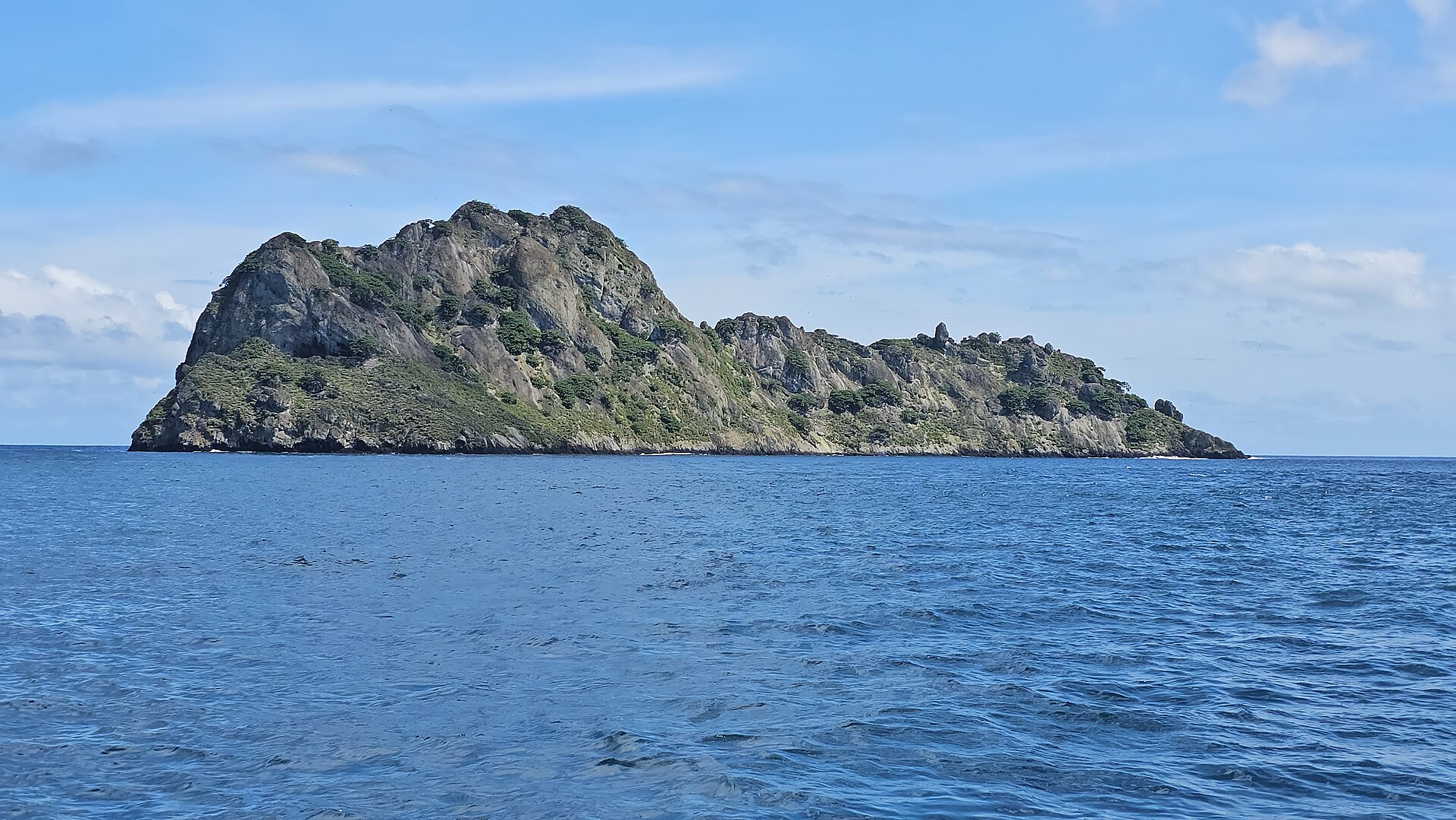
1. Puntarenas to Cocos Island. Every Cocos liveaboard runs the same route: out of Puntarenas, about 36 hours across open ocean to Cocos Island, roughly 340 miles (550 km) offshore, then back. A 10 night trip gets you around 7 days of diving at the island.
Cocos is a Costa Rican national park and a UNESCO World Heritage Site, and once you're there, the boats anchor in the island's bays and run the dives from skiffs.
A fourth boat, the Argo, used to run Cocos trips too, but its operator says it's away from Cocos for the foreseeable future, so it isn't on this list.

About 36 hours each way · Year round
Cocos Island Liveaboard 2027 Itineraries
Here's every 2027 Cocos itinerary from the boats on this list. All of them are round trips from Puntarenas.
| Boat | Trip | Nights | From | 2027 Departures |
|---|---|---|---|---|
| Sea Hunter | Cocos Island Expedition | 10 | $7,250 | May, Jun, Aug, Sep, Oct |
| Sea Hunter | Cocos Island Expedition | 11 | $8,305 | Jun, Oct |
| Okeanos Aggressor II | Cocos Island Adventure | 10 | $6,399 | Jan, Feb, Mar, May, Jun |
| Okeanos Aggressor II | Cocos Island Adventure | 8 | $5,549 | Jun, Jul |
| Cocos Island Aggressor | Cocos Island Adventure | 10 | $6,849 | Jan, Feb, Mar, Apr |
Trip prices and departures with open space from Liveaboard.com, November 2026. Popular dates fill early, so the months with space will change.
Best Overall: Sea Hunter
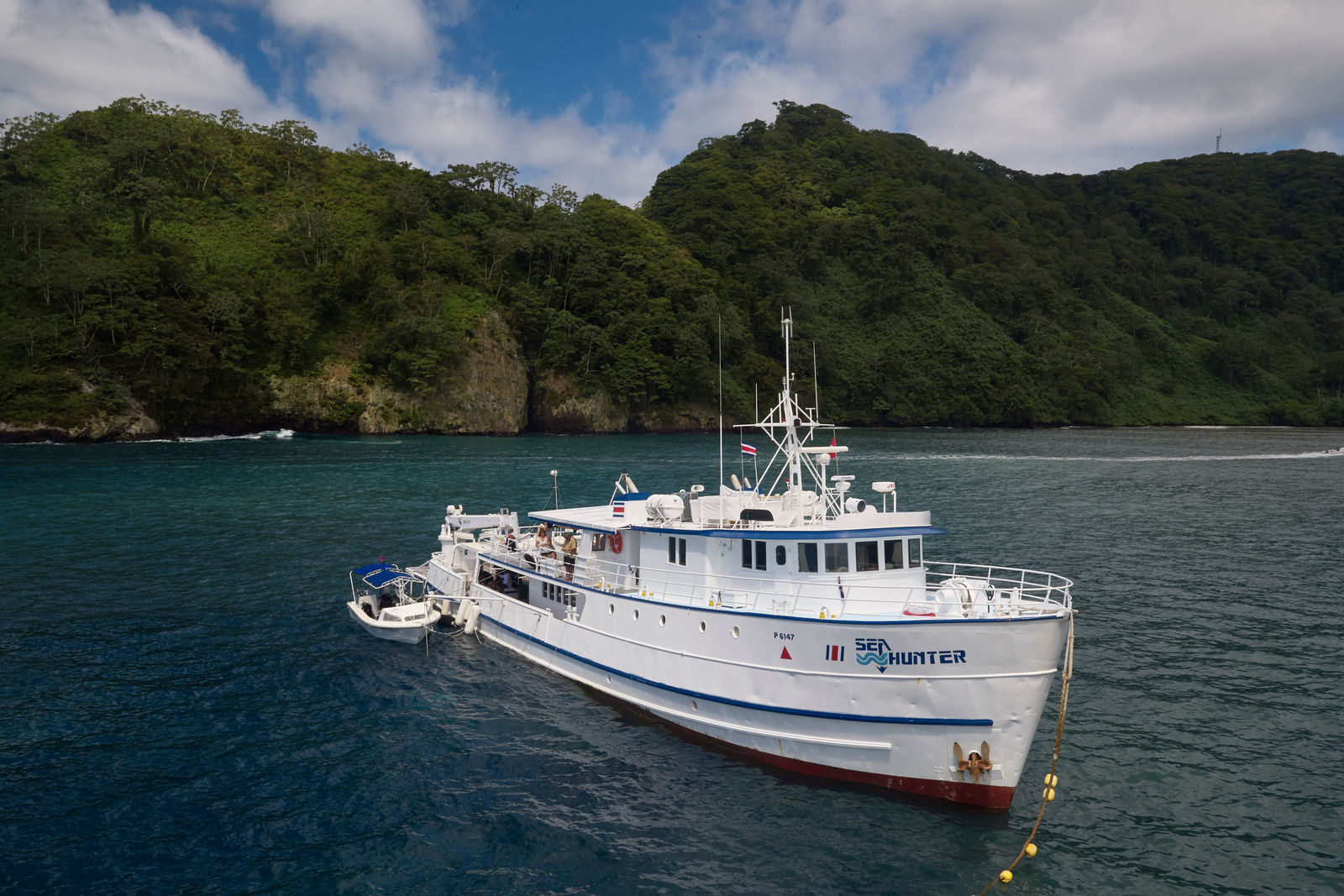
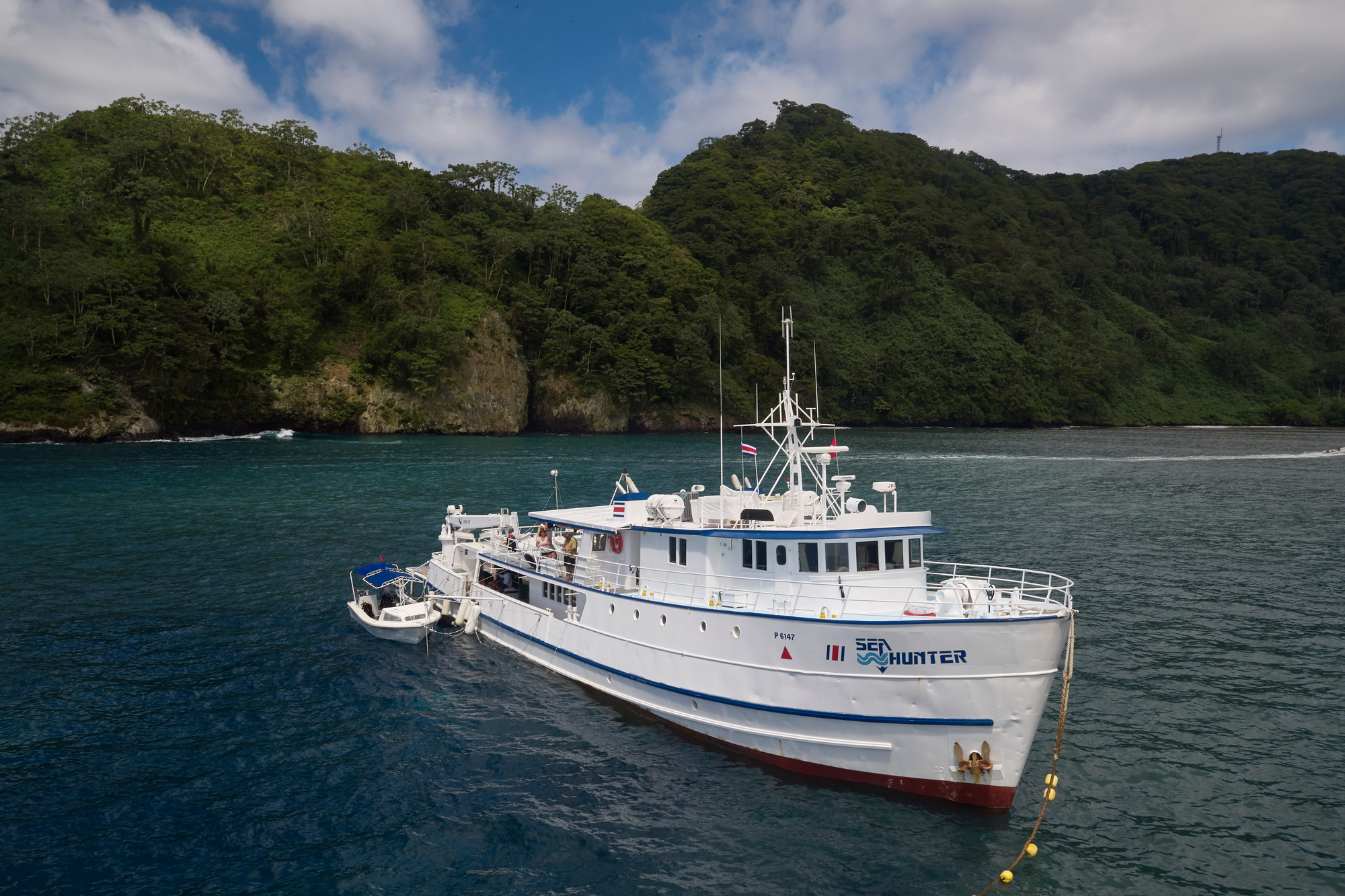
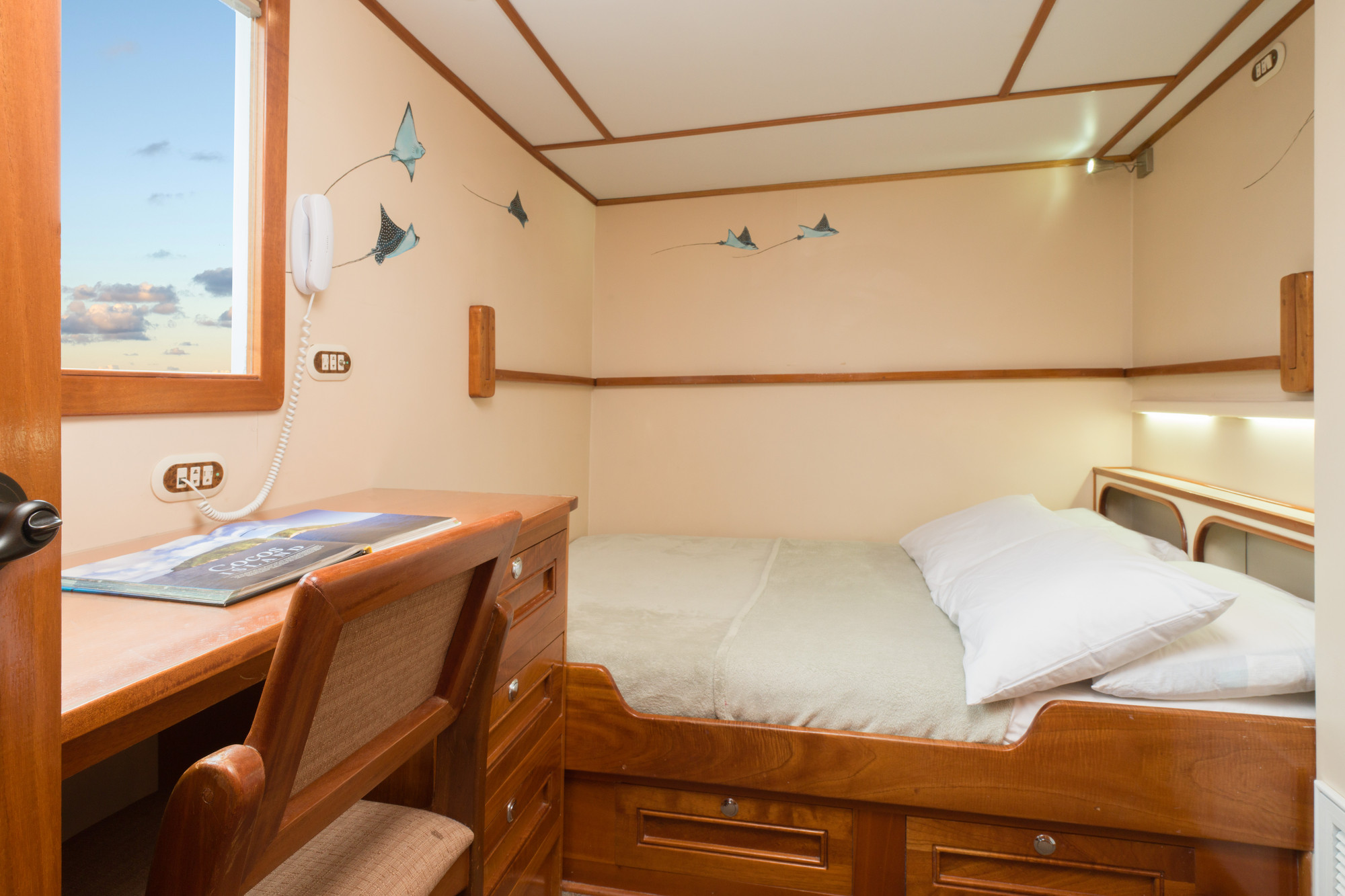
Sea Hunter is a 115 ft (35 m) former commercial diving support boat, built in 1994 and converted for Cocos, with 10 cabins for 20 guests. It has stabilizers that lower into the water at anchor, which matters on a boat that spends 36 hours each way crossing open ocean.
Nitrox, alcoholic drinks and laundry are all included, and it's the most reviewed Cocos boat on Liveaboard.com. Every diver gets a personal locator beacon, and there's oxygen on the mothership and every skiff.
Its Cocos trips skip January to April, when the boat heads to Silver Bank in the Dominican Republic for humpback whale season. National park fees are $554 to $791 a trip, plus a fuel surcharge and a $100 hotel transfer.
Cabin
Best Value: Okeanos Aggressor II
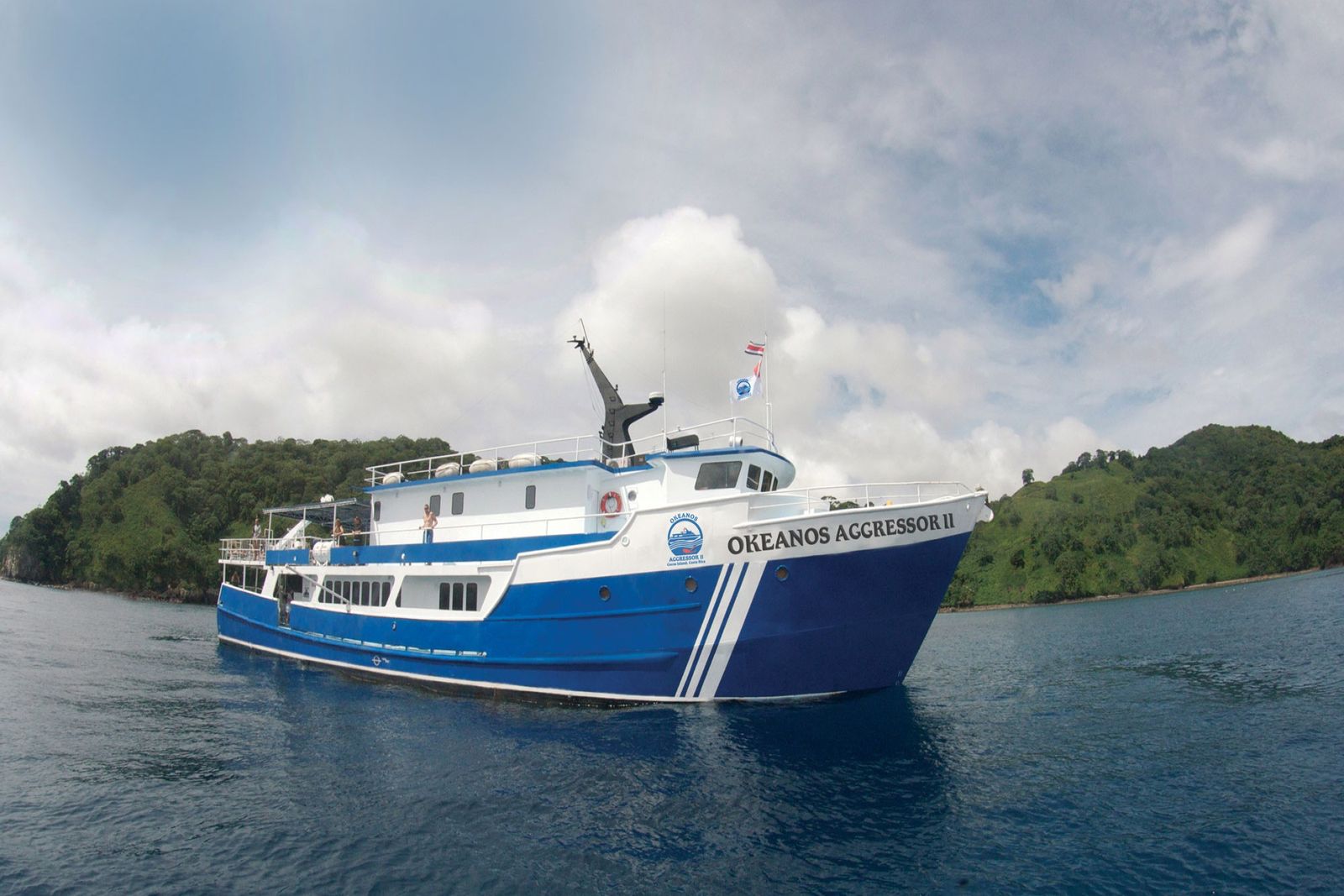
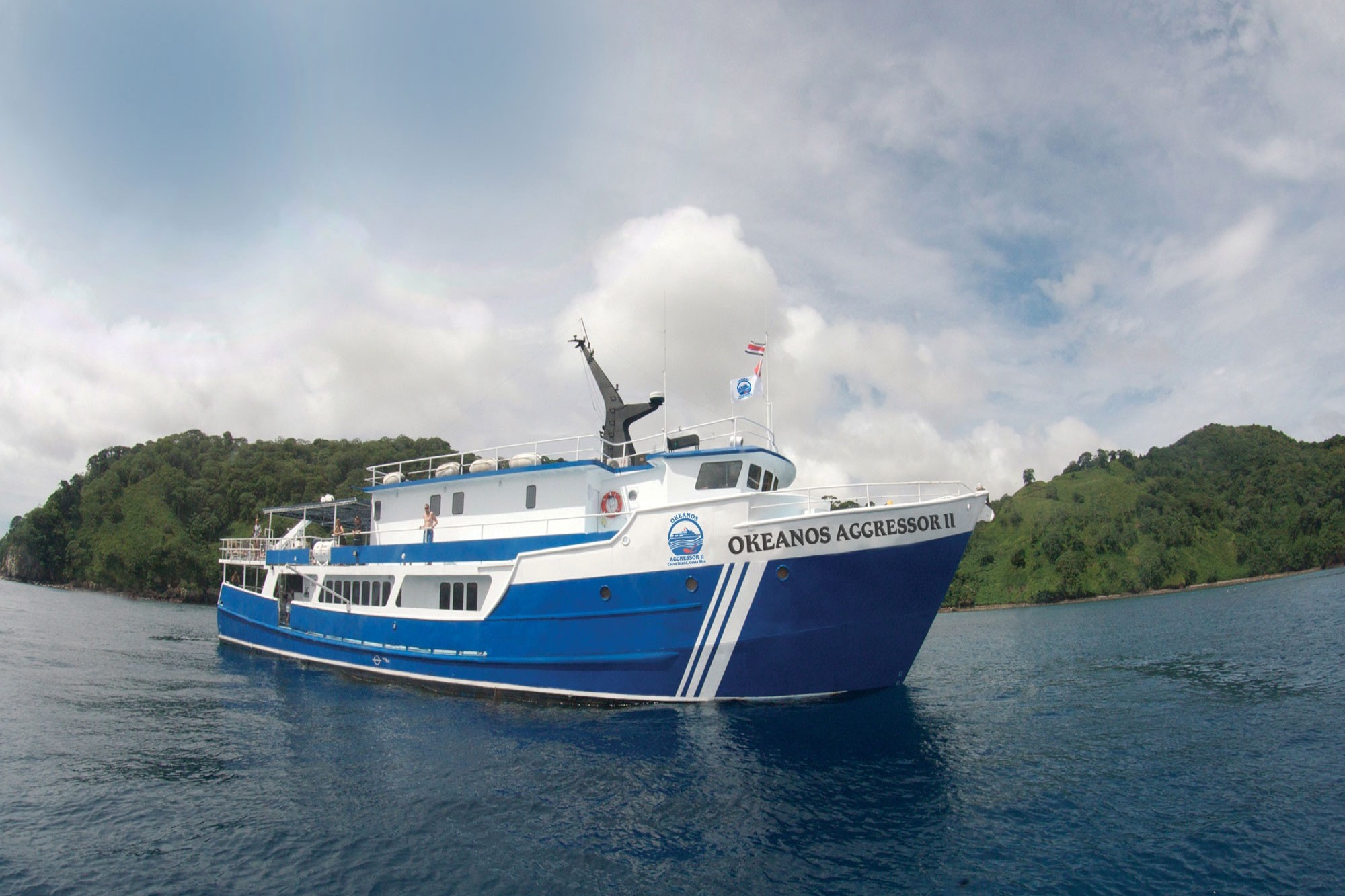
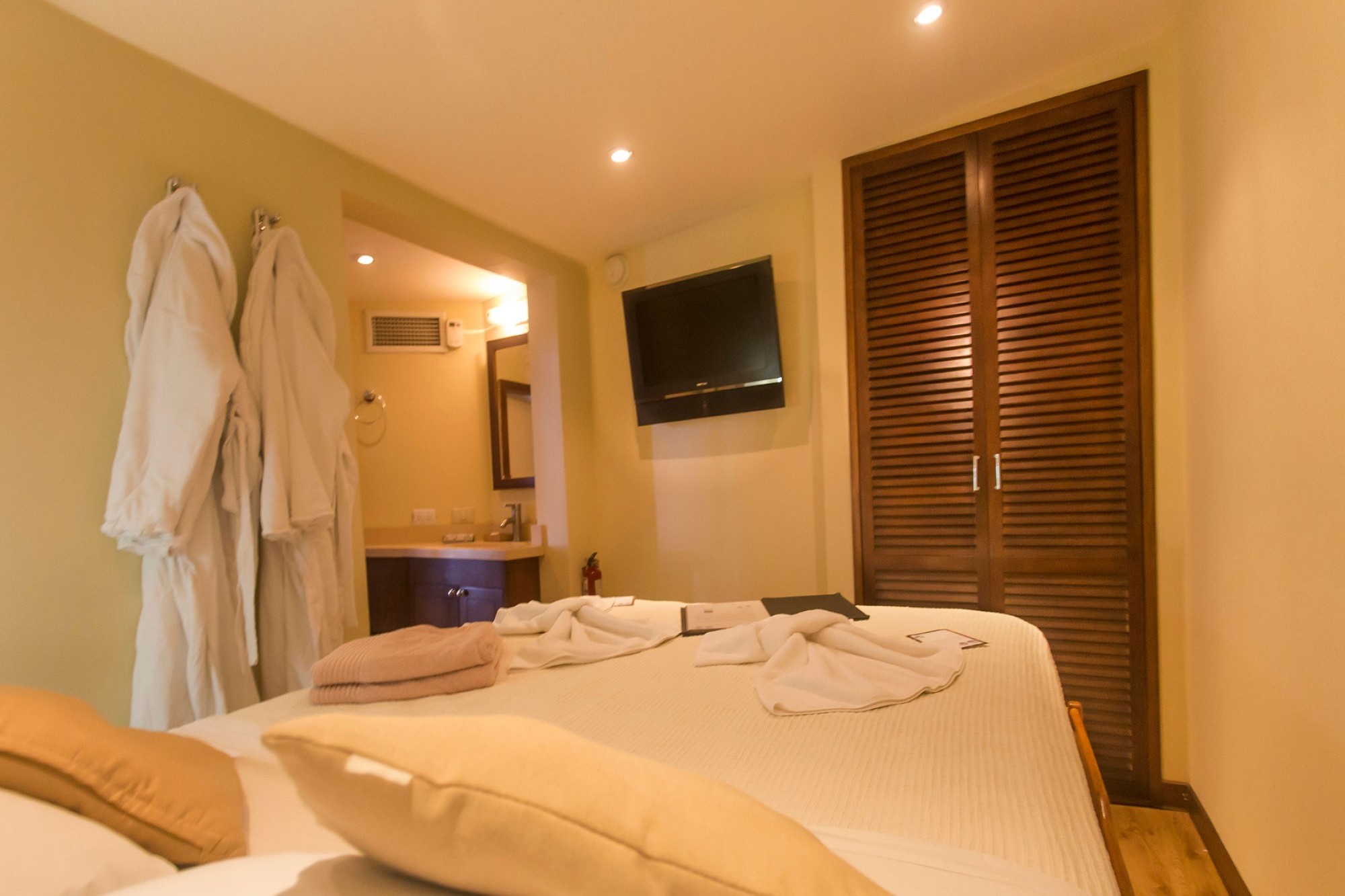
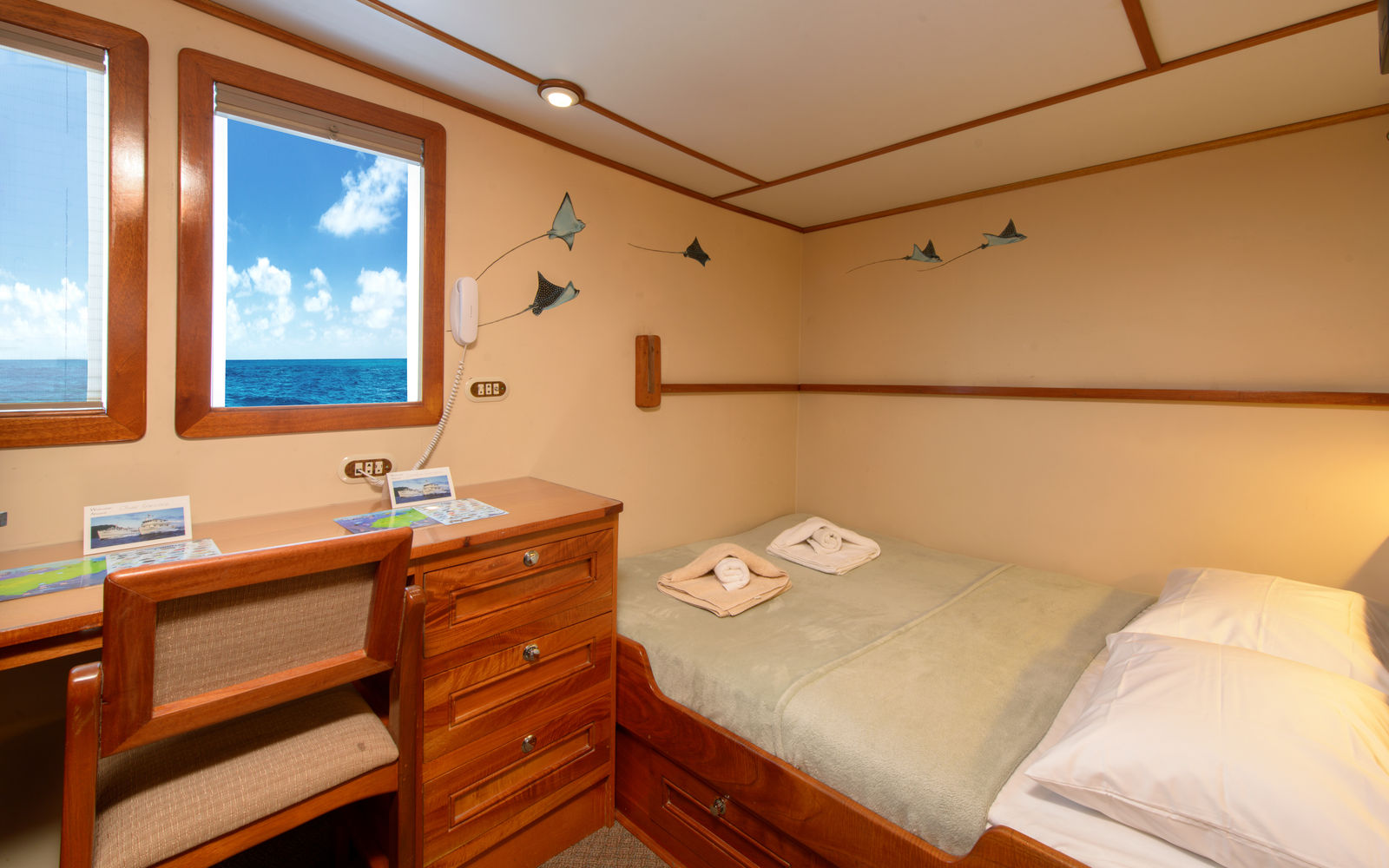
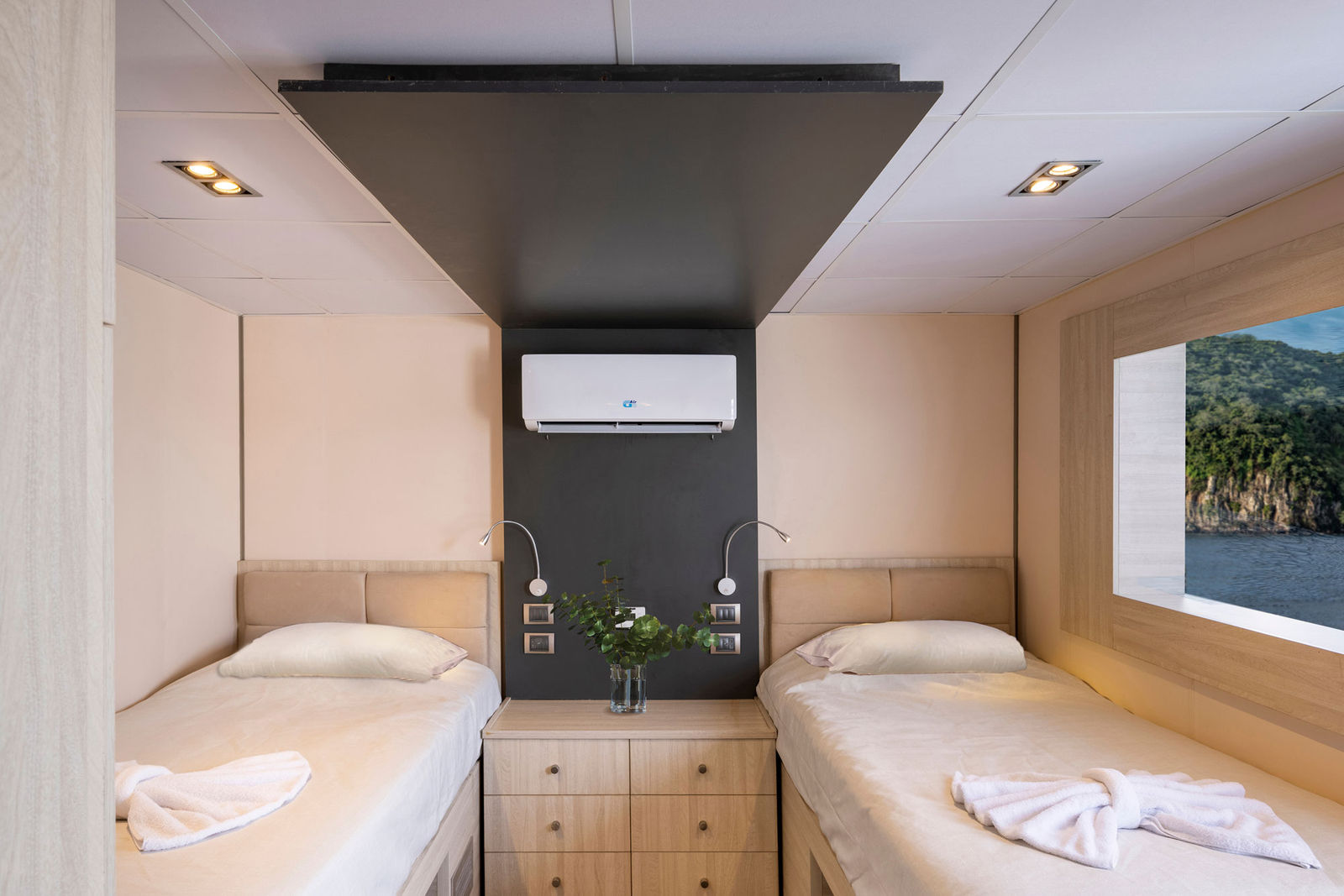
Okeanos Aggressor II is a 120 ft (37 m) boat with 11 cabins for 22 guests: deluxe staterooms with a double and a bunk on the lower deck, plus a master stateroom and suites upstairs.
It has the lowest daily rate of the three and runs Cocos all year. Wine with dinner and hotel transfers are included, and nitrox is $80 to $150 a trip.
Park fees are $350 to $630 a trip, plus a $140 to $180 fuel surcharge and a $30 chamber fee.
Cabin
Best for Solo Divers: Cocos Island Aggressor
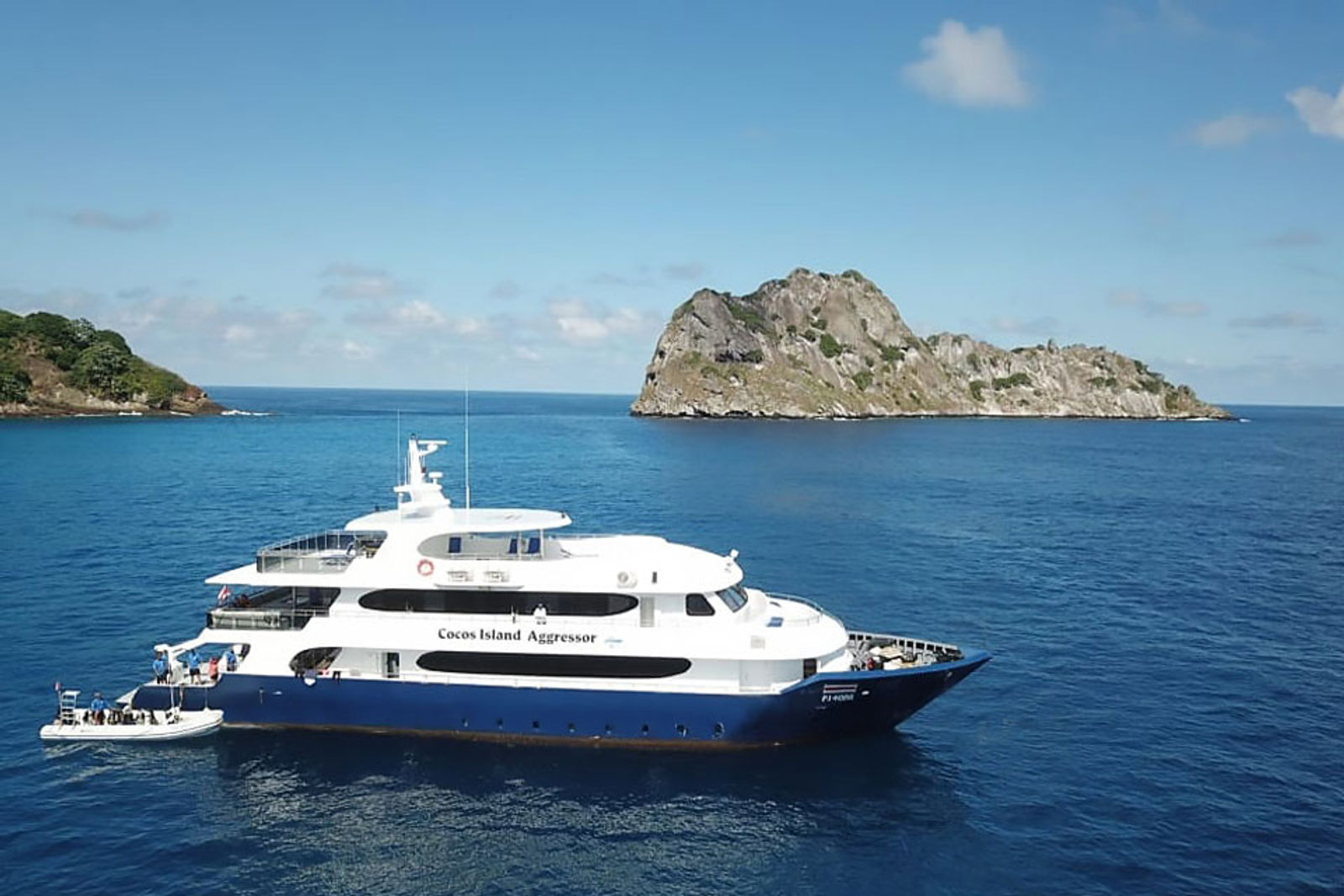
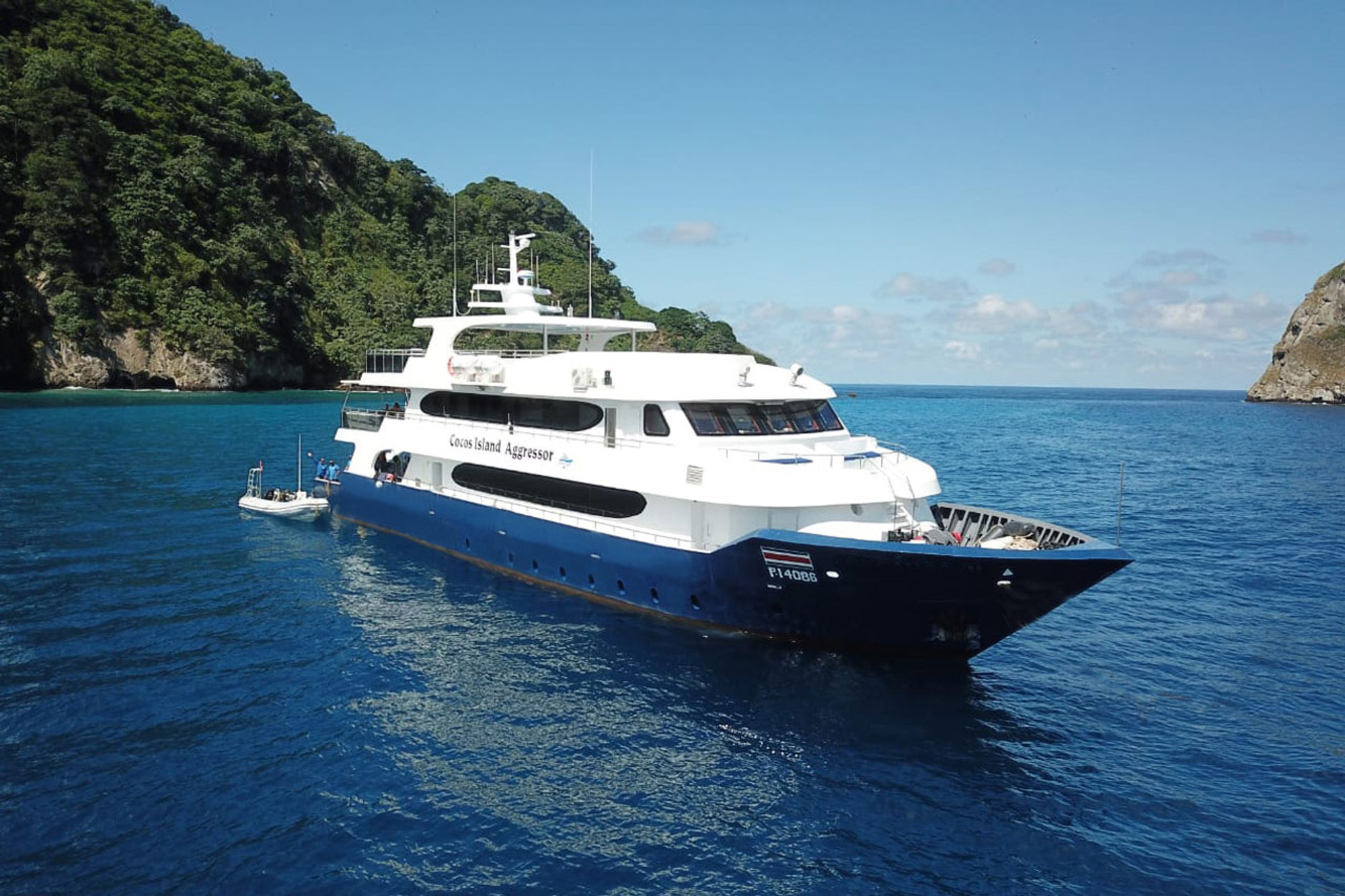
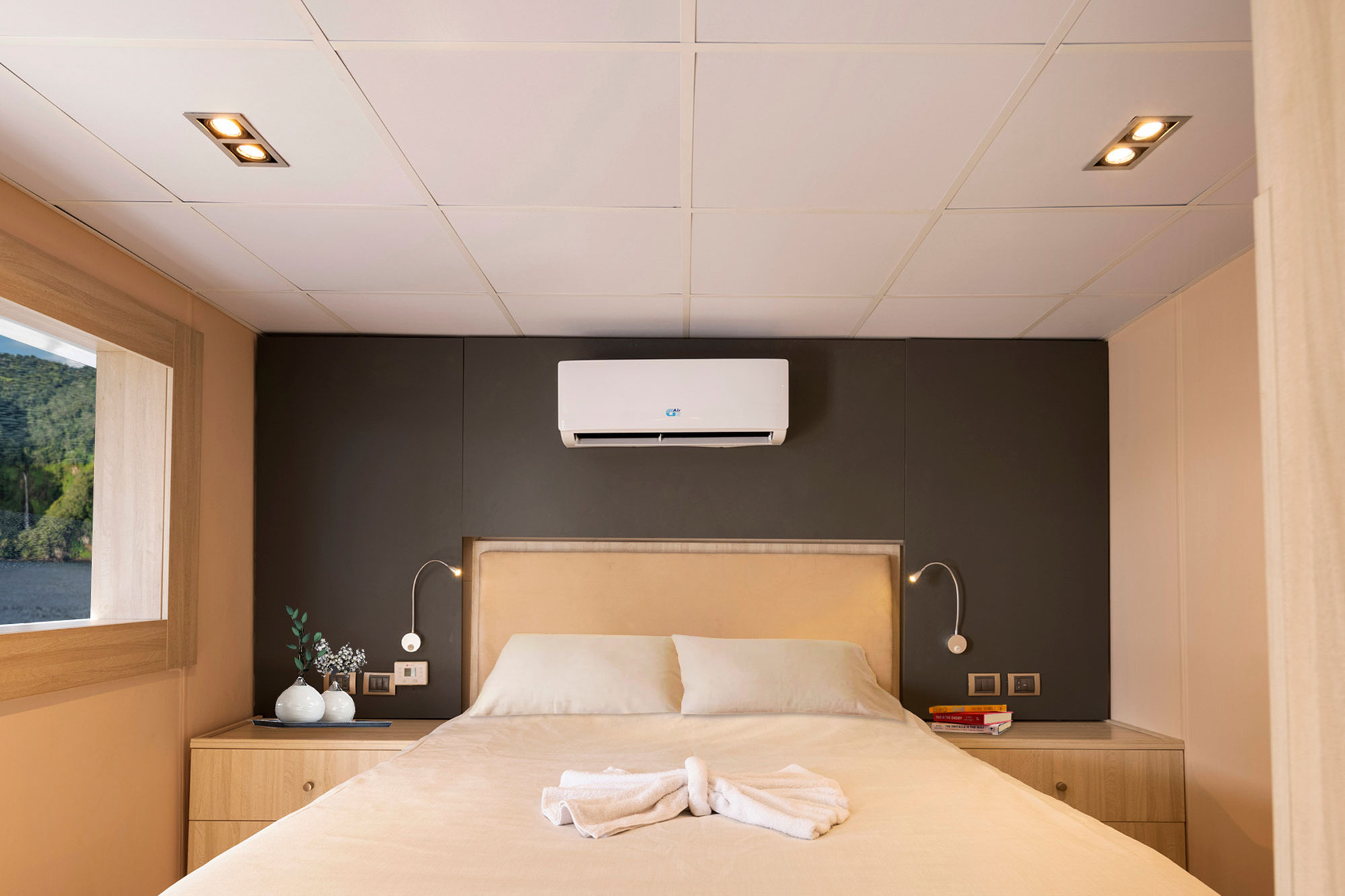
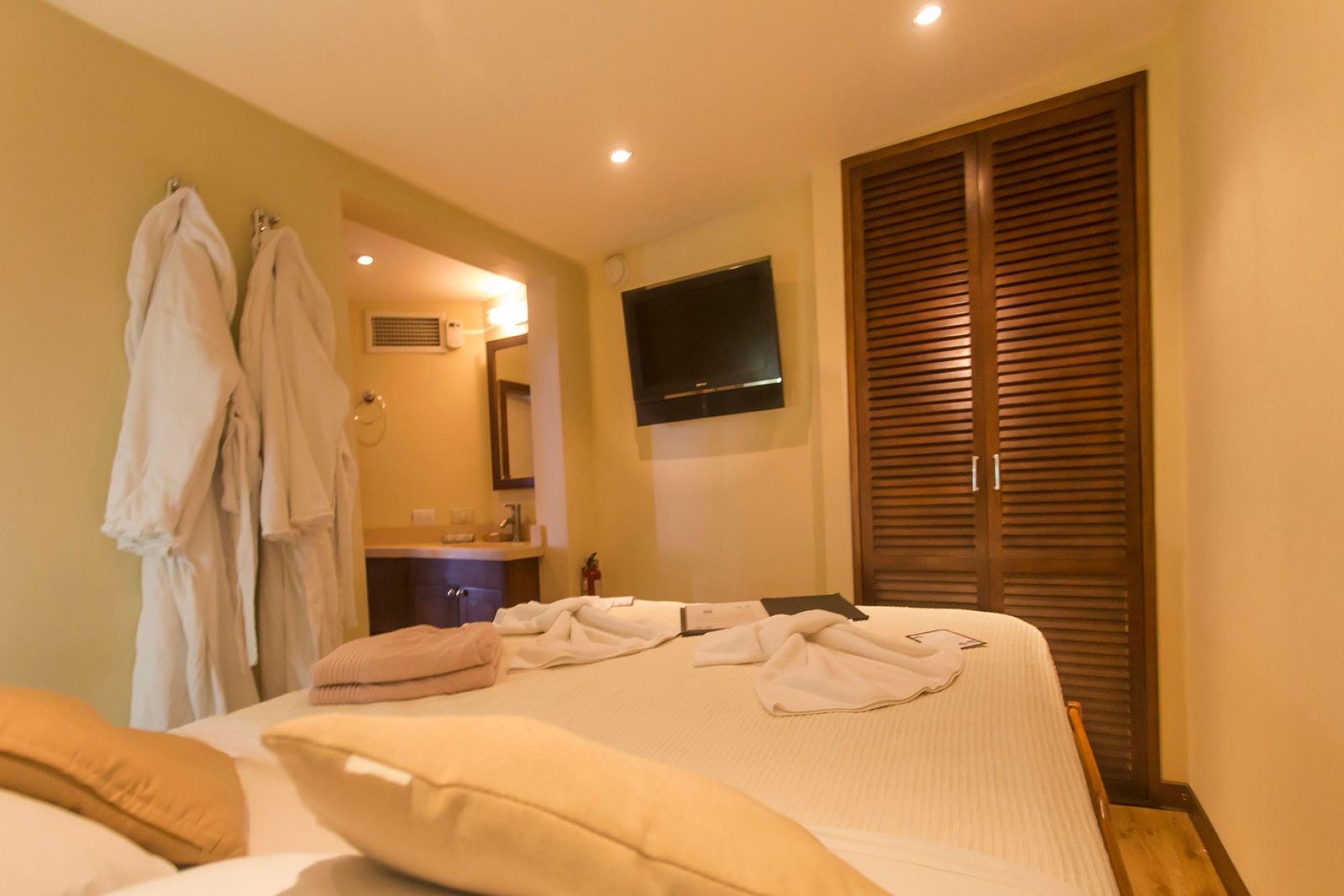
Cocos Island Aggressor is a 124 ft (38 m) boat with 4 master staterooms on the upper deck, 7 deluxe staterooms below and dedicated solo staterooms, so you don't have to share a cabin or pay a single supplement for a double. There's a hot tub on deck, and soft drinks, iced tea and wine are included.
Guests rave about the crew and the food, but a few recent reviews mention cabin ventilation and maintenance issues, so it's worth reading those before you book.
Park fees are $350 to $630 a trip, plus a $140 to $180 fuel surcharge. Nitrox is €80 to €150 a trip.
Cabin
Dive Sites You'll Visit
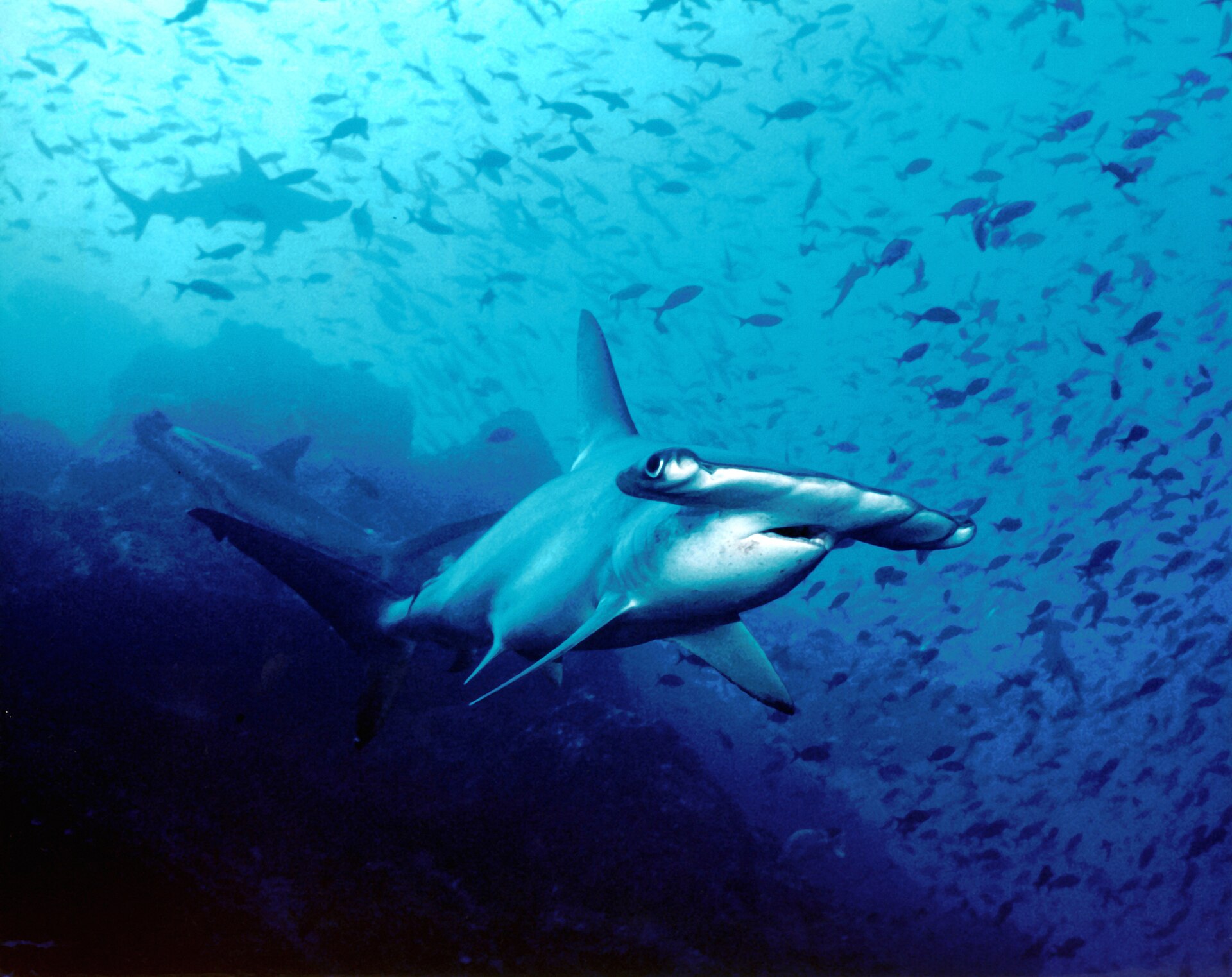
These are based on how divers and guides consistently describe the sites that come up on every Cocos trip.
Bajo Alcyone
A seamount off the island where hammerheads come in to cleaning stations near the top. It's deep and current-swept, so it's for experienced divers.
Dirty Rock
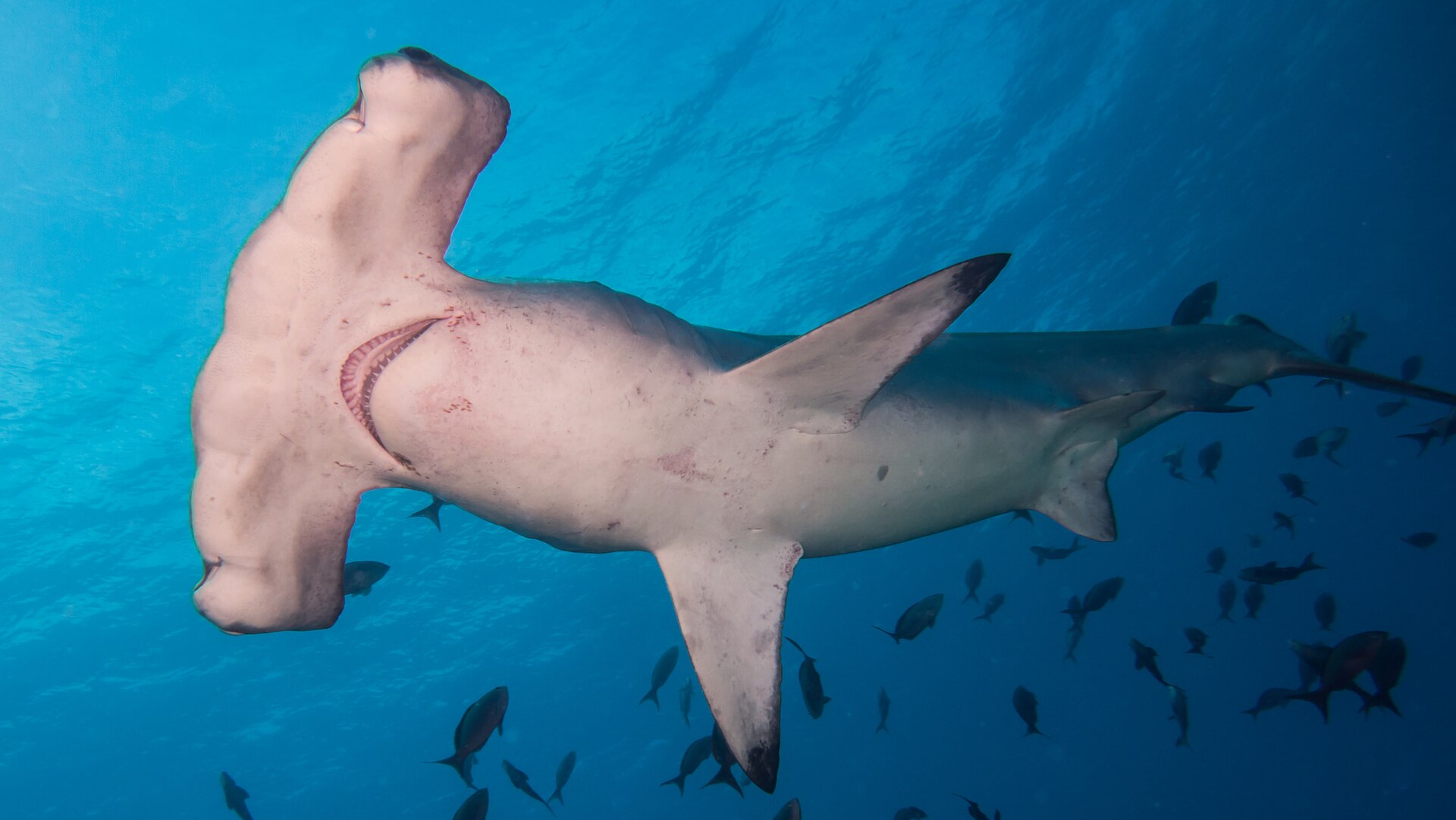
A rock pinnacle off the north side with hammerheads, big schools of jacks, and marble and eagle rays.
Manuelita
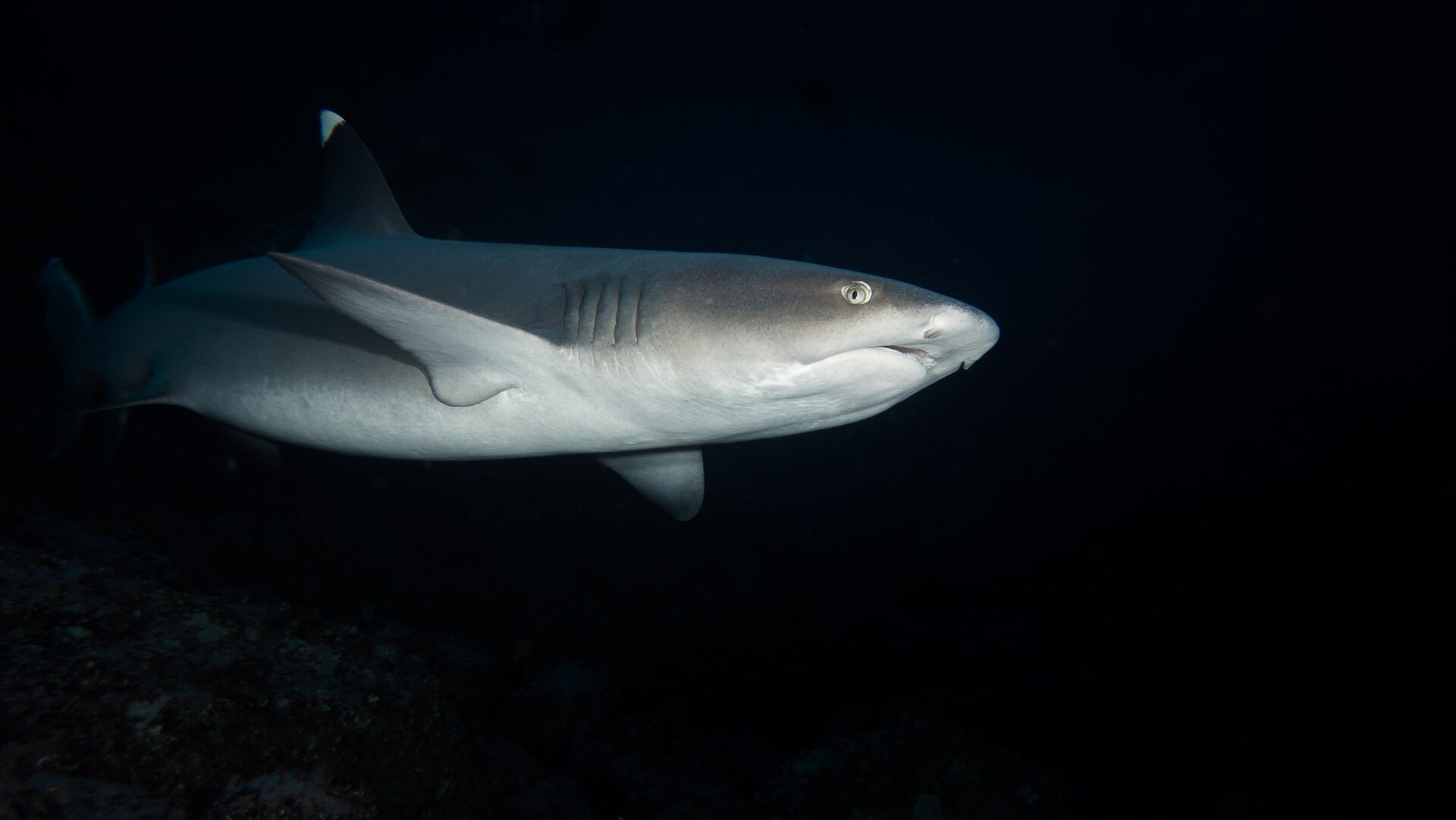
A sheltered spot off a small island, best known for its night dive, when hundreds of whitetip reef sharks hunt across the reef.
Dos Amigos Grande
A big rock with a swim-through arch you can drop through, with hammerheads and Galapagos sharks often passing by.
Silverado
A shallower site where silvertip sharks come in to cleaning stations.
Cocos Island Liveaboard Season
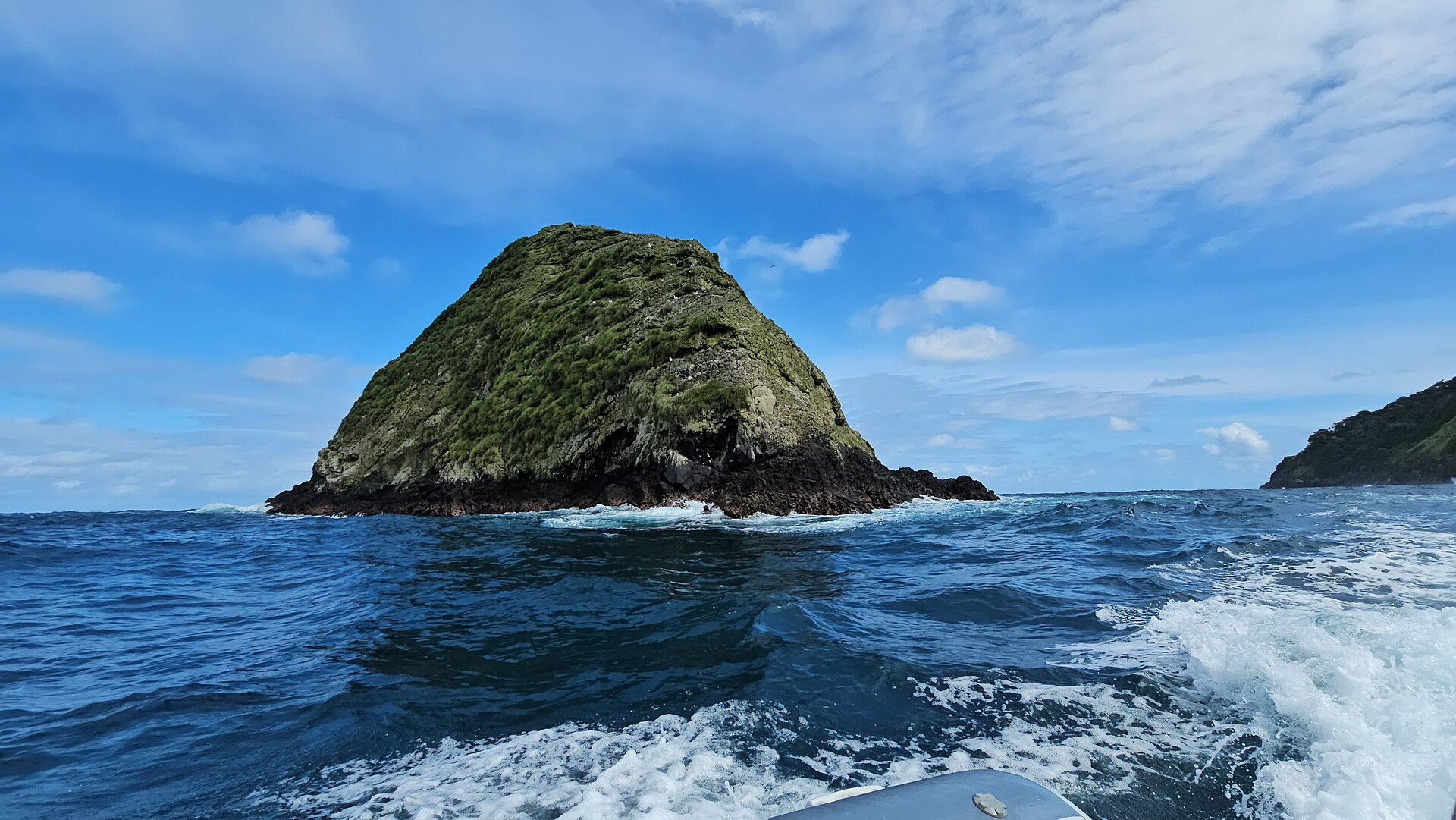
Cocos is dived all year, and the boats run trips in every month.
June to December is the rainy season. The crossings are rougher, but it's known for the biggest hammerhead schools and the best odds of whale sharks.
December to May is the dry season, with calmer seas and clearer water.
The water is usually around 77 to 84°F (25 to 29°C), but cold thermoclines are common at depth, so most divers bring a 5 mm wetsuit and a hood.
Getting to Puntarenas
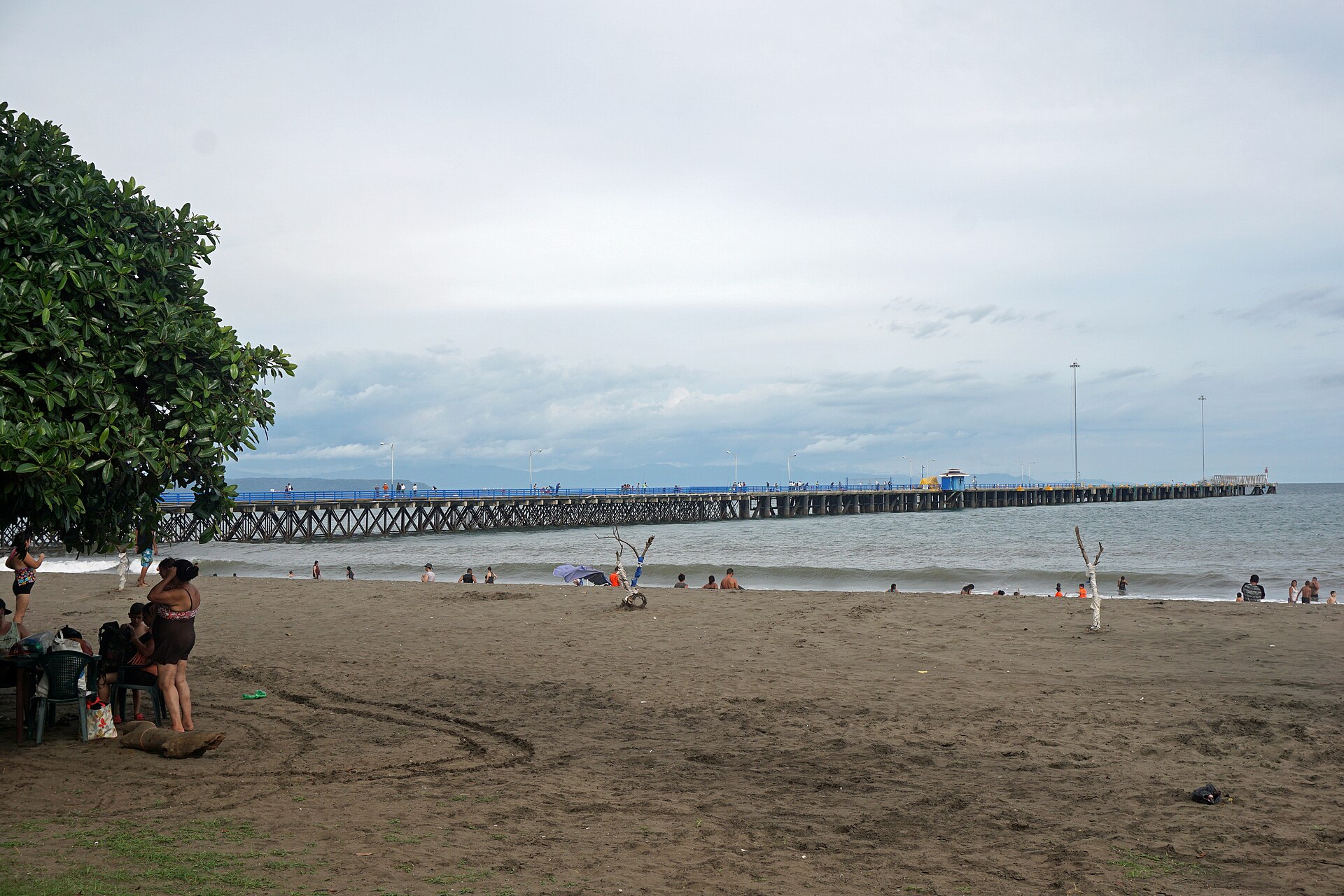
Fly into San José (SJO). The boats pick you up from hotels in the San José area and drive you about 2 hours to Puntarenas. The two Aggressor boats include that transfer, and Sea Hunter charges $100.
Plan to arrive at least a day early, since the boats leave on a fixed schedule and won't wait for a delayed flight. US citizens don't need a visa for a short trip to Costa Rica.
What to Pack for a Cocos Island Liveaboard
Here's the gear I'd bring for Cocos, plus the small stuff that's easy to forget.
Gear I dive with
DJI Osmo Action 6: the camera I film all my dives on. Here's my full review.
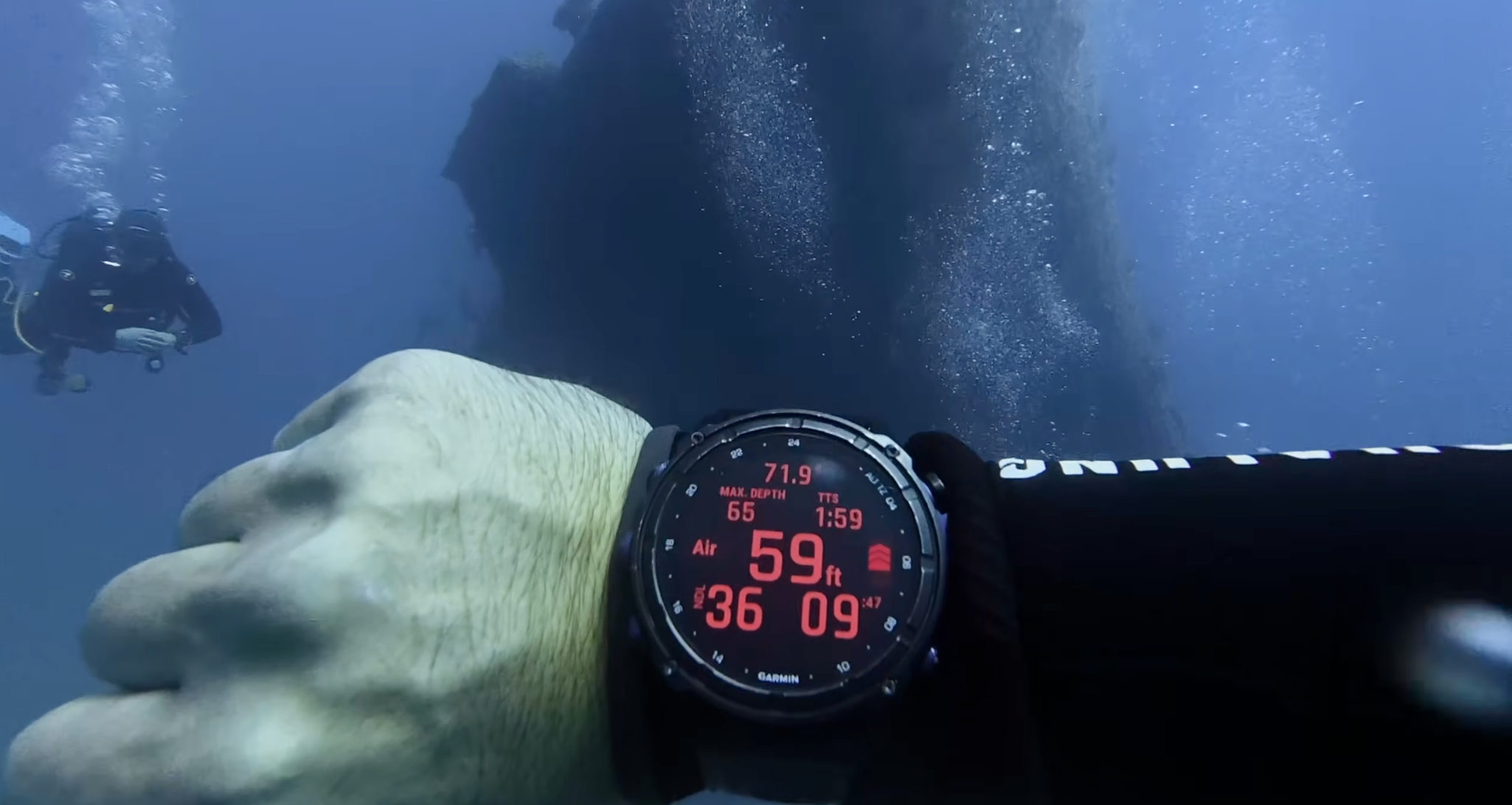
Garmin Descent MK3i: my dive computer. Here's my full review.
An SMB: Cocos is open ocean with strong current, so you need one on every dive. Here are the SMBs I recommend.
Reef-safe sunscreen: you'll spend a lot of time on deck and in skiffs. Here are my picks.
Don't forget
Your certification card (or a digital copy), a 5 mm wetsuit and a hood for the thermoclines, a dive torch for the Manuelita night dive, seasickness medication for the 36 hour crossing, a dry bag, a power bank and a travel adapter.
Most boats rent gear for an extra fee, but bringing your own means it fits.
Dive Insurance
Cocos is about 36 hours by boat from the mainland, with no airstrip, so a medical problem out there is serious. I'd get dive insurance before the trip that covers dive accidents and emergency evacuation, like DAN or DiveAssure.
Park Fees
Cocos Island National Park fees are some of the highest of any liveaboard destination, and every boat charges them on top of the trip price.
Sea Hunter charges $554 to $791 a trip, plus a fuel surcharge. Okeanos Aggressor II and Cocos Island Aggressor charge $350 to $630 a trip, plus a $140 to $180 fuel surcharge, and Okeanos Aggressor II adds a $30 chamber fee.
FAQ
How many nights is a Cocos Island liveaboard?
Almost every trip is 10 nights, with about 36 hours of crossing each way and around 7 days of diving. Okeanos Aggressor II also runs shorter 8 night trips in June and July.
Can I dive Cocos Island without a liveaboard?
No. There's no hotel on the island and it's about 36 hours from the mainland, so a liveaboard is the only way to dive it.
Is Cocos Island good for beginner divers?
Not really. The sites are open ocean, often deep and with strong current. Most operators recommend Advanced Open Water and real experience diving in current.
When is the best time to dive Cocos Island?
June to December is known for the biggest hammerhead schools and whale sharks, with rougher crossings. December to May has calmer seas and clearer water.
How rough is the crossing to Cocos?
It's around 36 hours of open ocean each way, and it can be rough, especially in the rainy season. Bring seasickness medication even if you don't usually need it.
Do I need dive insurance for Cocos Island?
I'd get it. Cocos is about as remote as liveaboard diving gets, and insurance like DAN or DiveAssure covers dive accidents and emergency evacuation.
Disclaimer
I haven't sailed any of the boats on this list, and I haven't dived Cocos Island yet. Every pick here is researched: I checked that each boat is running Cocos trips in 2027, and pulled specs, prices, itineraries and safety equipment from the operators' own listings and Liveaboard.com.
Some links on this page are affiliate links, so I may earn a commission if you book, at no extra cost to you. Landscape and wildlife photos are credited under each image.
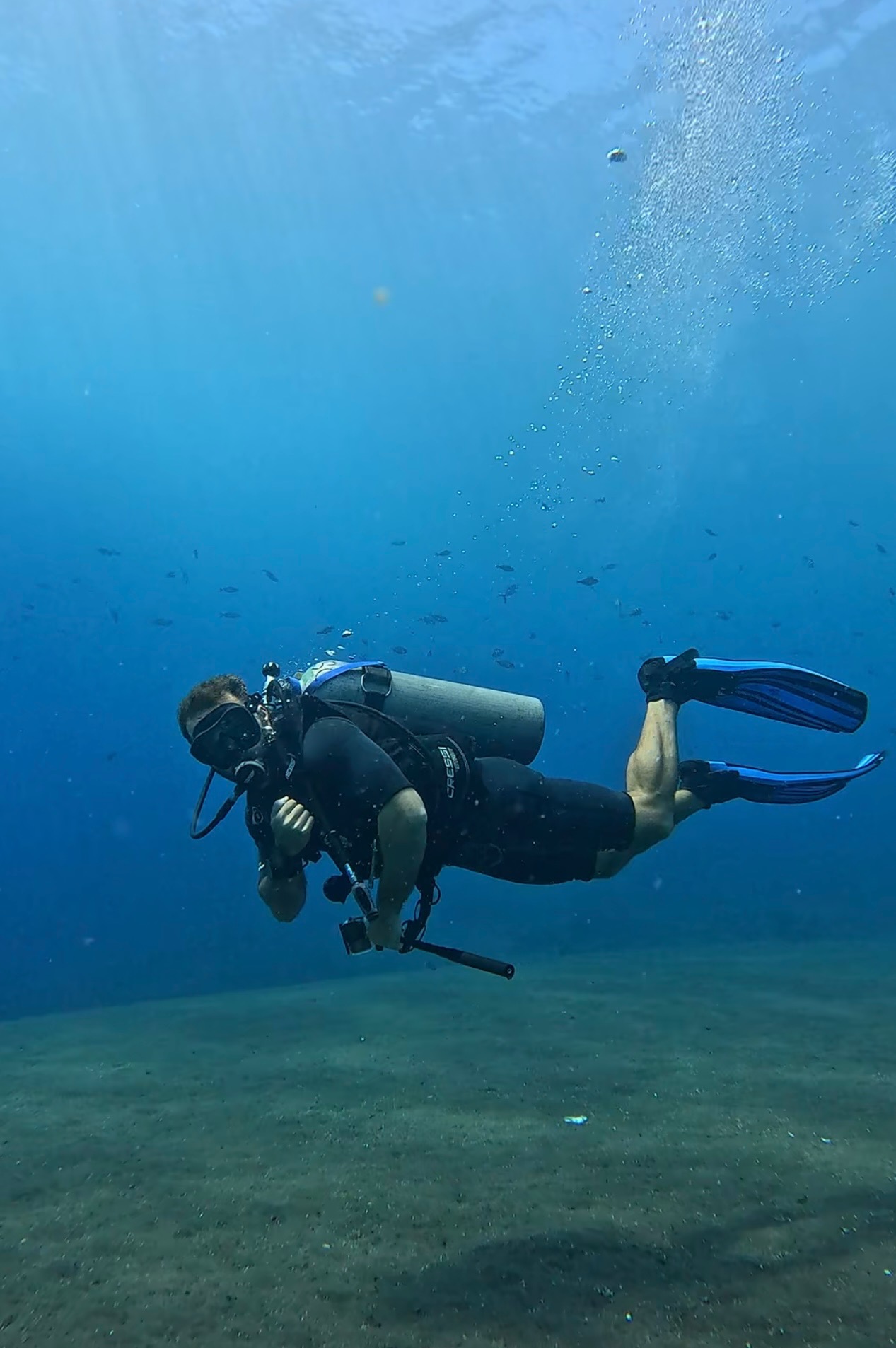
ABOUT THE AUTHOR
Austin Tuwiner
Hey I'm Austin, a PADI Divemaster based in South Florida .
I initially got certified at 16 at a scuba camp in Kona, Hawaii, did my Advanced Open Water on Koh Tao, my deep and nitrox on Gili Trawangan, and my Rescue and Divemaster in Miami.
Since then I've logged 500+ dives across 20 countries and states. I write about the gear I dive with, the sites I've dived, and the trips I've taken.


Let's Dive Together
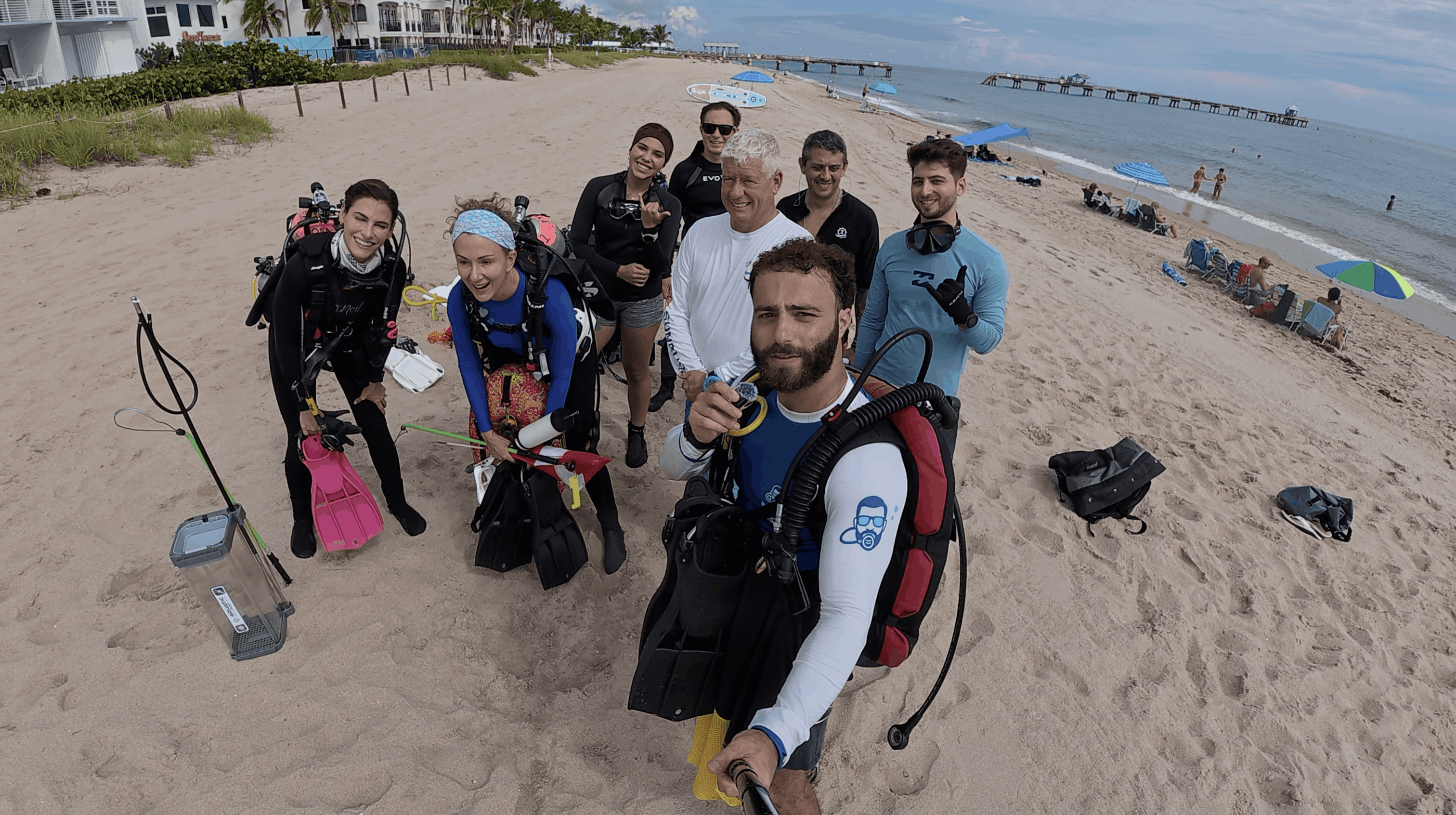
👋 It's Divemaster Austin
I'm inviting you to Dive Club, my global scuba diving community.
What you’ll find inside:
🤿 Dive meetups & group trips
🌍 Top dive sites shared by community members
⚙️ Gear tips & technique discussions
🤝 Diver's who’ve already linked up IRL
See you there!