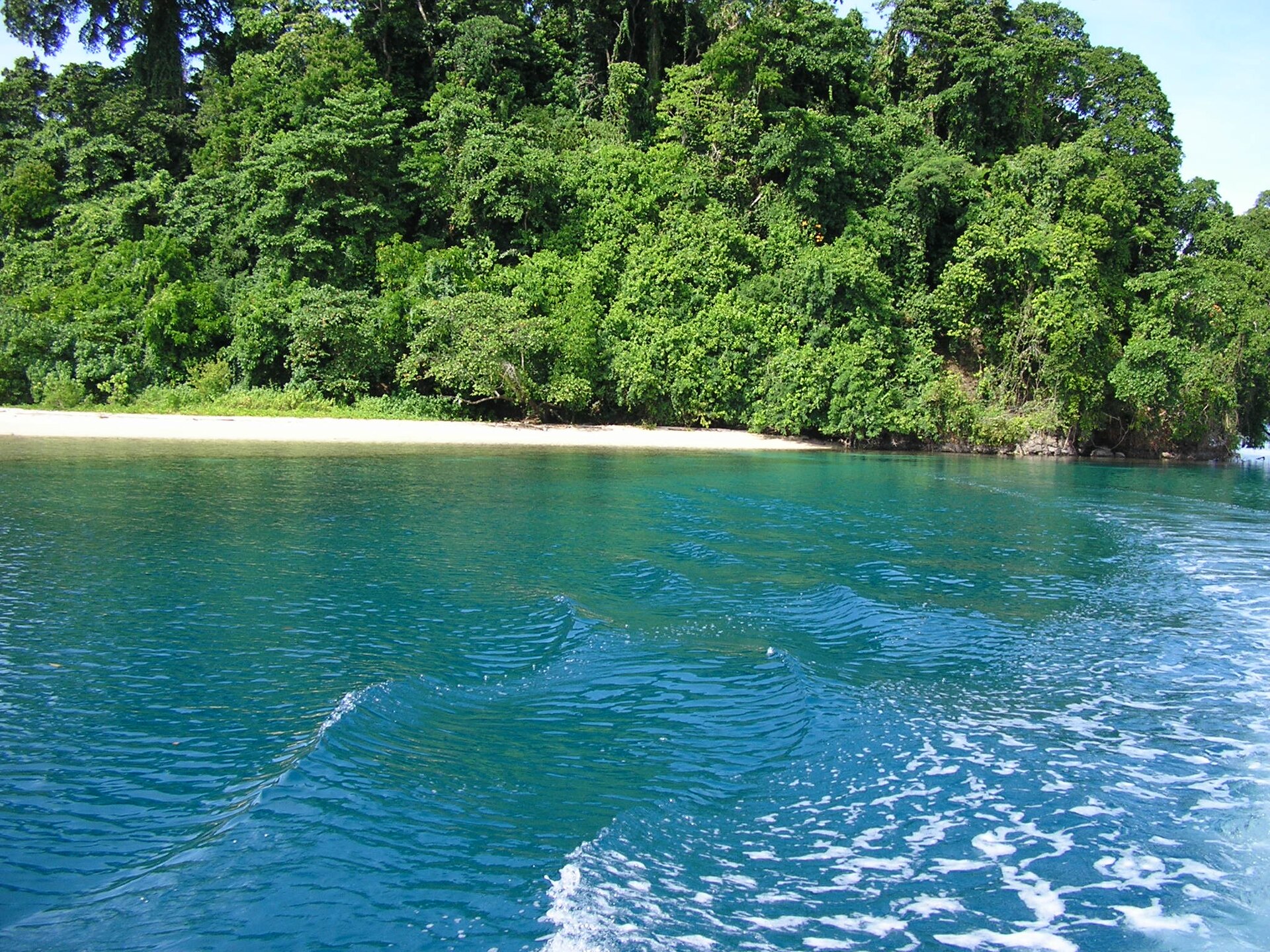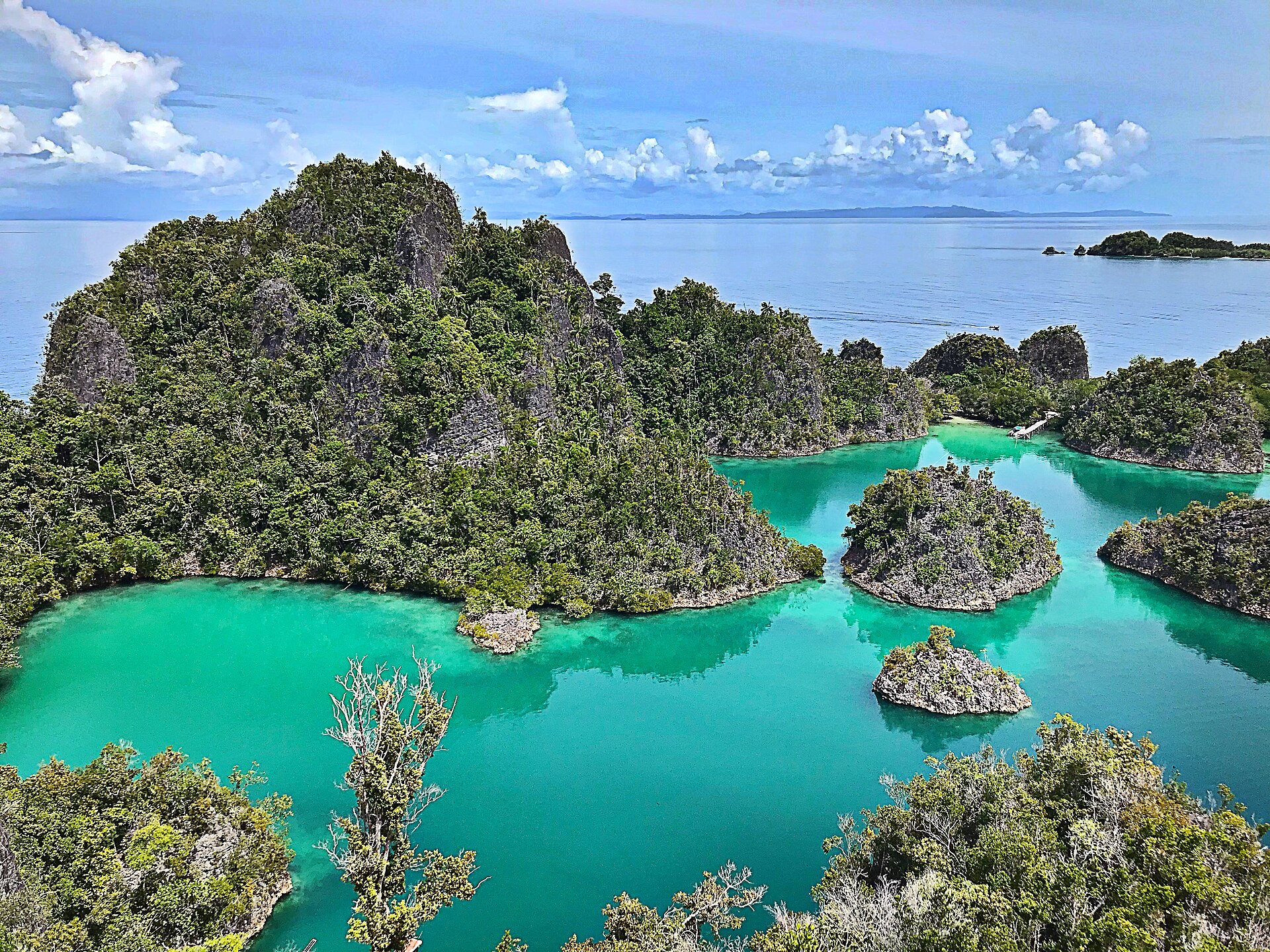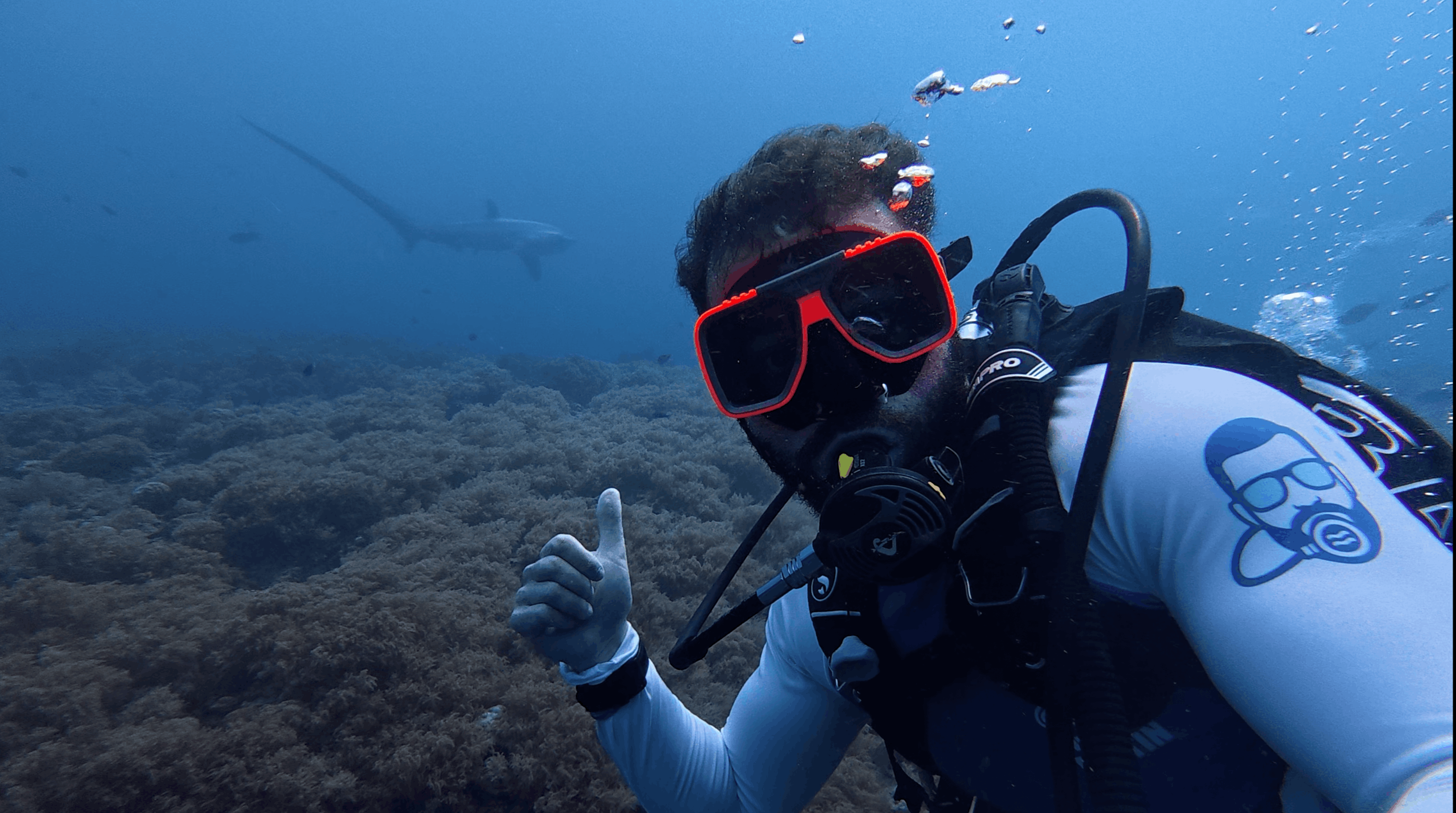


Indonesia is the best diving I've done anywhere in the world. I've dived Nusa Penida, Amed and the Gili Islands, and Komodo National Park has the biggest reputation of them all: ripping currents, manta rays, sharks and some of the healthiest reefs in the Coral Triangle.
Most Komodo liveaboards leave from Labuan Bajo, on the western tip of Flores. The currents in the park move fast, which is a big part of why a liveaboard with chase boats makes sense here.
Here are the 6 Komodo liveaboards I'd pick from, by budget and by what you want out of the trip.
Komodo Liveaboards Compared
| Boat | From (per day) | Guests | Nights | Rating (Reviews) |
|---|---|---|---|---|
| Sokaraja | $155 | 10 | 3 to 4 | 9.6 (118) |
| Moana | $387 | 10 | 5 | 9.5 (88) |
| Mikumba Dua | $325 | 10 | 4 | 9.6 (130) |
| Blue Manta | $442 | 20 | 6 | 9.4 (126) |
| Adelaar | $458 | 8 | Varies | 9.5 (15) |
| Scubaspa Zen | $656 | 20 | Varies | 9.5 (49) |
Ratings and per-day prices from Liveaboard.com, November 2026. Prices don't include park fees.
Komodo Liveaboard Routes
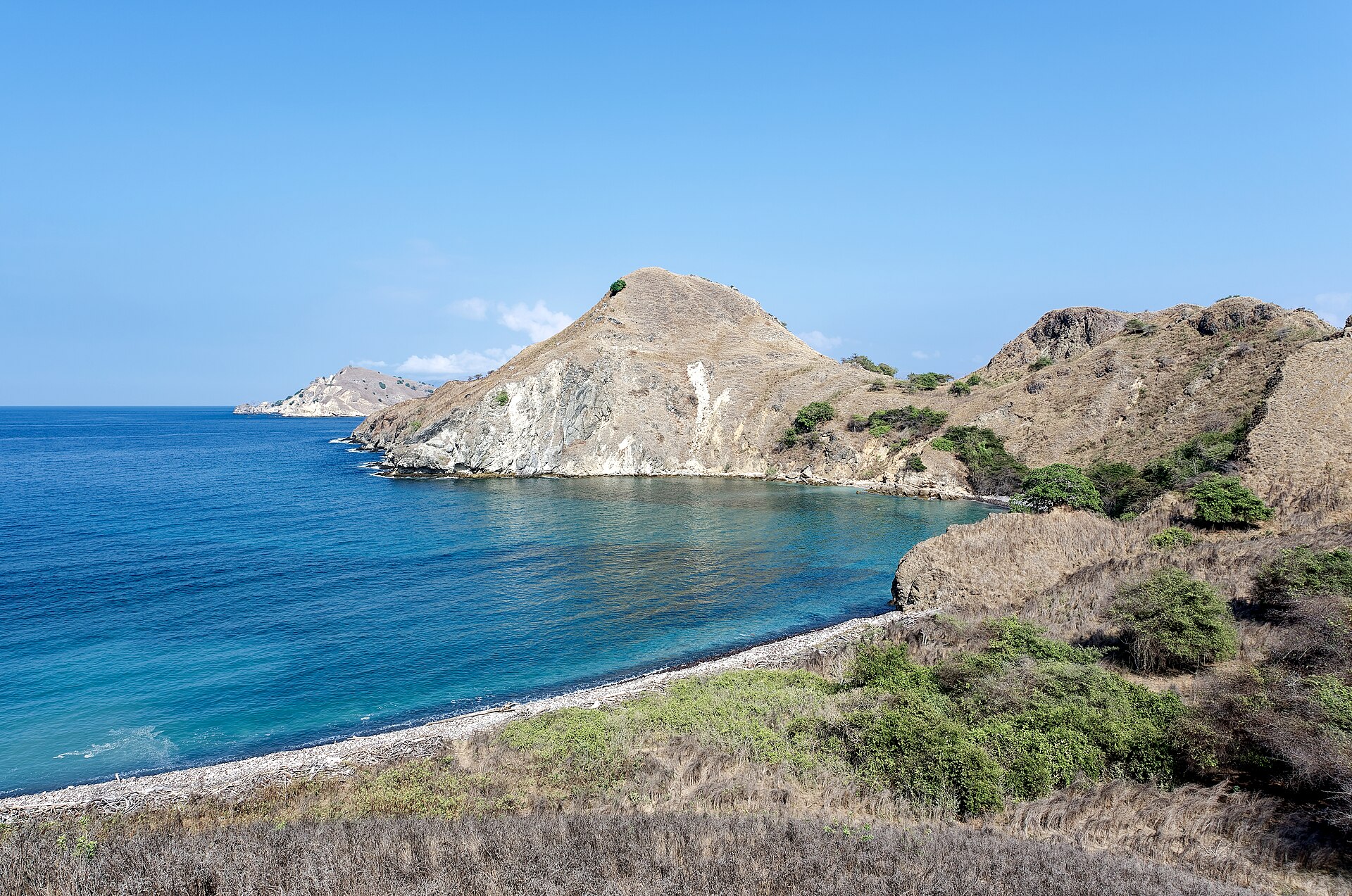
Komodo National Park sits between Sumbawa and Flores, where the Pacific and Indian Oceans push water through the straits. That's what makes the diving here so good, and so current heavy.
1. North Komodo. This is the big fish side, with pinnacles and seamounts where sharks, giant trevally and schooling fish gather in the current. The water is warmer and clearer.
2. Central Komodo. This is where you'll find Batu Bolong and the manta cleaning stations, a short run from Labuan Bajo, so it shows up on almost every itinerary.
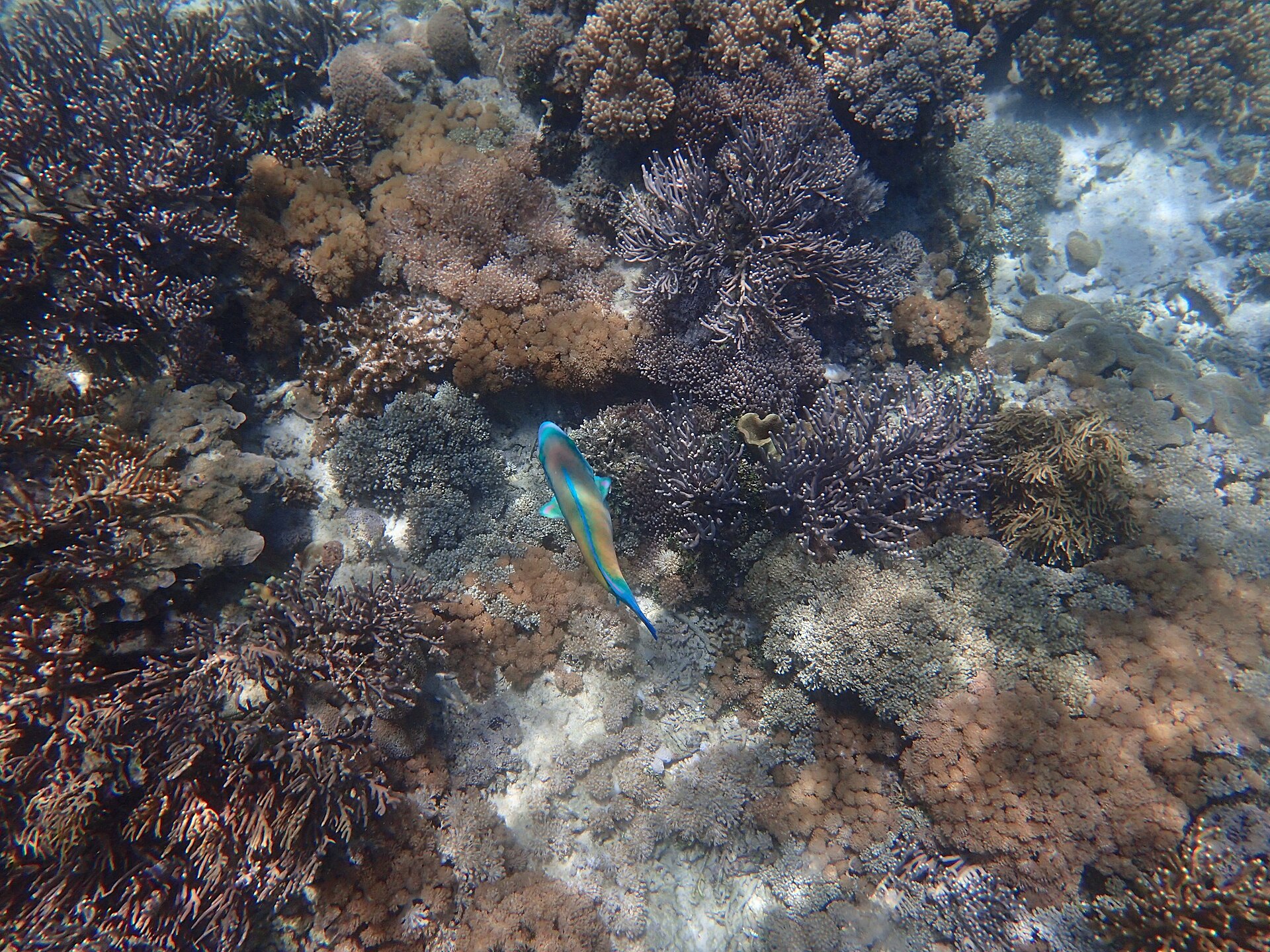
3. South Komodo. Around Rinca and Padar, the south gets cold upwellings that can drop the water into the 60s °F, and as low as 61°F (16°C). Visibility is lower, but it's packed with macro and colorful soft coral.
4. Beyond the Park. Longer trips add sites outside the park. Gili Banta, northwest of Komodo, is known for mobula rays, eagle rays and sharks. Sangeang, off Sumbawa, is an active volcano island with black sand muck diving.
Some boats also start or end somewhere other than Labuan Bajo, like Bali, Lombok, Bima on Sumbawa or Maumere on eastern Flores, which turns the trip into a one-way crossing. Adelaar and Scubaspa Zen both run routes like this.
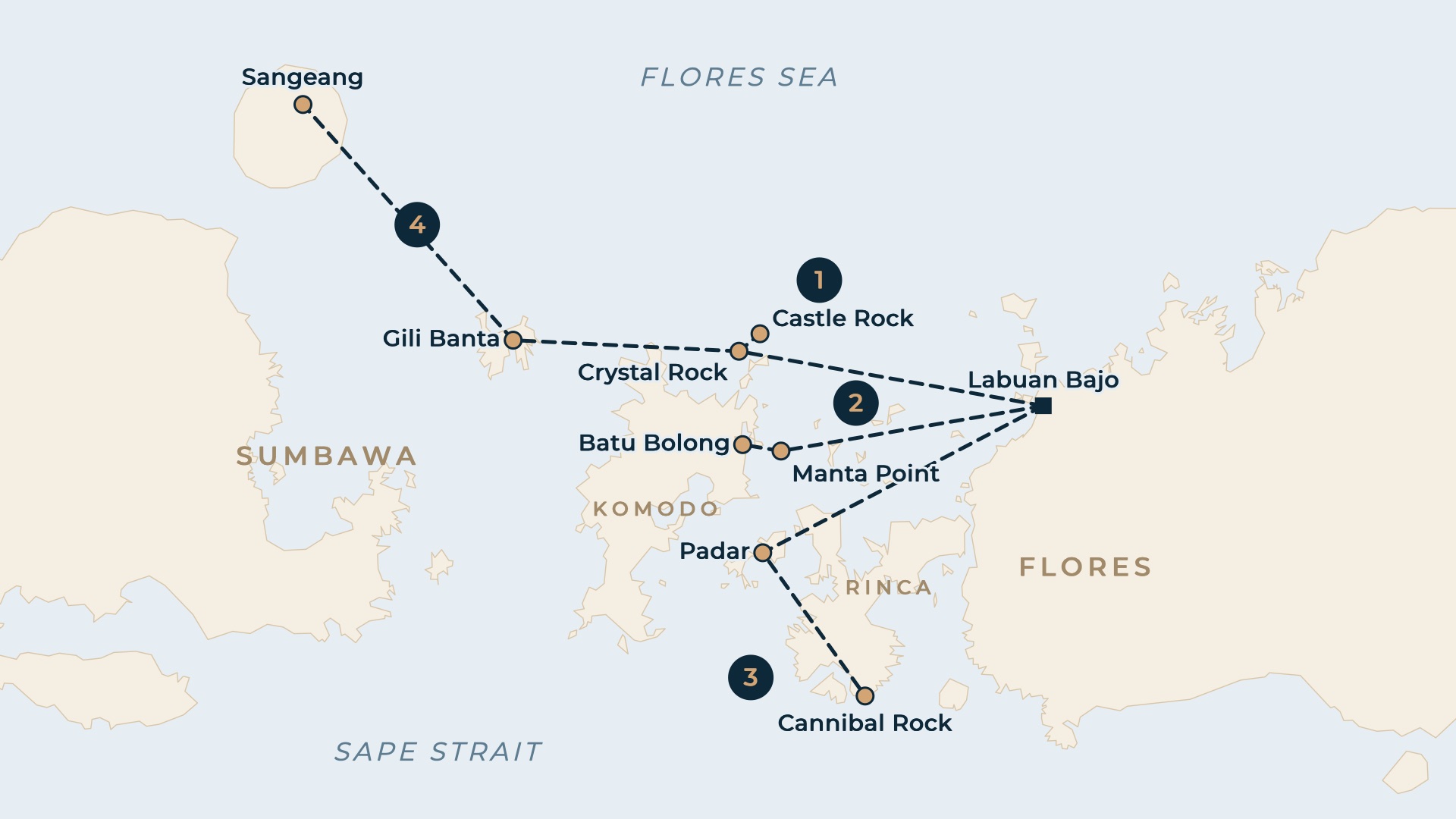
Castle Rock · Crystal Rock
Batu Bolong · Manta Point
Padar · Cannibal Rock
Gili Banta · Sangeang
Budget: Sokaraja

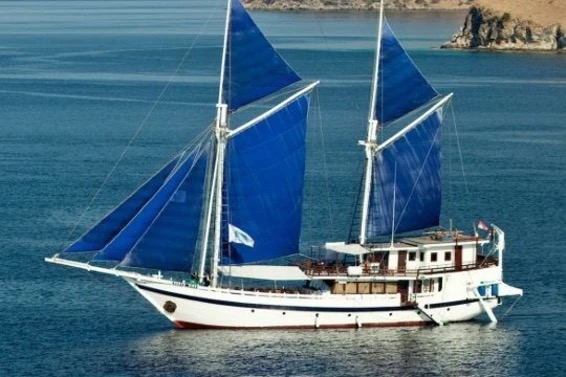
Sokaraja is a 25 m (82 ft) traditional phinisi taking 10 guests, with a 6 bed dorm plus 2 private double cabins sharing 2 toilets and 3 freshwater showers.
It's the cheapest boat on this list by a long way. Short 3 and 4 night trips loop out of Labuan Bajo from $625, and there's still a jacuzzi on the partly covered deck.
Fuel and national park fees are charged on top. It's the pick if the goal is affordable Komodo diving without giving up the dive sites.
Not every trip goes perfectly. This guest liked the boat but not their dive guide, and guides change from trip to trip, so it's worth asking who's leading yours when you book.
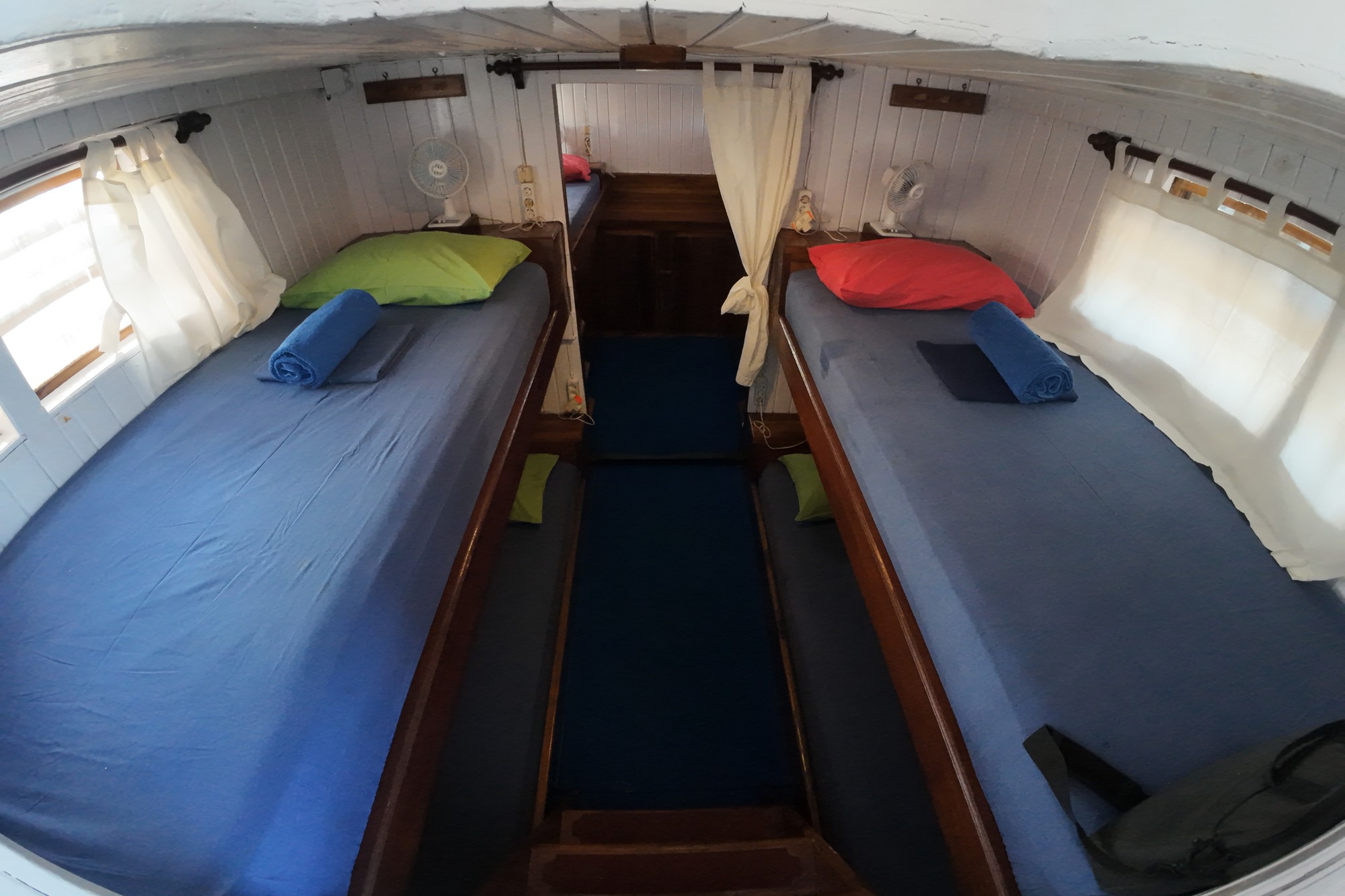
Cabin
Top Pick: Moana
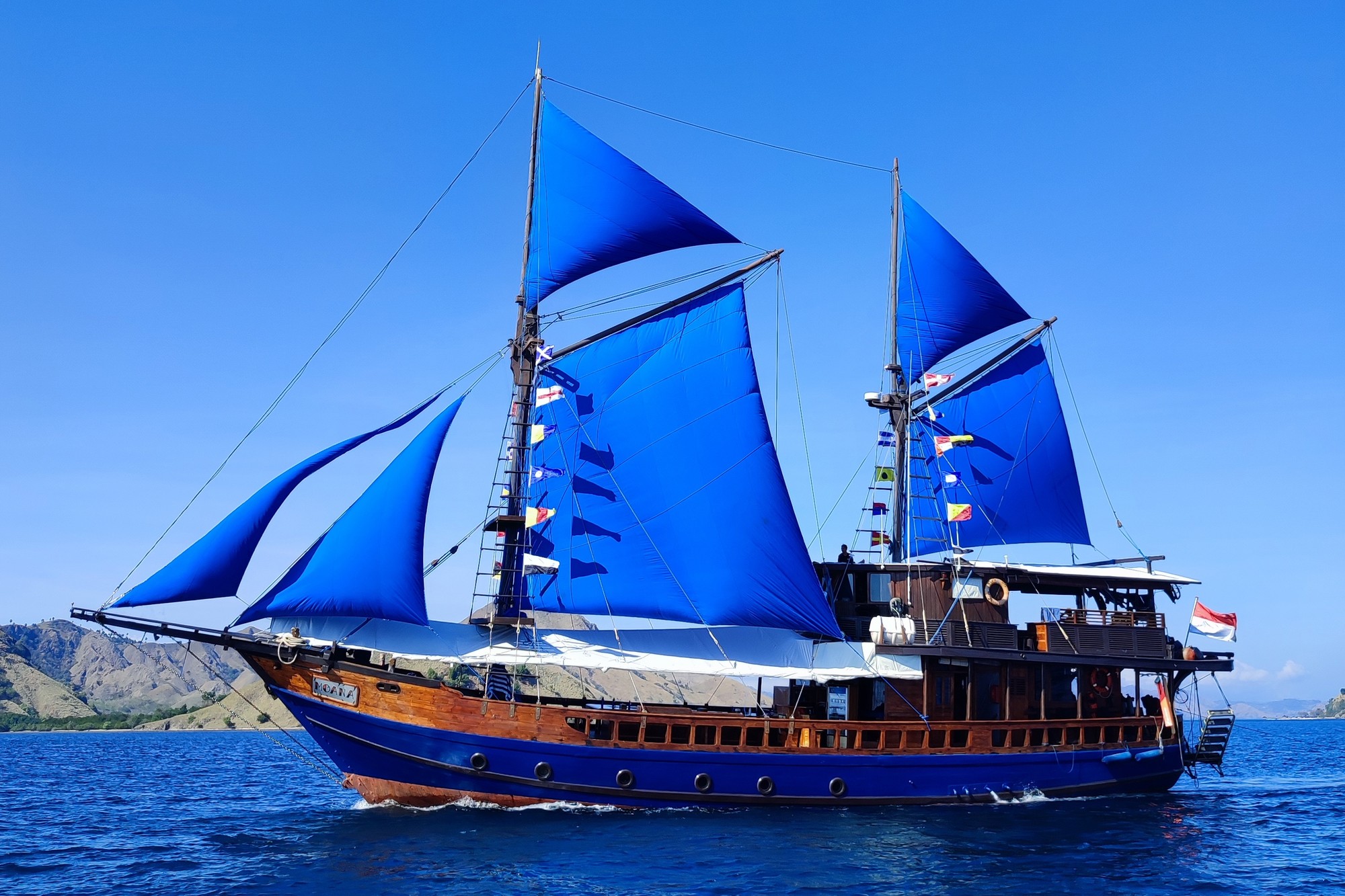
Moana is a 30 m (98 ft) phinisi built in 2004, with 5 cabins (3 double, 2 twin) for 10 guests. Each cabin has its own hot water bathroom and AC control, or you can sleep out on deck, and the crew brings mattresses and blankets.
Food is the highlight: organic produce from Labuan Bajo, fresh fish from the local market and meat flown in from Bali. It runs 3 divemasters for a maximum of 10 divers, and the guides carry their own GPS on every dive.
The Best of Komodo trip is 5 nights from $2,420, with a €150 park fee on top. No nitrox is the one real gap.
One tip from a solo guest: with only 10 people on board, it's worth asking who else is booked on your trip.
Cabin
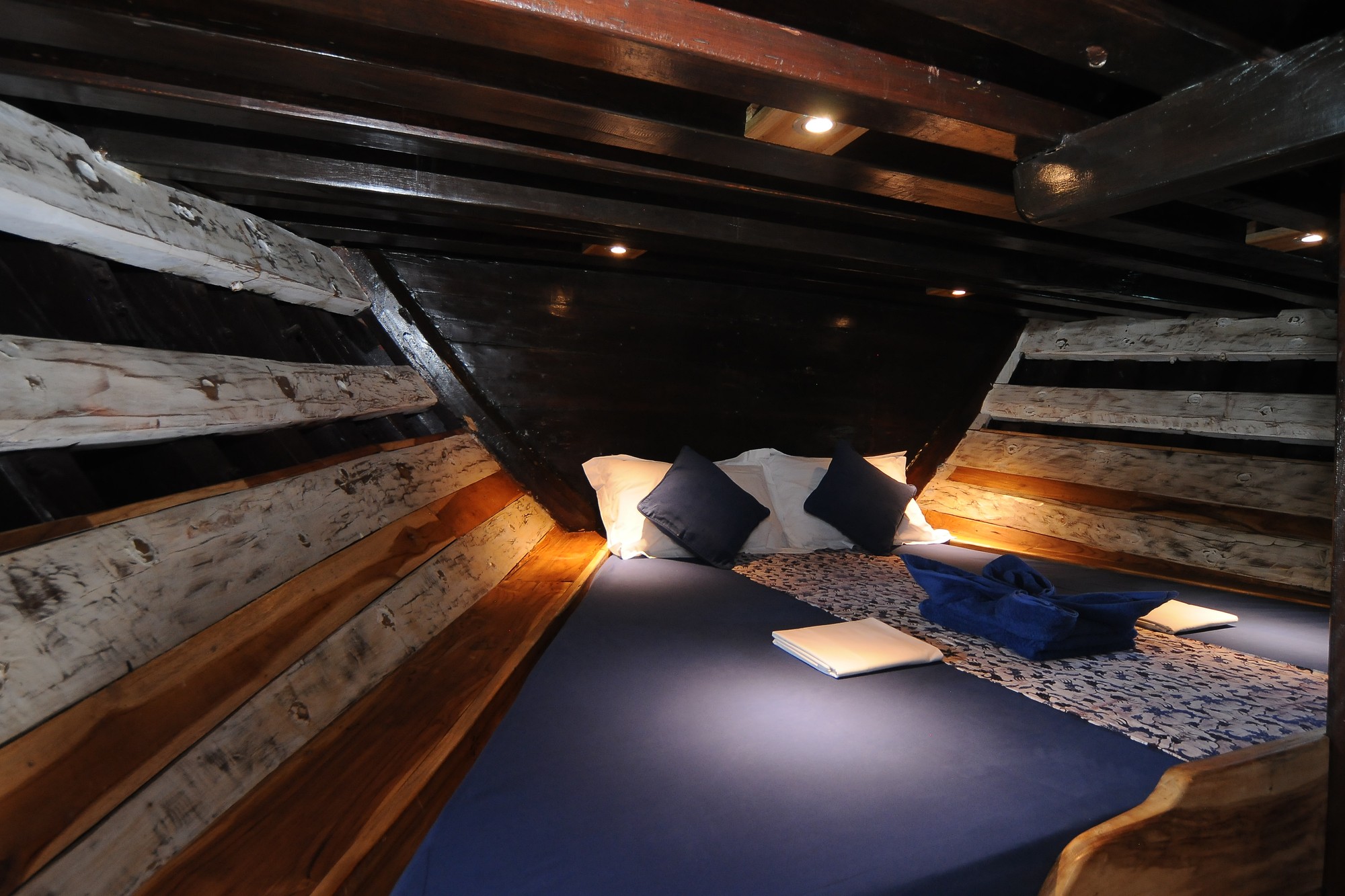
Mid-Range: Mikumba Dua
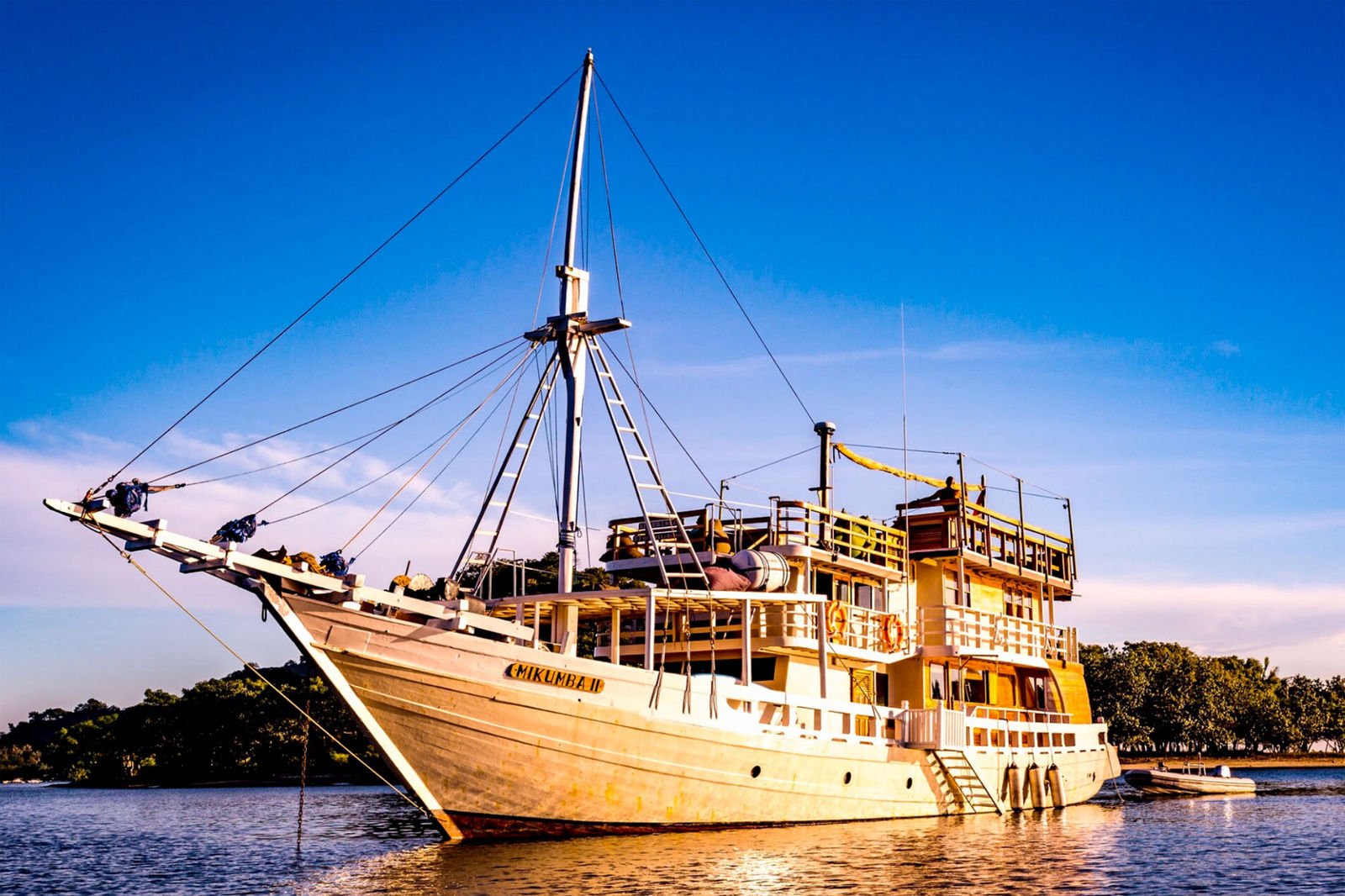
Mikumba Dua is a 30 m (98 ft) wooden phinisi built in 2006 and renovated in 2018, with 5 cabins for 10 guests. The 2 master cabins on the upper deck have their own bathrooms and private balconies, and 3 double or twin cabins sit on the lower deck.
It has the most outdoor space of any boat its size, spread over 4 decks, plus an indoor salon with a cinema room and a library. Airport transfers, soft drinks and land excursions are included.
It runs 4 night Komodo loops out of Labuan Bajo from $1,626. Required extras are a €15 a day fuel surcharge, a Rp200,000 (about $13) a day service charge and €195 a trip in park and port fees.
Cabin
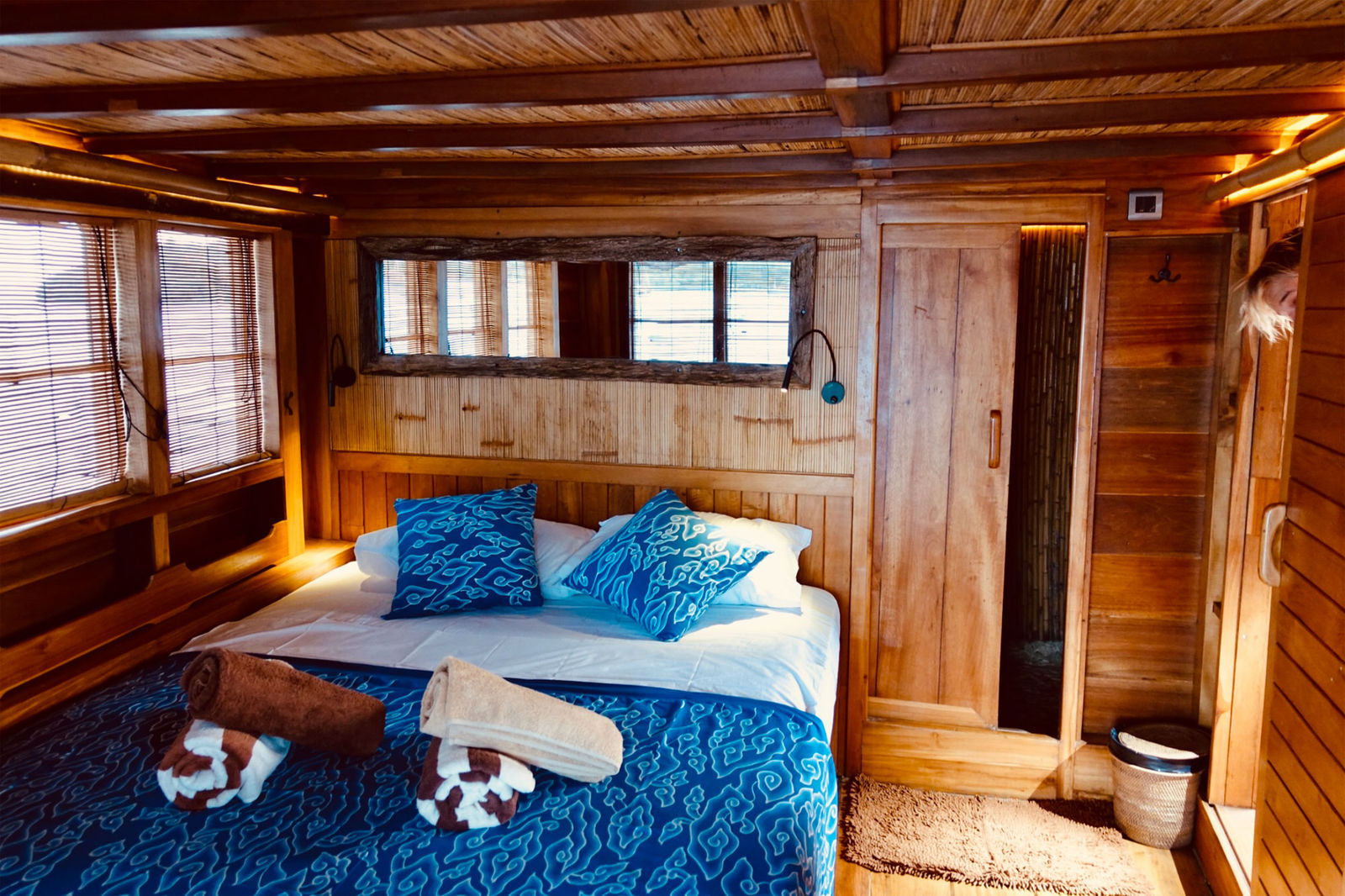
Best for Comfort: Blue Manta
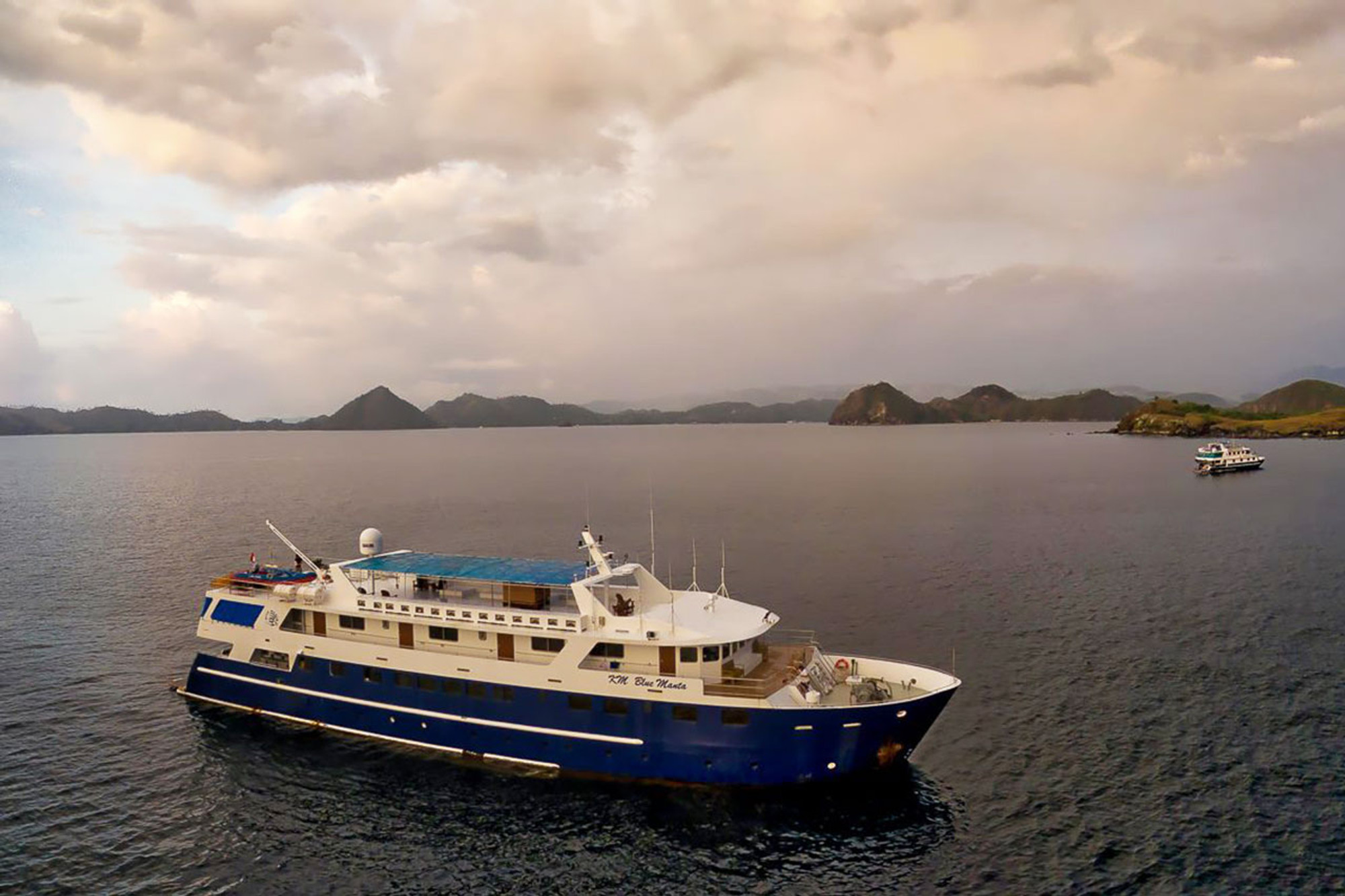
Blue Manta is a 45 m (148 ft) steel hull boat built in 2014, with 14 cabins for 20 guests. They're some of the roomiest cabins in the Indonesian fleet, at around 20 sqm (215 sq ft) each, and there's a camera room, an onboard spa and 5 meals a day.
Its Komodo North & South trip runs 6 nights out of Labuan Bajo. It spends the rest of the year in Raja Ampat, so check the dates. Liveaboard.com lists it from about $442 a day.
Nitrox is $20 a day, and Wi-Fi costs extra but is at least available, which isn't the case on most of this list.
Cabin
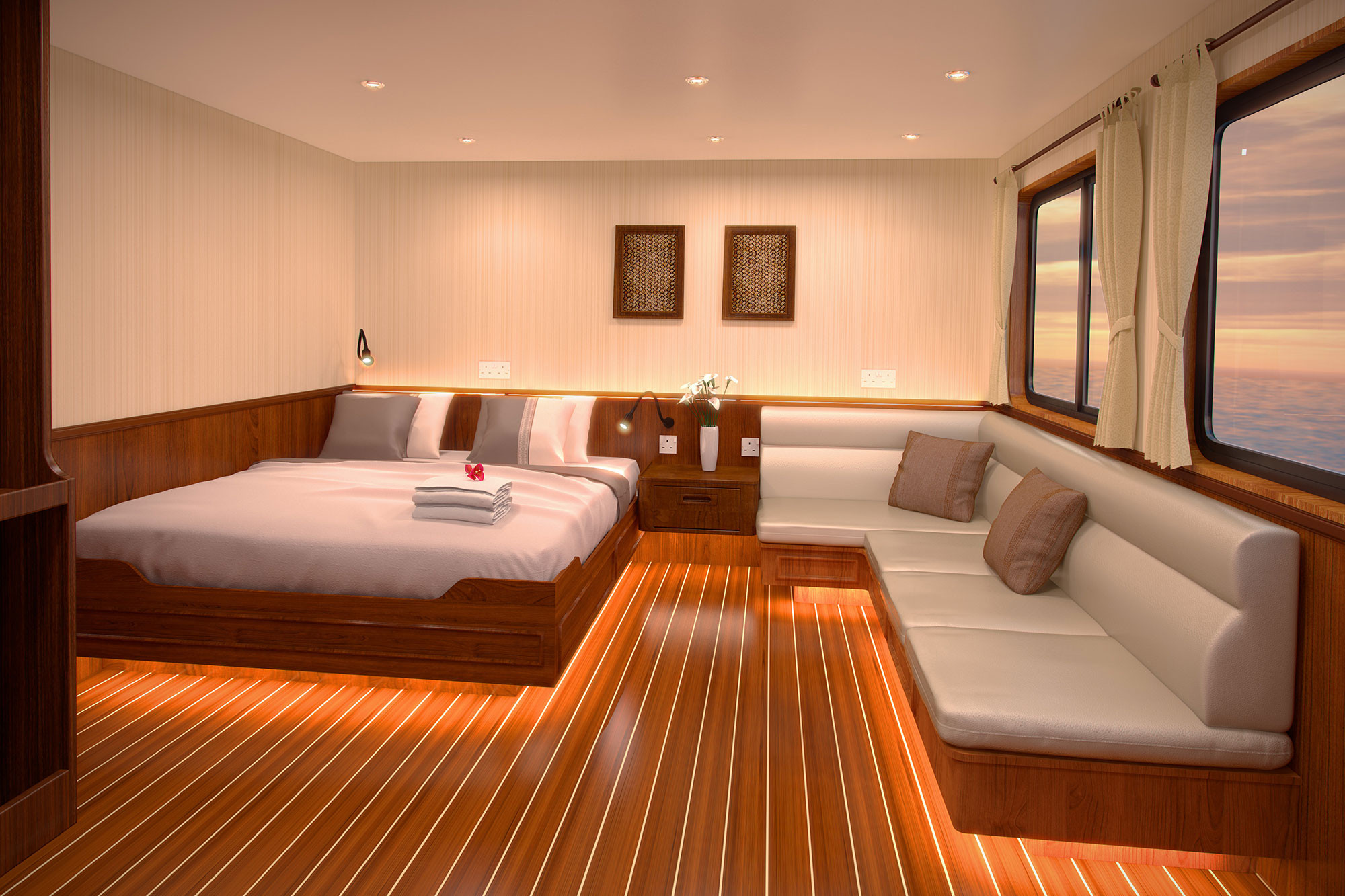
Luxury: Adelaar
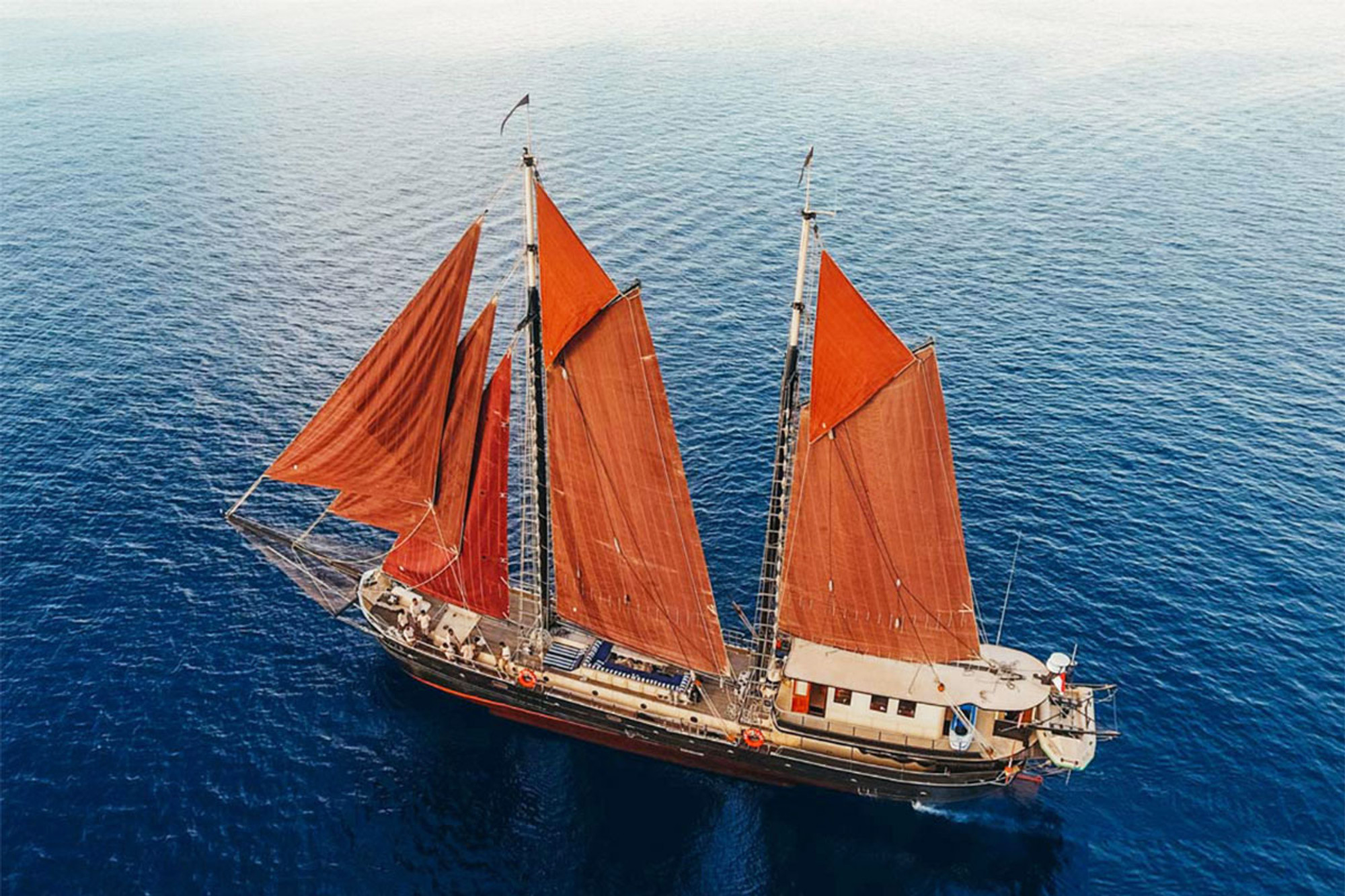
Adelaar is a 38 m (125 ft) Dutch schooner built in 1902 and overhauled in 2009, with just 4 staterooms for 8 guests, finished in Javanese teak with marble bathrooms.
A 10 person crew looks after those 8 guests, so it's small group, high touch luxury. This is the boat for people who care more about comfort and service than dive count.
It moves around Indonesia through the year, from Komodo to Raja Ampat, the Banda Sea, Alor and Triton Bay. Liveaboard.com lists it from about $458 a day, with nitrox at €180 a trip.
Cabin
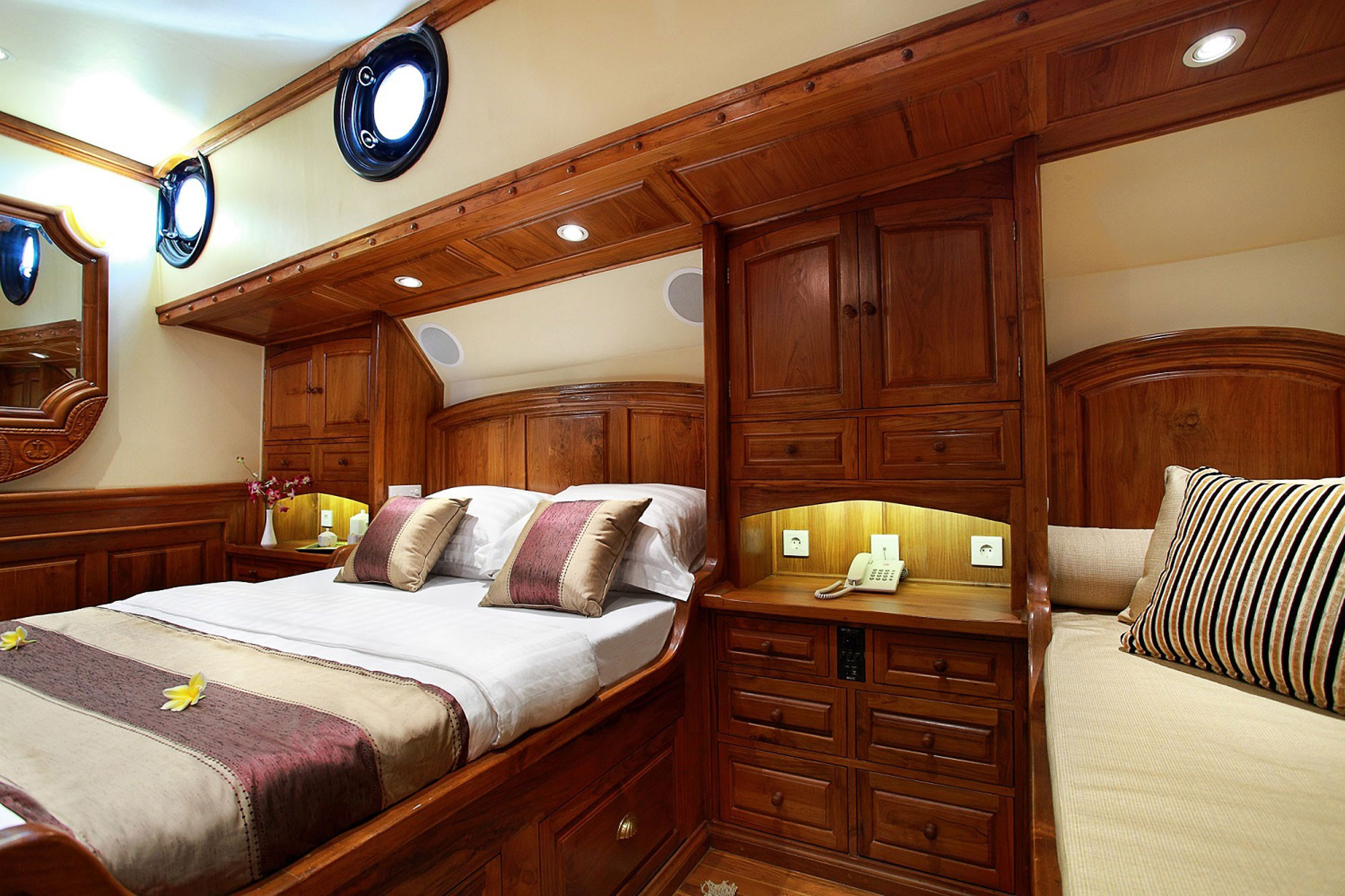
Best for Non-Divers: Scubaspa Zen
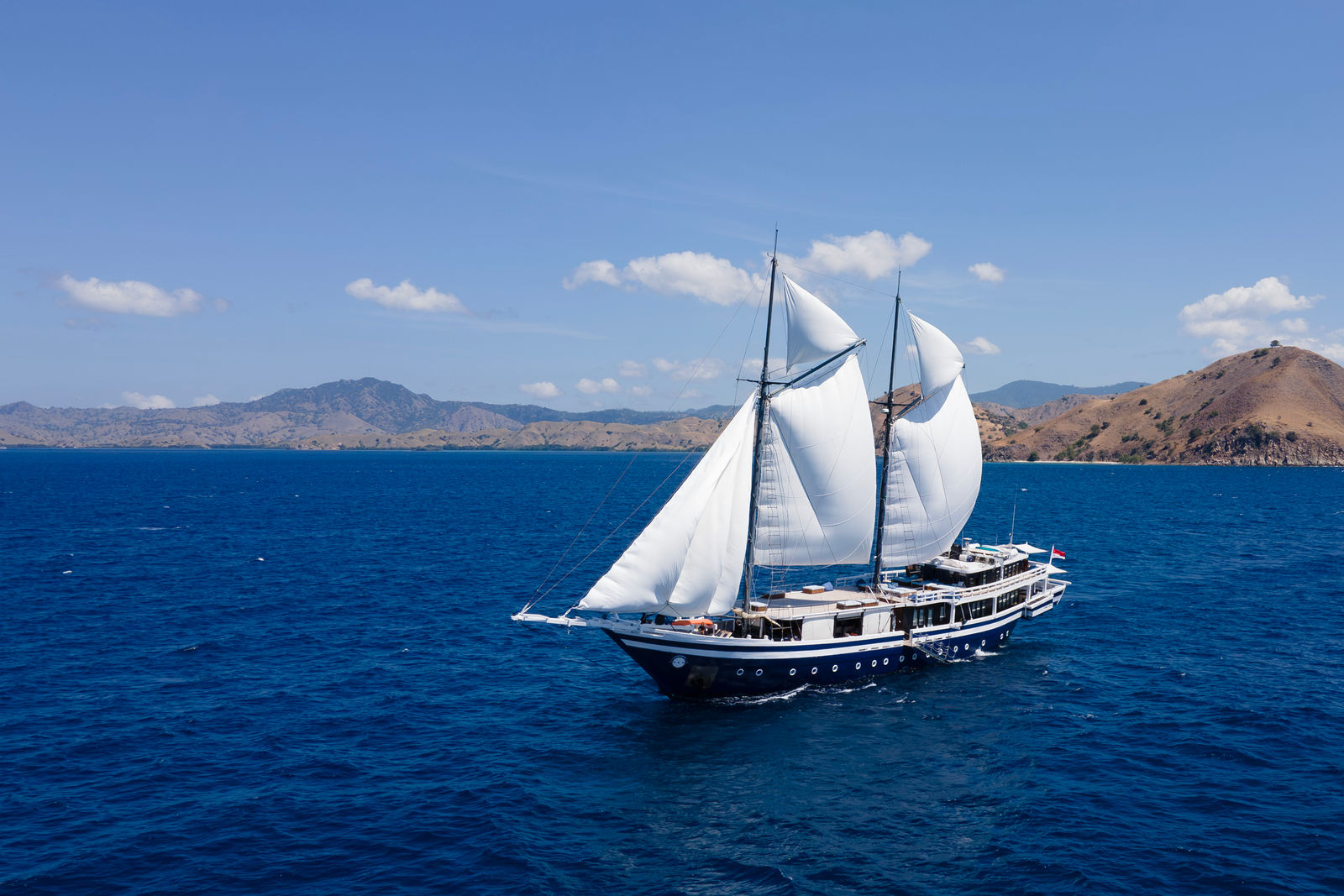
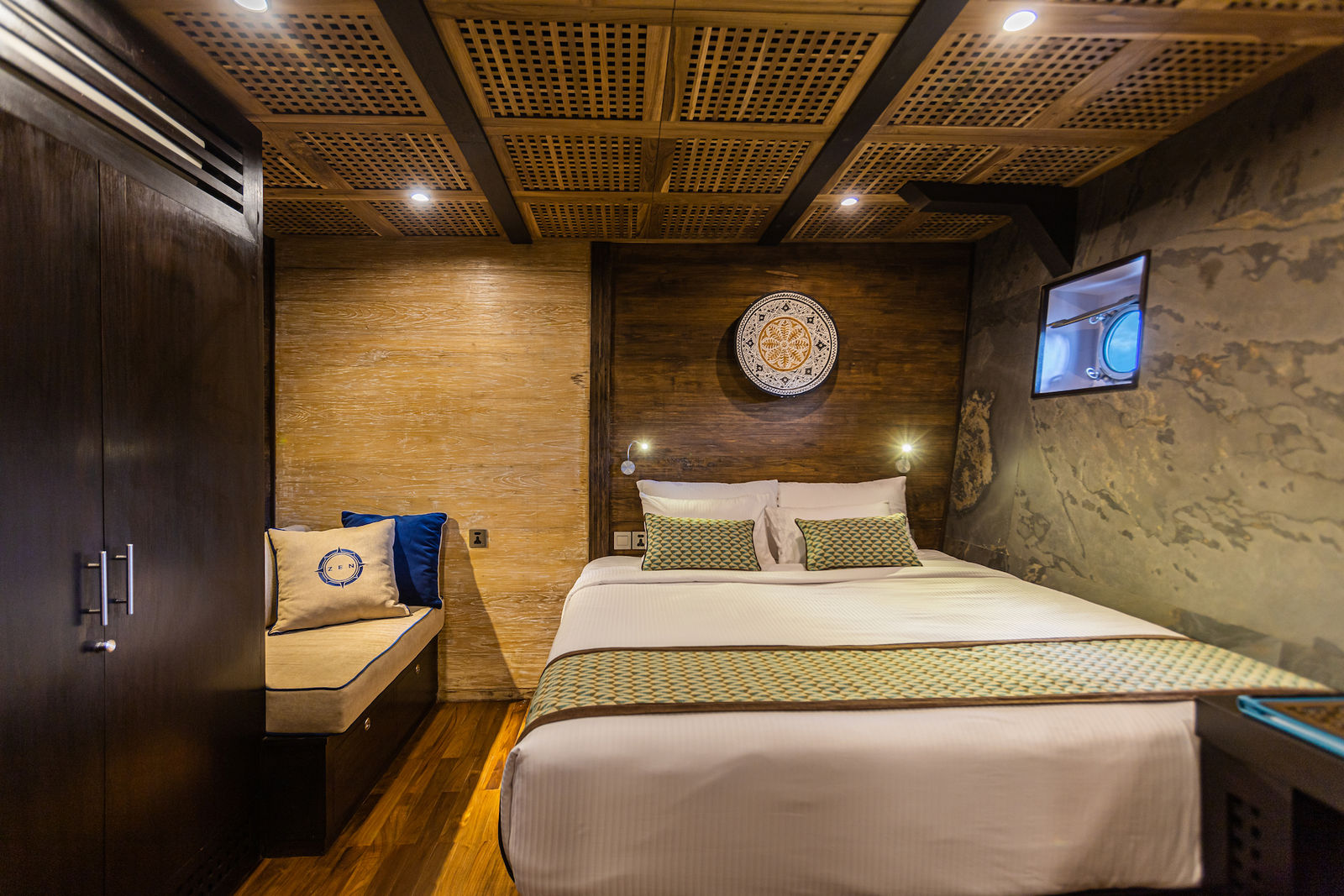
Scubaspa Zen is a 53 m (174 ft) phinisi built in 2012 and refit when it joined the Scubaspa fleet in 2020, with 9 suites for 20 guests.
It's the only boat in Indonesia running a two boat setup: the divers go out on a separate 21 m (69 ft) dive dhoni with up to 4 dives a day, while the main boat has a spa, morning yoga, kayaks and paddleboards. That makes it the easiest pick if your partner doesn't dive.
Komodo trips run seasonally out of Labuan Bajo, with crossings to Bali and Alor. It's the priciest boat here, from about $656 a day, plus national park fees of $50 to $70 a day and 10% VAT. Wi-Fi is included and nitrox is $100 to $150 a trip.
Cabin
Dive Sites You'll Visit
These are based on how divers and guides consistently describe the sites that come up across these itineraries.
Castle Rock
A submerged seamount in the north, and one of the best big fish dives in the park. Expect gray reef and whitetip sharks, giant trevally and huge schools of fusiliers. The current can be strong, so it's often a negative entry.
Crystal Rock
A pinnacle near Castle Rock that just breaks the surface at low tide, with clear water, schooling fish, turtles and the occasional dolphin passing by.
Batu Bolong
A small rock in the central park with some of the healthiest hard coral in Komodo. The current wraps around both sides, so you dive the sheltered side and watch the fish stack up on the edges.
Manta Point (Karang Makassar)
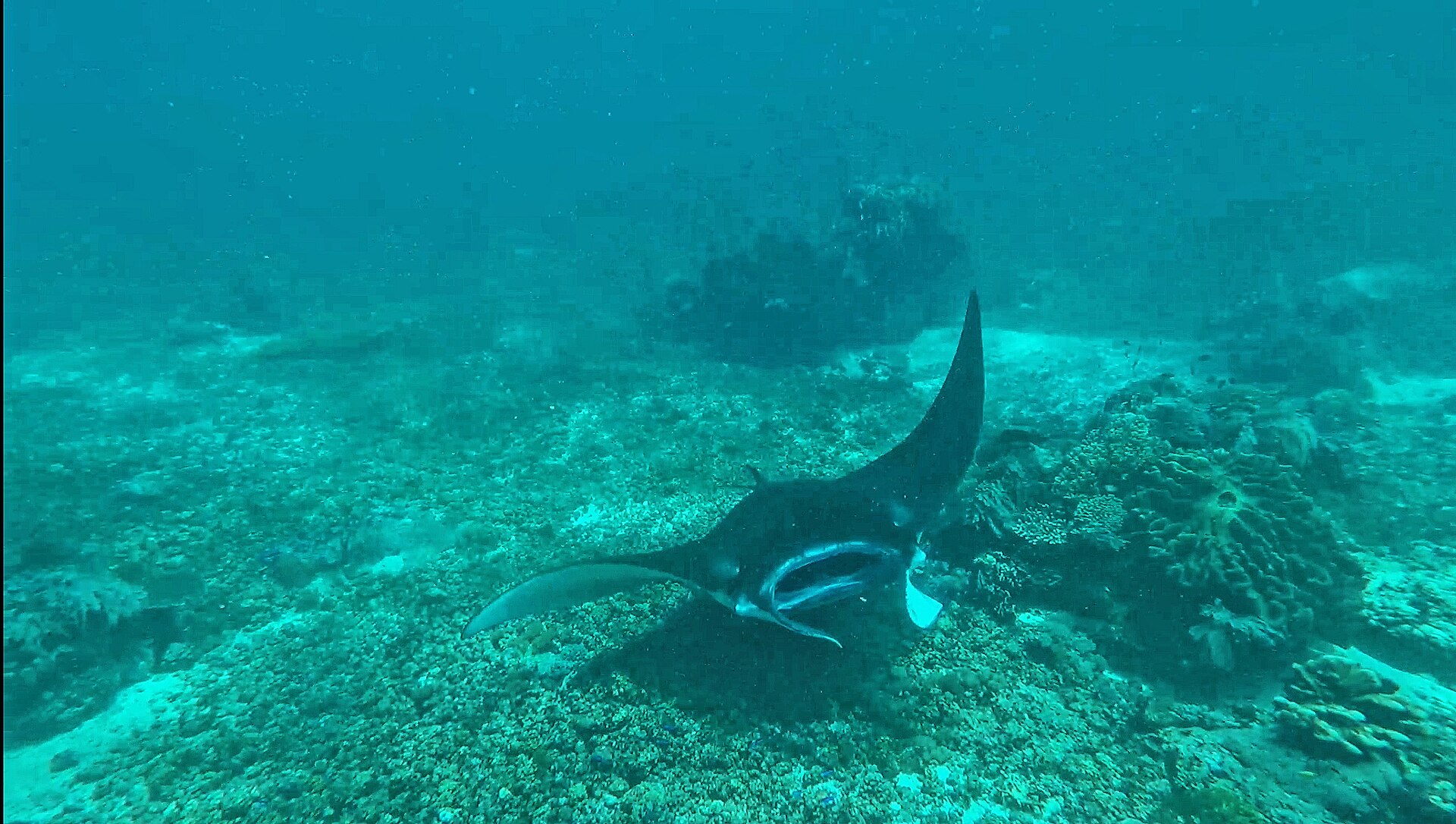
A shallow drift over rubble where manta rays come in to cleaning stations. It's one of the most reliable manta dives in Indonesia.
Cannibal Rock
A pinnacle in Horseshoe Bay off Rinca, in the colder south. It's covered in soft coral, sea apples and critters, and it's one of the best macro dives in the park.
Komodo Liveaboard Season
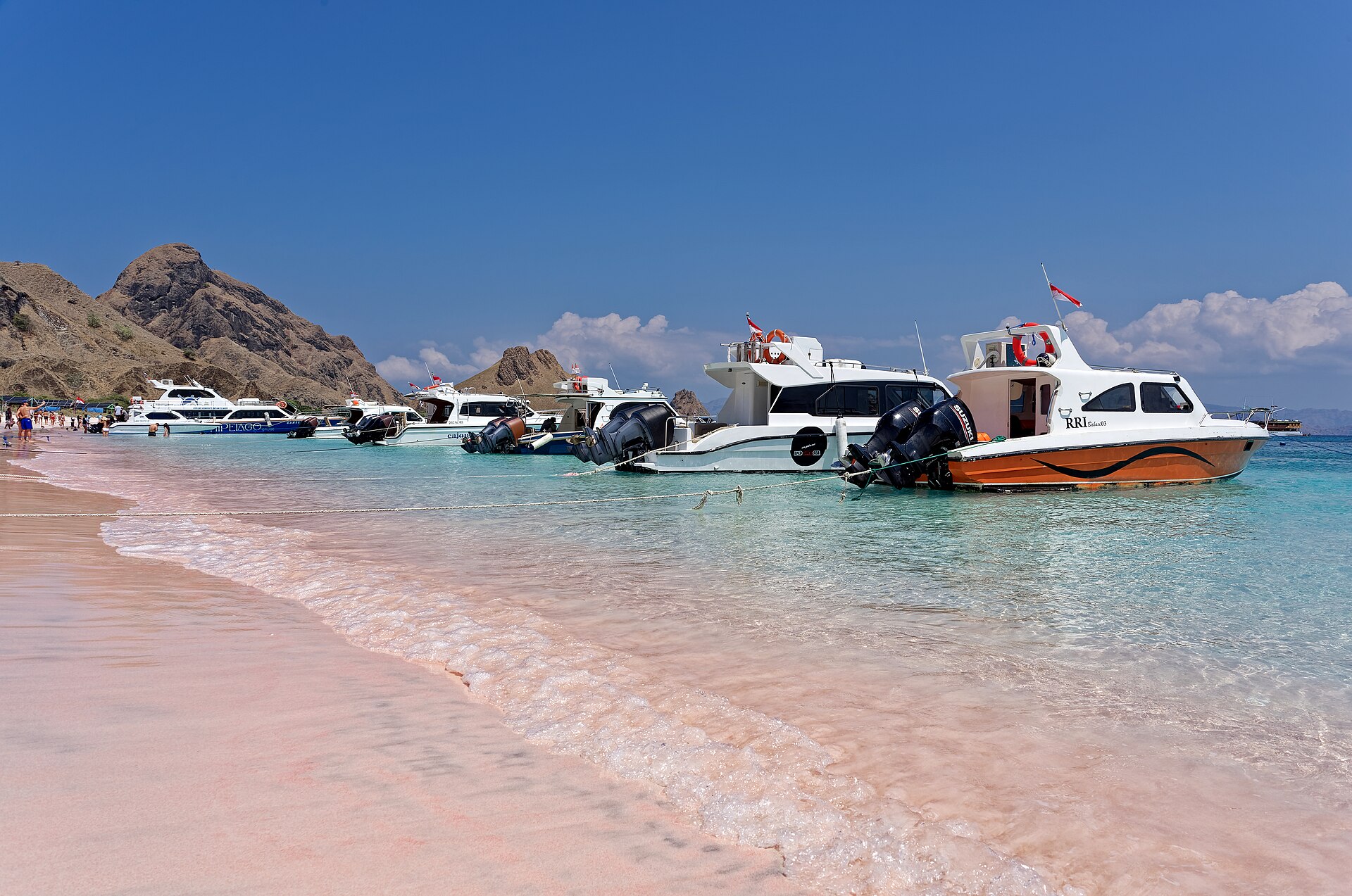
Komodo is dived year round, but the season decides which side of the park boats spend time on.
April to October is dry season and peak season. Seas are calmer in the north, and July and August are the busiest and most expensive months.
November to March is wet season. More trips head south, where the diving leans macro, and this window overlaps with manta season.
Manta numbers peak from December to February, when plankton blooms in the water. The colder south also gets the occasional mola mola, most often reported around August.
February is generally the worst month to go. Rough seas can close off sites, and many boats are in dry dock for their annual service.
Since April 2026, the park caps visitors at 1,000 a day, with entry booked through the park's SiOra system. Your boat arranges the park entry, but popular dates fill faster than they used to, so book early.
Getting to Labuan Bajo
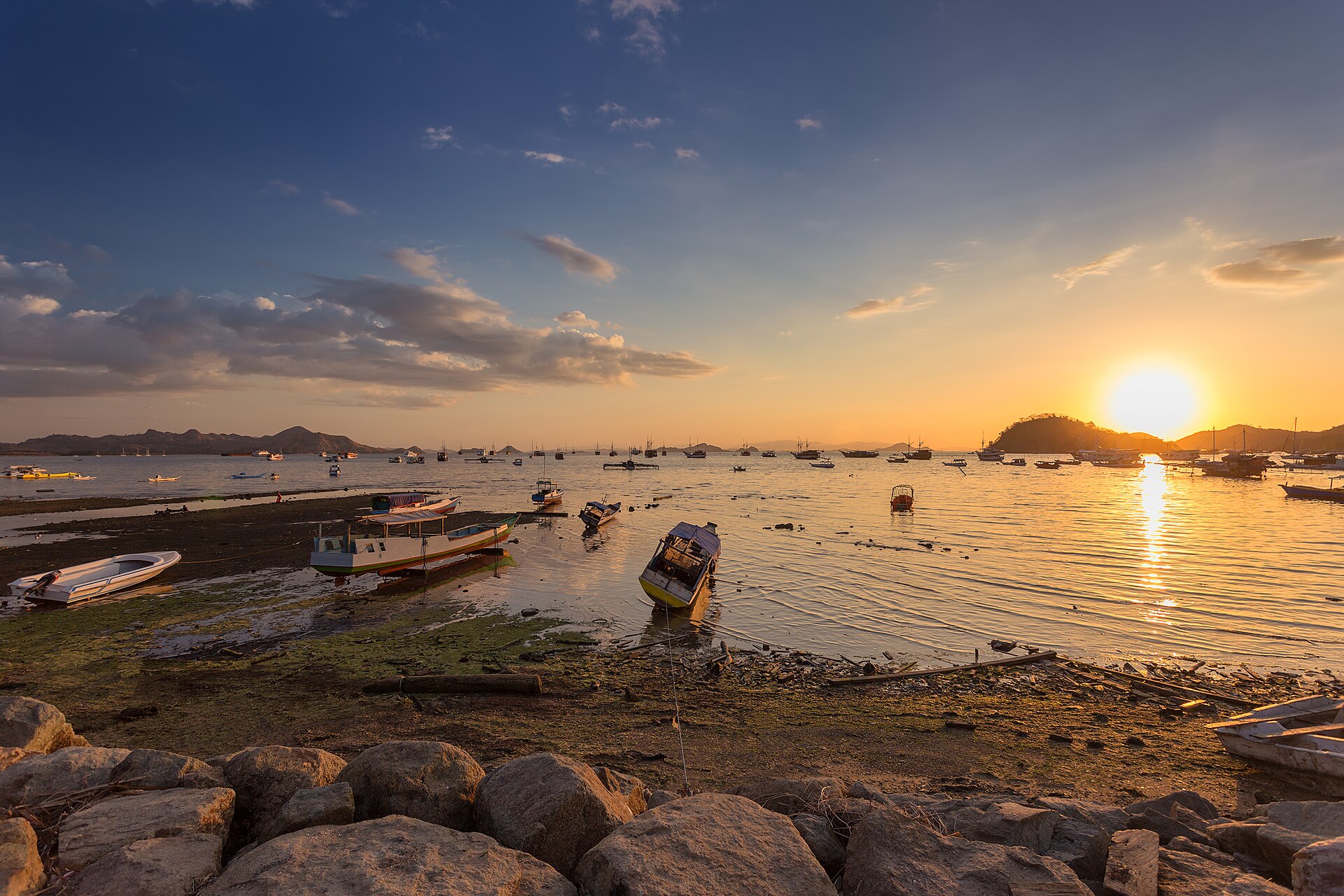
Labuan Bajo has its own airport, Komodo Airport (LBJ), with direct flights from Bali and Jakarta. From Bali it's about an hour and 15 minutes.
Most boats pick you up from the airport or your hotel in town, and several of them, like Mikumba Dua, include that transfer. Plan to land at least a day before your trip, since domestic flights in Indonesia do get delayed or rescheduled.
Most visitors, including from the US, need a visa on arrival or an e-VOA to enter Indonesia, so sort that out before you fly into Bali or Jakarta.
What to Pack for a Komodo Liveaboard
Here's the gear I'd bring for Komodo's currents, plus the small stuff that's easy to forget.
Gear I dive with
DJI Osmo Action 6: the camera I film all my dives on. Here's my full review.
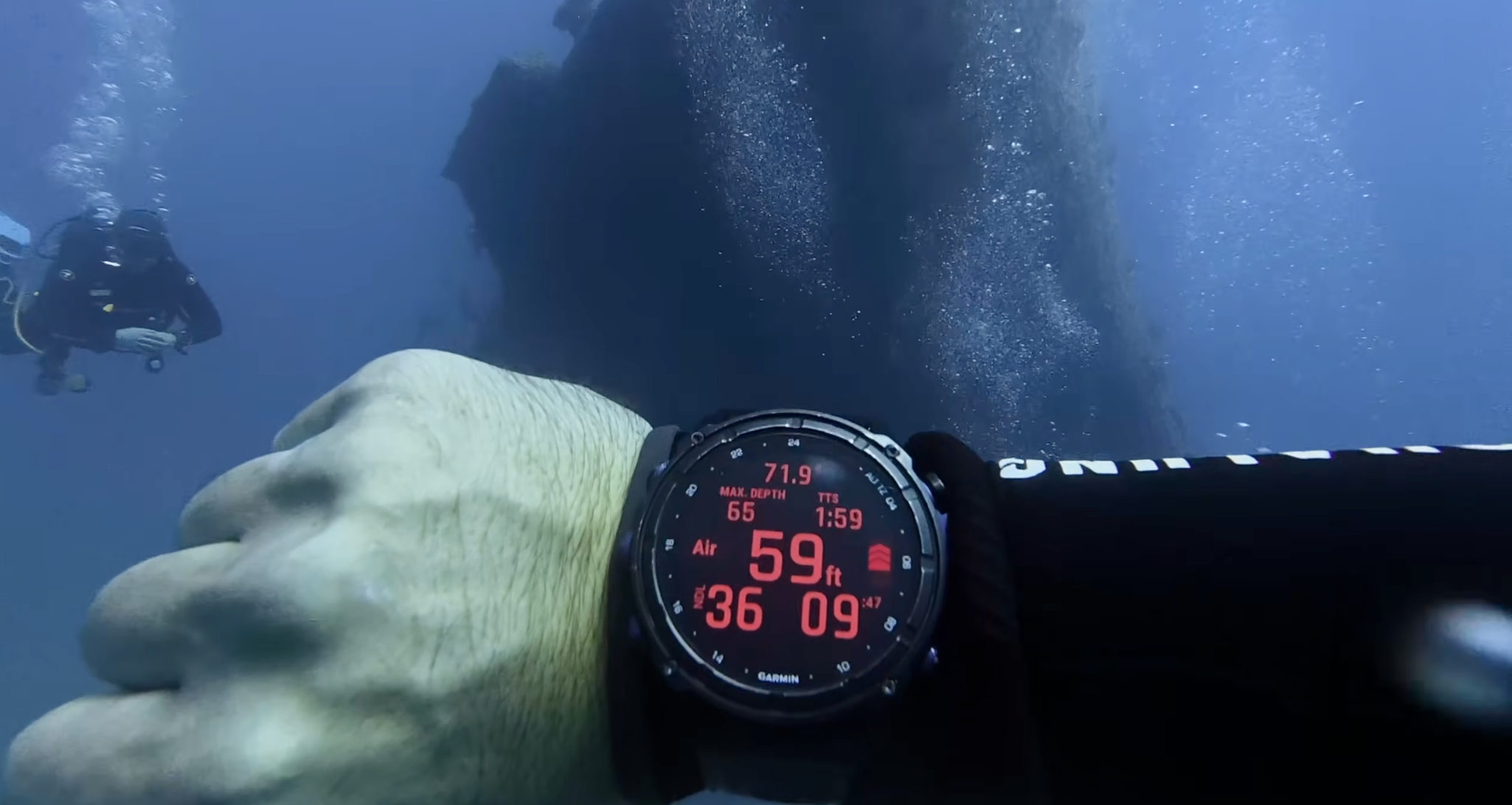
Garmin Descent MK3i: my dive computer. Here's my full review.
An SMB: in Komodo's currents, you can surface well away from the boat, so carry one on every dive. Here are the SMBs I recommend.
Reef-safe sunscreen: you'll spend a lot of time on deck in the sun. Here are my picks.
Don't forget
Your certification card (or a digital copy), a dive torch for night dives, seasickness medication, a dry bag, a power bank, a travel adapter, and a light jacket for the evenings. If your trip goes south, a thicker wetsuit or a hood makes a big difference in the colder water.
Most boats rent gear for an extra fee, but bringing your own means it fits.
Dive Insurance
Most of Komodo's best sites are remote, offshore reefs, and the nearest decompression chambers are in Labuan Bajo and Bali. I'd get dive insurance before the trip that covers dive accidents and emergency evacuation, like DAN or DiveAssure.
Park Fees
Every boat on this list charges national park fees on top of the trip price, and they're quoted differently, so check the extras before you compare prices.
Sokaraja charges Rp1,250,000 to Rp1,525,000 (about $80 to $95) a trip plus a fuel surcharge. Moana charges €150 a trip. Mikumba Dua charges €195 a trip in park and port fees. Blue Manta's park fees run $150 to $320 a trip, Adelaar's €200 to €300, and Scubaspa Zen's $50 to $70 a day.
Prices on this page are from Liveaboard.com as of November 2026.
FAQ
How many nights do I need for a Komodo liveaboard?
Short trips start at 3 nights out of Labuan Bajo, like Sokaraja's. Most of the boats here run 4 to 6 nights, which is enough to cover the north, central and south parts of the park.
Is Komodo good for beginner divers?
The currents here are strong, and most guides recommend Komodo for intermediate to advanced divers. Bigger boats and good guides help, but go in with some current diving experience.
Will I see Komodo dragons?
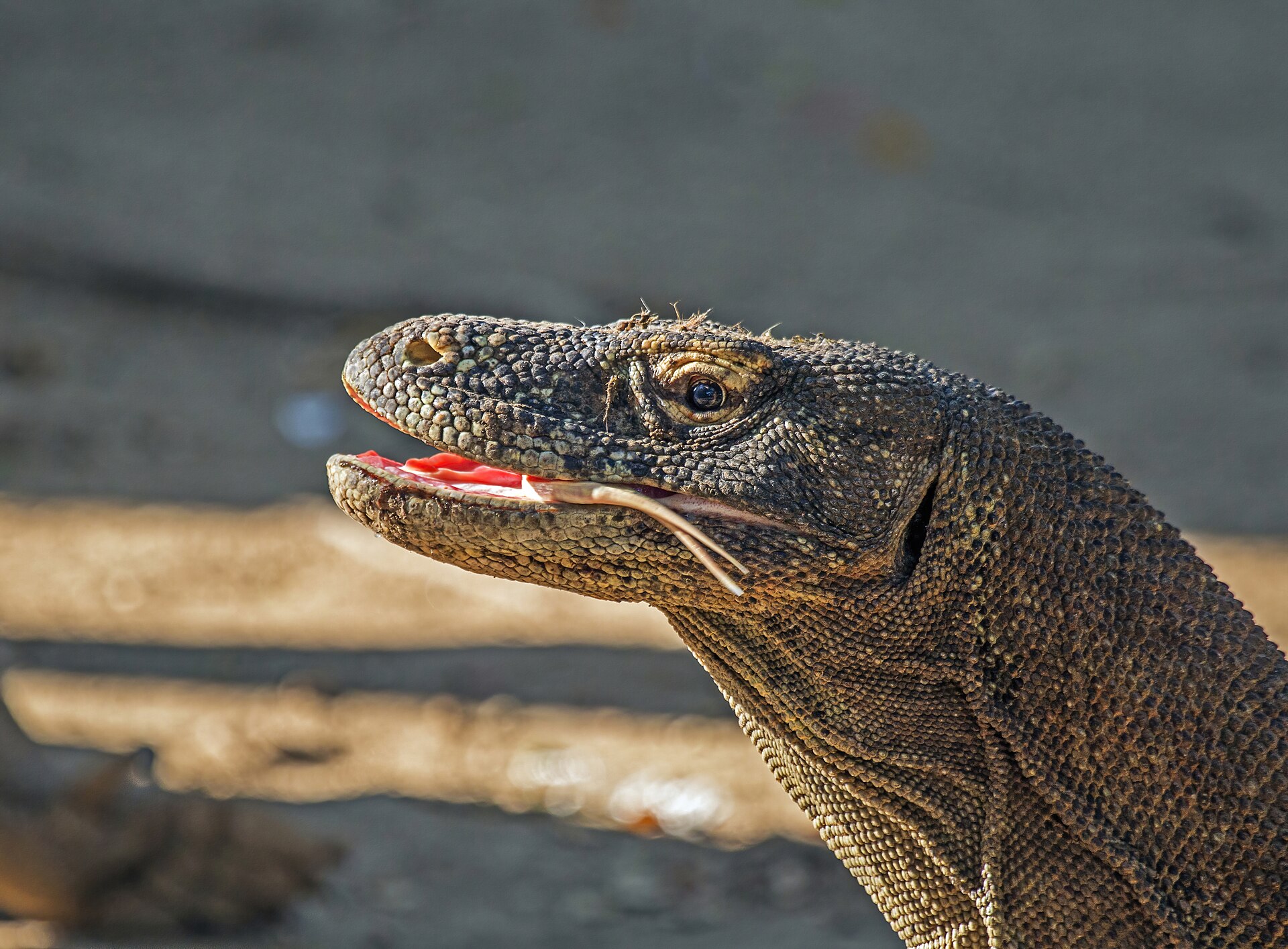
Most itineraries include a land visit to Rinca or Komodo Island to see the dragons with a ranger. Mikumba Dua and Scubaspa Zen both include land excursions.
Is there a visitor limit in Komodo National Park?
Yes. Since April 2026, the park caps visitors at 1,000 a day. Your liveaboard arranges your park entry, but book early for July and August.
Do I need dive insurance for Komodo?
It's not always required, but I'd get it. The sites are remote, and insurance like DAN or DiveAssure covers dive accidents and emergency evacuation.
Do Komodo liveaboards have Wi-Fi?
Most don't. Blue Manta has paid Wi-Fi and Scubaspa Zen includes it, but expect to be offline on the smaller phinisis.
Disclaimer
I haven't sailed any of the boats on this list, and I haven't dived Komodo National Park yet. Every pick here is researched: I checked that each boat is still running Komodo trips, and pulled specs, prices and safety equipment from the operators' own listings and Liveaboard.com.
Some links on this page are affiliate links, so I may earn a commission if you book, at no extra cost to you. Landscape and wildlife photos are credited under each image.
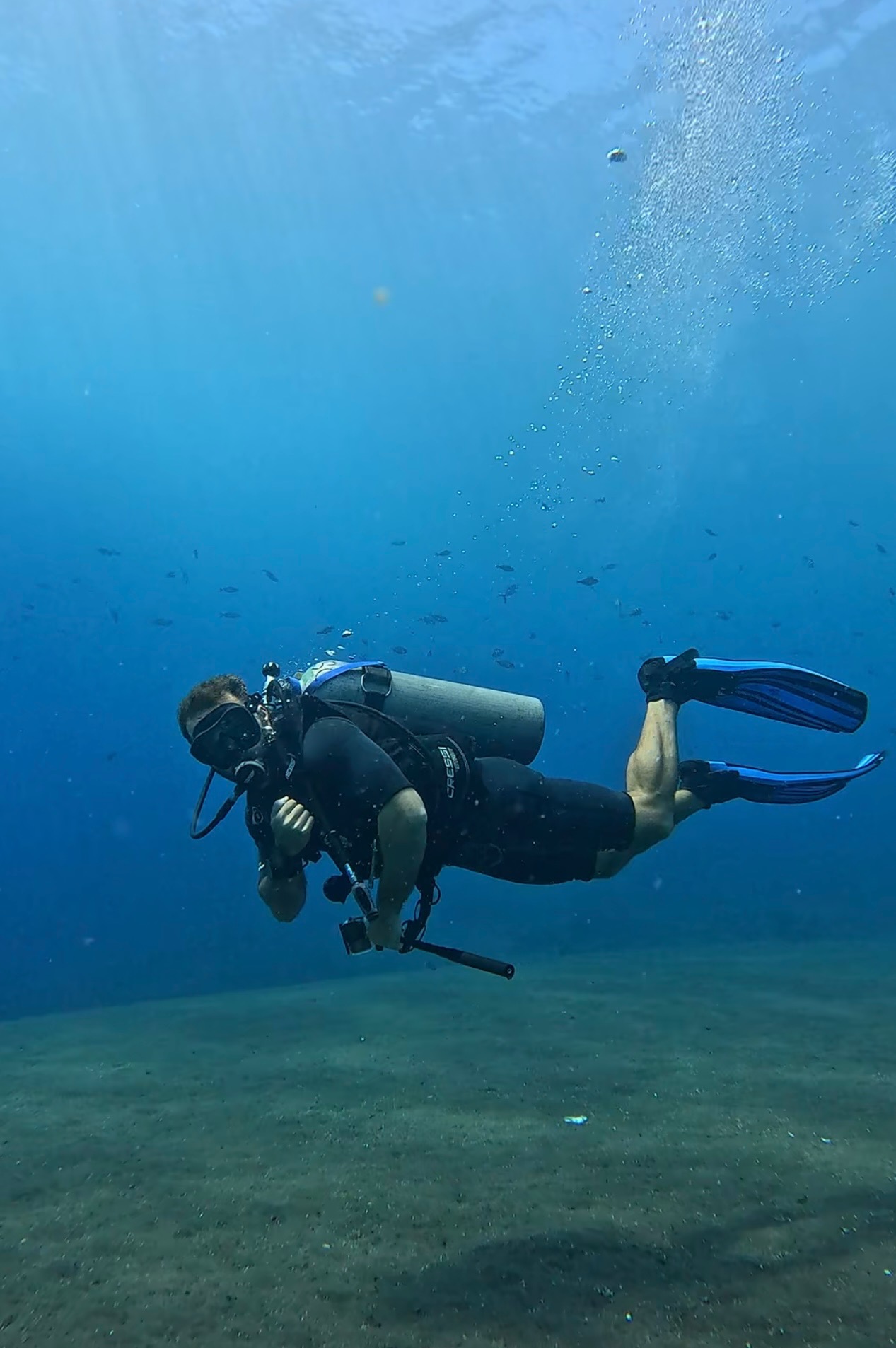
ABOUT THE AUTHOR
Austin Tuwiner
Hey I'm Austin, a PADI Divemaster based in South Florida .
I initially got certified at 16 at a scuba camp in Kona, Hawaii, did my Advanced Open Water on Koh Tao, my deep and nitrox on Gili Trawangan, and my Rescue and Divemaster in Miami.
Since then I've logged 500+ dives across 20 countries and states. I write about the gear I dive with, the sites I've dived, and the trips I've taken.


Let's Dive Together
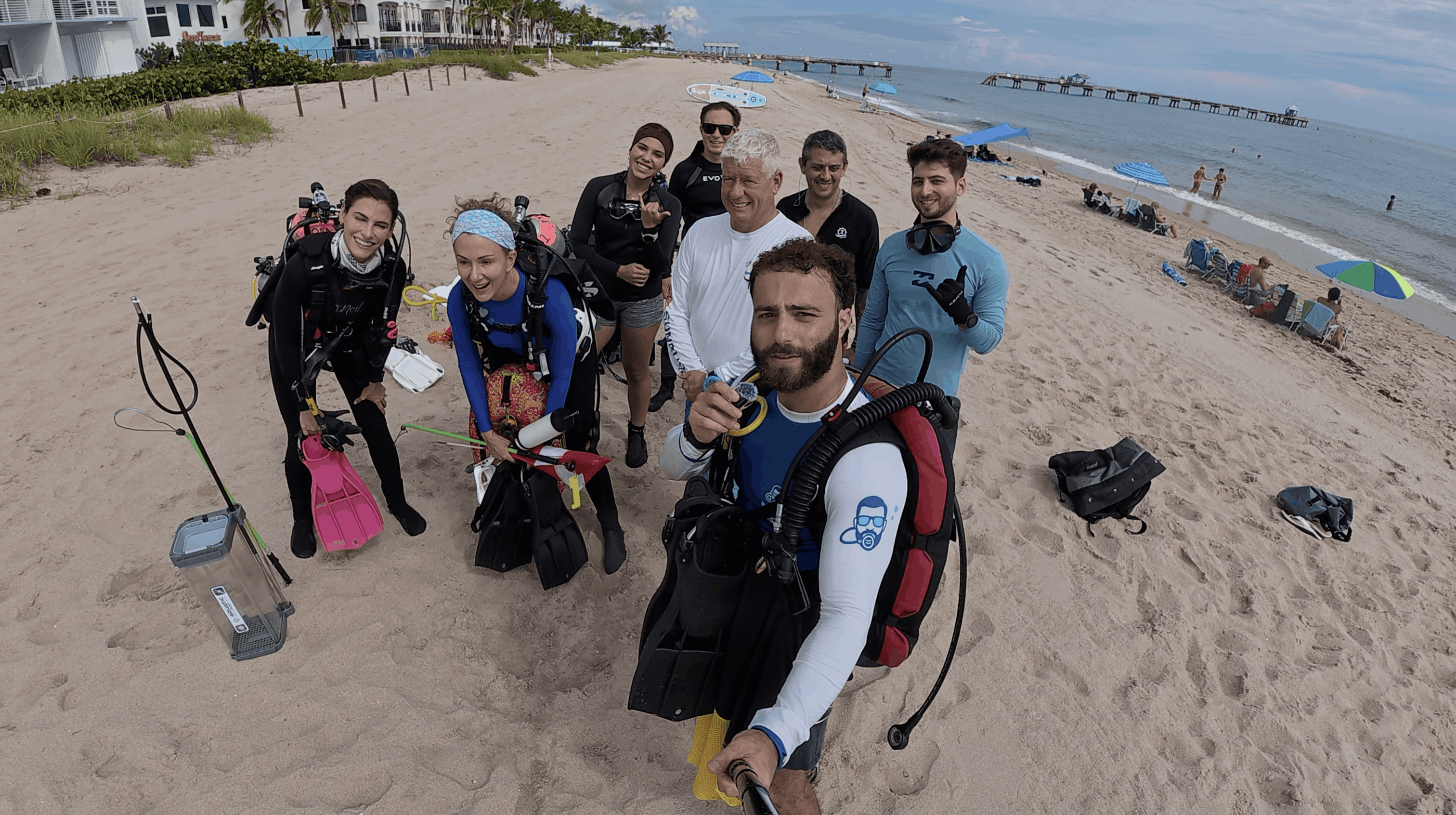
👋 It's Divemaster Austin
I'm inviting you to Dive Club, my global scuba diving community.
What you’ll find inside:
🤿 Dive meetups & group trips
🌍 Top dive sites shared by community members
⚙️ Gear tips & technique discussions
🤝 Diver's who’ve already linked up IRL
See you there!