
.webp)
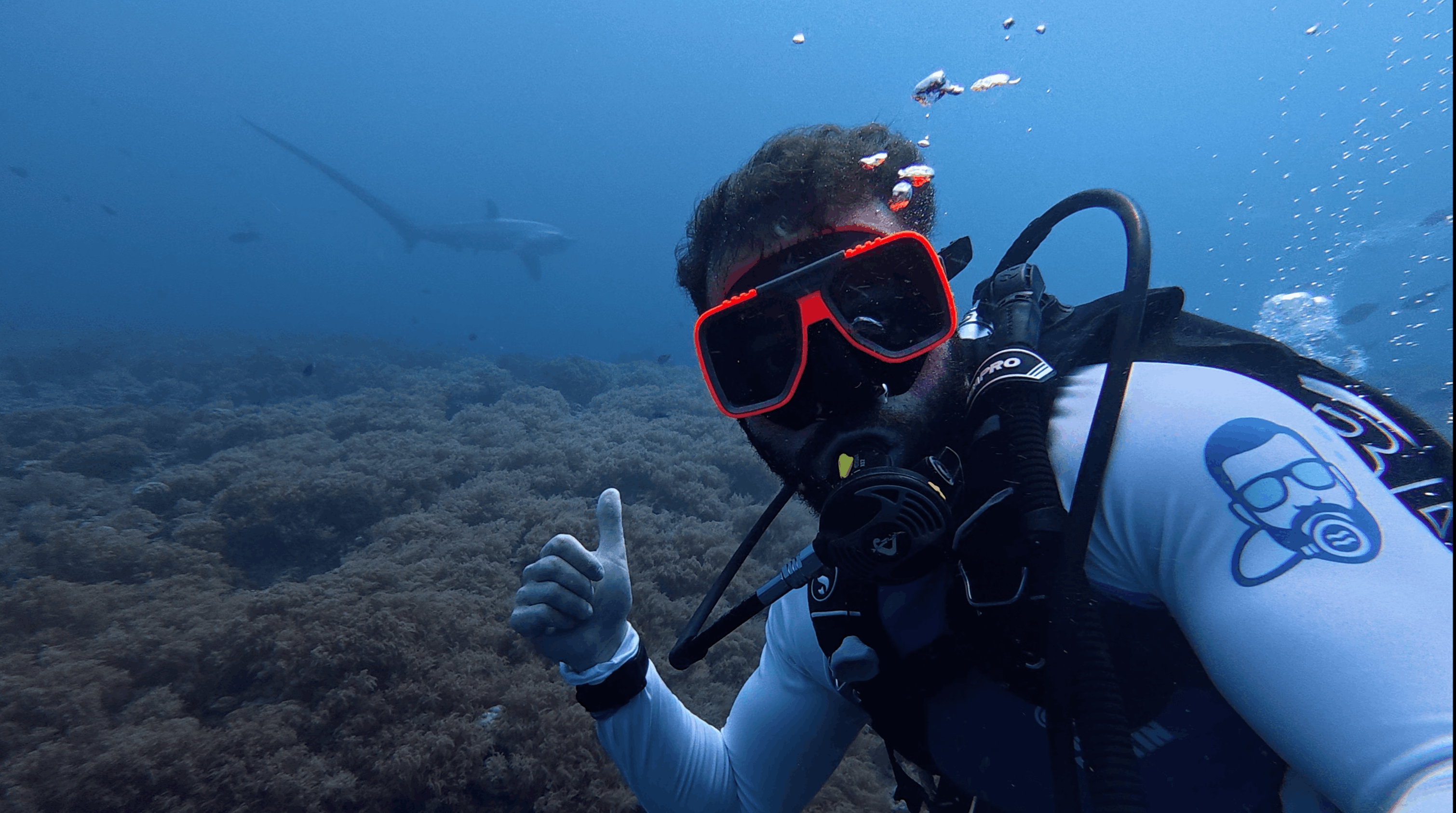
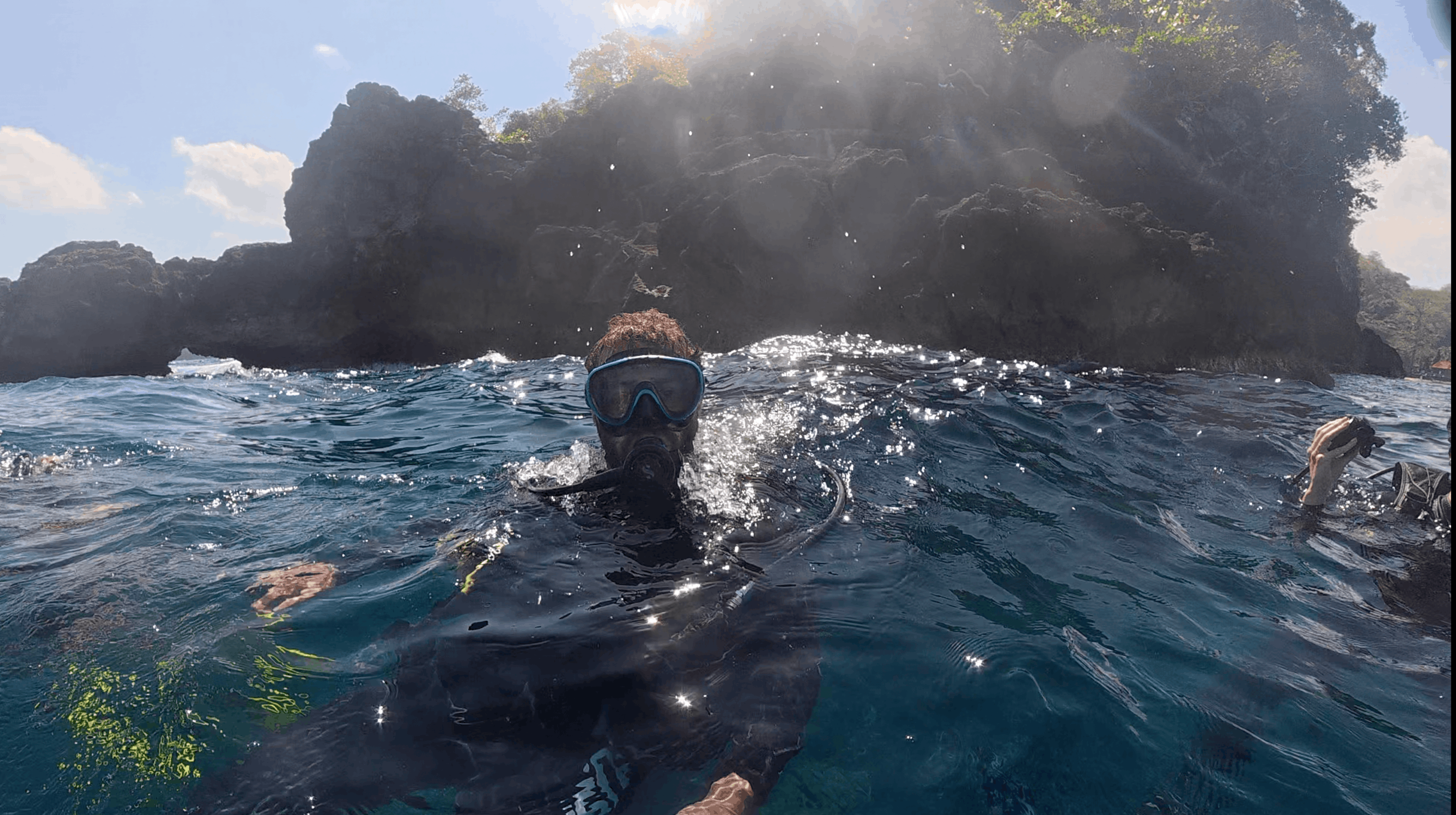
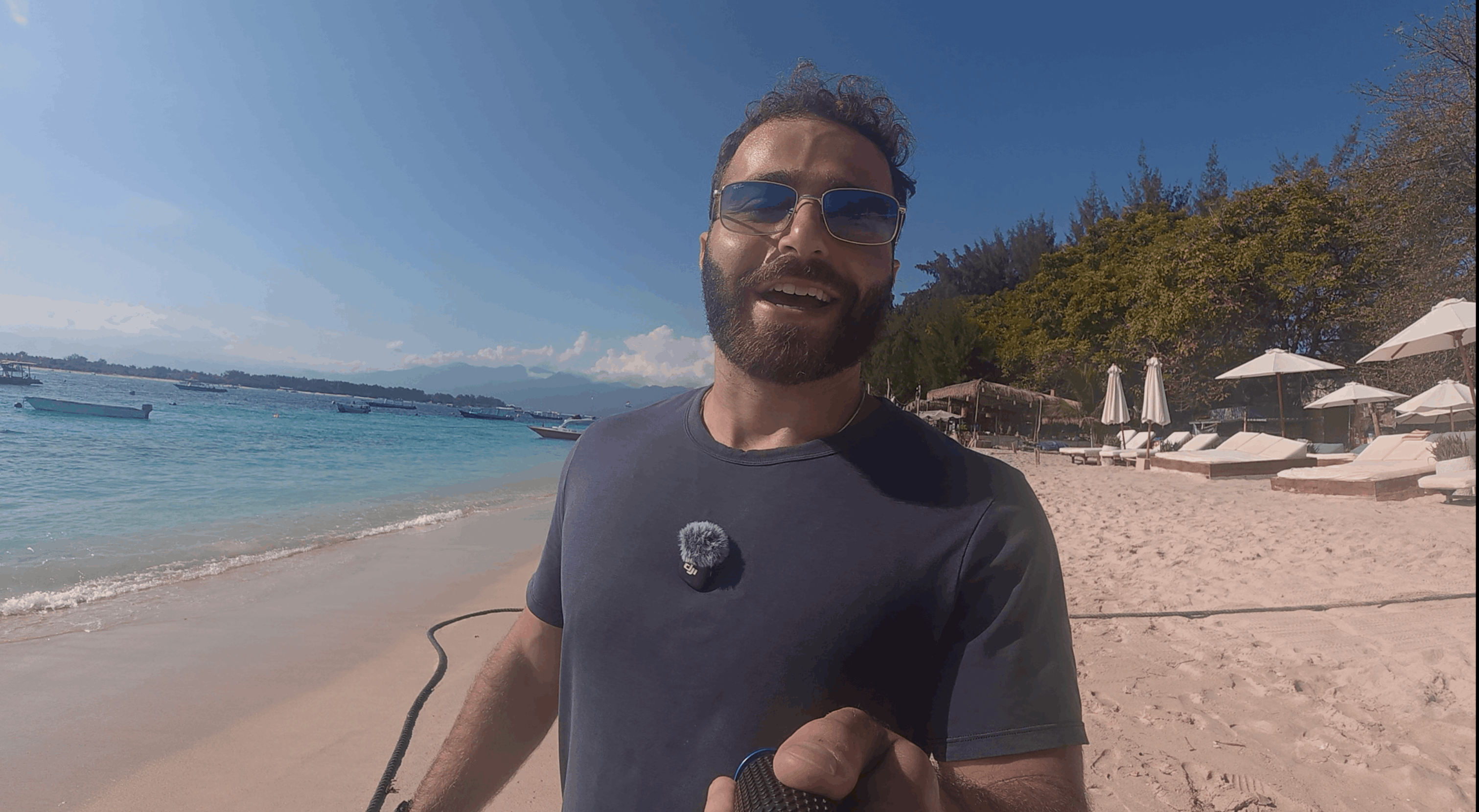
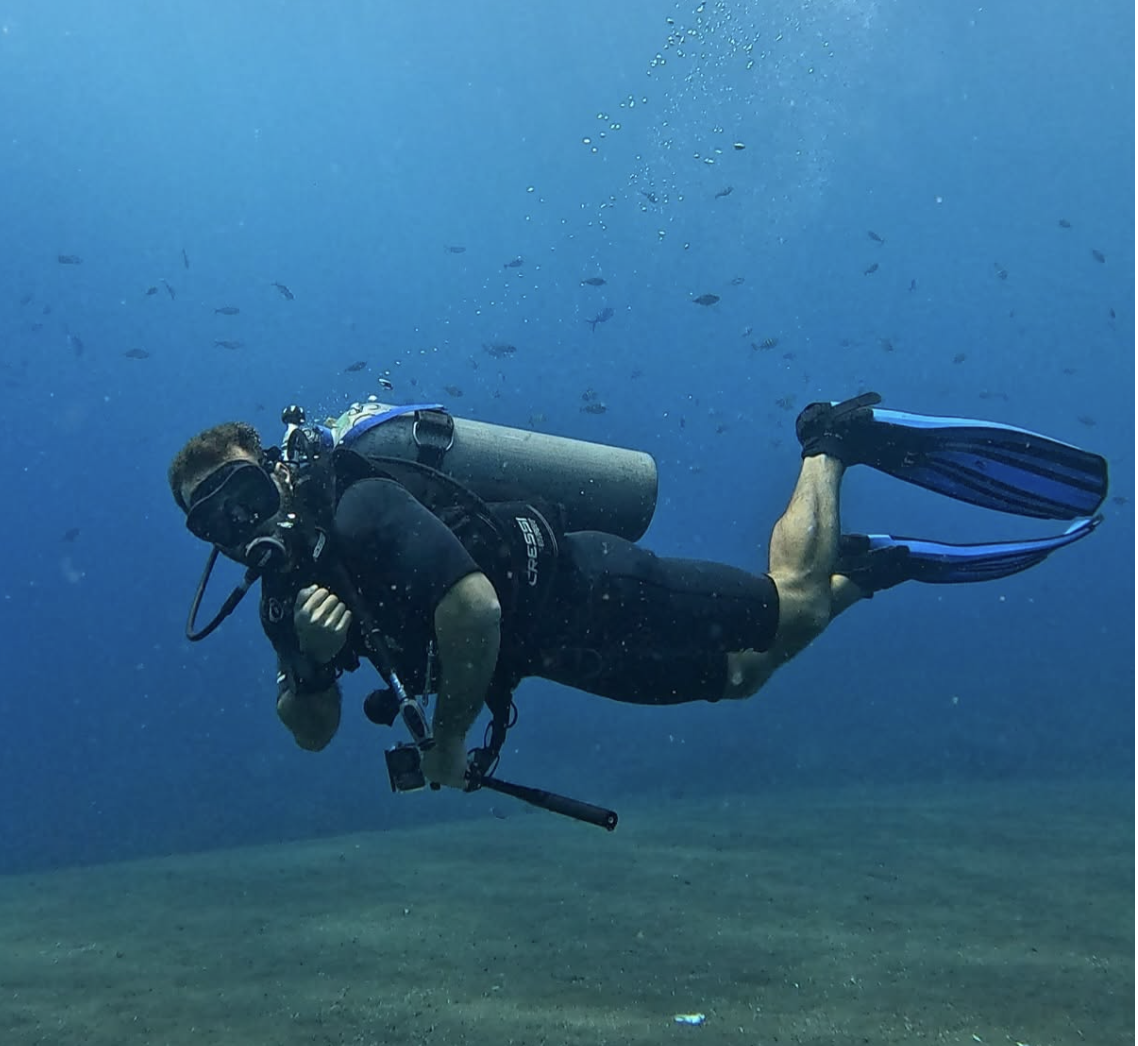
I spent three days diving Koh Tao, Thailand in August 2026, seven dives across eight sites with Big Blue Diving.
It was my first time back since 2017, when I did my Advanced Open Water on this island.
Koh Tao is the cheapest place in the world to learn to dive, and that reputation hides how good the diving actually is once you are certified.
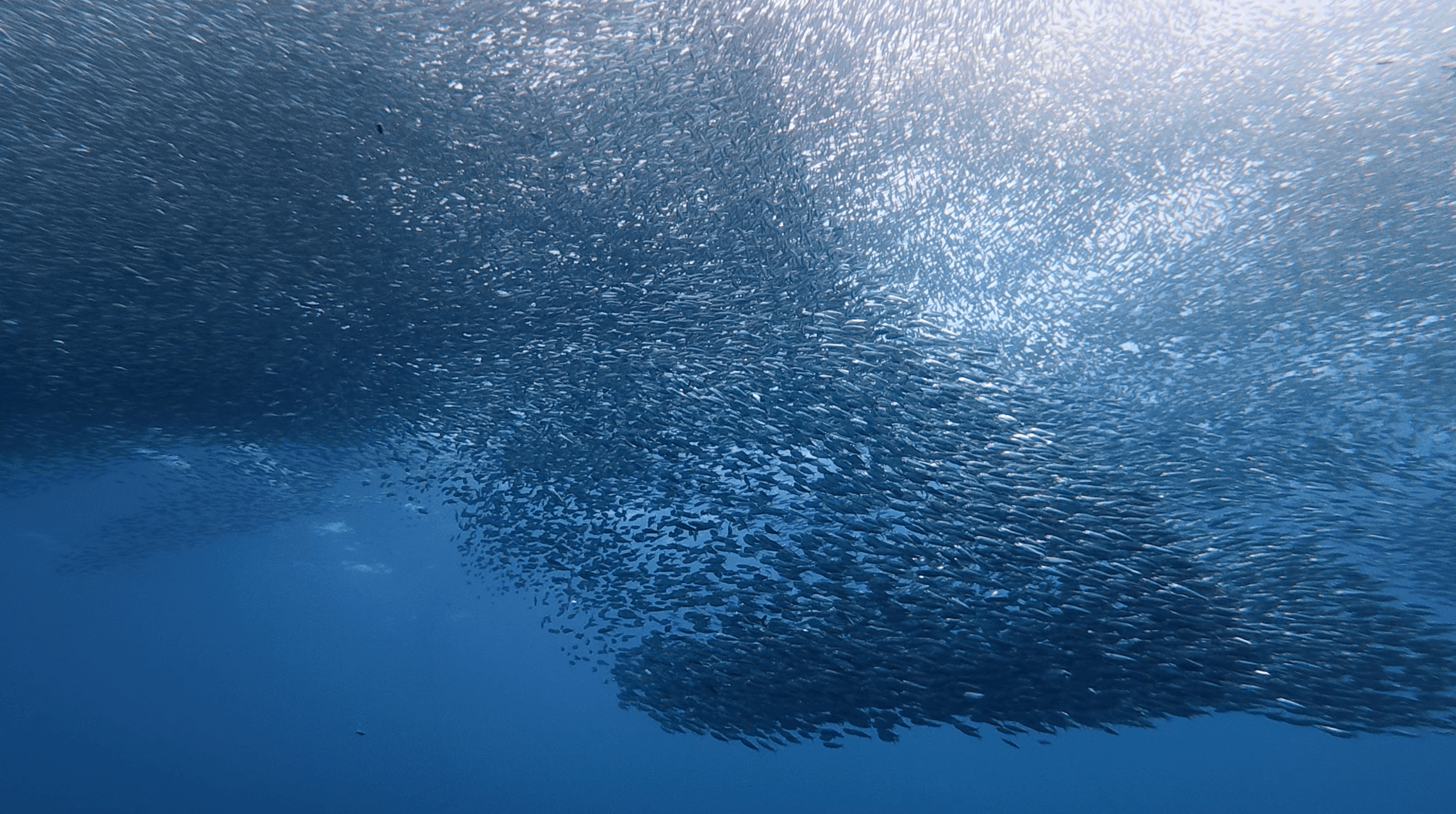
The pinnacles here hold bait balls I have not seen anywhere else.
Best Time to Dive Koh Tao
The consensus among operators is March to May. In that window the water sits around 82 to 86°F (28 to 30°C), visibility runs 65 to 100 feet (20 to 30 m), and the seas are at their calmest. It is also when you have the best chance of a whale shark.
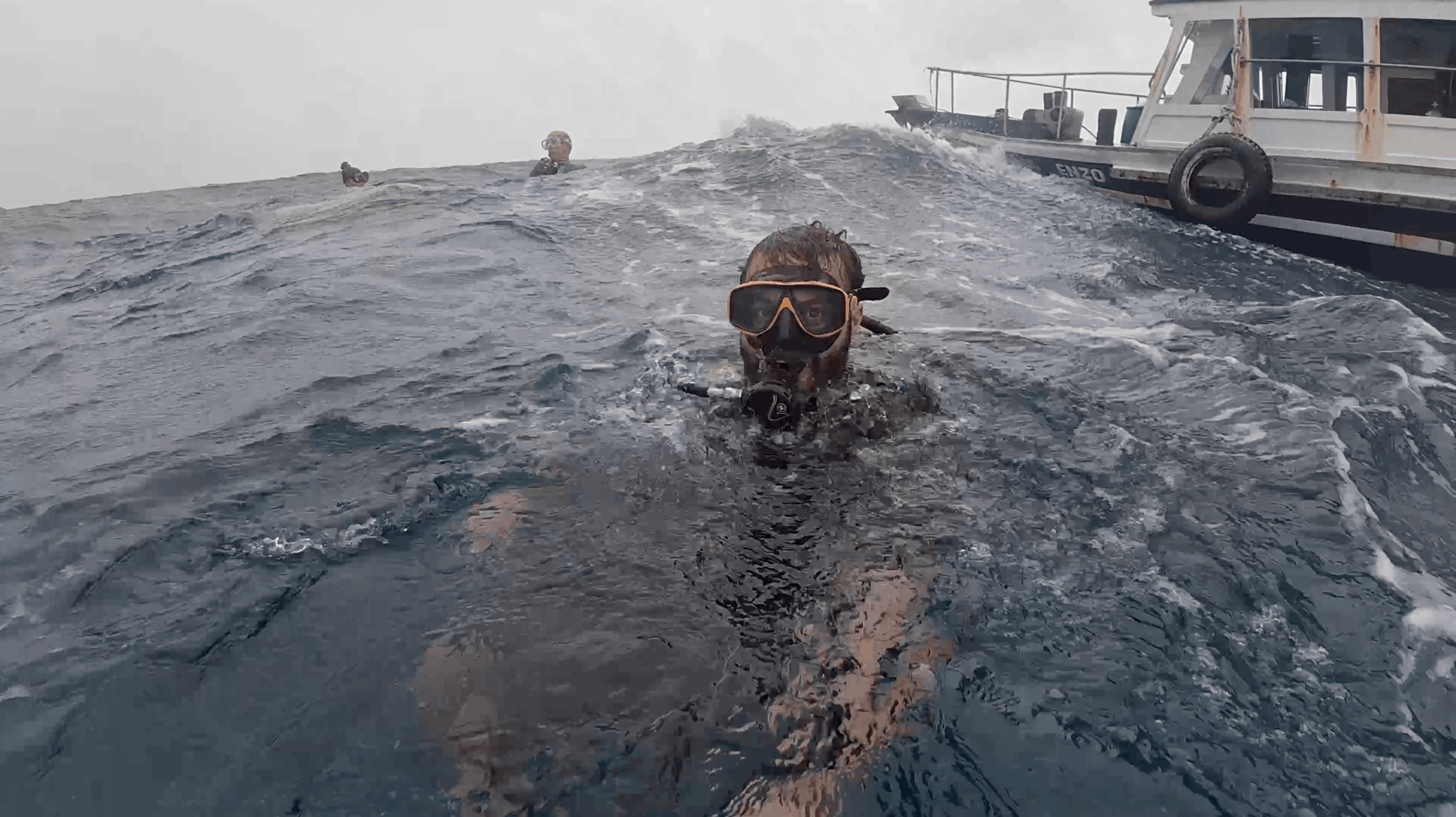
I went in August, which is not that window, and the weather was poor almost the entire week. Heavy rain, rough seas and muddy streets, with the Sail Rock day the one clear exception. The diving held up better than the surface suggested, and I still had 100 feet (30 m) of visibility at both Chumphon Pinnacle and Southwest Pinnacle.
The Best Dive Sites in Koh Tao
Three of these stand out and I genuinely cannot separate them.
Southwest Pinnacle, Chumphon Pinnacle and Sail Rock are all equally good, for different reasons.
Best Schooling Fish: Southwest Pinnacle
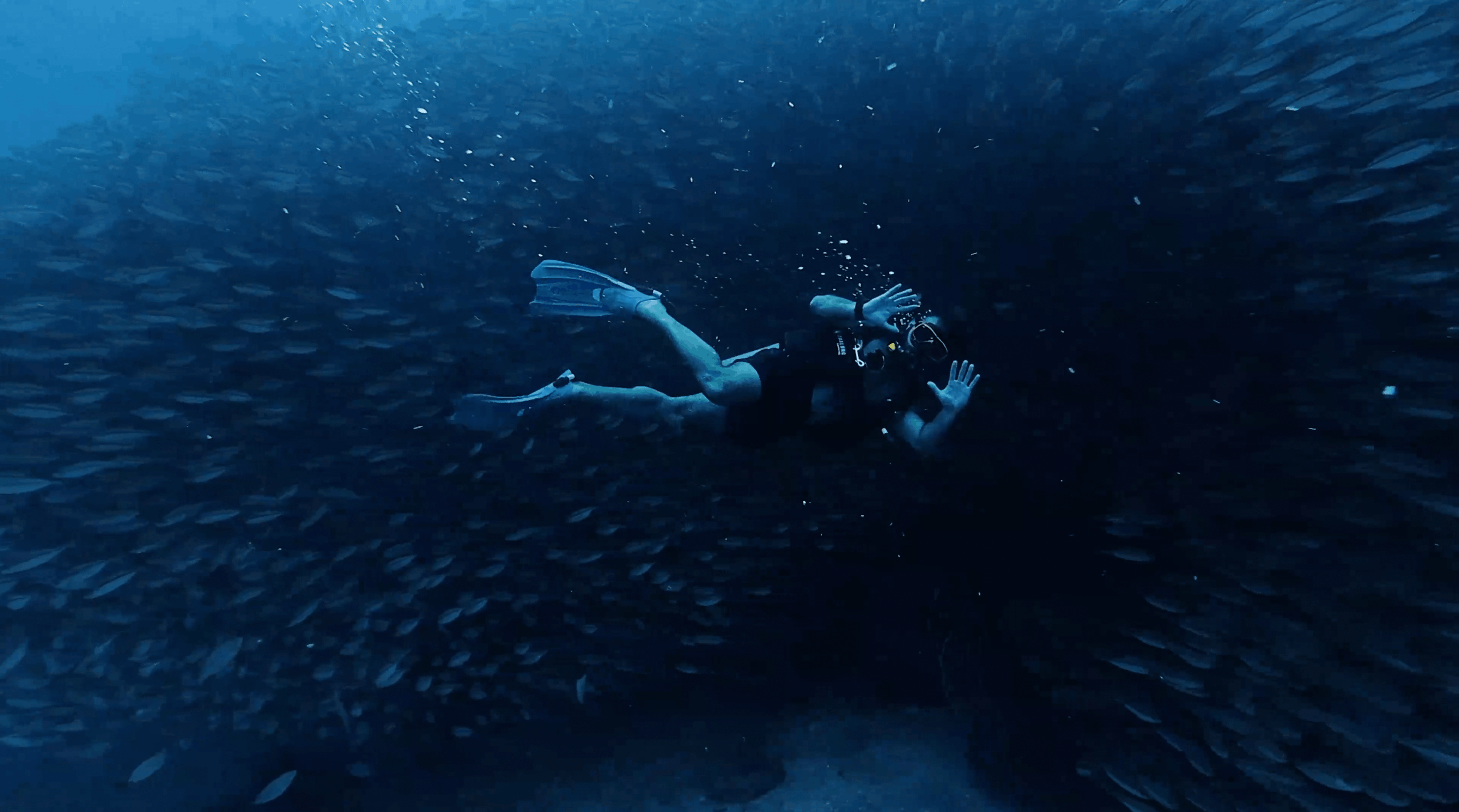
Southwest Pinnacle sits about 8 miles (12 km) southwest of Mae Haad pier, and it was the best dive I did in Thailand.
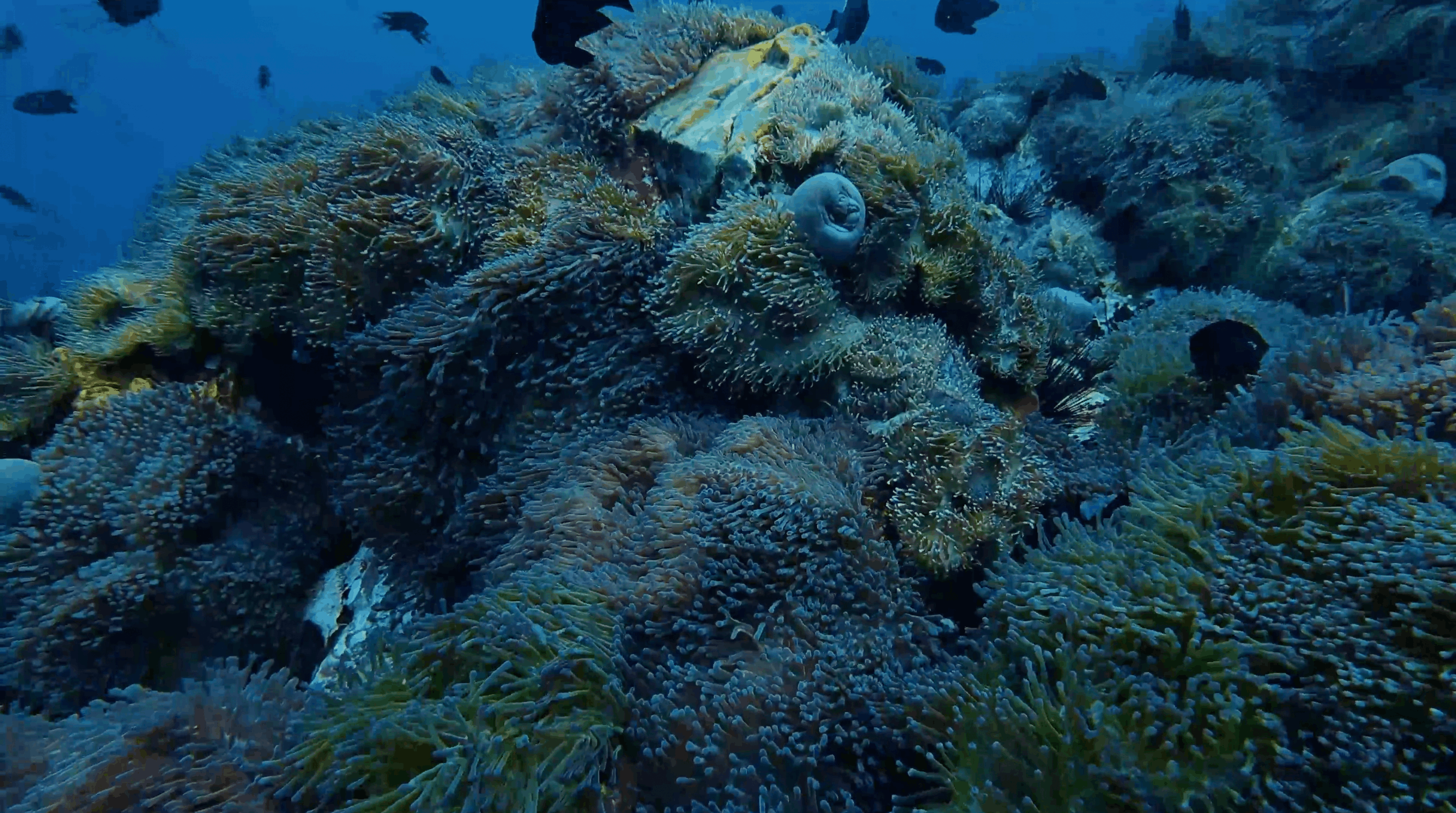
It is a submerged rock that climbs steeply off the bottom, so you never see it from the surface and the whole dive is spent circling one structure. The top is blanketed in anemones and the walls run down into the dark past 100 feet (30 m).
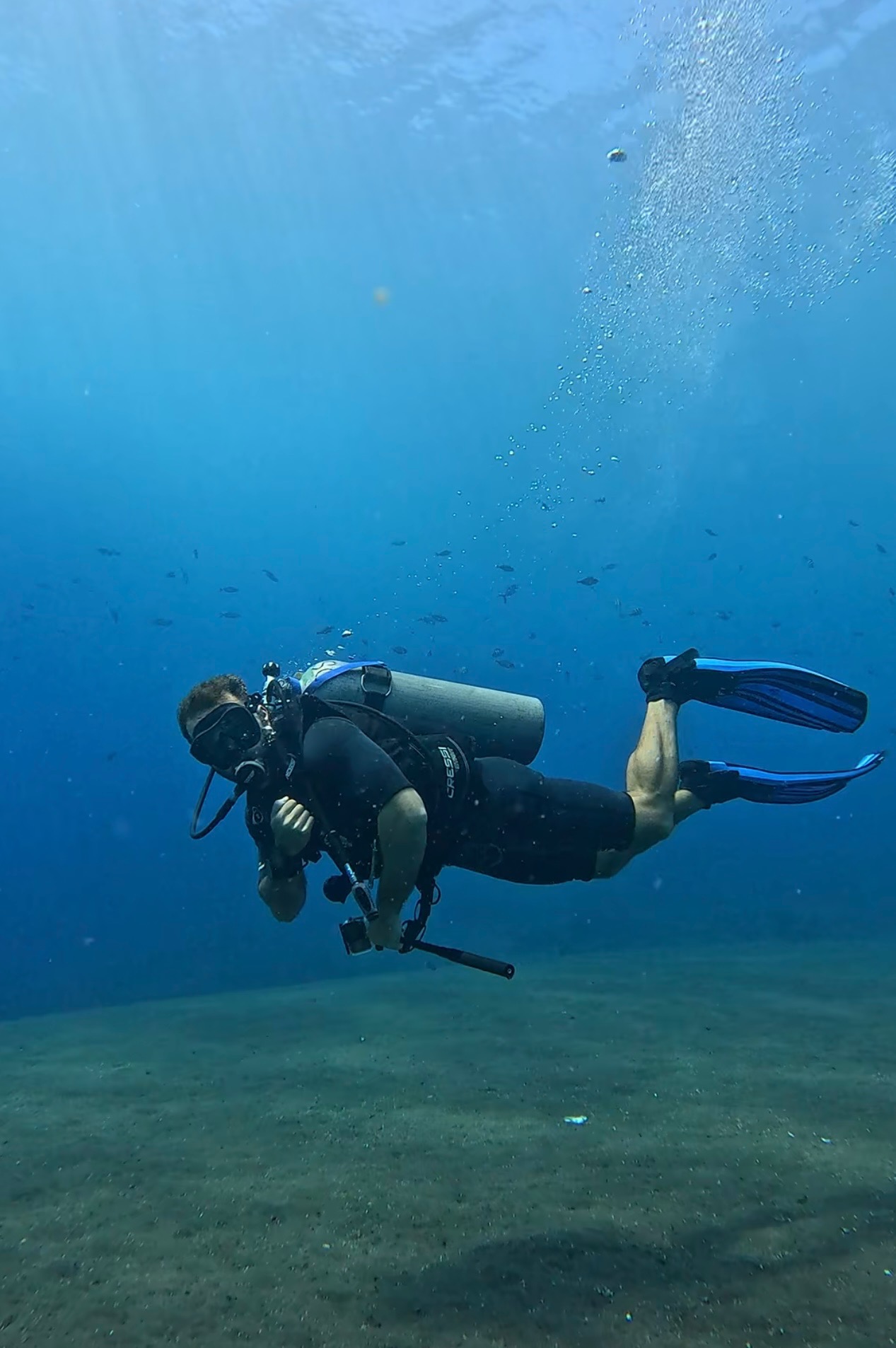
My average depth of 47 feet (14.3 m) against an 80 foot (24.4 m) max tells you how the dive works. You spend most of it up on the pinnacle where the life is, rather than down at the base.
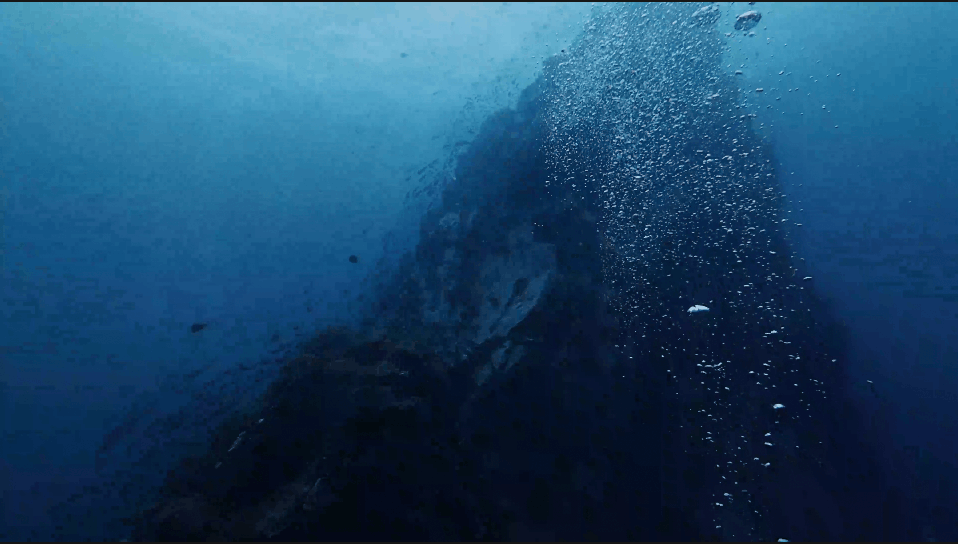
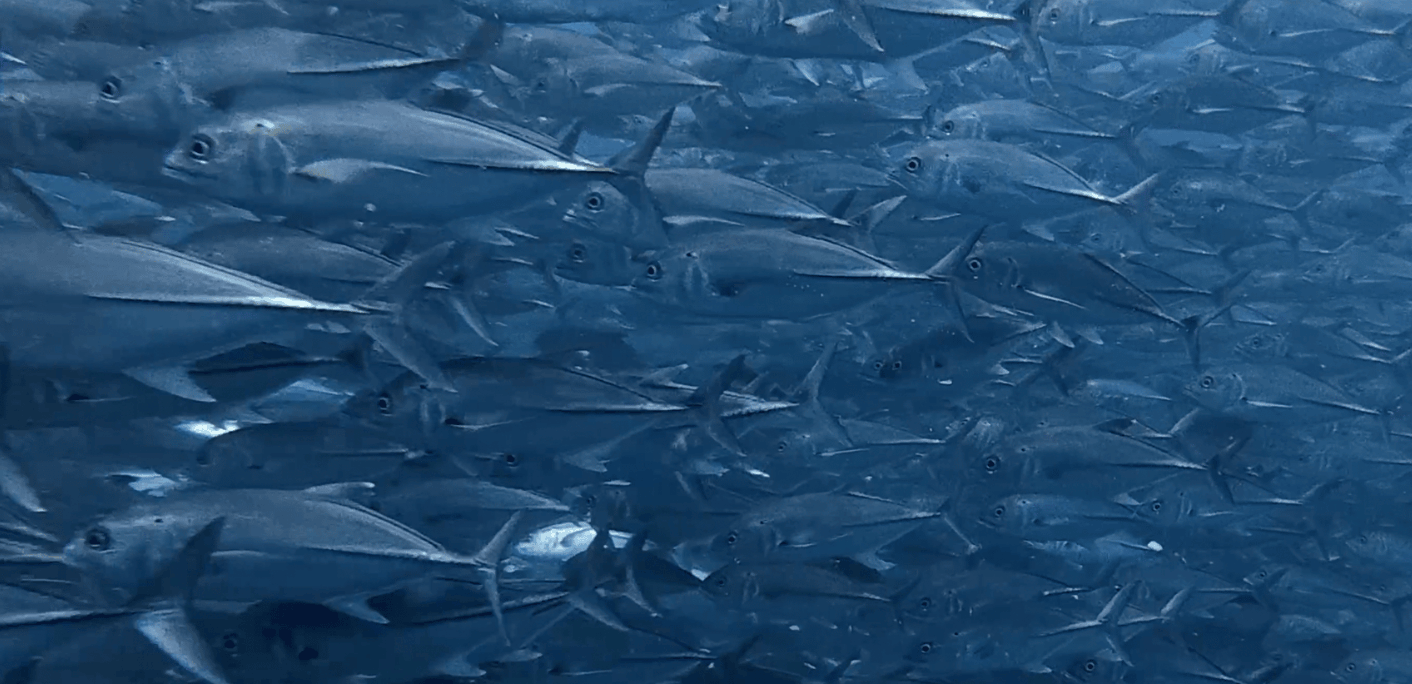
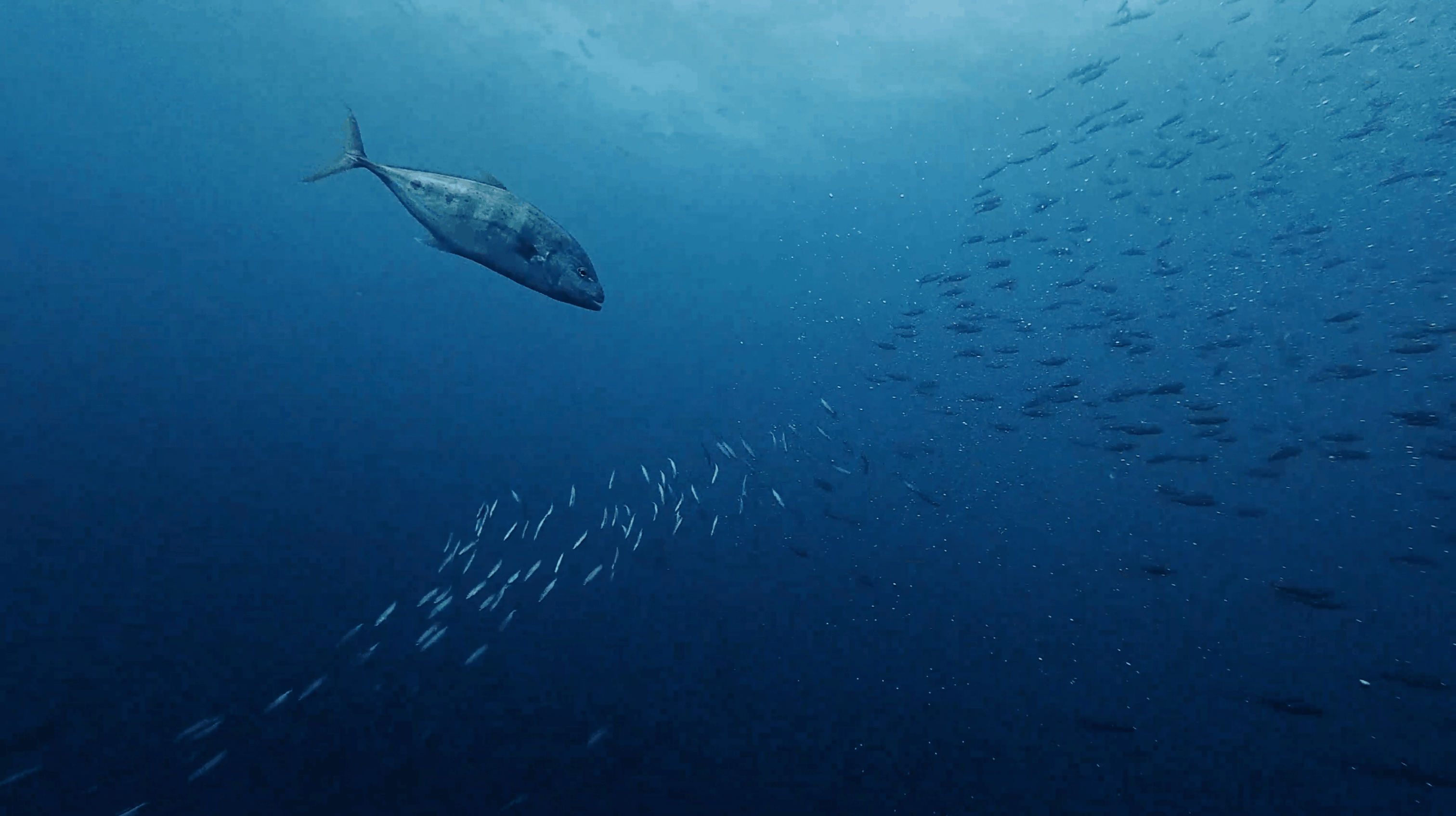
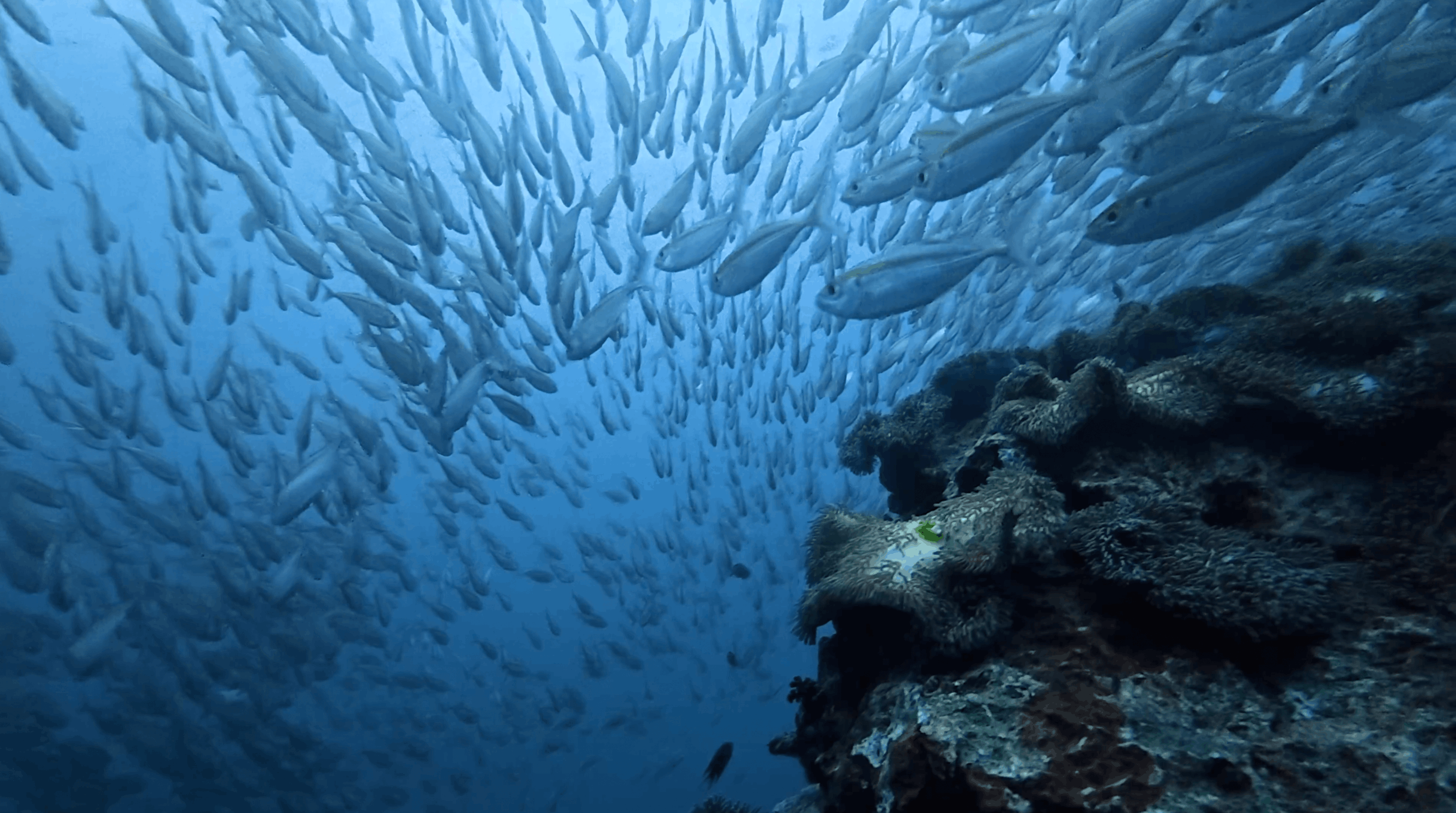
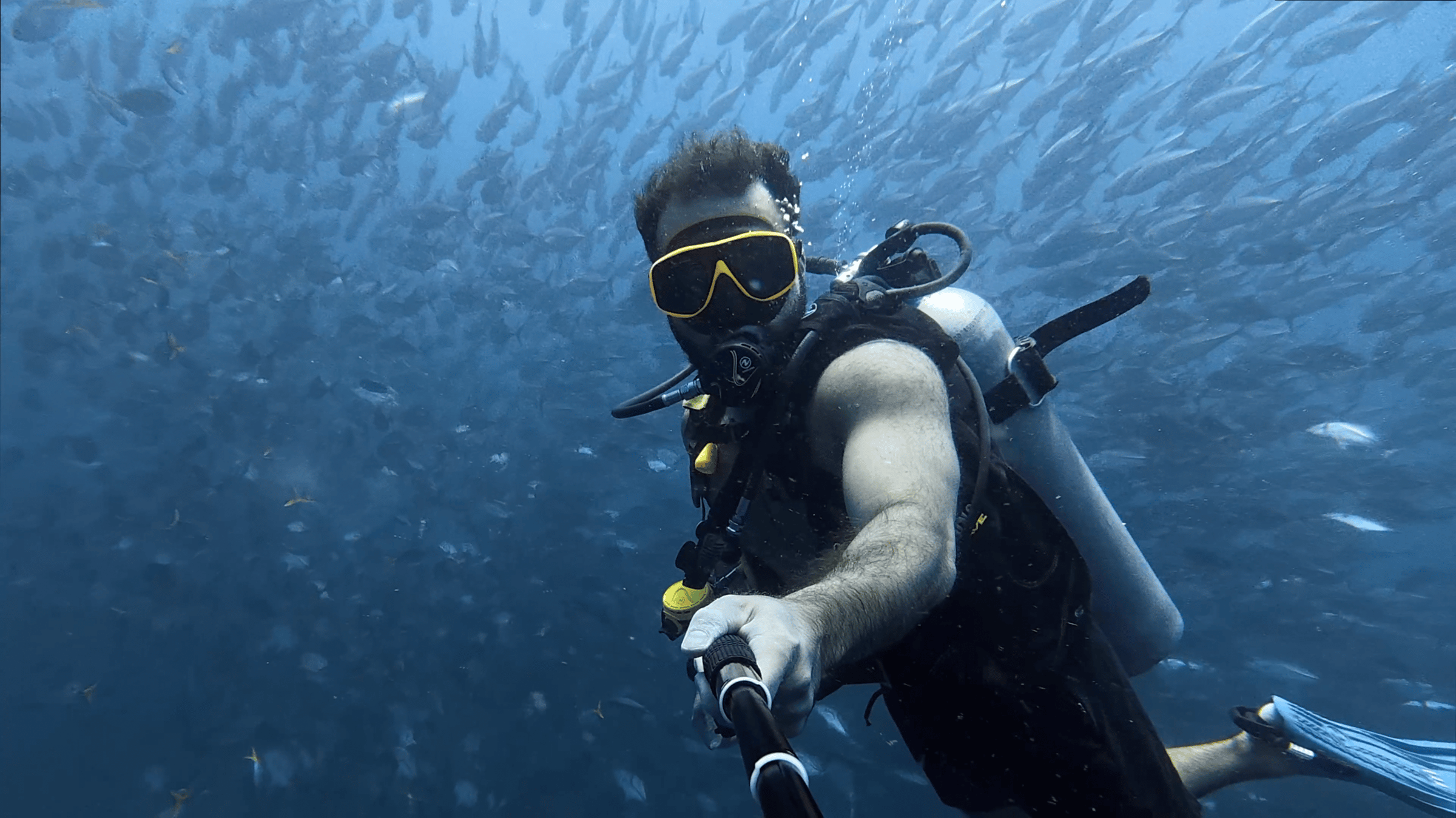
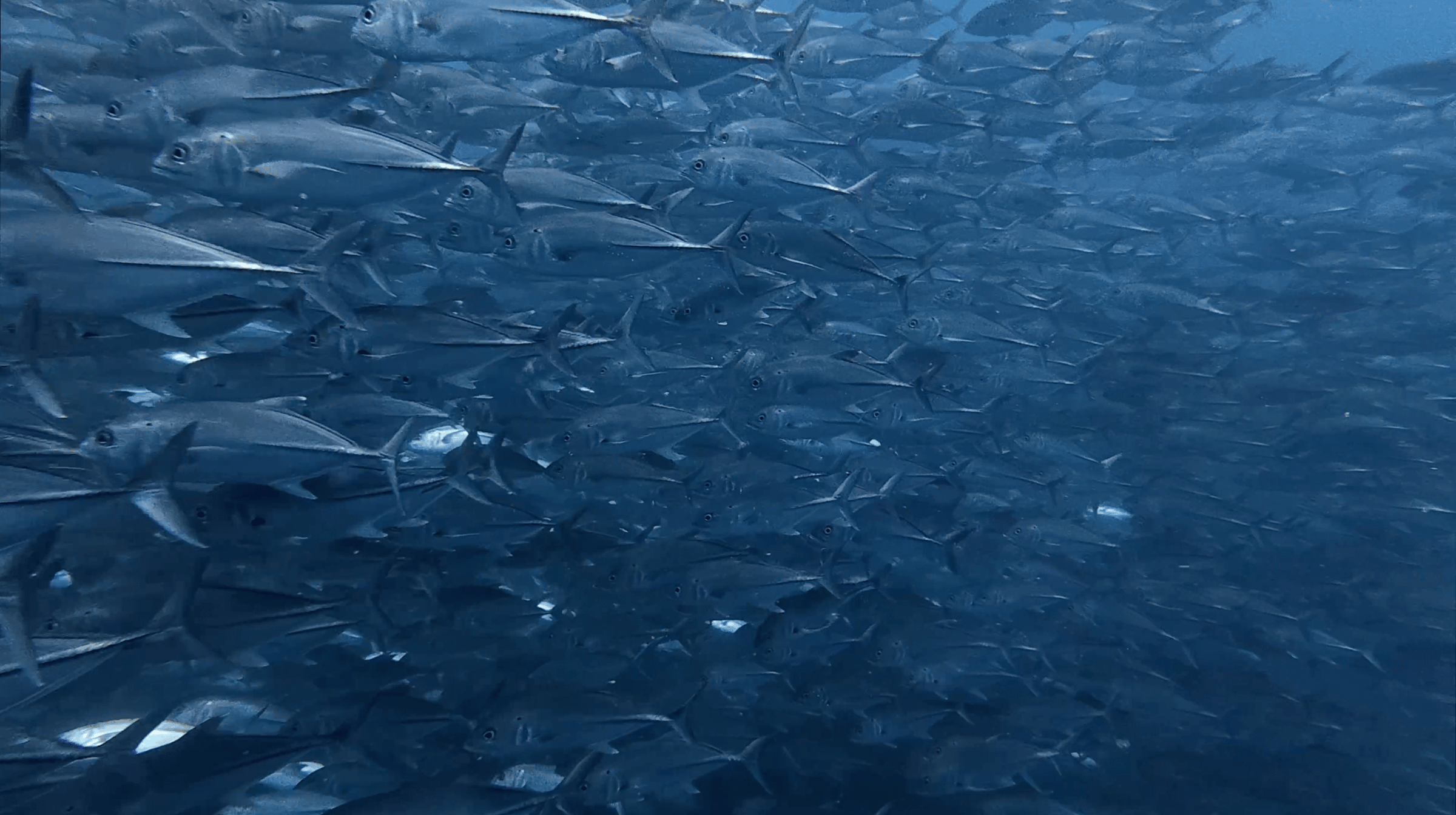
The schools here were thick enough to swim straight through. Jacks packed shoulder to shoulder, fusiliers in the thousands, and predators working the edges of the bait ball the entire dive.
Visibility was 100 feet (30 m), which is as good as Koh Tao gets.
Best Anemone Dive: Chumphon Pinnacle
Chumphon Pinnacle is about 6 miles (10 km) northwest of Mae Haad pier, and it is the site most people put at the top of the Koh Tao list.
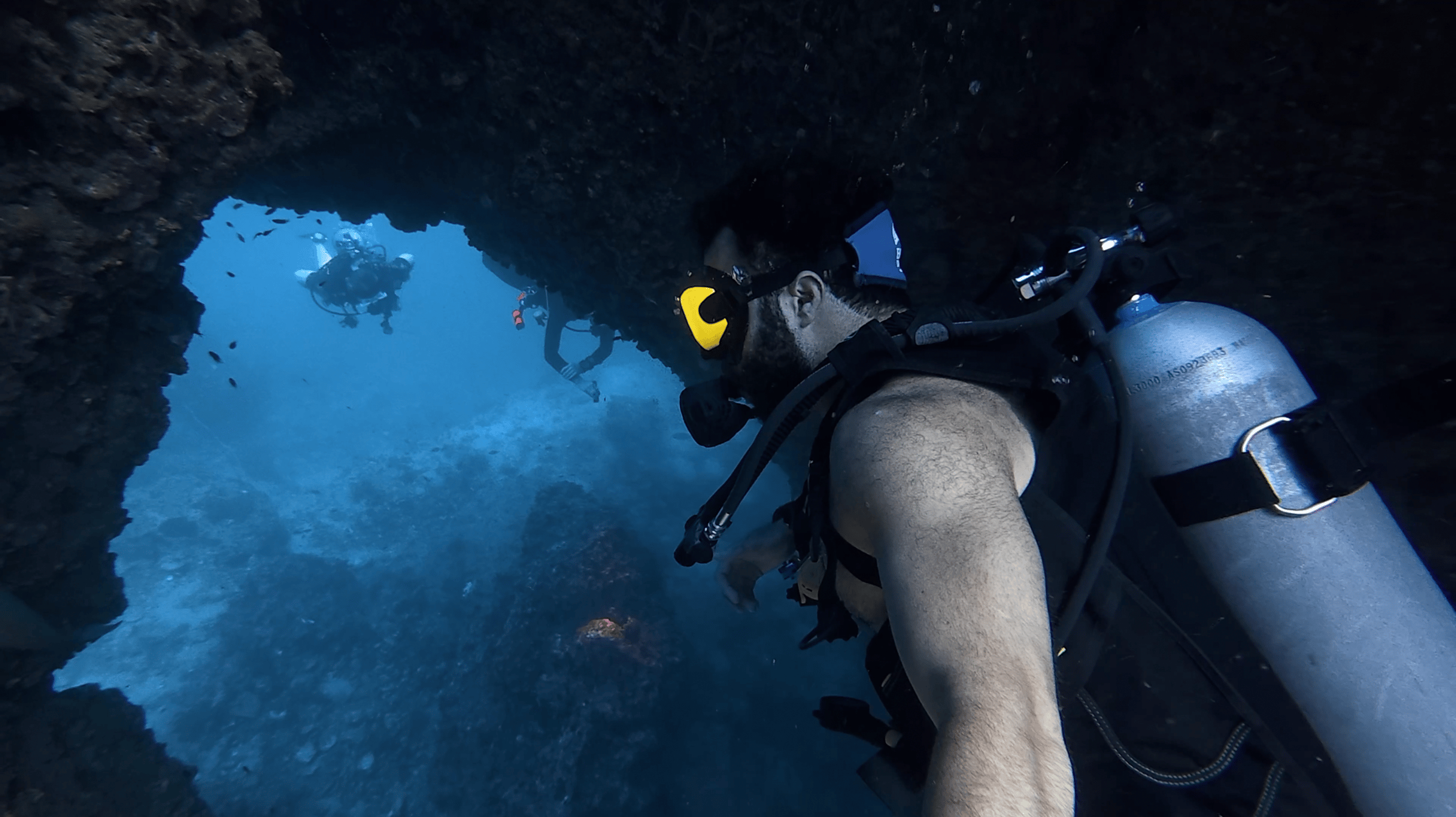
It is another submerged granite pinnacle with nothing above the surface to mark it. What sets it apart is the anemone cover, which blankets the rock so completely that you can barely find bare stone underneath.
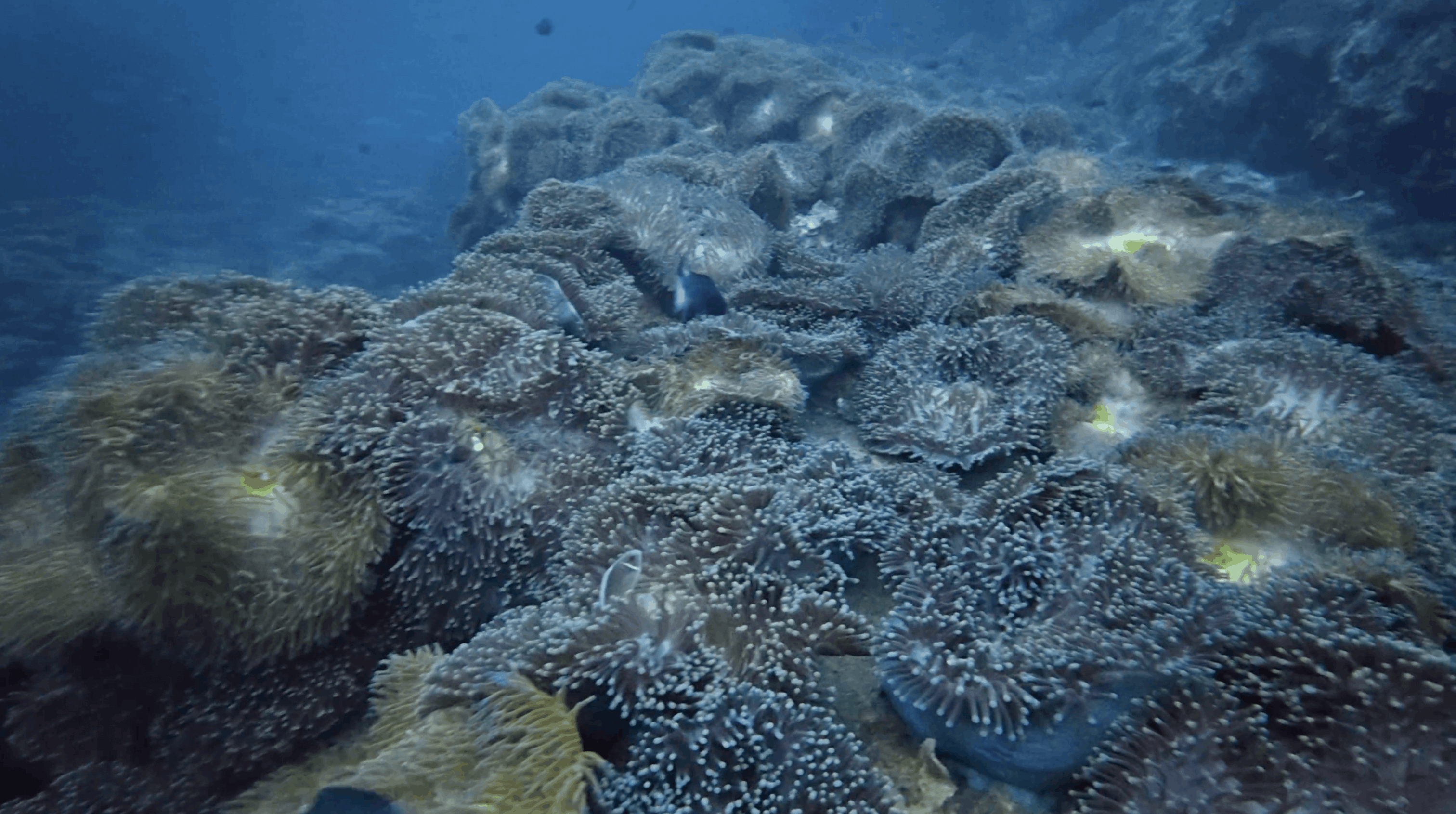
This is also the site most likely to produce a whale shark. I did not see one, but there was a sighting while I was on the island on a day I was diving elsewhere, so the odds are real.
Barracuda school here in numbers, and there are swim-throughs between the granite boulders as you work your way around the structure.
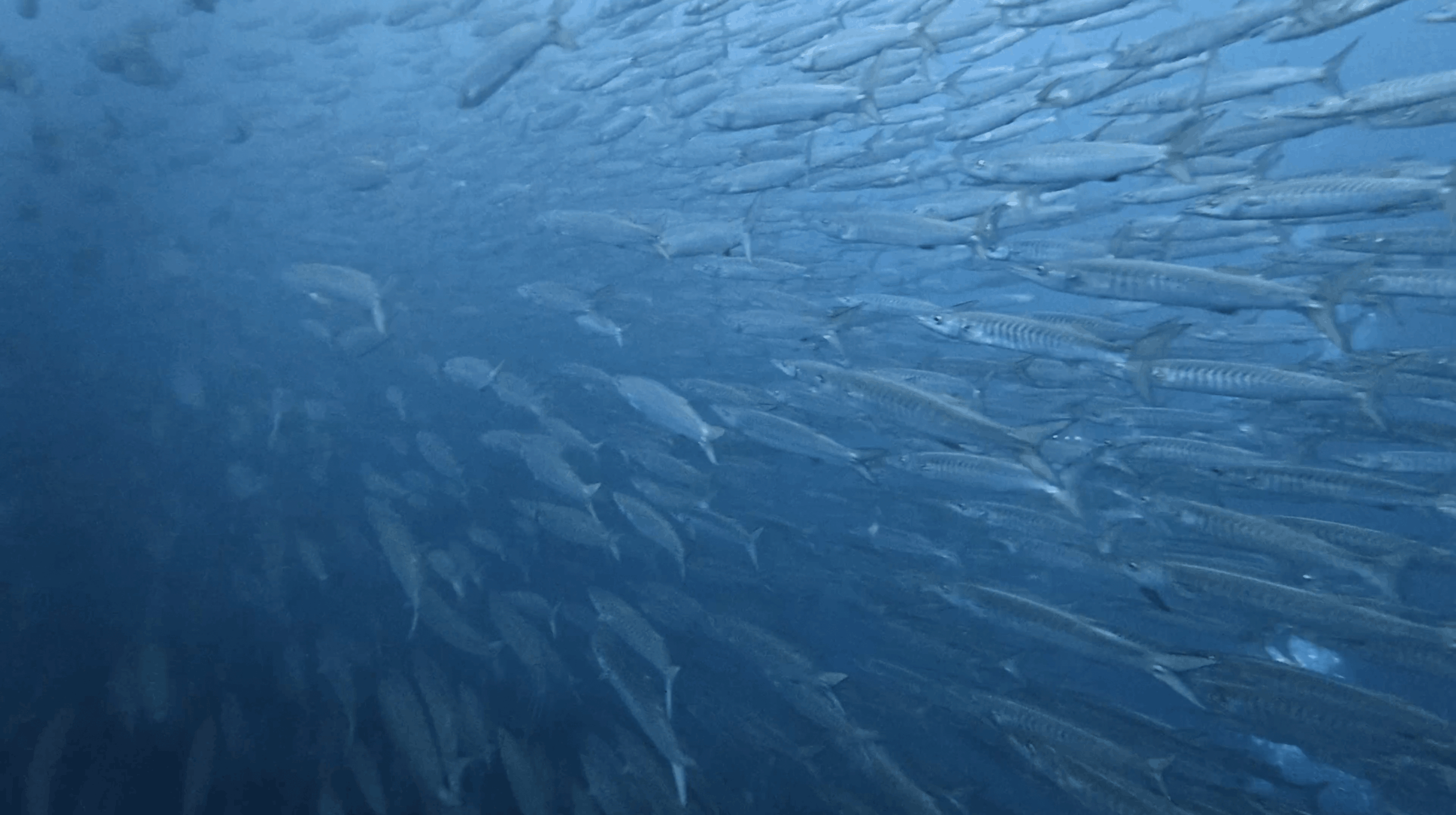
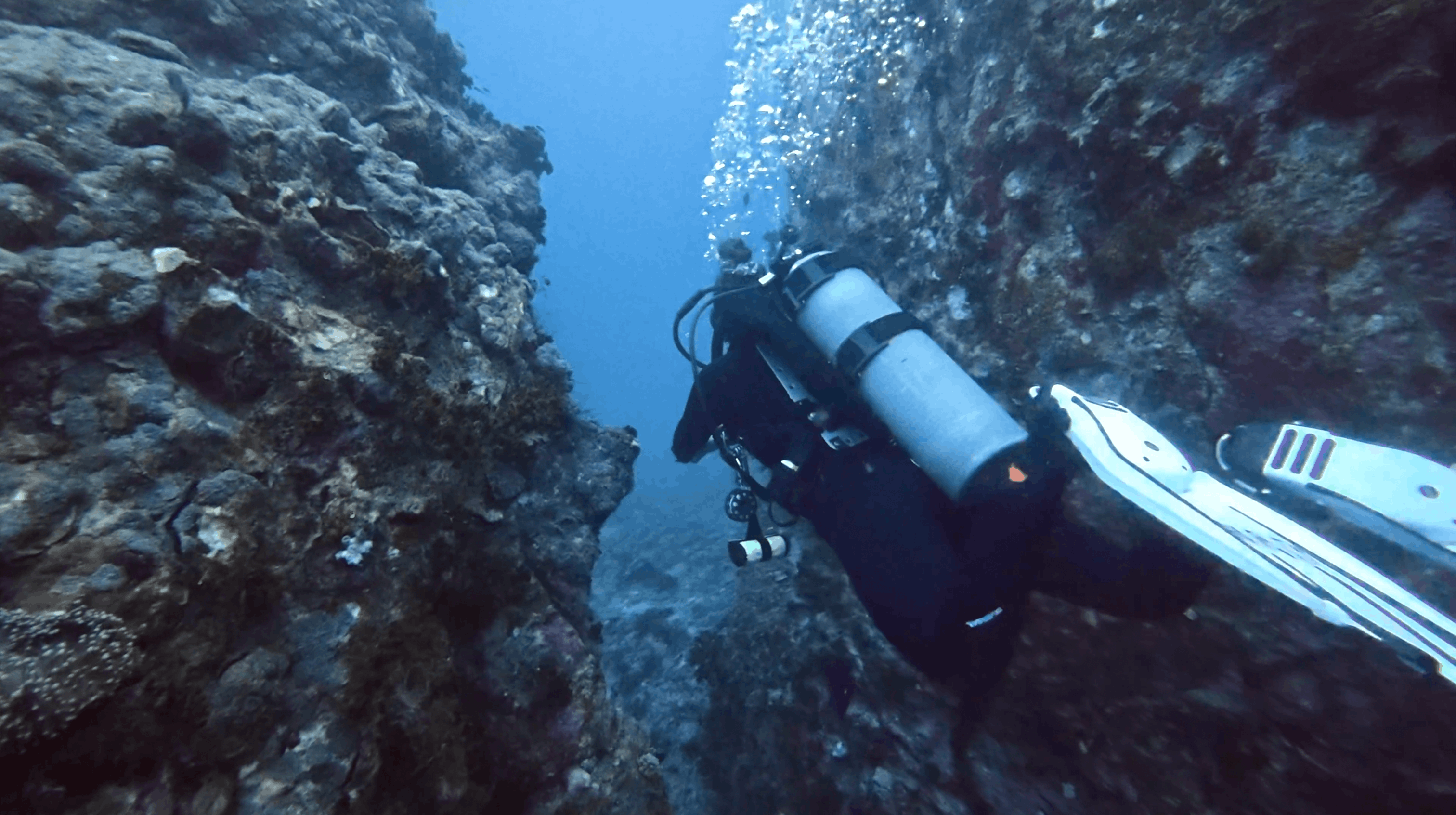
I dove it in heavy rain and rough seas and still had 100 feet (30 m) of visibility, which says something about the site.
Best Day Trip: Sail Rock
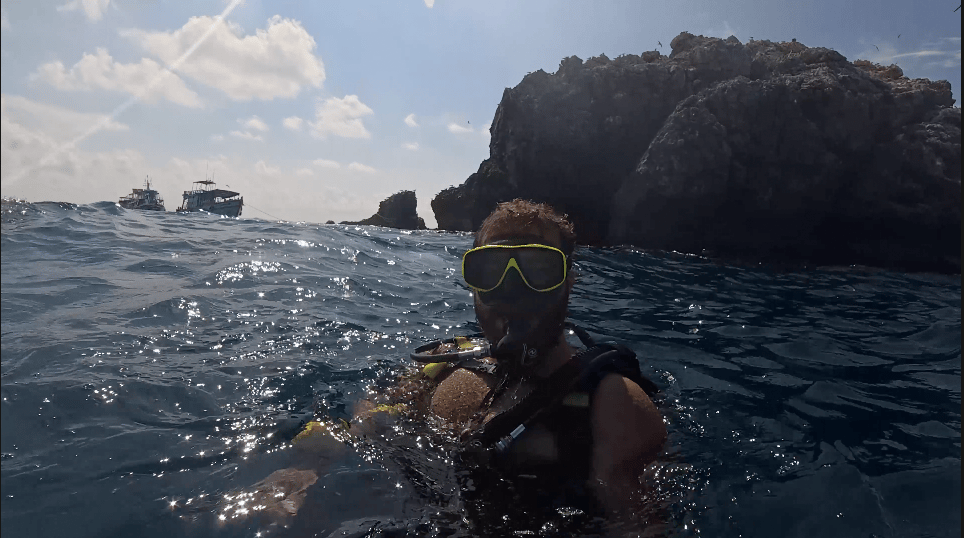
Sail Rock is not strictly a Koh Tao site. It sits about 15 miles (25 km) southeast of Mae Haad pier, out in the gulf between Koh Tao and Koh Phangan, and it is a full day on the boat.
It is the one site here that breaks the surface, a single rock standing out of open water with nothing else around it. Big Blue run it as three dives, two at Sail Rock and one at Shark Island on the way home.
The second dive finished on the largest amberjack bait ball I have ever seen. The school closed in around us and stayed there, and it is the single best thing I saw in Thailand.
The site also has the Chimney, a vertical drop-down that starts around 30 feet (9 m) and runs to 60 feet (18 m). It is crowded at the top and it is more of a descent than a swim-through.
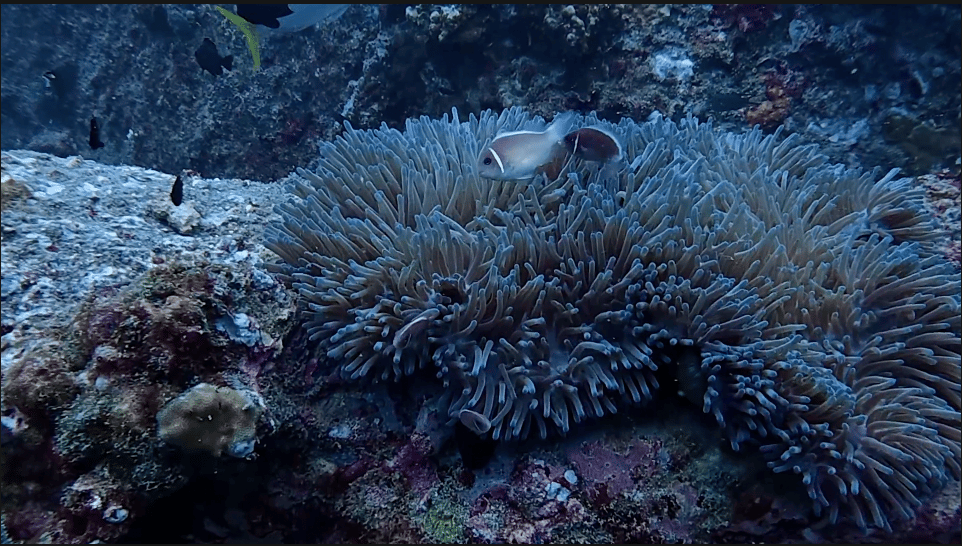
Anemones cover the rock the same way they do at Chumphon, and pink skunk clownfish live in them. I did not see a single orange clownfish anywhere in Thailand.
Best Wreck Dive: HTMS Sattakut
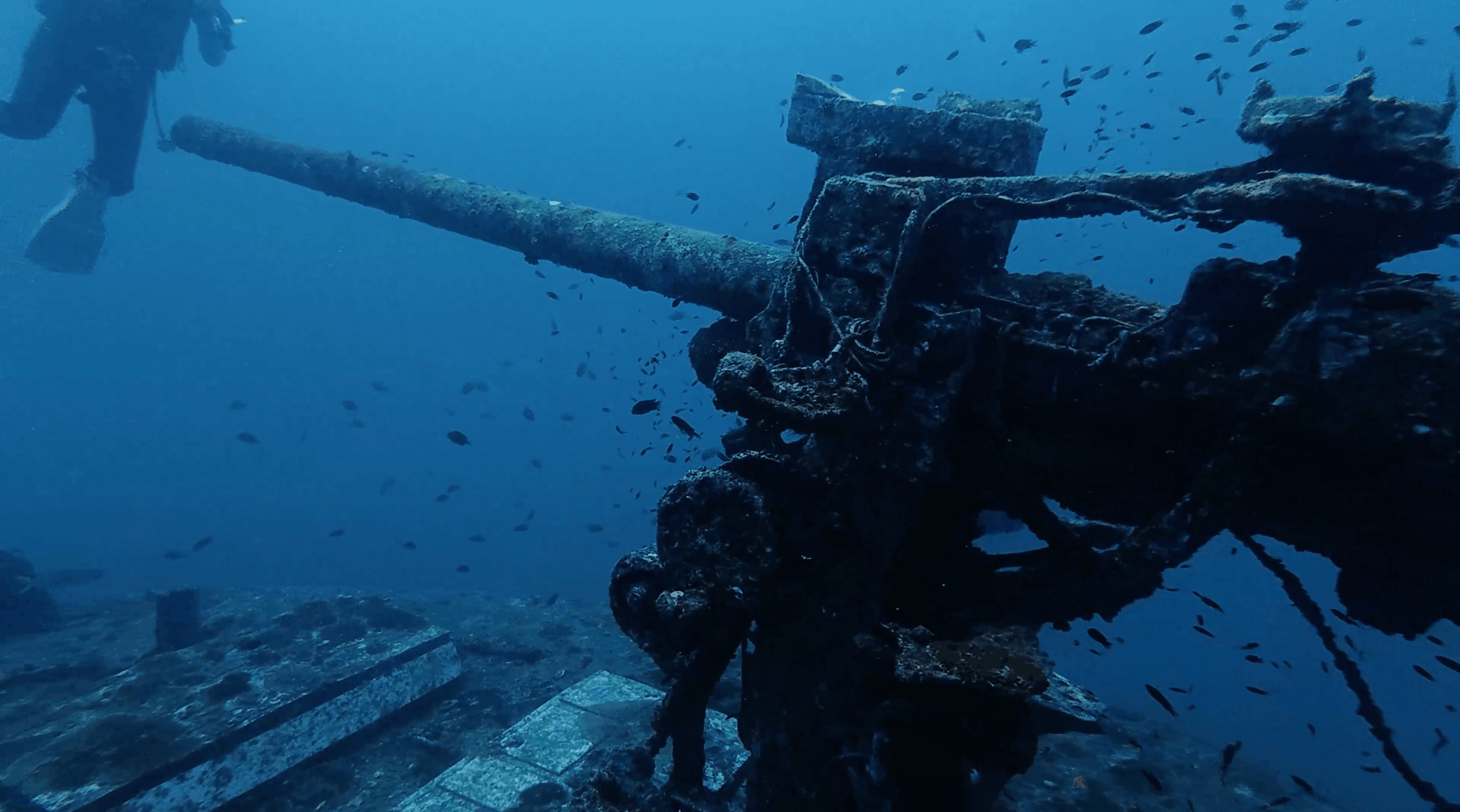
The HTMS Sattakut is the best known wreck on Koh Tao, sitting off the southwest side of the island about 40 metres south of the Hin Pee Wee pinnacle.
She was built in 1942, served with the Royal Thai Navy, and was sunk deliberately in June 2011. At roughly 48 metres long she sits upright on the seabed, with the top of the wreck around 60 feet (18 m) and the stern down near 100 feet (30 m).
Both guns are still mounted, and the bow gun is the reason people dive her. It is intact, still on its ring, and shallow enough at deck level that you can spend real time on it.
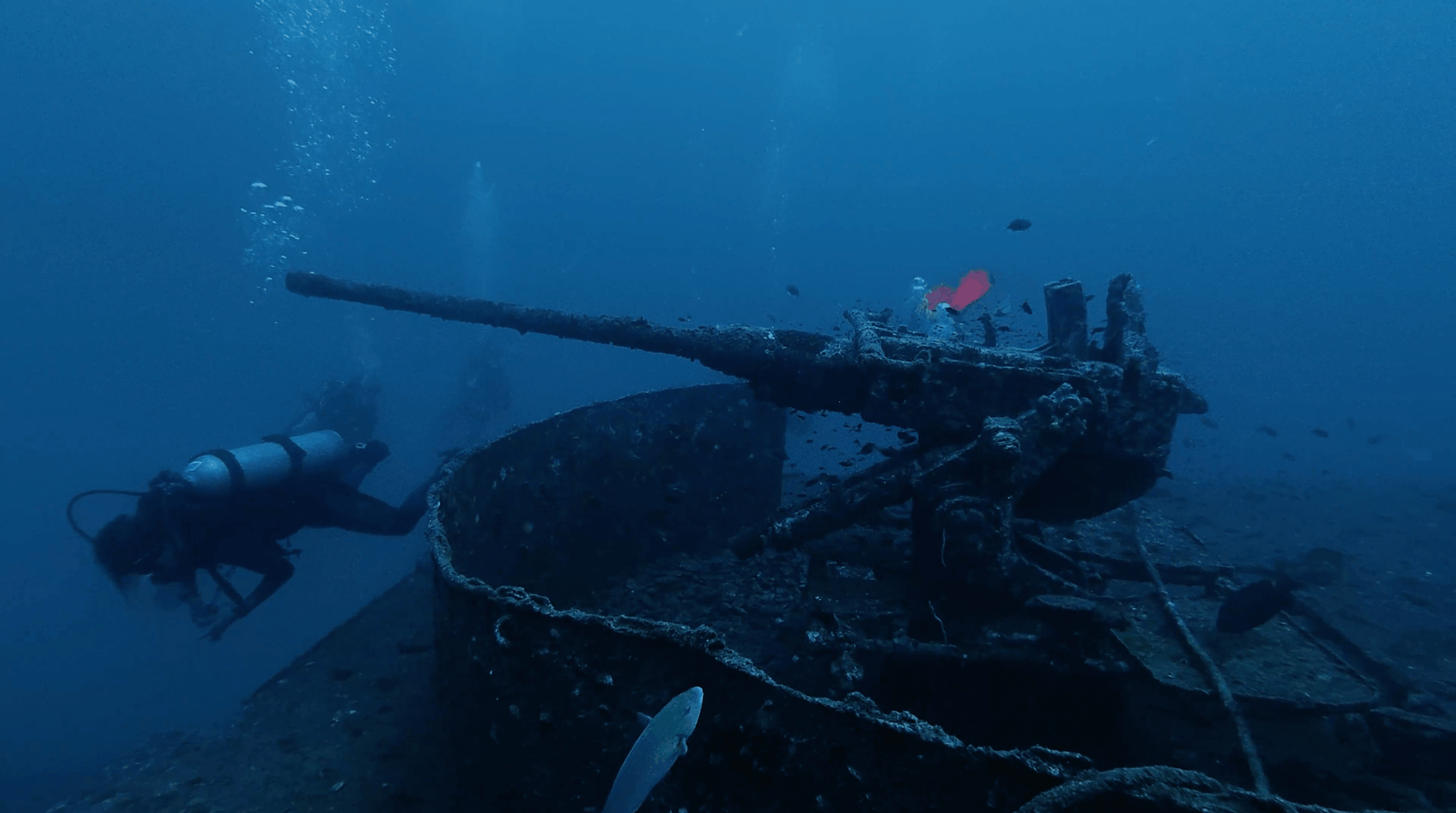
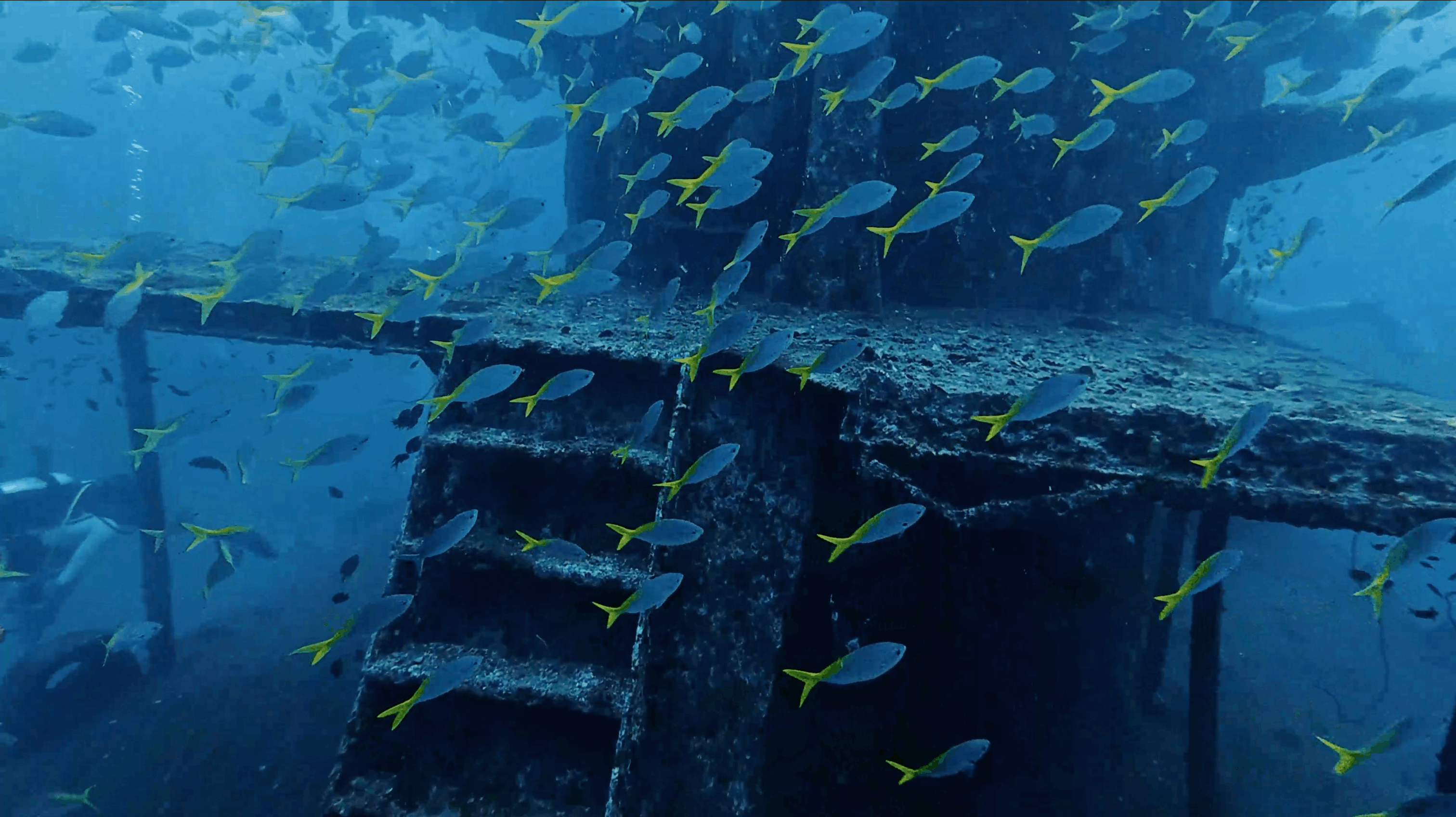
The hull is completely encrusted after more than a decade underwater and the whole wreck is covered in fusiliers. My deepest point was 83 feet (25.3 m), which is deck and gun level rather than down on the sand.
Big Blue pair it with Southwest Pinnacle on the same morning trip.
Newest Wreck: HTMS Suphairin
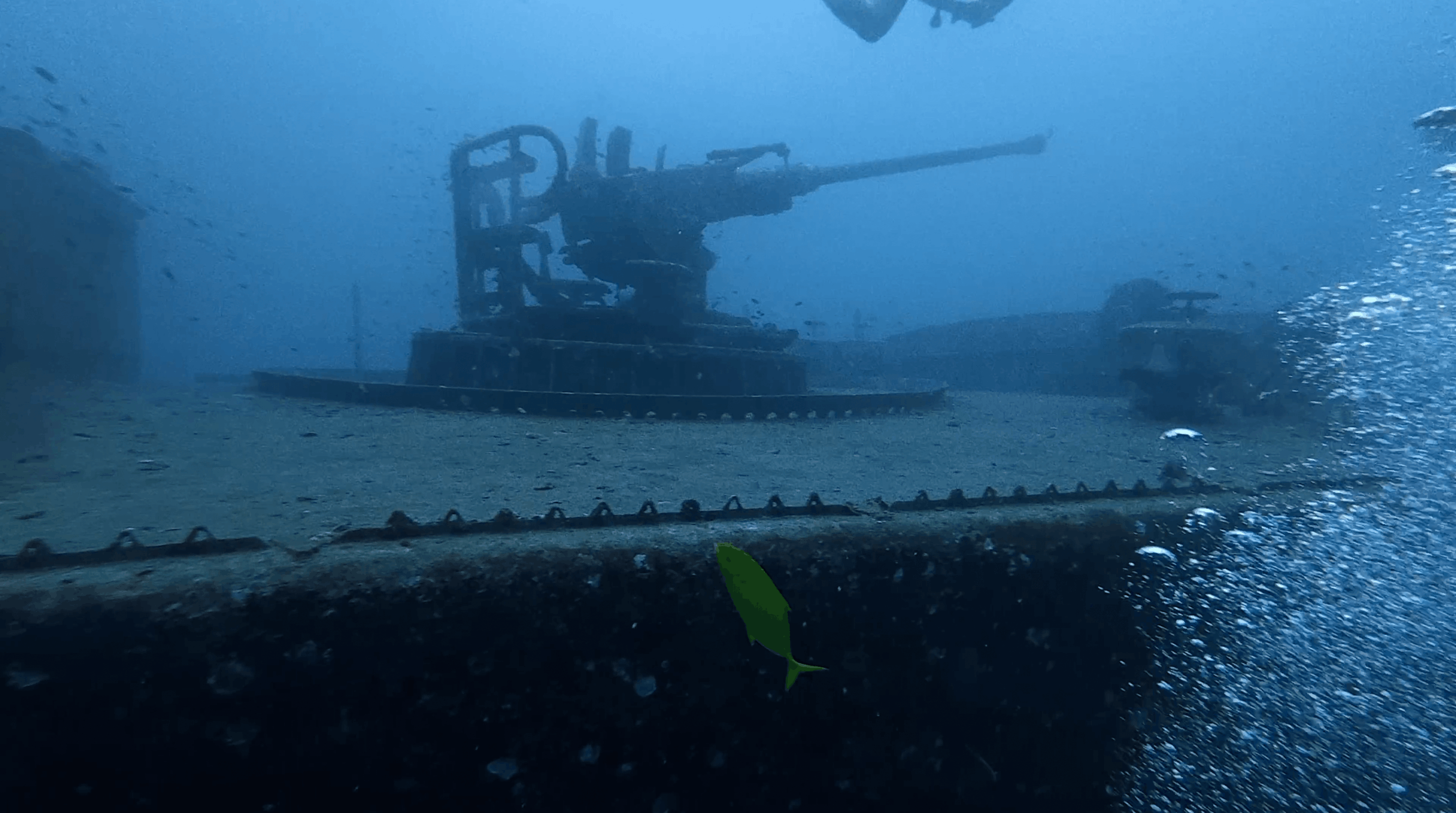
The HTMS Suphairin is a Royal Thai Navy fast attack craft scuttled in 2023, which makes her one of the newest wreck dives in the Gulf of Thailand.
She sits off the northwest side of the island about 15 metres from No Name Pinnacle, close enough that the two get dived together on a single tank. That pairing is the best value dive on the island.
Because she only went down in 2023 the growth is still early. The hull carries rust and a thin encrustation rather than the hard coral you get on the Sattakut, which makes the two wrecks a useful before and after.
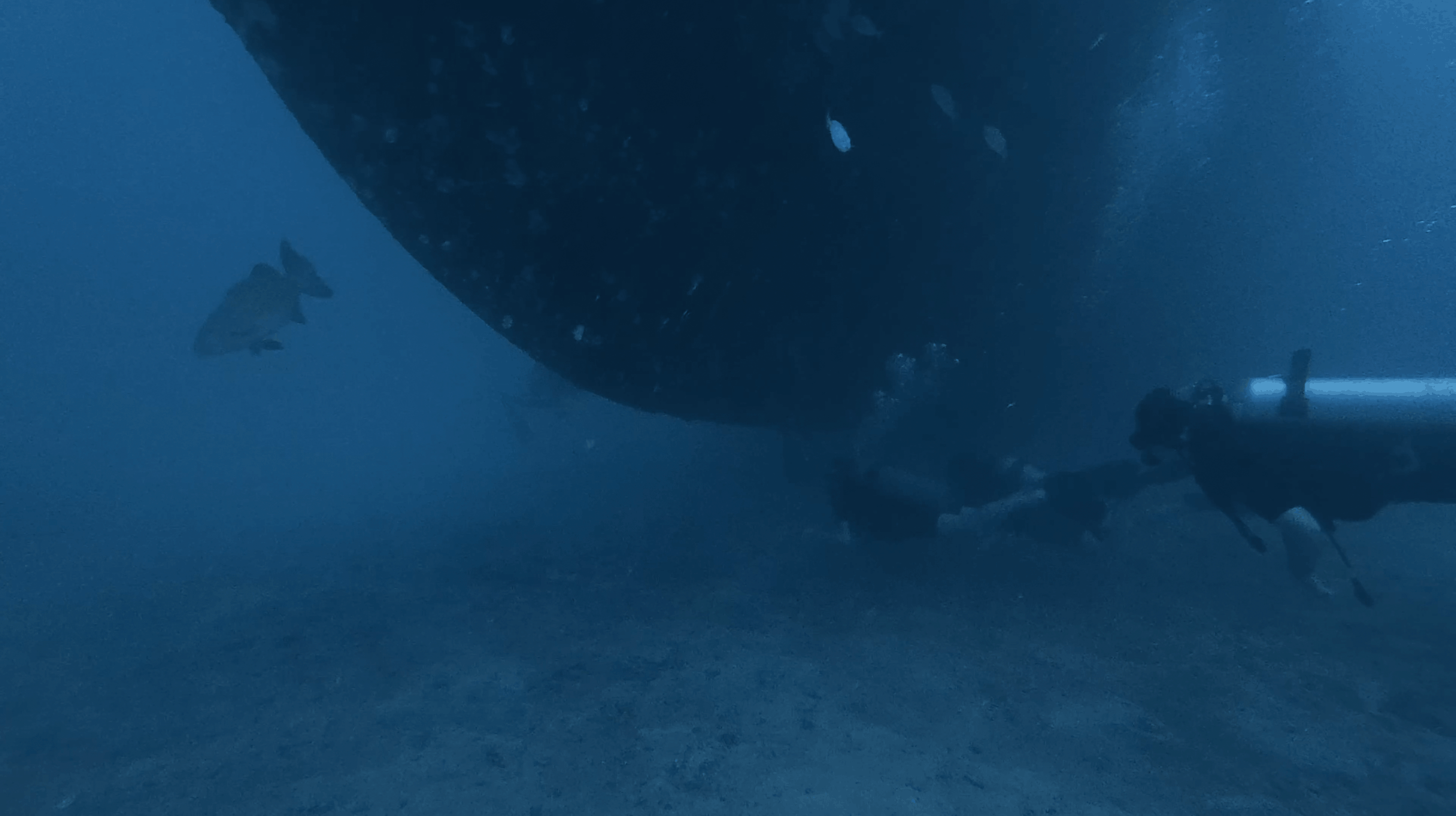
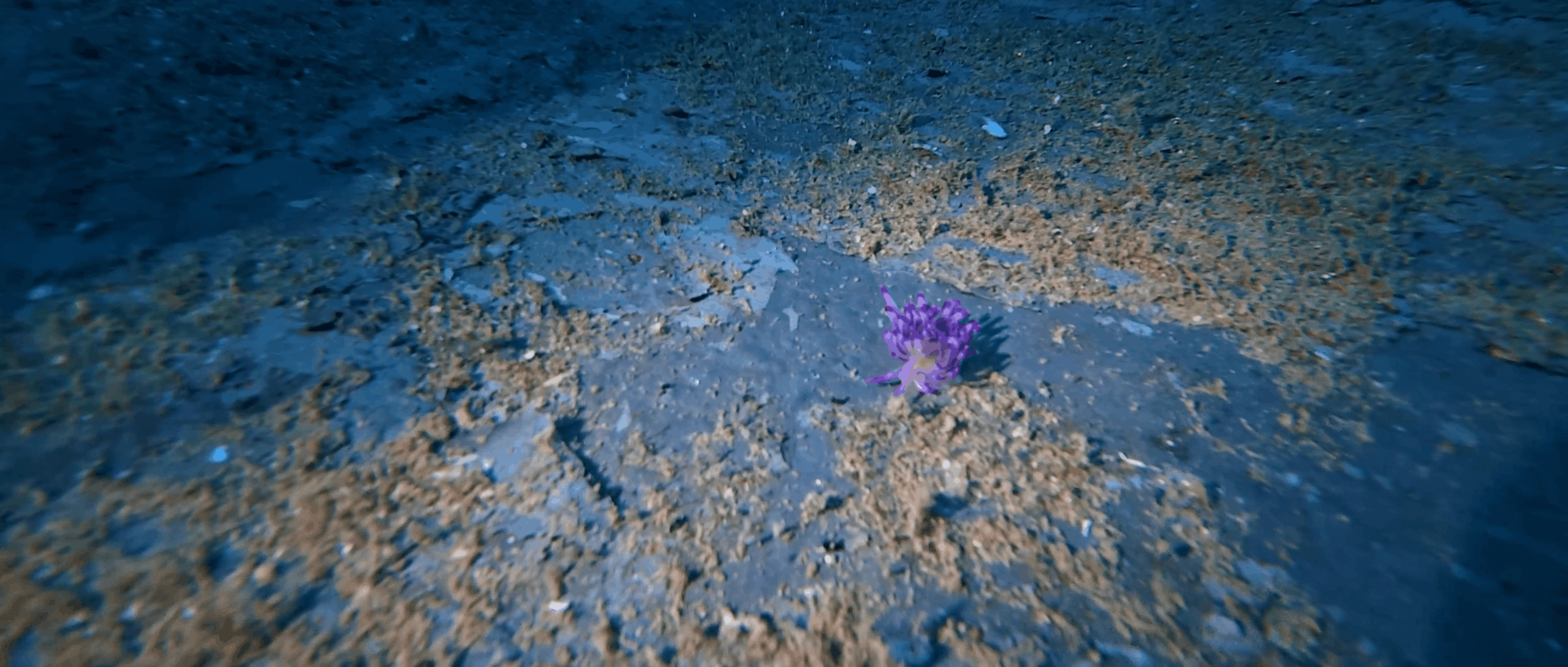
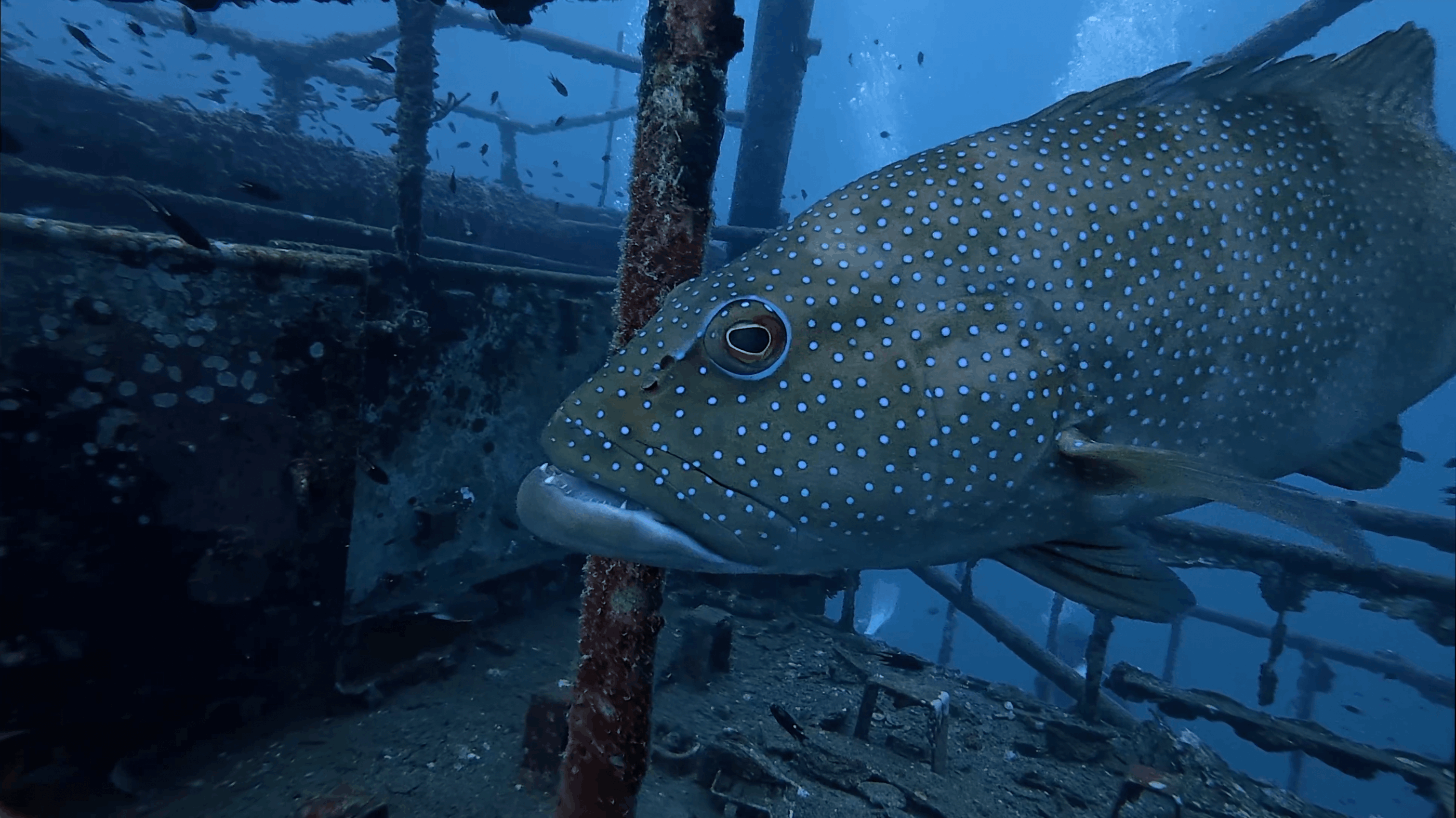
Groupers hold position in the bridge and the fish life is already better than I expected for a wreck this new.
Best Barracuda: No Name Pinnacle
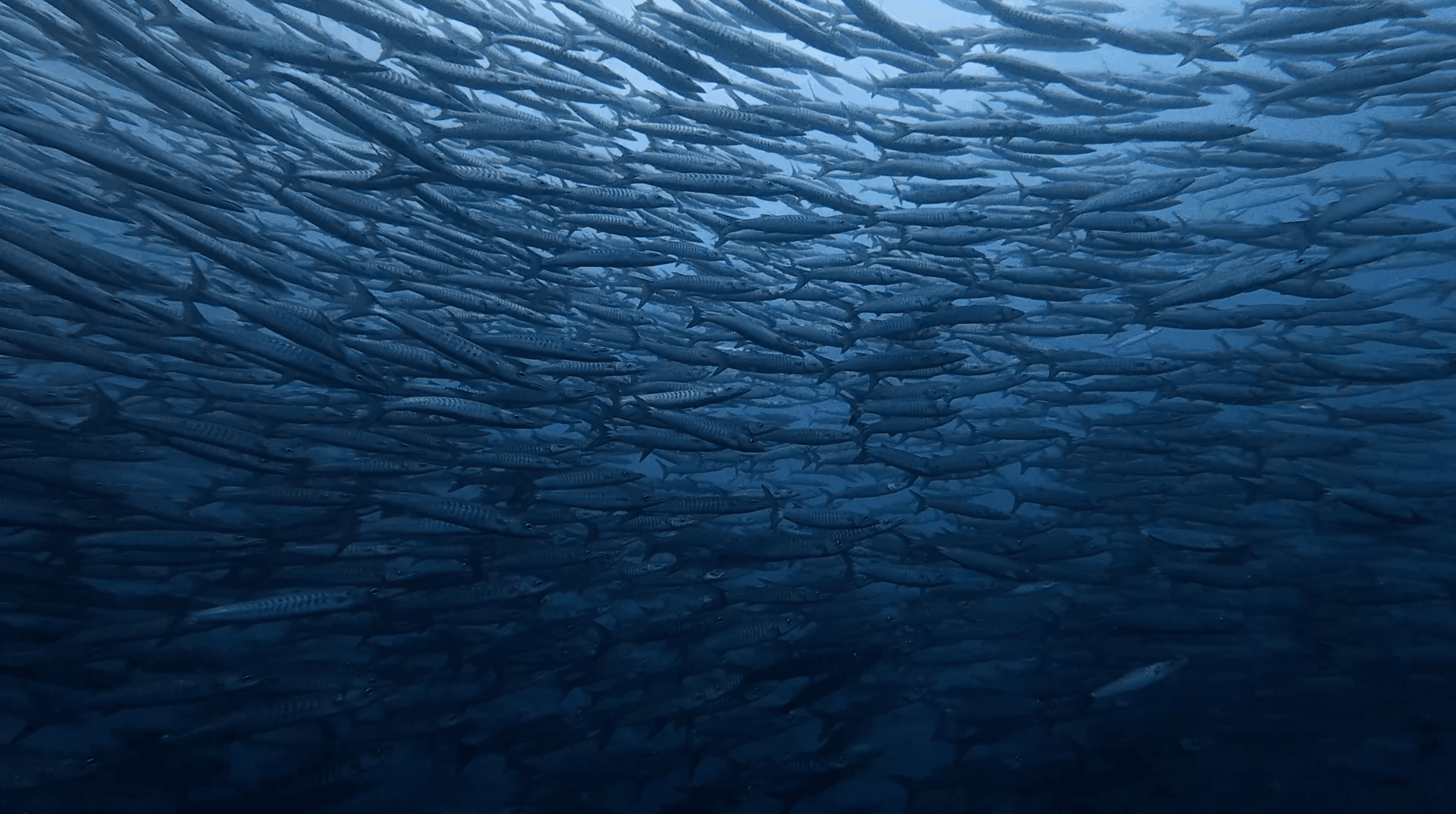
No Name Pinnacle is the other half of the Suphairin dive, and it is the better of the two.
The pinnacle tops out well below the surface and drops to around 100 feet (30 m) at the base. The coral cover is noticeably healthier here than on the wreck next door, with whip corals and black coral on the deeper wall.
The barracuda school sat above the pinnacle for most of the dive and did not break up when we moved through it. That is unusual, and it is why this site is worth the trip on its own.
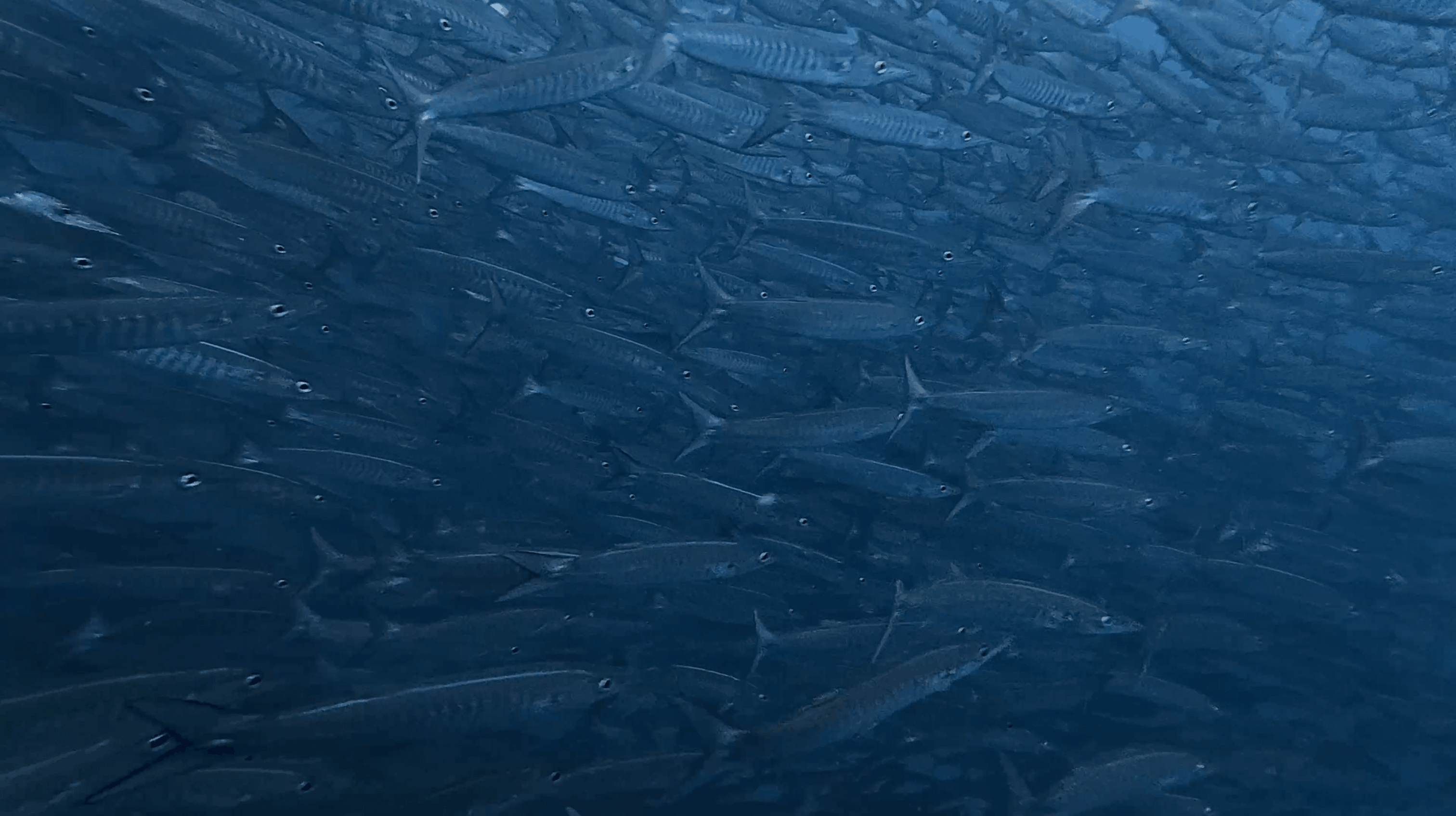
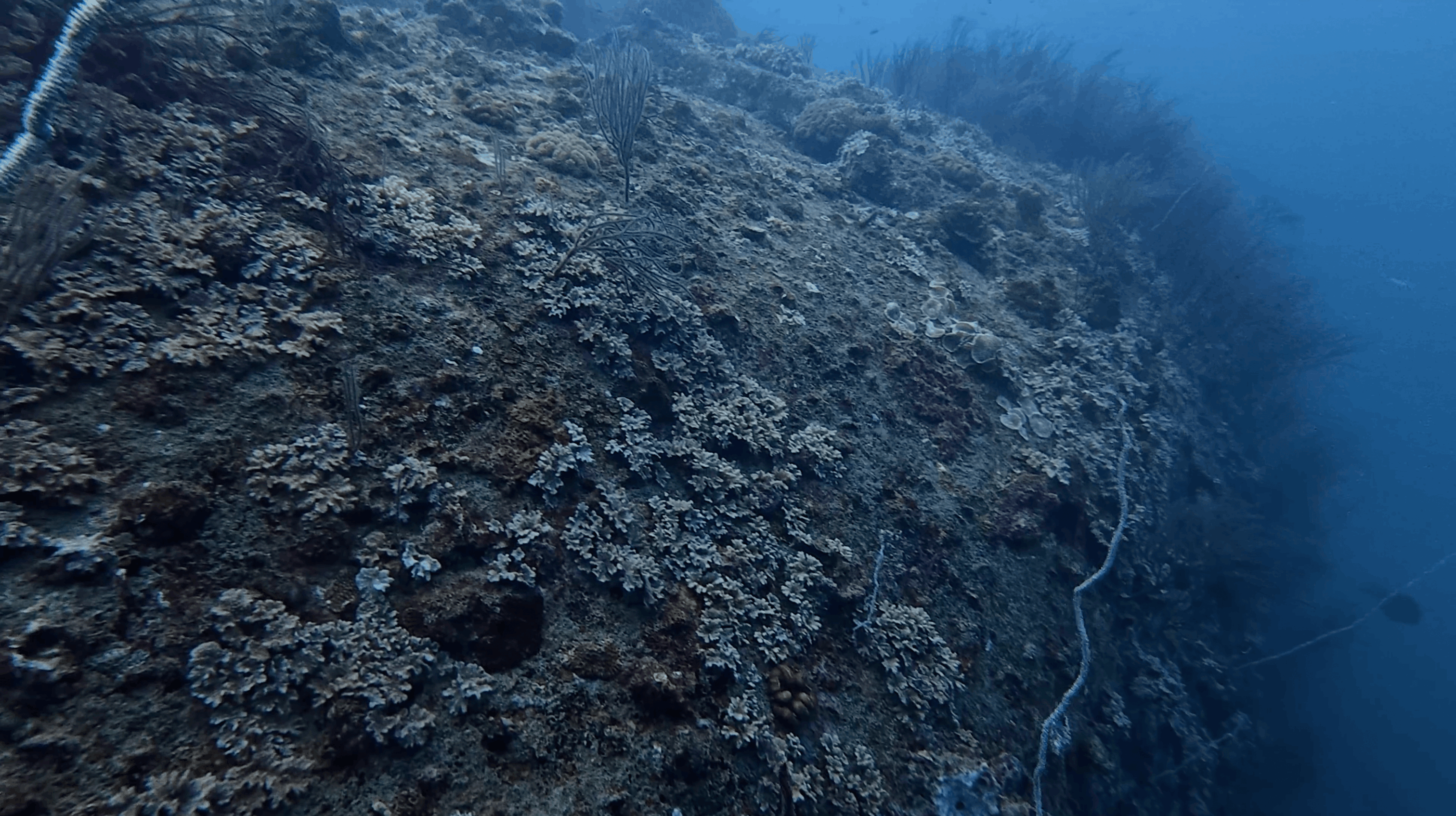
You drop down the mooring line and the structure appears underneath you, which makes for one of the better descents on the island.
Best Beginner Dive: Shark Island
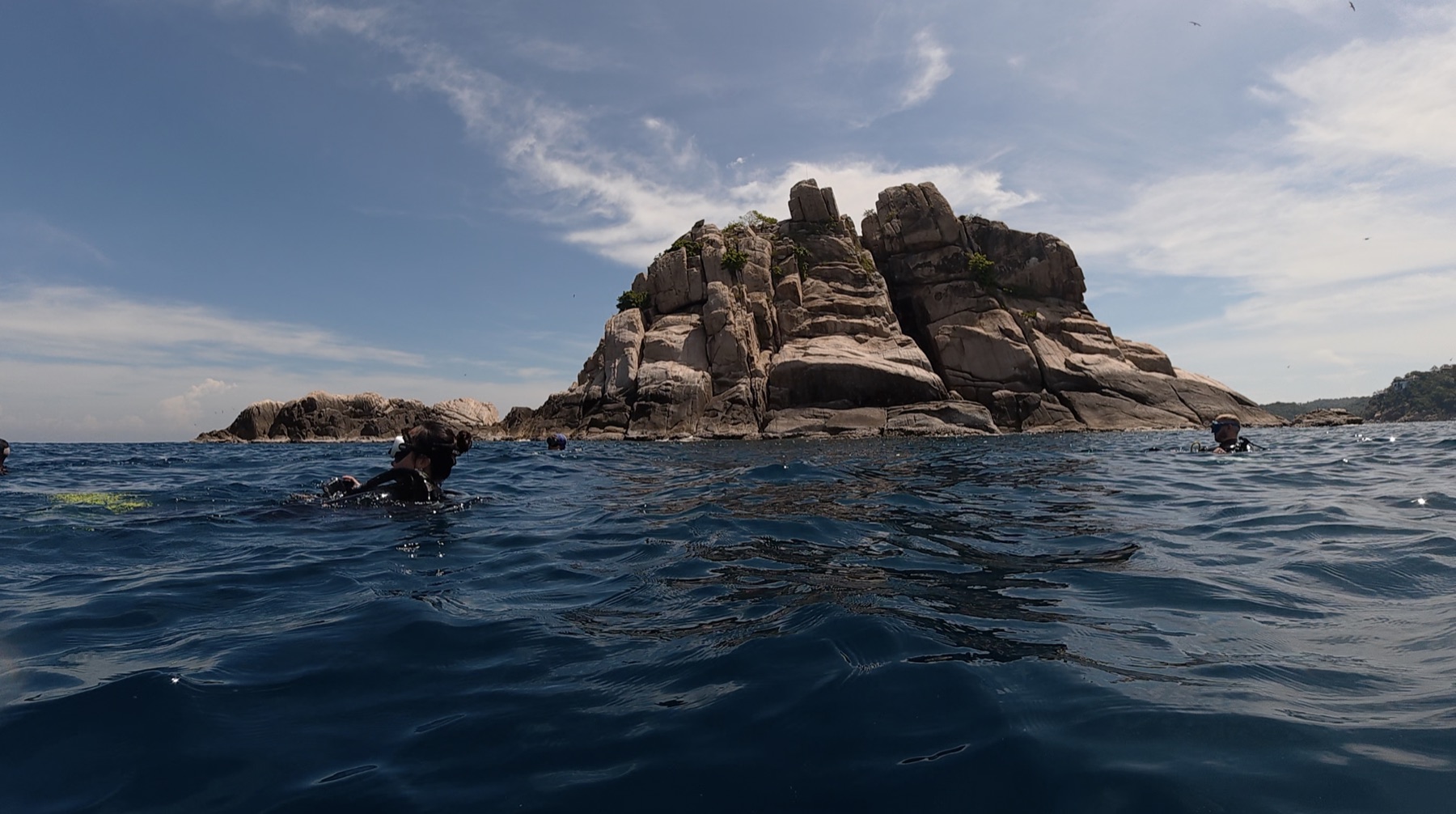
Shark Island is a small uninhabited islet about 3 miles (4 km) southeast of Mae Haad pier, the closest site I dived and the shallowest.
It is named for the way the rock sits in the water like a dorsal fin, and for its reputation as a hotspot for reef sharks. The site splits into a shallow coral garden suited to beginners and a deeper boulder slope for more experienced divers.
At 63 feet (19.3 m) max and 29 feet (8.9 m) average across 53 minutes, it was the longest dive of my trip. The short boat ride is why it often gets used as the last dive of a longer day.
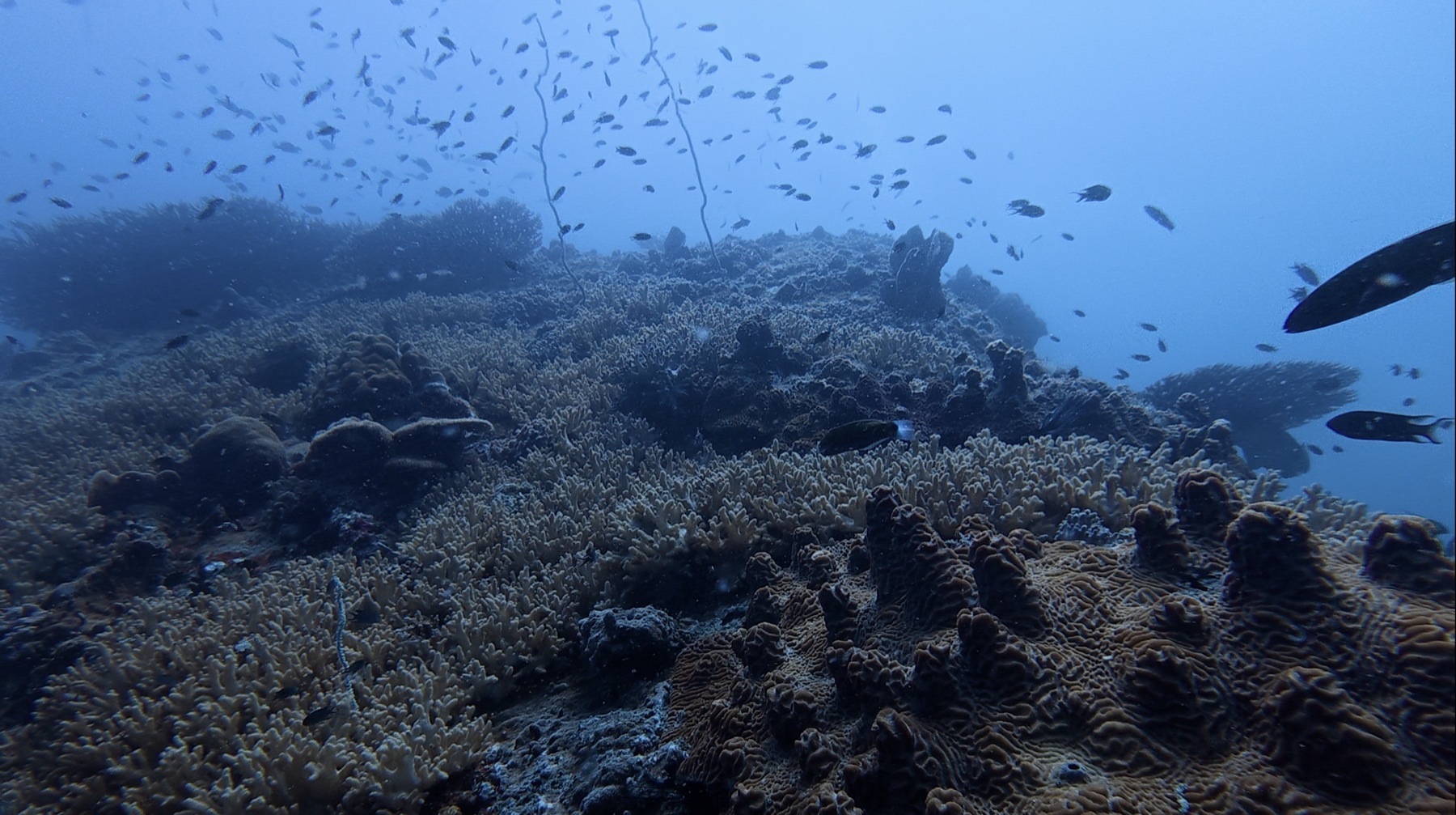
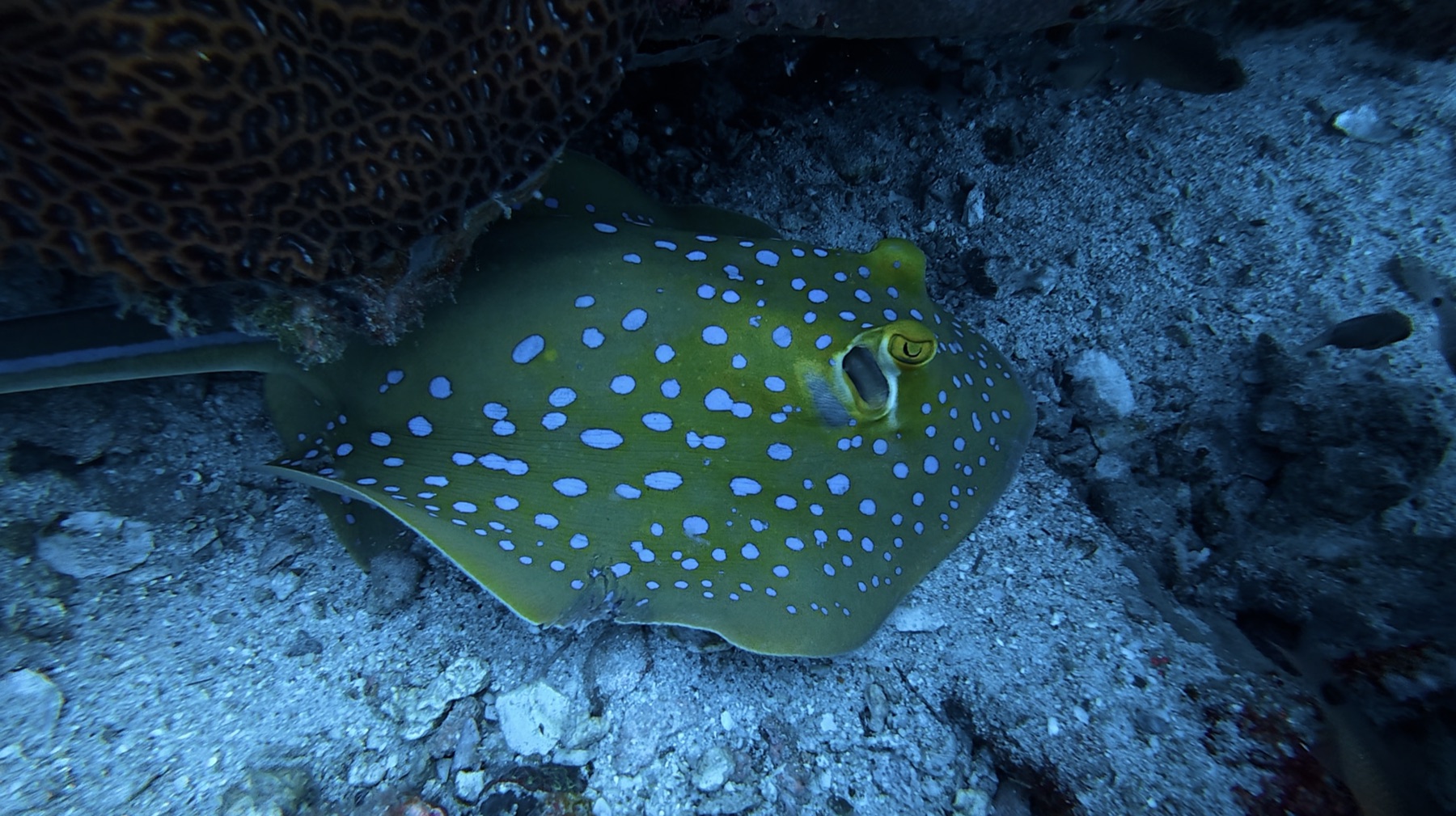
Despite the name, I did not see a single shark. What I did see was a blue spotted ribbontail ray, raccoon butterflyfish, a large triggerfish and a healthy hard coral garden.
Visibility ran around 60 feet (18 m), lower than it usually is here.
Sites I Didn't Dive
Big Blue run a wider rotation than I got through in three days.
These are the sites on their published schedule that I did not dive, so I cannot rank them or tell you what they are like.
- White Rock
- Green Rock
- Red Rock
- Twins and Buoyancy World
- Japanese Gardens
- Mango Bay
- Junkyard Reef
Twins and Junkyard Reef come up most often as the training and buoyancy sites, and Mango Bay and Japanese Gardens as the shallow afternoon dives.
Dive Operators in Koh Tao
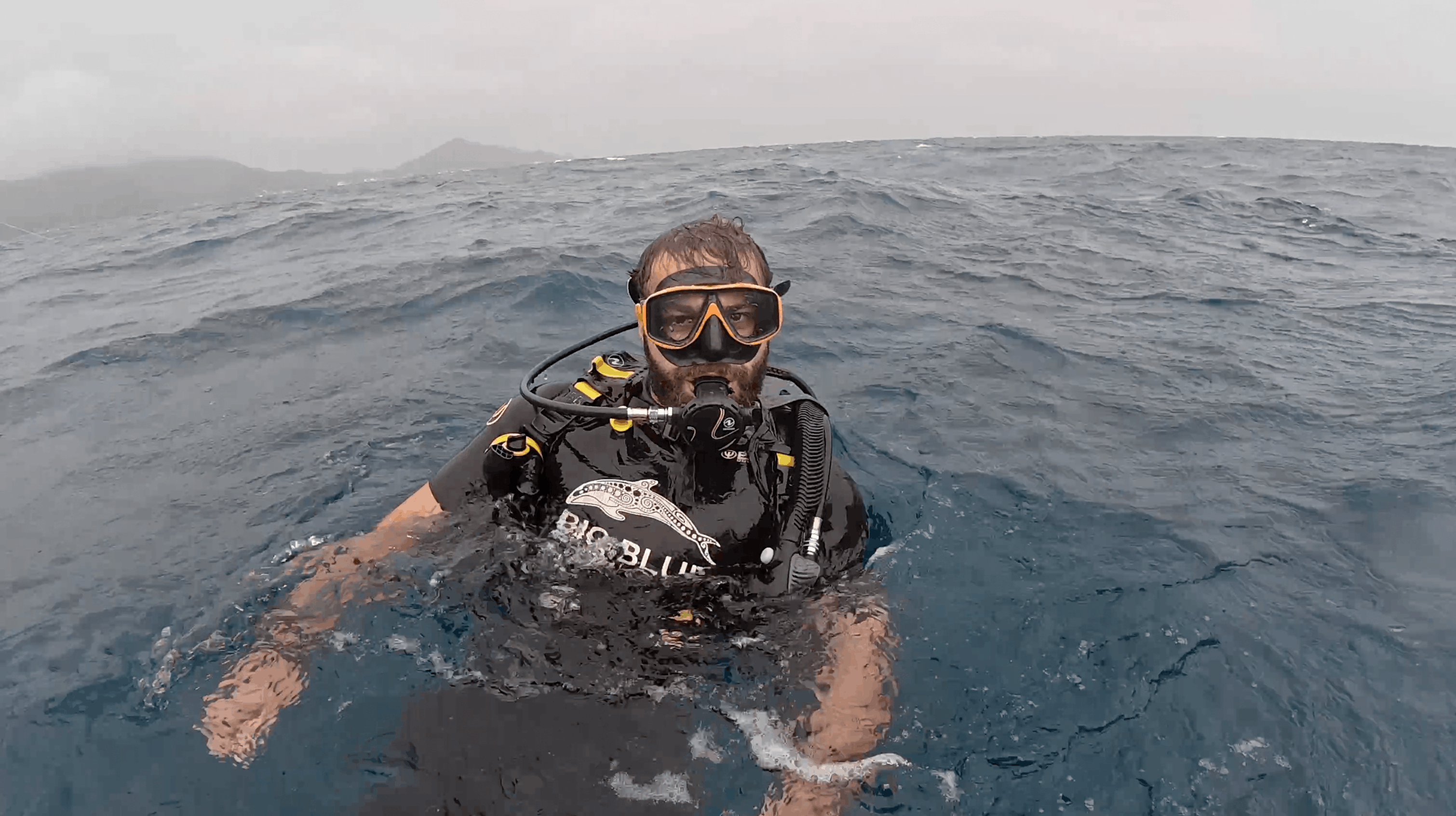
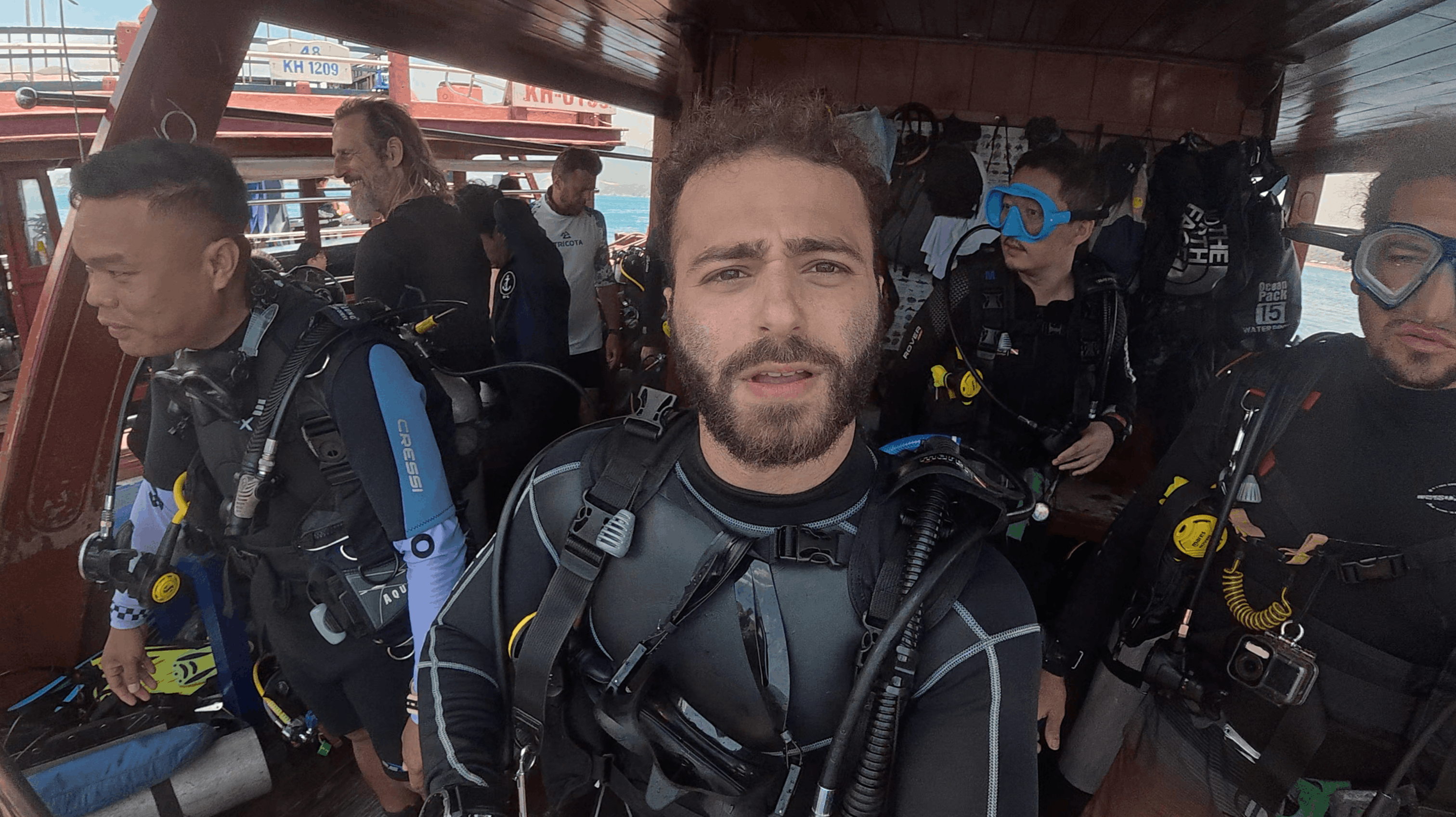
I dove the whole trip with Big Blue Diving, one of the largest dive centers on the island. My guide at Chumphon Pinnacle was Nadine, and she knows that site well.
Big Blue require a wreck diver certification before they will let you inside a wreck, and the guides enforce it.
I do not have one, so I never got inside the Sattakut or the Suphairin and have no footage from inside either hull. If penetration matters to you, get the certification done before you arrive or pick it up on the island.
What Diving Koh Tao Costs
These are Big Blue's published rates at the time of my trip.
- Two dives, morning or afternoon: 1,800 THB, around 50 US dollars
- Three dives, full day: 3,800 THB, around 105 US dollars
- Sail Rock trip, two dives at Sail Rock plus one at Shark Island: 4,000 THB, around 110 US dollars
- Single fun dive: 2,000 THB
- Scuba refresher: 1,200 THB
My seven dives across three days came to 7,600 THB at those rates, roughly 210 US dollars.
That is among the cheapest quality diving anywhere, which is most of why Koh Tao is what it is.
Water Conditions and What to Wear
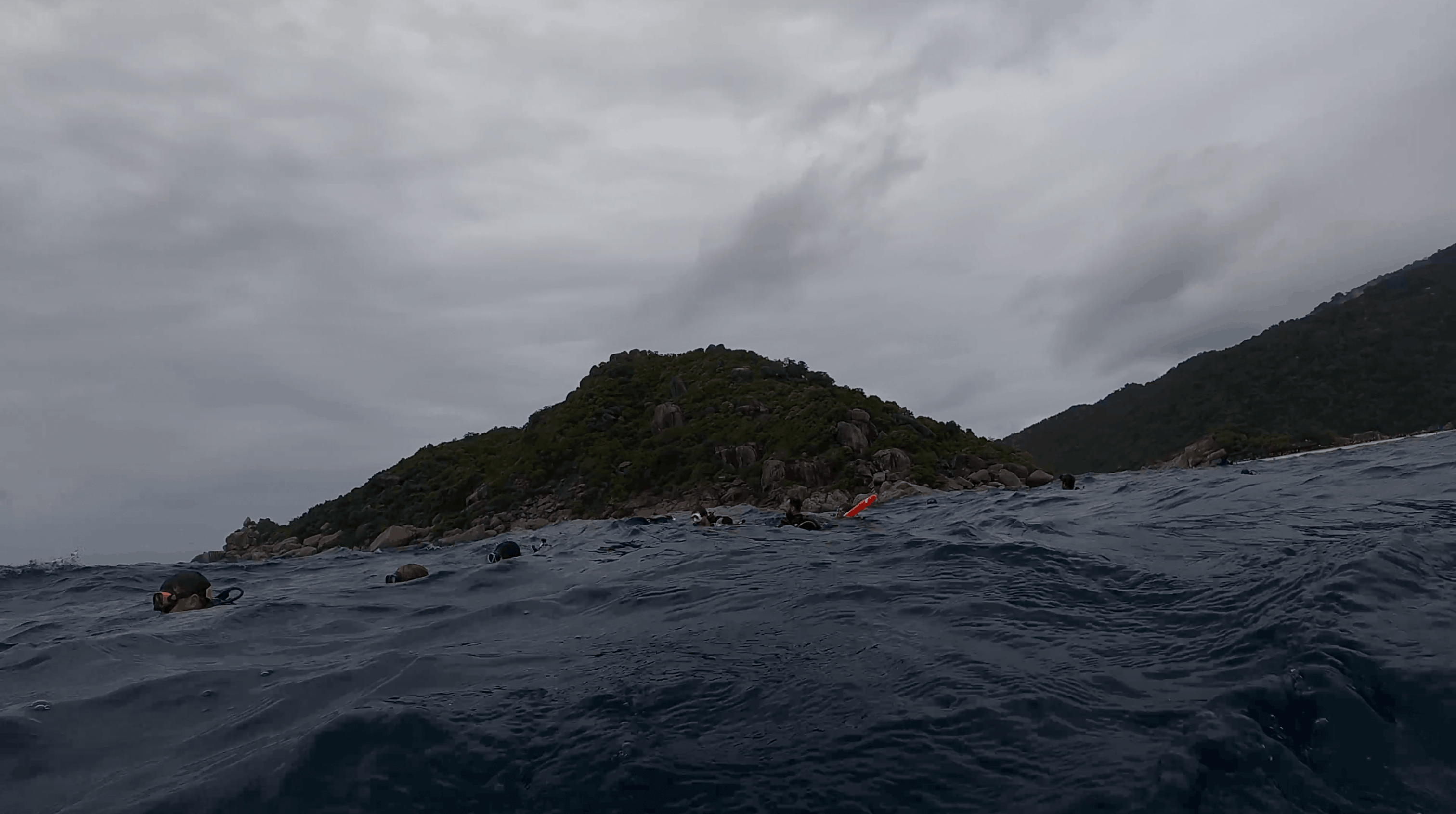
Water temperature averaged 86°F (30°C) on every single dive I did. Visibility ran 100 feet (30 m) at Chumphon Pinnacle and Southwest Pinnacle, and around 60 feet (18 m) at Shark Island on a bad afternoon.
The surface was the problem rather than the water. Rough seas and heavy rain on most days, which made the boat rides worse than the dives.
Where to Stay in Koh Tao
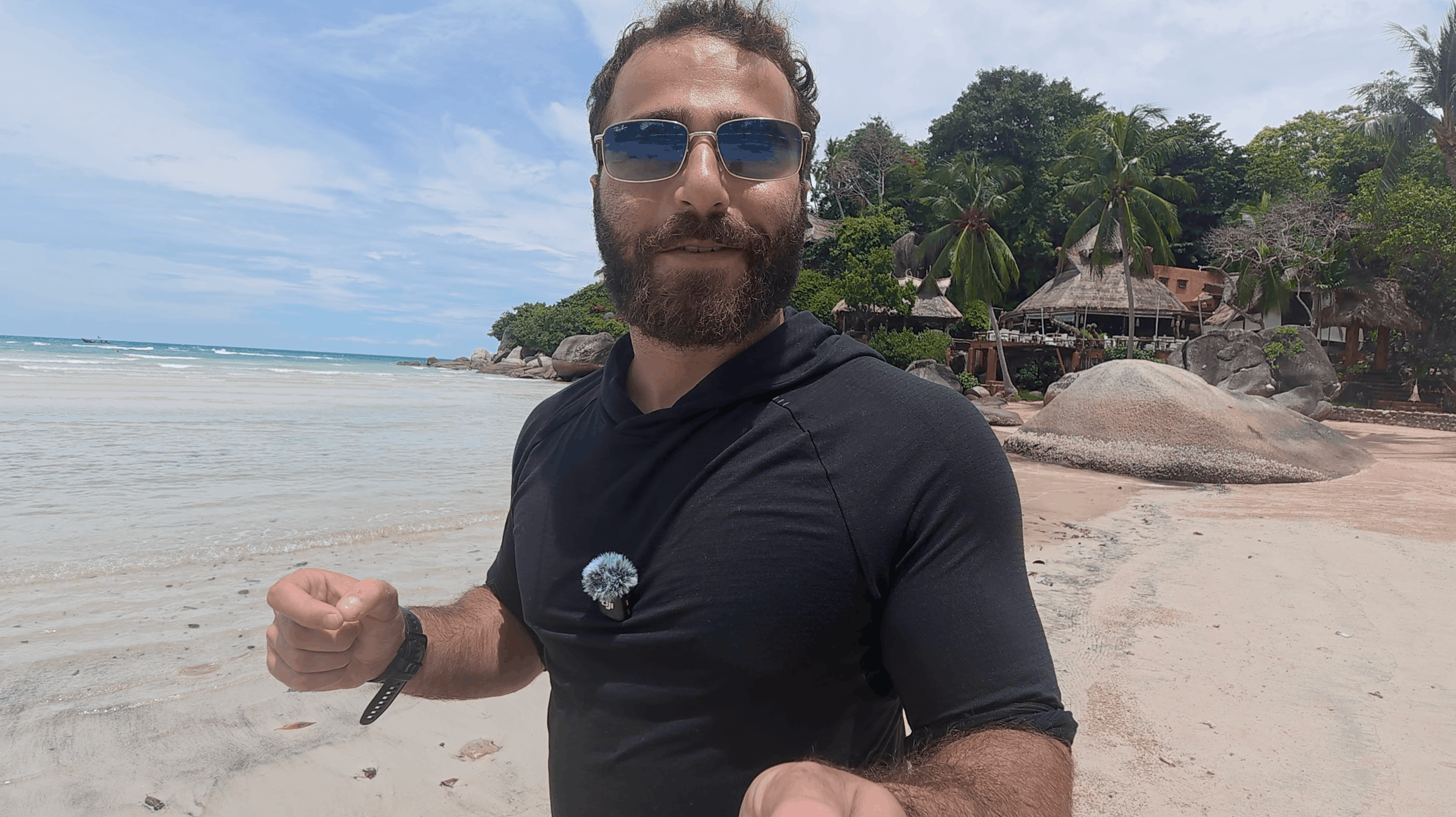
Addresses here use Moo numbers, which are village clusters rather than streets.
Moo 1 is Sairee Beach, Moo 2 is Mae Haad and Moo 3 is Chalok Baan Kao.
I started in Sairee and left quickly. It has most of the bars, shops and dive centers, and it was far too hectic for me, especially in bad weather.
The street turns to mud when it rains, and it rained most of the week.
I moved to Mae Haad and stayed at Mea-haad Residance, which was much more comfortable.
Mae Haad is the pier town, so it is quieter and everything is walkable. Koh Tao is a hostel and backpacker island or a couples retreat, and there is not much in between.
Getting to Koh Tao
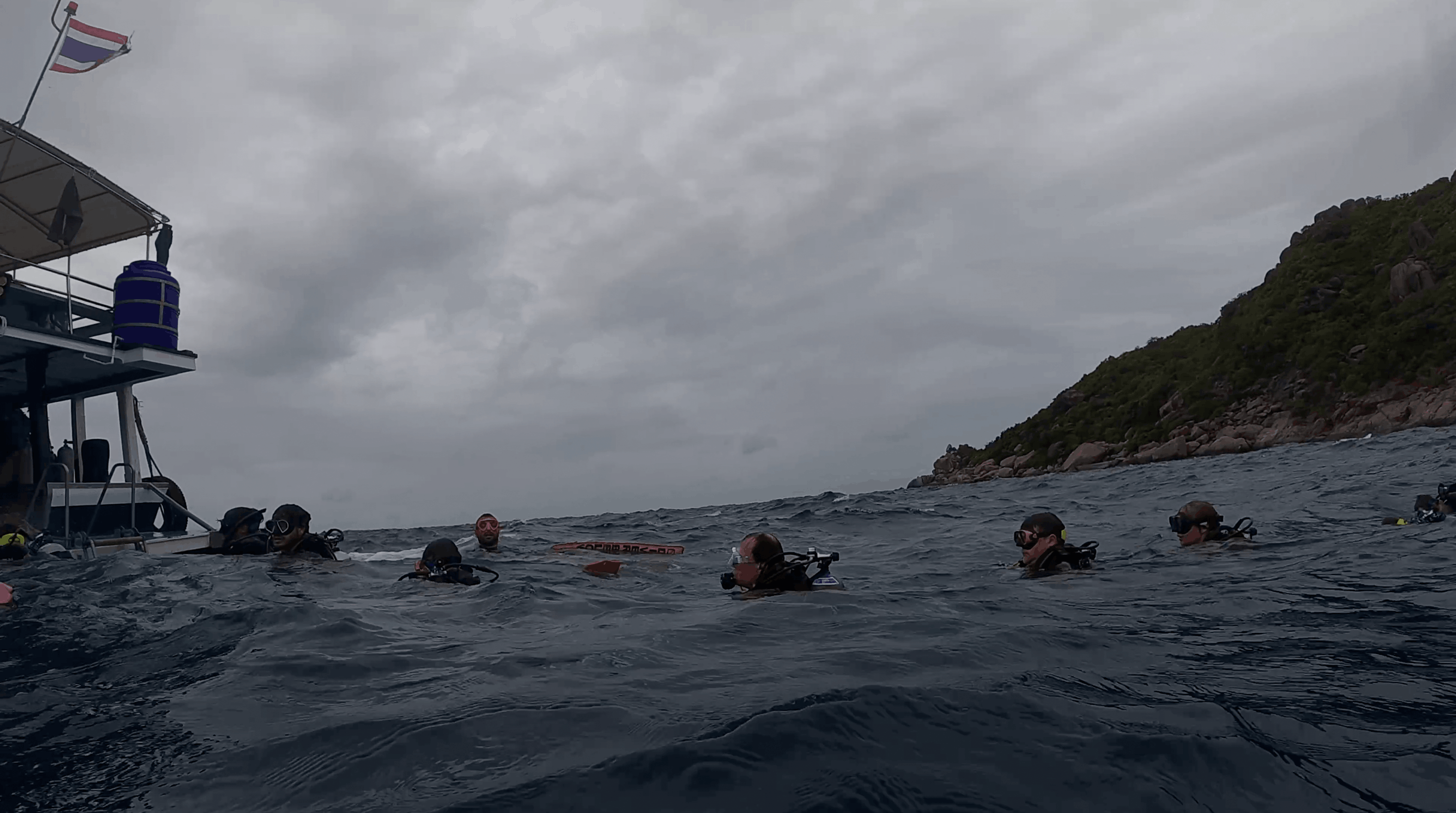
There is no airport on Koh Tao, so every route ends with a ferry. You can sail from Chumphon on the mainland, or from Koh Samui or Koh Phangan.
Flying into Koh Samui and taking the ferry across is the easiest combination, and it is what I did this trip.
To come via Chumphon instead, you take a bus from Bangkok, Phuket or Krabi and catch the ferry from there. That is the route I did in 2017 with my brother, and it is cheaper but a much longer day.
The questions I get asked most about diving here.
Do you need to be certified to dive in Koh Tao?
You need a certification to fun dive, and Koh Tao is one of the cheapest places in the world to get one. Big Blue also require a wreck diver certification specifically before they will let you inside a wreck.
When is the best time to dive Koh Tao?
Operators point to March through May for the calmest seas, best visibility and best whale shark odds. I dove in August and had rough seas and heavy rain, though visibility still reached 100 feet (30 m).
Can you see whale sharks in Koh Tao?
Yes, and Chumphon Pinnacle is the site most associated with them. I did not see one, but there was a sighting while I was on the island on a day I was diving elsewhere.
Can you dive inside the wrecks in Koh Tao?
Only with a wreck diver certification. Big Blue enforced this strictly, which is why I have no footage from inside the Sattakut or the Suphairin.
Is Sail Rock worth the trip from Koh Tao?
Yes. It is the longest boat ride of the three islands because Sail Rock is closer to Koh Phangan, but trips out of Koh Tao do three dives rather than two, so it works out cheaper per dive.
How do you get to Koh Tao?
Ferry from Chumphon, Koh Samui or Koh Phangan. Flying into Samui and taking the ferry is the easiest option.
Let's Dive Together
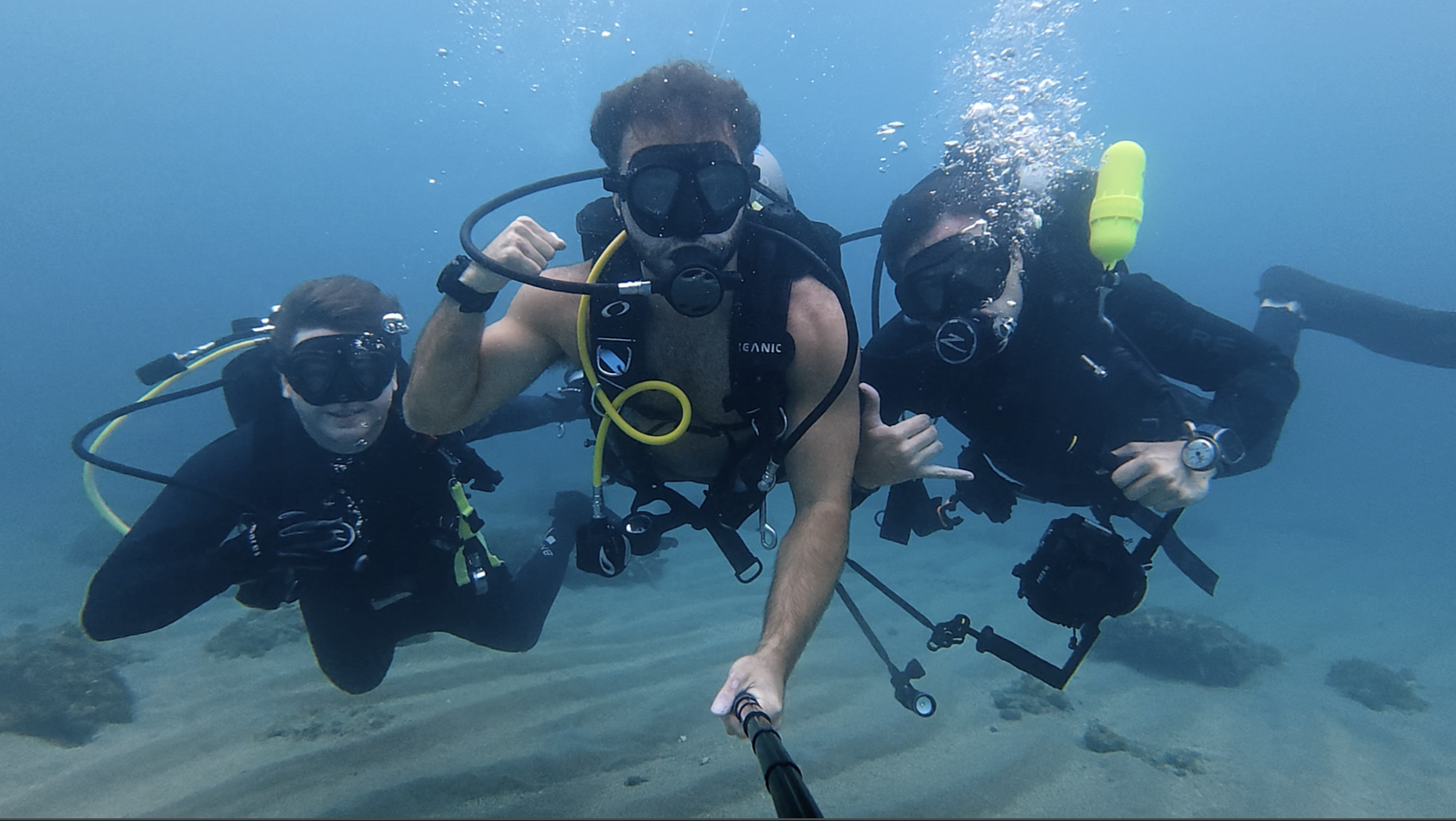
👋 It's Divemaster Austin
I'm inviting you to Dive Club, my global scuba diving community.
What you’ll find inside:
🤿 Dive meetups & group trips
🌍 Top dive sites shared by community members
⚙️ Gear tips & technique discussions
🤝 Diver's who’ve already linked up IRL
See you there!

.webp)
.webp)