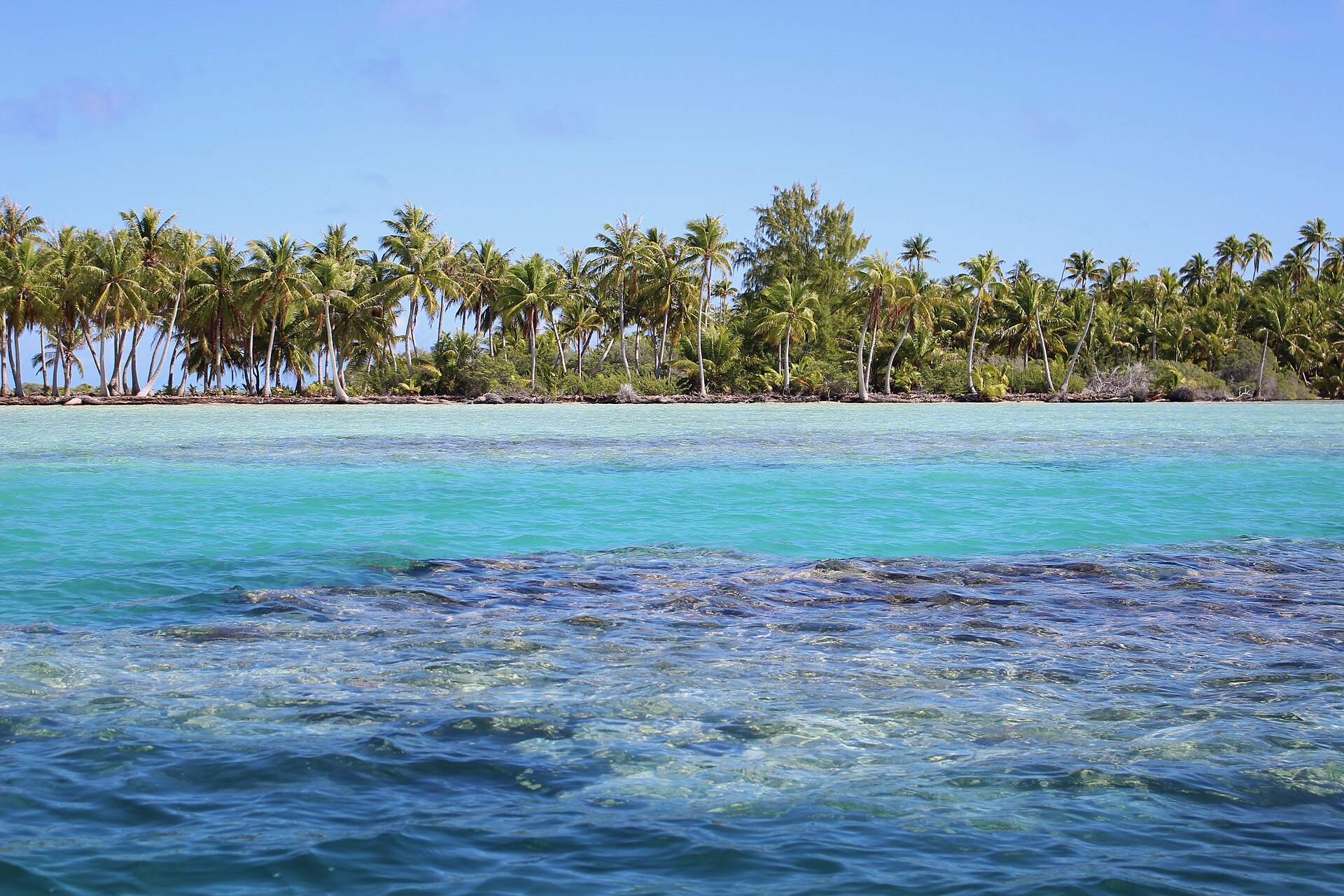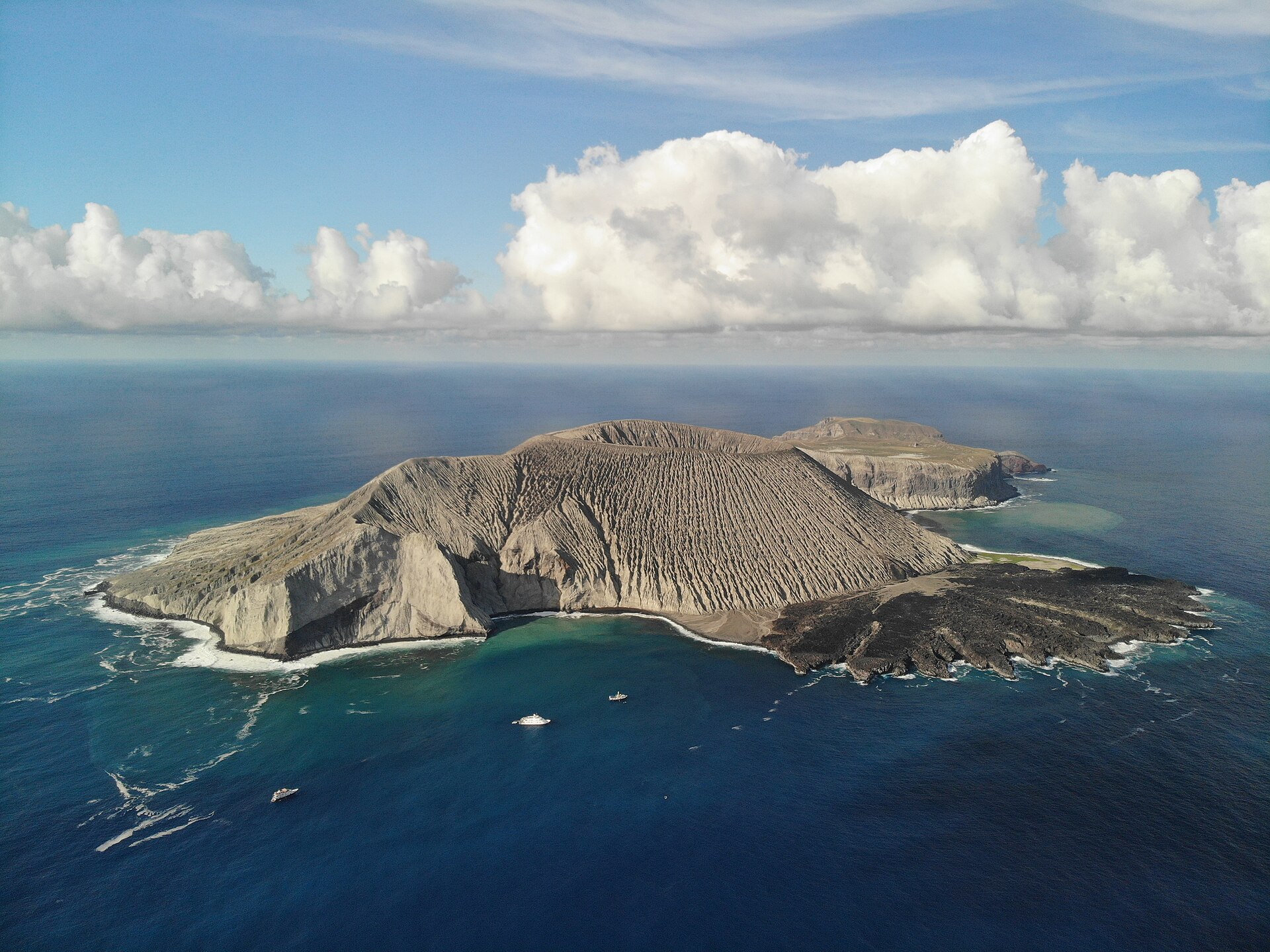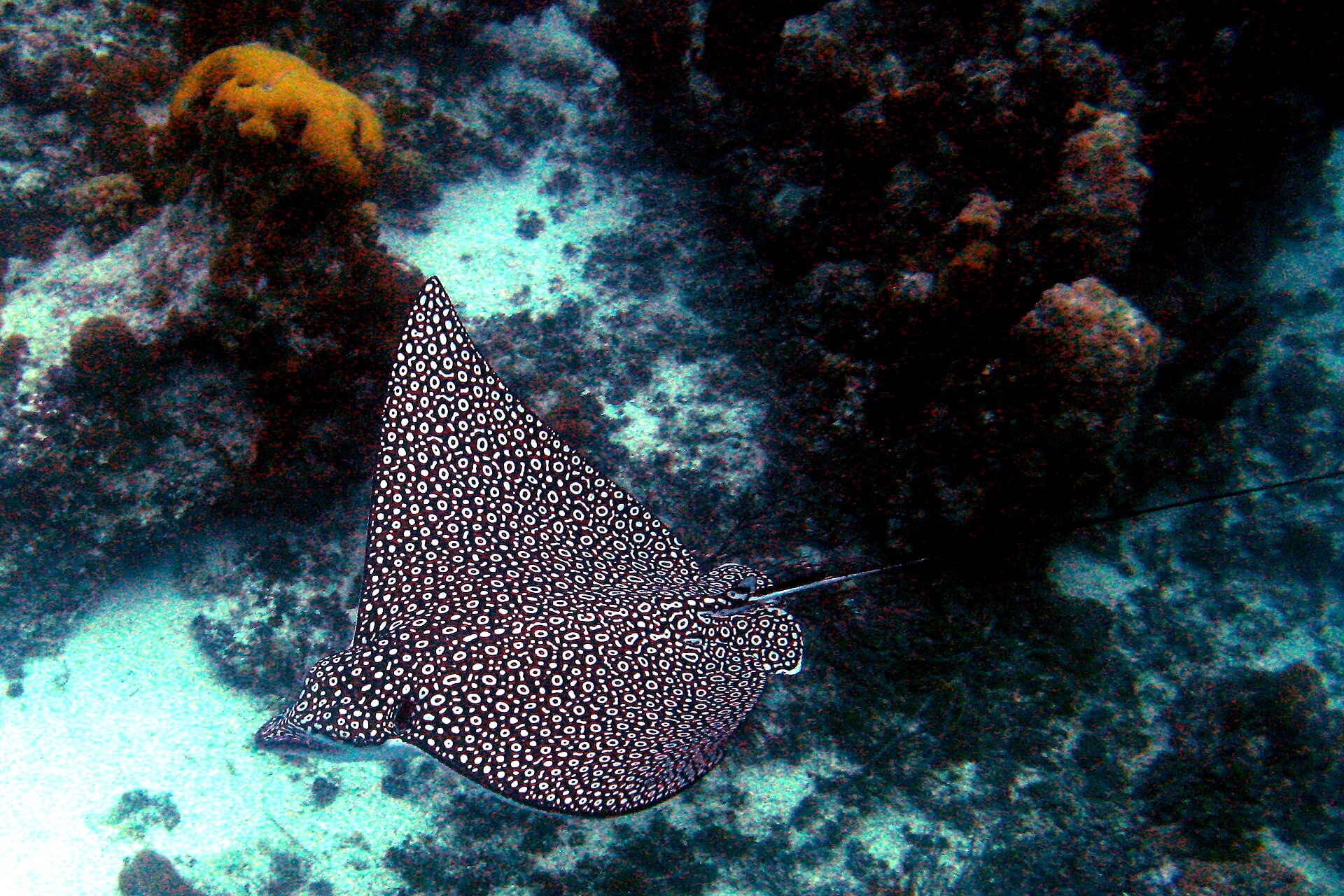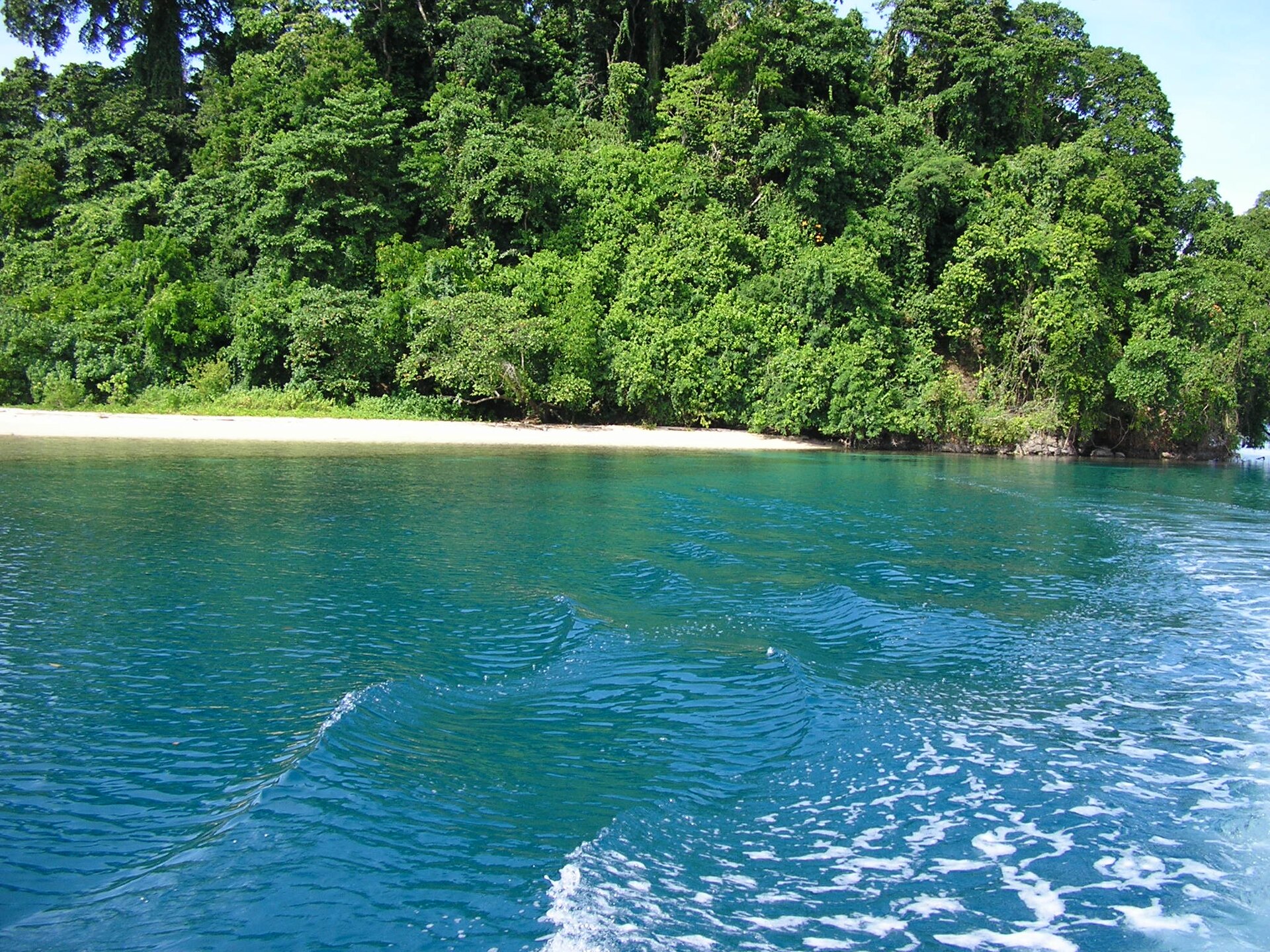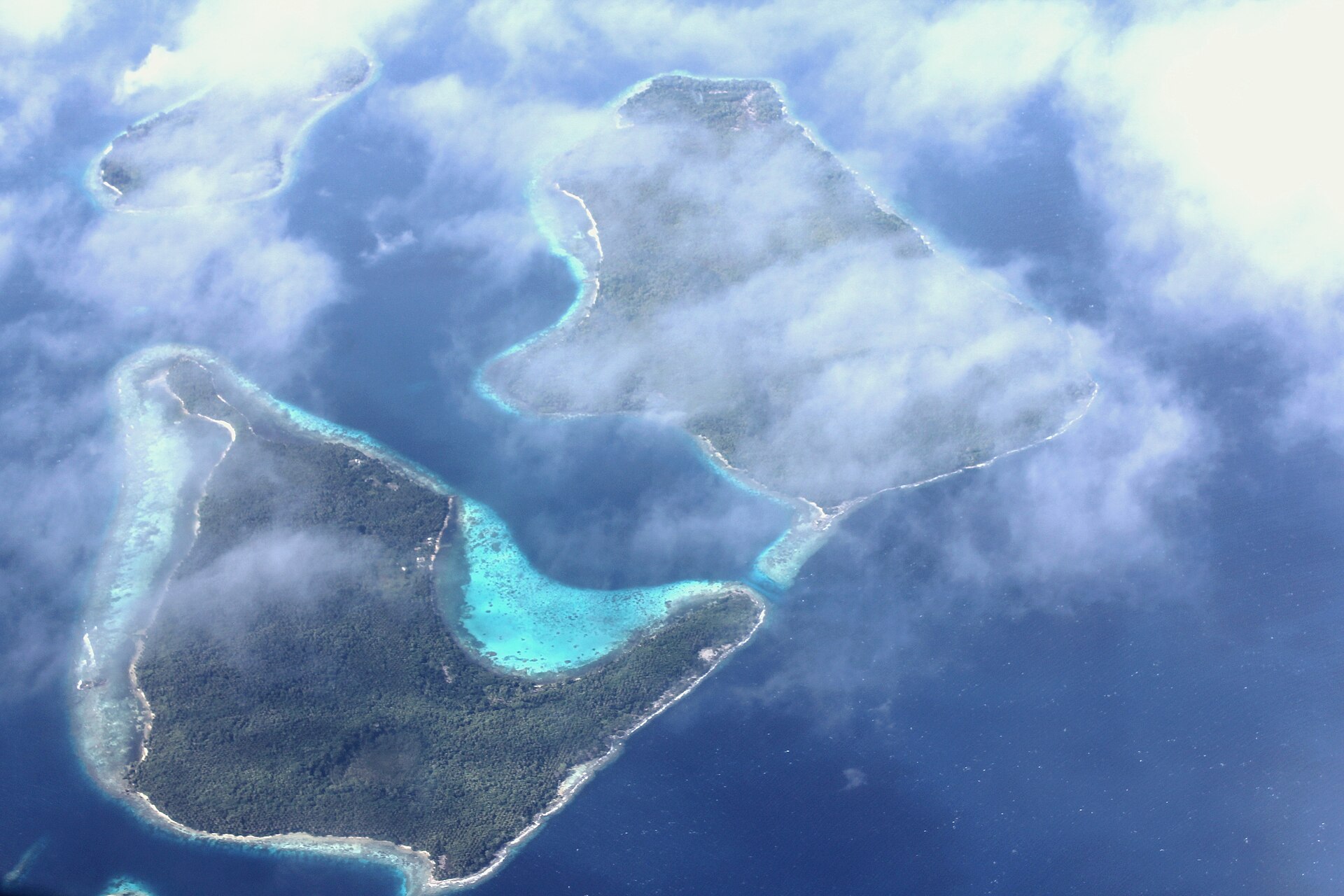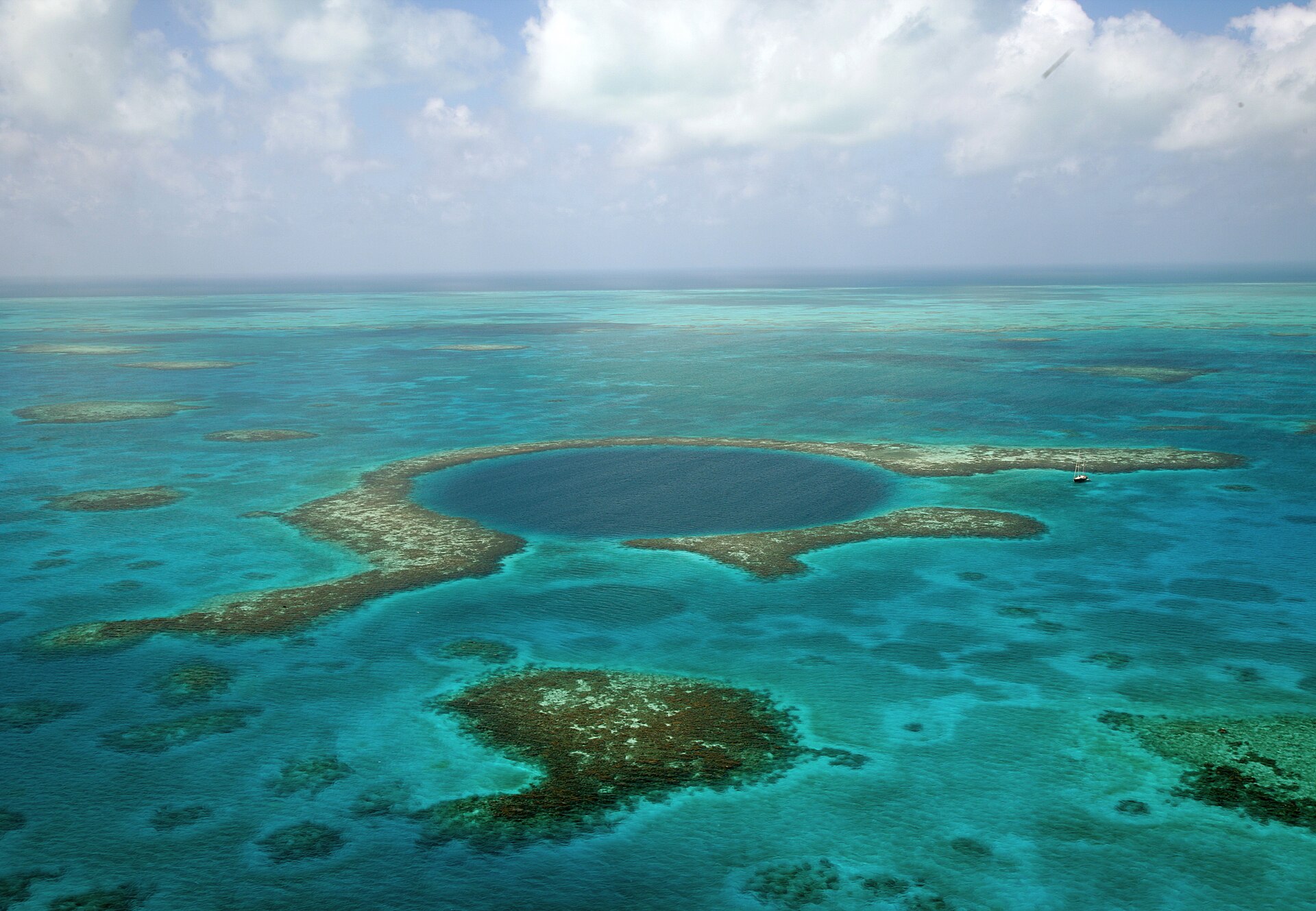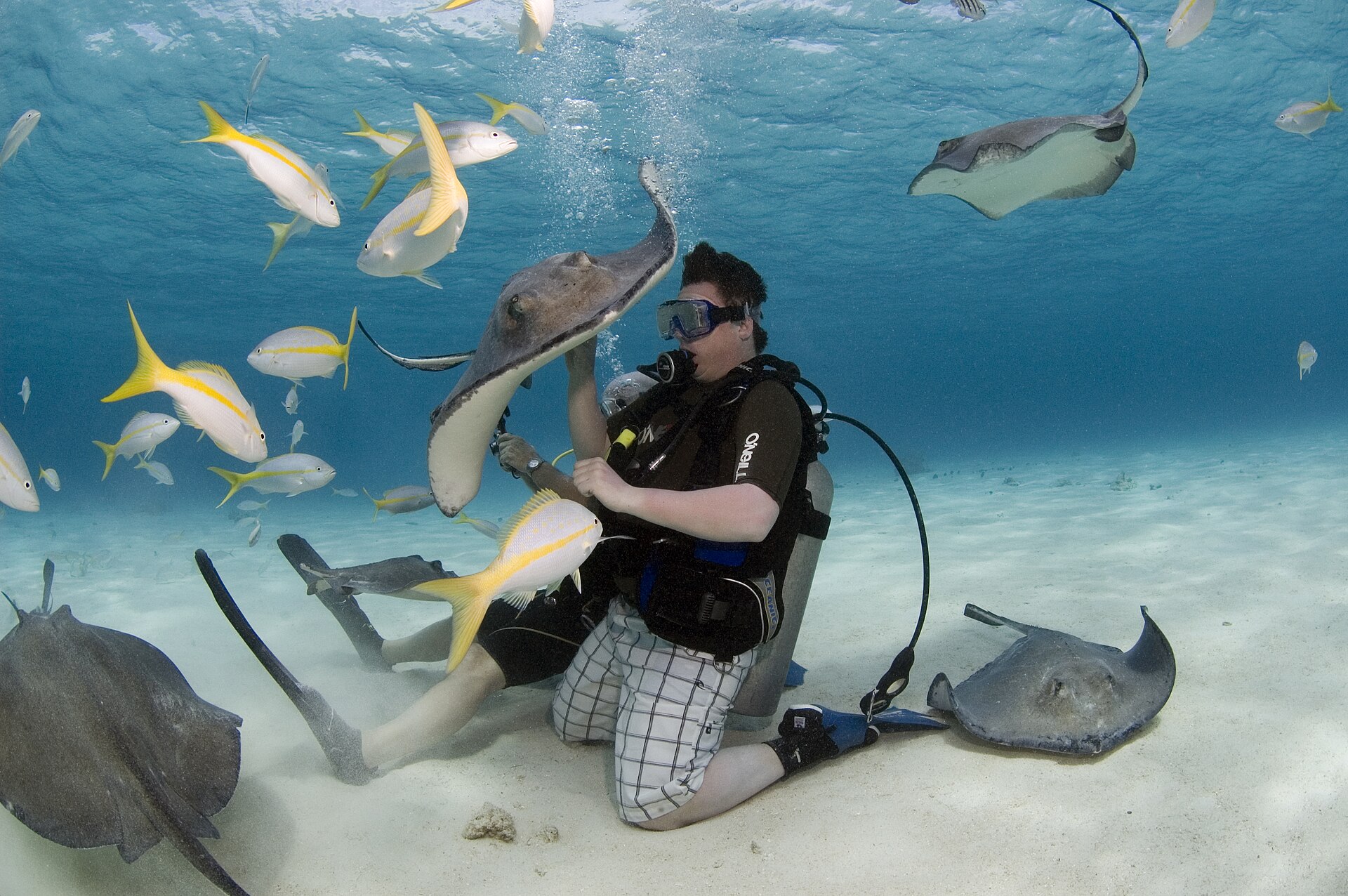


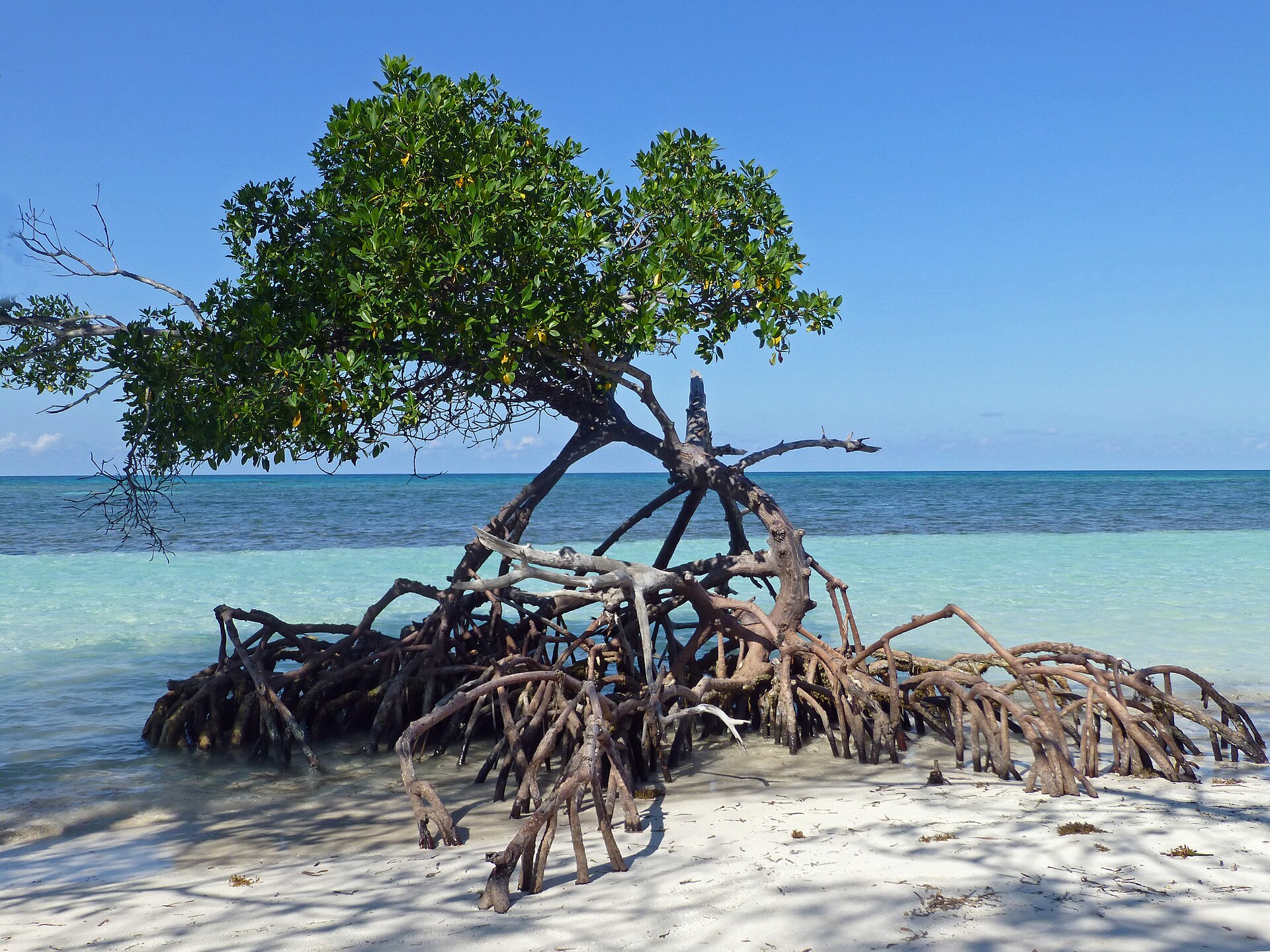
Jardines de la Reina, the Gardens of the Queen, is one of the most protected reefs in the Caribbean. It's a chain of mangrove islands off Cuba's south coast, closed to commercial fishing for decades, and it shows: silky and Caribbean reef sharks circle close on almost every dive, goliath groupers sit under the ledges, and you can snorkel with American crocodiles in the mangroves.
It's far from shore and access is limited, so a liveaboard is the way to dive it. The Jardines Avalon Fleet is the only Cuba liveaboard you can book on Liveaboard.com, so this guide covers just that fleet and its 2027 trips. If you're weighing it against other Caribbean trips, my Caribbean liveaboards guide puts it next to boats in Belize, the Caymans, Honduras and more.
Cuba Liveaboard Route
The Avalon Fleet runs one route, 5 or 7 nights from Júcaro.
1. Jardines de la Reina. The boats cross the Gulf of Ana María to the archipelago and spend the trip moving between reef, wall and shark sites along the outer edge, with mangrove channels and a crocodile snorkel on the inside. Most trips start and end with the transfer from Havana.
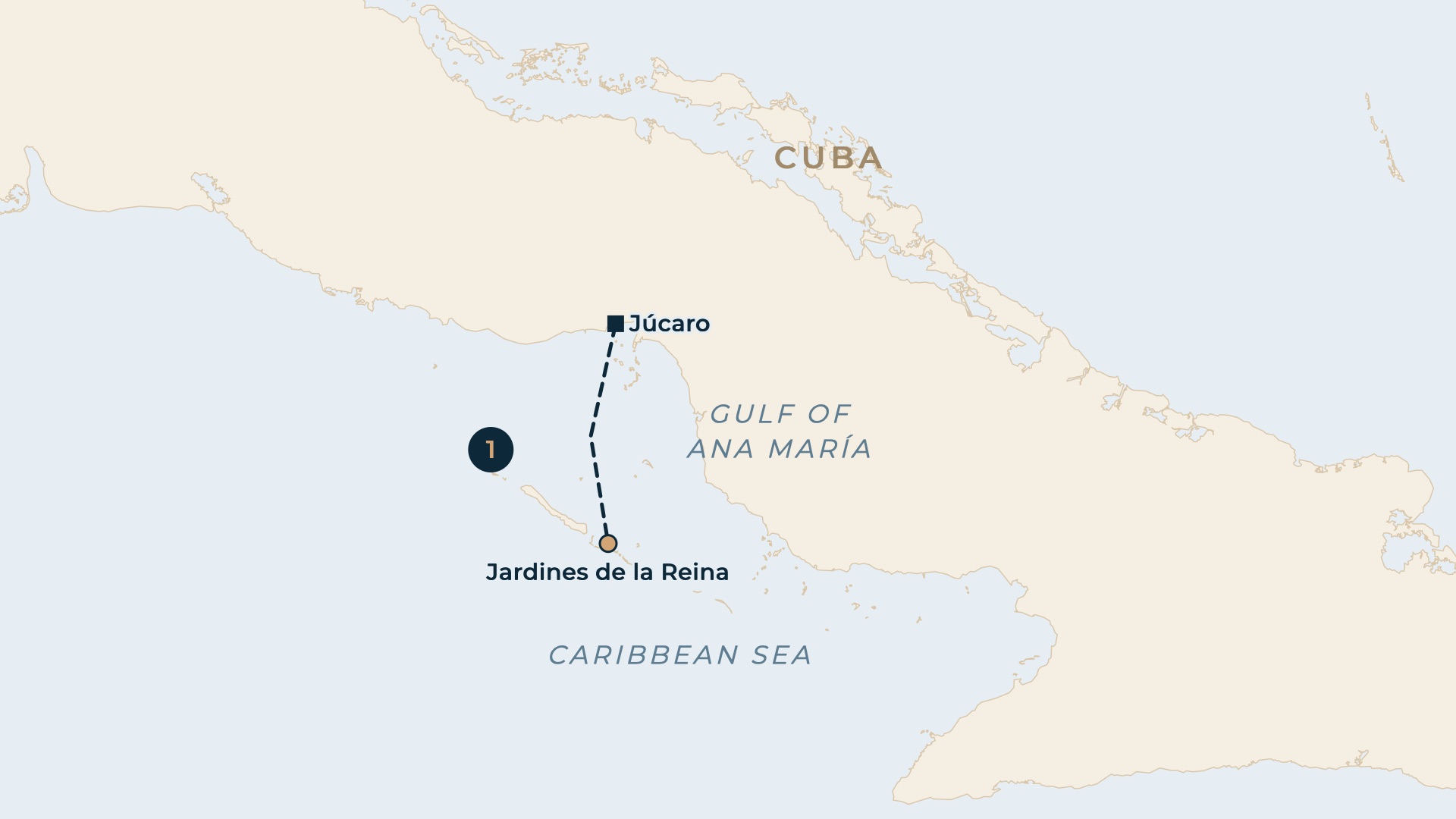
Júcaro · 5 or 7 nights · All year
Cuba Liveaboard 2027 Itineraries
Here's the Avalon Fleet's next 2027 trip with open space, with the lowest price.
| Boat | Trip | Route | Nights | From | Early 2027 Departures |
|---|---|---|---|---|---|
| Jardines Avalon Fleet | Jardines de la Reina | Júcaro to Júcaro | 7 | $4,343 | Jan |
Trip prices and the next departures with open space from Liveaboard.com, November 2026. Each boat has more 2027 dates further out, and popular dates fill early.
Best Cuba Liveaboard: Jardines Avalon Fleet
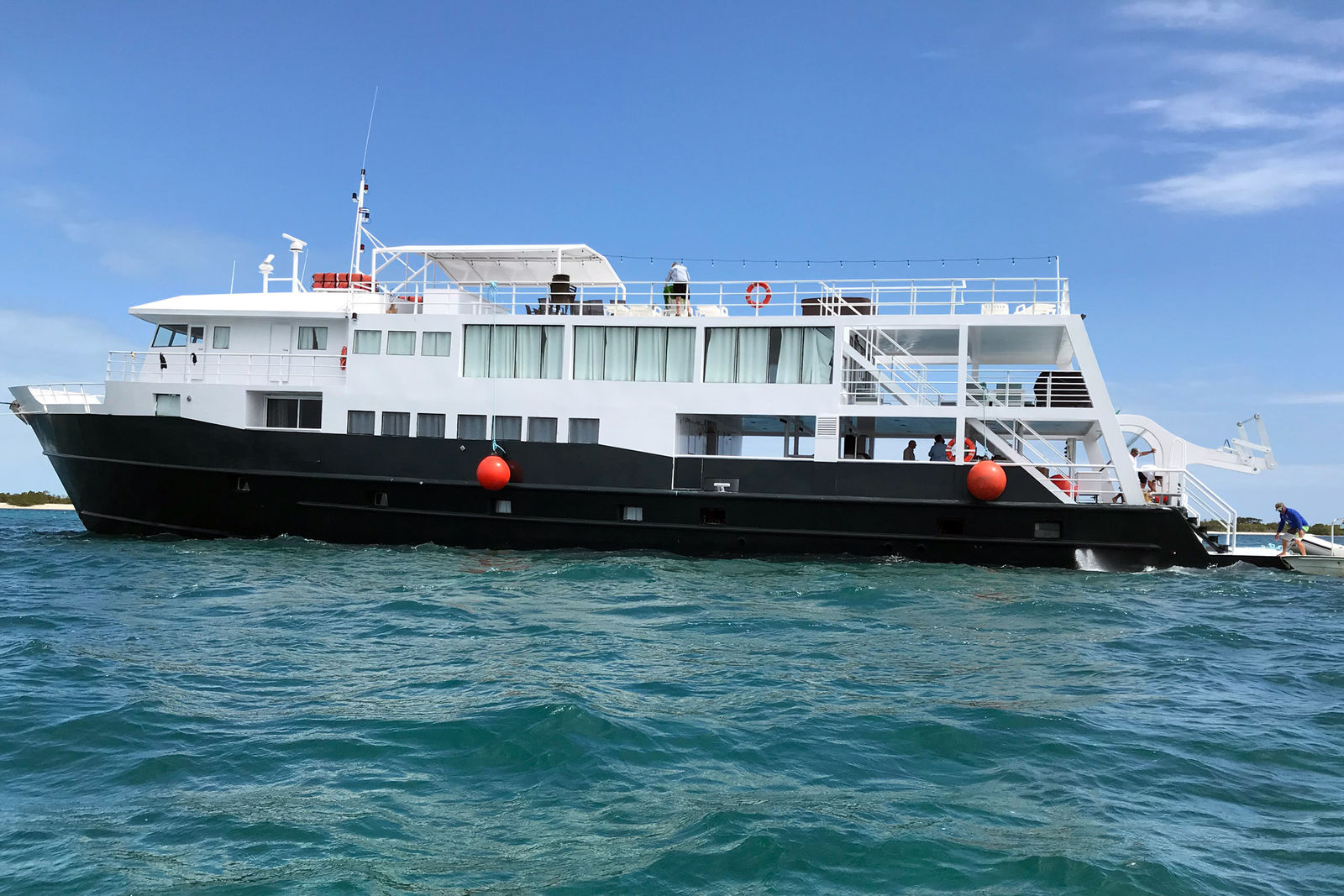
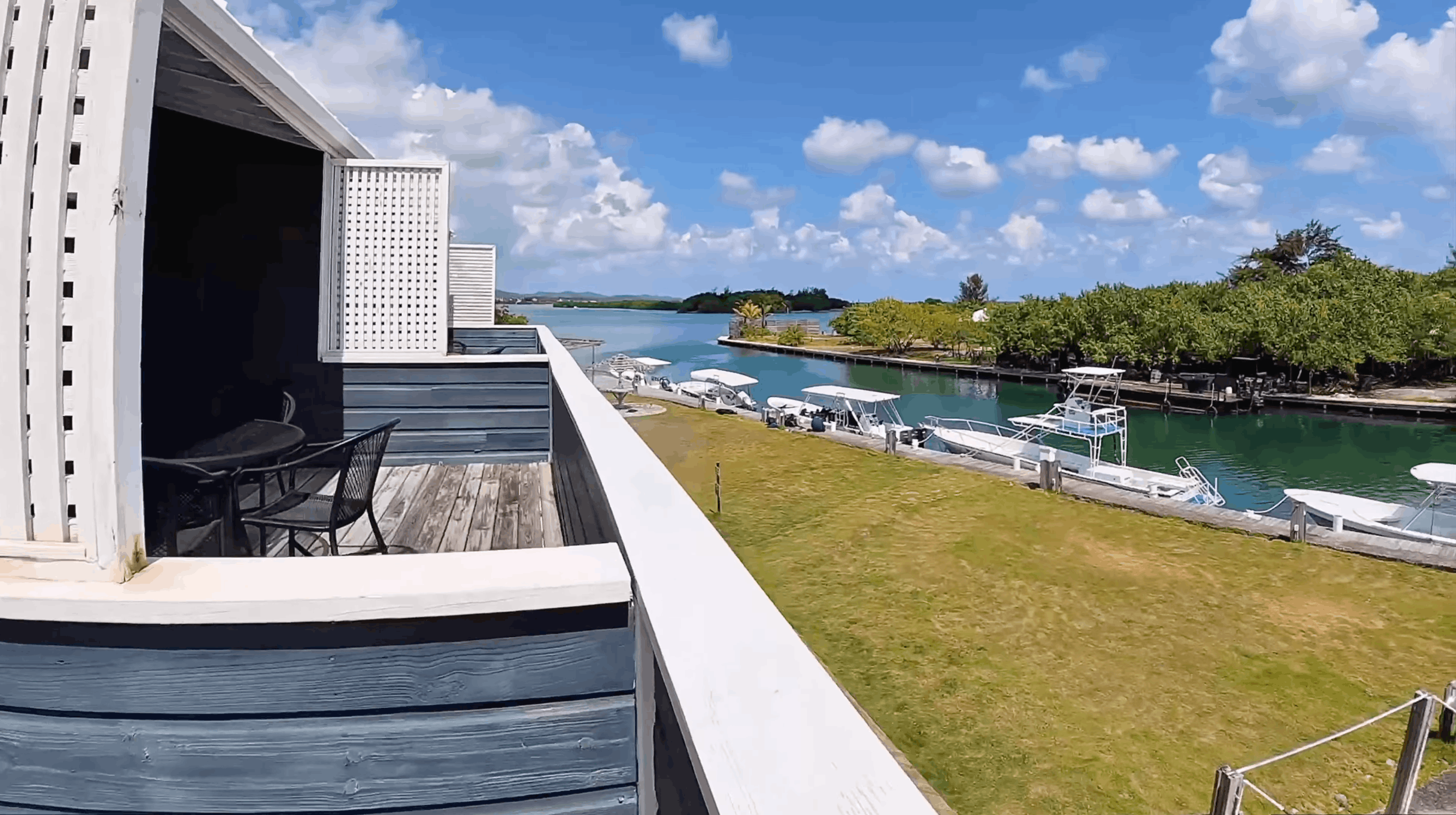
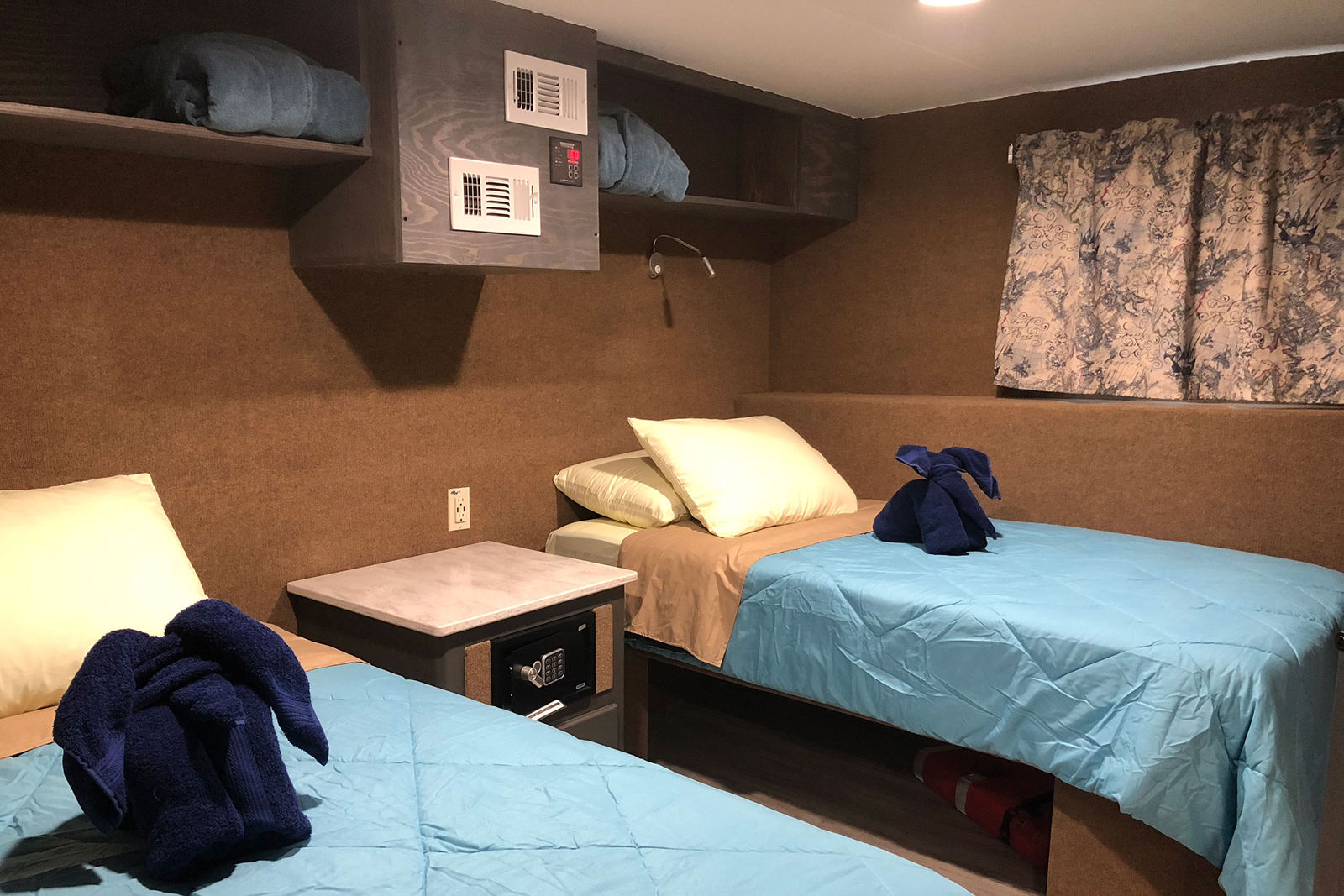
The Avalon Fleet is a group of liveaboards based in Jardines de la Reina rather than a single boat. The ships are up to 115 ft (35 m), take up to 20 guests, and every cabin has its own bathroom and air conditioning. Each one has a big dive deck at the back, and local marine biologists are on board to talk about the park.
Trips are 5 or 7 nights out of Júcaro, on Cuba's south coast. Food is a mix of Cuban dishes, grilled seafood and international food, and VAT, wine with dinner, soft drinks and snacks are included.
It's rated 8.9 from 8 reviews, from $450 a day. On top, there's a €160 environment tax, a €300 fuel surcharge and €240 in port fees a trip. The transfer from Havana is €250 each way, and nitrox is €140 a trip.
Skip it if you want an easy trip. Júcaro is a long drive from Havana, and if you're American, the US rules for travel to Cuba add extra steps.
Cabin
Dive Sites You'll Visit
These are the dives that come up again and again in trip reports from Jardines de la Reina. Which ones you do depends on the boat and the conditions.
Silky shark dives
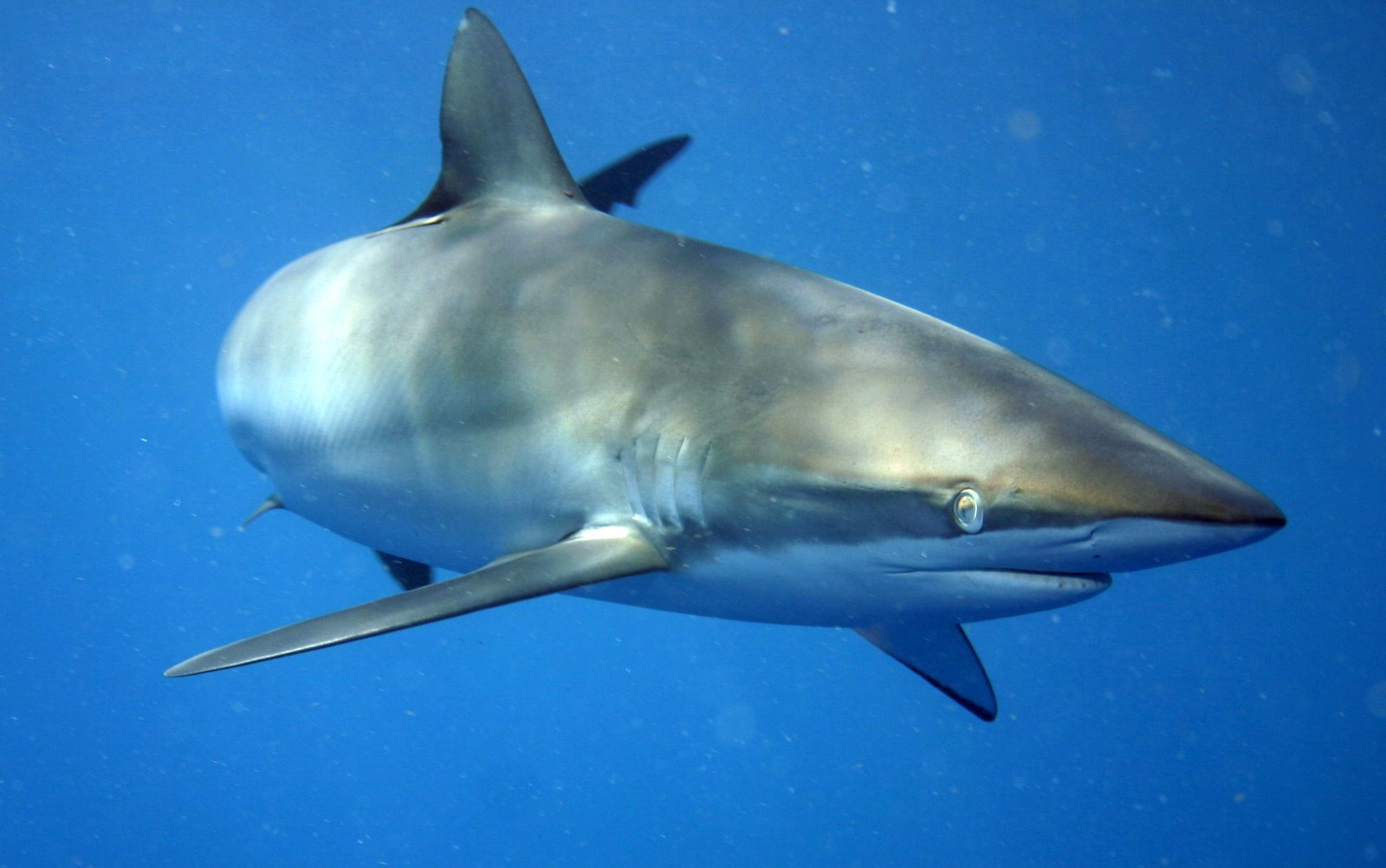
The signature dive. Silky sharks gather near the boats and come in close, often a dozen or more at a time, so you can watch them from just a few feet away.
Caribbean reef sharks on the outer reef
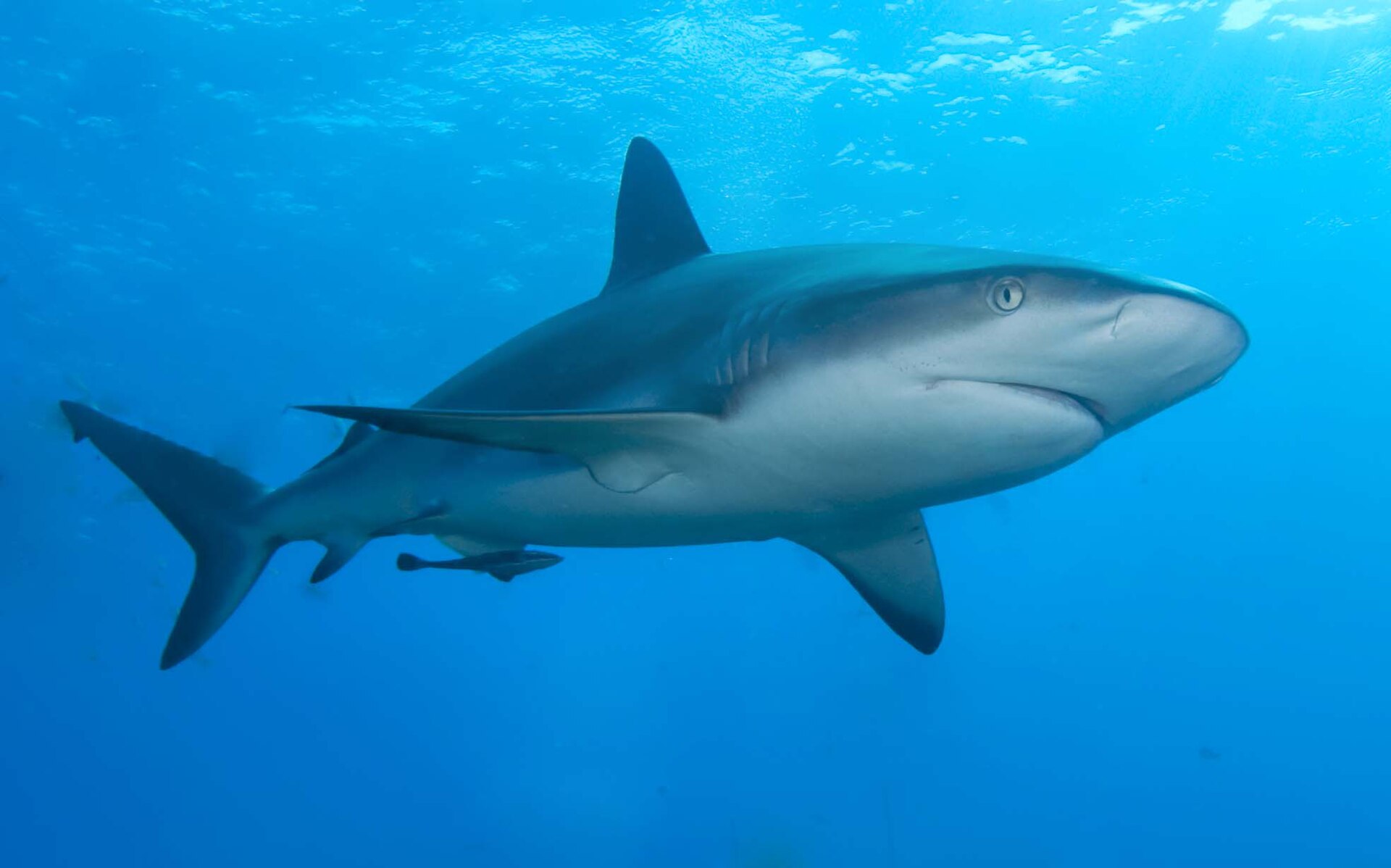
The reefs along the outer edge have Caribbean reef sharks on most dives, plus big schools of snapper and jacks, and the operator says up to 6 shark species show up in the park.
Crocodile snorkel in the mangroves
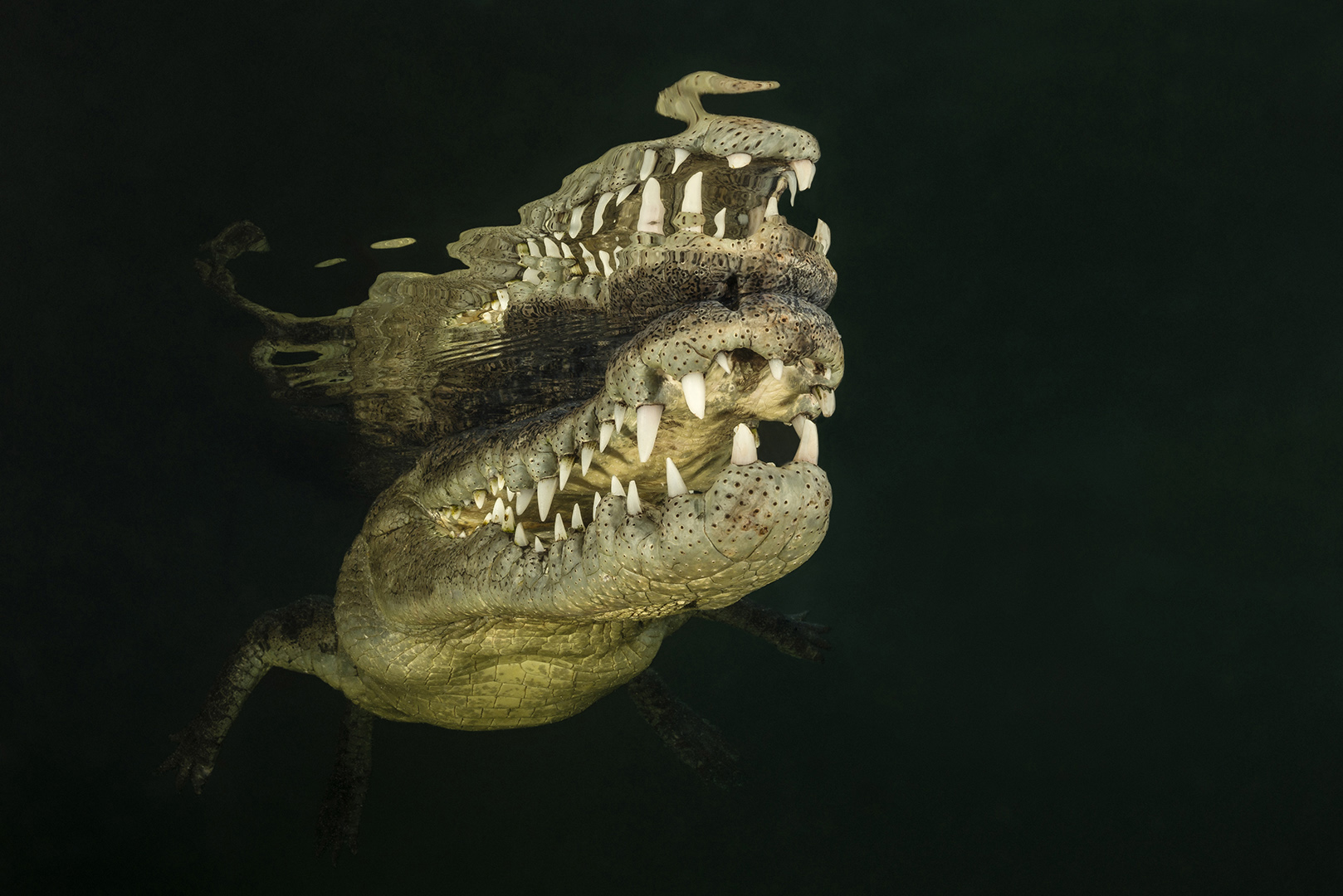
Most trips include a snorkel with American crocodiles in the shallows near the mangroves, with the guides keeping things calm.
Goliath groupers
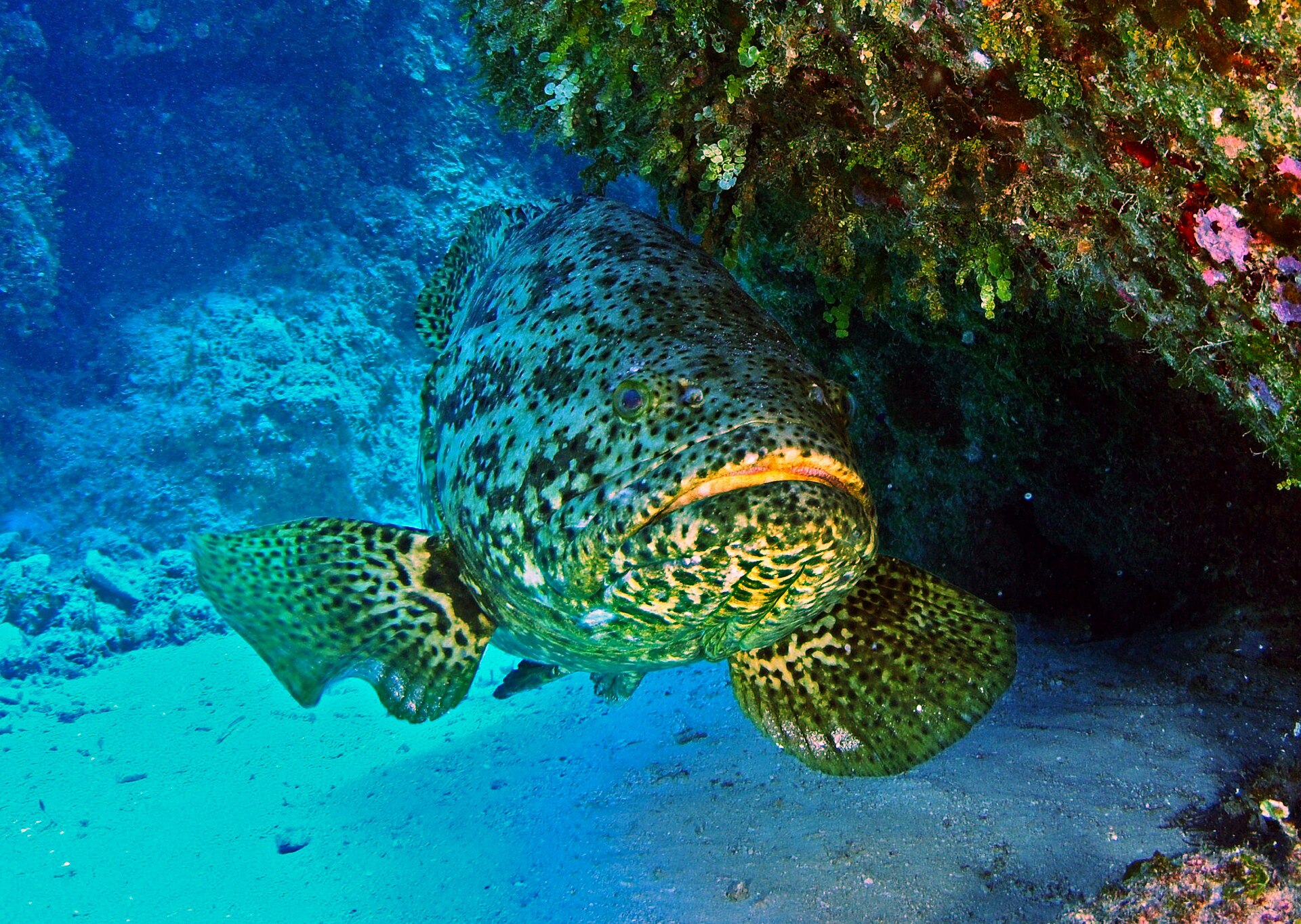
Atlantic goliath groupers, some bigger than the divers, rest under ledges and in cracks on the reef.
Cuba Liveaboard Season
Jardines de la Reina is dived all year, and the boats run every month.
November to April is the dry season, with calmer seas and the coolest water, around 78°F (26°C), and it's often called the best time for silky sharks. June to November is hurricane season, with the highest risk from August to October, when trips can change or get cancelled. Summer water is around 84°F (29°C).
A 3 mm wetsuit is plenty most of the year, and some people bring a 5 mm in winter.
Getting to Cuba

Fly into Havana (HAV). From there it's a long drive east to Júcaro, about 5 to 6 hours, and the operator runs a transfer for €250 each way. Most visitors need a Cuban tourist card (visa) and have to fill in Cuba's online D'Viajeros form before flying.
If you're American: US law doesn't allow travel to Cuba for tourism. You have to fit one of the 12 categories the US Treasury (OFAC) allows, and many divers travel under "Support for the Cuban People". The rules have changed several times, and some Cuban businesses are on the State Department's Cuba Restricted List, so check the current OFAC and State Department rules, and ask the operator, before you book. I'm not a lawyer, so treat this as a starting point, not advice.
What to Pack for a Cuba Liveaboard
Here's the gear I'd bring, plus the small stuff that's easy to forget.
Gear I dive with
DJI Osmo Action 6: the camera I film all my dives on. Here's my full review.
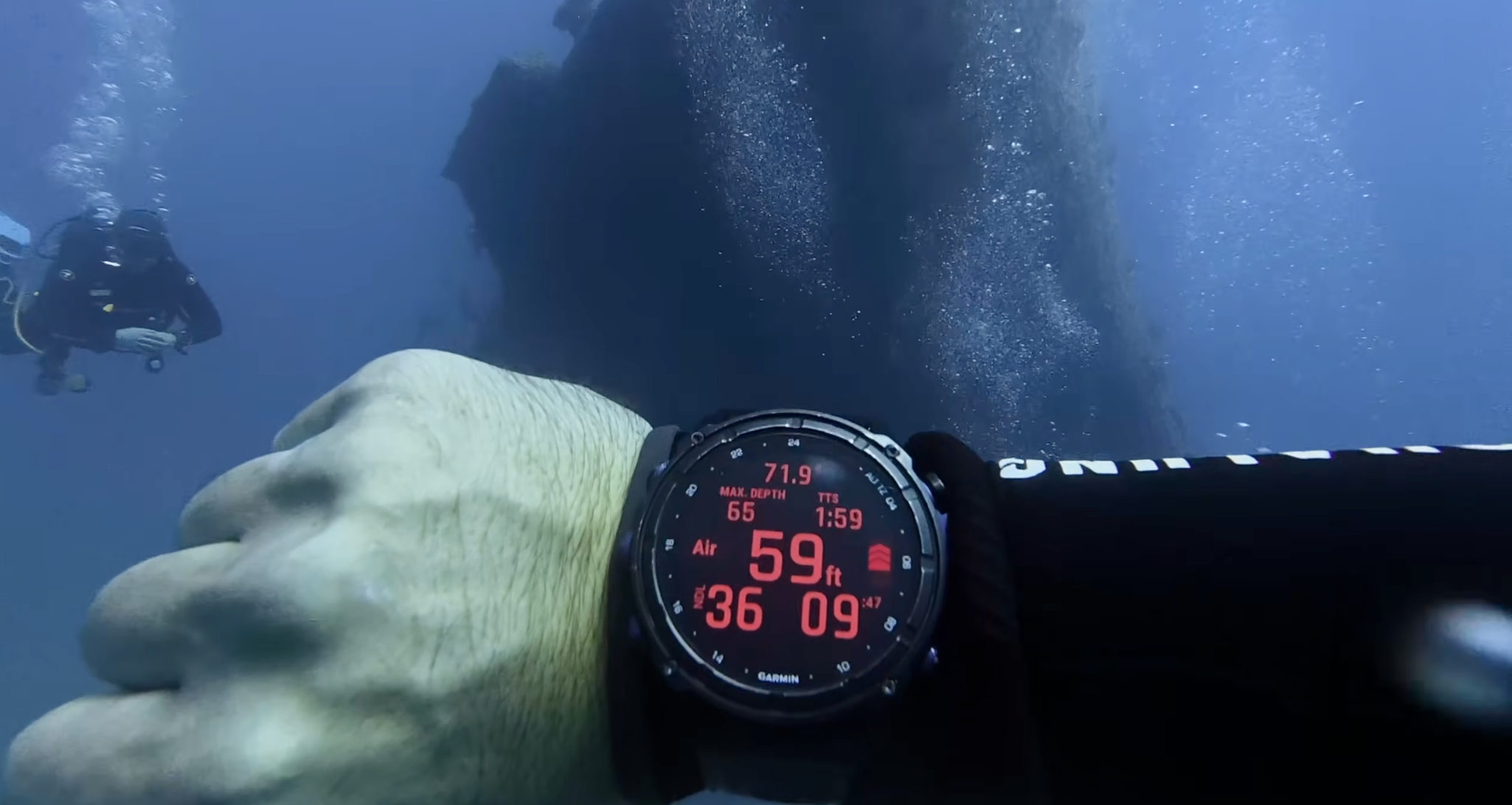
Garmin Descent MK3i: my dive computer. Here's my full review.
An SMB: The outer reef can have current, and you want to be easy to spot when you surface away from the boat. Here are the SMBs I recommend.
Reef-safe sunscreen: you'll spend a lot of time on deck. Here are my picks.
Don't forget
Your certification card (or a digital copy), a 3 mm wetsuit (5 mm in winter if you get cold), cash in euros for tips and extras, a dry bag, a power bank, and copies of your Cuba travel documents.
Most boats rent gear for an extra fee, but bringing your own means it fits.
Dive Insurance
Jardines de la Reina is hours from the nearest town, and medical care in Cuba is limited for visitors. I'd get dive insurance before the trip that covers dive accidents and emergency evacuation, like DAN or DiveAssure.
FAQ
How much does a Cuba liveaboard cost?
The Jardines Avalon Fleet starts at $450 a day, though the January 2027 trip is $4,343 for 7 nights. On top, there's about €700 in environment tax, fuel and port fees, and €250 each way for the Havana transfer.
Can Americans dive Jardines de la Reina?
It's possible, but not as tourists. US travelers have to fit one of the 12 categories allowed by the US Treasury (OFAC), such as "Support for the Cuban People", and the rules change, so check the current OFAC and State Department rules before booking.
What certification do I need for Jardines de la Reina?
Open Water is the minimum, and the operator says it suits divers of all levels. The shark dives are mostly fairly shallow, but an advanced certification and some experience help you get more out of the trip.
When is the best time to dive Jardines de la Reina?
Any time of year. November to April has calmer seas and is often called the best time for silky sharks, and June to November is hurricane season.
Do I need dive insurance for a Cuba liveaboard?
I'd get it. The park is a long way from help, so insurance like DAN or DiveAssure that covers dive accidents and emergency evacuation is worth it.
Disclaimer
I haven't sailed with the Avalon Fleet, and I haven't dived Cuba yet. This guide is researched: I checked the fleet's schedule, and pulled specs, prices, itineraries and inclusions from the operator's listing on Liveaboard.com. The US travel section is general information, not legal advice.
Some links on this page are affiliate links, so I may earn a commission if you book, at no extra cost to you. Landscape and wildlife photos are credited under each image.
ABOUT THE AUTHOR
Austin Tuwiner
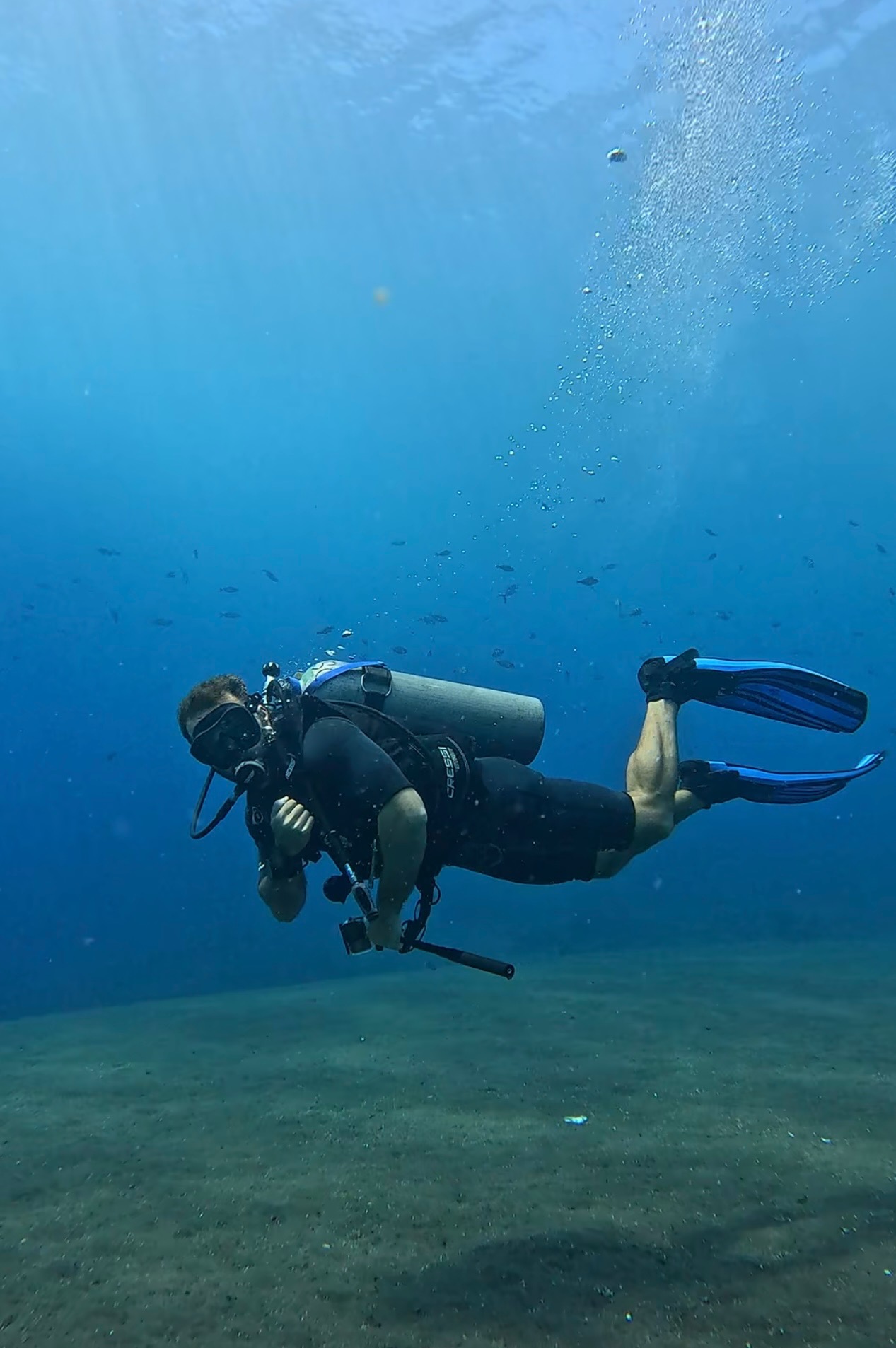
Hey I'm Austin, a PADI Divemaster based in South Florida .
I initially got certified at 16 at a scuba camp in Kona, Hawaii, did my Advanced Open Water on Koh Tao, my deep and nitrox on Gili Trawangan, and my Rescue and Divemaster in Miami.
Since then I've logged 500+ dives across 20 countries and states. I write about the gear I dive with, the sites I've dived, and the trips I've taken.


Let's Dive Together
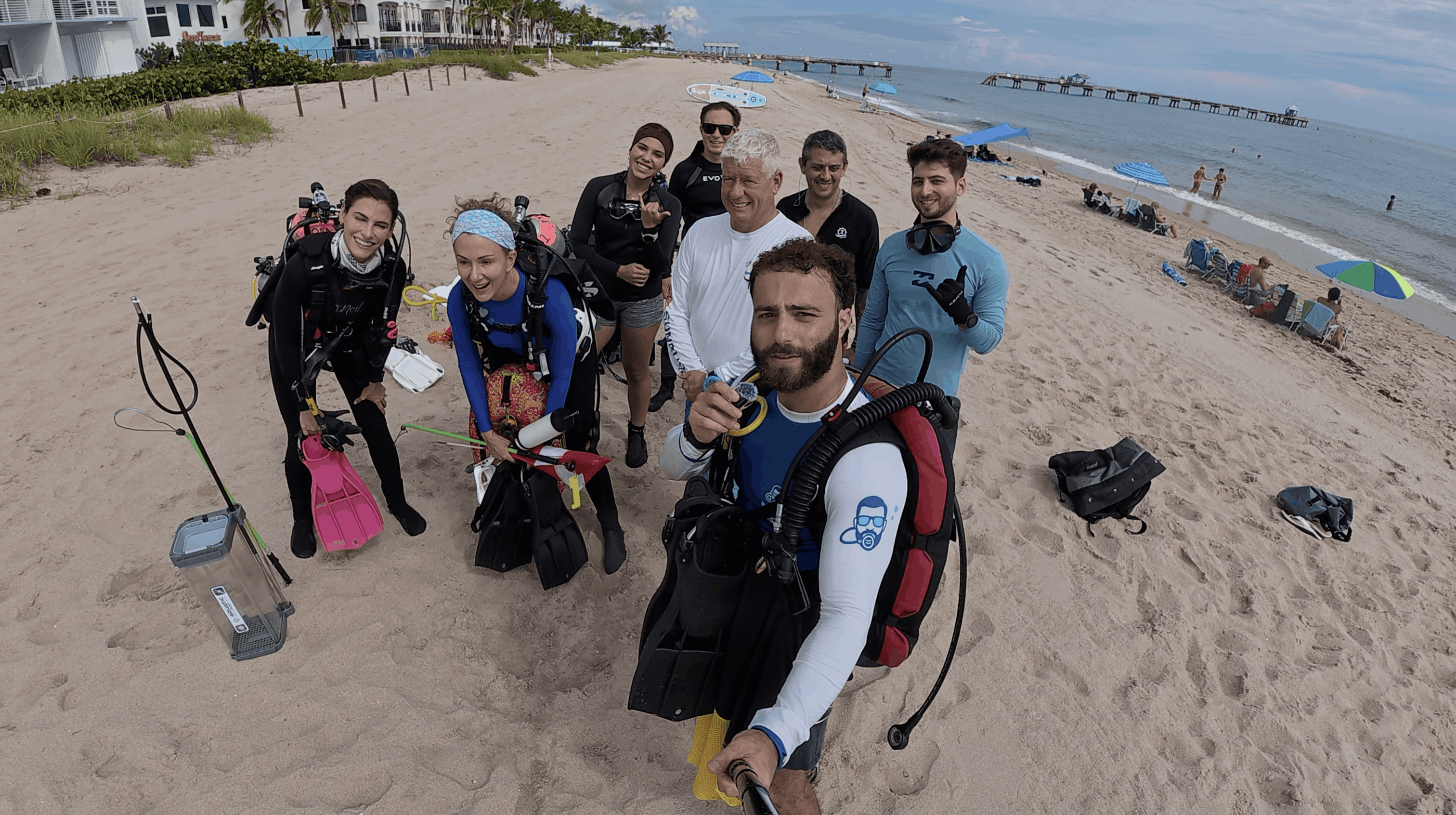
👋 It's Divemaster Austin
I'm inviting you to Dive Club, my global scuba diving community.
What you’ll find inside:
🤿 Dive meetups & group trips
🌍 Top dive sites shared by community members
⚙️ Gear tips & technique discussions
🤝 Diver's who’ve already linked up IRL
See you there!