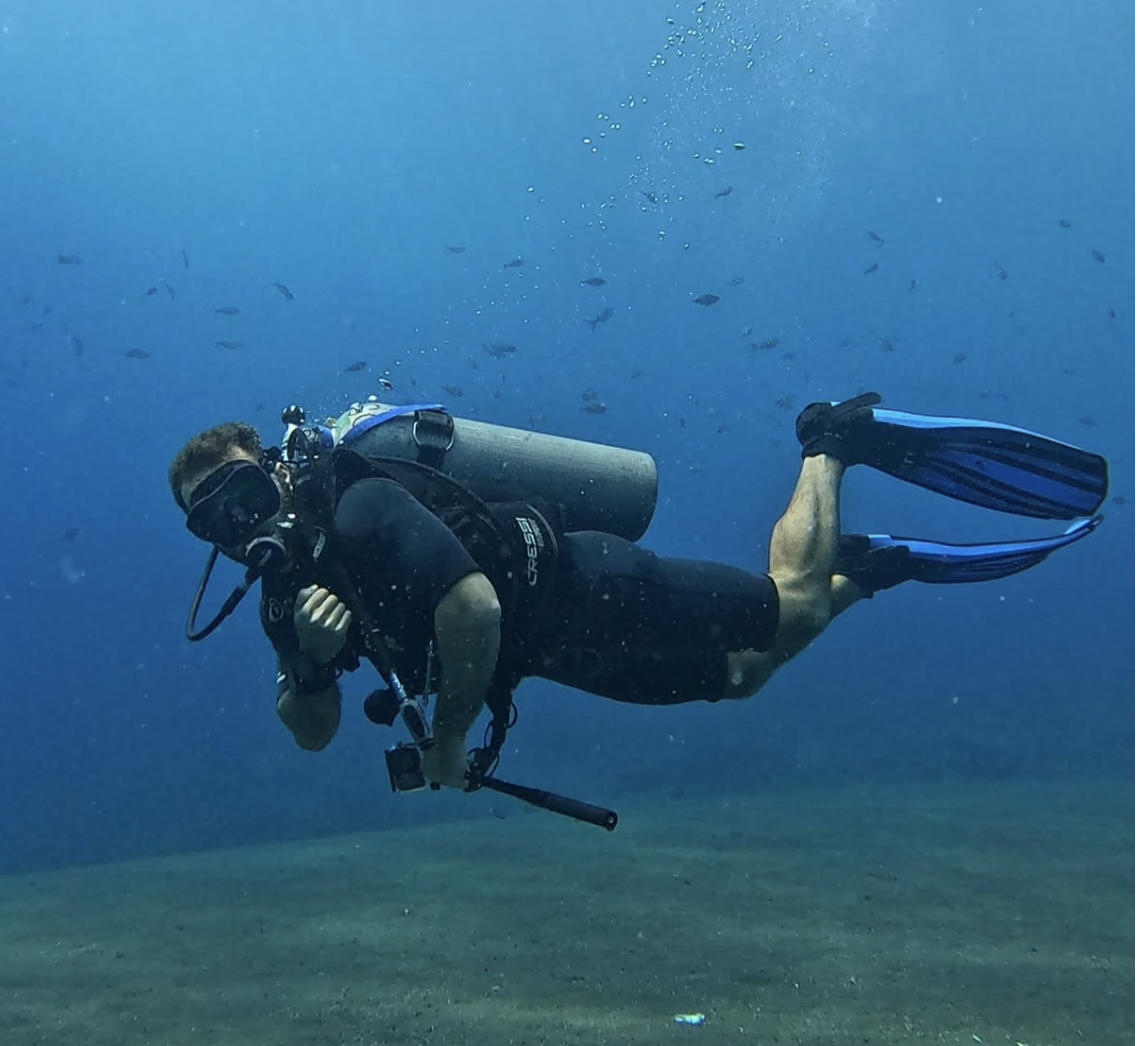


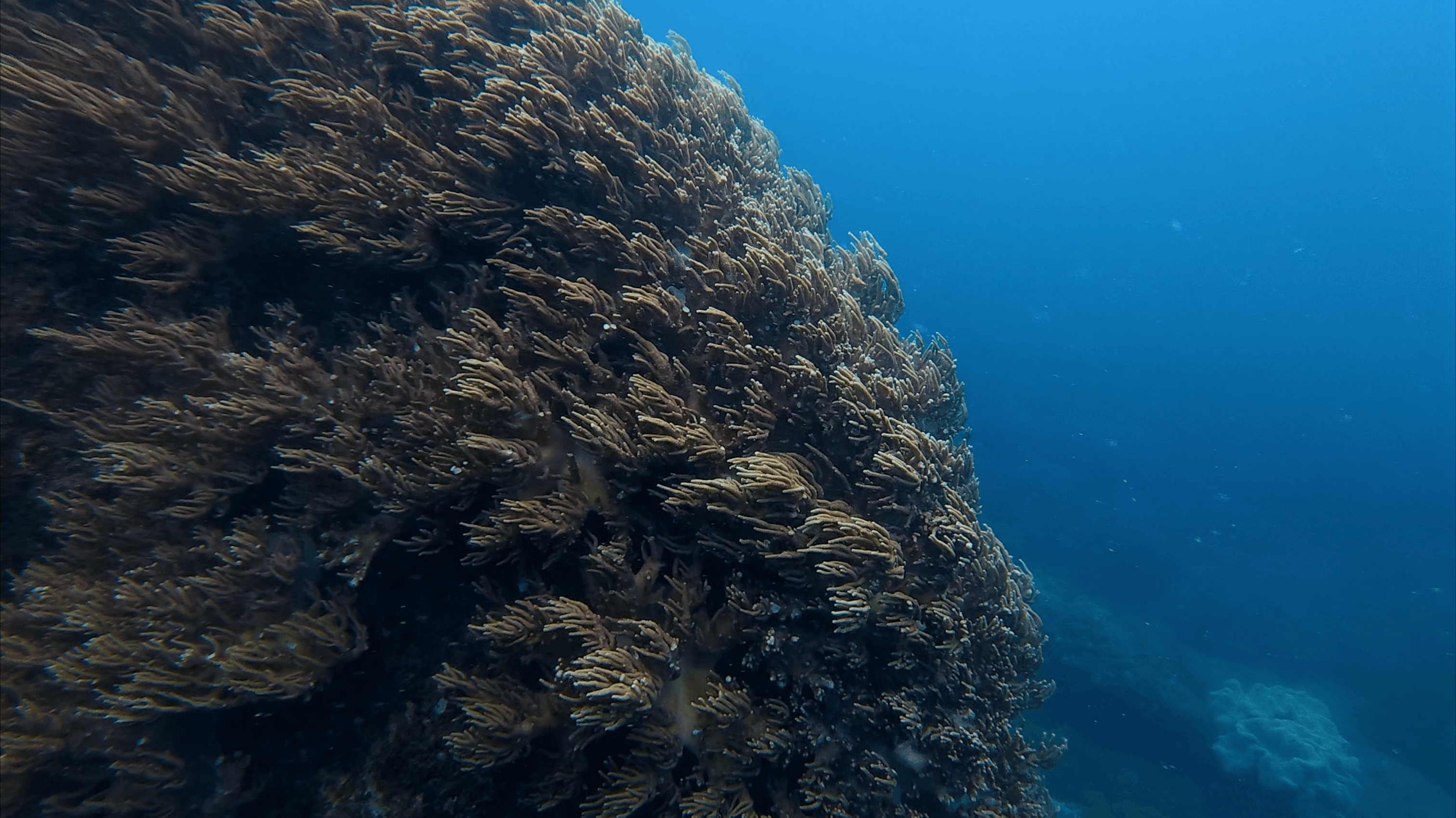
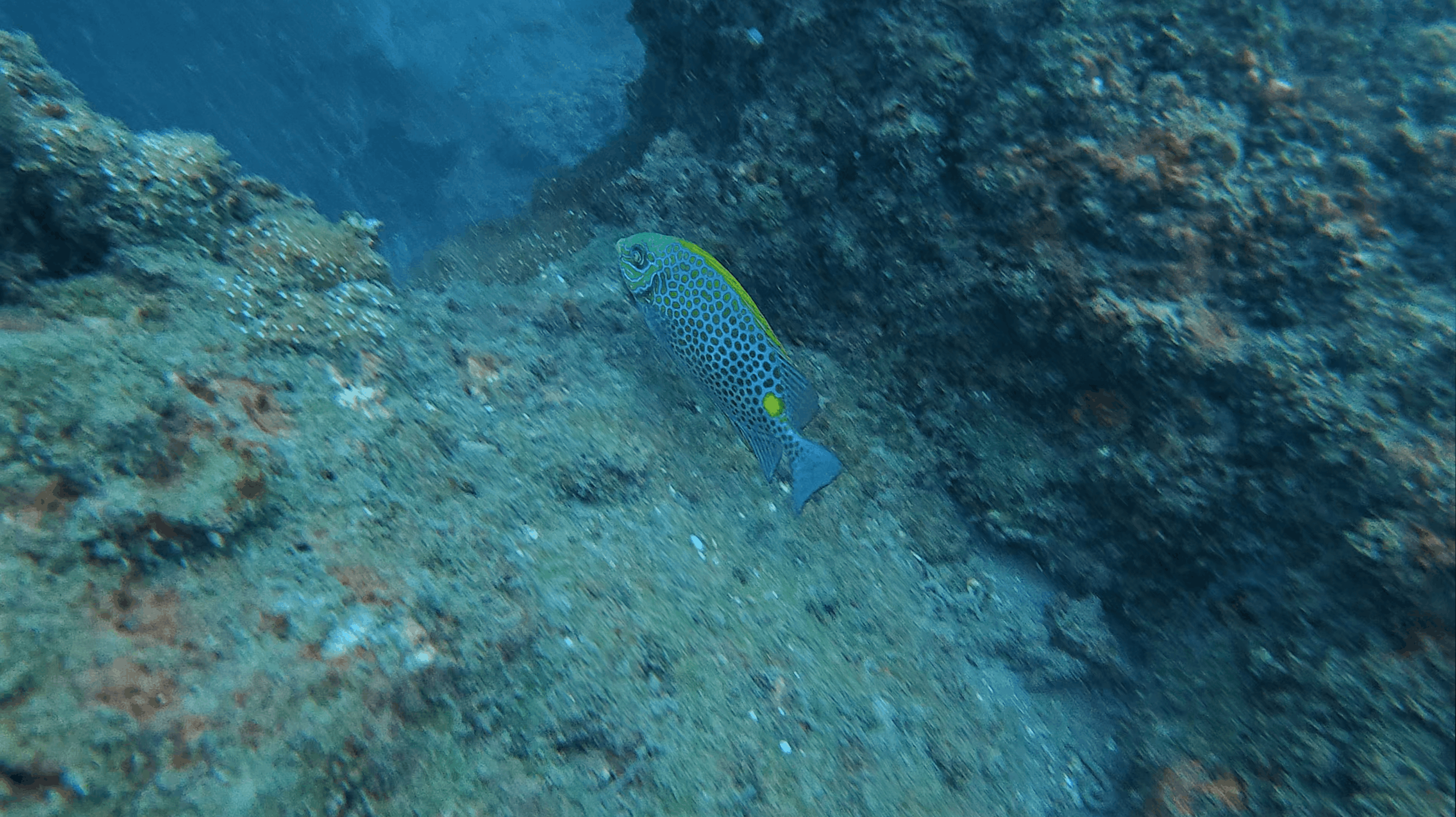
I dove the Cham Islands in August 2026 with Cham Island Diving Center, out of Hoi An to Hon Dai off Cu Lao Cham.
This was the best diving I found anywhere in Vietnam.
Not because of the visibility, which was as bad here as it was in Nha Trang, and not because of the depth, which tops out under 50 ft.
It is the coral. This is the one place in the country where the reef itself is the structure, rather than coral scattered across a boulder field.
The Best Dive Sites in the Cham Islands
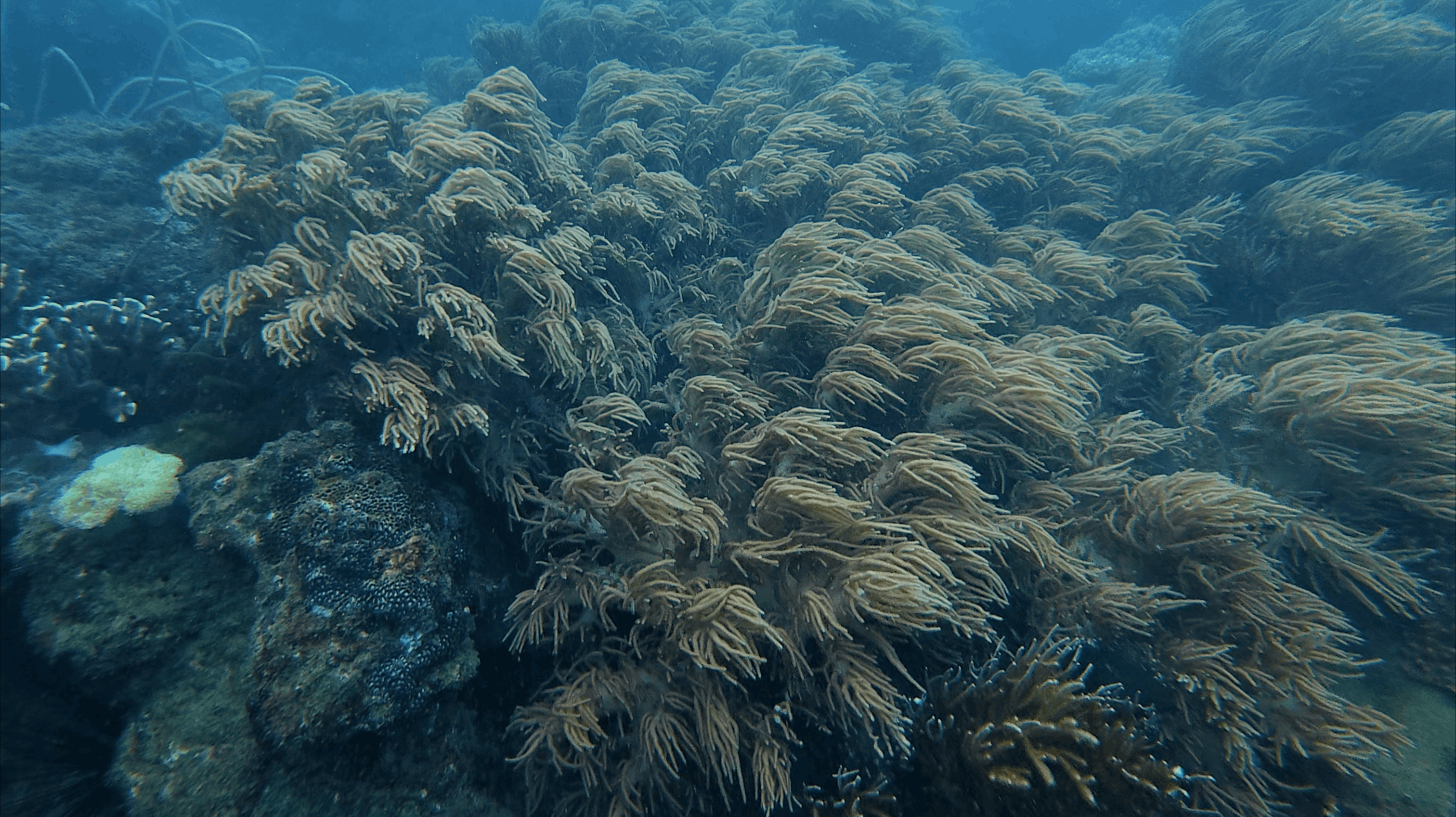
I dived one site here, so treat what follows as one dive reported honestly rather than a ranking of the archipelago.
Best Dive in the Cham Islands: Hon Dai
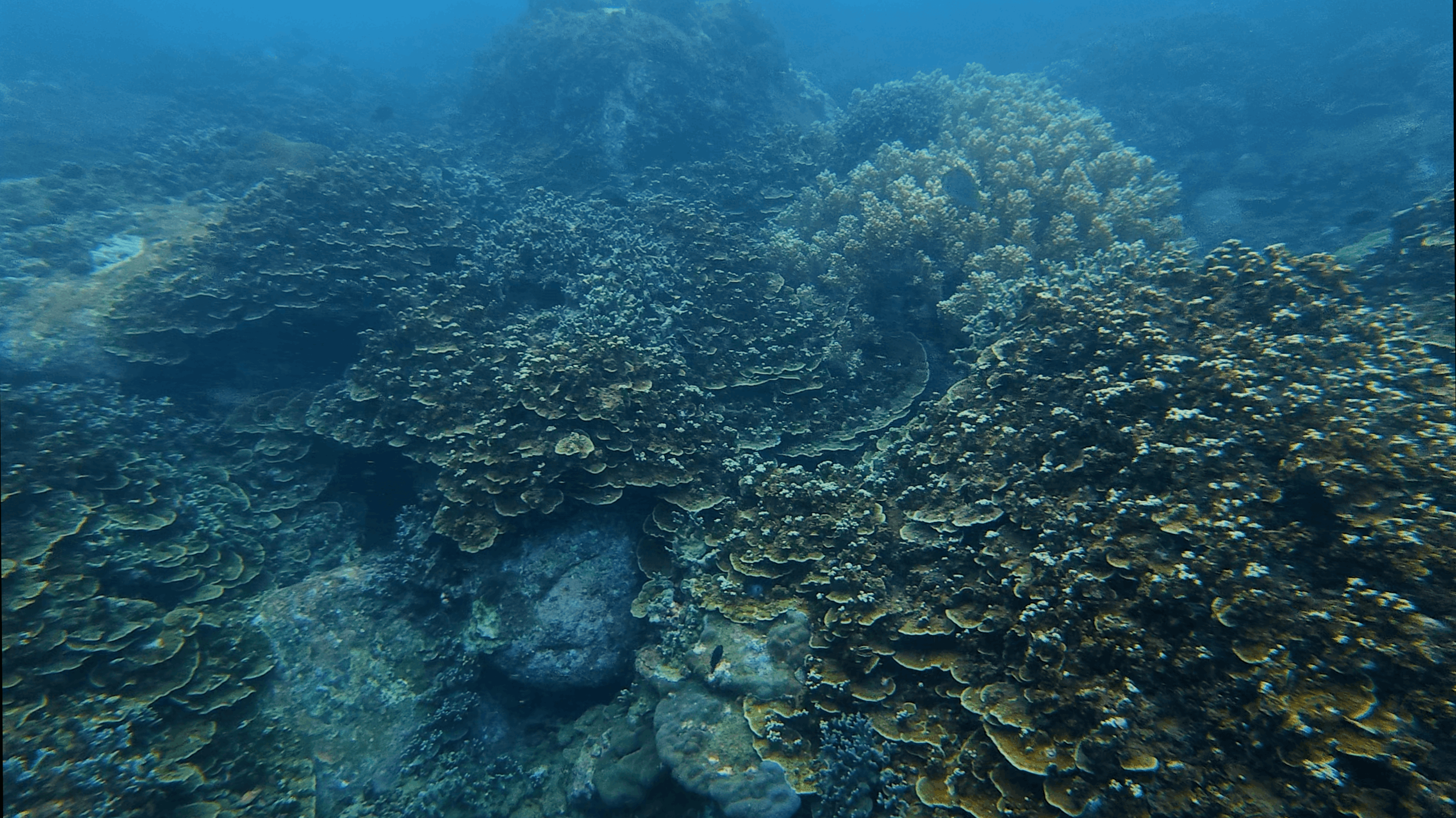
Hon Dai translates to long island, and it is one of the smaller islands in the Cu Lao Cham group.
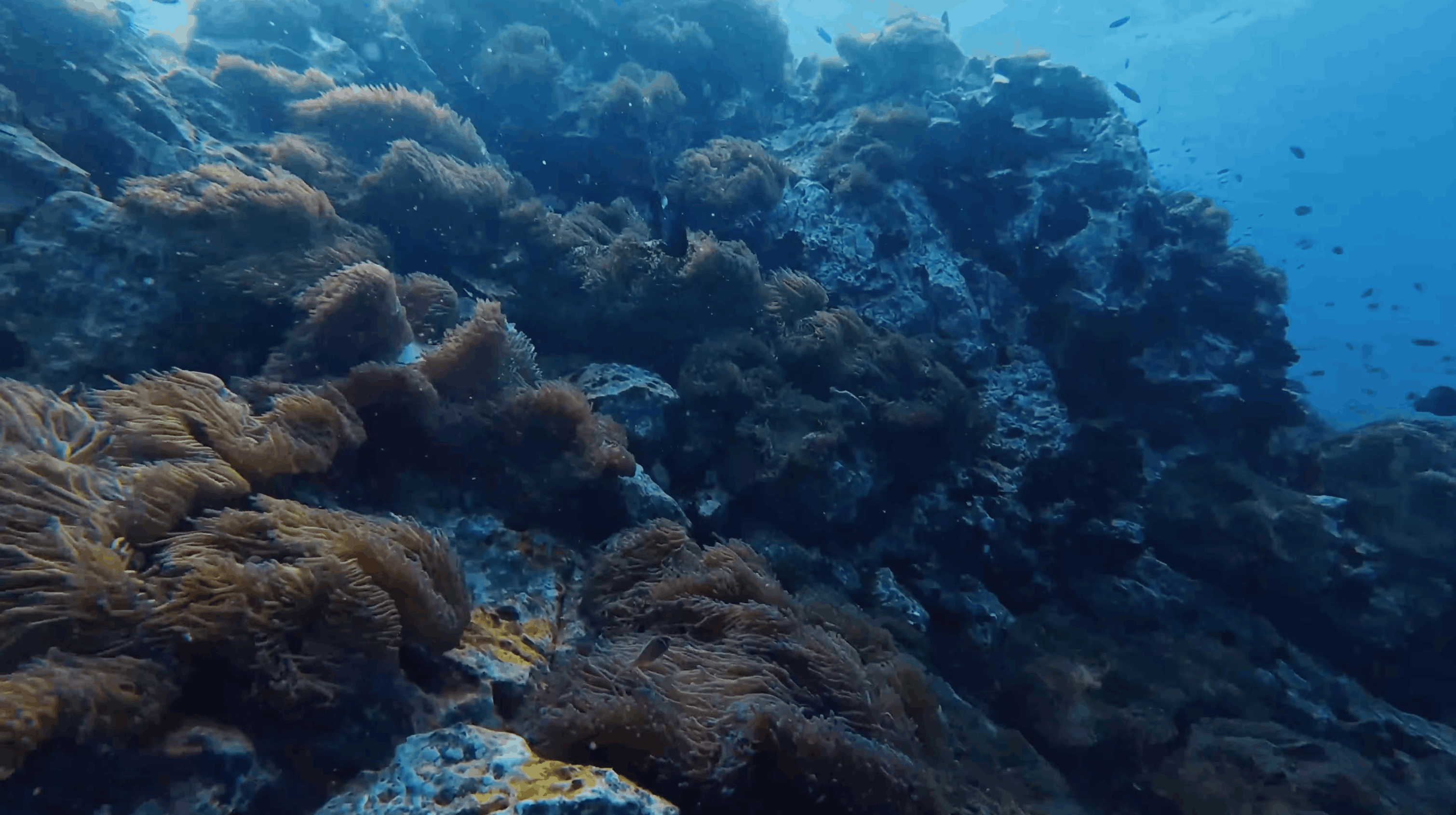
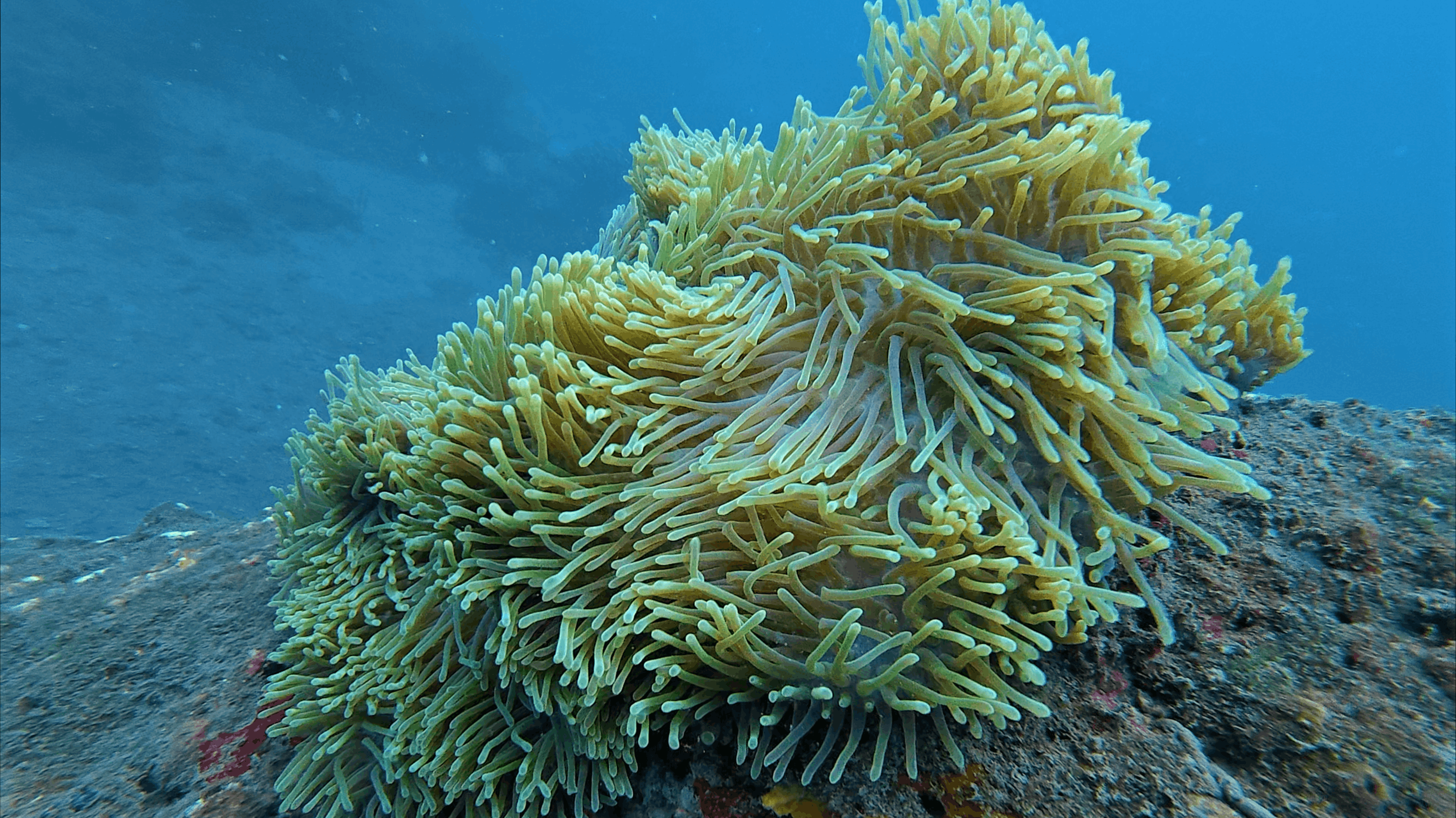
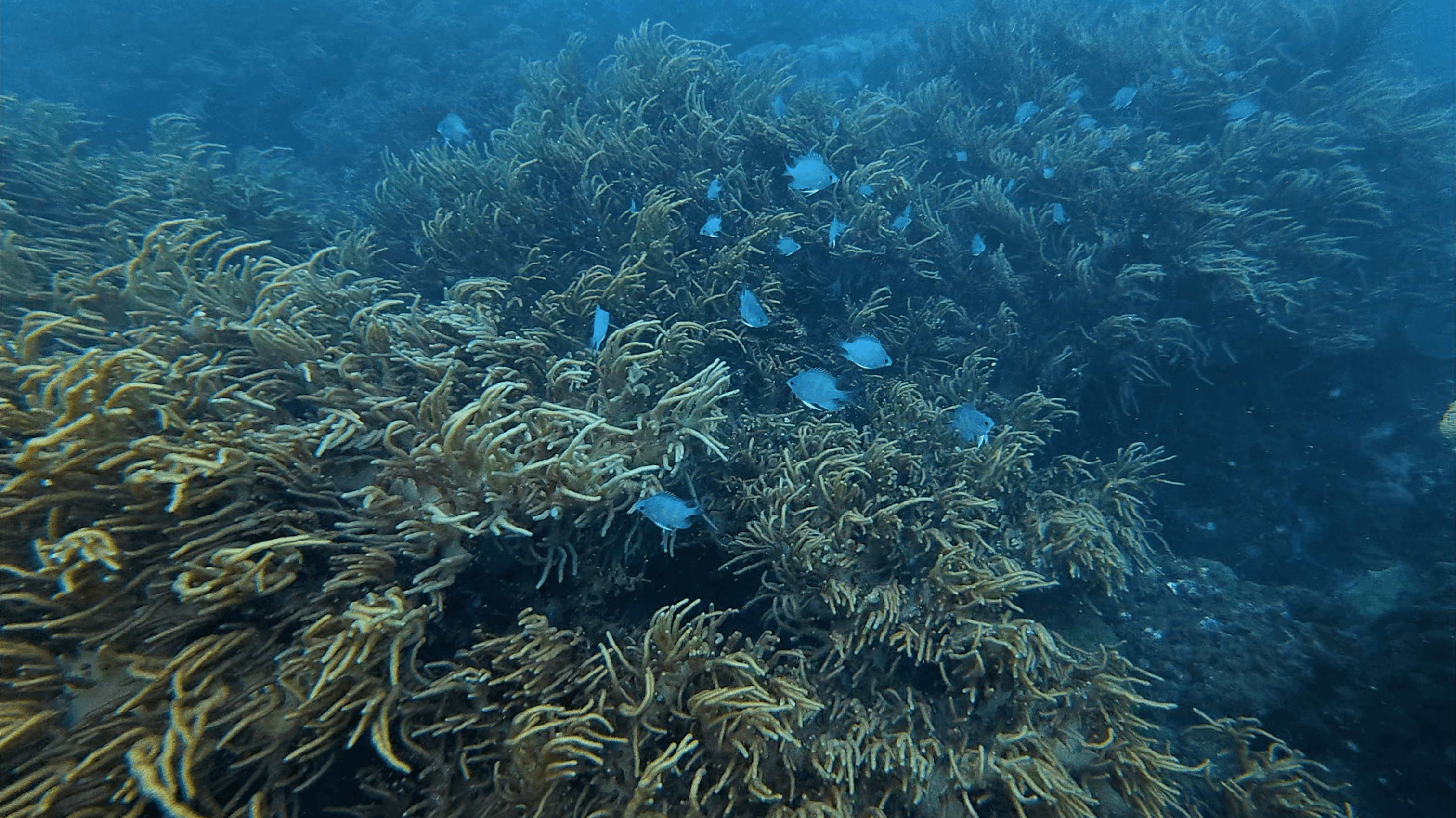
The coral cover is the whole reason to come here.
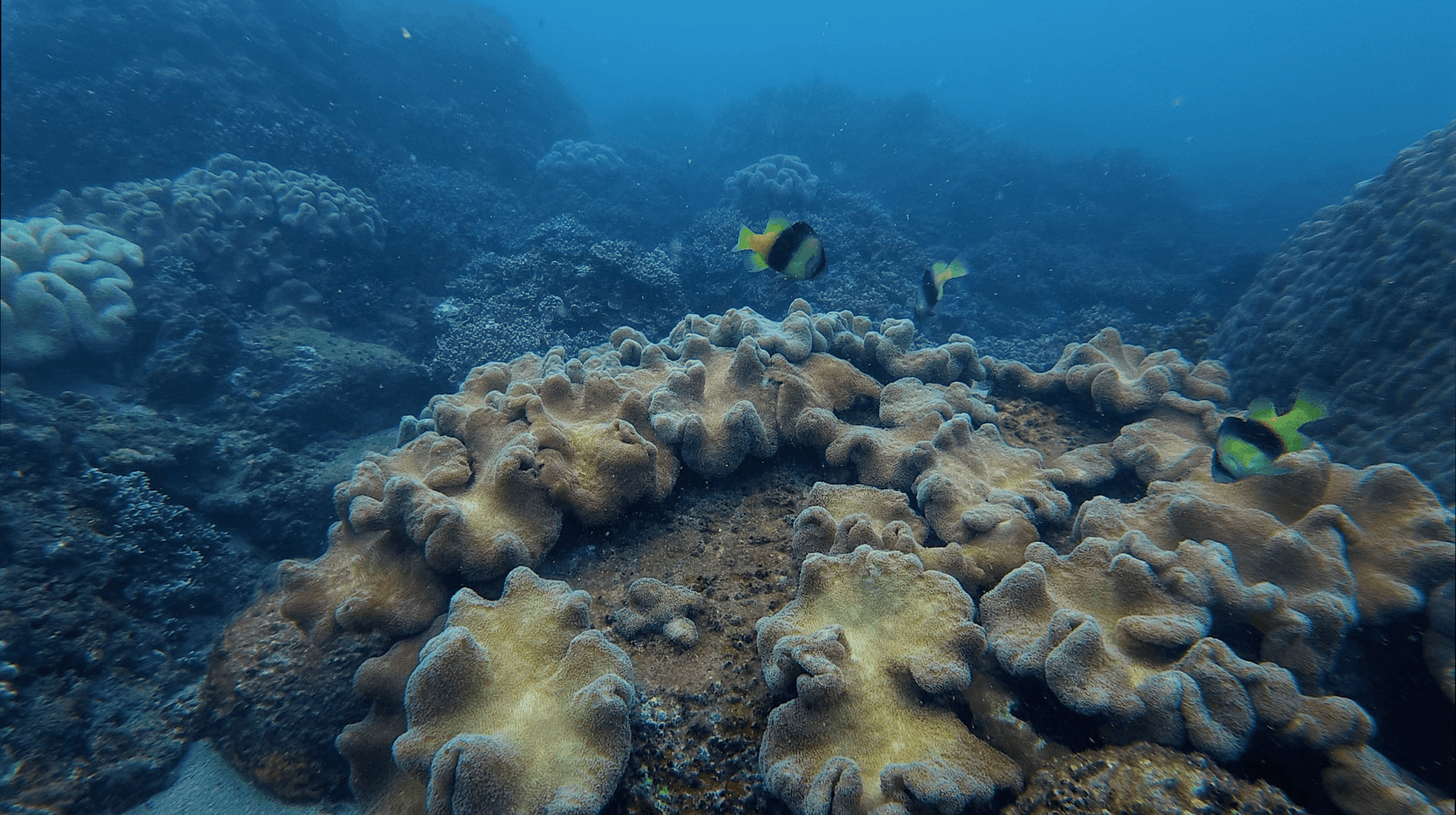
Plate and table coral overlap across the island walls, staghorn stands up off the reef in bommies, soft coral covers the top of it, and there are massive boulder corals stacked on the far side of the site.
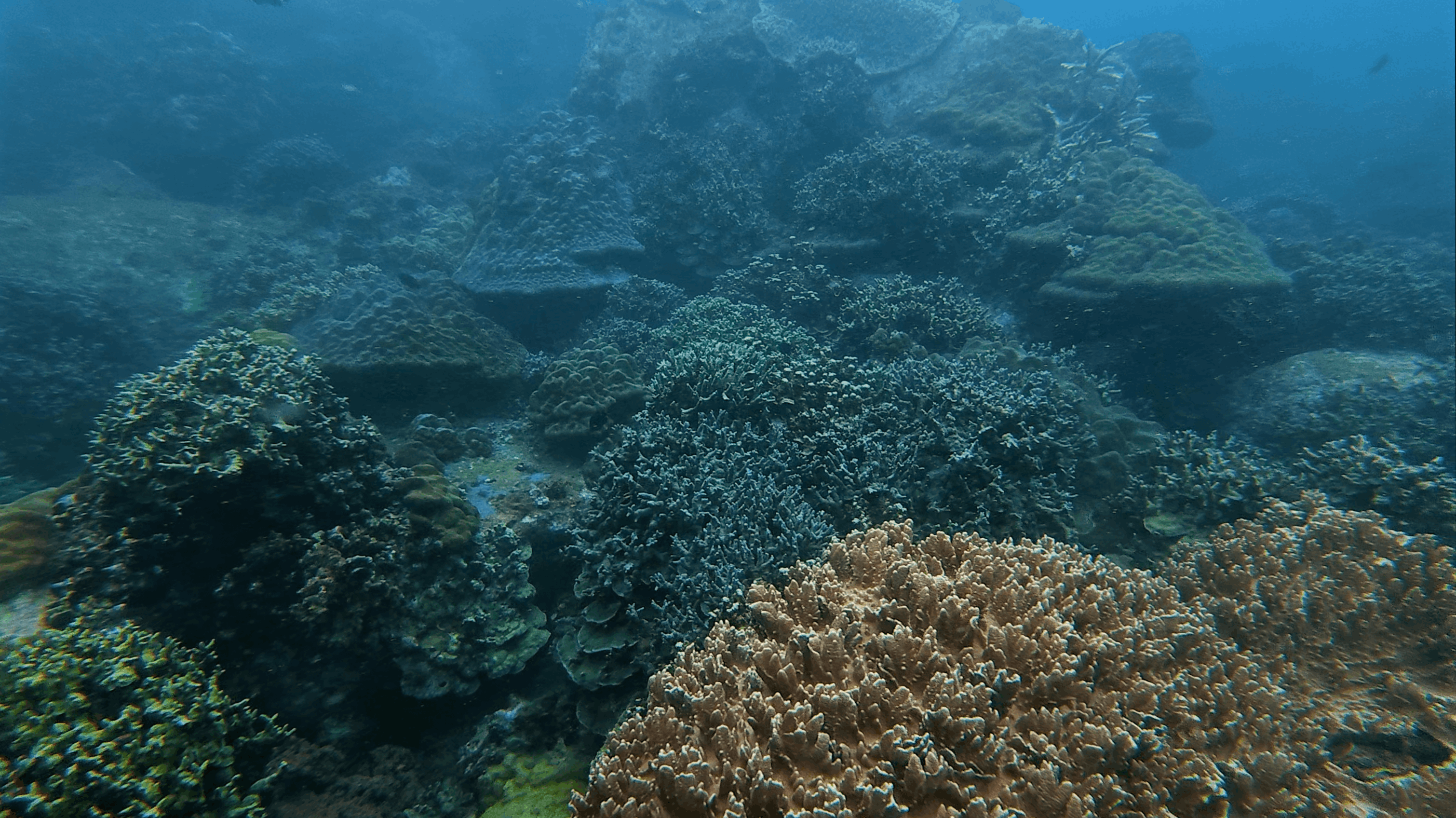
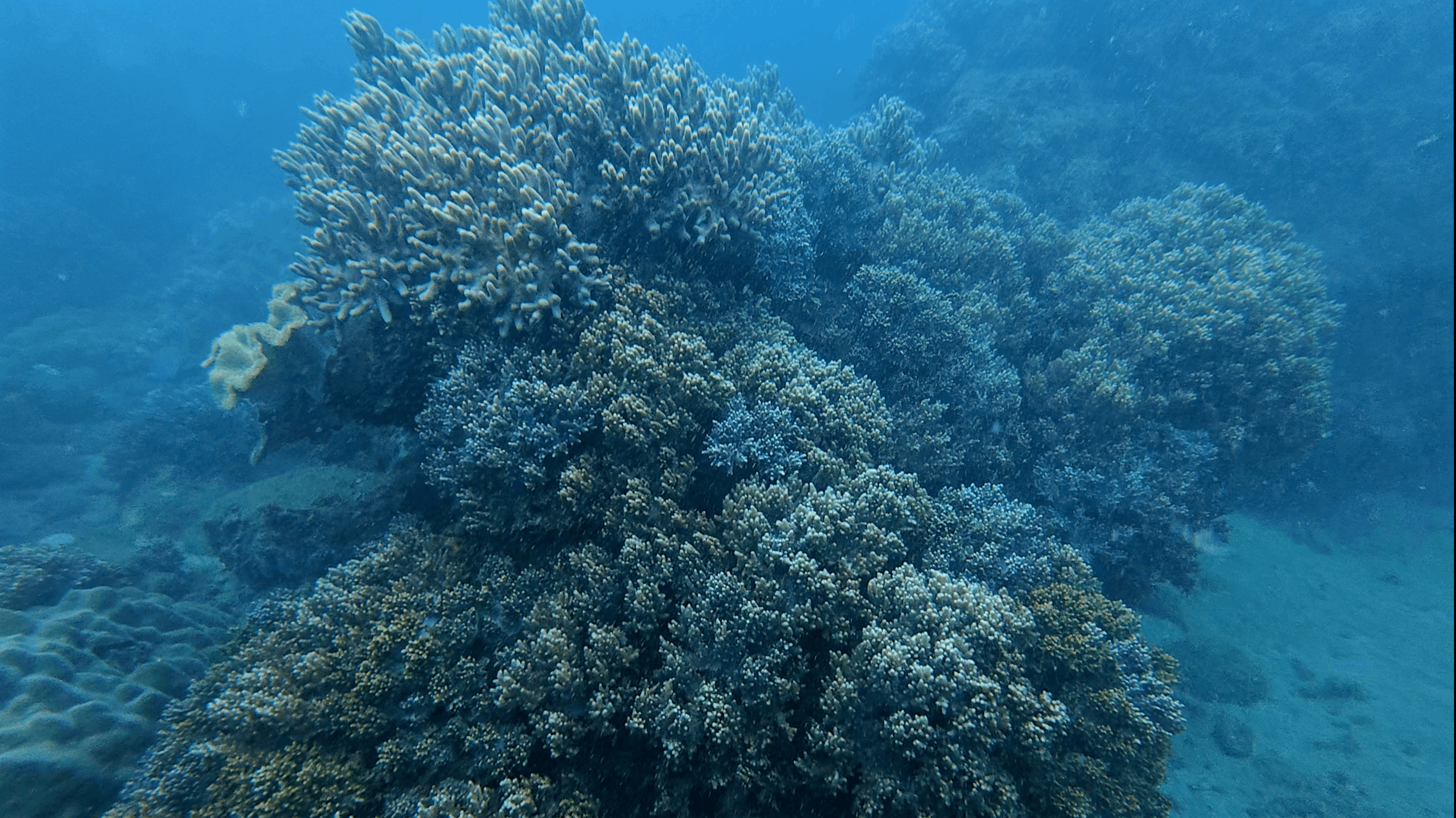
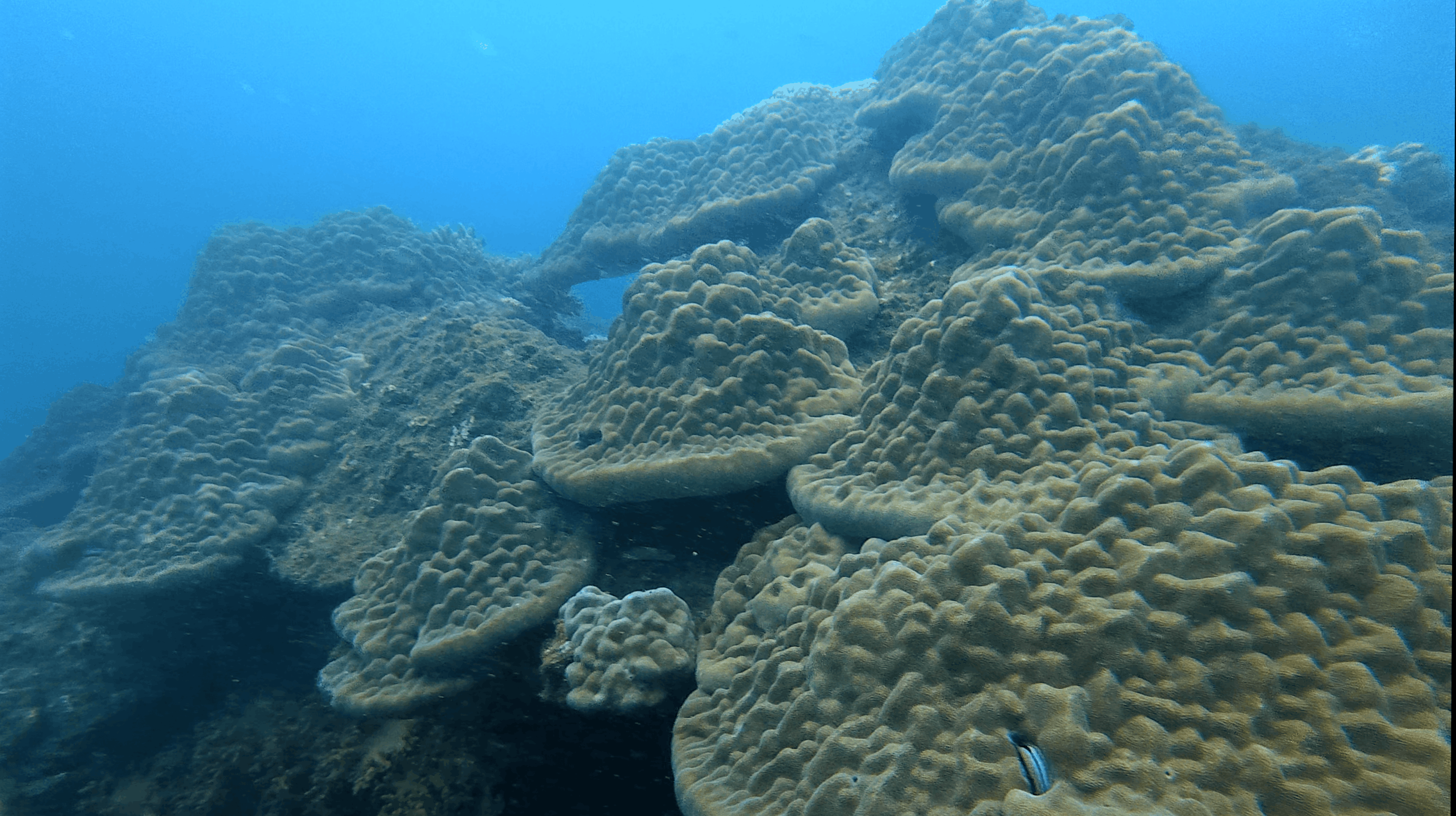
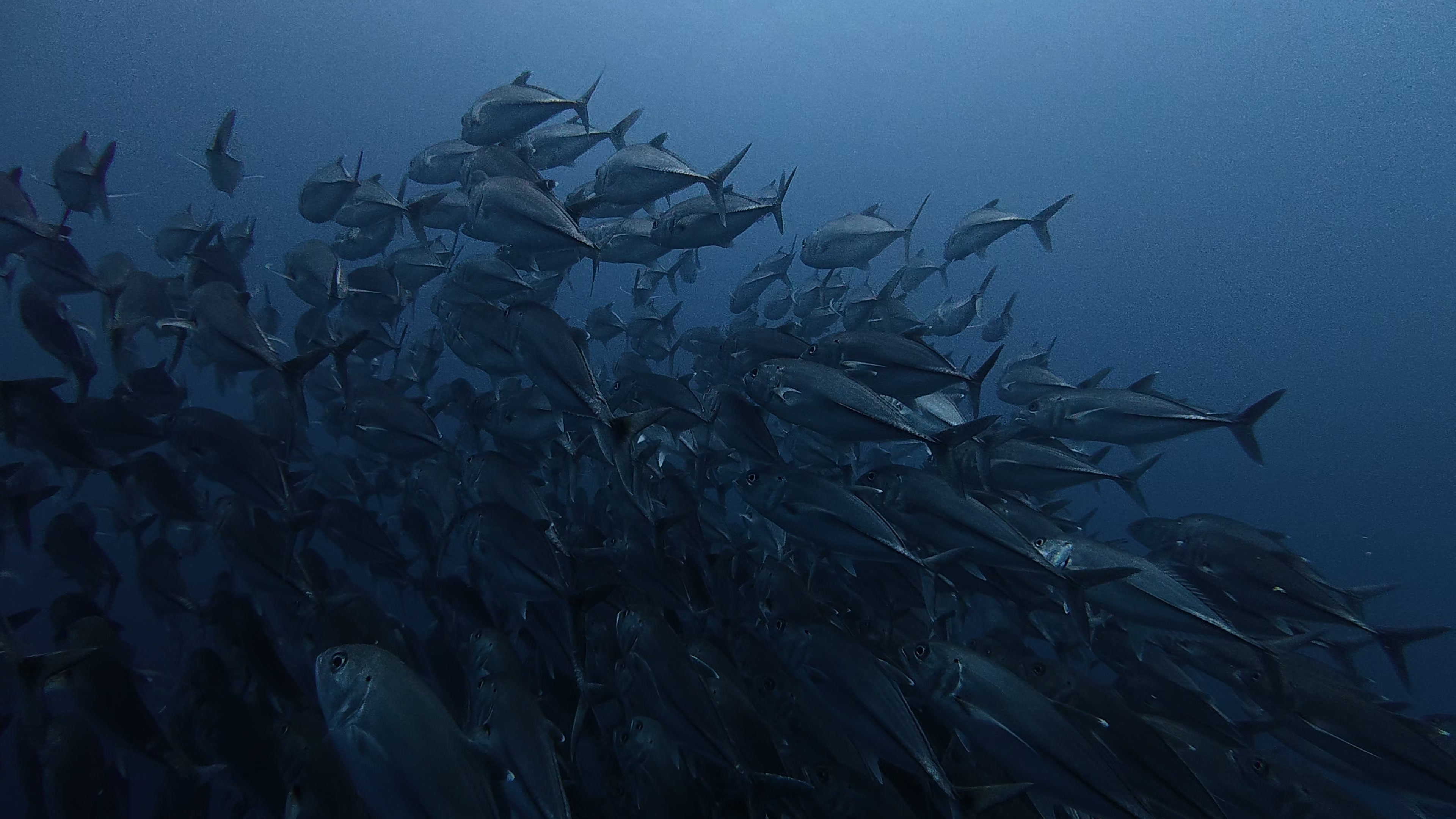
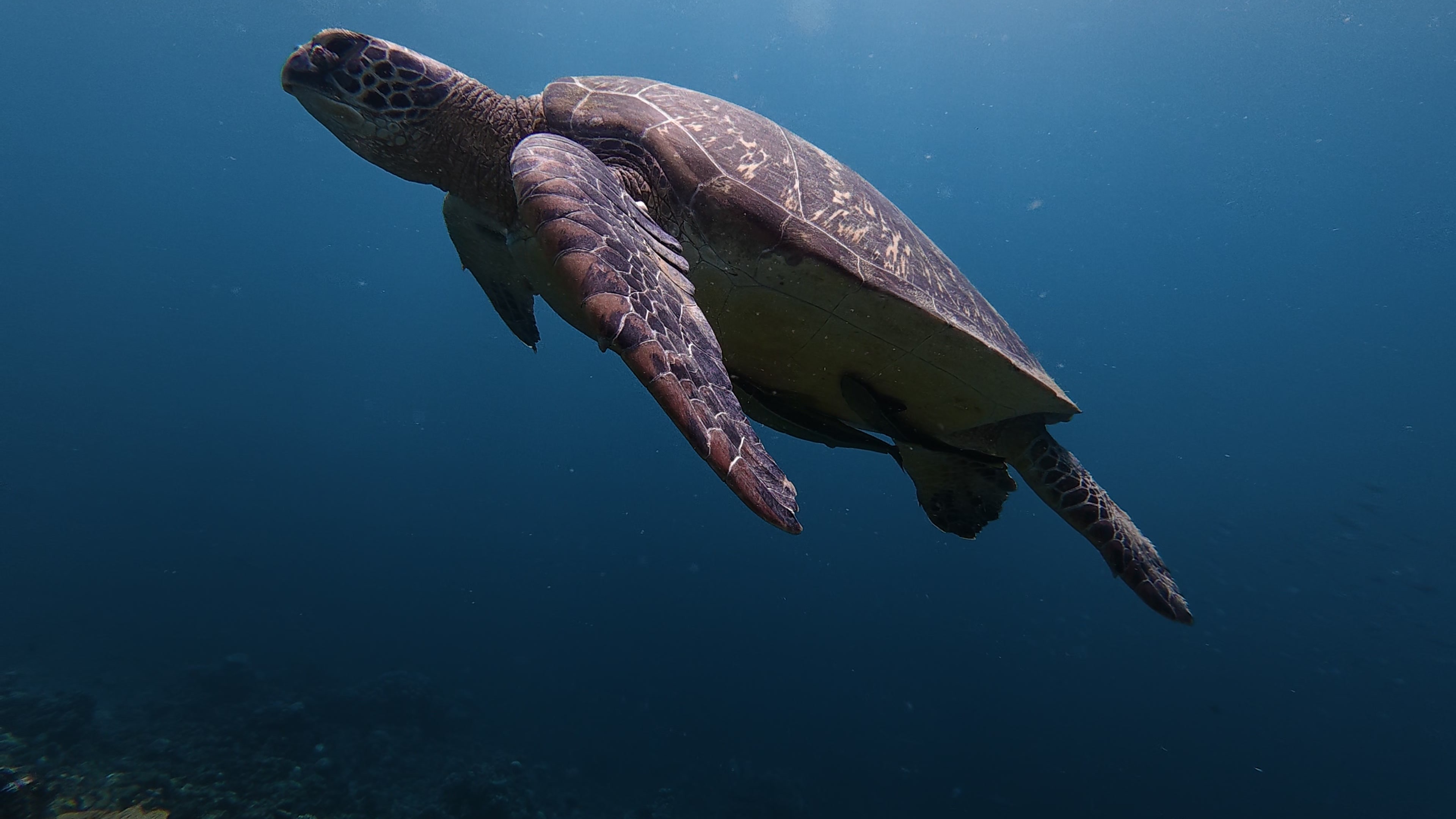
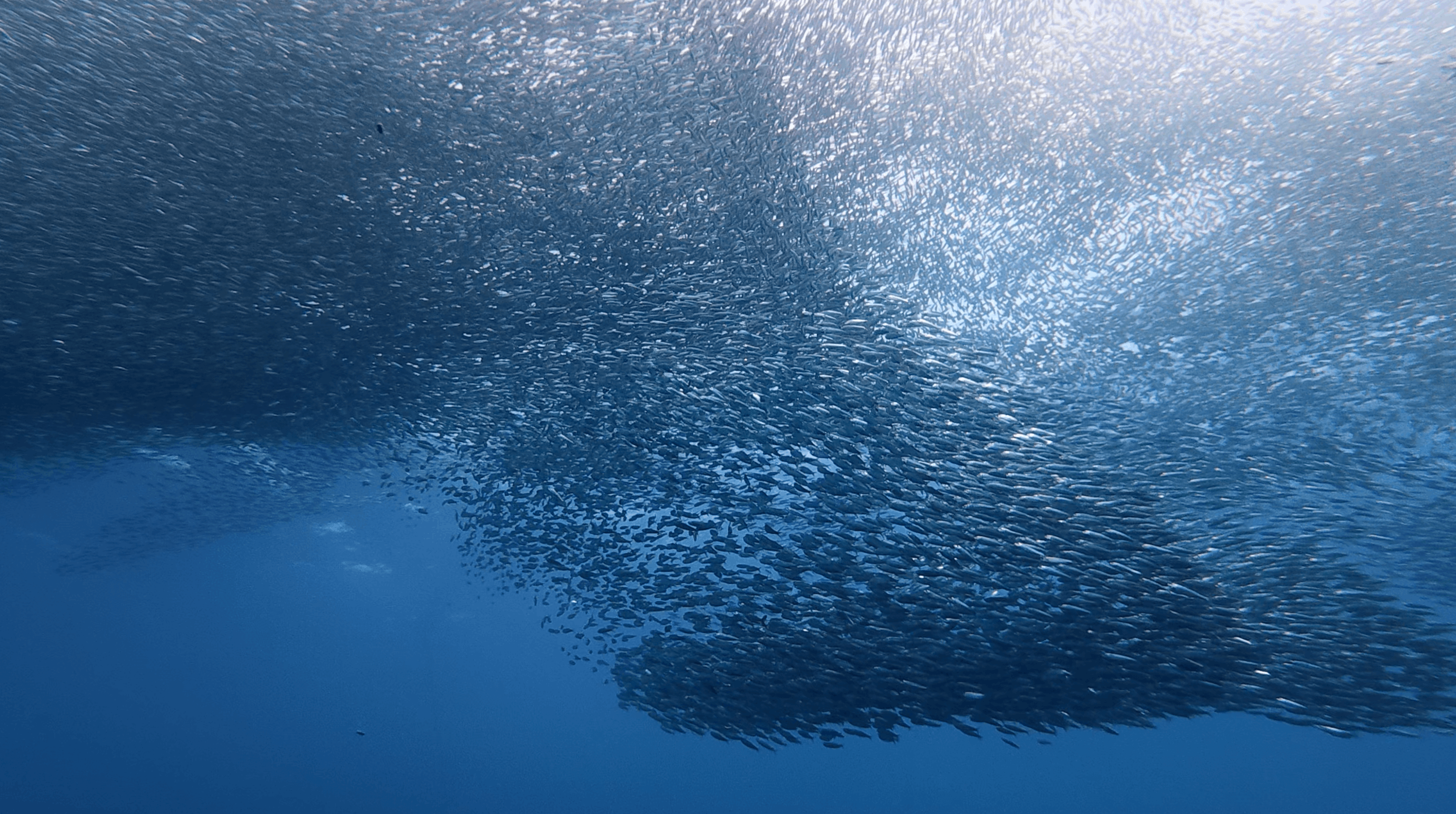
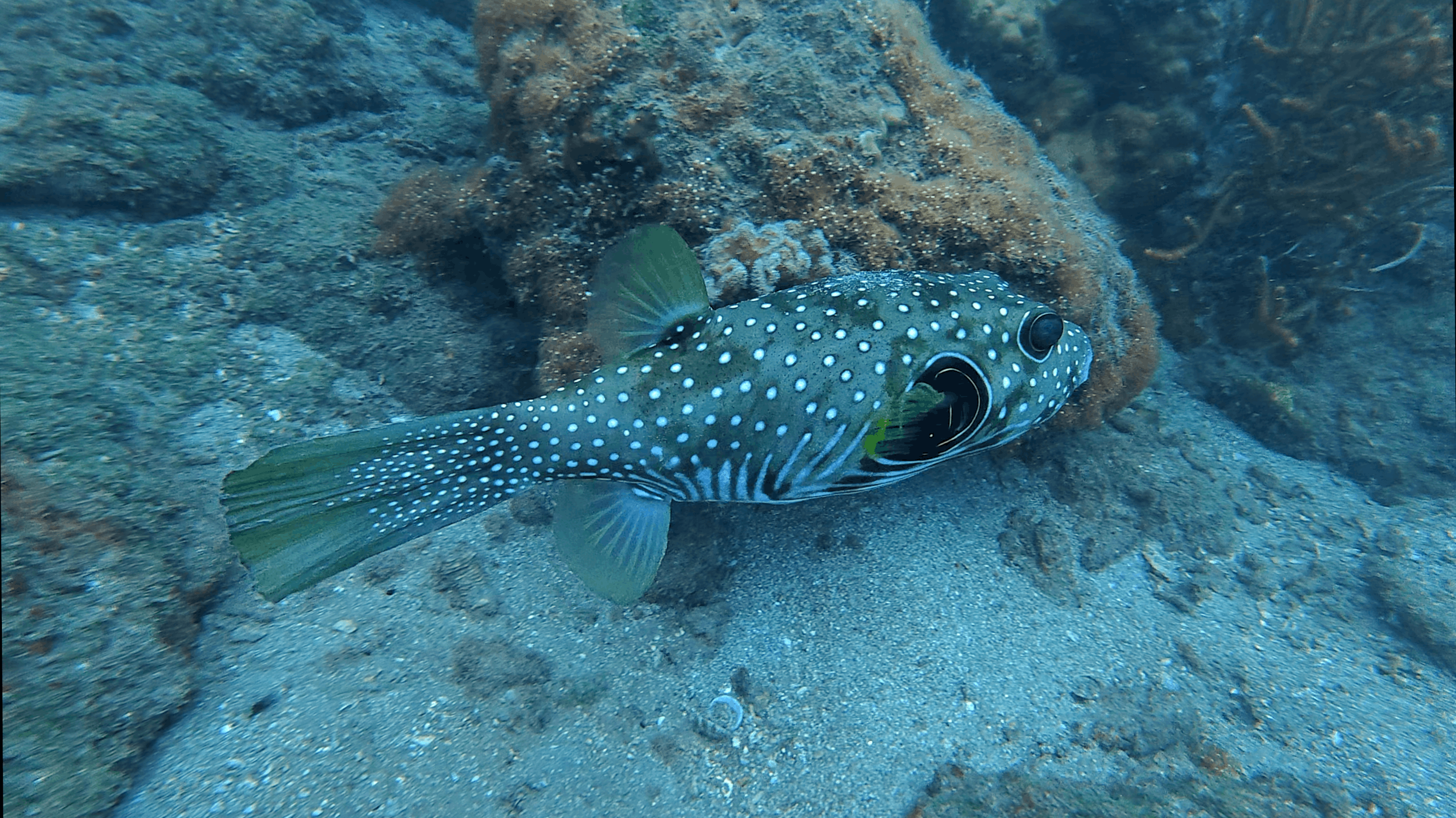
Moorish idols and bannerfish worked over the plate coral, barracuda held in the blue above the reef, and a large white spotted pufferfish came past me.
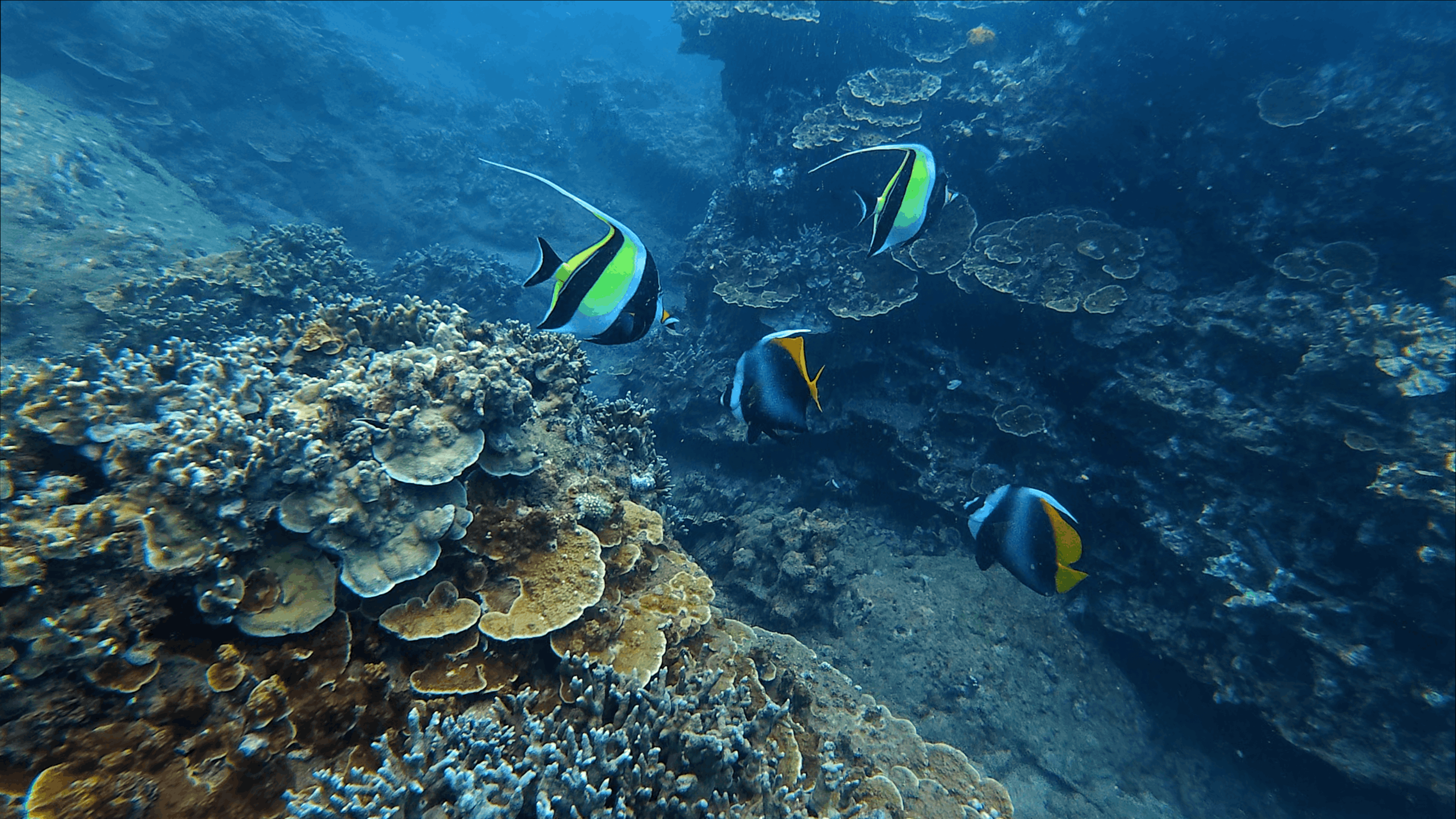
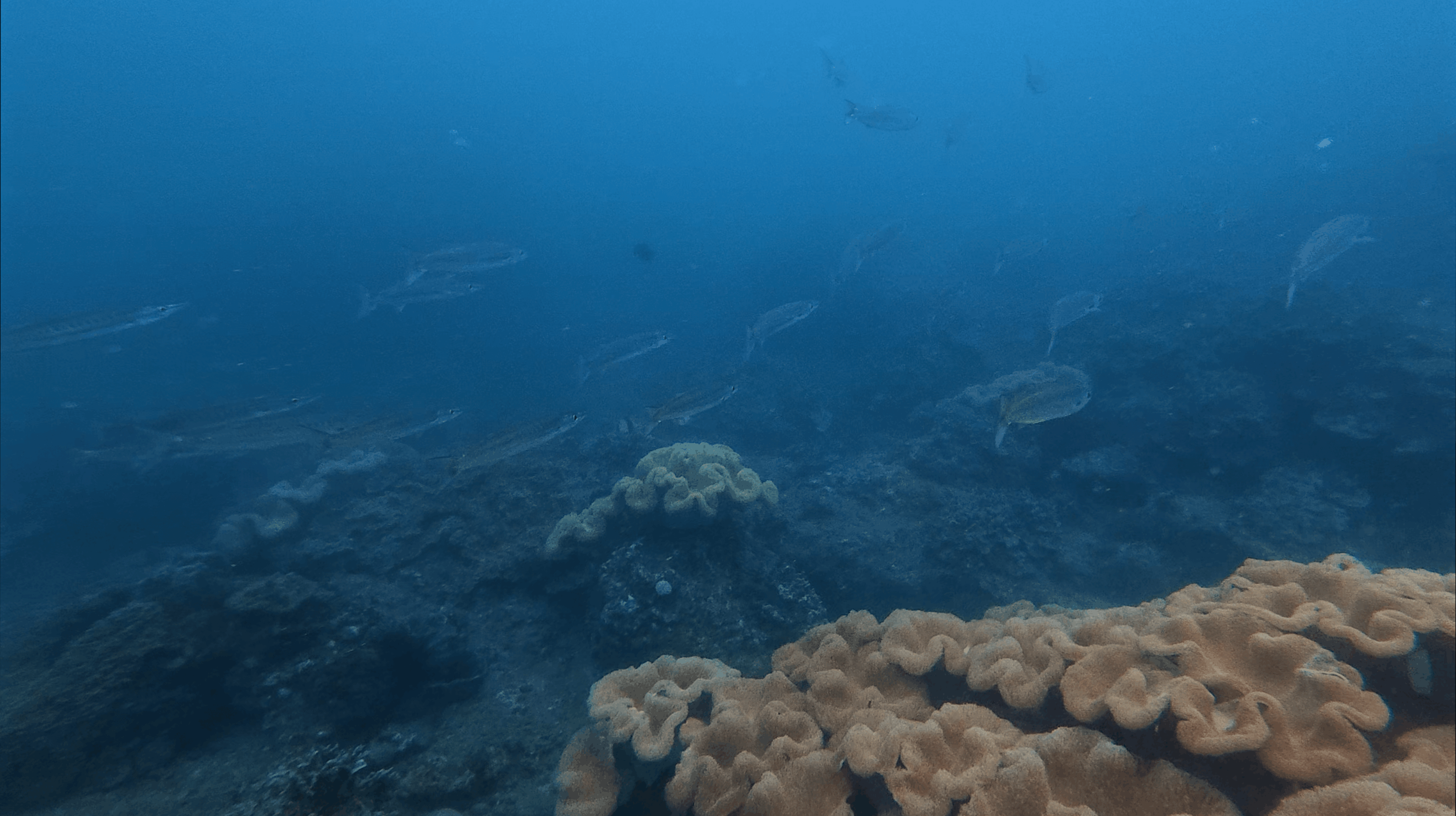
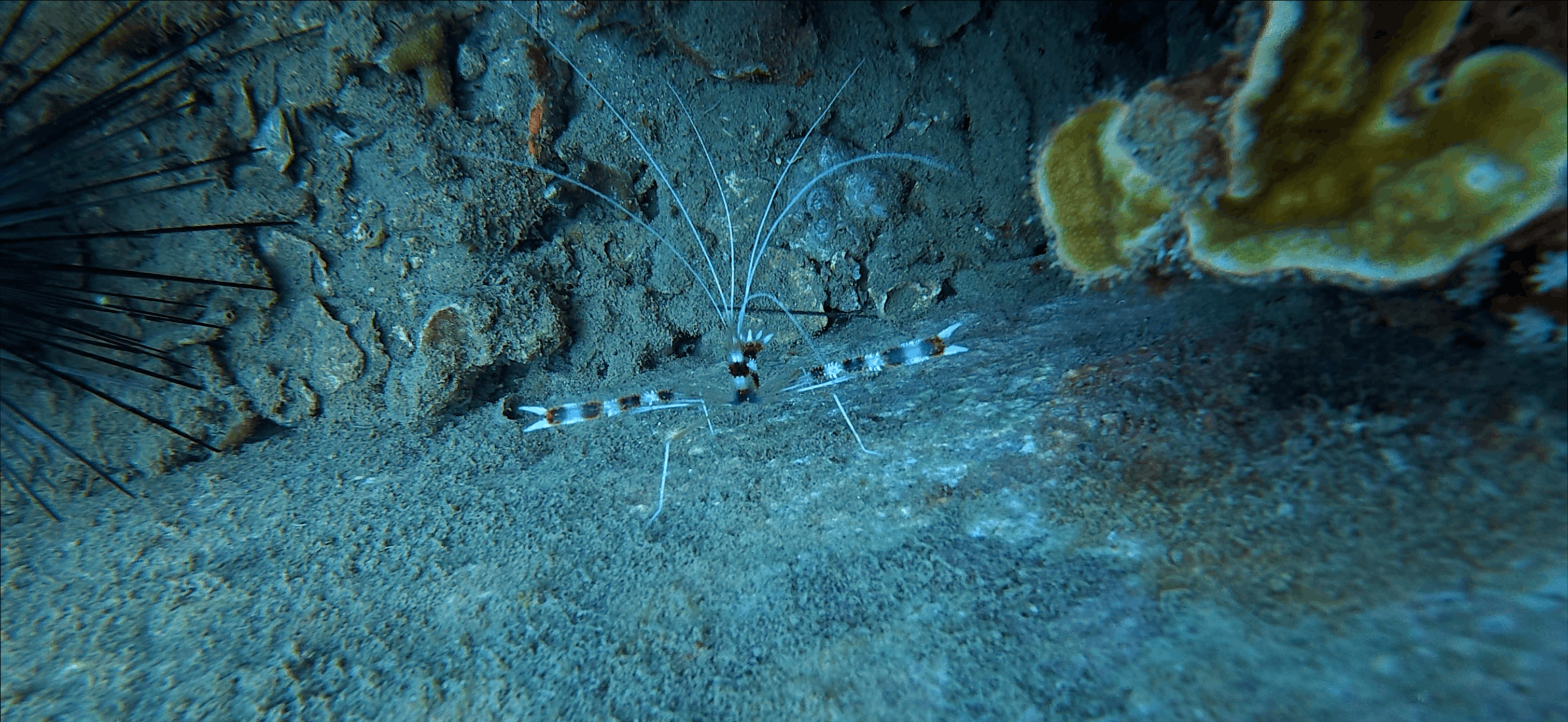
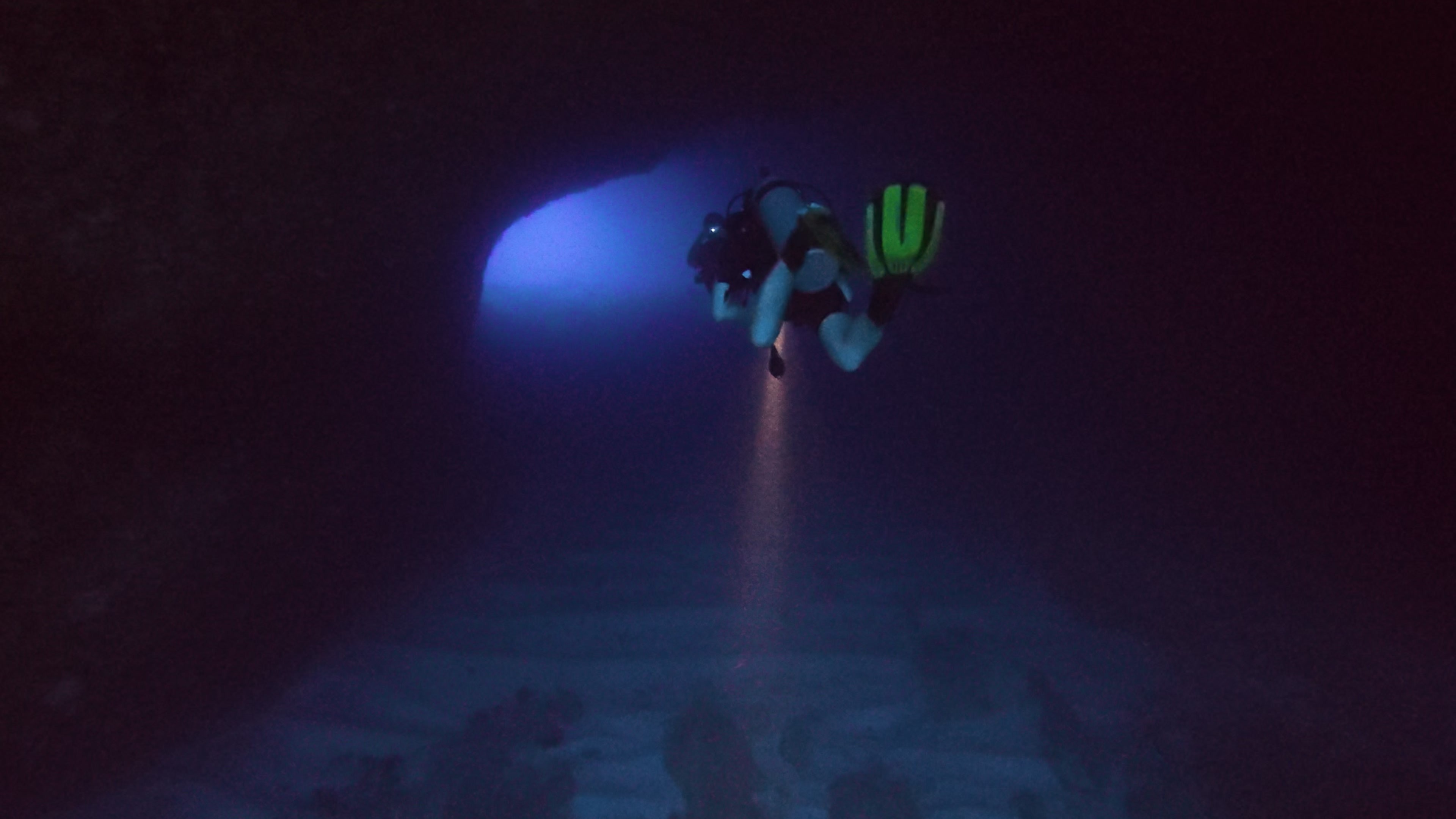
Filming this dive was genuinely hard. At 16 to 20 ft (5 to 6 m) of visibility you lose the guide and the group if you stop for a shot, so a lot of the dive was spent catching back up.
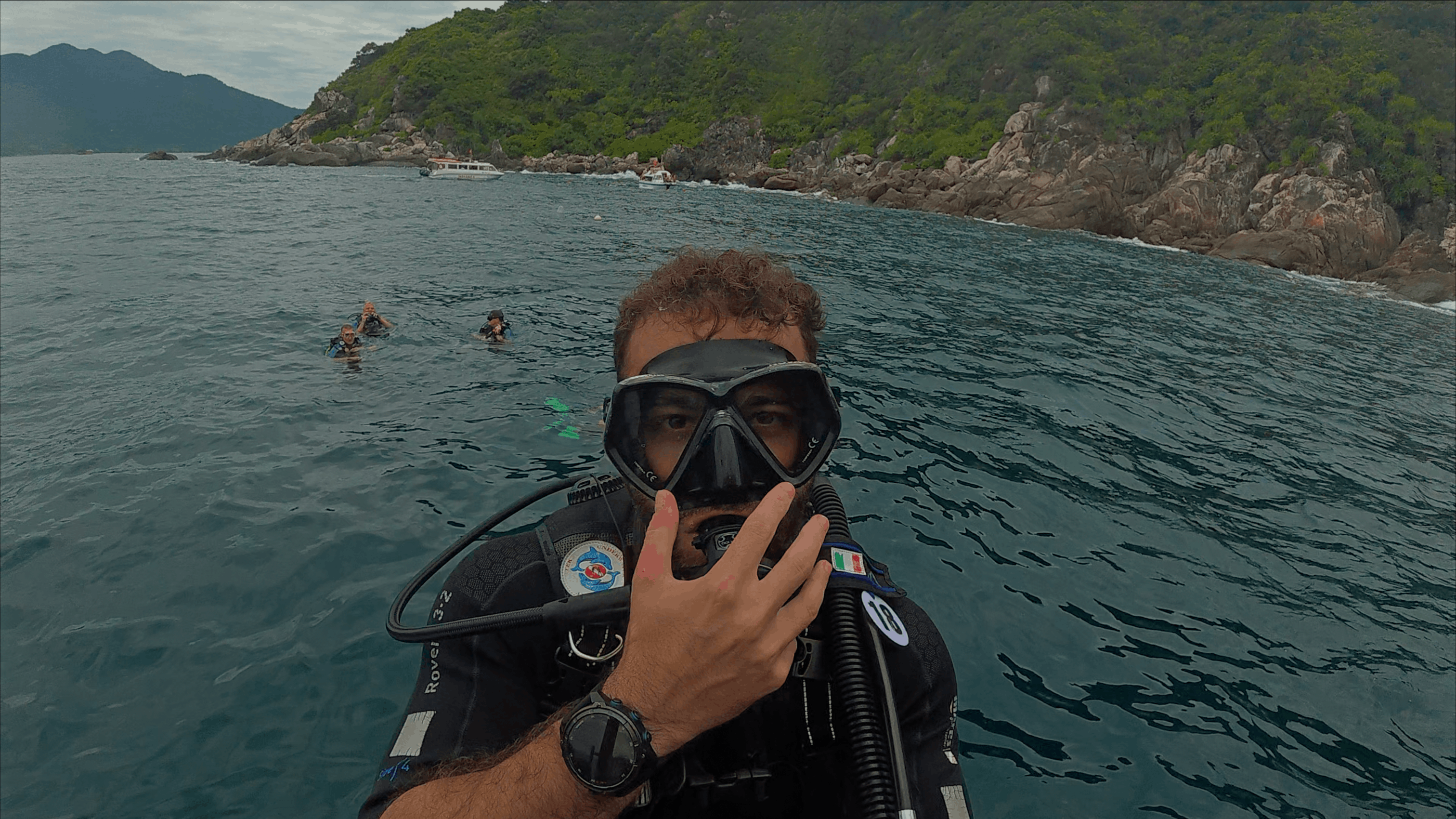
Come back here in a settled week and this is a genuinely good dive site rather than a good one you can barely see.
Sites I Didn't Dive
Cu Lao Cham is a group of eight islands and I dived one site on one of them. These are the names that come up repeatedly in operator listings and island guides, and I cannot rank any of them because I have not been in the water there.
The island names translate straight across, which makes the site list easier to follow than it looks at first.
Most Recommended: Hon Tai
Ear island. Hon Tai North and Hon Tai South come up more often than any other sites in the group, credited with the warmest water and the best visibility of the archipelago. If I had a second day here, this is where I would ask to go.
Deepest Option: Hon Lao
The main island of the group, and the one with the villages and the beaches on it. The dive sites around it are listed from 33 to 148 ft (10 to 45 m), with rock walls, sea caves and big schooling fish, which makes it the one deep and advanced option out here.
The Third Island: Hon Mo
Tomb island. Hon Mo, Hon Dai and Hon Tai are the three smaller islands most of the diving and snorkelling happens around, so it turns up on most day trip rotations alongside the site I dived.
Experienced Divers Only: Ranh Manh
A submerged island rather than one that breaks the surface, and it is listed as experienced divers only. That is as much as I can tell you honestly.
Best Time to Dive the Cham Islands
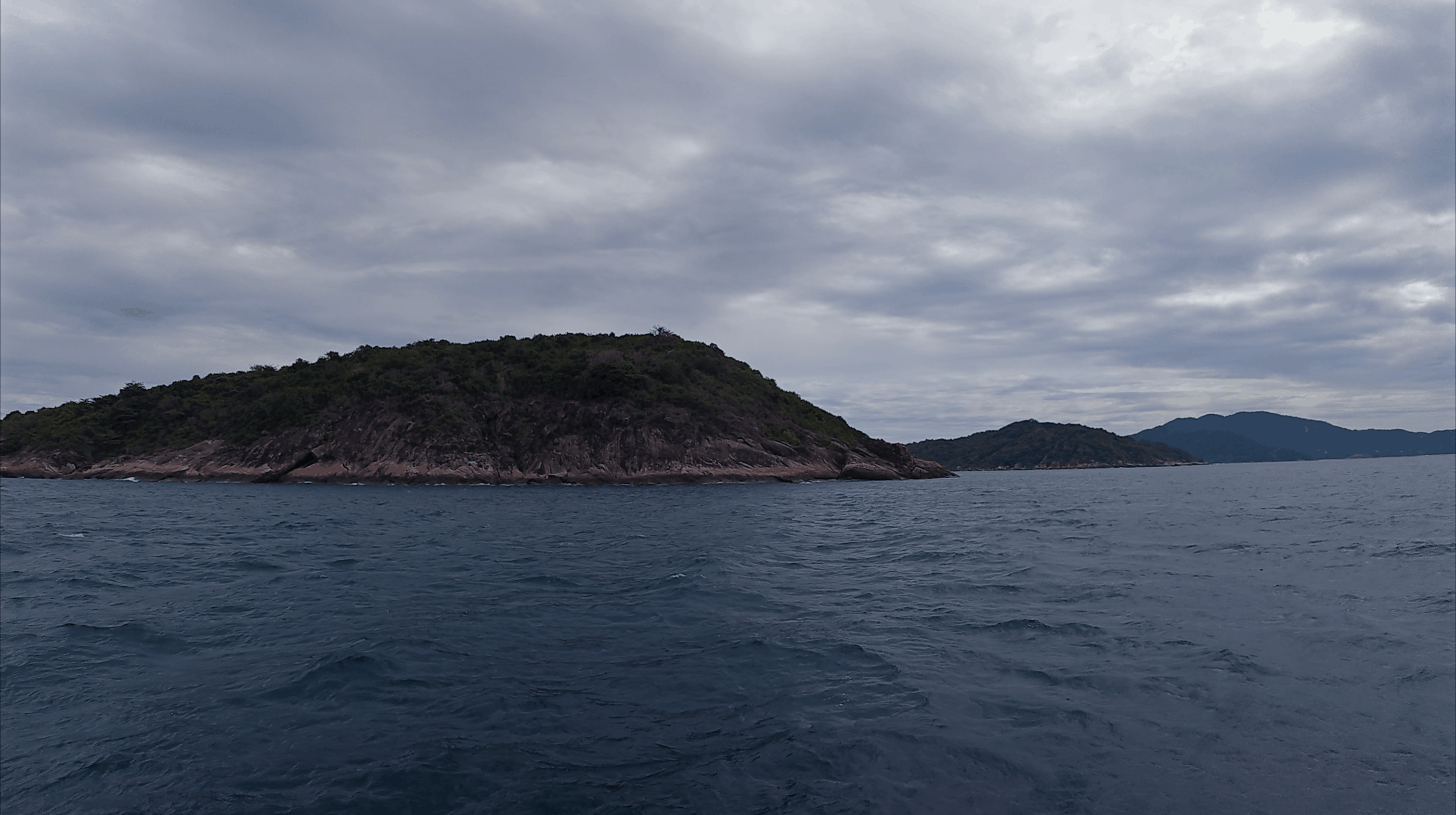
My guide Pierre at Cham Island Diving Center told me March to August has the calmest seas, with June to August the sweet spot.
Once you get into September it starts to get way more unreliable with the winds and currents, as typhoon season starts, and from October to February diving is completely closed because of the risk of typhoons. The crossing from the mainland is exposed enough that the weather decides whether the boats run at all.
I went in August, which is inside the window.
What got me was not the season, it was the river. Storms had stirred the water up in the days before, and there is dredging at the river mouth near Hoi An that pushes sediment straight out onto the dive sites.
That combination left me with 16 to 20 ft (5 to 6 m) of visibility on a reef that deserved much better.
Dive Operators in the Cham Islands
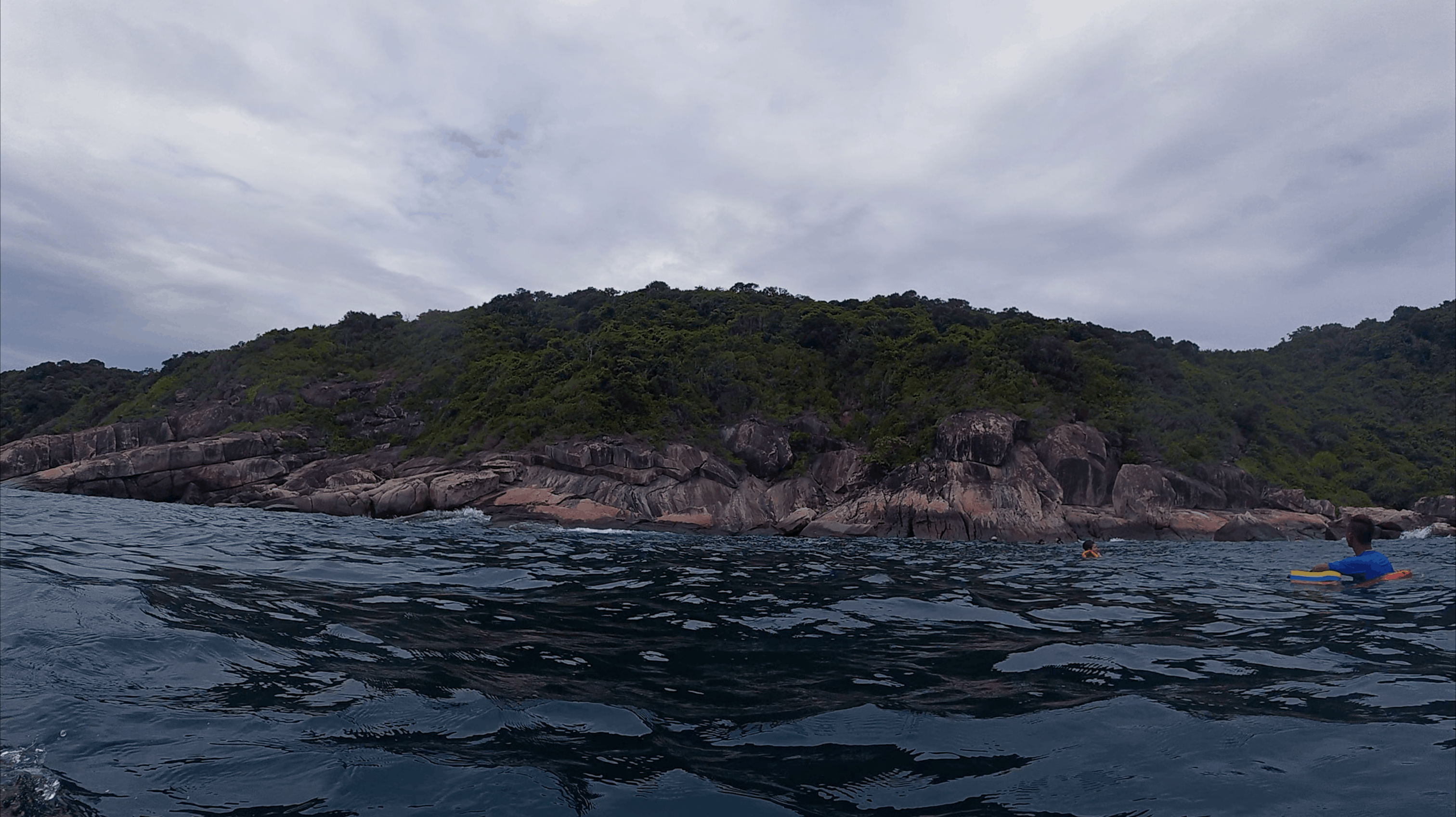
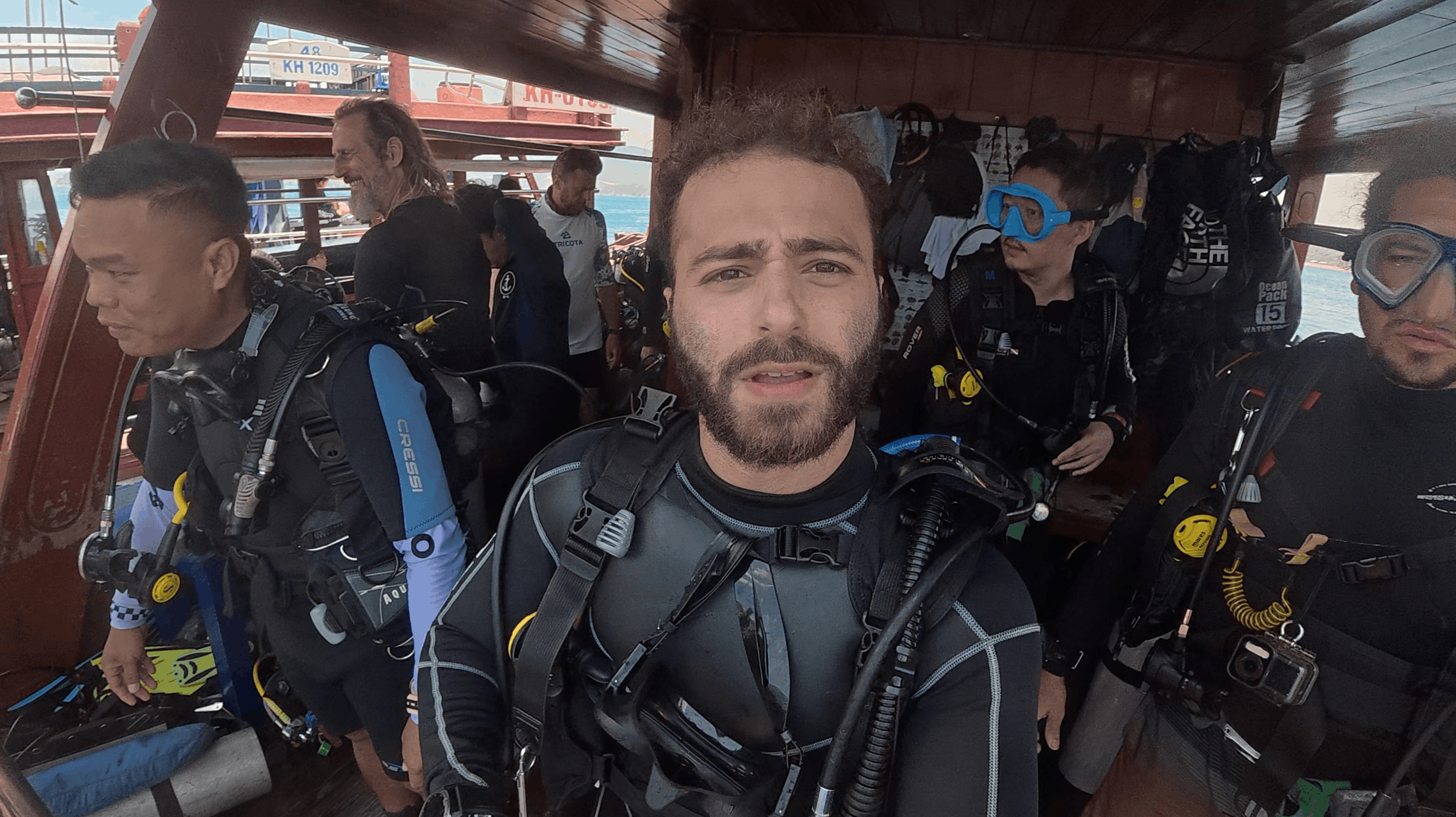
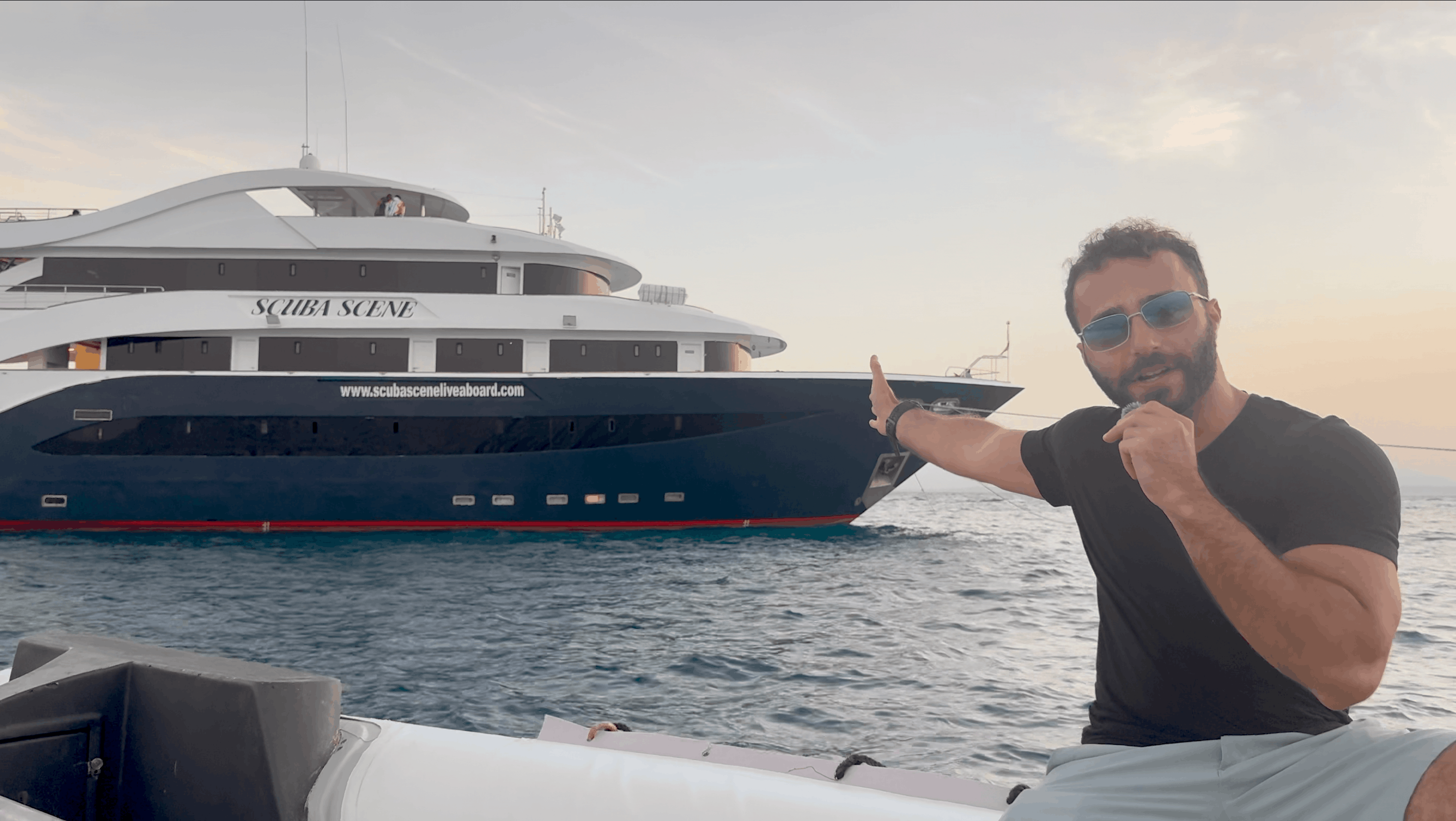
I dove with Cham Island Diving Center, a PADI shop based in Hoi An.
They run fun dives for certified divers, beginner dives for people who are not, snorkelling day trips, and PADI Open Water through Rescue Diver. They also run overnight trips out to the island, which is the version I would book if I came back.
If you are anywhere near Da Nang or Hoi An, this is the trip to take rather than routing down to Nha Trang. The coral is better and the water is warmer.
What Diving the Cham Islands Costs
This is what I actually paid in August 2026.
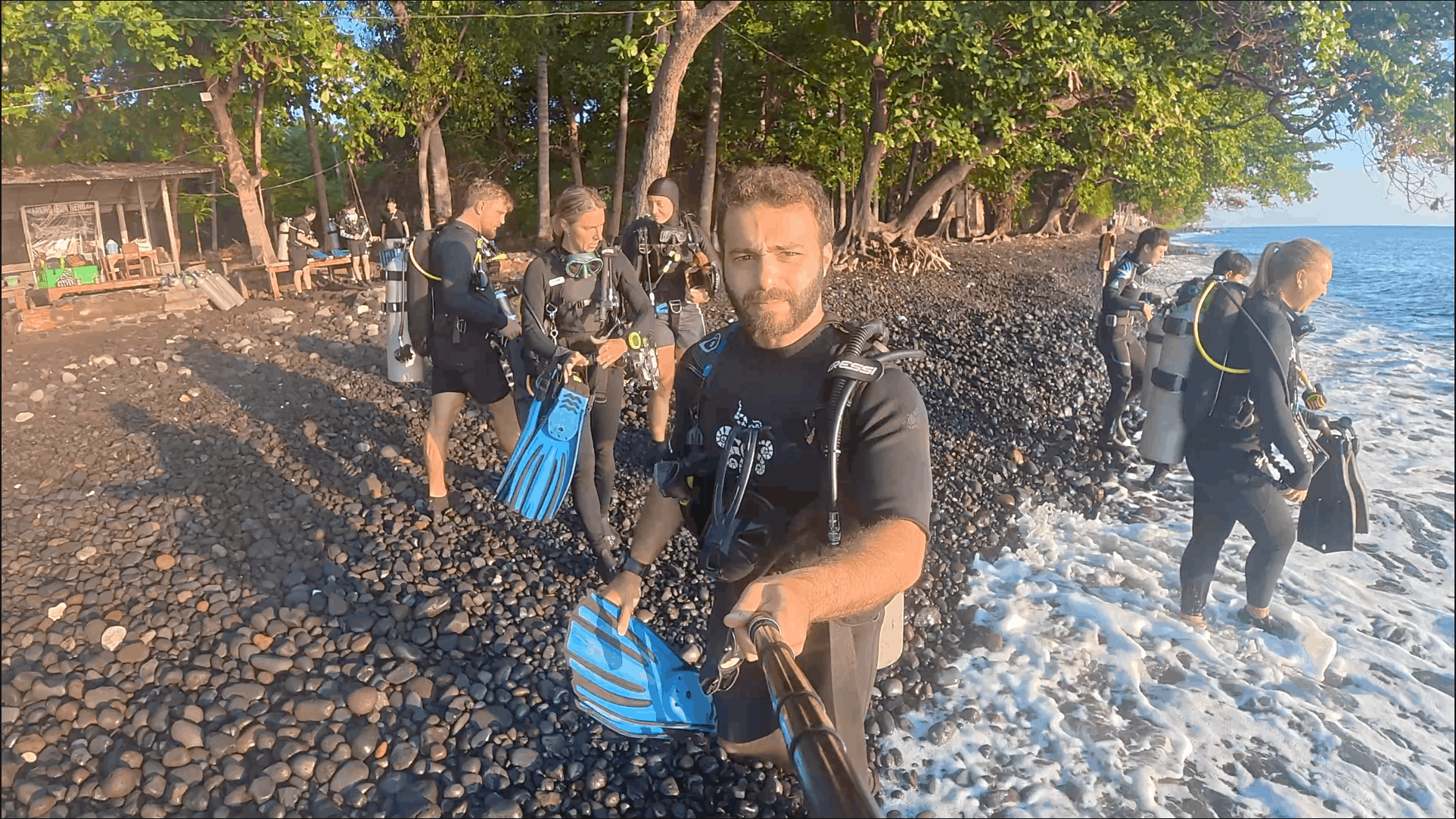
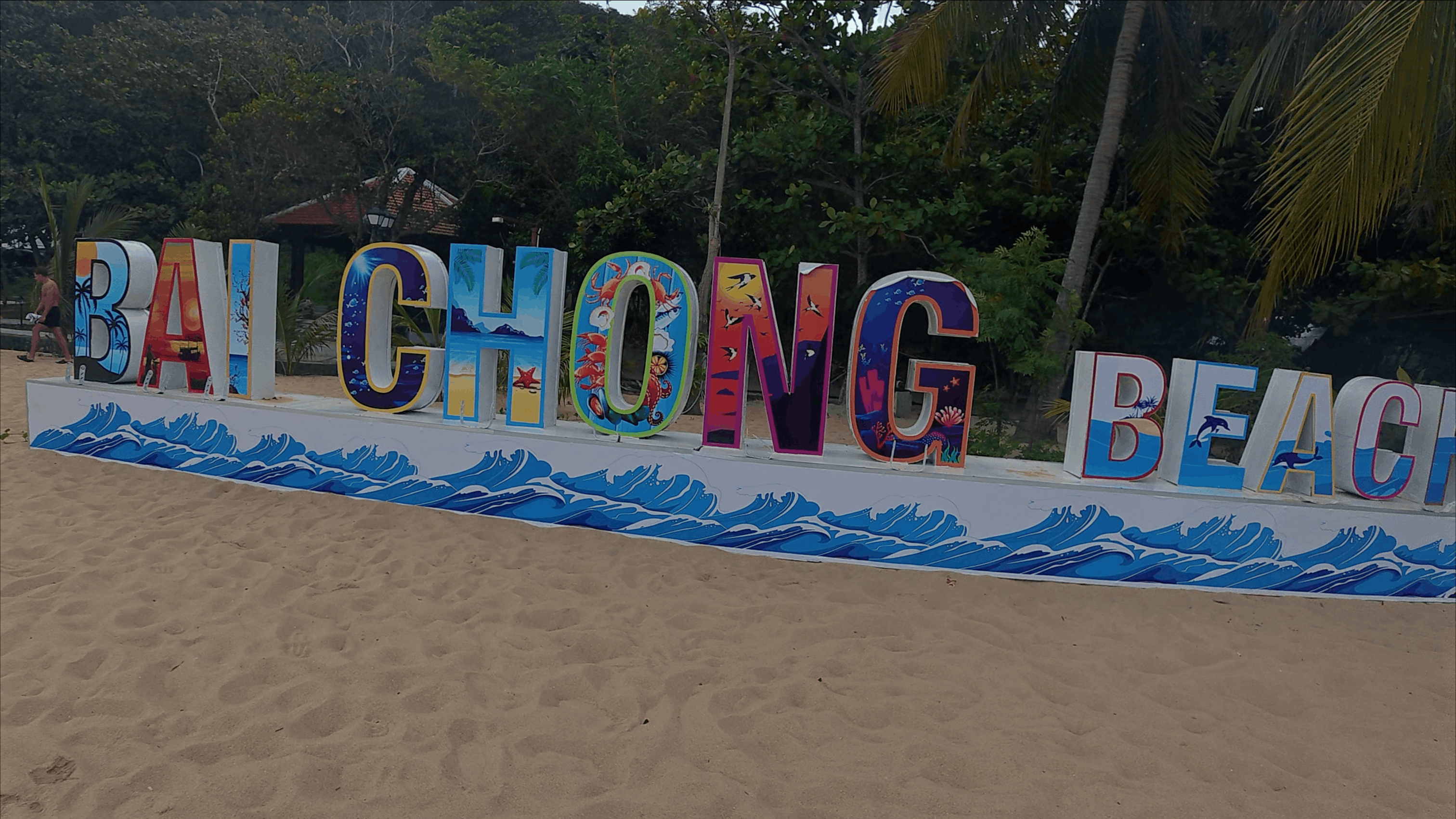
- Full day with Cham Island Diving Center: $100, including gear, guide and lunch on Bai Chong beach
That is $25 more than a two dive day in Nha Trang, and it bought better diving.
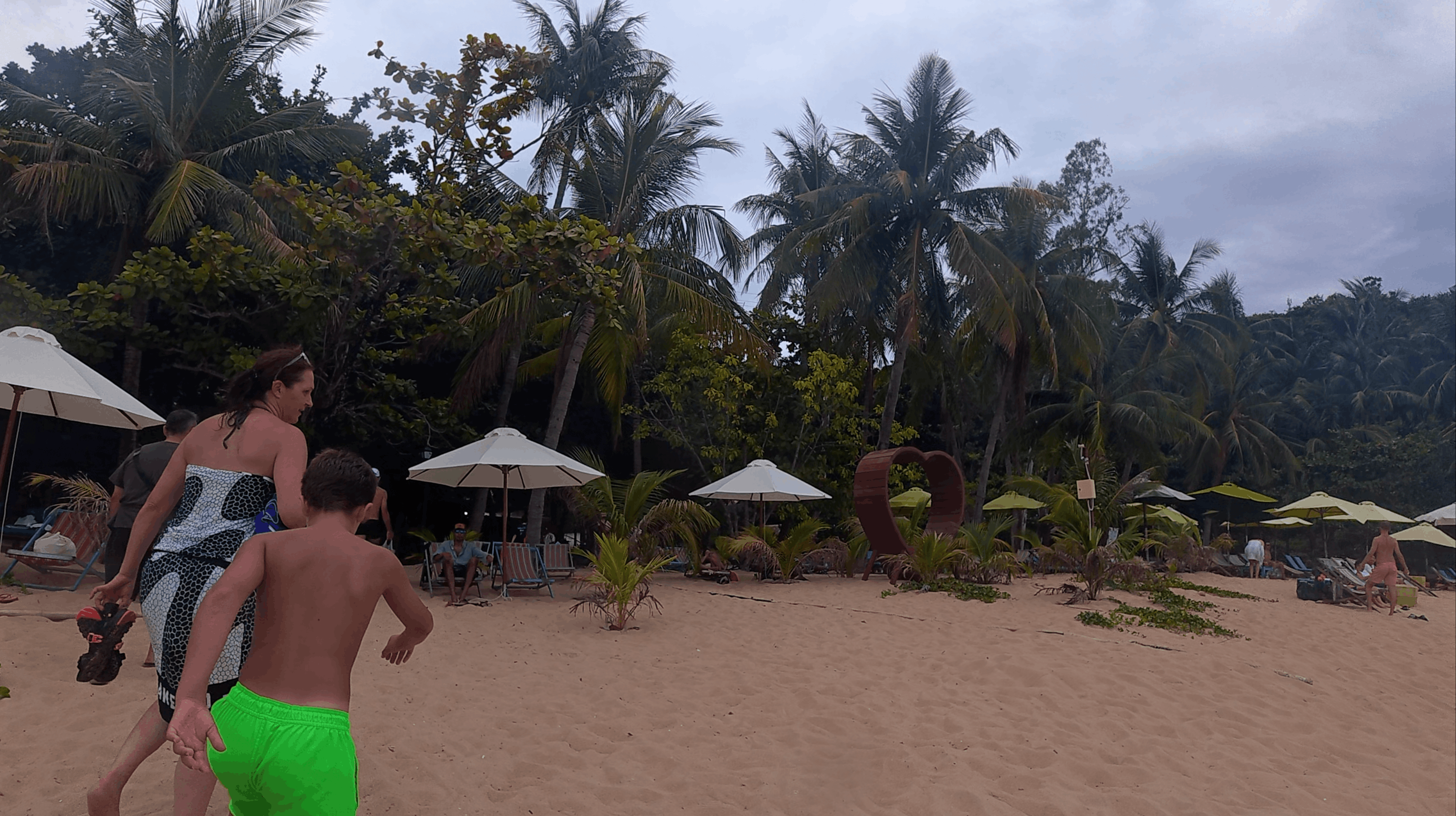
The lunch stop at Bai Chong is on the beach with umbrellas and loungers, and there are monkeys all over the island.
Water Conditions and What to Wear
Water temperature was 86°F (30°C), the warmest water I dove anywhere in Vietnam and a full 7 degrees above Nha Trang in the same month.
A shorty or a rash guard is plenty at that temperature. I would not bother with a 3mm here.
Visibility is the weak point and it is partly structural. I had 16 to 20 ft (5 to 6 m), knocked down by recent storms and by dredging at the nearby river mouth. Storms pass, dredging does not, so check with the shop before you commit to a day.
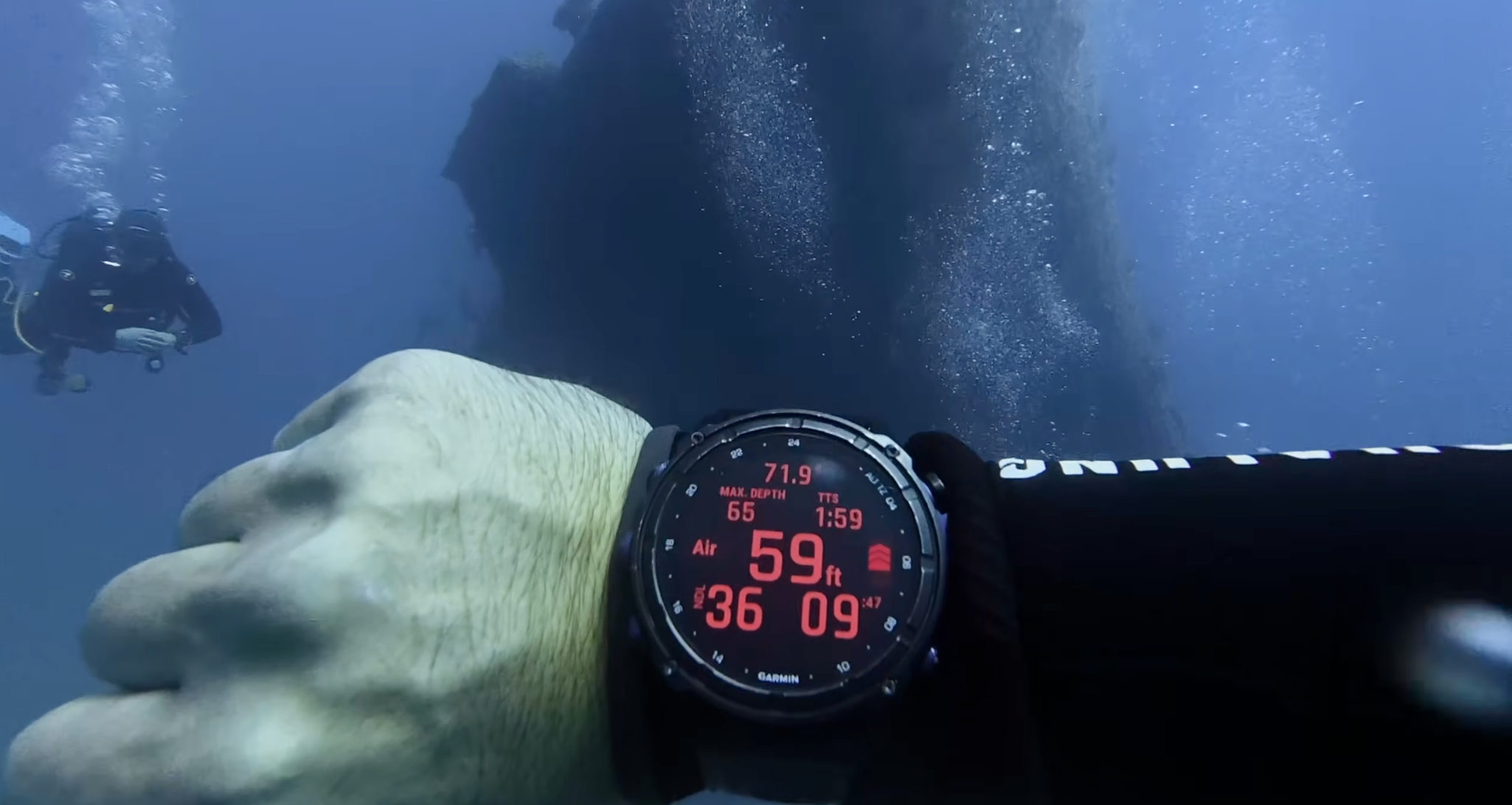
The diving is shallow. My max was 49 ft (14.9 m) with a 27 ft (8.2 m) average, so this is open water territory at the sites the day boats run.
Where to Stay for the Cham Islands
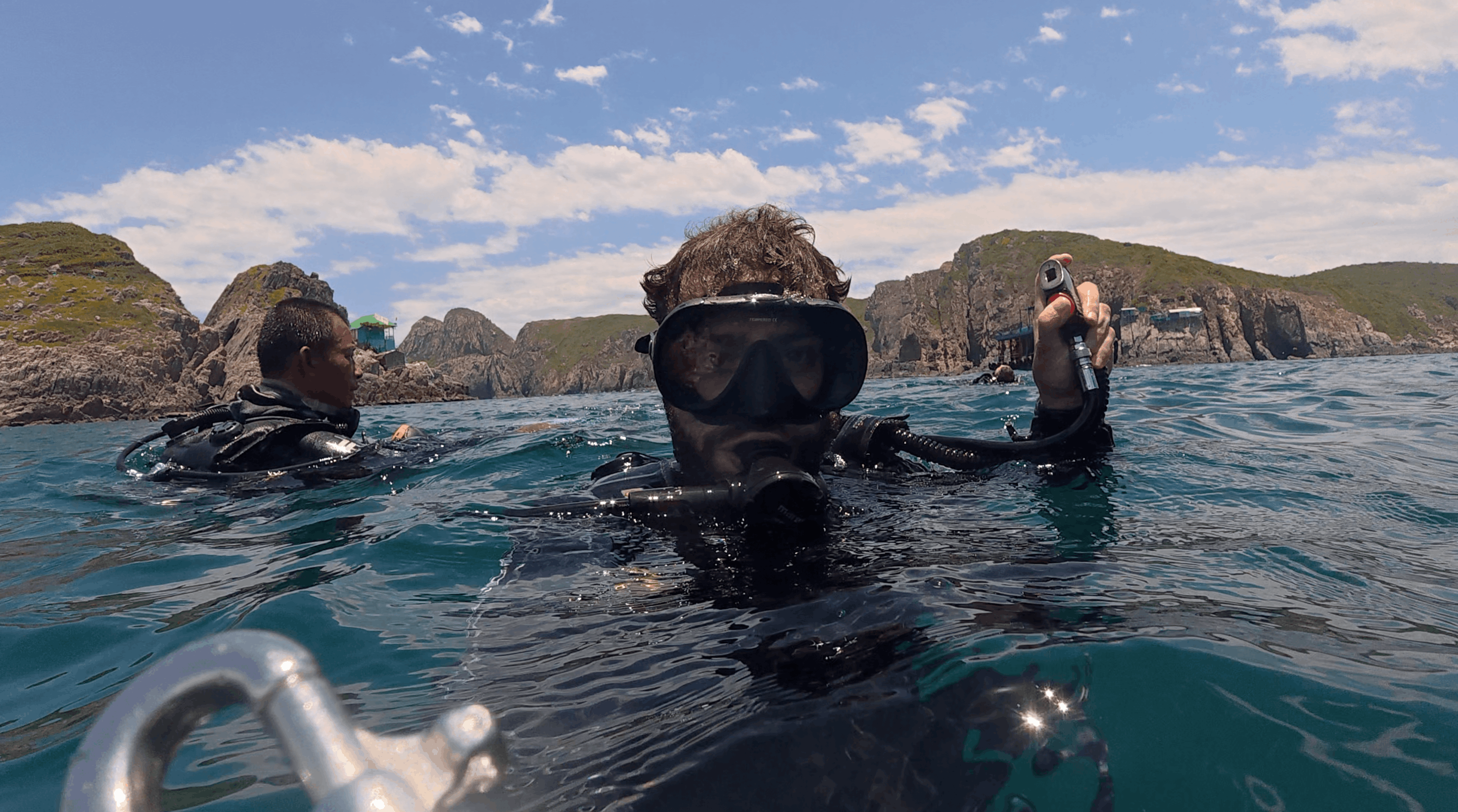
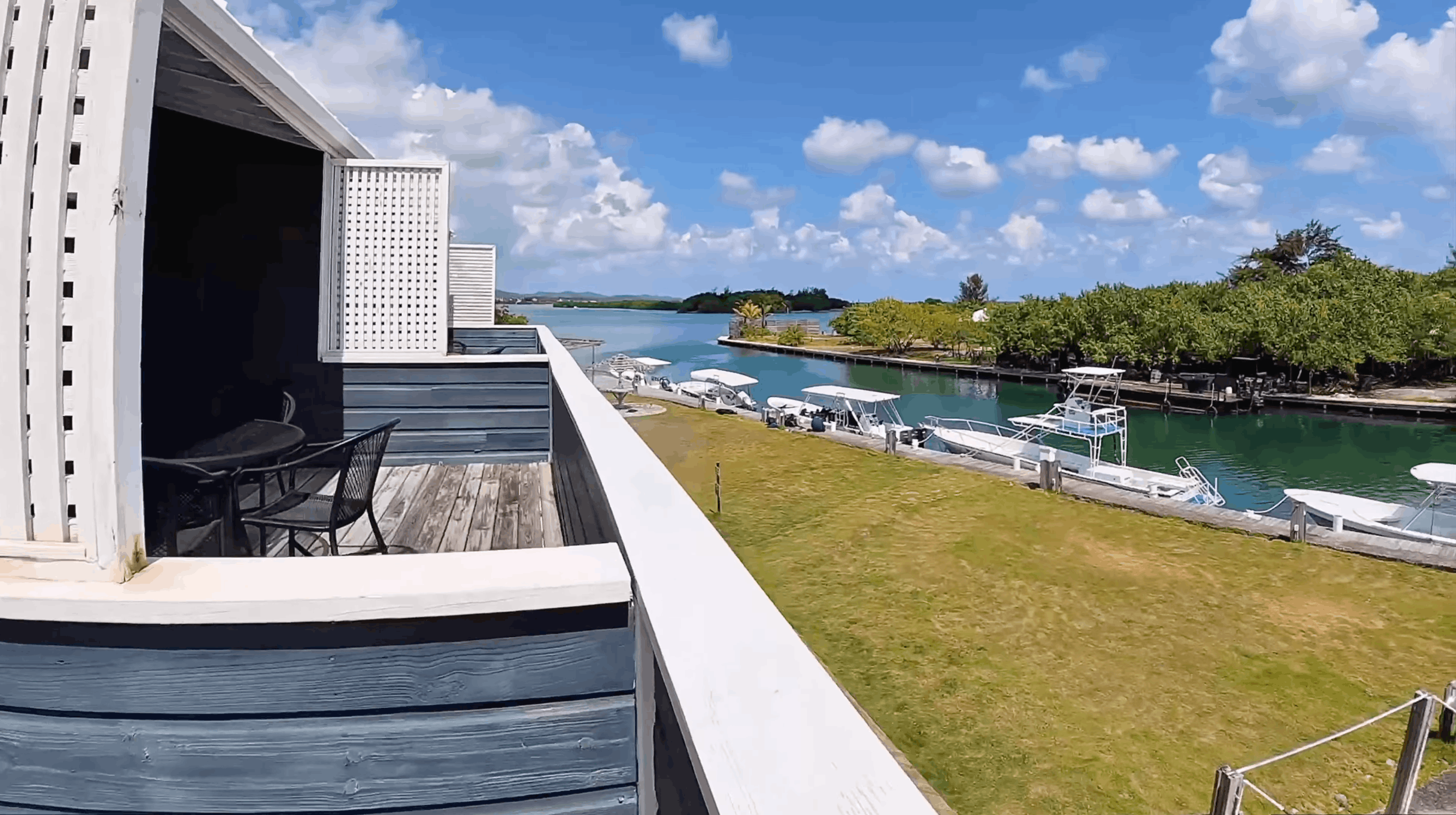
Hoi An is the obvious base. The dive shop is there and the boats leave from Cua Dai port, so you are not commuting to the trip.
I stayed in Da Nang instead, which cost me a 40 minute drive down the coast each way to meet the shop. That is fine if you are already in Da Nang for other reasons, and it is a pointless 80 minutes if you are not.
Cham Island Diving Center also run overnight stays on the island itself, which cuts the crossing out of the second day entirely.
Getting to the Cham Islands
Da Nang International (DAD) is the airport. It takes domestic flights from Hanoi and Ho Chi Minh City as well as a decent spread of international routes.
From there it is about 40 minutes by car to Hoi An, and the dive boats run out to Cu Lao Cham from Cua Dai port.
The questions I get asked most about diving here.
Is diving the Cham Islands worth it?
Yes, and it was the best diving I found anywhere in Vietnam. The coral cover at Hon Dai is the healthiest in the country and it is the only place where the reef itself is the structure rather than coral scattered over rock. The visibility is the catch.
How is the visibility at Cu Lao Cham?
I had 16 to 20 ft (5 to 6 m) in August, cut down by recent storms and by dredging at the river mouth near Hoi An. The storms are seasonal, the dredging is not, so ask the shop what the water is doing before you book the day.
When is the best time to dive the Cham Islands?
My guide Pierre at Cham Island Diving Center said March to August has the calmest seas, with June to August the sweet spot. September gets unreliable as typhoon season starts, and diving is completely closed from October to February.
How much does it cost to dive the Cham Islands?
I paid $100 for the full day with Cham Island Diving Center, which included gear, a guide and lunch on Bai Chong beach. That is $25 more than a two dive day in Nha Trang and it bought better diving.
Can you dive the Cham Islands from Da Nang?
Yes, that is what I did. It is about a 40 minute drive from Da Nang down to the shop in Hoi An, and the boats leave from Cua Dai port. Staying in Hoi An itself removes the drive.
Do you need to be certified to dive Cu Lao Cham?
Not necessarily. Cham Island Diving Center run beginner dives for uncertified divers alongside fun dives, and they teach PADI Open Water through Rescue Diver. The site I dived topped out at 49 ft (14.9 m), well inside open water limits.
ABOUT THE AUTHOR
Austin Tuwiner
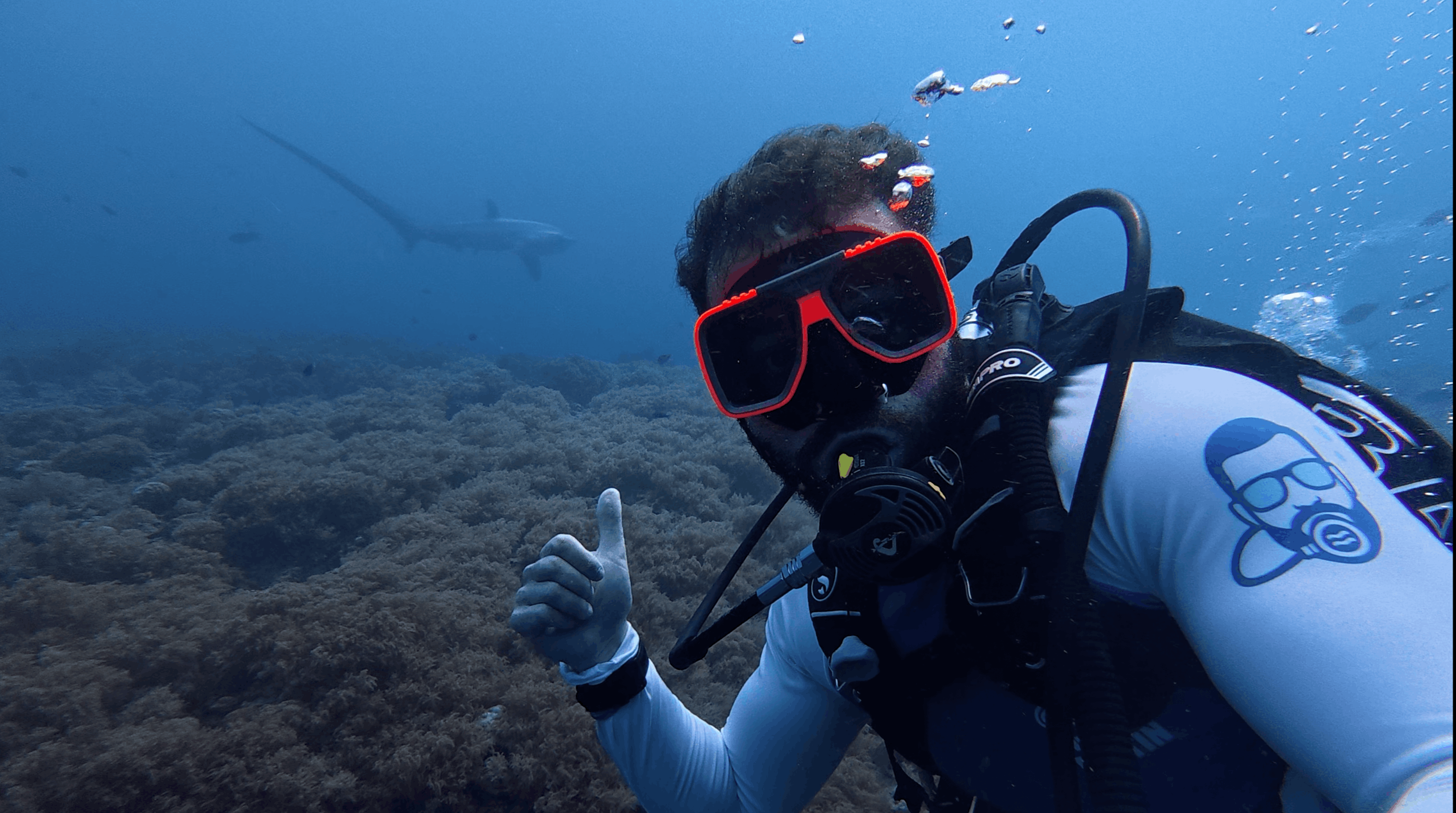
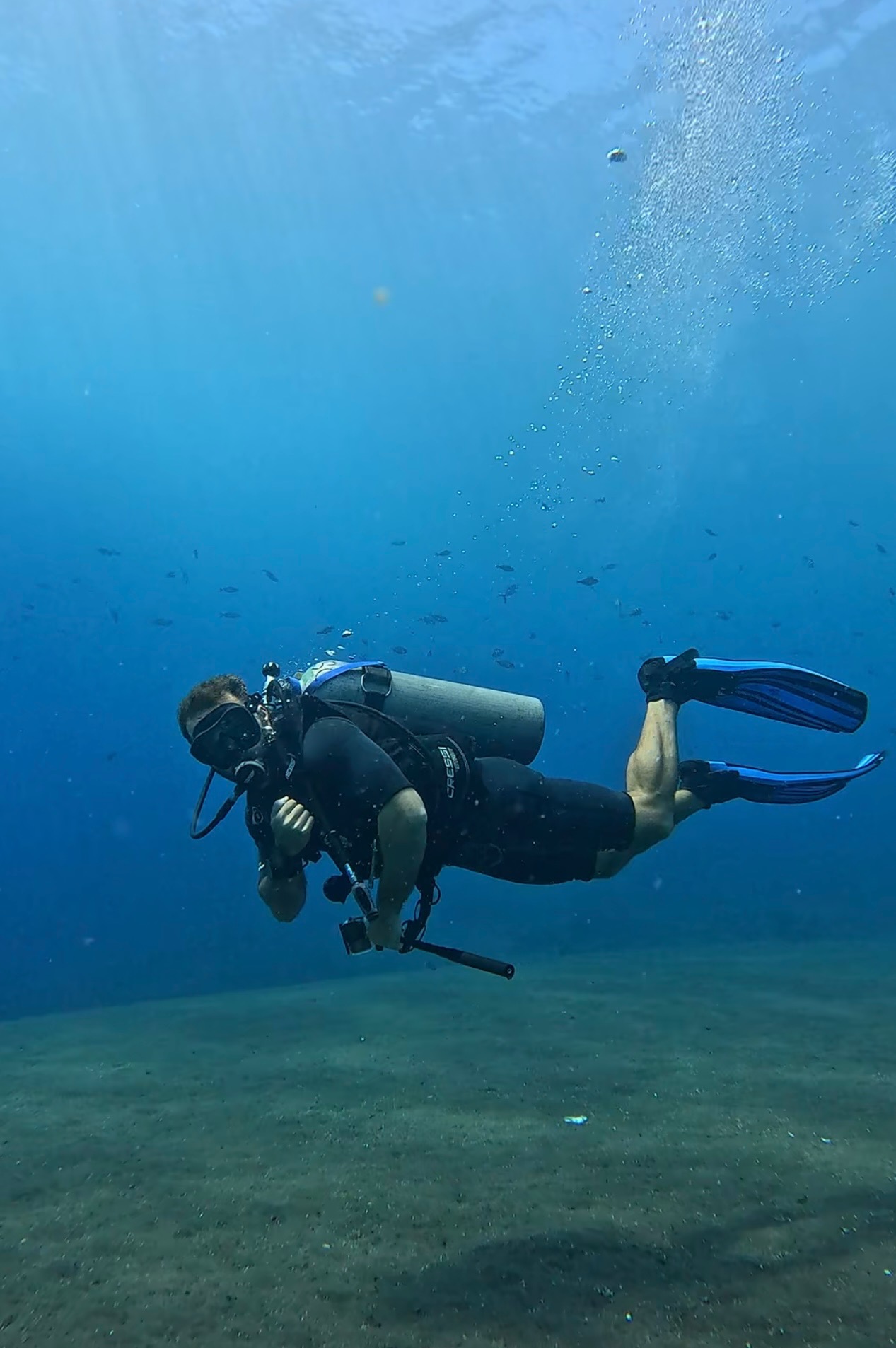
Hey I'm Austin, a PADI Divemaster based in South Florida .
I initially got certified at 16 at a scuba camp in Kona, Hawaii, did my Advanced Open Water on Koh Tao, my deep and nitrox on Gili Trawangan, and my Rescue and Divemaster in Miami.
Since then I've logged 500+ dives across 20 countries and states. I write about the gear I dive with, the sites I've dived, and the trips I've taken.


Let's Dive Together
👋 It's Divemaster Austin
I'm inviting you to Dive Club, my global scuba diving community.
What you’ll find inside:
🤿 Dive meetups & group trips
🌍 Top dive sites shared by community members
⚙️ Gear tips & technique discussions
🤝 Diver's who’ve already linked up IRL
See you there!