
.webp)

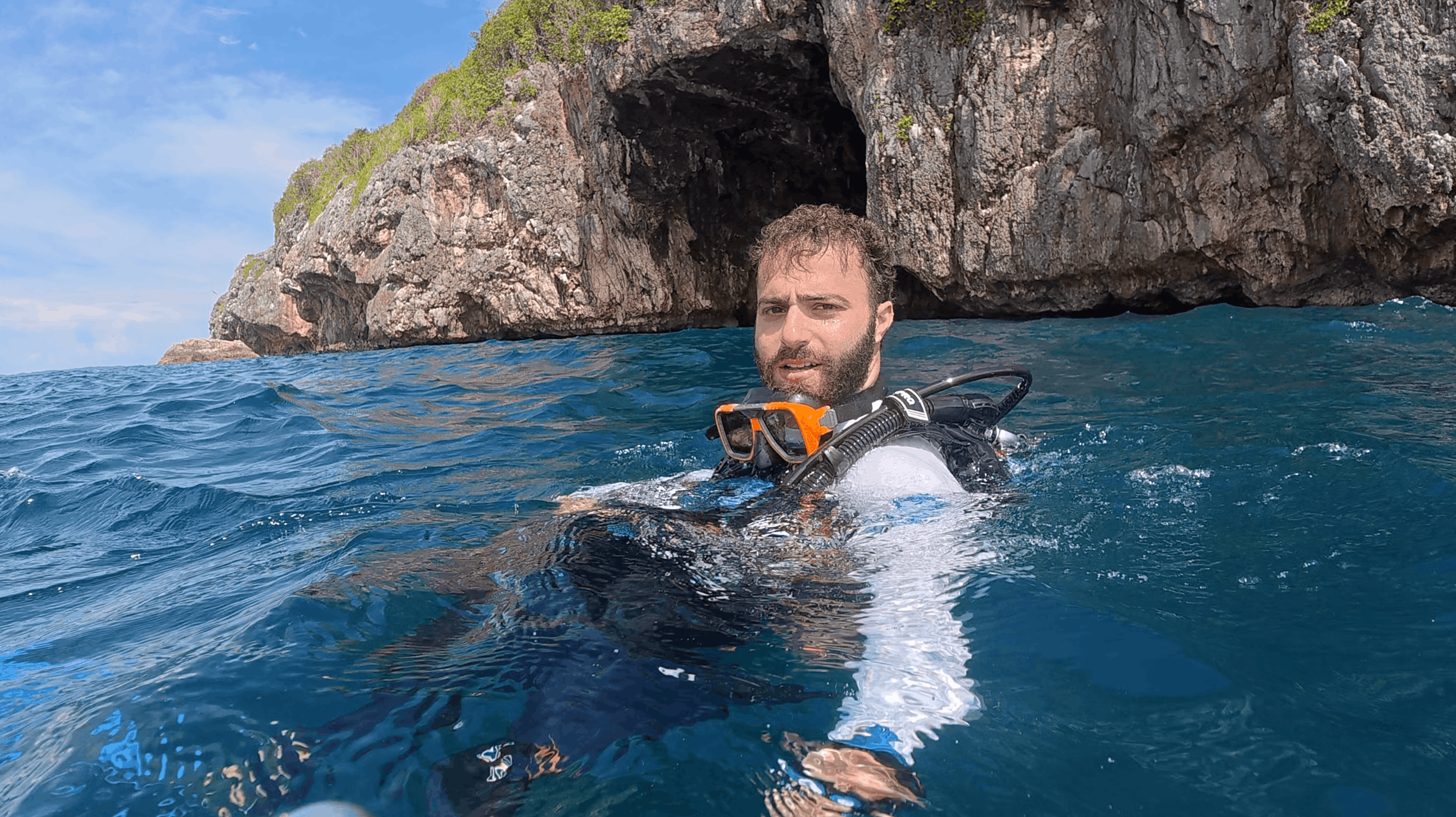
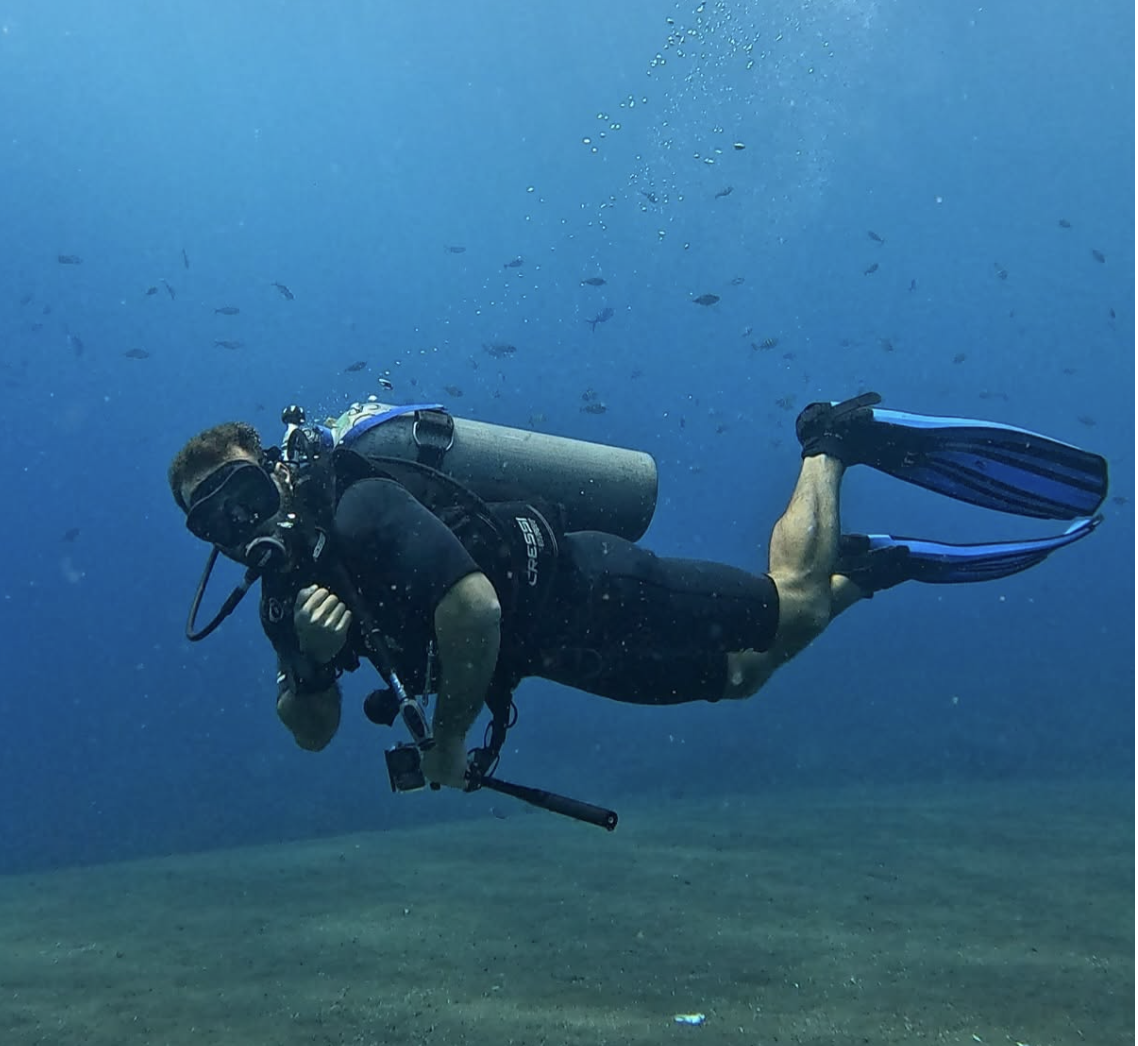
I dove Wahoo Rock in February 2026 with Coiba Dive Center, by boat out of Coiba, Panama.
Wahoo Rock is the most frequently dived site in Coiba National Park and for good reason.
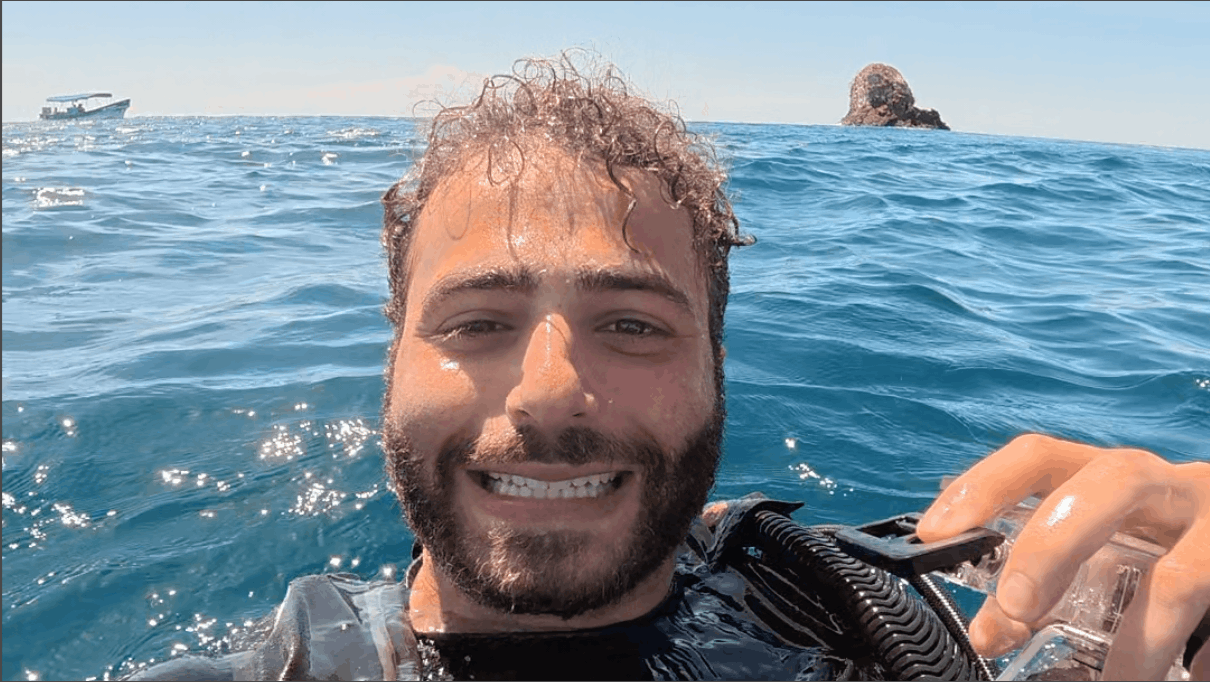
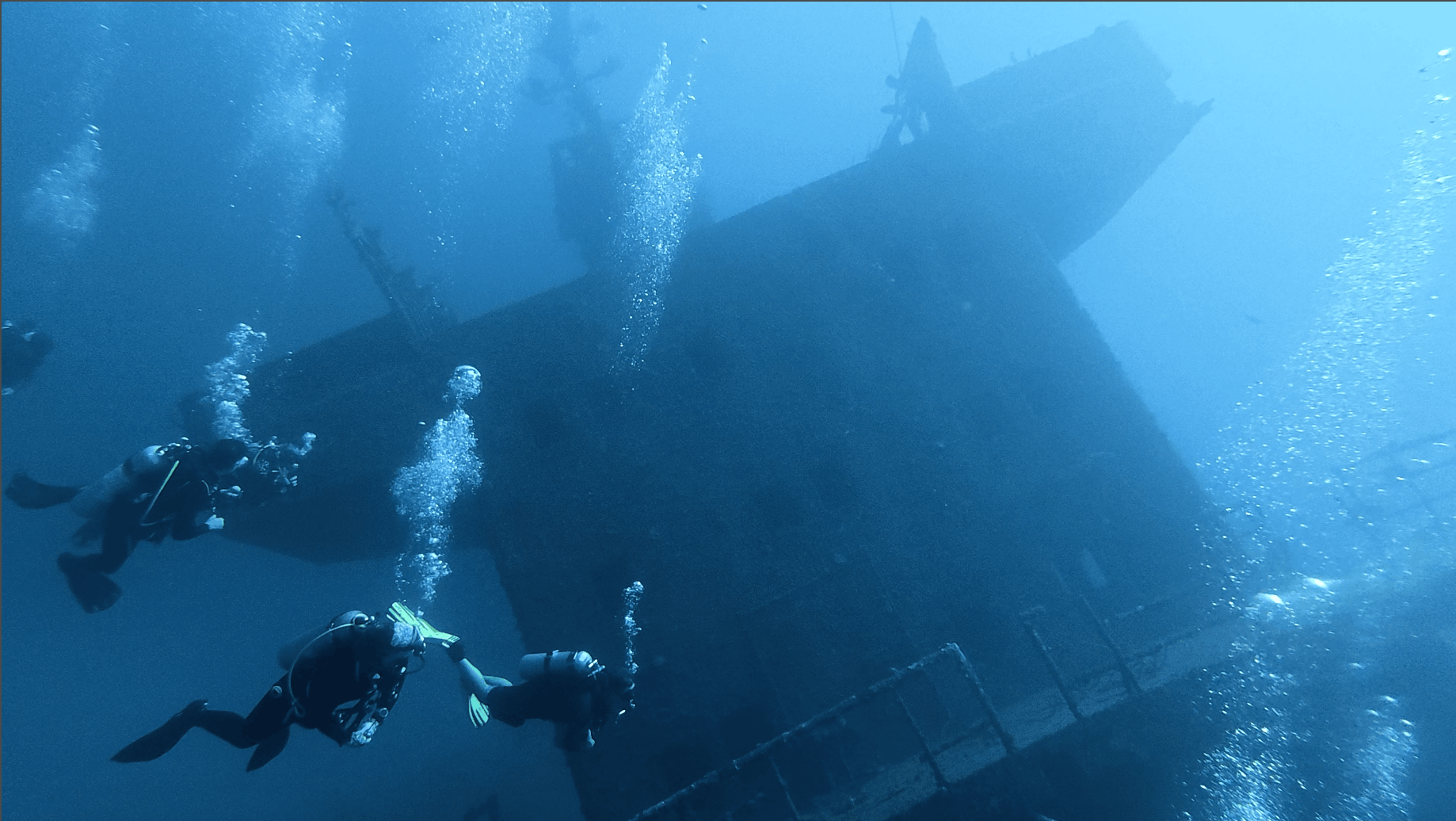
It has the highest potential for whale shark encounters. The site is a giant rock protruding out of the water, with a flag at the top.
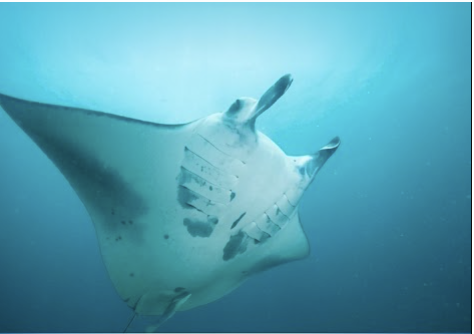
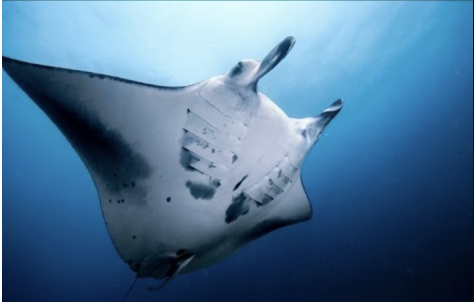
The water column here is COVERED in plankton, attracting filter feeders like whale sharks, sting rays, manta rays, and more.
The rock sits inside Panama's protected UNESCO World Heritage marine reserve, which means the marine life here is largely undisturbed. This makes it one of the best dive sites I've visited in the Eastern Pacific.
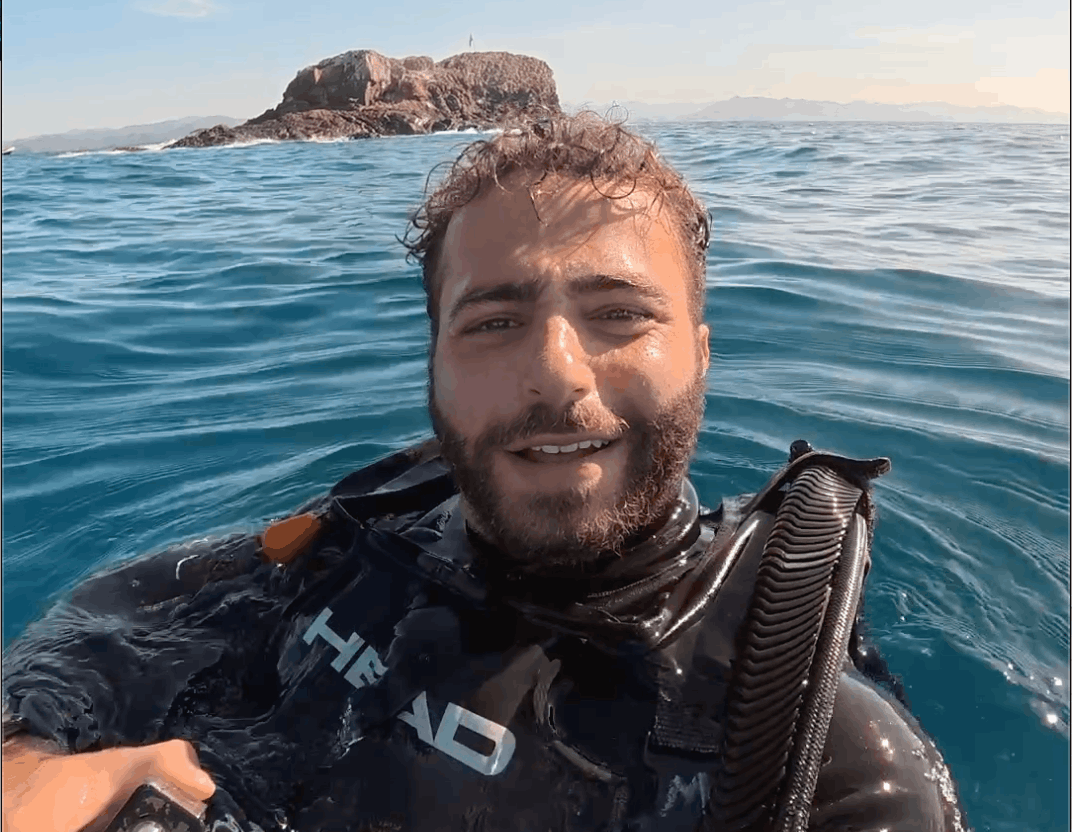
The Dive
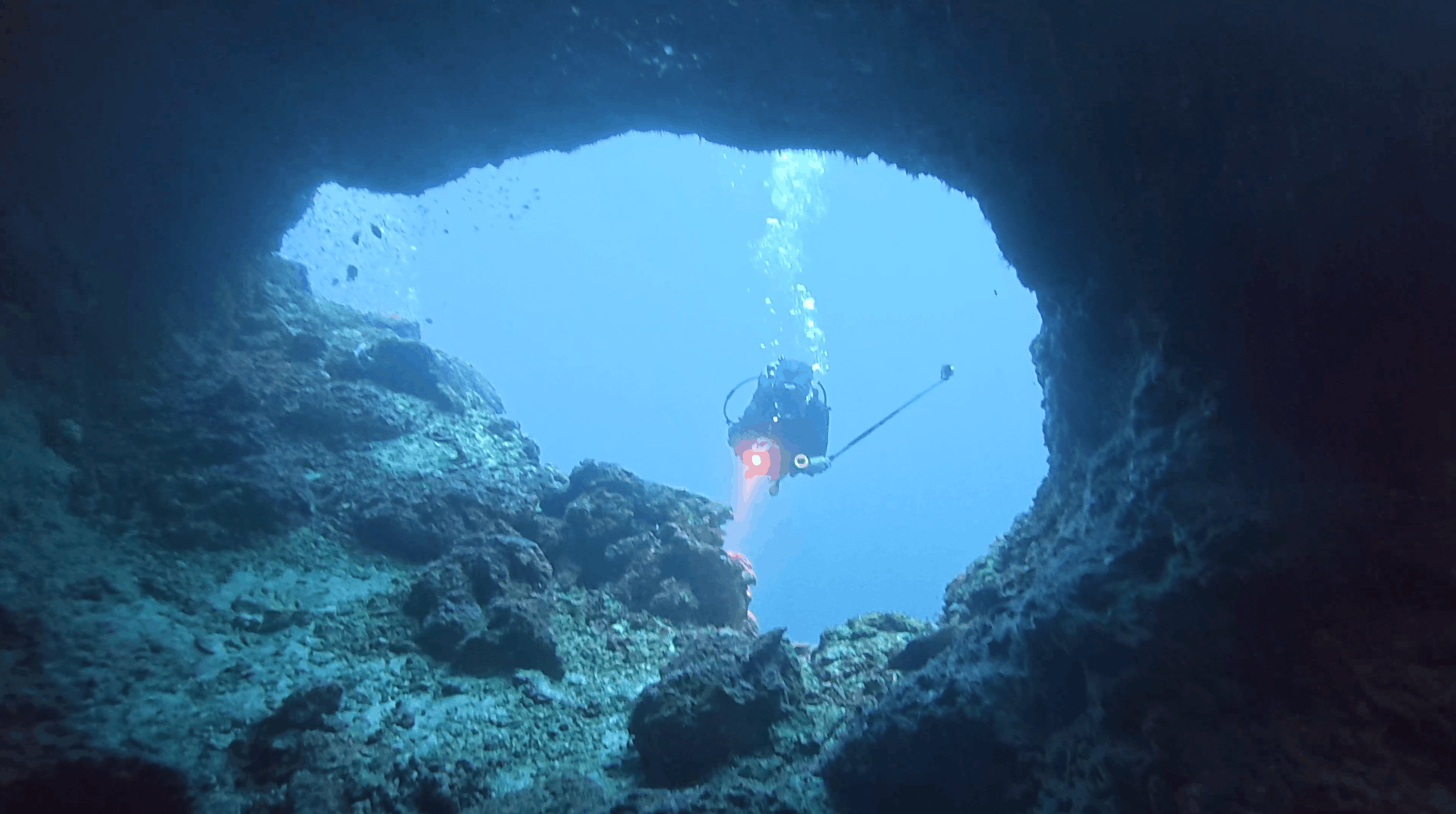
The dive itself is typically a lap around the rock, but the main feature isn't the structure itself.
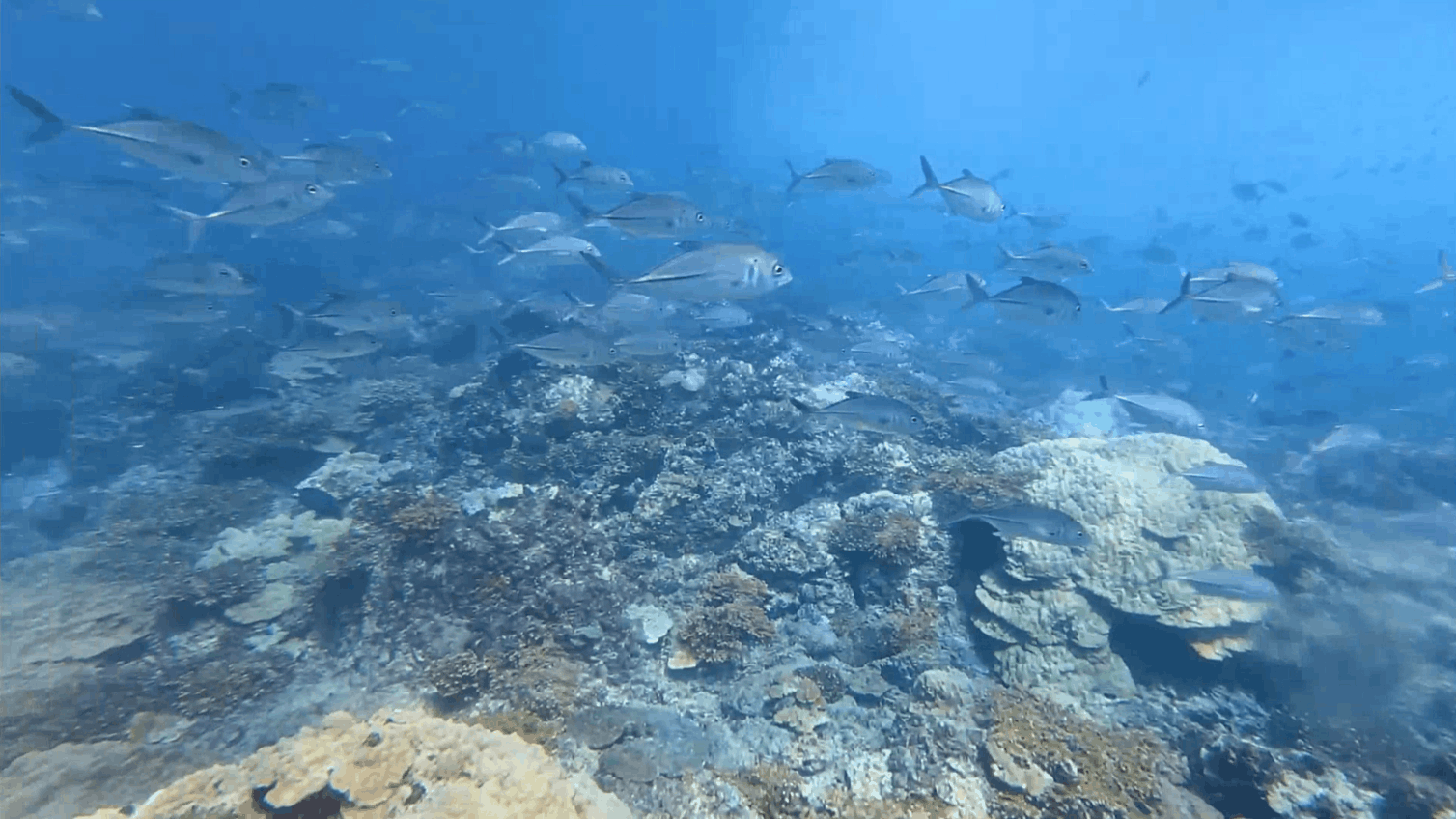
Wahoo Rock generates massive fields of plankton, visible as a haze in the water, which draws filter feeders from across the park.
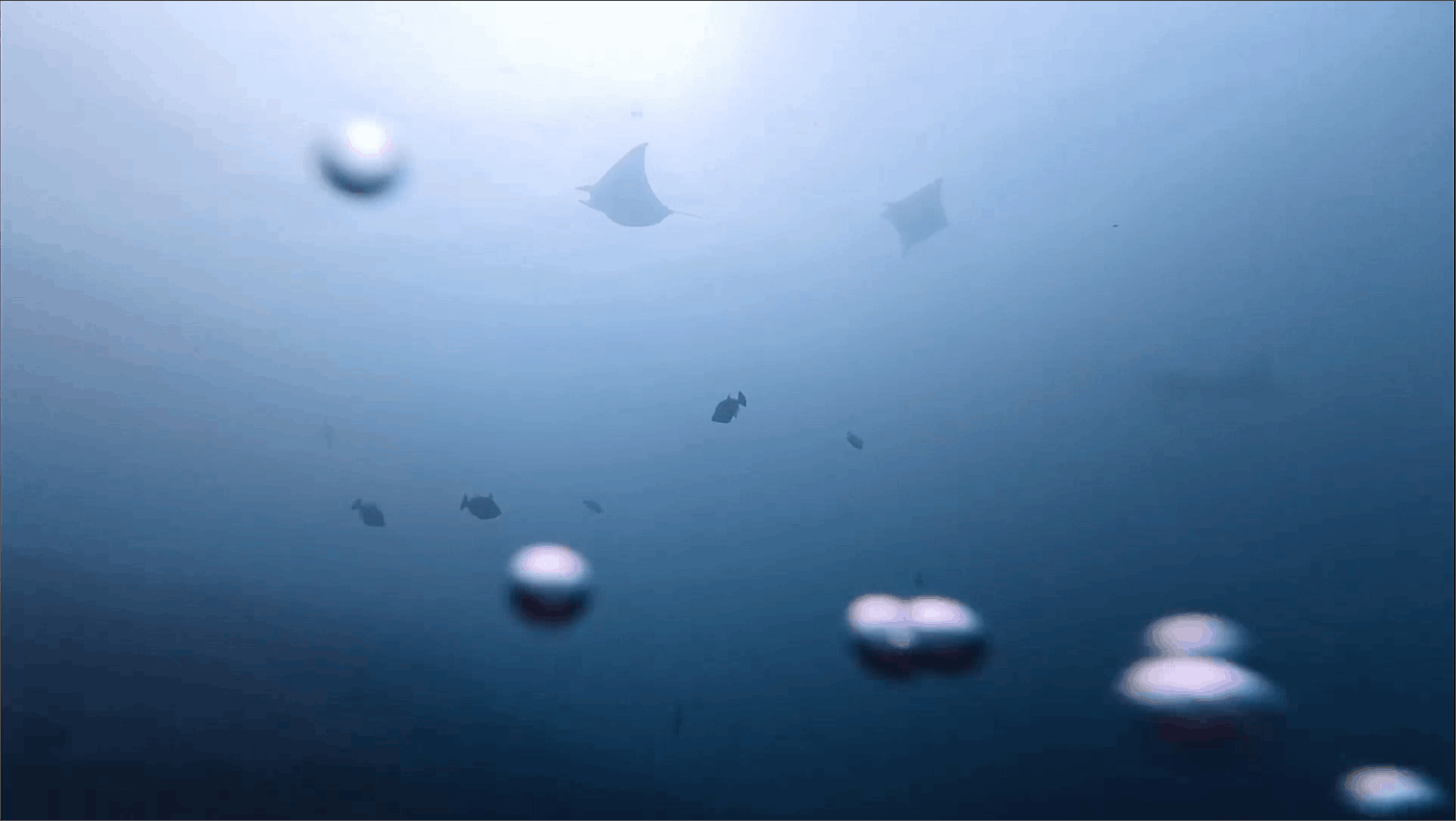
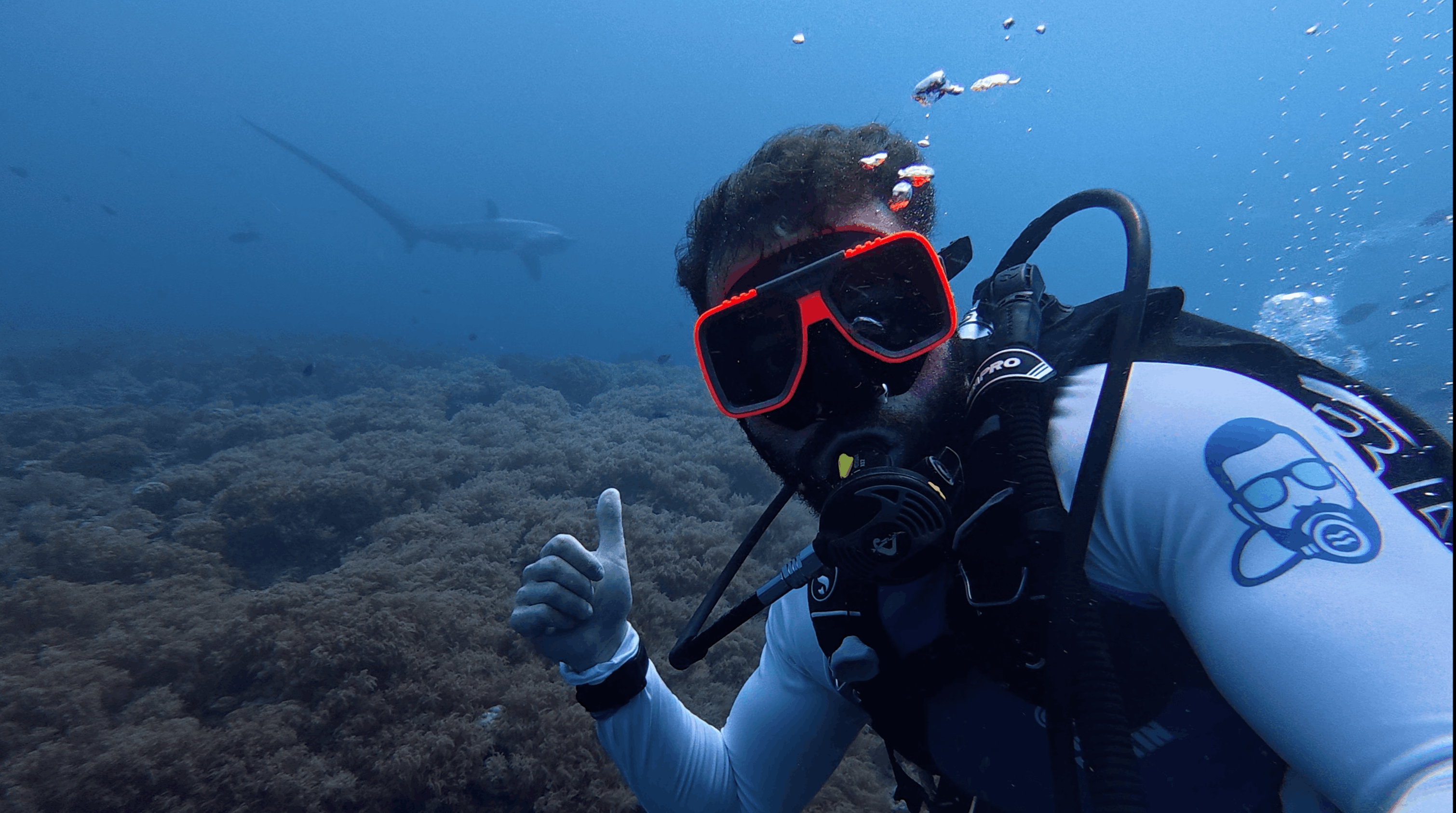
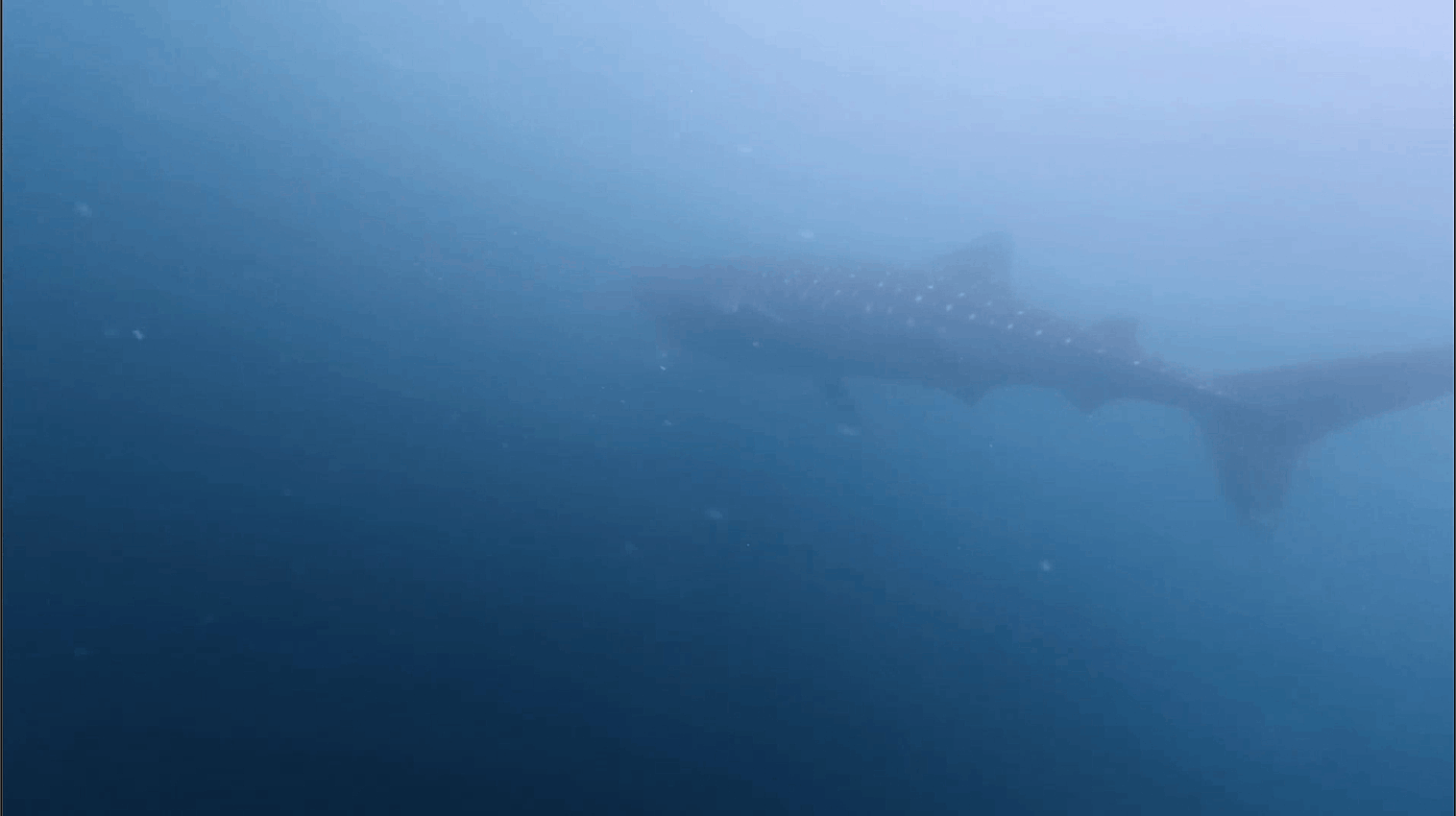
On my two dives here I encountered a large school of devil rays and two whale shark sightings on the second visit.
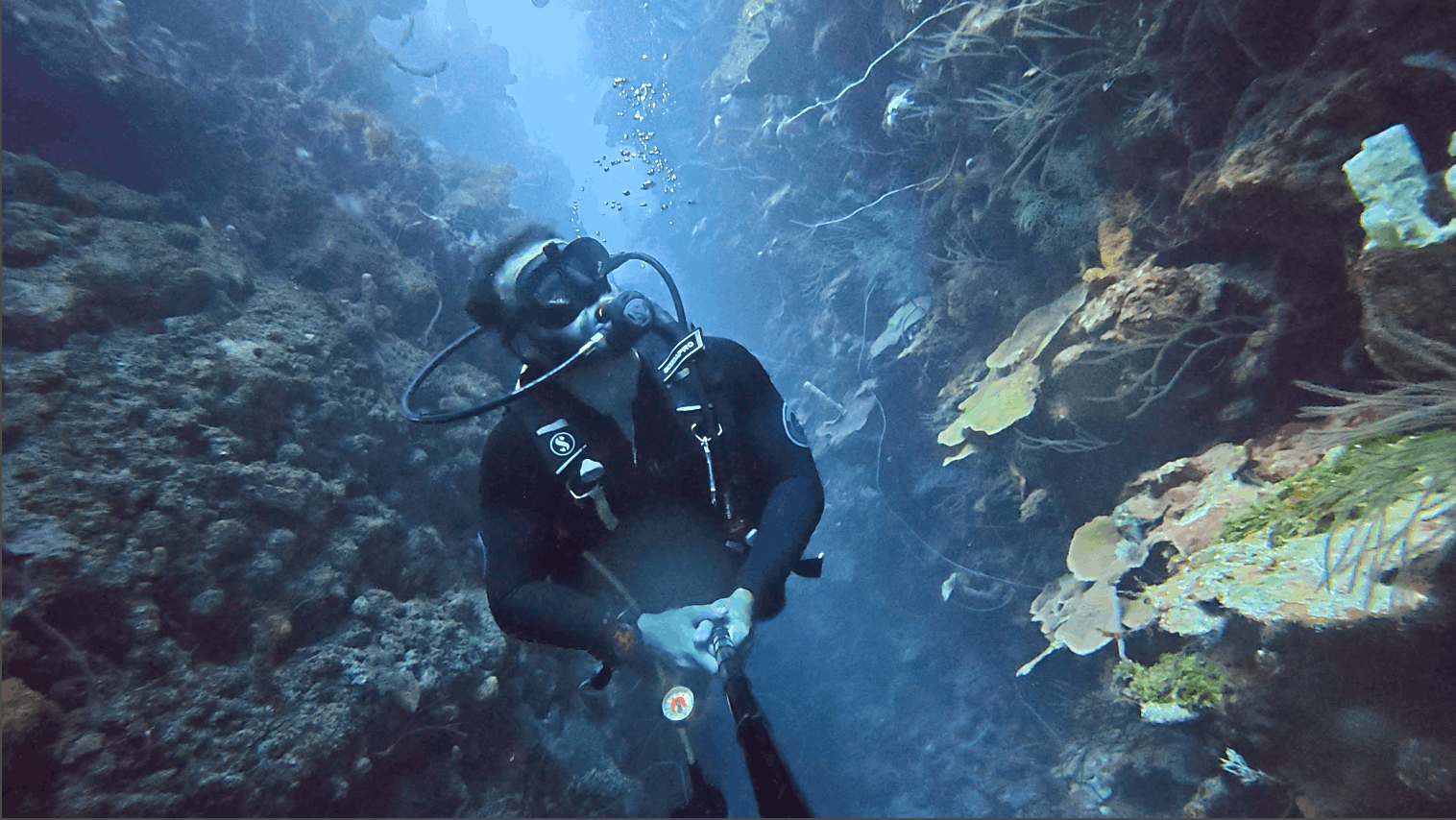
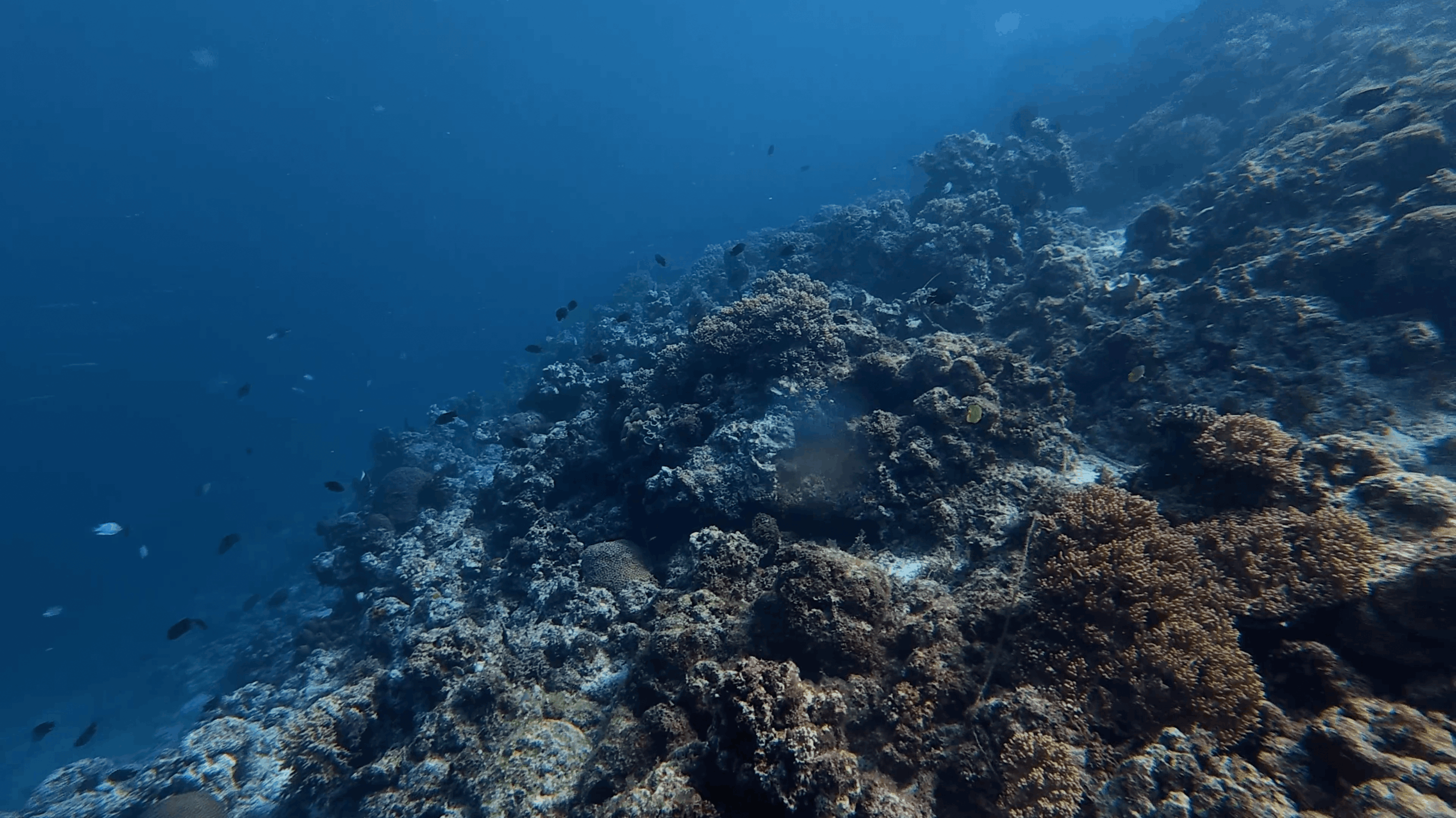
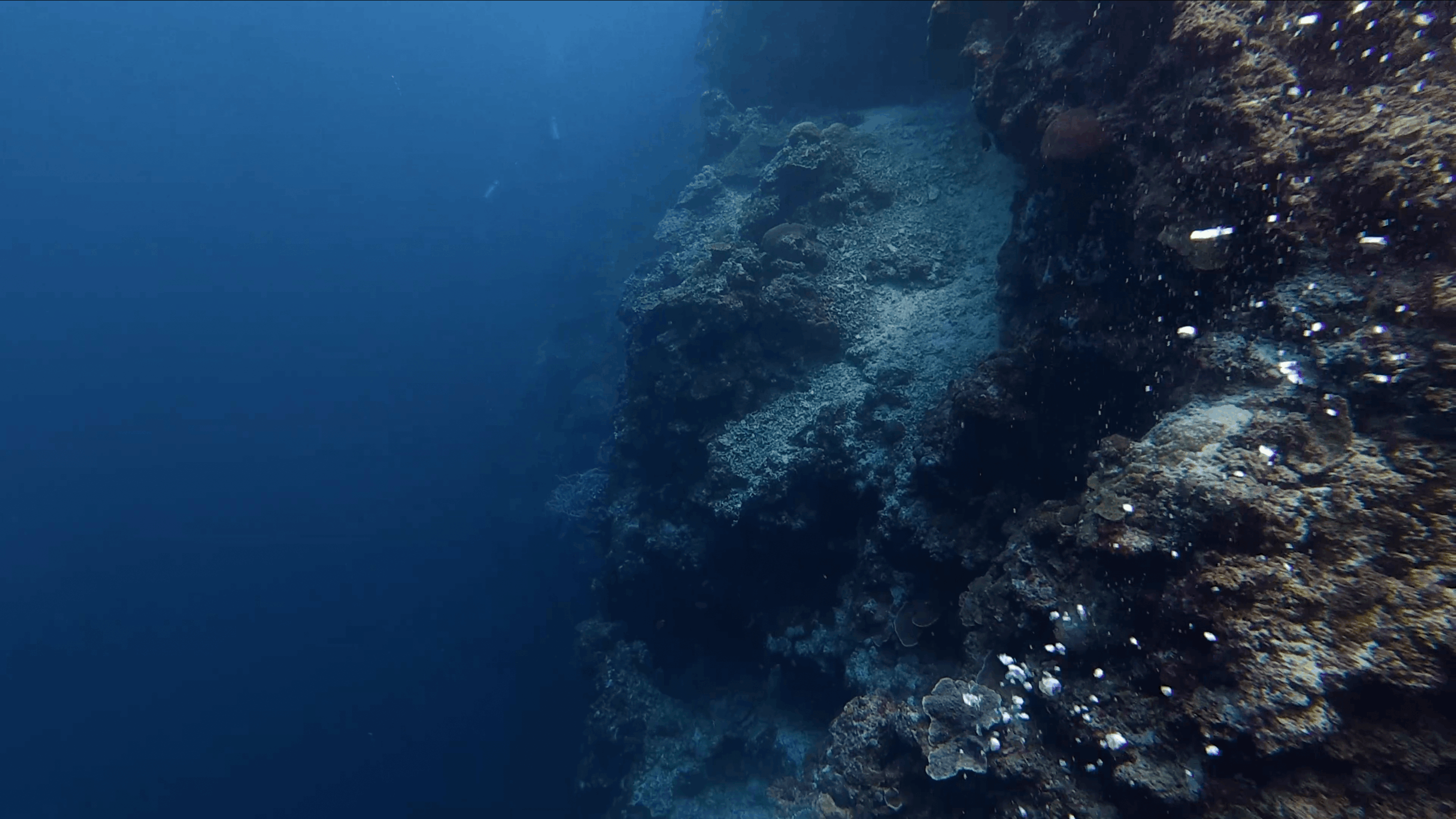
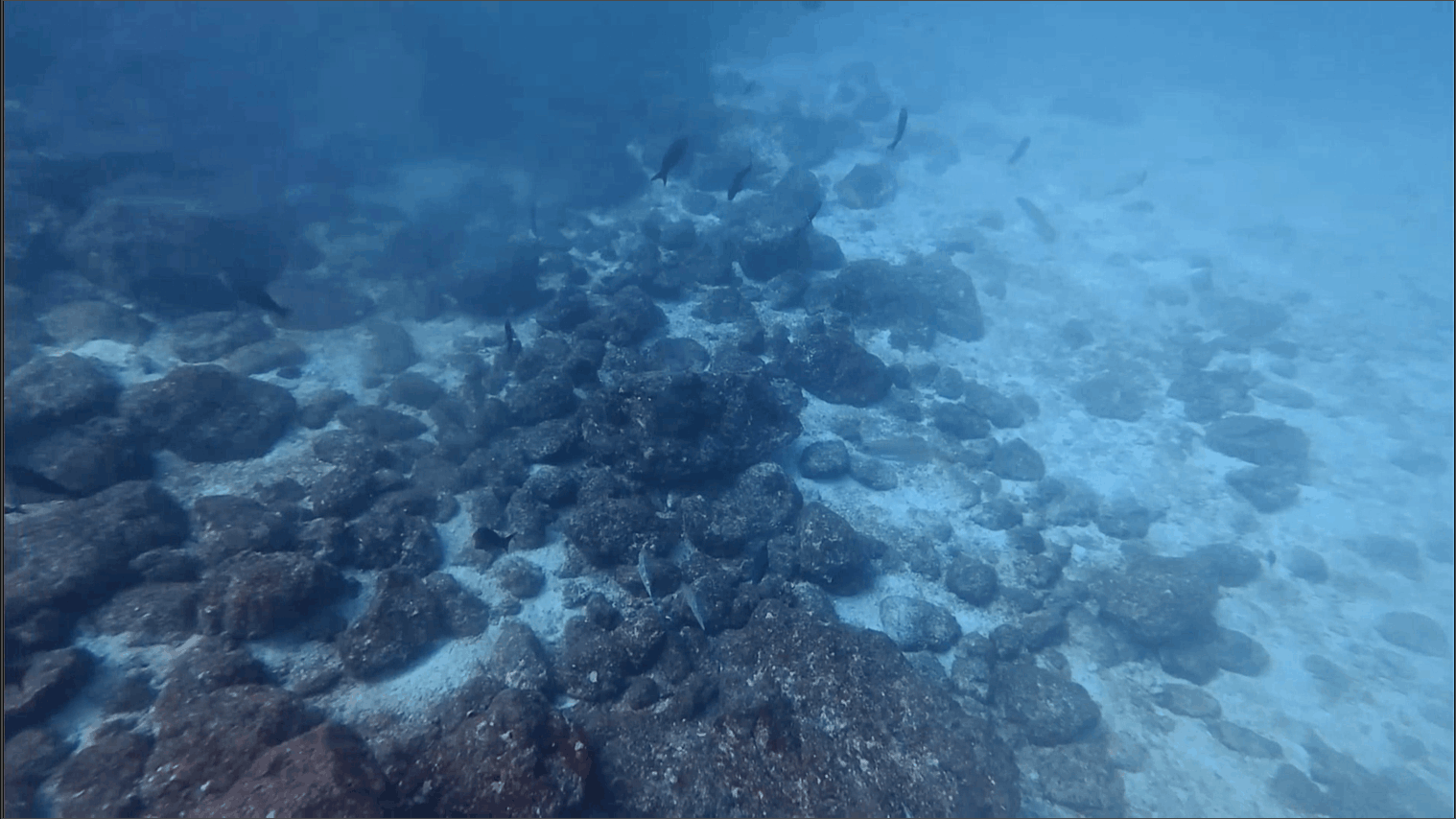
The bottom is volcanic and rocky, similar to many other Pacific dive sites I've visited.
What Marine Life I Saw
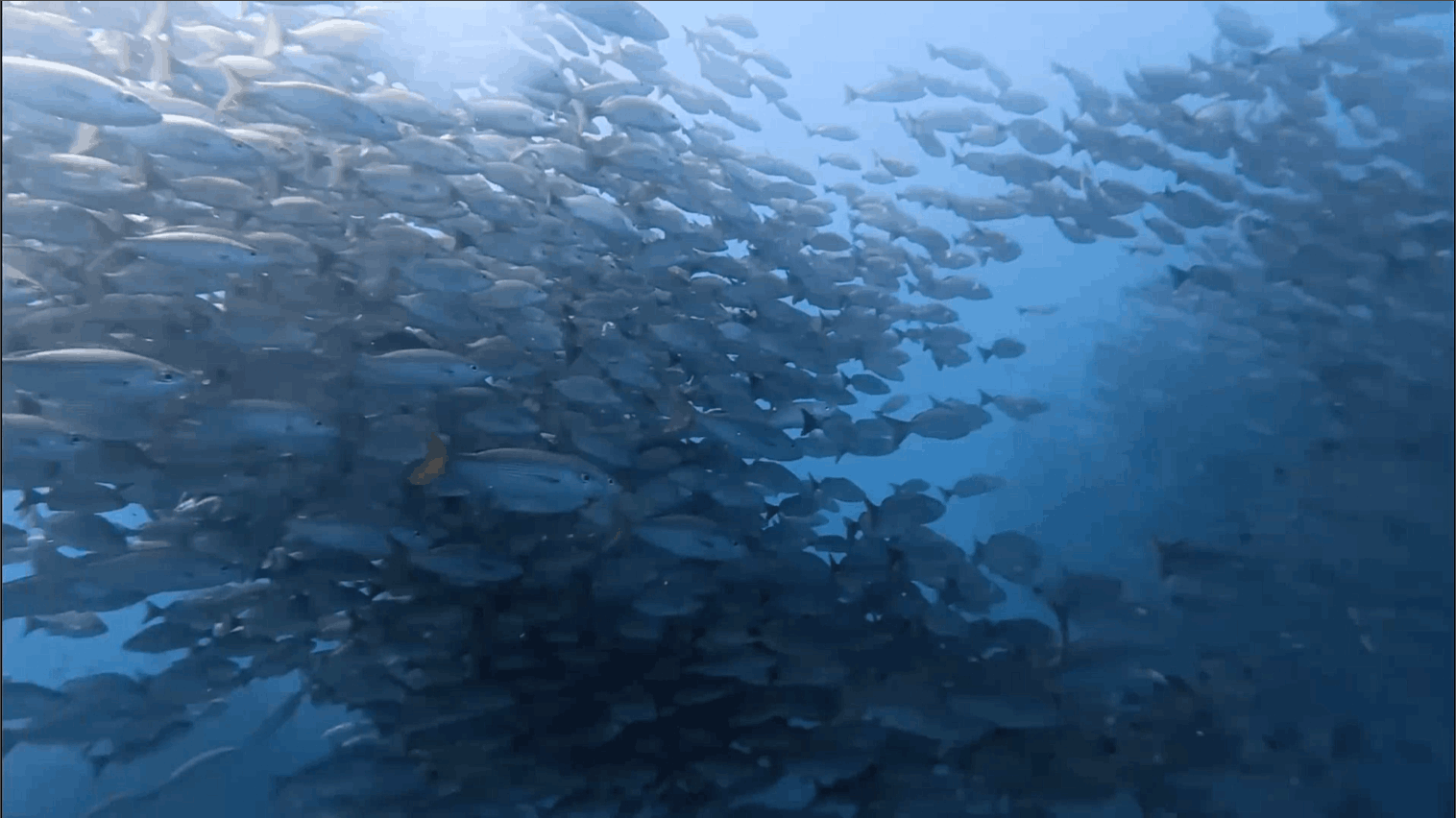
Wahoo Rock has the highest whale shark encounter potential of any site in Coiba National Park.
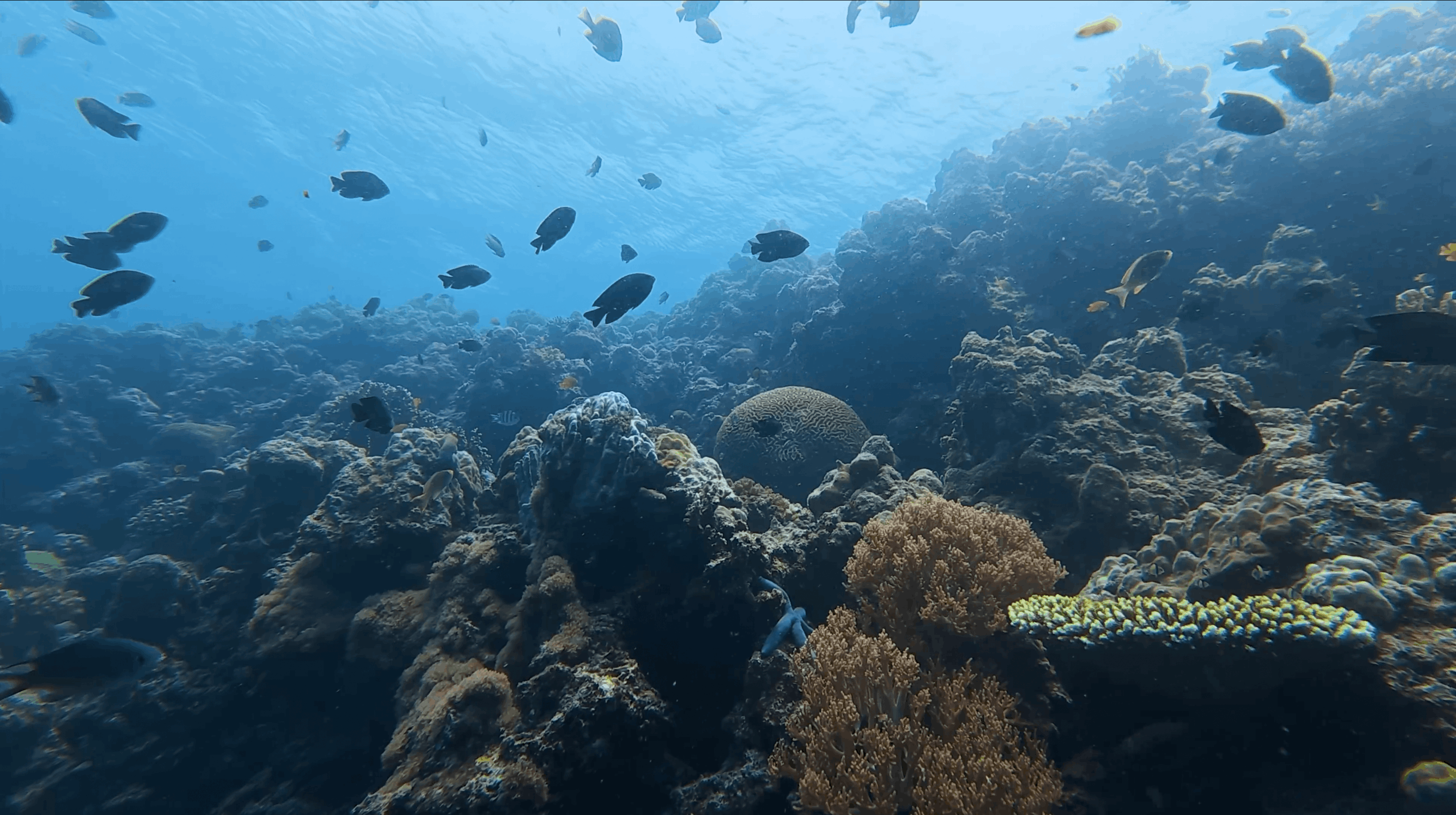
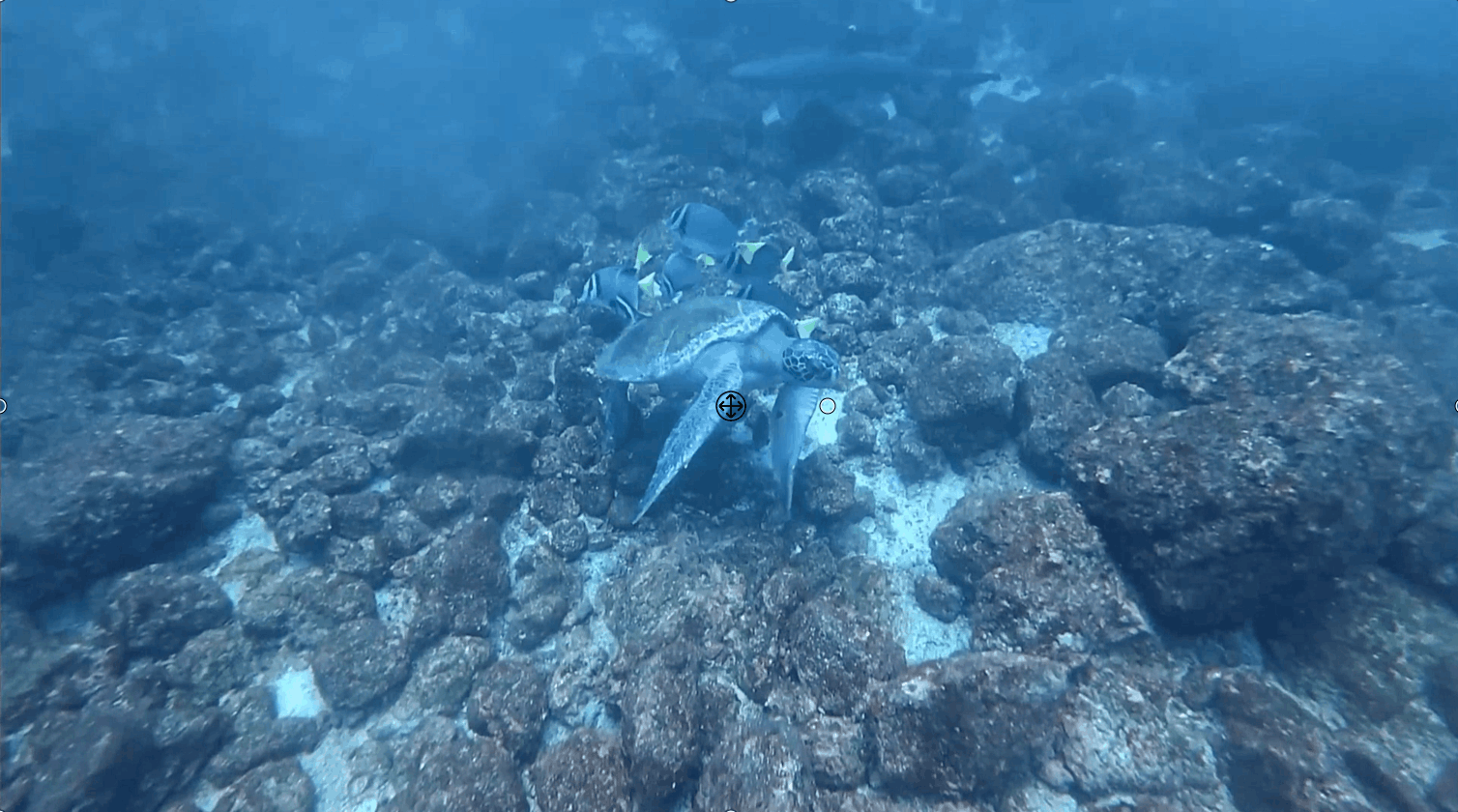
On my dives I spotted devil rays, frogfish, whale sharks, hawkfish inside hard coral formations, garden eels, and so much more.
The other two Coiba sites I dove were Santa Cruz and Sombrero de Pelo.
Diving Conditions
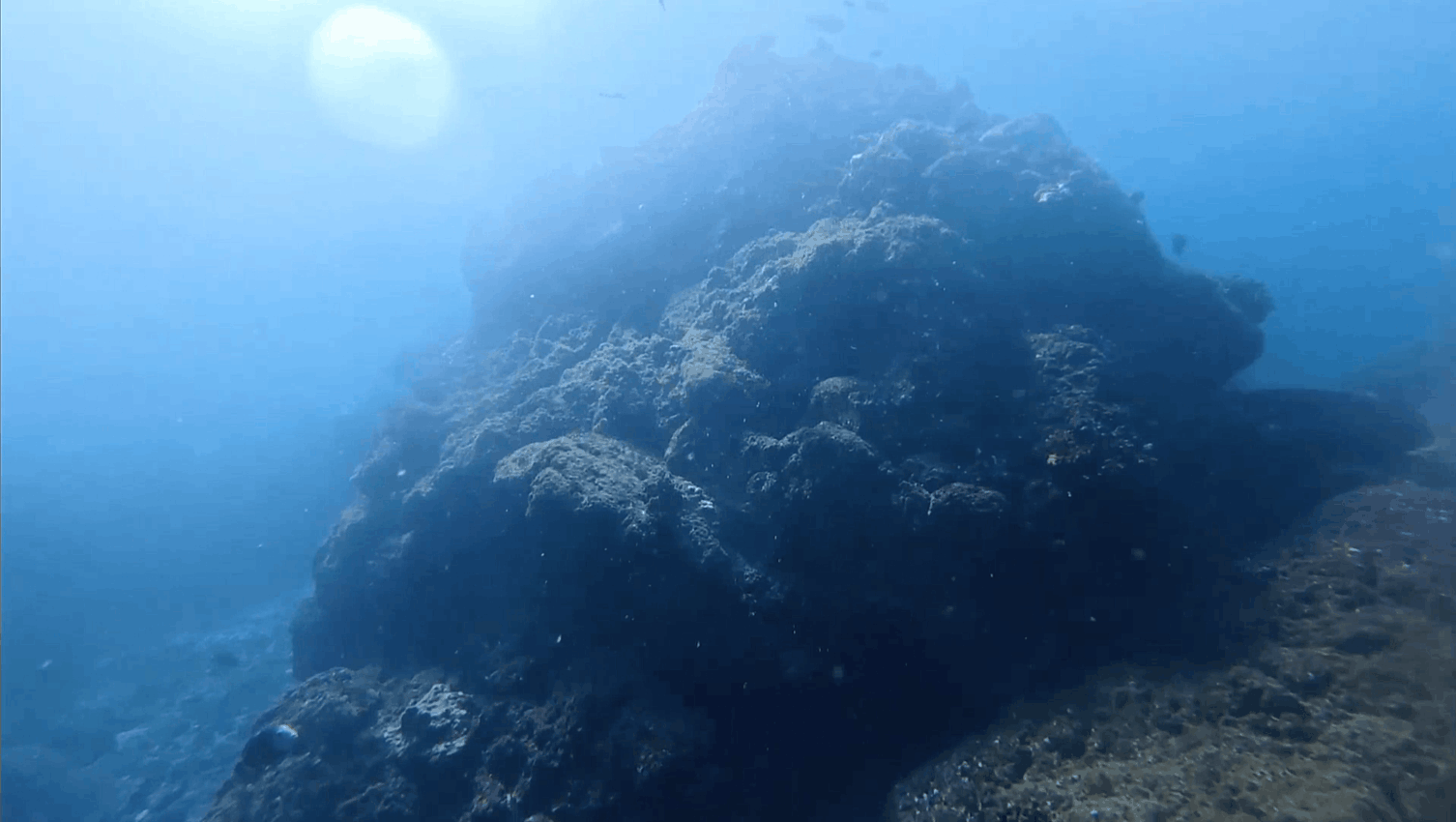
Wahoo Rock is on the Pacific side of Panama, giving it unpredictable water temperatures, currents, and visibility.
According to Coiba Dive Center guide Kat, who has been diving this park for over a decade, my trip got lucky with the conditions. We had warmer temps, manageable current, and reasonable visibility.
Water temperatures run cooler with strong thermoclines.
I wore two 3mm wetsuits on a lot of the dives here.
One thing to be prepared for when diving in the Pacific: thermoclines.
The water can shift from 81°F to 75°F (27°C to 24°C) within 10 ft (3 m) of depth change, and you'll feel it immediately.
The best approach is to ascend back into the warmer layer unless there's something worth pushing through for.
Conditions can vary significantly, so diving with a local operator who knows the park is strongly recommended.
Let's Dive Together
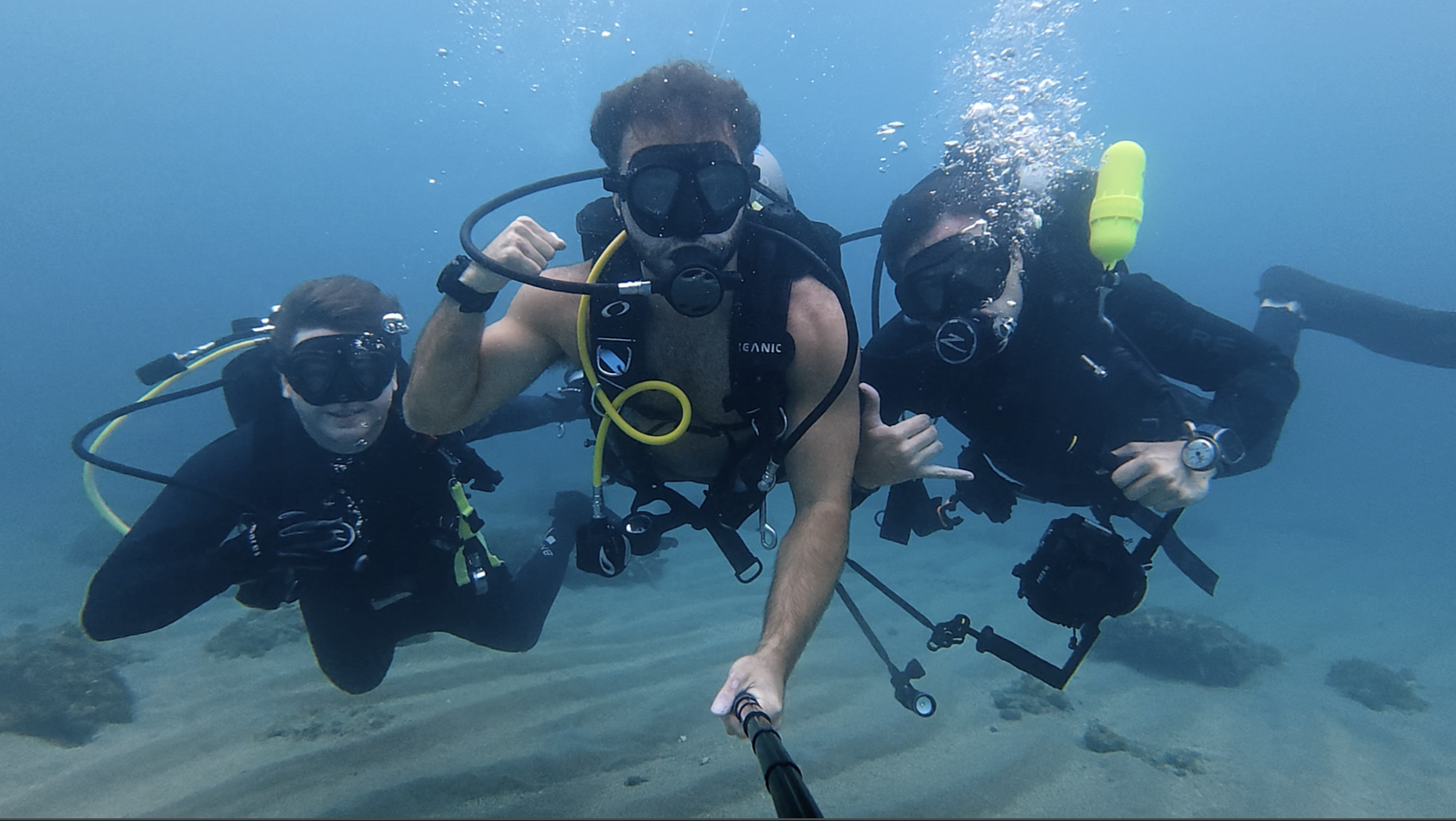
👋 It's Divemaster Austin
I'm inviting you to Dive Club, my global scuba diving community.
What you’ll find inside:
🤿 Dive meetups & group trips
🌍 Top dive sites shared by community members
⚙️ Gear tips & technique discussions
🤝 Diver's who’ve already linked up IRL
See you there!

.webp)
.webp)