
.webp)
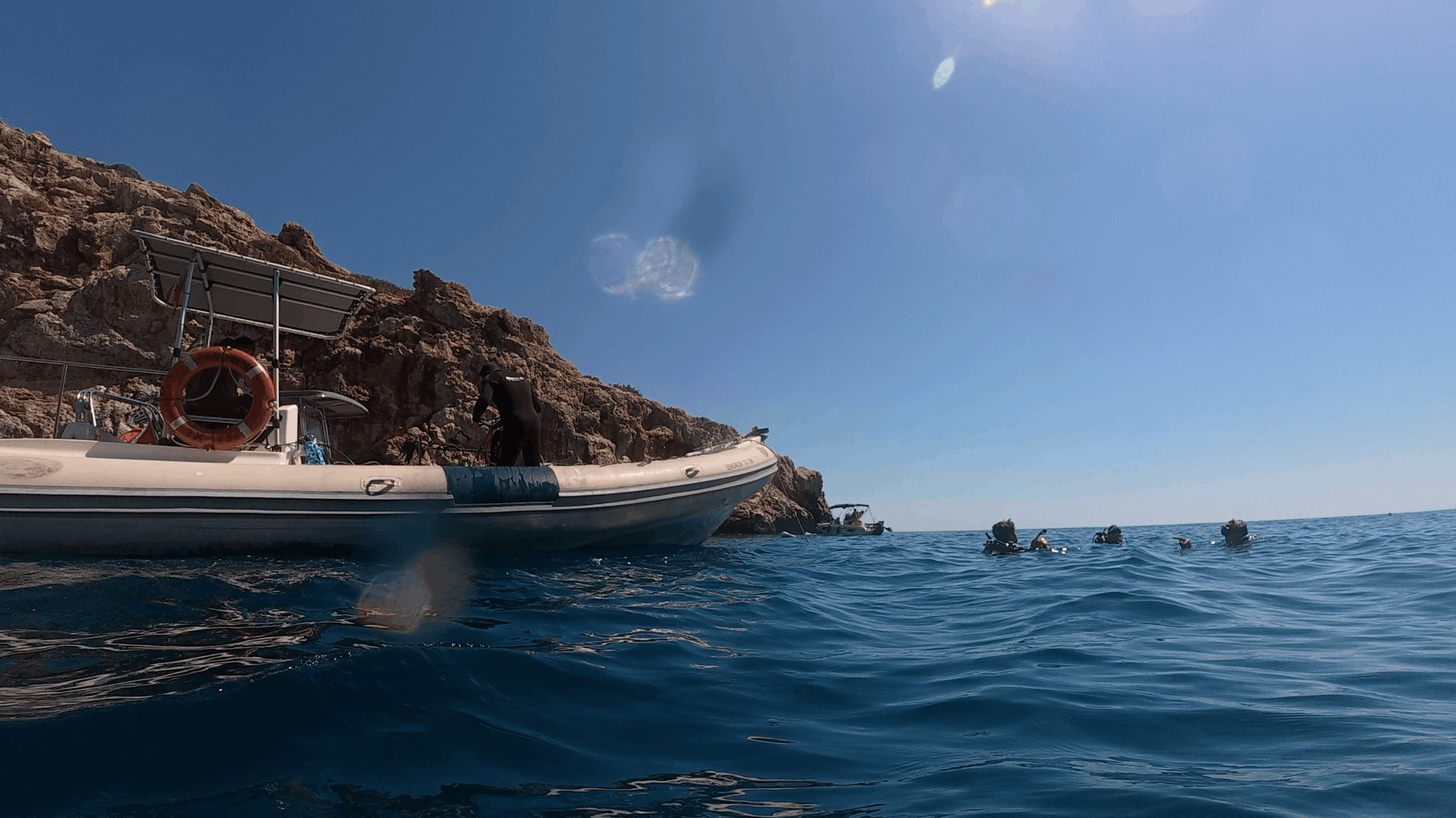
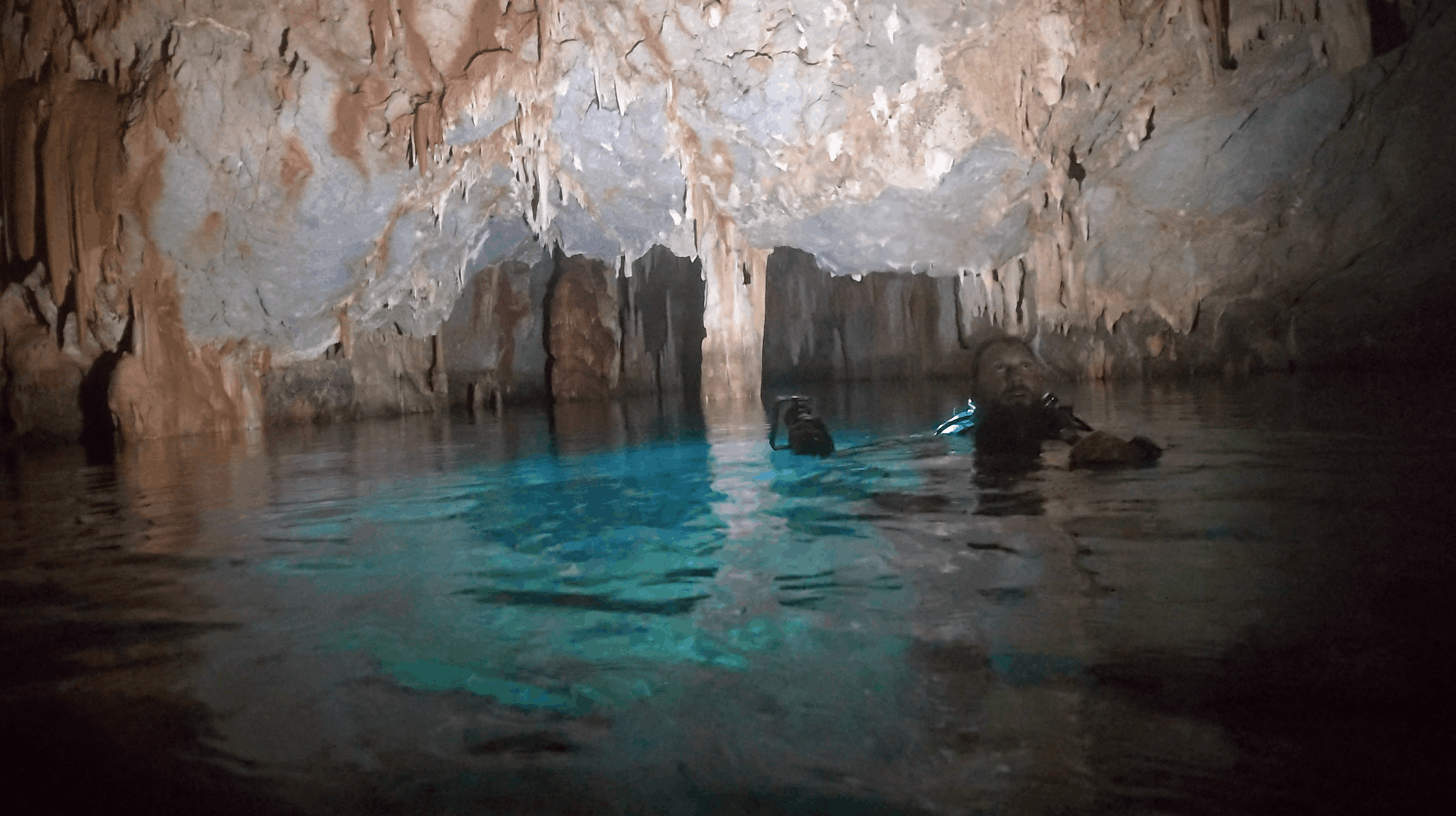
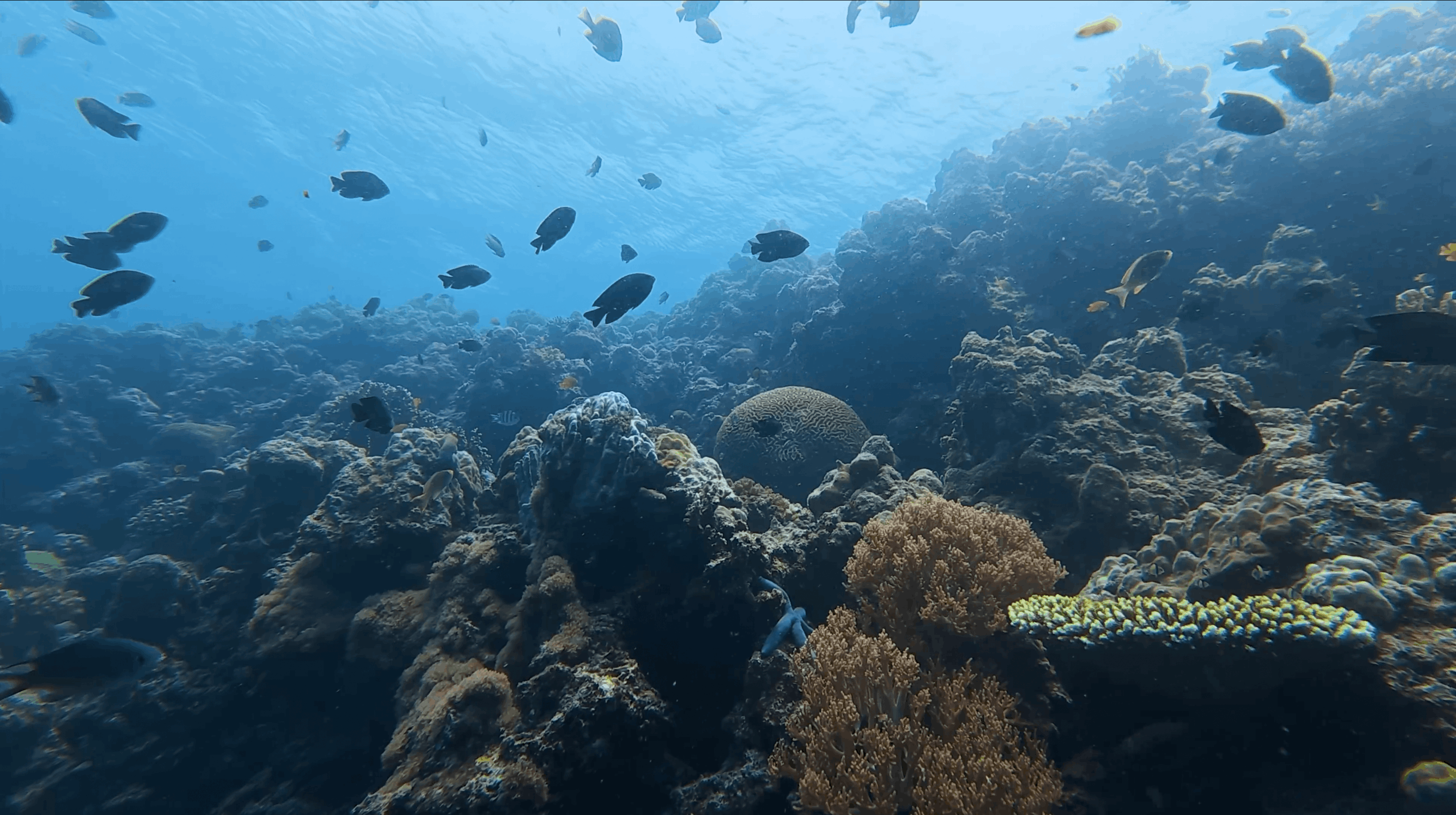
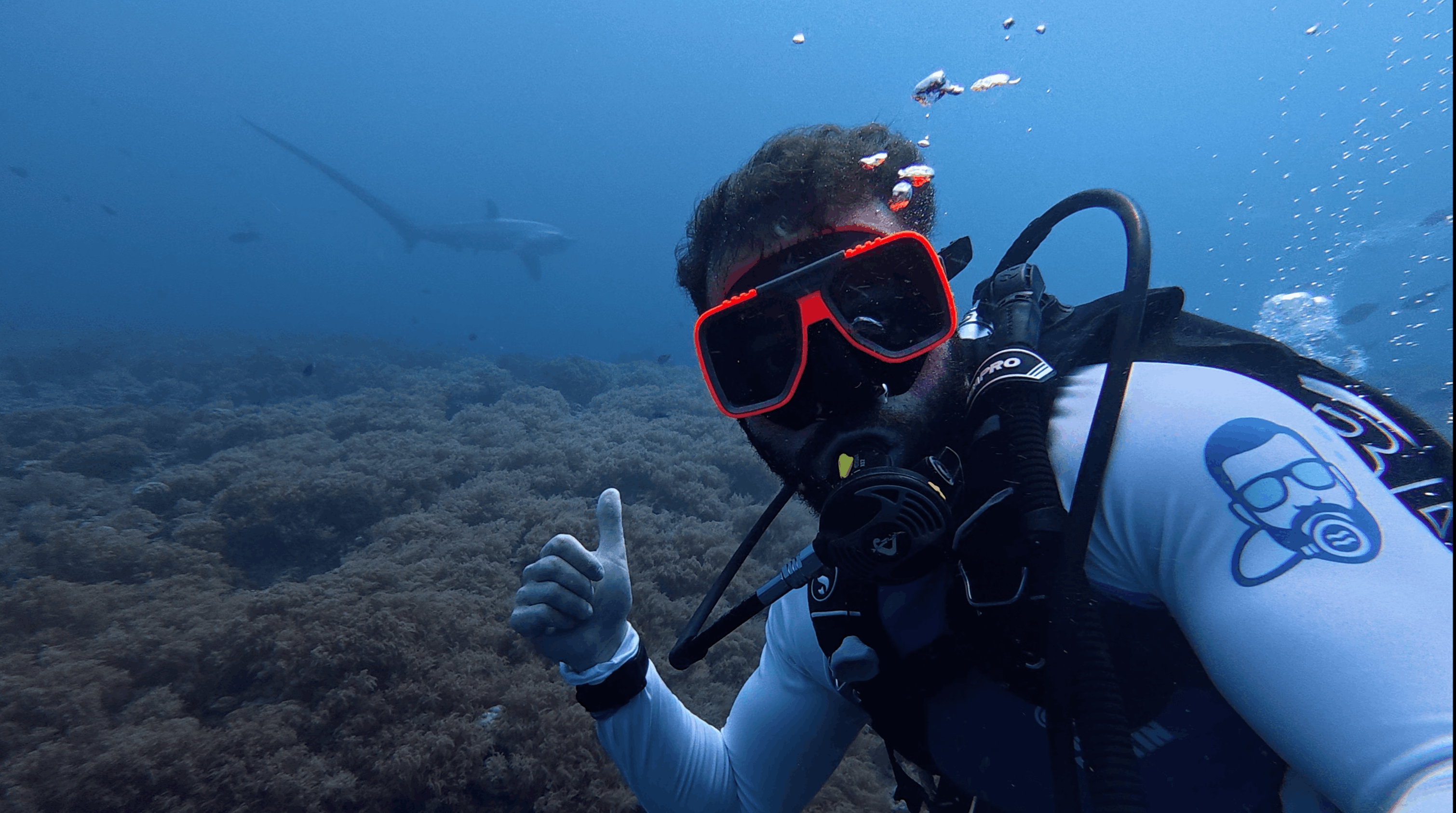
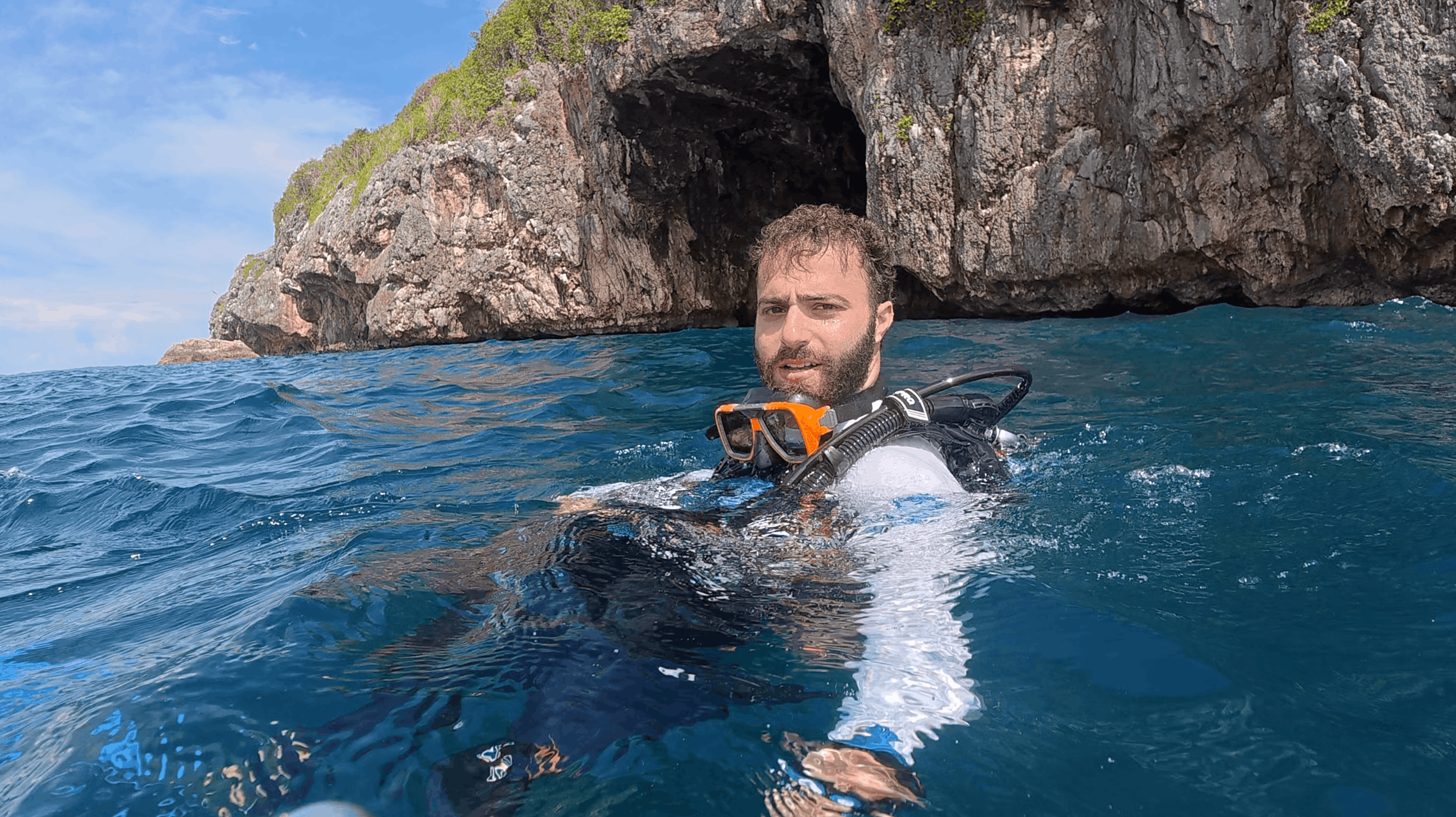
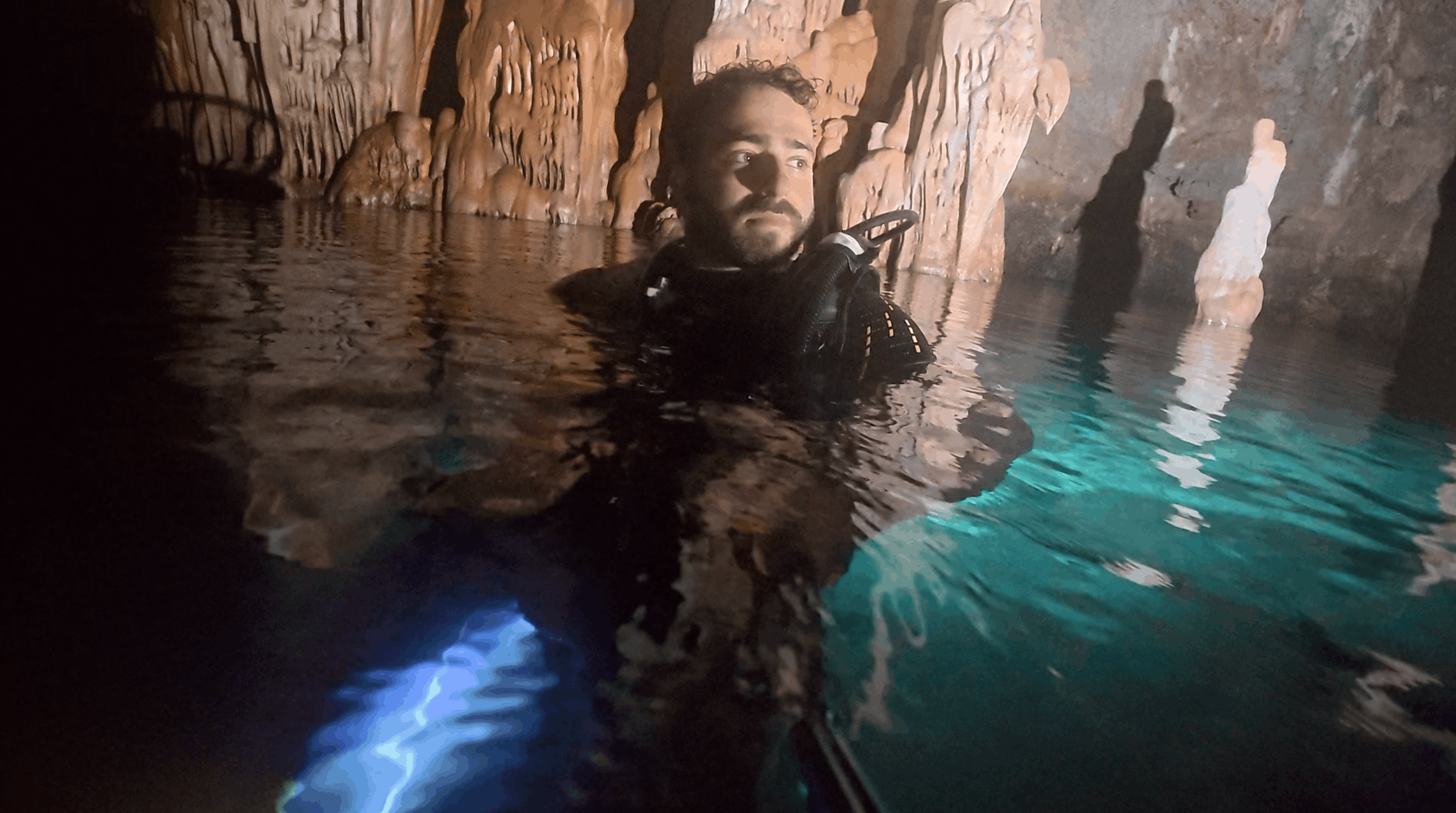
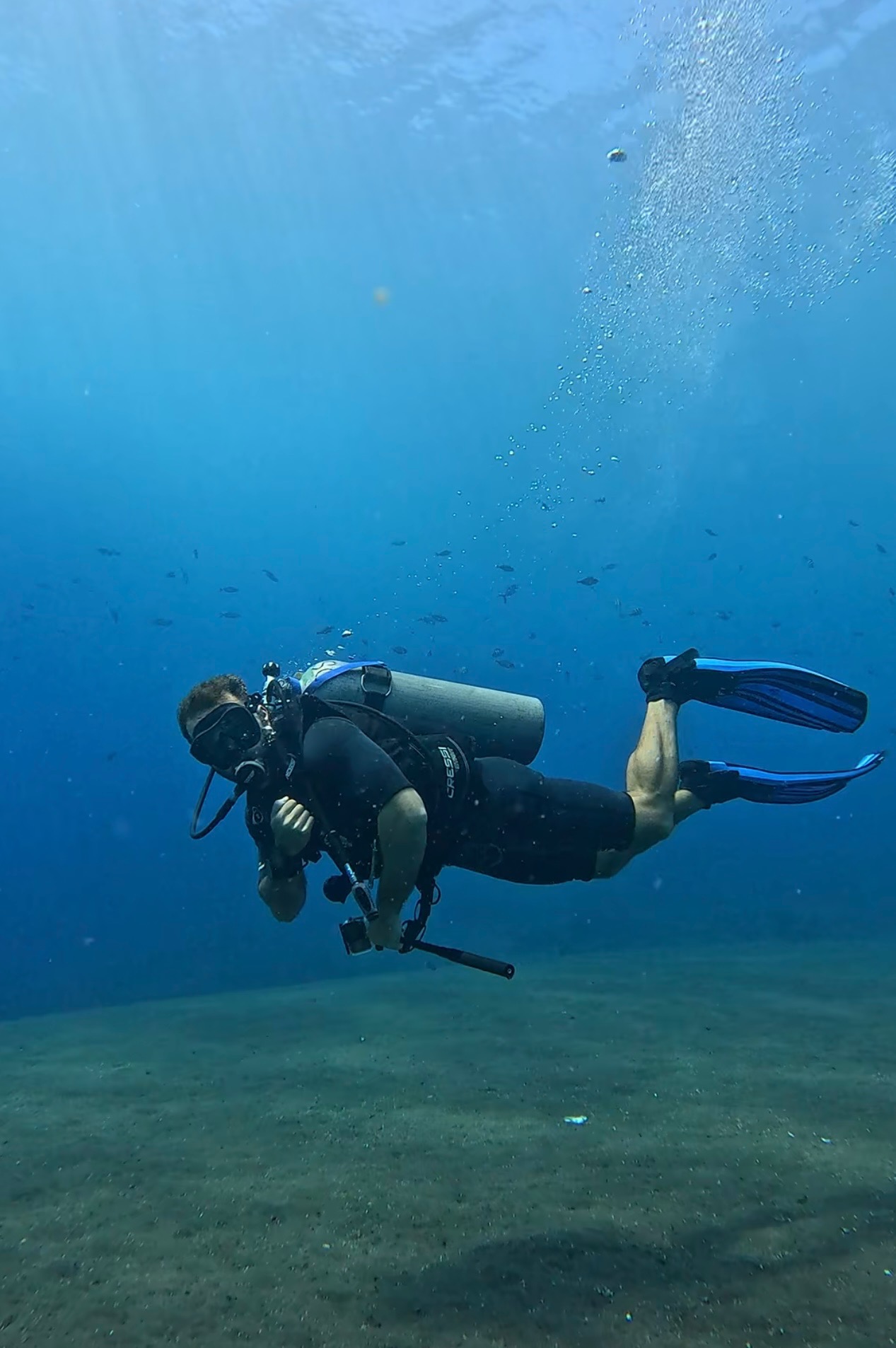
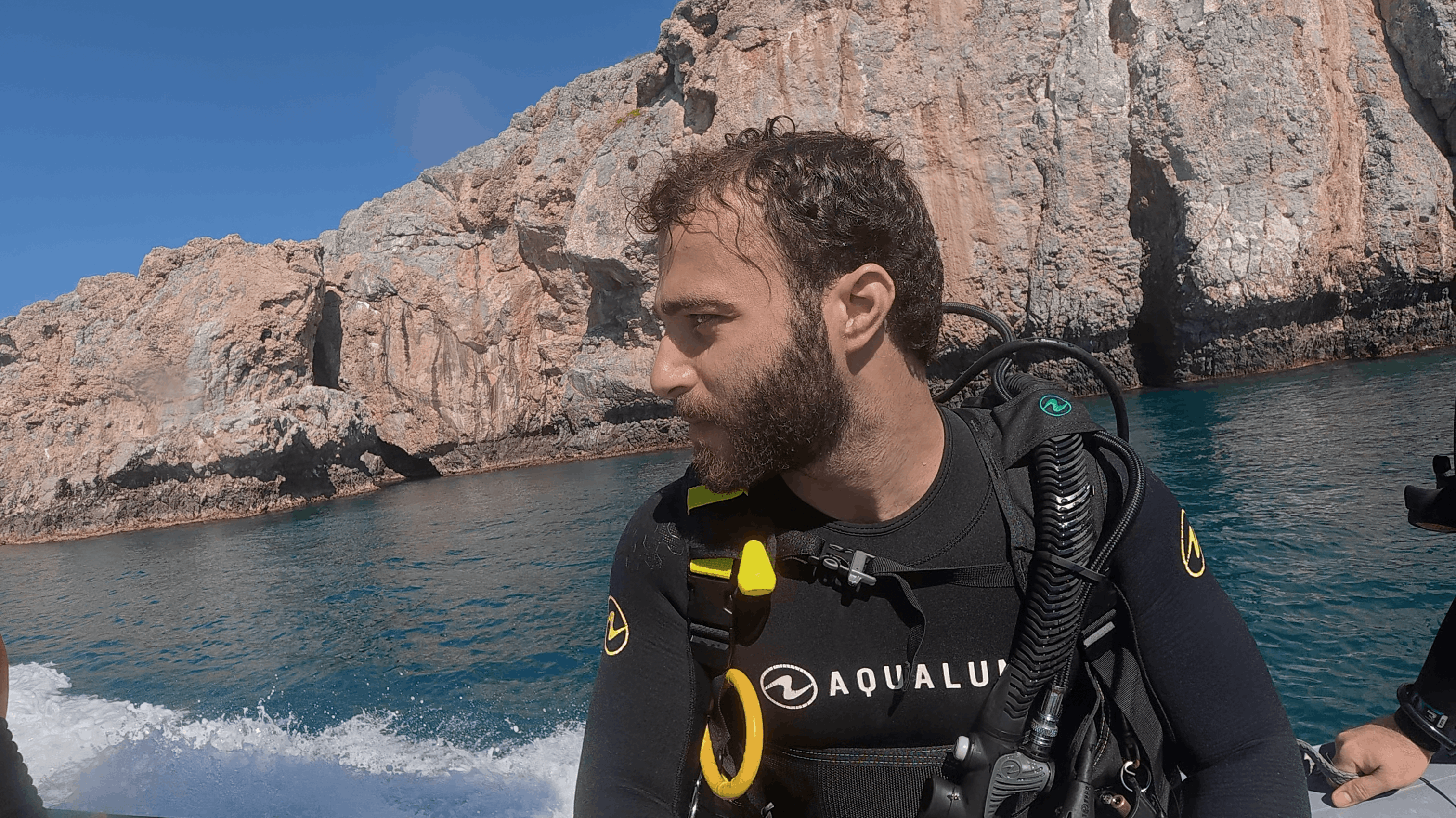
I dove Elephant Cave in June 2026 with Chania Diving, by boat out of Chania, Crete.
It's one of the most well known cave dives in Greece and for good reason!
What makes this site different from most cave dives is that you don't need cave certification to do it.
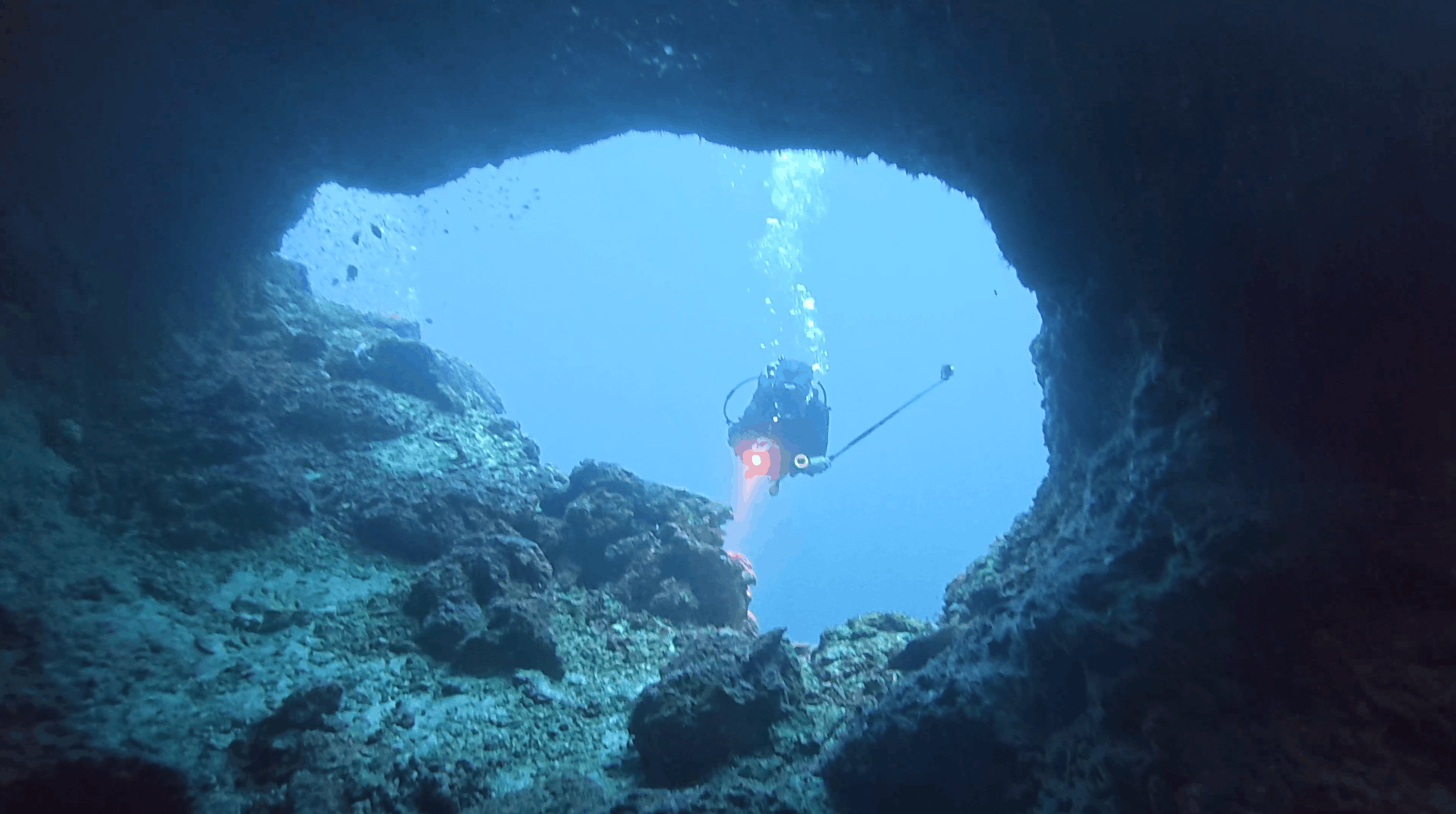
The main chamber reaches almost 39 ft (12 m) tall, stays filled with breathable air, and natural light is visible from inside at all times.
That combination is what keeps it open to divers with an Advanced certification instead of requiring a technical cave course.
The Dive
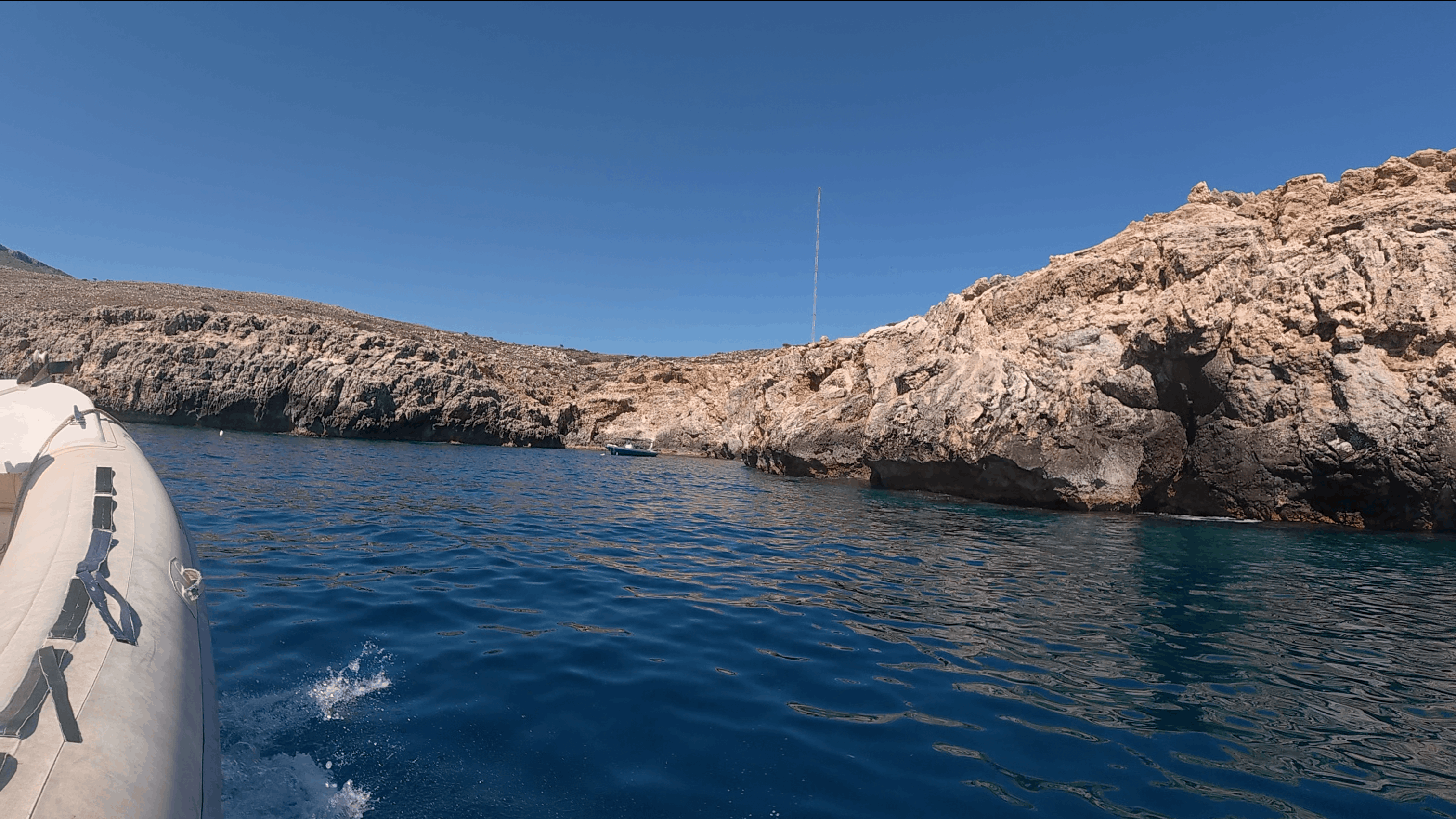
The boat anchors above the cave entrance and you drop straight down into the chamber.
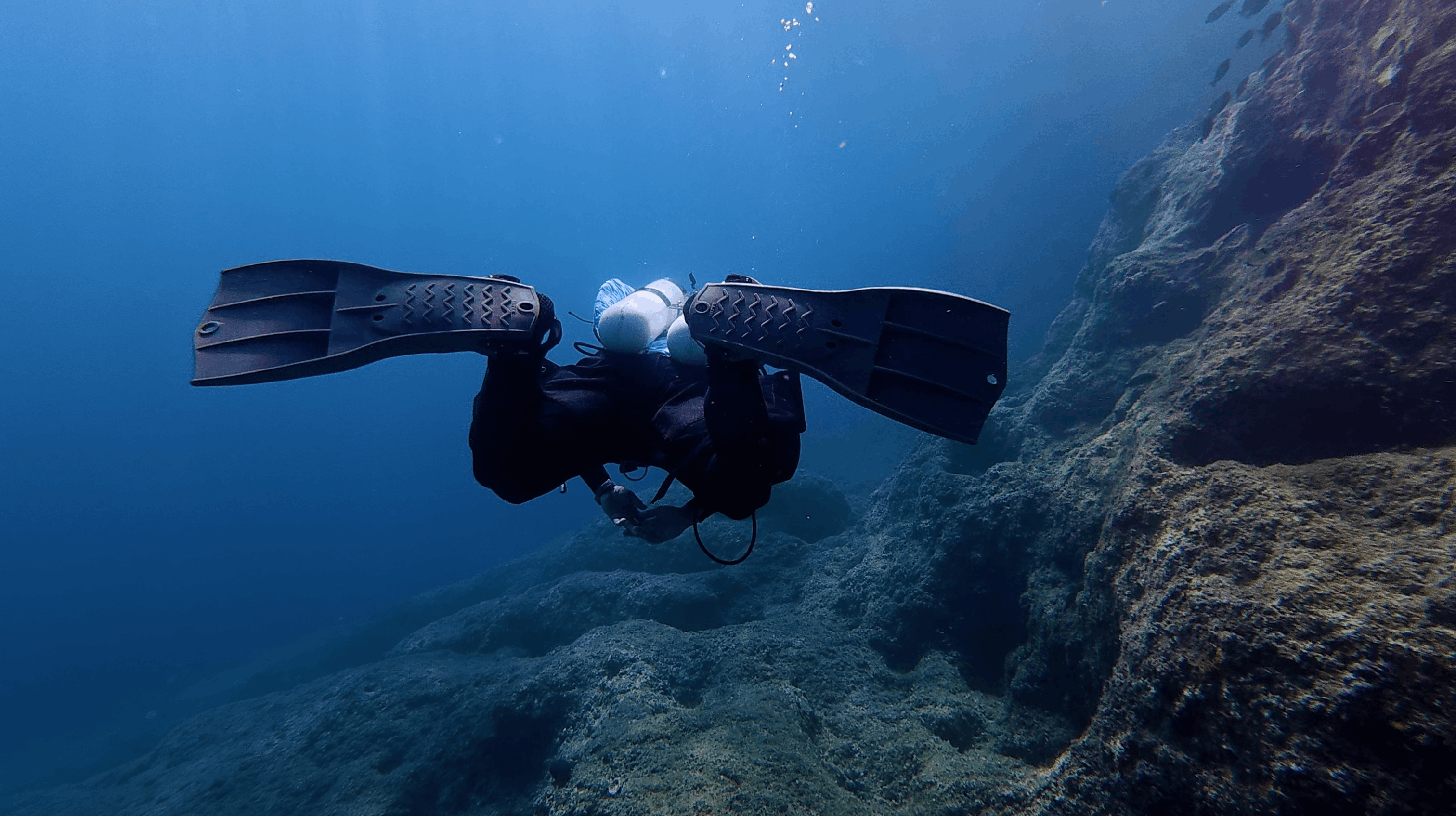
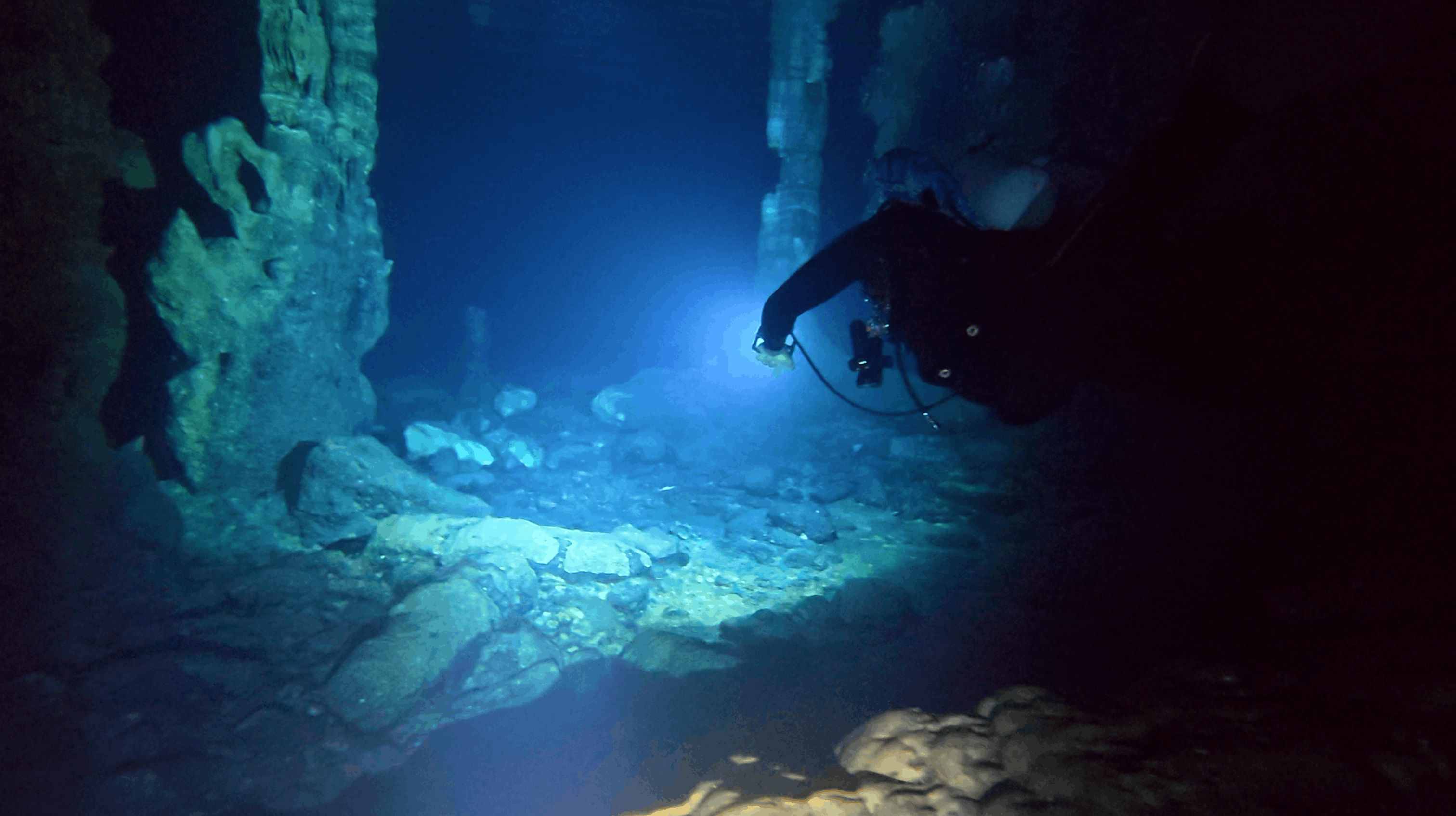
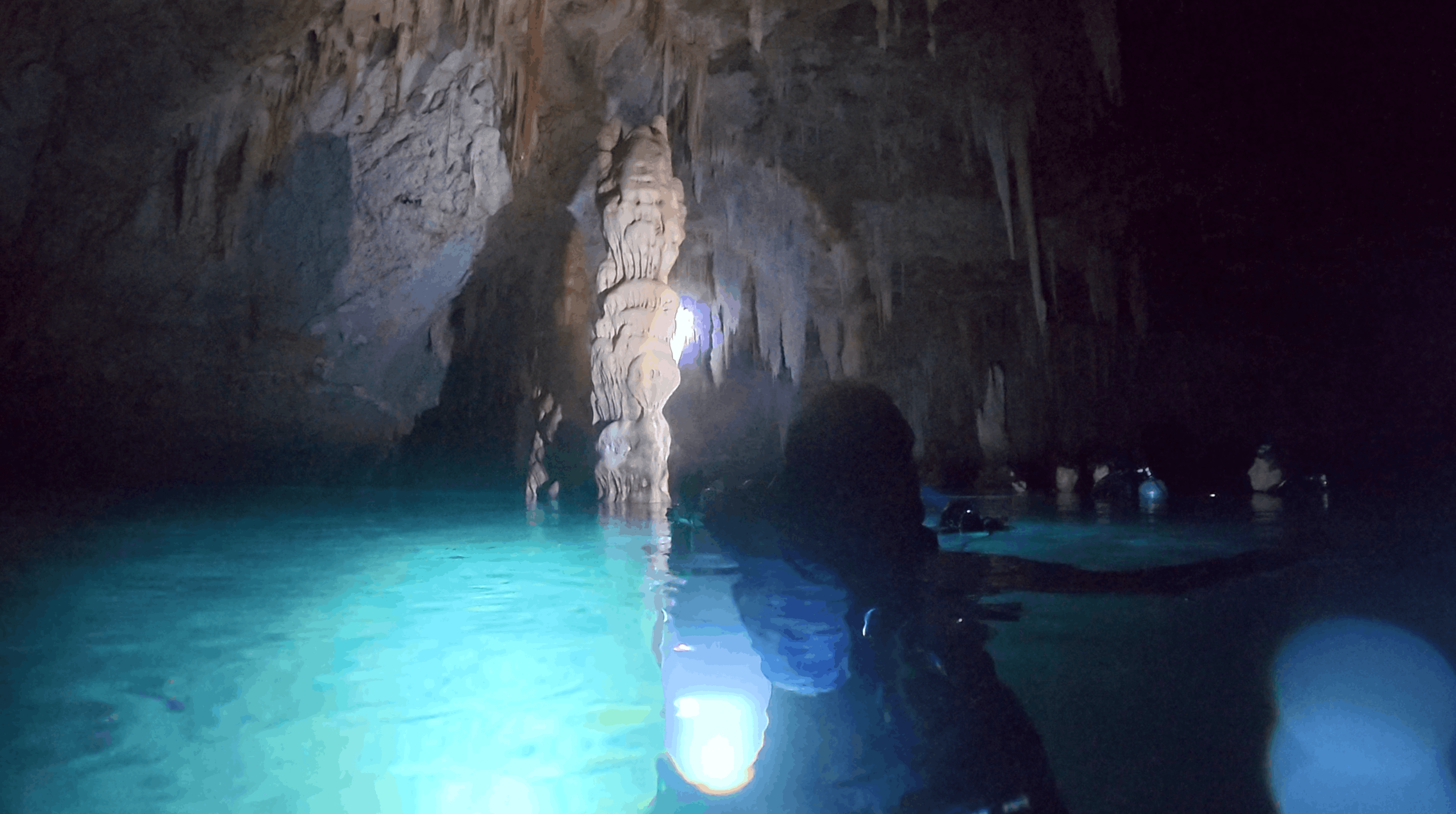
Light comes in through the entrance the entire time you're inside, so even though you're technically in a cave, it never feels closed off or disorienting.
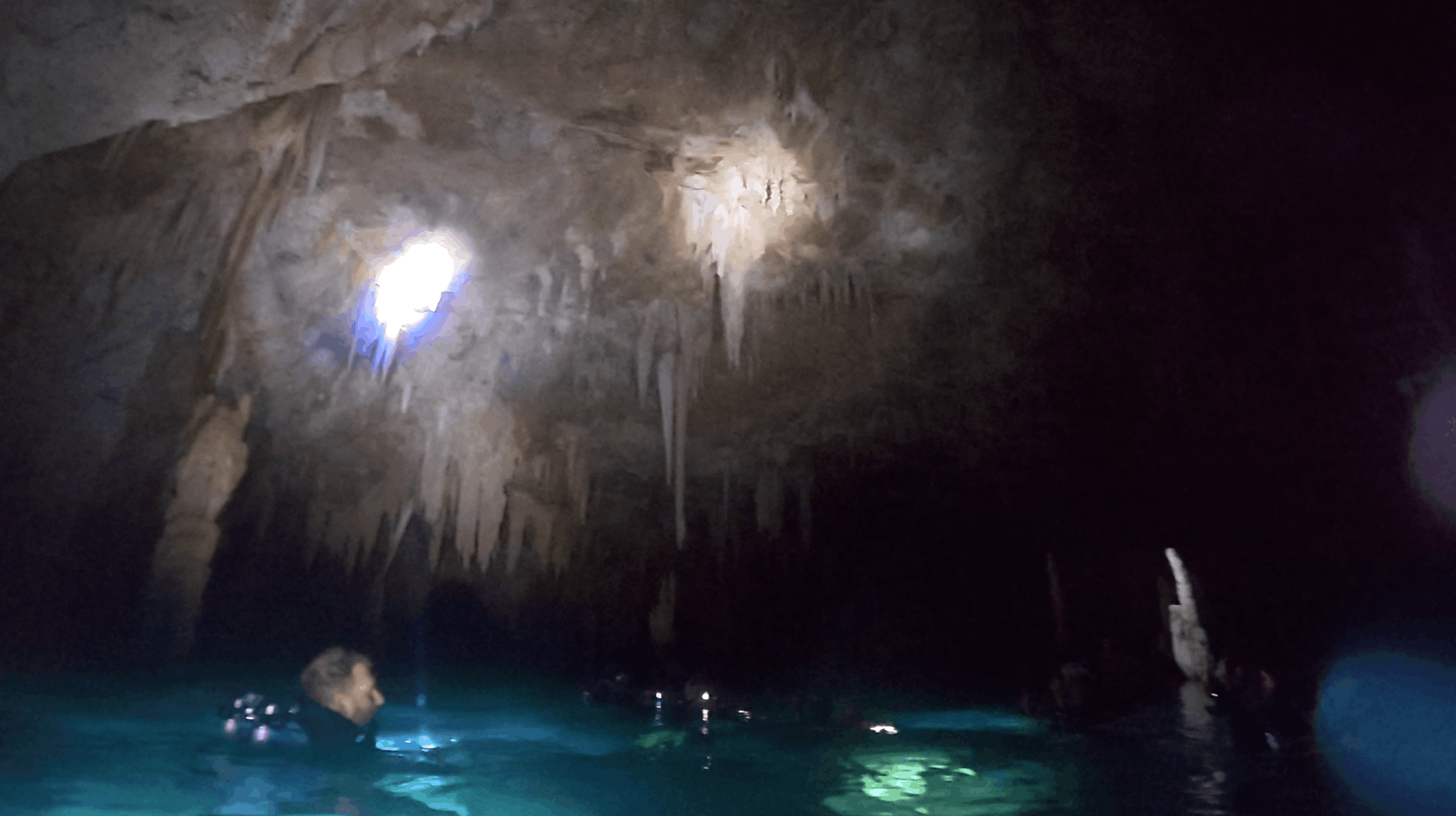
Because it's freshwater, the water is some of the clearest I've dove in the Mediterranean, with visibility well past 60 feet (18 m).
Seeing fossils like that underwater, in a chamber this size, isn't something you get at most dive sites.
Max depth on this dive only hit 30 ft (9.1 m), with an average around 12 ft (3.7 m), so it's a short, shallow dive, but the formations and the history make it worth the trip on their own.
The Fossils
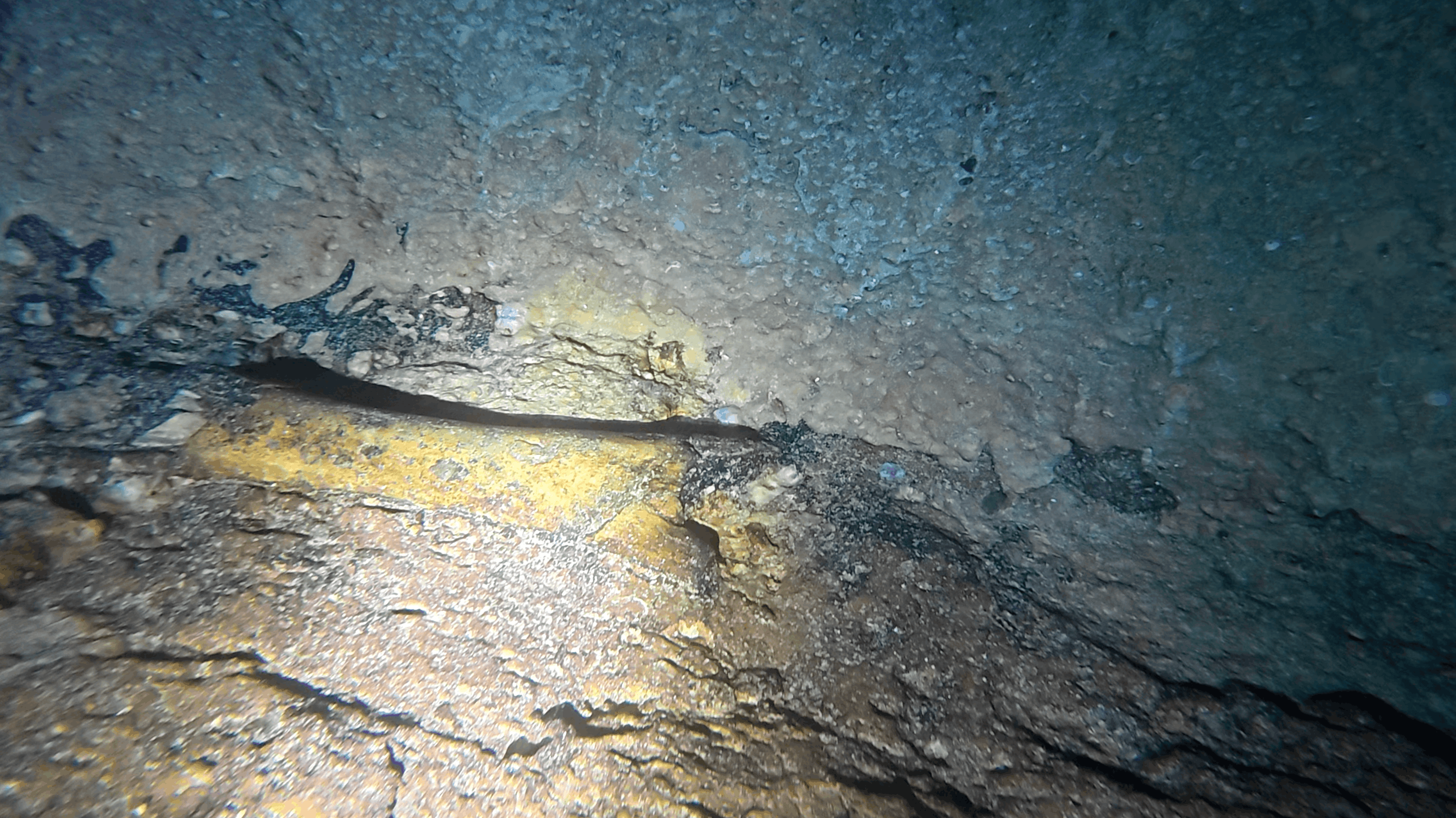
The elephant remains were found in 1999. Only two bones are still in the cave, from the thigh or the hip. The rest went to a museum in Athens.
Their structure is different from an African elephant, so it is believed to be a separate species, named after Chania.
Elephants do not swim to islands. Finding them here, and at a few other spots on Crete, is part of the case that Crete was once attached to mainland Africa.
There are deer fossils in here too. The thinking is that this was a freshwater spring when sea levels were lower. Prey animals came in to drink and predators waited outside, because there is only one way out.
The Formations
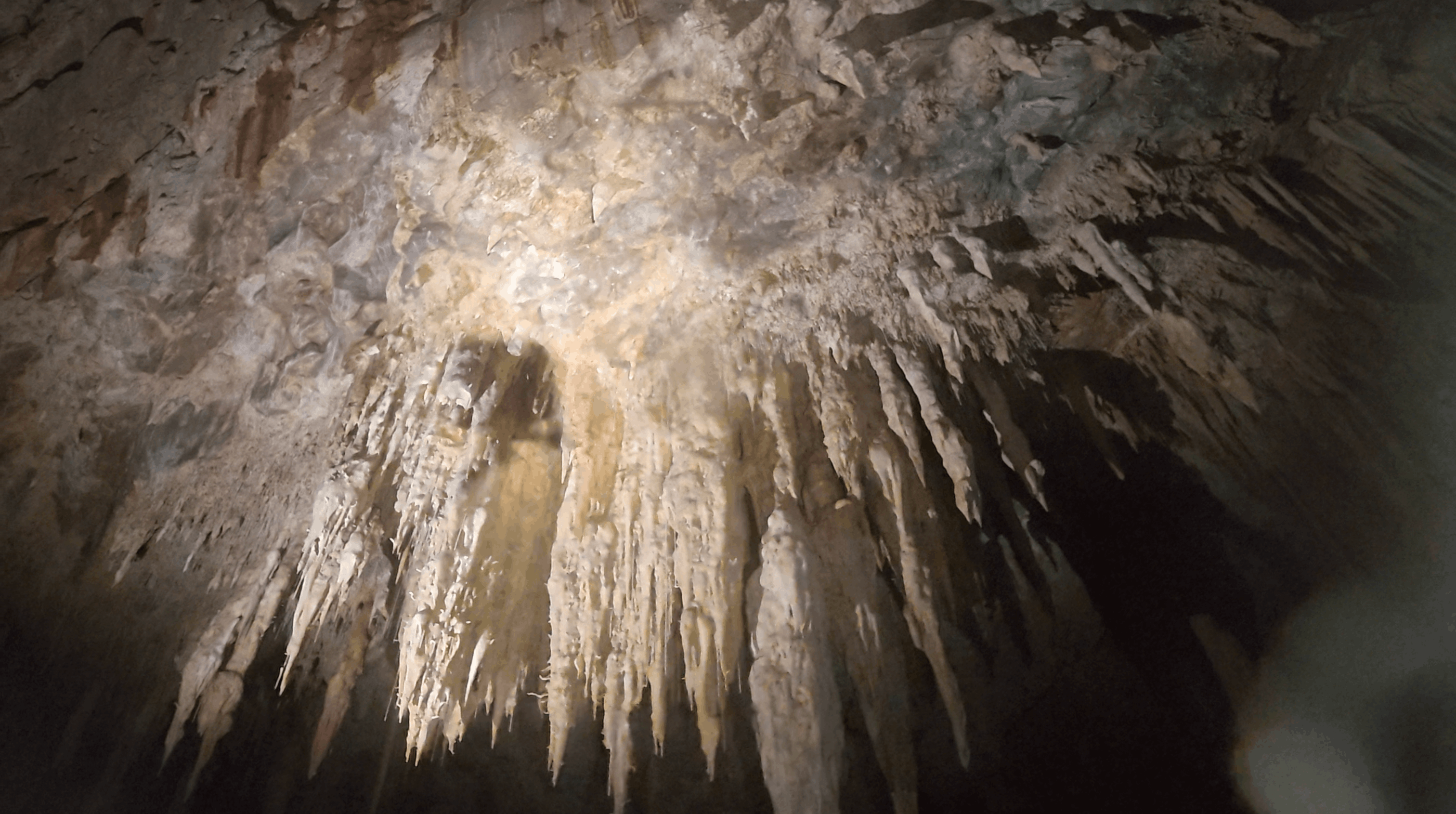
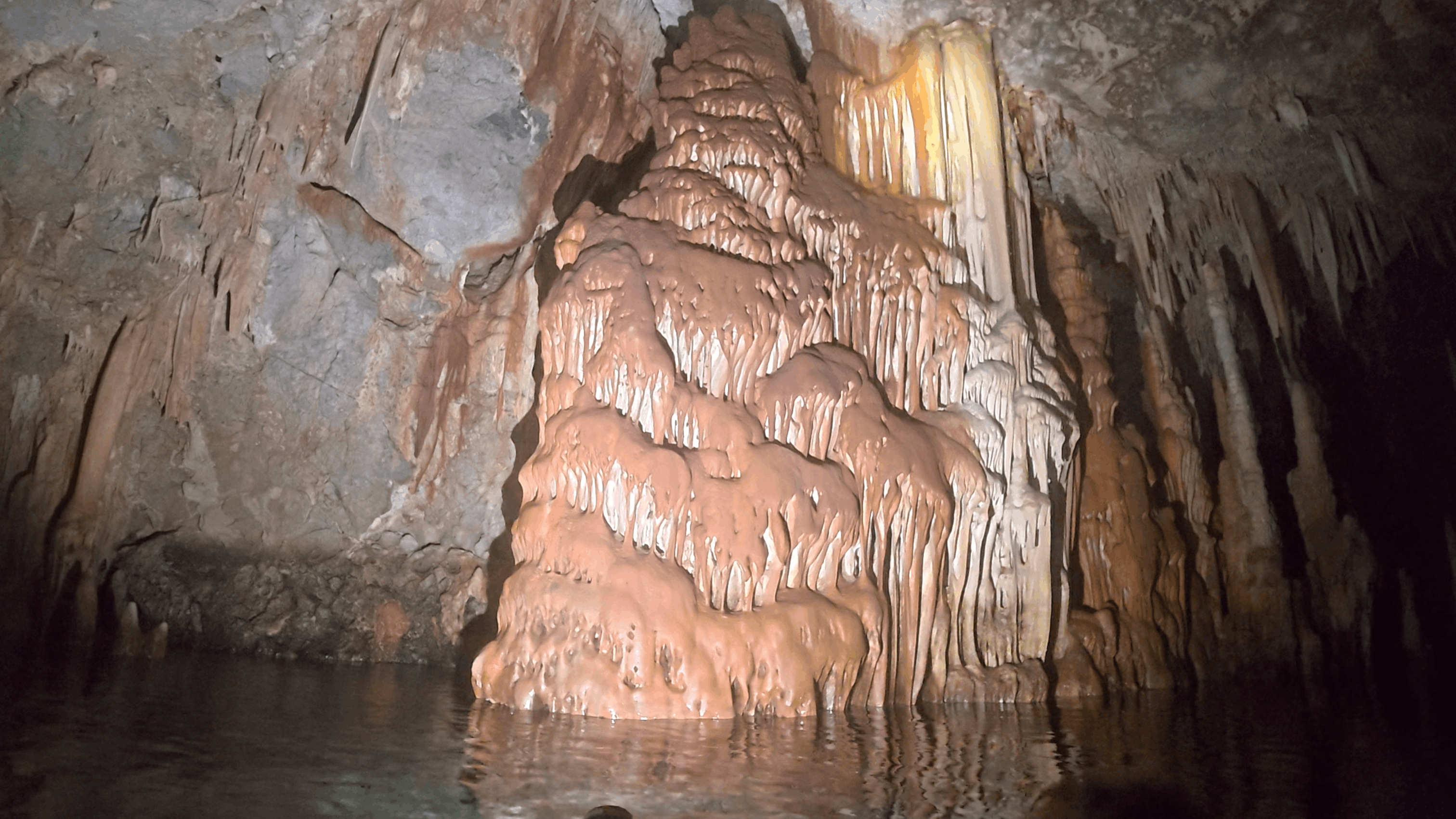
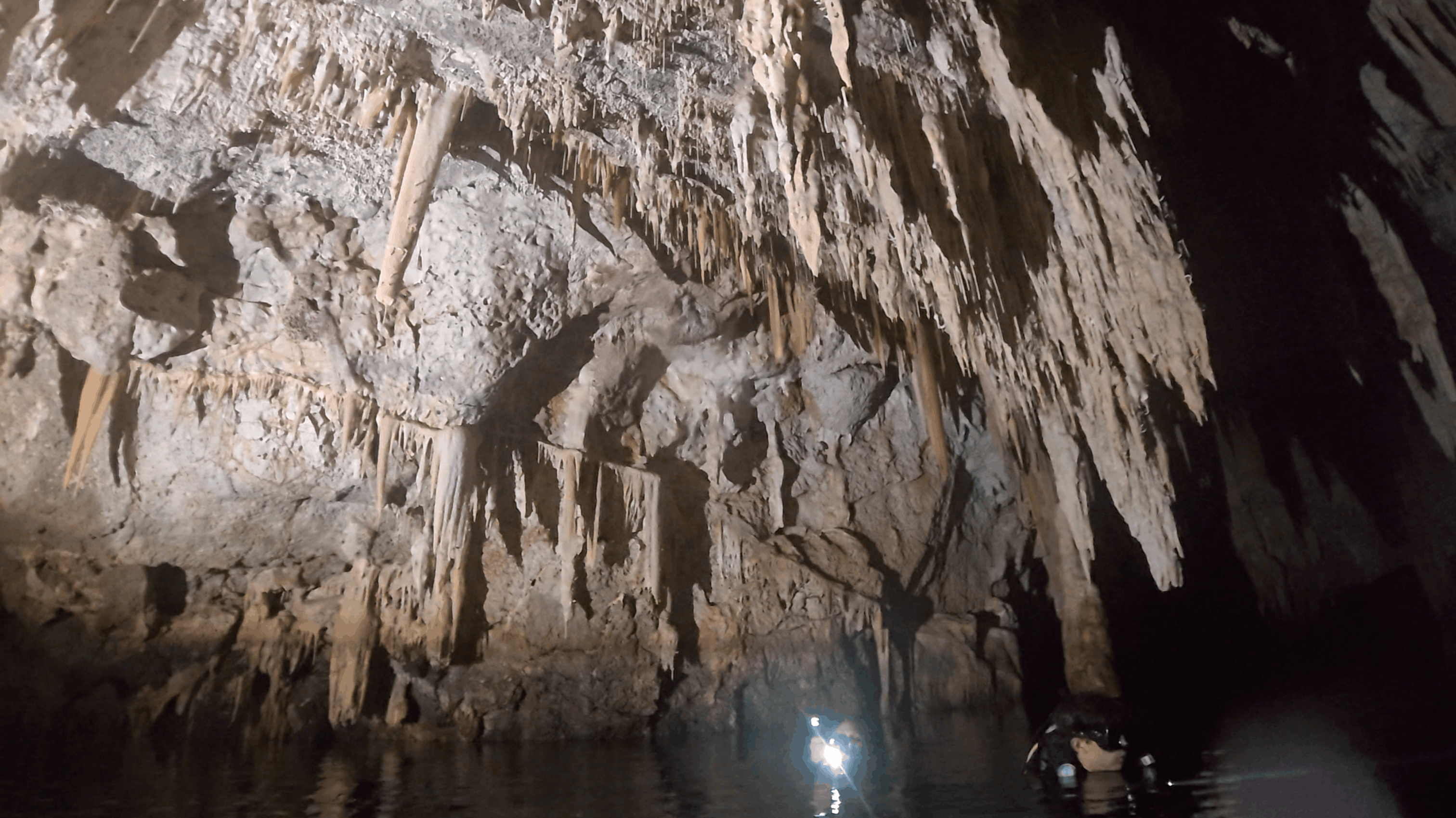
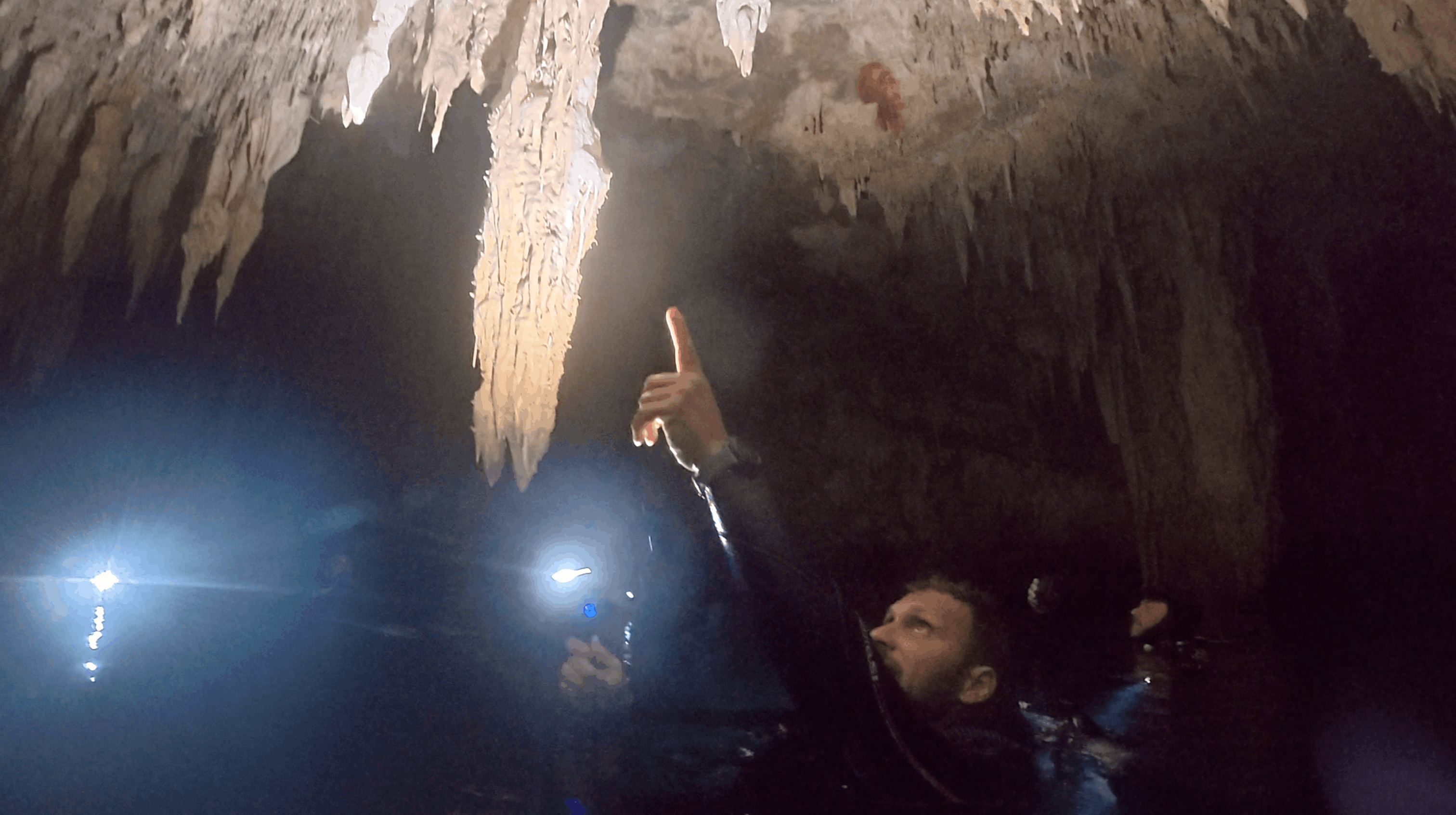
Stalactites hang off the ceiling, formed by water dripping and hardening over a very long time. Stalagmites rise from the floor, built by the water that splashed down. Those stalagmites are evidence the cave went through dry and wet seasons across the ice ages.
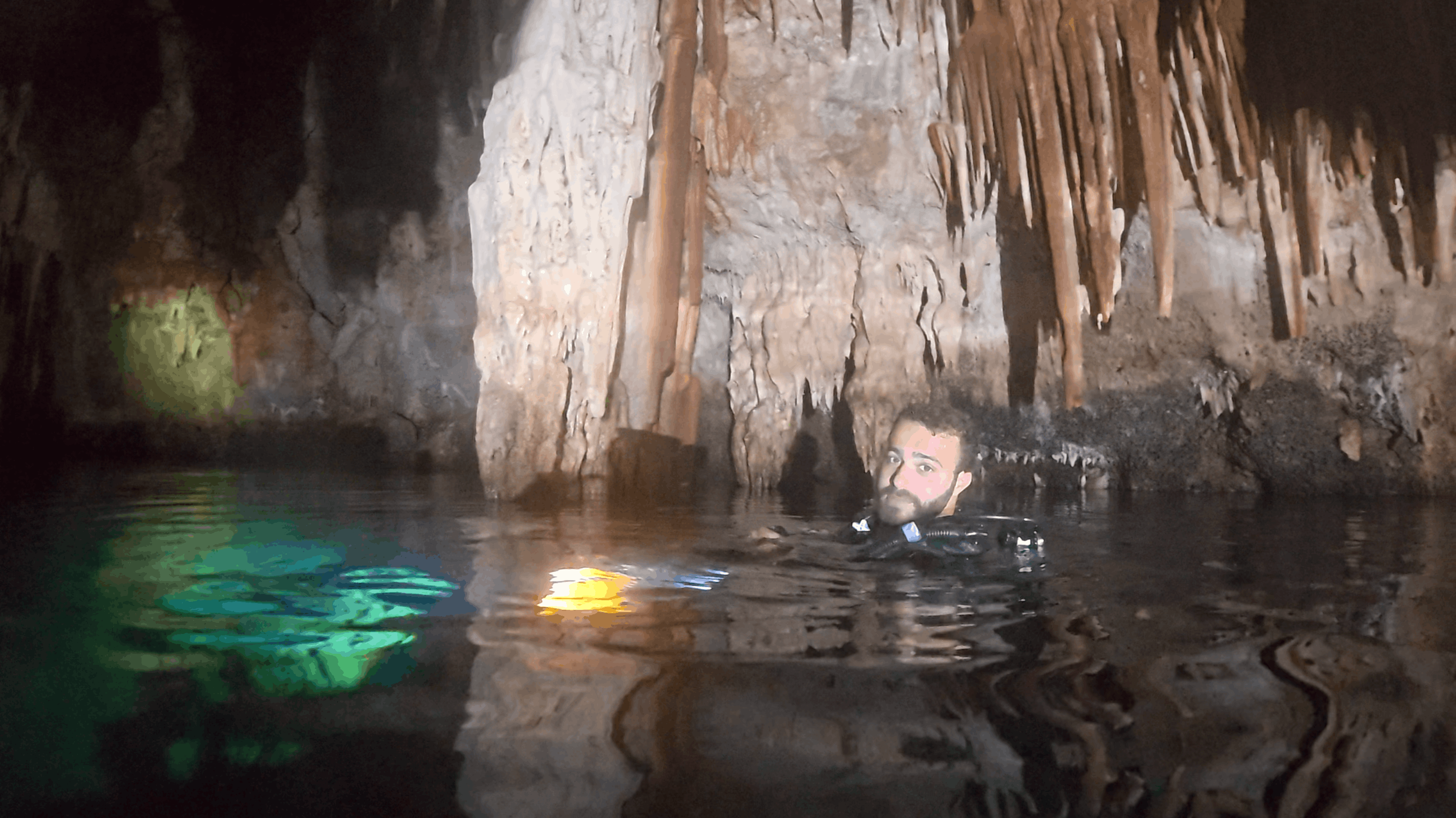
There are also dendrites in here, branching tree-like structures growing off the formations. Nobody is entirely sure how they form.
Dive Conditions
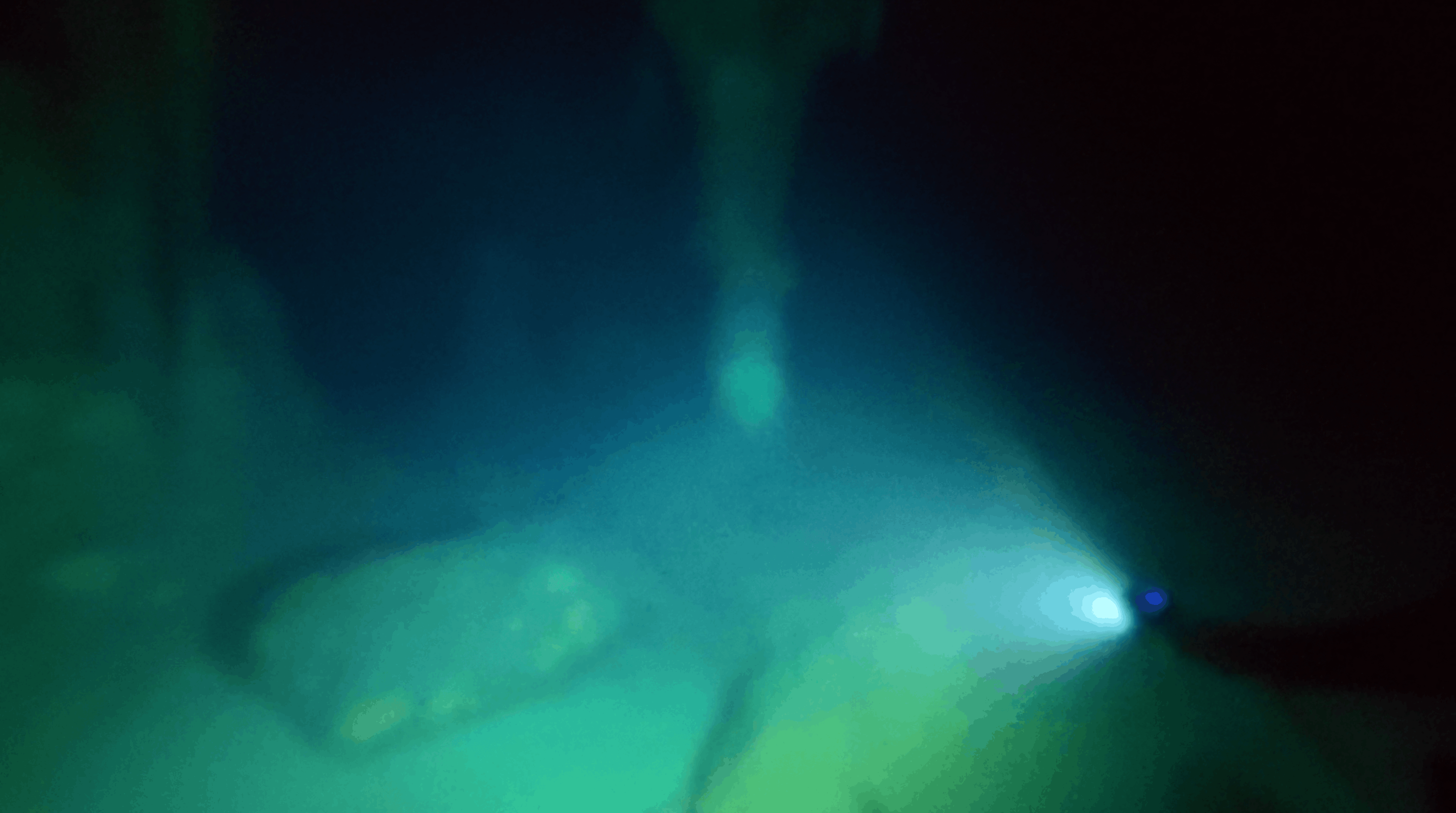
Once you are into the freshwater, visibility opens up past 60 ft (18 m), assuming you have a torch to light it.
The blur on the way in is a halocline, where salty seawater and freshwater mix. Push further into the cavern and it turns freshwater dominant and your vision comes back.
Water temp sat around 75°F (24°C) in June.
Since this is a boat dive into a cave entrance, sea state on the surface matters less than it would for a shore dive, but check with your dive shop on wind and swell before booking.
How It Was Found
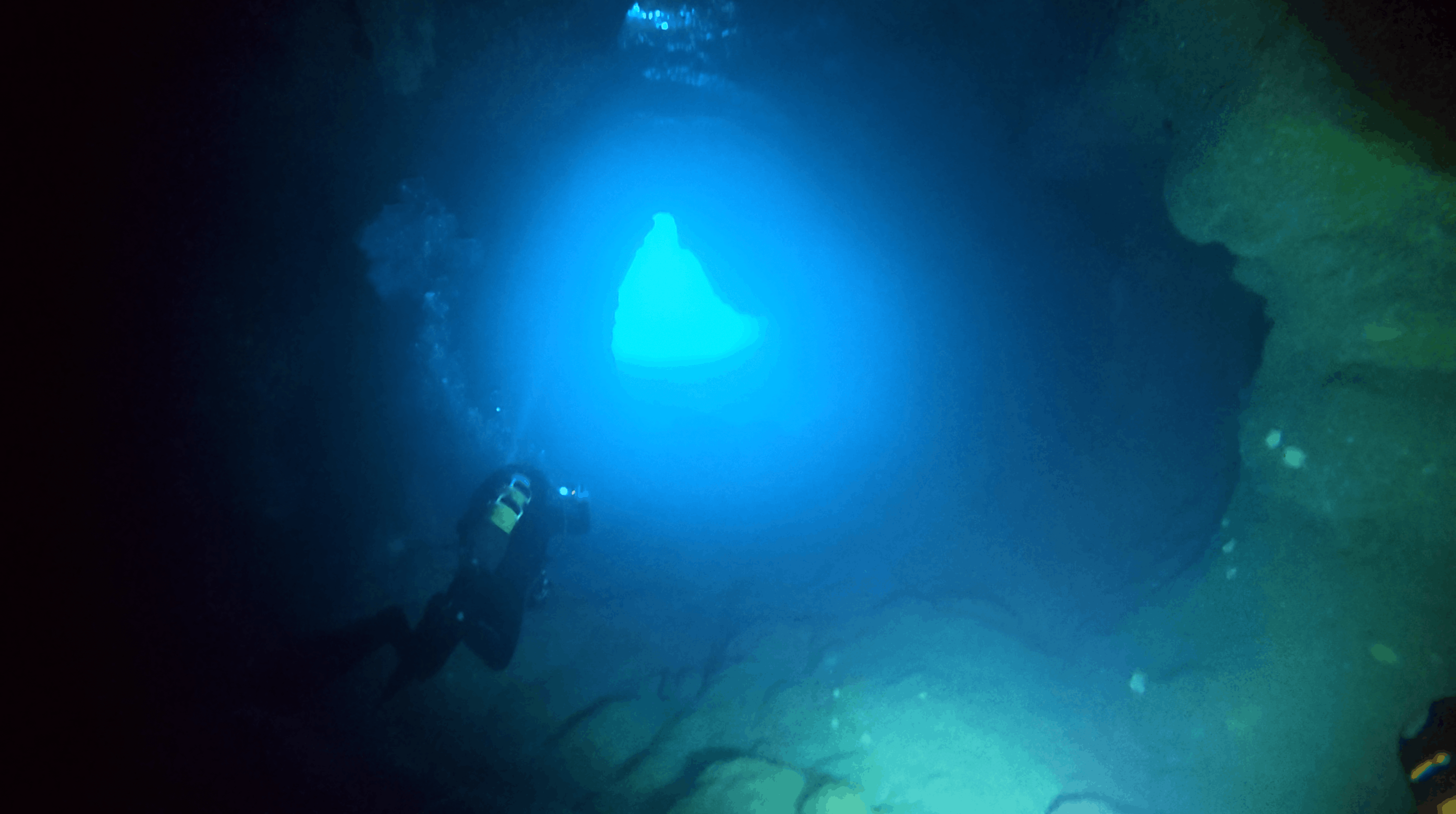
The story I was told locally is that a Greek spearfisherman was working the area, saw a large grouper and went after it. The grouper darted into a sea tunnel, he followed it in, and that is how the cave was found.
The same spearfisherman was later found dead spearfishing on a rebreather.
My own read is that the official version does not quite add up. Following that tunnel in on a single breath, with no idea what is back there or that there is breathable air at the end of it, seems extremely unlikely. He was probably on the rebreather when he found it, which is illegal to combine with spearfishing almost everywhere. I have no way of confirming that. It is just what I heard.
Let's Dive Together
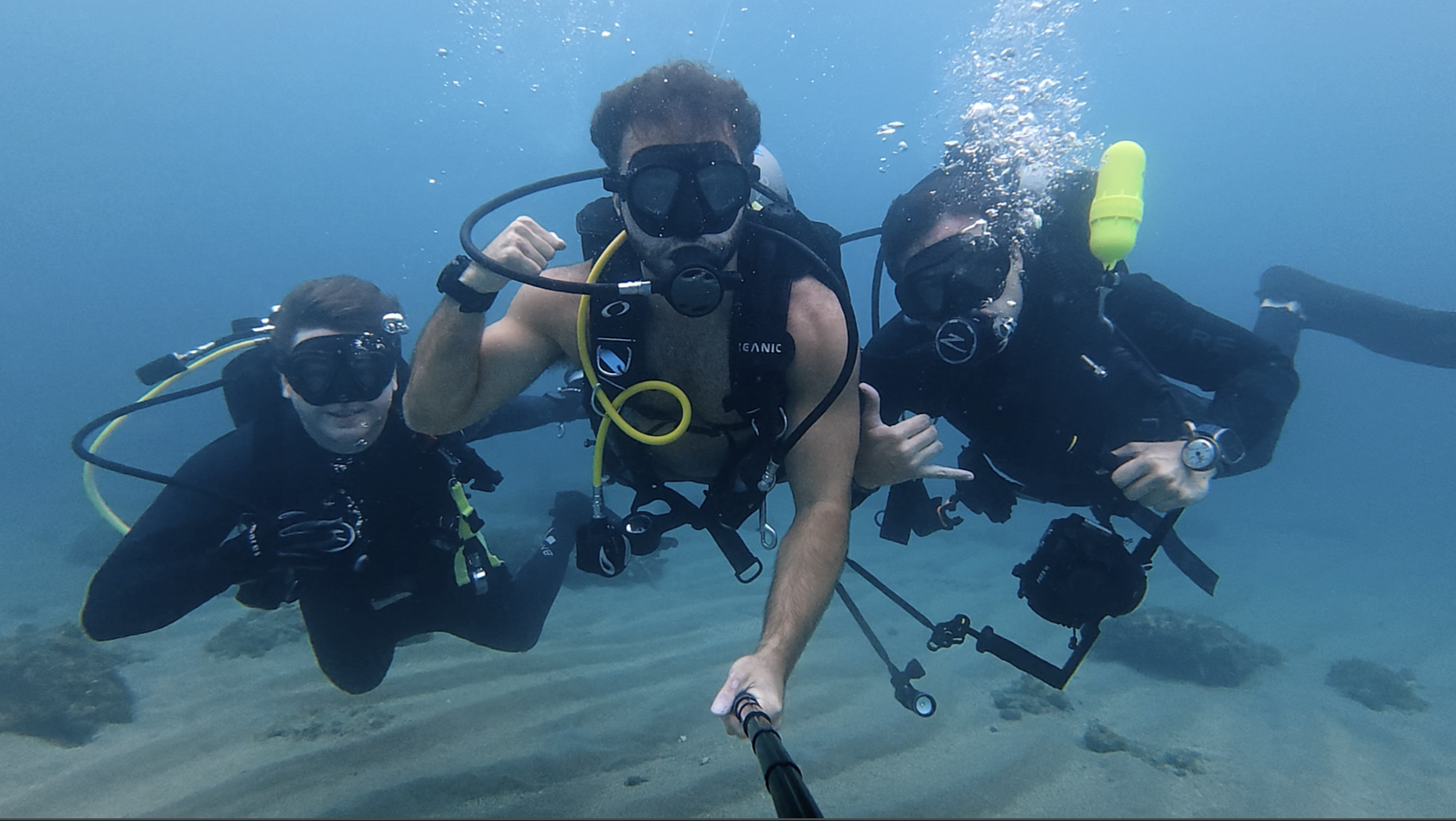
👋 It's Divemaster Austin
I'm inviting you to Dive Club, my global scuba diving community.
What you’ll find inside:
🤿 Dive meetups & group trips
🌍 Top dive sites shared by community members
⚙️ Gear tips & technique discussions
🤝 Diver's who’ve already linked up IRL
See you there!

.webp)
.webp)


.png)