
.webp)
When you're headed for your next dive trip, there's one thing I would never leave without, and it's not your mask, your computer, or a first aid kit.
It's dive insurance.
As a PADI Divemaster and scuba diving content creator, I get asked which policy to buy almost every week.
So I sat down and studied through all of the major dive insurance providers and stuided their plans in-depth.
This is my honest breakdown of what each dive insurance provider and package actually covers, and who each one is best for.
- Best for Single Dive Trips: DiveAssure Elite
- Best for US/Canada-Based Divers: DAN Enhanced Membership + Guardian Plan
- Best for US Dive Operators and Professionals: DAN Liability Insurance
- Best for EU/UK Dive Operators and Professionals: DiveAssure General Liability
- Best for Once a Year Traveling Divers: World Nomads Explorer
Which Diving Insurance Does DivemasterAustin Have?
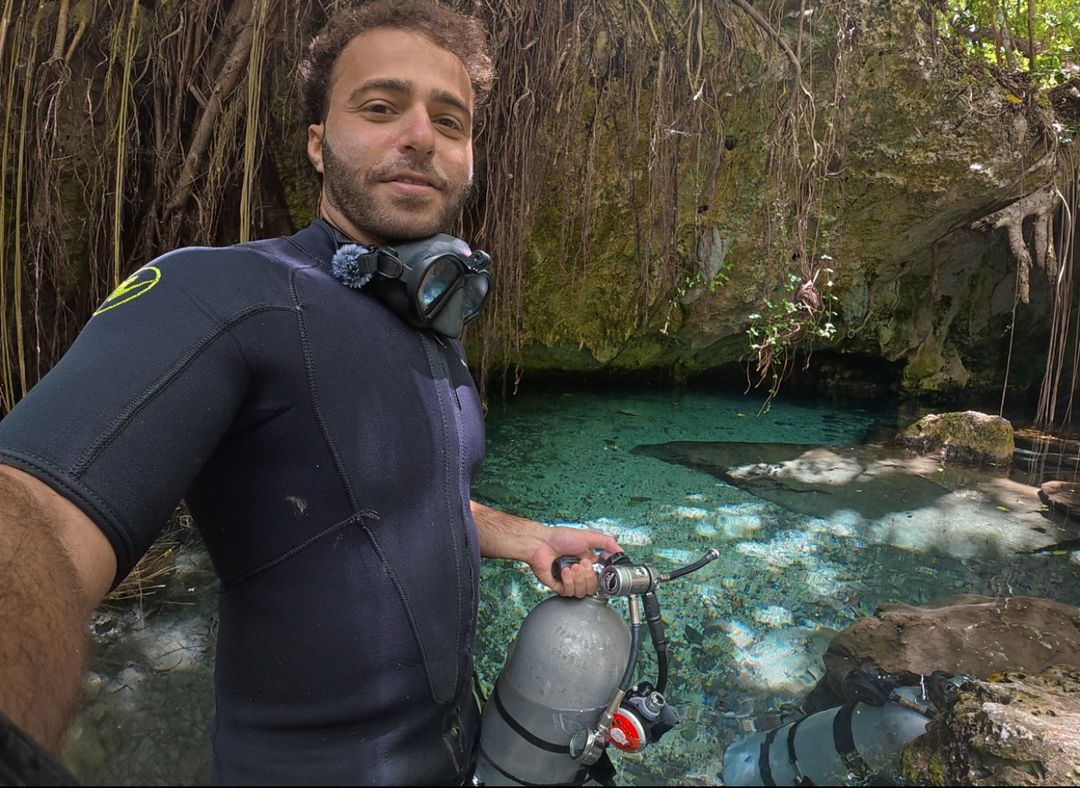
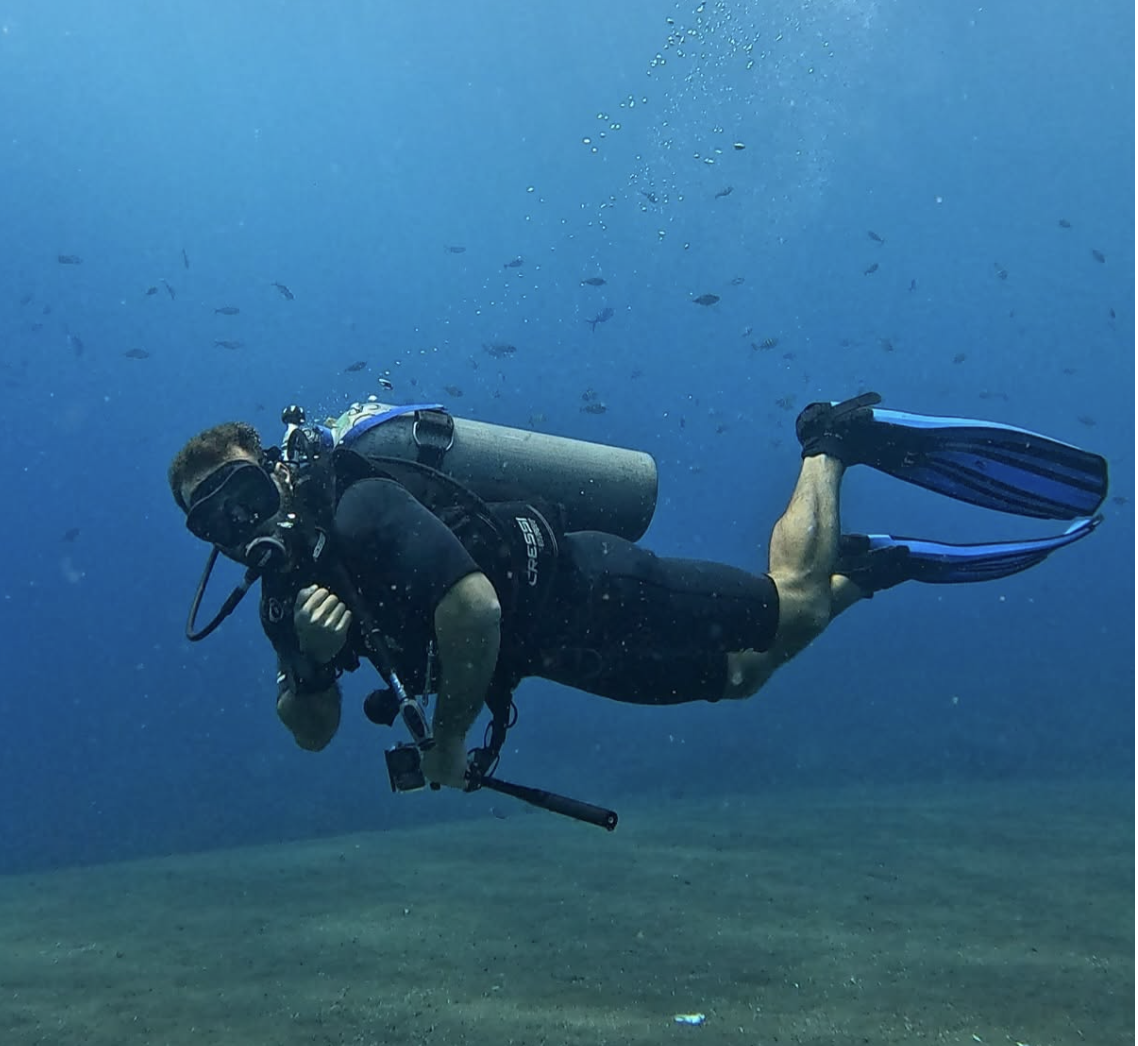
I have DAN's Enhanced Membership combined with the Guardian dive accident insurance plan.
As a diving professional and content creator, my diving habits are likely different from yours!
I'm an American diving very frequently across multiple countries. If I was working as a dive instructor, or guide, I would have DAN Liability Insurance as well.
Do You Actually Need Dive Insurance?
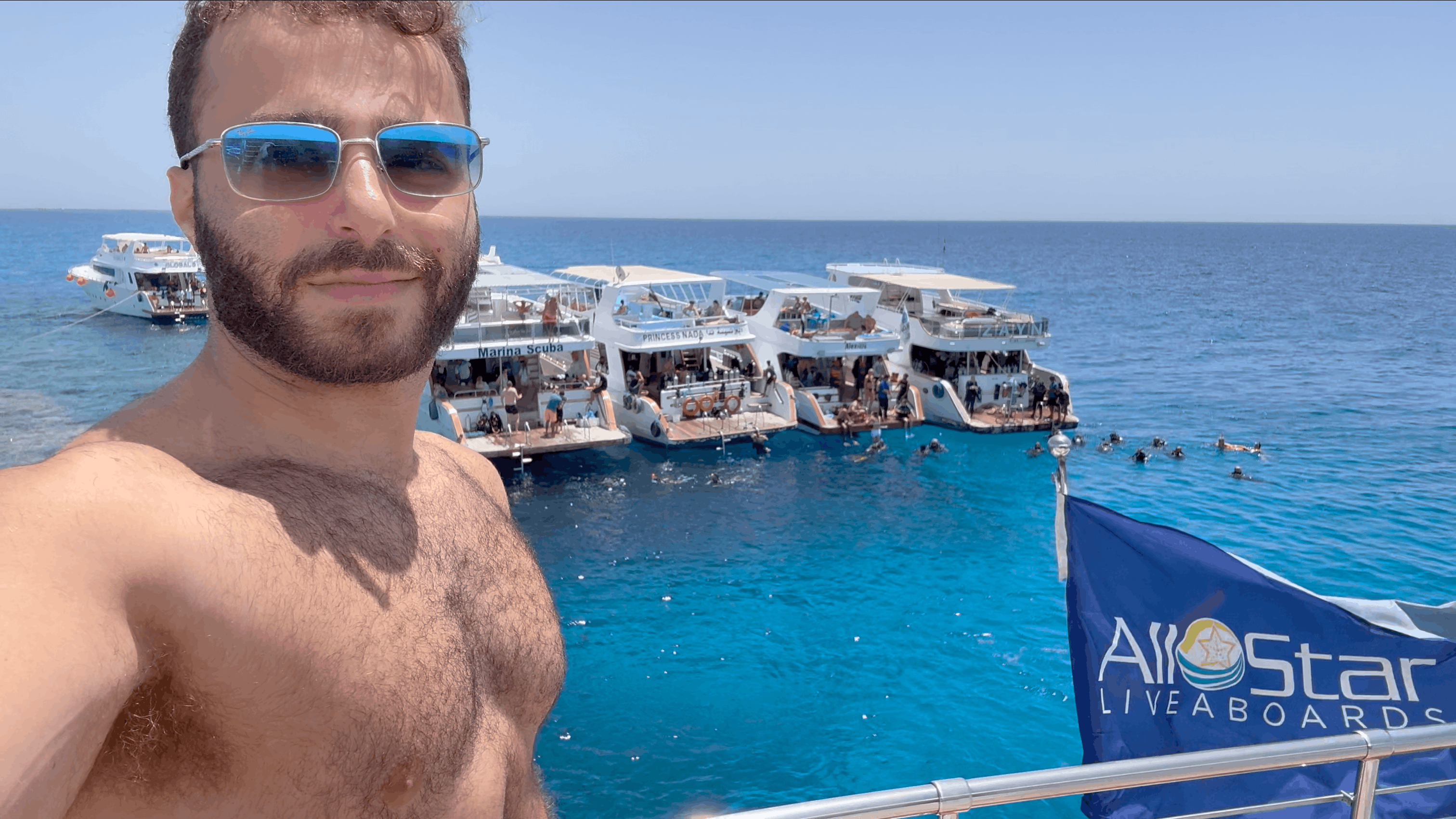
Diving is a very safe sport. Serious diving emergencies are rare, and most charters and liveaboards do not require you to carry insurance.
A handful of countries do require it.
Egypt and Israel are two that come to mind.
When a diving emergency does happen, it gets expensive fast.
Emergency evacuation and a few sessions in a recompression chamber can run into the hundreds of thousands of dollars.
Once you see how cheap diving insurance actually is, it becomes an easy decision.
How I Compared Providers
There are a lot of providers out there and the fine print varies wildly. I narrowed the field to the things that actually matter when you are the one in the chamber:
- Medical coverage, including hyperbaric chamber treatment
- Emergency evacuation and repatriation
- 24/7 access to real dive physicians
- Whether your country and destination are both covered
- Whether coverage is primary or secondary
- Depth, gas, and dive-type limits
- Equipment coverage
- Reputation and how claims actually get paid
That left me with two providers I am comfortable recommending being DiveAssure, Divers Alert Network and World Nomads.
DiveAssure
DiveAssure is the most straightforward dive insurance provider I reviewed.
Their coverage is primary, meaning they pay the treatment facility directly and in real time.
You do not front the bill and wait to be reimbursed. In a medical emergency abroad, that distinction matters a lot.
There's also no depth or gas limits on any plan, as long as you dive within your certification level and follow your training agency's protocols, you are covered. This includes nitrox, rebreathers, cave diving, and ice diving.
DiveAssure serves divers from over 200 countries. If you are not in the US or Canada, this is likely your most accessible option among the three providers covered here. There is also a 10% family discount when you register all divers in your family under the same program.
They offer three distinct products.
DiveAssure Dive Accident Insurance (Annual)
Platinum is the sweet spot. $500K medical per occurrence, $500K evacuation, and $100K search and rescue for $129 a year. The Diamond upgrade to $750K medical costs $50 more and is worth considering if you regularly dive deep or in remote locations.
DiveAssure Dive Travel Insurance (Single Trip)
I wouldn't recomend the Standard plan. The $50,000 evacuation limit is low for an overseas dive emergency. The jump from Standard to Deluxe is $25. The jump from Deluxe to Elite is $2.70.
DiveAssure General Liability (EU/UK Only)
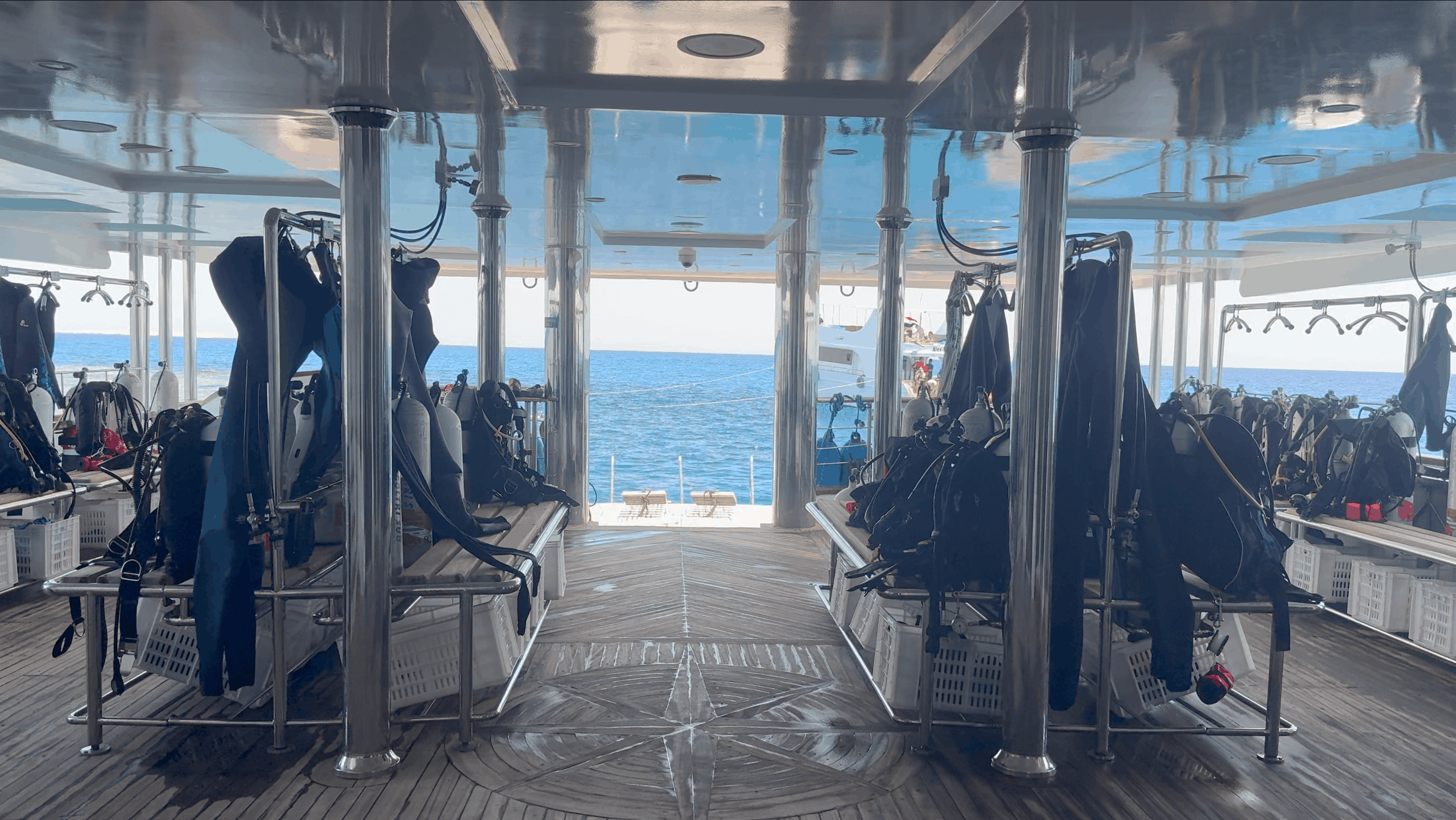
For dive operators, dive centers, liveaboards, safari boats, and individual instructors operating within the European Union or UK. Both the Operators and Professionals plans carry identical limits.
- €5,000,000 per occurrence / €10,000,000 aggregate
- Covers professional liability, product liability, all training levels, and dive trip organization
- Meets PADI's €4 million minimum requirement
- 10% discount for DiveAssure Partners and Dive Leader Partners
This plan does not cover operations in the United States. If you are a US-based operator or instructor, see the DAN liability section below.
DAN
DAN is the most recognized name in dive safety. They have been working diving accidents for more than 30 years, fund dive safety research, run the emergency hotline many of us have saved in our phones, and are endorsed by PADI.
Before buying, you need to understand how DAN's system works. It is not a single plan. It is two or three separate purchases depending on what you want.
DAN operates as a global network of regional organizations. The plans and pricing in this article apply to DAN America (dan.org), which serves US and Canadian residents.
If you live outside the US or Canada, DAN has regional organizations for Europe, Asia-Pacific, Southern Africa, Latin America, Japan, and other regions. Check your region's DAN website for the plans available to you.
DAN Product 1: Membership
The membership is not dive accident insurance. It covers emergency transportation and travel assistance. Think of it as getting you to the hospital. The dive accident insurance pays for what happens once you are there.
DAN Product 2: Dive Accident Insurance
Purchased on top of membership. This is what pays for your hyperbaric chamber treatment. Plans shown are for US residents.
I wouldn't recommend the Master plan if youdive regularly. The $125,000 lifetime cap means one serious incident can exhaust your coverage permanently. It does not reset per occurrence. It is a ceiling that applies to your entire time under that plan.
The real annual cost of full DAN coverage:
- Entry level (Regular membership + Master): $84.11/year
- Mid tier (Regular membership + Preferred): $120.53/year
- Top tier (Enhanced membership + Guardian): $234.95/year
DAN Product 3: Travel Insurance (Optional)
A general travel policy, available as an add-on. This is not dive-specific coverage and does not replace the dive accident insurance.
A $25,000 medical ceiling on the Basic plan would not cover a serious chamber treatment. If you add this product, it supplements your dive accident insurance. It does not replace it.
DAN Liability Insurance for US Operators and Professionals
For US-based dive professionals and operators, DAN is the primary liability provider. They offer four products depending on your situation.
Professional Liability (PL): For individual dive instructors and professionals. Recognized by all training agencies.
Group Professional Liability (GPL): Covers all dive professionals on staff at a business under a single policy. Financing available.
General Liability (GL): For dive centers and businesses. Customized coverage options including tour and travel agent liability. Financing available.
Commercial Property Insurance: For dive businesses with physical locations. Available in all 50 US states. Includes building appraisals and claims support.
Coverage extends across all 50 US states. Caribbean and territory coverage is available through DAN World Insurance Group in 24+ locations including the Bahamas, Cayman Islands, Puerto Rico, and the US Virgin Islands. Additional insureds can be added at no charge. A roughly 5% premium discount is available after completing DAN's continuing education course.
Pricing for all four products requires a direct quote. Contact DAN at +1 (919) 684-2948, Monday through Friday, 8:30 a.m. to 5 p.m. ET.
World Nomads
World Nomads is a general travel insurer that includes recreational scuba diving as a covered activity. They are not a dive-specific provider, and that shows up in two important places.
First, coverage is secondary. They reimburse you after you have paid out of pocket and filed through other insurers. In a real emergency abroad, you may need to front significant costs before seeing any money back.
Second, there is a hard 30-metre (98-foot) depth limit on all plans. If you dive deeper than recreational limits, use nitrox, or do any technical diving, you are not covered. This is a firm exclusion.
Destination coverage also varies. Some countries are excluded due to war or sanctions. Check their destination tool before buying. This matters for divers heading to less common destinations.
Single Trip Plans — 27-year-old male, Florida to Egypt, one week:
Annual Plan: $506/year, covering up to 45 days per trip, $100,000 medical, $100,000 evacuation. The annual plan's limits are significantly lower than the single-trip plans. For a diver taking multiple annual trips, buying single-trip plans as needed will likely deliver better coverage at a lower combined cost.
Same Trip Comparison: Florida to Egypt, One Week
For a single dive trip, DiveAssure Elite is the clear pick. At $118.90 it delivers the highest medical and evacuation limits in the comparison, pays the facility directly, has no depth restrictions, and costs $53 less than World Nomads Explorer while covering six times as much medical expense.
The only reason to look at World Nomads for this trip is if you want stronger trip protection for non diving activities, and are comfortable with secondary coverage.
Annual Coverage Comparison
For annual coverage, DiveAssure Platinum at $129 is the best value. It matches DAN Enhanced + Guardian on the two limits that matter most — $500K medical per occurrence and $500K evacuation — adds $100K search and rescue, and costs $105 less per year.
World Nomads annual is hard to recommend for any diver who takes diving seriously. $506 for $100K medical and $100K evacuation with a 30-metre depth cap is the lowest value in this comparison.
Reading the Fine Print
Before you click buy, run through this checklist.
Is your country covered? Both where you live and where you are diving need to be inside the provider's coverage area. DAN America serves US and Canada residents only. World Nomads excludes certain destinations due to war or sanctions. DiveAssure covers 200+ countries on both ends.
Is coverage primary or secondary? Primary plans pay the treatment facility directly. Secondary plans reimburse you after you pay. DiveAssure is primary. World Nomads is secondary. In a real emergency abroad, the difference between paying up front and having the insurer pay directly is significant.
Are the big limits high enough? Medical and evacuation are the bills that reach six figures. Aim for at least $250,000 on each, and ideally $500,000 or more. The DAN Master plan's $125,000 lifetime cap is not enough for a serious incident.
Depth, gas, and dive type. World Nomads caps at 30 metres. DAN and DiveAssure carry no depth or gas restrictions. If you dive nitrox, go deeper than recreational limits, or do cave or wreck diving, read this section of any policy carefully before buying.
Trip length limits. The World Nomads annual plan caps individual trips at 45 days. Confirm any per-trip duration limits before buying an annual policy for an extended trip.
Extras Worth Considering
Equipment coverage ranges from $1,000 on entry plans to $5,000 on top tiers. If you travel with a camera system or expensive gear, check the limit.
Lost diving days coverage is included on DiveAssure Deluxe and Elite. Useful for liveaboard trips where weather or mechanical issues can scrub your diving.
Missing liveaboard departure coverage is exclusive to DiveAssure Elite. If liveaboards are a regular part of your diving, this is worth noting.
Cancel for any reason is available on World Nomads Explorer (50% of trip cost), World Nomads Epic (75%), and DAN Travel Elite (75% of trip cost).
Isn’t Regular Travel Insurance Enough?
Usually, no.
Most general travel policies exclude scuba diving entirely. Even the ones that include it tend to fall short in a real diving emergency. Dive emergencies need specialized care from people who understand decompression illness and hyperbaric treatment. That is exactly what dive-specific providers deliver through their 24/7 physician hotlines.
World Nomads is one of the few general travel insurers that includes recreational diving coverage. But the 30-metre depth cap, secondary coverage model, and lower medical limits make it a different product from the dedicated dive insurers.
If you are a recreational diver who stays within standard certification limits and wants one policy covering the whole trip including flights, hotels, and bags, World Nomads Explorer is a reasonable choice. If diving is the point of the trip, buy dive-specific insurance.
Single Trip vs. Annual Coverage
If you dive more than twice in a year, annual coverage is almost always better value. DiveAssure Platinum at $129 covers unlimited trips. Two single-trip Elite plans for two one-week dive trips would run roughly $238.
DAN's dive accident insurance is annual only. DiveAssure offers both single-trip and annual options, which makes it the more flexible choice for divers who only travel once or twice a year and do not need 12 months of coverage. DiveAssure recommends going annual if you plan to travel twice or more during the year.
So Which One Do I Recommend?
Buy DiveAssure Elite (single trip) if you are heading on a dedicated dive trip and want the highest coverage limits available with primary, pay-direct coverage and no depth restrictions.
Buy DiveAssure Platinum (annual) if you dive more than twice a year. $129 gets you $500K medical per occurrence, $500K evacuation, and $100K search and rescue with no depth limits.
Buy DAN Enhanced + Guardian if you are based in the US or Canada and want the most established name in dive safety, 30 years of claims history, PADI endorsement, and access to DAN's research and physician network. You will pay more for equivalent coverage, but DAN's institutional weight is real.
Buy World Nomads Explorer if you are a recreational diver who stays within 30 metres, diving mainstream destinations, and you want one policy covering everything from flights to bags to diving without buying separate policies. Understand that coverage is secondary and medical limits are lower than the dedicated dive insurers.
If you are a US-based dive operator or professional: Contact DAN for a liability quote. They offer individual professional liability, group policies covering all staff, general liability for dive centers, and commercial property coverage across all 50 states and the Caribbean.
If you are an EU/UK-based dive operator or professional: DiveAssure General Liability covers €5M per occurrence, meets PADI's minimum requirements, and covers all training levels and trip organization.
Let's Dive Together
👋 It's Divemaster Austin
I'm inviting you to Dive Club, my global scuba diving community.
What you’ll find inside:
🤿 Dive meetups & group trips
🌍 Top dive sites shared by community members
⚙️ Gear tips & technique discussions
🤝 Diver's who’ve already linked up IRL
See you there!

.webp)
.webp)