


.webp)
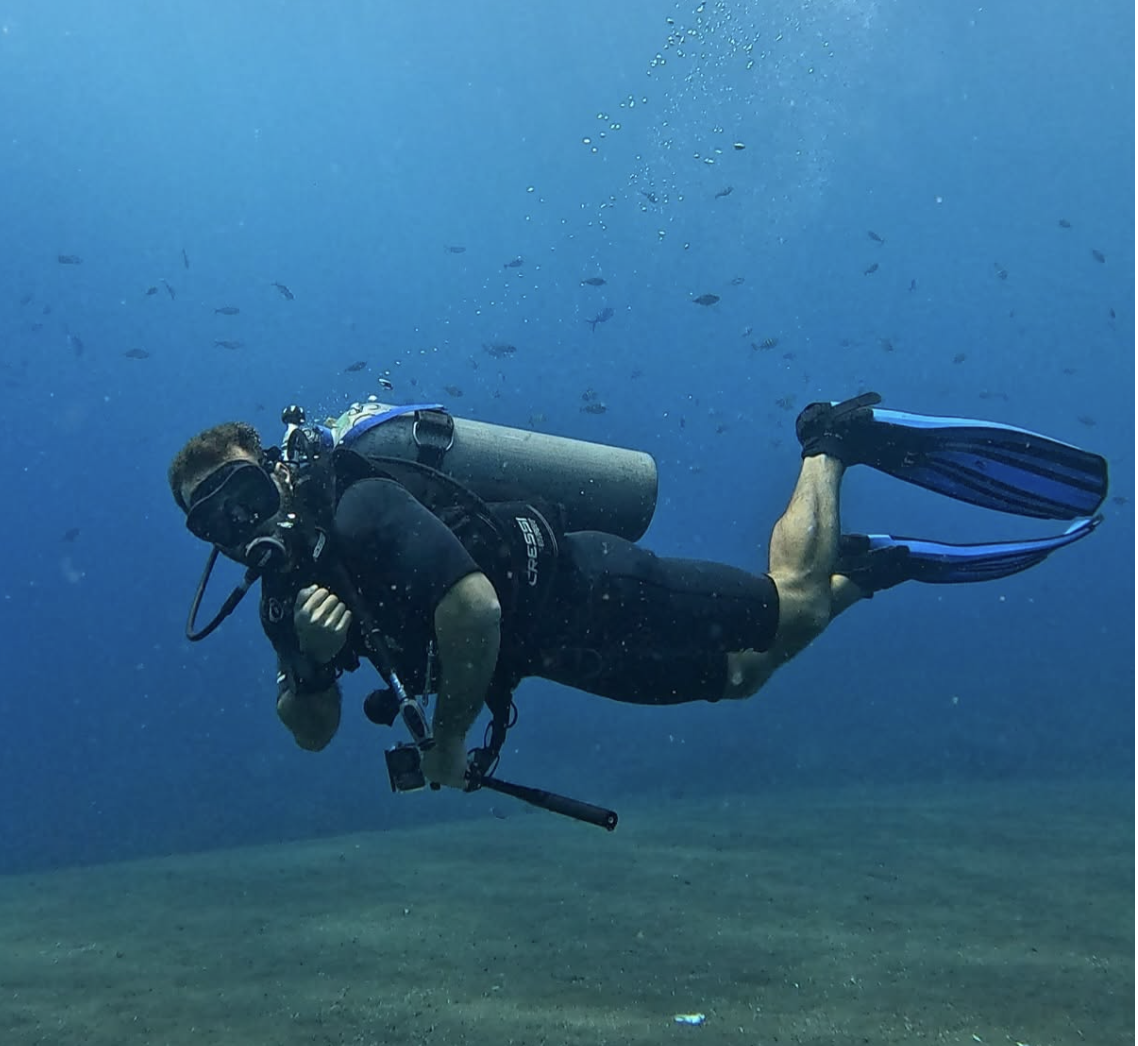
Flying after diving is risky because of decompression sickness (DCS).
When you dive, nitrogen dissolves into your tissues at increased levels (Henry's Law).
After surfacing from a dive, it takes hours to fully off-gas any residual gasses in your blood stream.
The drop in cabin pressure you experience on a plane can cause that residual nitrogen to form bubbles in your bloodstream before your body has cleared it.
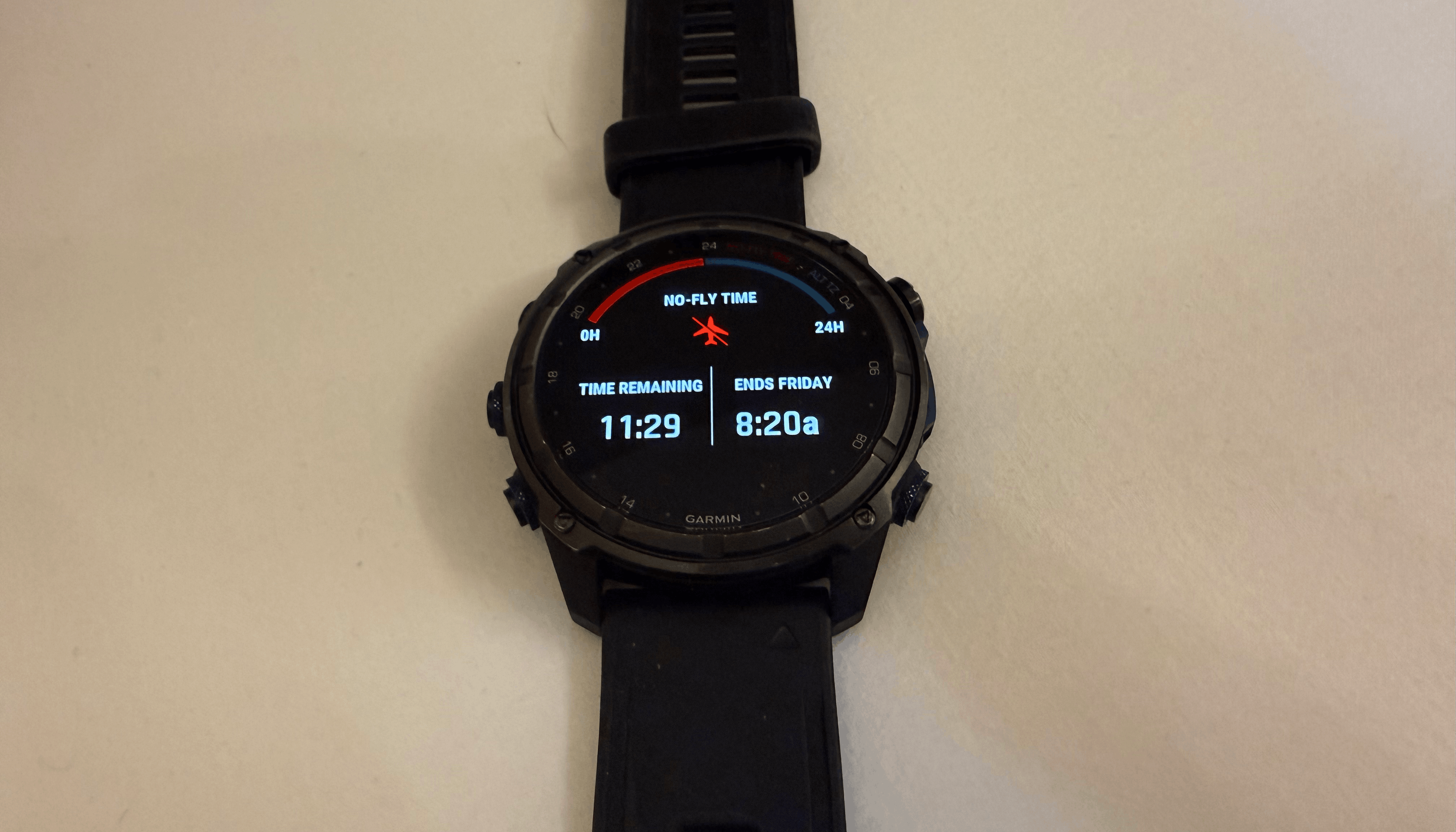
According to DAN, the minimum surface intervals before flying are:
- 12 hours after a single no-decompression dive
- 18 hours after multi-day repetitive diving
- 18+ hours after dives requiring decompression stops, or dives using heliox or trimix
What Is Decompression Sickness?
When you scuba dive, the increased pressure causes nitrogen from your breathing gas to dissolve into your tissues. As you ascend, that nitrogen off-gasses slowly through your lungs.
If pressure drops too quickly, either from a fast ascent or boarding a flight too soon, the nitrogen can form bubbles in your bloodstream and tissues.
Symptoms Include
• Joint pain or deep aching
• Fatigue or weakness
• Skin rash, mottling, or itching
• Dizziness, headache, or visual disturbances
• Tingling or numbness in the limbs
• Shortness of breath
• In severe cases: paralysis or loss of consciousness
What Affects Your Risk?
The DAN minimums are a baseline. Your actual risk depends on:
- Dive profile: repetitive deep dives load your tissues more than a single shallow dive
- Destination altitude: landing in a high-altitude city like Mexico City (7,400 ft) or Bogotá (8,660 ft) compounds the pressure reduction
- Hydration: dehydration increases DCS risk; flying makes it worse
- Age and body composition: nitrogen absorption varies by individual
- Prior DCS history: any previous DCS incident warrants extra caution
What about Diving After Flying?

There are no meaningful risks to diving after flying.
Flying doesn't load your body with nitrogen, so you can dive the same day you arrive.
This is standard practice on liveaboard trips and dive vacations.
Can I Go to High Altitudes After Diving?
.jpg)
The same rules that apply to flying apply to traveling to high-altitude destinations.
Driving into the mountains or landing at a high-altitude airport reduces ambient pressure, which carries the same DCS risk as flying.
Apply the same DAN surface intervals before heading to altitude.
If you plan to dive at high altitude, such as in mountain lakes, standard recreational dive tables don't apply.
Use altitude-specific dive tables or a dive computer with altitude mode, and get proper training before attempting it.
Let's Dive Together
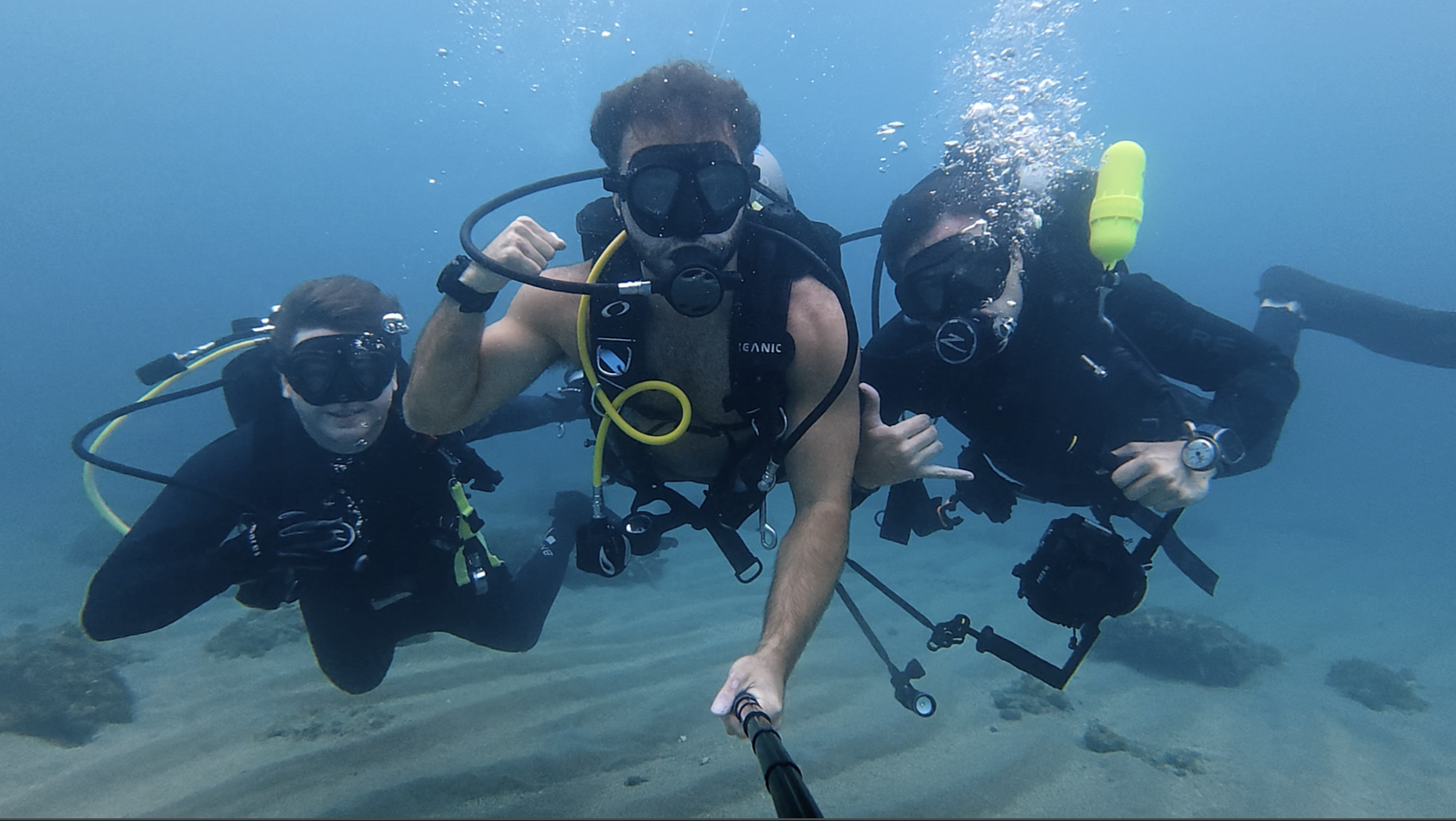
👋 It's Divemaster Austin
I'm inviting you to Dive Club, my global scuba diving community.
What you’ll find inside:
🤿 Dive meetups & group trips
🌍 Top dive sites shared by community members
⚙️ Gear tips & technique discussions
🤝 Diver's who’ve already linked up IRL
See you there!

.webp)
.webp)


