
.webp)
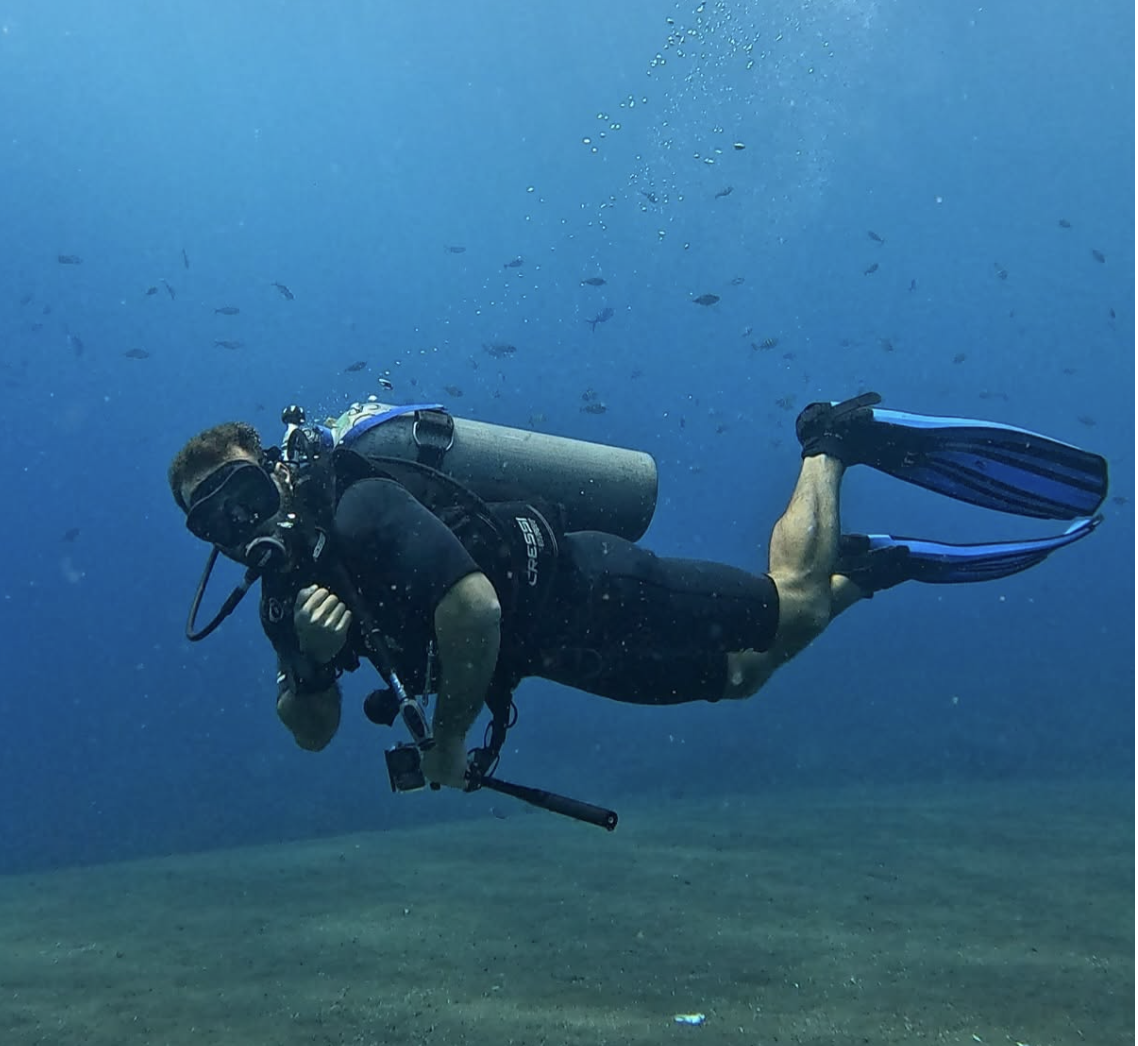
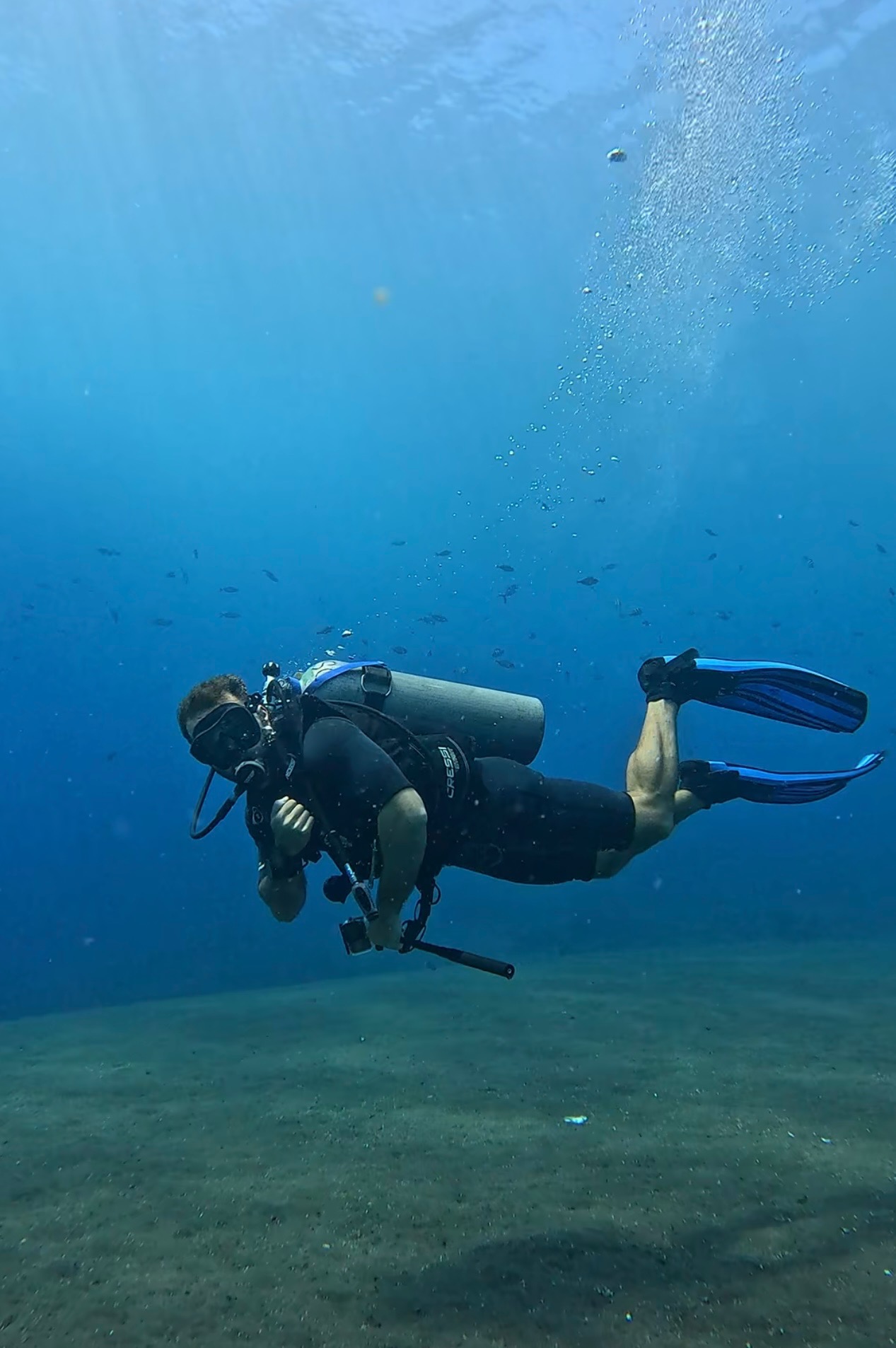
Solo scuba diving is generally legal in most countries, but adds many complications and added levels of risk.
Plenty of experienced divers (including myself) do it regularly.
The main restriction you'll run into is with charter boats and dive operators, who often require a Self-Reliant Diver certification for you to dive solo with them.
In this article, I'll cover the real risks of diving alone as well as the steps experienced divers take to mitigate them.
Risk #1: Running Out of Air
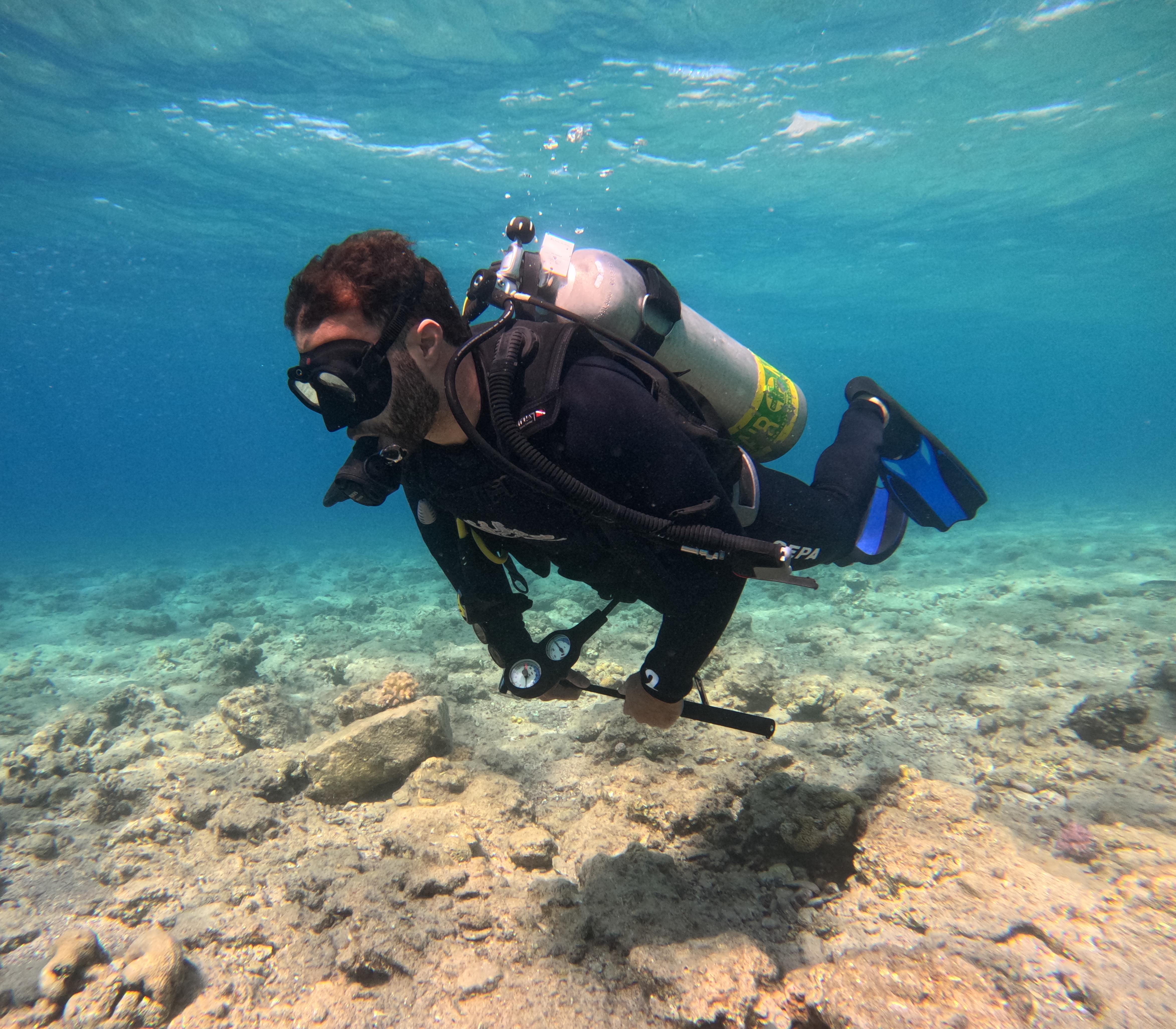
When you dive with a buddy, their octopus (secondary regulator) is your backup air source if yours fails or you run out of air.
Solo, that option doesn't exist.
The most common solution to this is carrying a pony bottle, a small independent air cylinder with its own regulator that you carry as a backup.
If your primary supply fails or runs low, you switch to the pony and end the dive. The Self-Reliant Diver course covers how to size and use one correctly.
Risk #2: No Exit Assistance
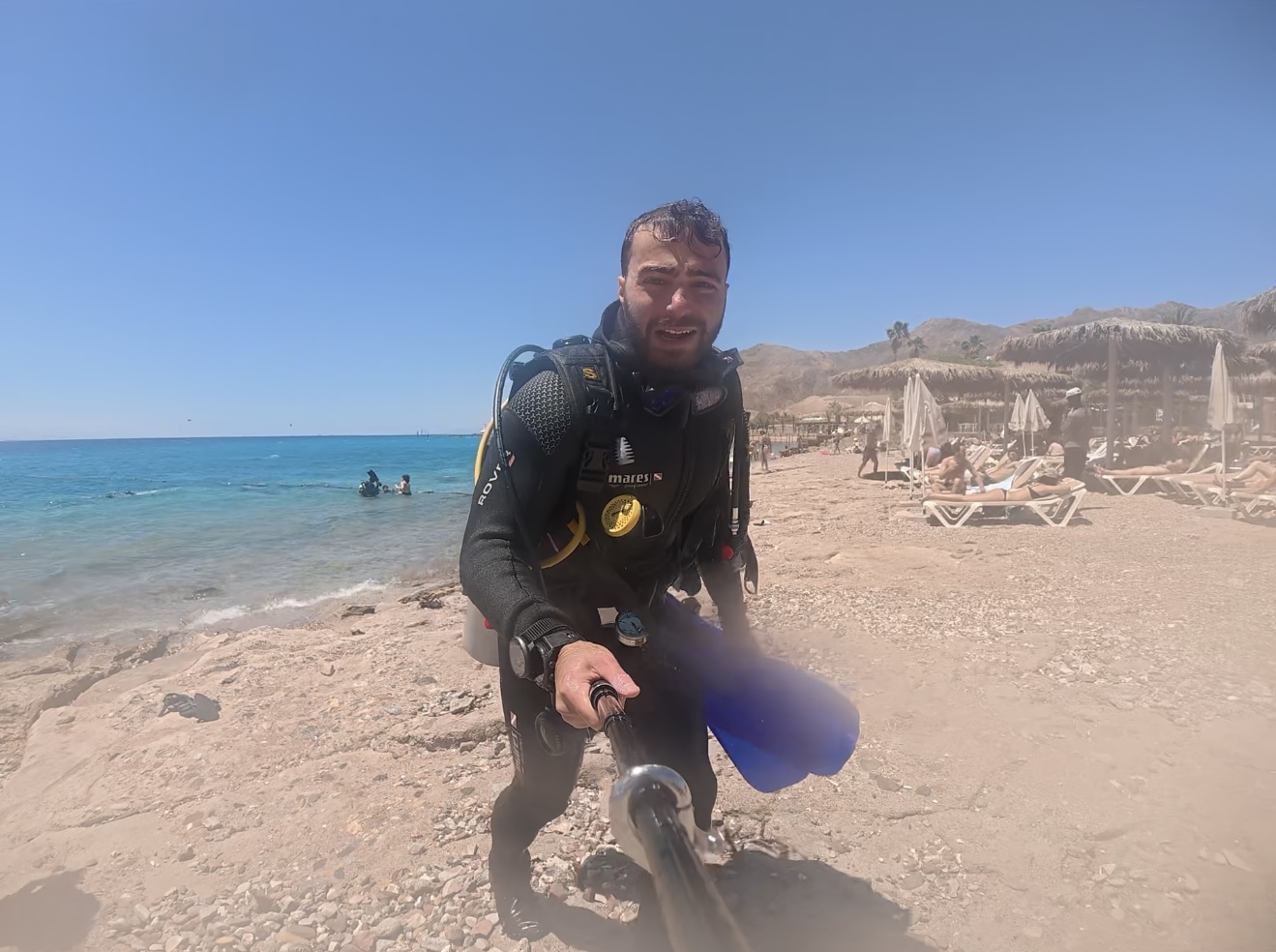
If something goes wrong at the surface or underwater, there's no one to help you get out of the water.
Before any solo dive, you need clear answers to these questions:
- How are you entering and exiting the water?
- Who knows you're diving, where, and when you expect to be back?
- What happens if you don't check in?
For boat diving, make sure the captain or crew knows you're in the water and when to expect you back.
For shore diving, tell someone your plan, and when to reach out to authorities if you don't return by a certain hour.
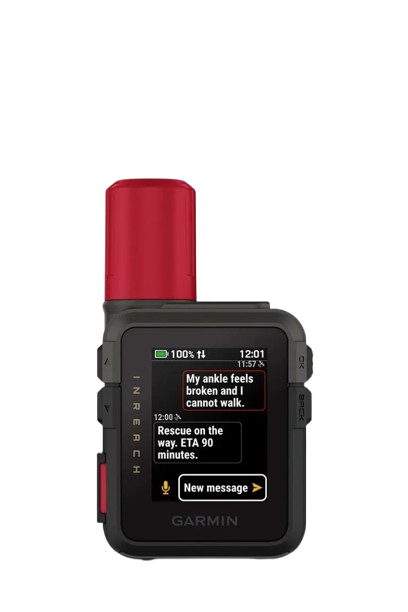
A Garmin inReach is worth carrying on any solo dive.
It gives you two-way satellite communication and sends your GPS coordinates to authorities.
If something goes wrong, rescue services know exactly where you are, not just that you're "somewhere off the coast."
.png)
It signals your position to boats and makes you visible at the surface. Deploy it before you ascend on every solo dive.
Risk #3: Entanglement
Fishing line, nets, and kelp are the most common culprits of entanglement, and pose a big risk diving solo.
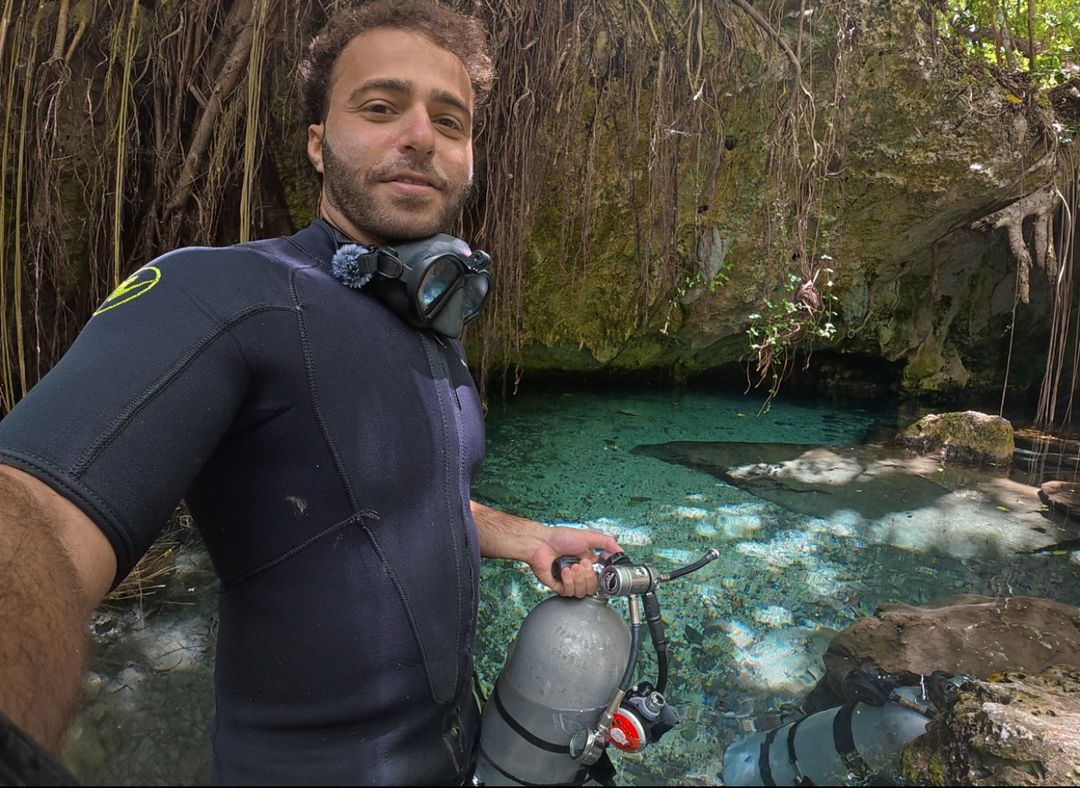
In an overhead environment like a wreck or cave, entanglement is more serious. You can't always surface directly, and you may be disoriented.
Always carry a dive knife or line cutter.
There have been dives I've been entangled in fishing line, and having a dive buddy around would have made freeing myself easier.
Risk #4: Wildlife Aggression
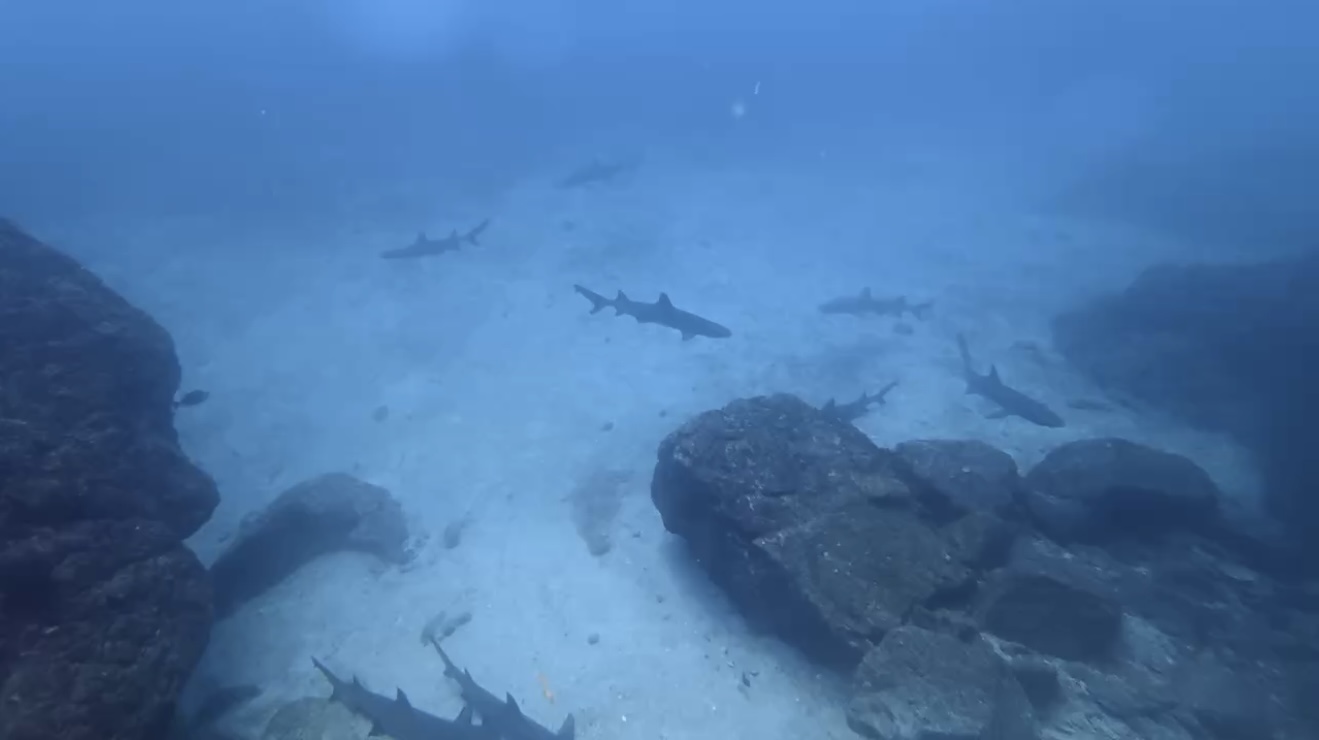
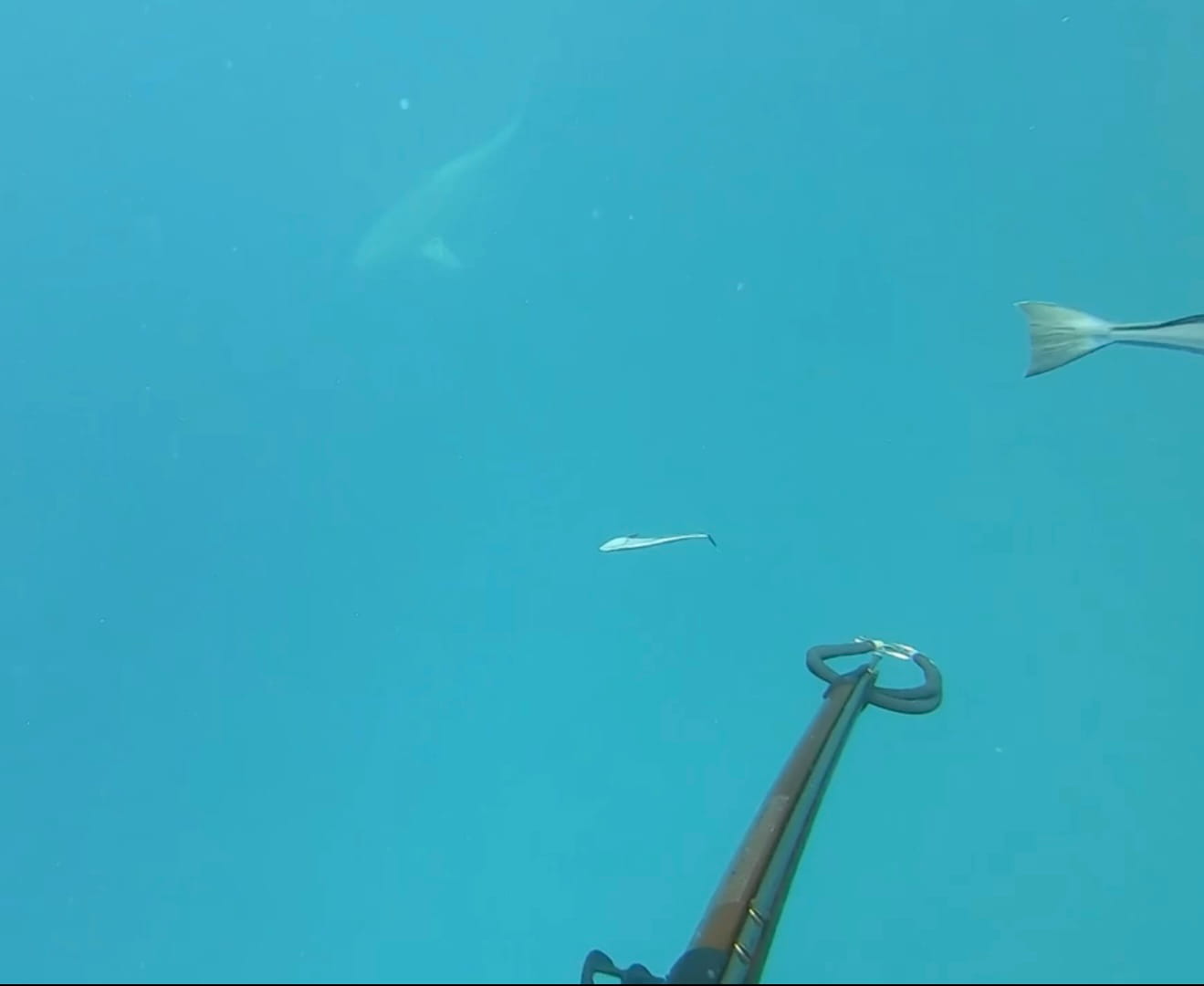
In my experience, sharks behave differently around groups than around solo divers.
A dive buddy naturally covers your blind spot.
When you're alone, there's no one watching your back.
Do regular 360-degree turns during the dive more often than you otherwise would.
Gear Checklist for Solo Diving
Beyond your standard kit, solo divers should carry:
- Pony bottle with independent regulator
- SMB (surface marker buoy) and spool
- Dive knife or line cutter
- Dive light, useful for signaling and inside overhead environments even in daylight
- Garmin inReach or equivalent for surface emergencies
- Audible and visual surface signals (whistle, mirror, or signal tube)
Do You Need a Solo Diving Certification?
A Self-Reliant Diver certification is not legally required to dive alone in the United States. Rules vary by country, so check before you travel.
Most major training agencies, including PADI and SSI, offer the course, and it covers gas planning, emergency procedures, and equipment configuration specific to solo diving.
Some dive operators won't let you dive solo without it. Some dive operators won't let you dive solo even with the certification.
I solo shore dive in Florida regularly.
The Bottom Line
Solo diving isn't inherently reckless. It's a different risk profile that requires more preparation, better gear redundancy, and honest self-assessment.
For those that prepare properly, it can be really rewarding, allowing you to get in the water more often than you usually would.
The divers who do it well are usually the ones who take it the most seriously.
If you have any questions about scuba diving solo, be sure to join Dive Club, so I can answer you personally in real time.
Let's Dive Together
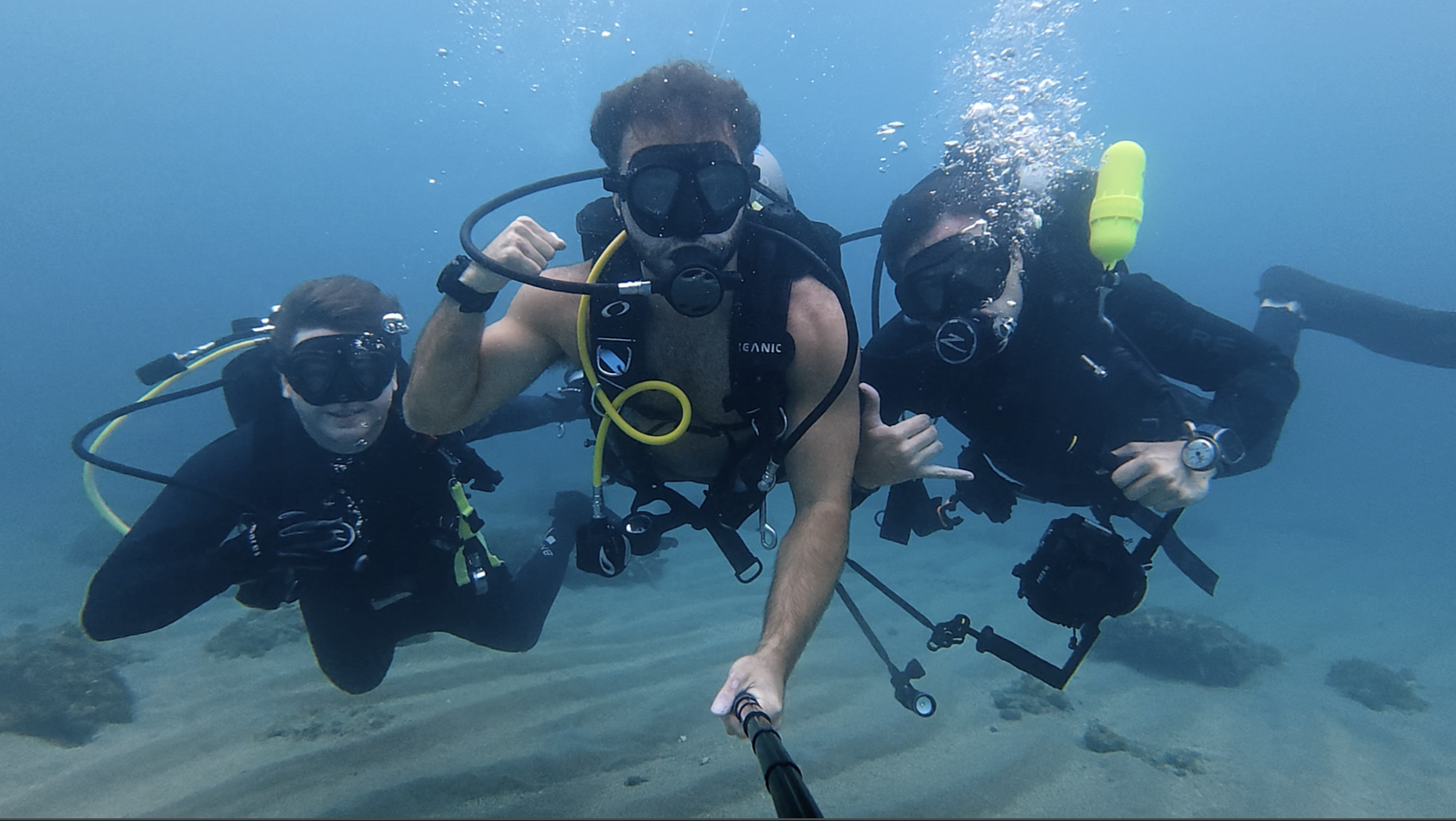
👋 It's Divemaster Austin
I'm inviting you to Dive Club, my global scuba diving community.
What you’ll find inside:
🤿 Dive meetups & group trips
🌍 Top dive sites shared by community members
⚙️ Gear tips & technique discussions
🤝 Diver's who’ve already linked up IRL
See you there!

.webp)
.webp)